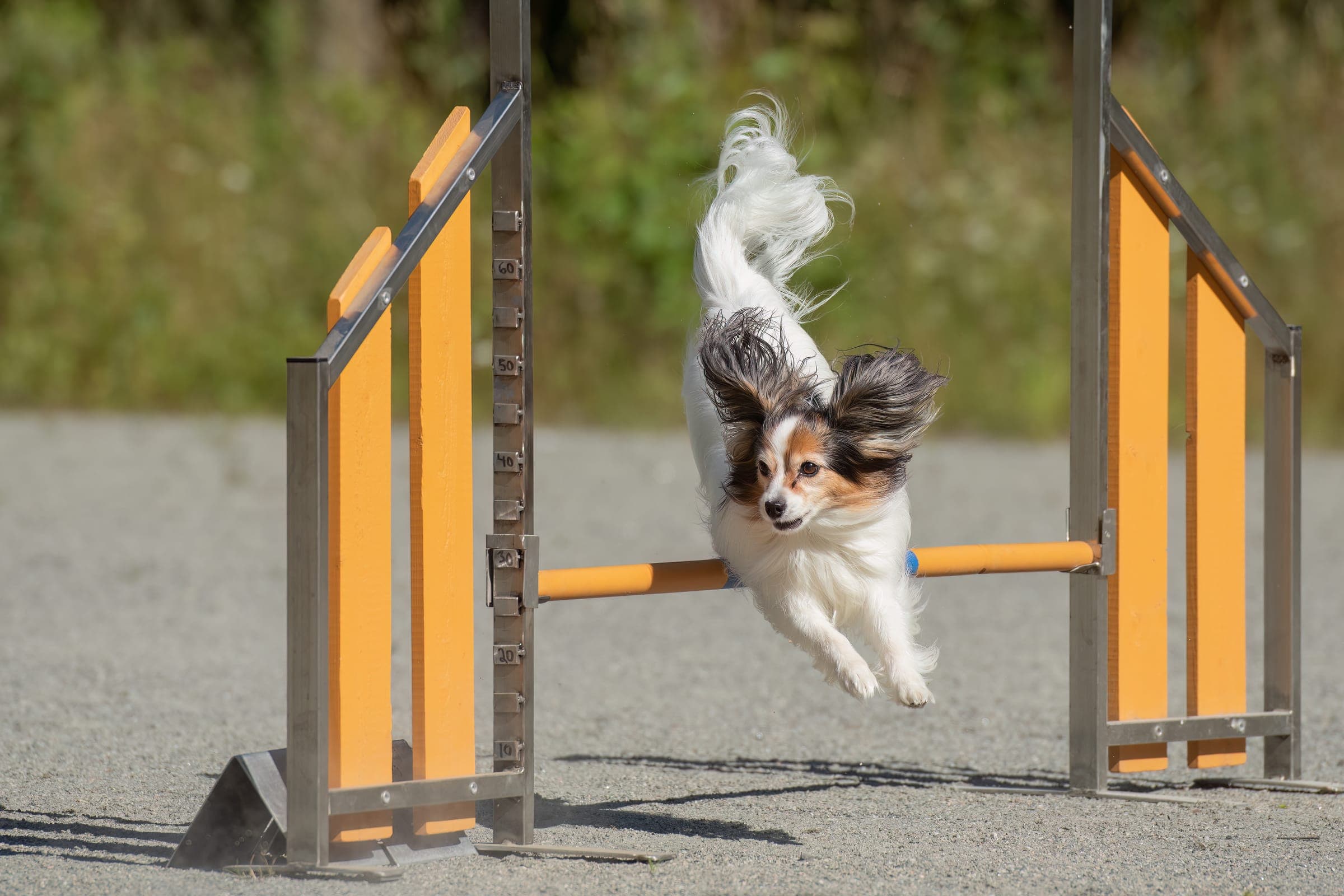
Discover Agility
A timed obstacle course where dogs run off-leash and handlers steer with body language, voice, and timing — one of the most popular dog sports in the country, with seven US sanctioning bodies running parallel programs.
01 · What is it
Agility is an off-leash sport where the dog runs a numbered obstacle course against the clock while the handler directs from the ground. The course is set by a judge and revealed only on trial day. Handlers walk the course in person for eight minutes before the class begins, plan their handling on foot, then execute it while running alongside the dog. Obstacles draw from a fixed vocabulary: jumps, tunnels, weave poles, and the three contact obstacles (A-frame, dogwalk, teeter), with a pause table appearing in some classes. Agility tests speed, accuracy, focus, and the legibility of the team. Handlers cue with body rotation, foot timing, and voice. Dogs read those cues at a distance and commit to obstacles independently.
Agility suits dogs who like to learn, problem-solve, and work closely with their handler. High energy is helpful, but precision and trainability matter more than raw drive. Multiple jump-height divisions mean Papillons and Great Danes both compete — the sport scales by size, not against it. Dogs need to be physically sound: healthy hips, joints, eyes, and conditioning. Reactive dogs can succeed with experienced trainers, but trial environments are loud, busy, and crate-heavy. Reactivity adds work, not options.
02 · The obstacles
Course design varies by organization, class level, and judge, but most courses draw from the same core obstacle pool. The three contact obstacles — A-frame, dogwalk, teeter — require the dog to touch a colored 'contact zone' with at least one paw at both the entry and exit. Missing a contact zone is a fault, and learning reliable contacts is one of the technical skills that separates agility from simpler speed-and-jump sports.
03 · AKC progression
AKC is the largest and most accessible US agility organization for newcomers. Trials run nearly every weekend across the country. AKC is open to AKC-registered purebreds, mixed-breed dogs enrolled in the Canine Partners program, and unregistered purebreds enrolled via PAL (Purebred Alternative Listing). Title progression at AKC moves through Novice, Open, Excellent, and Master, with the MACH and PACH championships beyond Master. Each class type — Standard, JWW, FAST — has its own progression, so dogs earn titles like Novice Agility (NA), Novice Agility Jumper (NAJ), and so on across multiple class types in parallel.
04 · USDAA progression
USDAA (United States Dog Agility Association) is the primary US organization with an international-style course design philosophy, closely aligned with FCI standards used in World Championship competition. Open to all breeds and mixed breeds. USDAA's structure rewards versatility — championship titles require qualifying scores across all five core class types, not just Standard. The progression runs from Starters / Novice through Advanced and Masters, with the ADCH (Agility Dog Champion) as the premier title. The Performance program (P-levels) runs in parallel at lower jump heights with equivalent titles.
05 · NADAC progression
NADAC (North American Dog Agility Council) is built around flowing, ground-saving courses and distance work rather than tight technical handling. There's no teeter, the jump height tops out at 20 inches, and the lines stay open and safe. Its signature is the Chances class — a pure distance-and-directional test where the handler stays behind a line — plus a deep bench of non-jumping classes (Tunnelers, Hoopers, Weavers, Touch N Go) that make it one of the most joint-friendly venues. Open to all breeds and mixes.
06 · UKI progression
UK Agility International (UKI) brings UK- and European-style course design to the US — twisty, technical sequences that reward international handling. It's a separate organization from UKC, the United Kennel Club. Dogs progress by accumulating level points for clear rounds across two parallel programs: the International Program (Agility, Jumping, and Games classes) and the Speedstakes Program (fast, flowing courses). Eleven jump heights and a beginner-friendly Select class — smooth courses without the teeter, tire, spread, or weave poles — keep it accessible to green dogs. Open to all breeds and mixes.
07 · CPE progression
Canine Performance Events (CPE) is the most beginner-friendly of the US venues — lower-pressure trials, generous course times, and a games-rich schedule. Dogs advance through numbered Levels 1 to 5 and then Championship (Level C), titling at each level before moving up so progress feels steady. Seven class types mix straightforward numbered courses (Standard, Jumpers) with strategy games (Snooker, Jackpot, Colors, Wildcard, FullHouse). Entry categories — Regular, Specialist (lower jumps), and Enthusiast — keep it accessible. Open to all breeds and mixes.
08 · ASCA progression
The Australian Shepherd Club of America (ASCA) runs an all-breed agility program — you don't need an Aussie. Three class types (Regular, Jumpers, Gamblers) each run through three levels (Novice, Open, Elite), and the premier title is the Agility Trial Champion (ATCH). ASCA's distinctive accessibility feature is ACE (Agility Competition Enthusiast): dogs jump one height lower with extra course time — a true lower-impact pathway that runs alongside the standard program rather than as a consolation track.
09 · UKC progression
UKC (United Kennel Club) runs an all-breed agility program that folds into its multi-sport Total Dog awards. The minimum age is 15 months — older than most venues. Progression runs Beginner → Intermediate → Excellent, with championship tiers beyond. A standout accessibility feature: any dog may run the Minimum Jump Height regardless of age or size (with a small time allowance), so lower-impact competition is built into the standard program. Open to all breeds and mixes via Performance Listing.
10 · All seven side by side
Each of the seven orgs has its own tab above. This is the at-a-glance version — the headline differences in one grid. (Reminder: UKI is UK Agility International, separate from UKC.) Titles don't transfer between organizations.
| AKC | USDAA | NADAC | UKI | CPE | ASCA | UKC | |
|---|---|---|---|---|---|---|---|
| Role / footprint | Largest US org; most trial availability | International-style championship culture | Distance-handling niche; distinctive classes | UK-style; growing US presence | Beginner-friendly; lower-pressure | Aussie-origin; open to all breeds | All-breed registry program; Total Dog |
| Course style | Technical precision; Standard / JWW / FAST | FCI-aligned, challenging courses | Flowing; no teeter; 20" jump cap | UK international course design | Game-class variety | Standard courses; ACE lower-impact option | Standard courses; min-jump-height option |
| Eligibility | Purebreds + Canine Partners + PAL | All breeds + mixes | All breeds + mixes | All breeds + mixes | All breeds + mixes | All breeds | All breeds/mixes; 15-month min age |
Titles do not transfer between organizations — a MACH isn't an ADCH, and neither is a UGRACH. Most active competitive handlers train and trial in three or more venues to reach different course-design philosophies and whatever trials run nearest them.
11 · Getting started
Agility starts with foundation classes, not full-course work. The sport rewards patience and systematic skill-building over rushing toward competition, and physical readiness is non-negotiable. Most reputable trainers will not allow full-height jumping before about 12 months of age and will not start contact obstacle training (A-frame, dogwalk, teeter) before 14–18 months due to growth plate and joint development concerns. Jumping or contact work too early can cause permanent damage. Competition age minimums are higher than training-start age: AKC requires 15 months to enter a trial; USDAA, 18 months.
12 · Your first trial
Agility trials are busy, chaotic environments. Multiple rings running simultaneously, dozens of dogs crated in vehicles or indoor crating areas, handlers walking courses on a tight schedule. First trials overwhelm handlers more than dogs.
13 · What it costs
Costs vary widely by training intensity, competition frequency, equipment choices, and region. Below is an honest cost picture based on current premiums and handler-community discussions, with regional examples flagged because the spread is real.
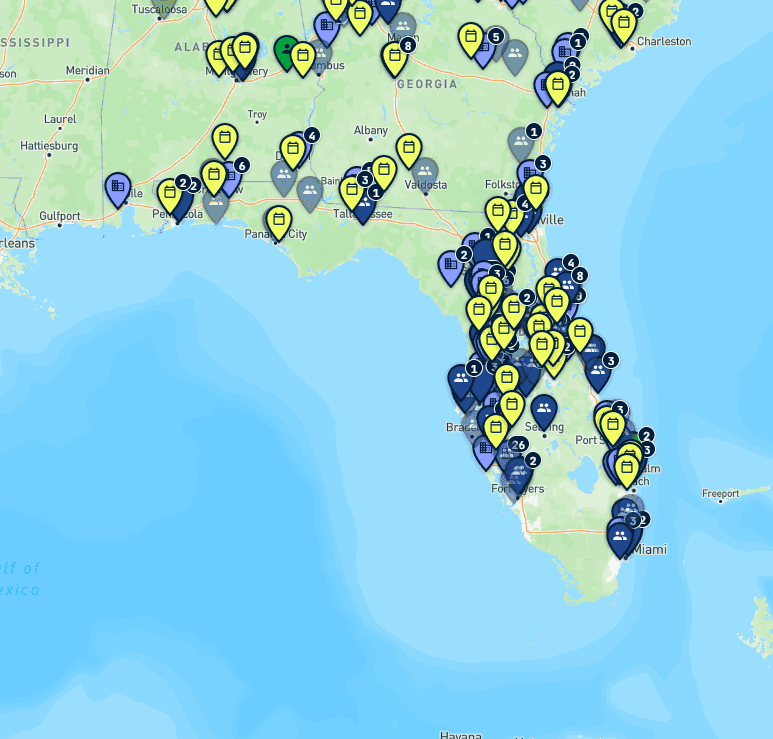
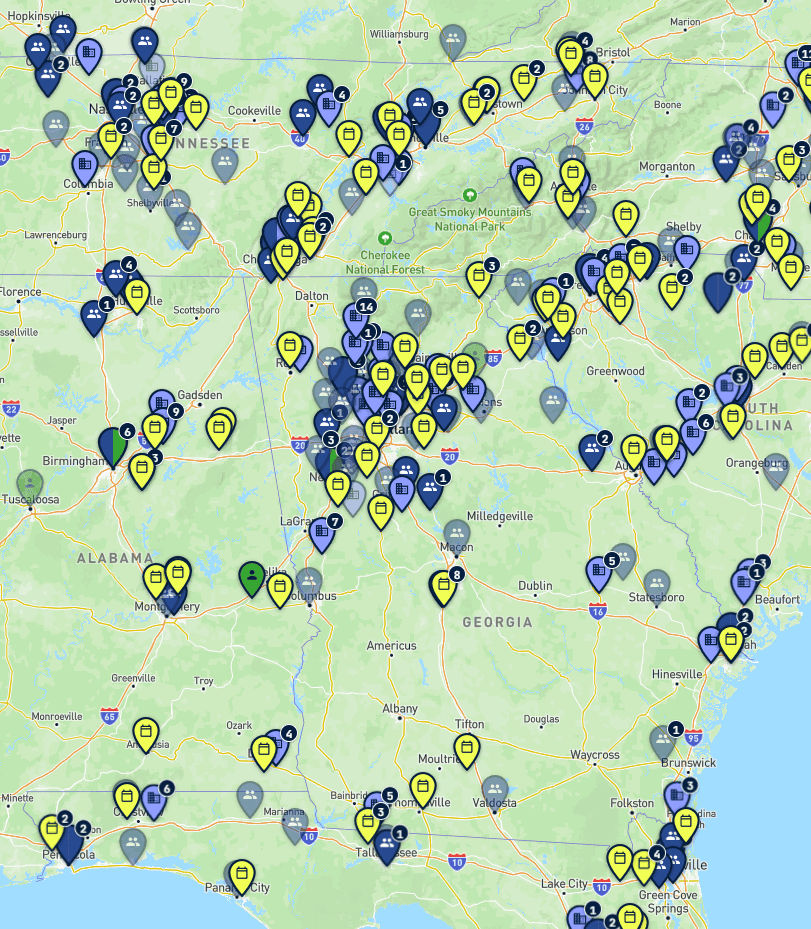
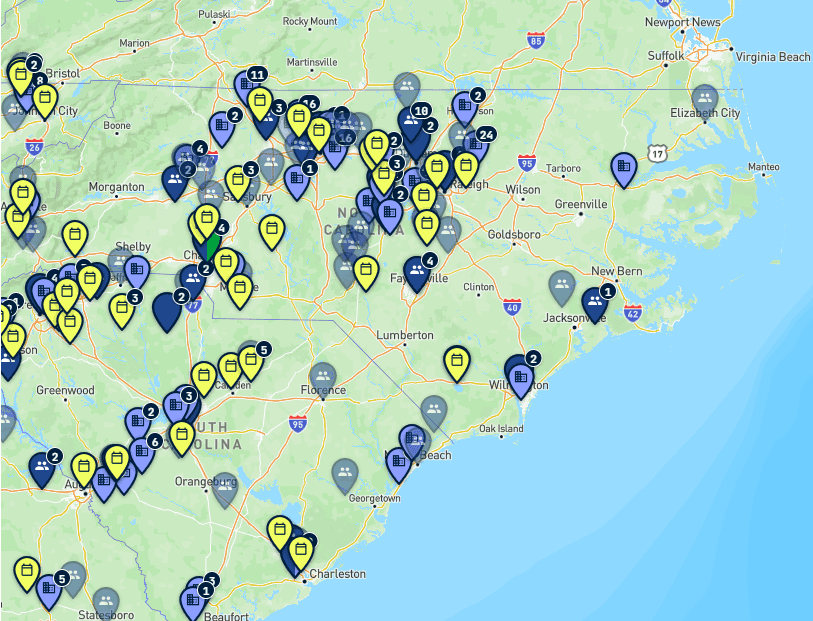
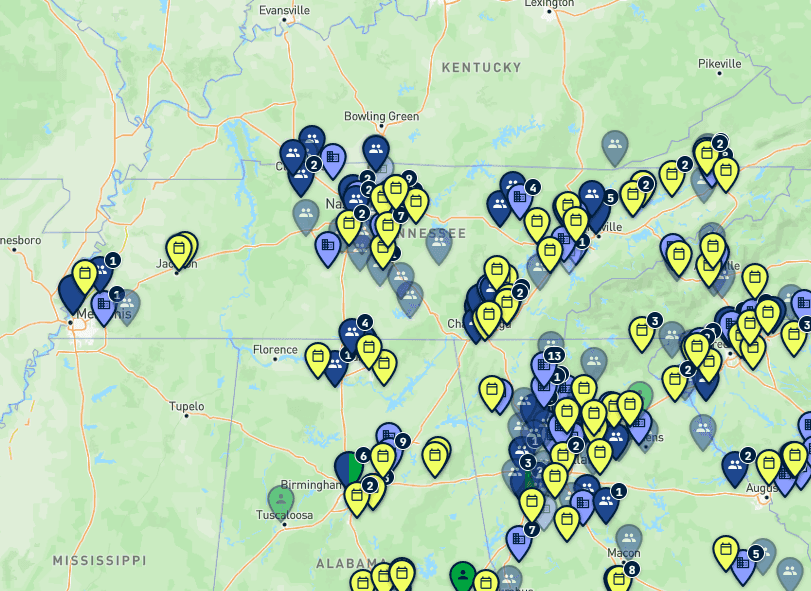
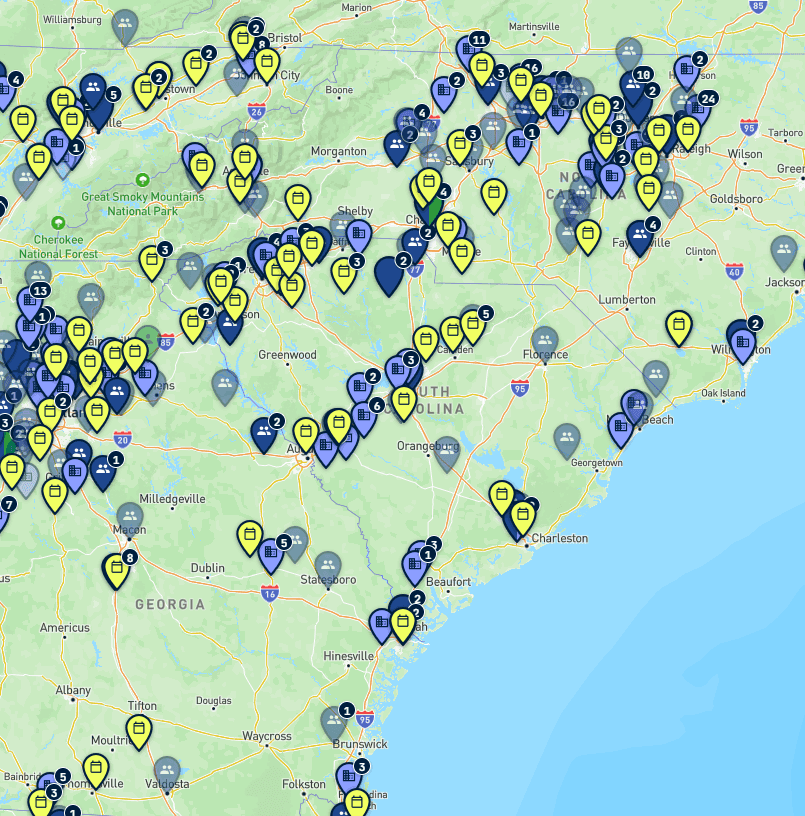
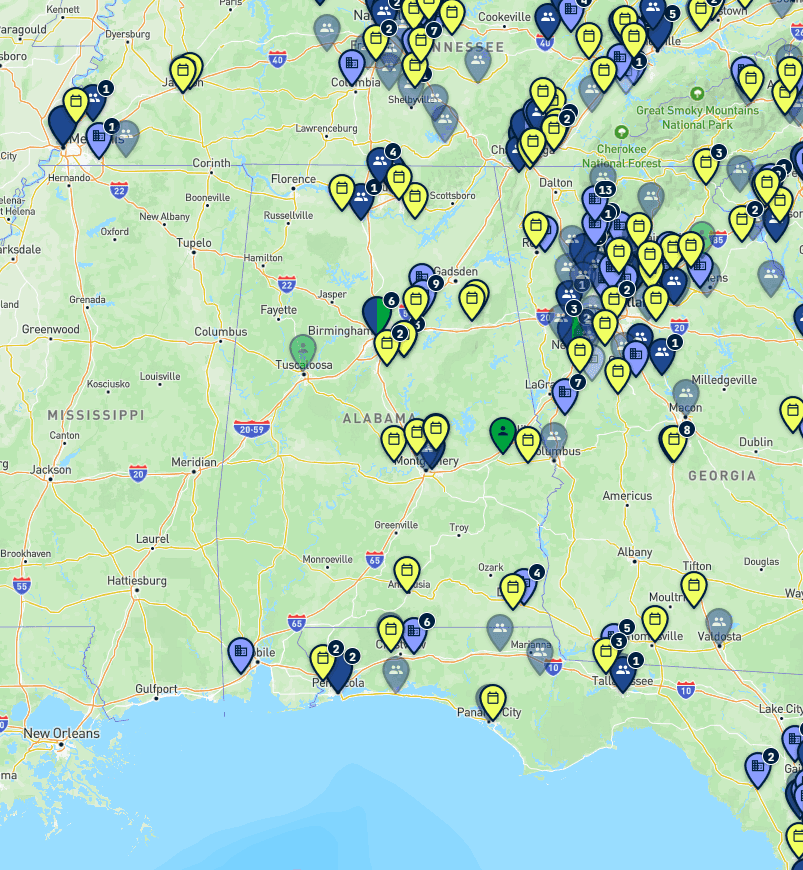
Find agility near you.
Made for agility.
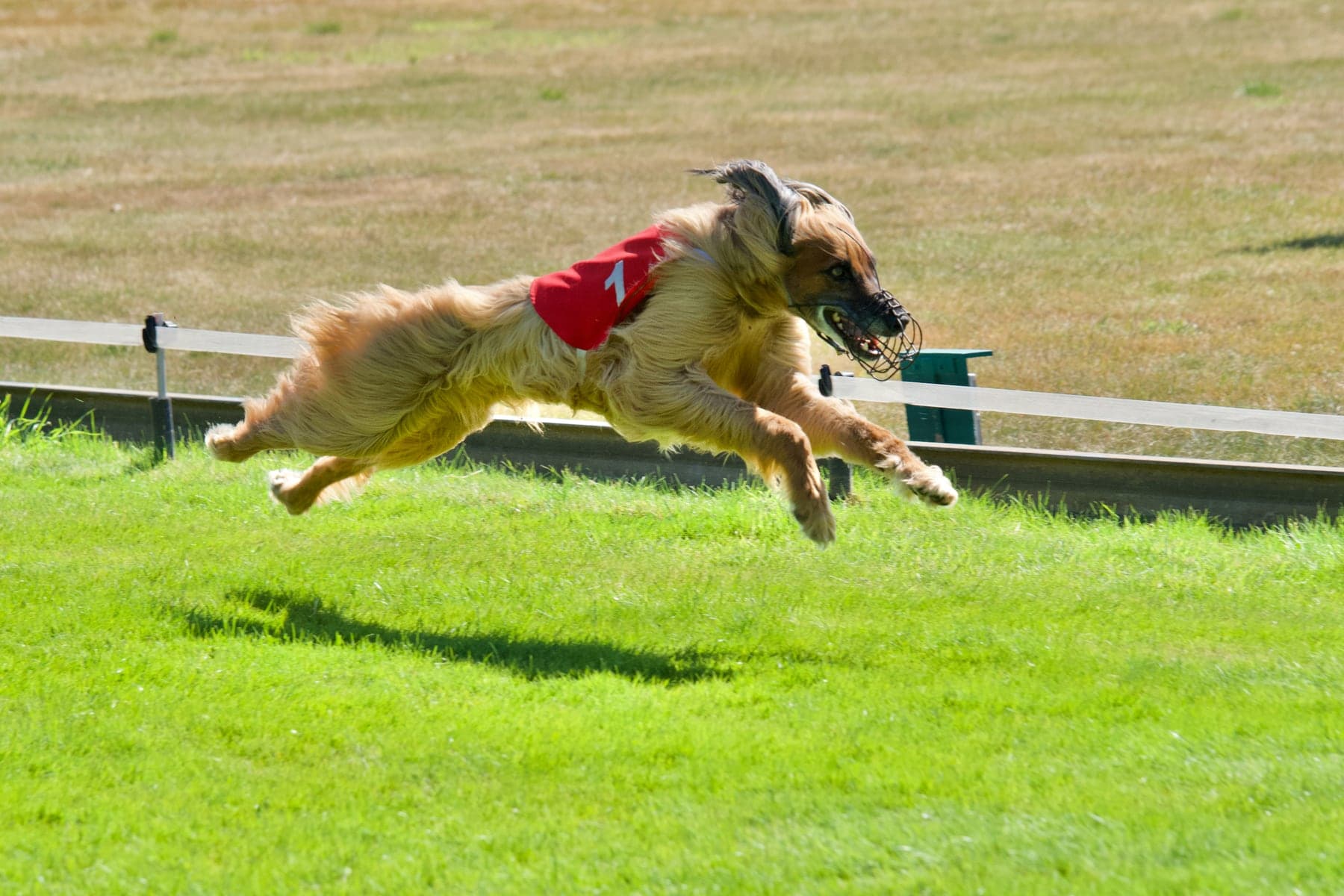
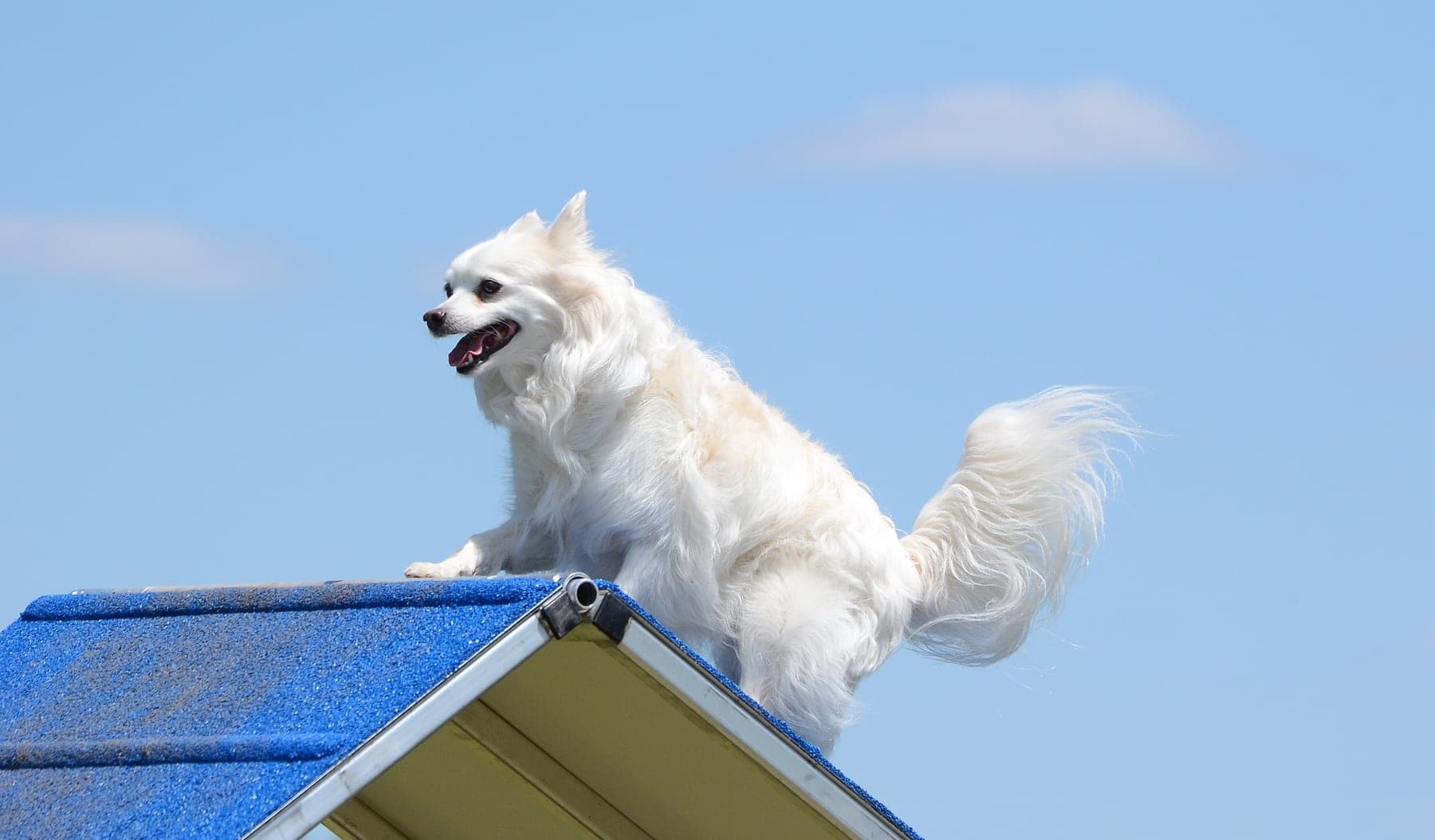
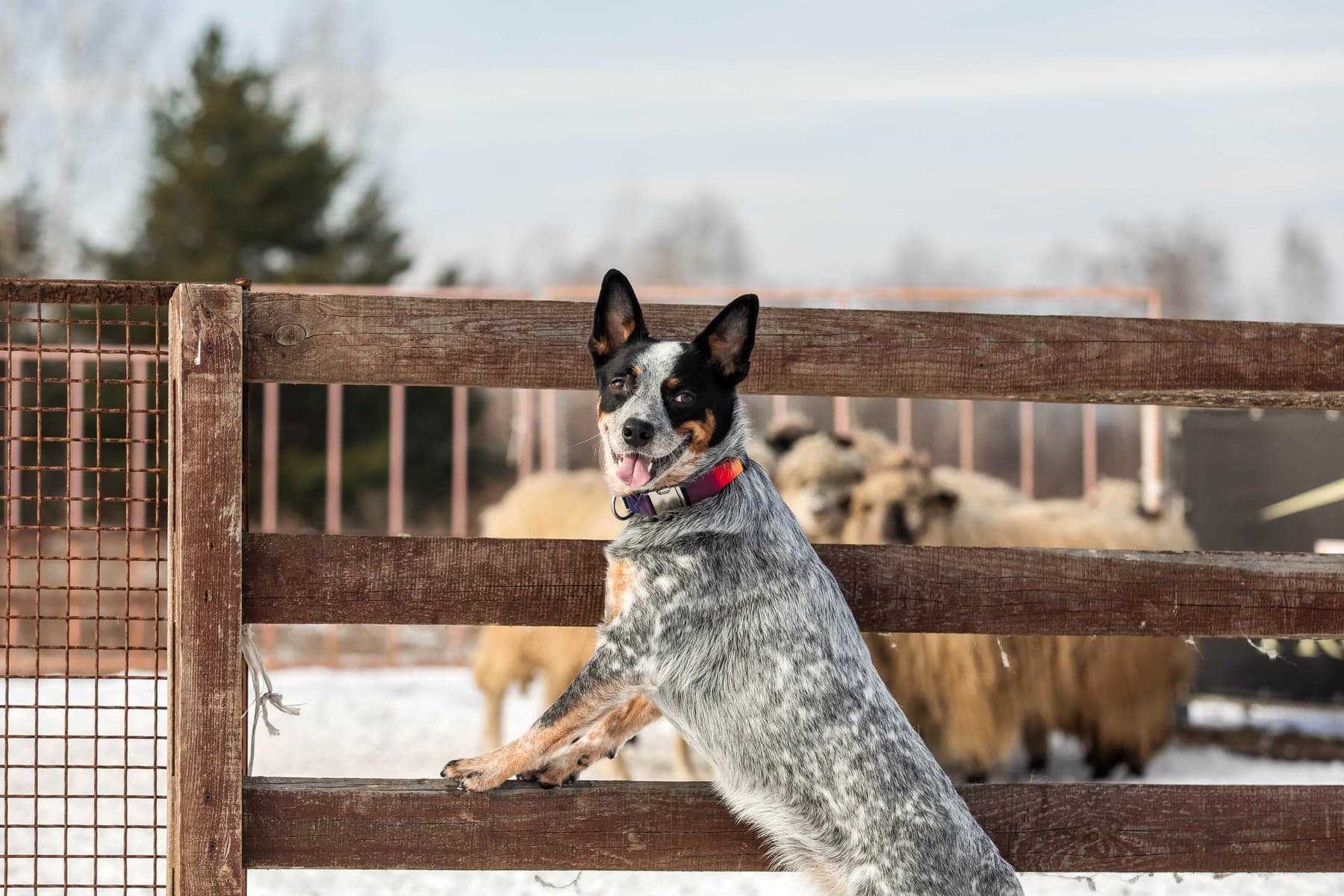
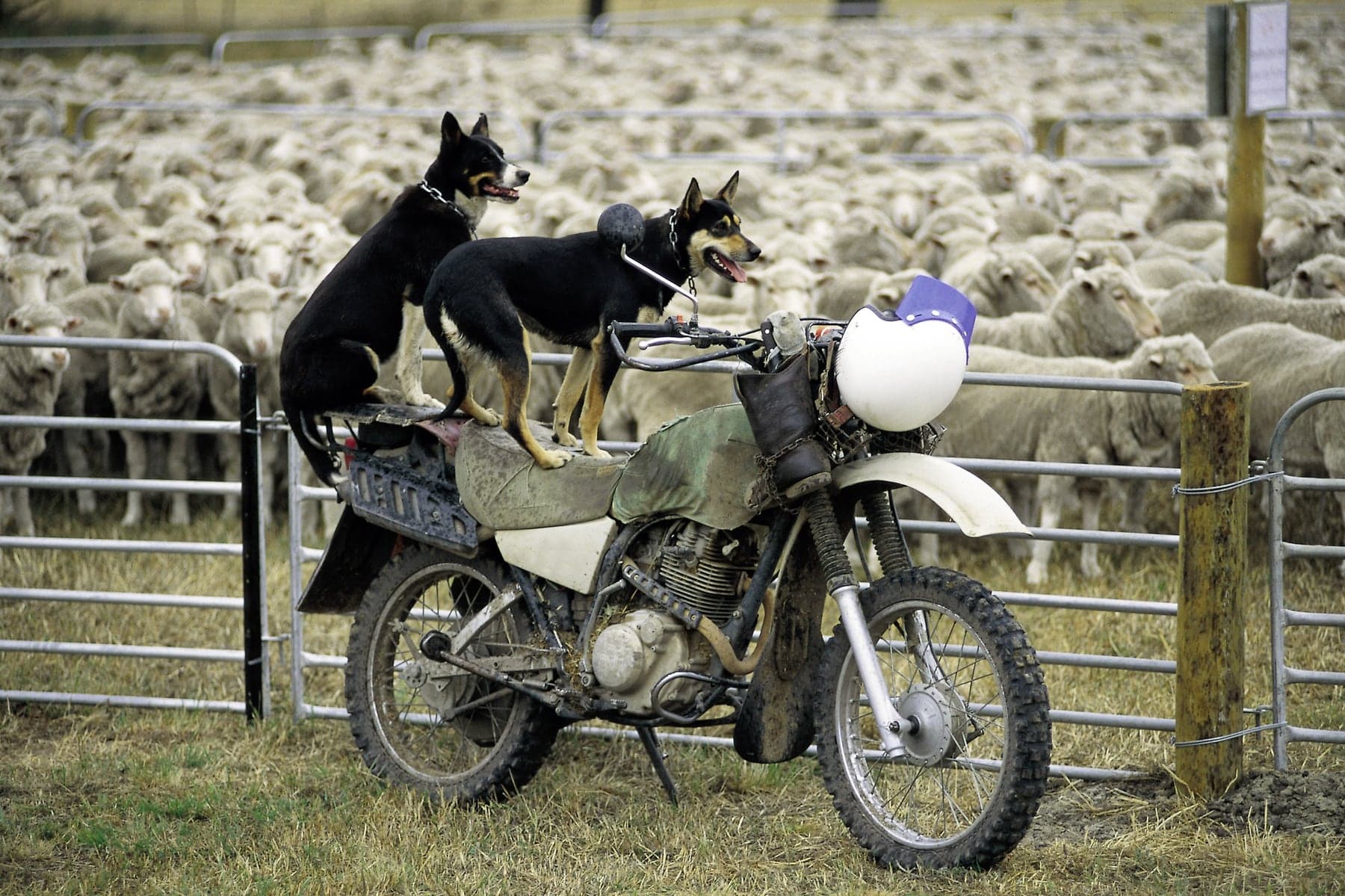
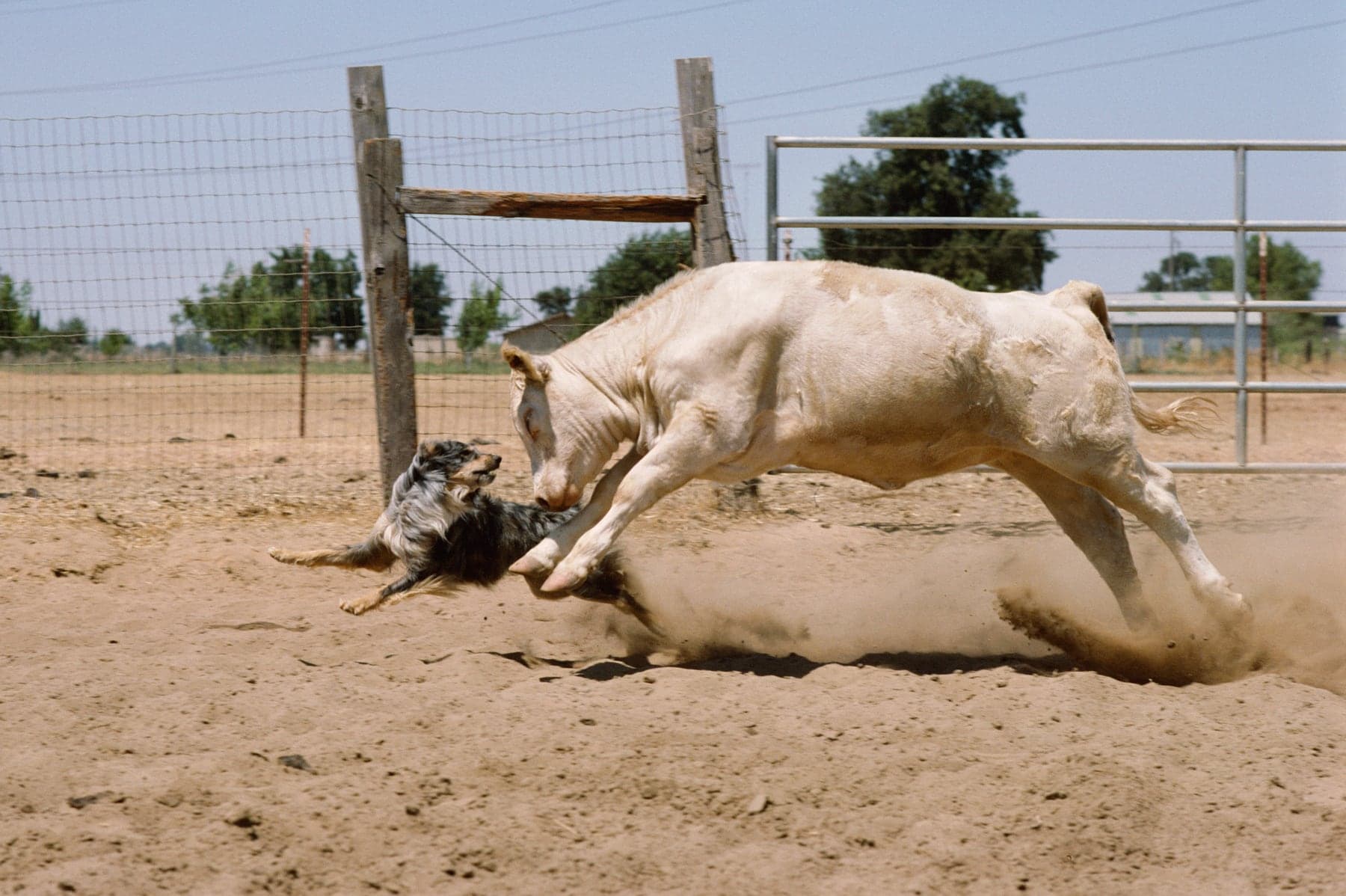
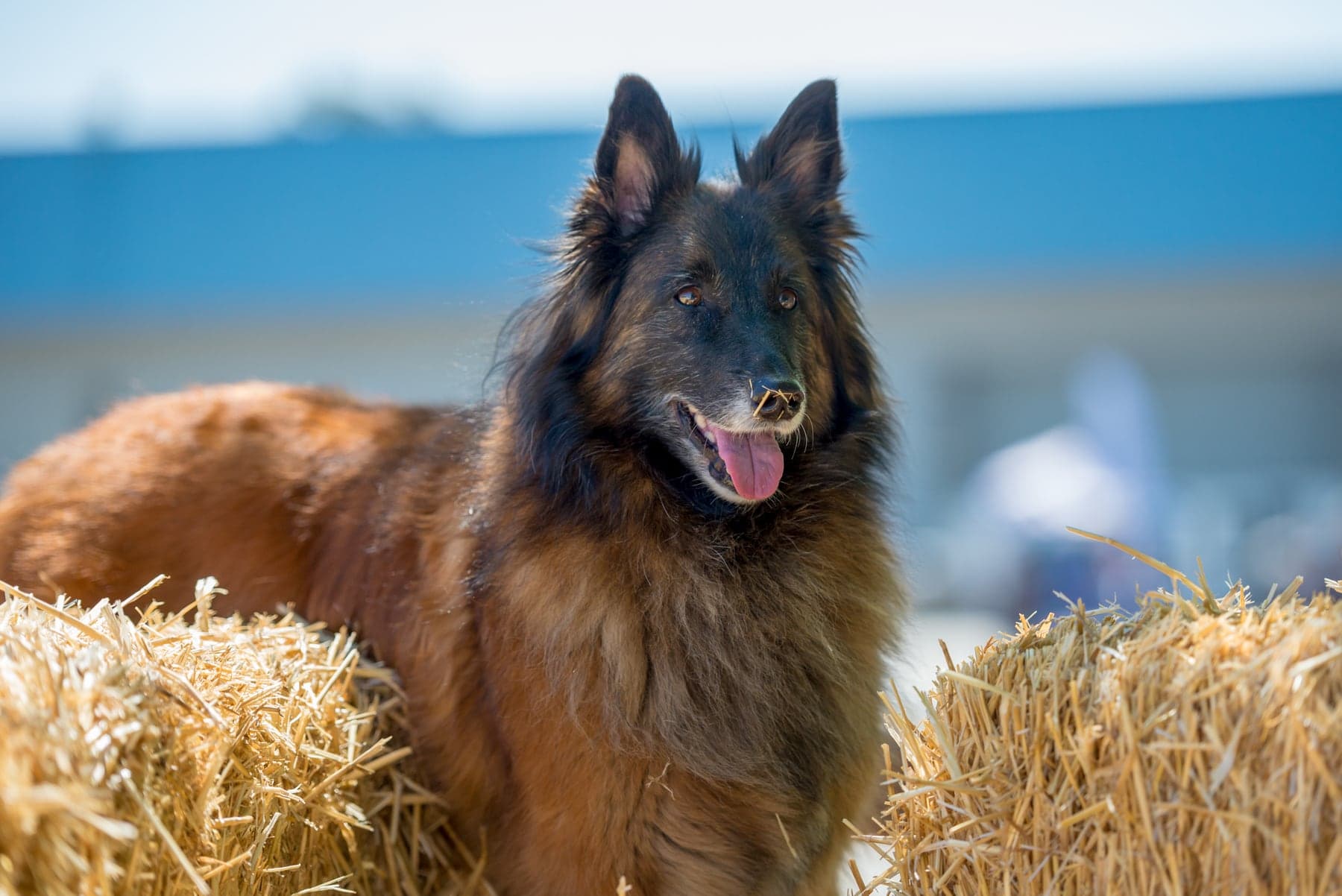
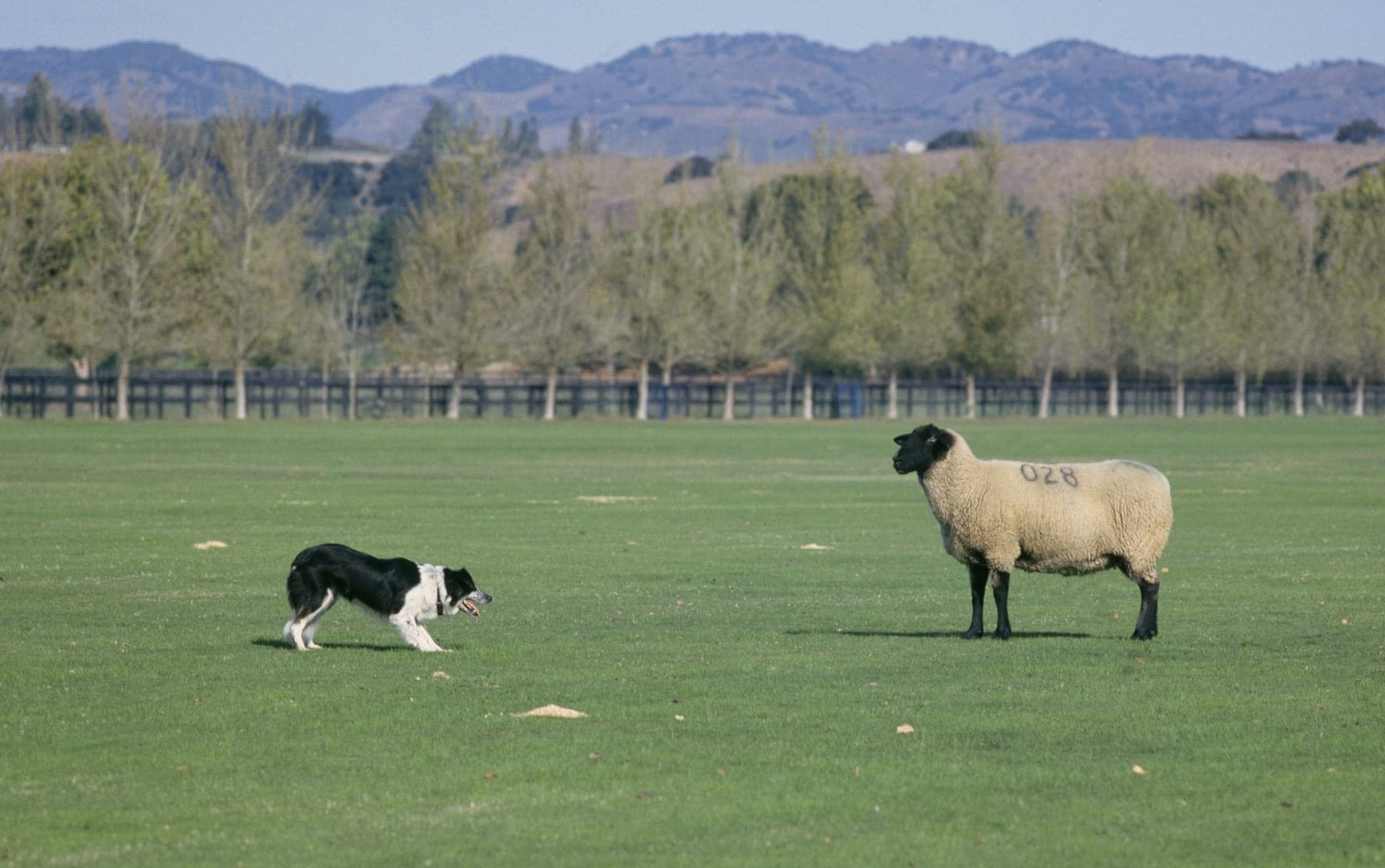
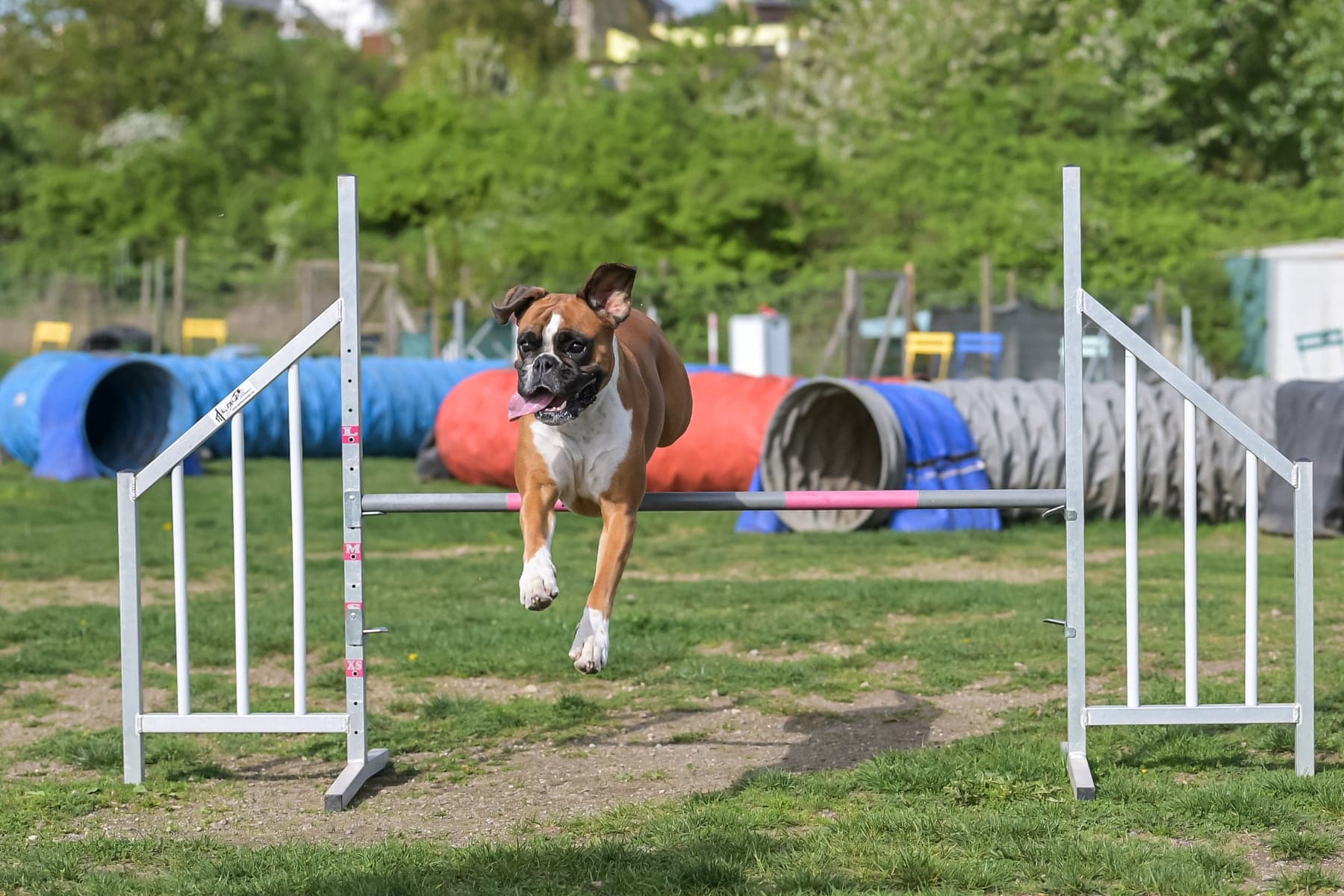
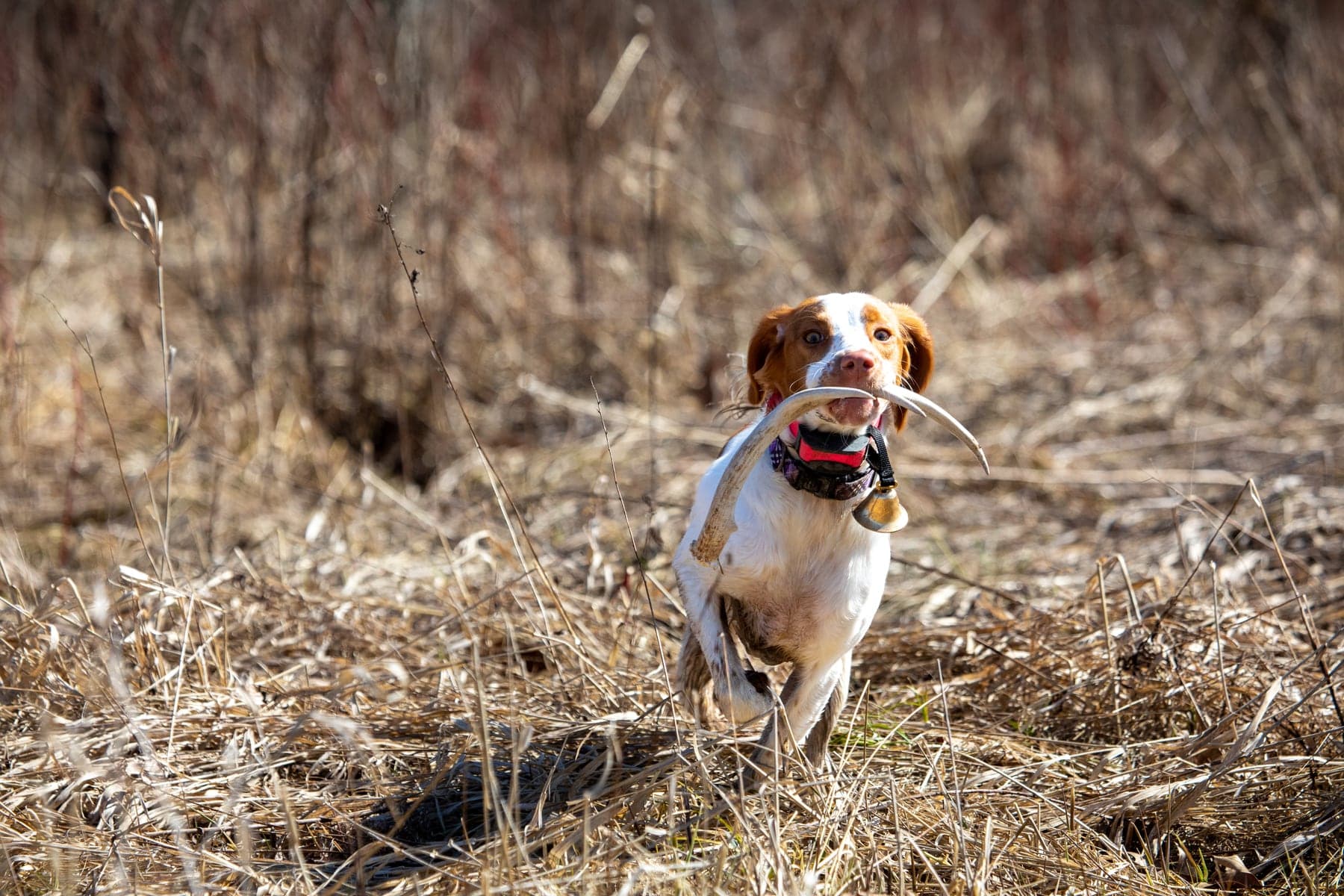
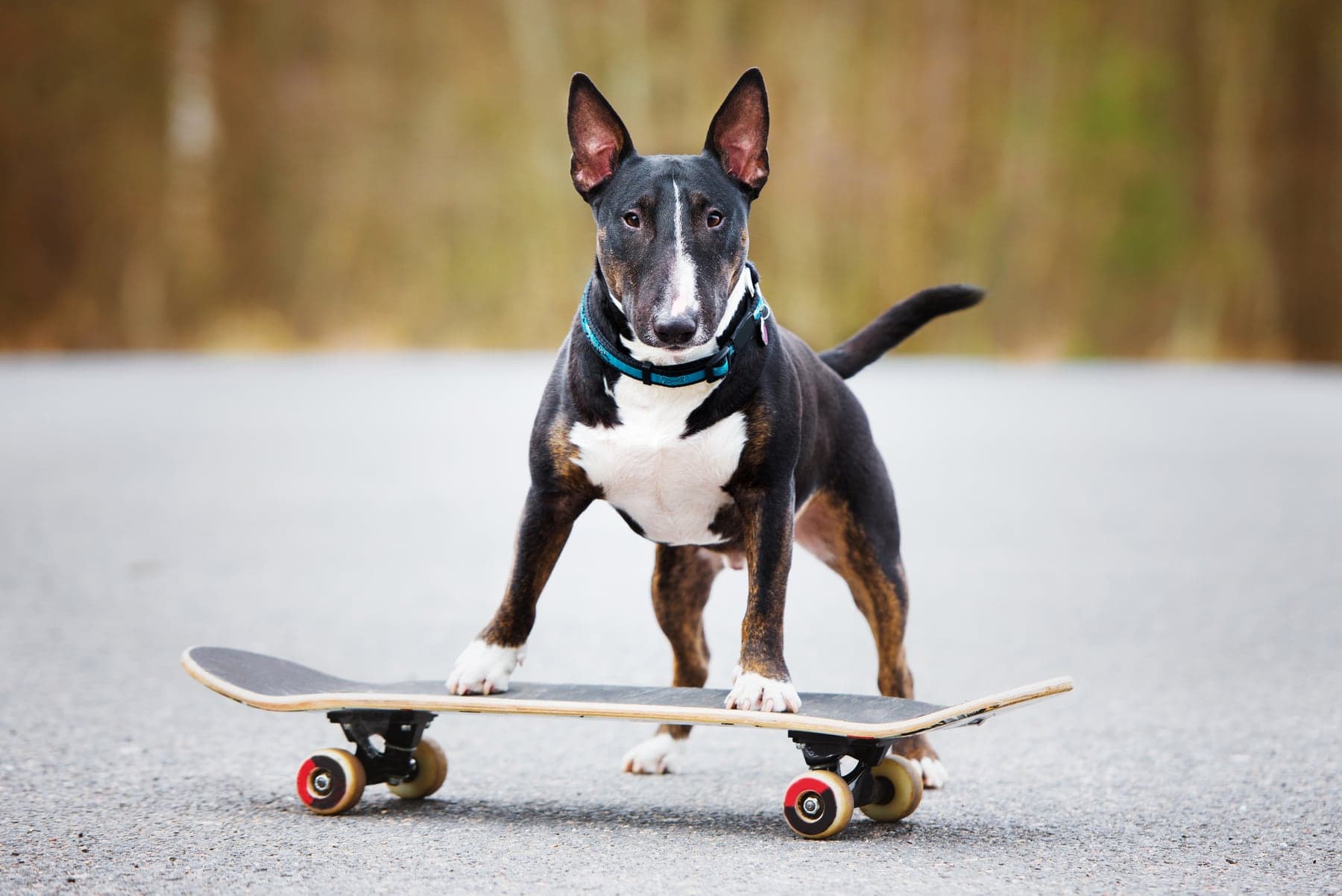
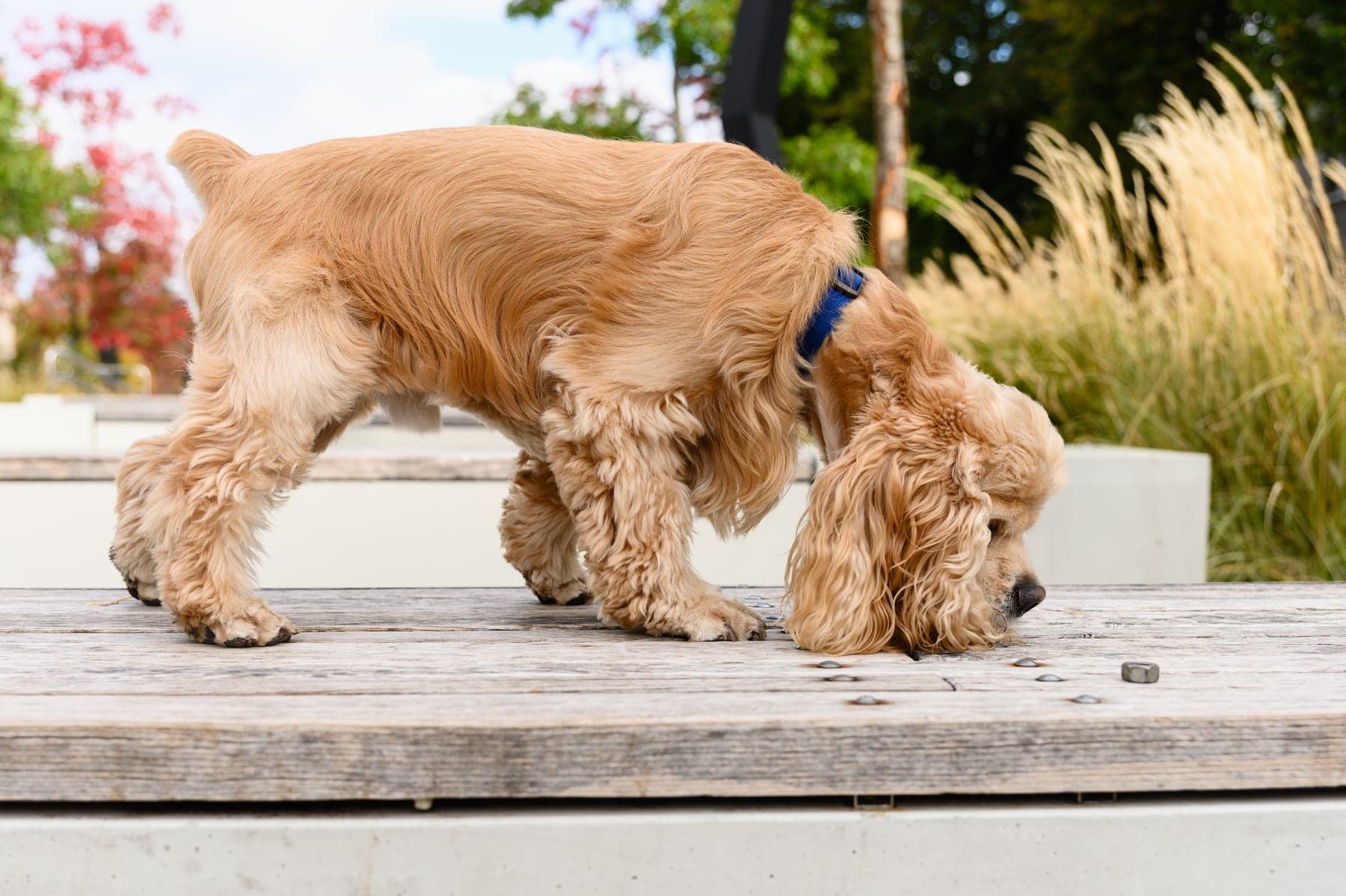
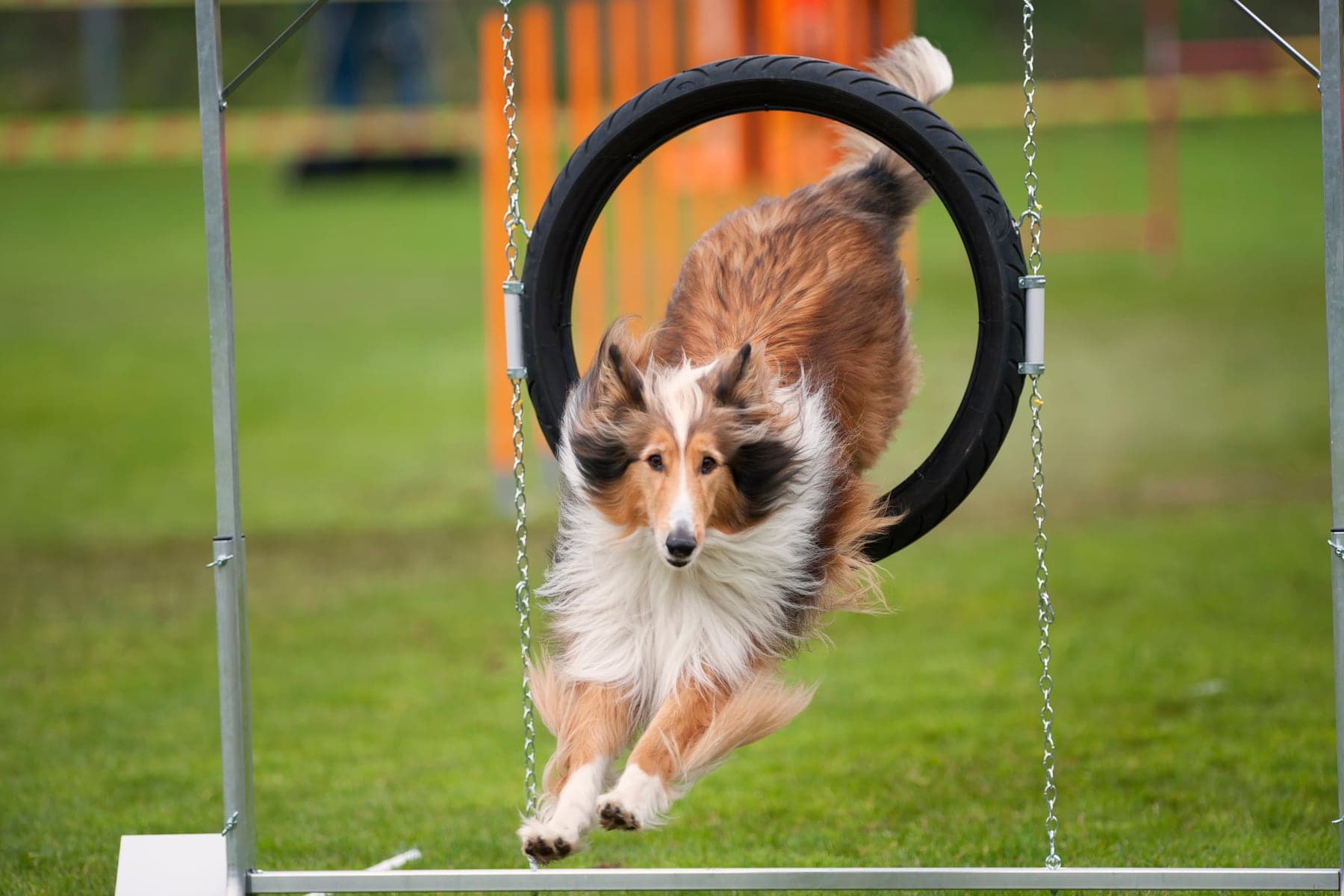
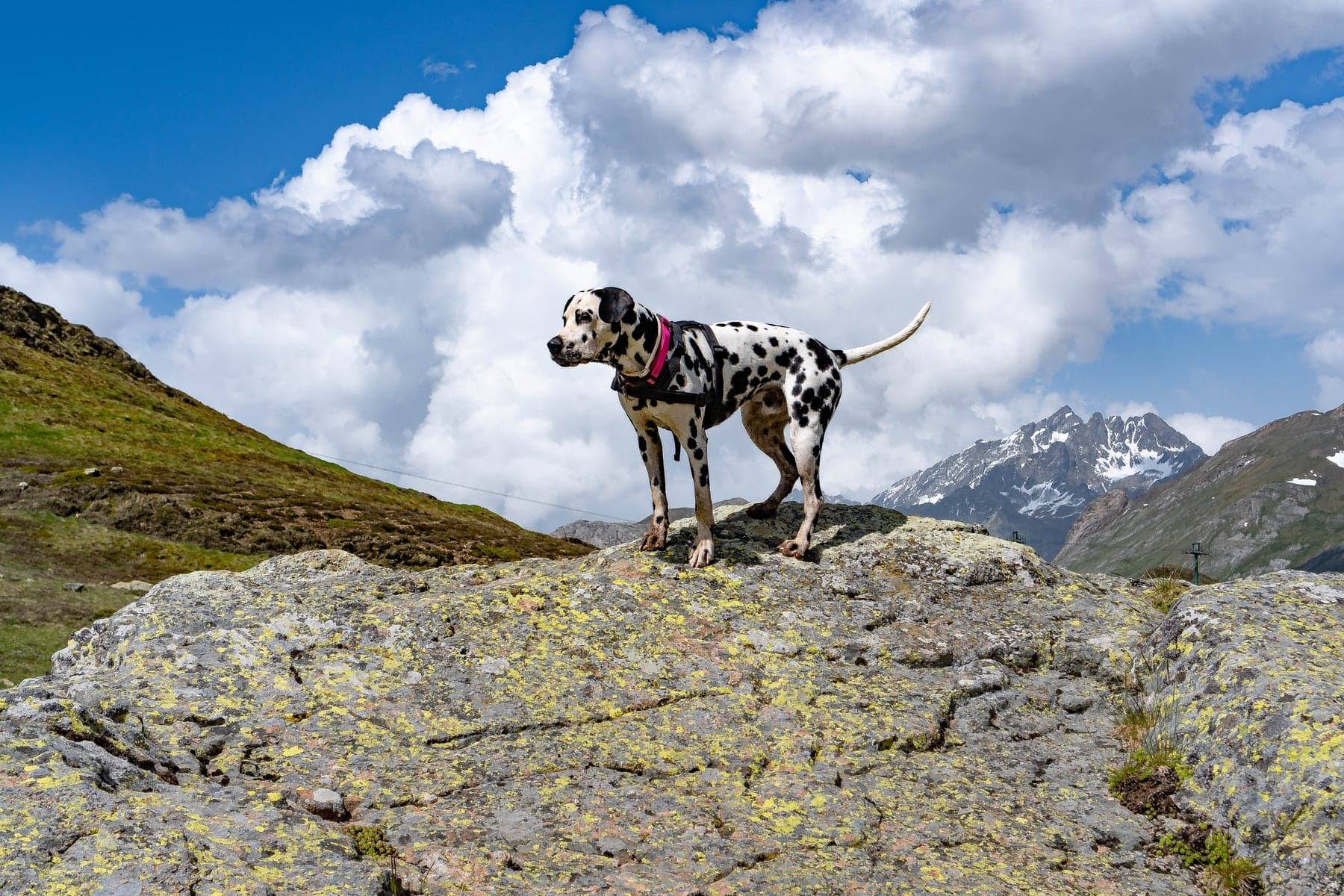
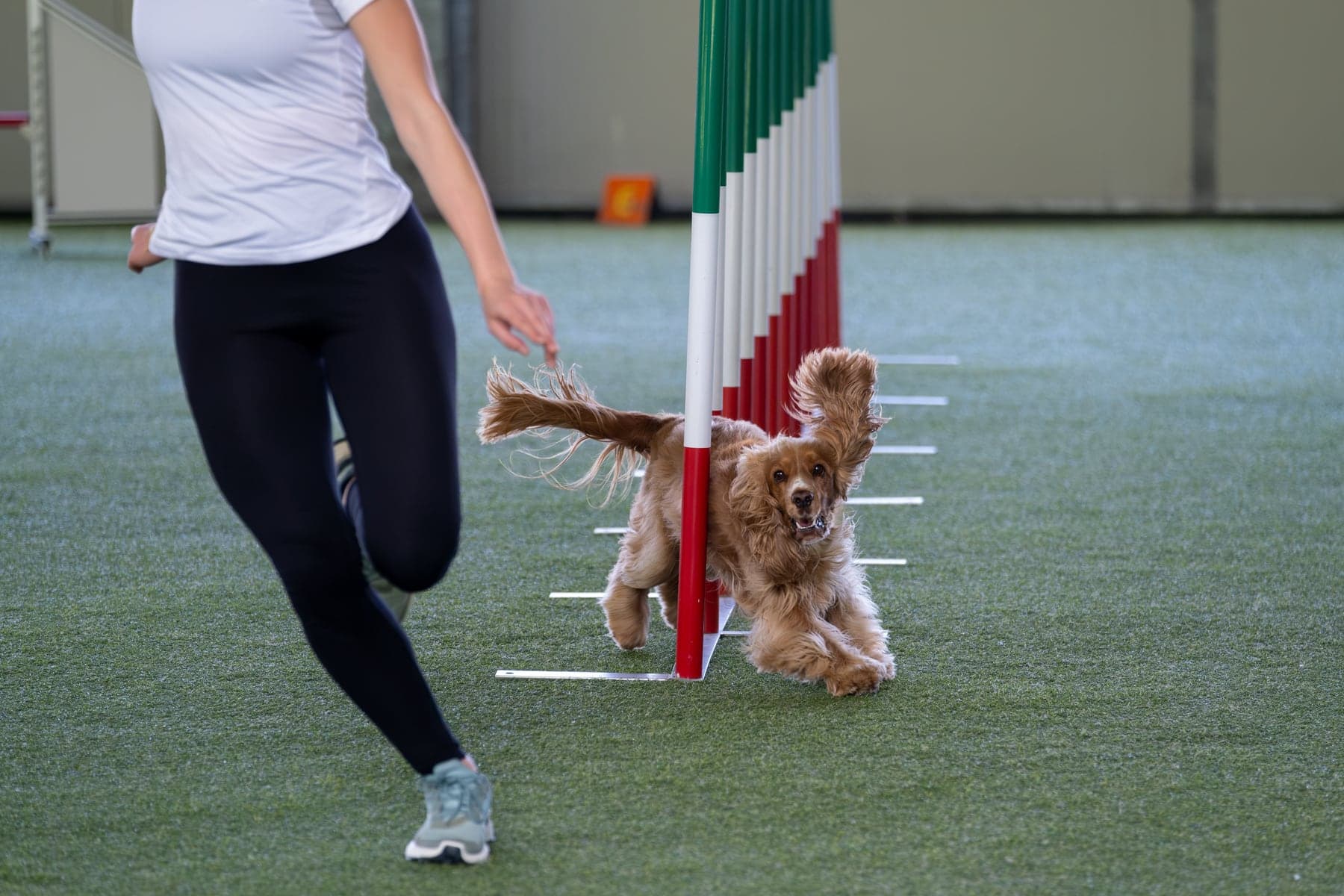
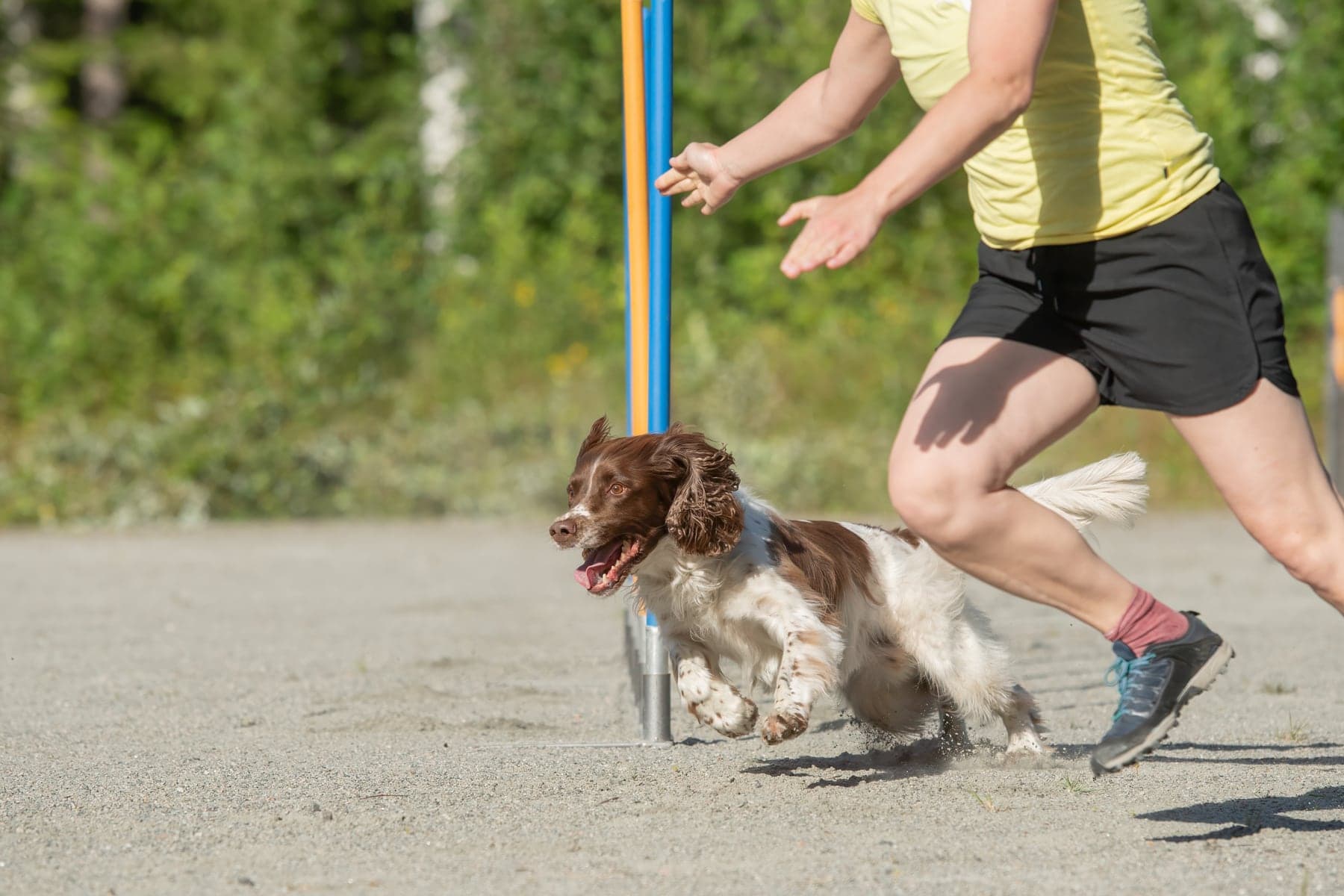
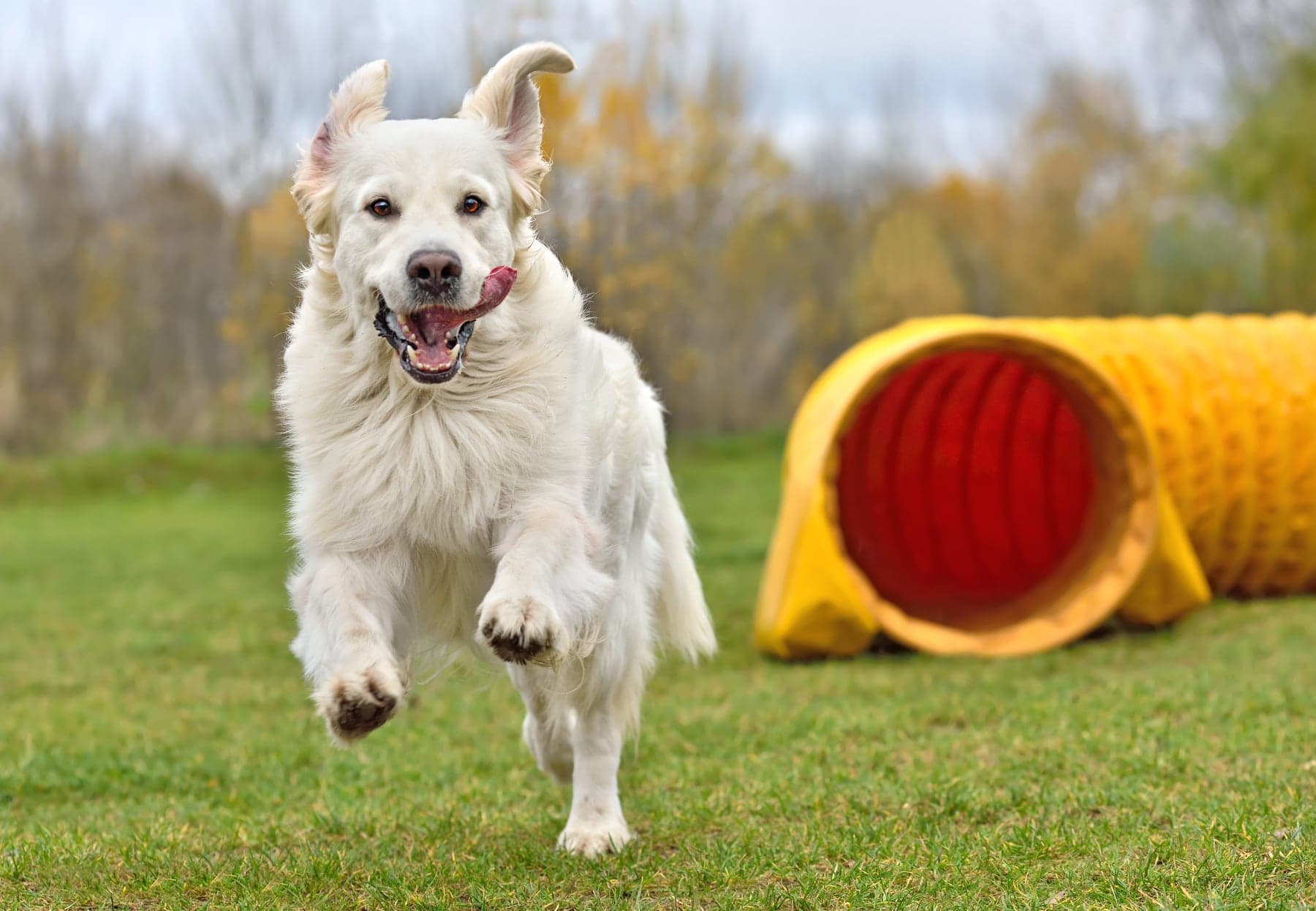
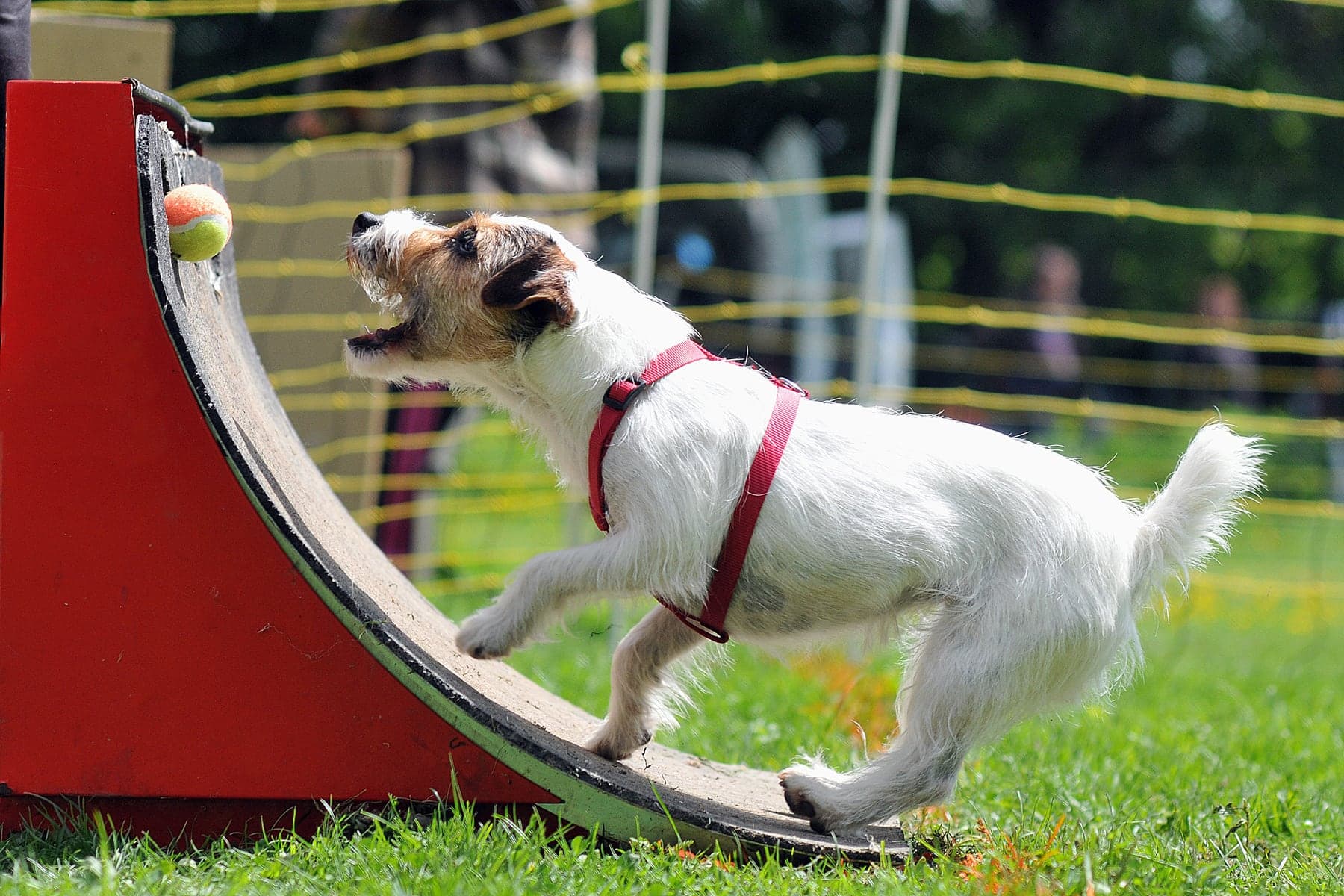
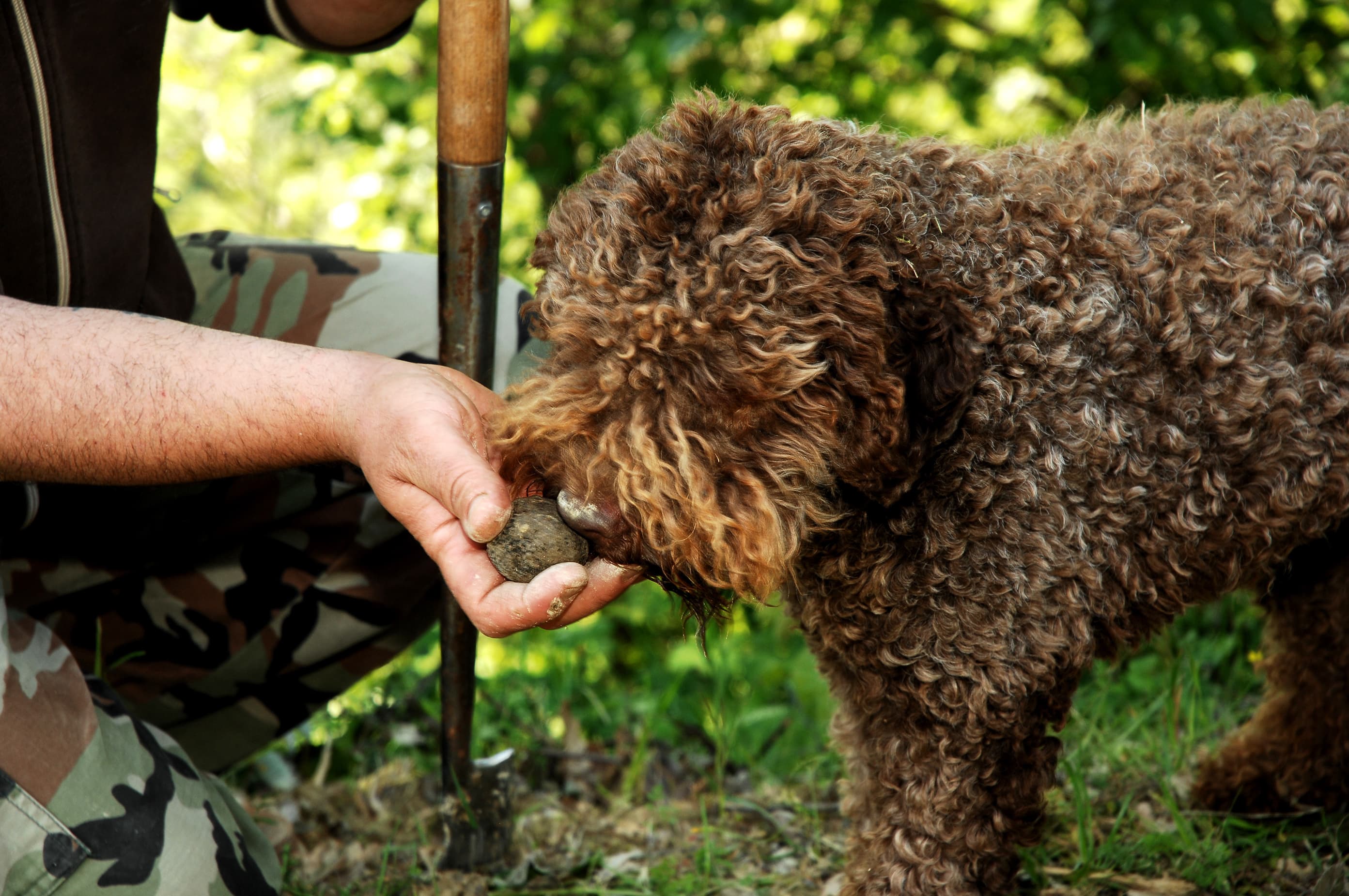
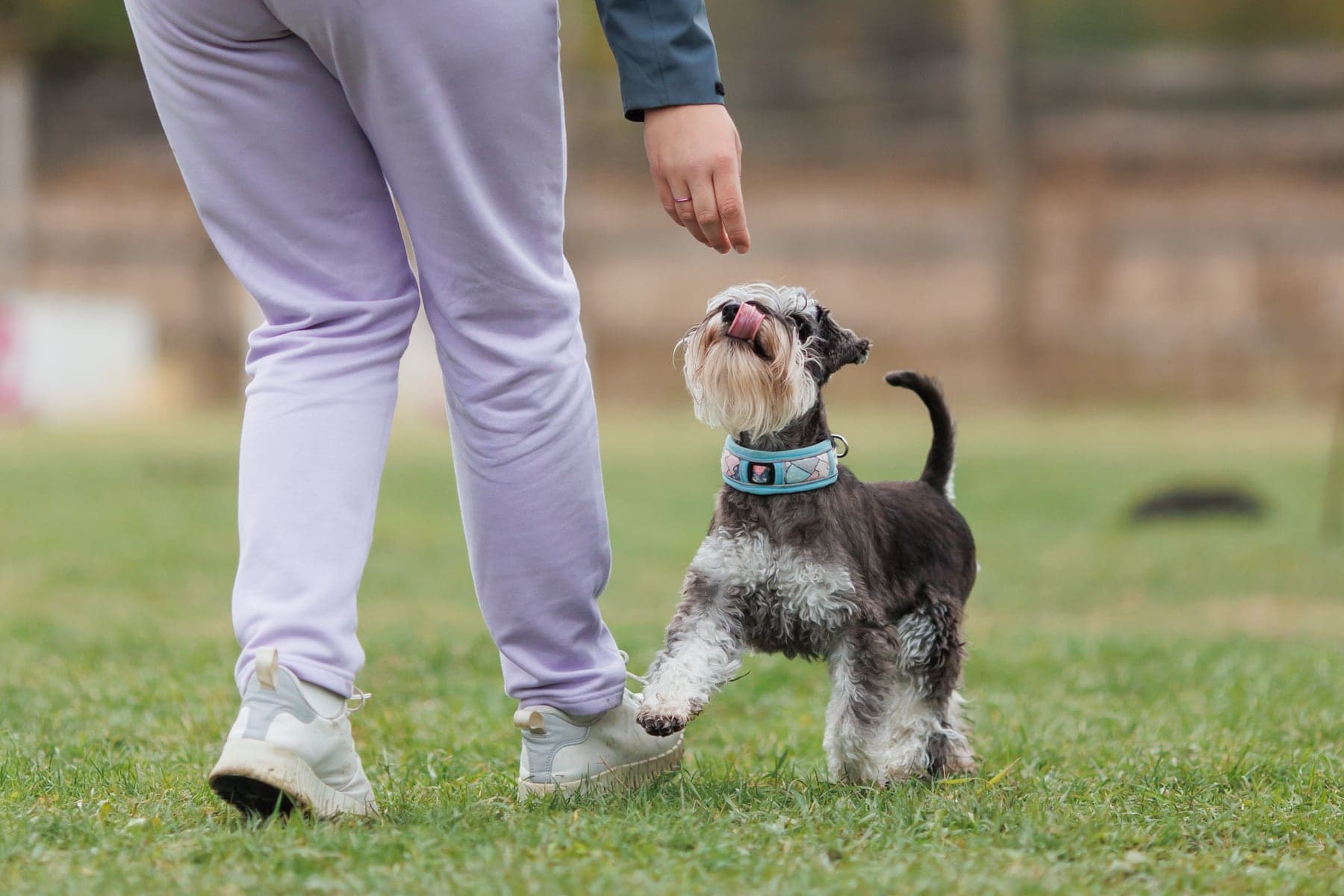
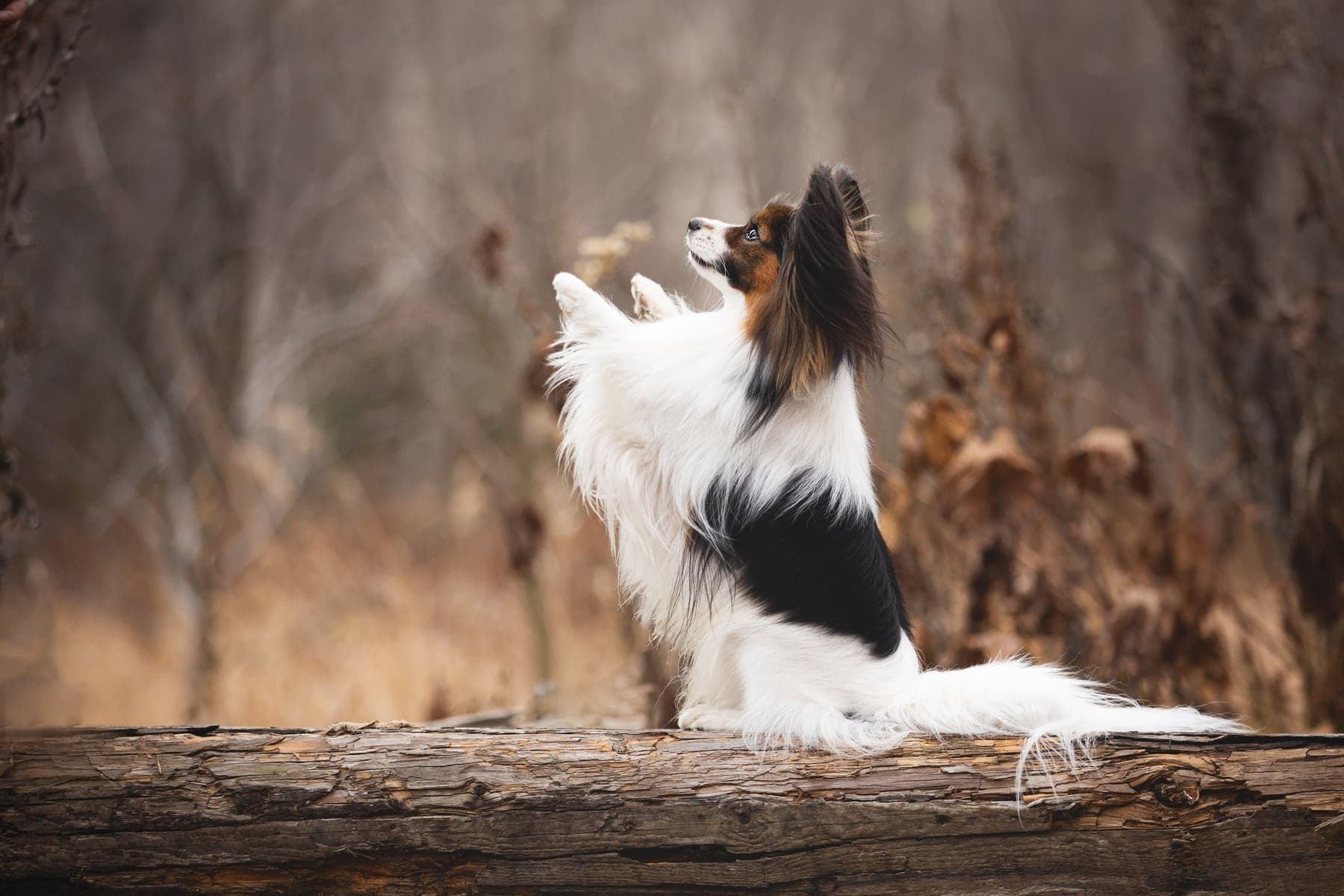
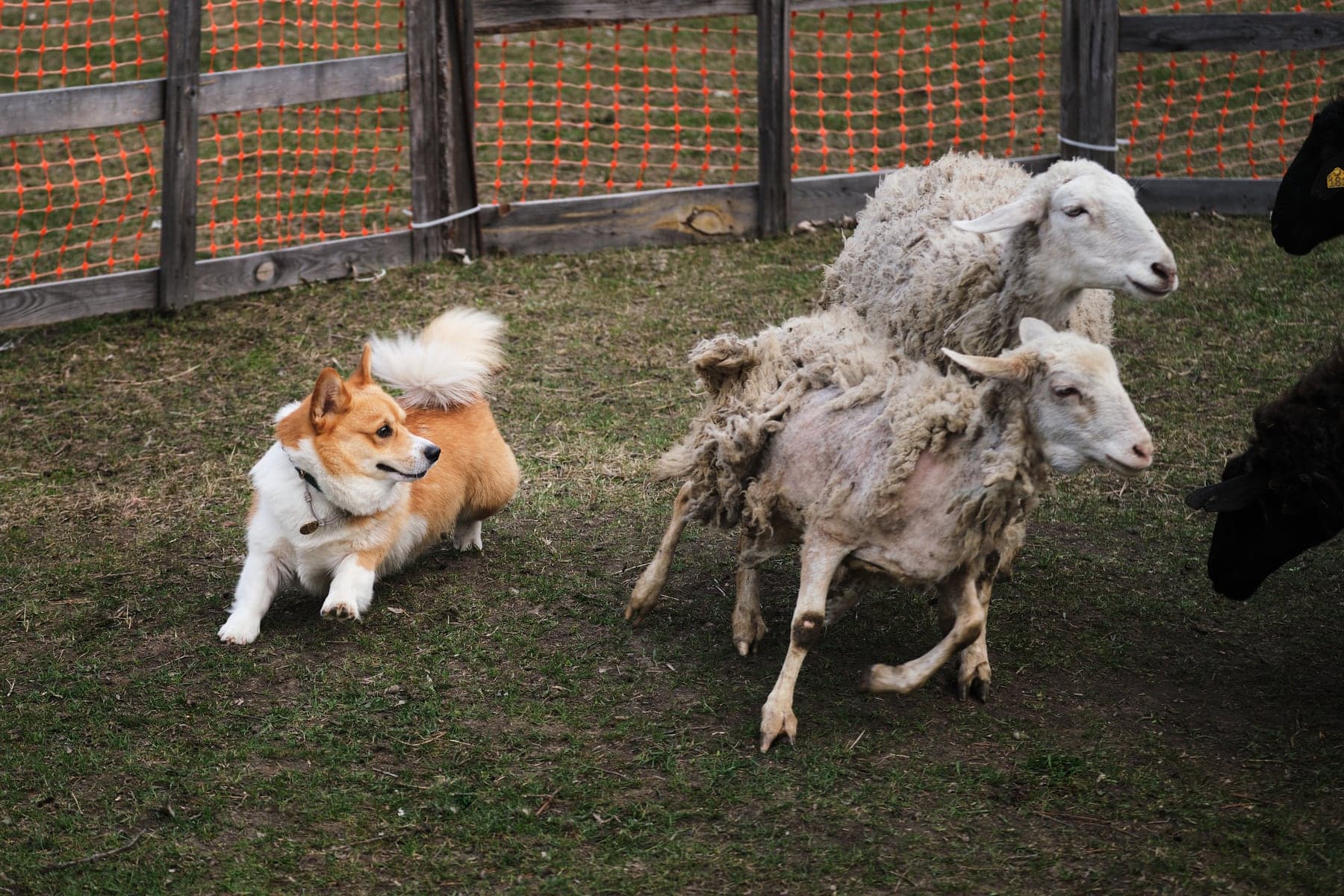
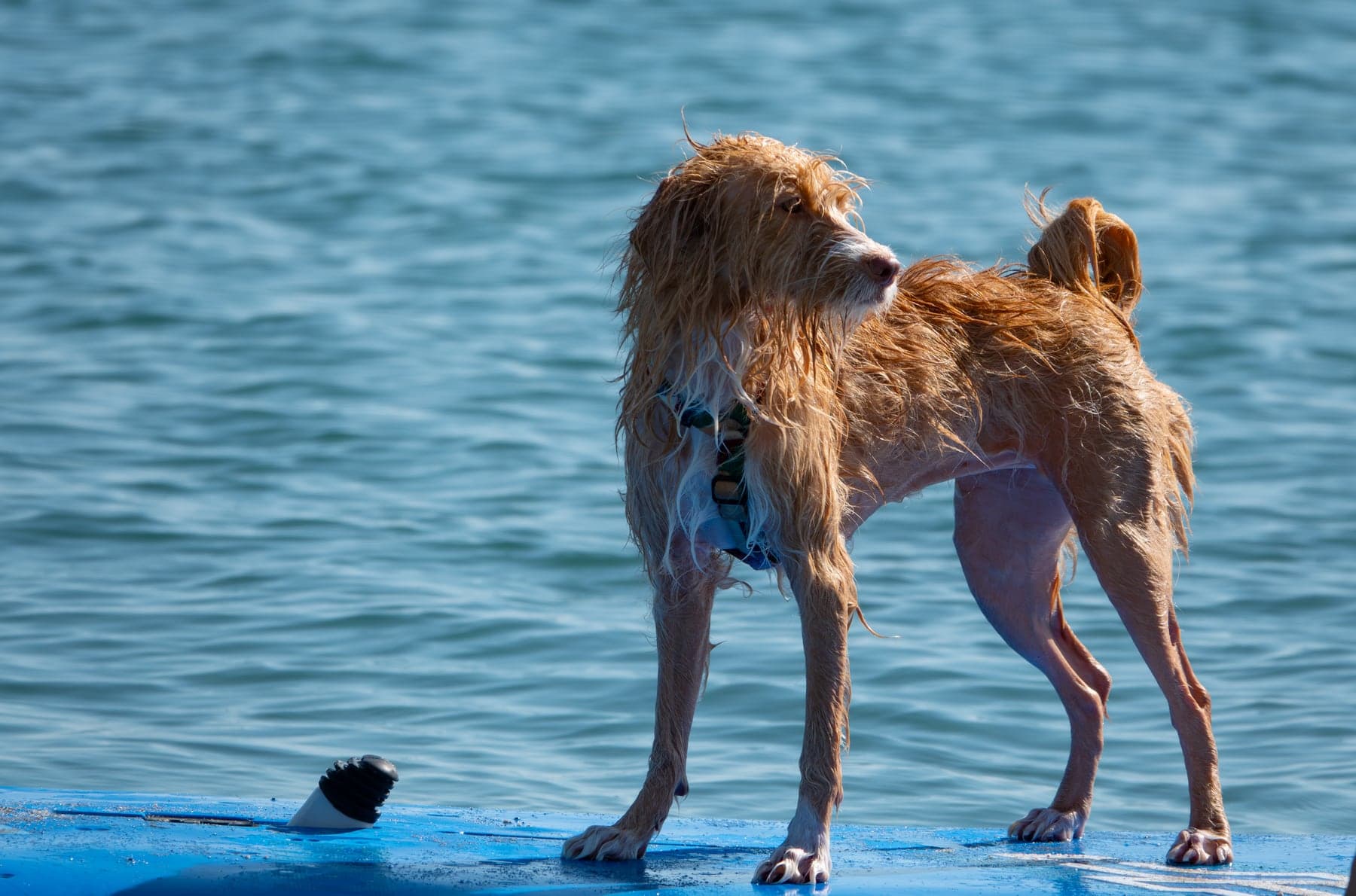
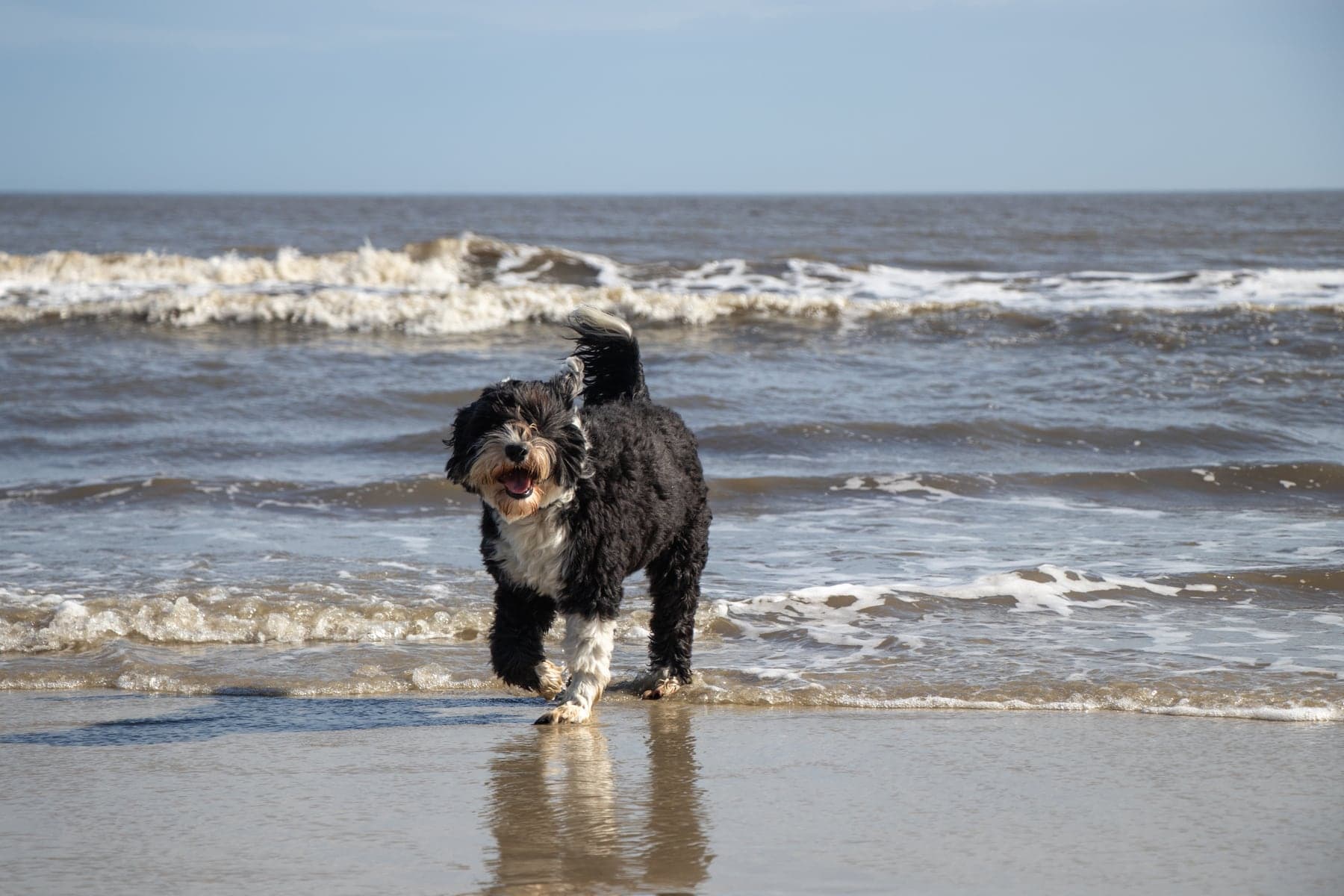
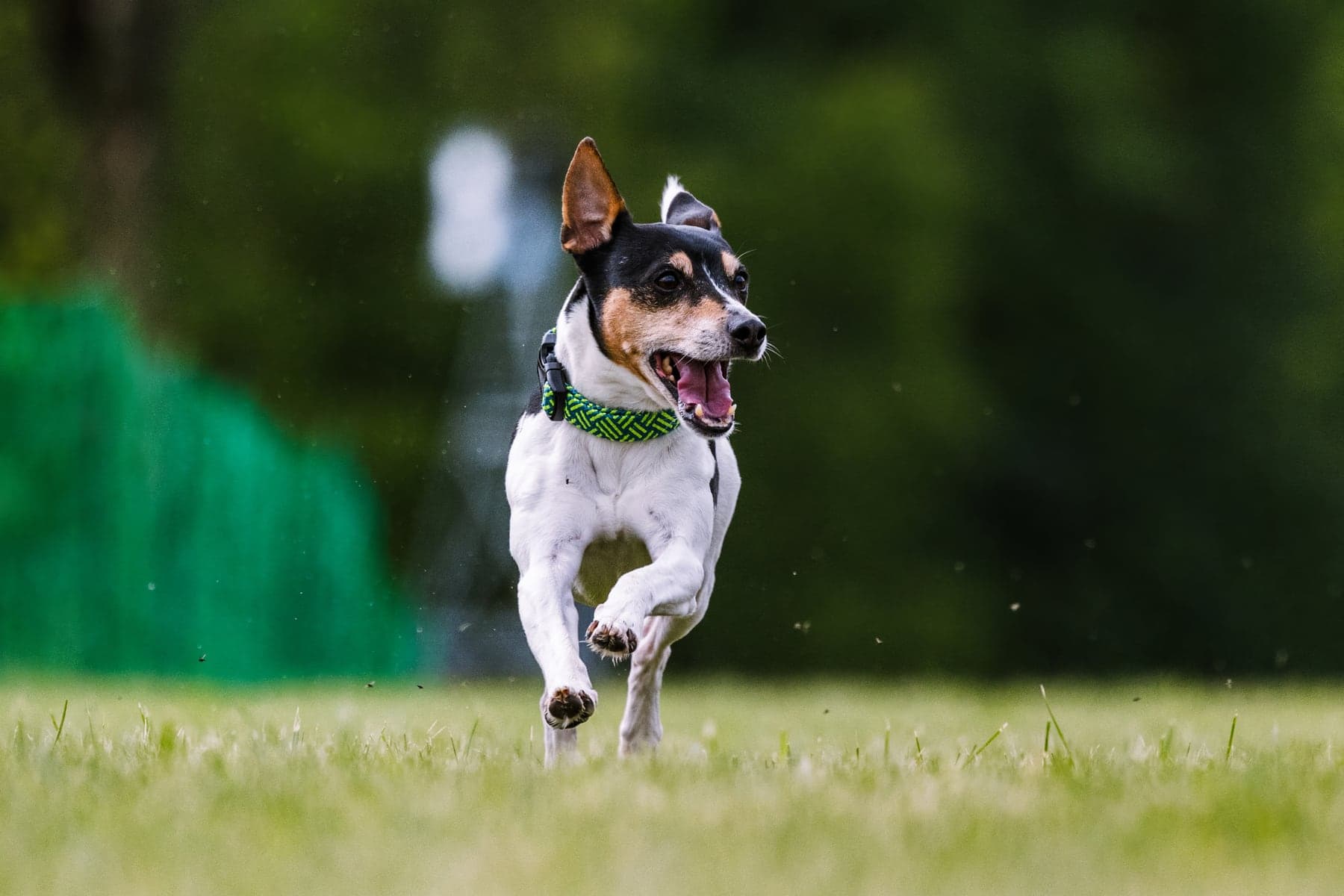
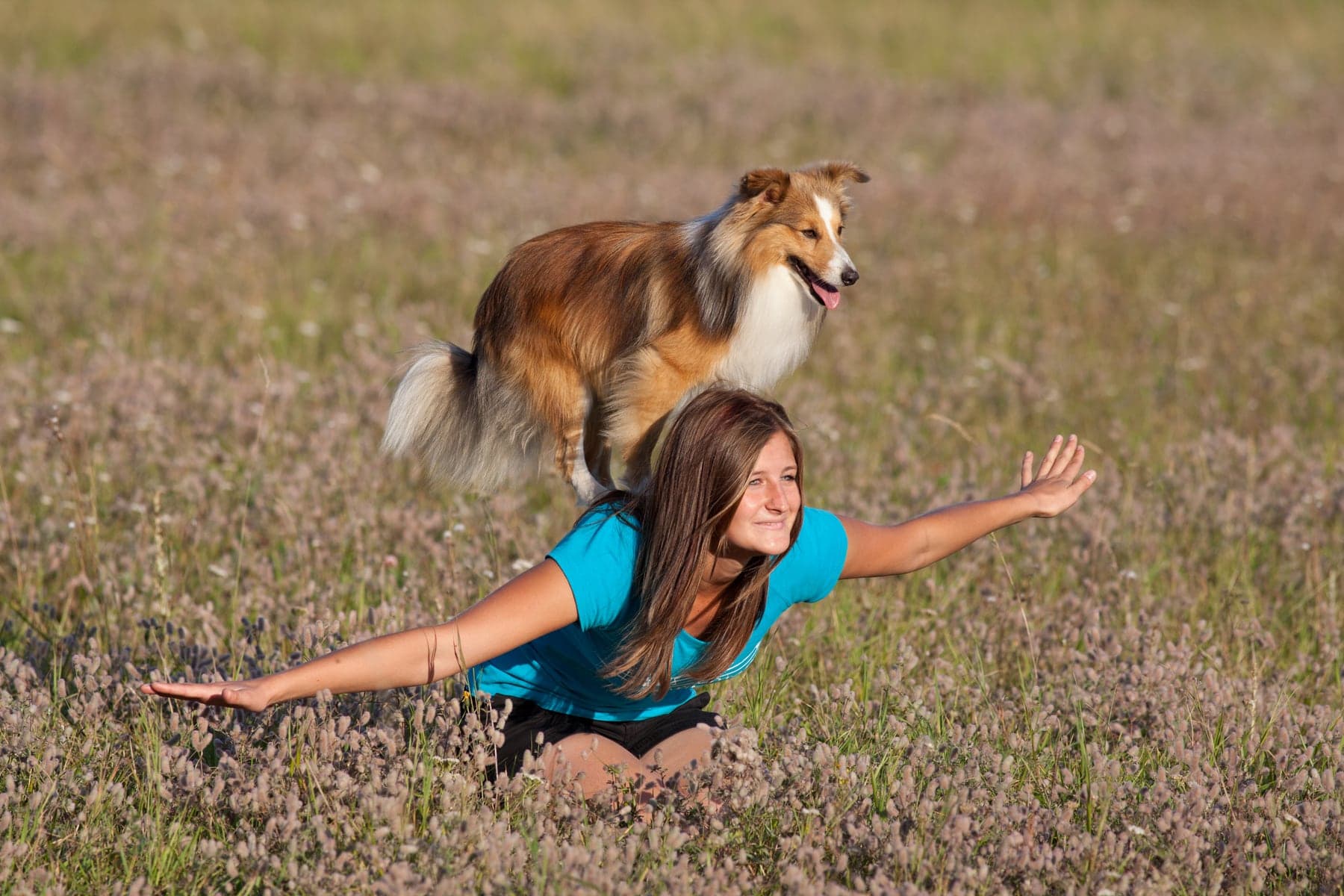
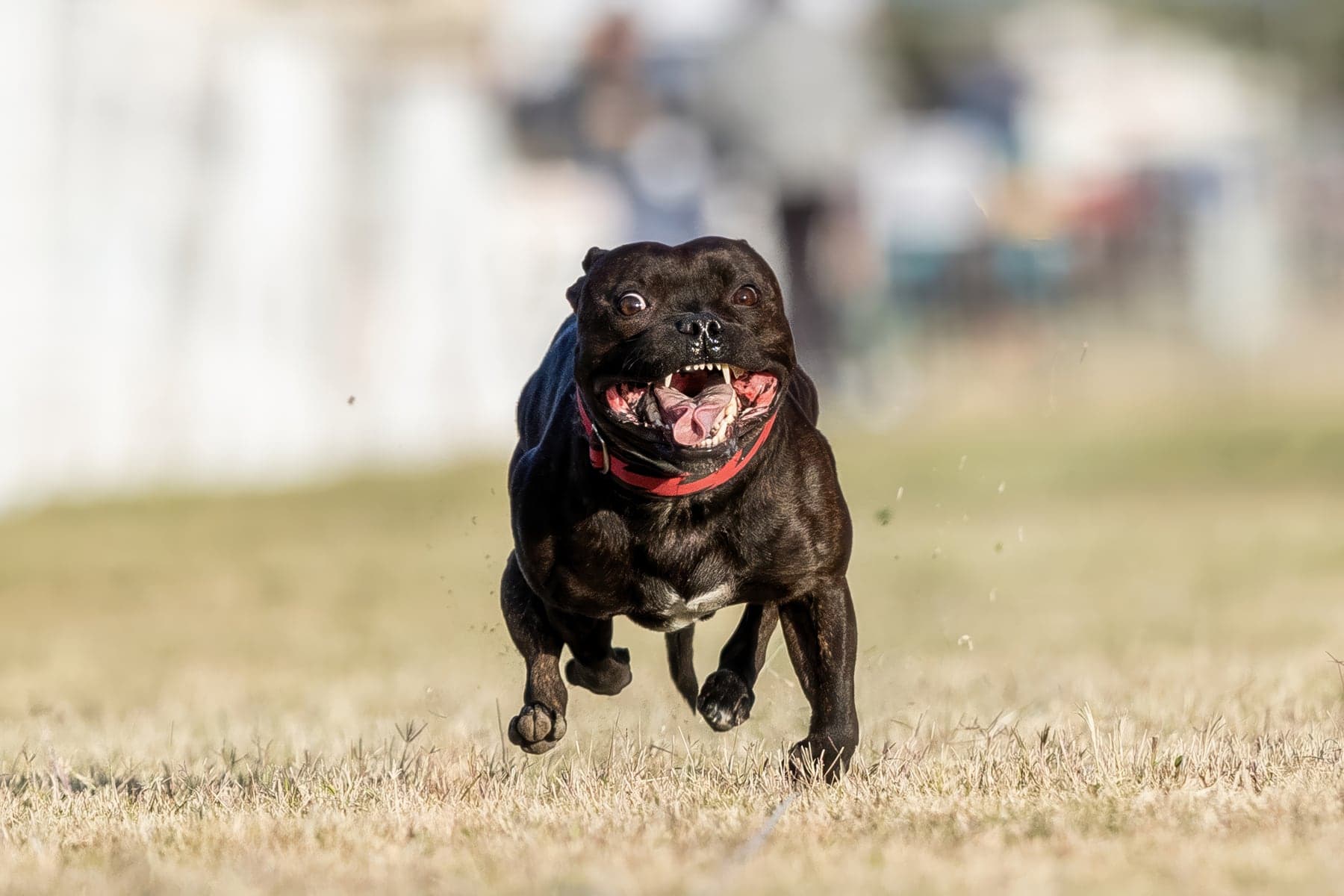
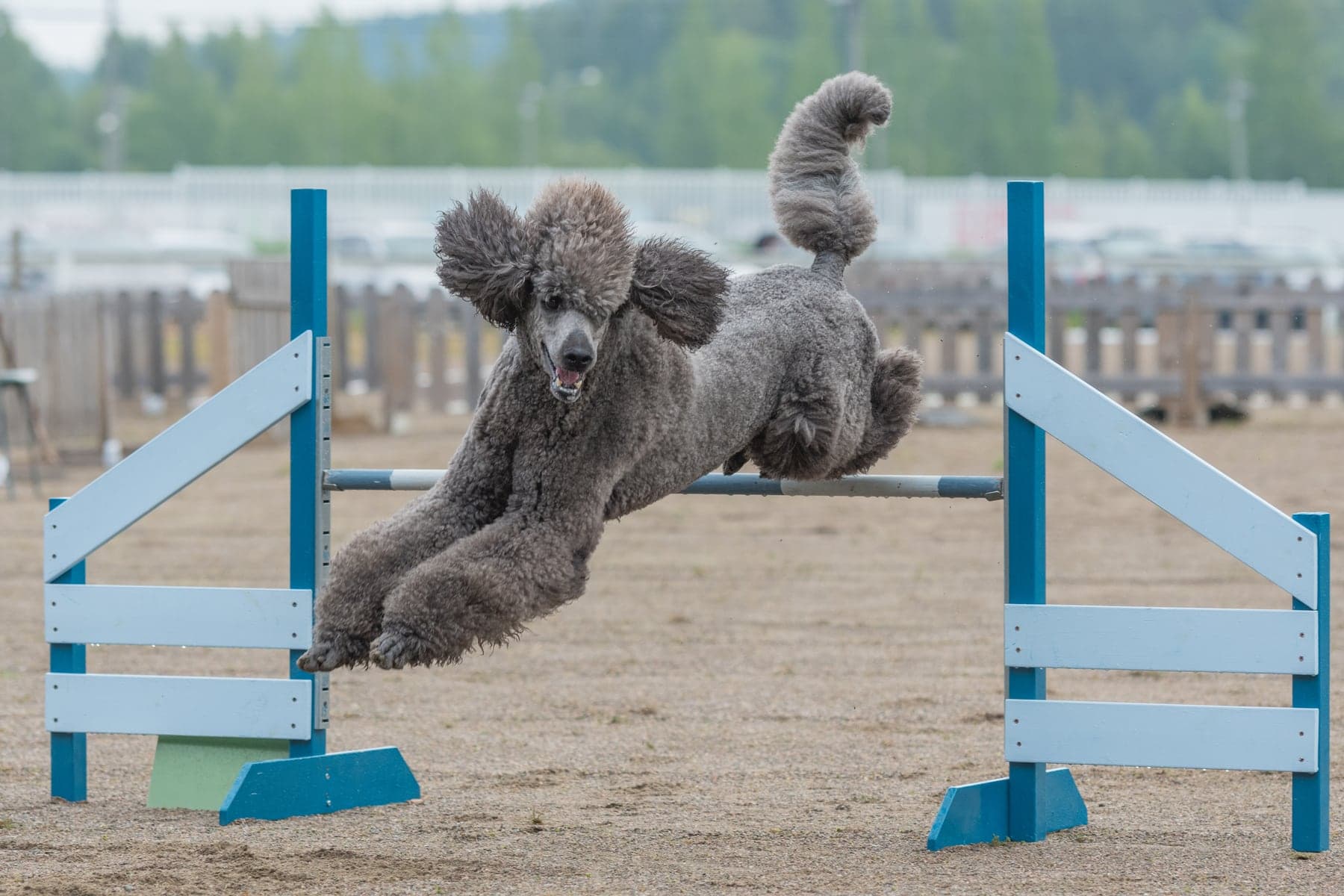
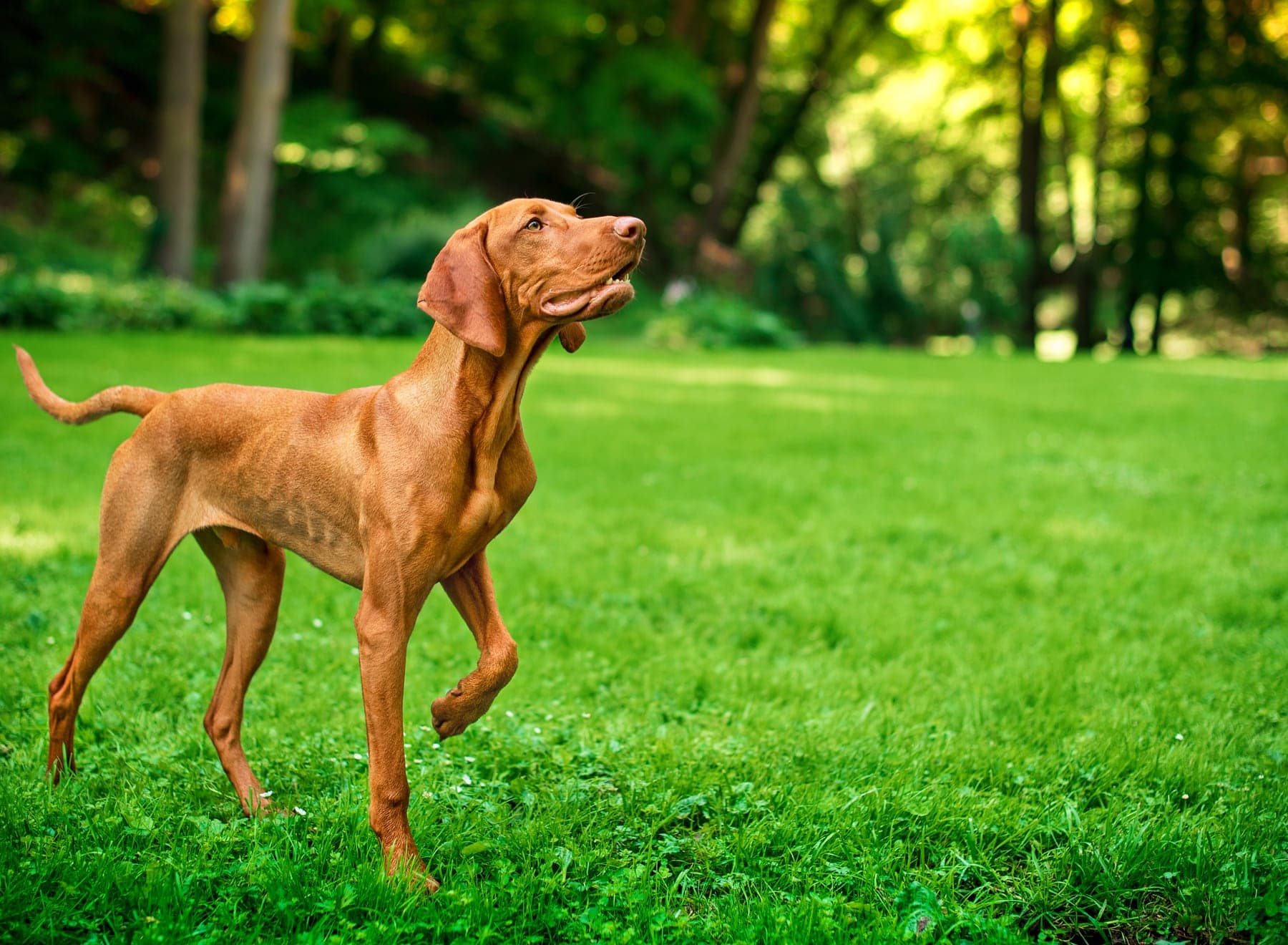
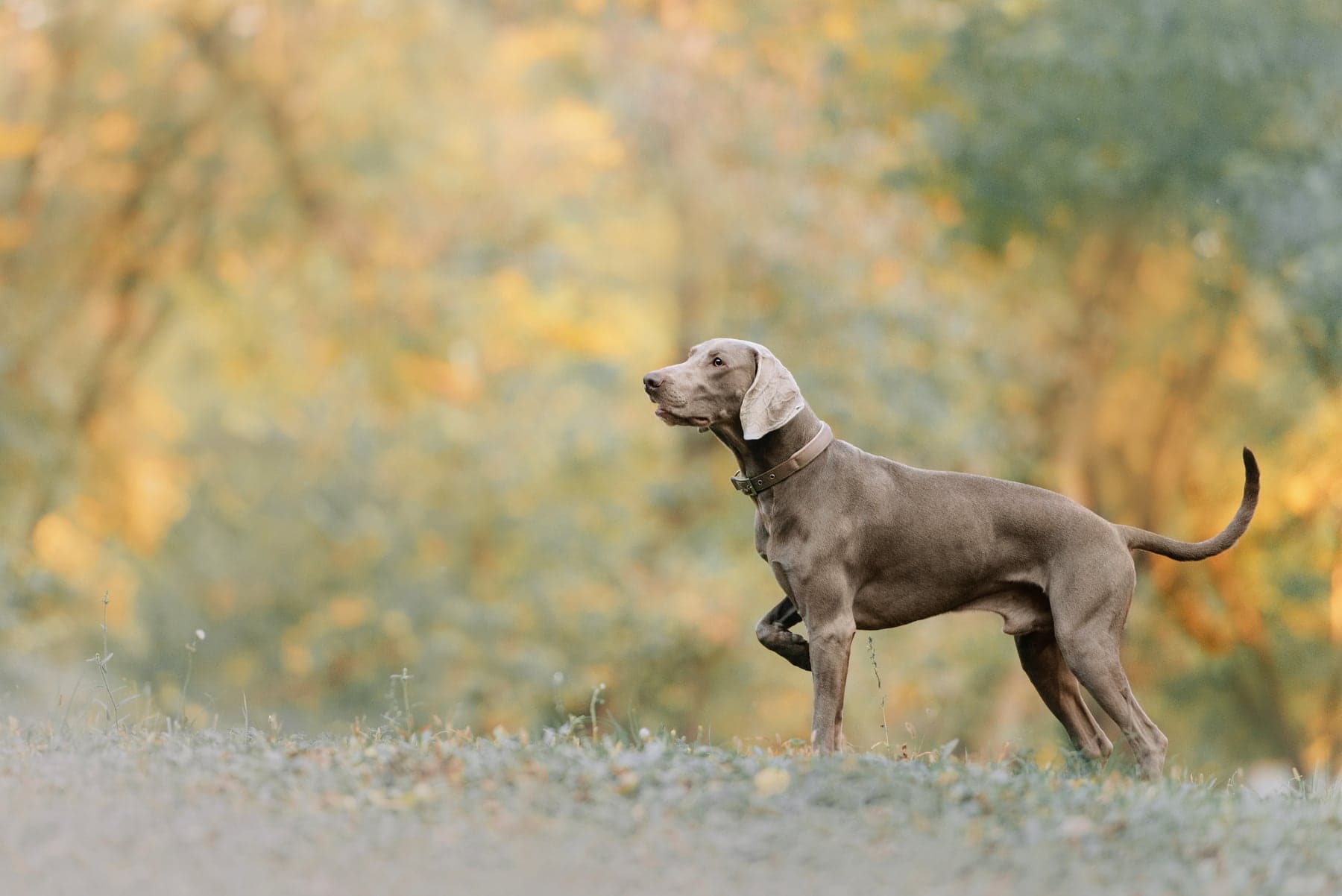
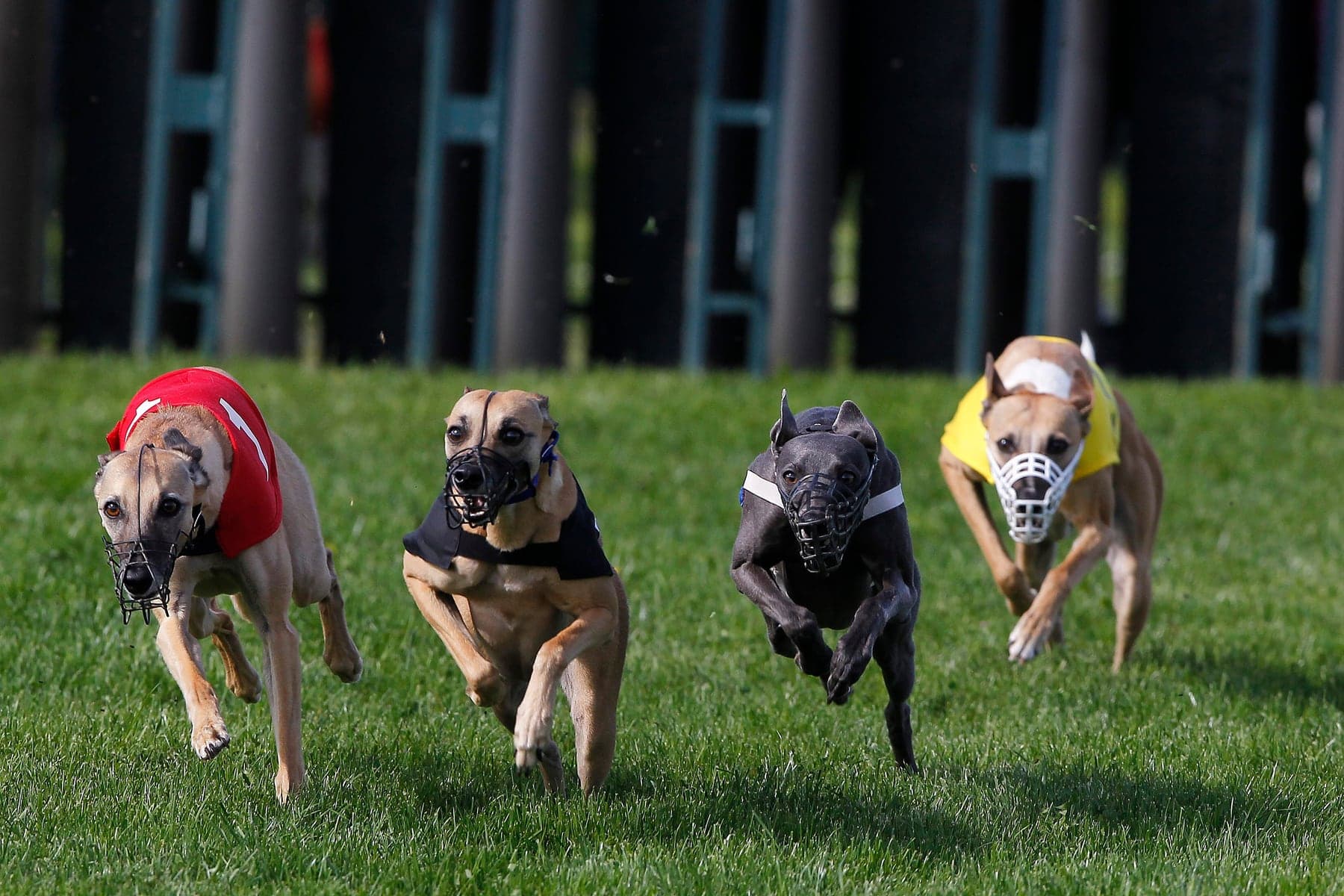
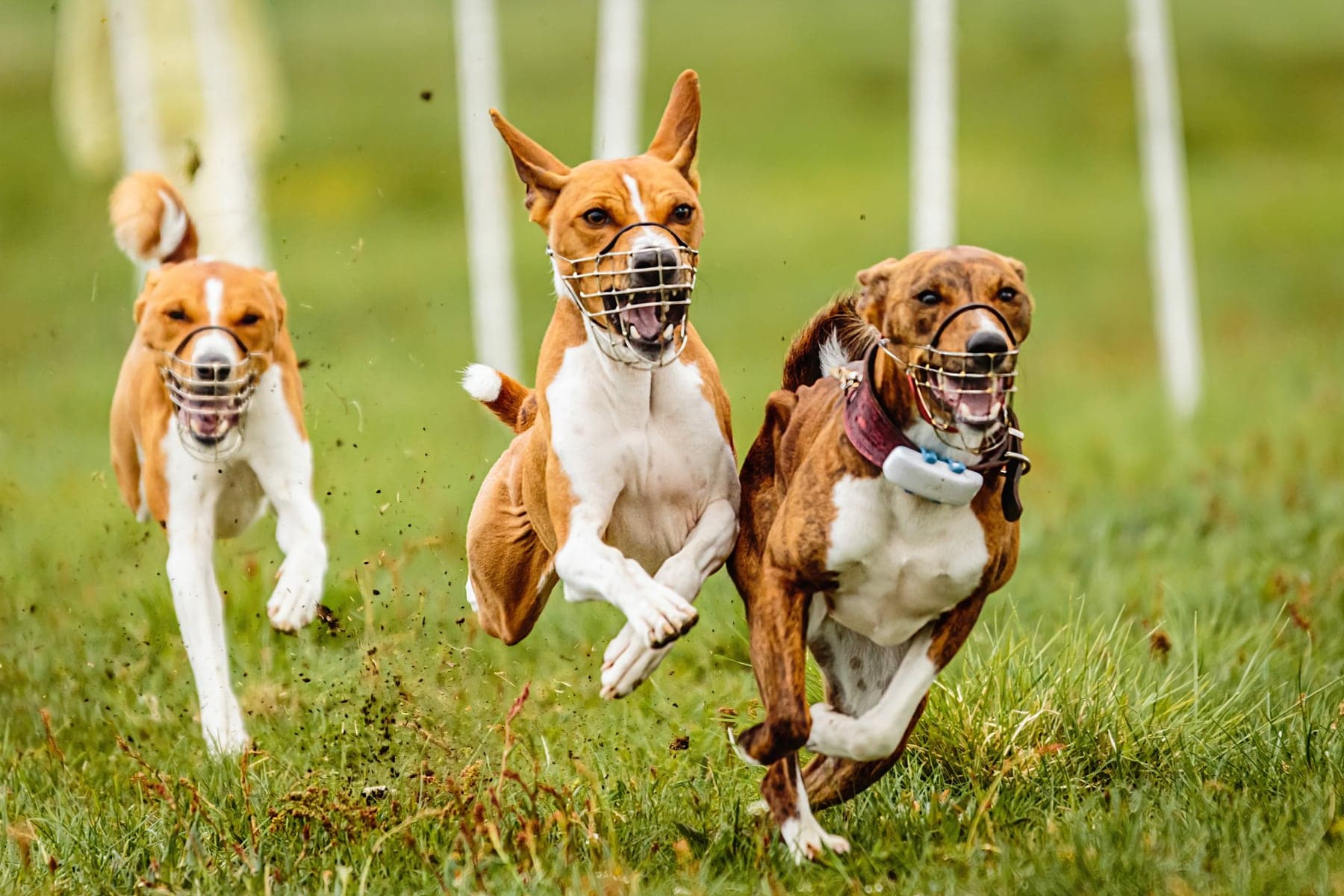
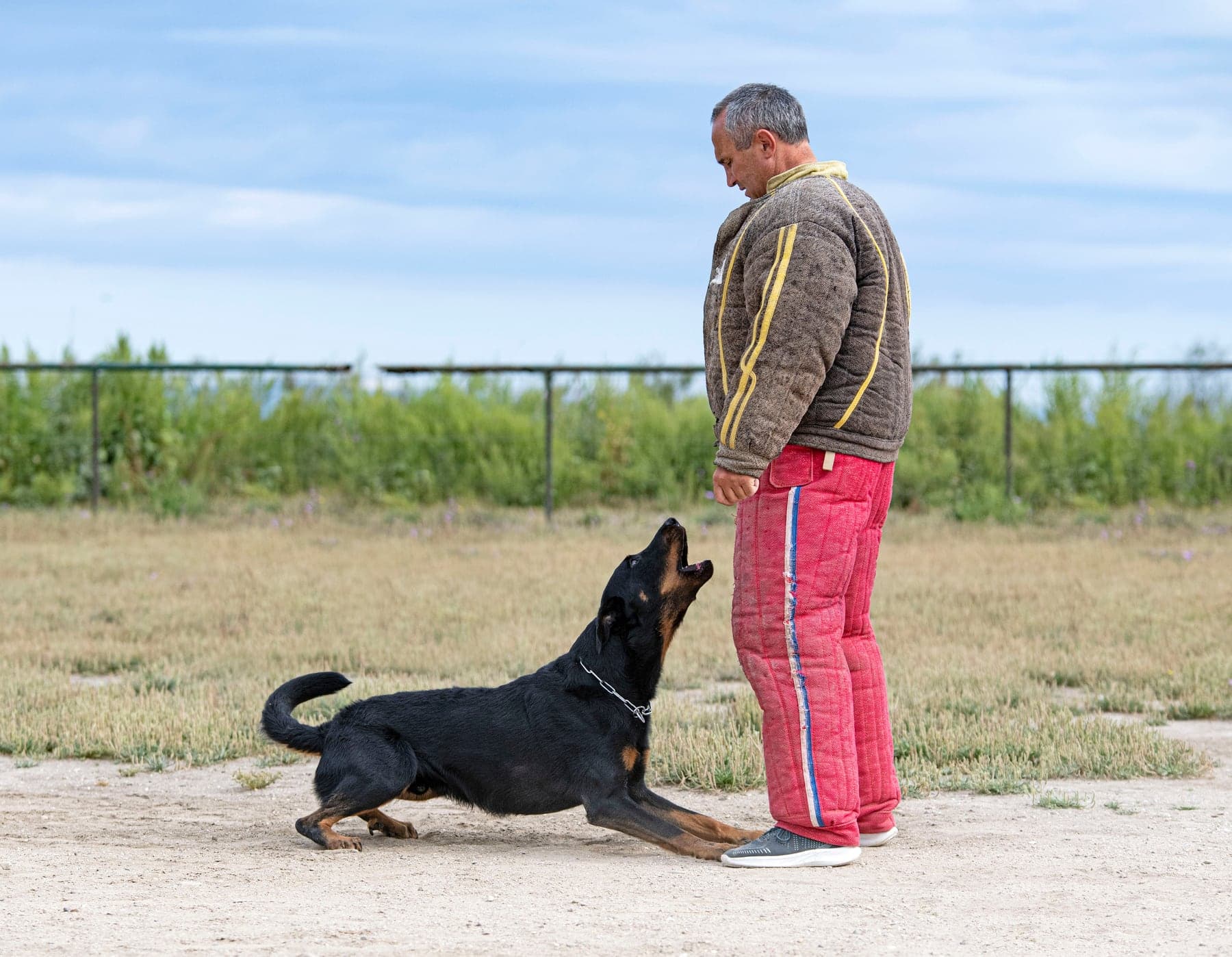
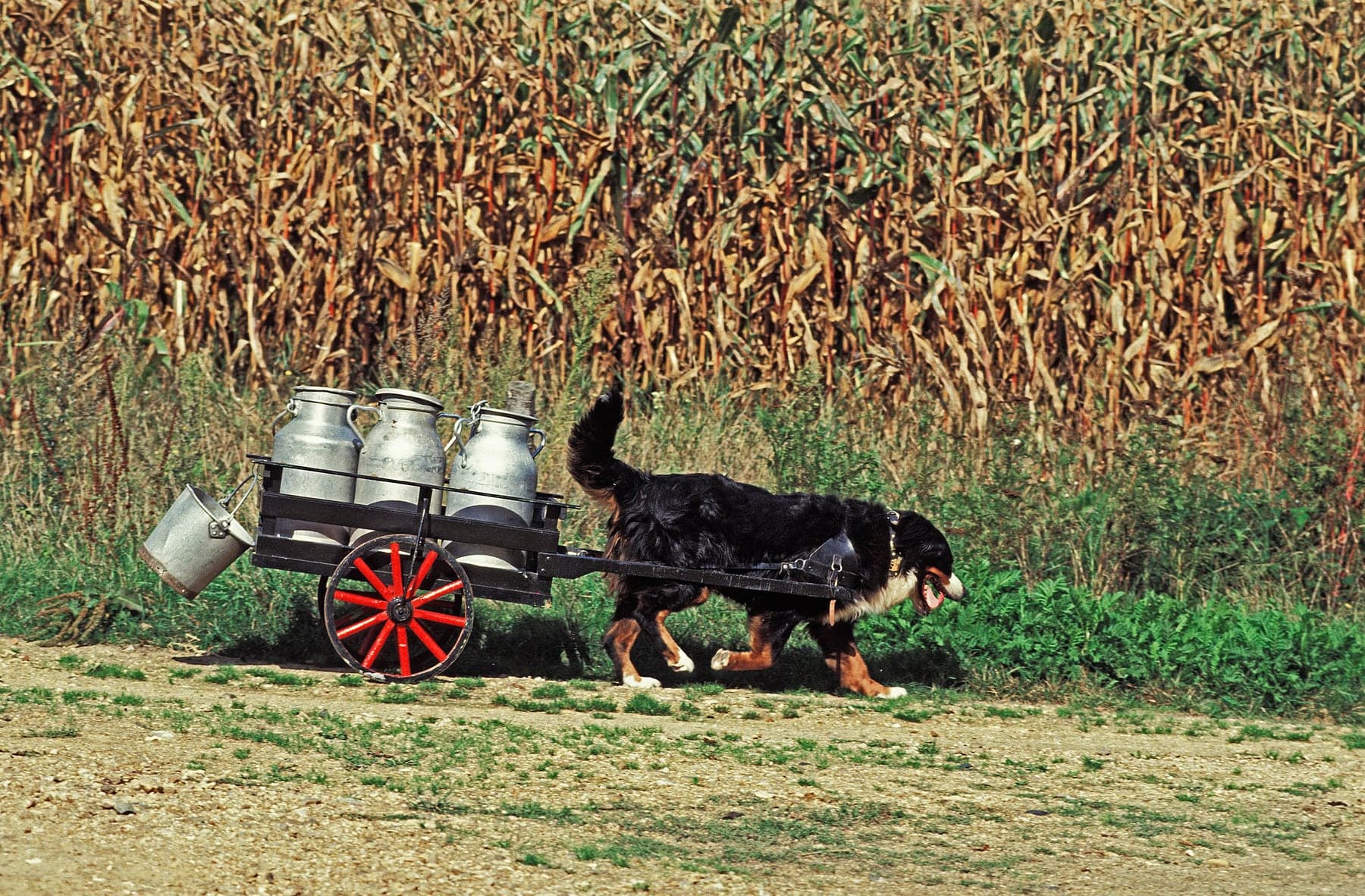
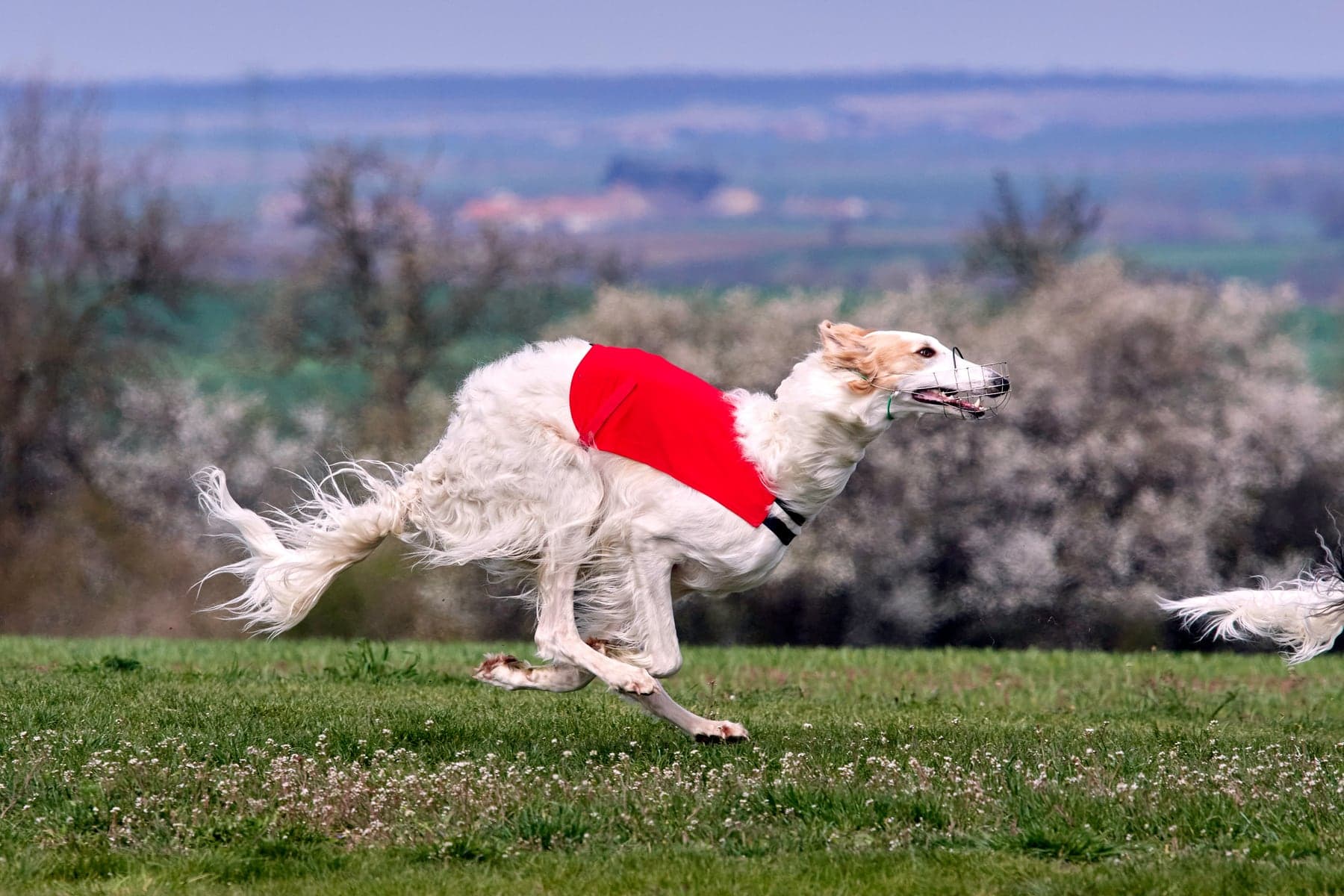
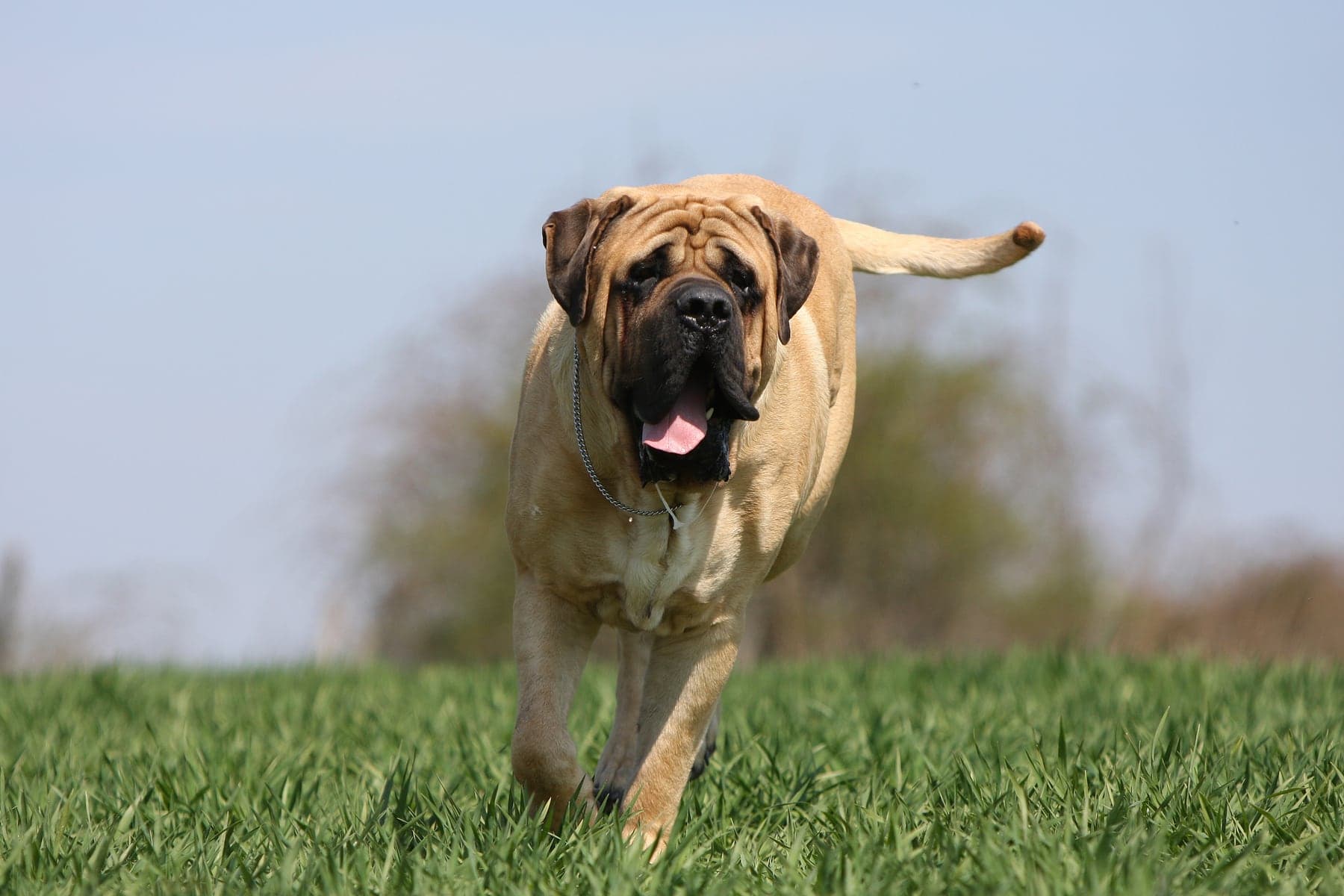
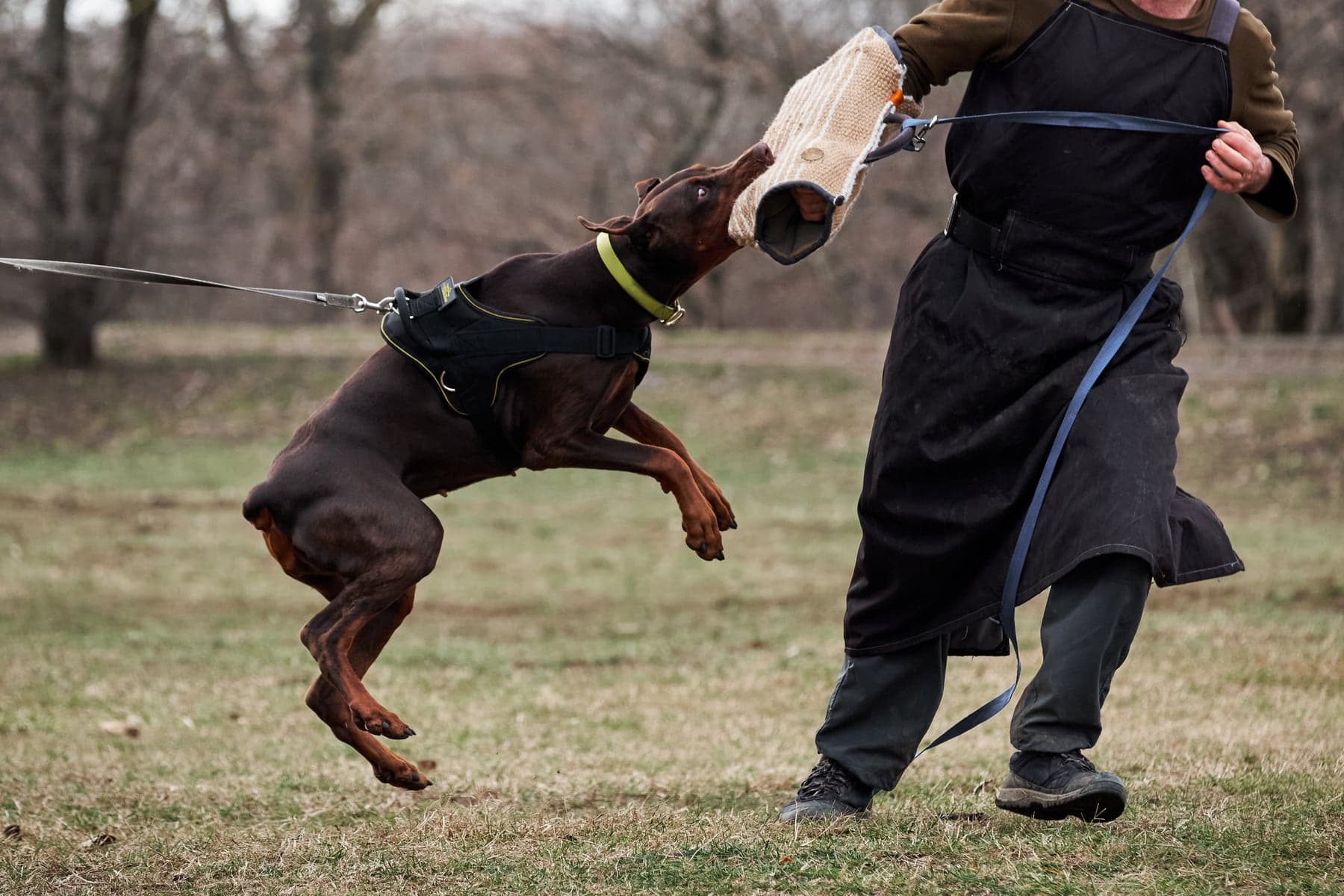
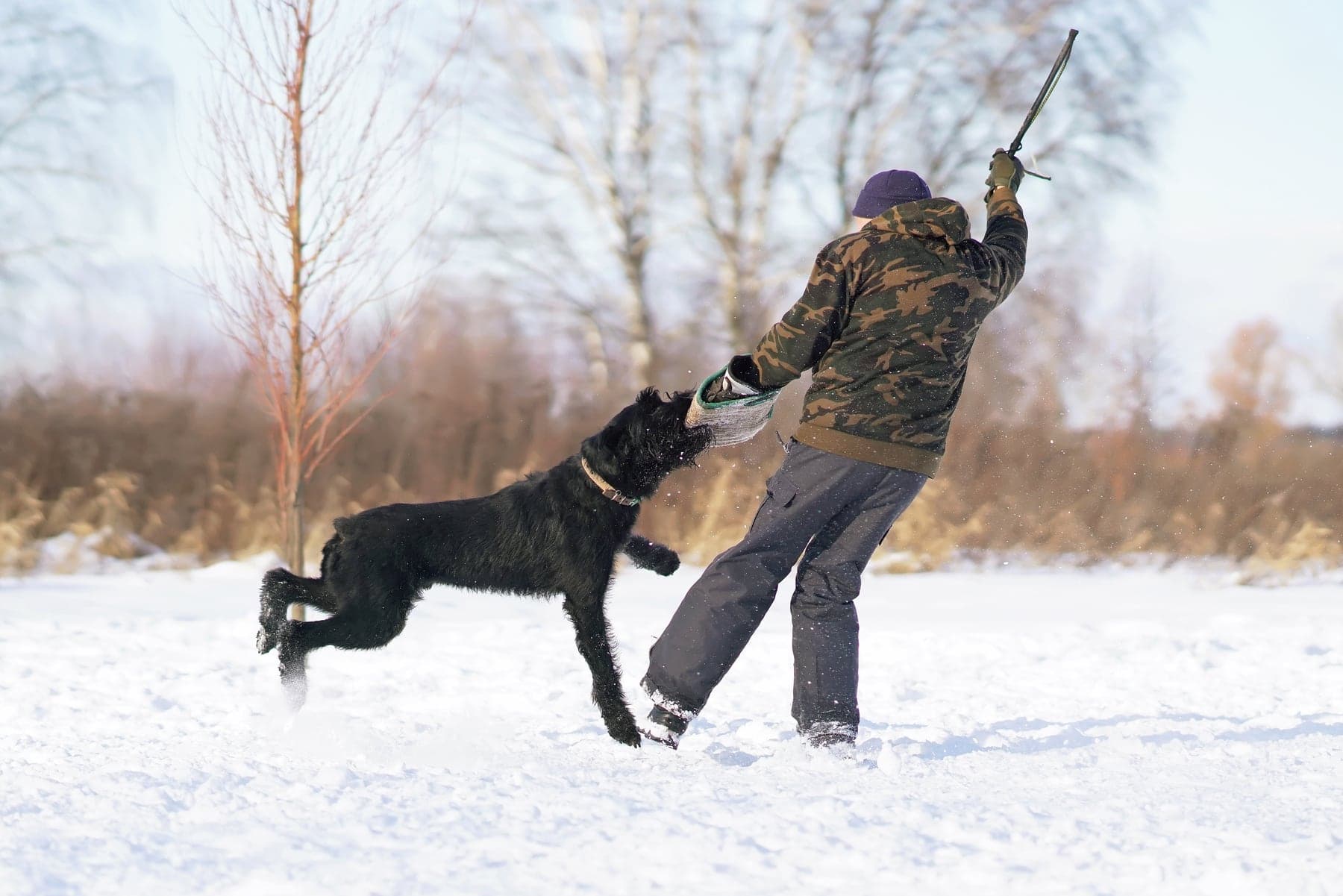
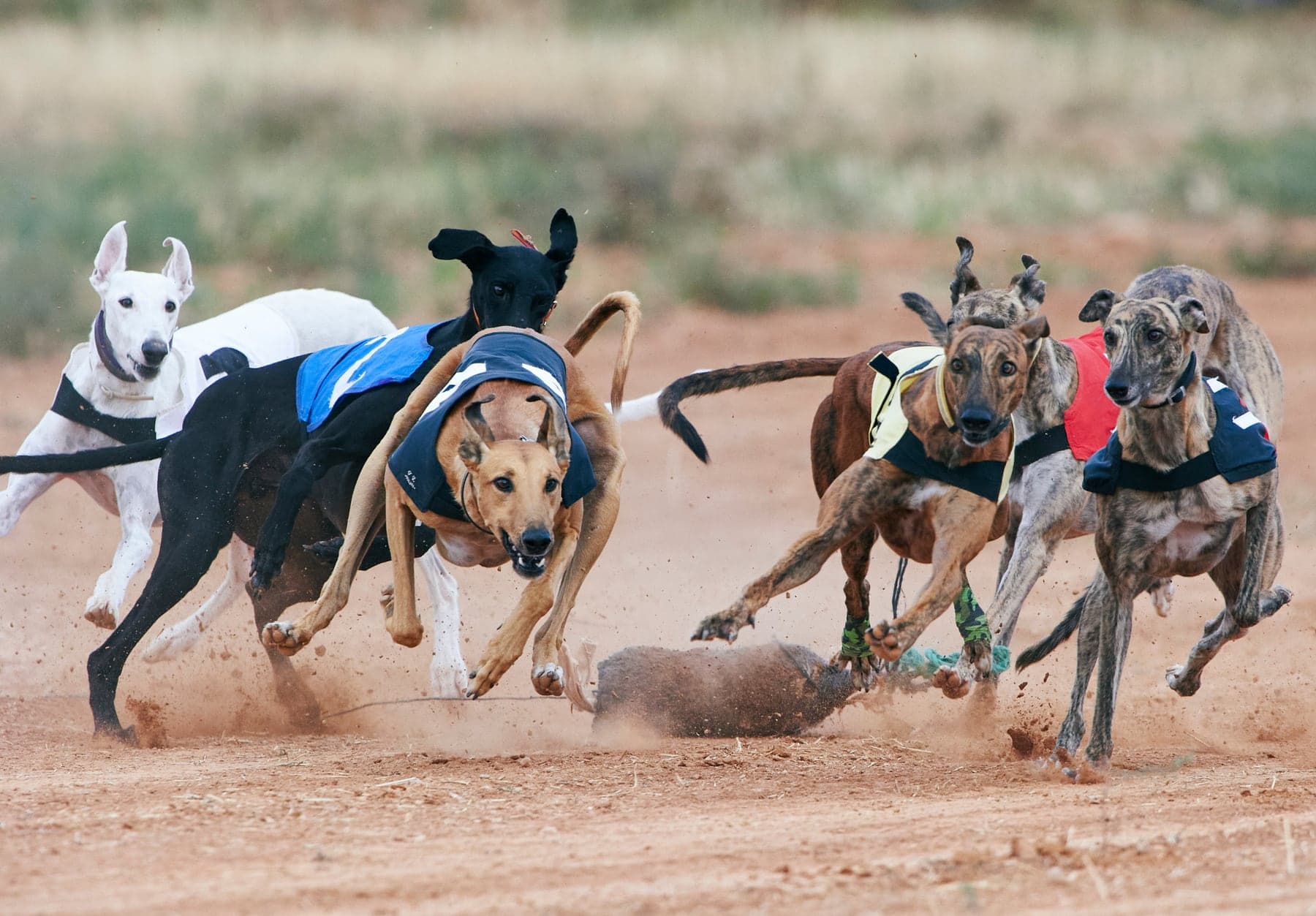
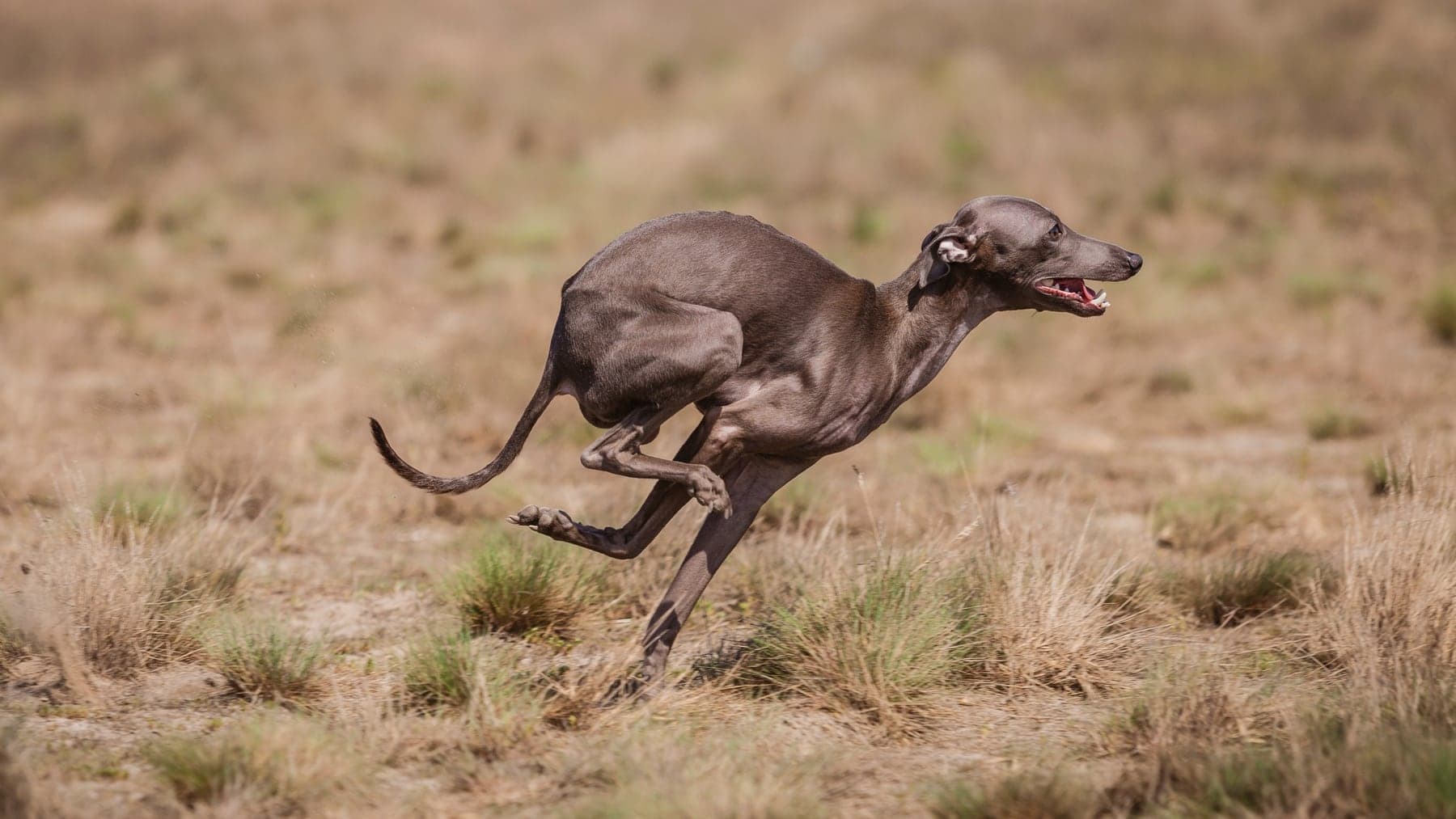

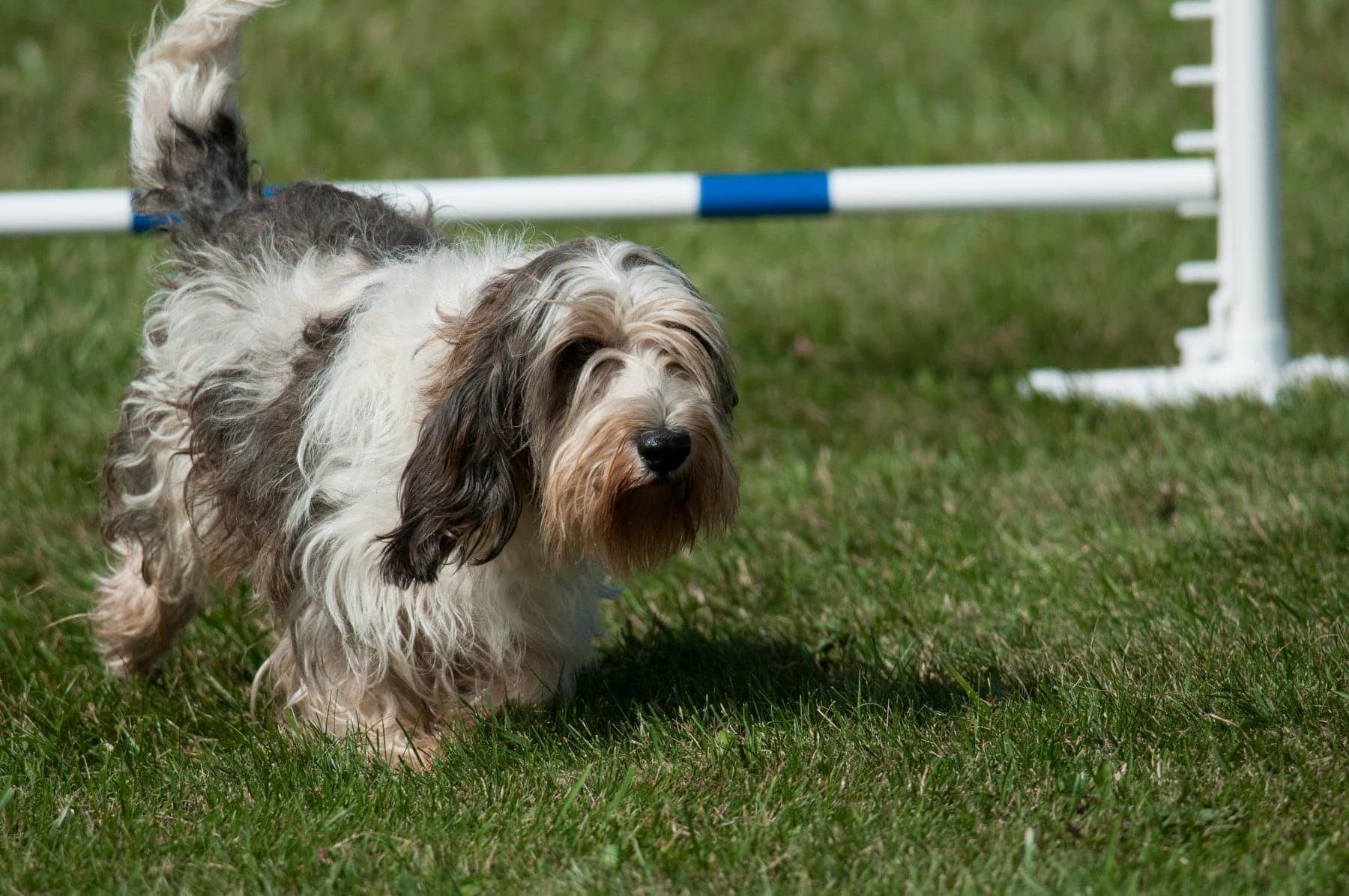
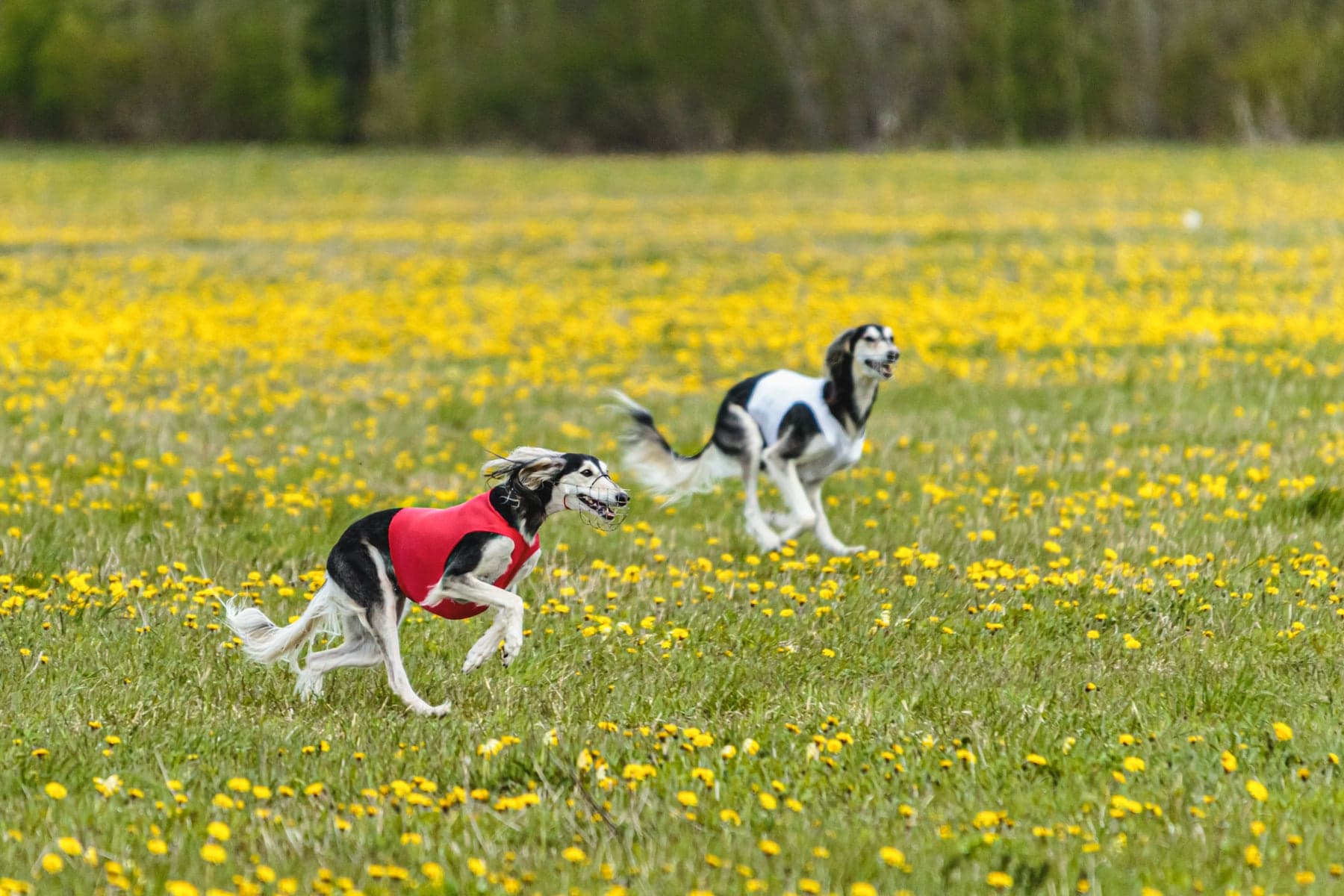
Breeds in our field guide that take naturally to agility — not every breed that competes, just the ones we’ve written up so far.
Accessibility & accommodations
Who can do Agility?
Each entry below carries an evidence tier so you know how strongly we can stand behind the claim. Tier A— confirmed by the sport’s sanctioning body. Tier B— possible via the org’s accommodation process; confirm with your host club before entering. Tier C — based on sport mechanics rather than org policy; ask your host club.
Small dogs
Tier AAgility has formal jump-height divisions scaled to dog size. Small-dog divisions are competitive at every level — Maltese, Papillon, and small terriers regularly title and qualify at AKC Nationals.
Senior dogs
Tier AAKC Preferred Class offers lower jump heights plus 5 extra seconds on course time. Dogs earn 'P'-suffix titles (Novice Agility Preferred = NAP, Open Agility Preferred = OAP, etc.). For dogs 10+, AKC Agility League adds a Veterans rule: jump up to TWO heights lower than the dog's true height.
Dogs recovering from injury
Tier APreferred Class is also the standard accommodation pathway for dogs returning from injury — same lower-jump + extra-time benefits as for seniors. Vet clearance before returning to trial.
Deaf dogs
Tier BMay be possible — Hand signals + body language are widely accepted as primary cueing in agility, and deaf agility dogs do compete and title. Distance handling has more verbal-cue dependency — adaptation is real at higher levels.
Based on the org's accommodation process. Confirm with the host club before entering.
Flat-faced (brachycephalic) dogs
Tier CMany handlers find — Bulldogs and other brachy breeds appear in Preferred-level agility, but sustained running + arousal + heat are real concerns. Most experienced brachy handlers cap participation, train in cool conditions, and watch for early breathing distress.
Based on sport mechanics. No org-level statement found; ask the host club.
Tripod dogs (three legs)
Tier AStandard AKC Agility classes include jumps + contact obstacles (A-frame, dogwalk, teeter) that place sustained impact and torque on the remaining limbs. AKC has formal tripod accommodations for Rally + Obedience non-jumping classes (effective 2025-07-01) but not for Agility — the sport's mechanics don't accommodate.
Alternative path: NADAC Hoopers is the closest equivalent for tripod dogs — open arches the dog runs through, no jumps, no contact obstacles. Marketed as joint-friendly.
Wheelchair / cart dogs
Tier BMay be possible — No explicit AKC policy for wheelchair-using dogs in Agility, and the sport's defining elements (jumps, weave poles, contact obstacles) aren't navigable in a cart. The AKC accommodation process exists for handlers but doesn't extend a wheelchair-dog pathway in Agility.
Alternative path: NADAC Hoopers + Trick Dog are the wheelchair-friendly alternatives — both have org-level accessibility programs.
Based on the org's accommodation process. Confirm with the host club before entering.
Sources & verificationLast reviewed May 2026
Our Agility guide is an independent, plain-English orientation — not an official rulebook. Rules, titles, eligibility, and fees vary by organization and change over time, so always confirm the specifics with the current rulebook or event premium before you enter.
Checked against
Spot something out of date? Tell us and we’ll fix it.