Nose Work / Scent Work
Widely available
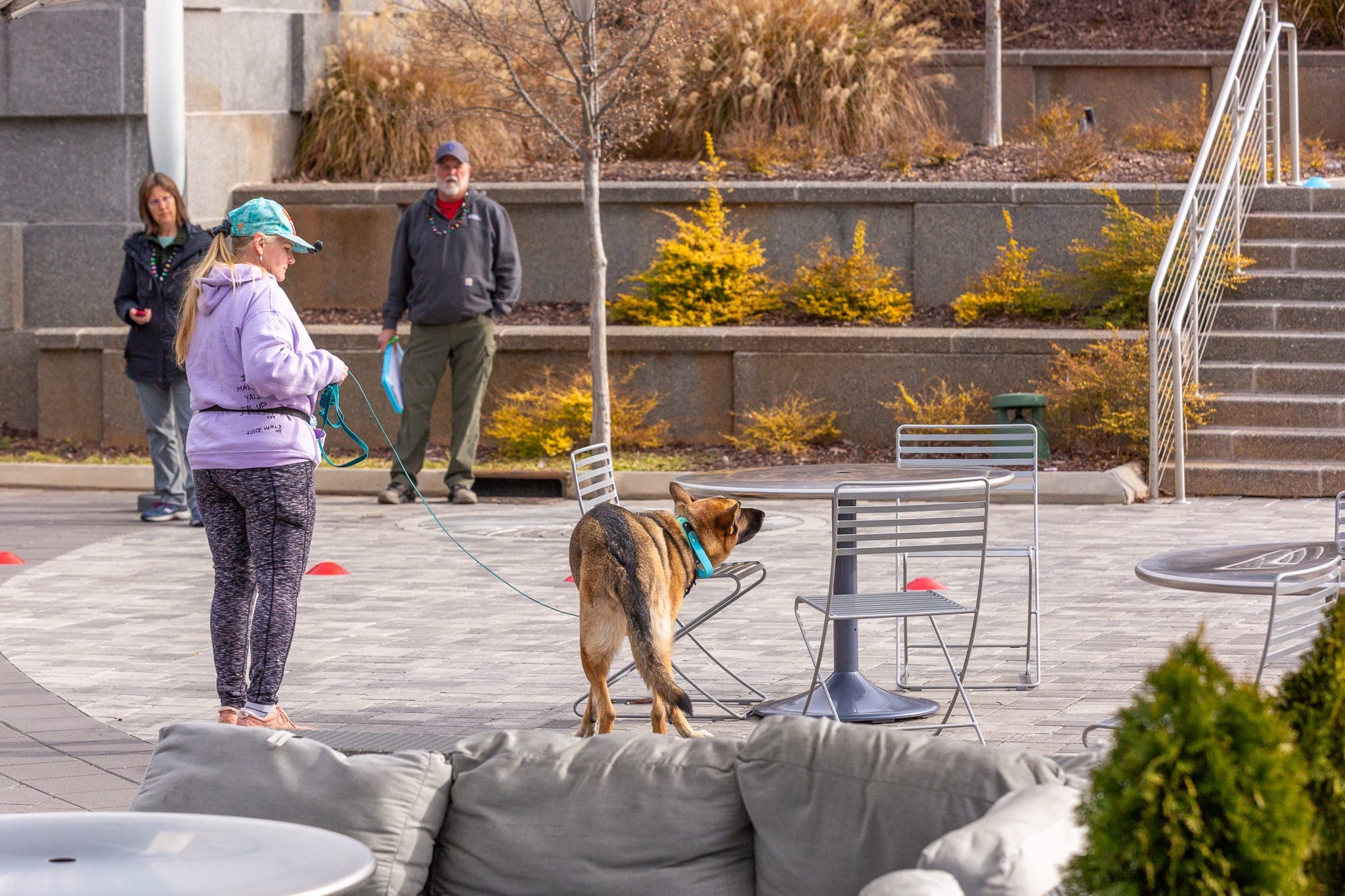
Dogs search for hidden target odors and alert their handler when they find them.
An evolving field guide to the dog sports you can pursue in the United States.
Dogs use their nose to find hidden targets, follow scent trails, or locate quarry.
Dogs search for hidden target odors and alert their handler when they find them.
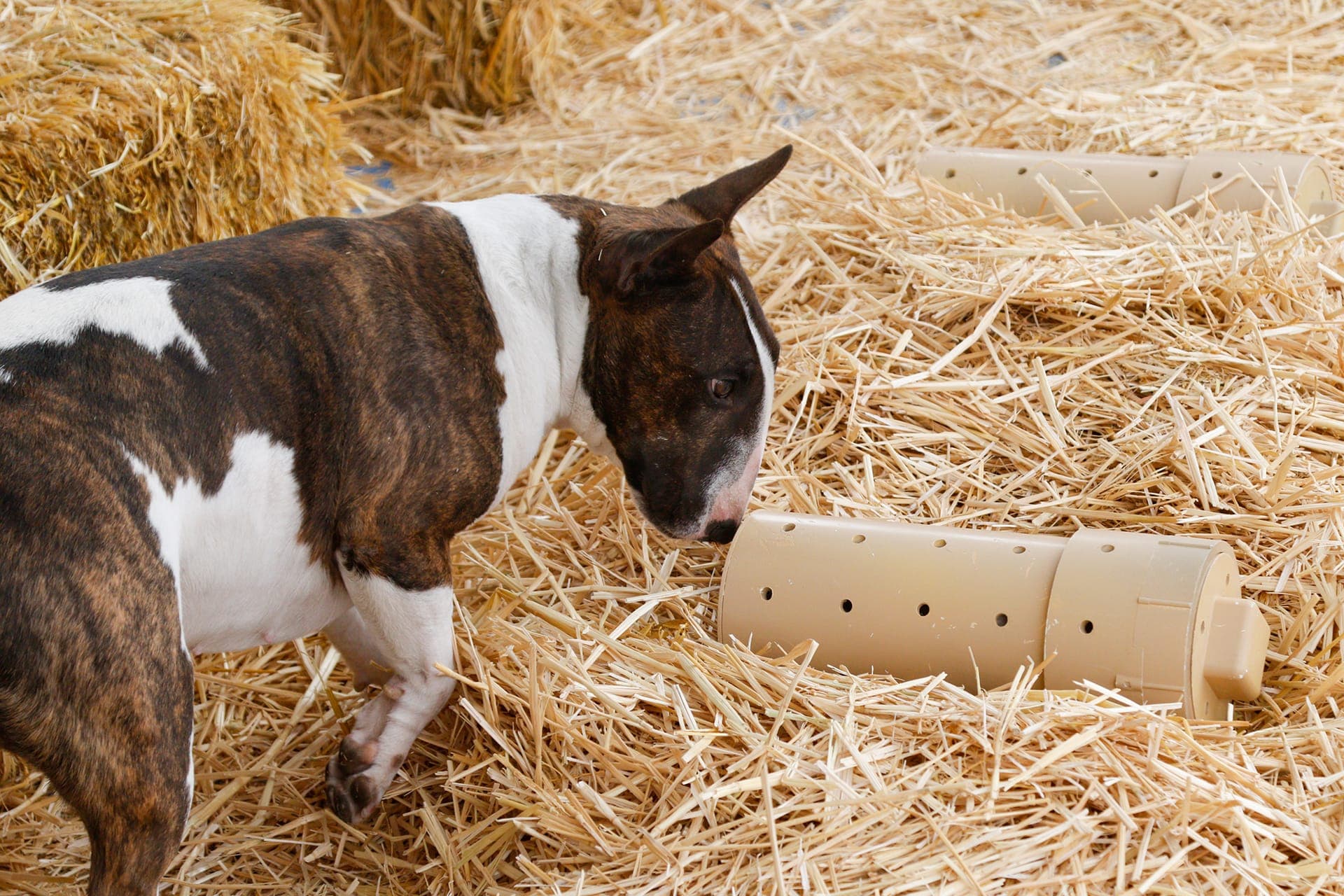
Dogs navigate hay or straw bale courses to locate safely contained rats hidden in tubes.
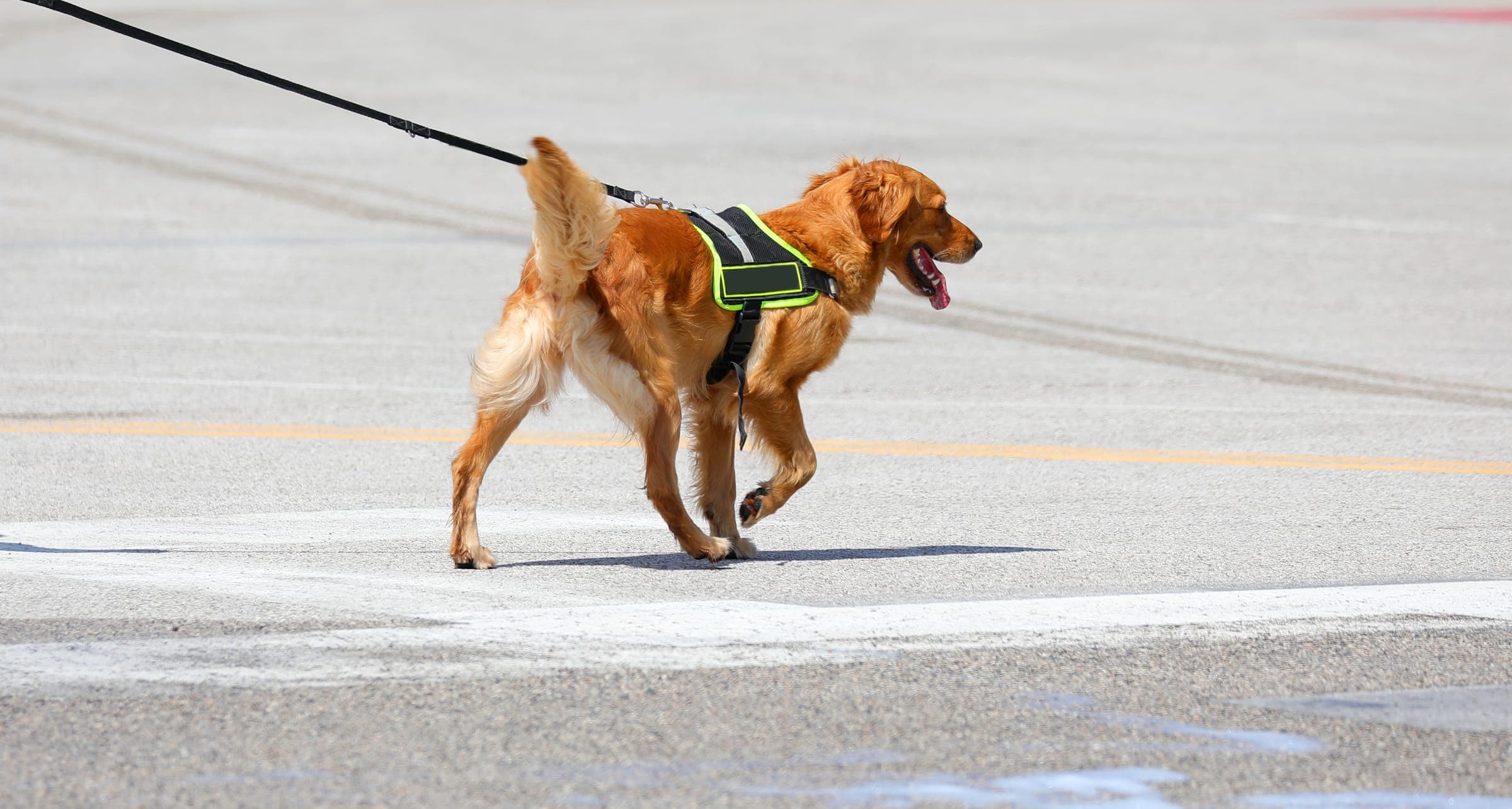
Dogs follow a human scent trail across terrain and changing ground conditions.
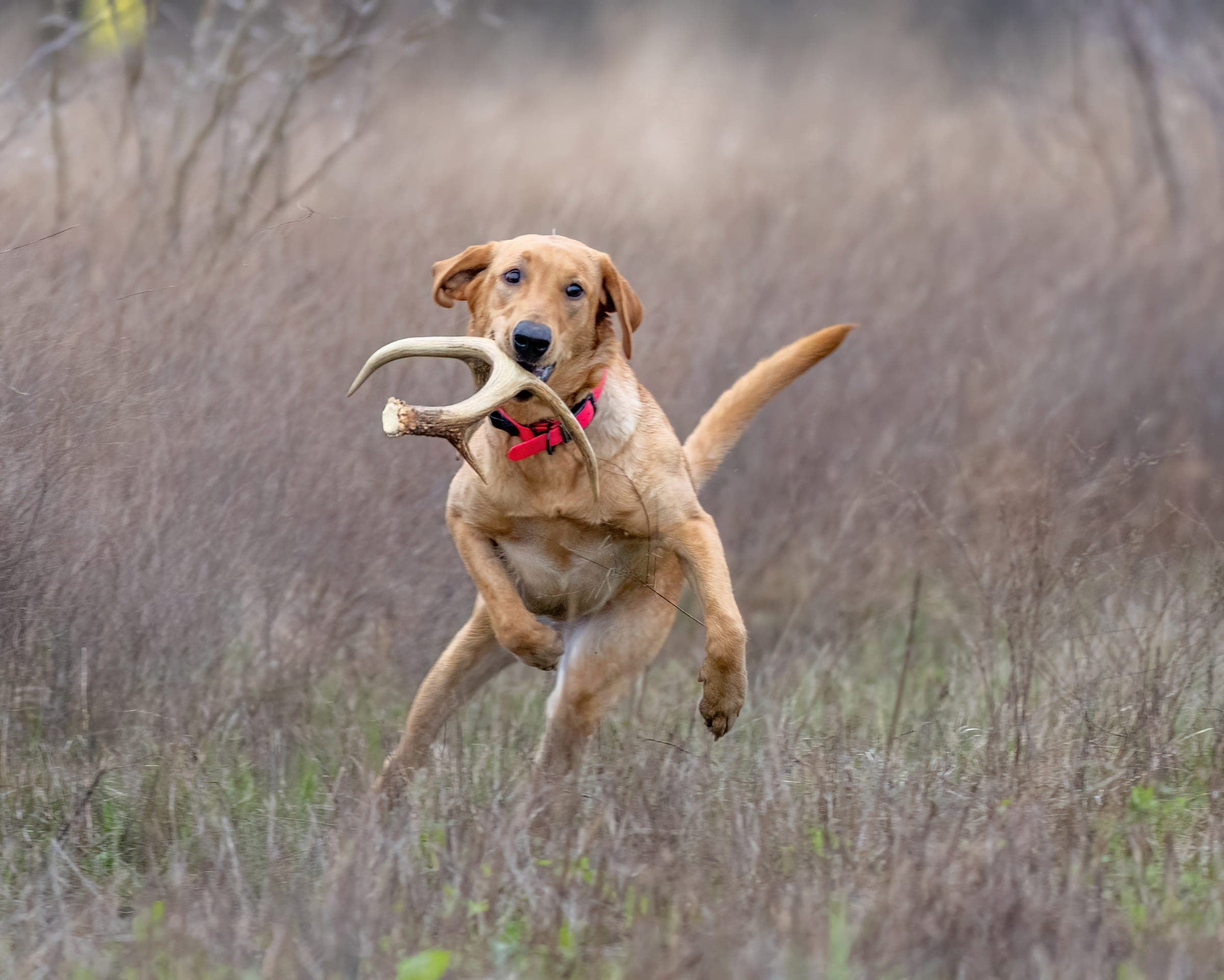
Dogs search for and retrieve naturally shed antlers.
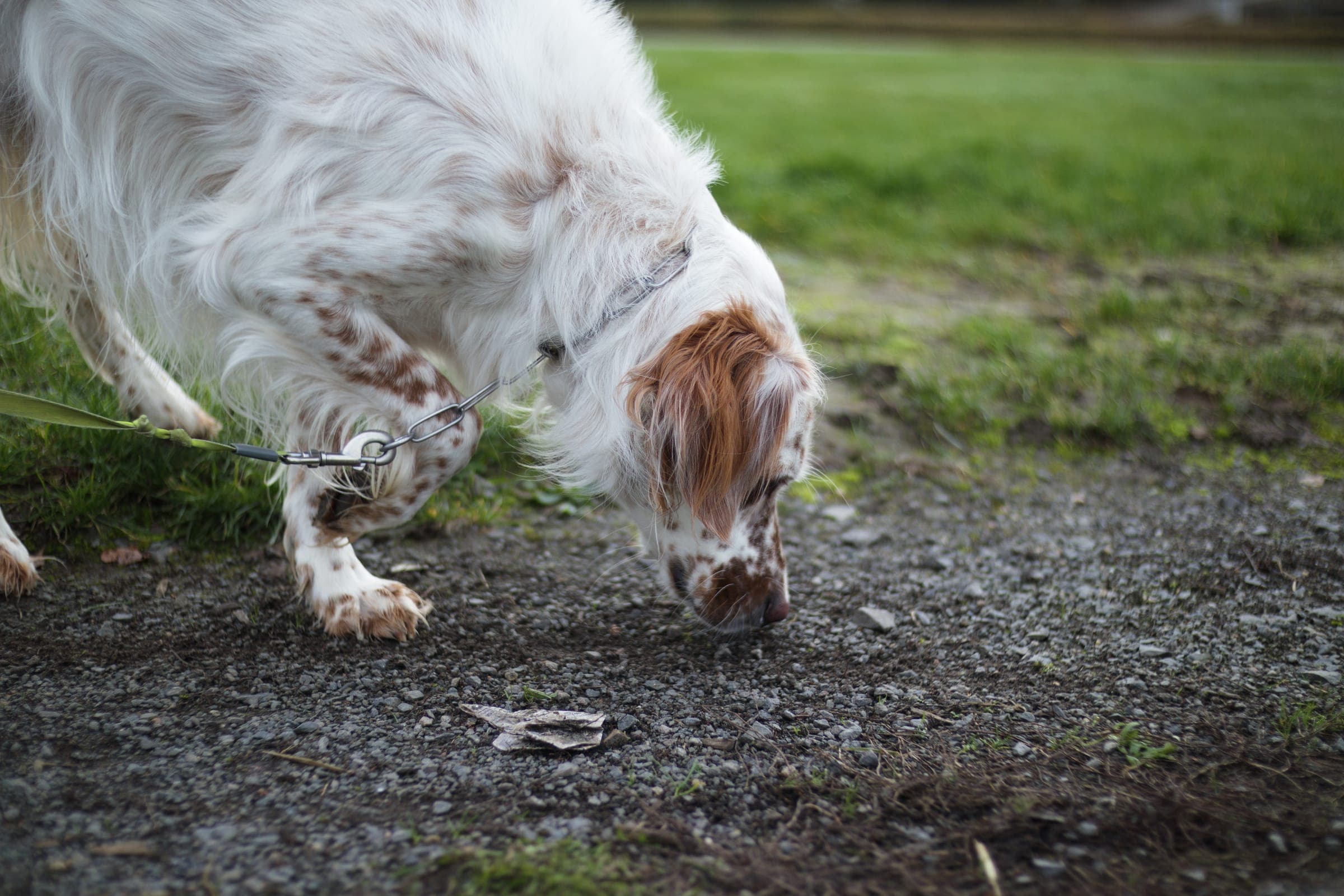
Dogs follow scent and locate quarry or target scent in working-style search environments.
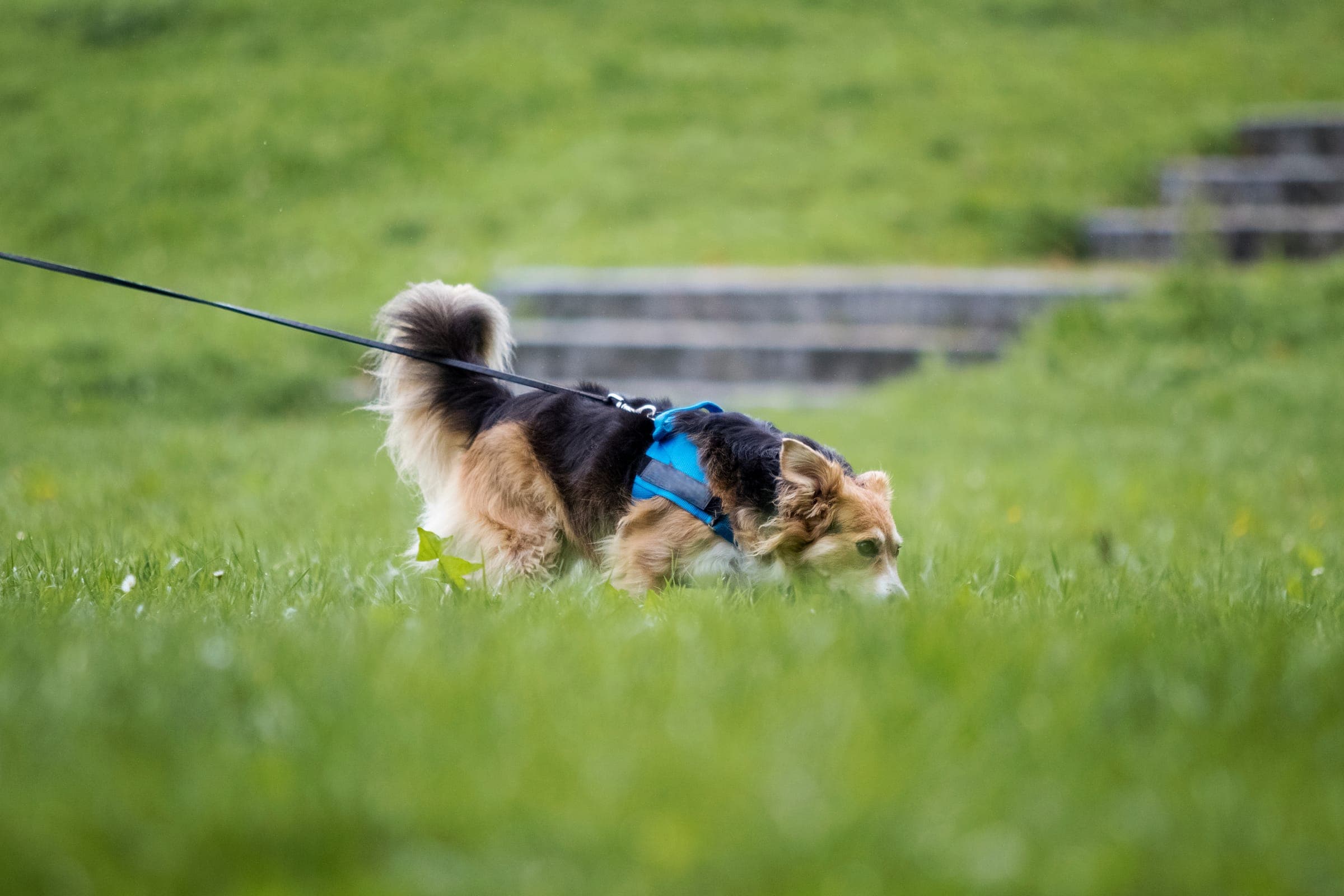
A dog-led scent sport where the team follows one specific person's odor from a scent article — cutting corners, working scent pools, and solving real-world scent puzzles.
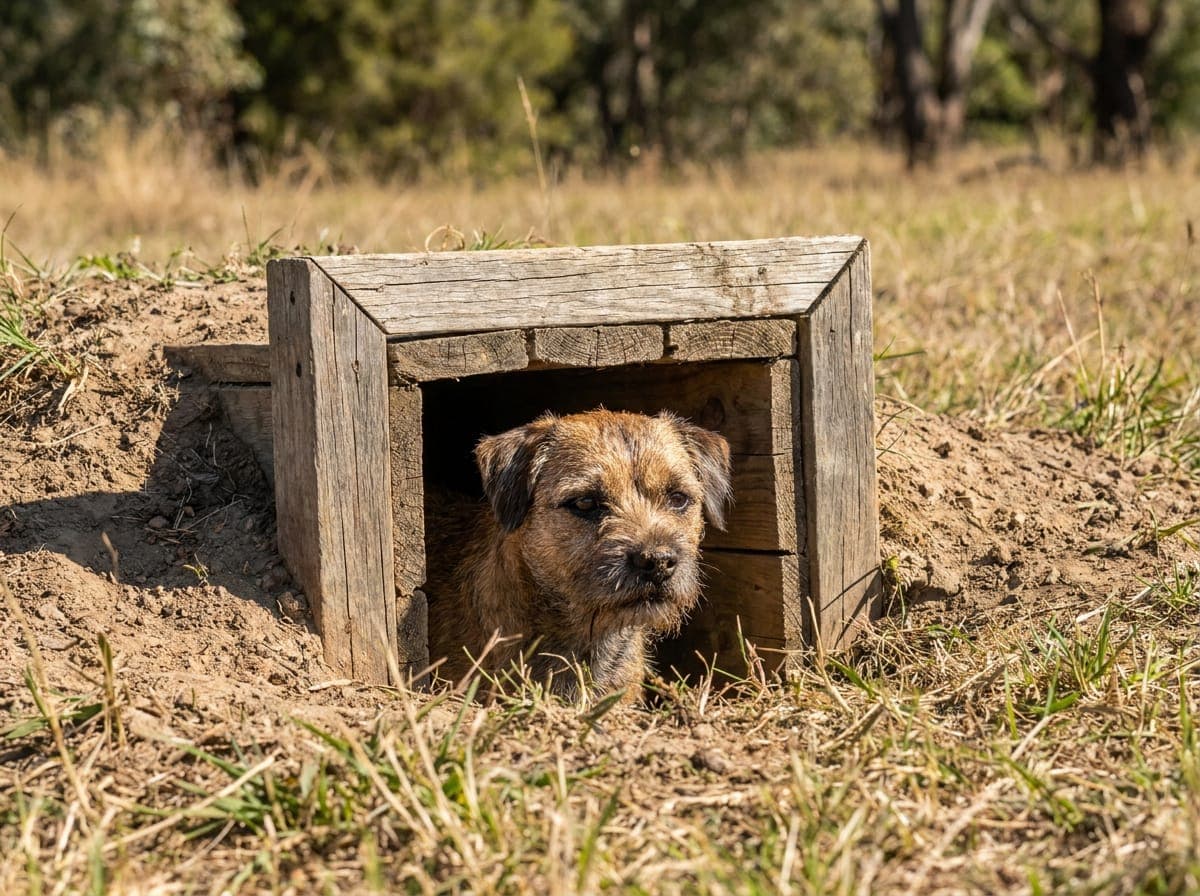
Small hunting dogs work underground-style quarry scenarios that test instinct and control.
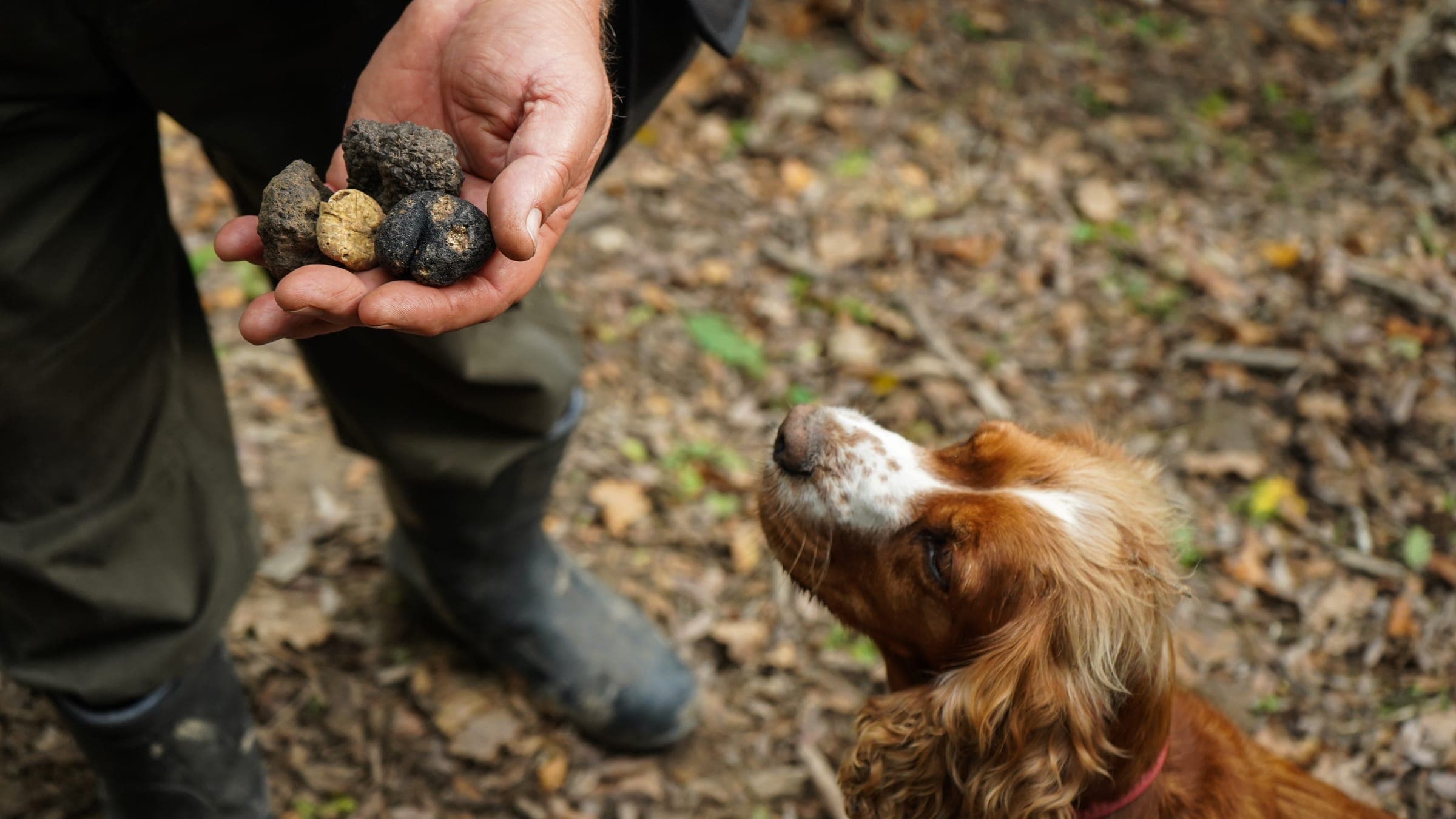
Dogs locate ripe truffles — mycorrhizal fungi growing underground — in forests and orchards. Lives at the intersection of competition, recreation, and small-scale foraging.
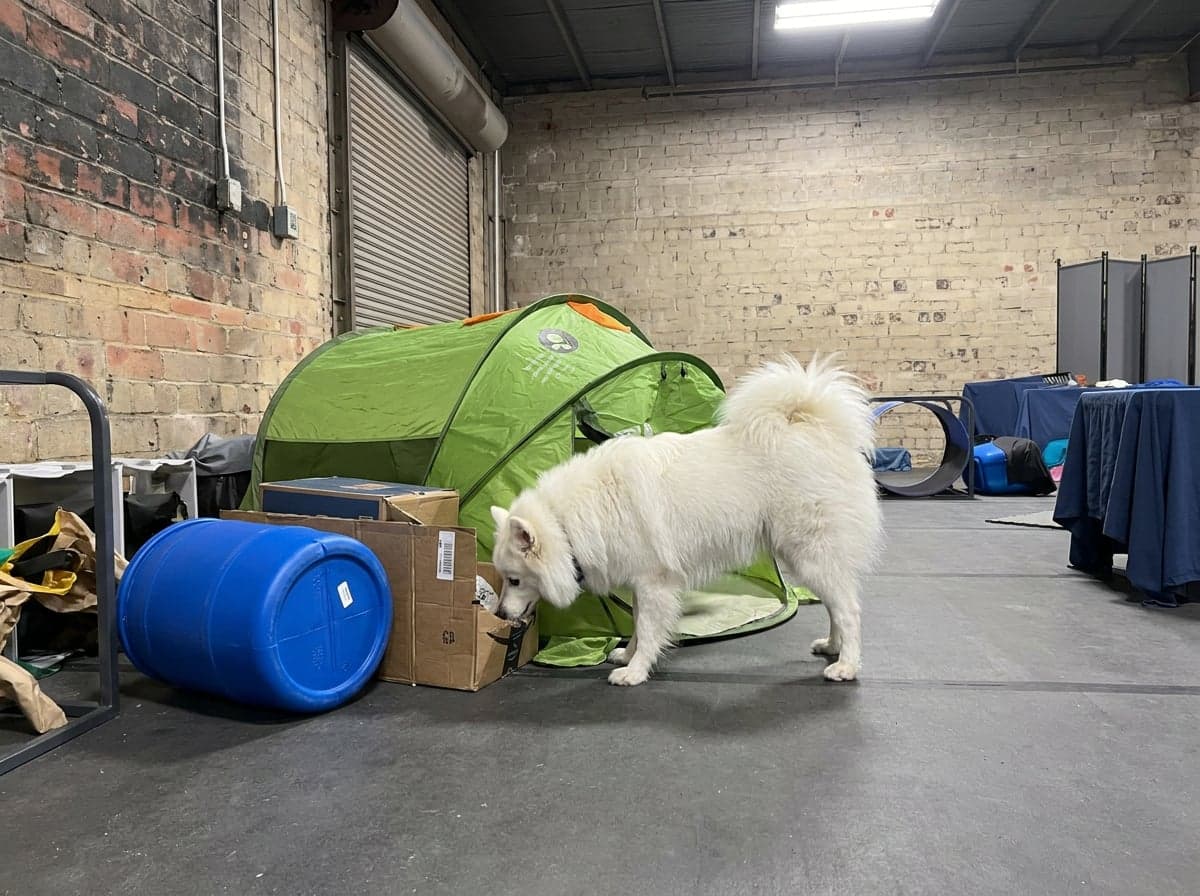
An indoor, urban-alley rat-hunting sport — boxes, barrels, tunnels, bridges, and burrows on a clean floor. Open to any breed or mix six months and older.
Dogs chase lures, sprint, or race in relay-style formats built around speed and prey drive.
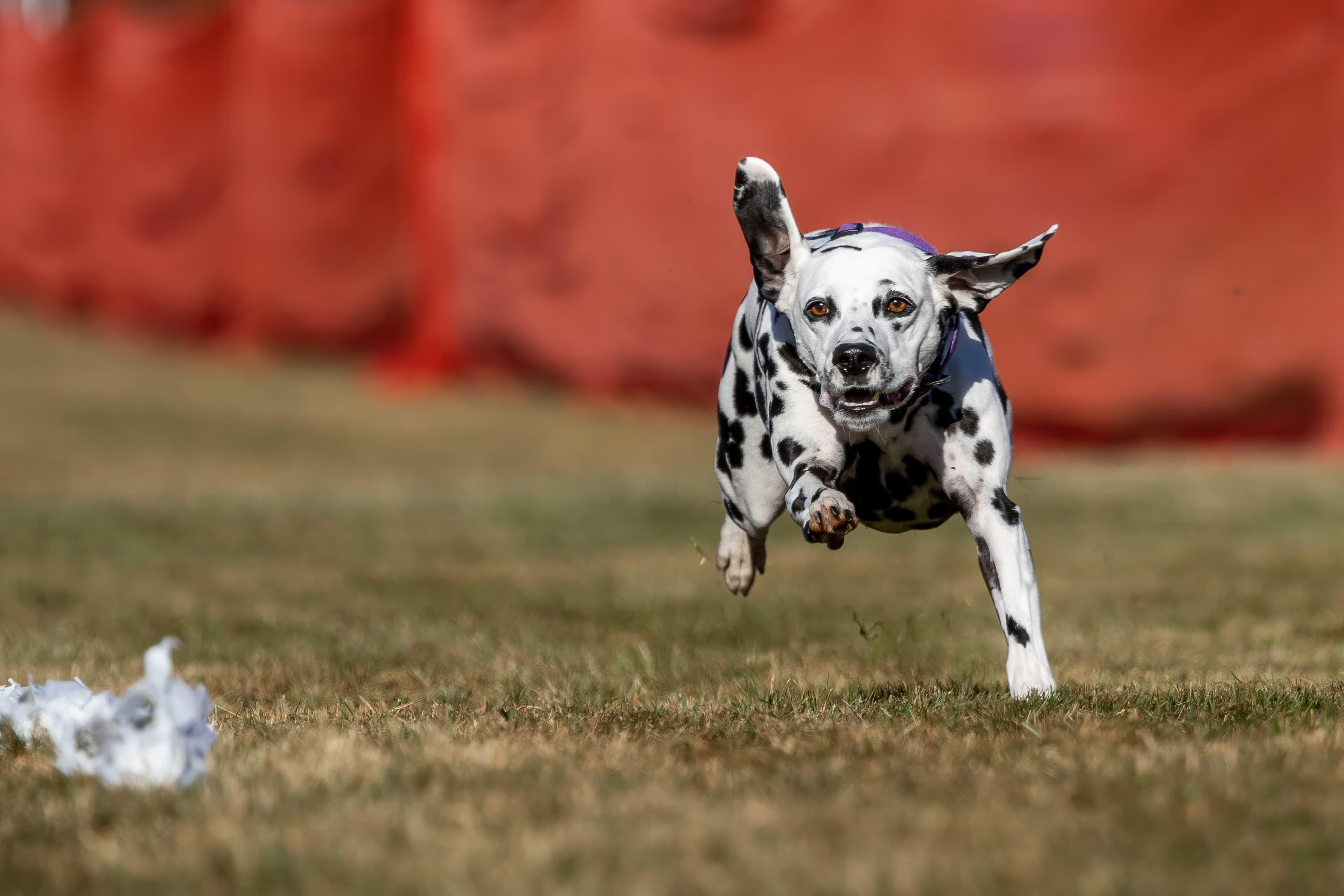
A timed 100-yard dash where dogs chase a lure in a straight line.
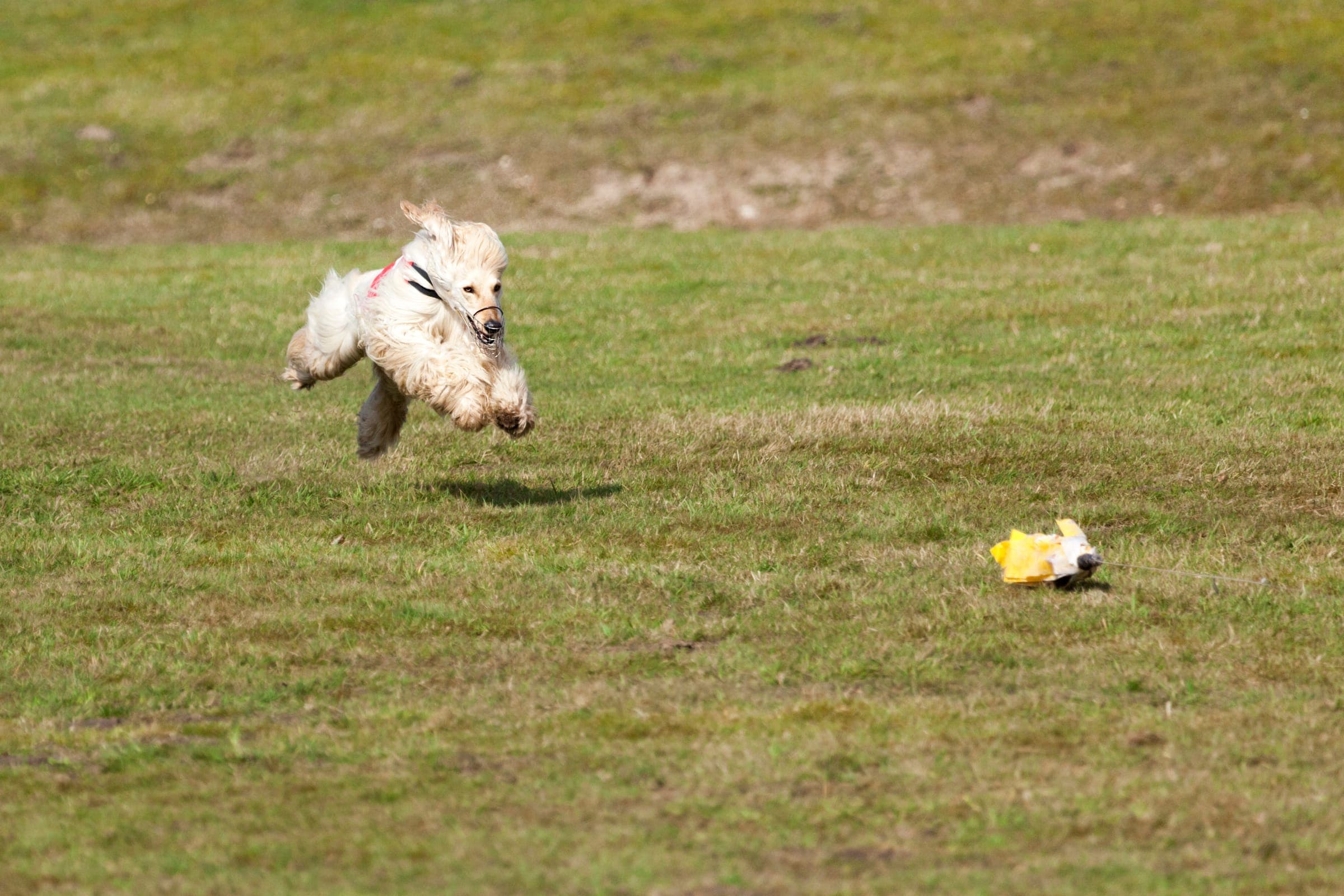
Dogs chase a mechanically operated lure around a course designed to simulate pursuit.
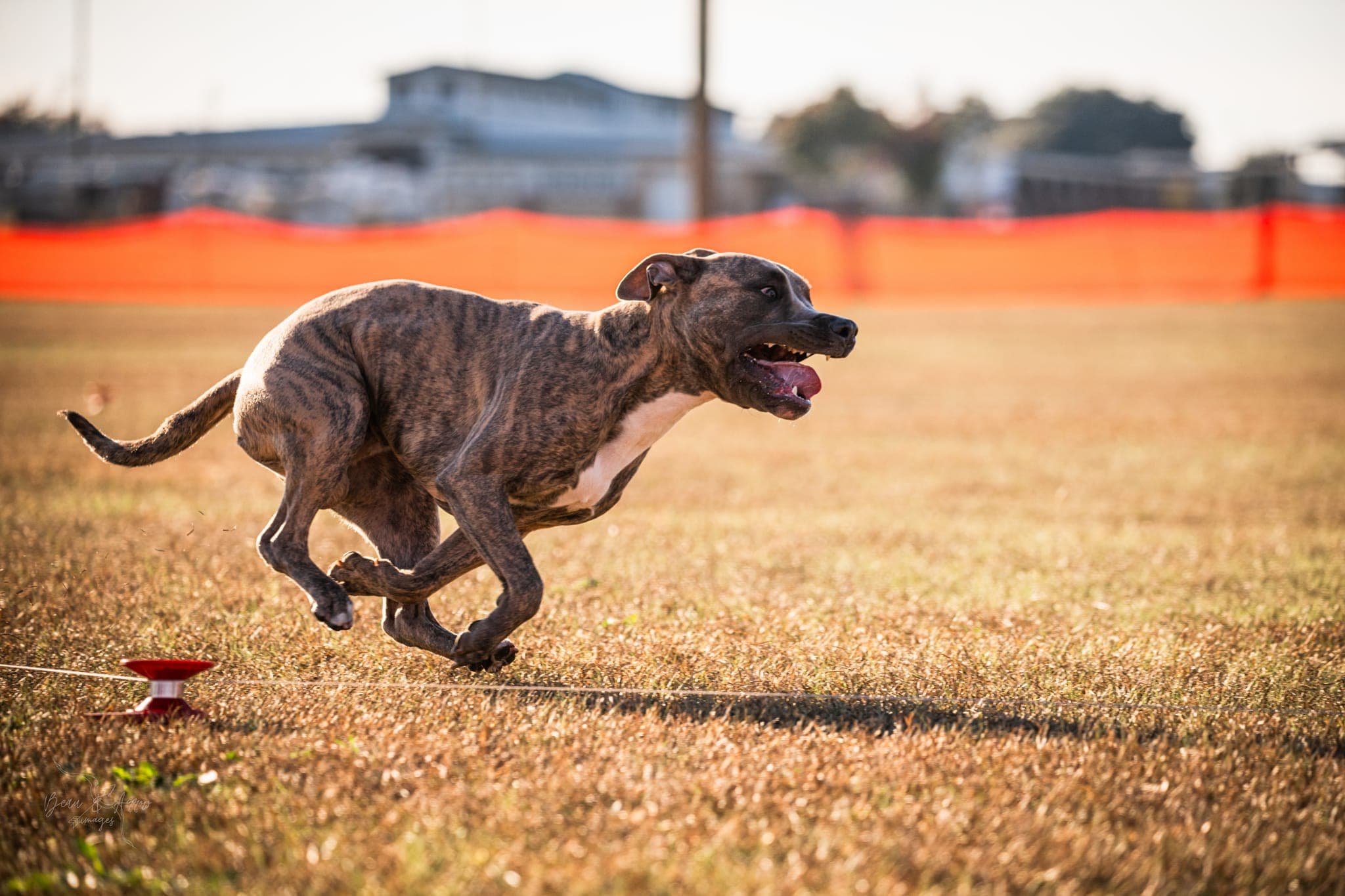
A coursing ability test that evaluates a dog’s instinct and speed chasing a lure.
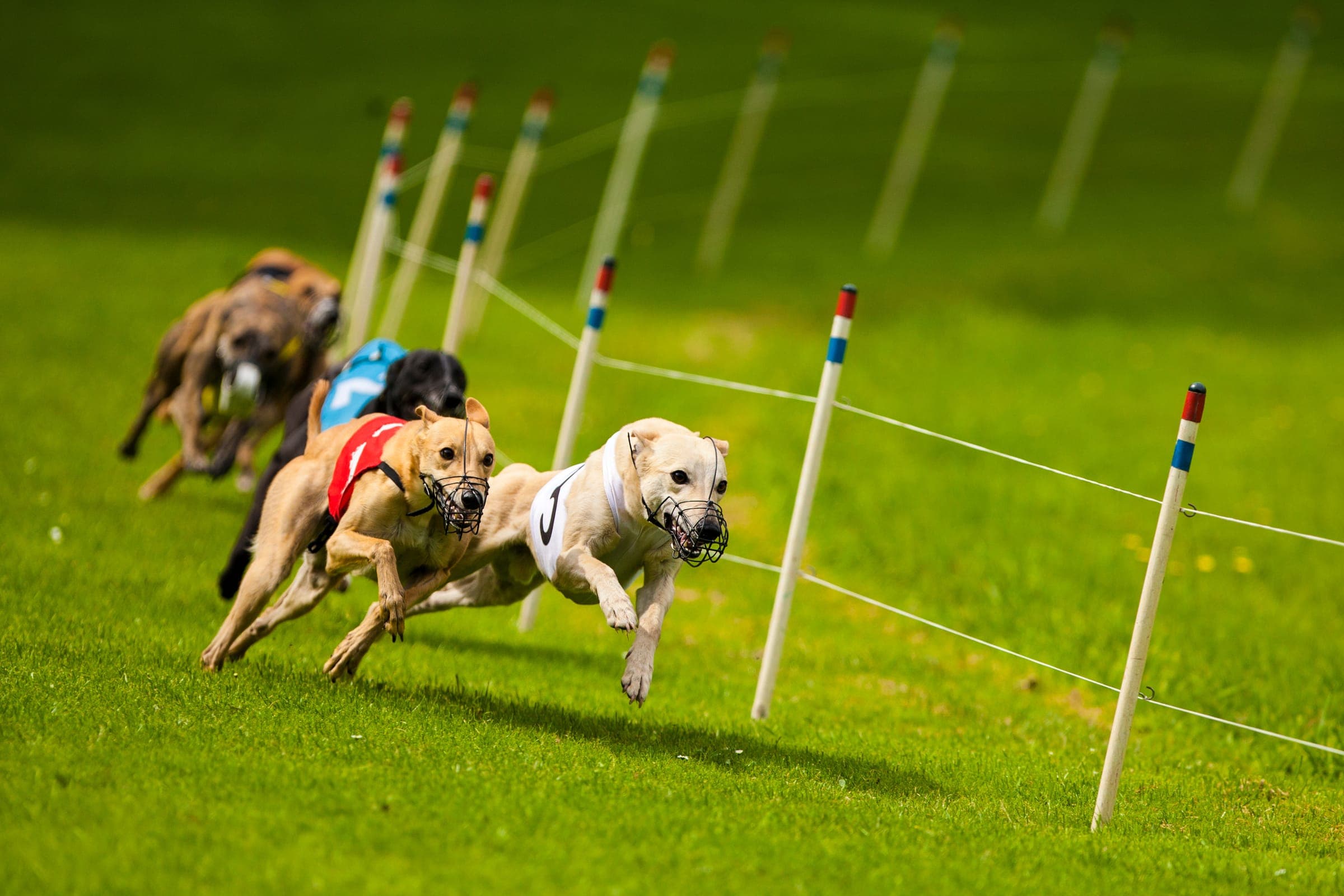
Dogs race around an oval track chasing a lure, testing both speed and cornering ability.
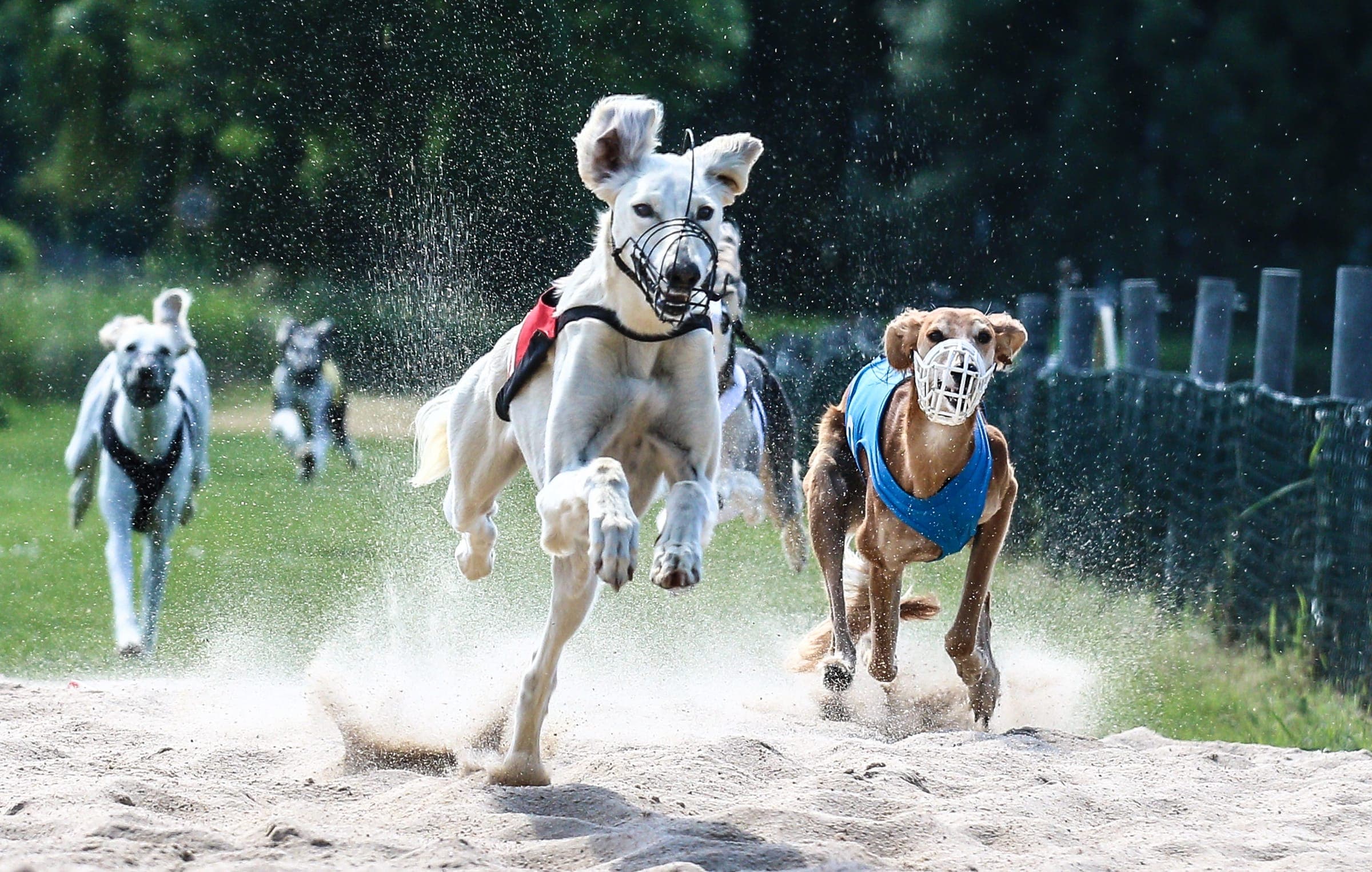
Dogs sprint in a straight line chasing a lure, reaching top speed over a short course.
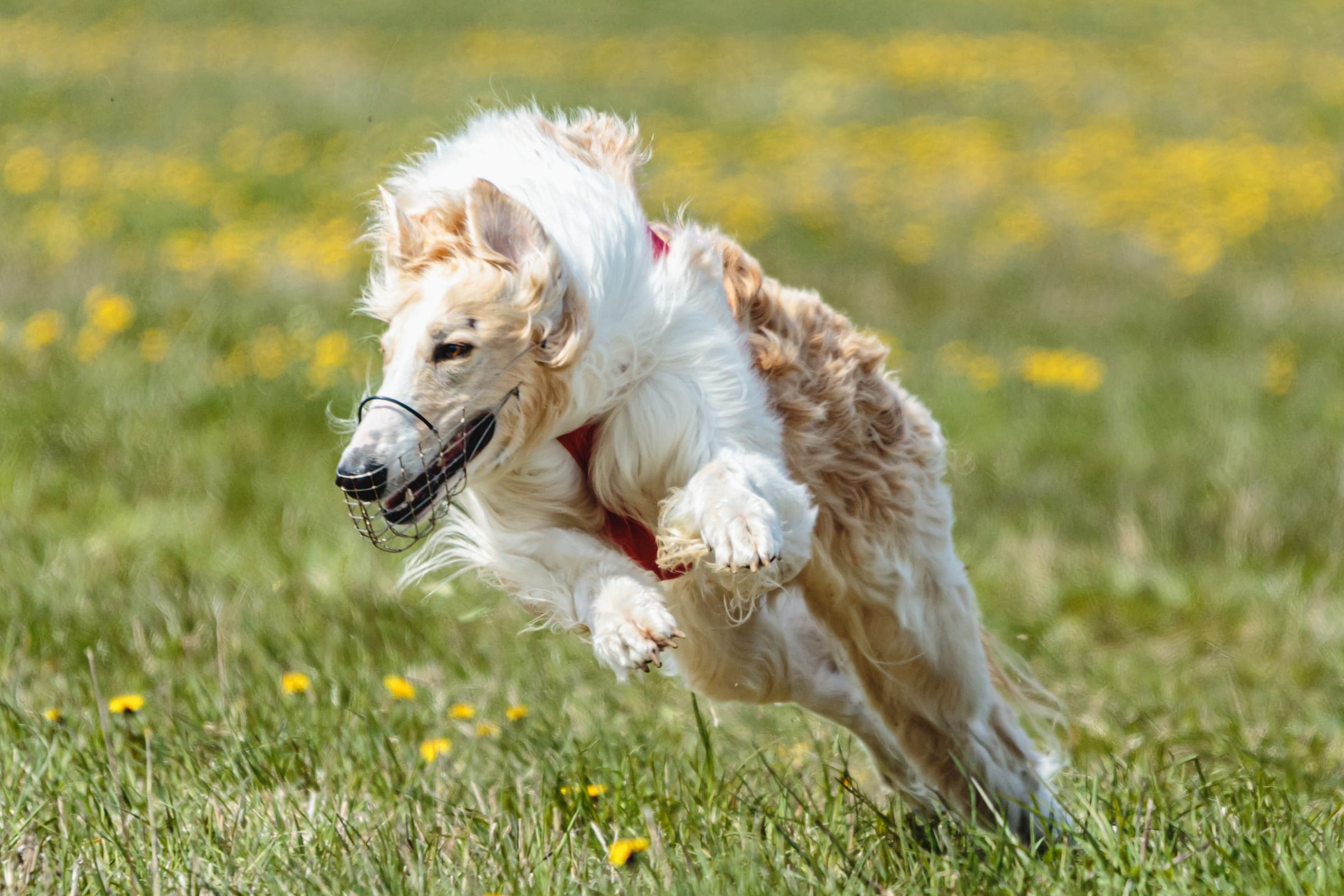
A lure sport built around measured pursuit and speed-based performance.
Precision, communication, and partnership between handler and dog.
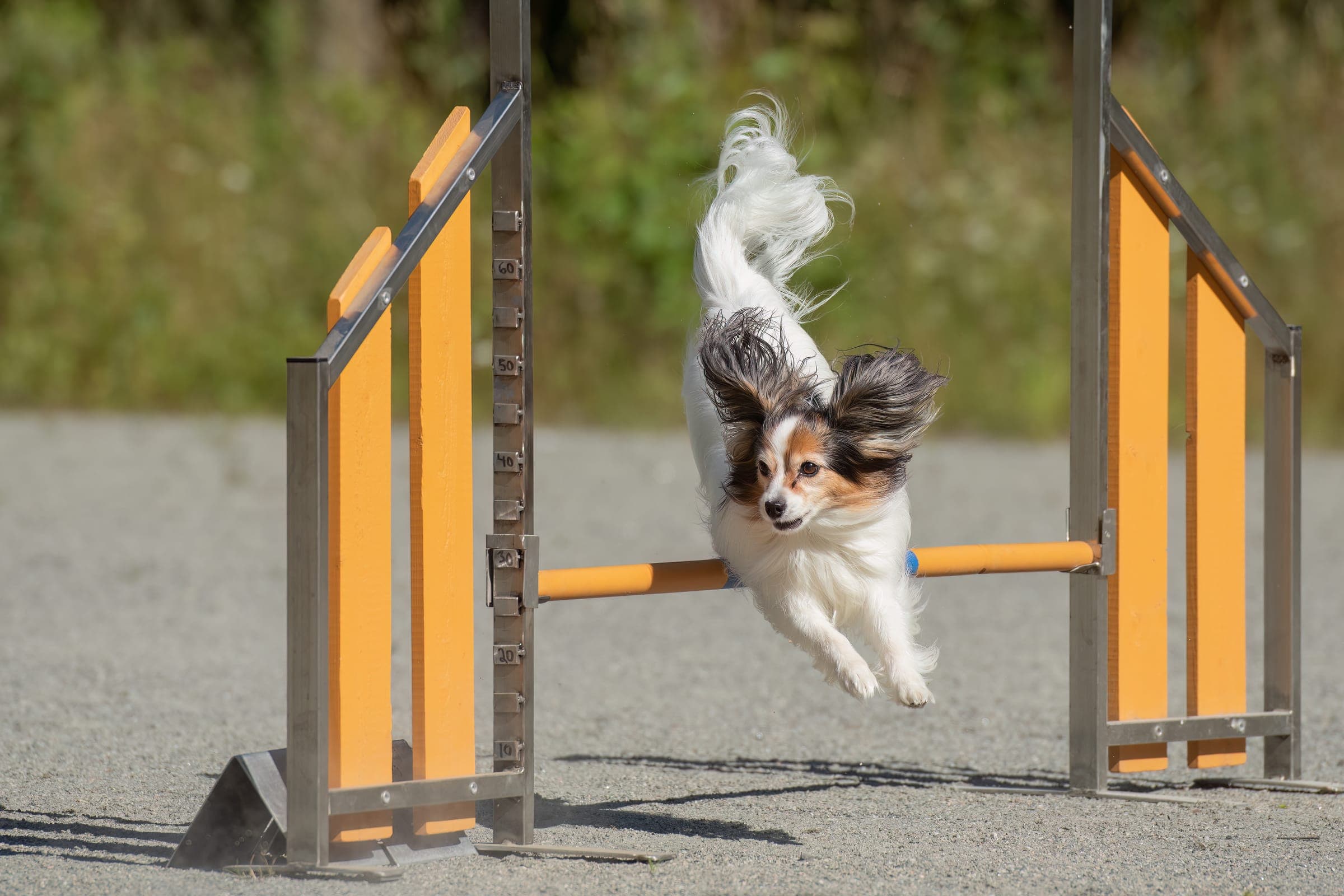
Dogs run an obstacle course of jumps, tunnels, contacts, and weave poles with their handler.
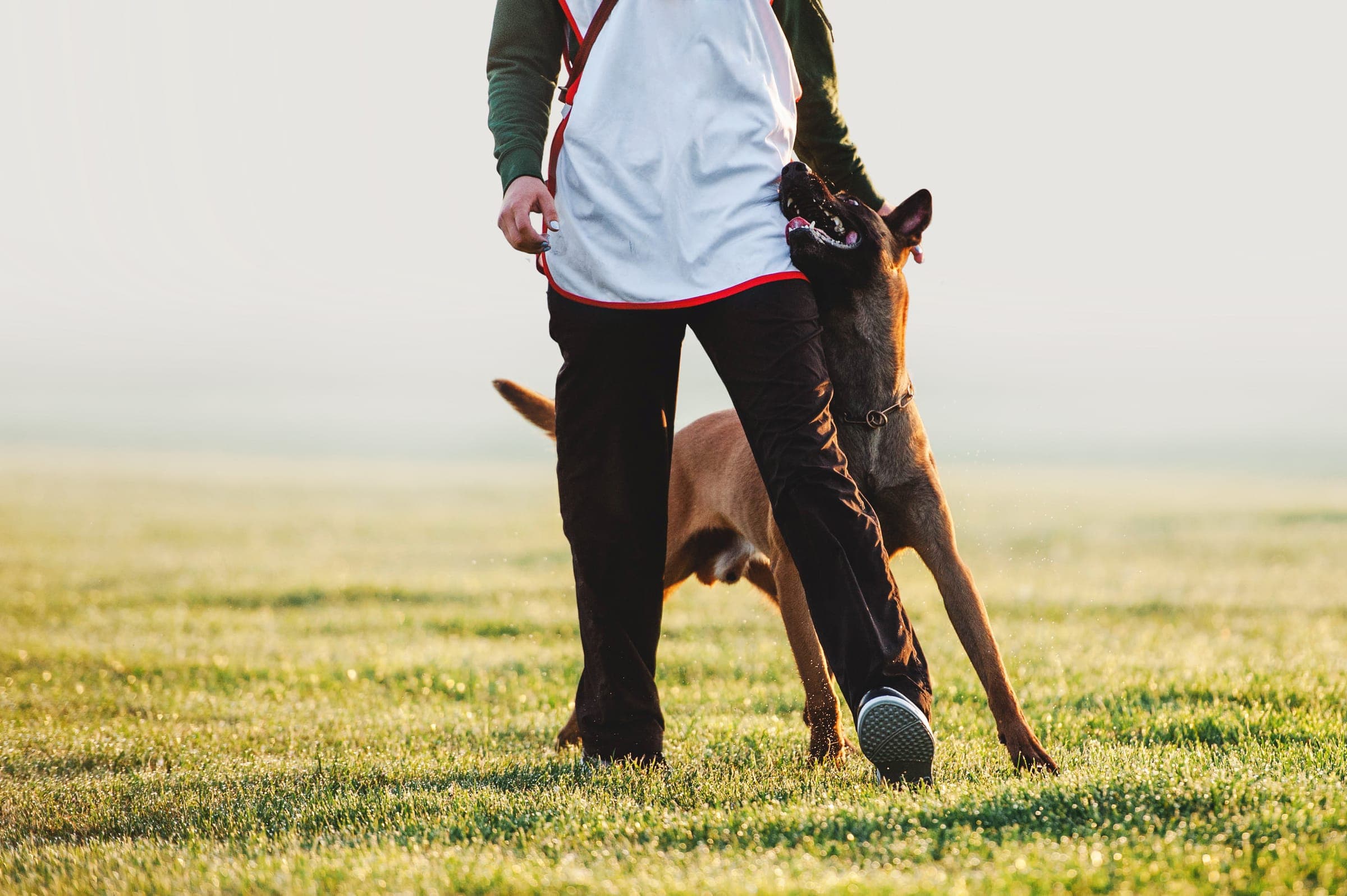
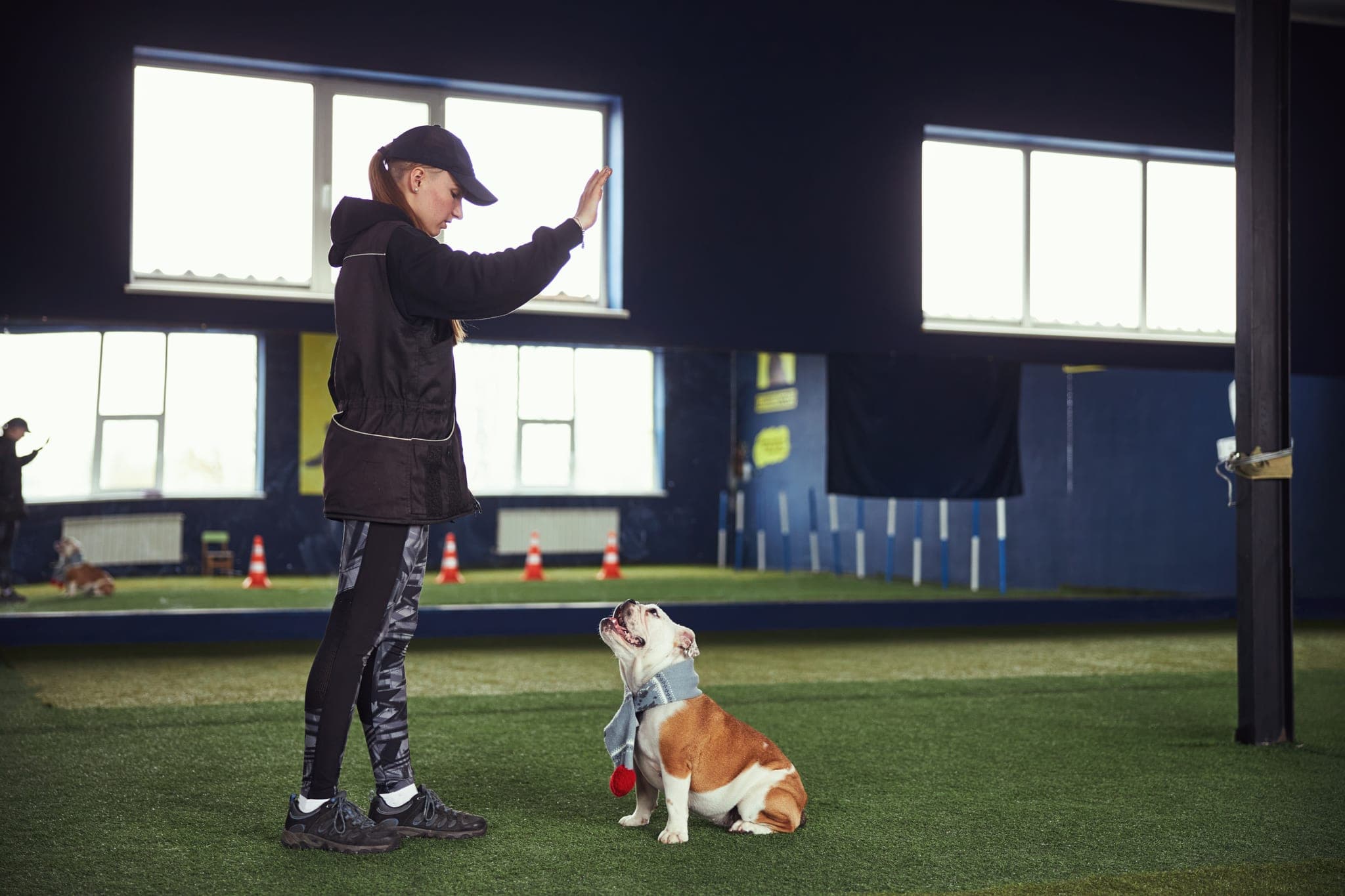
Dogs perform precise exercises under handler direction, demonstrating control and teamwork.
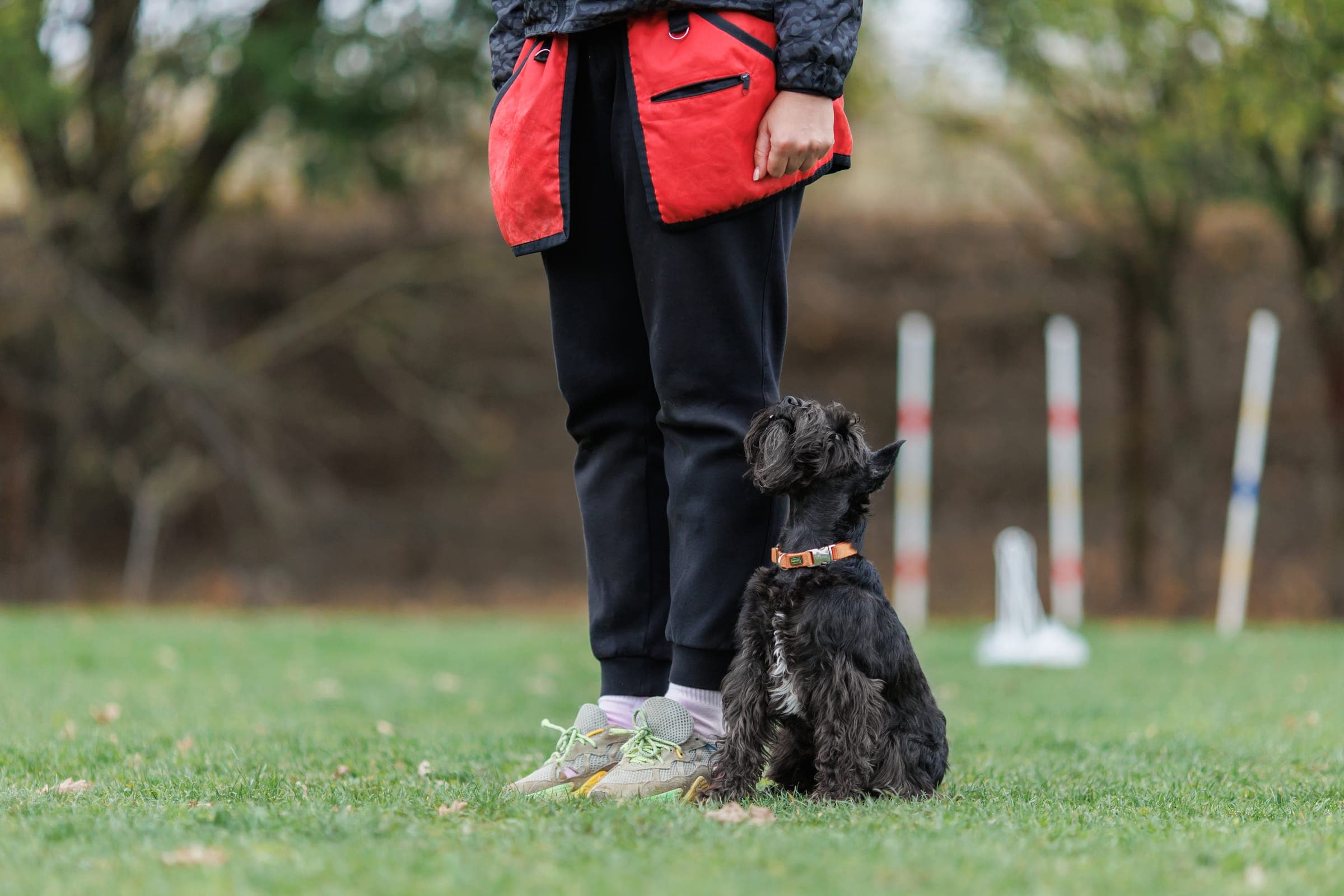
Dog and handler move through a course of obedience signs, performing stations together.
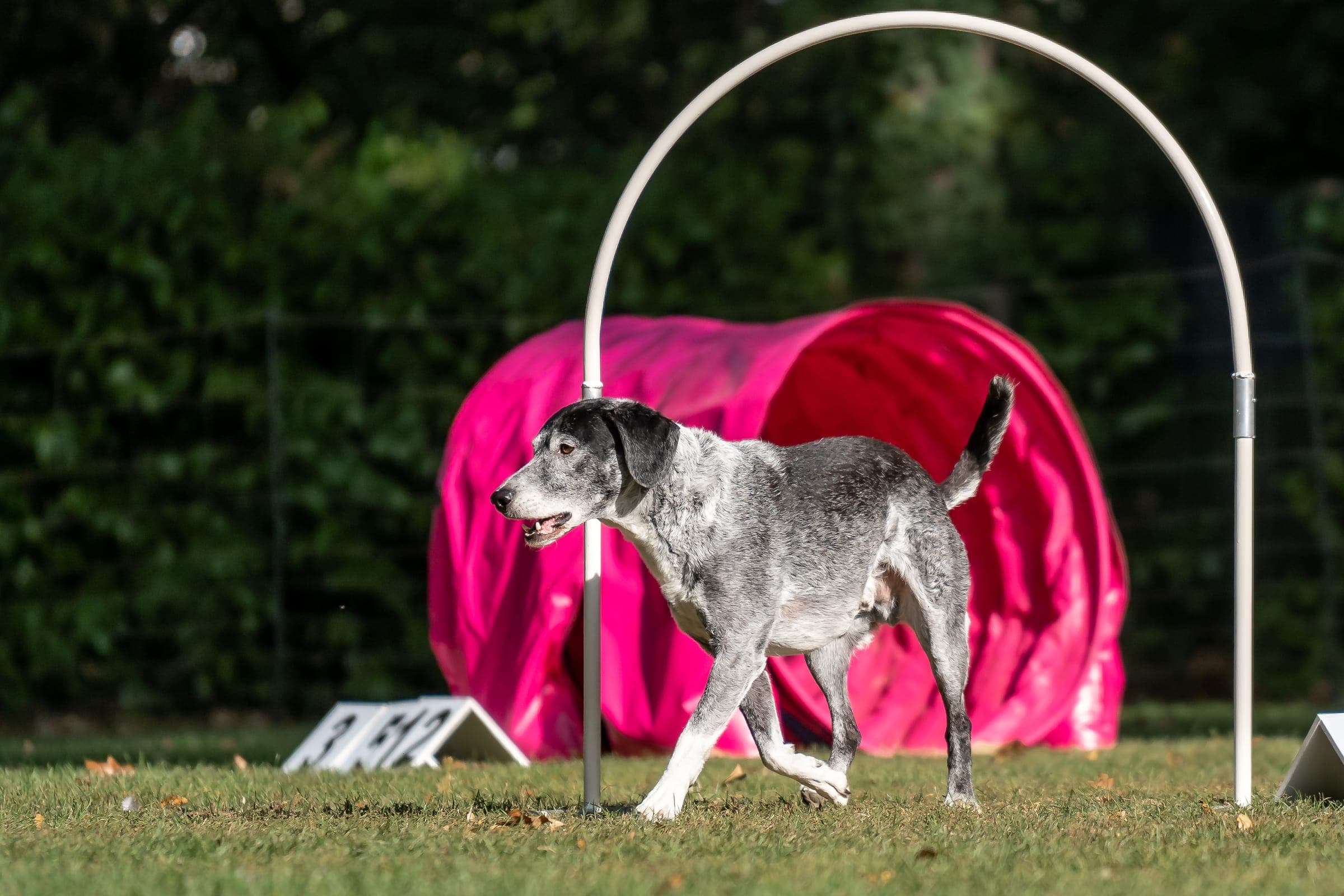
A numbered-course sport where the dog runs flowing patterns of hoops, barrels, gates, and tunnels at speed while the handler directs from a small handling zone — no jumps, no contacts.
A barrel-and-pattern handling sport — teams run set courses around barrels and tunnels, scaling from on-leash beginner runs to off-leash distance work with handler-restricted upper levels.
Athletic and working sports conducted in and around the water.
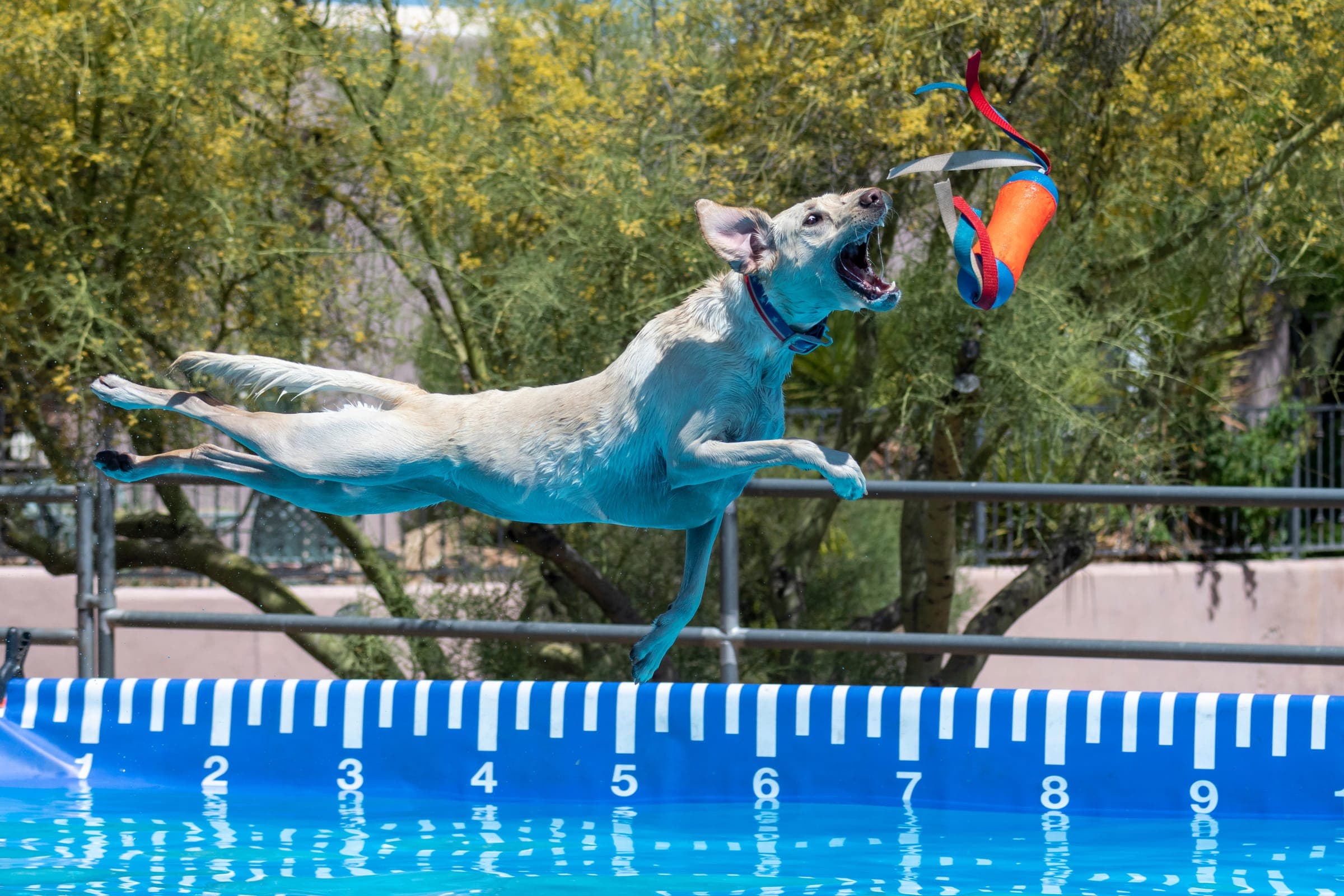
Dogs leap from a dock into water for distance, height, speed retrieve, or related aquatic challenges.
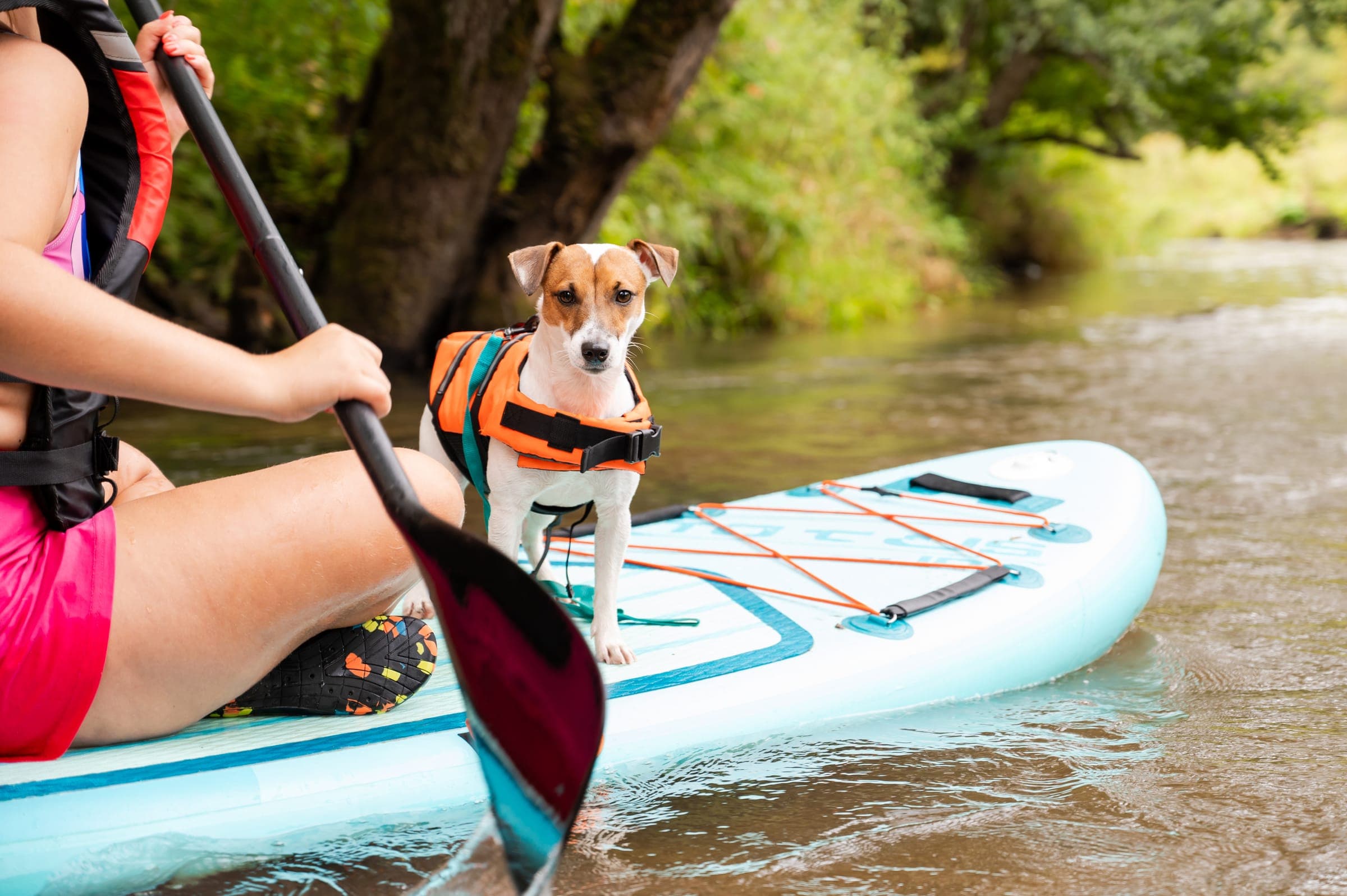
Dogs balance on stand-up paddleboards alongside their handler on lakes, rivers, and coastal waters.
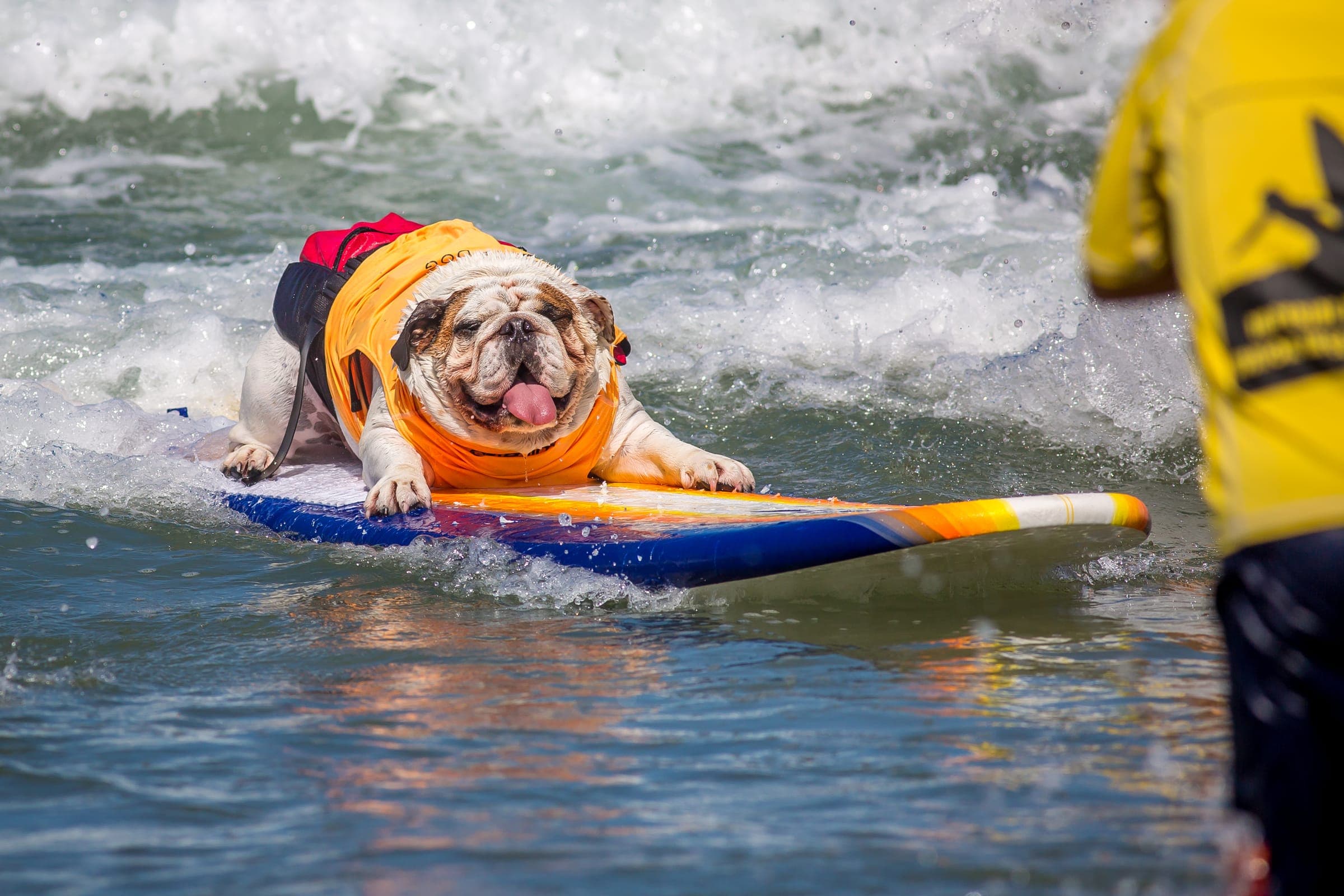
Dogs ride waves on surfboards alongside or with their handler, judged on confidence, length of ride, and style.
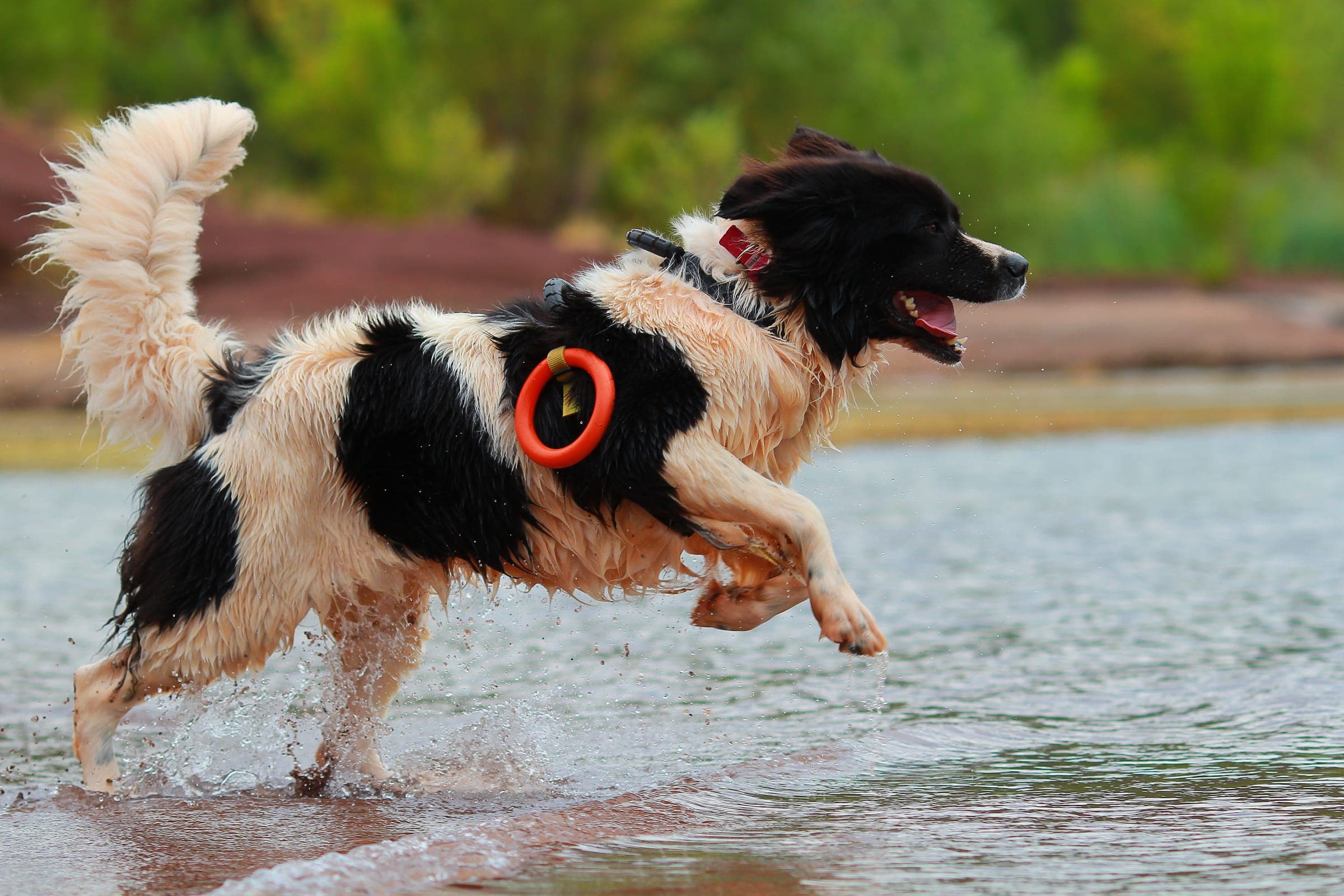
Dogs perform draft work, towing, and rescue scenarios in open water.
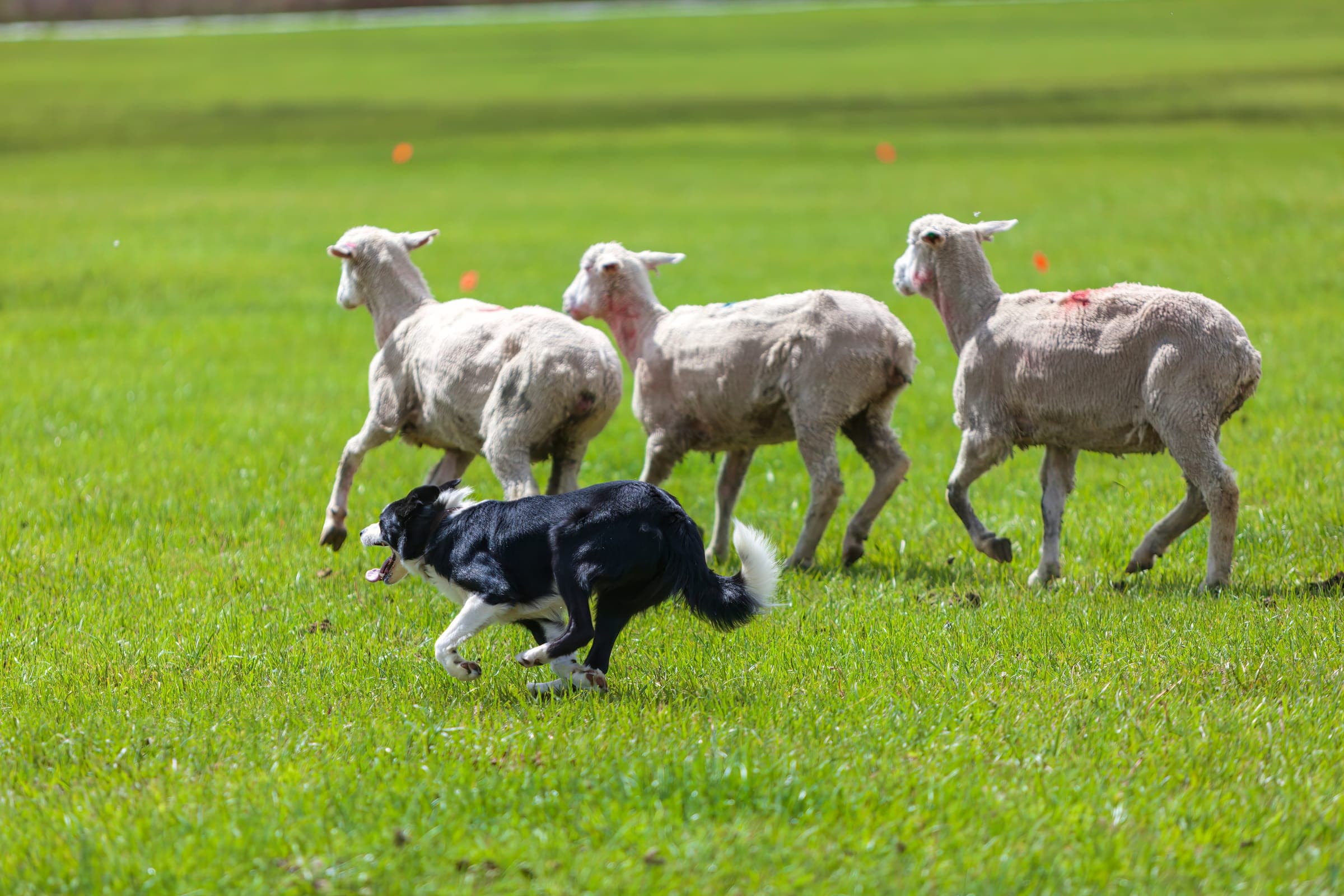
Dogs move livestock using instinct, training, and handler communication.
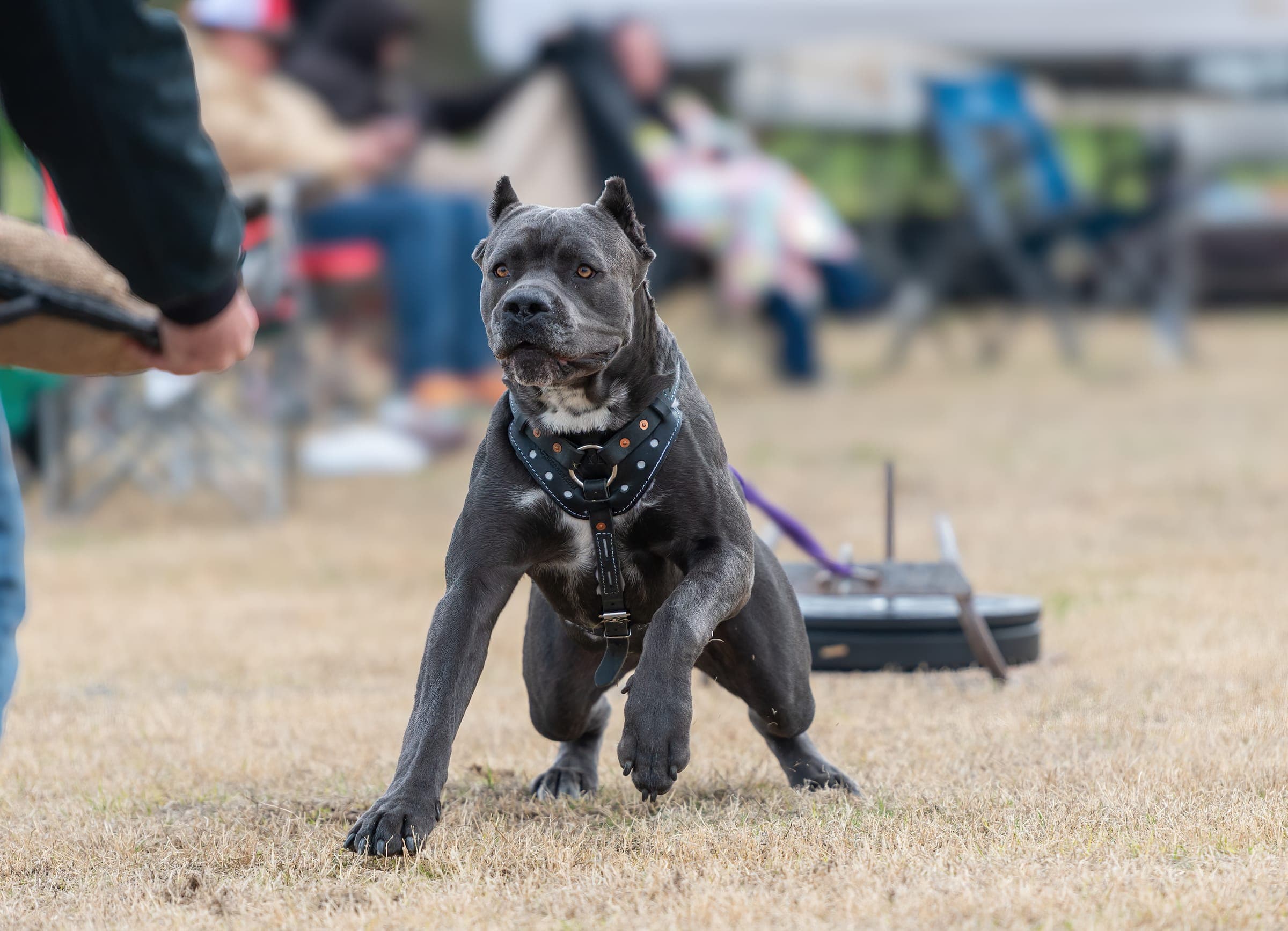
Multi-phase sports testing tracking, obedience, and controlled protection work.
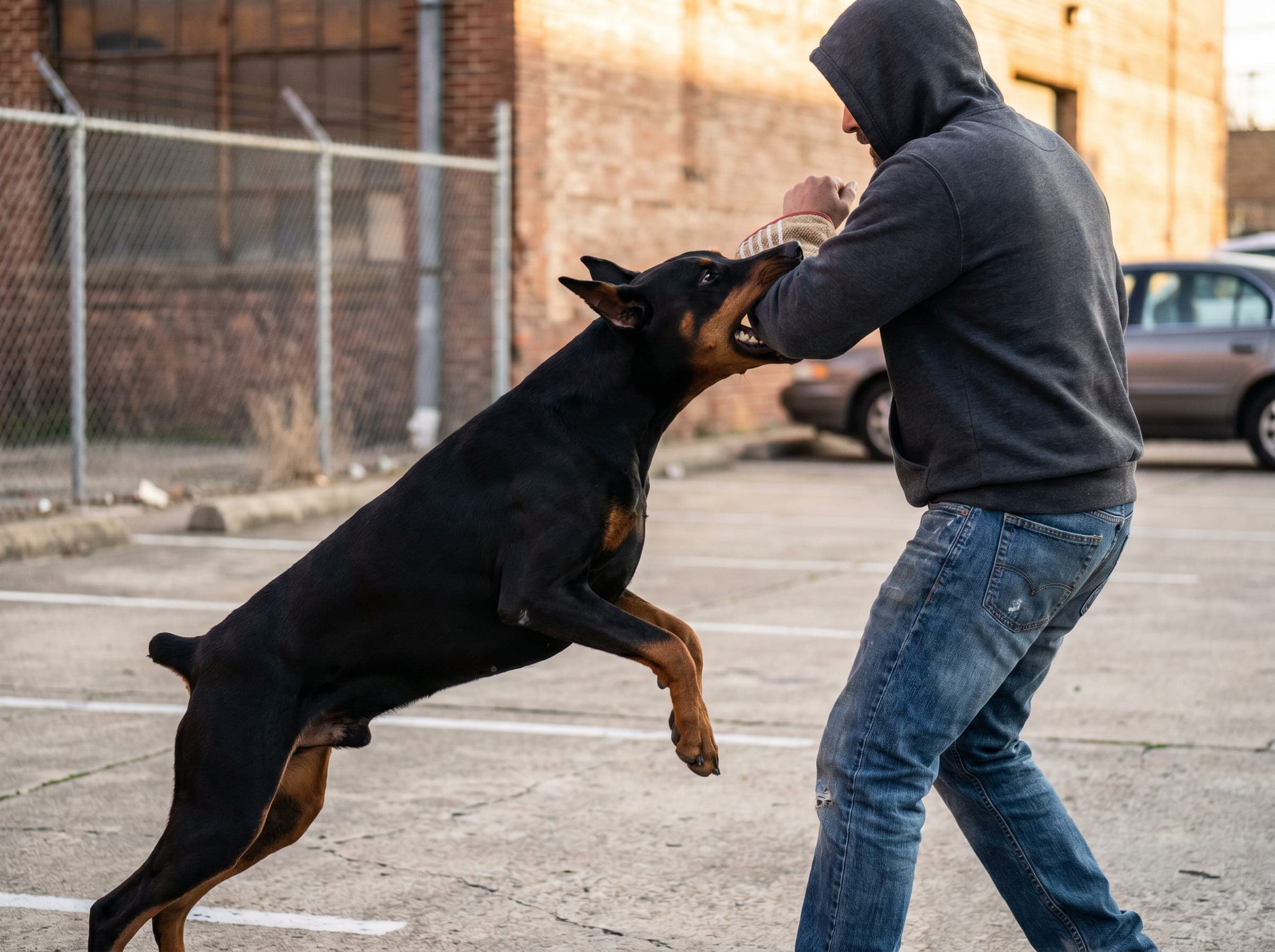
A scenario-based US protection sport where decoys move on the field during obedience, judge-designed surprise scenarios replace memorized patterns at higher levels, and every dog starts at the same entry certificate regardless of titles in other sports.
A US-developed scenario protection sport built around vehicle and street-style confrontations — paid certified decoys, prize money for handlers, and a club model that runs on professional production over volunteer trial culture.
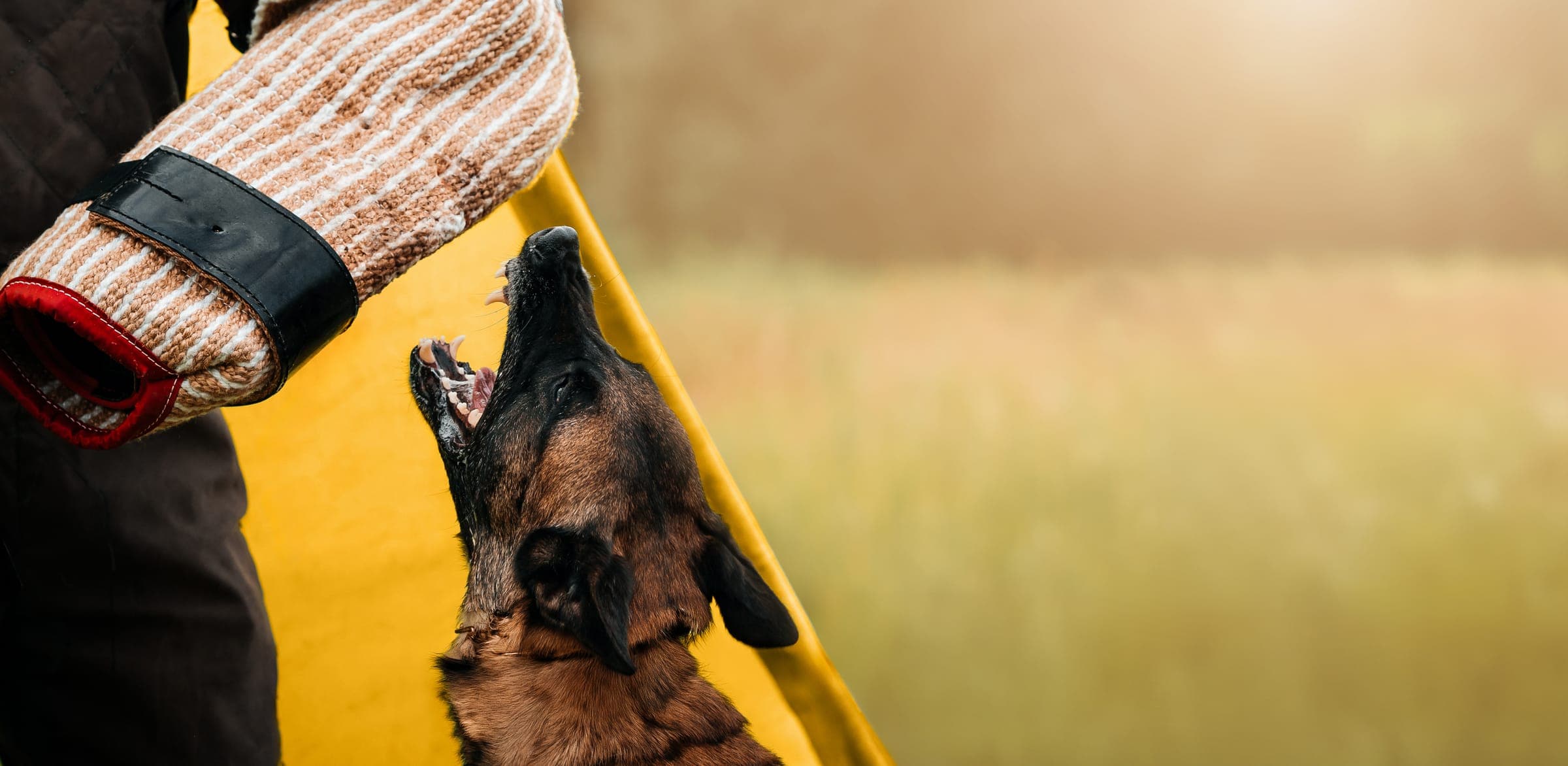
A three-phase working sport testing tracking, obedience, and protection.
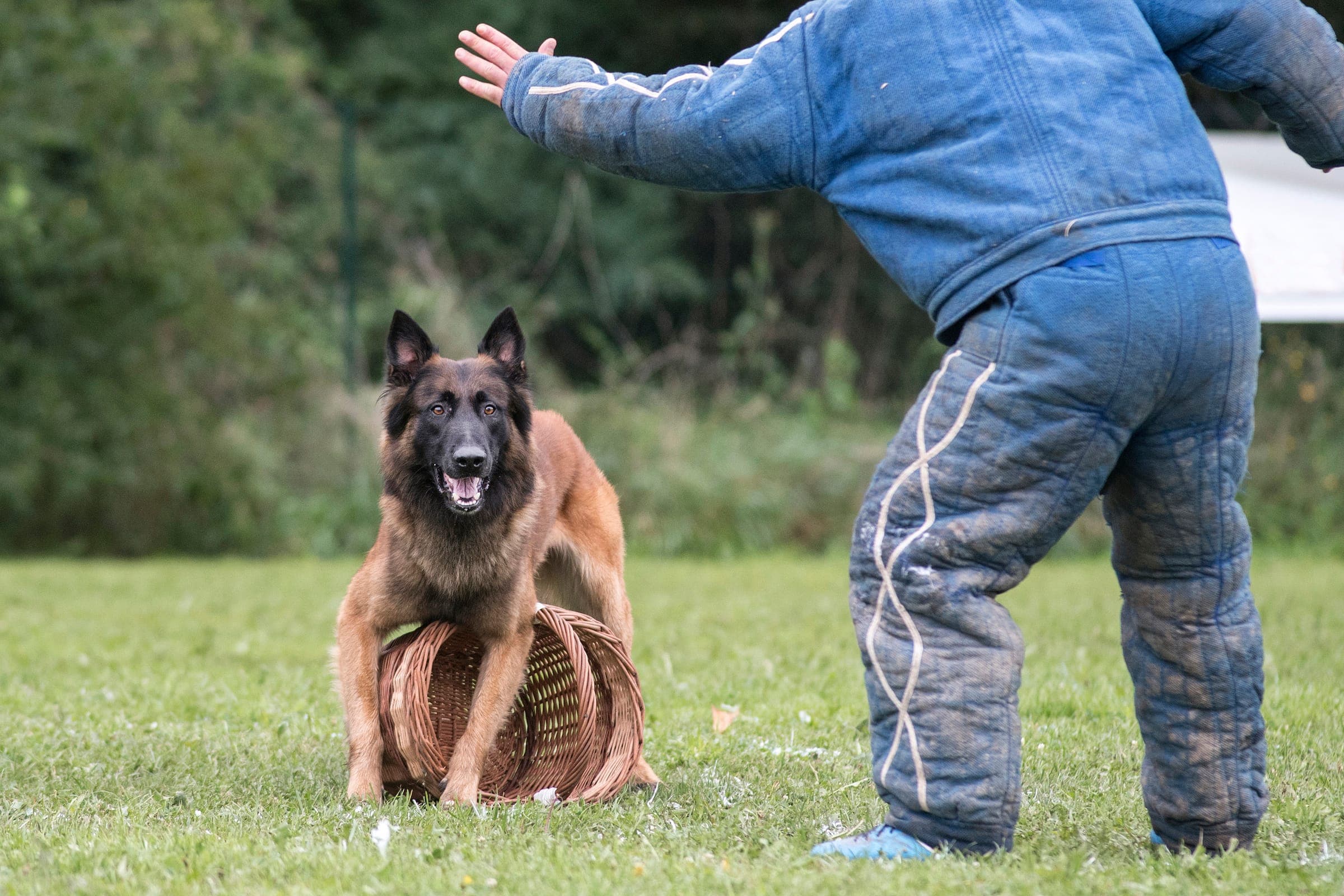
An international protection sport combining obedience, jumps, and protection exercises.
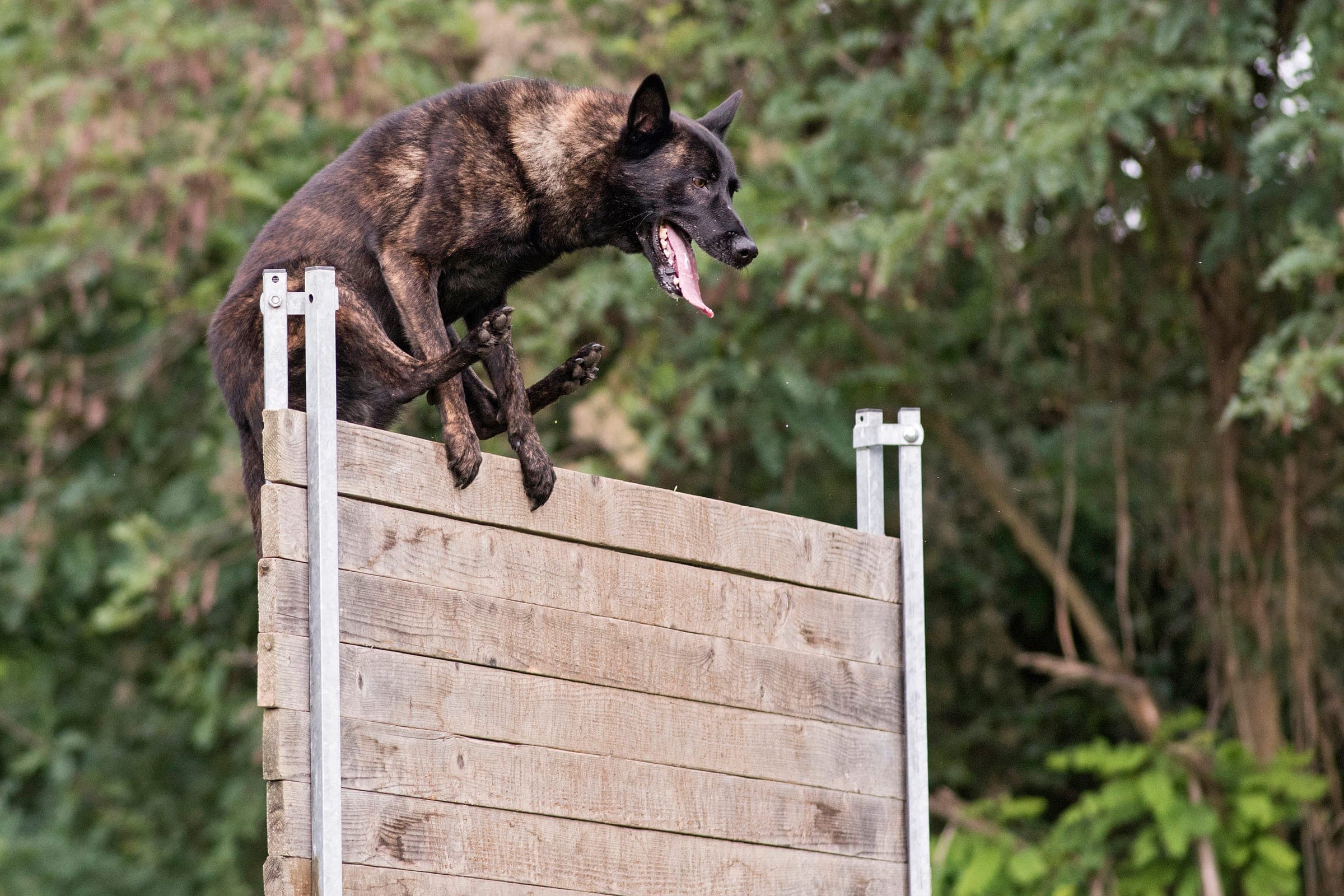
A protection sport emphasizing obedience, jumping, and controlled bite-work scenarios.
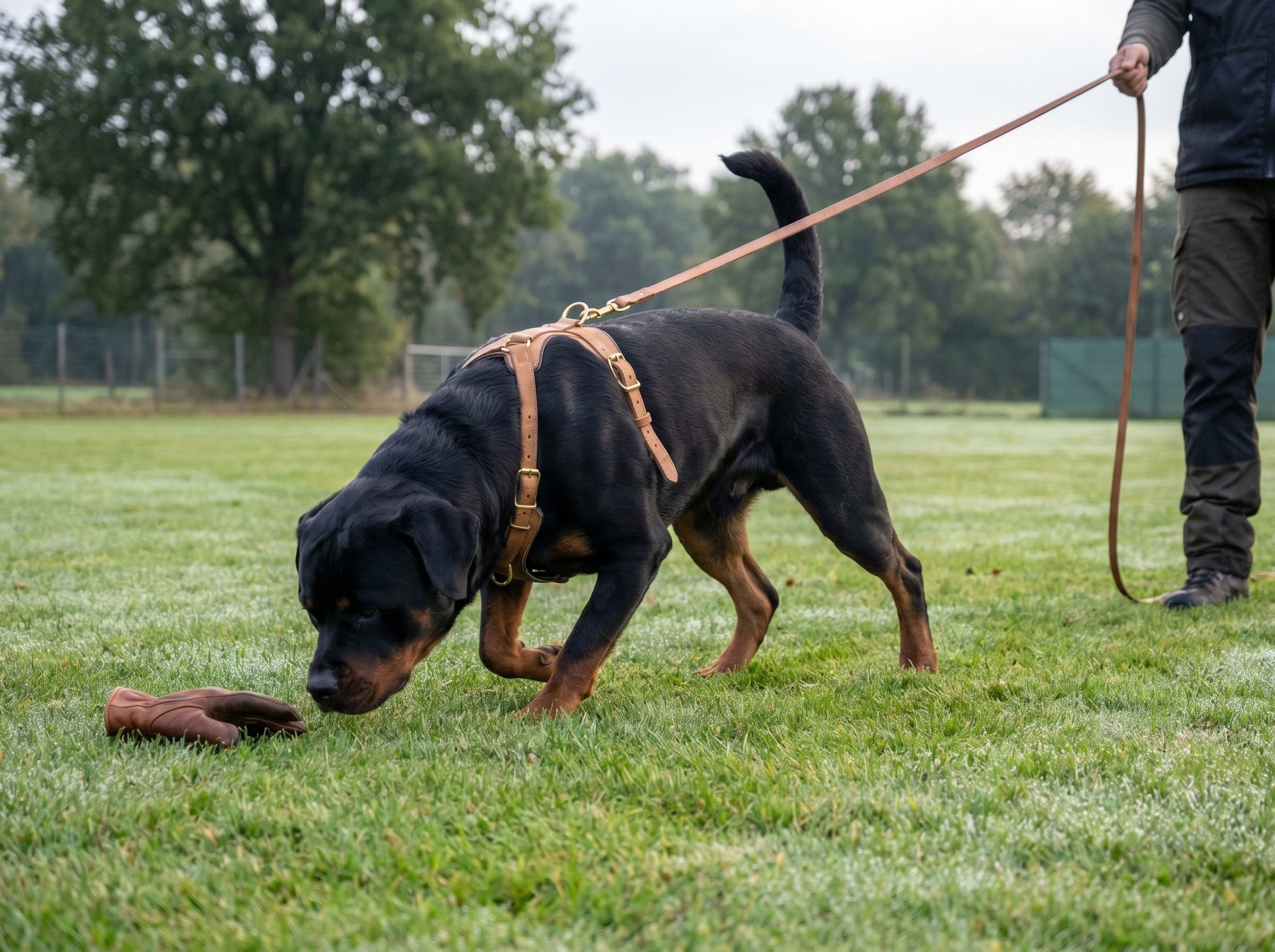
A U.S.-developed variation of Schutzhund emphasizing tracking, obedience, and protection.
A scenario-based civilian protection sport — carjackings, ATM robberies, public-space confrontations — that tests threat recognition, controlled engagement, and neutrality with everyone else.
An all-breed US working-dog registry with five titling divisions — obedience, tracking, protection, protection sport, and police dog — built as an American alternative to FCI Schutzhund.
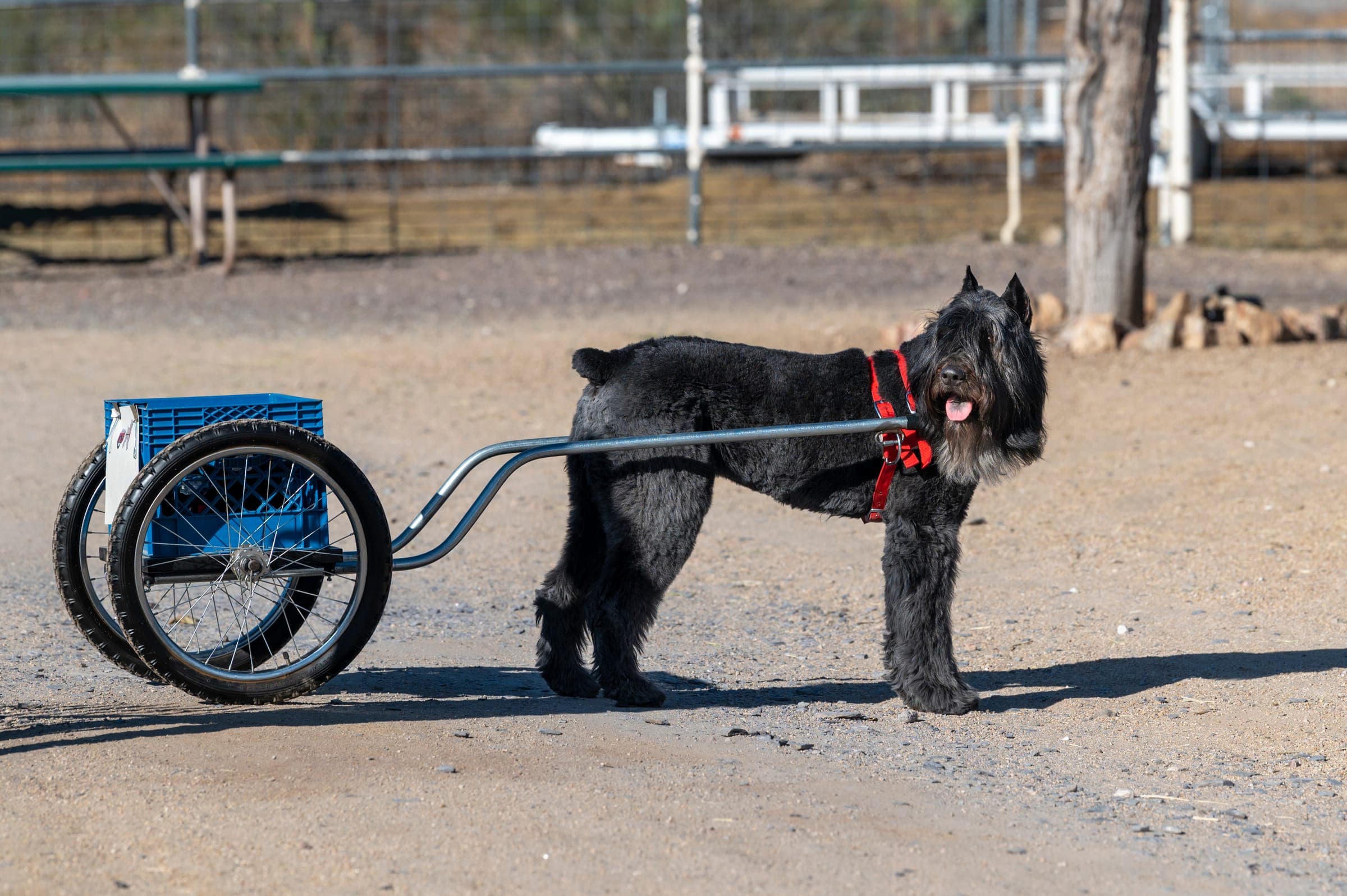
Dogs demonstrate raw pulling power, grip strength, and athletic drive.
Dogs pull their human partner while running, biking, skiing, or scootering together.
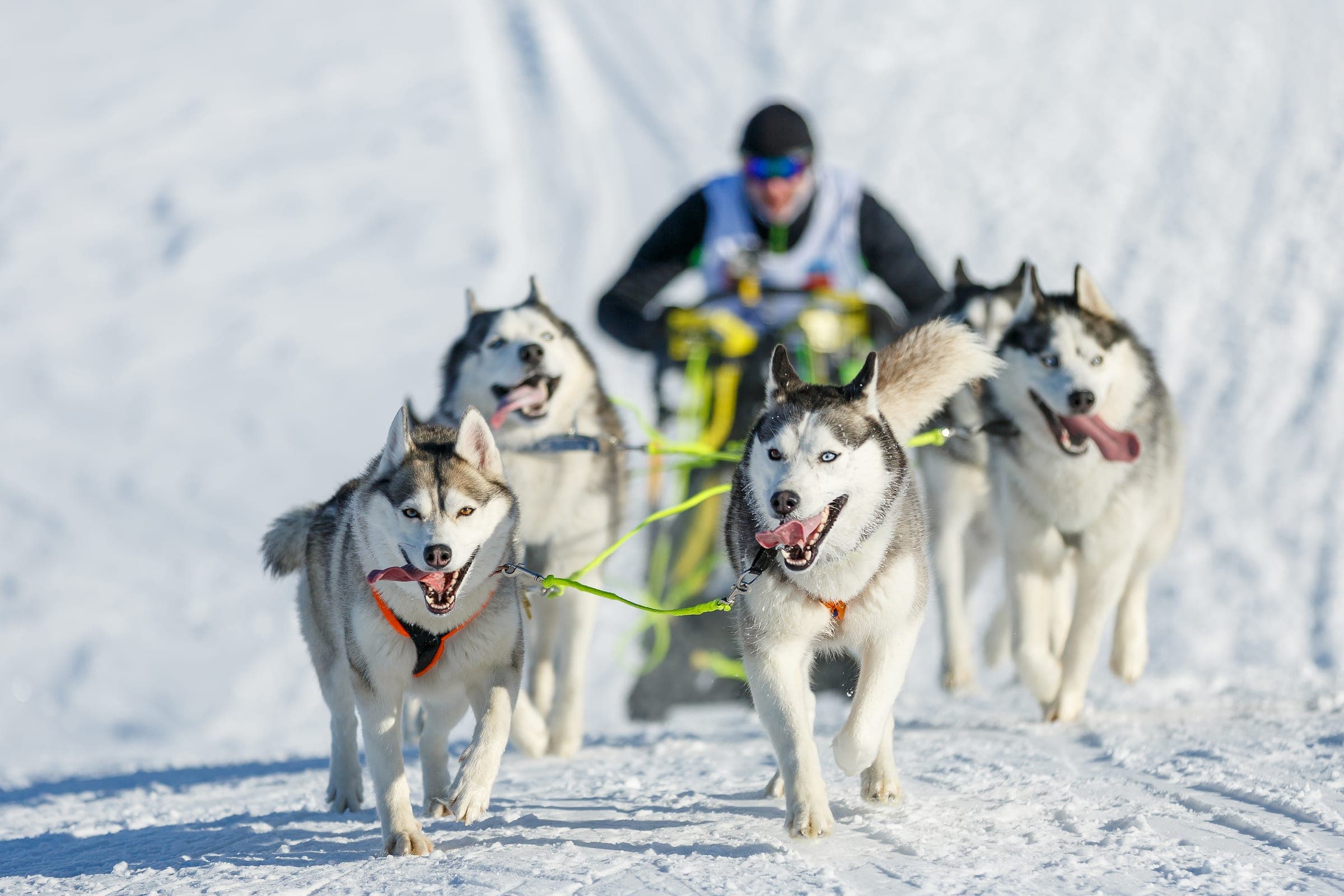
Teams of dogs pull sleds in distance or sprint races.
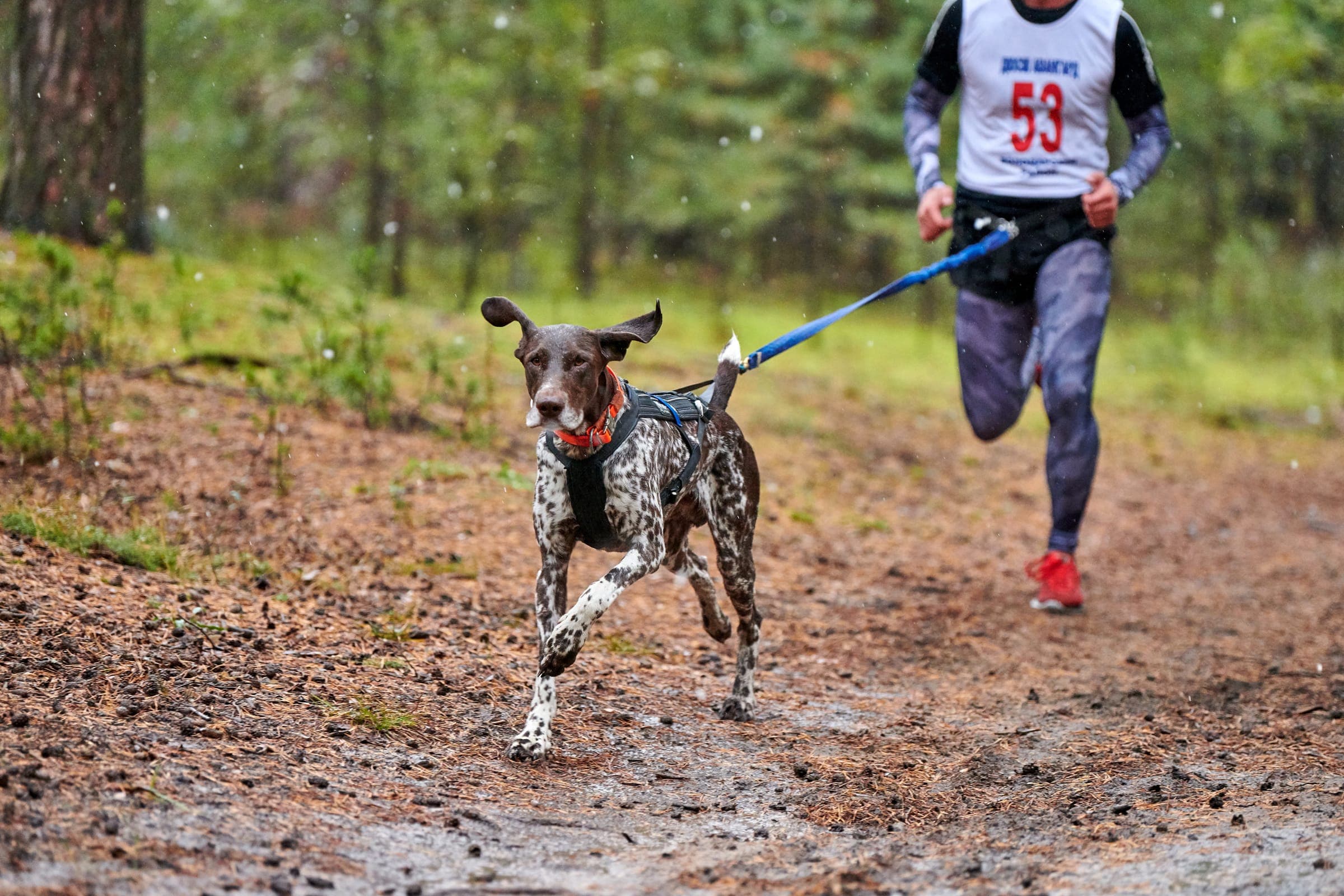
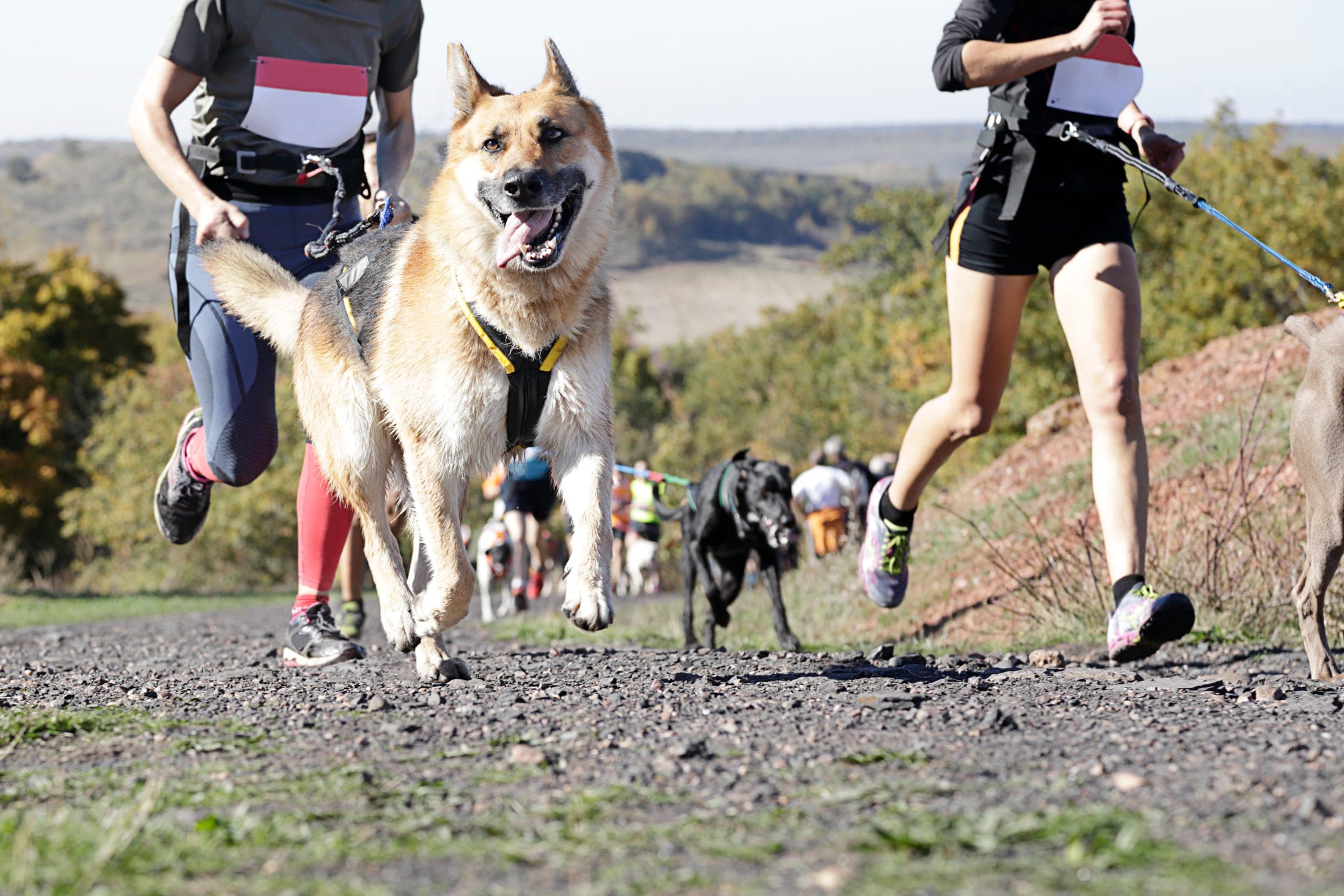
A dog and human run together as a team, with the dog pulling in harness while attached to the runner’s waist.
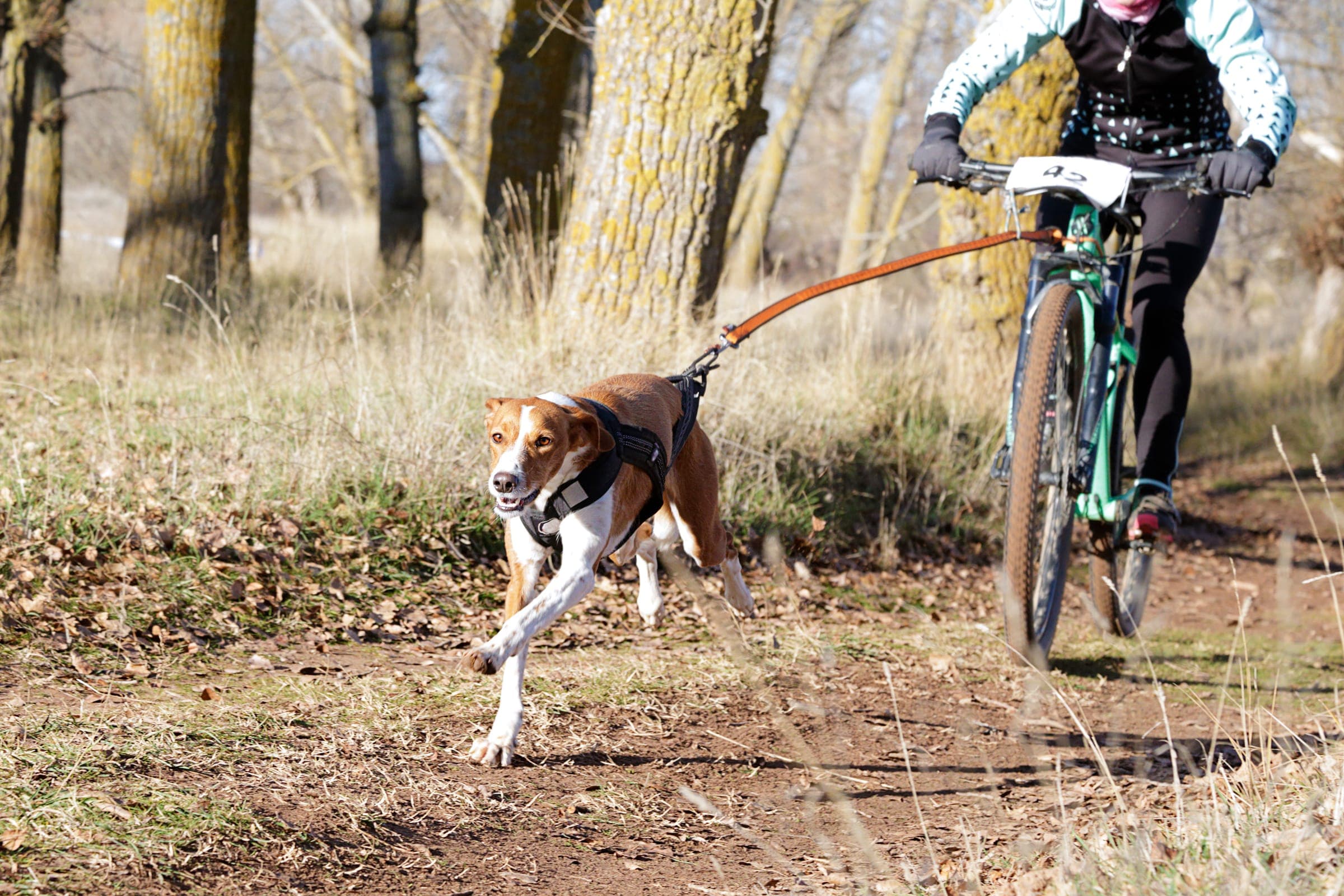
A dog pulls a bicycle in a fast-paced dog-powered trail sport.
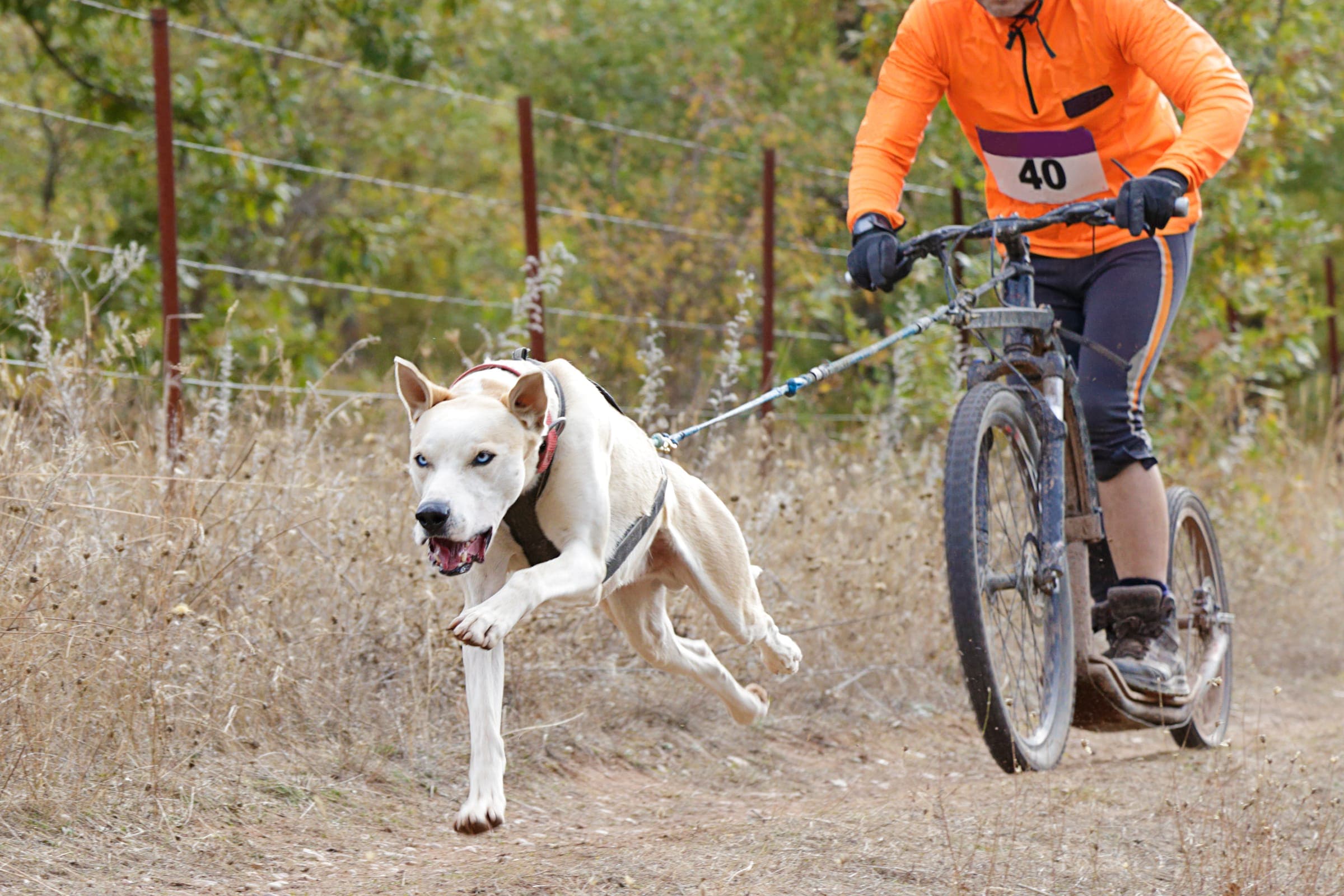
Dogs pull a scooter or dryland rig in off-snow mushing-style competition or training.
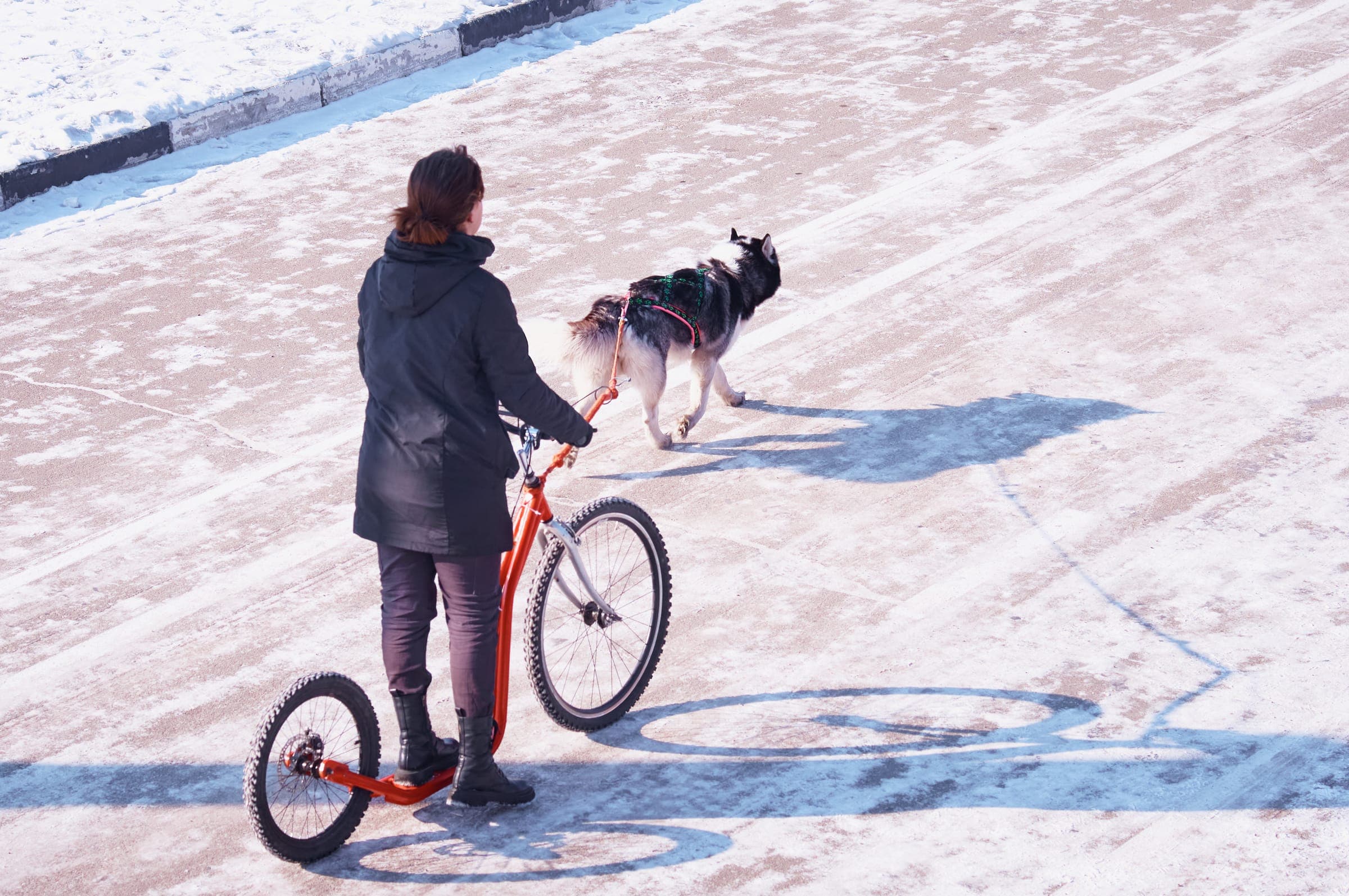
Dryland sled-dog work — dogs pull a handler on wheeled equipment or while running, on dirt trails year-round. Two parallel ecosystems: open-class racing and breed-club draft titles.
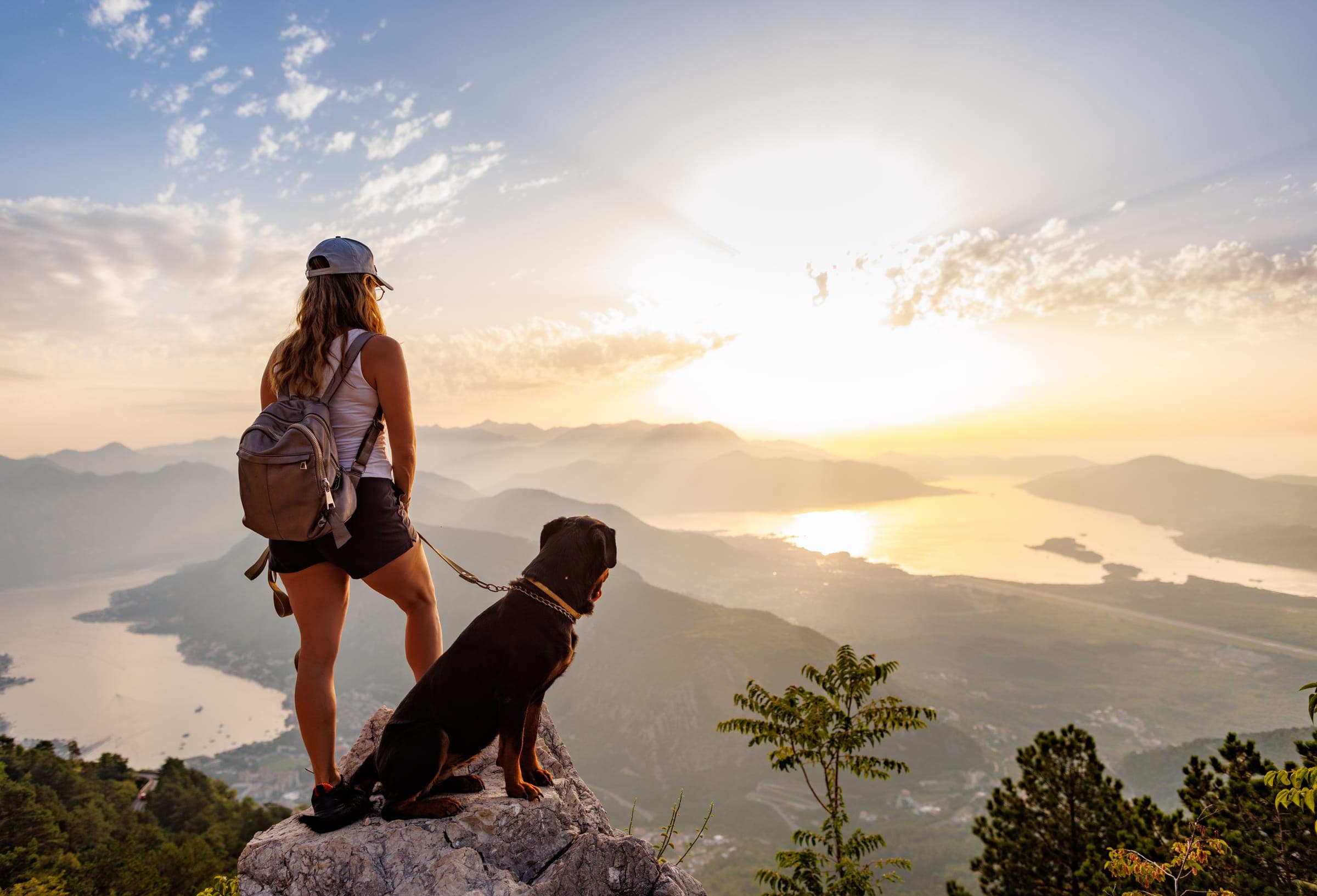
Structured trail hiking with your dog, building endurance and trail skills together.
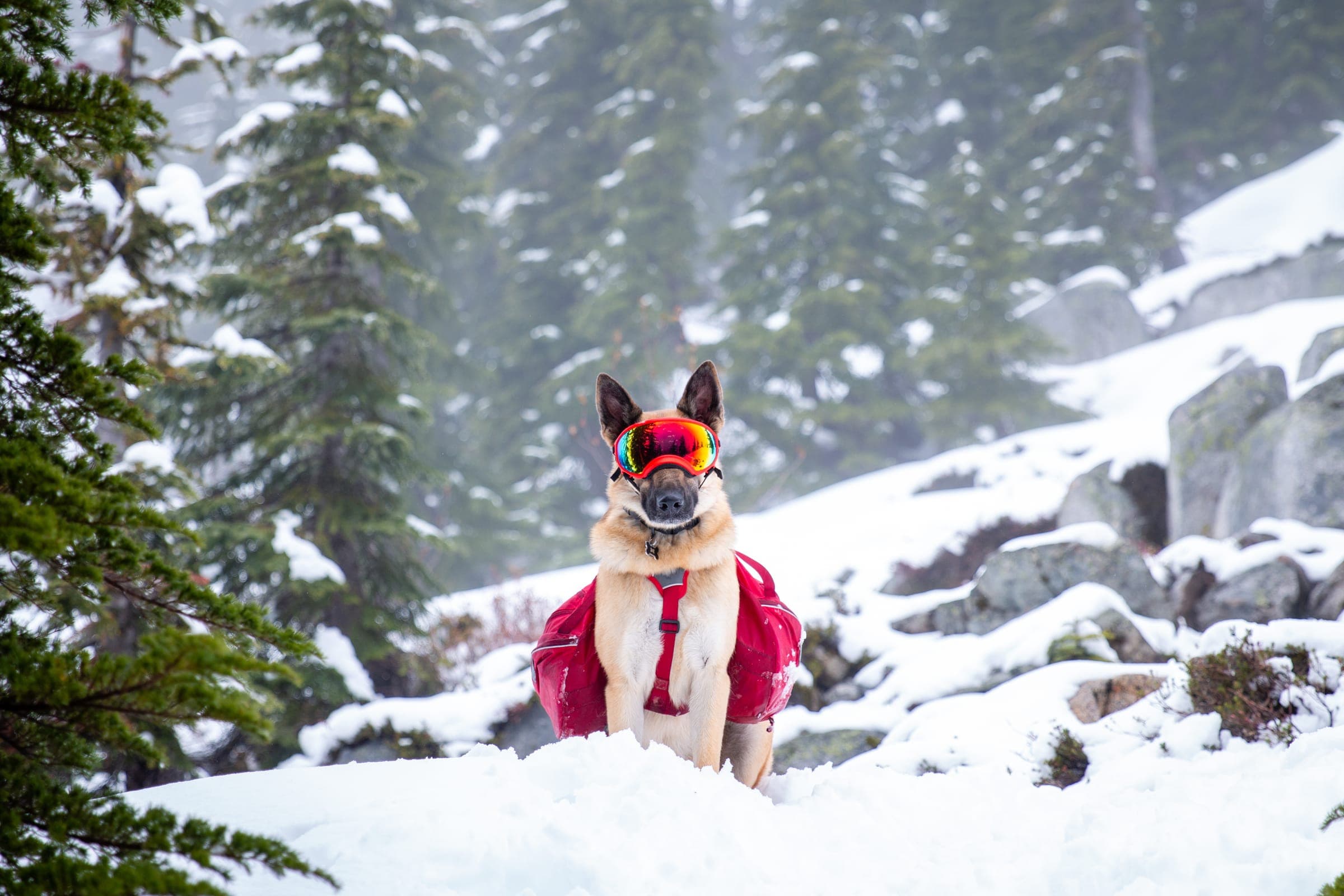
Dogs carry their own gear in specially designed packs while hiking multi-day trails.
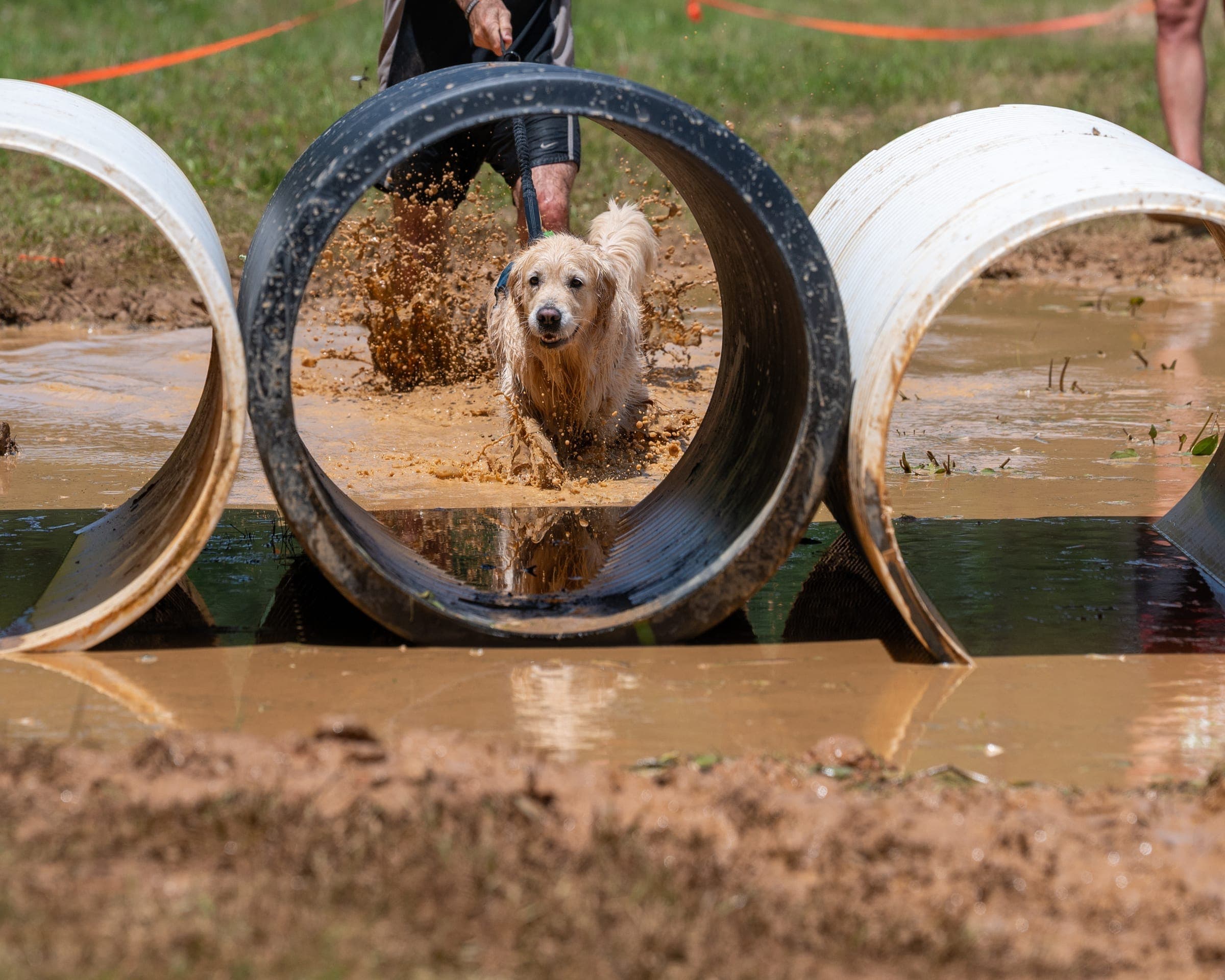
Handler and leashed dog run an obstacle course side by side — walls, tunnels, mud, water, carries — at 7 recurring US events linked into the NCORS points season.
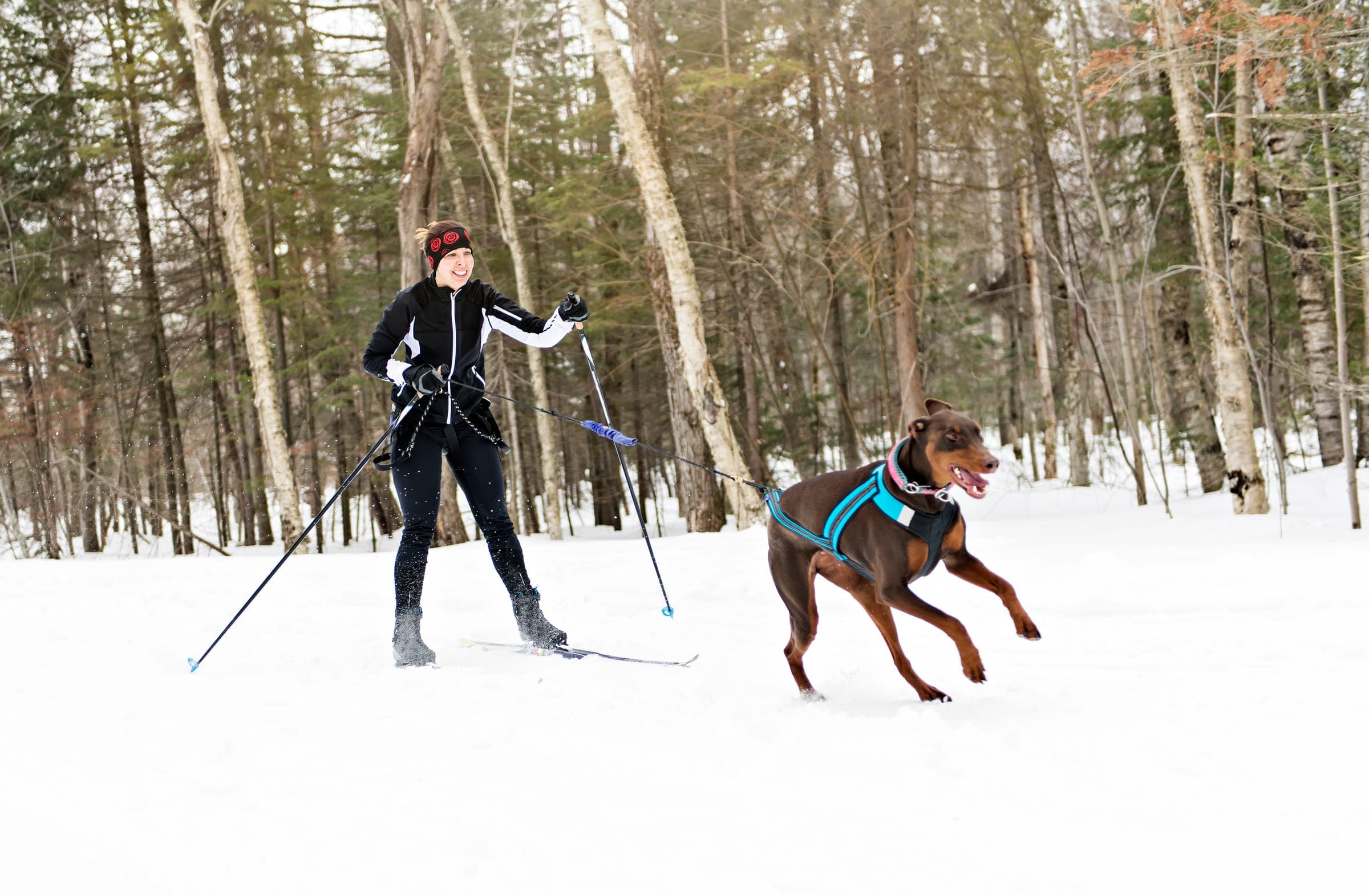
A dog pulls a cross-country skier in a snow-based dog-powered sport.
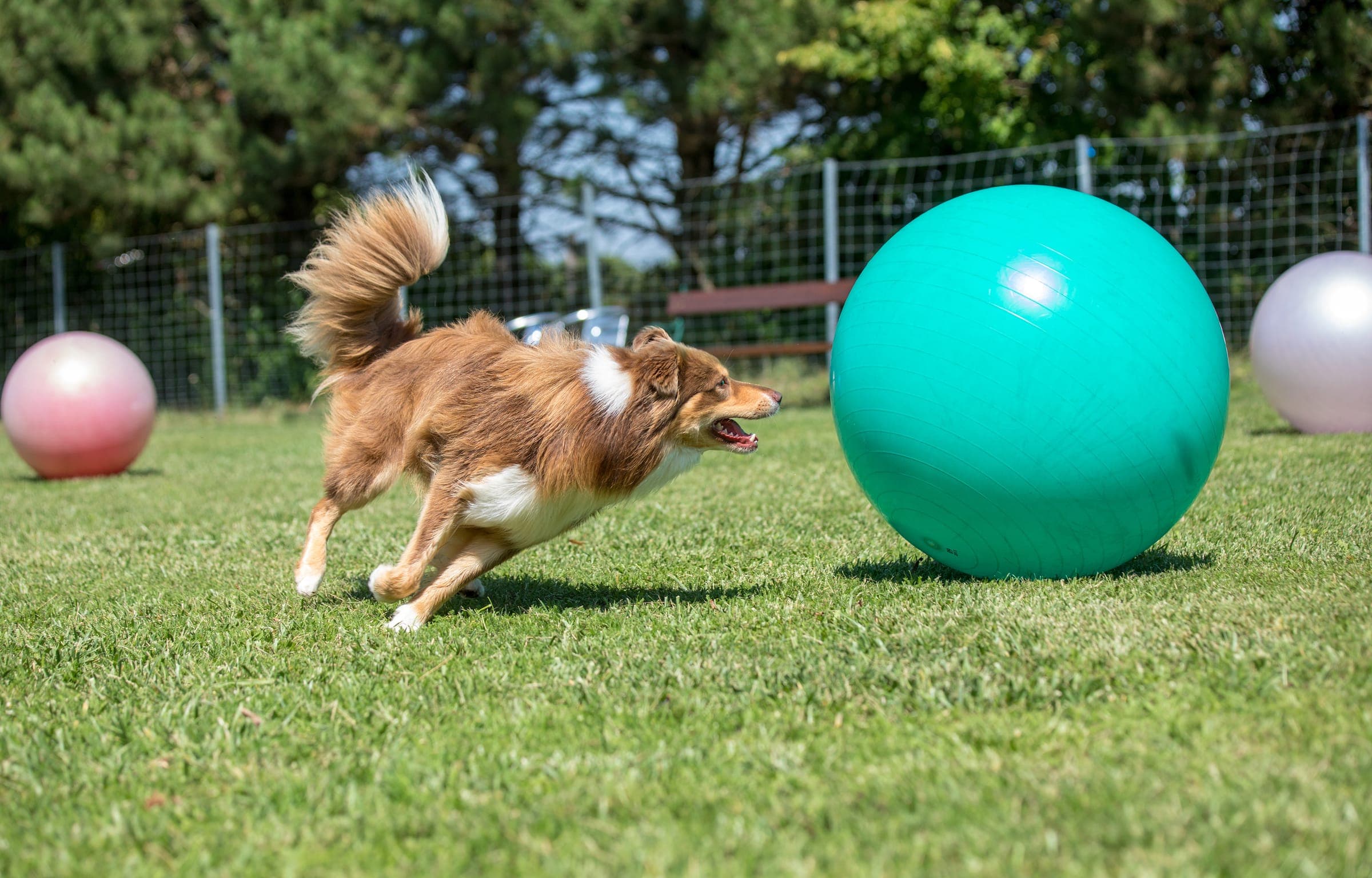
Dogs perform tricks, choreography, disc work, and ball herding in handler-focused formats.
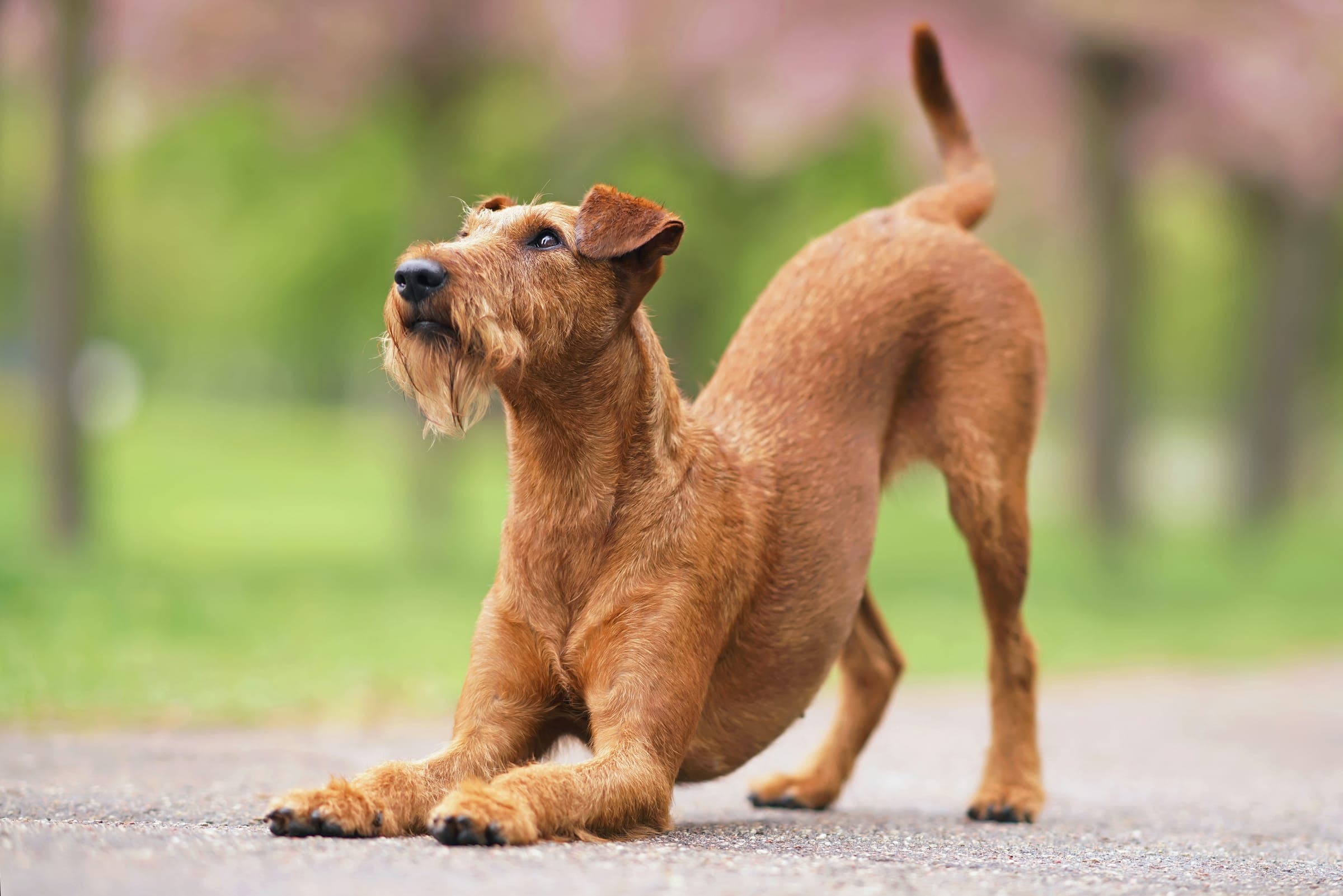
Dogs perform trained tricks for titles and performance.
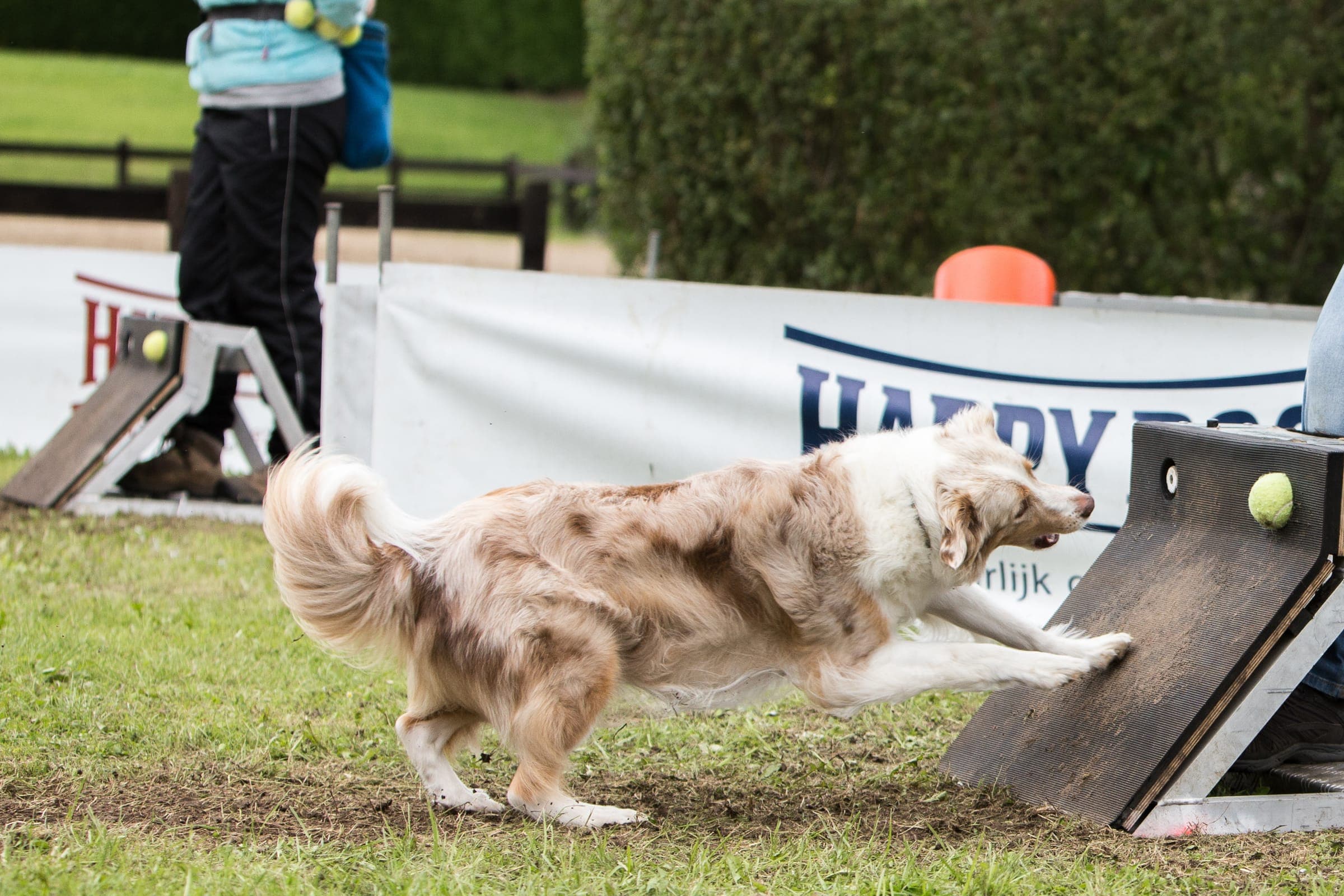
Relay race where teams of four dogs jump hurdles, trigger a box to release a ball, and race back.
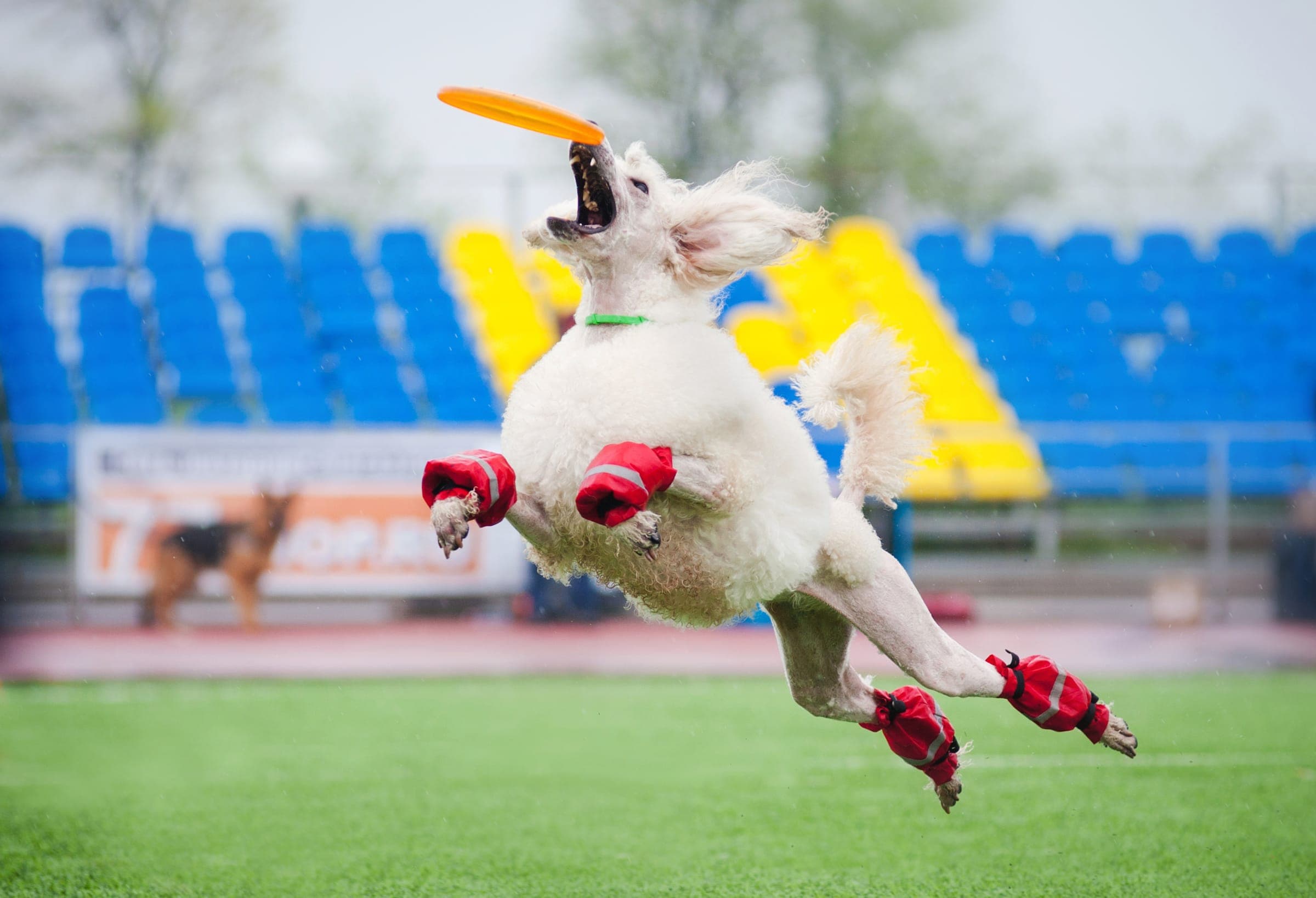
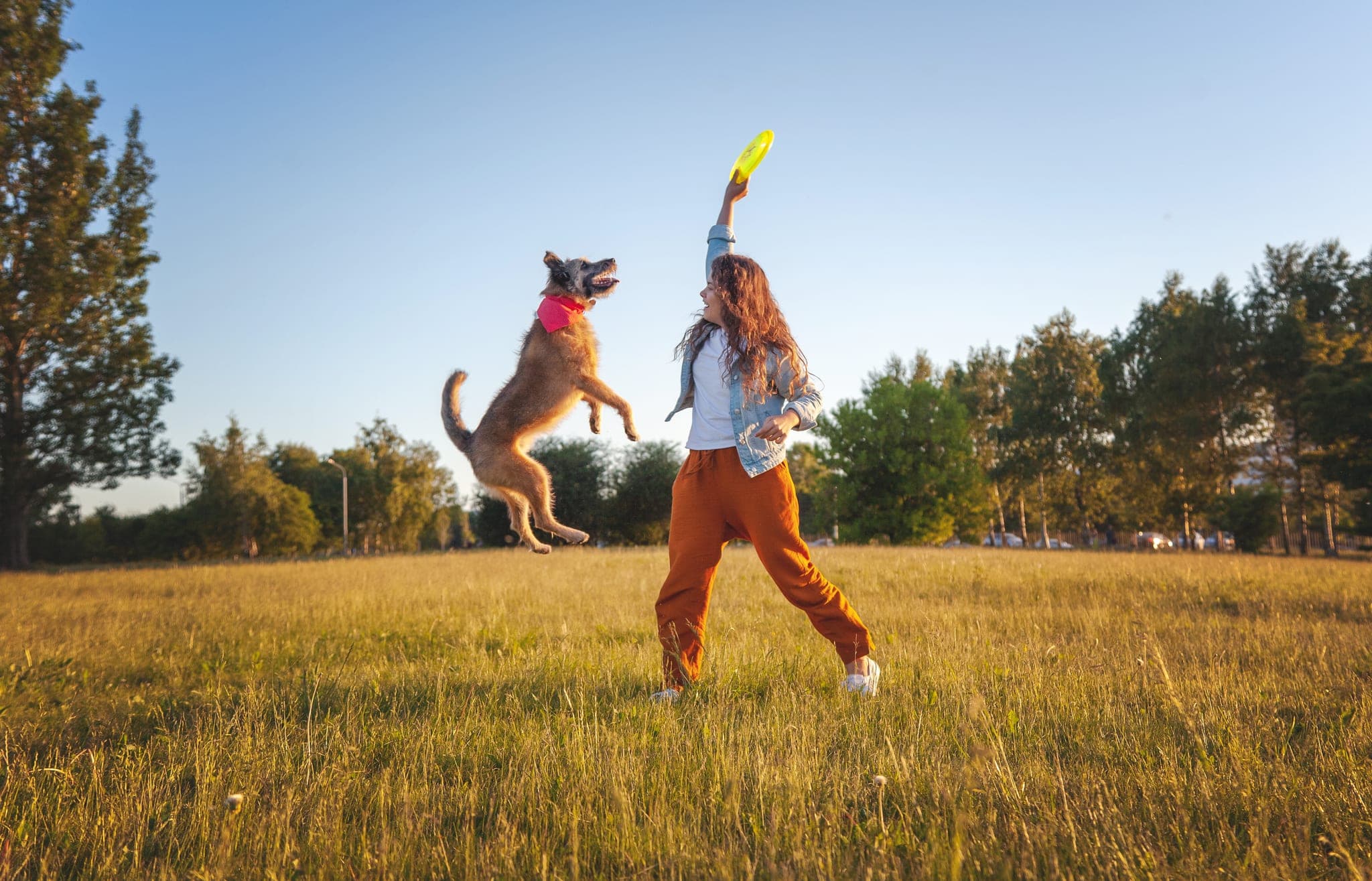
Dog and handler teams compete in disc-catching games — Toss & Fetch, Freestyle, Distance, and Accuracy formats.
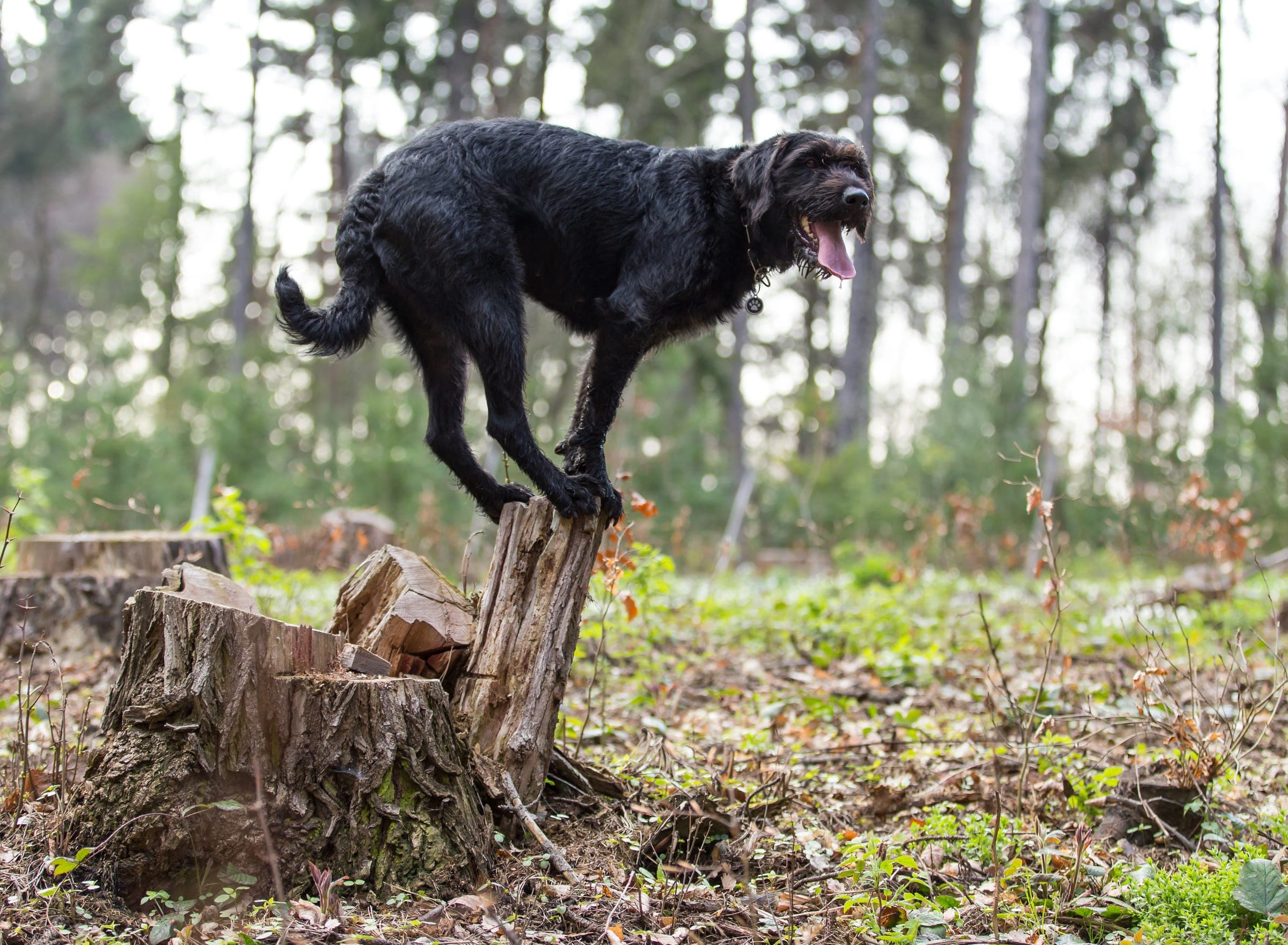
Dogs navigate urban and natural obstacles by jumping, climbing, balancing, and crawling.
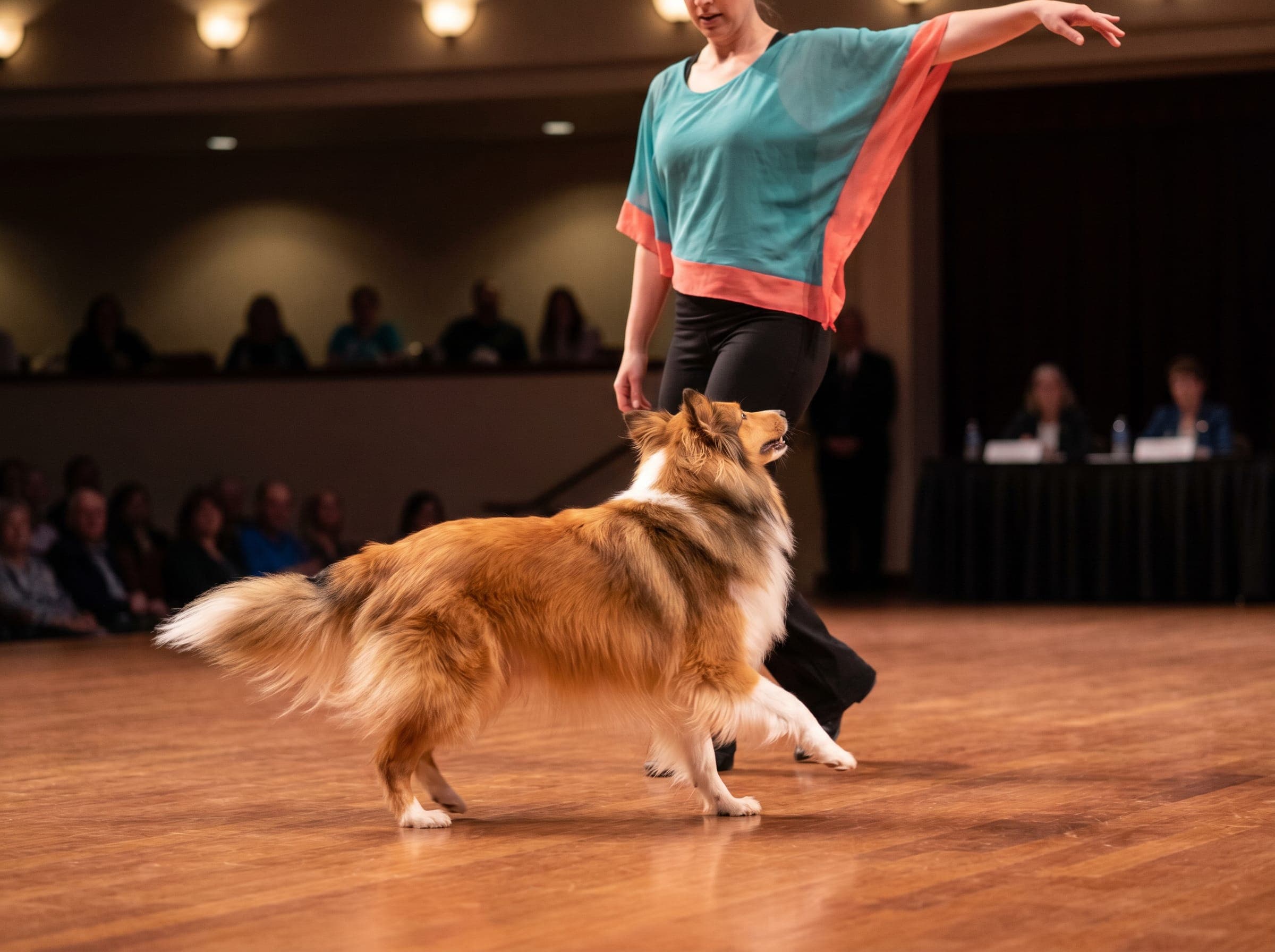
Choreographed routines combining obedience and movement.
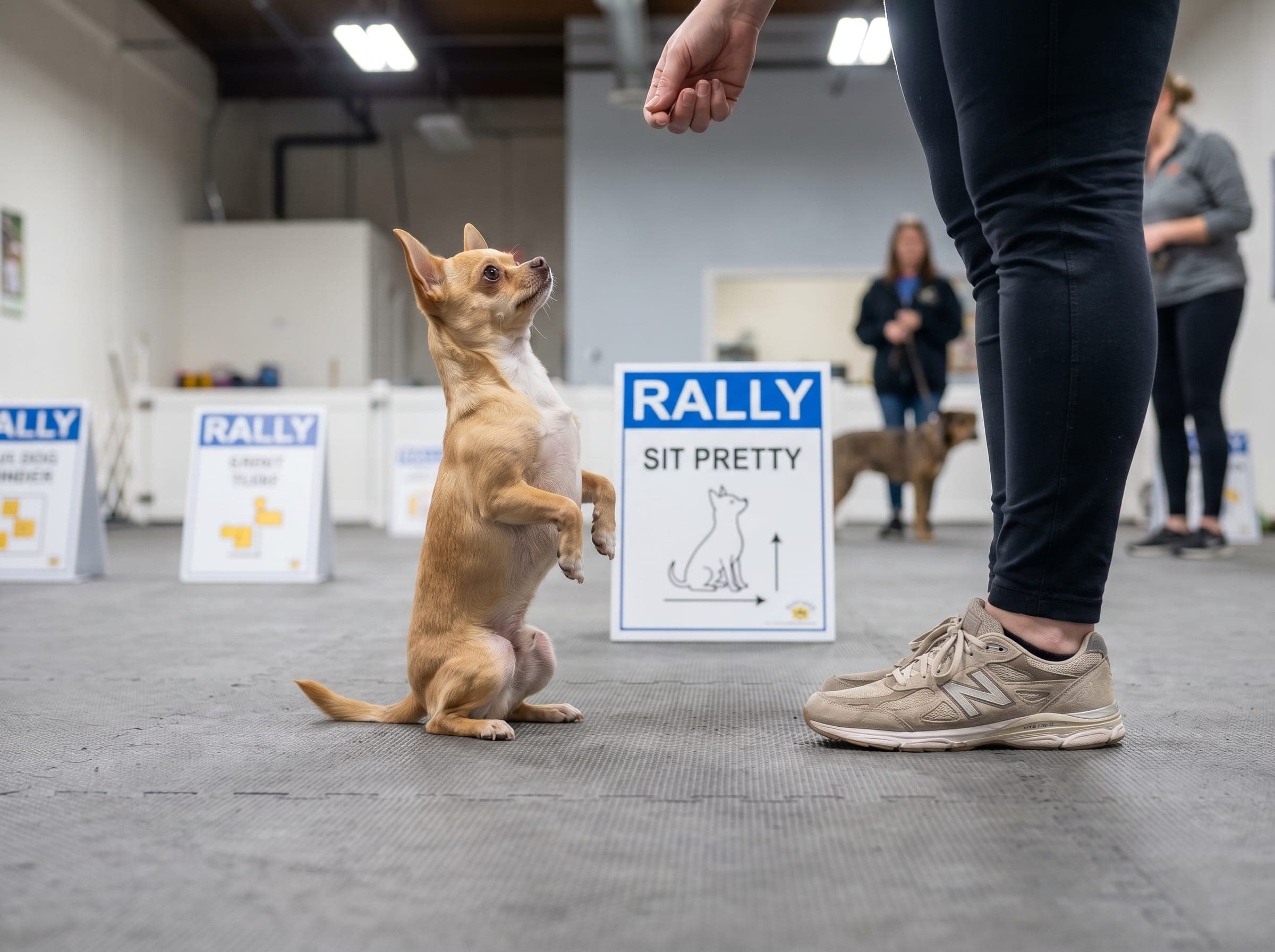
A hybrid of Rally obedience and musical freestyle where dog and handler perform creative heelwork patterns and tricks.