Sport Profile

Discover Barn Hunt

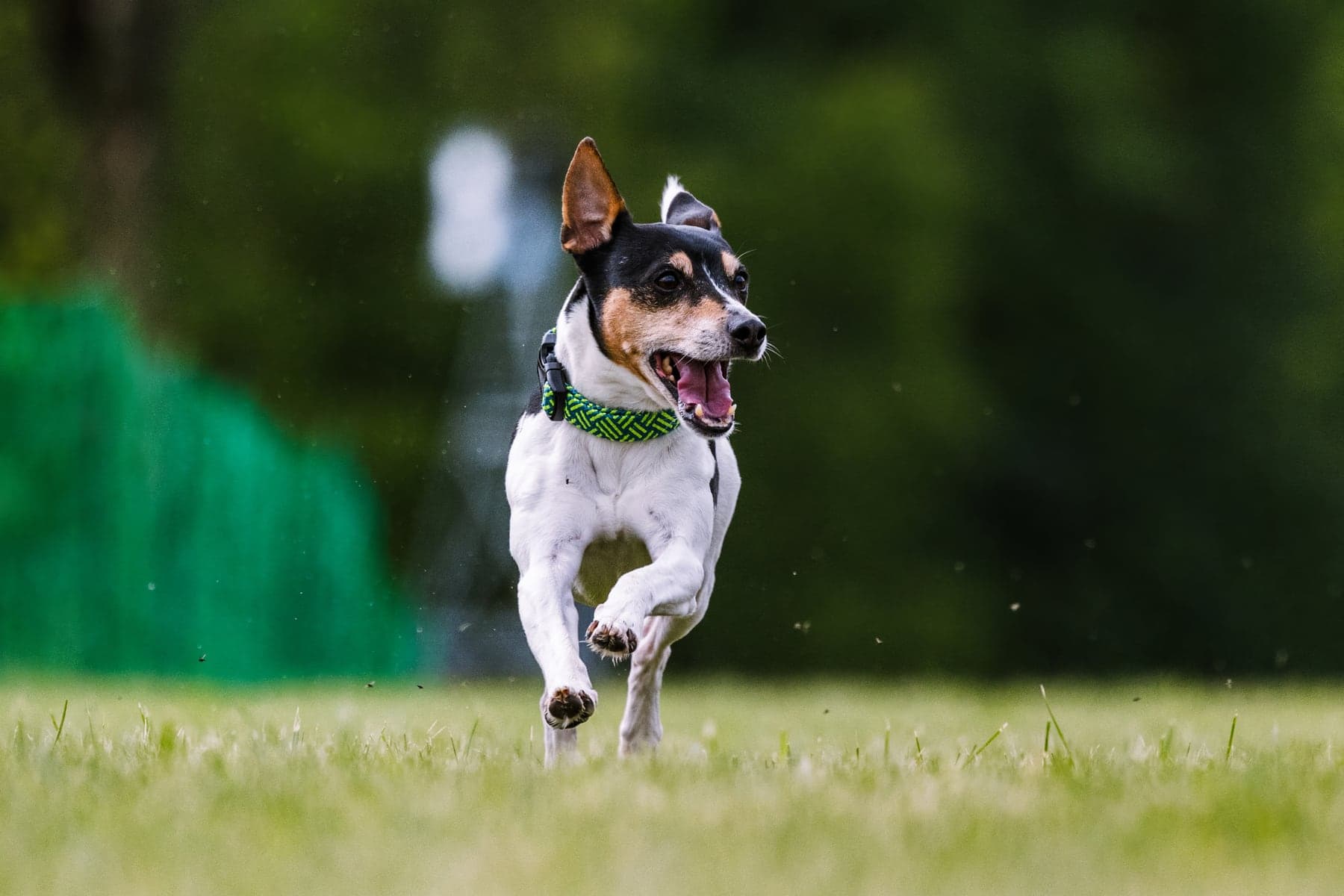
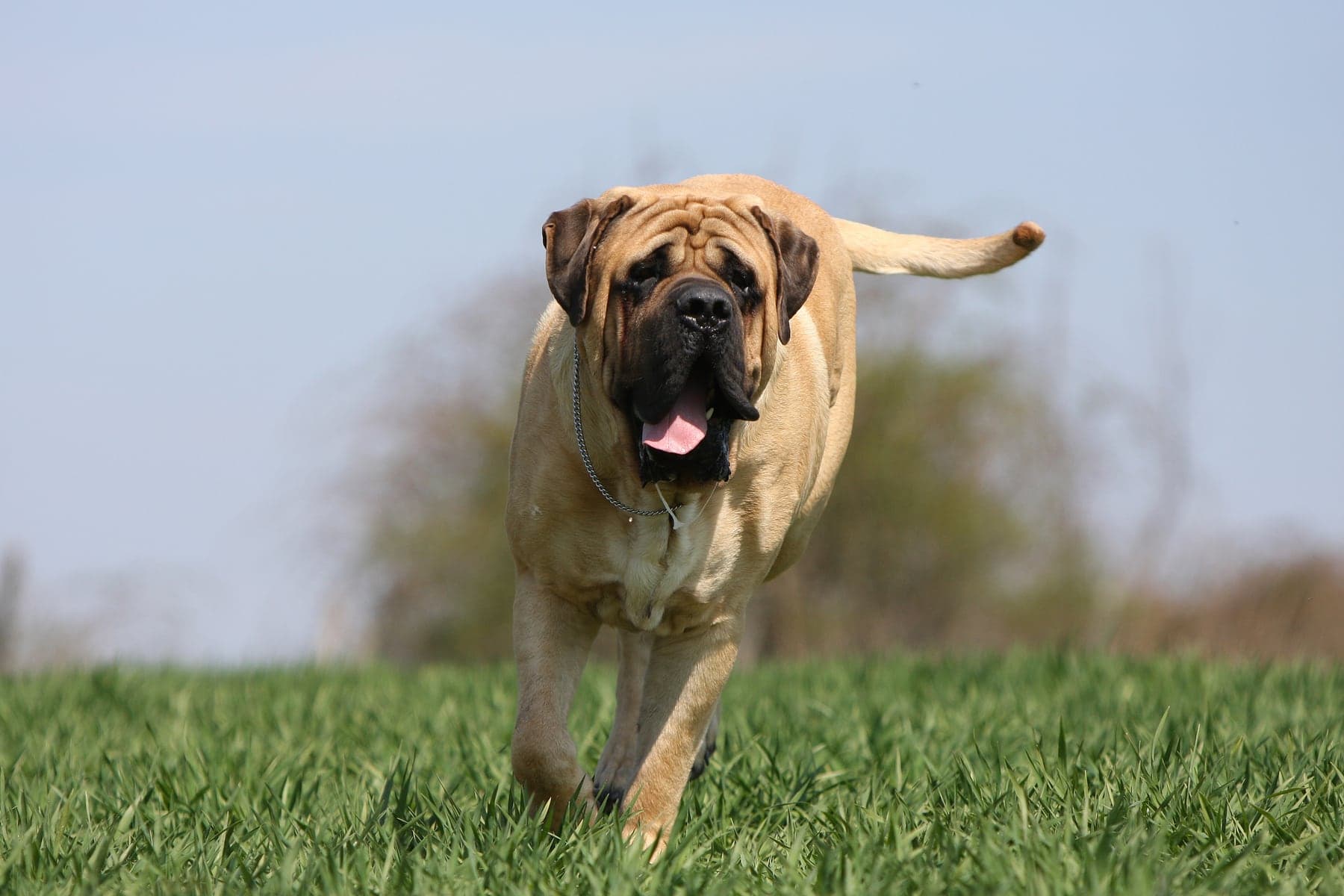
A scent sport built on one of the oldest working-dog traditions. Open to almost any breed, any age — terrier, mastiff, or rescue mix.

Jump to a section

01 · What is it

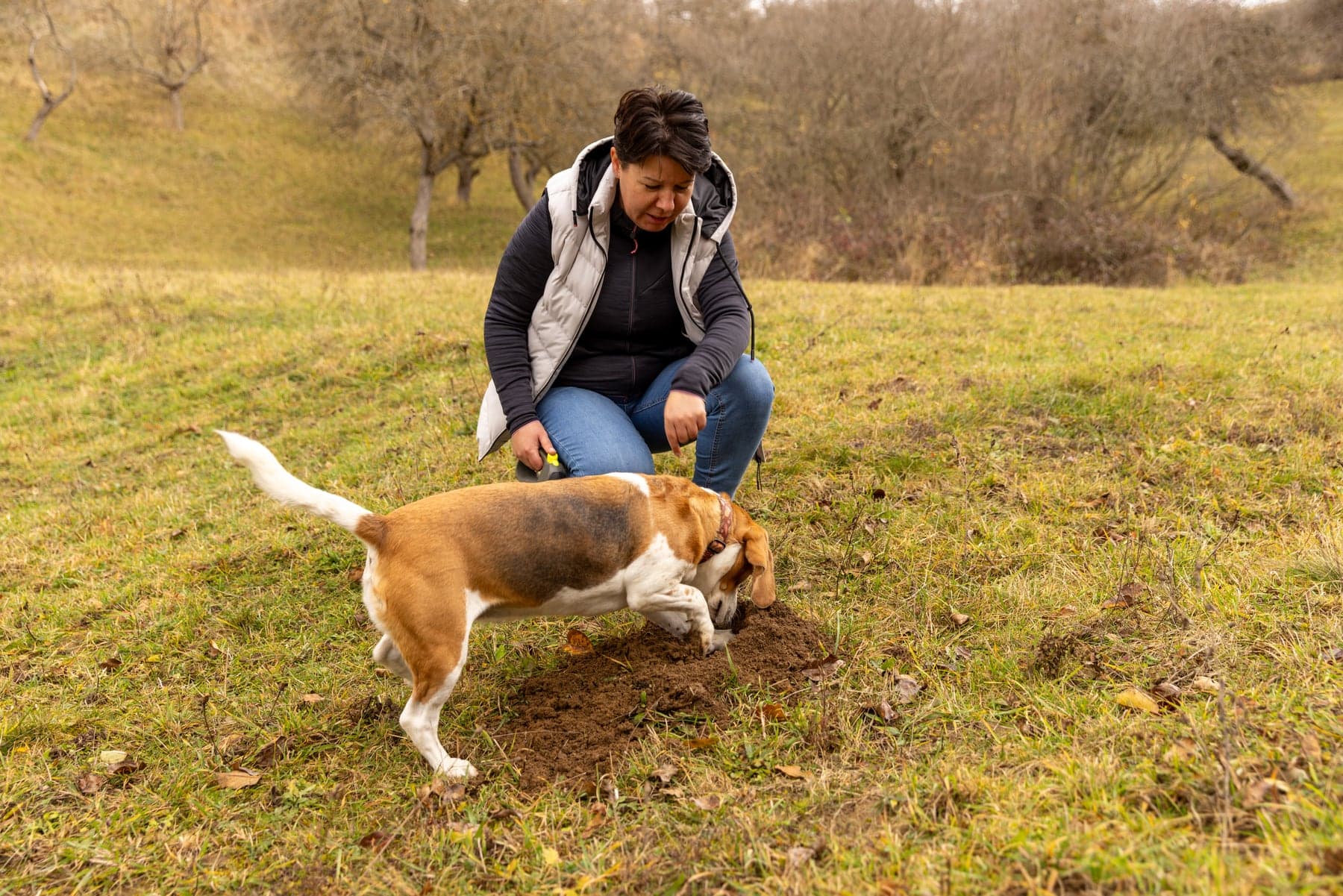
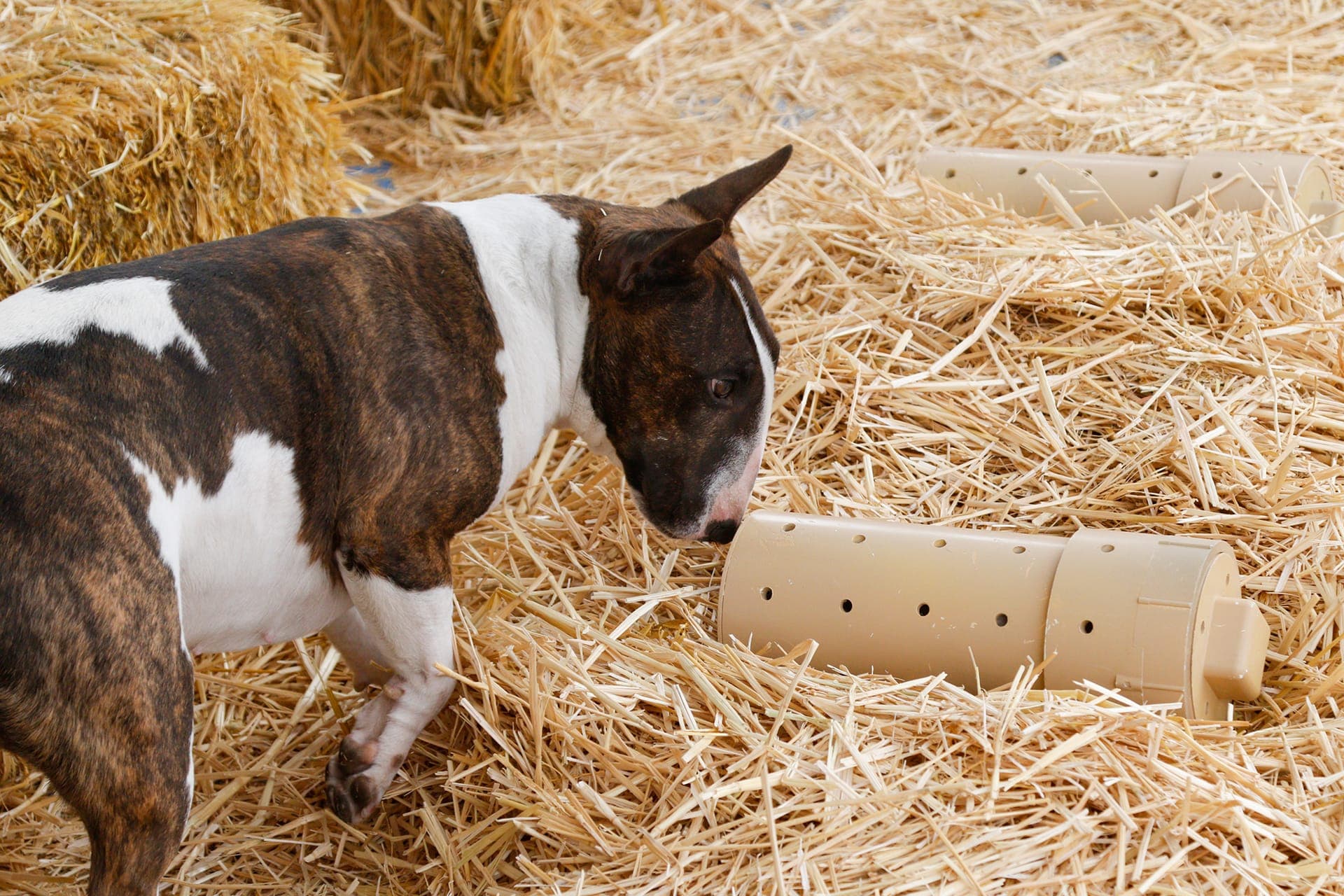
Barn Hunt is a scent sport where dogs search a stacked-bale course for live rats hidden in sealed, aerated tubes. The dog locates the rat tubes, completes a tunnel built from bales, and climbs onto a designated bale — three elements that capture the historic skills of the ratcatcher's dog.

Handlers don't know where the rats are hidden. Success depends on reading your dog within a time limit. Any dog six months or older that fits through an 18-inch tunnel is eligible — chihuahua to mastiff. Rats are never harmed; BHA's welfare rules treat them as working partners.

Origins
Pre-2013
Small terriers and go-to-ground breeds traveled farms across rural Europe and America ridding grain stores of rats — work that protected food supplies and shaped breed groups whose instincts survive today.
2013
Robin Nuttall founded the Barn Hunt Association (BHA) and codified the modern sport — a structured rat-search built on the historic working tradition, with strict welfare rules and a vision of any dog being able to try.
Cross-org
AKC and UKC established Title Recognition Programs that let BHA titles appear on pedigrees alongside other earned titles. Unusual in dog sports — most orgs run their own programs — and a sign of how thoroughly BHA structured the sport.
Today
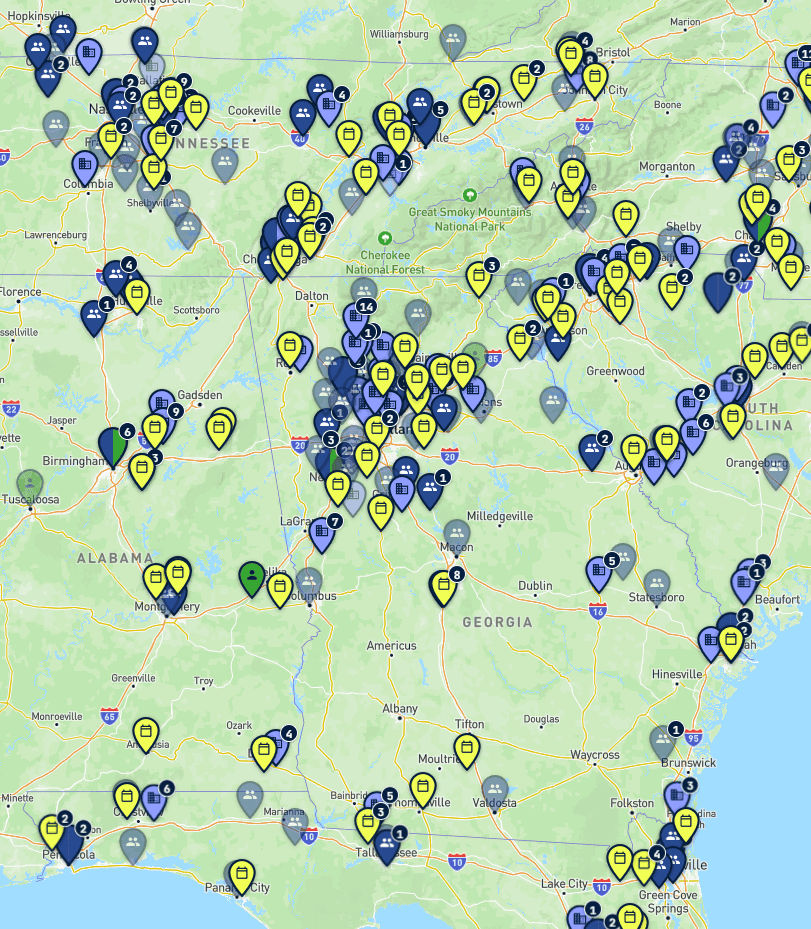
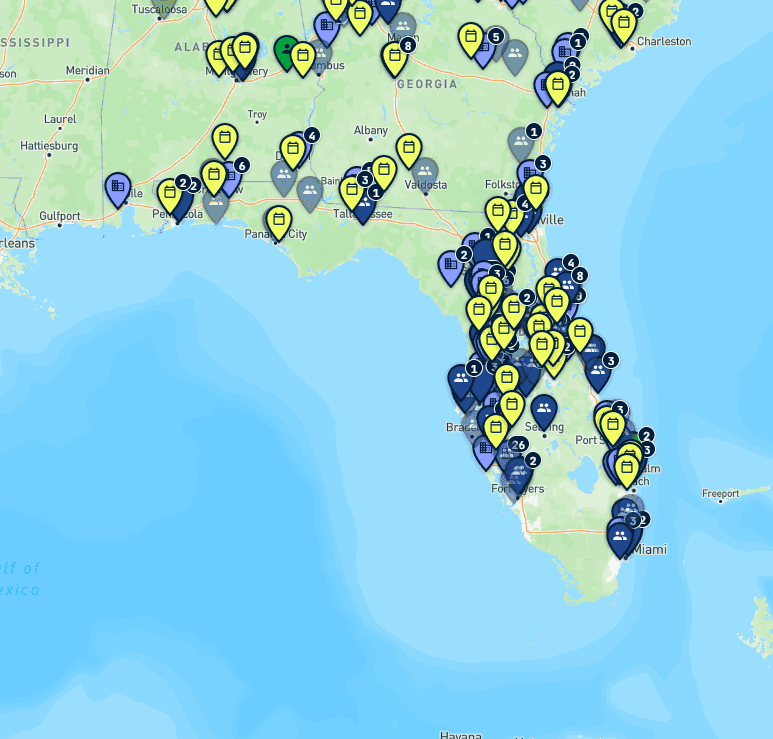
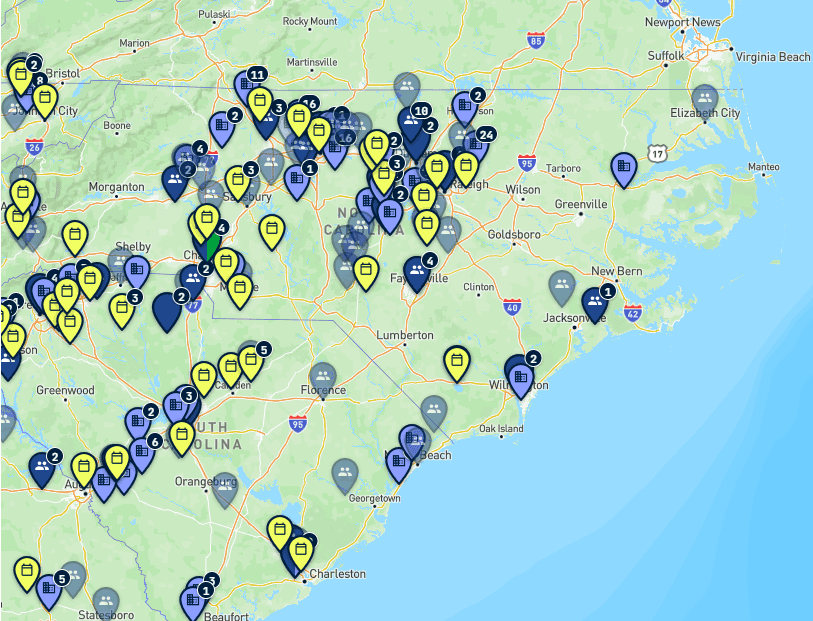
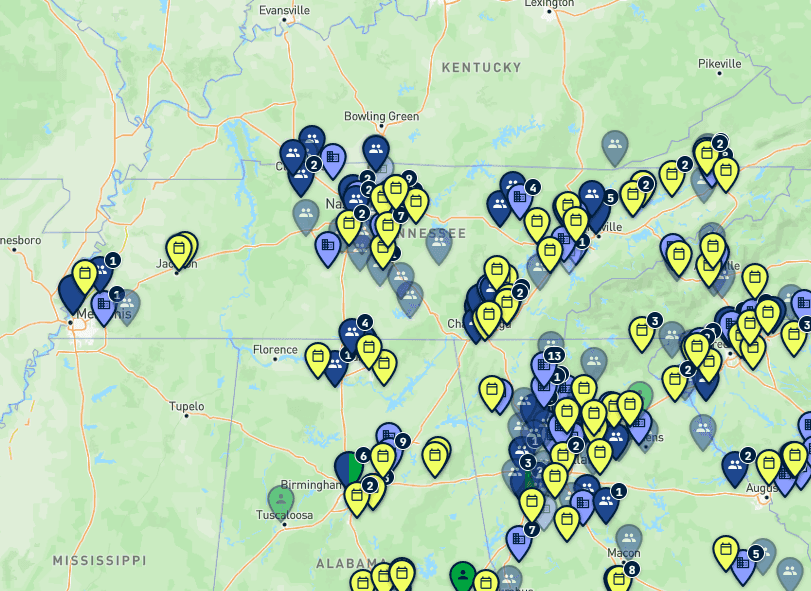
Held in barns, training facilities, expo halls, and outdoor venues across North America. One of the more popular newer scent sports, drawing first-time handlers, seasoned competitors, and rescue dogs alike.

02 · The elements

A full Barn Hunt run asks three things of the dog. Getting all three within the time limit is what earns a qualifying score.

Element 01
Find the rat
The dog searches a stacked-bale course for sealed, aerated tubes. Some contain rats; others hold soiled bedding or are empty as distractors. The handler calls 'rat!' when the dog indicates; the judge rules. Higher levels add more tubes, more rats, harder hides.
Element 02
The tunnel
A tunnel built from stacked bales. Required at every level above Instinct. Tunnels start straight and simple at Novice, then grow longer and add turns at higher levels — up to about 20 feet with multiple 90-degree turns at Master.
Element 03
The climb
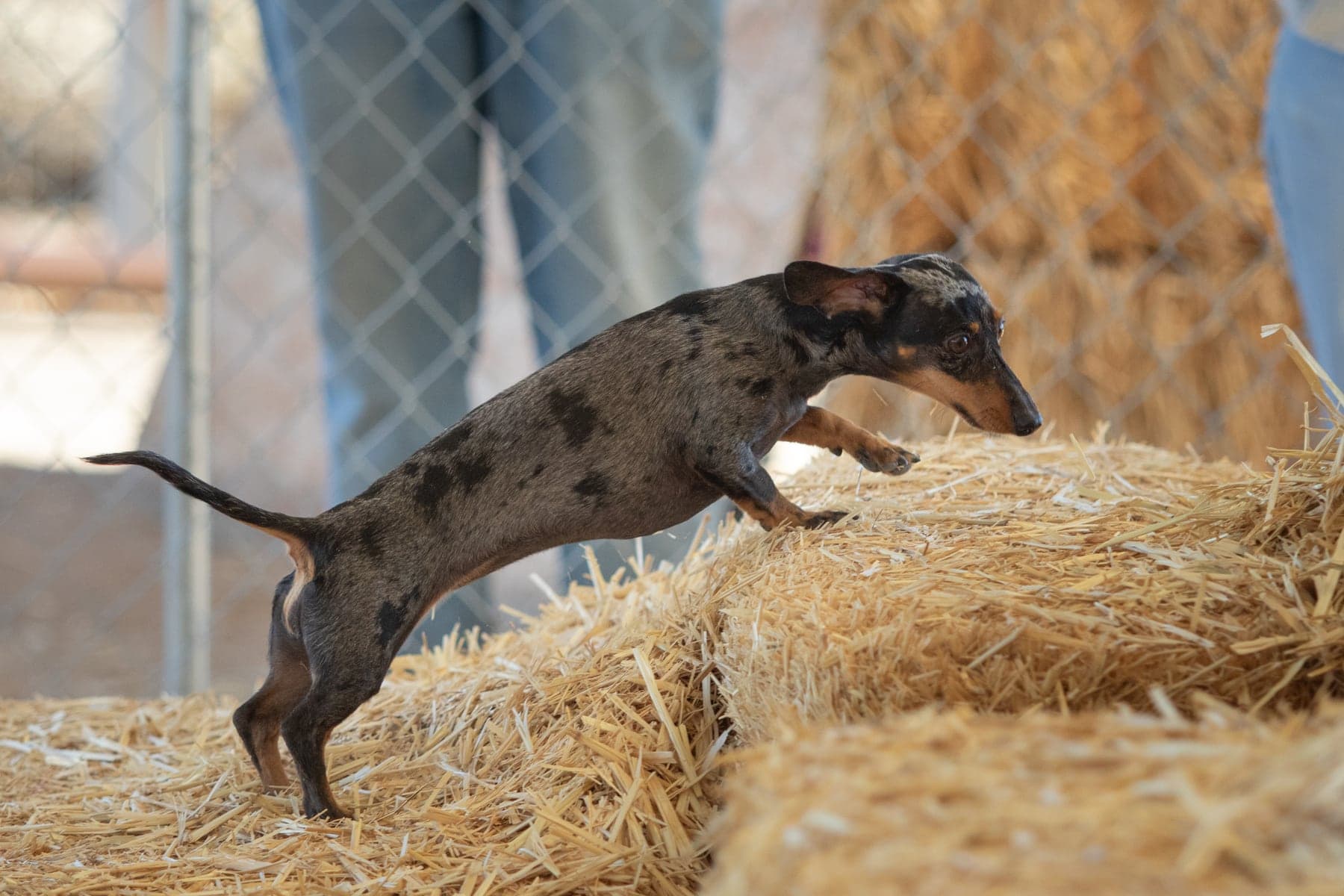
The dog must climb onto a designated bale with all four feet on the bale at once. Sounds simple; many dogs — small breeds especially, or dogs new to uneven footing — need to build confidence on the bales. The climb can happen any time during the run.

03 · BHA levels

BHA's progression flows from Instinct through Master, with championship titles beyond. Each class above Instinct requires all three elements — rat, tunnel, climb — within a time limit.

01
Instinct (RATI)
A single-tube test of the dog's interest in rats. No tunnel or climb. 1-minute time limit; one qualifying run under one judge earns the title. The course has three tubes total — one rat, one litter, one empty — and the dog needs to correctly indicate the rat tube. RATI is optional; many handlers skip straight to Novice.
02
Novice (RATN)
First full course. Find 1 rat, navigate the tunnel, complete the climb. 2-minute time limit; three qualifying runs earn the title. First level AKC recognizes.
03
Open (RATO)
Two rats among distractor and litter tubes. More complex tunnel. 2:30 time limit; three runs earn the title. Where dogs learn distractor tubes and handlers learn subtle indications.
04
Senior (RATS)
Four rats. Significantly harder tunnel — longer, often with a 90-degree turn. Bigger, more strategic course. 3:30 time limit; three runs earn the title.
05
Master (RATM)
Five rats in a larger course; complex tunnel with multiple turns. Handlers must call 'clear!' when they believe all rats are found — a wrong call disqualifies. 4:30 time limit; ten runs earn the title.
Key facts
Levels
5 — Instinct through Master
Elements
Rat · tunnel · climb
Prereq
None — enter Instinct directly
Reg fee
$32 lifetime
Founded
2013
Good to know
BHA also offers A and B classes at Novice through Master. A classes are for dogs who haven't yet earned that level's title; B classes are for titled dogs continuing toward advanced championship titles.

04 · Specialty classes

Beyond the regular ladder, BHA offers specialty classes that focus on different aspects of the sport — and championship titles for dogs who keep competing at the top.

Champion
RATCH
BHA's top regular title. Earned after fifteen Master legs (qualifying runs) under at least three different judges. Master title required.
Beyond champion
Advanced championships
After Champion, BHA offers a progression of advanced titles (RATCHX, CH, UCH, SUP) for sustained excellence — years of consistent competition.
Specialty
Crazy 8s
Cumulative-scoring specialty. 2-minute course with 8 rat tubes plus 4 litter tubes — each rat = 10 points, tunnel = 10, climb = 10, calling a litter tube = -20 fault. A "Clean Race" (all rats plus tunnel and climb) earns 100 points; finishing in 1:45 or less adds a 5-point bonus, 1:30 or less adds a second. Bronze, Silver, Gold, Platinum titles at 500 points each. No prerequisite class — open to any BHA-registered dog.
Specialty
Line Drive
Directed-hunting specialty. Handler guides the dog along a line of tubes, only some with rats. Points per correct indication. Refined teamwork over pure speed; beloved by handlers who want directed work.

05 · AKC & UKC recognition

Unlike most dog sports where multiple organizations run parallel programs, Barn Hunt is governed solely by BHA. AKC and UKC don't run their own Barn Hunt trials — they recognize BHA titles for pedigree purposes through their Title Recognition Programs.

Trials
BHA-licensed only
All Barn Hunt competition happens at BHA-licensed trials. AKC and UKC don't run their own Barn Hunt programs — they only recognize BHA titles for pedigrees.
AKC
Title Recognition Program
Recognizes BHA titles from Novice (RATN) through advanced Champion levels. Instinct (RATI) is BHA-only. Among non-regular classes, only major Crazy 8s titles are AKC-recognized — Line Drive titles are not. AKC charges $32 per title for pedigree recognition.
UKC
Similar recognition
UKC operates a similar Title Recognition Program with comparable fee structure. Both let your dog's BHA titles appear on AKC or UKC pedigrees alongside other earned titles.
Key facts
Governing org
BHA
AKC recog
RATN through Champion
UKC recog
Same recognition pattern
Pedigree fee
$32 per title
Trial source
BHA-licensed only
The choice
If you want BHA titles to appear on your dog's AKC or UKC pedigree alongside their other titles, you'll pay the recognition fee per title earned. If you're competing for the love of the sport and don't care about pedigrees, you can stay BHA-only and pay nothing extra.

06 · Getting started

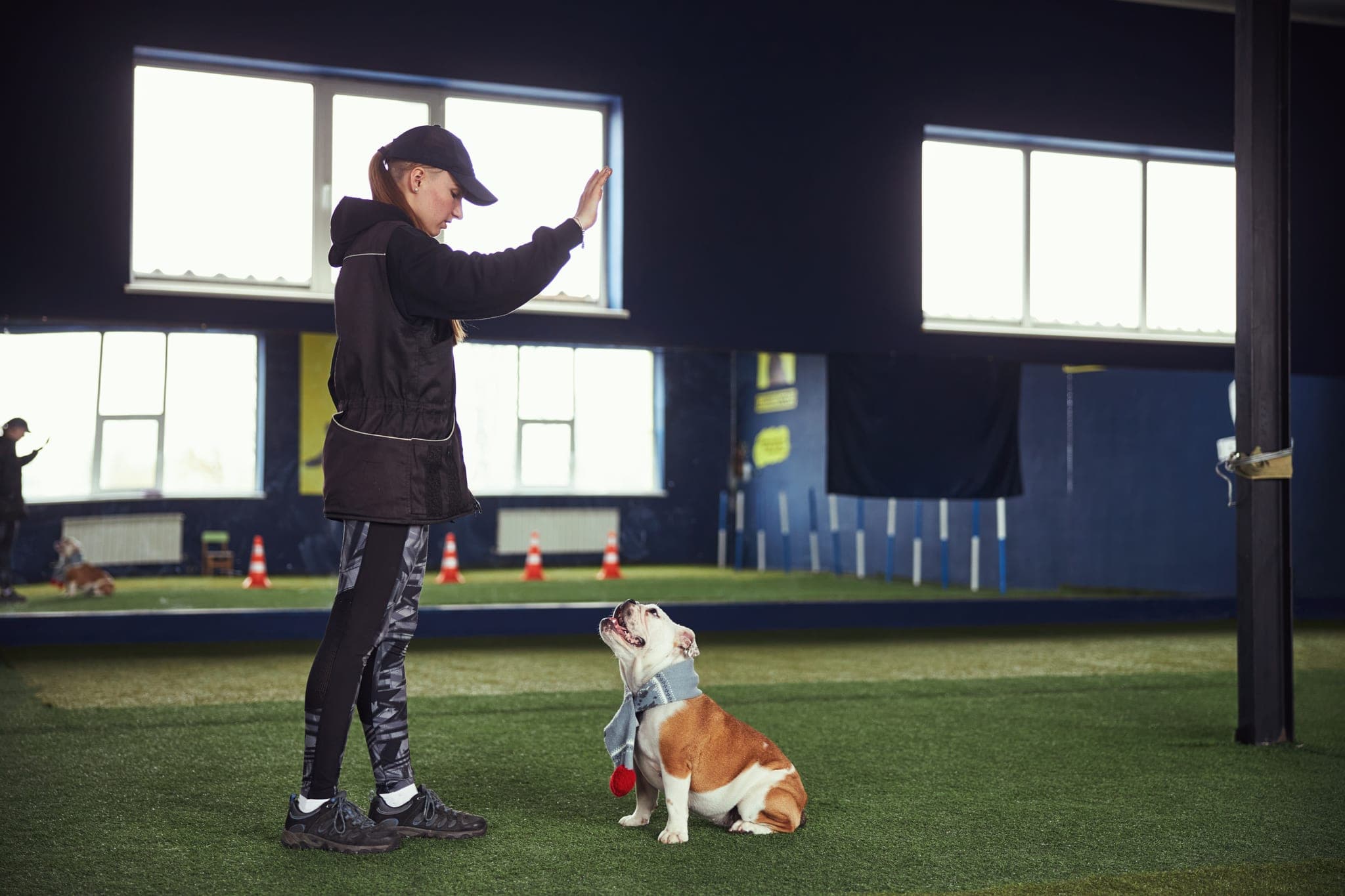
Barn Hunt is welcoming to total beginners. Most handlers start with a fun test or intro workshop before entering an official trial.

What you'll need
The kit
BHA dog registration (one-time $32, lifetime). Comfortable training clothes — straw, hay, and dust come with the territory. A reward your dog responds to (food or toy).
Typical timeline
How fast it moves
Find a BHA-licensed club or training facility for an intro class or fun test. Most teams enter their first Instinct or Novice trial within 1–3 months of starting. Title progression depends on consistency — Instinct can come at the first trial; Master takes years for most teams.
Before you enroll
Eligibility
Any dog 6+ months that fits through an 18-inch-wide bale-height tunnel is eligible. Food or toy motivation helps, especially for new dogs. Comfort with stacked bales, confined tunnels, and other dogs crated nearby helps — all trainable. Bitches in season may compete: they run at the end of each class and must wear panties — let the trial secretary know in advance. Dogs showing aggression toward people, rats, or other dogs may be excused; BHA's safety standards around live animals are strict.
Common myths
What newcomers get wrong
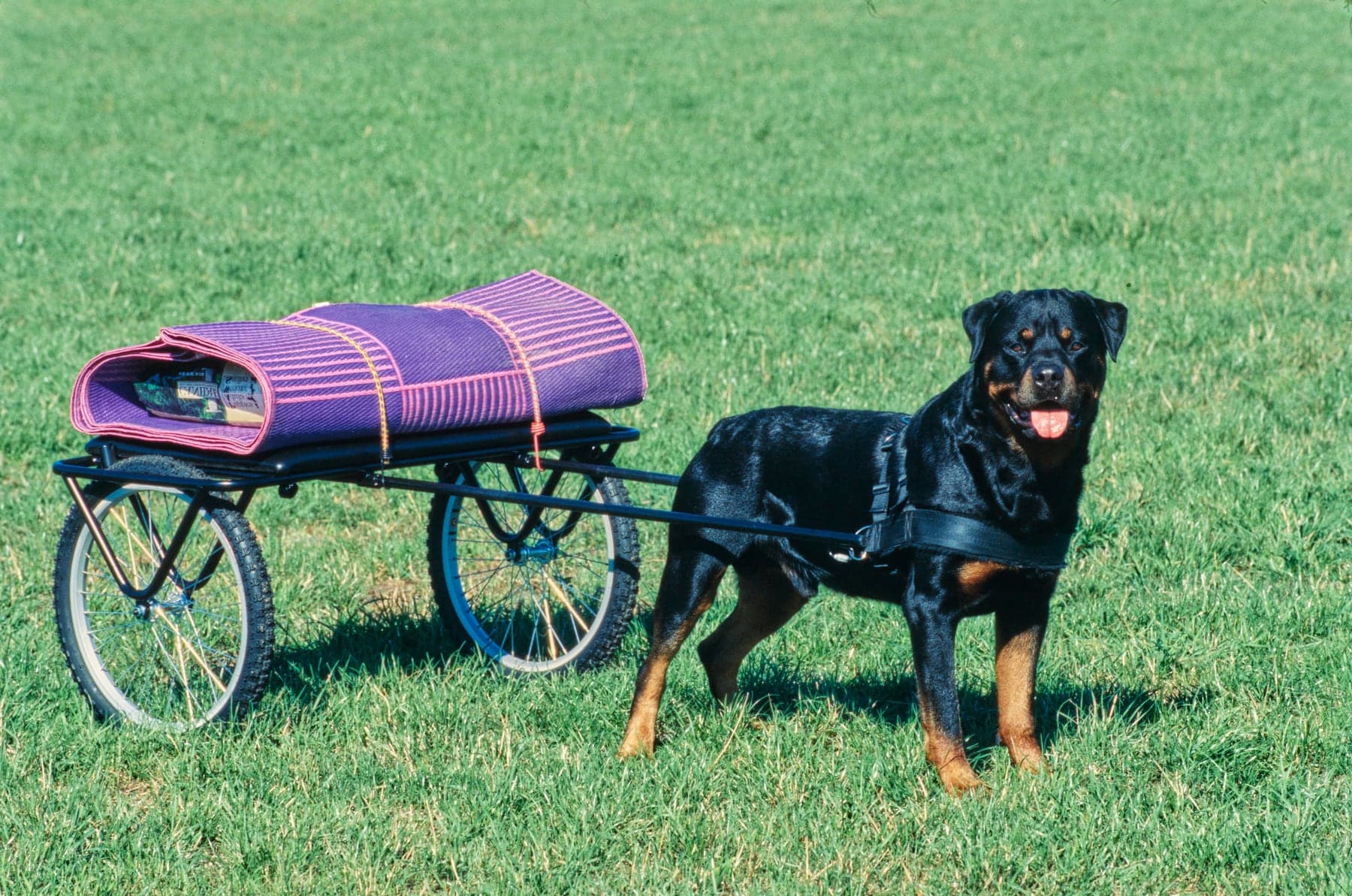
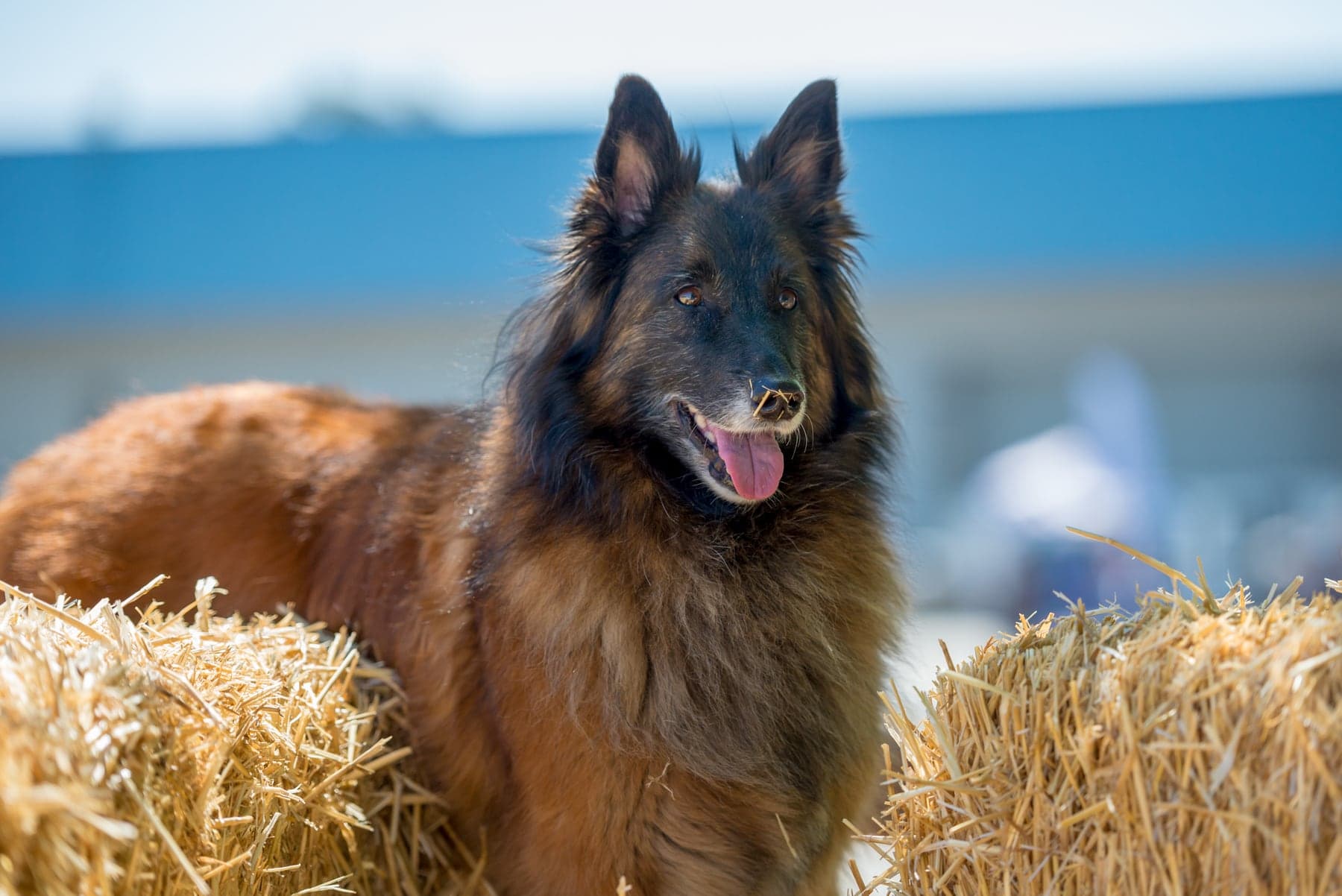
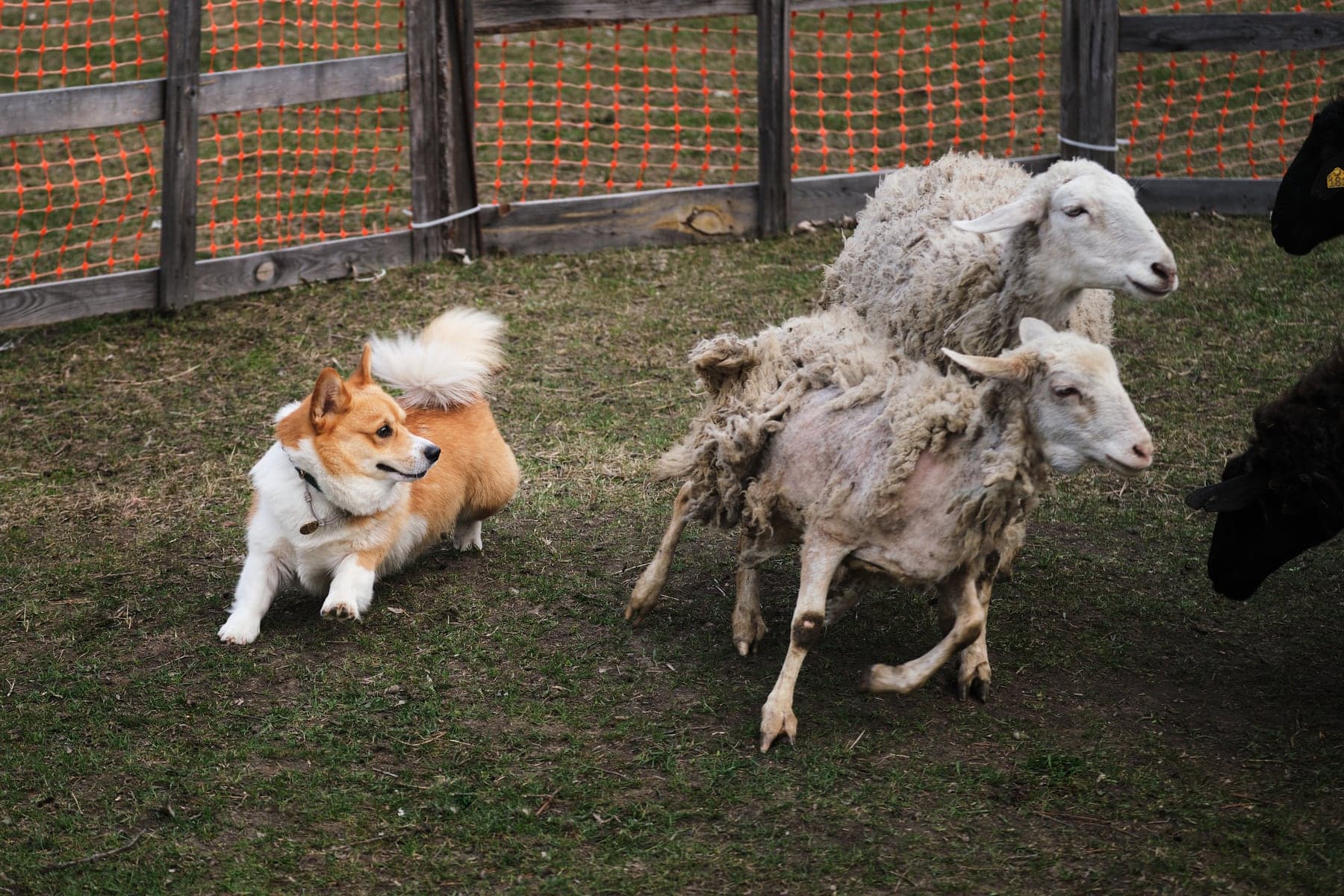
"Barn Hunt is just for terriers and small dogs." The only physical gate is the 18-inch tunnel — Rottweilers, retrievers, herding dogs, and large mixed breeds compete and title regularly; sighthounds and brachycephalic breeds may struggle more with the climb and tunnel demands than with breed eligibility. "It's just instinct, no training needed." Even high-drive ratters need to learn the elements — dogs must complete tunnels and climbs on cue, ignore litter and empty tubes, and work systematically; most teams take a 4–6 week intro class before their first trial. "I can help my dog if they get stuck." Handlers may not touch tubes, rearrange bales, or significantly handle the dog on course; faults for handler interference can NQ the run. The handler's job is verbal direction and reading the dog.
Who Barn Hunt welcomes
Terriers and small breeds — built around their natural instincts. Reactive or sensitive dogs — runs are one at a time behind a partition (a working environment, not a cure-all). Rescue and mixed-breed dogs — pedigree is irrelevant; if they fit the tunnel, they can play.

07 · Trial day

Trials are social, patient, and surprisingly welcoming. Dogs run one at a time — no crowd pressure while you're in the ring.

The venue
Where it happens
Most trials happen in barns, indoor training facilities, expo halls, or outdoor covered venues. The ring is fenced and stacked with straw or hay bales — it smells like hay and rats. Flooring varies (dirt, mats, concrete), so check the premium and plan for your dog. Bring a folding chair, water, and a way to crate your dog between runs.
The flow
How the run works
Classes run in small groups called 'blinds' — 4–5 teams at a time. Wait behind a partition; a chime rings when it's your turn. Enter on leash at Novice or off leash at higher classes. Judge calls 'Ready? Go!' and the clock starts. Follow your dog; call 'rat!' when they indicate, 'tunnel' or 'climb' as they complete those elements, and 'clear!' to stop the clock when you believe all rats are found.
The community
What people are like
Barn Hunt people are famously welcoming — expect helpful strangers. Most handlers stay all day to cheer on others. First-timers are celebrated, not judged.
The vocabulary
What handlers actually say
Q (qualifying score) and NQ (non-qualifying) are the basic currency. Calling clear is the act of declaring "all rats found" at Master level — get it wrong and the run is NQ. Hot rat describes a rat that's been on the course recently or is unusually scent-strong, pulling dogs off other hides. Litter tube is the decoy with used bedding inside; empty tube is the unscented decoy. Bale surfing (or bale diving) is the dog who scrambles enthusiastically over bales without much method — endearing at Novice, costly at Master. Rat obsessed is the dog who locks onto tubes but blows past the tunnel and climb requirements. Blind is the staging area where the next 4–6 teams wait out of view of the ring. Move-up is when a handler advances to the next class within the same trial after earning a title.

08 · What it costs

An honest picture of what handlers actually spend. Ranges reflect current BHA premiums and what real competitors report.

One-time setup
$32$64
BHA lifetime registration · optional $32 per title for AKC Title Recognition (Novice and above only)
Training & classes
$150$250
6–8 week beginner course · drop-ins $20–40 · privates $50–100+/hr
Per-trial fees
$75$150
Weekend with several runs · BHA premiums $20–35 per class
Active annual
$500$2k+
Casual under $500 · active competitors several hundred to a few thousand
The honest truth
Barn Hunt is one of the most affordable dog sports to enter. You can try your first trial for under $100 all-in. Titling at higher levels rewards consistency — invested over many weekends, not big checks.

Accessibility & accommodations

Who can do Barn Hunt?

Each entry below carries an evidence tier so you know how strongly we can stand behind the claim. Tier A— confirmed by the sport’s sanctioning body. Tier B— possible via the org’s accommodation process; confirm with your host club before entering. Tier C — based on sport mechanics rather than org policy; ask your host club.

  • Tripod dogs (three legs)

    Tier A

    Explicitly eligible at all levels. The one-bale climb element is permitted per the BHA 2025 rulebook — tripods are recognized participants in standard classes, not relegated to a separate division.

    Source: Barn Hunt Association

  • Deaf dogs

    Tier A

    Eligible for standard Barn Hunt classes. Most handlers use a combination of hand signals and body-position cues; the dog works close to the handler throughout each run.

    Source: Barn Hunt Association

  • Partially-sighted dogs

    Tier A

    Eligible for standard Barn Hunt classes per the BHA rulebook. Dogs work primarily by scent; partial sight is not a barrier to navigating the bale courses.

    Source: Barn Hunt Association

  • Senior dogs

    Tier C

    Many handlers find — senior dogs can continue Barn Hunt at lower levels with handler advocacy — climb element is a real consideration for arthritic dogs, and runs are brief enough to manage stamina. Vet check recommended before starting.

    Based on sport mechanics. No org-level statement found; ask the host club.

  • Flat-faced (brachycephalic) dogs

    Tier C

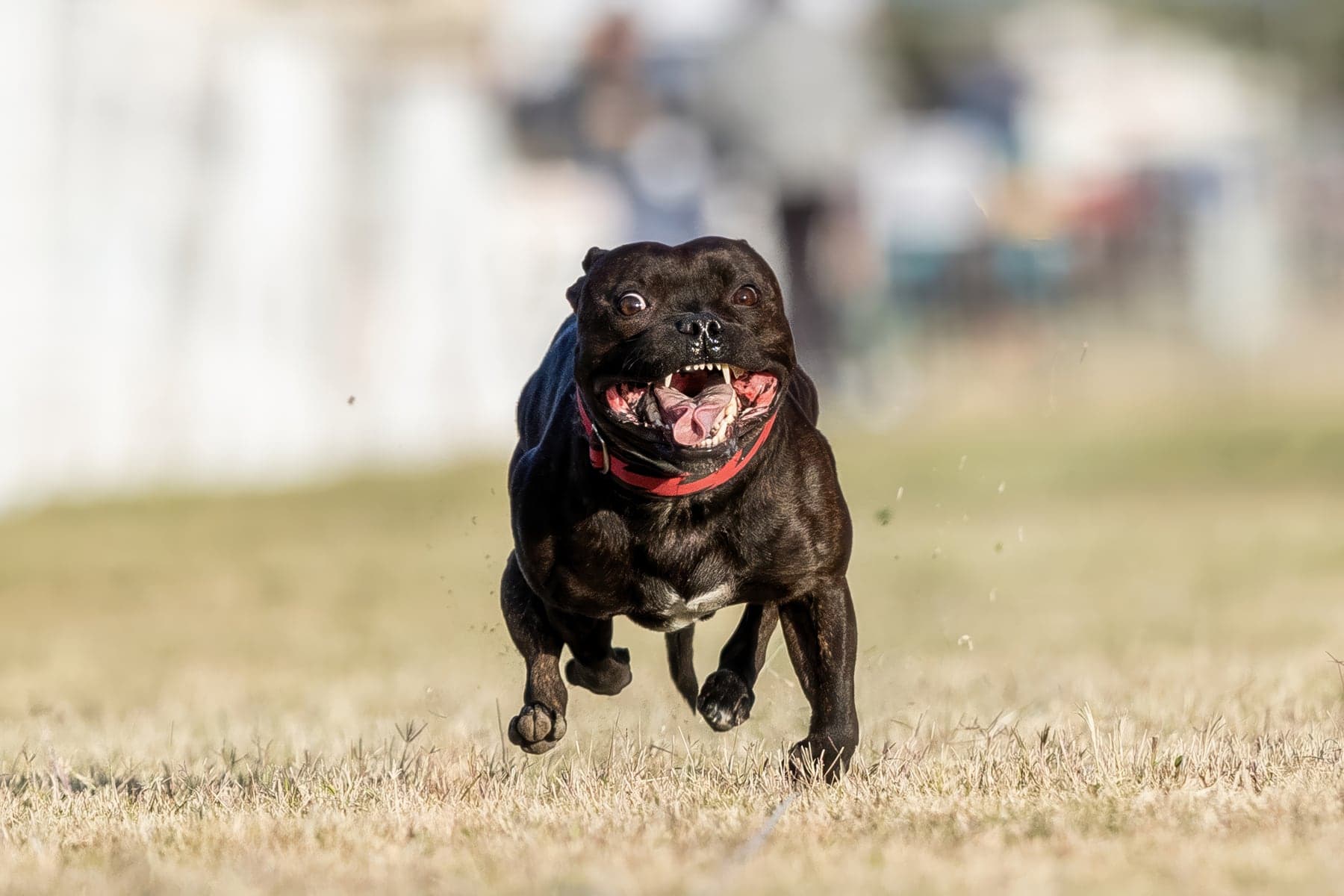
    Many handlers find — Short runs at indoor or shaded venues make brief participation possible, but the climb element + excitement spikes during rat-finds create real breathing strain. Most experienced brachy handlers cap participation at the lowest titling levels.

    Based on sport mechanics. No org-level statement found; ask the host club.

  • Fully blind dogs

    Tier A

    Not eligible for standard Barn Hunt classes per the BHA 2025 rulebook. The bale-stacking environment and climb element are safety considerations the rulebook explicitly addresses.

    Alternative path: The leashed Line Drive class is the BHA's accommodation pathway. Confirm with your host club that Line Drive is offered before entering.
    Source: Barn Hunt Association

  • Wheelchair / cart dogs

    Tier A

    Not eligible for standard Barn Hunt classes per the BHA 2025 rulebook. Standard courses include bale climbing and tunnels that cart-using dogs can't navigate safely.

    Alternative path: The leashed Line Drive class is the BHA's accommodation pathway. Confirm with your host club that Line Drive is offered before entering.
    Source: Barn Hunt Association

Related sports

If Barn Hunt interests you, look at these too.