Discover Bikejoring
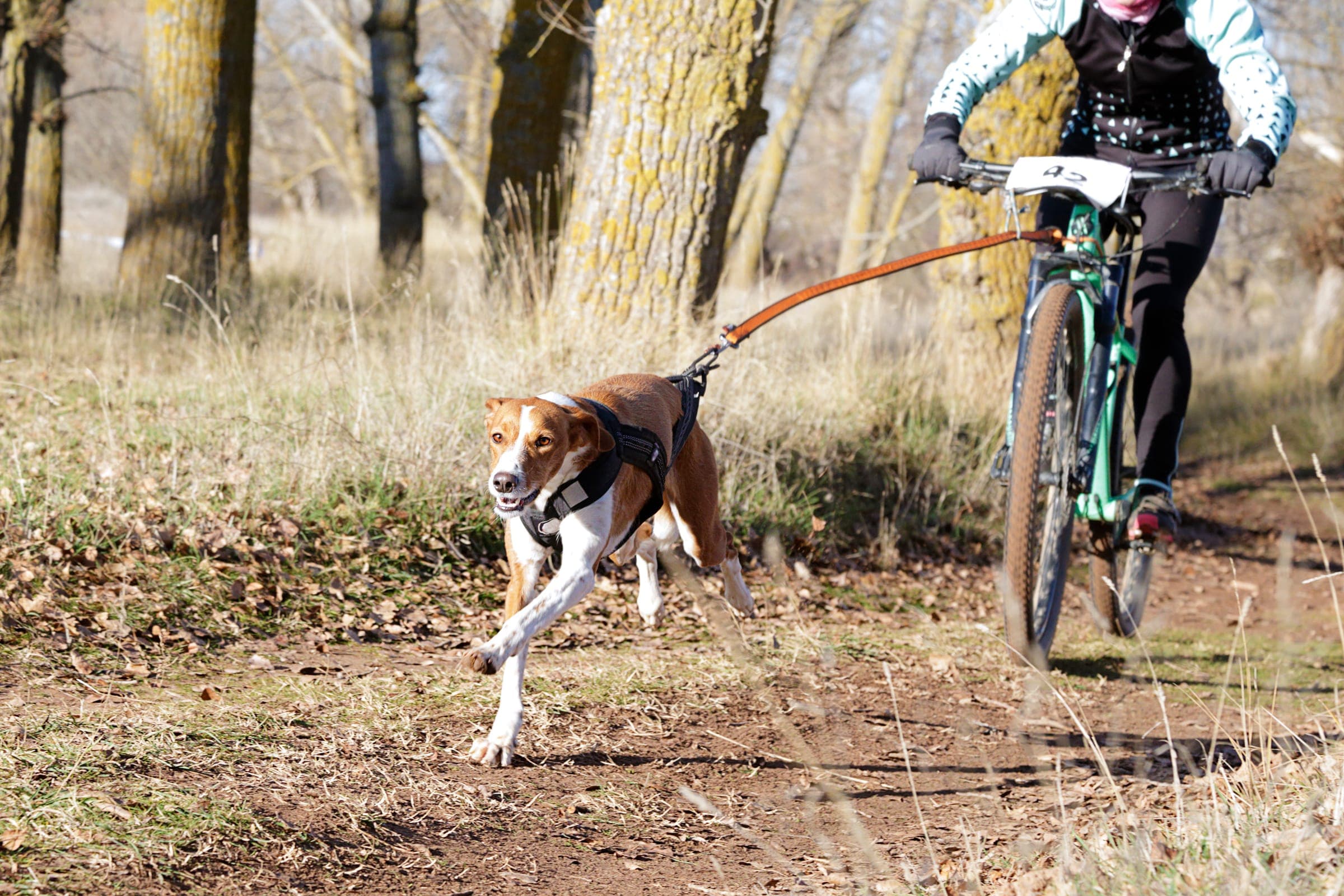
A dryland sled-dog sport where one or two dogs run in harness ahead of a mountain bike, pulling on a bungee towline while the rider pedals, brakes, and steers an off-road course.
01 · What is it
Bikejoring is a dryland sled-dog discipline. One dog — sometimes two — runs ahead of a mountain bike in a pulling harness, attached by a bungee-style towline to a bike-mounted antenna that holds the rope clear of the front wheel. The rider wears a helmet (mandatory in most rulebooks), pedals, and steers; the dog provides forward pull while responding to voice cues like 'gee' (right) and 'haw' (left). Courses run 2–8 km at IFSS-style events, on dirt, gravel, or hardpack forest trails. Mass starts are uncommon. Teams launch one at a time at fixed intervals, and overtaking rules borrowed from sled-dog racing govern who yields where. The dog leads, but the partnership is tight: the rider's brake hand controls speed into corners, the dog reads terrain, and the towline has to stay loaded without slingshotting the bike forward on descents.
The sport suits medium-to-large, aerobically fit dogs with sound structure, stable temperament, and real pull drive. High-energy northern and sport mixes dominate the start chutes, but well-conditioned herding, retriever, and mixed-breed dogs run too. Handlers who thrive in bikejoring already enjoy mountain biking and endurance training; the sport is unforgiving of weak bike skills, and most clubs steer new teams through canicross — running with the dog in harness — before adding two wheels. Severely dog-reactive teams struggle in close-quarters staging areas; moderate reactivity can be managed with careful start-order planning. Bikejoring is high-impact and high-speed — cani-sport guidance converges on 18 months as the floor for full pull-load work, and brachycephalic breeds are poor candidates for the sport due to airway and thermoregulation risk.
02 · The run
A bikejor race is a single-dog (sometimes two-dog) timed run on a marked off-road course. Teams launch one at a time at fixed intervals; the fastest time in each class wins. What looks like a sprint on video is six distinct moments the team has to nail in sequence.
03 · USFSS / IFSS
The dominant rulebook for bikejoring in the United States is the IFSS Race Rules, administered domestically through the United States Federation of Sleddog Sports (USFSS). USFSS is the US member of IFSS — the international governing body for sled-dog sports, including dryland disciplines like bikejor, scooter, and canicross. Most regional race-giving organizations in the US adopt IFSS rules with local modifications. A handler who learns the IFSS framework can race almost any dryland event in the country.
04 · ICF
The International Canicross Federation (ICF) is the second international body that codifies bikejoring, rooted not in sled-dog heritage but in European trail-running culture. ICF labels the discipline CaniBike or CaniVTT in some materials, and its rule set sits alongside IFSS — overlapping in spirit but not identical in detail. Most ICF activity centers in Europe, but US handlers who race ICF-style events or follow World Championship results encounter its framework regularly.
05 · Side by side
Bikejoring lacks a single title-granting body the way AKC governs Scent Work or BHA governs Barn Hunt. Two international frameworks (IFSS and ICF) shape the rules, and US handlers race almost exclusively under IFSS-aligned events run by regional organizations. The comparison covers the two international frameworks plus the US regional layer that actually puts events on the calendar.
| IFSS (via USFSS) | ICF | US regional RGOs | |
|---|---|---|---|
| Role | International governing body for sled-dog sports — dryland and snow | International federation focused on canicross and bikejor | Clubs and standalone races that put on the actual events |
| US footprint | Dominant — most US regional events follow IFSS rules | Limited — mostly European with occasional US handler participation | The events most American handlers attend |
| Cultural roots | Sled-dog mushing | Trail running and MTB | Mixed — IFSS rules + local culture |
| Distances | 2–8 km per IFSS race rules | Course profiles vary; some regs cap bikejor distances differently than IFSS | Varies by venue and class; typically aligned with IFSS bands |
| Title system | None — World Cup standings, national-team selection, championship placements | None — championship placements function as status markers | None — class placements and series points |
| Marquee events | IFSS Dryland World Championships, World Cup series | ICF World Championships, Continental Championships | RMSDC, Tug Hill, Delaware Canal regional challenges |
| Helmet requirement | Mandatory | Mandatory | Mandatory at most |
Cross-recognition is informal. A win at an IFSS World Championship doesn't transfer as a 'title' into ICF's system, and a strong placement at an RMSDC race doesn't appear on a USFSS ranking automatically — but the bikejor community is small enough that reputations and results carry between events without paperwork.
06 · Getting started
Most teams enter bikejoring through canicross first. The progression is foundational because adding wheels to an unsteady dog-and-handler partnership produces predictable problems — line tangles, blown corners, and crashes that scare the dog off the sport. Canicross teaches the harness, the line, the directional cues, and a controllable speed. Bikejor adds steering and brake management on top of all of that.
07 · Race day
Bikejor races run as part of broader dryland weekends — canicross, scooter, rig, and bikejor classes share the same trail system, often the same start chute, and definitely the same staging chaos. First-time handlers report being overwhelmed by the logistics and pace; first-time dogs get more aroused by the environment than handlers expect.
08 · What it costs
Bikejoring's cost structure varies more than most dog sports because there's no single sanctioning body setting fees, and a serious team's biggest line items are bike maintenance and travel rather than entries.
Made for bikejoring.
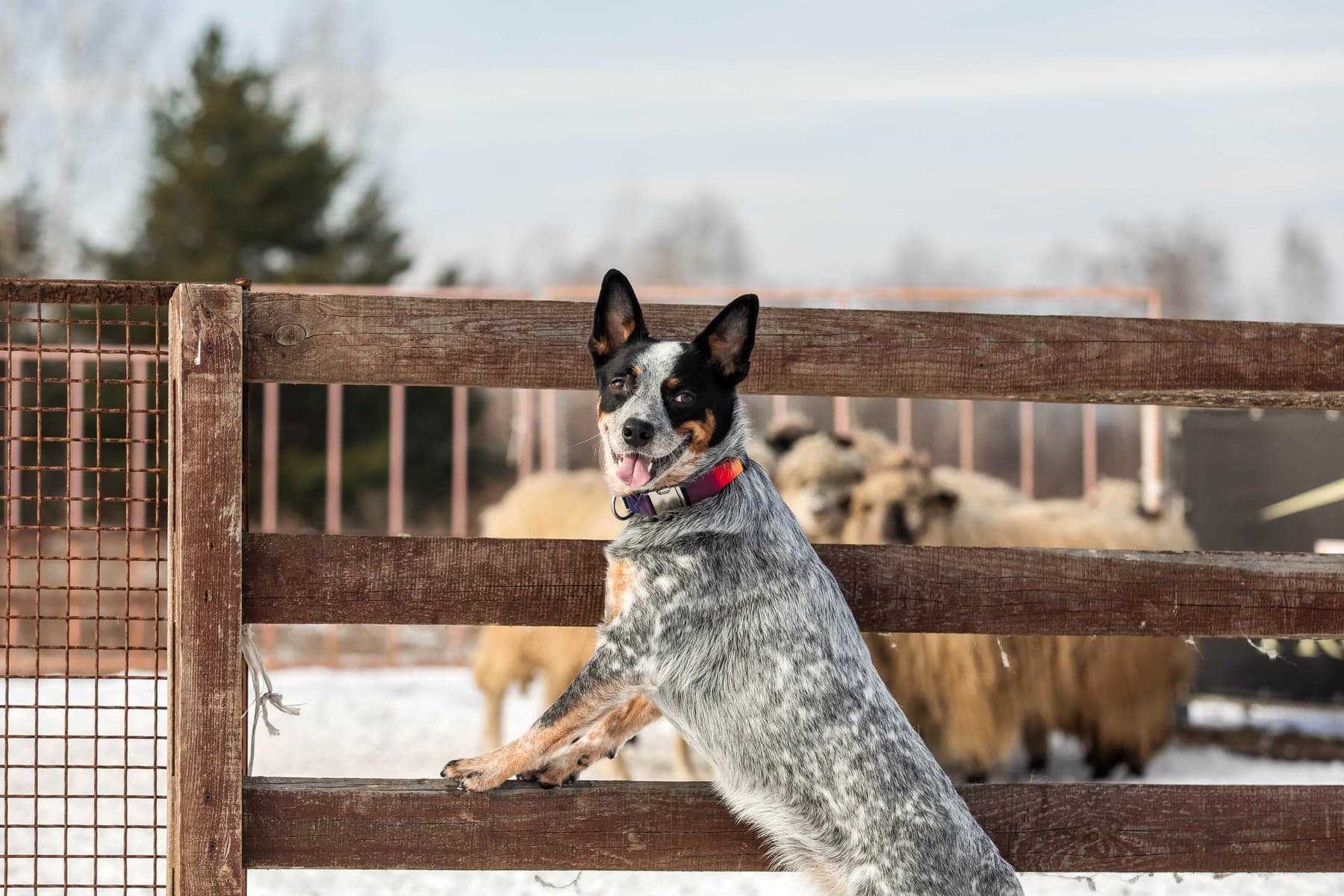
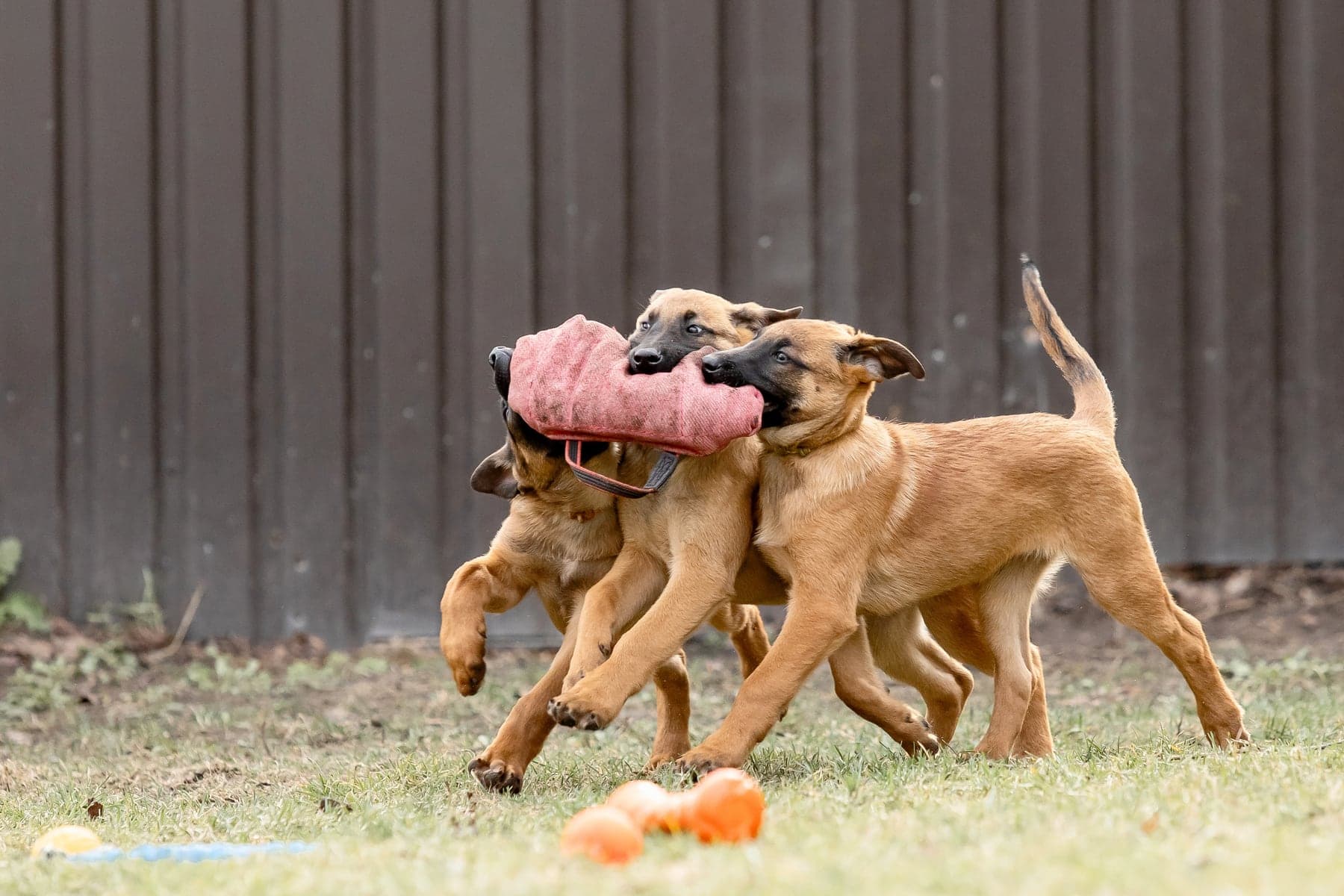
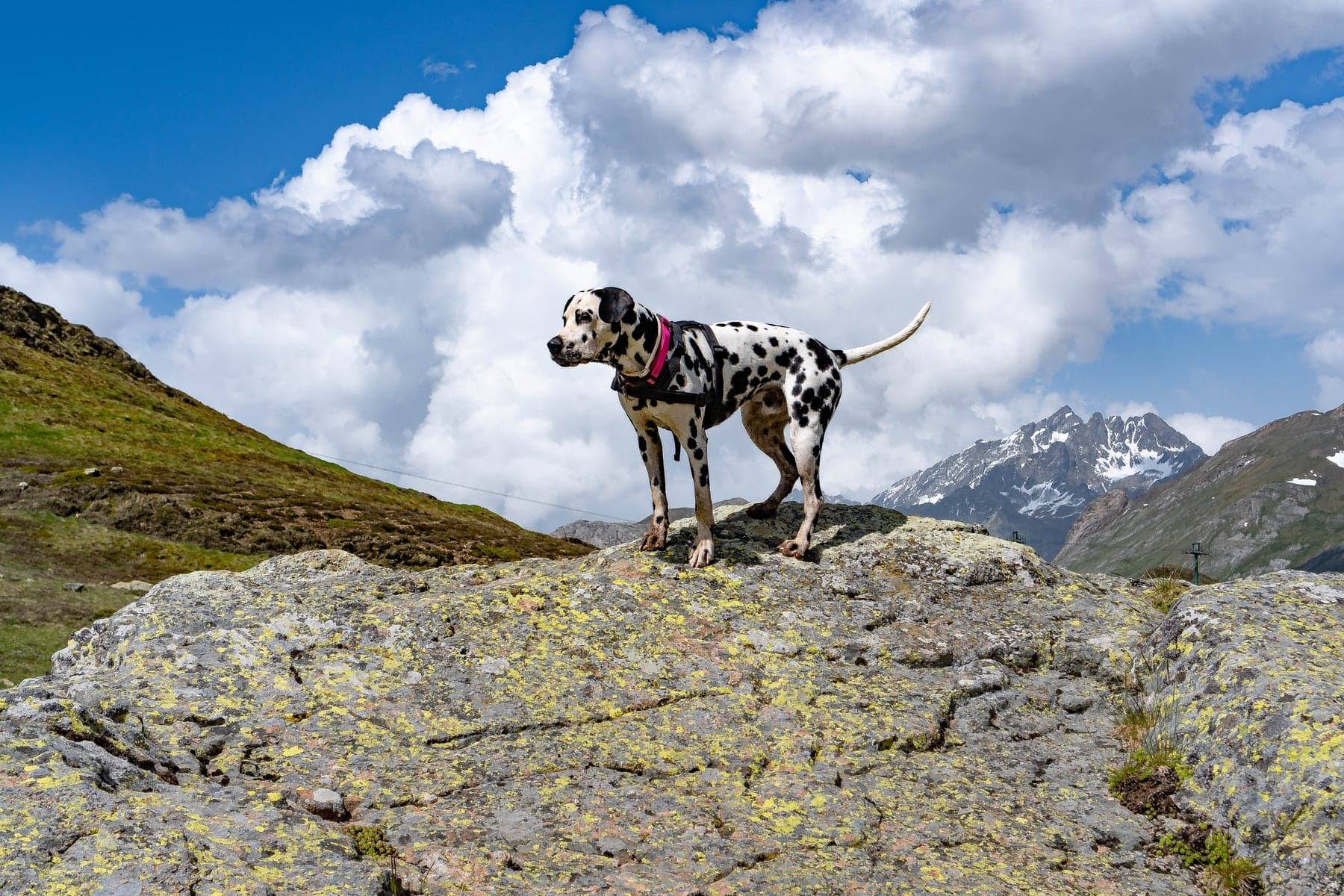
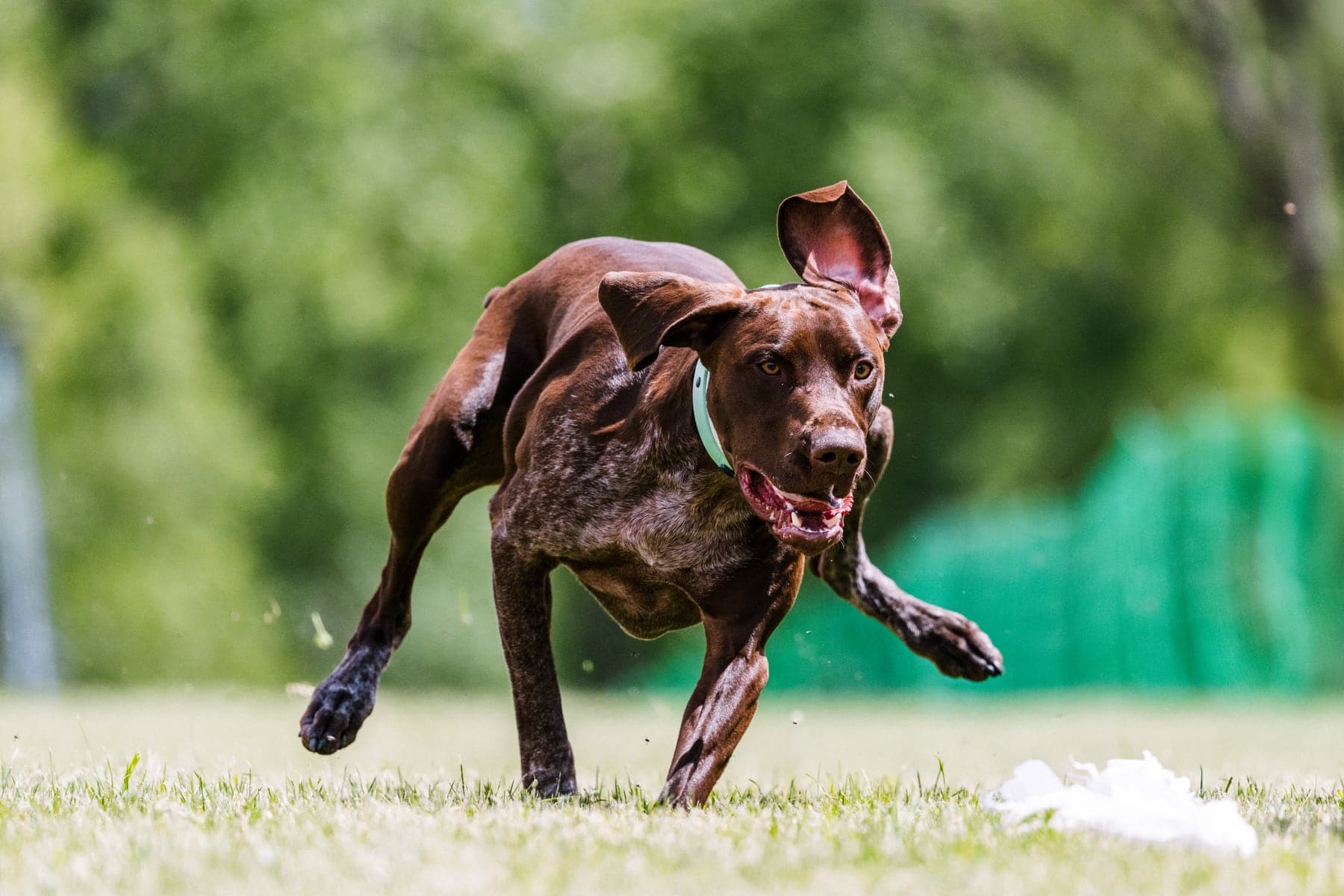
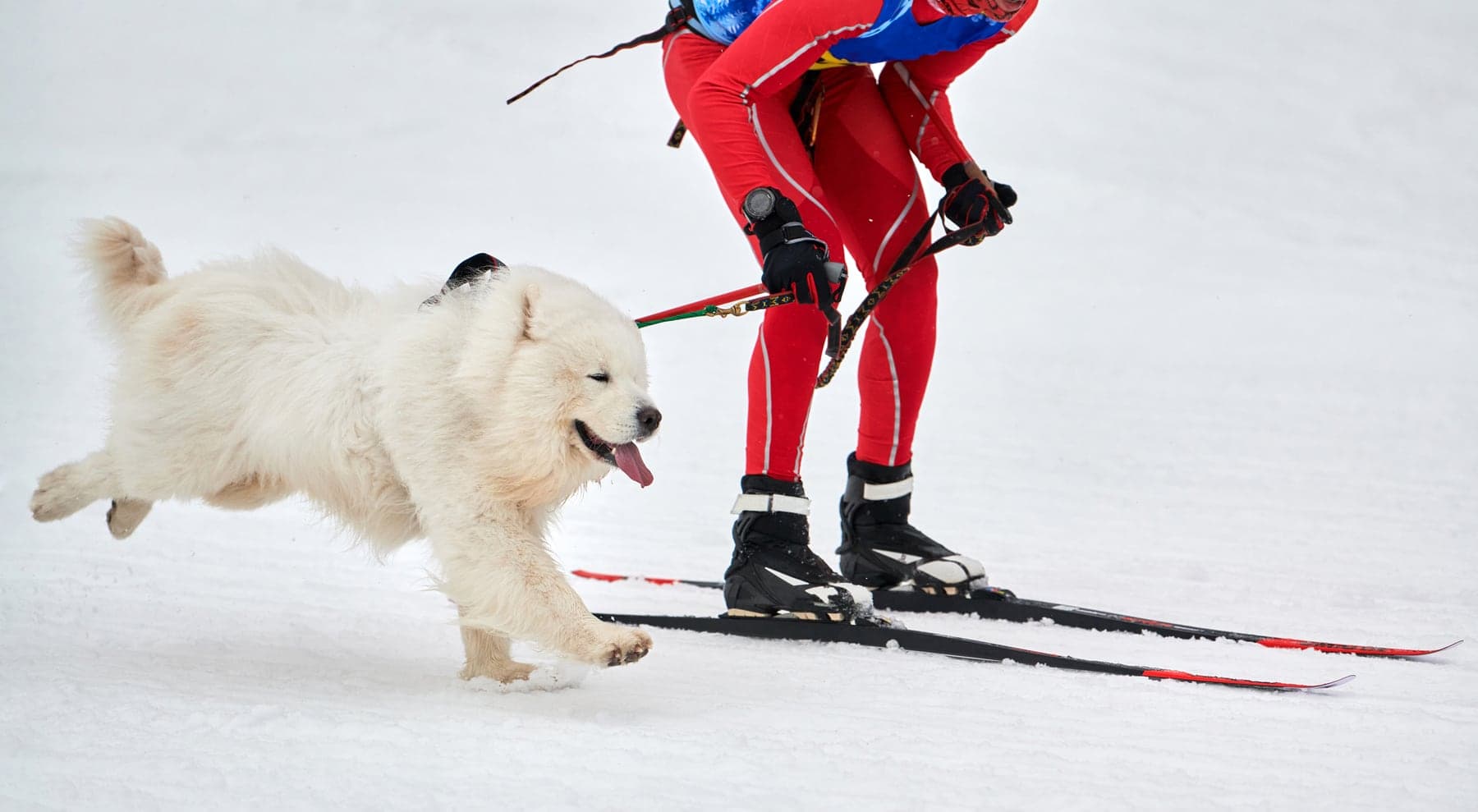
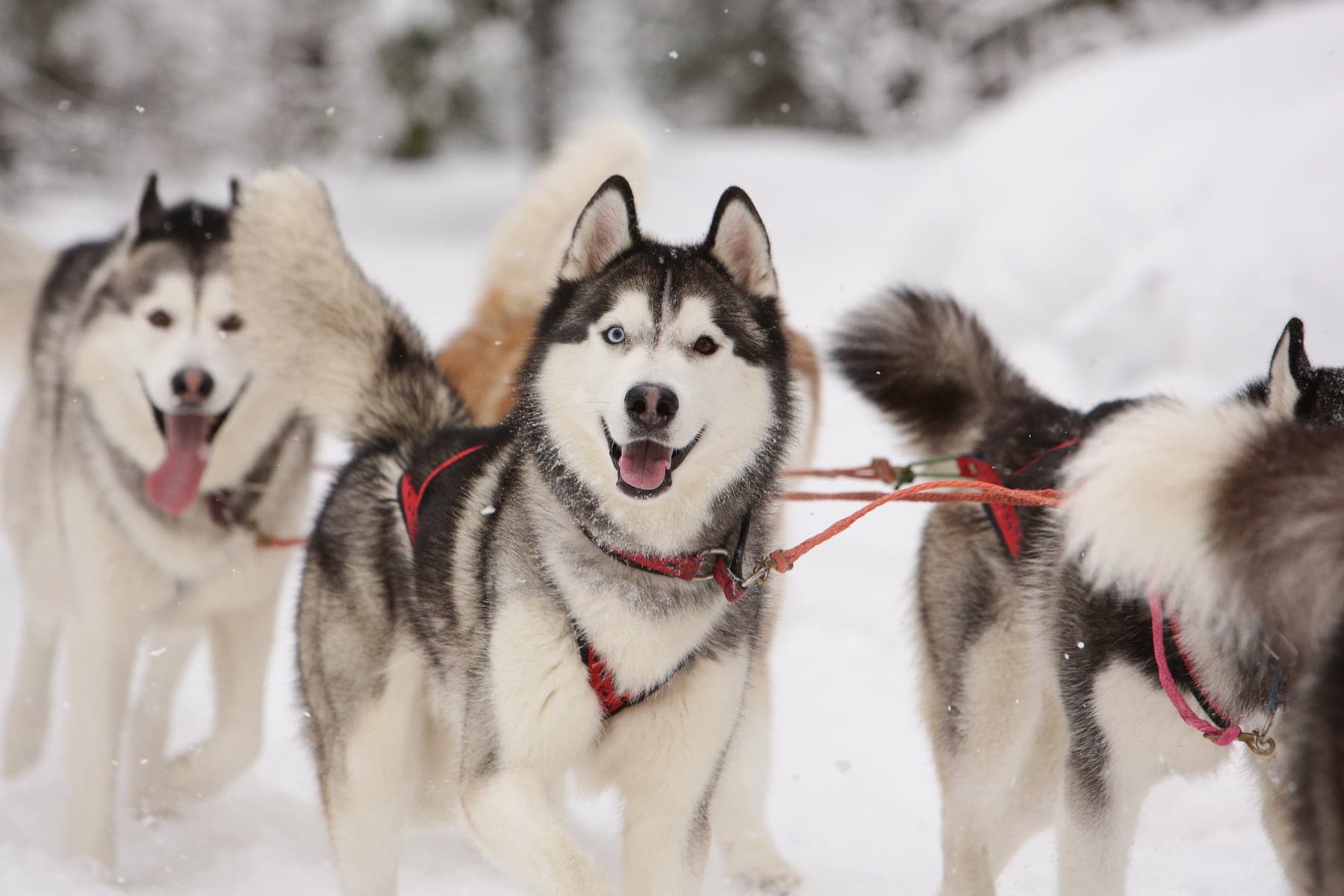
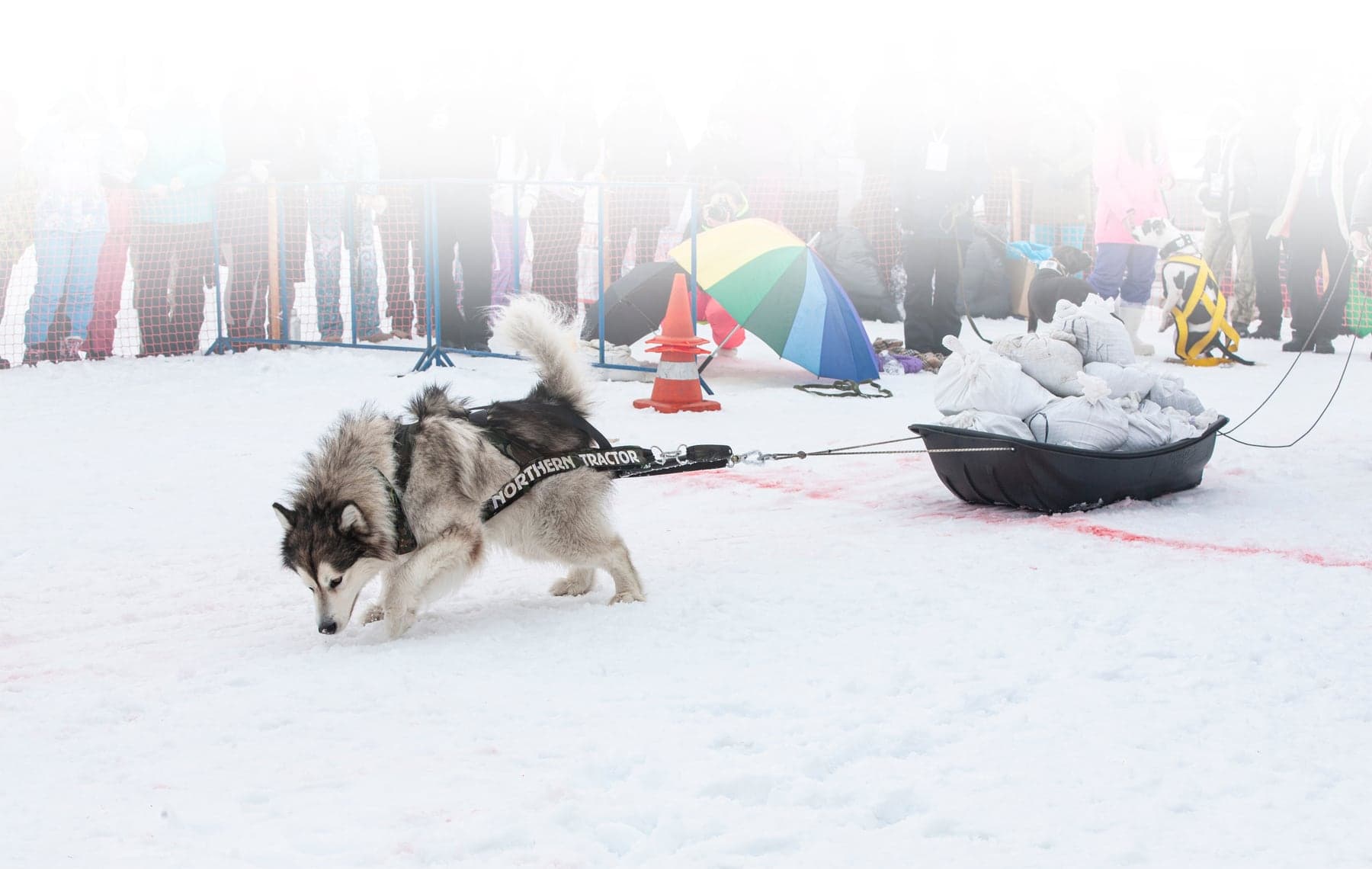
Breeds in our field guide that take naturally to bikejoring — not every breed that competes, just the ones we’ve written up so far.
Sources & verificationLast reviewed May 2026
Our Bikejoring guide is an independent, plain-English orientation — not an official rulebook. Rules, titles, eligibility, and fees vary by organization and change over time, so always confirm the specifics with the current rulebook or event premium before you enter.
Checked against
Spot something out of date? Tell us and we’ll fix it.