Sport Profile

Discover Canicross

A cross-country running sport where a runner and dog are connected by harness, belt, and bungee line — with the dog pulling out front and the team racing the clock together on natural trail.

Jump to a section

01 · What is it

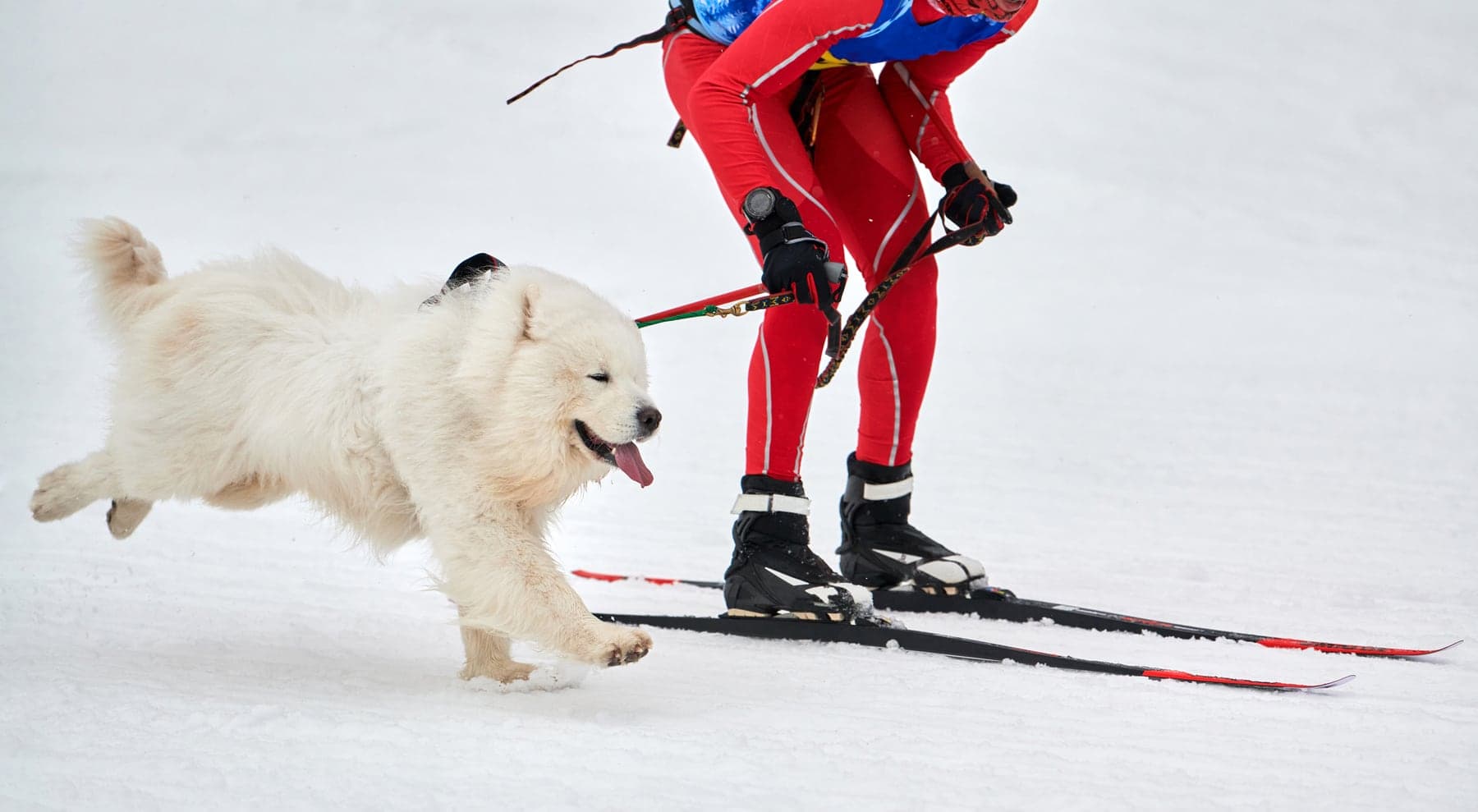
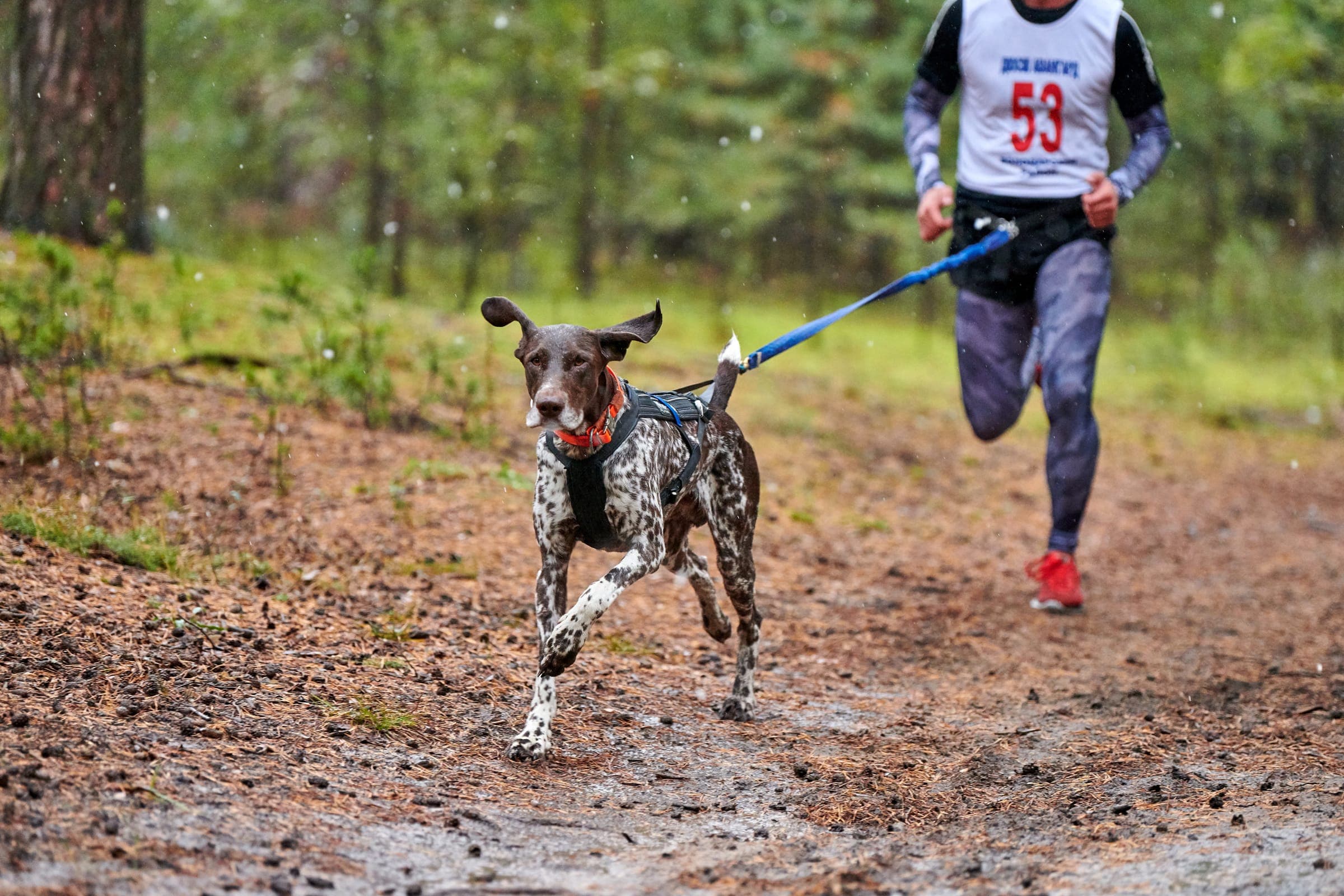
Canicross is cross-country running with a dog physically attached to the runner. A padded waist belt, a non-restrictive pulling harness, and a shock-absorbing bungee line connect the team. The dog runs out front and provides forward pull; the human runs behind and reads the trail. Races run 2–7 km on grass, single-track, forest road, and mixed terrain, with teams started at 30–60 second intervals to keep the trail clear.

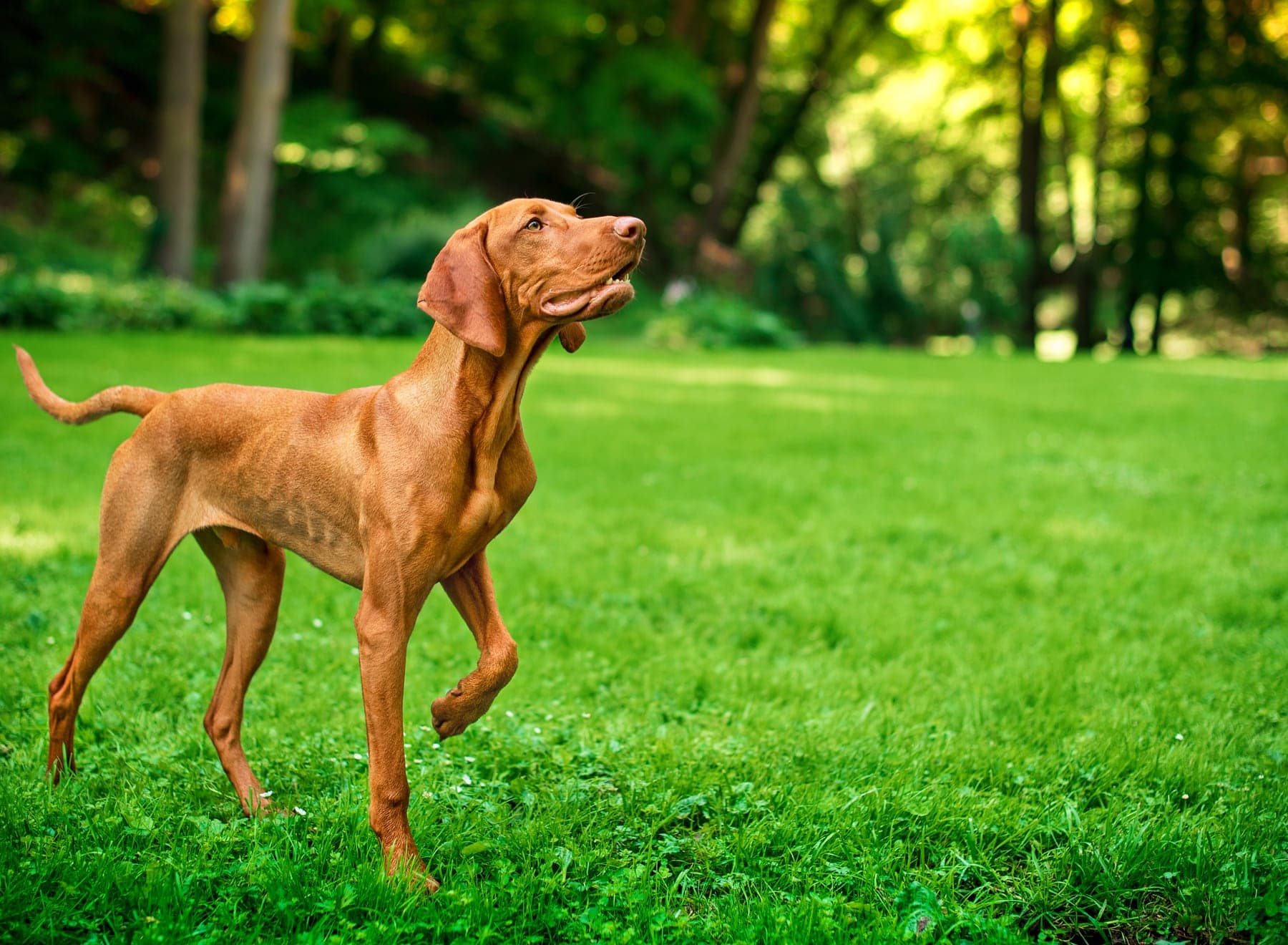
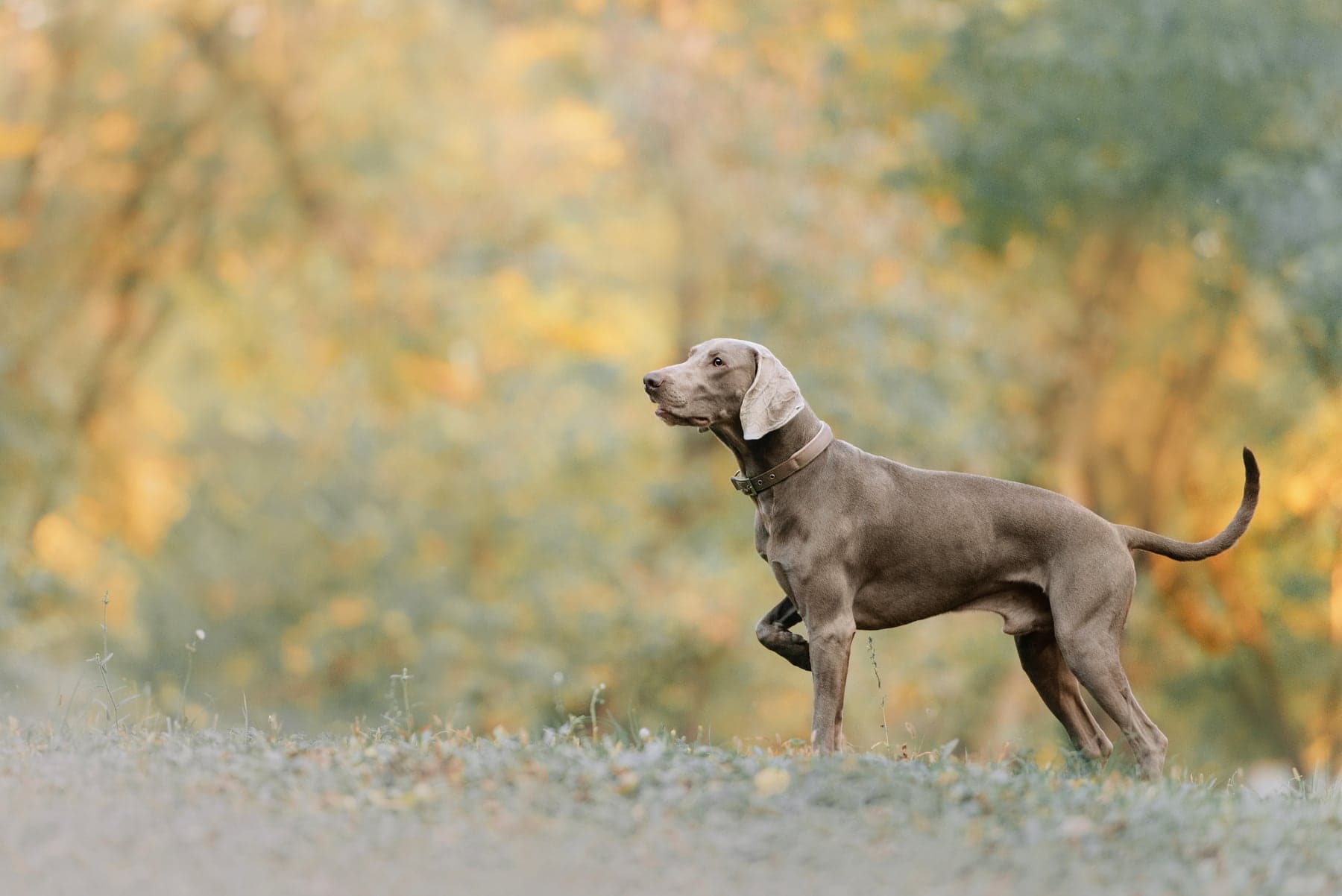
Canicross suits medium-to-large athletic dogs with cardiovascular drive and a willingness to push out front. Smaller dogs, mixed breeds, and non-traditional working breeds compete too, but brachycephalic breeds, structurally compromised dogs, and very small dogs face real physical limits in the sport. Dog-reactivity is the sport's other gating issue: courses bring teams into close proximity at speed, and many organizers ask reactive teams to either pre-arrange management or hold off racing until the dog is reliable around other teams. Speed alone does not win a canicross race — passing cleanly, reading footing, and keeping the dog focused under arousal all count.

Origins
European start
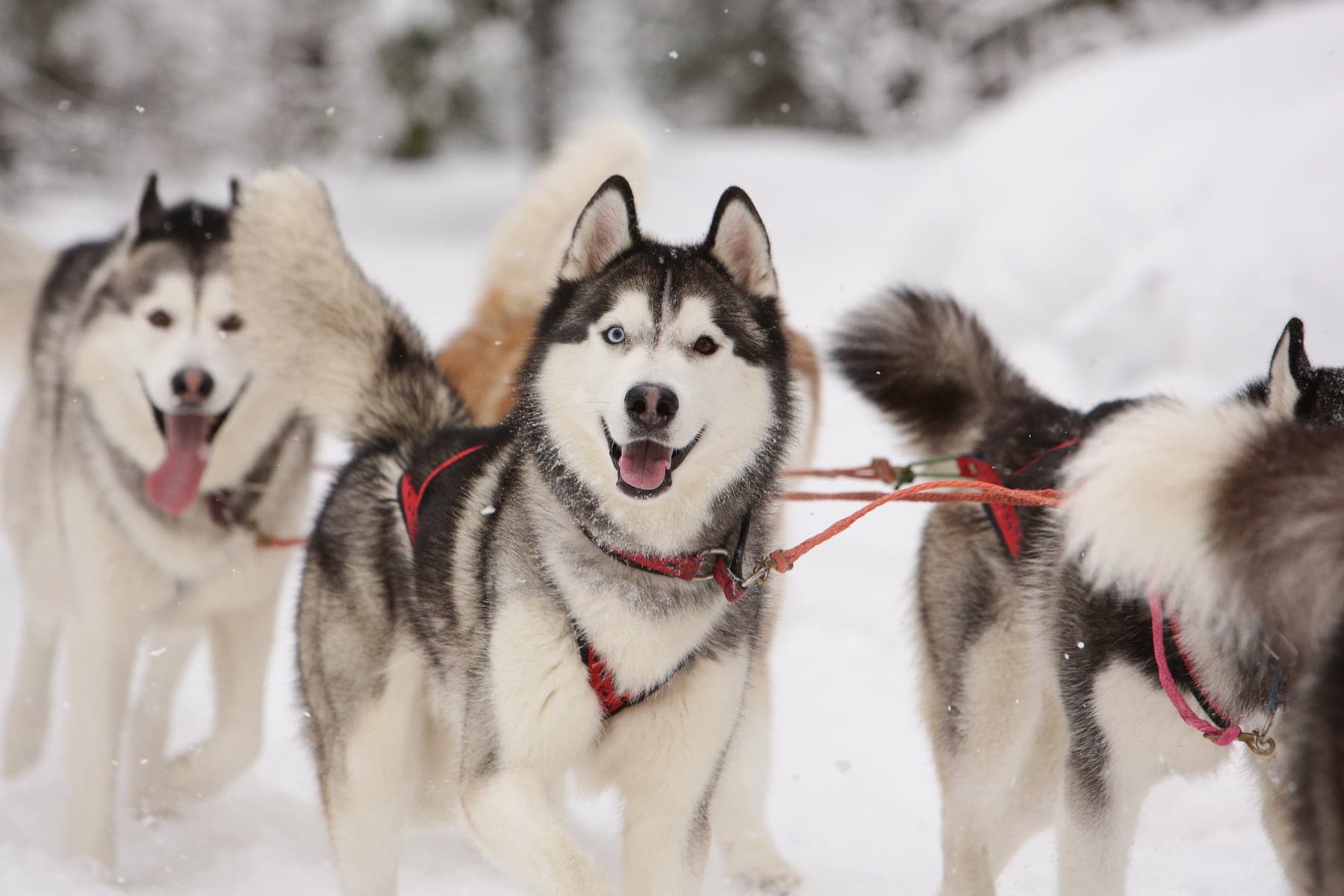
Canicross began in Europe as off-season training for sled dog teams — a way to keep mushing dogs fit when there was no snow on the ground.
2001
The European Canicross Federation takes shape around the Pilsen Championship as an informal coalition, then evolves toward formal governance over the next decade.
2000s
The International Federation of Sleddog Sports (IFSS) and the World Sleddog Association (WSA) fold canicross into their dryland rulebooks. The International Canicross Federation (ICF) launches as a dedicated global body, positioning the sport as independent rather than an offshoot of sledding.
2019
North American Canicross (NACC) is founded in the US with a rulebook based on IFSS practice. Canicross USA grows alongside NACC as a grassroots chapter network — community first, championships second.
Today
The two US organizations overlap rather than compete: most American teams use Canicross USA chapters to find races and use NACC to log titles for the miles they run.

02 · On the course

A canicross race is a single timed run over a marked trail. Teams launch one at a time, finish one at a time, and place by fastest time within their class. Four things distinguish a canicross trail from a normal trail run: the start chute, the trail itself, passes, and the welfare-and-finish protocol.

Step 01
The start
Teams queue in bib order and launch at intervals — 30–60 seconds is the standard release window. The dog is already in harness with the line clipped to the runner's belt. A clean launch is one where the dog drives forward on cue, the line stays out of tangles, and the team clears the chute without crossing into the next runner's lane.
Step 02
The trail
Courses combine single-track, forest road, grass field, and moderate hills, with arrows or tape marking the route. Strong teams hold pace through technical sections, modulate speed for footing and corners, and keep the line reasonably taut without choking the dog up onto the runner's heels.
Step 03
Passing
The faster team calls the pass; the slower team yields trail. Passing rules vary by federation but the principle is consistent — clean and quiet, no dog-to-dog conflict, no chase reactivity. How a team passes is one of the clearest tells of experience.
Step 04
Welfare and finish
Most rule sets include equipment checks at staging, hydration and rest expectations between runs, and disqualification thresholds for distress or lameness. IFSS World Championships use a 150% rule — finish times longer than 1.5x the class winner are disqualified. At the finish line, teams cross under control and clear the chute forward to make room for the next team.

03 · NACC

North American Canicross was founded in 2019 and runs the most structured US-available titling framework most pet-sport teams will encounter. NACC titles work on cumulative distance, not class placement — handlers log miles run at sanctioned races, approved races, and training runs through a Log a Run system, and titles award when totals cross specific cutoffs.

01
Foundation
NACC team registration is $50 one-time, which includes the first 50-mile Lifetime Achieved Miles title fee. Rule basis: built on IFSS rule structure, adapted for US race calendars.
02
Lifetime Achieved Miles
Tracks cumulative distance over a dog's career. Mileage stacks across training runs, races, and casual runs — no single distance needs to be completed in one session. The on-ramp title program for the team that already runs together.
03
Race Dog Distance Titles
Recognize cumulative mileage within specific distance bands — 5K (~3.1 miles), 10K (6.2–13 miles), half marathon and marathon classes (~13.1–26.2 miles), each with stated mileage ranges per tier.
04
Championship Titles
Designed for more competitive teams, with stricter criteria around verified race participation. Exact thresholds and the full Championship abbreviation set live in the NACC handbook.
05
Log a Run
Runs submitted with GPS or race-result evidence. Logged training mileage counts toward Lifetime Achieved Miles. A team that runs 4 miles three times a week with the dog in harness can accumulate enough mileage for early titles in a few months without entering a race.
Key facts
Founded
2019
HQ
Atlanta, GA (administrative)
Title model
Cumulative distance
Registration
$50 (includes first 50-mile title)
Rule basis
IFSS structure, US-adapted
Good to know
Most US handlers use NACC as the title-tracking layer over whatever local race series they actually run in. Race under your local Canicross USA chapter's rules; log every mile to NACC for titles.

04 · Canicross USA

Canicross USA is the grassroots side of the US scene. Where NACC is the title-tracking layer, Canicross USA is the chapter network — the people running the events, building the local communities, and putting beginners on trail with experienced handlers for the first time. It functions more as a community and event-support hub than a titling body.

01
Structure
Chapter network across multiple US states, with notable density in New England. Chapter density determines how much canicross is actually on offer in any given state — the gap between dense and sparse states is wide.
02
Membership
Programs for individuals, clubs, and race directors. Joining a chapter is the standard on-ramp into the sport.
03
Title model
None centralized. Local series award their own placements; formal titles come through NACC or host races.
04
Role at races
Chapter clubs host race series, fun runs, and clinics under their own local rules. A New England chapter might run a six-race winter dryland series; a chapter in another region might run two introductory clinics a year and one fun run.
05
The on-ramp
Canicross USA chapters are where most US handlers find their first canicross community. Showing up to a clinic or fun run, and learning trail etiquette in person, is the standard entry into the sport — much more than reading rulebooks.
Key facts
Structure
Chapter network across US states
Density
New England cluster
Title model
None centralized
Role at races
Host series, fun runs, clinics
Membership
Individuals · clubs · race directors
Good to know
The chapter network and the NACC title program work together rather than against each other. Race under Canicross USA chapter rules at your local series; log your mileage to NACC for titles.

05 · All five, side by side

Canicross sits inside a wider sled-dog and dryland federation landscape. Five organizations matter: two dominate the US scene, three carry international weight that handlers encounter at championship-level events. The two US organizations work together. The three international bodies overlap and sometimes compete.

ICF — International Canicross Federation
Dedicated global governing body for canicross, bikejöring, and related disciplines. Positions the sport as independent rather than an adjunct to sledding. Sanctions ICF World Championships and works with national federations on series events.
canicross.international →
IFSS — International Federation of Sleddog Sports
Global sled-dog federation whose rulebook covers snow and dryland, including canicross. WADA-aligned anti-doping for human athletes and detailed technical standards. The 150% time-limit DQ rule used at IFSS World Championships originates here.
ifssevents.net →
WSA — World Sleddog Association
International sled-dog body with dryland race rules covering canicross. Strong in parts of Europe, aligned with traditional purebred-northern-breed sled-dog culture. Provides race-management, distance, and passing standards used in many national programs.
wsa-sleddog.com →
NACCCanicross USAICFIFSSWSA
Role in US scenePrimary US titling programGrassroots chapter networkInternational, championship-only in the USInternational, championship-only in the USInternational, mostly Europe
Title modelCumulative distanceNone centralizedChampionship placementsWorld Championship titlesChampionship placements
Levels / classesLifetime Achieved Miles, Race Dog Distance Titles, Championship Titles — all banded by mileage thresholdsLocal series classes — recreational, race, sometimes 1-dog/2-dog/juniorPer national federationClasses by dog count, human age/sex, distanceClasses by dog count, human category, distance
Known forLow-barrier titling, flexible logging, distance-based ladderCommunity access, chapter-driven event calendarStandalone canicross identity, world championshipsDetailed technical rulebook, 150% DQ ruleSled-dog heritage, dryland adaptations

Titles do not transfer. An NACC mileage title is an NACC title; an IFSS world placement is an IFSS world placement. But mileage earned at races run under any rule set — IFSS, ICF, WSA, local — counts toward NACC titles when logged under the NACC program. The practical pattern for most US handlers: race under whichever rules the local event uses, and log every mile to NACC.

Which one sounds more like you?
You want to earn titles for the running you already do.
NACC is the home program. Register the team, log every run, and titles award as mileage accumulates.
You want to find races and people in your region.
Canicross USA chapter membership is the entry point. Race calendars, fun runs, clinics, and the people who will teach you to pass cleanly all live there.
You want to compete at international level.
IFSS and ICF World Championships sit at the top of the sport. National federation membership is the path in.
You want sled-dog heritage and European-style competition.
WSA is the federation tied most closely to traditional sled-dog culture. Less common in the US scene but visible at major events and through expat handlers.

06 · Getting started

Most beginners enter canicross through a Canicross USA chapter clinic, a local club's intro session, or a self-guided start with online resources and a first 5K fun run. The equipment list is short and specific. The conditioning ramp is the part that takes time.

Day one
The kit
A non-restrictive Y-front or x-back pulling harness sized to the dog. A canicross belt — padded waist belt with lumbar support and a low-mounted attachment point. A bungee line, 4–6 ft, sized to the team's running gait. Federation-specific line length rules vary; the 4–6 ft range is the general industry guidance.
Class phase
Foundation training
4–8 weeks of foundation: harness conditioning, pulling motivation, directional cues, and trail etiquette around other dogs. A first fun run or club race establishes the dog's behavior in a busy staging area before entering a timed event. Conditioning ramp for dog and human — most teams build distance over 1–3 months before targeting a 5K.
Typical timeline
How fast it moves
1–3 months of foundation work to a first 5K-length fun run for most teams. Several months to a year for a first NACC mileage title milestone, depending on training volume. One or more full seasons of consistent training and racing to reach competitive performance at championship-level events.
Before you enroll
Eligibility
Most US events require dogs be at least 12–18 months old; growth-plate closure timing matters more than calendar age. Brachycephalic breeds, dogs with significant orthopedic issues, and very small dogs face real physical limits in this sport. Reactive dogs can be accommodated at some events with advance notice and management; others restrict entry until the dog is reliable around other teams. A pre-participation veterinary check is the standard ask for dogs with any joint, cardiac, or respiratory history.
Who Canicross welcomes
Medium-to-large athletic dogs with cardiovascular drive. Mixed breeds and non-traditional working breeds compete. Brachycephalic breeds and very small dogs face structural limits. Reactive dogs face the steepest entry barrier of most sports profiled here — staging is close-quarters and passes happen at speed.

07 · Race day

Canicross events range from small chapter-club races with a relaxed atmosphere to multi-discipline dryland weekends featuring bikejöring, scooter-joring, and rig classes alongside canicross. Most are busy but structured. The day is built around staging windows, interval starts, and waiting between runs.

What happens
Day flow
Check-in and bib pickup, sometimes including gear inspection. Pre-race briefing covers course markings, passing rules, time limits, and welfare expectations. Class running orders posted; teams stage at the chute in sequence and launch at 30–60 second intervals. Timing recorded by chip or manually; results posted by class after each wave finishes.
What to bring
The kit
Crate or vehicle setup for safe rest between runs — most events expect dogs not to socialize freely at the venue. Water, shade, and cooling gear; trail running shoes for the handler. Full kit: harness, belt, bungee line; backup harness if available. Weather-appropriate layers and a towel — early starts and shifting conditions are standard.
Common mistakes
What to avoid
Underestimating the staging environment — multiple high-arousal dogs in close proximity is harder on a green dog than the running itself. Skipping warm-up and cool-down for the dog. Letting the line go slack on downhills, then taking a hard pull when the dog accelerates. Reading the premium too fast and missing rules on reactive dogs, in-season females, or required gear.
What videos don't show
The mental load
Long waits between classes and the mental load of managing an aroused dog through them. Early starts, weather exposure, and travel fatigue across a multi-day series. The actual sound of a venue with several teams staging at once. How quickly the canicross conditioning gap shows up — beginners overestimate their dog's pace and underestimate the dog's pad and joint conditioning needs.

08 · What it costs

Canicross sits at the lower end of dog-sport equipment cost and the middle range of competition cost. Equipment is short and specific; ongoing race entries, travel, and chapter dues are where the real spend lives. Three spending profiles cover most US handlers.

One-time setup
$50$300
NACC team registration ($50, includes first 50-mile title fee). Starter equipment kit — pulling harness, canicross belt, bungee line — runs in the mid-range for canine sports gear.
Per-race fees
$15$25
Stand-alone events run $15–$25. The Canicross Club 2025 series: $20 general, $18 AFSS members, $15 club members, $75 season pass. DogRunnin's Year of Cani: $160 for a $190-value bundle.
Casual annual
$200$1k
Basic gear, chapter dues, and a handful of events keep annual spending in the low-to-mid hundreds for casual local participants.
Active annual
$1k$5k+
Active club competitor with regional travel: low four figures. Serious multi-state and international competitor: several thousand per year — travel and lodging are the largest line items.
The honest truth
Canicross does not require facility access, special property, or expensive specialty equipment. Local trails, a chapter, and a starter kit get a team to the start line. Cost grows with travel and racing frequency, not with sport infrastructure.
Related sports

If Canicross interests you, look at these too.