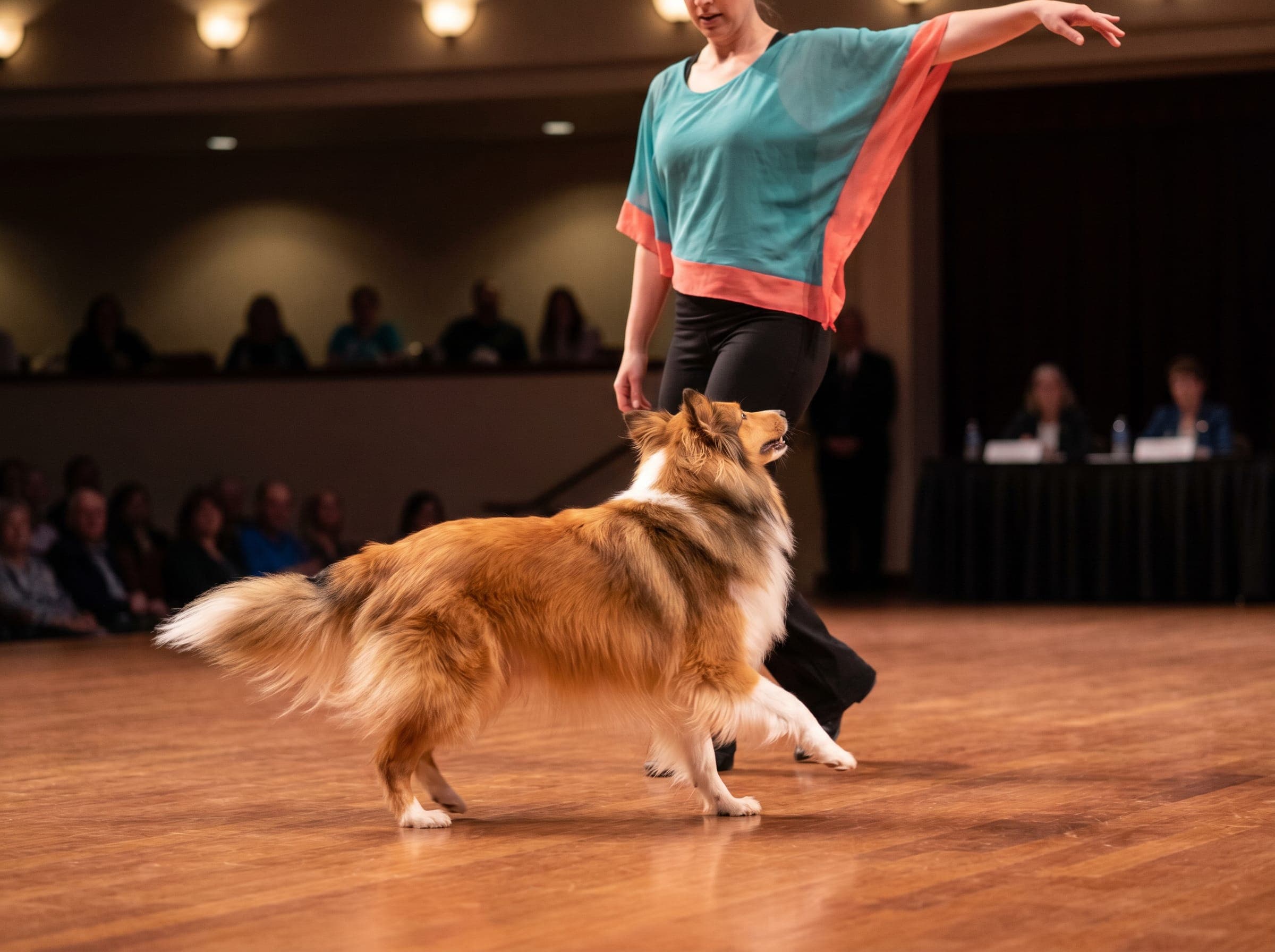
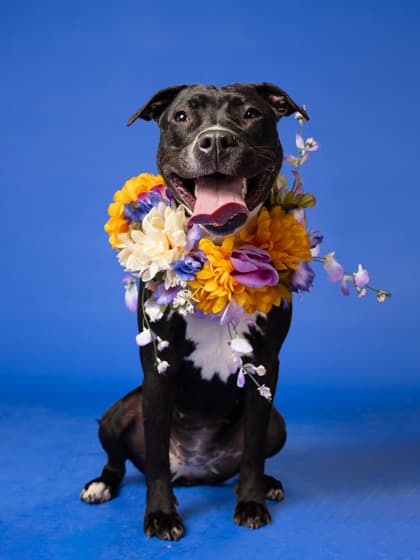
Photo · AI generated · Sporting Hound
Discover Canine Freestyle
A choreographed heelwork-and-tricks routine set to music — judged on technical accuracy, artistic interpretation, and the close partnership between dog and handler.
01 · What is it
Canine freestyle — also called musical freestyle or dog dancing — is a judged performance sport where a dog and handler perform a choreographed routine to music inside a ring. The routine combines precise heelwork in multiple positions, pivots, spins, weaves around the handler, backing, bows, and other trained tricks, all arranged to match the phrasing and mood of the chosen music. Routines run 90 seconds to about 3 minutes depending on org and level; higher levels are off-leash with continuous engagement.
Judges score two things at once: technical execution (accuracy, variety, control, ring coverage) and artistic interpretation (how the choreography reads against the music, teamwork, ring presence). The sport suits handler-oriented dogs who like learning tricks and working close to their person. Size doesn't decide it — toy dogs, sighthounds, working breeds, and shelter mixes all show up at trials — but biddability and focus do. Low-impact compared to agility or dock diving, though repeated tight spins, backing, and weaves can stress joints if a team trains carelessly. Reactive dogs can compete with thoughtful management; the ring is one dog at a time, but warm-up areas and music make the venue more demanding than a nose work trial.
02 · Inside a routine
A freestyle run is a continuous performance in a defined ring, set to pre-chosen music, lasting 90 seconds to about 3 minutes depending on org and level. The team enters, sets up, signals for music, and performs a planned sequence of heelwork, tricks, and transitions designed to flow with the musical phrasing and cover the ring with variety and control. Five elements show up in every routine, regardless of org.
03 · WCFO
WCFO is the internationally oriented freestyle body, offering both Musical Freestyle and Heelwork to Music with strong emphasis on artistic impression alongside technical merit. Open to all breeds and mixed breeds — dogs register with WCFO directly and handlers must be members to title; AKC registration isn't required. Scoring is split between Technical Merit and Artistic Impression as two parallel categories rather than a single combined score — teams need qualifying averages in both, not just an overall pass mark. Qualifying averages run around 5.5 to 6.0 per category for most title thresholds.
04 · CFF
CFF is the US-based freestyle organization most associated with technical heelwork foundations and a guild-based club structure. Dogs must be at least one year old; bitches in season can't compete; purebred and mixed-heritage dogs are eligible. Handler membership is encouraged and provides discounted trial entries — annual dues are $25, with $200 lifetime membership available. Scoring is on a 100-point combined scale (50 points per judge) with categories judged in 0.5-point increments from 0 to 10.
05 · Side by side
WCFO and CFF are the two orgs with the strongest US live-trial footprint. MDSA and RFE add substantial video-titling cultures and different community feels. Titles do not transfer directly across organizations, but RFE publishes a cross-org equivalency chart that maps WCFO, CFF, and MDSA titles to appropriate RFE starting levels.
| WCFO | CFF | MDSA | RFE | |
|---|---|---|---|---|
| Role | Long-standing international freestyle org | US live-trial org with guild-based community | International association with video-titling culture | Combined sign-based + freestyle titling program |
| Focus | Musical Freestyle + Heelwork to Music; balance of technical and artistic | Partnership-driven heelwork, technical precision | Written class guidelines, Props class, video friendly | Positive-reinforcement, hybrid live/video titling |
| Levels | Juniors → Beginners → Novice → Intermediate → Advanced → Champion (PDP, Dance Dog) | I → II A/B → III → IV → CH.CFF IV | Rookie, Novice, Intermediate, Standard, Premier, Veteran, Props | Multi-level + Musical Freestyle titles |
| Membership | Required for titling | $25 / year or $200 lifetime | Required | Required; members-only registration |
| Live vs video | Mix of live and video shows | Primarily live | Strong video-titling presence | Hybrid live and video |
| Known for | International orientation · combined competition-and-proficiency titling | Tight technical rules · 100-point judging · strong club culture | Written guidelines · dedicated Props class · accessible video routes | Cross-program with Rally-FrEe · 2024-current rulebook |
Titles don't transfer directly across organizations, but RFE's equivalency chart suggests where titled teams from other orgs should start. Some handlers use WCFO or CFF titles informally to justify higher starting levels in MDSA or RFE; each org maintains its own registration and title records. Most handlers commit to one ecosystem and cross-train into others as opportunity allows. In regions where one org dominates the local trial calendar, that's the org you'll start with whether you intended to or not.
06 · Getting started
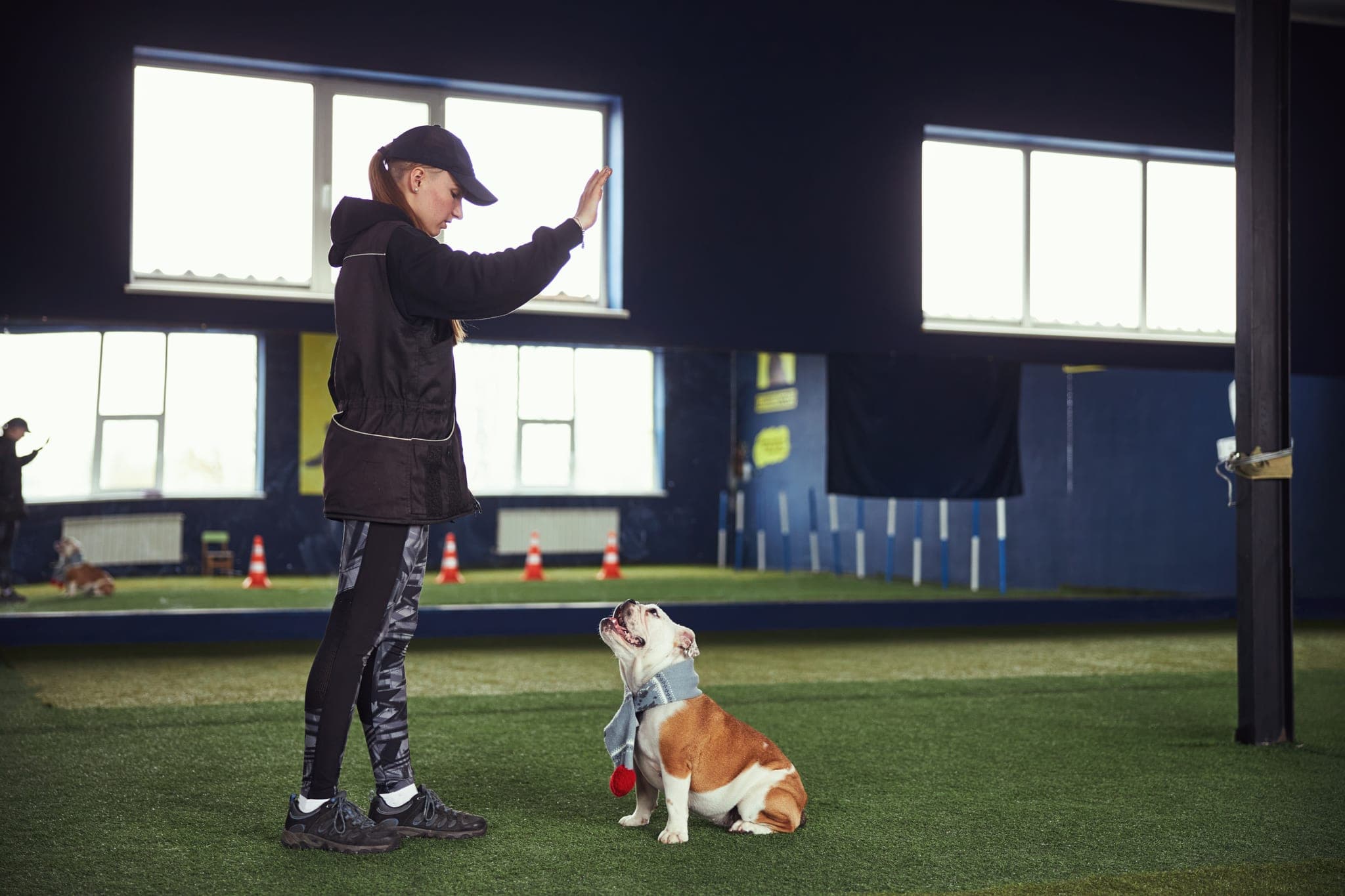
Most teams enter freestyle through foundation trick or freestyle-specific classes rather than jumping into competition routines. Local dog-training clubs and independent instructors offer Canine Musical Freestyle, Rally-FrEe, or combined trick classes. For handlers without a local option, online courses and coaching — often linked to MDSA or RFE instructors — are a real path to learning the sport. Basic training happens at home on flat flooring; specialized equipment is minimal beyond music playback and enough room to move.
07 · Trial day
Freestyle trials are smaller and more controlled than large agility trials. One ring or a few rings run at a time, music plays during routines, and spectators sit close to the action. First-time handlers usually report nerves about remembering choreography and managing the ring entrance more than the run itself. Dogs handle the environment well when they've rehearsed routines in distracting settings.
08 · What it costs
Freestyle costs less than agility or dock diving on the equipment side but more than nose work once you factor in regional travel — live trials are sparse outside a few hubs, and serious competitors often drive several hours to compete. Casual participants who stay local and use video titling can keep yearly spend low; live-trial circuit handlers spend more.
Find canine freestyle near you.
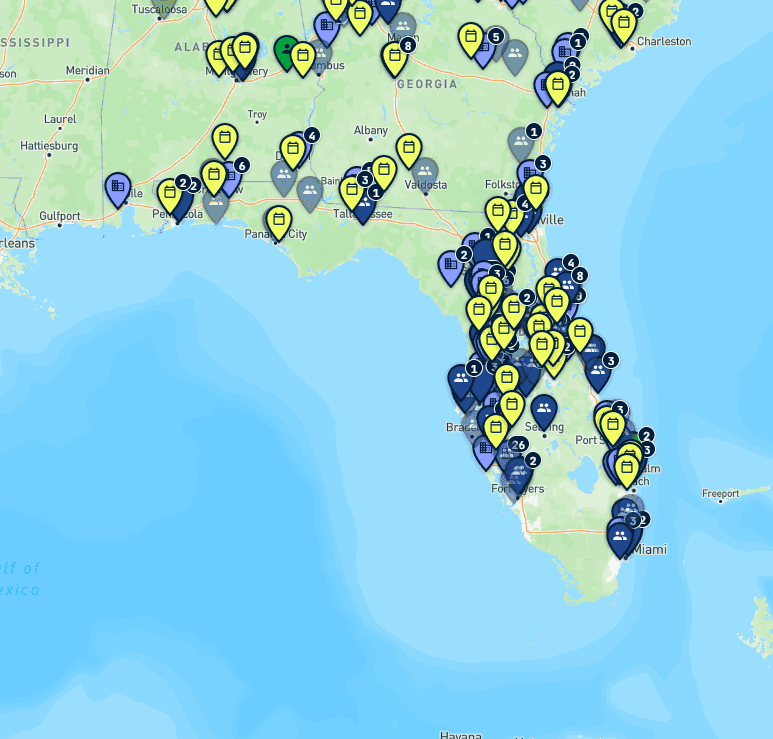
Made for canine freestyle.
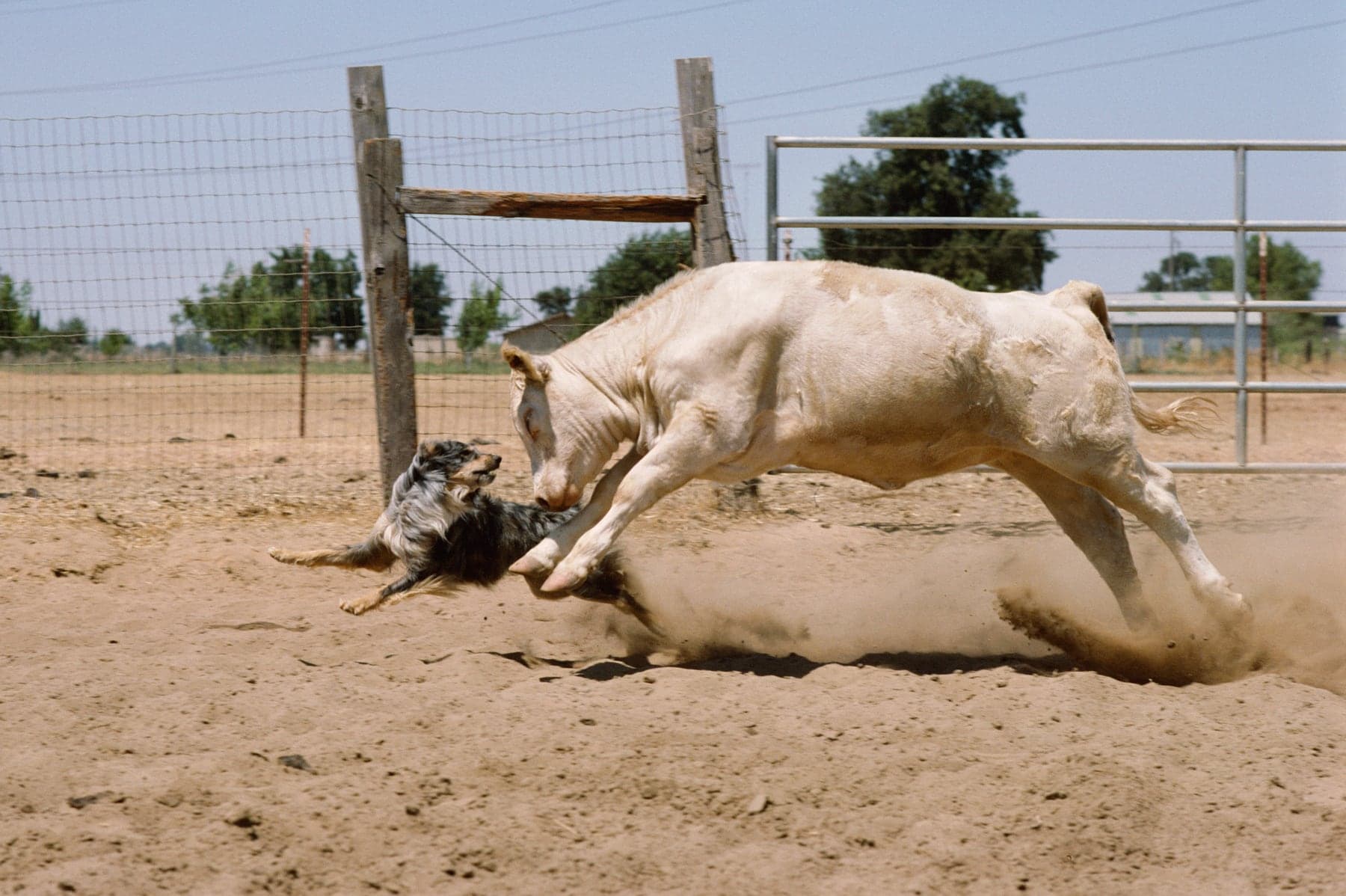
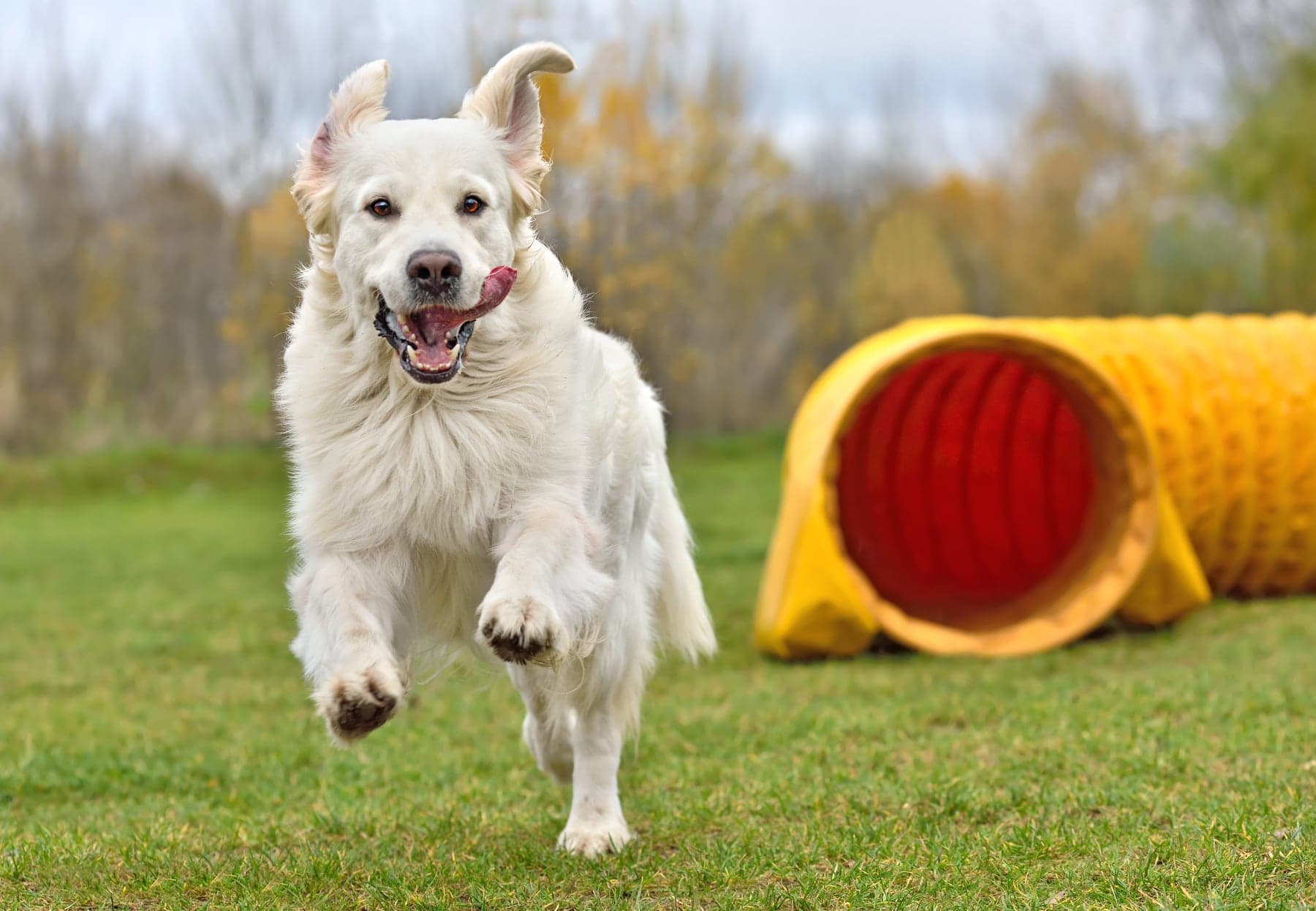

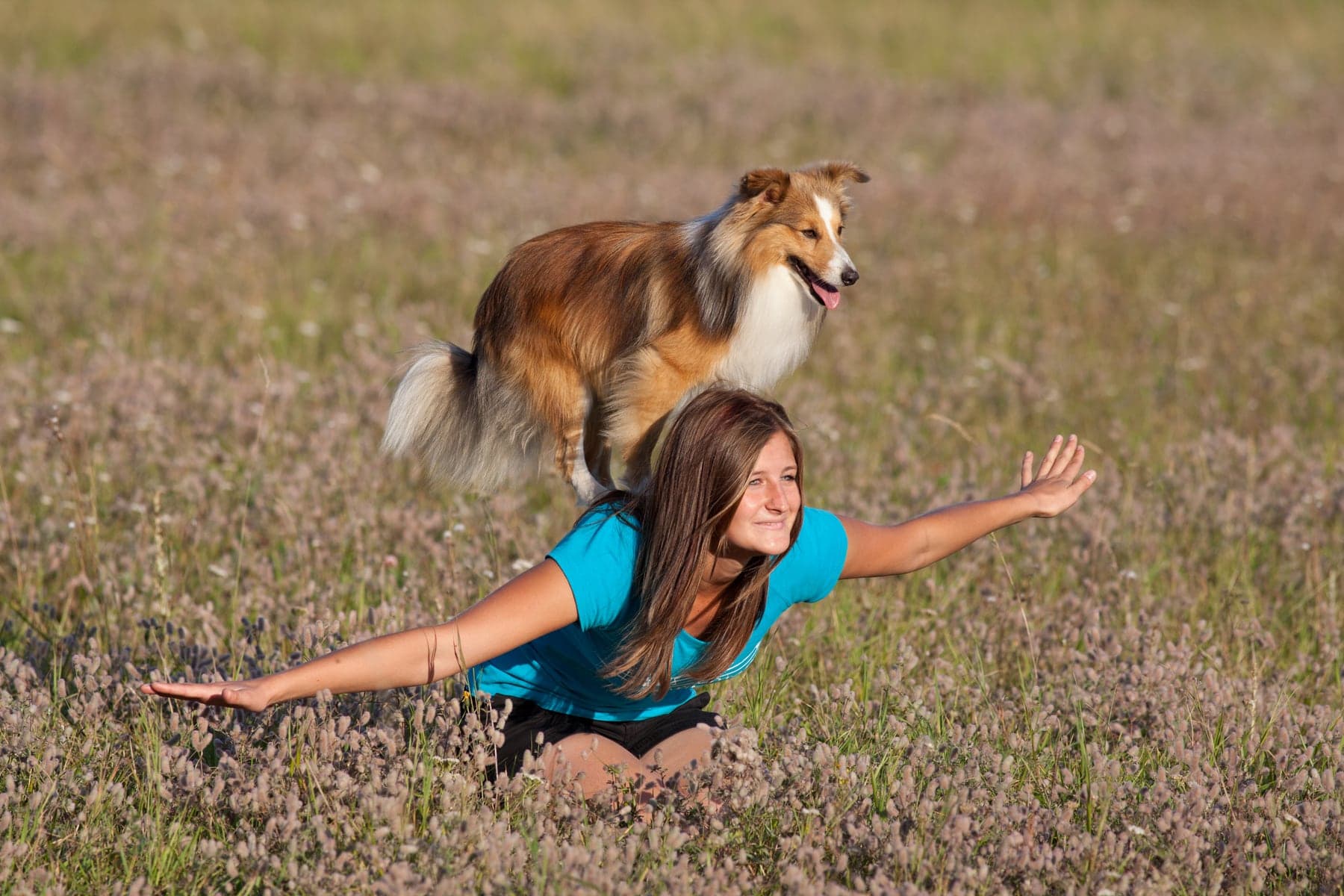

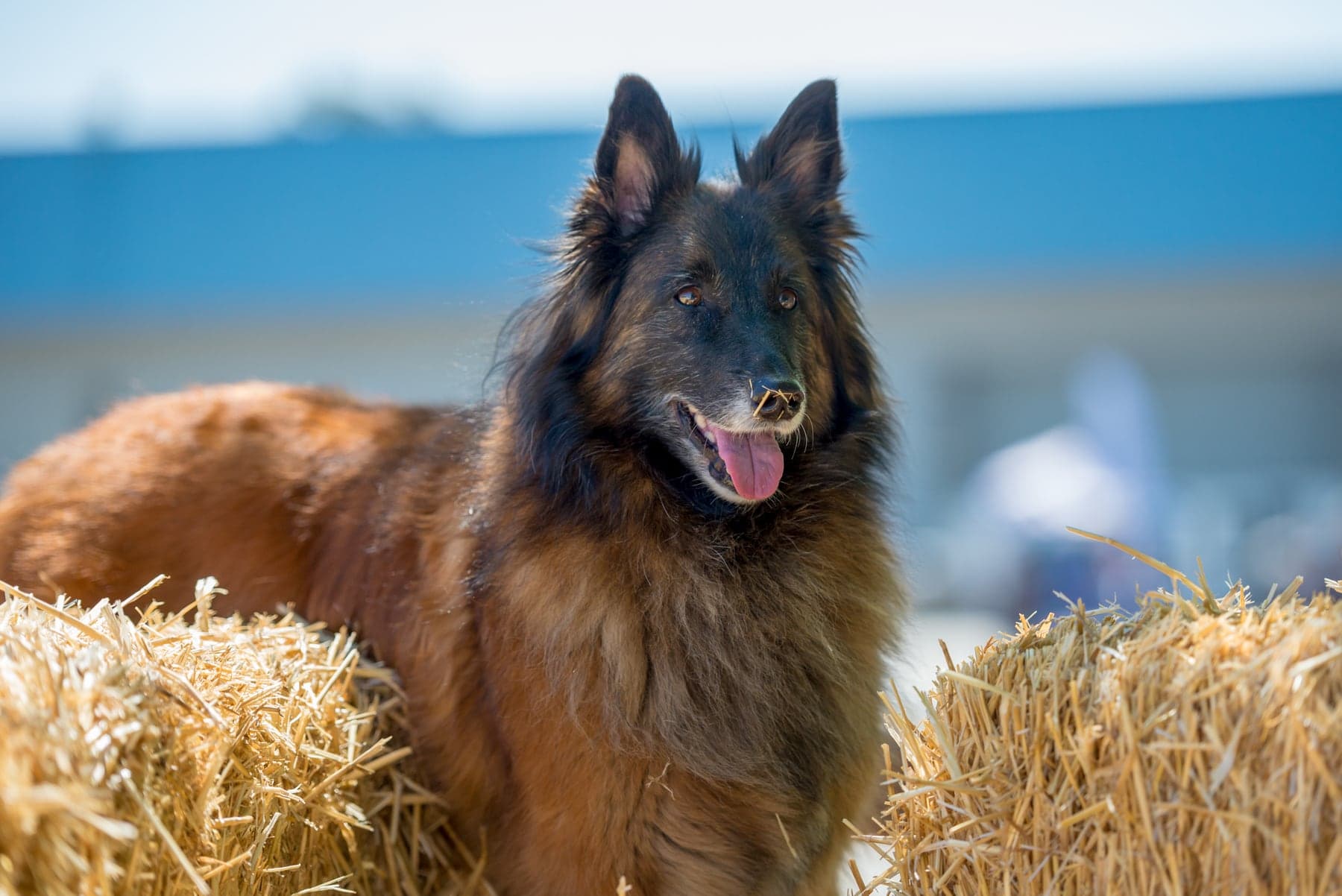
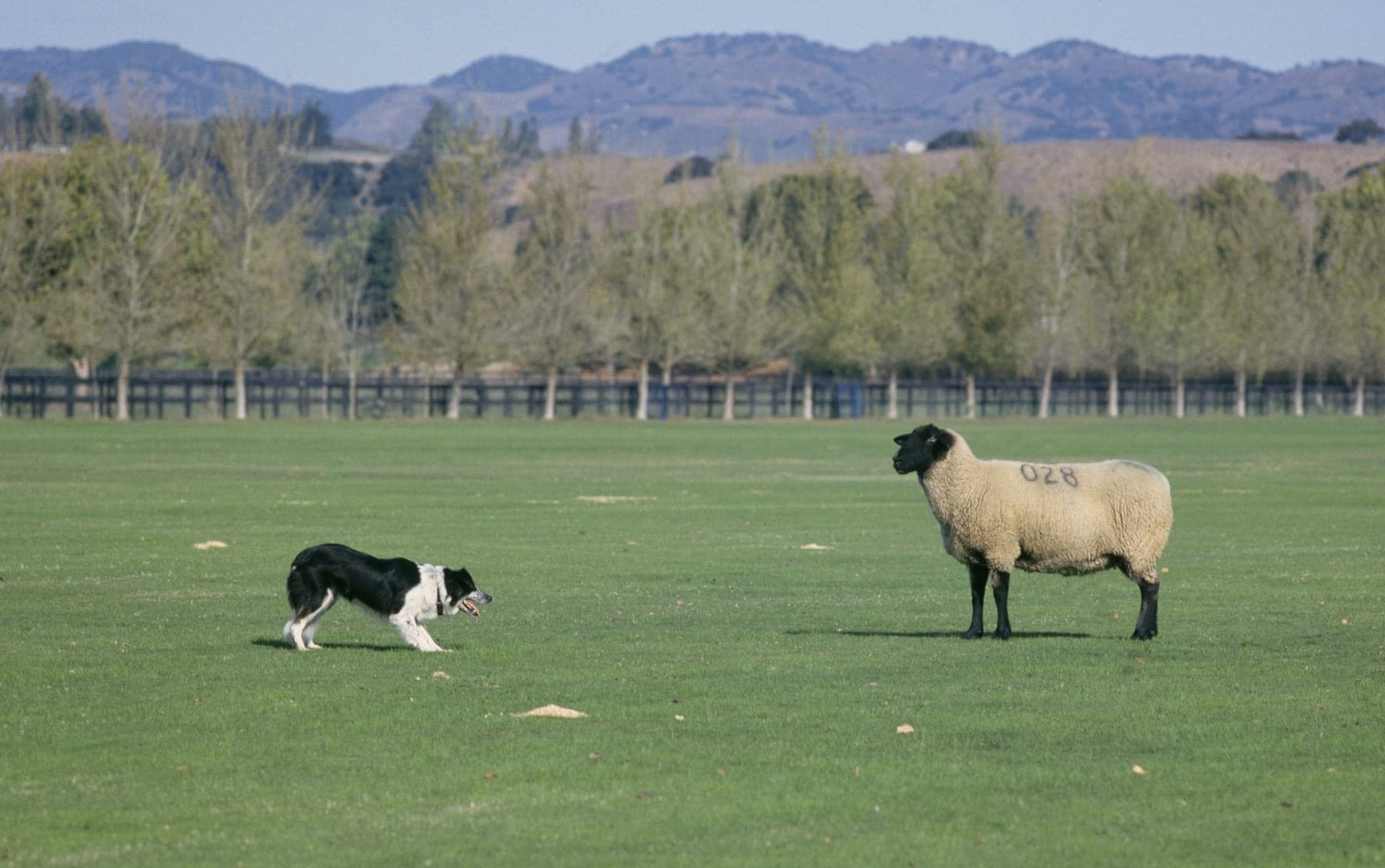
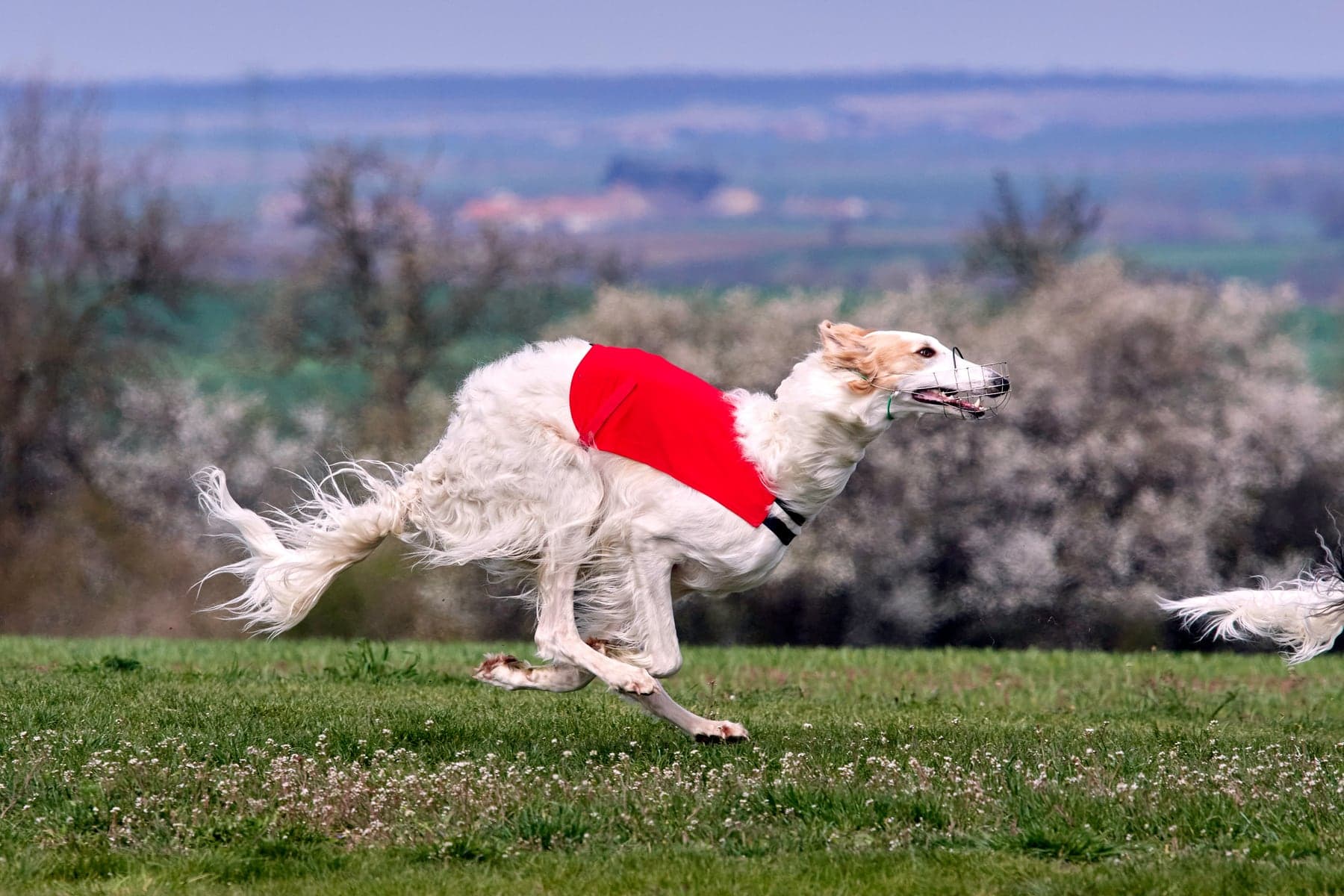
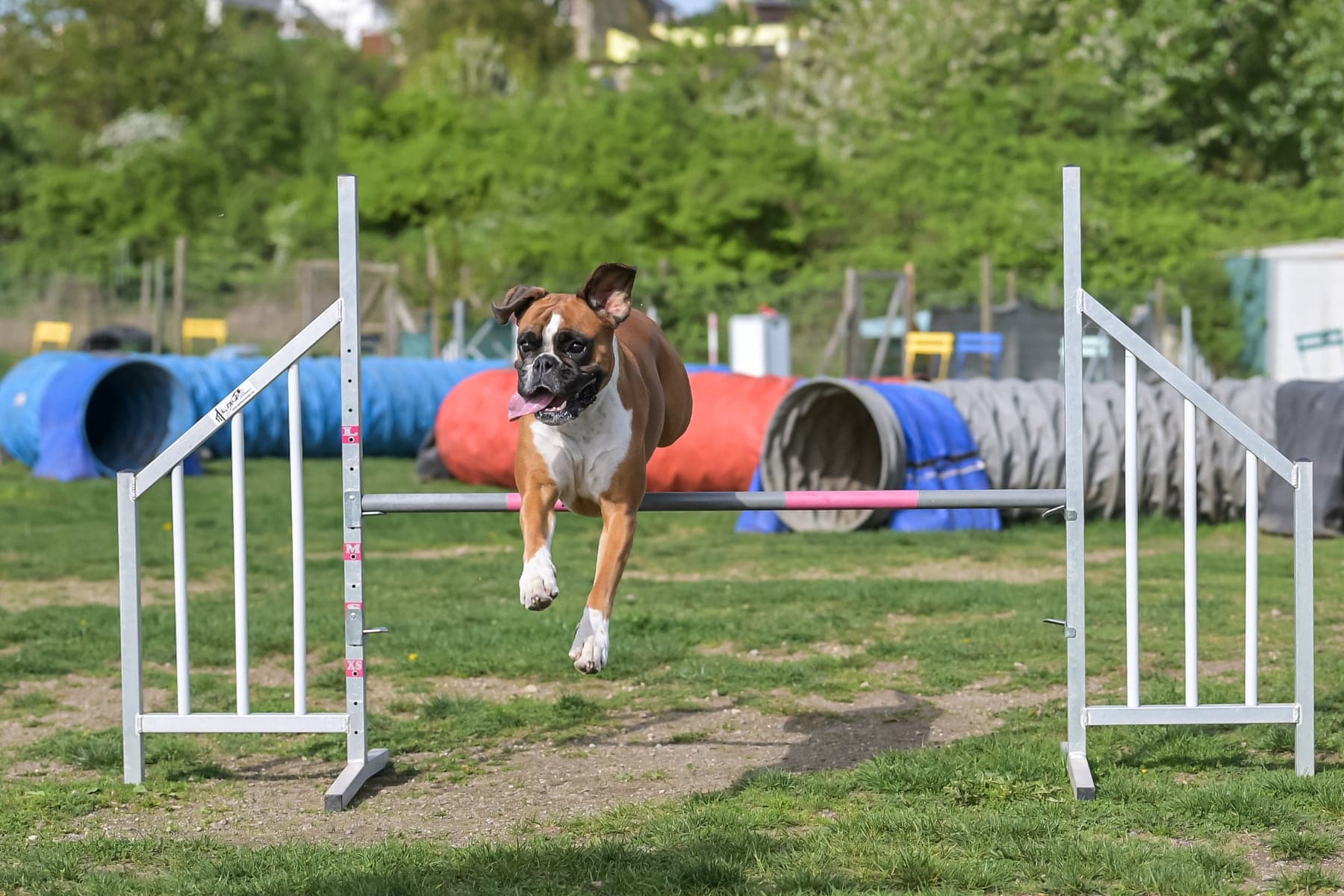
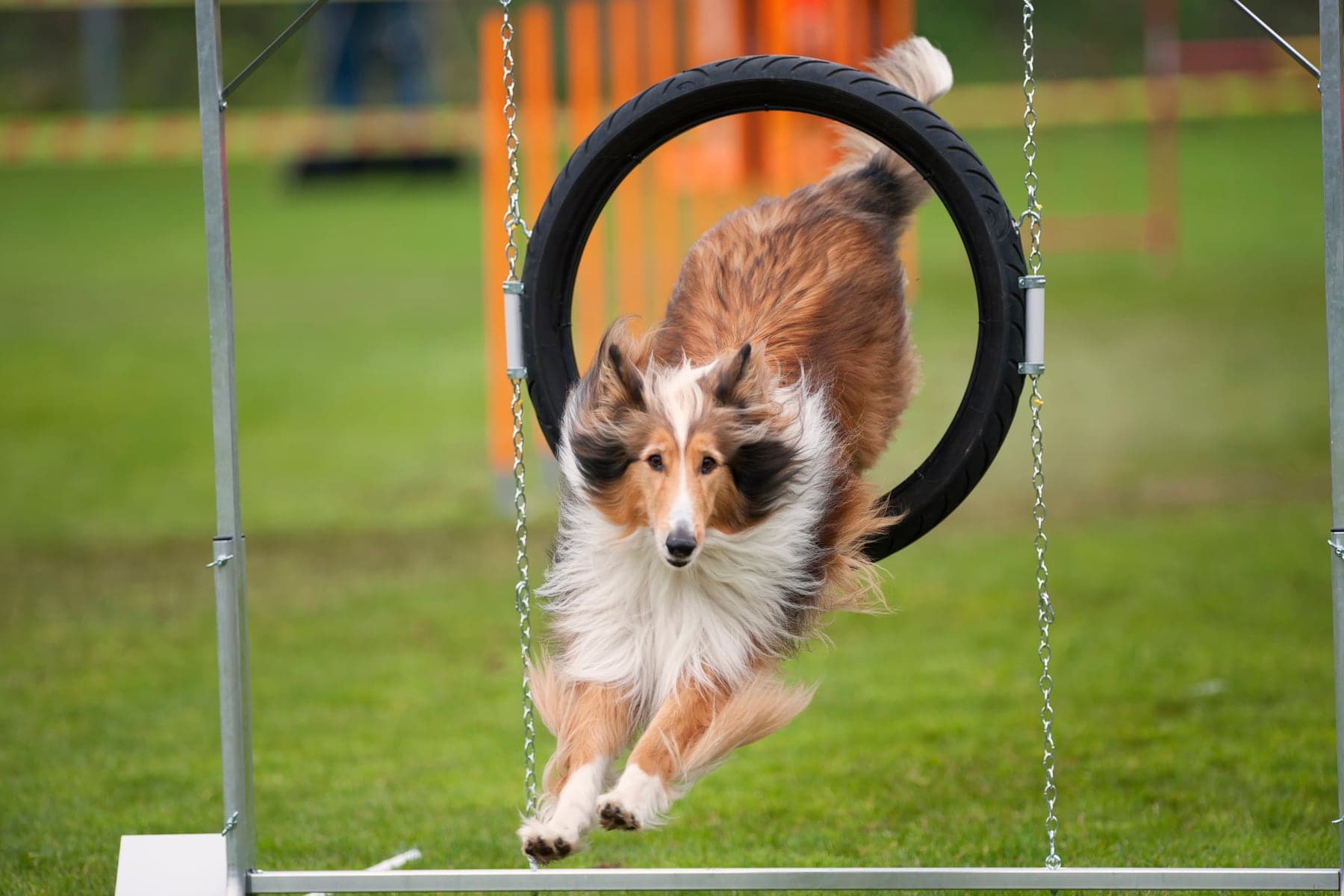
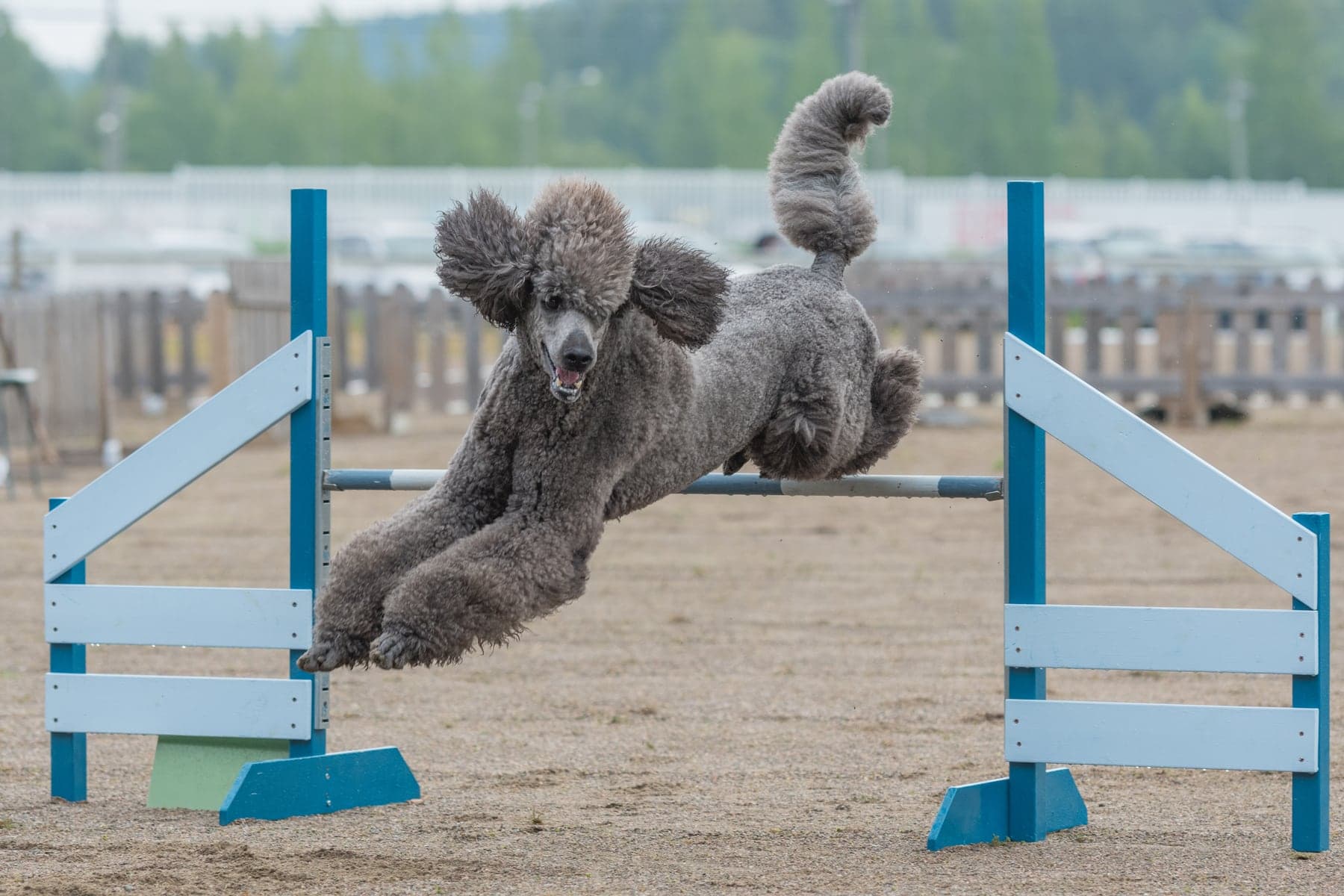
Breeds in our field guide that take naturally to canine freestyle — not every breed that competes, just the ones we’ve written up so far.

Sources & verificationLast reviewed May 2026
Our Canine Freestyle guide is an independent, plain-English orientation — not an official rulebook. Rules, titles, eligibility, and fees vary by organization and change over time, so always confirm the specifics with the current rulebook or event premium before you enter.
Spot something out of date? Tell us and we’ll fix it.