Sport Profile

Discover Carting & Drafting

A working dog sport where harnessed dogs pull a wheeled cart or wagon through a maneuvering course and a freight haul — obedience, control, and historic farm-and-freight skill under load.

Jump to a section

01 · What is it

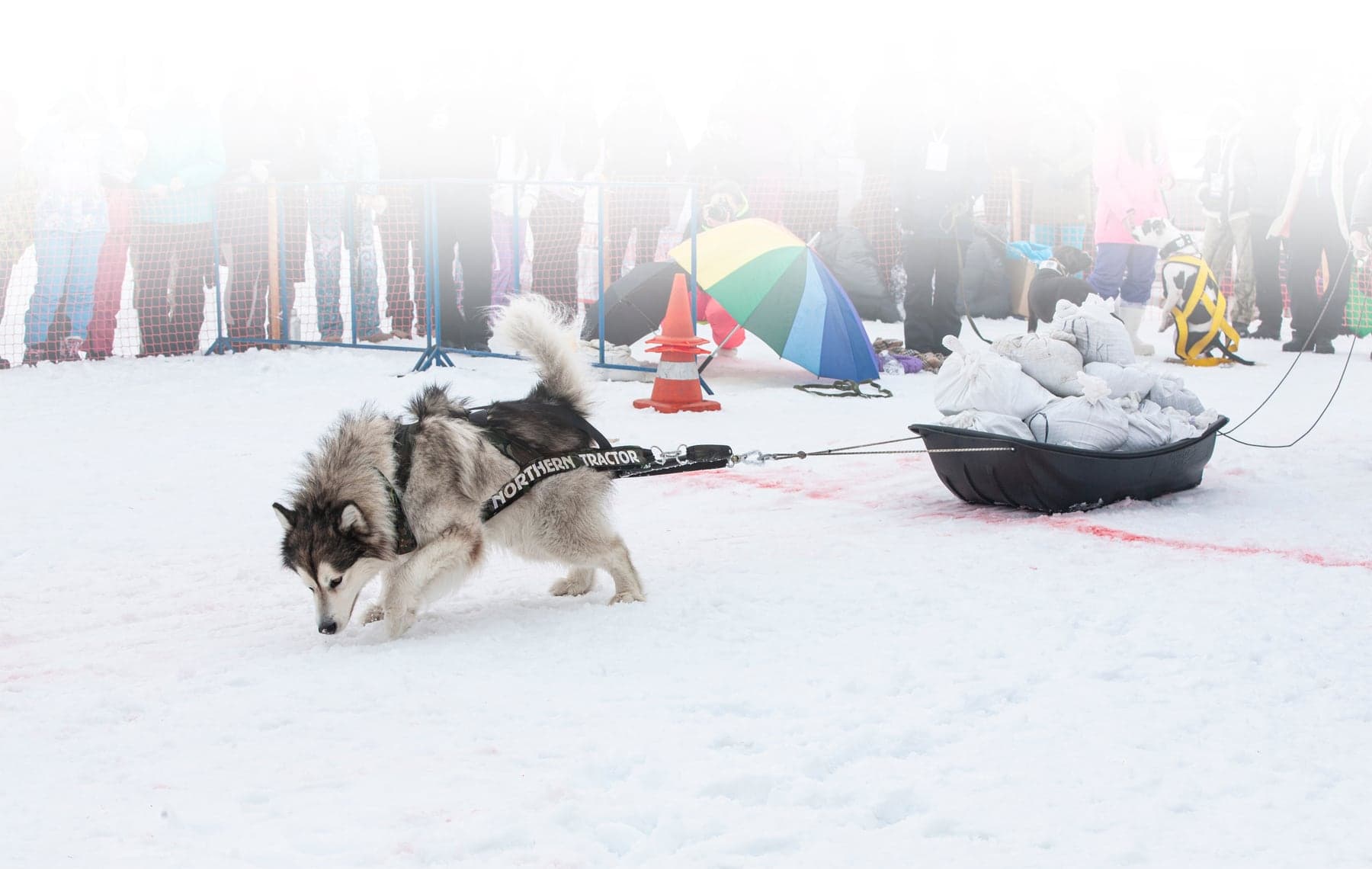
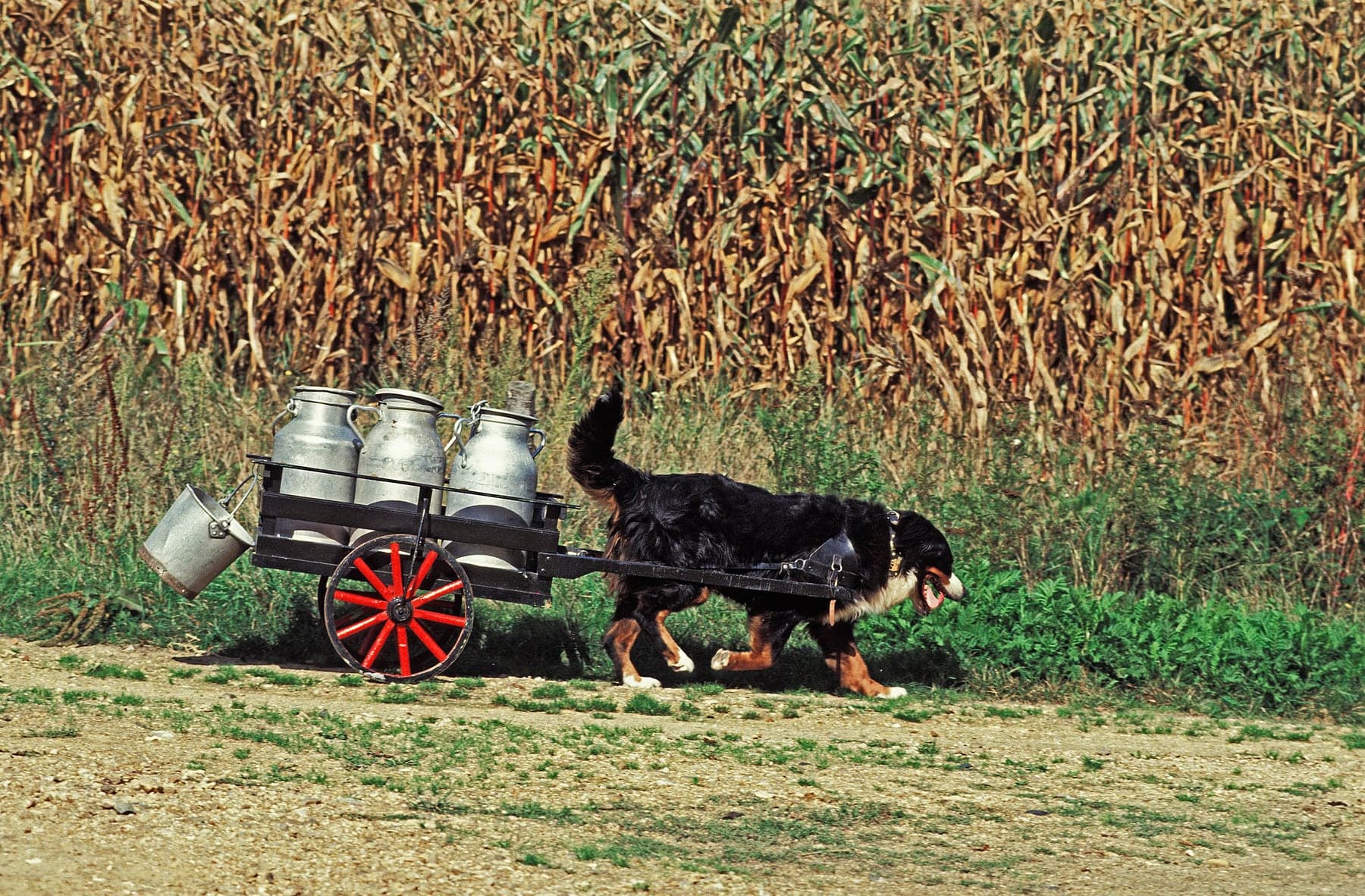
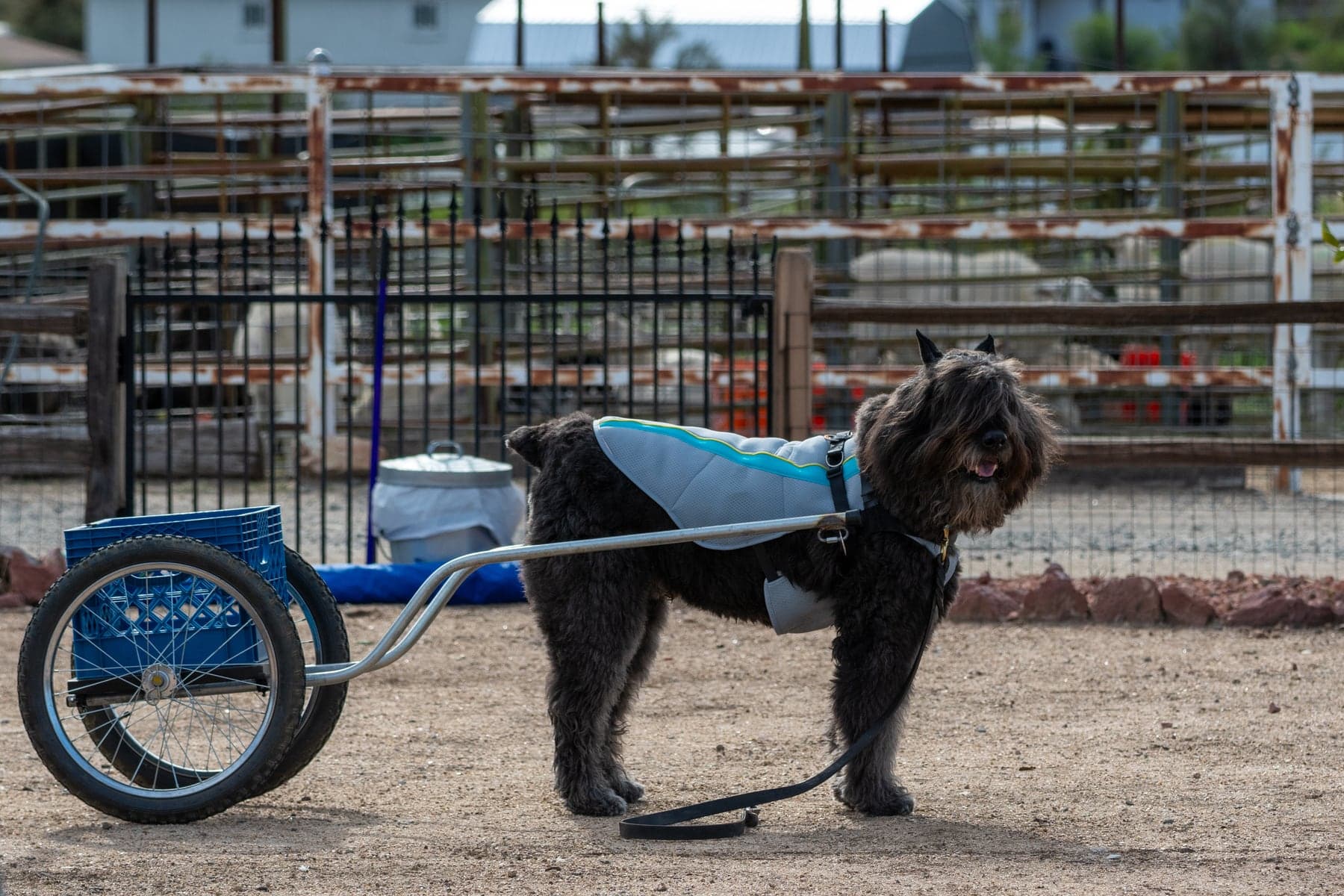
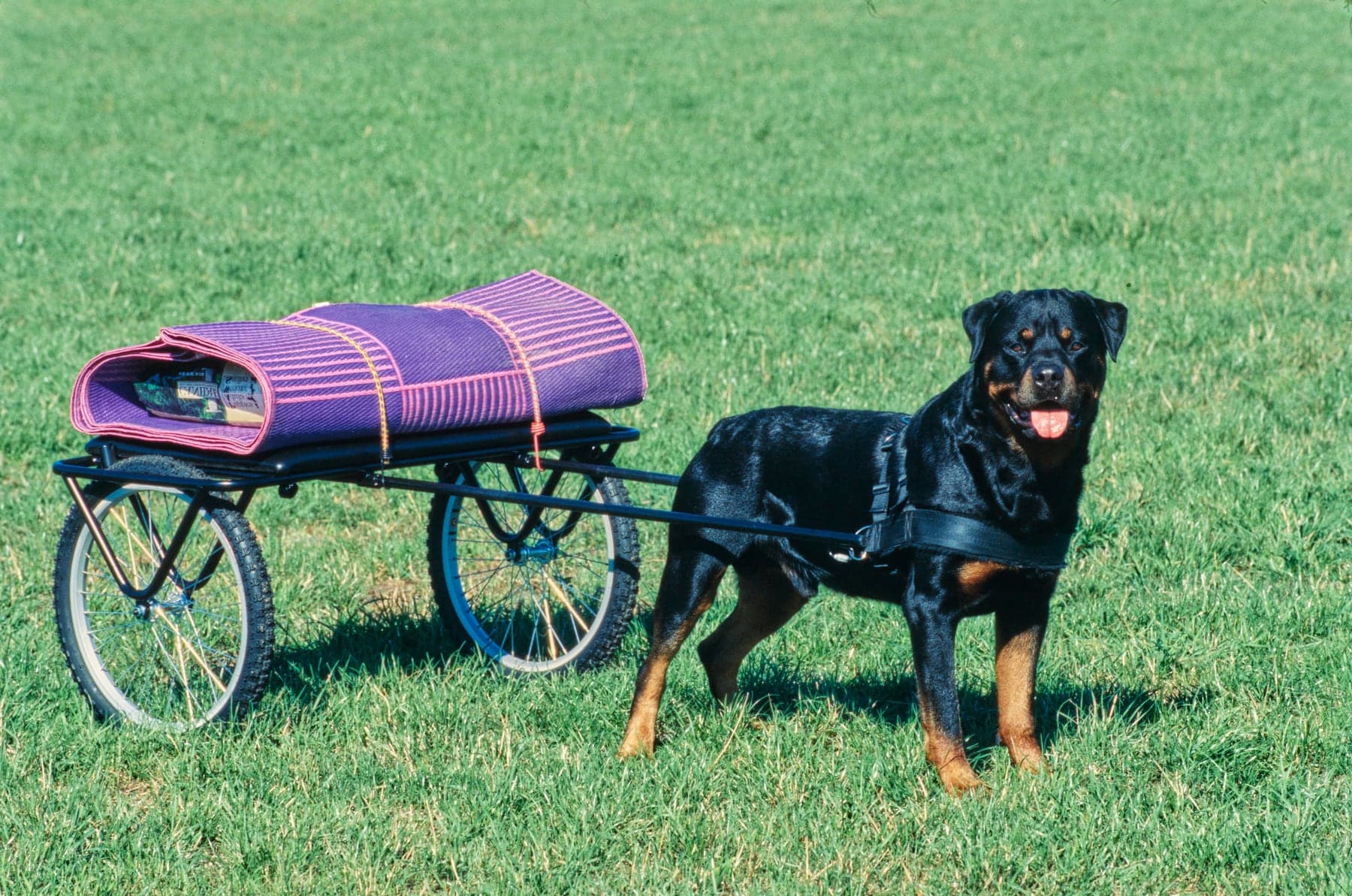
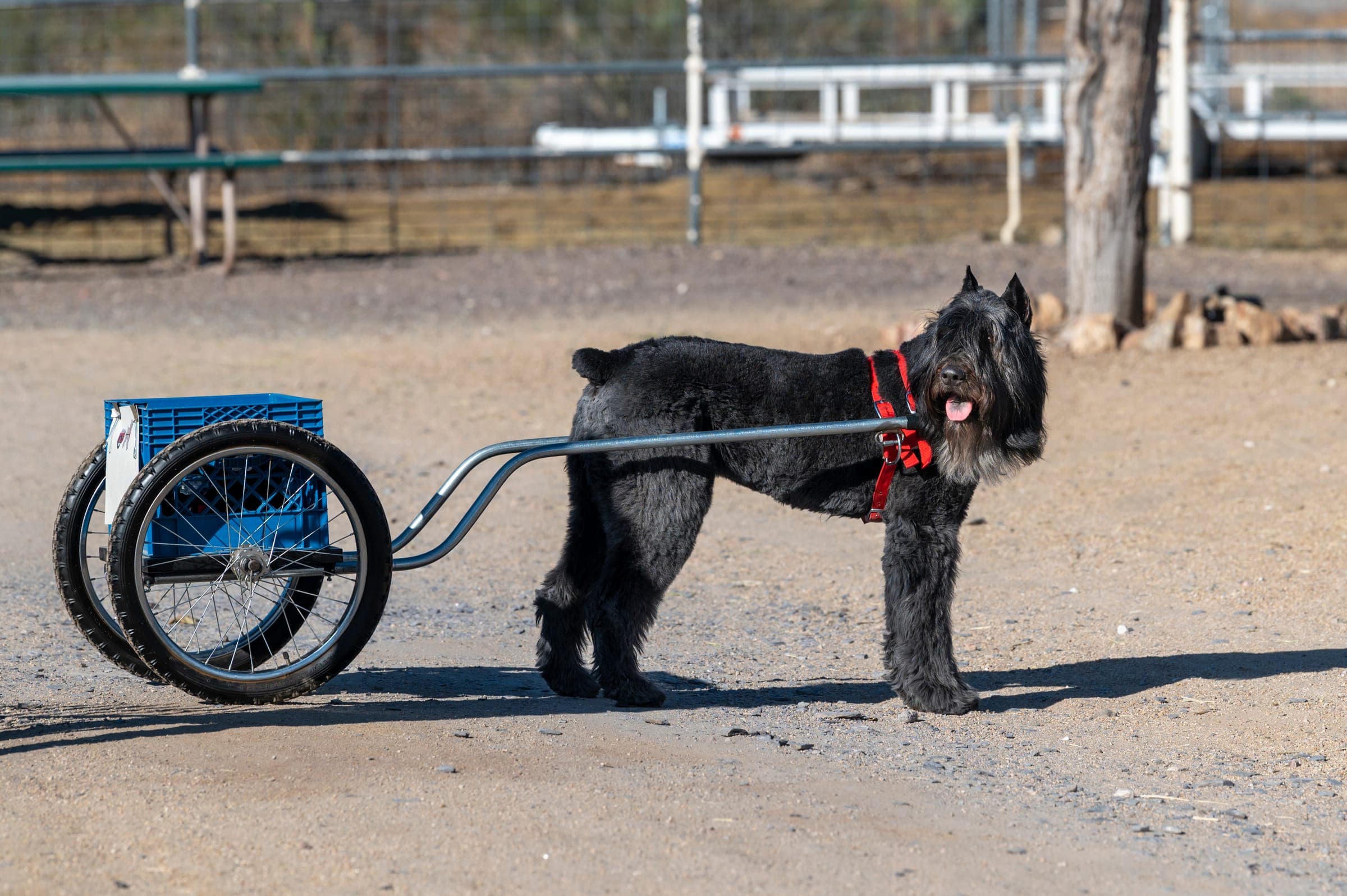
Carting and drafting is a working sport in which a harnessed dog pulls a wheeled cart through a course of turns, narrow passages, and a longer freight haul over varied terrain. A draft test starts with a basic off-leash control section: heeling, recalls, and a group stay. Then the dog is harnessed and hitched, the equipment is checked, and the team moves through a maneuvering course of turns, backing, narrow passages, and small hazards with the cart attached. The day ends with a freight haul: a longer course over varied terrain, with a specified load in the cart. NCA's Open-level haul runs a one-mile course with a 40-pound load; BMDCA uses load formulas keyed to dog weight and class. The work is judged on willing pull, steady pace, responsive obedience, and safe management of the cart.

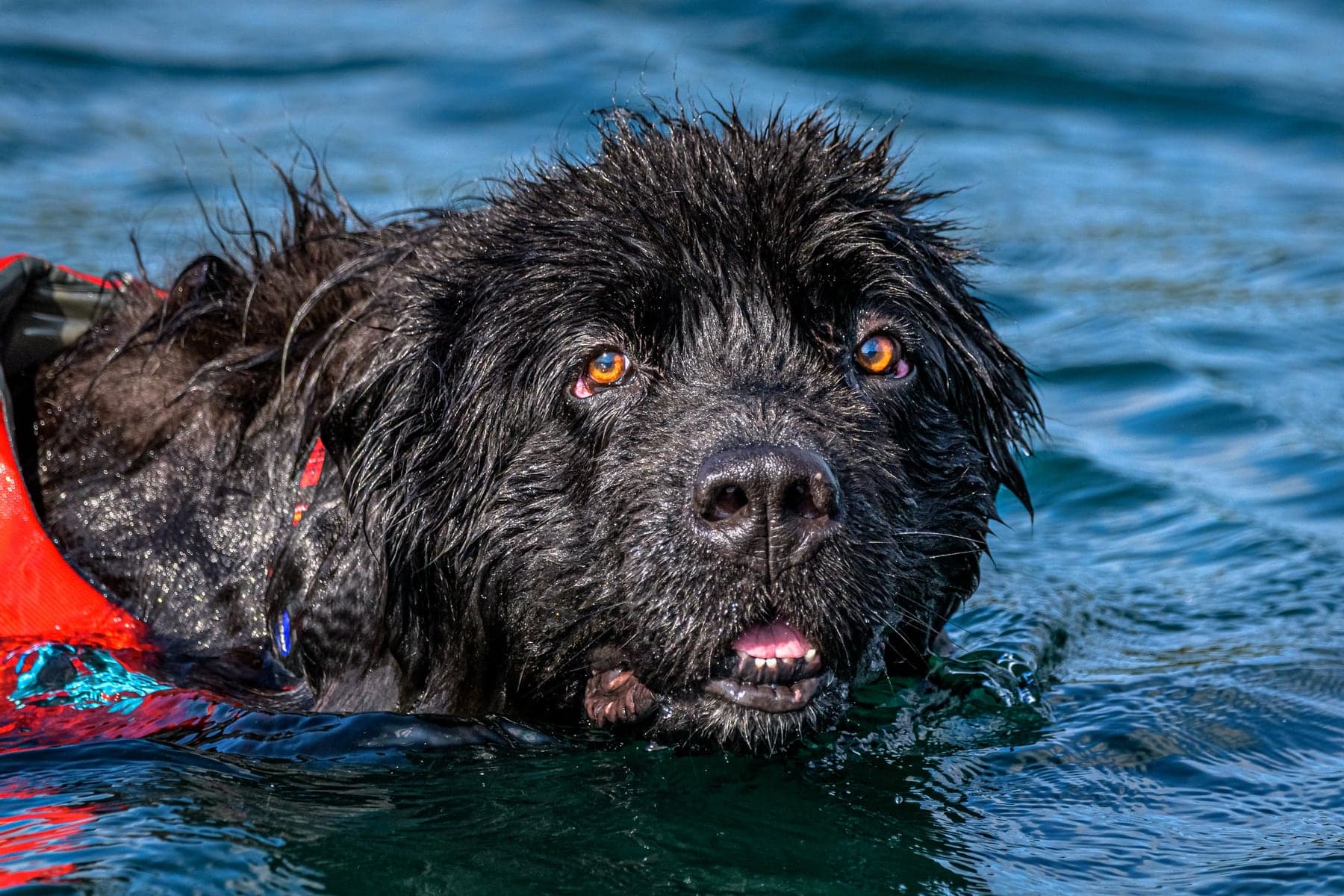
Drafting suits medium-to-giant dogs with sound structure, steady drive, and patience for methodical work under load. Bernese Mountain Dogs and Newfoundlands trace the modern lineage; Greater Swiss Mountain Dogs and Rottweilers have parallel programs in their own breed clubs. What drafting rewards is harness fit, cart balance, and calm read-the-room handling. What it does not reward is speed or flash — there is no clock pressure beyond the haul's distance, and judges score control and willingness, not athleticism. The sport is less workable for reactive dogs than most because tests run largely off-leash around other teams: the basic control section asks for a group stay near other dogs, and the freight route runs past distractions in a working environment. Severely reactive teams train at distance in club practice days rather than entering formal tests.

Origins
Pre-1900s
Dogs pull dairy carts, freight wagons, and farm loads across rural Europe and North America. Bernese Mountain Dogs work Swiss farms; Newfoundlands haul on coastal docks. The historic working roles the modern sport recreates.
Early 20th c.
Mechanization replaces draft dogs in most working contexts. Breed fanciers begin organizing demonstrations and informal pulls to preserve the working skills.
January 1991
The Bernese Mountain Dog Club of America (BMDCA) approves its Draft Test Regulations. The first BMDCA draft test runs in New England later that year. The modern US draft-test era begins.
1990s–2000s
Newfoundland Club of America (NCA) develops parallel Draft Test Regulations under its Working Dog Committee. Greater Swiss Mountain Dog Club of America (GSMDCA) and American Rottweiler Club (ARC) build their own breed-specific programs adapting the Bernese and Newfoundland models.
June 2022
NCA Draft Test Regulations updated by the Working Dog Committee, refining safety provisions and exercise details.
January 2023
BMDCA publishes revised Draft Test Regulations. Multiple levels in current use — Novice Draft Dog (NDD), Draft Dog (DD), brace and advanced variants.

02 · The exercises

A draft test is a sequence of discrete exercises run as one test day. Each exercise is judged independently. In NCA-style tests, every exercise is pass/fail and a team must pass all six to earn the title — there is no point system. ARC-style carting tests use point scoring across a standardized scoresheet. BMDCA and GSMDCA use multi-section structures with their own qualifying rules. The equipment, conditioning, and handling skills transfer across orgs; the titling math does not.

Element 01
Basic control (off-leash obedience)
The dog works off-leash without the cart — heeling on a simple pattern, an off-lead recall, and a group stay of several minutes with the handler out of sight and other dogs present. Judges look for responsive obedience without forging or lagging, and a steady reliable stay despite distractions. This section is a gate to the rest of the test, not a tag-along courtesy.
Element 02
Harnessing and hitching
The team demonstrates safe harnessing of the dog and correct hitching to the cart, including attaching shafts and traces and completing an equipment check. Judges expect properly fitted harness, secure shafts, balanced load, and calm behavior throughout. Panic, balking, or unsafe movement during hitching can end the test before the maneuvering course starts.
Element 03
Maneuvering course
With the cart attached, the team navigates a defined pattern — straight lines, tight turns, backing up, narrow passages, gates, and pauses, with small hazards like cones or natural obstacles. A qualifying performance shows smooth controlled movement, accurate line through obstacles, and no bumping or overturning the cart. Backing in particular is a place handlers underprepare — the dog must reverse the cart in a straight line under control.
Element 04
Freight haul (the distance pull)
The team covers a set distance over varied terrain while pulling a specified load. NCA's Open-level haul runs roughly one mile with a 40-pound load. BMDCA and GSMDCA use their own distance and load formulas by class. Success requires the dog to maintain a steady workable pace, manage hills and uneven ground, recover from minor surprises, and remain attentive throughout. The haul is the longest single segment of the day and the most physical.
The distance pull
Element 05
Distractions and practical tasks
Some rule sets fold practical tasks into the haul: halting for simulated traffic, negotiating a steep hill, repositioning the cart, or loading and unloading simulated freight. Dogs must show confidence and problem-solving while remaining under control. These tasks are why 'draft' reads as a job simulation rather than a strength contest — the test rewards the dog who can do the work, not the dog who can pull the most.

03 · BMDCA

The Bernese Mountain Dog Club of America (BMDCA) approved its Draft Test Regulations in January 1991 and has run draft tests through regional Bernese clubs ever since. Draft is a defining piece of BMDCA working-dog culture — tests appear at most national specialties and at regional events through the year, with a developed network of clinics, match tests, and mentoring. Handlers who own a Bernese and want to preserve the breed's farm-draft heritage almost always start here.

01
NDD — Novice Draft Dog
Entry-level title. Tests the foundational draft skills with a smaller cart, lighter load, and a shorter maneuvering course than the higher levels.
02
DD — Draft Dog
The core draft title. Full maneuvering course and freight haul under the BMDCA load formula, which scales with dog weight and class.
03
BDD — Brace Draft Dog
Two Bernese hitched to a single cart, working as a coordinated pair under one handler. Multi-dog management is the added challenge — harnesses balanced, pacing matched, both dogs responsive to one set of commands.
04
Advanced variants
BMDCA's 2023 regulations document additional advanced and brace ladder levels beyond DD and BDD. The full ladder, abbreviations, and per-level criteria live in the current regulations PDF.
Key facts
Founded
January 1991
Current regs
January 2023 revision
Breed
Bernese Mountain Dog only
Min age
~2 years (per club materials)
Culture
Specialty clinics + mentoring
Marquee
National Specialty draft tests
Entry requirements
Restricted to purebred Bernese Mountain Dogs. Tests are run by regional Bernese clubs under BMDCA regulations. Minimum age commonly cited as two years for entry — gentle harness introduction can happen earlier for adolescents, but real load pulling waits for growth plates to close. Reproductive-status policy on bitches in season varies by host club.

04 · NCA

The Newfoundland Club of America (NCA) runs the most thoroughly documented draft program in North America. Draft sits inside NCA's broader Working Dog Program alongside water rescue and other working events, and tests are governed by a unified rulebook maintained by the NCA Working Dog Committee — most recently revised around June 2022. Handlers who own a Newfoundland and want a clear, well-published rule set find NCA's pass/fail clarity attractive.

01
DD — Draft Dog
Earned by passing all six exercises in one NCA Draft Test under NCA-approved judges. Each exercise is scored pass/fail. Failure in any exercise means no title for that test — there is no point accumulation, no partial credit, no leg-by-leg system. One full test pass equals one DD title.
02
Open-level haul
The Open-level freight haul requires a one-mile course with a 40-pound load (per AKC Gazette coverage of NCA Open tests). Novice-level distances and loads are specified separately in the current NCA Draft Test Regulations.
03
TDD — Team Draft Dog
Available only to dogs that have already earned the DD. A team of DD-titled dogs is hitched together to a single cart and, under one handler, performs all six exercises as a team. If the team passes every exercise in one test, each participating dog earns the TDD. Coordination, multi-dog management, and balanced harnessing are the added challenges.
Key facts
Current regs
~June 2022 revision
Breed
Newfoundland only
Scoring
Pass/fail, all six required
Open haul
~1 mile · 40 lb load
Stacking
Counts toward Working Dog recognition
Culture
Pass/fail clarity, well-documented
Entry requirements
Limited to purebred Newfoundlands at NCA-sanctioned draft tests. Dogs must meet minimum age and condition requirements specified in the regulations. Lame dogs, dogs with open sores, dogs with obvious medical conditions, and dogs in advanced pregnancy (day 40+) may not enter. Bitches in season policy is at host club discretion.

05 · Side by side

Two more US breed clubs run formal draft or carting tests alongside BMDCA and NCA — GSMDCA (Greater Swiss Mountain Dog Club of America) and ARC (American Rottweiler Club). Both programs are restricted to their breed and operate independently. Titles do not transfer across organizations: a BMDCA Draft Dog title does not count toward an NCA, GSMDCA, or ARC title, and vice versa. The skills transfer cleanly; the titles themselves are organization-specific.

BMDCA
Breed-specific draft program for Bernese Mountain Dogs. Founded 1991. The most community-developed of the four programs — clinics, mentoring, and national-specialty tests well-established.
bmdca.org →
NCA
Breed-specific draft program for Newfoundlands. The most thoroughly documented US draft rulebook. Six pass/fail exercises, DD and TDD titles, integration with the broader NCA Working Dog Program.
ncanewfs.org →
GSMDCA
Breed-specific draft program for Greater Swiss Mountain Dogs. Structured as a three-part test — basic control, harnessing and maneuvering, freight haul. 18-month minimum age. Strong safety provisions; judges may disqualify dogs deemed not fit to draft.
gsmdca.org →
ARC
Breed-specific carting program for Rottweilers. One-year minimum age. Uses point scoring across exercises with a standardized scoresheet — a different evaluation frame from NCA's pass/fail and BMDCA's level-by-level structure.
amrottclub.org →
BMDCANCAGSMDCAARC
BreedBernese Mountain Dog onlyNewfoundland onlyGreater Swiss Mountain Dog onlyRottweiler only
FoundingDraft Test Regulations approved January 1991Multi-decade program under Working Dog Committee; current regs ~June 20222019 Draft Rules and Regulations published; program dates back further2018 carting rules and scoresheet publicly available
Min age~2 years (per club materials)Per current regulations18 months on day of test (2019 rules)1 year on day of test (2018 rules)
Test structureMulti-level: NDD, DD, BDD, plus advanced variants per 2023 regsSix pass/fail exercises; DD and TDD titlesThree-part test: basic control, harnessing/maneuvering, freight haulMultiple exercises scored on a standardized scoresheet
Scoring framePer-exercise judging within levelsPass/fail per exercise — all six required on one test dayPer 2019 rules; full scoring details require current rulebookPoint-scored exercises with standardized scoresheet
Team / braceBrace work documented (BDD); advanced ladder per current regsYes — Team Draft Dog (TDD) for DD-titled dogs hitched togetherPossible levels in current rulesSingle-dog Rottweiler tests; team/brace not in public excerpts
Known forStrong community, clinics, national-specialty testsPass/fail clarity, integration with NCA Working Dog ProgramClear safety provisions, 18-month minimum, three-part formatStandardized scoresheet, point-based evaluation

Titles do not transfer across organizations. Skills do — heeling under harness, backing, hill management, and load awareness all carry from one program's training into another's tests. The broader weight-pull world shares some equipment and conditioning practice with draft, even though the formats and goals differ. Junior-handler programs and veteran divisions exist informally at some events but are not consistently codified across the four orgs.

Which one sounds more like you?
Bernese owner · BMDCA
The 1991-founded program with the largest network of clinics, mentoring, and national-specialty tests. The default for Berner owners interested in preserving the breed's working heritage.
Newfoundland owner · NCA
Six pass/fail exercises in one test, DD or TDD titles, integration with the broader NCA Working Dog Program (water rescue, working titles). The most thoroughly published rulebook in US draft.
Greater Swiss owner · GSMDCA
Three-part test format, 18-month minimum age, strong safety provisions written into the rules. Confirm current GSMDCA event density before treating it as the primary path for newcomers.
Rottweiler owner · ARC
One-year minimum age, scored exercises, scoresheet-based evaluation. The point-based frame differs meaningfully from BMDCA's level structure and NCA's pass/fail math.
Other breed
Formal breed-club tests will not admit your dog, but some regional groups host all-breed draft matches — sometimes using BMDCA-style rules with open eligibility — that let structurally suitable dogs of any breed train and run a course. Sanctioning and titling status varies by event.

06 · Getting started

Drafting is a club-and-equipment sport with a sparse test calendar. The first step is a clinic or a regional breed-club practice day, where the dog is introduced to the harness, shafts, and basic maneuvering in a low-pressure setting before facing a full test course. Most beginners read the relevant breed-club rulebook early in the process and build a base of off-leash obedience and general conditioning before adding the cart.

The club
Find your breed program
The gating resource. Regional Bernese, Newfoundland, Greater Swiss, and Rottweiler clubs run clinics and practice days; some all-breed draft groups operate on social media (dedicated Facebook groups, the small r/Dogcarting subreddit) for clinics, cart-building advice, and equipment-maker referrals.
Foundation · 6–12 months
Obedience and equipment
A reliable off-leash heel, a steady out-of-sight stay, an off-leash recall, and the ability to hold focus around other dogs. A correctly fitted draft harness — most newcomers borrow club harnesses for the first months. A cart sized to the dog: DIY builds run under $150 in materials; custom carts and full setups (harness, shafts, cart) can run $400–$800+.
First test · year 1–2
When you're ready
Teams in well-organized clubs with coaching report being ready for a novice-level test within roughly 6–12 months of focused drafting work. Time from initial training to first qualifying title is heavily influenced by scheduling — many regions hold only one or two tests per year, so weather, dog health, and travel willingness all shape the calendar.
Before you enroll
Breed eligibility: BMDCA, NCA, GSMDCA, and ARC tests are restricted to their breed. Age: GSMDCA requires 18 months; ARC requires one year; BMDCA materials commonly cite two years. Soundness: sound hips, elbows, and shoulders; cardiovascular fitness for the freight haul. NCA explicitly bars lame dogs, dogs with open sores, and dogs in advanced pregnancy. Reactivity: limited fit — tests run largely off-leash around other dogs and teams, with a group stay in the basic control section.

07 · Trial day

Draft tests are quieter and more methodical than high-speed sports. Dogs work one at a time or in small numbers on course, and substantial stretches of waiting sit between exercises. First-time handlers report a measured atmosphere — the sport rewards calm, and the test day reflects that. A full test day can occupy most of a day, and at national specialties, draft stacks alongside other working events.

The flow
How the day runs
Check-in with test secretary, proof of entry, breed-club registration verification. Pre-test briefing: judges explain the course, safety expectations, and running order; a walk-through of the maneuvering course and freight route is often offered. Exercises in order: basic control first (off-leash without the cart), then harnessing and hitching, the maneuvering course, and the freight haul. Some rule sets fold practical tasks into the haul.
The kit
What to bring
Crate or x-pen — significant downtime between exercises. Water and shade (outdoor venues, sometimes with limited natural shade — pop-up tent is standard). Weather-appropriate clothing and sturdy shoes for varied haul terrain. Some tests provide standard carts; others require handlers to bring their own. Confirm in the premium. Bring spare harness parts and extra leashes.
The mistakes
What goes wrong
Underestimating the obedience component — heeling, stays, and calm behavior around other dogs are as likely to cause non-qualifying scores as pulling ability. Poor harness fit and unbalanced carts — crooked pulling or excessive weight on the dog's back, the single most common preventable problem. Insufficient backing practice — reversing the cart in a controlled line is the maneuvering exercise handlers underprepare.
The reality
What videos don't show
The waiting — online clips highlight short freight or maneuvering segments but rarely show the downtime between teams. The walking — significant on-foot mileage for the handler; the freight haul is a route, not a ring. The mental fatigue of keeping a large dog focused through multiple exercises and long walks across consecutive days at national events.

08 · What it costs

Drafting spending varies more by travel pattern than by entry fee. Casual participants attend occasional clinics and one local test per year and stay at the low end. Active competitors travel to multiple regional tests and specialties. The ranges below extrapolate from limited 2025–2026 public premiums, breed-club articles, and handler reports — handler verification will tighten them.

One-time equipment
$150$800+
DIY carts under $150 in materials; custom carts and full setups (harness, shafts, cart) $400–$800+. Most newcomers borrow club gear for the first months.
Per-test entry
$35$60
NCA $45 in 2020 PNW; BMDCA $35–$50 in 2023–2024 upper Midwest; GSMDCA and ARC anecdotal $30–$60
Clinic / private
$50$200
Group clinics $50–$150 per dog; private working-dog lessons $75–$150/hr
Active annual
$1k$5k+
Casual $300–$800; active competitor $1k–$3k; championship-oriented $3k–$5k+ — travel scales fastest
The honest truth
A first season — one clinic, a borrowed cart and harness, one local test entry — sits comfortably under $500. The ceiling is set by travel and equipment ambition: a custom cart commission, a road trip to a national specialty, and a multi-test campaign push spending into the low four figures and up. The sparse test calendar is its own cost control — most regions offer only one or two tests per year, which limits how much a handler can spend on entries even if they want to.
Related sports

If Carting & Drafting interests you, look at these too.