Sport Profile

Discover CAT

A pass/fail field test where one dog at a time chases a mechanically pulled lure over a 300- or 600-yard course — coursing instinct opened up to every breed, not just sighthounds.

Jump to a section

01 · What is it

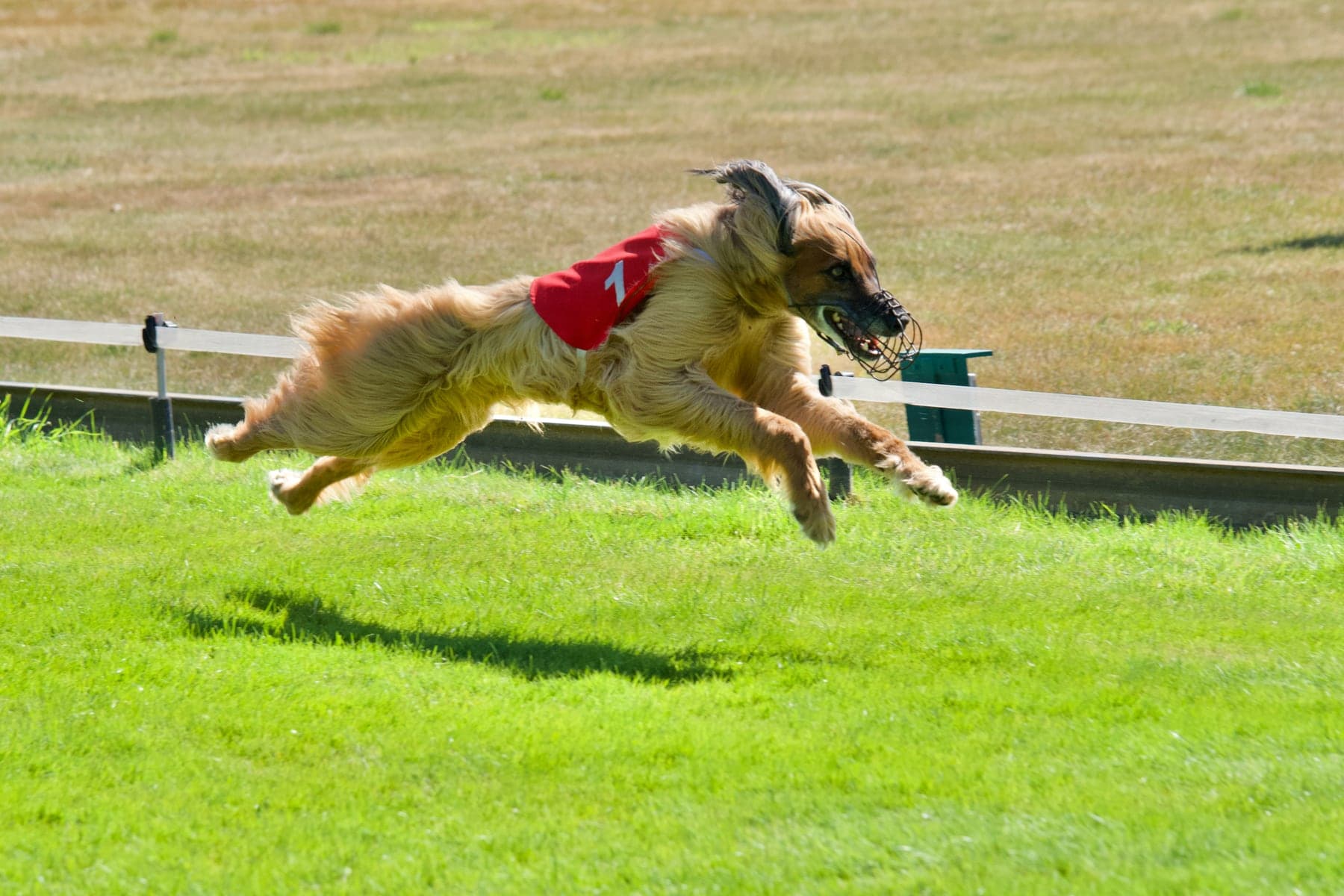
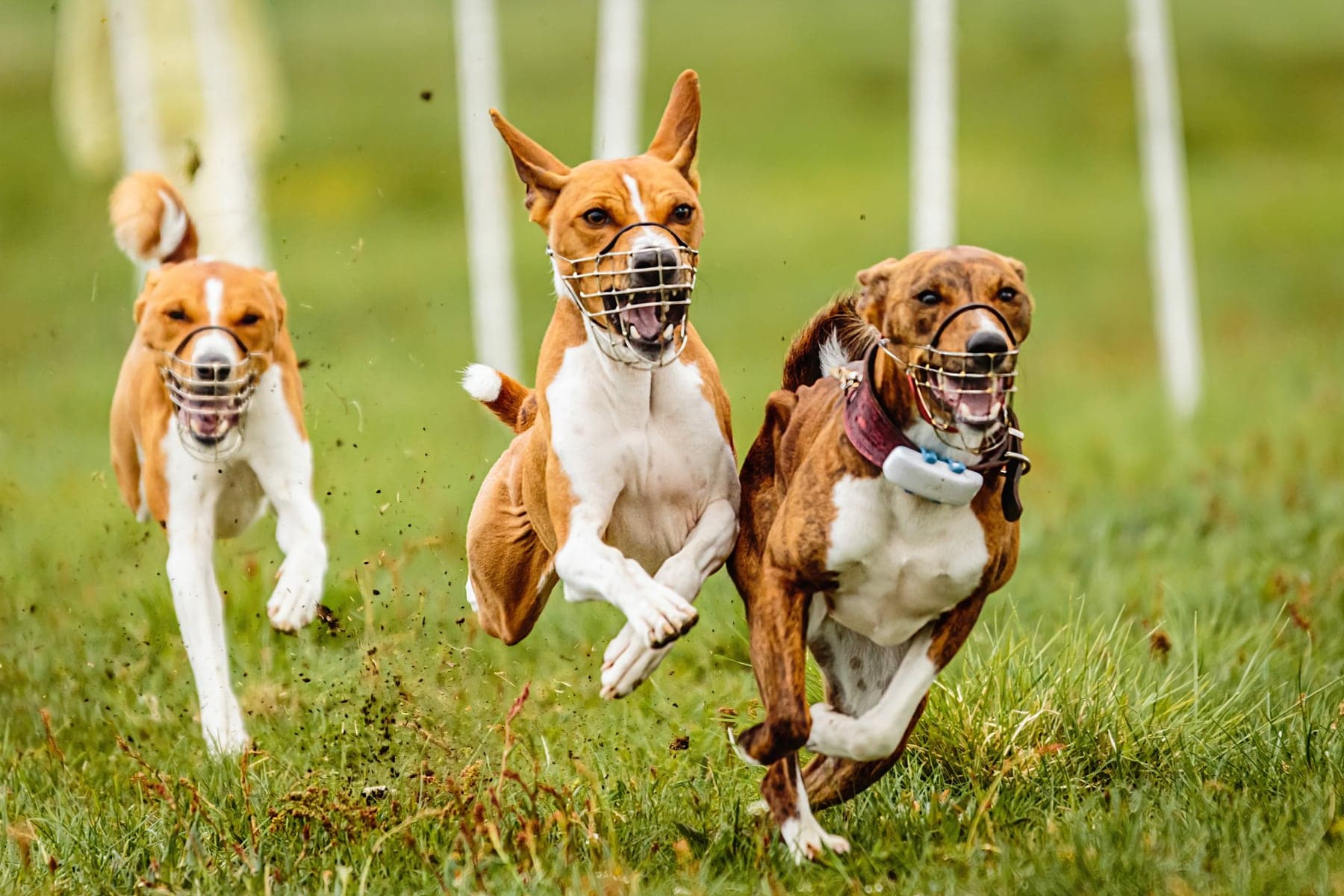
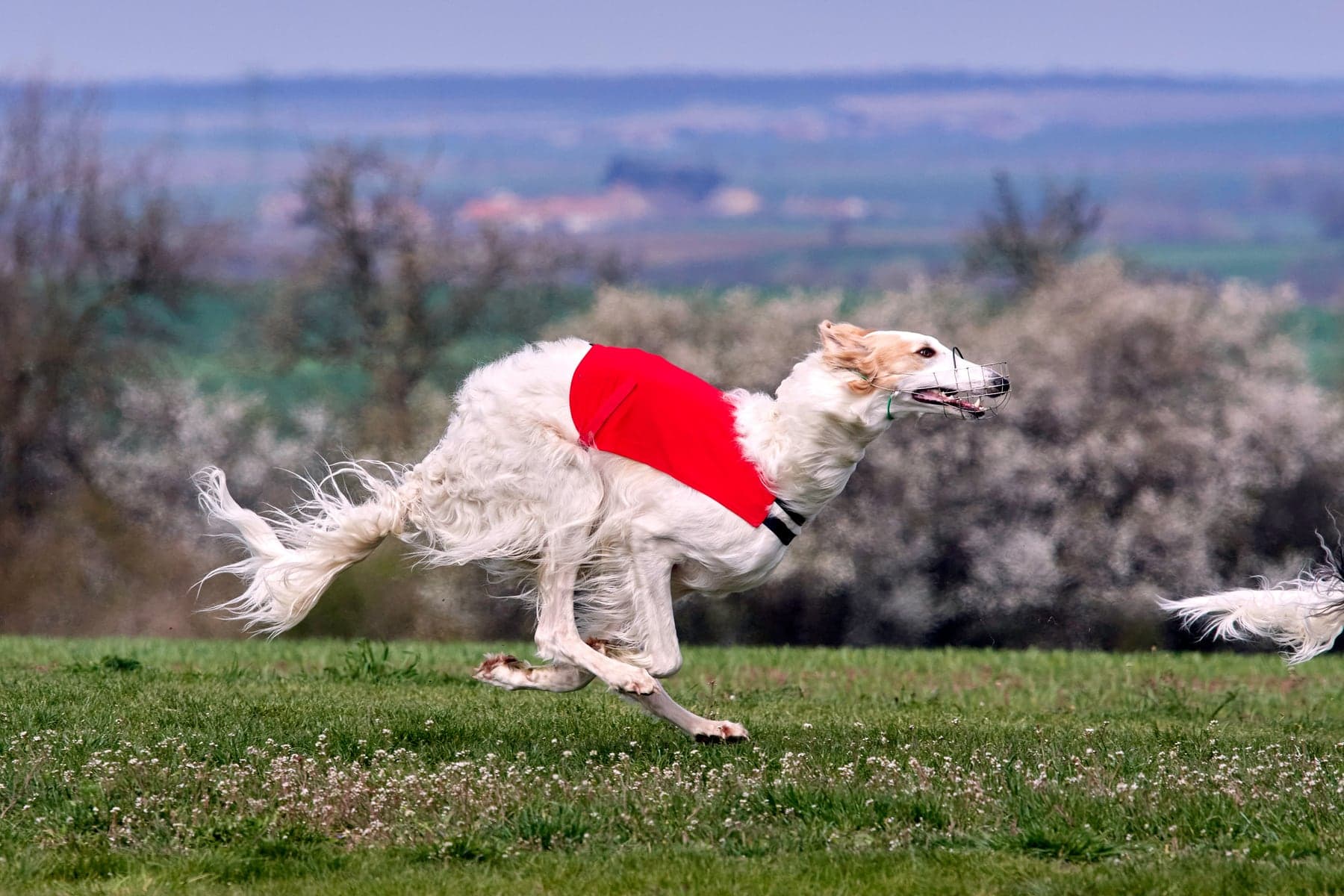
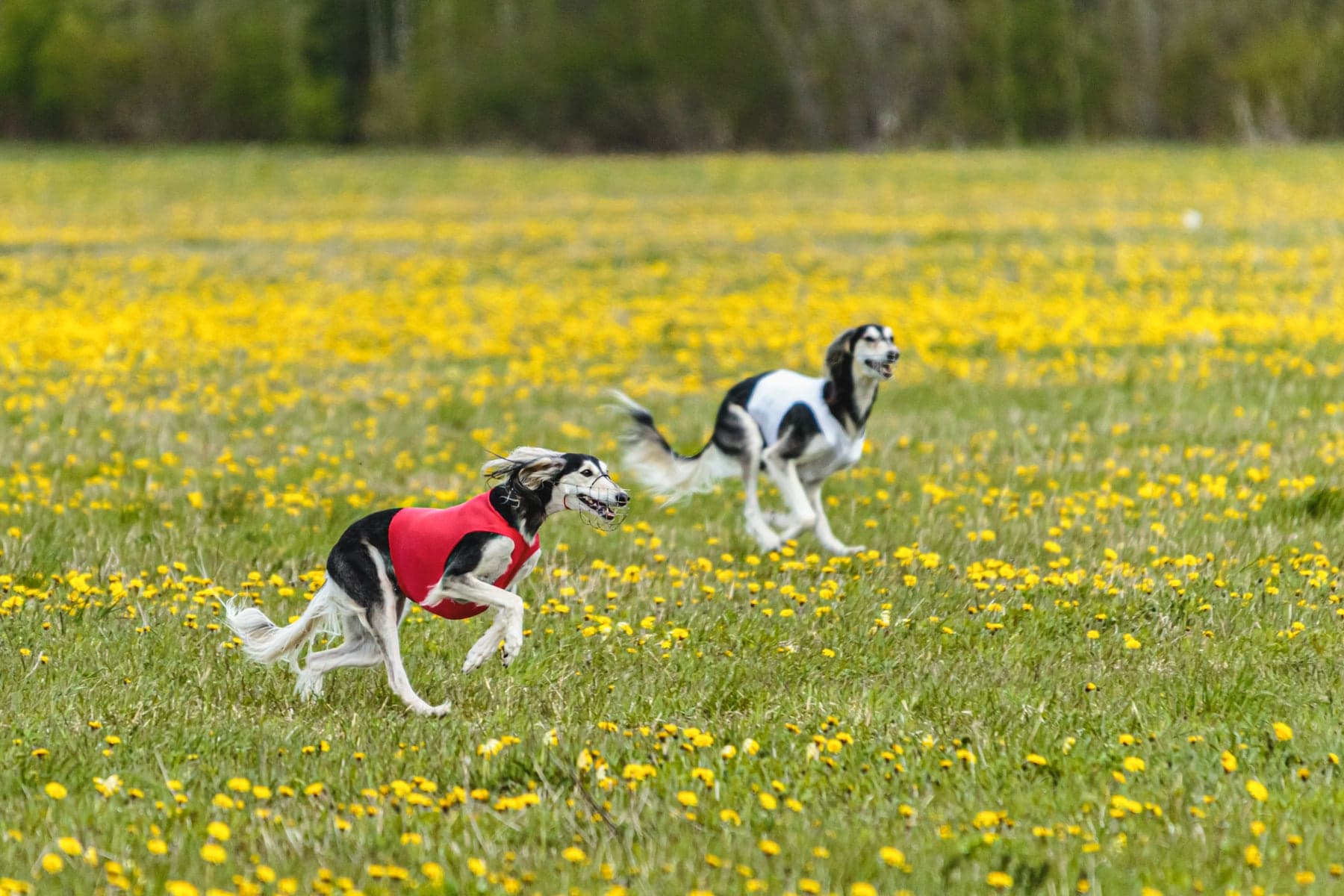
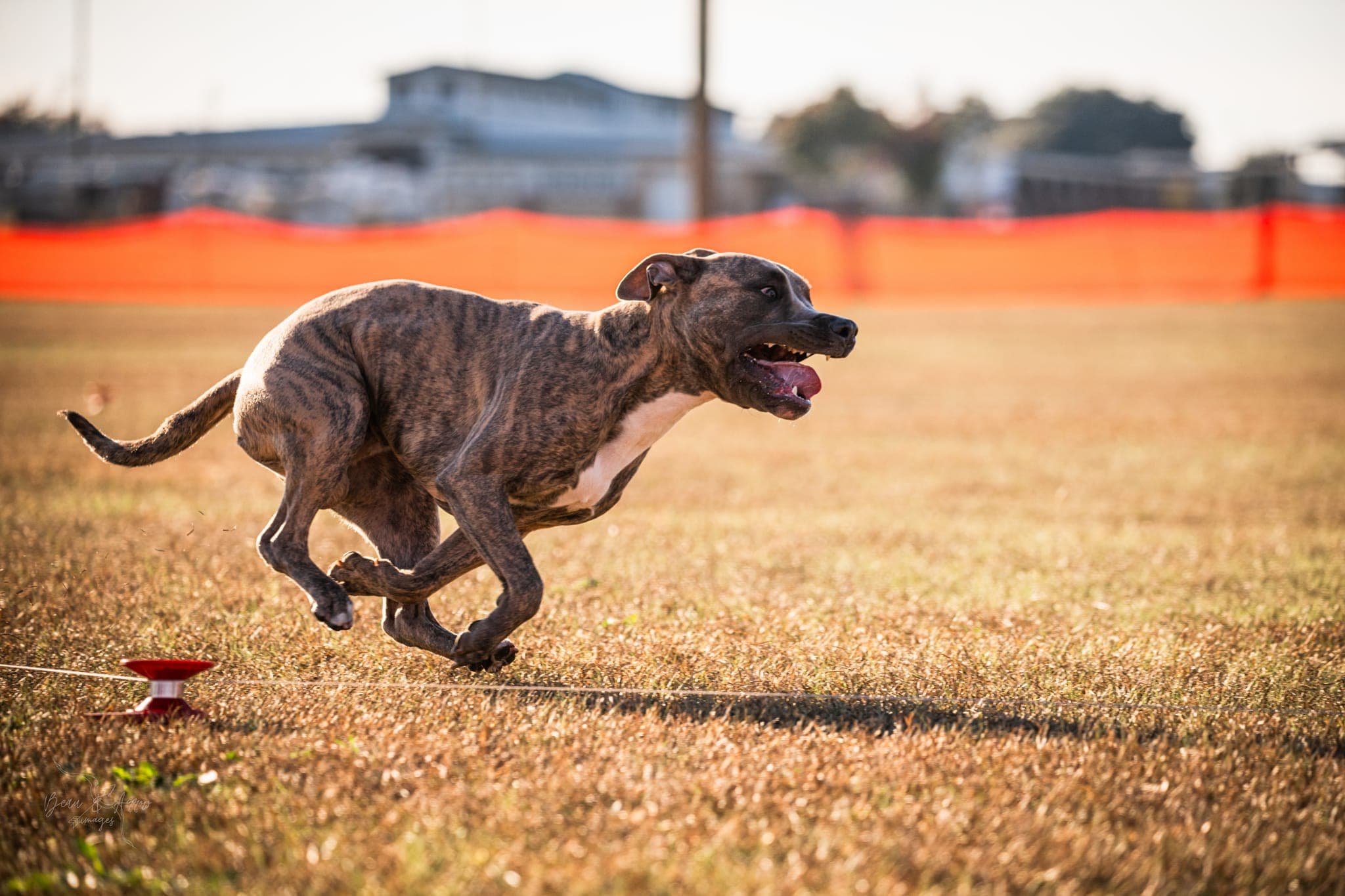
The Coursing Ability Test (CAT) is AKC's pass/fail field test where one dog at a time chases an artificial lure — a white plastic bag pulled by a continuous-loop machine through staked pulleys — around a 300- or 600-yard course. The course bends and turns to mimic the way a fleeing rabbit moves. Handlers do not run with the dog. You release at the start, the dog chases the lure alone, and you collect the dog at or near the finish when the lure stops. To pass, the dog has to chase continuously and with visible enthusiasm and finish inside the time limit — 1.5 minutes at 300 yards, 2 minutes at 600. CAT is non-competitive. There is no ranking, no head-to-head. Titles come from accumulating passes, not from being faster than another dog.

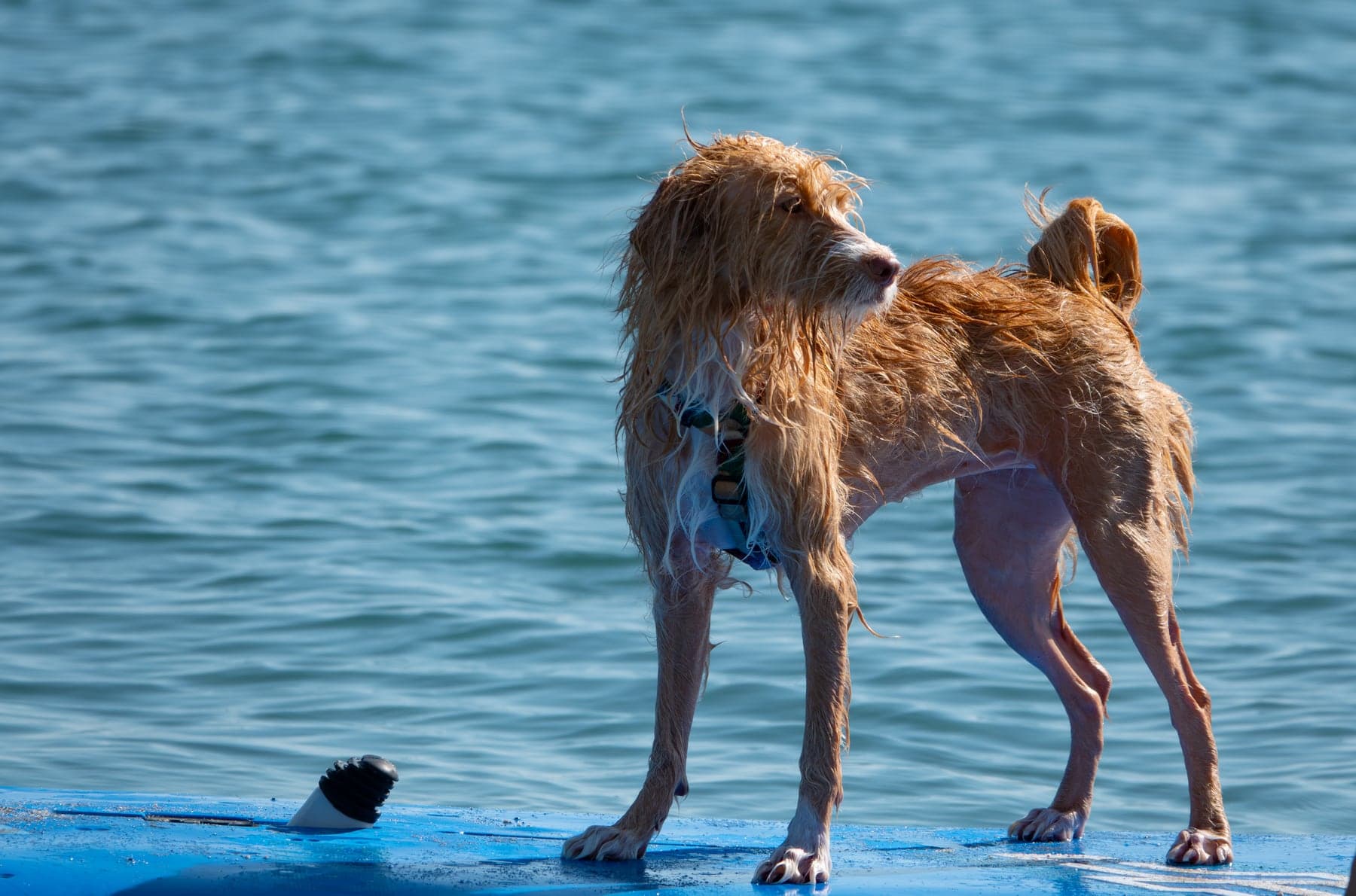
The sport rewards a specific dog: chase-driven, sound, and willing to commit to a moving object across a wide-open field without redirecting to handlers, scent, or other dogs. Terriers, herding breeds, retrievers, working breeds, and a long roster of mixed breeds make up the majority of CAT entries. The whole reason the test exists is that AKC's traditional lure coursing is restricted to sighthounds — CAT was the inclusive answer for everyone else. Reactive dogs can run because the single-dog format helps — there is no other dog on the course. The crating and staging environment is still busy, and CAT events share fields with Fast CAT and traditional sighthound coursing on stacked weekends. The physical demands are real: the 600-yard course is a sustained sprint with multiple turns at full speed, which loads shoulders, spine, and joints. Heavy-bodied, brachycephalic, and deconditioned dogs are at higher risk on the long course, especially in heat or humidity.

Origins
Historical roots
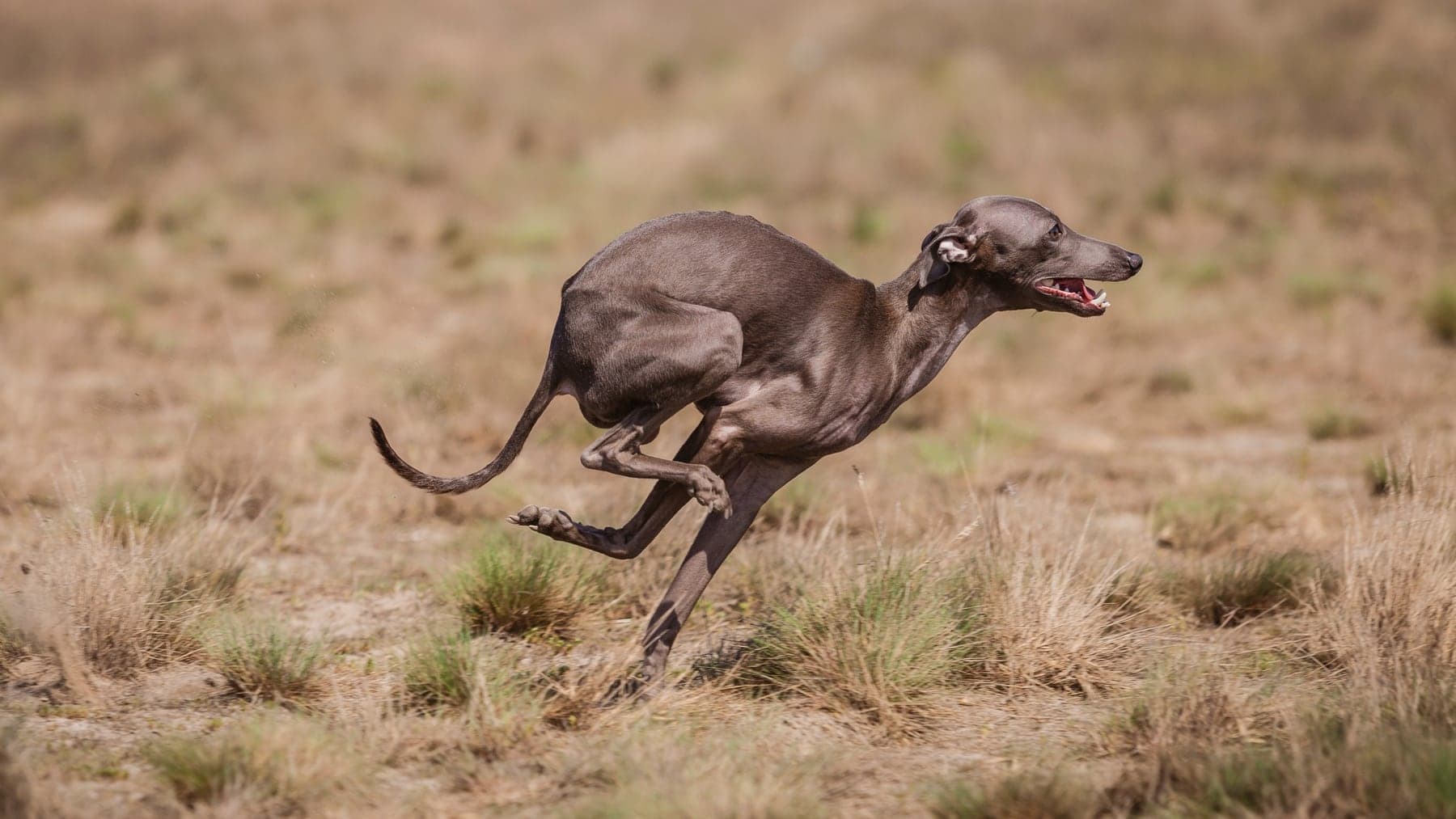
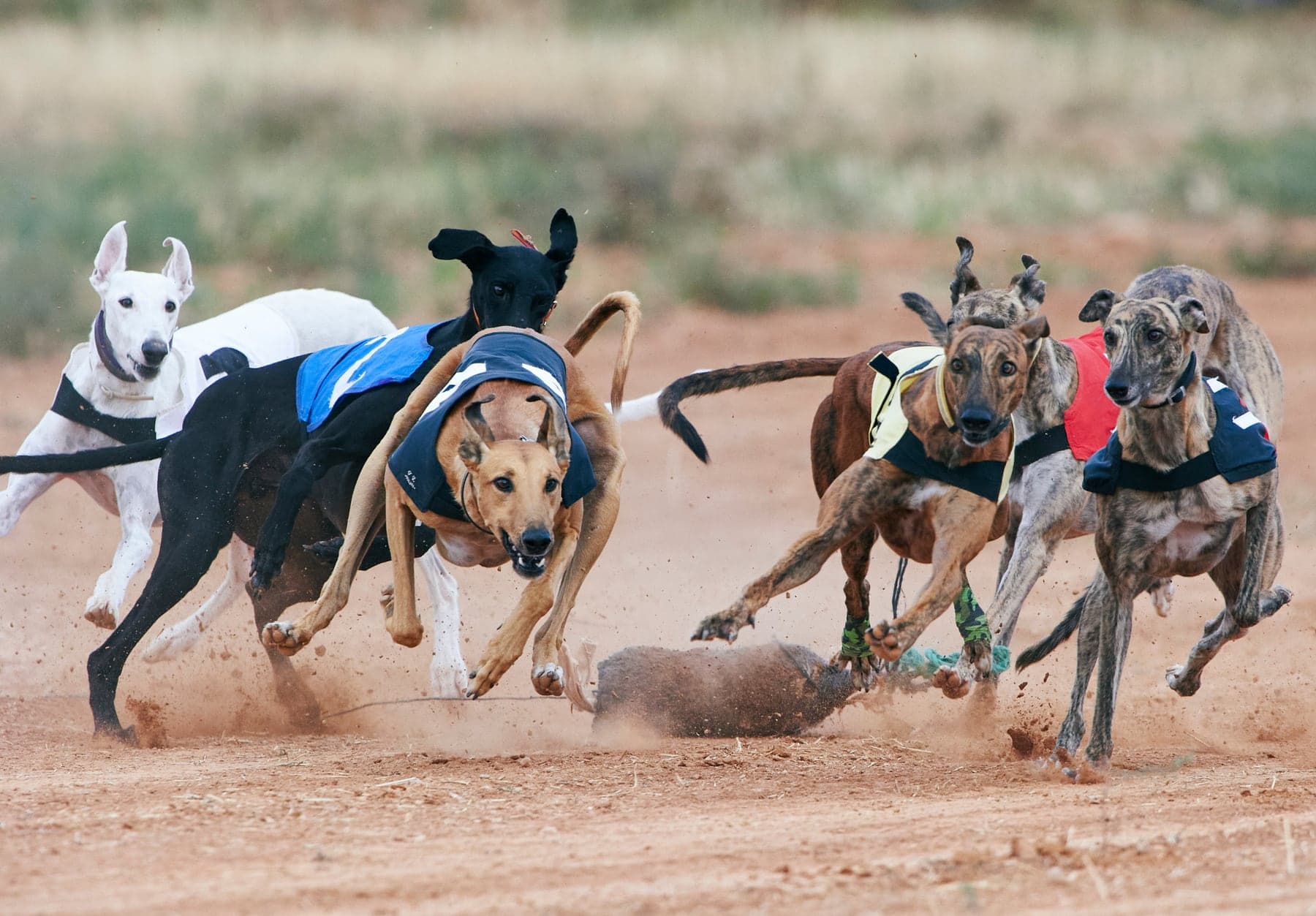
Lure coursing was built for sighthounds. The mechanical lure, the long fields, the twisting courses, dogs running in pairs or trios — the format is a sighthound-only tradition adapted from open-field coursing of live game. AKC field trials and ASFA stakes locked lure coursing to Salukis, Greyhounds, Whippets, Borzoi, and the other sighthound breeds for decades.
AKC's inclusive answer
The Coursing Ability Test was AKC's response to a simple observation: plenty of non-sighthounds also love chasing a lure. AKC adapted the format — shorter distances, single-dog runs, pass/fail rather than ranked — and opened eligibility to every breed and every mix that holds an AKC number.
Introduction
Sources cite the introduction year inconsistently across 2010–2014. AKC's own historical timeline isn't fully spelled out in public-facing pages. The exact founding date awaits handler verification against the current regulation booklet.
Incremental refinement
AKC has refined the rules incrementally rather than restructuring them. Updates have addressed muzzles, artificial coat coloring, head halters, and a 100-mile distance requirement related to event clustering — administrative and safety cleanup, not structural overhaul.
Fast CAT emerges
Fast CAT, the 100-yard timed sprint variant, came later and now stacks with CAT and traditional Lure Coursing on most coursing weekends.
Today
CAT is firmly established as the all-breed entry point to AKC coursing. Most US lure coursing clubs run CAT, Fast CAT, and traditional Lure Coursing on stacked weekends. Eligibility remains open to any breed or mix with an AKC number, PAL, Canine Partners, FSS, or AKC-recognized foreign registry.

02 · The course

A CAT run is short, intense, and structurally simple. Five things define it.

Element 01
The course
300 or 600 yards, laid out with staked pulleys and plastic flags, designed with curves and direction changes that mimic the evasive movement of a rabbit. The course is built for safety more than challenge — most dogs running CAT are not sighthounds and have less coursing experience, so sharp turns and obvious hazards are minimized. Footing is grass, packed dirt, or whatever the field offers.
Element 02
The lure
A white plastic bag pulled by a gas- or battery-powered continuous-loop lure machine, routed through pulleys and corner stakes. The lure stays a few feet ahead of the dog to keep the chase live, and it stops at the finish so the dog can catch it or be collected near it. The same machine and pulley setup is used for Fast CAT and traditional Lure Coursing, which is why the three programs share fields and weekends.
Element 03
Pre-run inspection
Before a dog runs, a field committee member checks for soundness — visible lameness disqualifies — and for collar or harness compliance per AKC regulations. Bitches in season are not eligible. Field officials can delay or stop runs if footing, weather, or equipment compromise safety. The inspection is brief and consistent across events.
Element 04
Start, run, finish
The handler walks the dog to the line and releases on the field official's signal as the lure begins to move. The dog runs alone. The handler walks toward the finish to collect the dog when the lure stops. To pass, the dog must chase continuously, follow the course without quitting or significantly cutting corners, and cross the finish line inside the time limit — 1.5 minutes for 300 yards, 2 minutes for 600. A clean 300-yard run is over in 30–60 seconds; a clean 600-yard run in 60–120.
The 60–120 second window
Element 05
Pass or fail
CAT is not scored or ranked. The judge marks the run pass or fail. A pass counts as one leg toward a title; a fail just means try again at the next event. Dogs that stop, lose interest, run out of time, or interfere with the lure setup fail that test and can re-enter at any future trial. There is no scoring scale, no points, no time-based ranking against other dogs.

03 · AKC

AKC is the only registry that sanctions CAT. Eligibility is open: any breed and any mixed breed can enter as long as the dog is at least 12 months old and holds an AKC number through full registration, PAL, Canine Partners, FSS, or an AKC-recognized foreign registry. There is no separate per-test sport registration the way NACSW requires an ORT before NW1 or BHA requires its own dog registration — an AKC number is the entire prerequisite. Titles come from accumulated passes, not points or speed.

01
CA · Coursing Ability
3 qualifying runs. The entry-level title; most handlers stop here, or get here in a single multi-test weekend. A clean weekend with three CAT tests can title a dog from zero in 48 hours.
02
CAA · Coursing Ability Advanced
10 additional qualifying runs after CA (per older AKC summaries — confirm against the current Coursing Ability Regulations). Reward for sustained competition across a season or two.
03
CAX · Coursing Ability Excellent
25 additional qualifying runs after CA (per older AKC summaries). The volume-based pinnacle of the CAT ladder — rewards handlers who travel for stacked-weekend events and run dogs across multiple regions.
04
Eligibility specifics
CAT has no Preferred, Performance, or Veteran title tracks. Every dog runs the same course at the same time limit, regardless of age. Mixed breeds and unregistered purebreds title through Canine Partners or PAL on identical terms with fully registered dogs. Bitches in season are not allowed to run. Spayed and neutered dogs run on equal footing.
Key facts
Sanctioning body
AKC only
Eligibility
Any breed + mixes, 12+ months
Registration
AKC, PAL, Canine Partners, FSS, or AKC-recognized foreign
Ladder
CA (3) → CAA (10) → CAX (25)
Scoring
Pass / fail; no points, no ranking
Cross-org transfer
None — AKC-only program
What makes CAT distinctive
The all-breed eligibility is the editorial through-line. Where traditional Lure Coursing locks the sport to sighthounds and Fast CAT scores by speed against a breed-handicap formula, CAT is the only AKC coursing program where a Border Terrier and a Belgian Malinois and a Golden Retriever pass the same test under the same standard. The single-dog format and pass/fail scoring keep it beginner-tolerant — the dog either chases or it doesn't, and the answer comes in under two minutes.

04 · Sibling programs

CAT is one of three AKC programs that share a lure machine, a pulley setup, and most of the same clubs. Newcomers routinely confuse CAT with Fast CAT and with traditional Lure Coursing — the formats look superficially similar from the sideline but ask different things of the dog and produce different titles. This hub treats Fast CAT and Lure Coursing as the structural context CAT lives inside.

Fast CAT
100-yard timed sprint
A 100-yard straight-line timed sprint. The dog is released at one end and chases the lure across a fenced lane to the other end; the run is timed. Speed in mph is calculated from the time, then multiplied by a breed handicap factor to produce points. Any breed or mix can enter. Titles — BCAT, DCAT, FCAT, FCATX, and beyond — accumulate by point thresholds. The format is shorter, simpler, and harder to fail than CAT: most dogs that commit to the lure record a clean run.
Lure Coursing
Sighthound-only competitive stakes
The original sighthound-only AKC competitive sport that CAT was modeled on. Courses run 600+ yards with multiple complex turns, dogs run in pairs or trios rather than alone, and judges score on speed, agility, endurance, follow, and enthusiasm — not pass/fail. Eligibility is restricted to recognized sighthounds. Title structure runs JC (Junior Courser), SC (Senior Courser), FC (Field Champion), and LCX (Lure Courser Excellent).
How they stack
Same weekend, same field
Most US lure coursing clubs run CAT, Fast CAT, and traditional Lure Coursing on stacked weekends. A typical Saturday-Sunday cluster might offer Fast CAT in the morning, CAT in the afternoon, and traditional Lure Coursing stakes the next day. Sighthound owners can enter all three; non-sighthound owners can enter CAT and Fast CAT. Equipment, fields, judges, and field reps overlap heavily across the three programs.

05 · Side by side

The three AKC coursing programs share a lure but ask very different things. This is the table newcomers most often need on the way in.

CAT
Pass/fail single-dog field test over 300 or 600 yards. All-breed eligibility. CA → CAA → CAX ladder built on accumulated passes. The inclusive entry point to AKC coursing.
akc.org/coursing-ability-test →
Fast CAT
100-yard timed sprint. All-breed eligibility. BCAT → DCAT → FCAT → FCATX ladder built on points calculated from speed × breed handicap. Most dogs that commit to the lure record a clean run.
Lure Coursing
600+ yard competitive stakes, dogs run in pairs or trios. Sighthound-only. JC → SC → FC → LCX title structure built on placements and qualifying runs. The original sighthound coursing program.
CATFast CATLure Coursing
FormatPass/fail single-dog run on a turning course100-yard straight sprint, timedCompetitive ranked stakes, dogs in pairs or trios
Course length300 or 600 yards100 yards (straight)600+ yards with complex turns
Time limit1.5 min (300 yd) / 2 min (600 yd)None — every clean run records a speedNone — judges score performance
EligibilityAny breed, any mix, 12+ monthsAny breed, any mix, 12+ monthsSighthounds only
How titles are earnedCount of qualifying passesPoints calculated from speed × breed handicapPlacements and qualifying runs
Title ladderCA (3) → CAA (10) → CAX (25)BCAT → DCAT → FCAT → FCATXJC → SC → FC → LCX
Known forInclusive entry point for chase-driven non-sighthoundsSpeed scores, breed-by-breed leaderboardsThe breed-specific origin sport

Titles do not transfer between CAT, Fast CAT, and Lure Coursing. A CA does not produce a BCAT, and a BCAT does not produce a CA. The dog earns each title on its own terms. What does transfer is the dog: the same animal can hold CA, BCAT, and — if it's a sighthound — JC, all on the same pedigree. Cross-program entry across a stacked weekend is normal.

Which one fits you?
CAT fit
Want a low-stakes pass/fail field test with curves, a cardiovascular ask, and a title earned in three runs. The short ladder and the all-breed eligibility make it the easiest titled coursing entry for most dogs.
Fast CAT fit
Want speed scores, a breed leaderboard, and a faster way to earn an initial title. The 100-yard format suits dogs that commit to the lure but lack the conditioning for a 600-yard course; titles come faster because clean runs almost always record.
Lure Coursing fit
Run a sighthound and want the breed's traditional sport. The placements-and-qualifying-runs structure, the pair/trio format, and the breed-specific stakes are what the sighthound coursing community is built around.
Most handlers run two or three
Most non-sighthound owners run CAT and Fast CAT in the same weekend. Most sighthound owners run all three. The dog doesn't change between programs — only the rules do.

06 · Getting started

CAT is one of the lowest-prep entries in titled dog sports. Most dogs need no specialized training to understand chasing a moving bag. The prep work is fitness, recall, and exposure to field-day conditions — not technical handling.

The basics
AKC number + simple gear
An AKC number — full registration, PAL (for unregistered purebreds), Canine Partners (for mixed breeds and unregistered purebreds), FSS, or an AKC-recognized foreign registry. Canine Partners enrollment runs around $35 one-time. A flat collar or fitted harness plus a leash for staging. Crate, shade canopy, water, folding chair. Comfortable footwear for uneven ground. Cooling gear for warm-weather events.
Foundation · weeks 1–8
Fitness + recall
Foundation work — recall, fitness, exposure to outdoor field conditions, and comfortable handling around other dogs in busy crating areas. Most general field-sport classes run 4 to 6 weekly sessions and cover this without being CAT-specific. Months 1–3: first fun run or practice pass — some clubs offer fun runs the day before or after a trial; these let new dogs try the lure before paying for a formal entry.
First title · months 1–6
CA in a single weekend
The CA title (3 passes) is achievable in a single multi-test weekend if the dog runs cleanly. Most teams take longer, with one or two passes per weekend across a season. Year 1 and beyond: CAA and CAX. The pass-count thresholds reward volume. Active CAA-track teams enter 10–20 tests a year; CAX-track teams enter 30+ and travel for events.
Before you enroll
Age: dog must be at least 12 months old on the day of the test per AKC regulations. Sustained running and abrupt turns are hard on immature joints, especially in large breeds — veterinary guidance commonly recommends waiting for growth-plate closure. Recall is non-negotiable; the end of every run depends on collecting the dog as the lure stops. Cardiovascular conditioning before a 600-yard run matters more than handling skill — sprinting cold raises soft-tissue injury risk. Bitches in season are not eligible. Spayed and neutered dogs run on equal footing. Lameness, recent orthopedic surgery, untreated cardiac or respiratory disease, and significant overweight are reasons to defer or to run the 300-yard course instead of 600.

07 · Test day

A CAT day is mostly waiting punctuated by short bursts of intensity. The actual run is under 90 seconds for most dogs. Everything else is logistics, weather, and conversation in the staging area. The atmosphere is closer to a Fast CAT or Barn Hunt event than to an obedience trial — outdoor, casual, beginner-tolerant — but with the added load of unpredictable weather and the stacked schedule across CAT, Fast CAT, and traditional Lure Coursing.

The flow
How the day runs
Check-in and inspection at the secretary's table; confirm premium entry and pay any day-of fees. A field committee member checks your dog for lameness, collar or harness compliance, and any obvious health issues. Most clubs hold a short newcomer briefing — walk-through of the course, where to stand at the start, where to position at the finish, and how to release and collect the dog. Running order is posted or called over a loudspeaker. Bring the dog to the line when called. Release on the field official's signal as the lure begins to move. Walk toward the finish during the run. Collect the dog at the lure stop. Pass/fail recorded on the field.
The kit
What to bring
Crate or X-pen, pop-up shade canopy, water and bowls. Comfortable shoes, weather-appropriate clothing, sun protection. Folding chair, snacks, printed copy of the premium. A secure flat collar or fitted harness, a sturdy leash, and ID tags. Cooling gear for warm-weather events; warming layers and footing-aware gear for cold-weather events.
The mistakes
What goes wrong
Underestimating downtime — handlers arrive without crates, shade, or chairs and burn out by midday. Entering an unconditioned dog at 600 yards — failure to finish in time is the most common preventable disqualification. Skipping warm-up and cool-down — sprinting cold raises soft-tissue injury risk; build a 5-minute pre-run and post-run routine, particularly for older dogs. Standing in the wrong spot at the finish — field officials brief this; ask before the run if anything is unclear. Failing to plan for collection — a dog that bolts past the finish creates a safety issue.
The reality
What videos don't show
The waiting — phone clips highlight the chase and skip the four hours of field setup, pre-run briefings, and weather delays around it. Dogs that turn off the lure mid-course or fail the time limit — most online CAT footage is the highlight reel; the realistic distribution of outcomes includes plenty of dogs that don't finish in time, especially at 600 yards in heat. The stacked weekend — CAT events frequently share a weekend with Fast CAT and traditional Lure Coursing, which adds running between rings, scheduling pressure, and the cognitive load of switching scoring formats.

08 · What it costs

CAT is on the cheaper end of titled AKC field sports if you stay regional. The cost curve steepens fast at the CAA and CAX levels, where the pass-count thresholds reward volume — and volume requires travel.

One-time setup
$200$500
AKC registration / PAL / Canine Partners $35–$50; collar/harness $15–$50; leash $10–$30; crate $60–$200; shade tent optional $100–$300
Per-test entry
$22$30
Pre-entries $22–$30/test; day-of $5–$10 higher where allowed. AKC recording fees bundled into the entry.
Stacked weekend
$75$200
Multiple tests across CAT, Fast CAT, and traditional Lure Coursing across a single weekend before travel
Active annual
$800$6k+
Casual local $250–$600; active CAT+Fast CAT $800–$2k; CAX-track 30+ tests + travel $3k–$6k+
The honest truth
CAT is one of the cheapest titled AKC field sports to start. The first three passes — enough to title a dog at CA — can be earned in a single multi-test weekend if a club is running multiple tests, which means well under $200 in entries to put a title on a dog. The cost curve only steepens at CAA and CAX, and only if the handler decides to chase volume. The recurring expense newcomers underestimate is travel: per-test fees stay modest, but the regional driving required to chase higher titles stretches the budget faster than the entry math suggests.
Related sports

If Coursing Ability Test (CAT) interests you, look at these too.