Discover Dock Diving
A pool-based jumping sport where a dog runs down a 40-foot dock and launches into deep water for distance, height, or speed retrieve — measured to the inch and the hundredth of a second.
01 · What is it
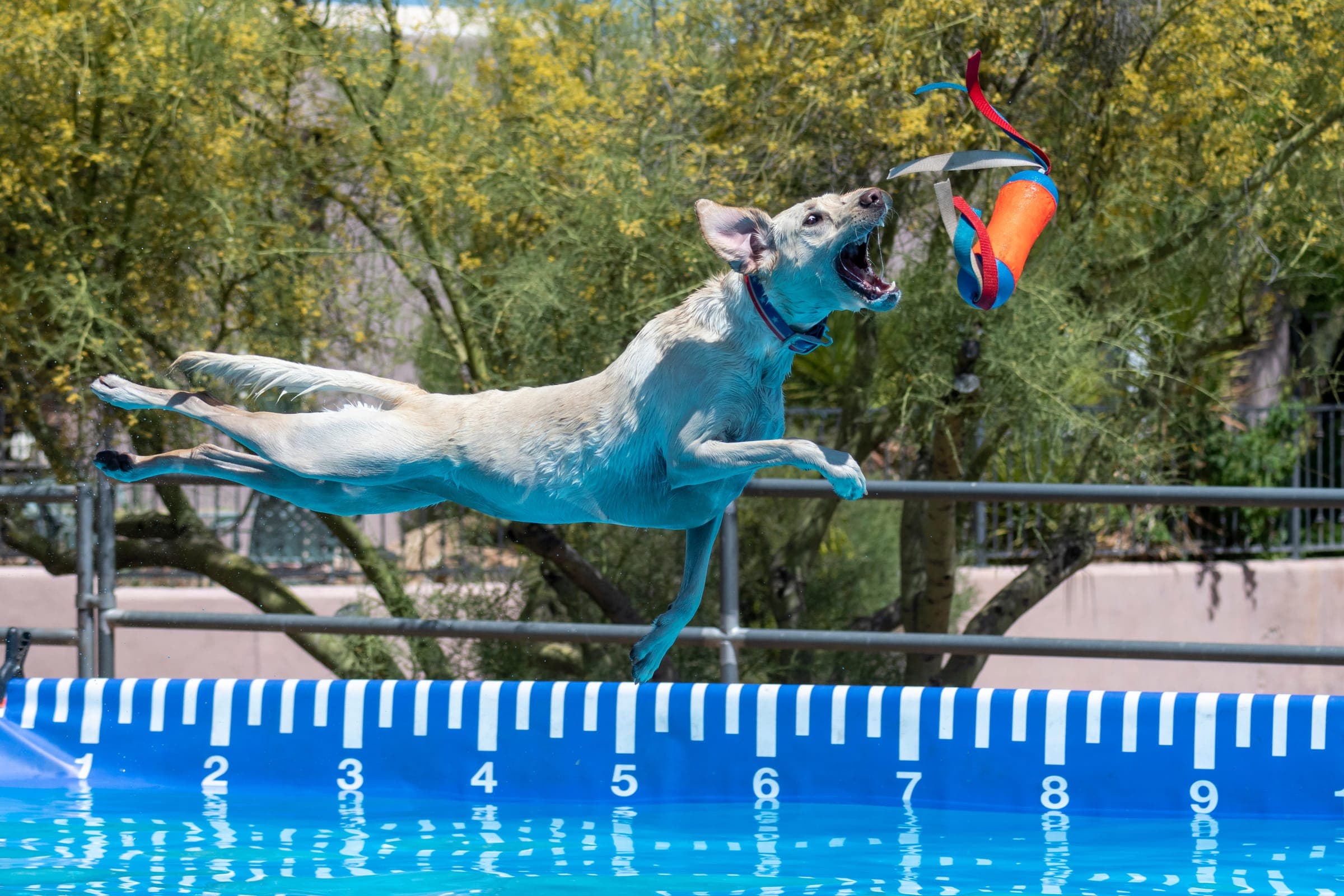
Dock diving — AKC files it under "Diving Dogs" — is a jumping sport on a regulation dock about 40 feet long and 7.5 feet wide, set over a deep pool. The handler stages the dog at the back of the dock, throws or sets a floating toy, and releases. The dog sprints, launches off the dock edge, and lands in the water. Three disciplines split the sport: Distance jumping (measured from dock edge to the point where the base of the tail breaks the water), Air Retrieve (the dog grabs a bumper hung two feet above the water at increasing distances from the dock), and Hydro Dash (a timed swim-and-retrieve to a suspended bumper at the far end of the pool). Dogs work off-leash on the dock and in the pool and are leashed everywhere else under both NADD and DockDogs rules.
The sport rewards a specific profile: medium to large, athletic, water-confident, toy-driven, and comfortable launching off a height. Smaller dogs compete in Lap divisions. Dogs that already love repetitive fetch or disc work transition fast. Cautious or water-averse dogs need long foundations on ramps and shallow entries before they ever see a full-height dock — and some never warm to the sport. Reactive dogs can sometimes be managed with careful crating and timing, but the staging area is loud — barking dogs on the fence, PA announcements, and splashes between every run. Sports-medicine literature flags repetitive jumping and water sports as risk factors for medial shoulder instability and biceps tendinopathy, so conditioning and jump-frequency management matter from the start. Dock diving sits at two ends of one ladder: walk-up handlers come for a single splash at a county fair and leave with a ribbon, while serious teams chase NADD division titles, DockDogs world-championship invites, and the Top jumpers list within their breed. The picture from the bleachers looks the same — what changes is the practice volume, the throw timing, the conditioning, and how many weekends a year a team is willing to drive.
02 · How a splash works
A "splash" is one wave of competition — a single block of dogs running their entries in a defined discipline. A weekend usually contains multiple splashes per discipline, and a team can enter several. Six moving parts make the picture readable from the sidelines on day one.
03 · NADD
North America Diving Dogs is the larger of the two US dock-diving organizations by titling footprint. Its rules are integrated with the American Kennel Club and Canadian Kennel Club through formal title-recognition programs — a NADD distance, Air Retrieve, or Hydro Dash title can appear on an AKC pedigree and a CKC pedigree alongside other earned titles. That cross-recognition is a major reason NADD has become the default for handlers already involved in conformation, agility, or other AKC sports. NADD's structure is division-based: distance jumping splits into Novice, Junior, Senior, Master, and Elite by measured jump range; Air Retrieve and Hydro Dash use parallel Novice-through-Elite division structures keyed to distance and time, respectively. Each division has a leg-count threshold for the base title and a higher leg count for the Excellent ("X") tier. The result is a dense title catalog — a handler can earn separate titles for distance and Air Retrieve and Hydro Dash, in both Open and Lap divisions, at multiple division levels. Eligibility runs through registration: AKC-registered dogs record NADD titles directly via AKC's Title Recognition Program; mixed breeds and unregistered dogs compete through NADD's own entry system, with AKC recording via Canine Partners or PAL. CKC handles its own parallel recording. The annual National Championship is held at the Ozark Empire Fairgrounds in Springfield, Missouri, with invitations based on division placement and season averages.
04 · DockDogs
DockDogs is the older of the two organizations and runs the more visible spectator events. Its tour-stop format — competitions held at fairs, expos, festivals, and large dog-show clusters with PA commentary and grandstand seating — is what most non-handlers picture when they think of dock diving. The flagship classes are Big Air (distance), Extreme Vertical (height grab), and Speed Retrieve, with the year crowned by national and world championship events. DockDogs runs class-specific level structures within Big Air, Extreme Vertical, and Speed Retrieve. Levels are based on distance ranges or heights — Novice through Elite-tier brackets in Big Air, increasing height thresholds in Extreme Vertical — and titles progress within each class. The exact title abbreviations and leg counts are defined in the DockDogs Rules and Policies document; the structure is parallel in shape to NADD's, but the names, brackets, and recognition pathways are different. Eligibility runs through DockDogs' own membership and dog-registration system, not through AKC. Any breed or mix can compete subject to standard health and behavior rules, and handlers register the dog directly with DockDogs to enter sanctioned events. Titles are recognized within the DockDogs ecosystem — they do not appear on AKC or CKC pedigrees the way NADD titles do, and that is the single biggest practical difference for handlers deciding which organization to chase.
05 · UKC Dock Jumping
UKC Dock Jumping is the third sanctioning body for the sport, alongside NADD and DockDogs, and it splits competition into three disciplines: Distance Jumping (horizontal), Vertical Jumping (height), and Fetch It (distance-plus-retrieve). Launched April 1, 2020, UKC's program is notable for a flexible titling order — a dog that consistently jumps far can earn a higher distance title before a lower one, since initial titles don't have to be earned in sequence (though Championship and Grand Championship tiers do). Like its all-breed performance sports, UKC Dock Jumping is open to any dog, including mixed breeds via Performance Listing, and dock results feed UKC's Total Dog awards.
06 · Ultimate Air Dogs
Ultimate Air Dogs (UAD) is a fourth dock-diving body, running mobile-dock events nationwide plus a national championship, the Ultimate Air Games. A dog runs from a dock and launches for distance, for a suspended toy, or against the clock, depending on the event. UAD requires no membership — handlers register per event — and titles reset each season: a dog's best score drops it into a distance or time division (sorted by what UAD calls "the Bubble"), and five legs in a division earns a Level 1 title, tracked on the honor system. Every breed and size is welcome as long as the dog is sound and swims safely.
07 · ASCA Dock Jumping
ASCA Dock Jumping is the Australian Shepherd Club of America's all-breed dock program, and it mostly works as a title-recognition overlay: a handler competes at an Ultimate Air Dogs (UAD) or International Dog Sports (IDS) event, then submits the results to ASCA with a recording fee to have them count as ASCA titles. Some ASCA Affiliate Clubs also run their own dock events. There are two titling classes — Launch (distance) and Fetch It — and the program is open to all breeds, not just Australian Shepherds. As of 2025, ASCA jumps also count toward IDS titles.
08 · Compare the orgs
Most handlers settle into one organization and stay there, driven by what's nearby and which titles fit their long-term plans. A subset cross-competes where more than one runs. The disciplines overlap on distance, but each organization owns ground the others don't — Hydro Dash for NADD, Extreme Vertical for DockDogs, non-sequential titling plus Total Dog integration for UKC, and a no-membership, season-reset, mobile-dock circuit for UAD. ASCA doesn't run its own dock trials so much as record UAD/IDS jumps as all-breed titles. Titles do not transfer across organizations.
| NADD | DockDogs | UKC | UAD | ASCA | |
|---|---|---|---|---|---|
| Role | Larger US titling org by footprint; AKC and CKC title-recognition partner | Older tour-model organization; runs its own world championship | Third sanctioning body; all-breed performance program | Grass-roots mobile-dock circuit + the Ultimate Air Games | All-breed title-recognition program (Australian Shepherd Club of America) |
| Disciplines | Distance · Air Retrieve · Hydro Dash | Big Air (distance) · Extreme Vertical (height) · Speed Retrieve | Distance Jumping · Vertical Jumping · Fetch It | Splash · Fetch-It · Catch-It / Pro · Chase-It | Launch (distance) · Fetch It |
| Divisions | Open and Lap (by height); further divided by measured performance (Novice through Elite) | Class-specific by distance/height bracket; size splits within some classes | By distance/height range; initial titles non-sequential | 14 Splash distance divisions ("the Bubble"); It-Games by distance or time | By distance/score (see ASCA dock rules) |
| Title structure | Division-specific titles in each discipline with base and Excellent ("X") tiers; leg-count thresholds per division | Class-specific level progression within each discipline, defined in DockDogs Rules and Policies | Division titles per discipline; Championship + Grand tiers on points | Leg-based, reset each season; 5 legs per division = Level 1; honor system | Best-of-2 jumps; titles recorded from UAD/IDS results or ASCA affiliate events |
| Recognition | NADD titles record on AKC and CKC pedigrees through formal Title Recognition Programs | Titles recognized within the DockDogs ecosystem; not on AKC or CKC pedigrees | UKC pedigrees (not AKC/CKC) | Standalone — no cross-credit to NADD/DockDogs/UKC | ASCA titles; cross-counts toward IDS (2025) |
| Known for | Detailed division thresholds, Nationals qualifying via season average, AKC/Canine Partners accessibility | Tour-stop events, large-spectator venues, Extreme Vertical as a signature class | Flexible titling order; integrated into UKC's all-breed Total Dog program | No membership, the Bubble, the It-Games menu, annual self-service titling | Recording UAD/IDS jumps as Aussie-club titles; all-breed |
09 · Getting started
Dock diving is one of the few sports where the foundation work cannot be done in a backyard. The dog needs access to a regulation-style dock and a deep pool with a proper exit ramp — almost always a commercial training facility, a club pool, or a competition venue offering open practice. Handlers typically start by booking a foundation class or pool rental with an instructor, not by self-training.
10 · Your first event
Dock diving events are loud, hot, social, and built around a long day of waiting between short bursts of competition. The atmosphere falls between a Fast CAT trial (outdoor, casual) and a Barn Hunt trial (welcoming, beginner-tolerant) — but with more spectators, more PA noise, and more time spent managing a wet, stimulated dog.
11 · What it costs
Dock diving's cost structure is moderate by dog-sport standards — cheaper than IGP, more expensive than Fast CAT or Barn Hunt. The recurring costs come from pool access (foundation training and ongoing practice) and per-splash entry fees, both of which add up faster than newcomers expect across a full season.
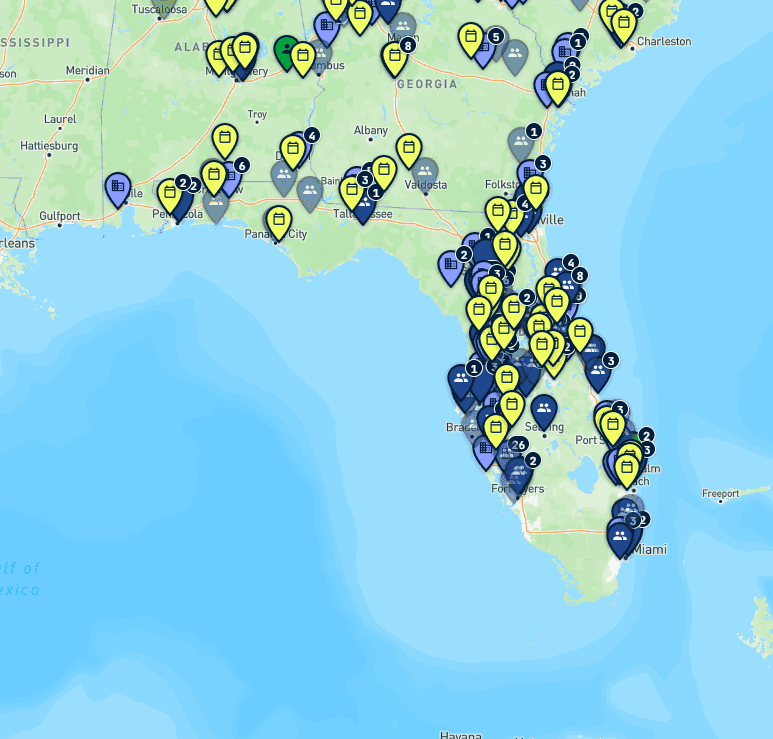
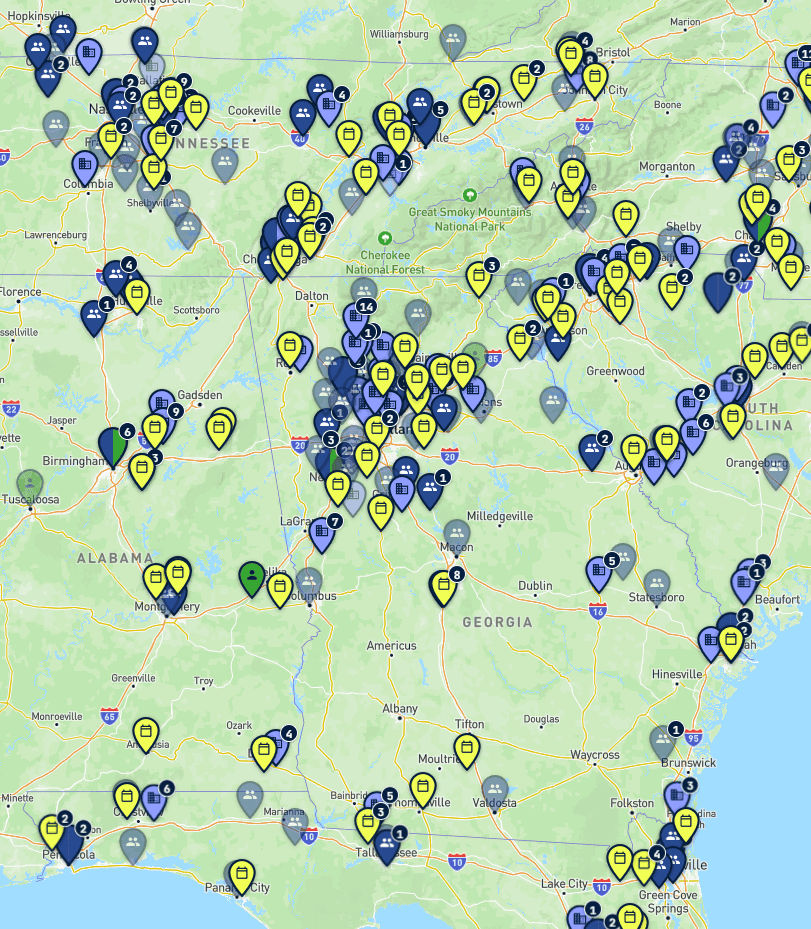
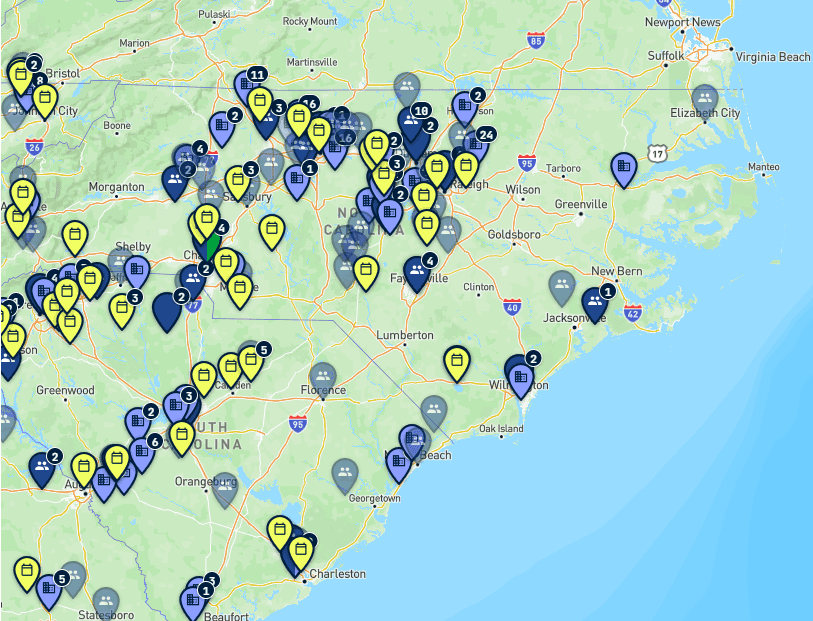
Find dock diving near you.
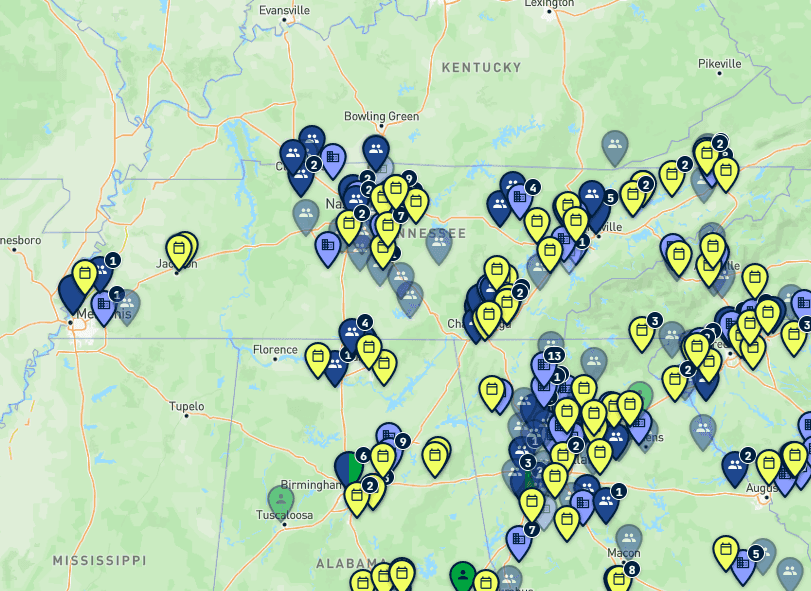
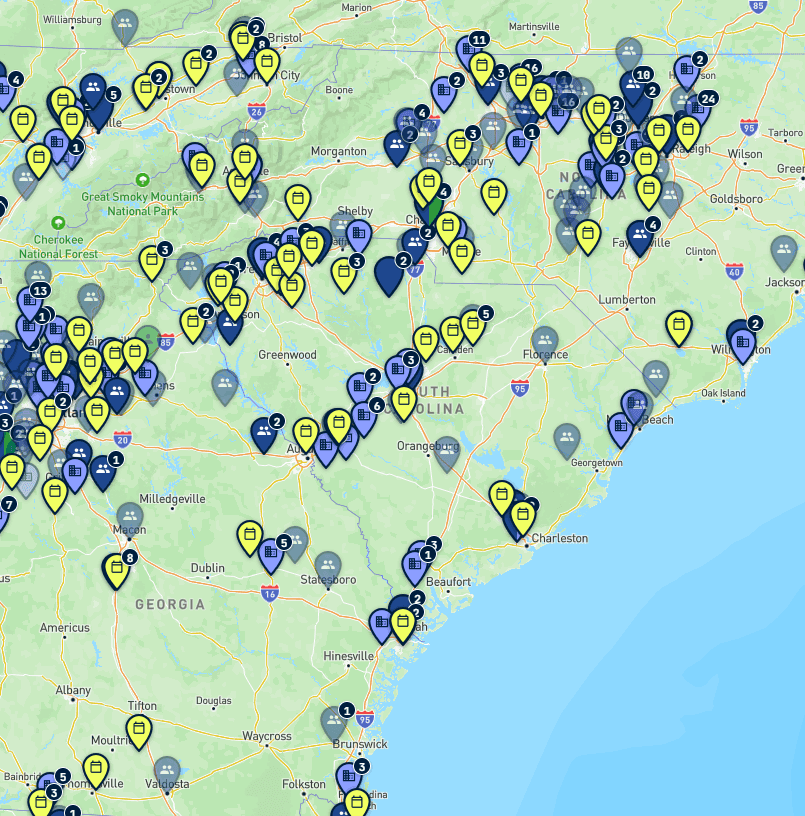
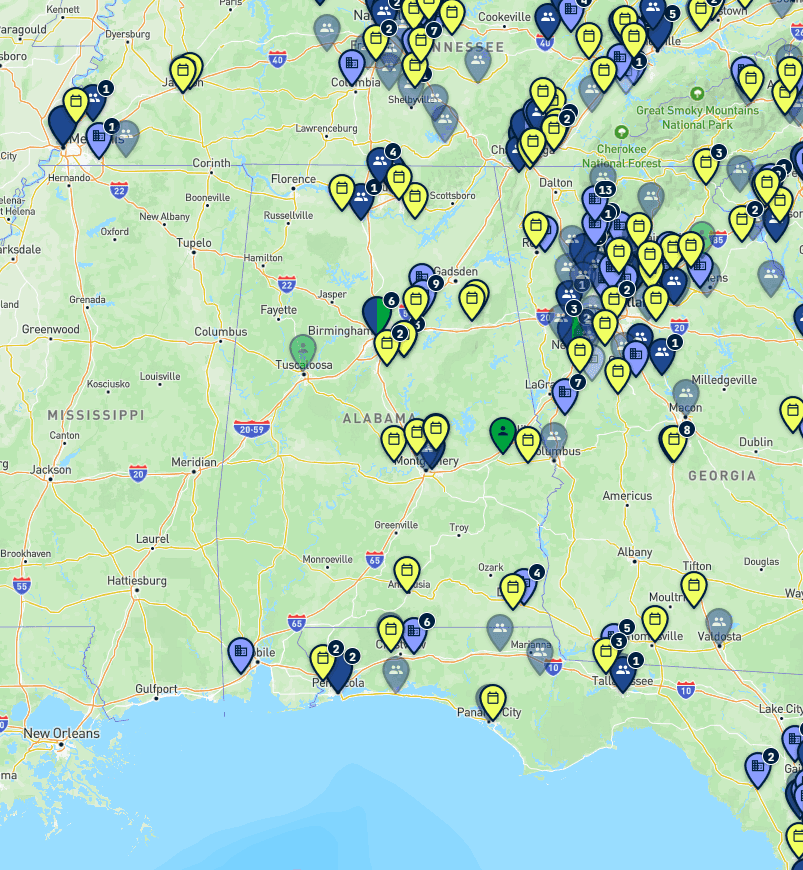
Made for dock diving.
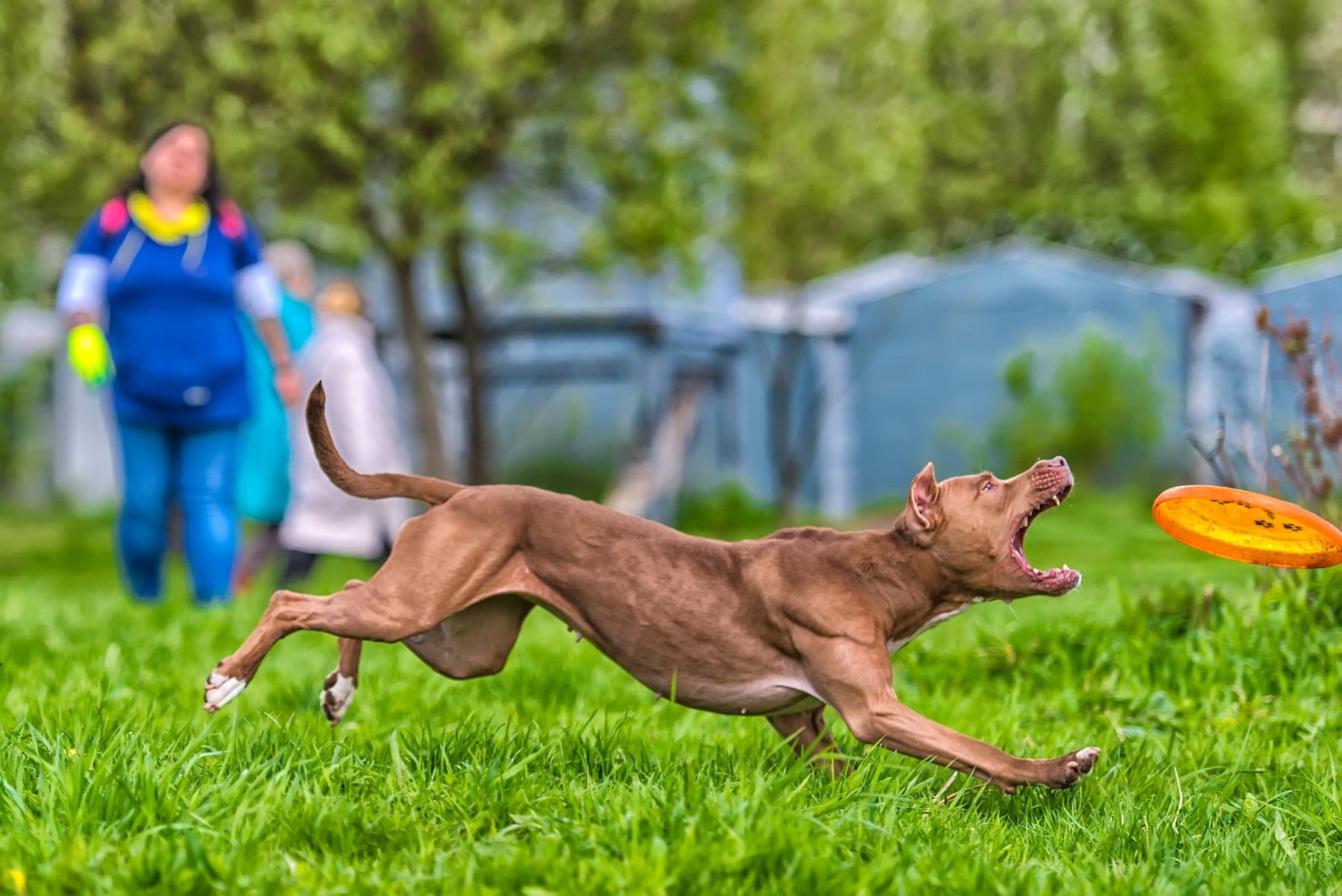
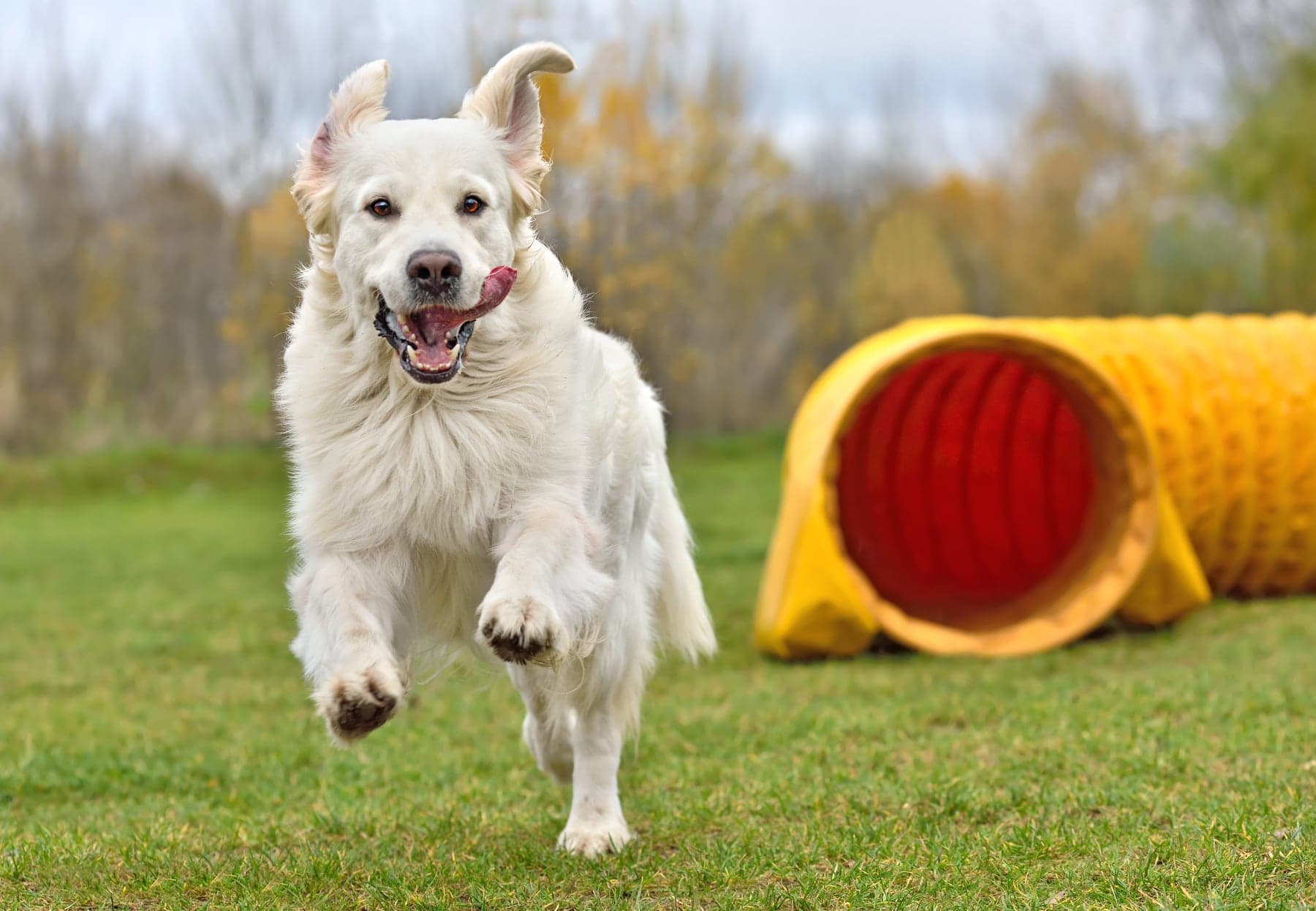
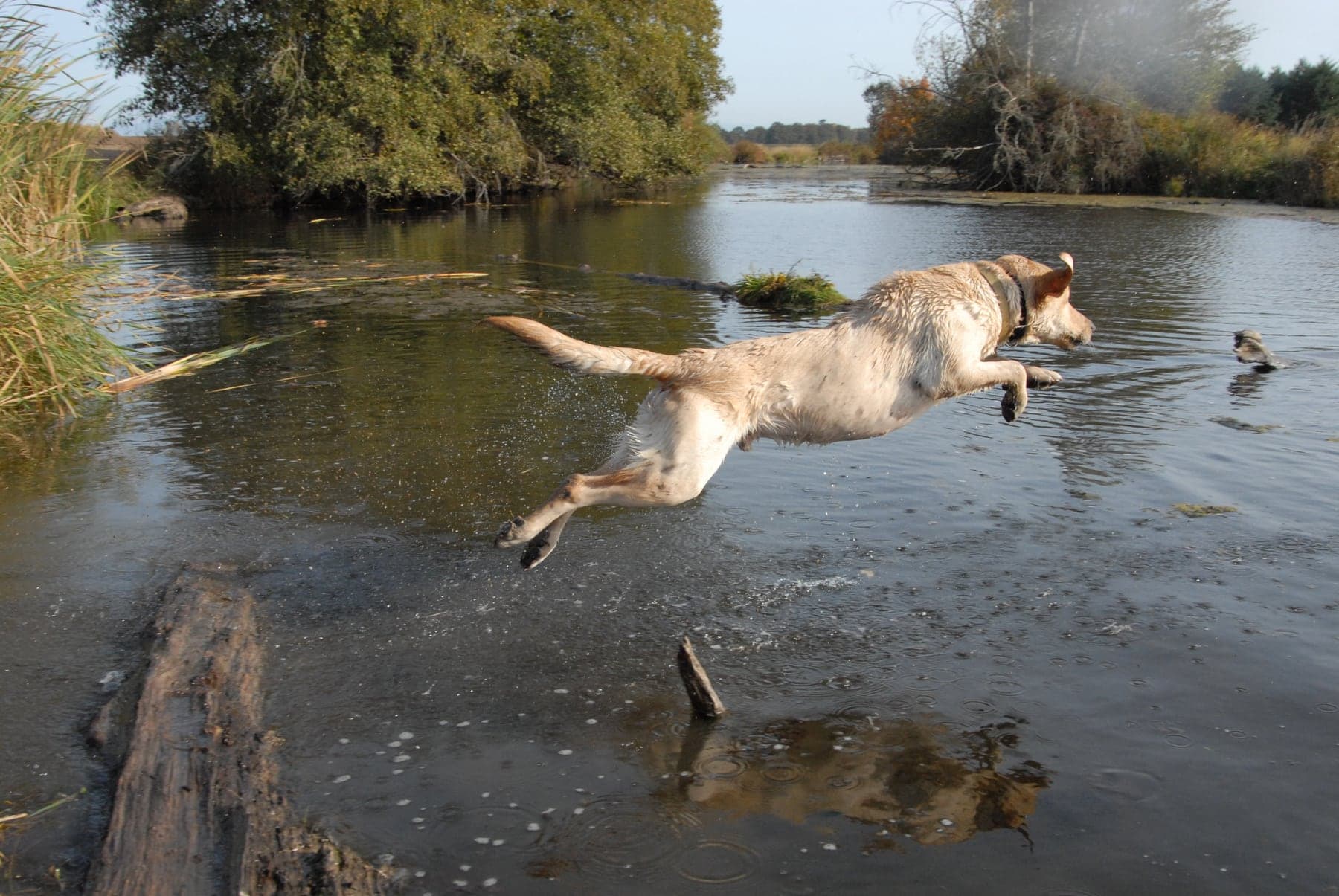
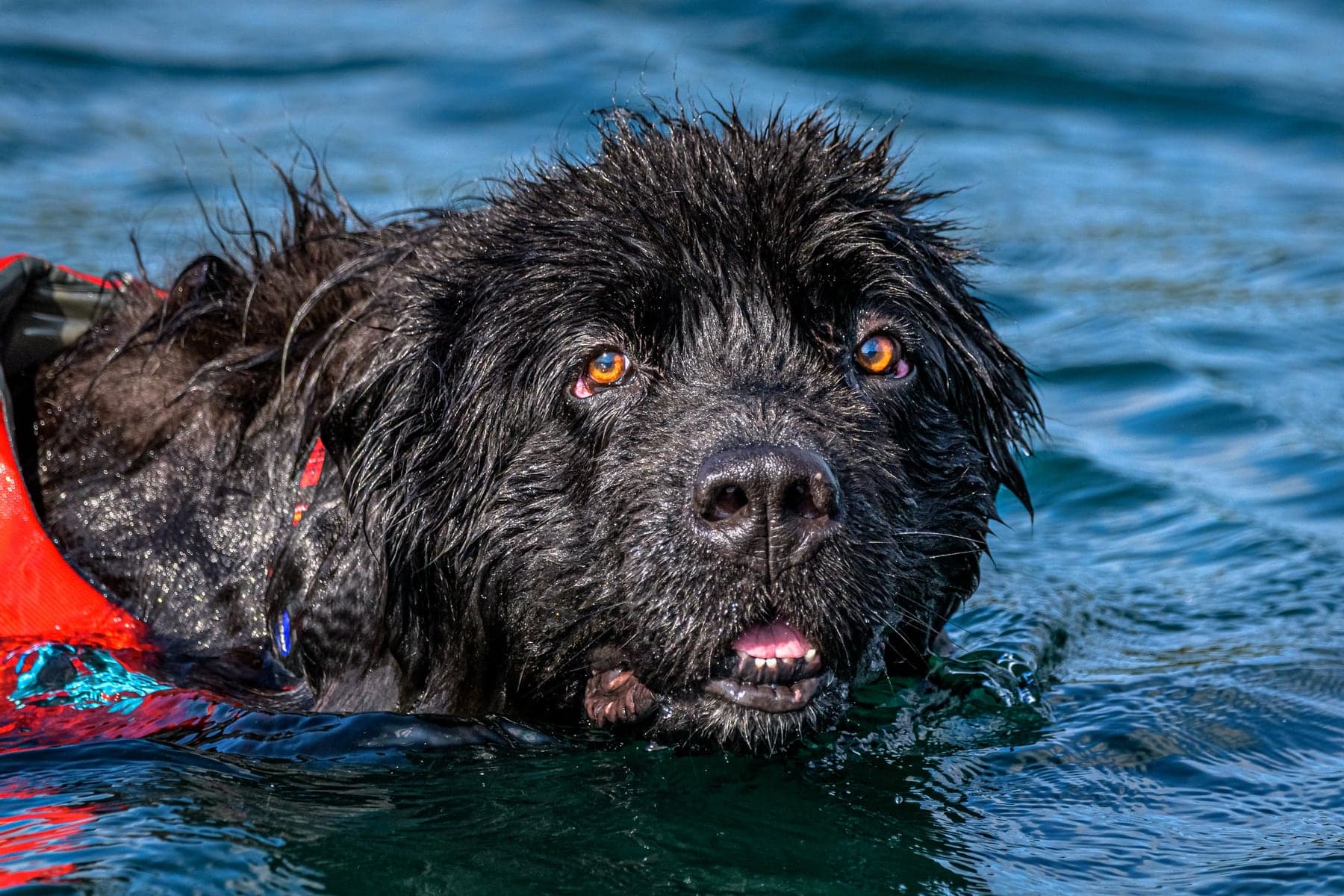
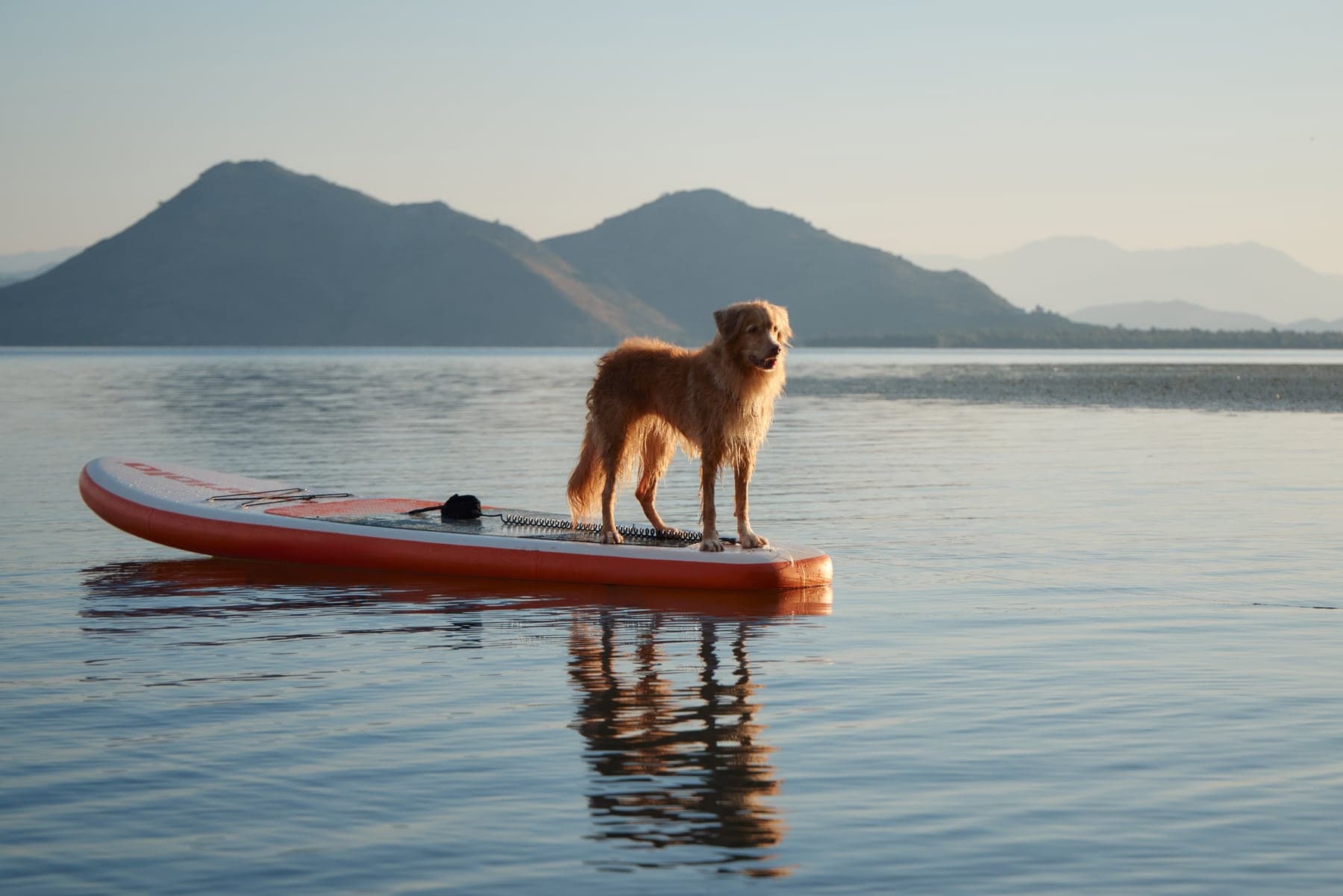
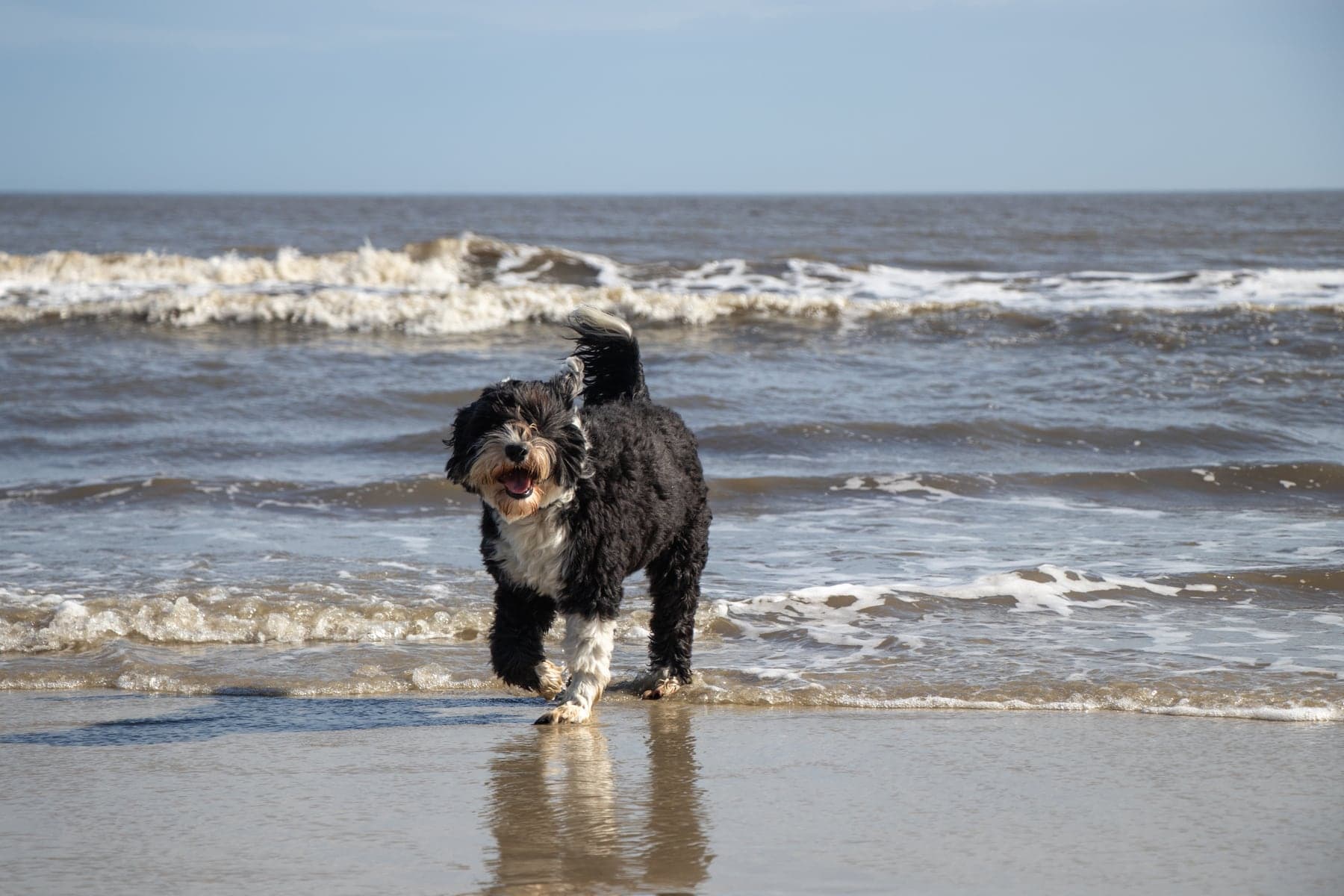
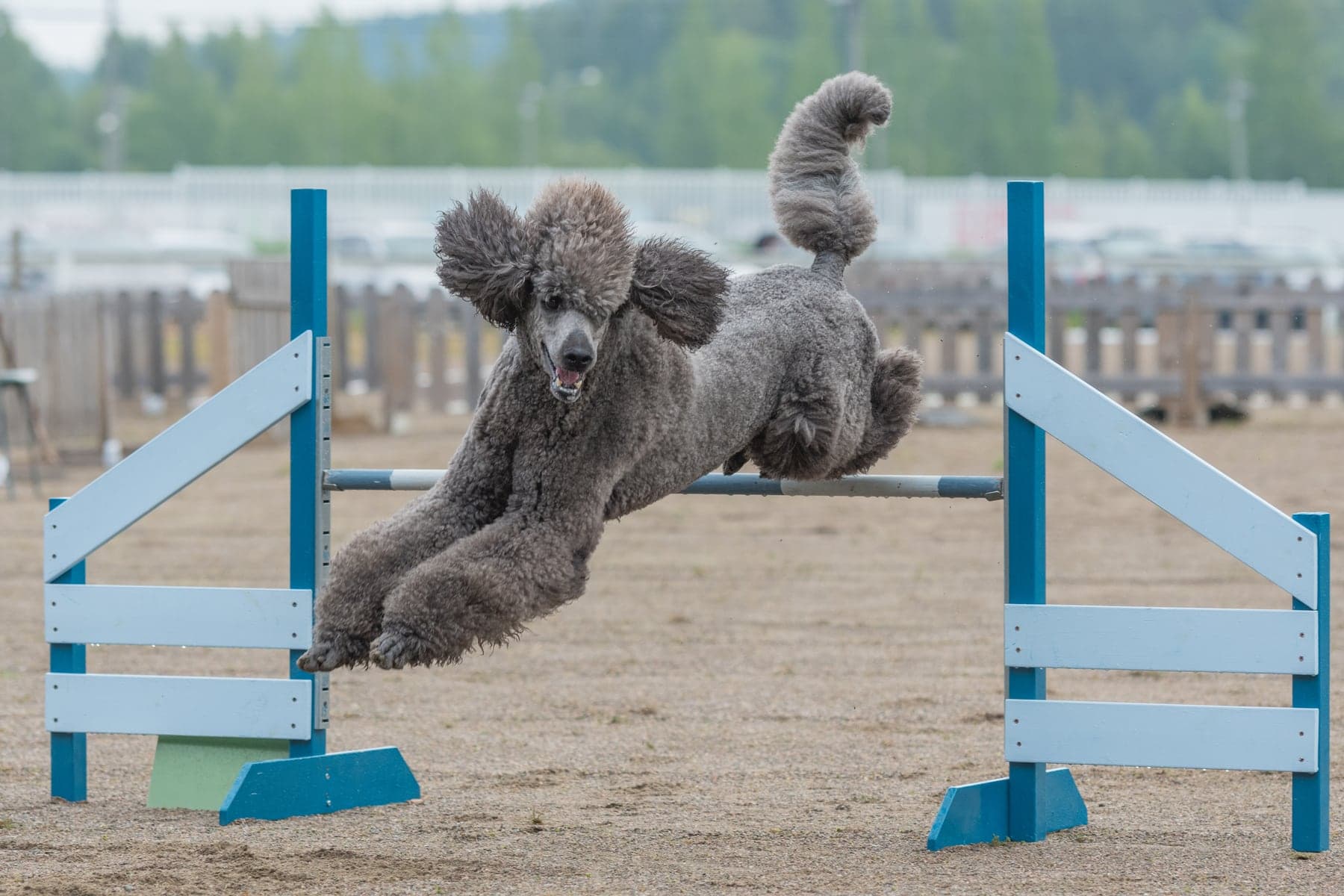
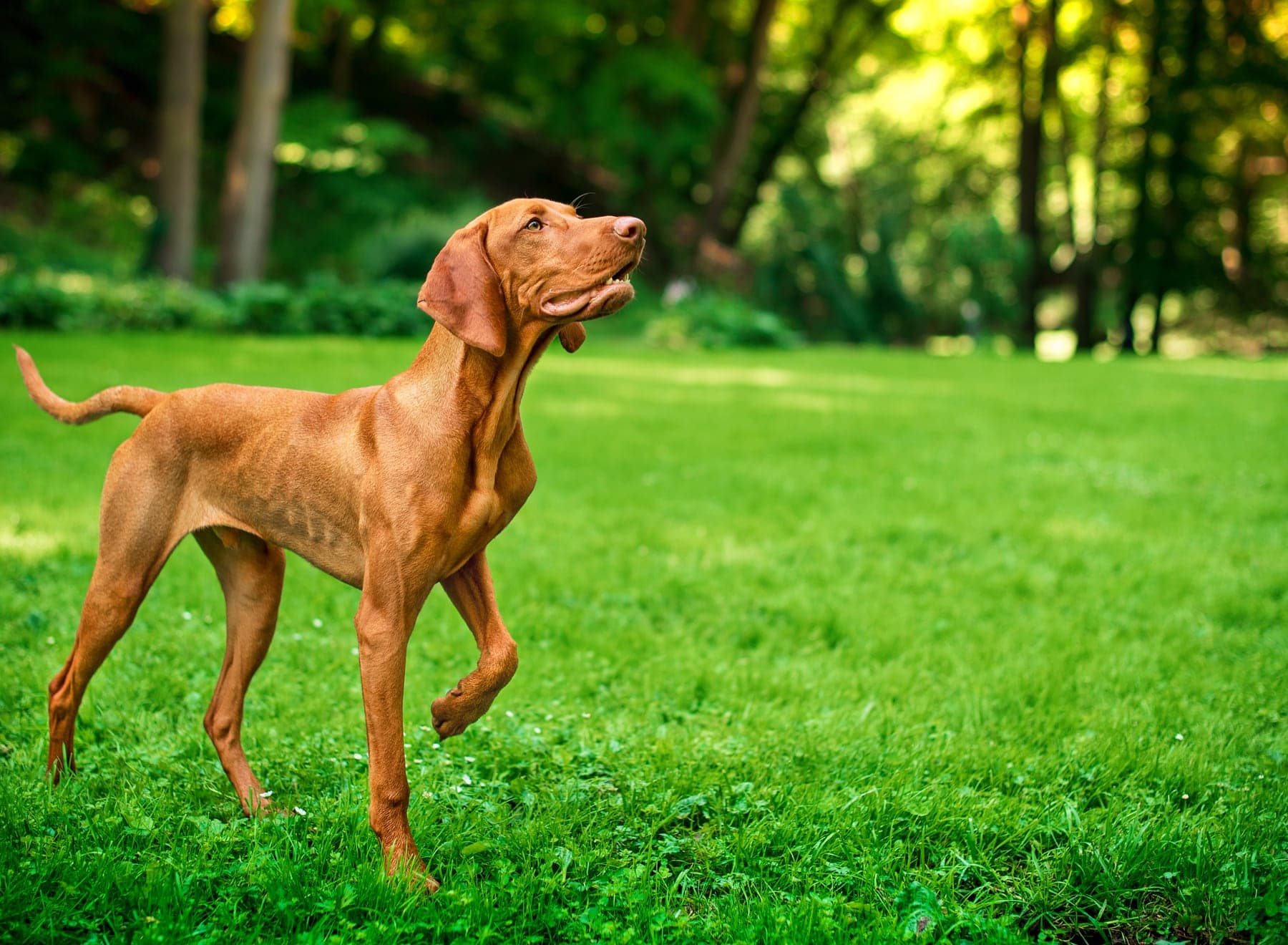
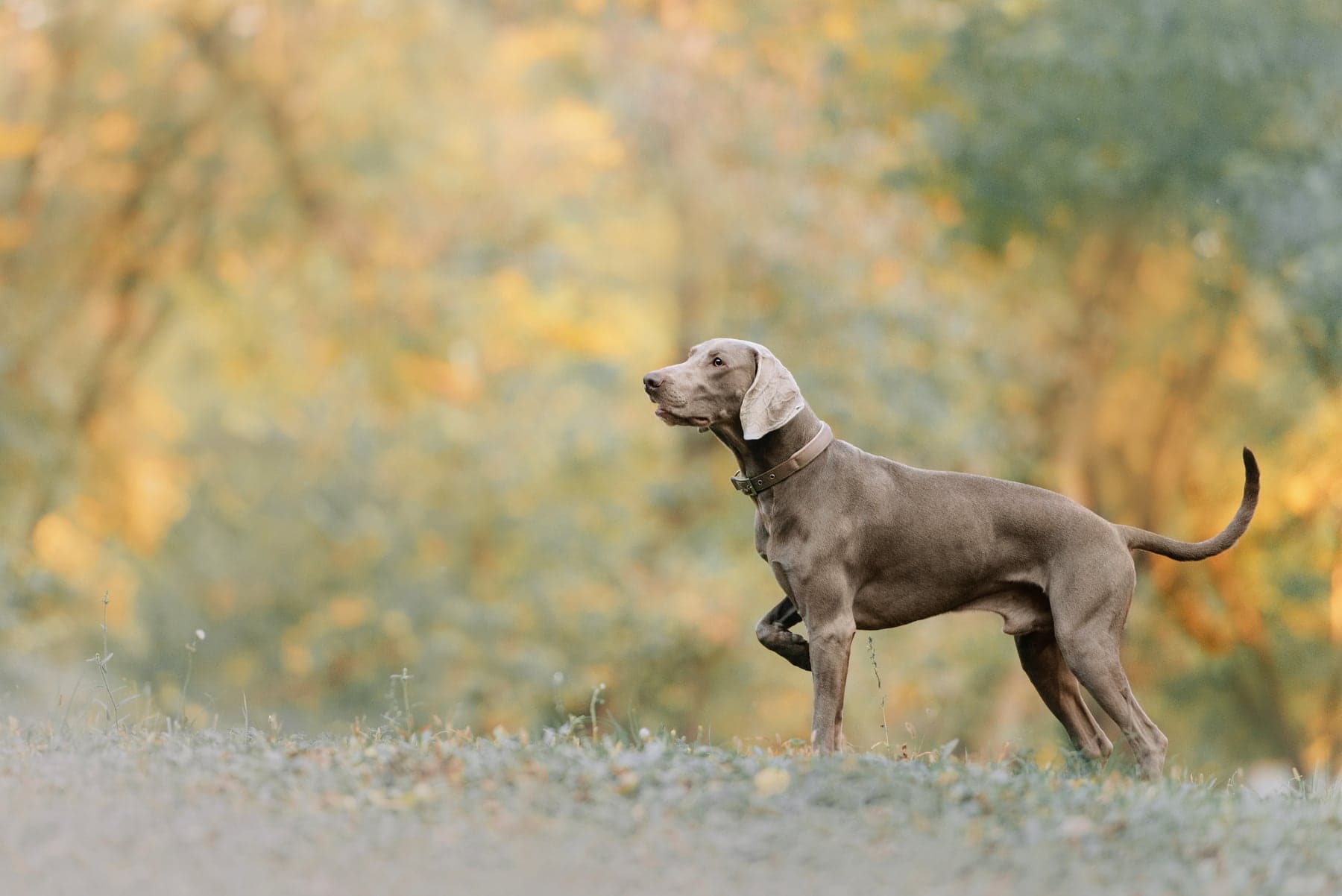
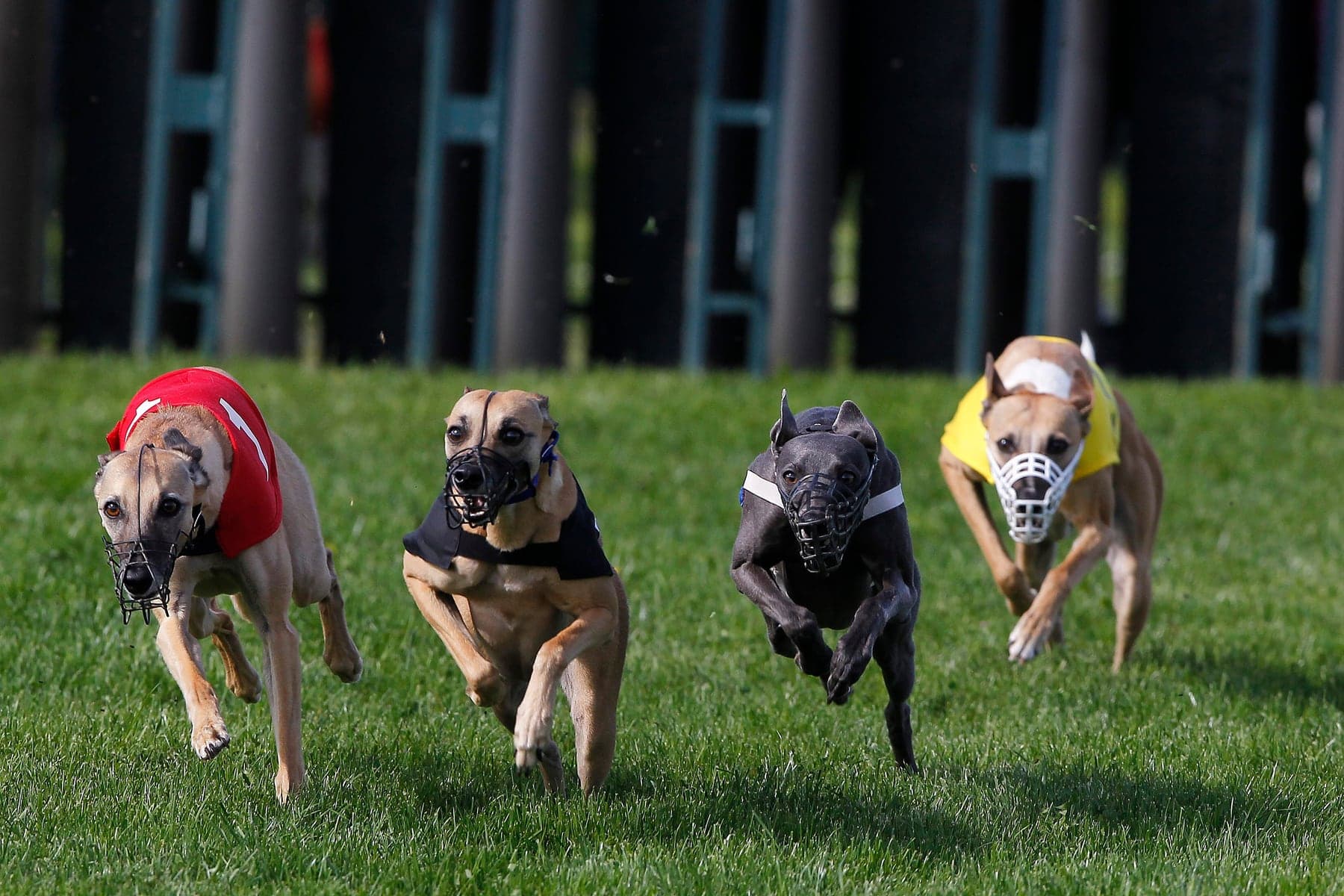
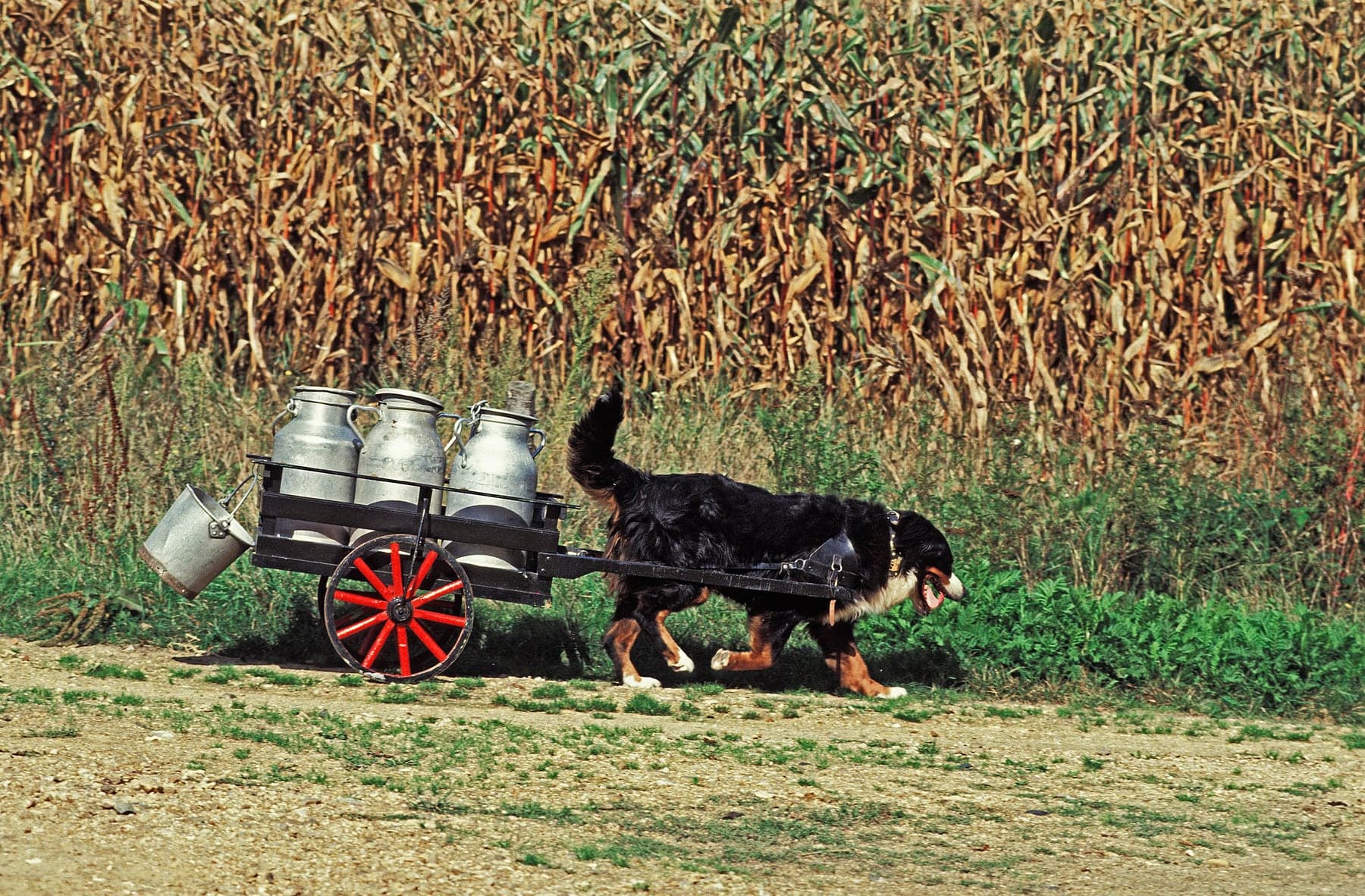
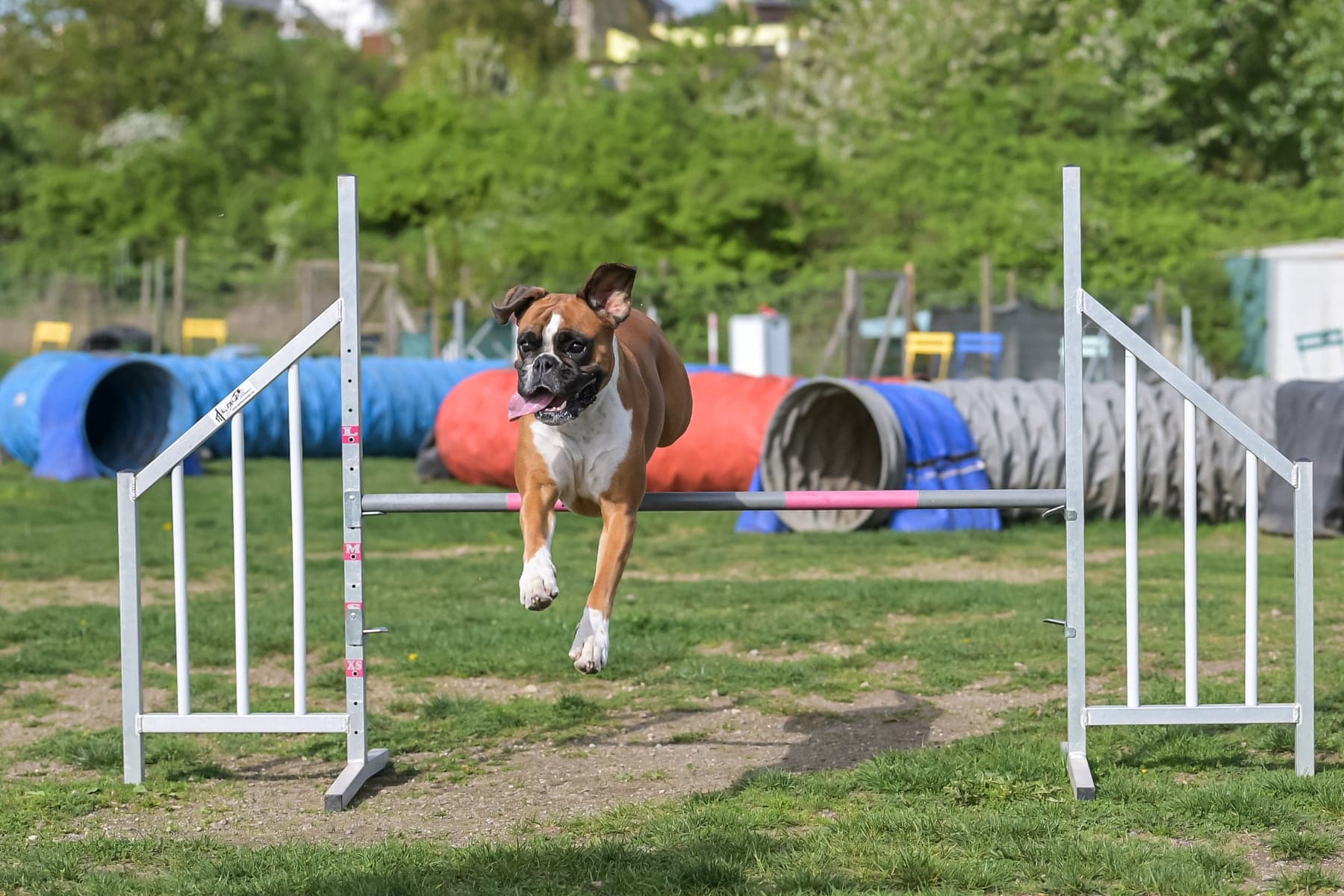
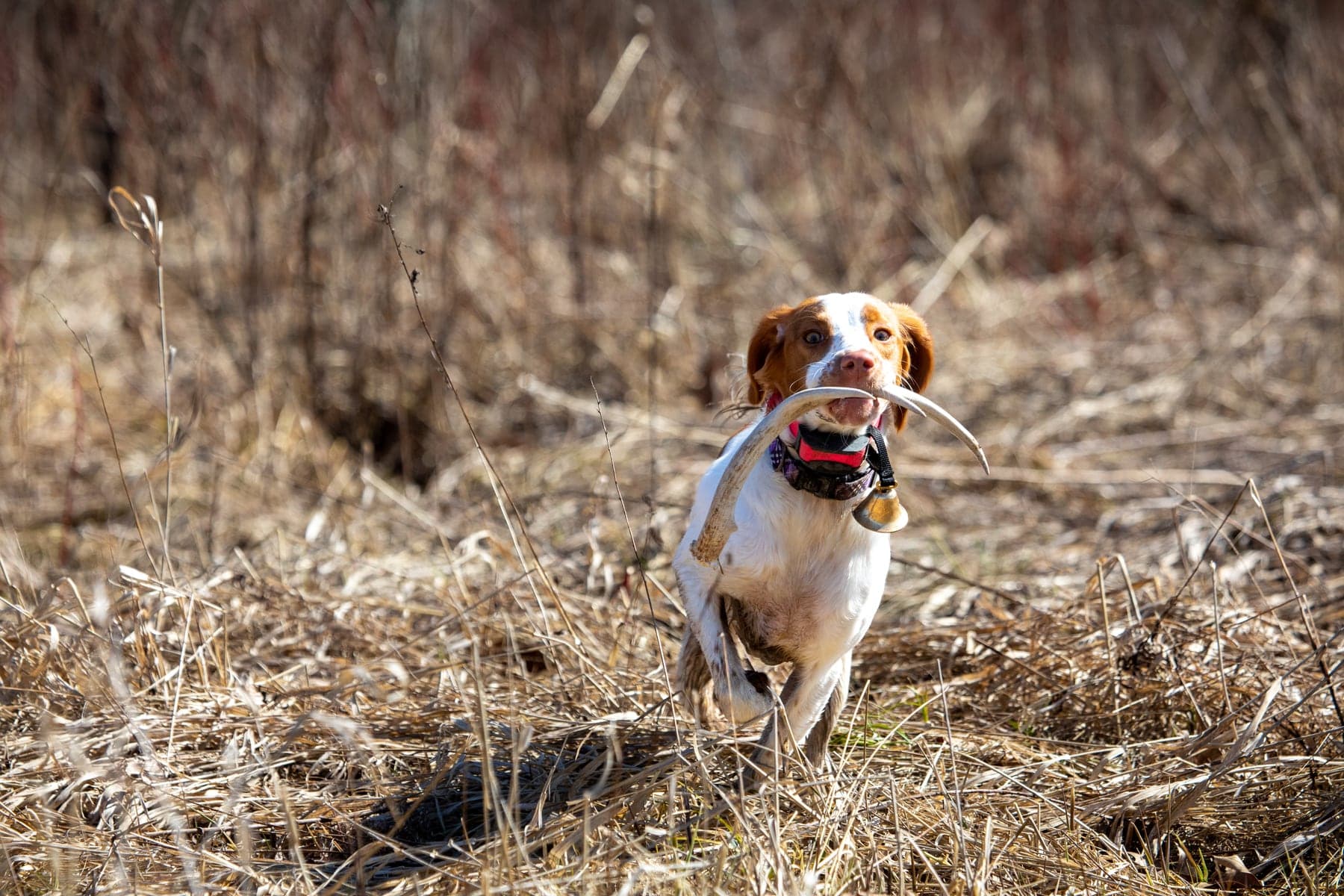
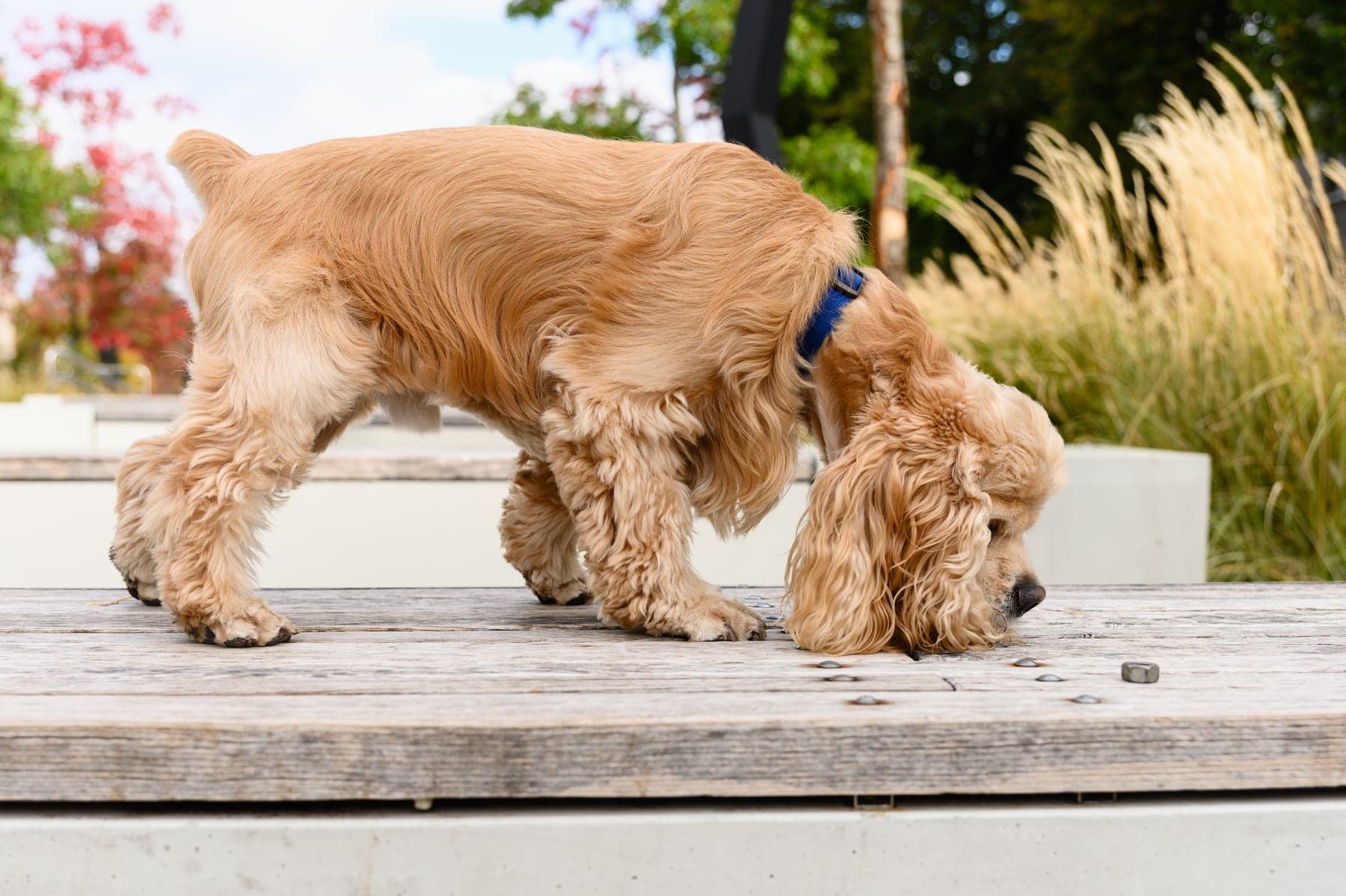
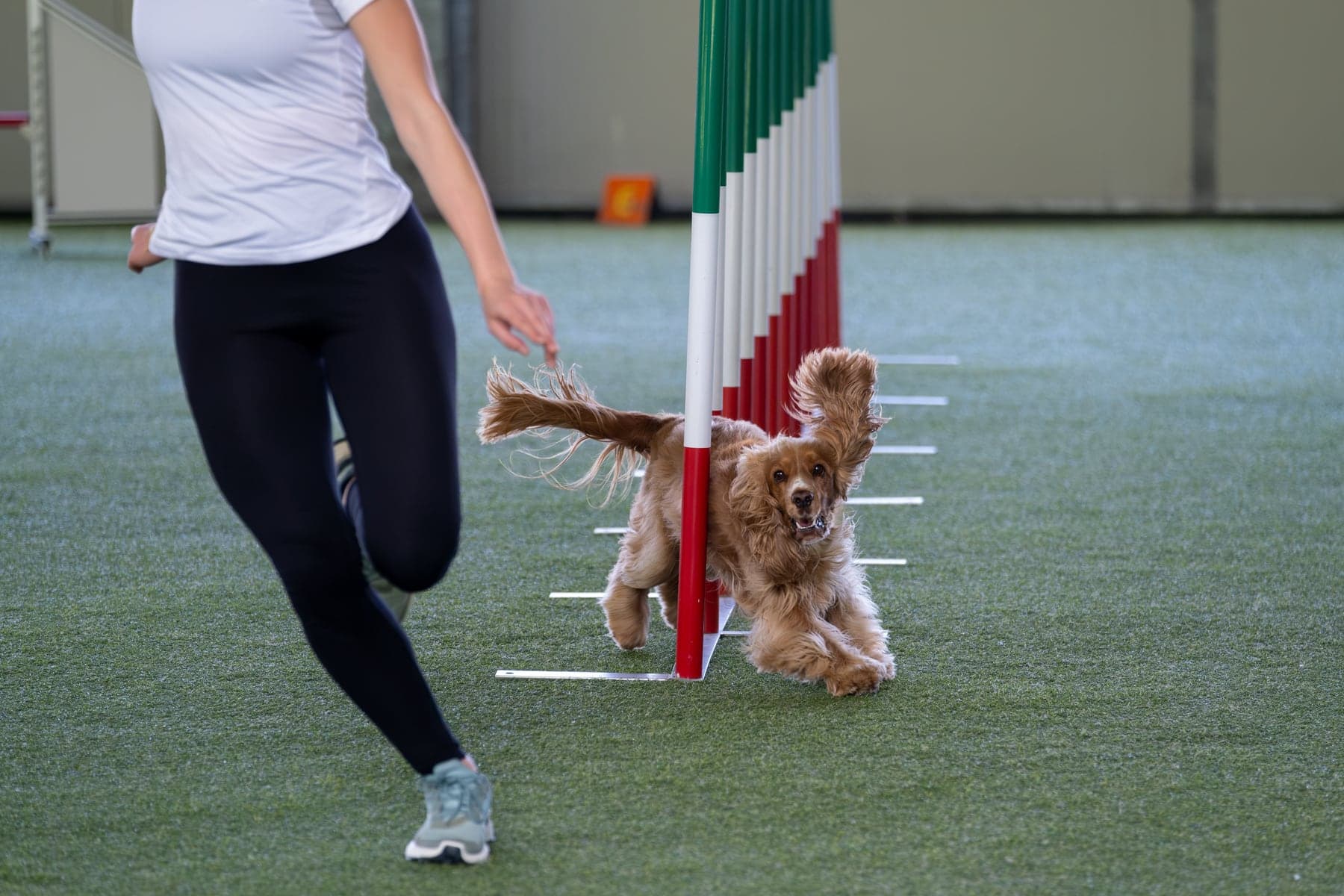
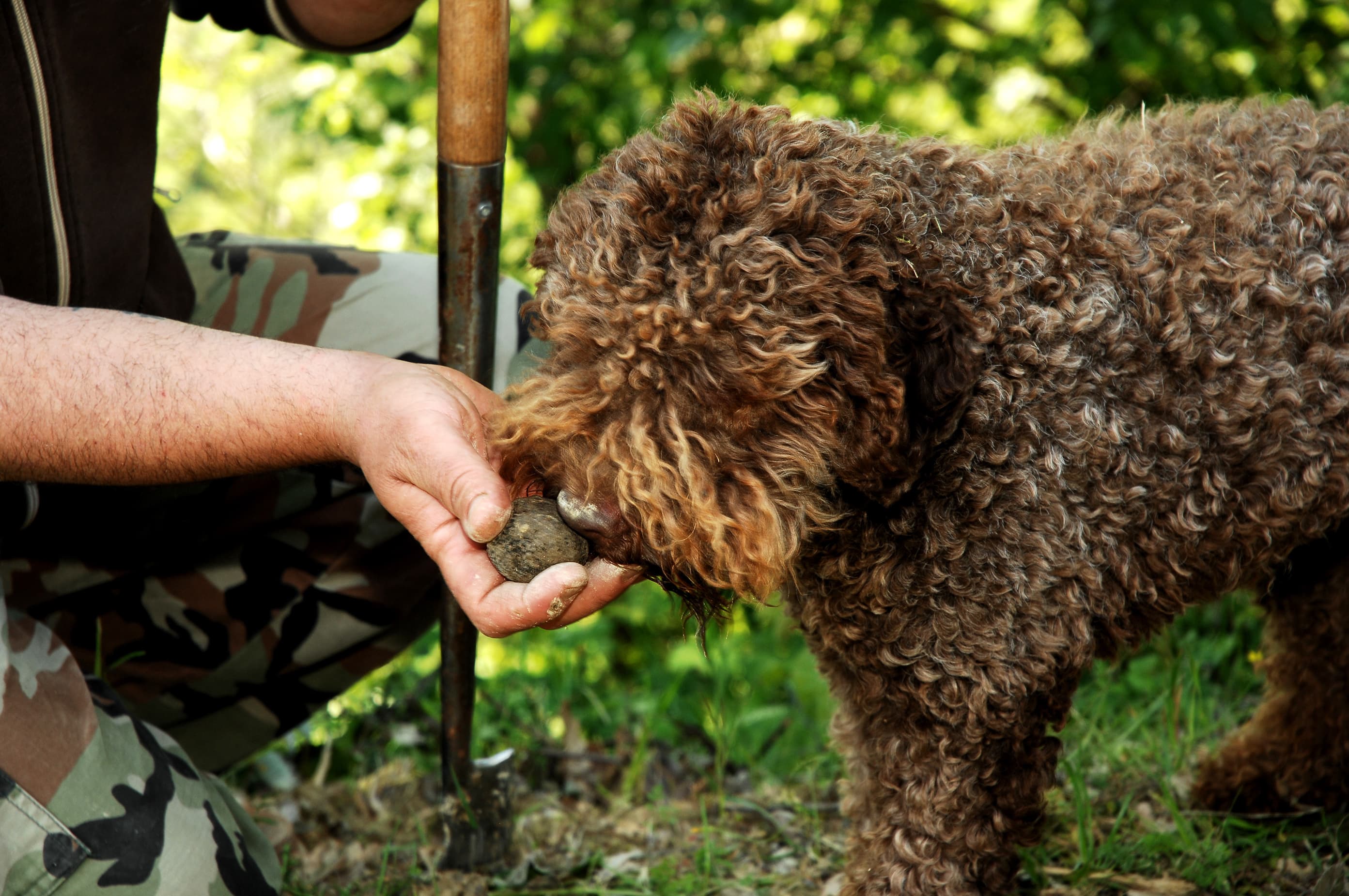
Breeds in our field guide that take naturally to dock diving — not every breed that competes, just the ones we’ve written up so far.
Sources & verification
Our Dock Diving guide is an independent, plain-English orientation — not an official rulebook. Rules, titles, eligibility, and fees vary by organization and change over time, so always confirm the specifics with the current rulebook or event premium before you enter.
Checked against
Spot something out of date? Tell us and we’ll fix it.