
Discover Hiking
Trail walking and backpacking with a dog as the working partner — no rulebook, no judges, no titles, just route planning, conditioning, leash work, and the trail.
01 · What is it
Dog hiking is trail walking or backpacking with a dog as the working partner — multi-mile, multi-hour movement on dirt, rock, root, mud, snow, or sand, with the handler managing pace, route, hydration, and safety while the dog manages footing and arousal. Most US trails require a leash, and on the trails that allow off-leash, experienced handlers still work the dog within voice control. Equipment is short and specific: a flat collar or harness, a 4–6 foot fixed or hands-free leash, water for both partners, and on rough surfaces or hot pavement, booties. Success is finishing the planned route with steady gait, normal energy, no signs of heat stress, and a clean trail behind you.
Dog hiking suits dogs with moderate-to-high cardiovascular capacity, sound joints, and stable temperaments around wildlife and other trail users. Brachycephalic dogs, dogs with orthopedic disease, and very small or very large breeds face real physical limits and are better matched to short, cool, low-grade outings than to multi-hour climbs. Reactive dogs hike, but the route choice changes — quiet single-track at off-peak hours, not the popular weekend loop. Dog hiking is the only sport in the Sporting Hound roster that is governed entirely by land managers and outdoor ethics rather than by a sanctioning body. There is no titling ladder, no qualifying score, no judge. The community standard is the trail itself.
02 · On the trail
A dog hike is structured by distance, elevation, terrain, environmental load, leash work, and (optionally) carried weight. There are no obstacles to clear and no judge watching. The work is route management plus active monitoring of the dog from trailhead to trailhead.
03 · Land managers
Dog hiking has no sanctioning body. The entities that actually shape what hiking with a dog looks like in the United States are the land-management agencies — the National Park Service, the US Forest Service, state park systems, and county and city park departments — each with its own rules on where dogs are allowed, how they must be leashed, and what's prohibited. Where you live and where you drive determines what your dog hiking looks like more than any trainer or program does.
04 · AKC FIT DOG
AKC FIT DOG is the only widely available program that recognizes hiking miles for any titling purpose, and even FIT DOG is a fitness-recognition program rather than a hiking sport. There is no judged hiking trial, no qualifying-score system, no national hiking championship. Handlers who want a paper record of the miles they've walked have FIT DOG as the primary option and a small number of breed-club pack-title programs as a more demanding alternative.
05 · Where to log
Dog hiking is the rare entry where the honest answer to 'which one fits you?' is 'none of these is a sport in the way the others are.' Land managers set what's allowed. AKC FIT DOG offers fitness recognition. Everything else is the trail and your training. Three options for how a hiking team can position itself.
| No registration | AKC FIT DOG | Breed-club pack | |
|---|---|---|---|
| What it is | Hike where dogs are allowed, follow land-manager rules | Activity-log recognition for documented walks, hikes, and events | Structured pack-dog programs recognizing loaded multi-mile hikes as title legs |
| What it gets you | A dog and a handler who hike. No certificate. No record beyond your own | A FIT DOG title on AKC paperwork. Cumulative fitness recognition, not specific trail achievement | Breed-club pack title (Pack Dog, Working Pack Dog) tied to distance and load standards |
| What it costs | Local park fees + gear | AKC registration / Canine Partners (~$35); event entries $20+ | Club membership + event fees + gear |
| Who it suits | Most dog hikers. The default, and a perfectly good one | Handlers who want hiking documented; AKC-system dogs; families using FIT DOG events as motivation | Working-breed owners whose clubs run the program and want loaded hiking documented |
Titles do not transfer between systems. A FIT DOG title is a FIT DOG title. A breed-club Pack Dog title is a breed-club Pack Dog title. Neither converts to the other, and there is no master 'trail dog' credential that consolidates either. The trail itself is the only thing all three options share.
06 · Getting started
Most handlers start dog hiking by extending neighborhood walks onto easy local trails, then building distance and difficulty as the team's fitness allows. There is no introductory class to take, no club membership to chase. What changes the trajectory is foundation work on leash skills, recall, and trail etiquette, plus a deliberate conditioning ramp for both dog and handler.
07 · Trail day
A dog hike has no check-in desk, no briefing, no running order, no scoring table. The 'event' is the team and the route. Atmosphere ranges from contemplative on a low-traffic forest trail to chaotic on a popular weekend loop near a metro area. Most of the work is environmental management: terrain, temperature, encounters, and the handler's own attention.
08 · What it costs
Dog hiking is one of the lower-cost entry points among the Sporting Hound sports because there are no entry fees, no trial premiums, no organization dues, and no specialized equipment beyond the basics. Where the cost actually lives is in gear, vehicle access to trailheads, and (for serious teams) optional veterinary, conditioning, and travel investments.
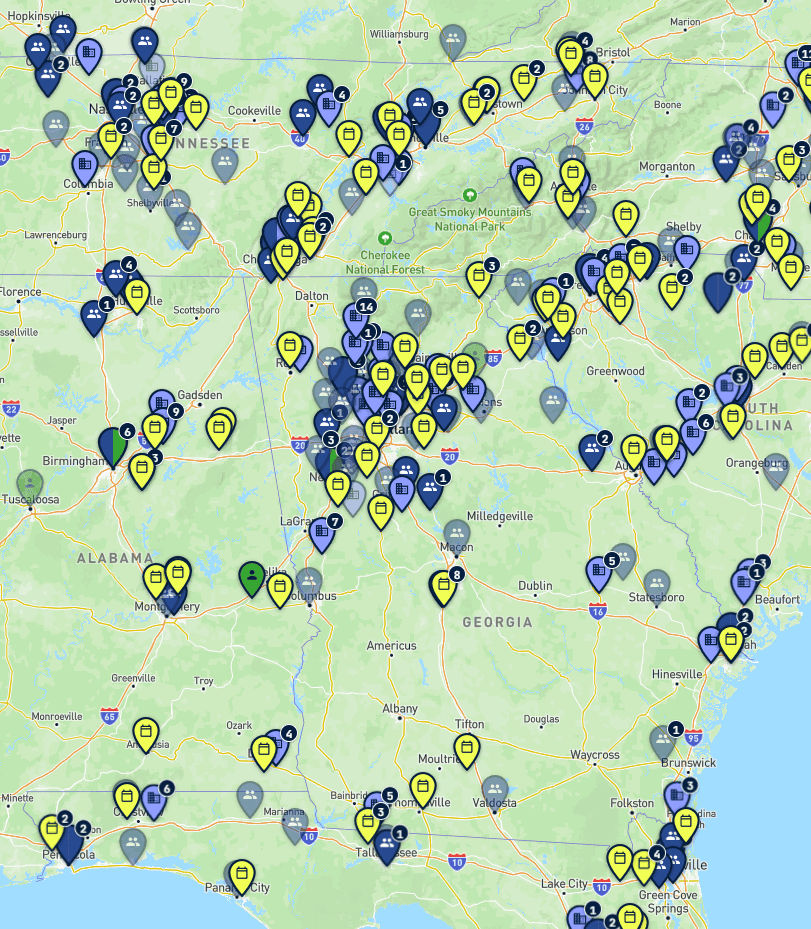
Find dog hiking near you.
Made for dog hiking.
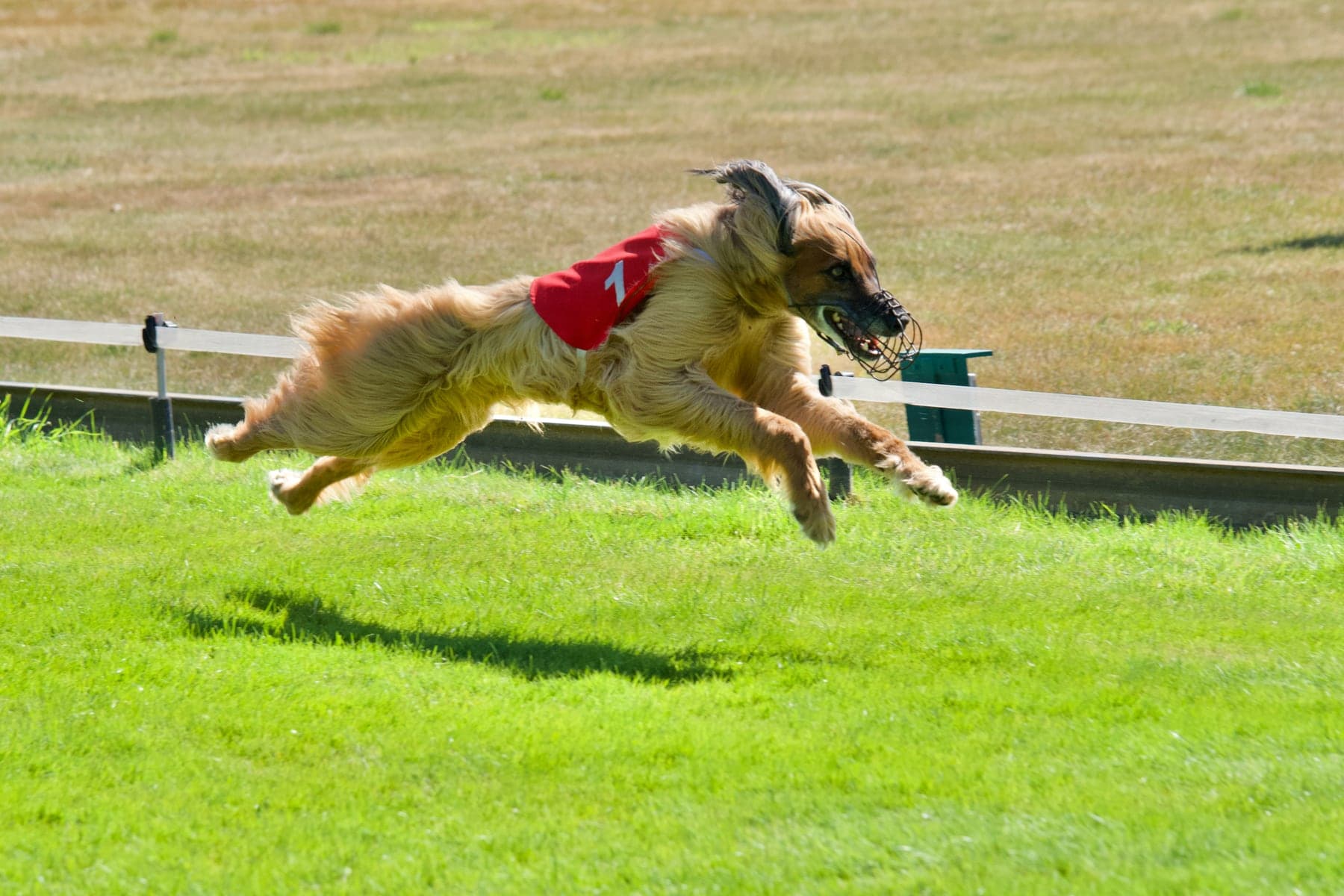
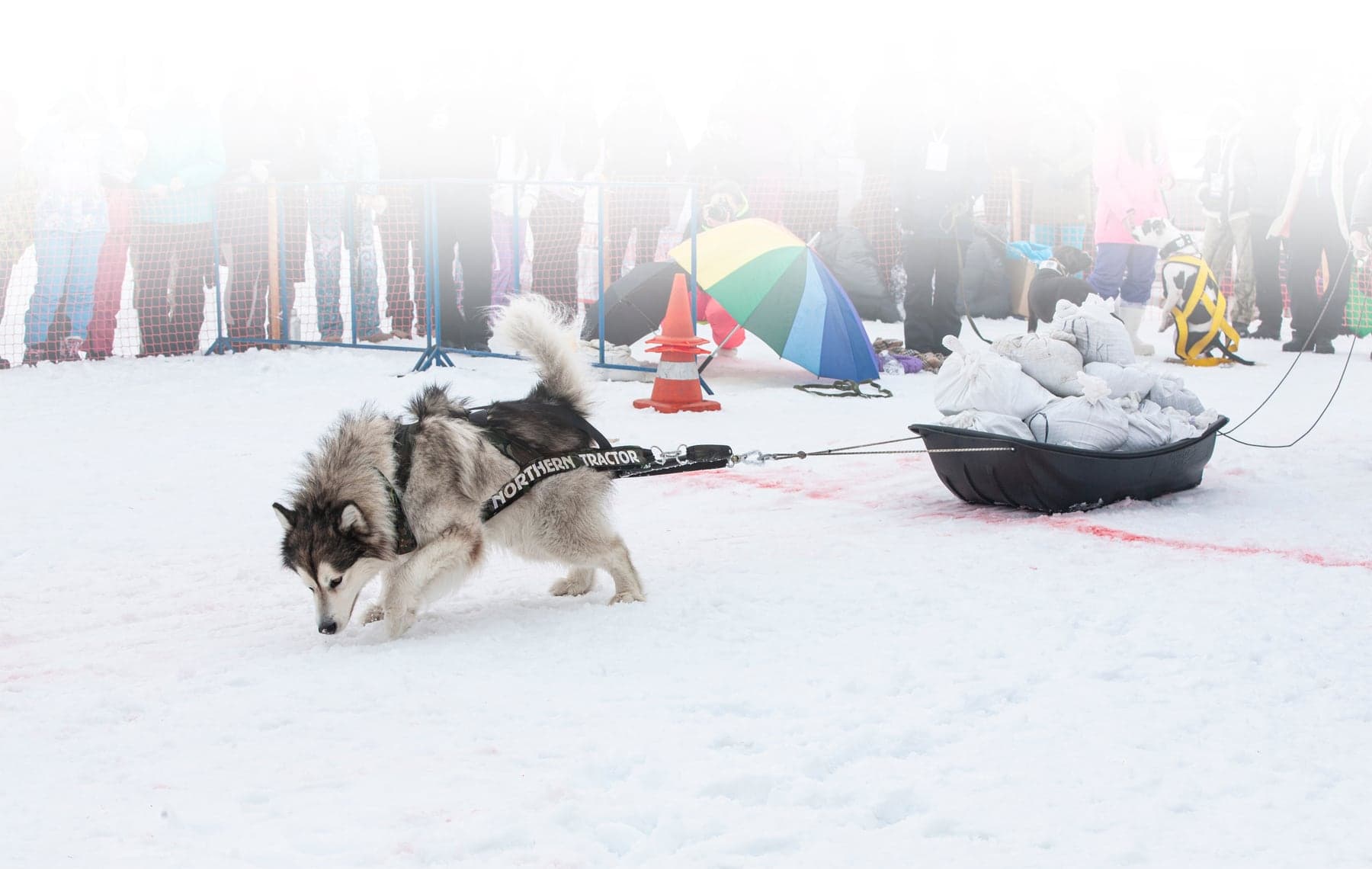
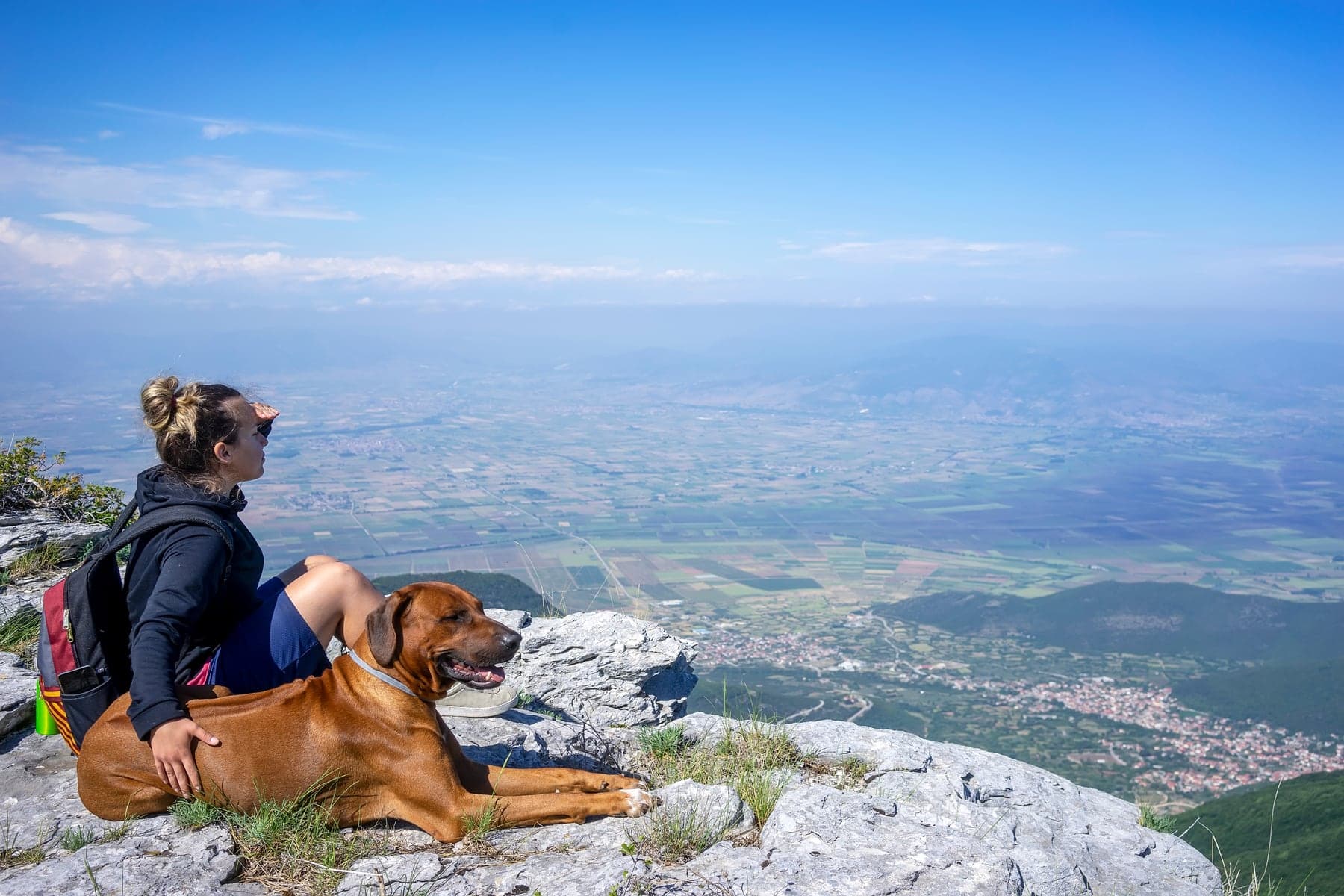
Breeds in our field guide that take naturally to dog hiking — not every breed that competes, just the ones we’ve written up so far.
Sources & verificationLast reviewed May 2026
Our Dog Hiking guide is an independent, plain-English orientation — not an official rulebook. Rules, titles, eligibility, and fees vary by organization and change over time, so always confirm the specifics with the current rulebook or event premium before you enter.
Checked against
Spot something out of date? Tell us and we’ll fix it.