Photo · AI generated · Sporting Hound
Discover Happy Ratters
An indoor, urban-alley rat-hunting sport — boxes, barrels, tunnels, bridges, and burrows on a clean floor. Open to any breed or mix six months and older.
01 · What is it
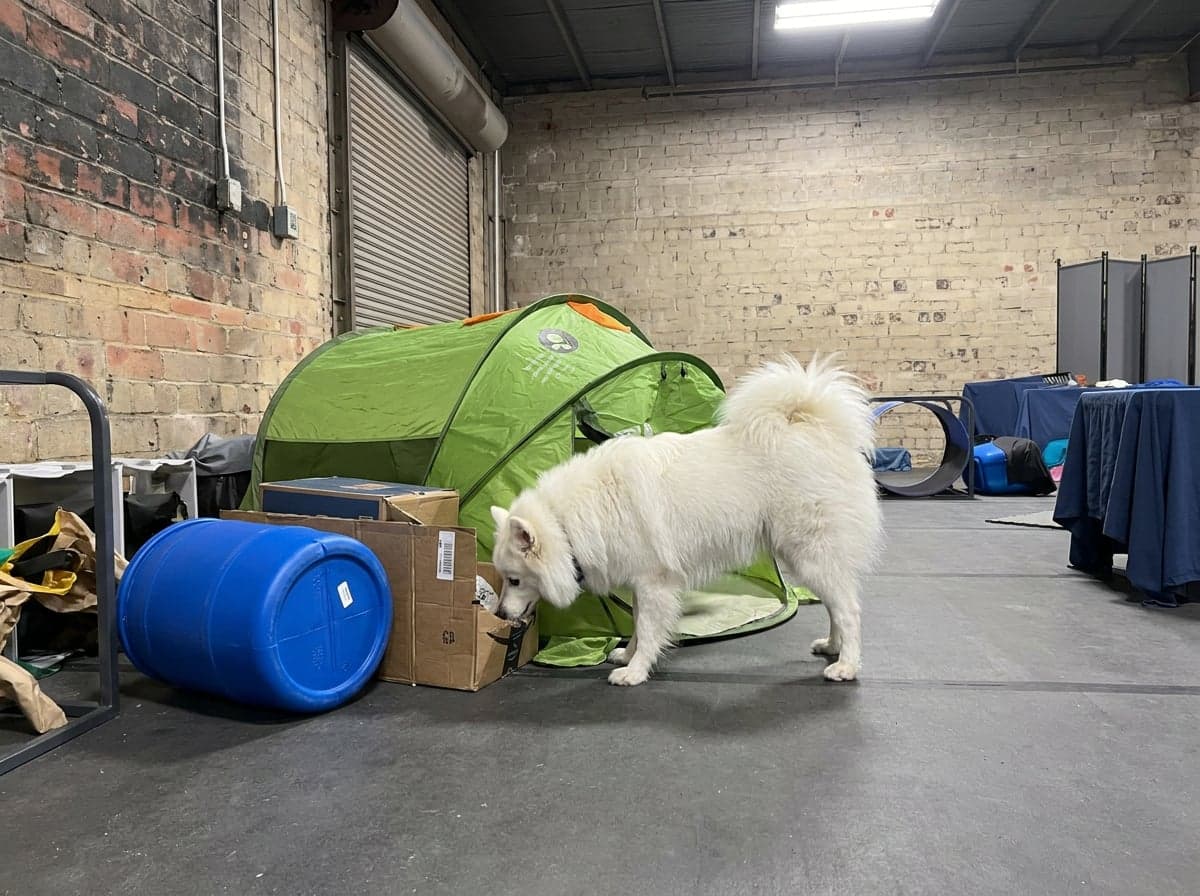
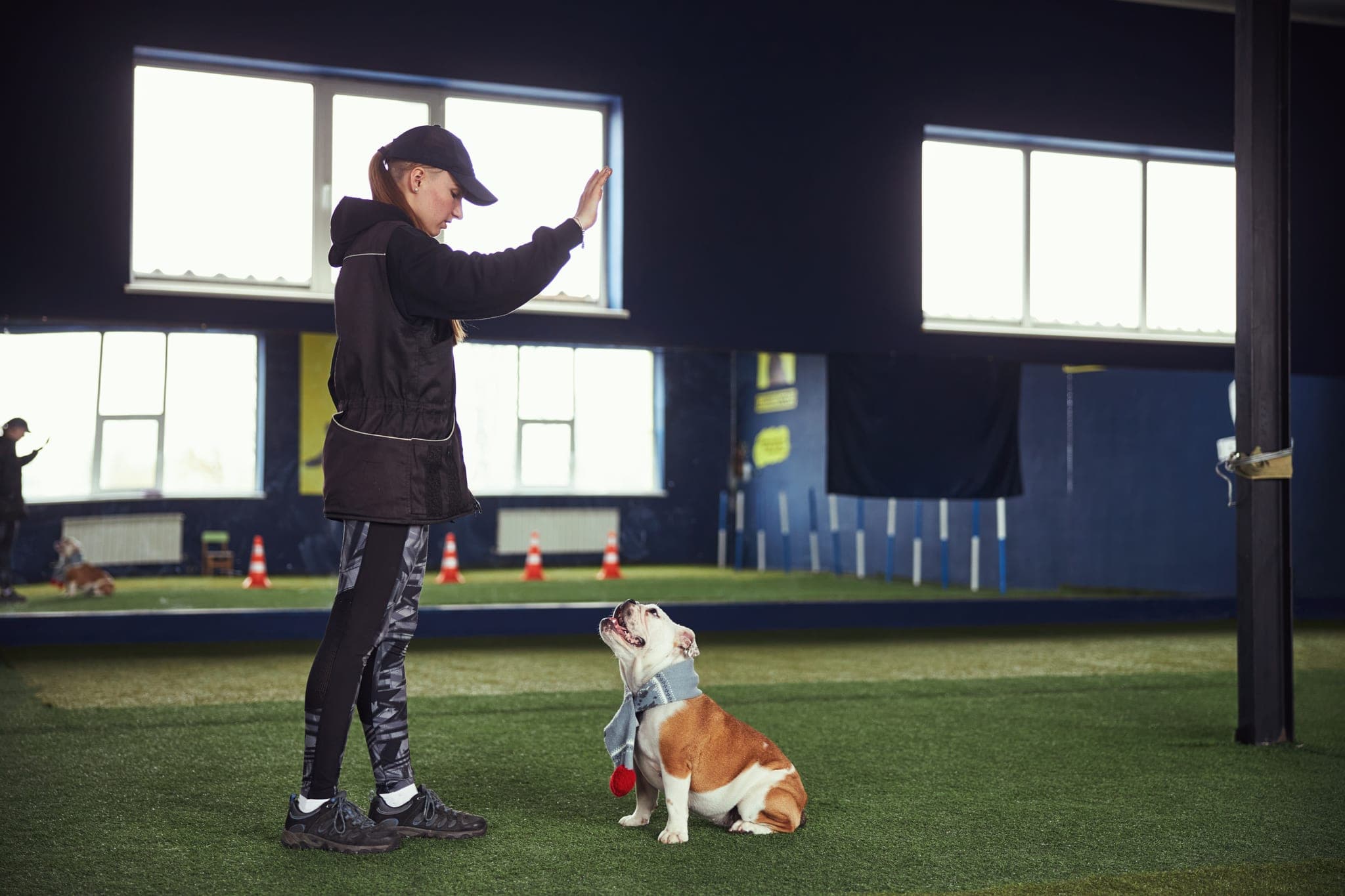
Happy Ratters is an indoor scent and search sport. Dogs work off-leash through an 'urban alley' — boxes, barrels, tunnels, bridges, and burrows on a clean indoor floor, no straw — searching for live rats housed in secure, ventilated tubes. The dog locates the rat tubes; the handler verbally calls each find. Bridges and burrows add bonus points; some advanced classes and games add a 'call clear' bonus for correctly declaring all rats found before time expires.
Any breed or mixed breed six months or older can compete with a Happy Ratters registration. Runs are one-dog-in-the-ring, which is why community handlers describe the sport as workable for behaviorally managed reactive dogs that can be safely crated between runs. The rulebook puts rat welfare at the center of every requirement: secure containment, clean materials, controlled access, no tapping or crowding the tubes.
02 · The elements
A standard run is a timed search inside a defined ring. The dog locates one or more rat tubes among empty and litter tubes, and may also complete a bridge and a burrow for bonus points. The handler reads the dog, calls each rat find, and in some classes calls 'clear' when all rats are accounted for. Every standard run is scored out of 100 possible points.
03 · Happy Ratters
All official Happy Ratters trials, rules, and titles run through Happy Ratters (HappyRatters.com). No competing US sanctioning body uses an alternative rule set. One rulebook, one title ladder, one registry. Happy Ratters frames its philosophy as a fun, positive, safe environment for urban vermin hunting, with rat welfare as the central design constraint.
04 · Games library
Games are standalone title tracks that sit alongside the core ladder. They modify the search constraint — restrict handler movement, drop bridges and burrows, scale the rat count without telling the handler, or add a partner dog — and reward different aspects of the team's work. Most active competitors run games in parallel with their core-level entries.
05 · Barn Hunt comparison & CKC
Most newcomers arrive at Happy Ratters assuming it's 'Barn Hunt indoors.' The two share the rat-hunting lineage but they're run by different organizations, use different environments, and use different titling math. Titles do not transfer either direction. The other piece of the cross-org picture: CKC recognizes select Happy Ratters titles for pedigree purposes starting July 1, 2026 — AKC and UKC do not.
06 · Getting started
Most teams find their way in through a training facility that hosts the sport. Live rats and proper safety set-ups live at the venue, not at home — class enrollment is the realistic on-ramp. Many facilities also run Barn Hunt classes; the foundation work is similar enough that some intro classes are explicitly cross-purpose.
07 · Trial day
Trials are busy but controlled indoor events. Dogs run one at a time. Workers and judges move quickly between runs to reset props and manage the rats. Most of the day is waiting and crating; the actual time in the ring is short.
08 · What it costs
Happy Ratters runs in commercial training facilities and indoor barns rather than fairgrounds, so fees reflect facility rental and staffing. Ranges reflect 2025–2026 premiums and facility pricing rather than marketing copy.
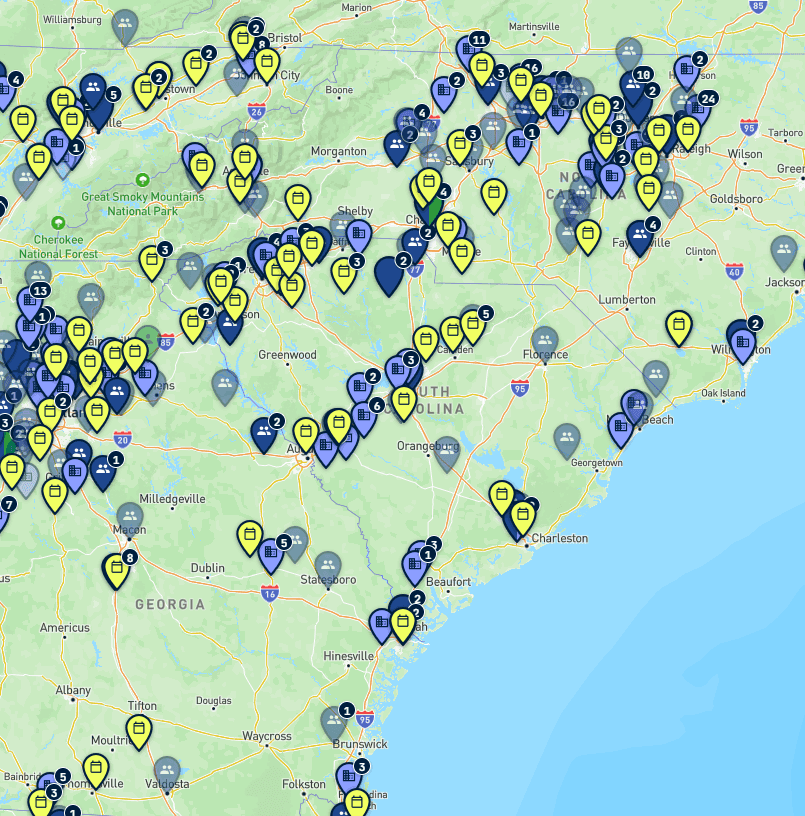
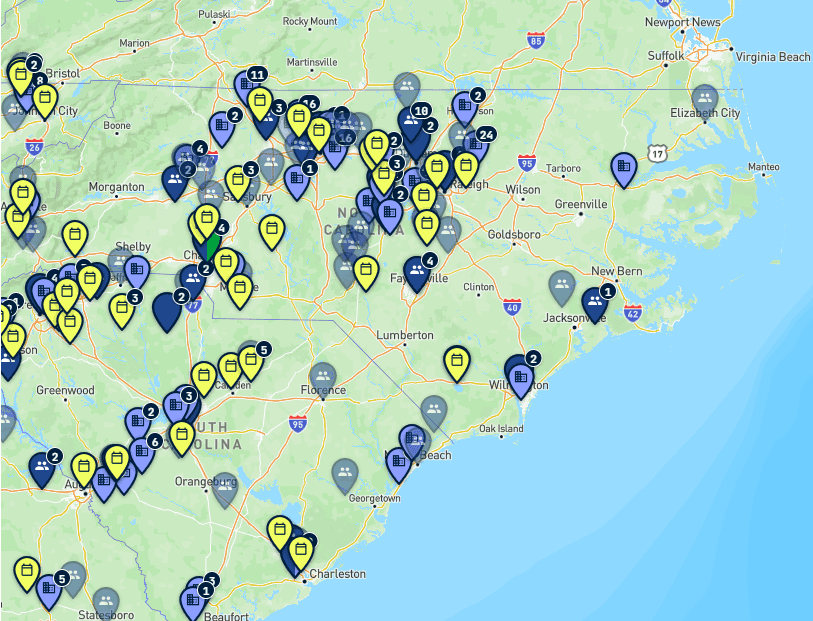
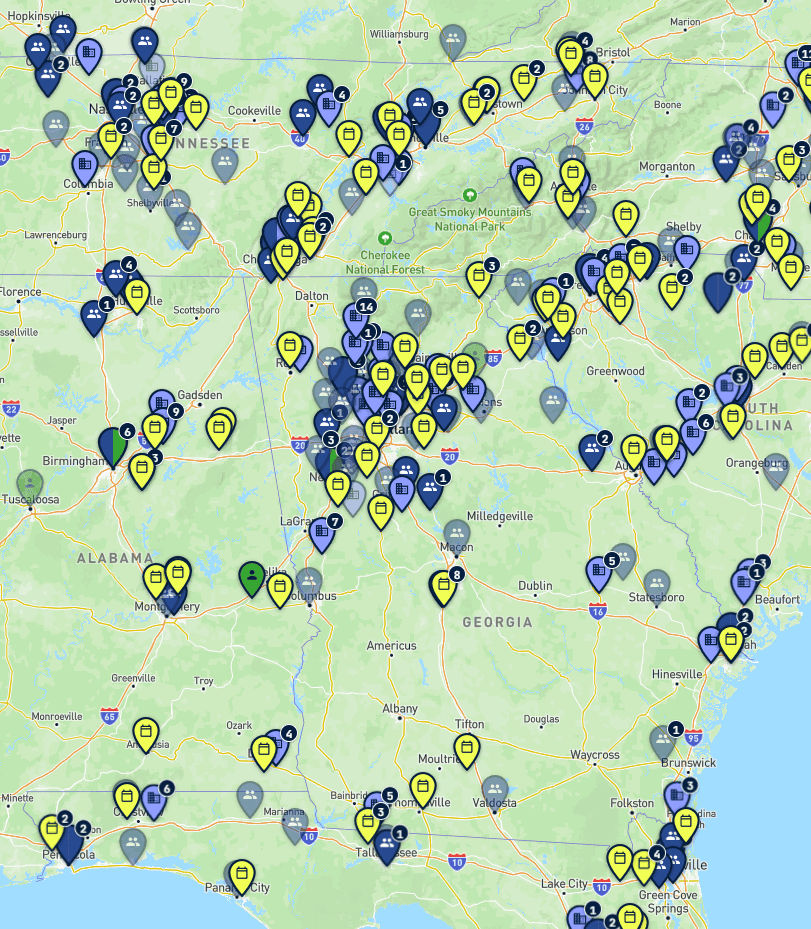
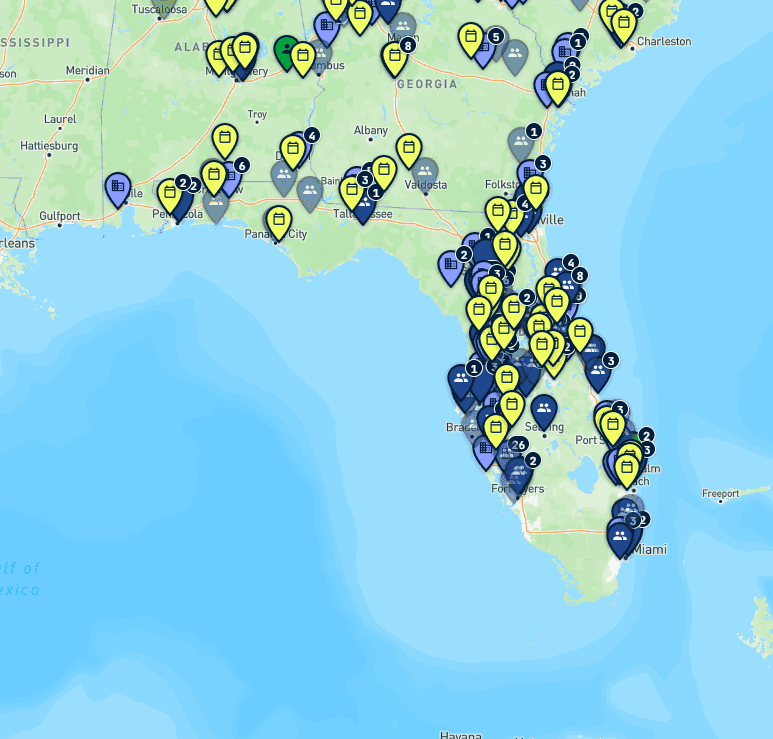
Find happy ratters near you.
Made for happy ratters.
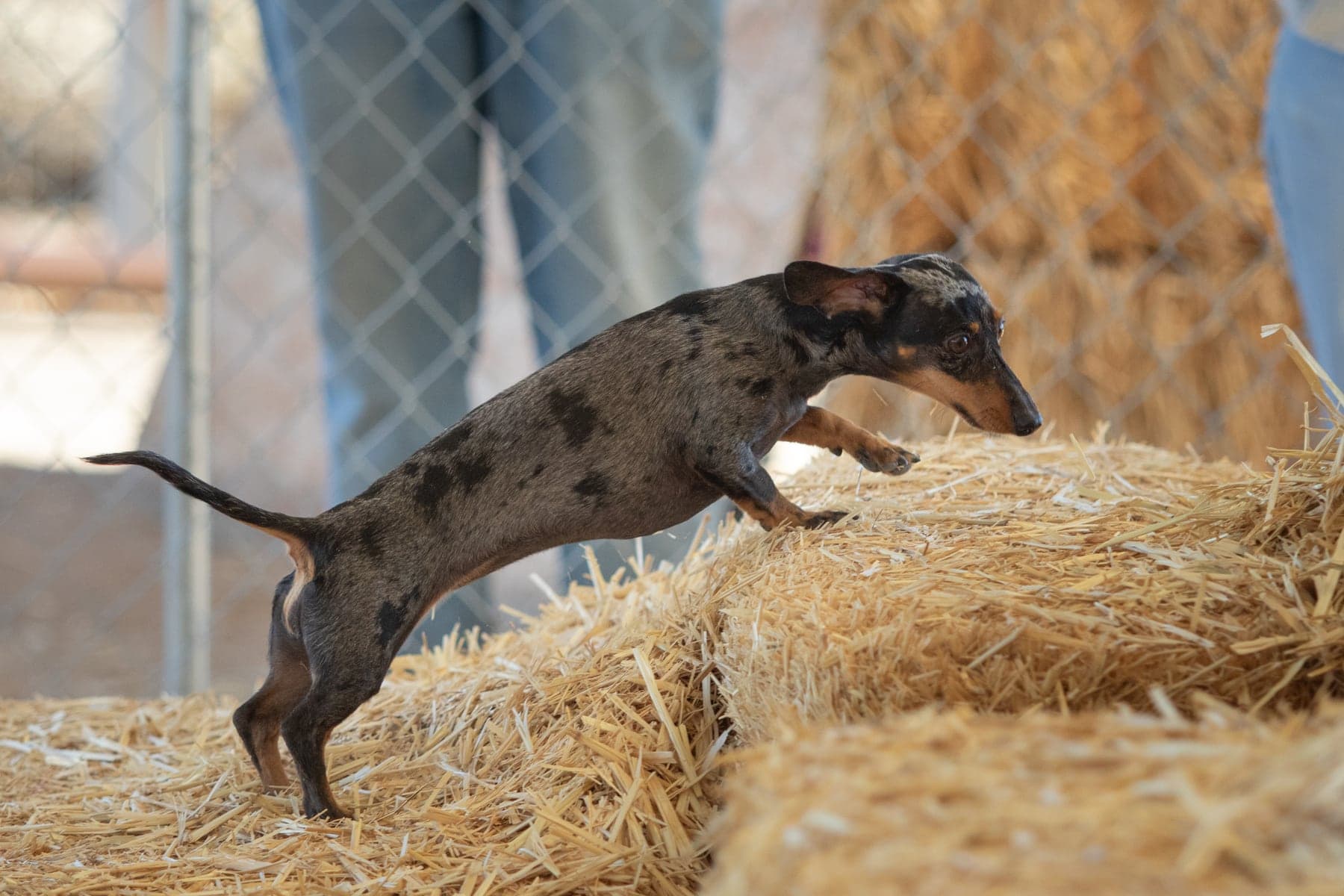
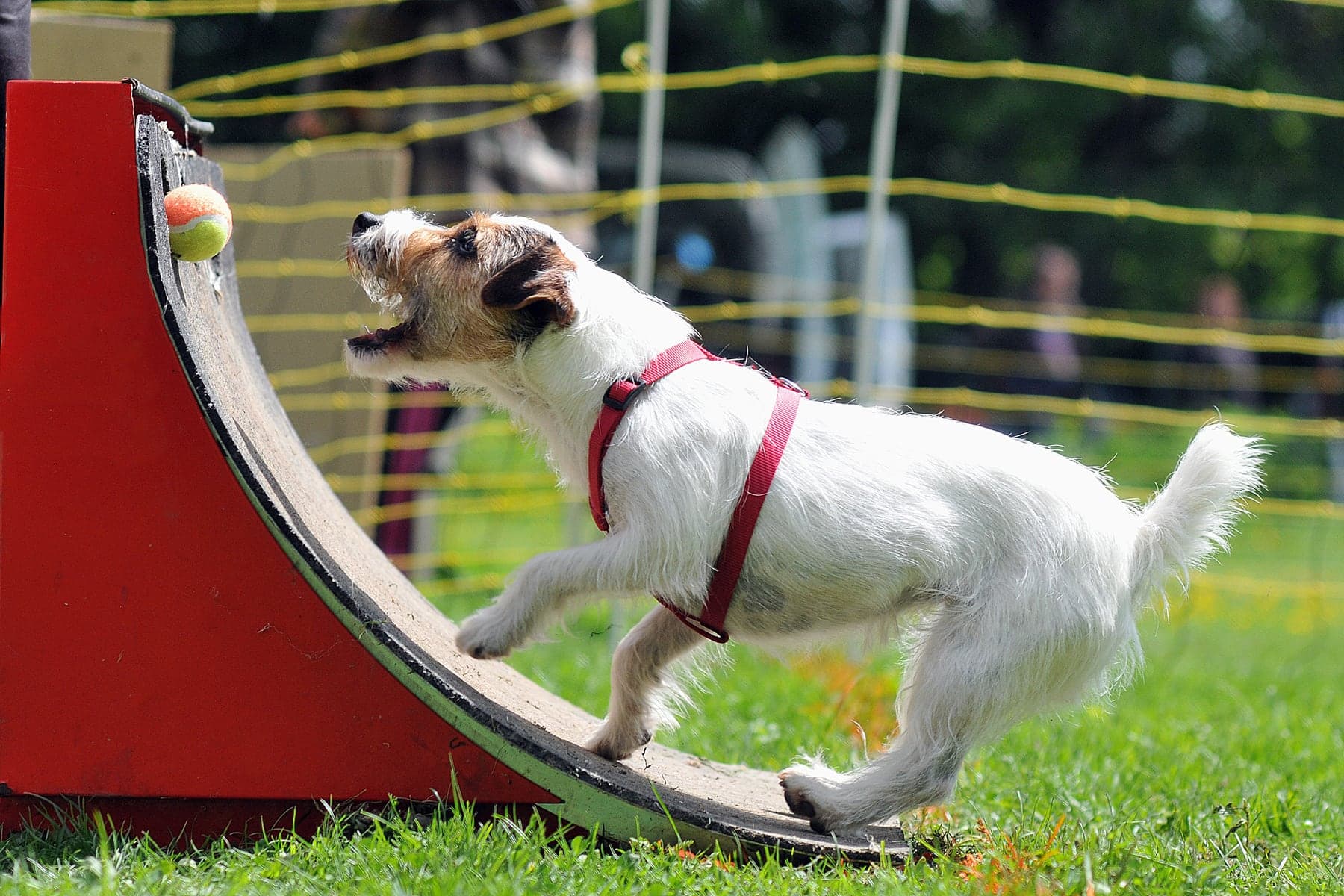
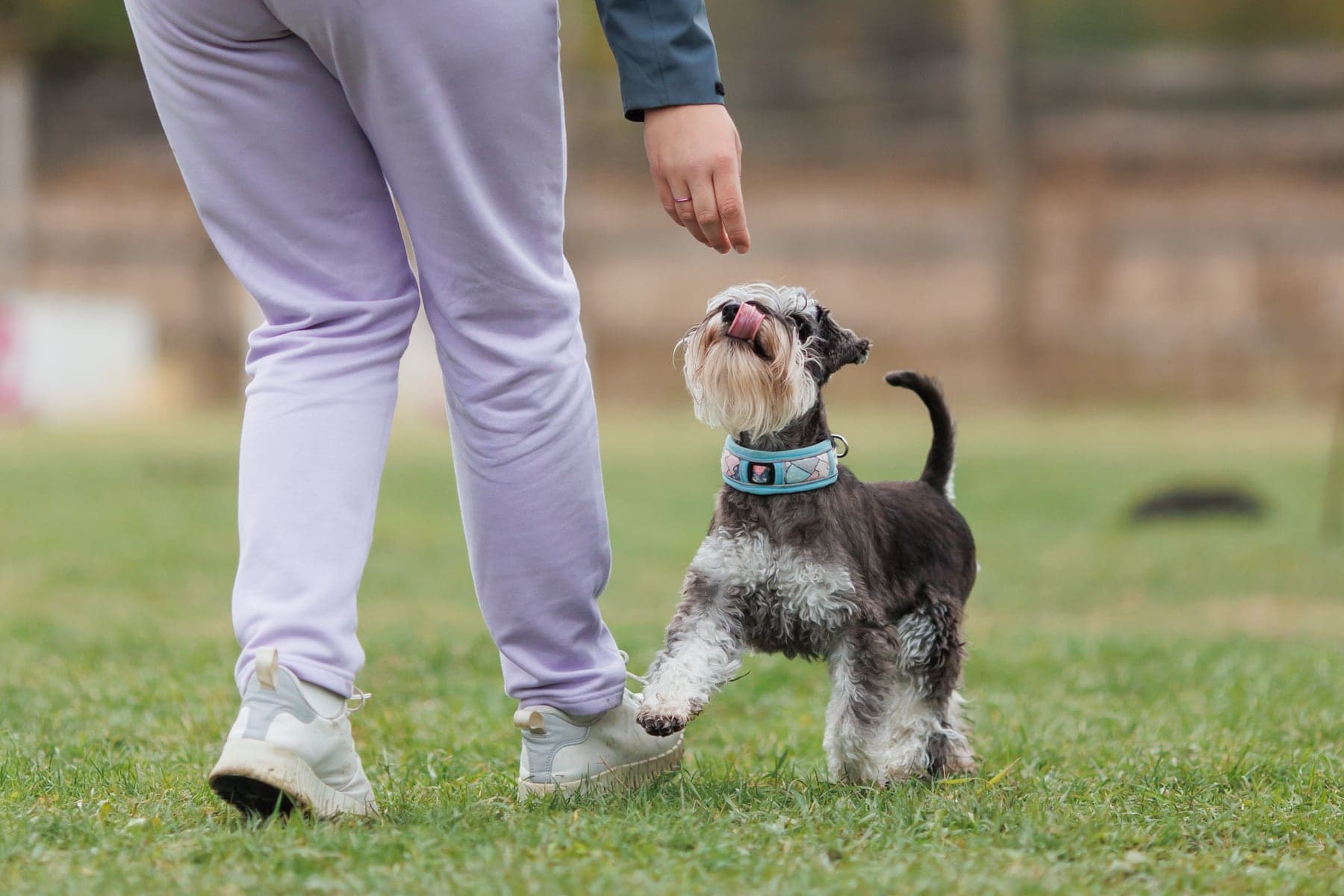

Breeds in our field guide that take naturally to happy ratters — not every breed that competes, just the ones we’ve written up so far.
Accessibility & accommodations
Who can do Happy Ratters?
Each entry below carries an evidence tier so you know how strongly we can stand behind the claim. Tier A— confirmed by the sport’s sanctioning body. Tier B— possible via the org’s accommodation process; confirm with your host club before entering. Tier C — based on sport mechanics rather than org policy; ask your host club.
Senior dogs
Tier AHappy Ratters explicitly welcomes senior dogs. The indoor flat-floor format, brief rat-find runs, and the org's 'any dog can try ratting' philosophy make it one of the more senior-accommodating sports.
Deaf dogs
Tier APer the org: deaf dogs can participate. The handler stays close throughout each run and the dog works by scent, so audio cues aren't a barrier.
Tripod dogs (three legs)
Tier BMay be possible — The org's broad accessibility framing welcomes dogs of all abilities. No tripod-specific statement found, but the flat indoor floor and short bursts of activity fit well.
Based on the org's accommodation process. Confirm with the host club before entering.
Flat-faced (brachycephalic) dogs
Tier CMany handlers find — The indoor flat-floor environment is a major plus for brachy dogs — no heat exposure, no swimming, no sustained running. Brief rat-find bursts are within most brachy dogs' breathing capacity at lower levels.
Based on sport mechanics. No org-level statement found; ask the host club.
Blind dogs
Tier APer the org: blind dogs can participate. The work is scent-driven; handlers may need to advocate against attempting the climb/bridge/burrow bonus elements at higher levels.
Wheelchair / cart dogs
Tier APer the org: at least one wheelchair-using dog has participated. Meaningful participation is at the Ratter level (flat-floor rat finds); the bridge and burrow bonus elements aren't navigable in a cart, so the dog plateaus at entry-level titling.
Dogs with joint or mobility limitations
Tier AOrg guidance: 'handlers need to be their dog's advocate if the course has them climbing too high or navigating tricky tunnels beyond their current ability.' Skipping climb/bridge/burrow bonuses is fine at lower levels.

Sources & verificationLast reviewed May 2026
Our Happy Ratters guide is an independent, plain-English orientation — not an official rulebook. Rules, titles, eligibility, and fees vary by organization and change over time, so always confirm the specifics with the current rulebook or event premium before you enter.
Checked against
Spot something out of date? Tell us and we’ll fix it.