Discover Herding
A working-dog sport where dogs gather, drive, pen, and shed live sheep, ducks, or cattle through field and arena courses — the closest most handlers will get to the centuries-old shepherd's job.
01 · What is it
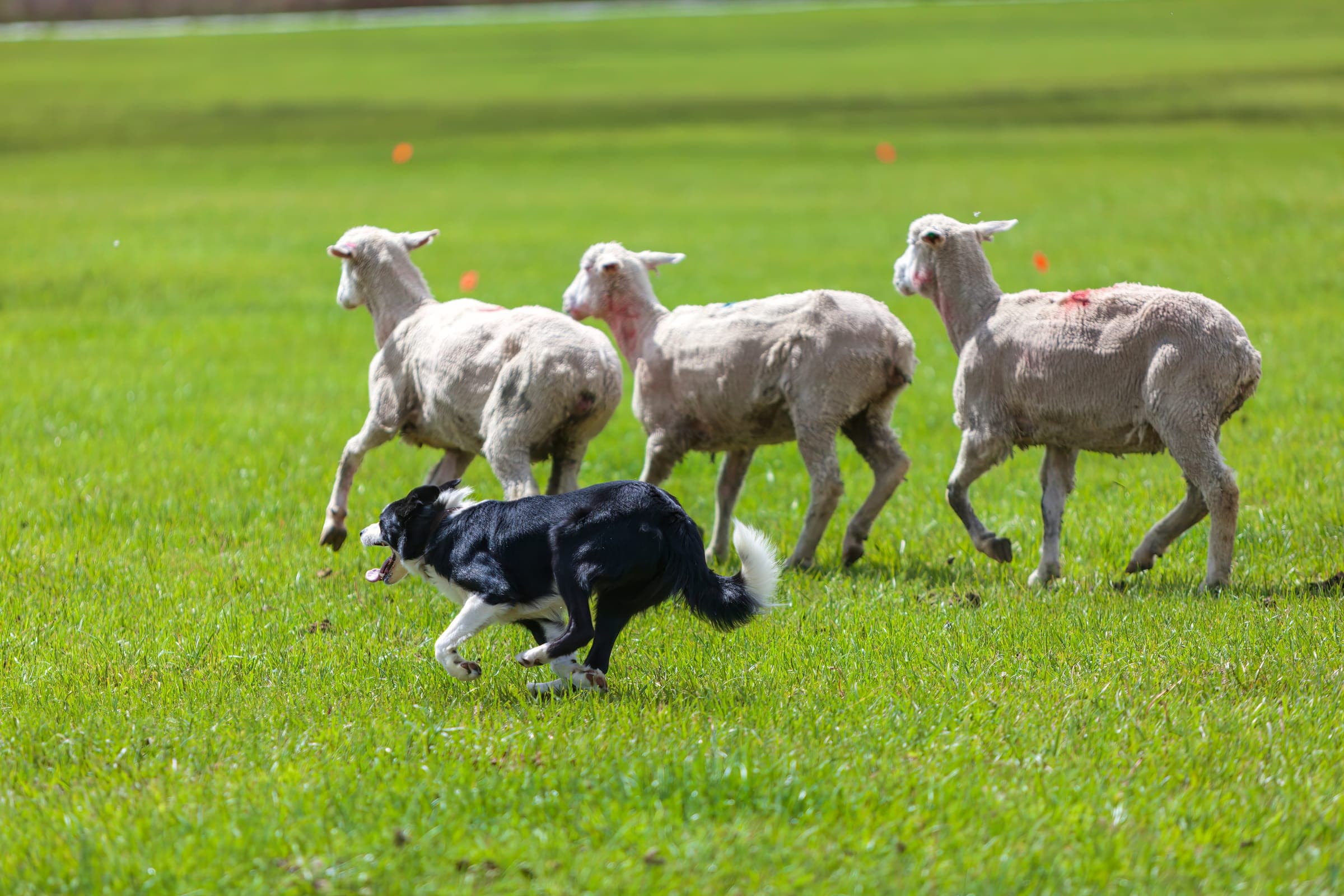
Herding and stockdog trials evaluate a dog and handler moving live sheep, ducks, or cattle through a prescribed course of obstacles and tasks. Most courses begin with the dog at the handler's side and the stock set out at a distance. The dog is sent on an outrun to gather, lifts the stock without scattering them, and fetches them back through panels or gates. From there the work expands into driving stock away from the handler, penning into a small enclosure, and at higher levels shedding — separating specific animals from the group on cue. Courses range from arena-style work in a fenced ring to large field trials with outruns of several hundred yards. Most of the work is off-leash. Handlers cue with whistles, voice, and body position, and judges score on stock-handling quality, line accuracy, calm, and the dog's responsiveness — usually within a time limit.
Herding suits high-drive, livestock-keen dogs that can balance intensity with self-control. Most successful trial dogs are medium-sized, agile, and able to handle quick changes of direction on uneven ground, though larger and smaller dogs compete where the rules allow. The sport is harder on people than on dogs — handlers spend years learning to read stock, time their commands, and walk the line between under-handling and pushing the dog into the work. Reactivity to people or other dogs is a real obstacle: trials run in close quarters with stock owners, set-out crews, and other competing teams, and dogs that can't be safely managed around livestock and other dogs are not appropriate for trial settings. Reactivity adds work, not options.
02 · How a run works
Course design varies by organization, class, and venue, but most herding runs draw from the same set of working tasks. Beginner-level tests evaluate basic interest in stock and emerging control. Trial classes string together the working tasks below — with longer outruns, more obstacles, and tighter scoring as the dog moves up the levels.
03 · AKC progression
AKC herding runs through a layered structure: two pre-trial tests (HT, PT), then trial classes at Started, Intermediate, and Advanced levels across Courses A, B, C, and D, with multiple stock types (sheep, ducks, cattle). Titles are earned per course / stock-type combination — a dog can hold a Started Course A on sheep title and an Intermediate Course B on ducks title in parallel. Eligibility is restricted to AKC-recognized herding breeds and a handful of working/terrier breeds; mixed breeds are generally not eligible for AKC herding trials.
04 · ASCA progression
ASCA's Stockdog Program is rooted in Australian Shepherd working tradition but open to other breeds via ASCA registration or a Tracking Number. The program is built around three stock types — ducks, sheep, and cattle — with title abbreviations carrying a stock suffix (STDc for cattle, STDs for sheep, STDd for ducks). The Stockdog Rules were revised in June 2025; specific qualifying percentages should be confirmed against the current rulebook.
05 · All four orgs side by side
Herding in the United States runs under four major sanctioning organizations: AKC, AHBA, ASCA, and USBCHA. The two hubs above deep-dive on AKC and ASCA — the venues most newcomers enter through. AHBA and USBCHA are introduced in this comparison. Most newcomers don't pick all four; they pick the venue that fits their dog, their stock access, and the trials within driving distance. The skills transfer between venues even though the titles do not.
06 · Getting started
Herding is not a drop-in class sport. The first step is finding a trainer or facility with stock, appropriate fencing, and the experience to introduce dogs safely to live animals. Most newcomers don't self-train — reading stock and managing pressure are skills that need a mentor, and online courses are supplements at best. Entry into trialing follows a progression: foundation lessons, an instinct or capability test, then started-level trial classes once the team can work safely under varied conditions.
07 · Your first trial
Herding trials feel rural and concentrated. Spectators and handlers cluster near barns or arena edges while runs play out at a distance — long stretches of quiet observation punctuated by whistles, gate calls, and stock movement. First-time handlers often report that the day's challenge is less about the dog and more about reading stock under pressure and remembering the course while listening for the next call.
08 · What it costs
Herding's cost structure is wide. Casual handlers taking occasional lessons spend at the low end; serious trial competitors with frequent travel and clinic schedules spend several times that. Costs concentrate in three places: per-run entry fees, ongoing lessons or clinics, and travel to rural venues.
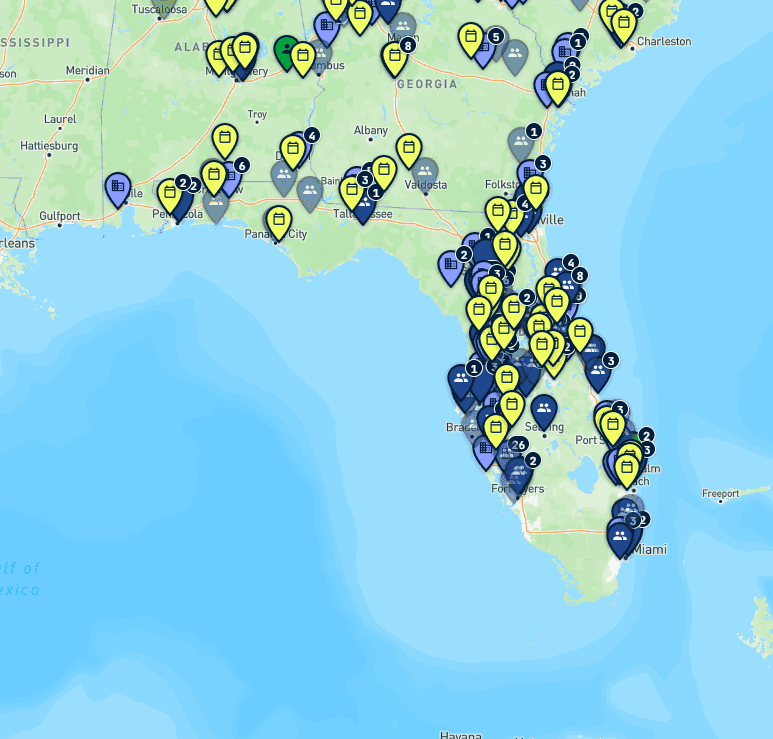
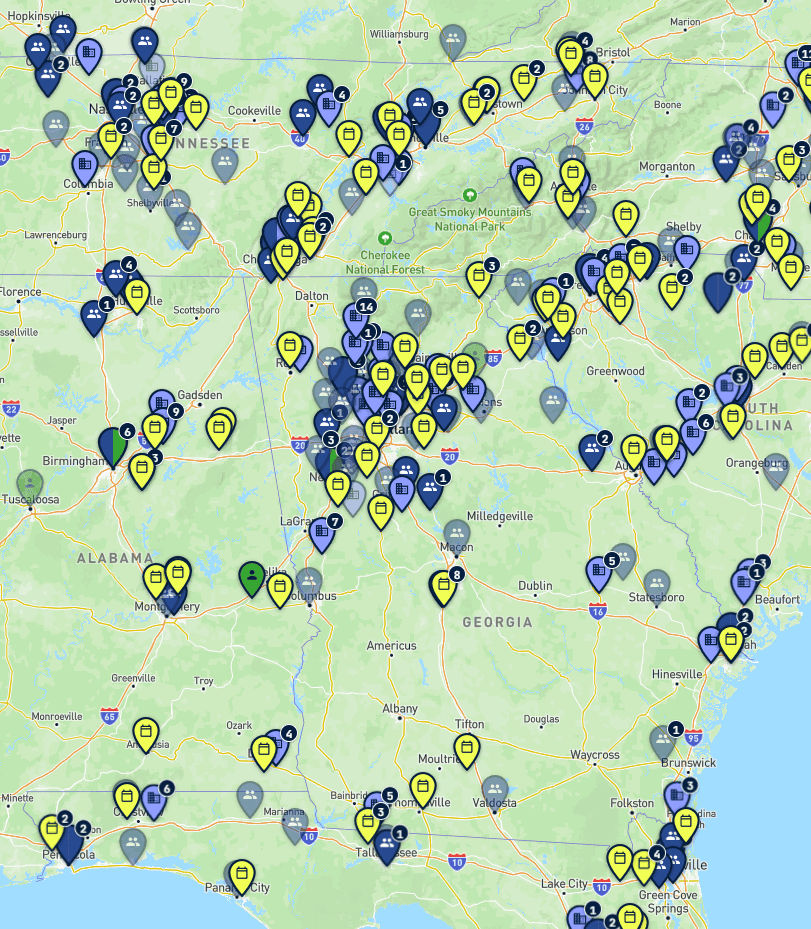
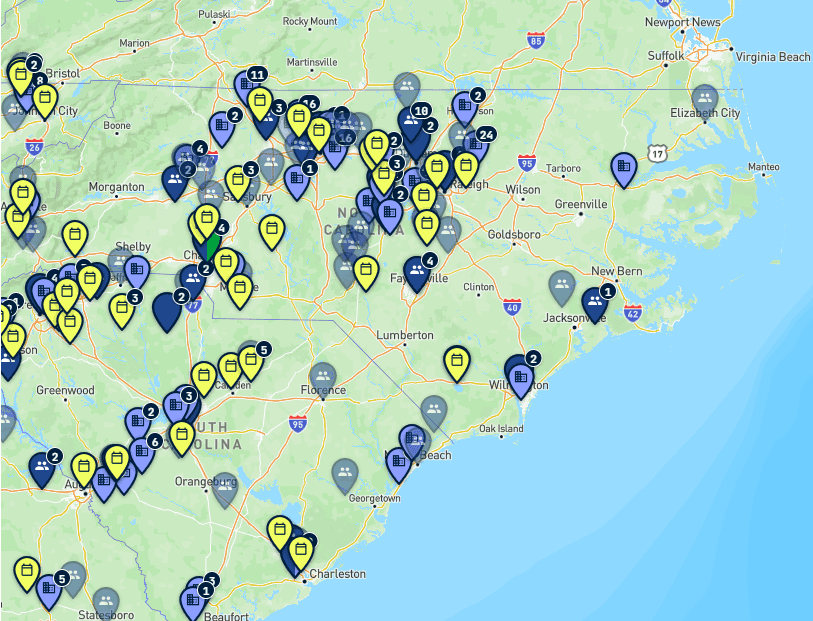
Find herding near you.
Made for herding.
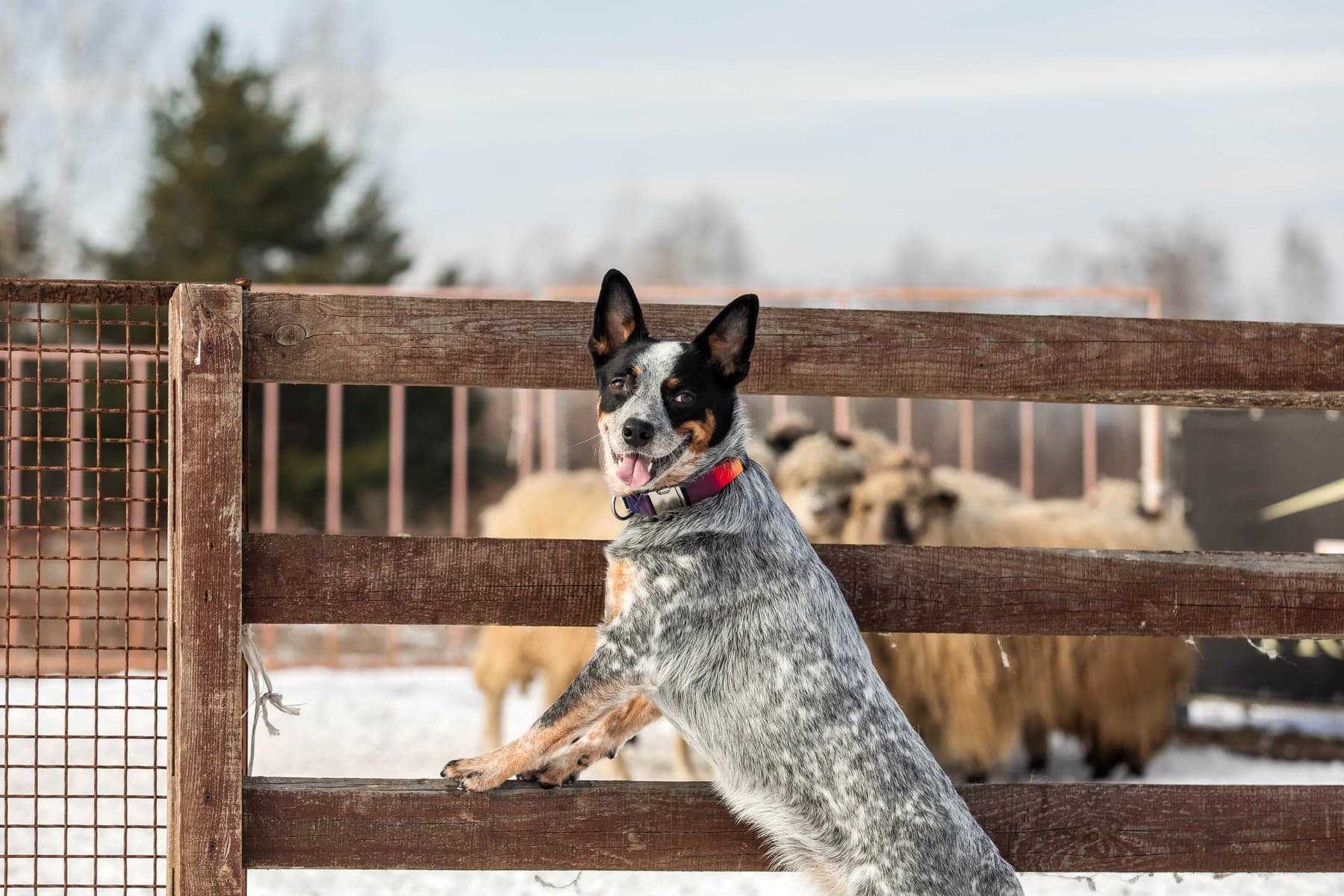
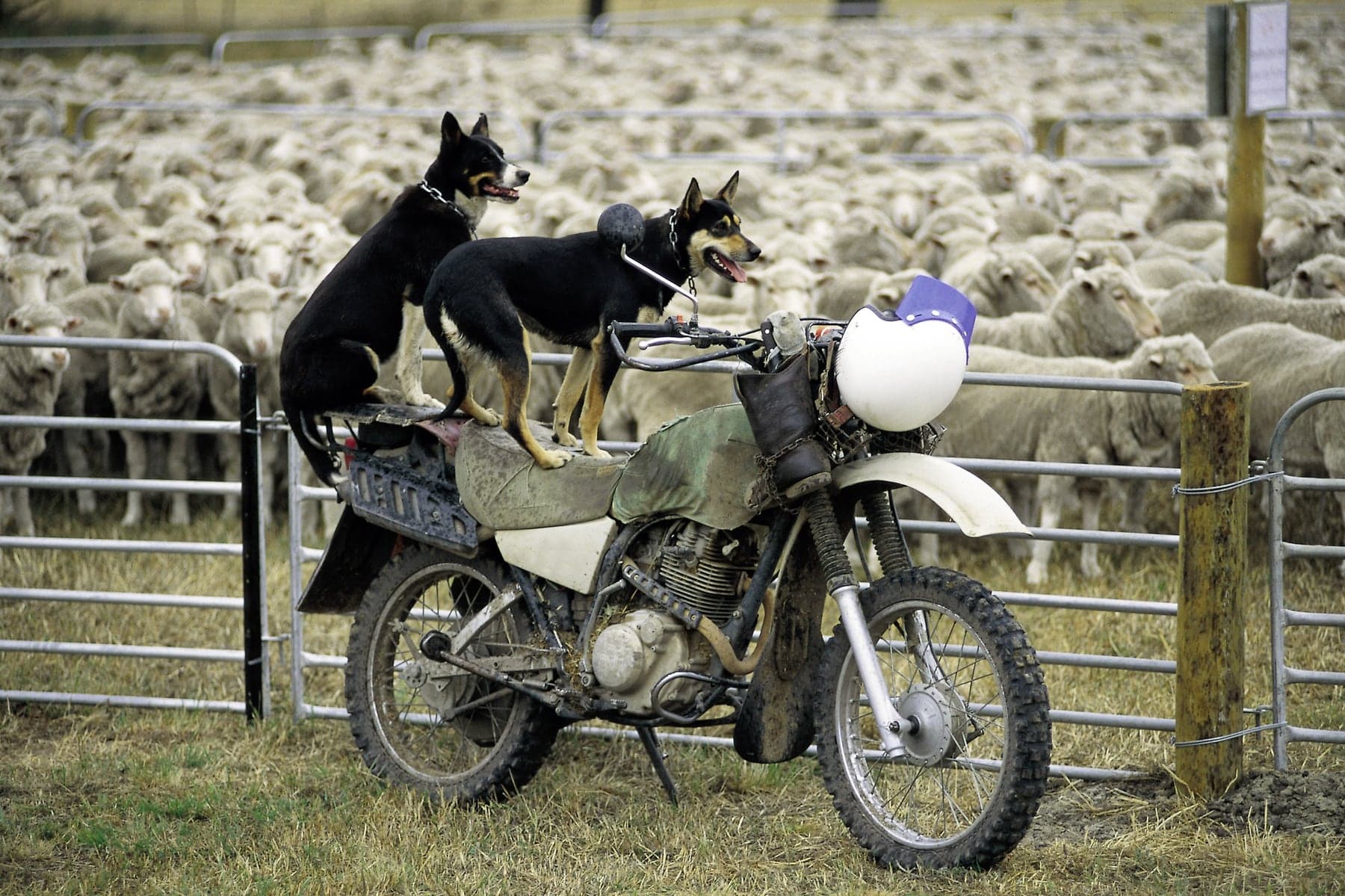
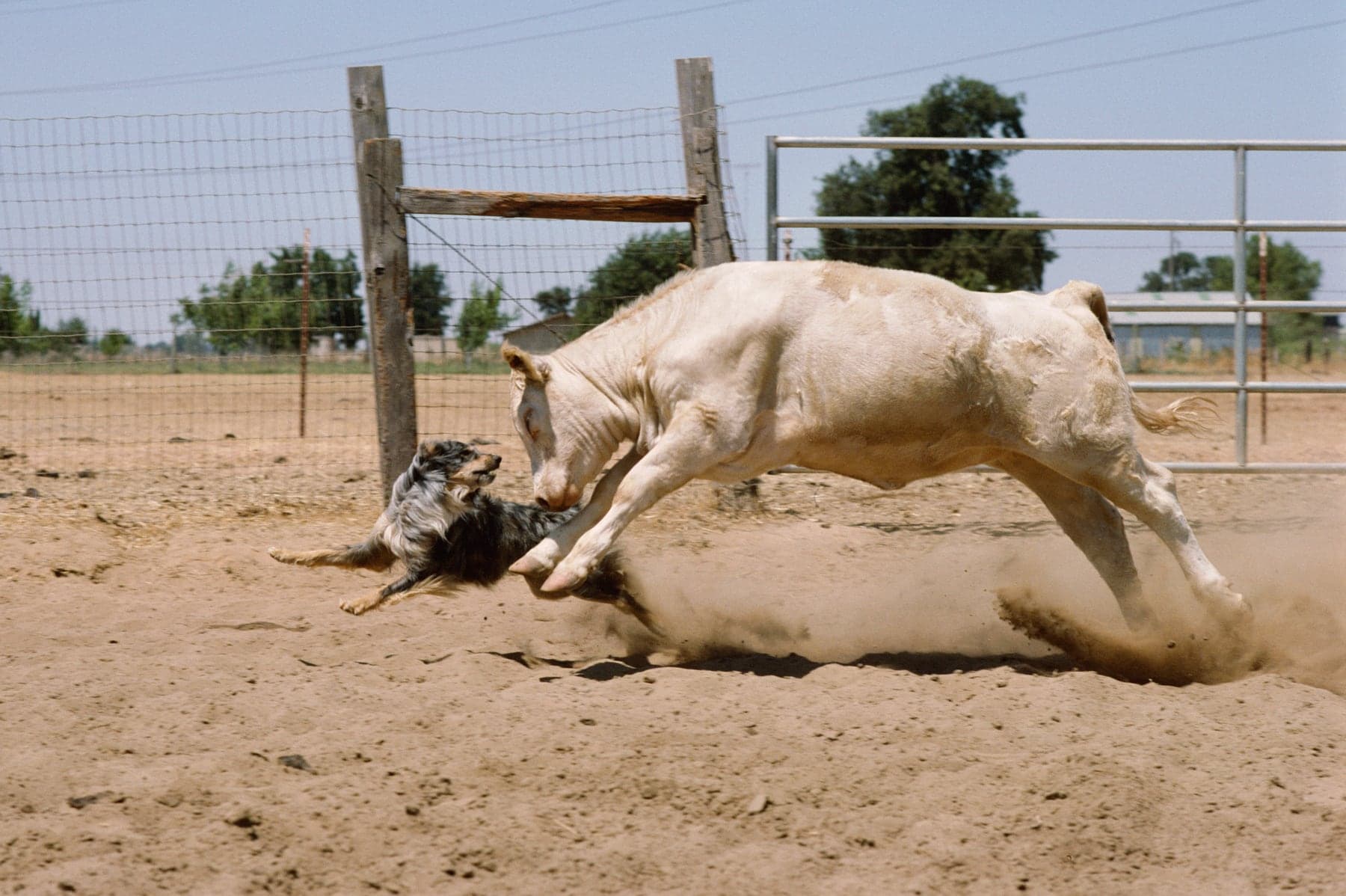
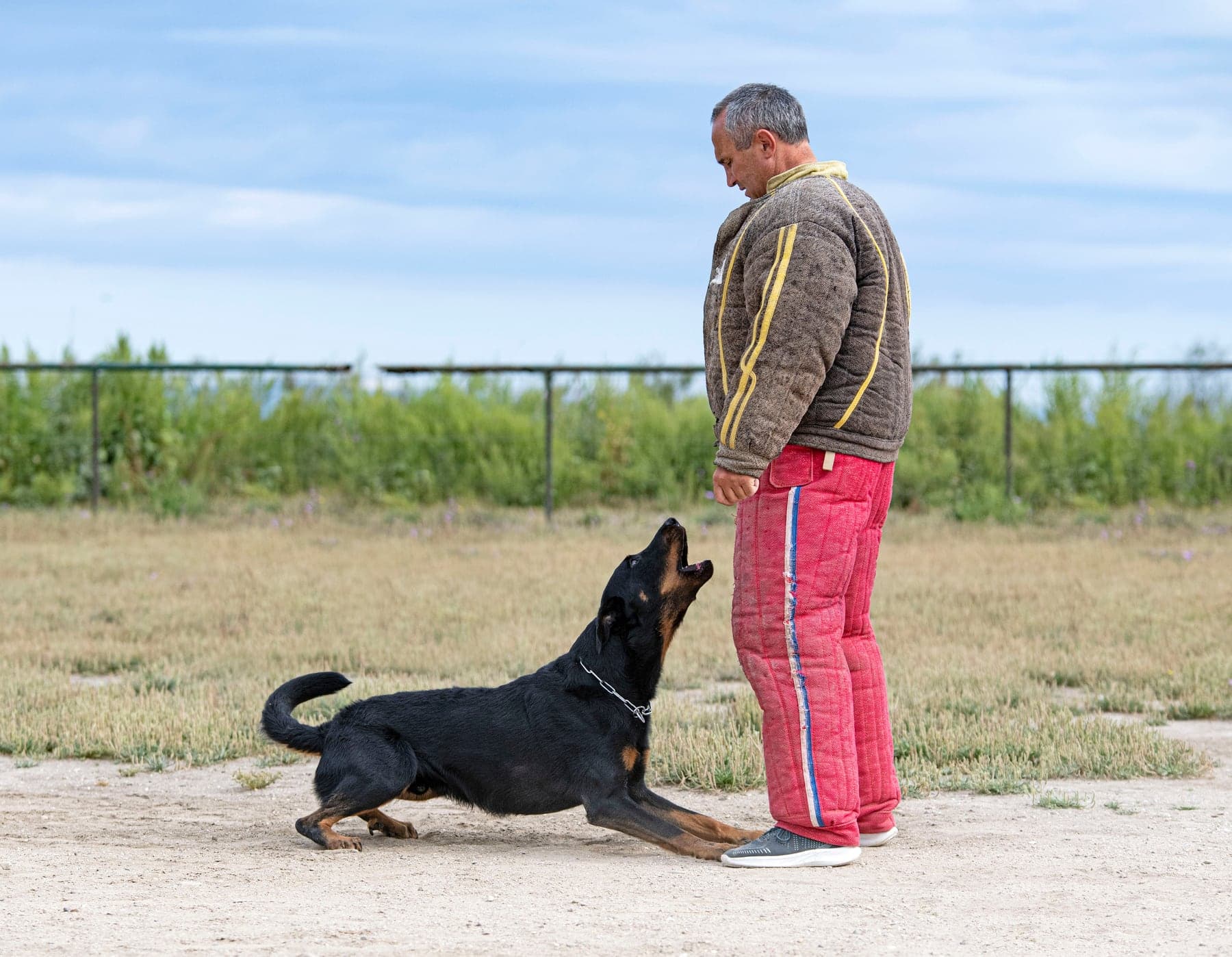
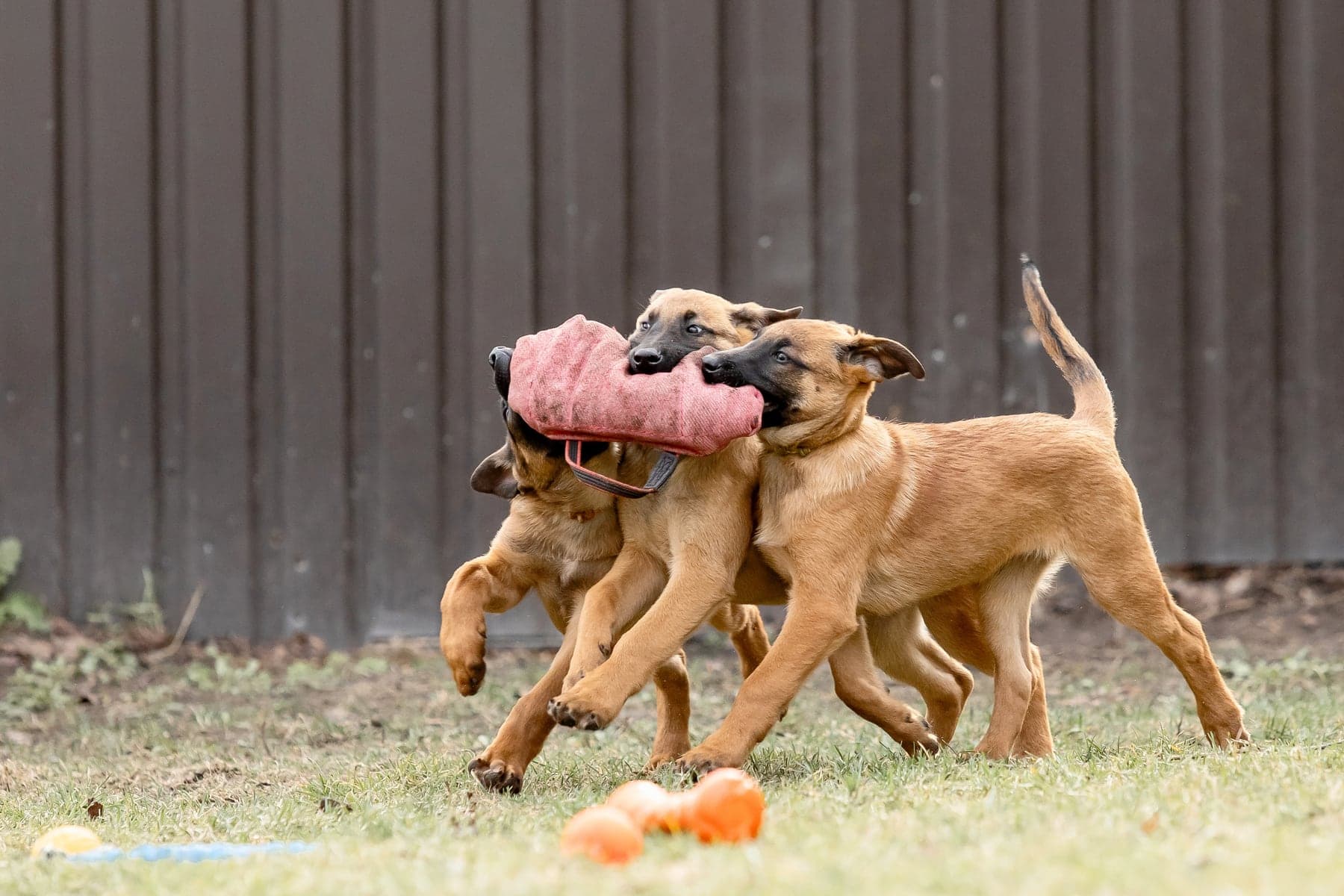
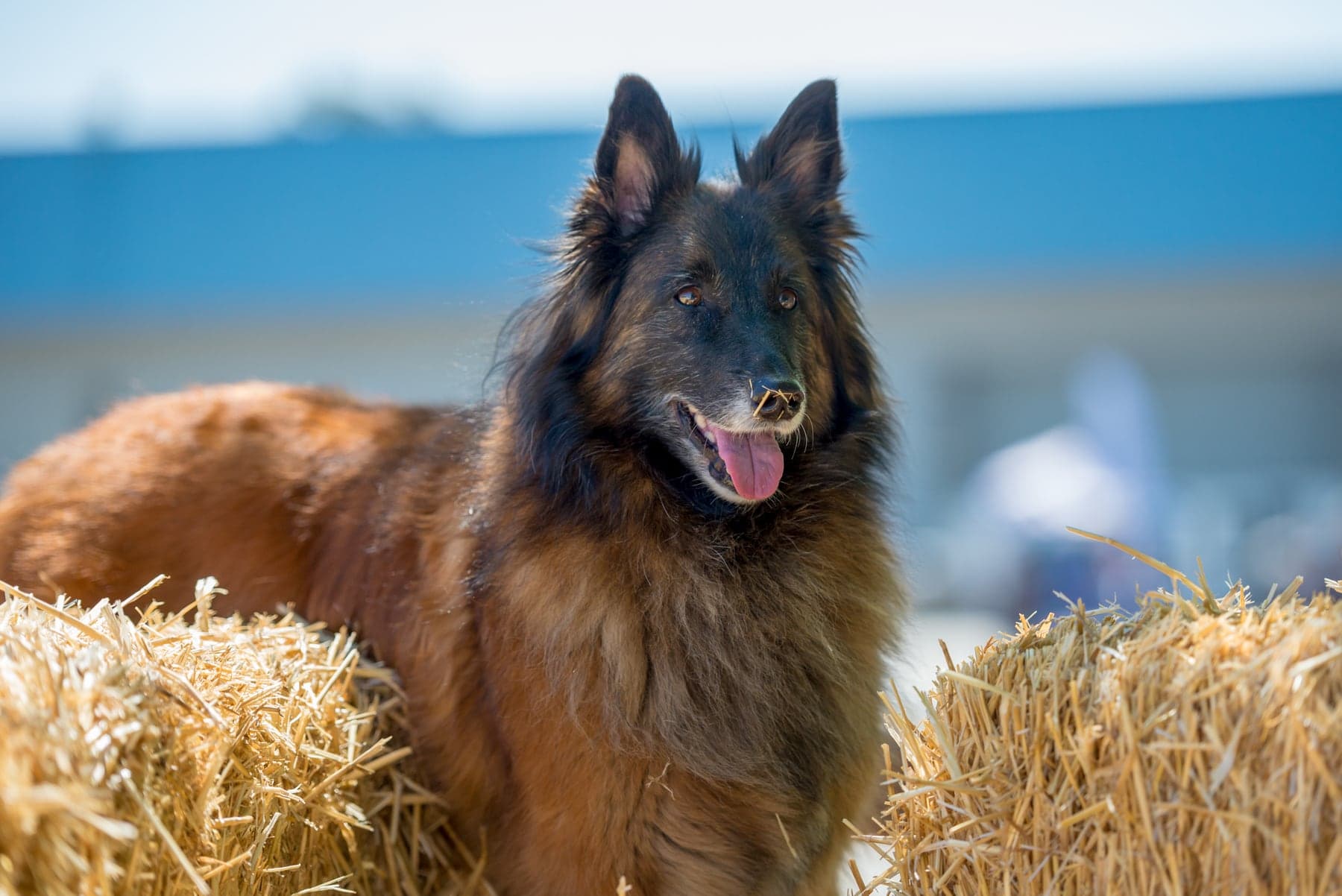
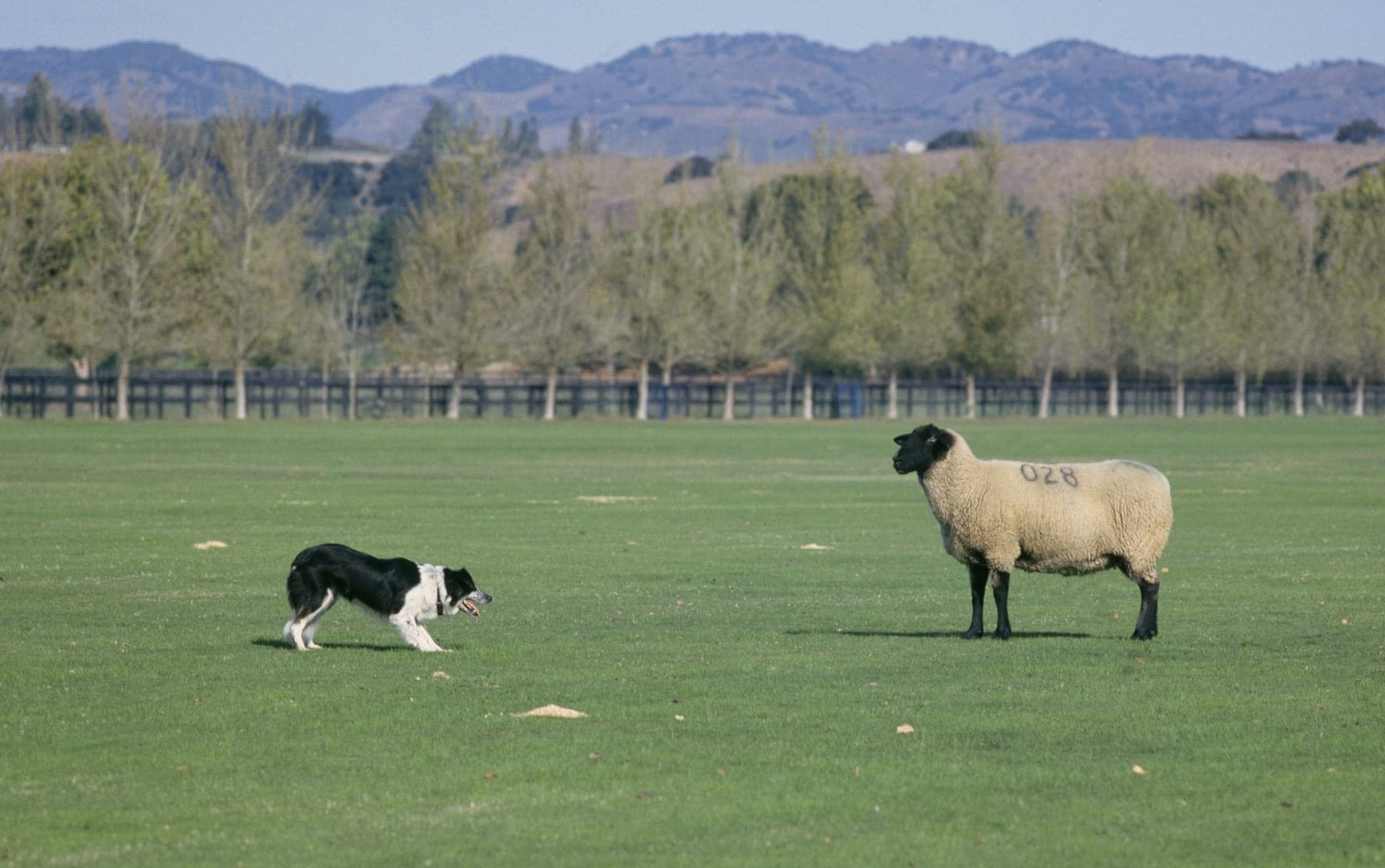
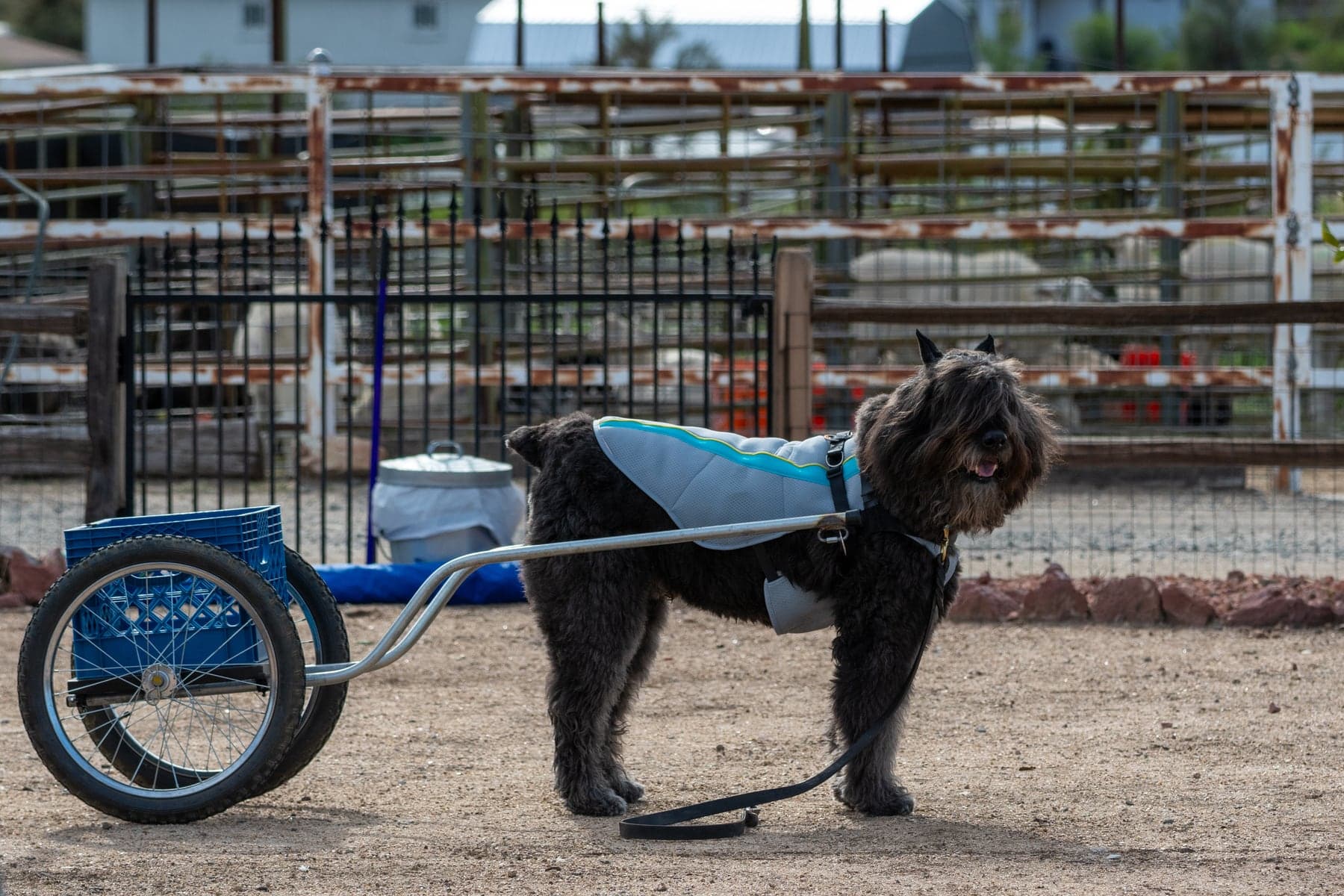
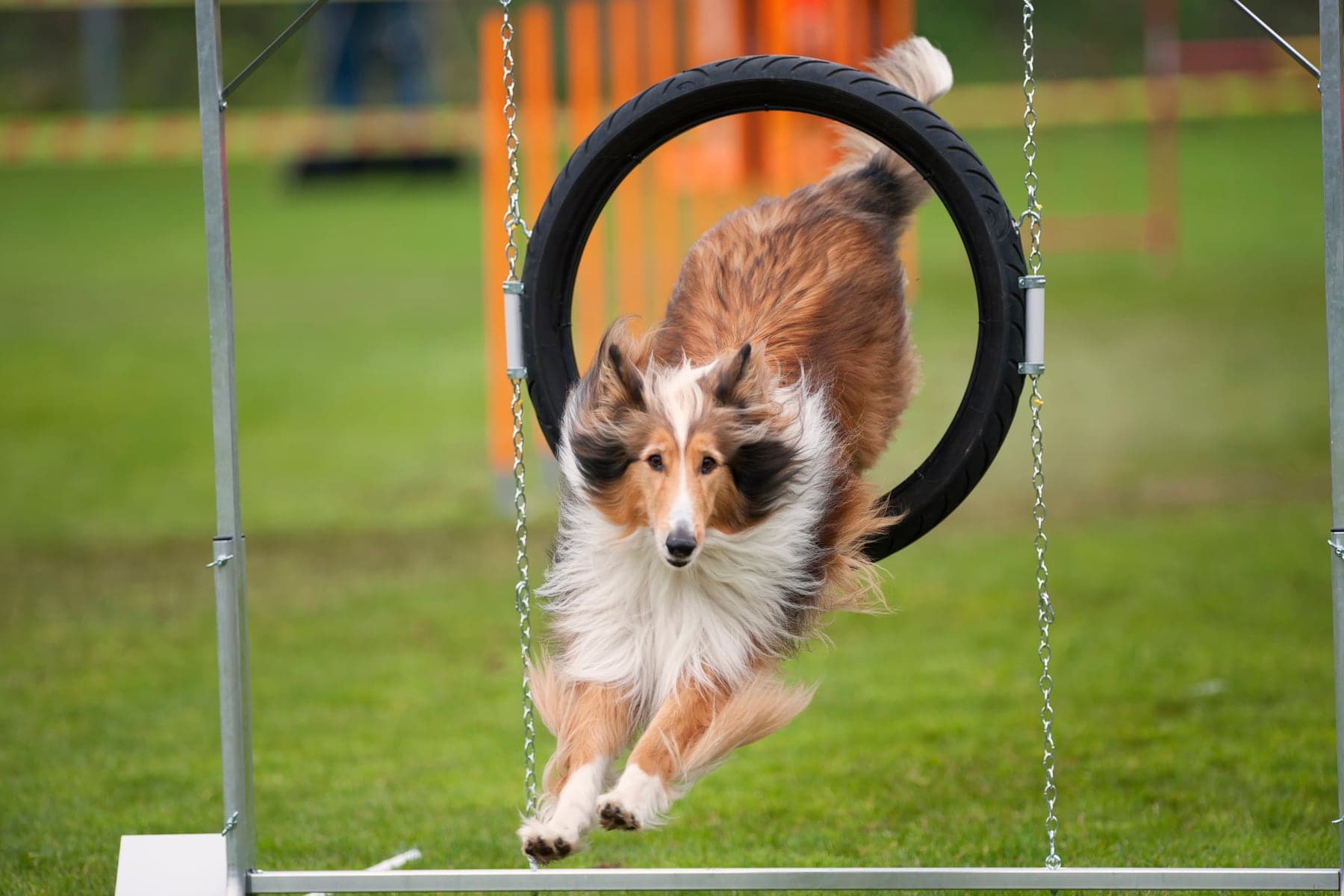
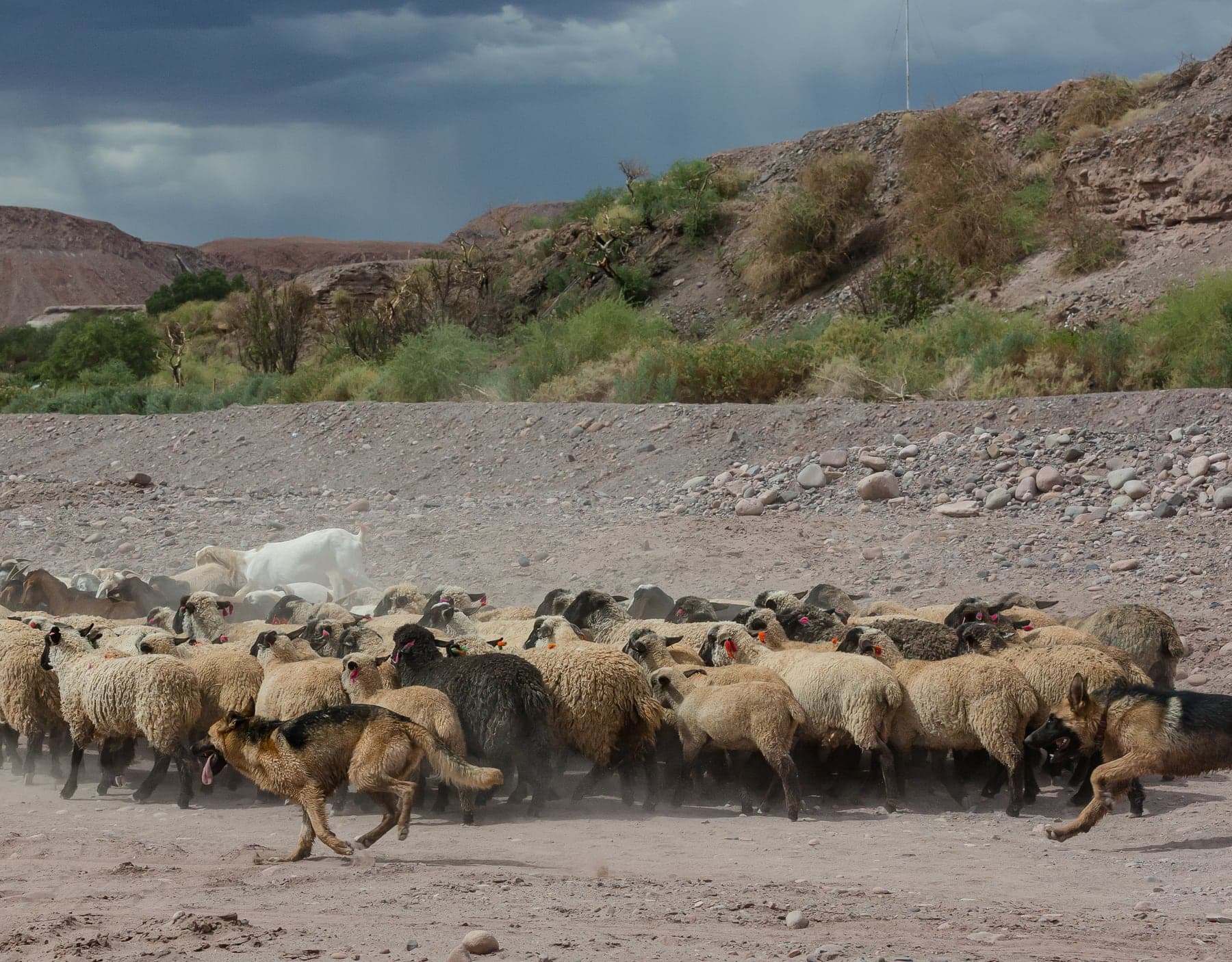
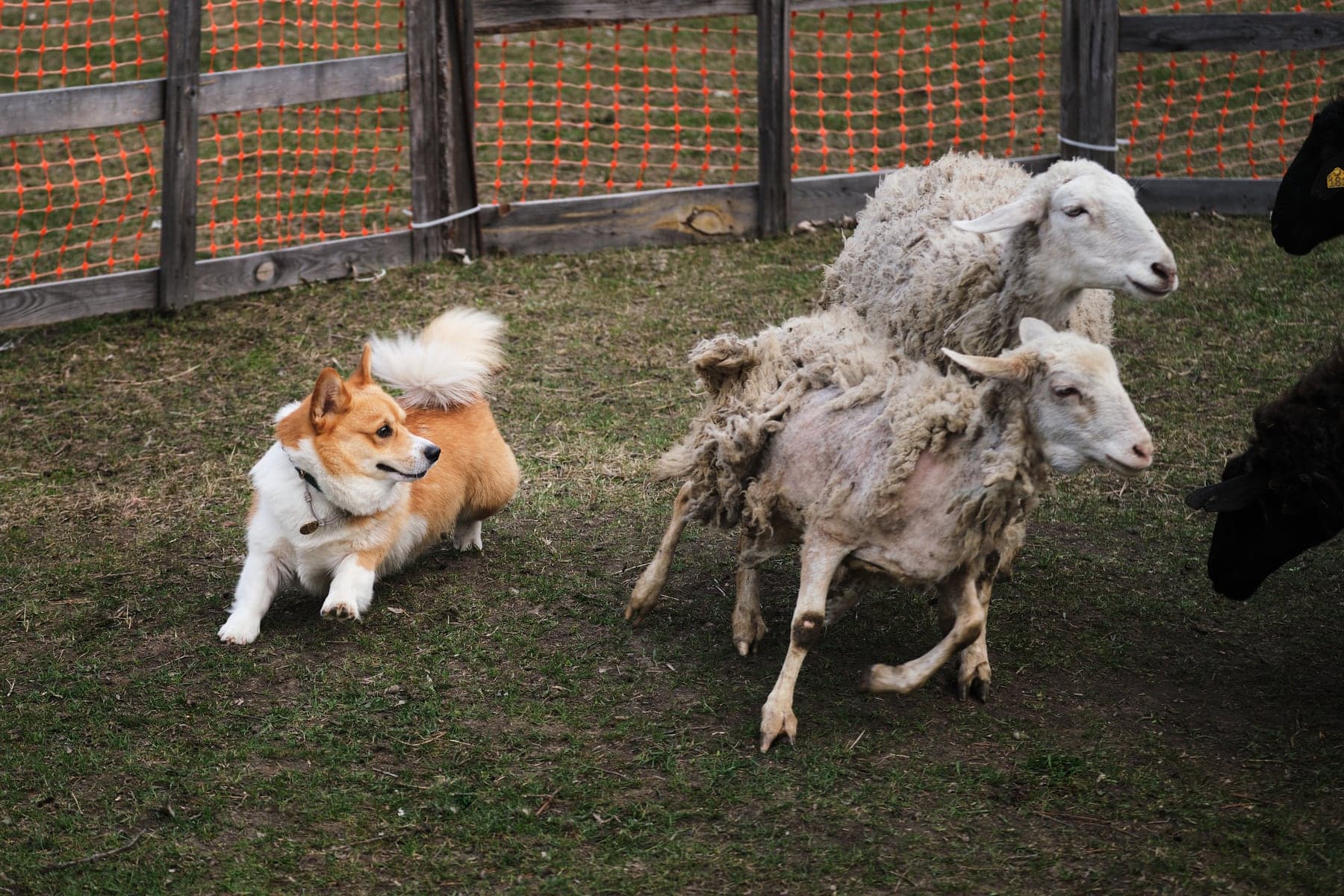
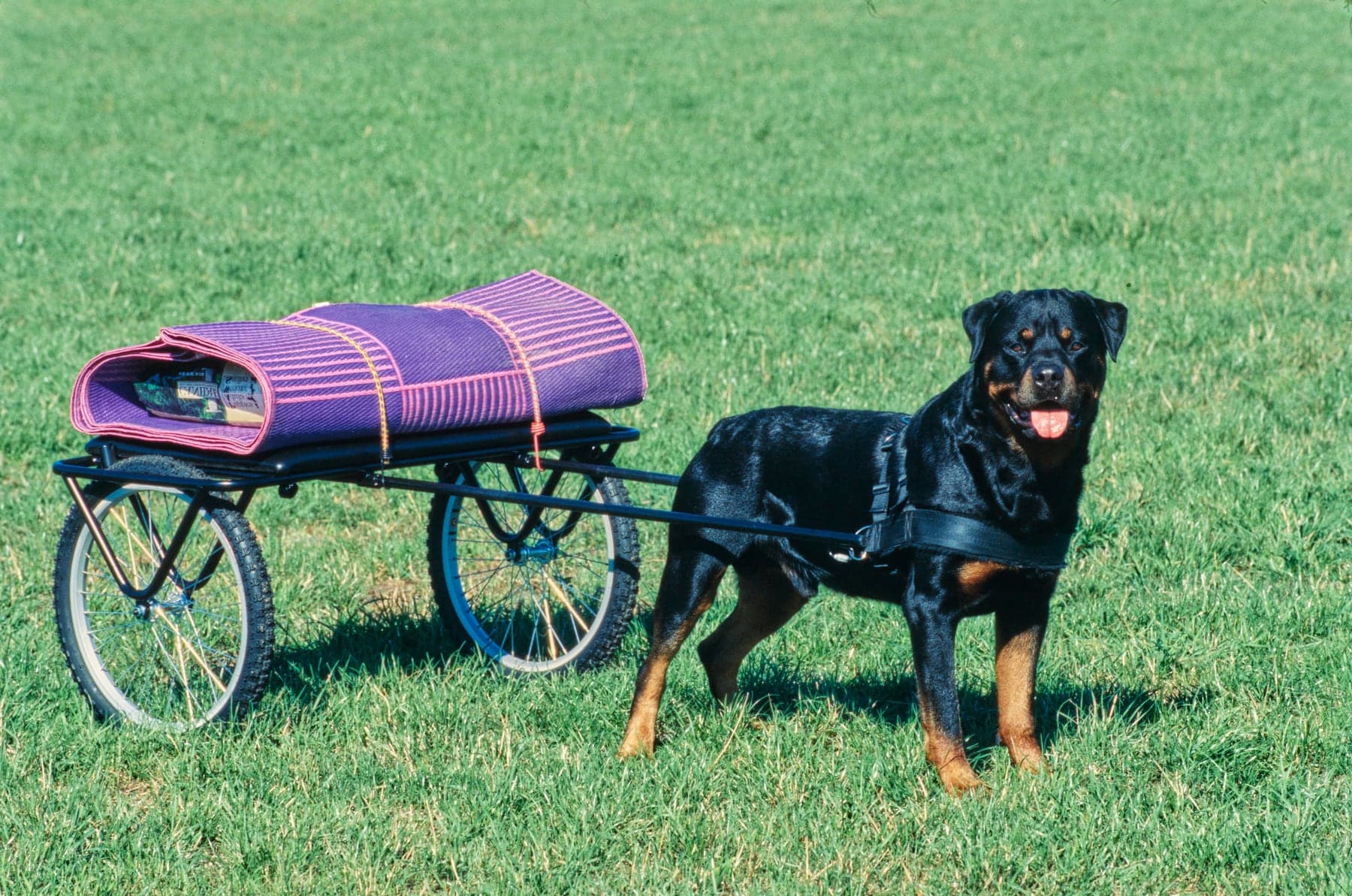
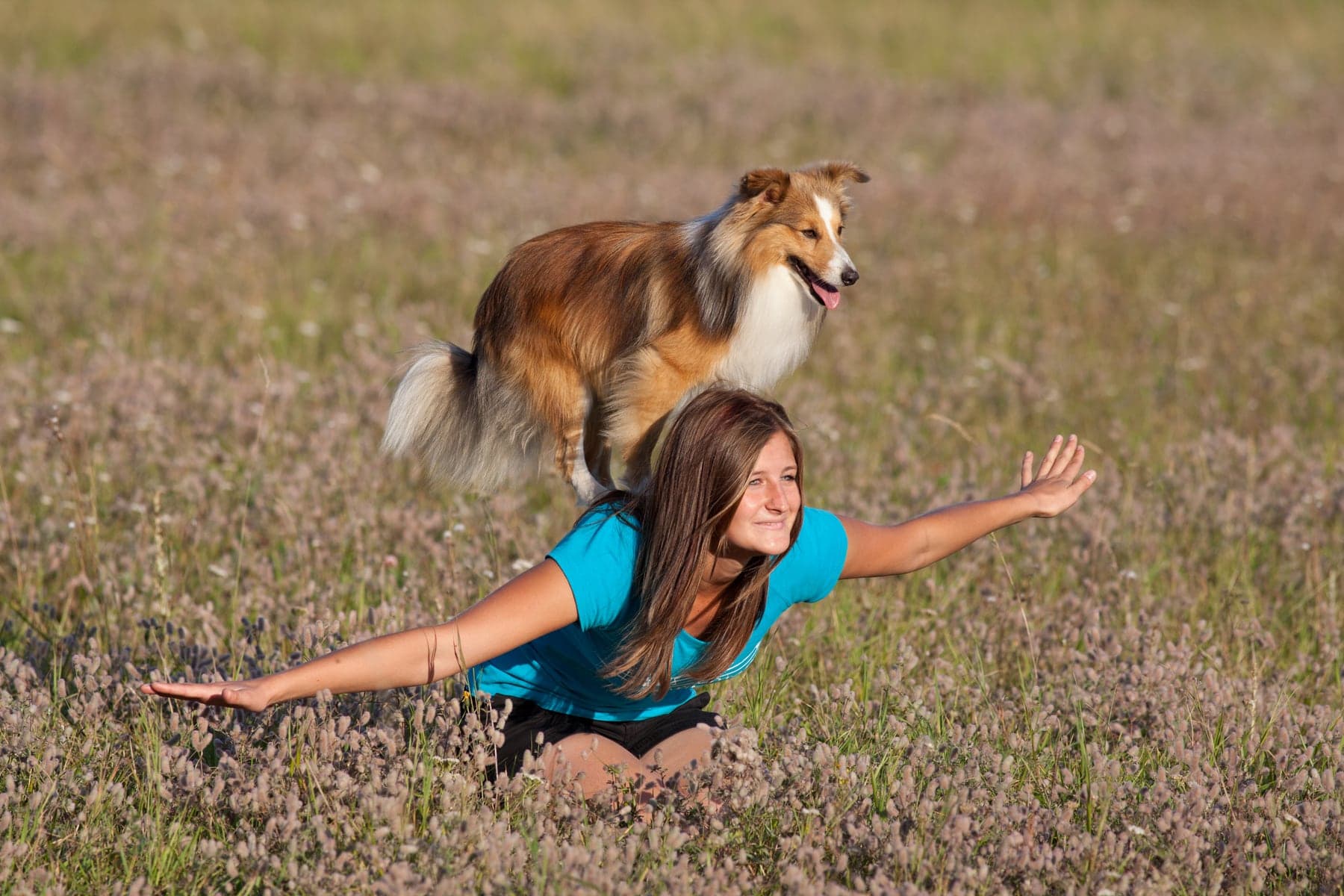
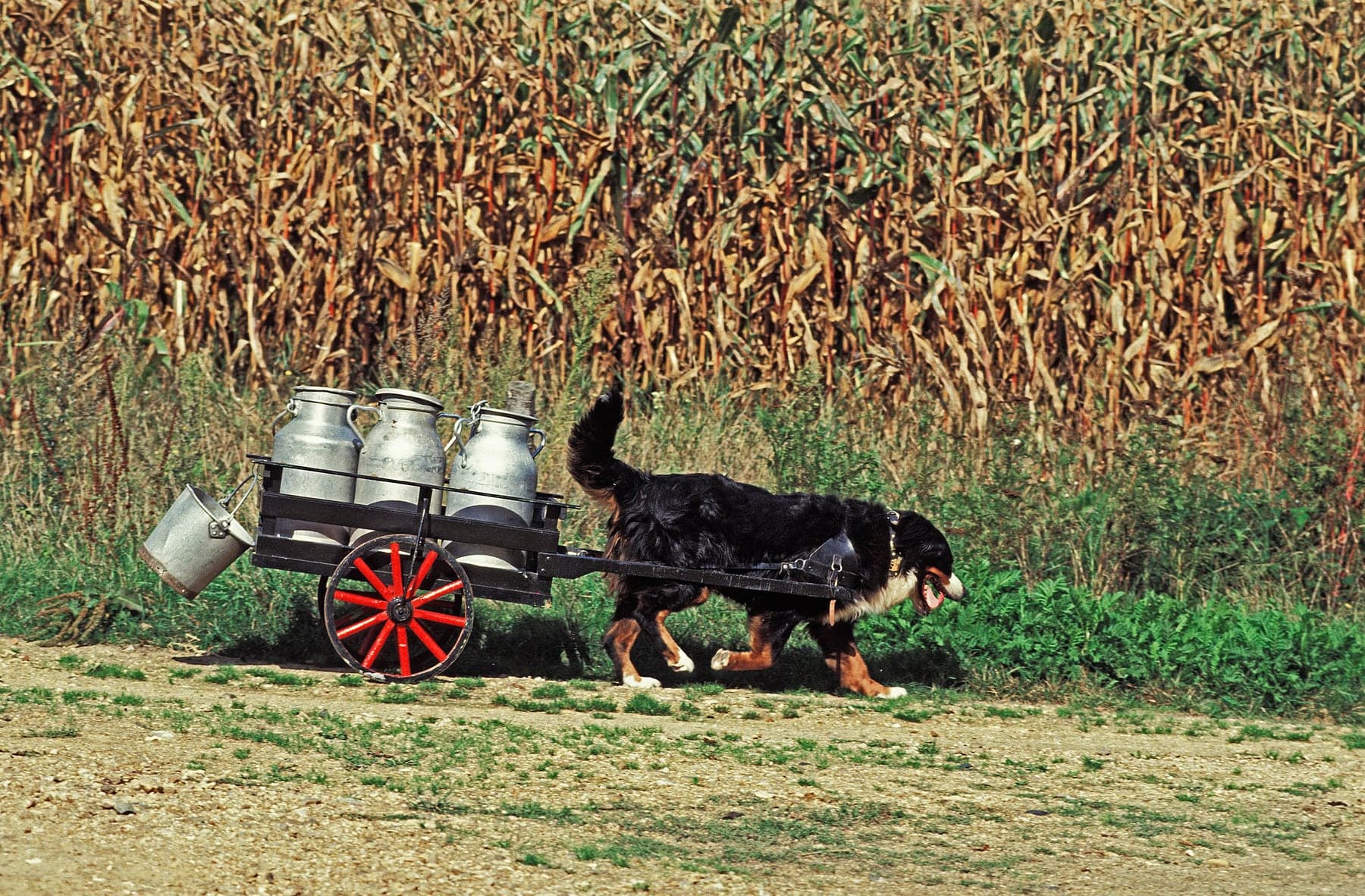
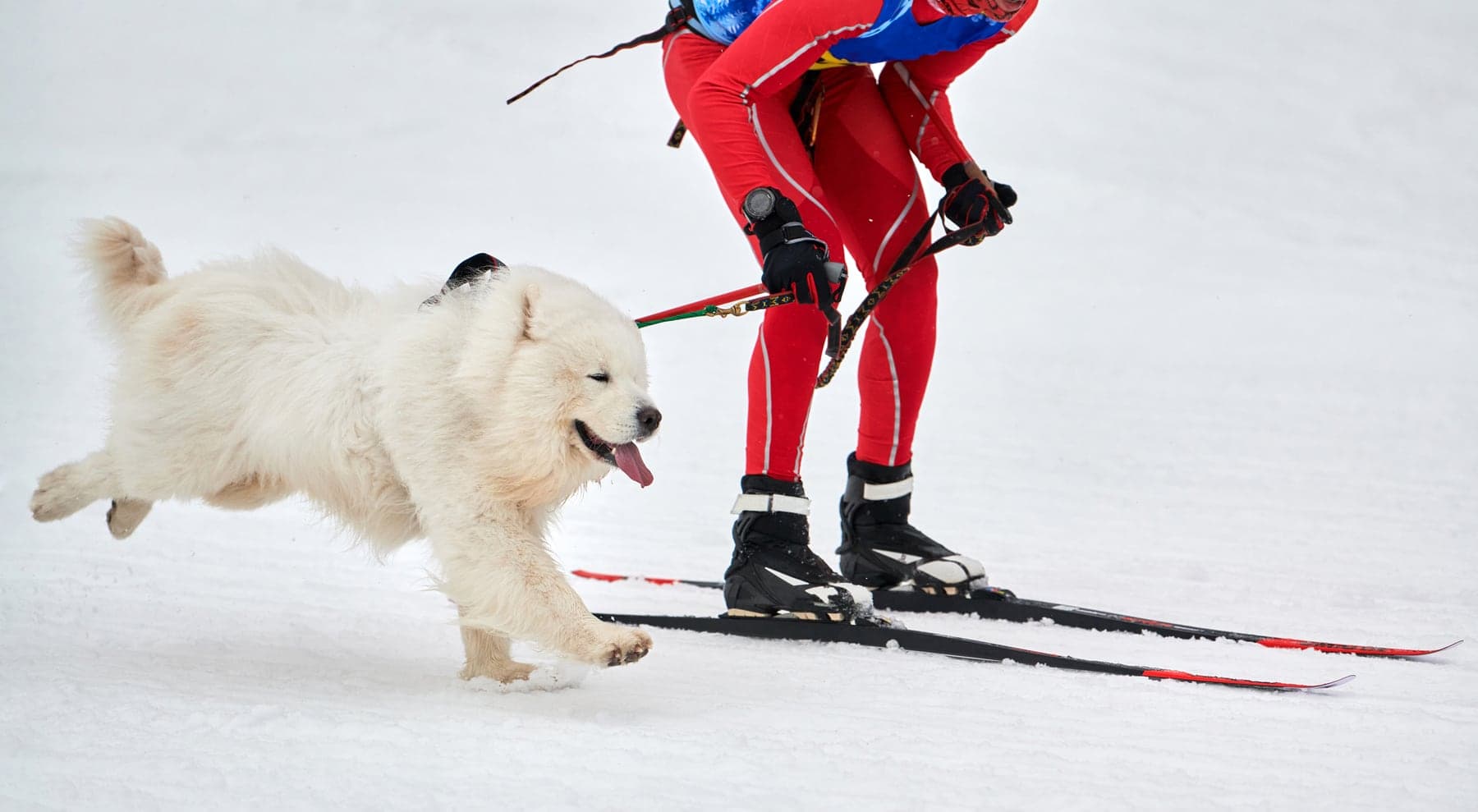
Breeds in our field guide that take naturally to herding — not every breed that competes, just the ones we’ve written up so far.
Sources & verification
Our Herding guide is an independent, plain-English orientation — not an official rulebook. Rules, titles, eligibility, and fees vary by organization and change over time, so always confirm the specifics with the current rulebook or event premium before you enter.
Checked against
Spot something out of date? Tell us and we’ll fix it.