Sport Profile

Discover Lure Coursing

A field sport where sighthounds chase a mechanical lure across 600-plus yards of turns — judged on speed, agility, endurance, enthusiasm, and follow.

Jump to a section

01 · What is it

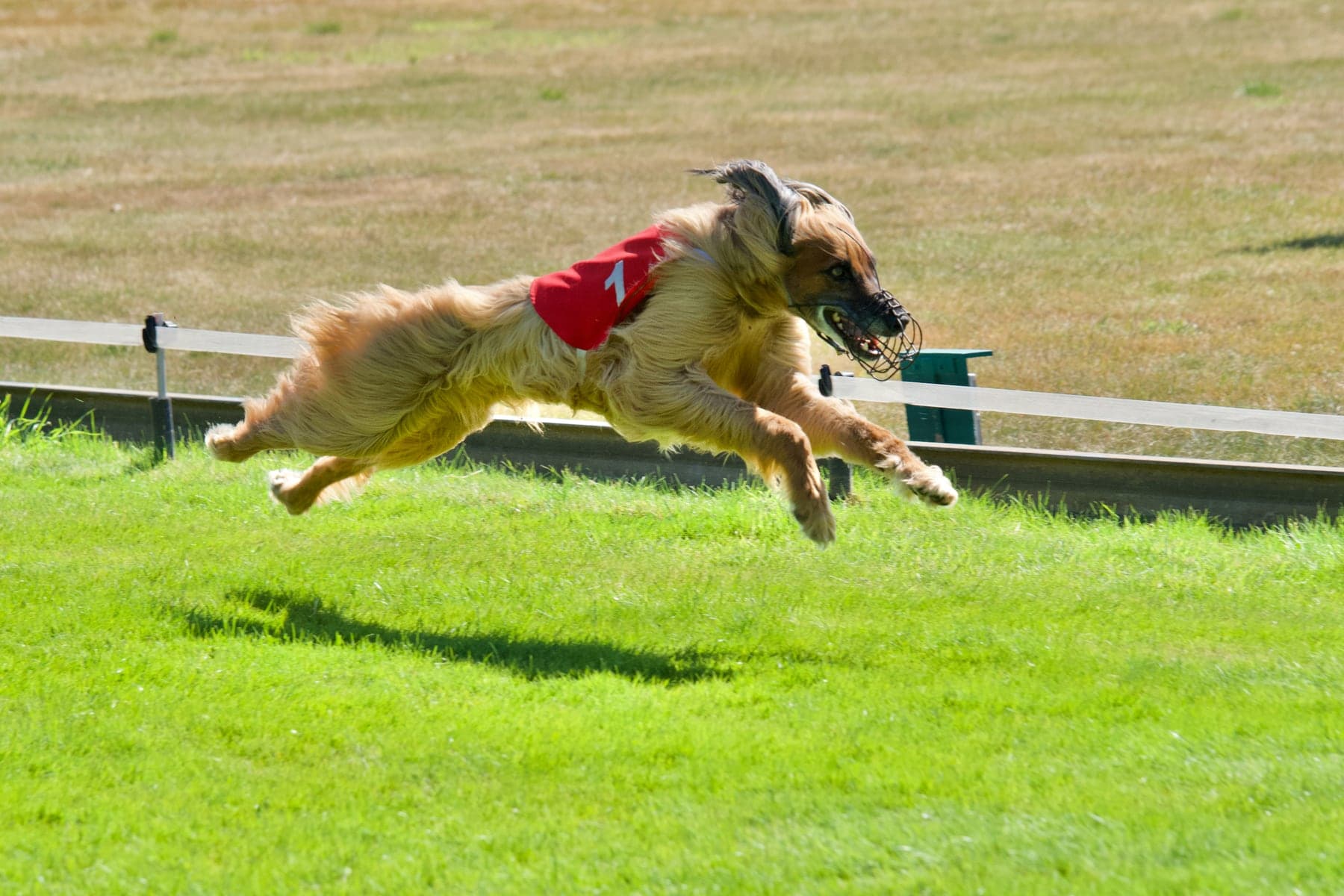
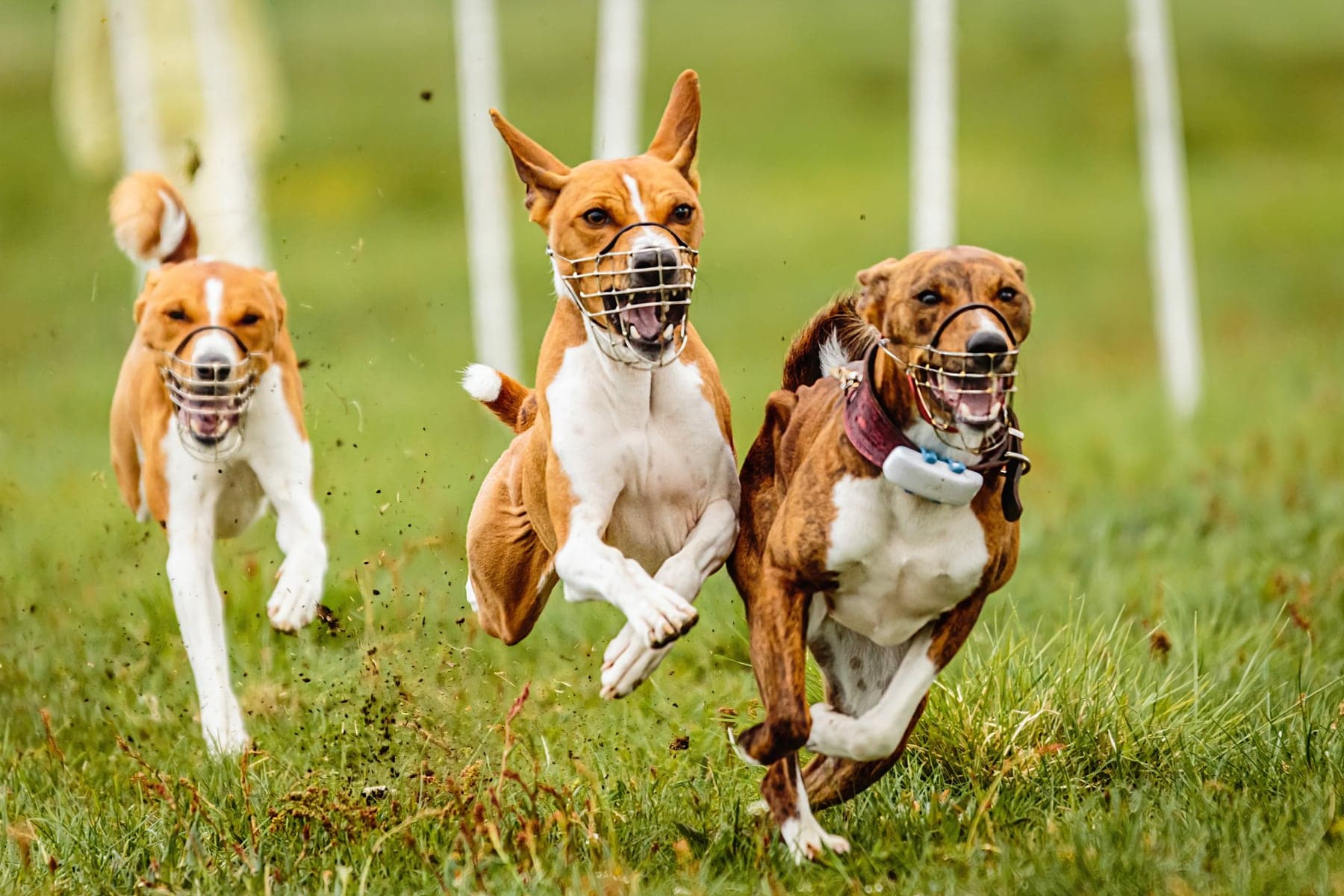
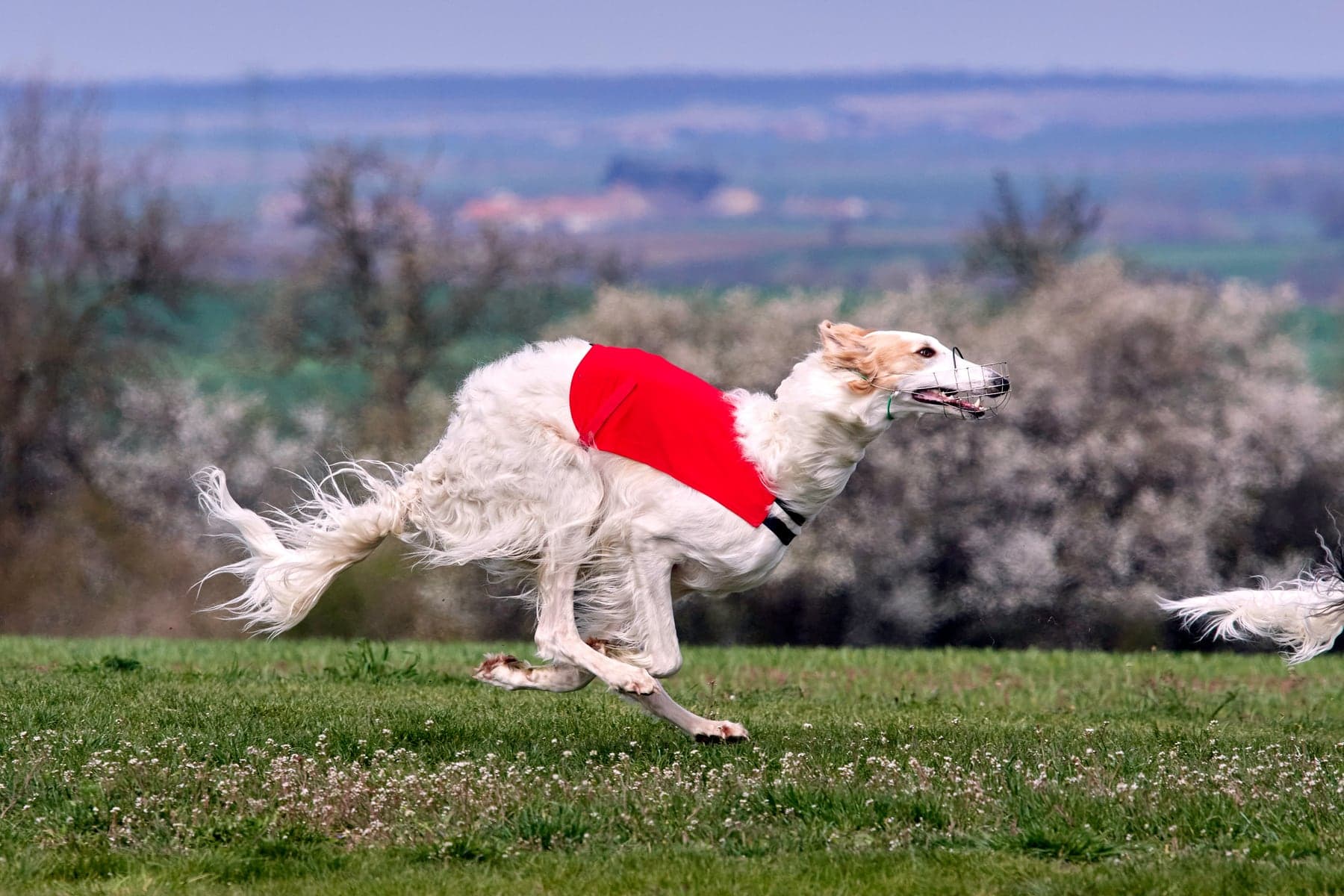
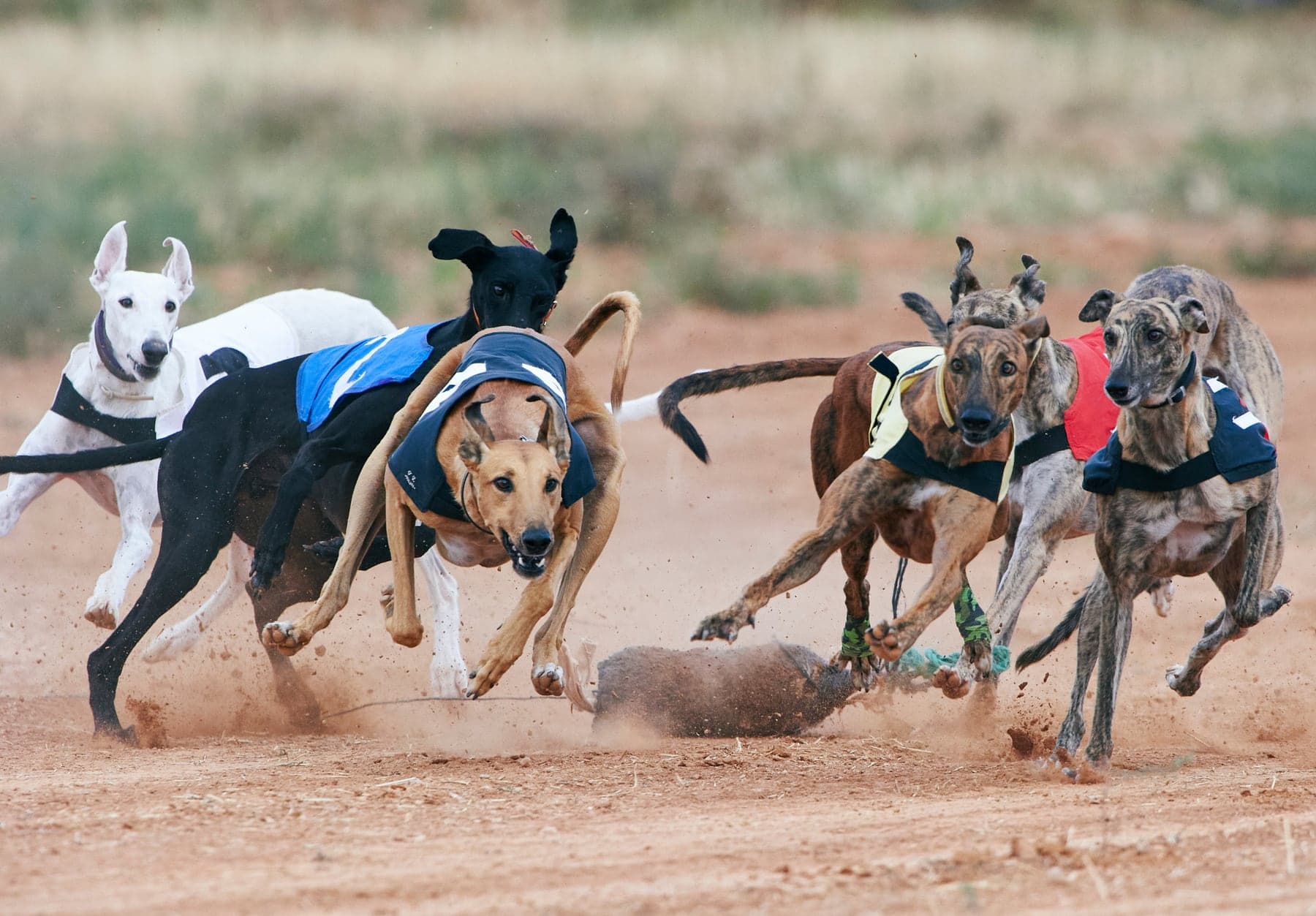
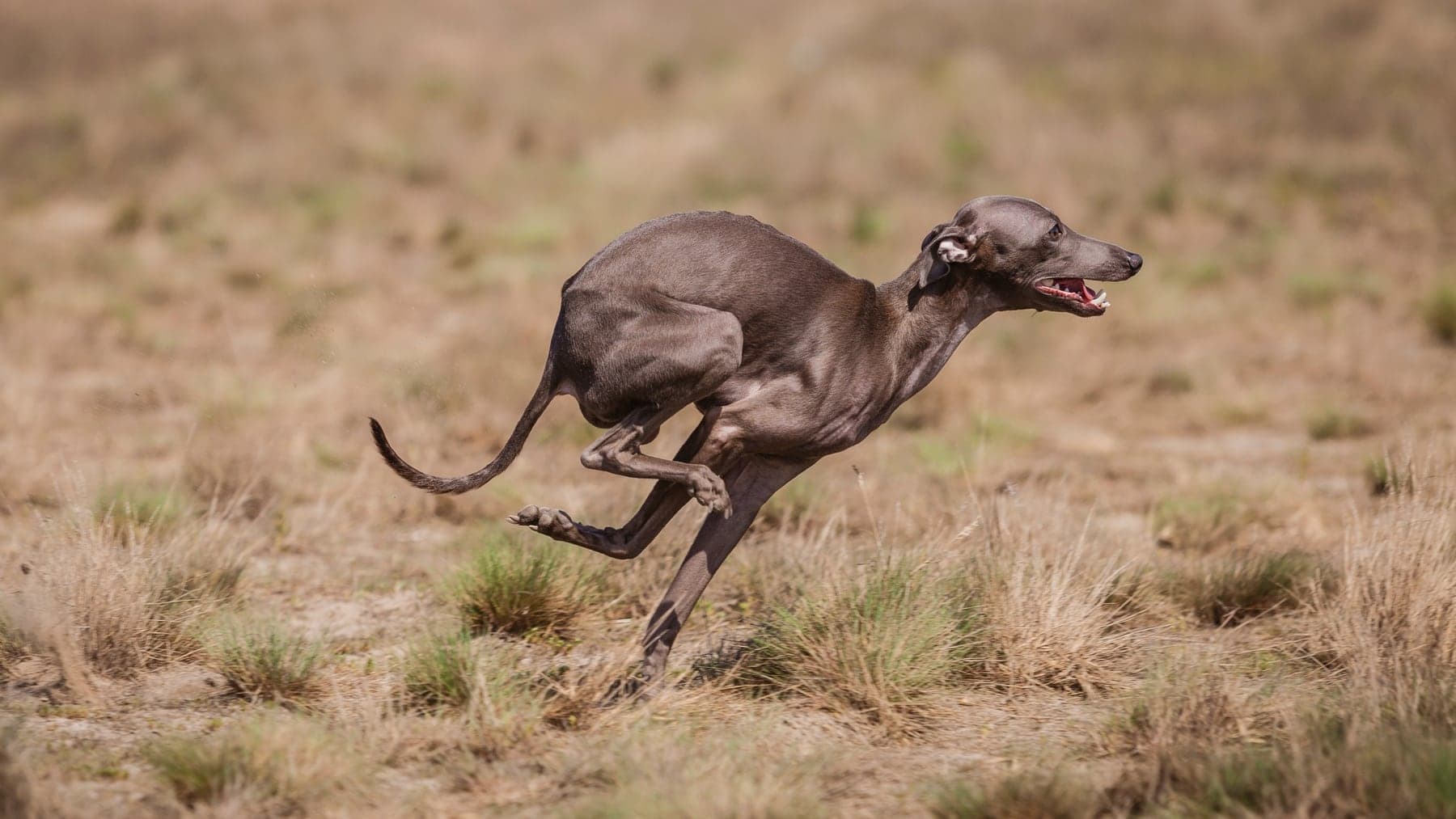
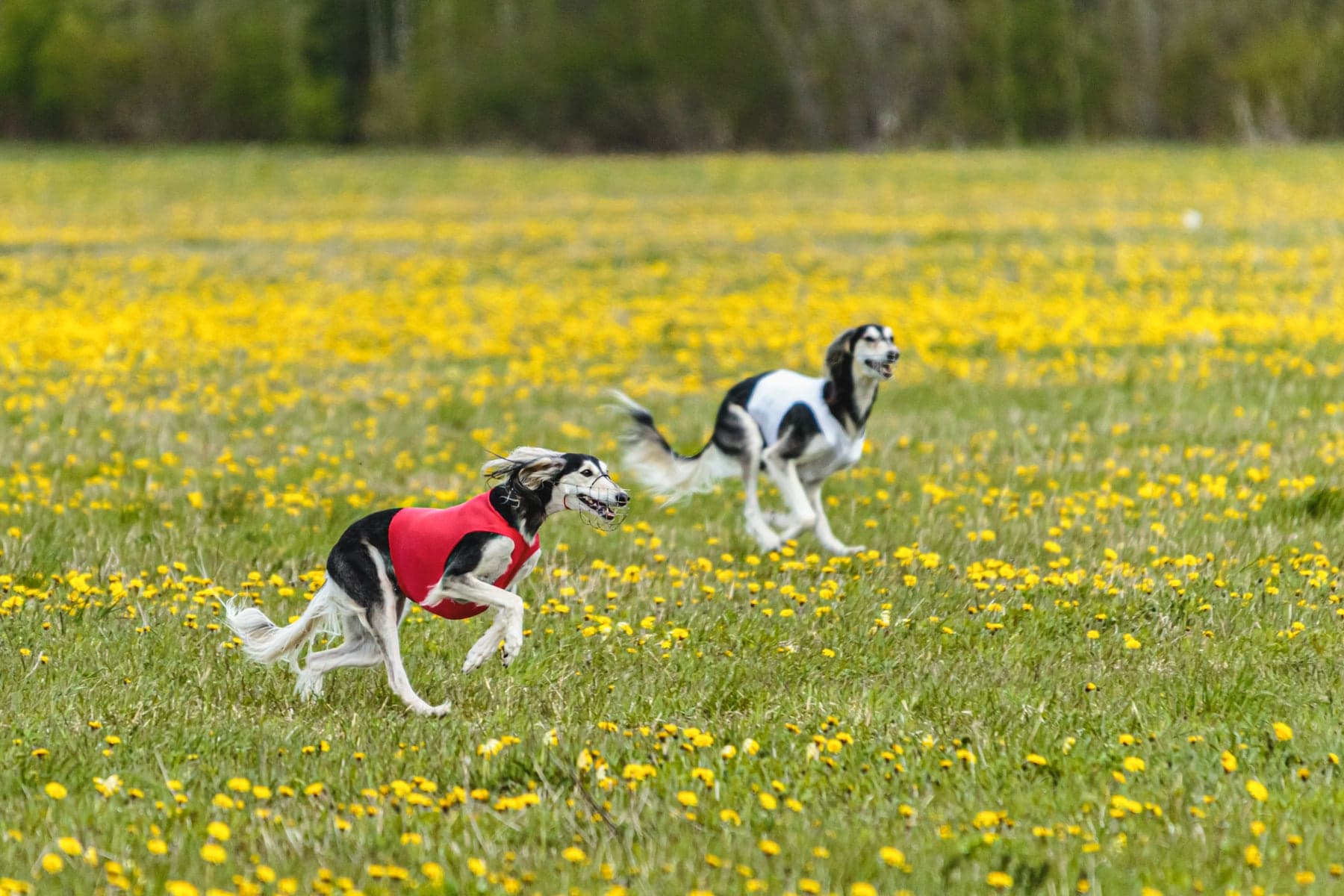
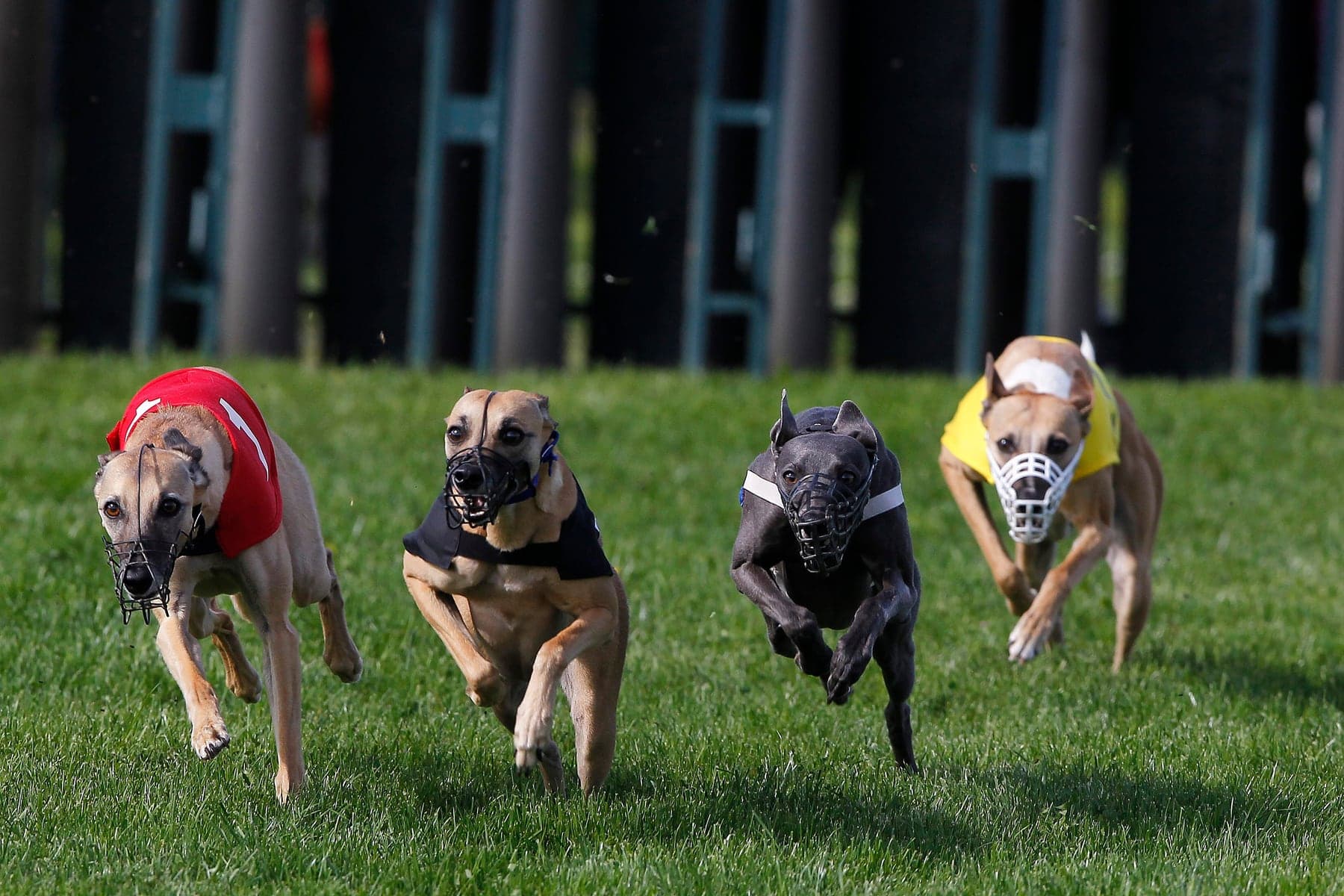
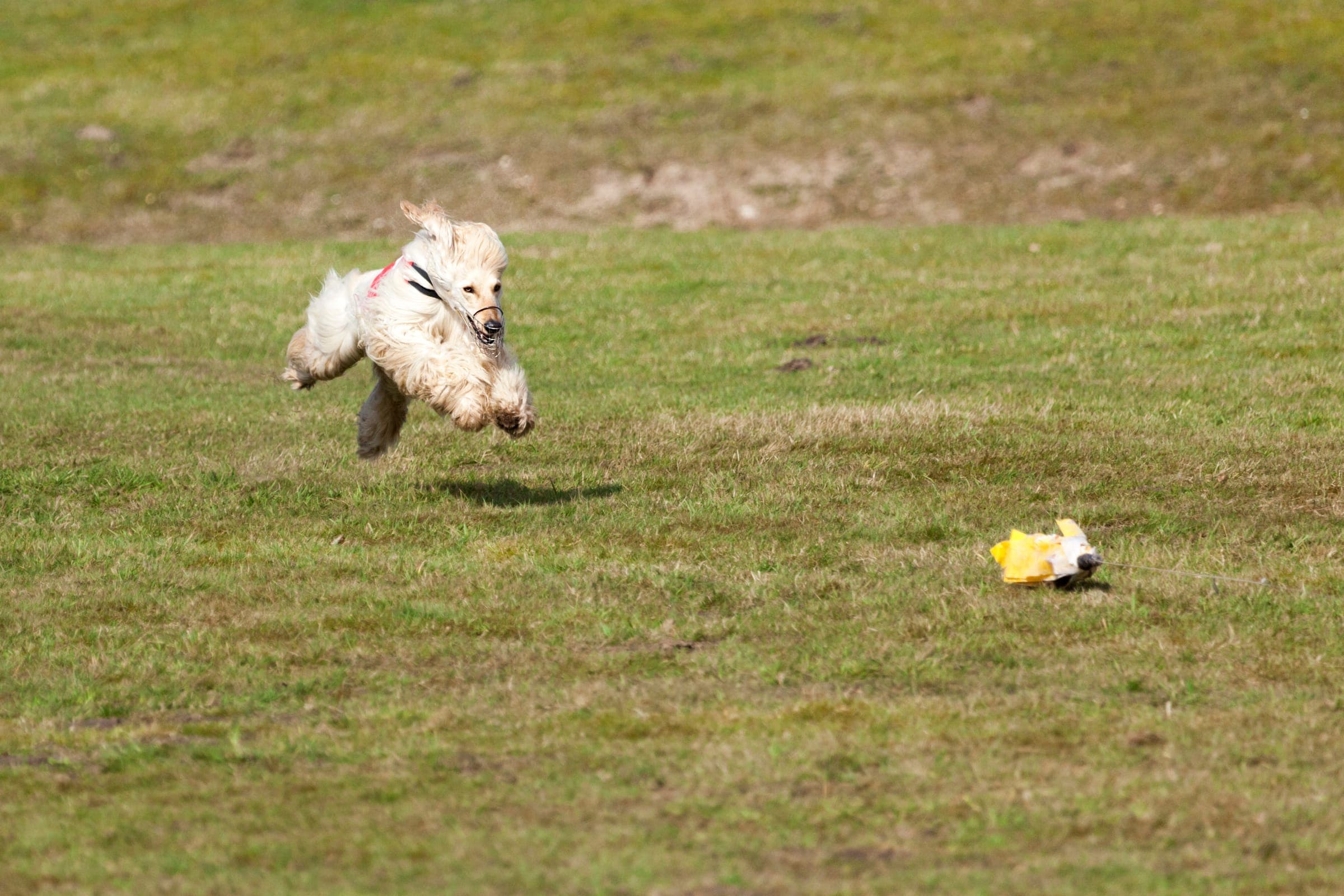
Lure coursing is a field sport that asks sighthounds to chase a mechanical lure — a white plastic bag pulled by a motorized line — over a long, twisting course that mimics the path of fleeing game. Dogs run off-leash across 600 yards or more of open ground, cornering through acute turns guided by pulleys staked in the field. In trial stakes, hounds run in braces or trios; in instinct tests and proficiency stakes, they run alone.

Judges score five qualities — speed, agility, endurance, enthusiasm, and follow — and the dog who keeps closest to the lure's line, corners cleanest, and never quits earns the highest marks. Handlers release on the huntmaster's cue and then have little to do until the catch; the work belongs to the dog. The sport suits Whippets, Greyhounds, Salukis, Afghan Hounds, Ibizan Hounds, Basenjis, and the other traditional sighthound breeds. It is not a fit for severely reactive dogs — releases happen near other hounds, and arousal at the line runs high.

Origins
Early 1970s
Modern lure coursing emerges in the United States as an alternative to open-field coursing of live hares. Lyle Gillette and other California sighthound enthusiasts experiment with pulley-driven systems that pull a plastic lure around a field in patterns close enough to live prey to test the hounds honestly. The mechanical lure lets clubs run trials in more locations, removes the need for live game, and standardizes conditions enough to support consistent titling.
1972
The American Sighthound Field Association (ASFA) is founded and becomes the first dedicated lure coursing body in North America. ASFA writes the first running rules and scoring procedures, codifies breed stakes, and builds the Field Champion (FCh) and Lure Courser of Merit (LCM) titles that anchor the sighthound titling path to this day.
Later · AKC adds the sport
AKC adds lure coursing to its performance portfolio, threading it into the breed-club and conformation calendar and building its own JC → QC → SC → MC → FC → LCX ladder. The FCI develops regulations for lure coursing internationally, distinct from US practice.
Current (2026)
Lure coursing runs under ASFA and AKC for formal sighthound trials, with UKC offering it as one piece of multi-sport weekends. ASFA's Lure Coursing Instinct (LCI) and Coursing Proficiency stakes (TCP, CPX) open the door to non-sighthound and broader-breed entries. The sport sits as a respected niche tied closely to sighthound heritage and runs alongside conformation, racing, and FAST CAT on many handlers' calendars.

02 · The course

A lure coursing run has a course, the equipment and people that make the run safe, and the five qualities judges actually score.

Element 01
The course
A field laid out in a long, irregular pattern of at least 600 yards (commonly 600–800 yards for adult stakes), with multiple acute turns designed to simulate evasive prey. Some clubs use terrain features — slopes, cover, uneven footing — to add difficulty. The lure runs on a continuous line, pulled by a motor and routed around stake-mounted pulleys.
Element 02
The lure & line
The lure is one or more plastic bags attached to a line pulled by a powered machine. A good lure operator keeps the bag a step ahead of the lead dog throughout the run — close enough to keep drive, far enough to keep dogs from catching it. Bad line setup is a hazard: sharp pulley angles or slack line are how dogs get tripped.
Element 03
Release & catch
Handlers walk hounds to the line, hold them by slip lead, and release on the huntmaster's signal once the lure is moving. Voice and whistle come back in only after the run, for recall. At the end of the course, the lure stops or slows in a designated catch area so handlers can secure their dogs before they overshoot into equipment or spectators.
Element 04 · The five qualities
What judges score
Five qualities, scored on numeric scales: speed (raw pace), agility (how cleanly the dog corners), endurance (drive sustained through the whole course), enthusiasm (visible engagement with the lure), and follow (how close the dog tracks the line vs. cutting corners or losing the lure). The high-scoring run reads as honest pursuit, not just the fastest finish.
Scoring spine

03 · ASFA

ASFA is the oldest dedicated lure coursing body in North America, founded in 1972. Sighthound-only by design, with a robust breed-stakes culture, detailed scoring sheets, and a deep title ladder. Programs include the core FCh and accumulating LCM titles, veteran stakes, singles stakes, Coursing Proficiency (TCP, CPX), and the Lure Coursing Instinct (LCI) test that opens ASFA's lure to non-sighthound breeds. Scoring is breed-aware — what an honest Whippet run looks like is not what an honest Afghan Hound run looks like.

01
Certification
Establishes that a dog can run cleanly on a course before competing for points. Some non-ASFA titles count as certification — handlers entering from AKC or other systems should ask the trial secretary which exemptions apply.
02
Field Champion (FCh)
Regular breed stakes, judged in braces or trios with formal scoring on speed, agility, endurance, enthusiasm, and follow. Accumulated points from placements in breed stakes earn the title. Current point thresholds and breed-major rules live in the running rules.
03
Lure Courser of Merit (LCM, LCM II, …)
Continuing competition after FCh. Each tier requires an additional block of qualifying points. LCM II, III, IV, and on stack as a dog keeps trialing — the ladder gives actively trialing dogs visible recognition that stacks indefinitely.
04
Veterans & singles stakes
Veterans stakes give older dogs their own placements and titles. Singles run solo for dogs that cannot or should not run in braces, or for handlers chasing TCP (Coursing Proficiency) and CPX (advanced tier) titles via the singles format.
05
Lure Coursing Instinct (LCI)
Non-sighthound and broader-breed test that opens ASFA's lure to terriers, herders, sporting dogs, and others. Minimum age 12 months; bitches in season excluded. The on-ramp for handlers without a traditional sighthound who want a coursing entry into ASFA's program.
Key facts
Founded
1972 — first dedicated US lure coursing body
Eligibility
Sighthounds; non-sighthounds via LCI
Scoring
Breed-aware — running style factors in
Title spine
Certification → FCh → LCM (II, III, …)
Specialty stakes
Veterans · Singles · TCP / CPX · LCI
Distinctive
Breed-traditional culture; deep ladder
What sets ASFA apart
Breed-traditional field-trial culture. Detailed scoring with the breed's running style factored in. Deep title ladder with veterans, singles, and proficiency tiers. The accumulating LCM levels give actively trialing dogs visible recognition that stacks indefinitely — handlers point to LCM numerals as a long-campaign signal in pedigrees.

04 · AKC

The American Kennel Club integrates lure coursing into its broader performance calendar and runs the National Lure Coursing Championship (NLCC). Eligibility is restricted to sighthound breeds recognized by AKC plus certain Miscellaneous and Foundation Stock Service breeds. The title ladder runs JC → QC → SC → MC → FC → LCX, with cumulative LCX levels. For non-sighthounds and mixed breeds, AKC's Coursing Ability Test (CAT) and FAST CAT cover the lure-chase territory under separate programs. PAL/ILP and Limited Registration are allowed; bitches in season excluded.

JC
Junior Courser
Dog at least 12 months old. Two solo qualifying runs under two different AKC judges. Single-dog runs on a full course; no interference from other hounds. The instinct-and-basic-ability gate. Most dogs first cross into AKC lure coursing through a JC.
QC
Qualified Courser
One certification run paired with another hound of the same breed or comparable running style, completed cleanly with no interference. Not a suffix title — QC is an eligibility status that unlocks competitive stakes.
SC
Senior Courser
Four qualifying runs in trial stakes with competition, under at least three different judges. Full trial stakes with other hounds. This is where the title ladder shifts from instinct tests to competition.
MC
Master Courser
SC plus 25 additional qualifying runs in Open, Veteran, or Specials stakes with competition. A handler whose dog qualifies in roughly half of its runs needs a season or more of frequent trialing to reach MC.
FC
Field Champion
15 championship points, including two majors (3-to-5-point wins) under at least two different judges. At least one point must come from competition against a hound of the same breed. FC is the AKC competitive title most handlers point at as the real championship.
LCX
Lure Courser Excellent (LCX, LCX II, …)
Cumulative. The first LCX requires FC plus 45 additional championship points; each additional 45-point block adds a numeral. LCX is how dogs that keep trialing past FC stack visible recognition.
Key facts
Eligibility
AKC sighthounds + some Misc. / FSS breeds
Min age
12 months (for JC)
Bitches in season
Not eligible
Title spine
JC → QC → SC → MC → FC → LCX (II, III, …)
Top event
National Lure Coursing Championship (NLCC)
Adjacent programs
CAT, FAST CAT for non-sighthounds
Recent rule notes (2023–2027)
AKC updated its acceptable-muzzle descriptions in 2023 and revised the regional championship-point schedule the same year — which changes how quickly dogs accumulate FC points in different parts of the country. AKC event fees paid by clubs rise from $3.50 to $4.50 per entry in 2026 and to $5.50 in 2027, which clubs may pass through into entry pricing.

05 · Side by side

ASFA and AKC are the two orgs with the strongest US footprint and full deep-dive treatment above. UKC offers lure coursing as one event inside multi-sport weekends rather than as a standalone program — covered briefly here. Many active handlers compete under both ASFA and AKC; on dual-sanctioned weekends, the same hound can earn points in both systems on the same day.

UKC — the multi-sport context
UKC offers lure coursing as one event in multi-sport weekends like its Premier Nationals, rather than as a standalone trial program. Dogs must be UKC-registered or have an appropriate performance listing; UKC's eligibility runs broader than ASFA or AKC and allows mixed breeds via LP/PL or Temporary Listing. The 2025 Premier Nationals premium listed lure coursing at $34 first entry and $30 each additional. Most relevant for handlers who already campaign across UKC sports and want to add coursing to a weekend they were going to attend anyway.
ukcdogs.com/lure-coursing →
ASFAAKCUKC
Founded1972Lure coursing added later (exact launch year to verify)Program inside multi-sport weekends
Eligible dogsSighthounds; non-sighthounds via LCI and proficiency stakesAKC sighthounds + certain Misc. / FSS breeds; PAL/ILP and Limited Reg allowedBroader than ASFA / AKC — sighthounds plus other breeds via LP/PL or Temporary Listing; mixed breeds possible
Title ladderCertification → breed stakes → FCh → LCM, LCM II, …JC → QC → SC → MC → FC → LCX (LCX II, III, …)Coursing Tested → Coursing Aptitude → regular stakes → championships
Specialty stakesVeterans · Singles · TCP / CPX · LCIOpen, Specials, Veterans, breed divisionsEvent inside Premier Nationals and multi-sport weekends
Adjacent programsLCI test opens ASFA's lure to non-sighthounds within ASFACAT + FAST CAT for non-sighthounds (separate AKC programs)Other UKC performance events in the same weekend
Known forBreed-traditional culture · detailed scoring · deep title ladderMainstream administrative reach · NLCC · integration with breed-club calendarsMulti-sport handlers stacking events · inclusive breed policies

Titles do not transfer across organizations. An ASFA FCh does not confer an AKC FC, and vice versa. ASFA recognizes certain non-ASFA titles for entry-eligibility purposes, but the title letters themselves stay org-specific. Most actively trialing handlers stack titles from multiple orgs in a single dog's name. Don't have a sighthound? Look at ASFA's Lure Coursing Instinct (LCI) test or AKC's Coursing Ability Test (CAT) and FAST CAT — those programs were built for the dog you have.

Which one fits *you*?
The breed-traditional path
ASFA. Detailed scoring, breed-stakes culture, singles and veteran stakes for dogs that need them, and an LCM ladder that stacks indefinitely as you keep trialing. The sighthound community's home.
The AKC ecosystem
AKC. The JC → FC → LCX path slots into the rest of an AKC career (conformation, breed nationals, performance titles), and the National Lure Coursing Championship sits at the top. The easier path if your dog is already AKC-titled in other sports.
Already campaigning across UKC
Add UKC lure coursing as one event in your Premier weekends rather than as a standalone program. Treat it as an add-on, not a primary track. Inclusive breed policies and a multi-sport day make it sticky for handlers stacking events.
Don't have a sighthound?
ASFA's Lure Coursing Instinct (LCI) test or AKC's Coursing Ability Test (CAT) and FAST CAT were built for the dog you have. Lure-chase mechanics are the same; the eligibility wall isn't.

06 · Getting started

Most newcomers enter lure coursing through a local sighthound or all-breed coursing club, which runs fun runs and practice days alongside its sanctioned trials. The standard on-ramp is a non-competitive test — an AKC JC attempt, an ASFA LCI test, or a club fun run — to see how the dog reads the lure and the field before entering for points. Coursing-specific classes are rare; instruction comes from experienced club members at practices.

Phase 1 · Fun runs
Lure exposure
A few fun runs to expose the dog to the lure, line, and field environment. Fun runs are typically $10–$25 each and run alongside sanctioned trials. The dog learns the catch routine, the line setup, and the noise level; the handler learns the slip-lead release and the catch-area dynamics. Standard kit: well-fitting flat collar or martingale, sturdy leash, slip lead for the line, crate or x-pen for downtime, water and shade. A muzzle is required or strongly encouraged at many clubs — check the premium.
Phase 2 · First test
JC or LCI
A JC or LCI attempt within the first few months once the dog is consistent and physically ready. AKC JC needs two solo qualifying runs under two different judges; ASFA LCI is the non-sighthound entry equivalent. These are evaluations of safe, willing pursuit — not competitive placements. Most dogs that read the lure cleanly at fun runs clear their JC or LCI within a few attempts.
Phase 3 · Competition
First trial stakes
First competitive stakes within 6–18 months, depending on dog maturity and access to events. ASFA breed stakes and AKC SC (Senior Courser) are the entry points to scored competition. Hounds run in braces or trios; the team has to handle other dogs at the line and on course without interfering. The competitive title ladder steepens from here — FCh, FC, LCM, LCX all sit on top of months or years of consistent campaigning.
Before you enroll
Sighthound (or non-sighthound entering LCI / CAT / FAST CAT) at least 12 months old, with growth plates closed before high-speed cornering. Sound joints, feet, and back — this is a high-impact sport with a real injury rate. A handler who is calm at the line and can manage a screaming, spinning, lure-fixated dog without escalating the arousal. Reactive dogs: moderately reactive dogs can sometimes run singles; severely reactive dogs cannot participate. Lure coursing trials sit on large fields, often 1–4 hours' drive each way.

07 · Trial day

Trials run on large open fields — pastures, hayfields, agricultural land — with the lure line, pulleys, and flags strung across the course. First-time handlers feel the scale of the field and the noise — lure-obsessed sighthounds at the line are loud. Dogs run two or three at a time in trial stakes, alone in singles and instinct tests.

The day
Check-in, roll call, stakes
Check in with the trial secretary, present registration numbers, and pay any day-of fees. Roll call and inspection — clubs check for lameness and in-season bitches before letting dogs run. A handler meeting covers course layout, running order, and safety procedures. Preliminaries run by breed and stake; some formats then run finals or run-offs. Placements and points are announced after all runs are done.
The kit
What to bring
A secure crate or x-pen and at least one shade structure. Plenty of water for dog and handler, plus a way to cool a hot dog (a wet towel and shade beats a complicated cooling vest in most conditions). Slip lead, muzzle if required, breed-specific gear you already use. Cooling and recovery gear for dark-coated or heavily muscled dogs — heat is the most common day-of welfare problem in this sport. A scorebook or paperwork wallet with registration numbers and any required health documentation.
The mistakes
What to avoid
Underestimating downtime — most of the day is waiting, and handlers who don't bring shade and water burn out before the dog does. Calling the dog too early in the catch area — lure-fixated hounds need a clean stop and a calm recall, not a chase through equipment. Skipping warm-up and cool-down — the cornering loads in a 600-yard course injure dogs that came straight out of a crate. Misreading eligibility, like entering a non-sighthound in a sighthound-only stake.
The reality
What highlight videos don't show
The chase reads dramatically on video. The wait between runs, the variable footing, the noise of dogs at the line, and the long drives in and out do not. Multi-day events drain handlers and dogs in ways the highlight reel never captures. Experienced competitors pace runs across the day, plan rest days into the season, and check for subtle lameness after every run — that's the part of the sport that keeps a dog running into veteran stakes.

08 · What it costs

Lure coursing costs are driven by entry fees, travel, and the conditioning and sports-medicine care that high-impact sprinting demands. Equipment is modest. The 2025 premium samples below anchor the per-trial numbers; the annual estimates extrapolate from those plus handler reports.

One-time setup
$50$200
Crate, x-pen, slip lead, muzzle, shade; AKC/UKC registration adds $35–$80
Fun runs / class
$10$45
Fun runs $10–$25; rare coursing-specific classes $25–$45 per session
Per-stake entry
$25$35
Sampled 2025 premiums: UKC $34 first / $30 each addl; ASFA/AKC in same band
Active annual
$2k$5k
8–15 weekends, multiple runs, occasional travel; FC/LCX track scales higher
The honest truth
Lure coursing is a cheap-on-paper sport that gets expensive in practice. The entries are reasonable — $25–$35 per stake, a two-stake weekend lands at $50–$80 per dog before travel. The driving, lodging, and sports-medicine care are not. Championship-focused campaigns (FC/LCX or high-level ASFA titles) routinely run $5,000–$10,000+ per year once you factor in cross-regional travel and the conditioning that keeps a coursing hound sound across a season.
Related sports

If Lure Coursing interests you, look at these too.