
Discover Obedience
A precision test of handler-dog teamwork — heeling patterns, recalls, stays, retrieves, jumps, scent discrimination, and directed exercises judged on accuracy and control, with deductions for every imprecision.
01 · What is it
Obedience is the oldest formal dog sport in the United States. A team starts a class with 200 points and the judge subtracts. Crooked sit: deduction. Lagging on the heel: deduction. Wide turn, slow response, extra command, broken stay: deduction. To qualify — to earn one of the three "legs" required for a title — the team needs a final score of 170 or better and more than 50% of the available points on every individual exercise. Three legs under three different judges earn the title. The math is rigid, and the rigidity is the appeal: every team, regardless of breed or handler experience, is judged against the same precise standard.
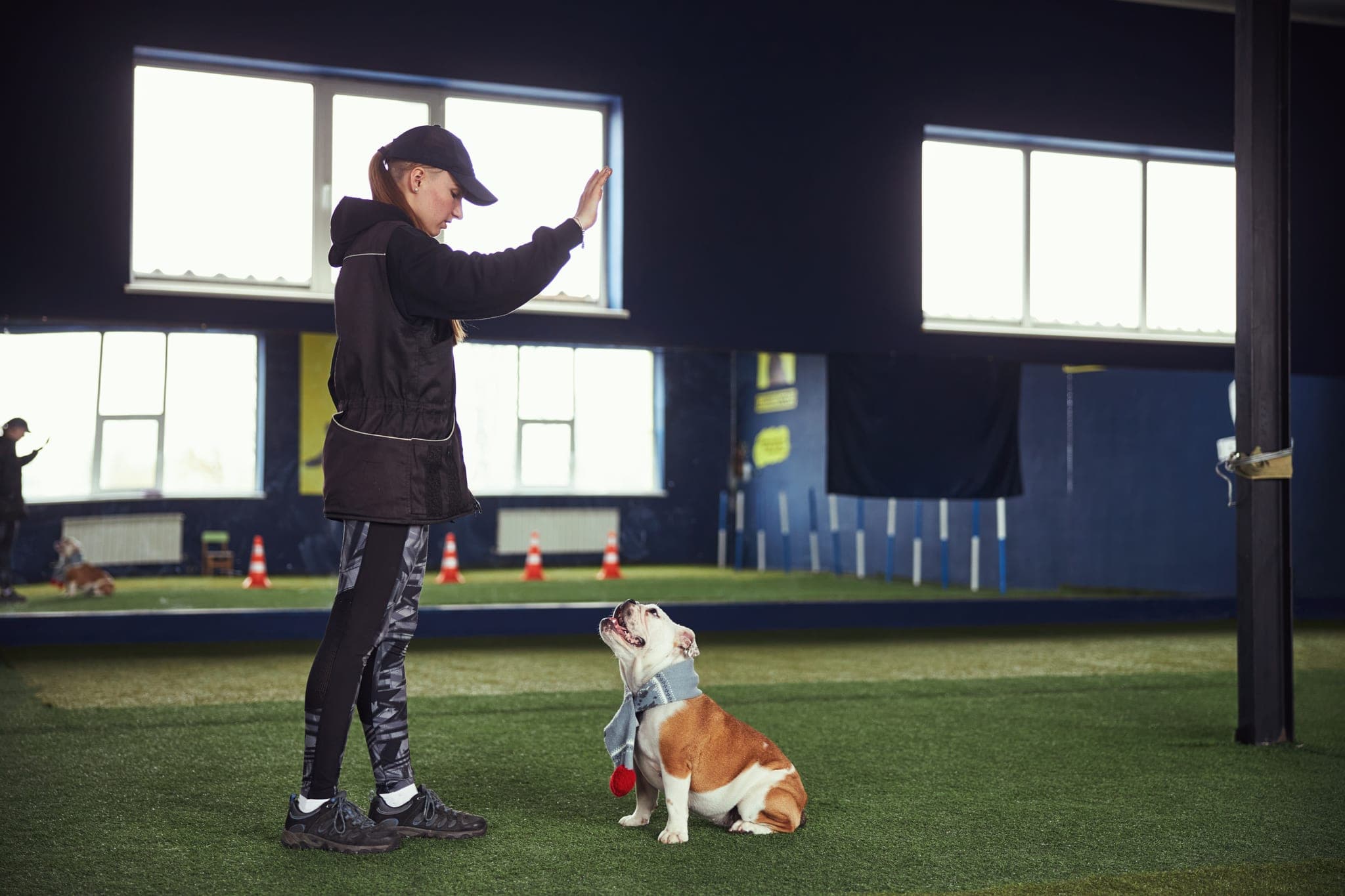
Each level builds on the one before. Novice work runs on-leash with simple heeling, a stand for examination, a recall, and group sit-and-down stays. Open adds off-leash heeling, a drop on recall, a retrieve on the flat, retrieves over the high jump, the broad jump, and out-of-sight stays. Utility — the technical pinnacle of the three core levels — strips voice cues from large portions of the routine and asks the dog to respond to hand signals alone, retrieve the handler's article from a group of identical decoys by scent, and execute directed jumping at a distance. Dogs jump 1.5 times their height at the withers in Open and Utility, with Preferred classes available at lower heights for dogs whose structure or age rules out the standard heights. The sport rewards a particular handler: someone who values incremental progress, accepts that a Utility scent article can take months to proof, and is willing to drill until the dog's sit is square every time. Reactive dogs can compete — Novice and Open run group exercises with multiple dogs in the ring on long sits and long downs — but the management between runs and the proximity work in the ring are real obstacles, not edge cases.
02 · The core exercises
A run is a sequence of named exercises performed for the judge in a prescribed order, each carrying a fixed maximum point value. The handler does not pick the order, the heeling pattern, or where stewards stand for the figure eight — the judge does. The exercises below are the building blocks that show up across Novice, Open, and Utility.
03 · AKC progression
The American Kennel Club program is the largest and oldest obedience structure in the US — the program that grew directly out of Helen Whitehouse Walker's 1933 test. Its core ladder has three traditional levels (Novice, Open, Utility) bracketed by an introductory Beginner Novice class and an extensive championship structure above Utility. Most US trial weekends are AKC trial weekends, and the National Obedience Championship is the prestige finish. Eligibility covers all AKC-registered purebreds plus mixed-breed and unregistered purebred dogs enrolled in the AKC Canine Partners program. Dogs compete from six months of age. Intact dogs of both sexes are allowed; per most premium policies, females in season are scheduled to run last in the running order or in a separate ring to manage the impact on other dogs.
04 · UKC progression
The United Kennel Club program covers the same exercises with a more granular ladder — nine licensed levels instead of AKC's three core classes plus Beginner Novice — and a published-as-less-formal trial culture. UKC handlers describe a slightly relaxed atmosphere and the option to keep showing at lower levels even after finishing higher titles. Titles do not transfer between AKC and UKC; a dog with an AKC CD starts at the bottom of UKC if the handler chooses to cross. Eligibility covers all UKC-registered dogs plus mixed-breed and unregistered purebred dogs enrolled in UKC's Limited Privilege (LP) program. Dogs compete from six months of age.
05 · AKC vs UKC
AKC and UKC cover the same exercises through different ladders and different trial cultures. The choice for most US handlers is "AKC, with UKC added for trial volume" rather than "AKC or UKC." Titles do not transfer between AKC, UKC, or CKC — a dog with an AKC CD must start in UKC Pre-Novice or Novice if the handler chooses to cross-compete. What transfers is the dog and the training. The exercises are similar enough that a CDX-level team can pick up UKC's Open-equivalent quickly; what changes is the rule set, the running order, and which credential matters to the handler. CKC is a footnote for US handlers — relevant only when crossing into Canada or entering CKC-sanctioned US events.
06 · Getting started
Obedience has the easiest entry door in dog sports — a six- to eight-week group foundation class at a local club or training facility, somewhere between $100 and $250 for the full course. The harder part is the second class, and the third, and the fourth. Foundation builds the dog's positions, attention, and heeling pattern; competition obedience builds the precision the ring demands; and the run-up to a first trial is several months of consistent work, not a single class series.
07 · Your first trial
Obedience trials are quieter and more formal than most dog sports — closer to a chess tournament than a Fast CAT meet. Indoor venues at training facilities and outdoor club grounds are both common. Handlers spend most of the day waiting, then perform a 5–8 minute run, then go back to waiting. The mental load is real even when the dog is doing well, and the trial nerves of a first-time handler are something experienced competitors warn newcomers about specifically because they cause the team to fall apart in the ring despite training beautifully at home.
08 · What it costs
Obedience costs spread across a wide range. Casual participants who train for the work and enter a few trials per year sit at the low end. Active competitors chasing CDX or UD titles run mid-range. Serious championship-level competitors pursuing UDX or OTCH spend at the top of the range, mostly on travel and trial entries rather than training equipment.
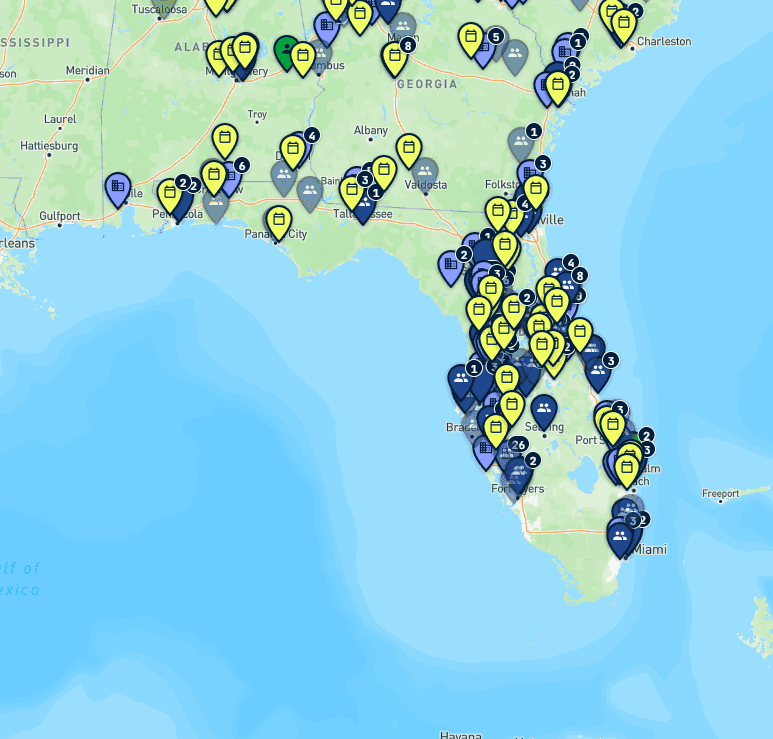
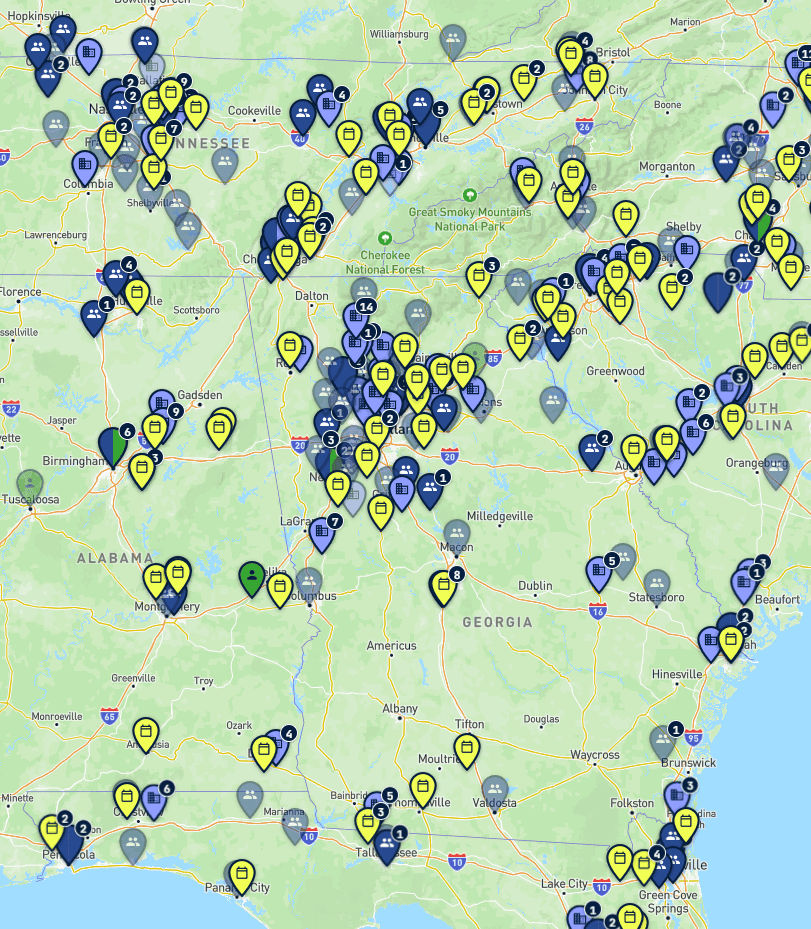
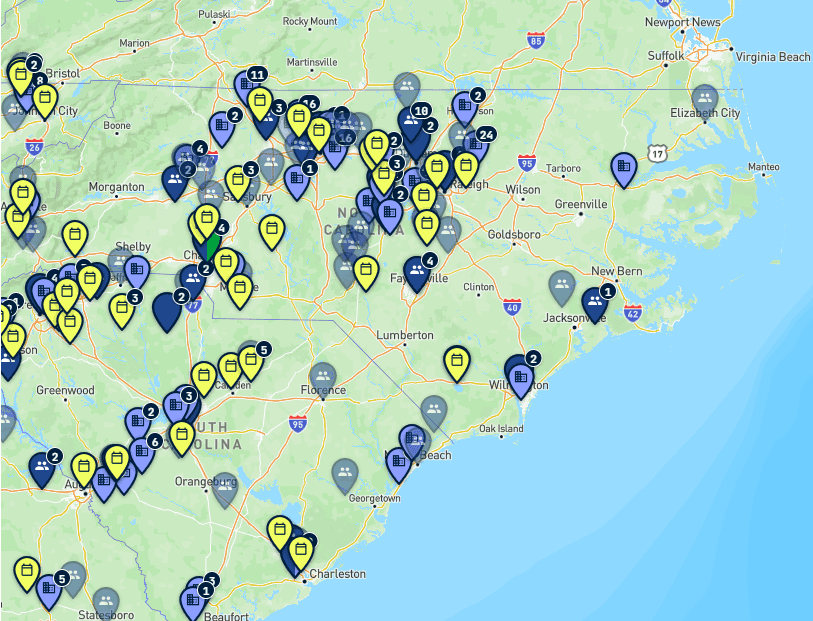
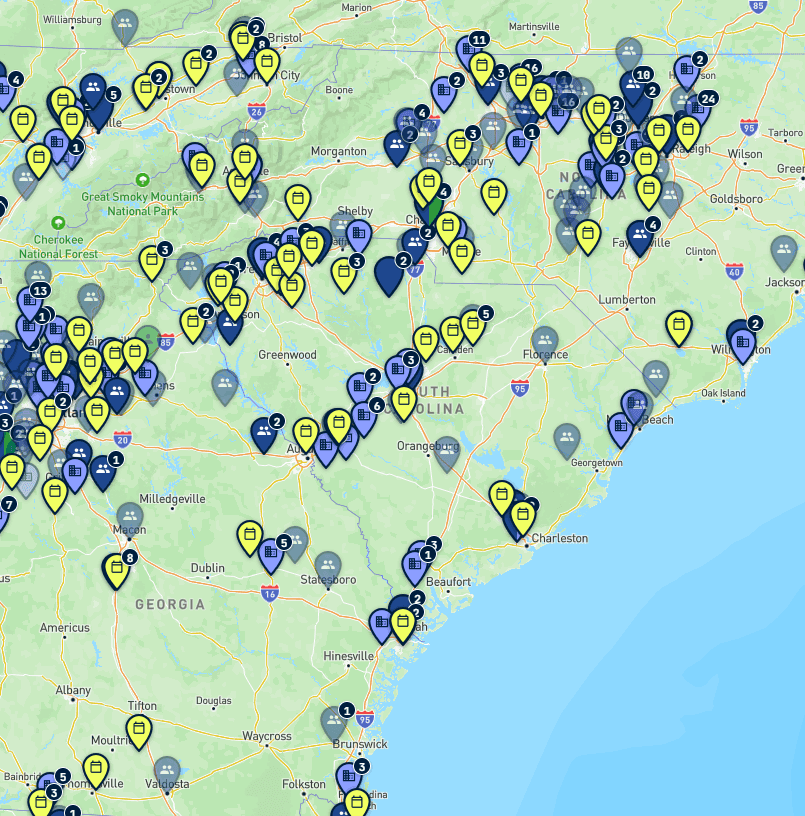
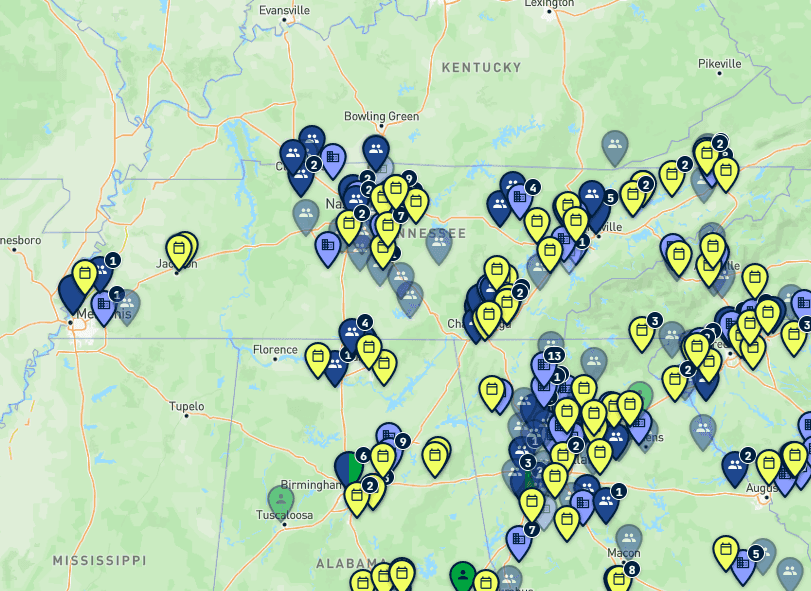
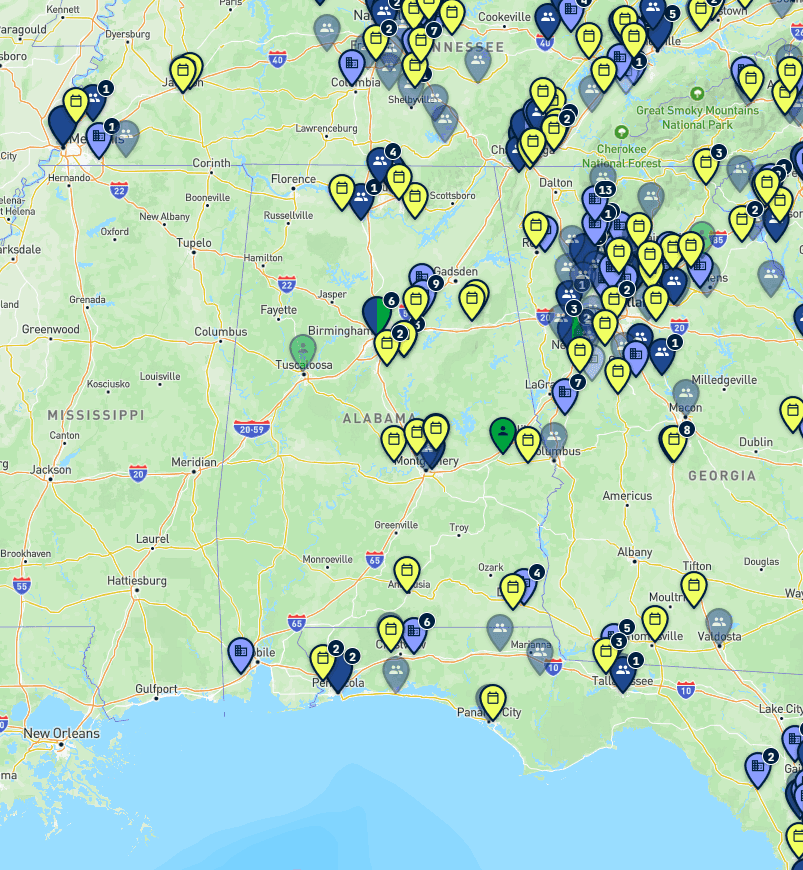
Find obedience near you.
Made for obedience.

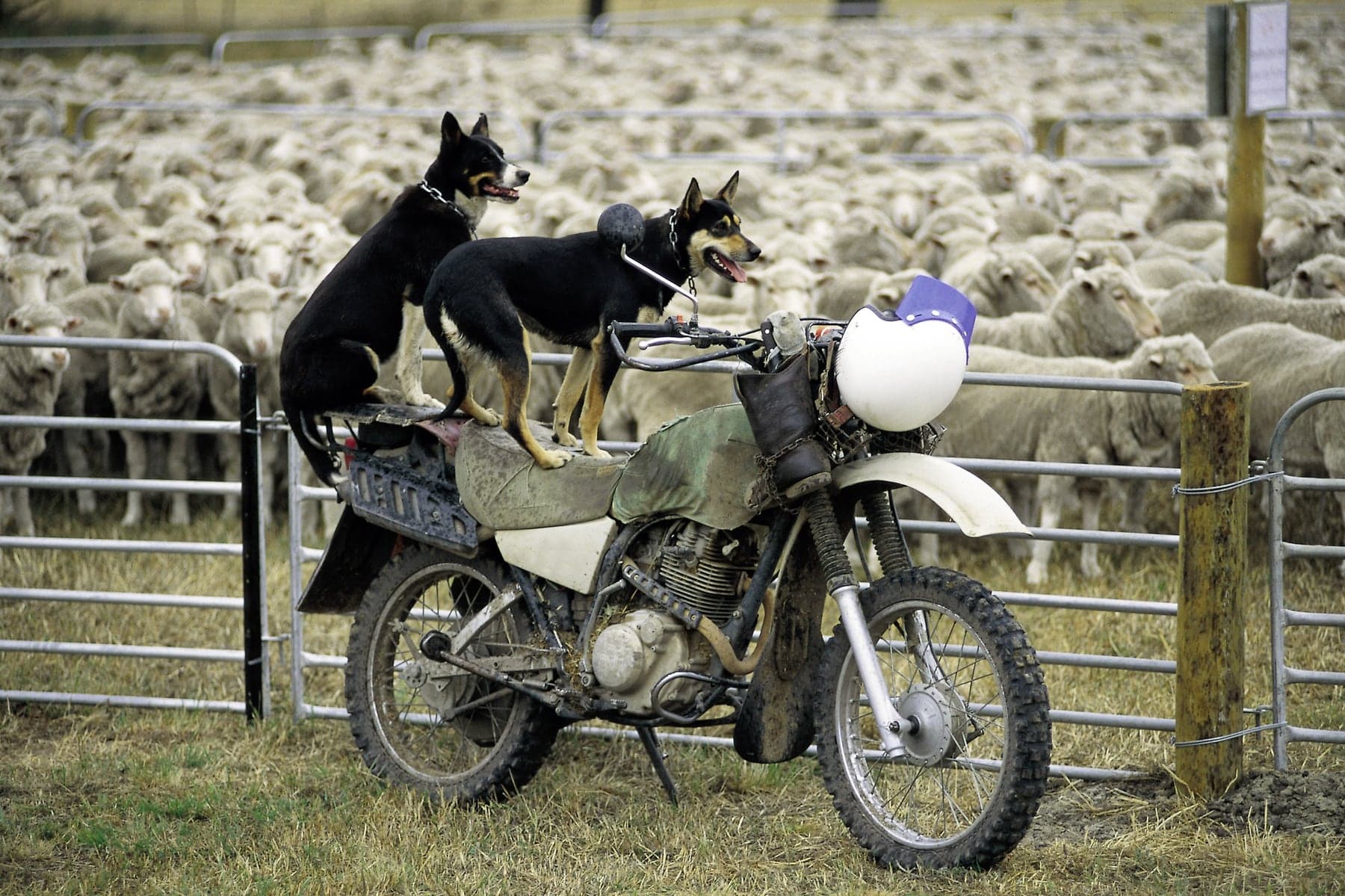
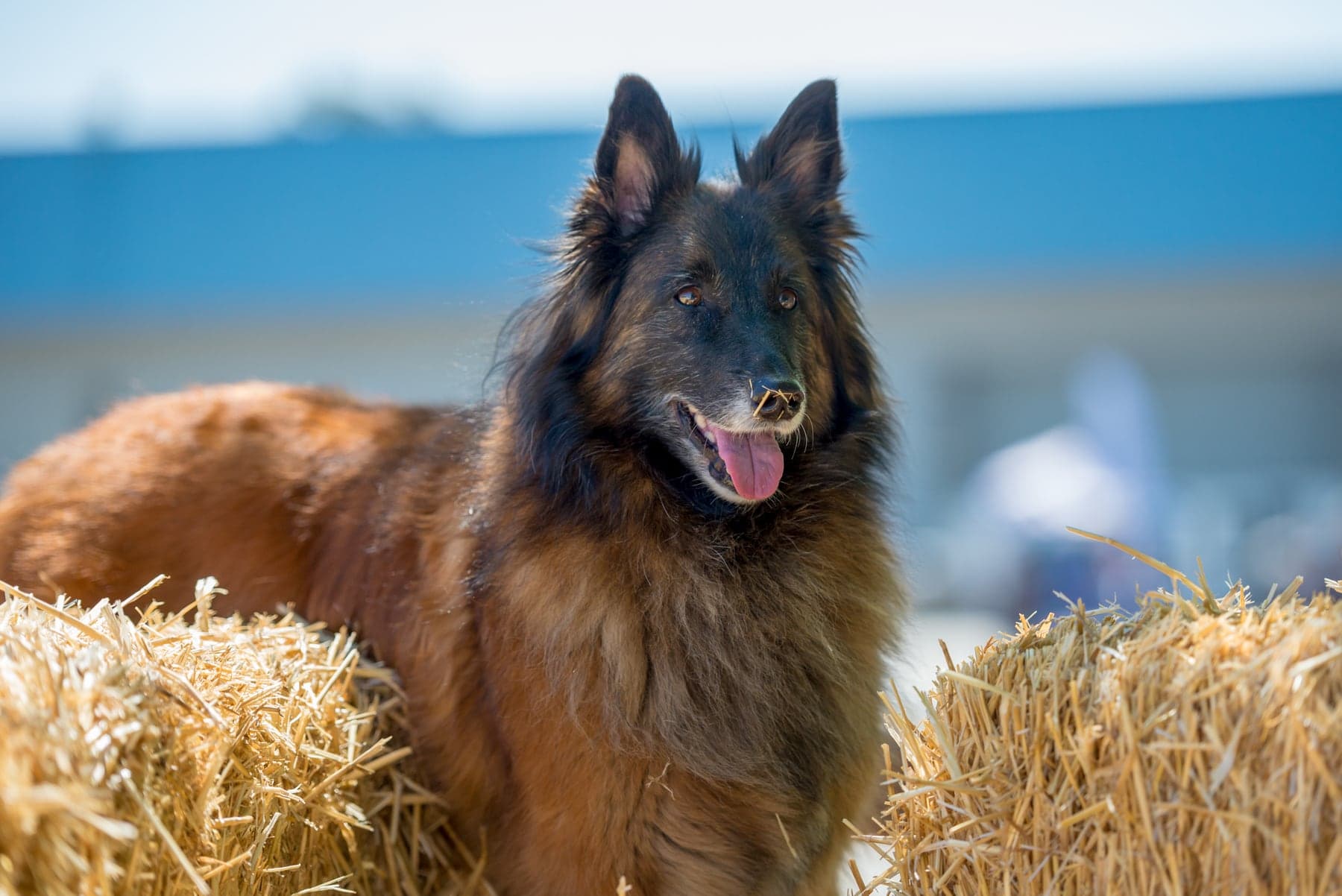
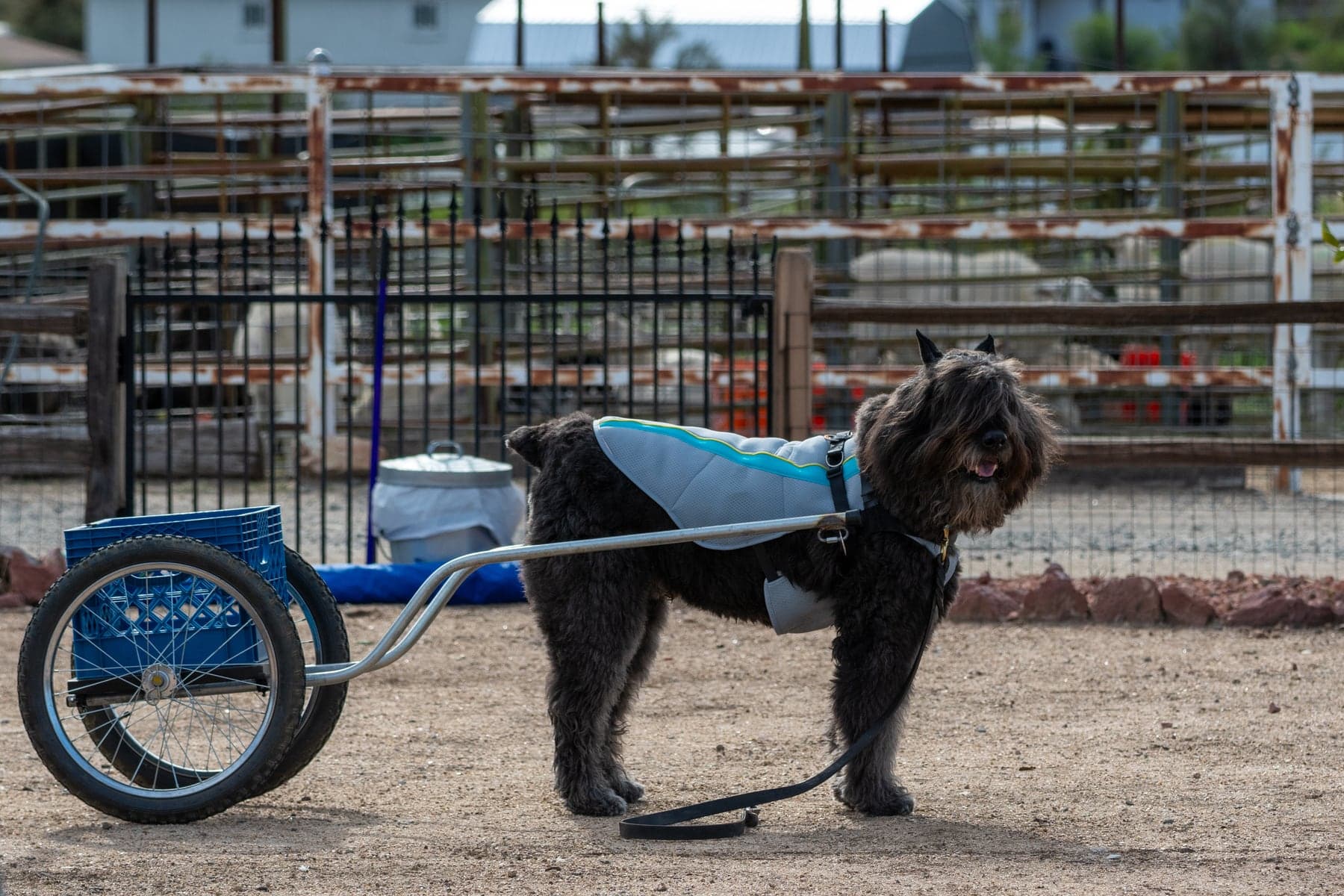
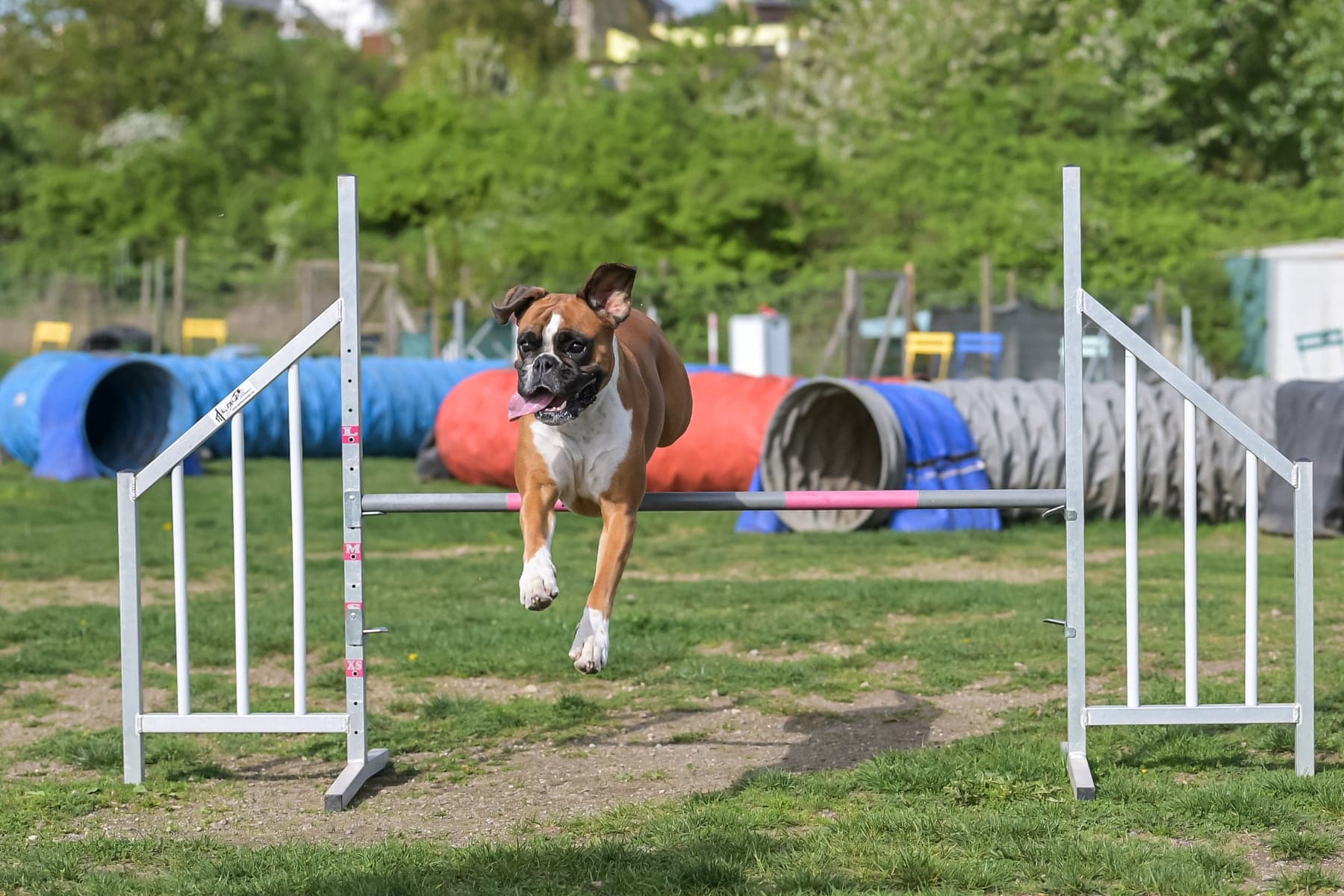
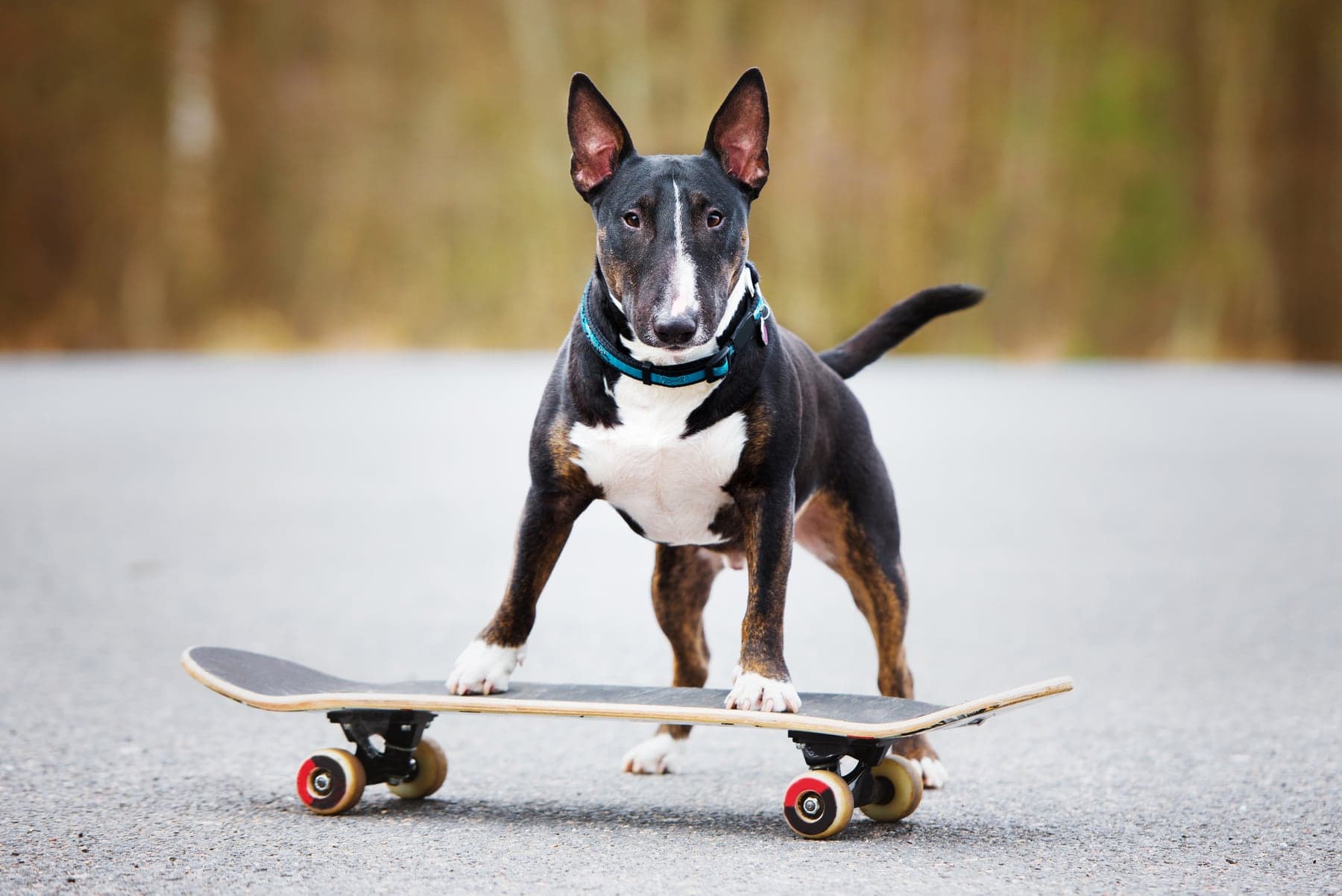
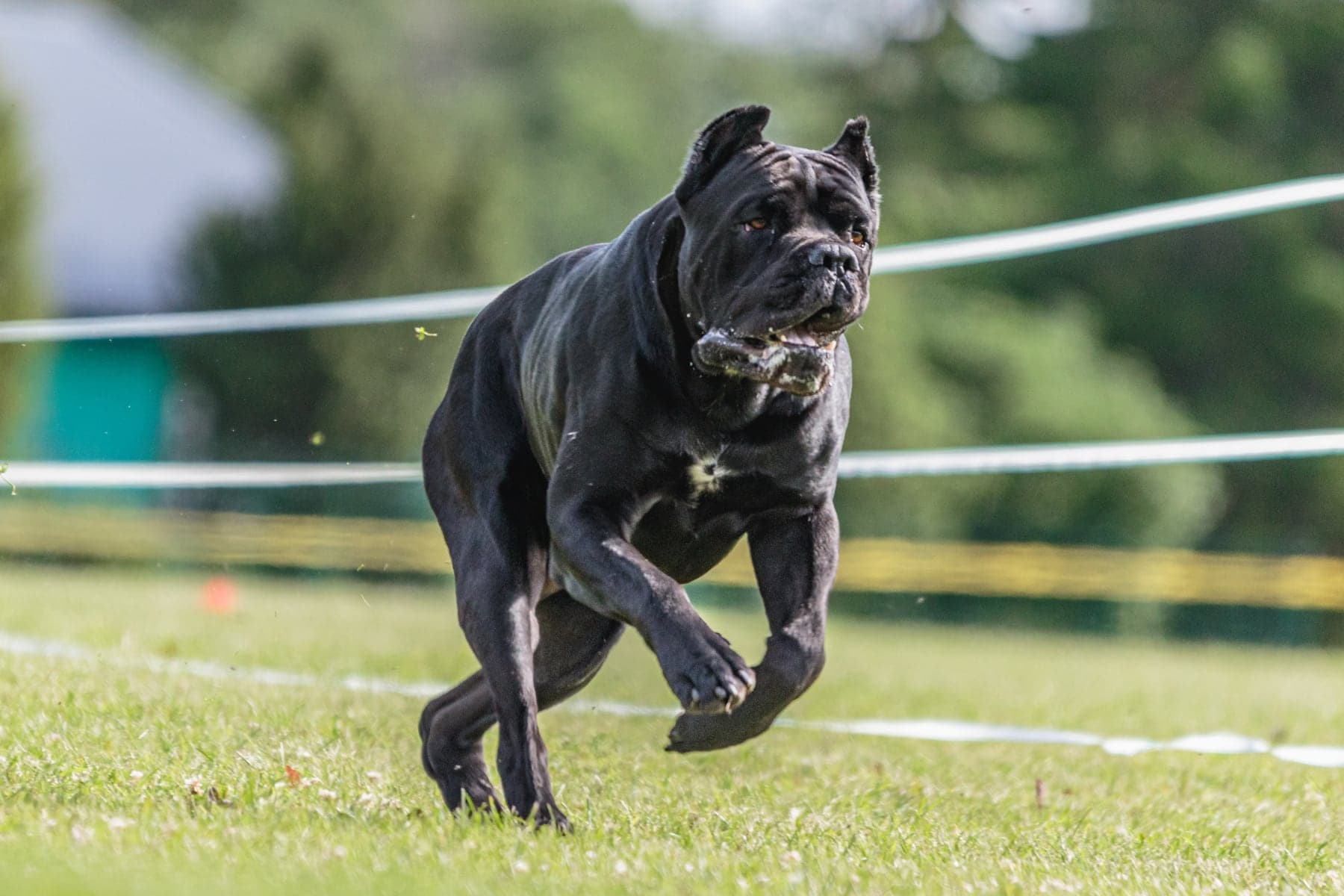
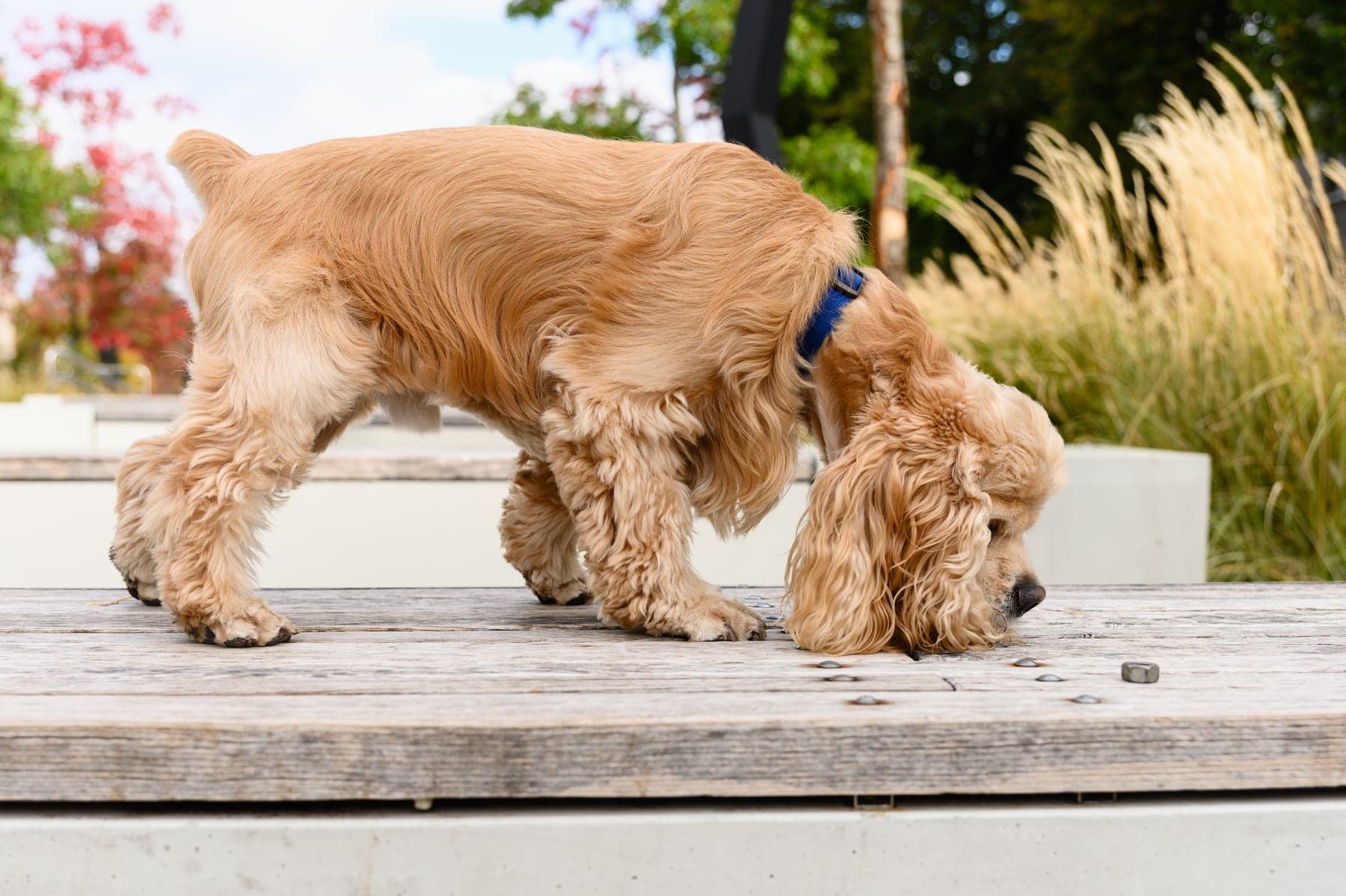
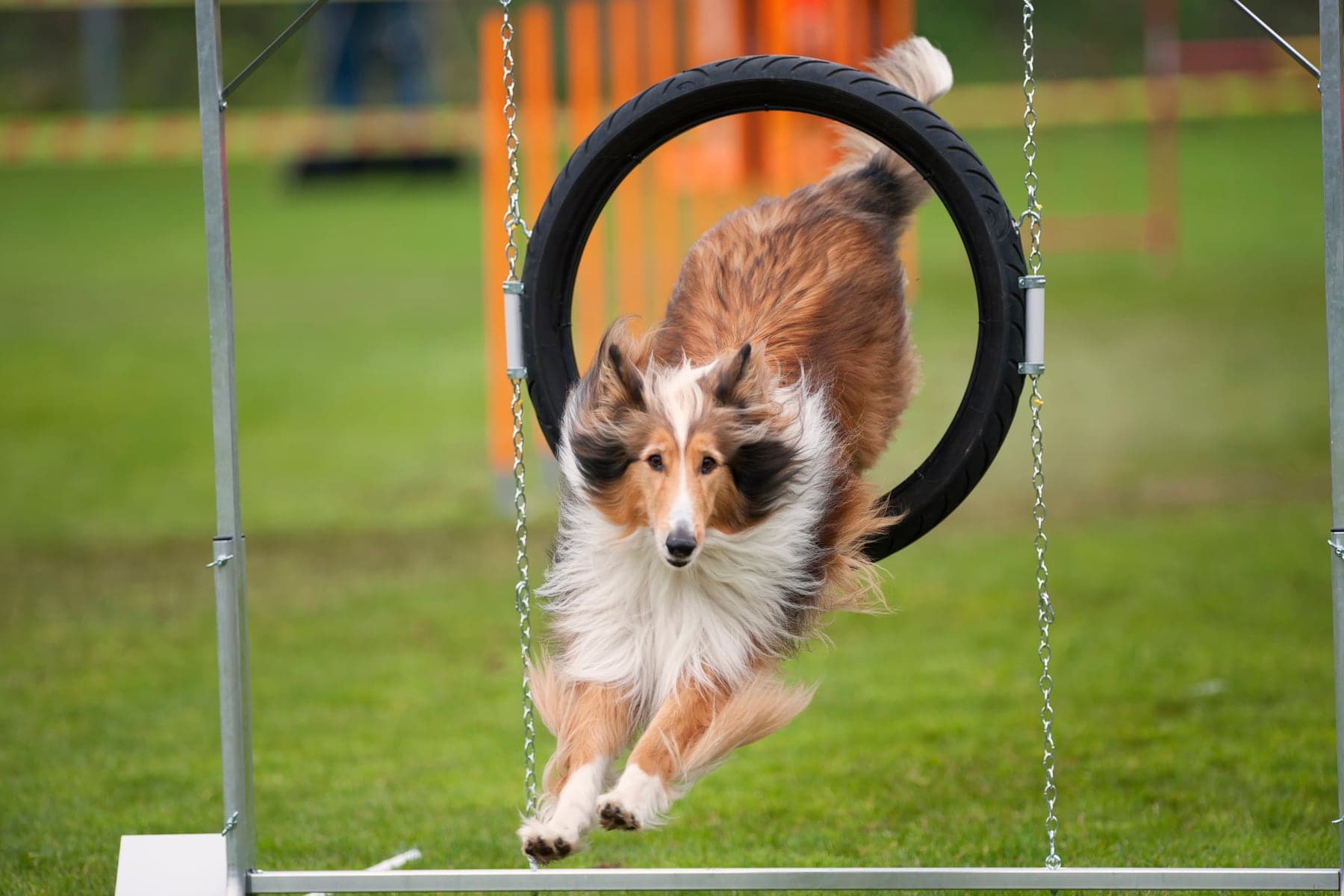
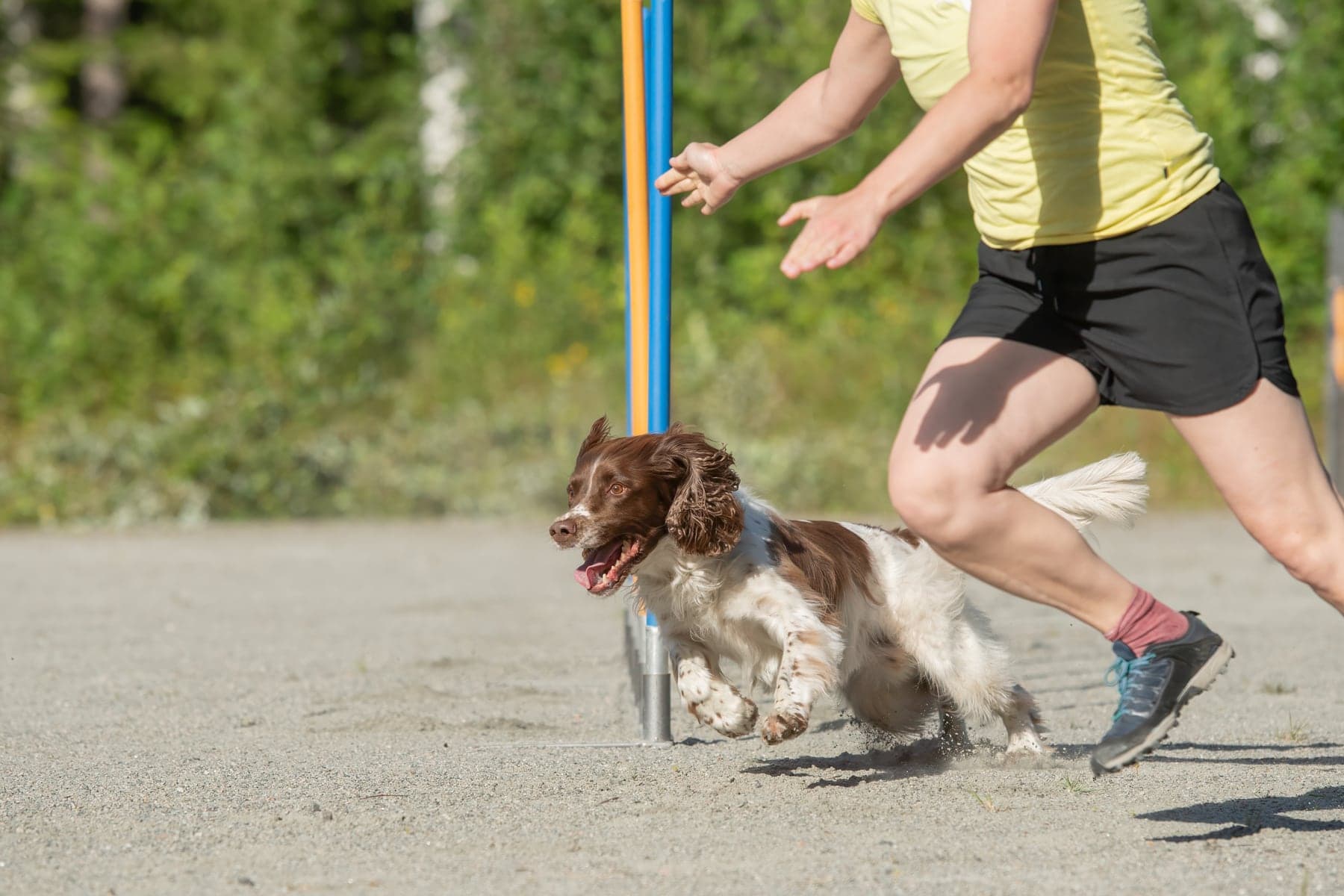
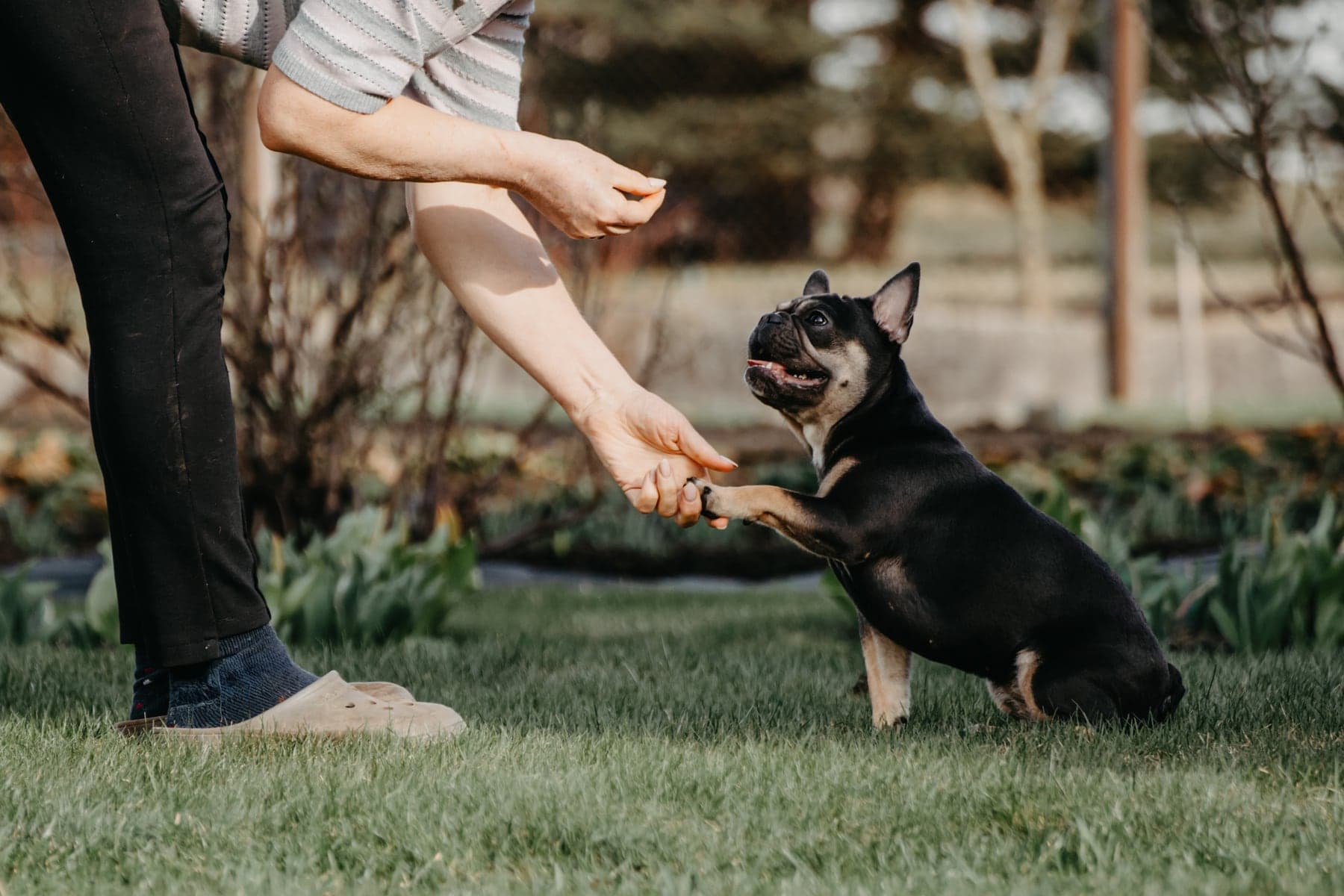
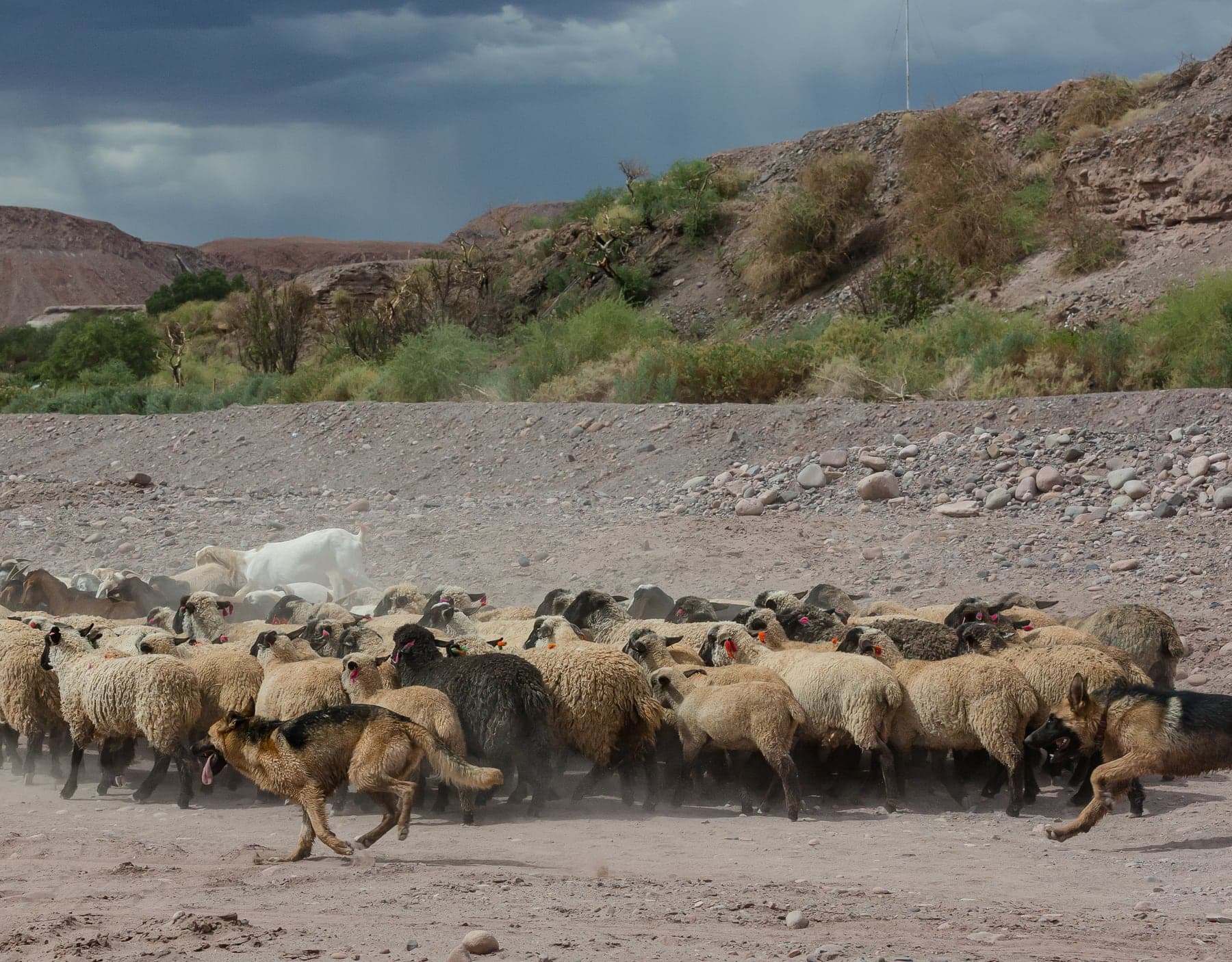
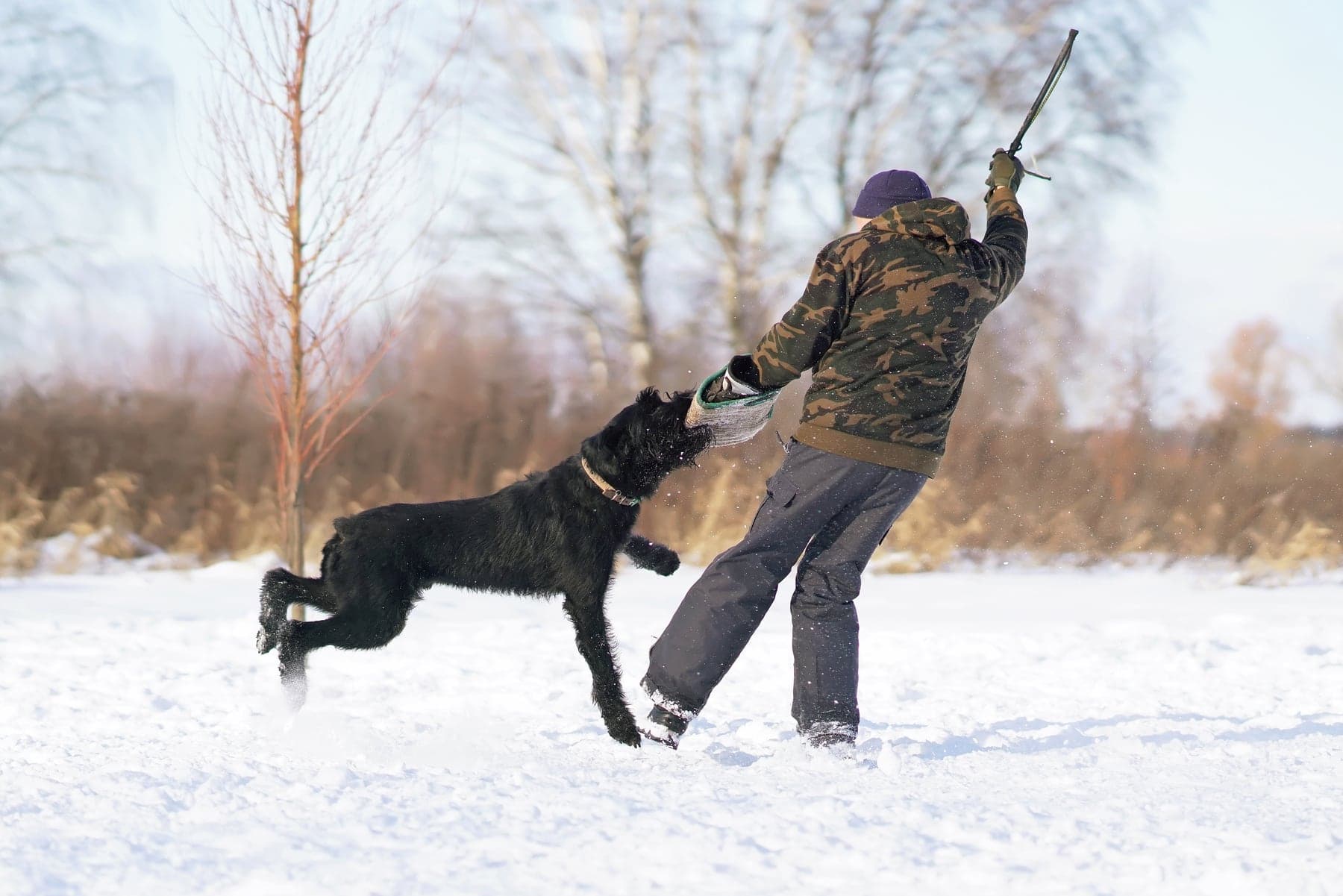
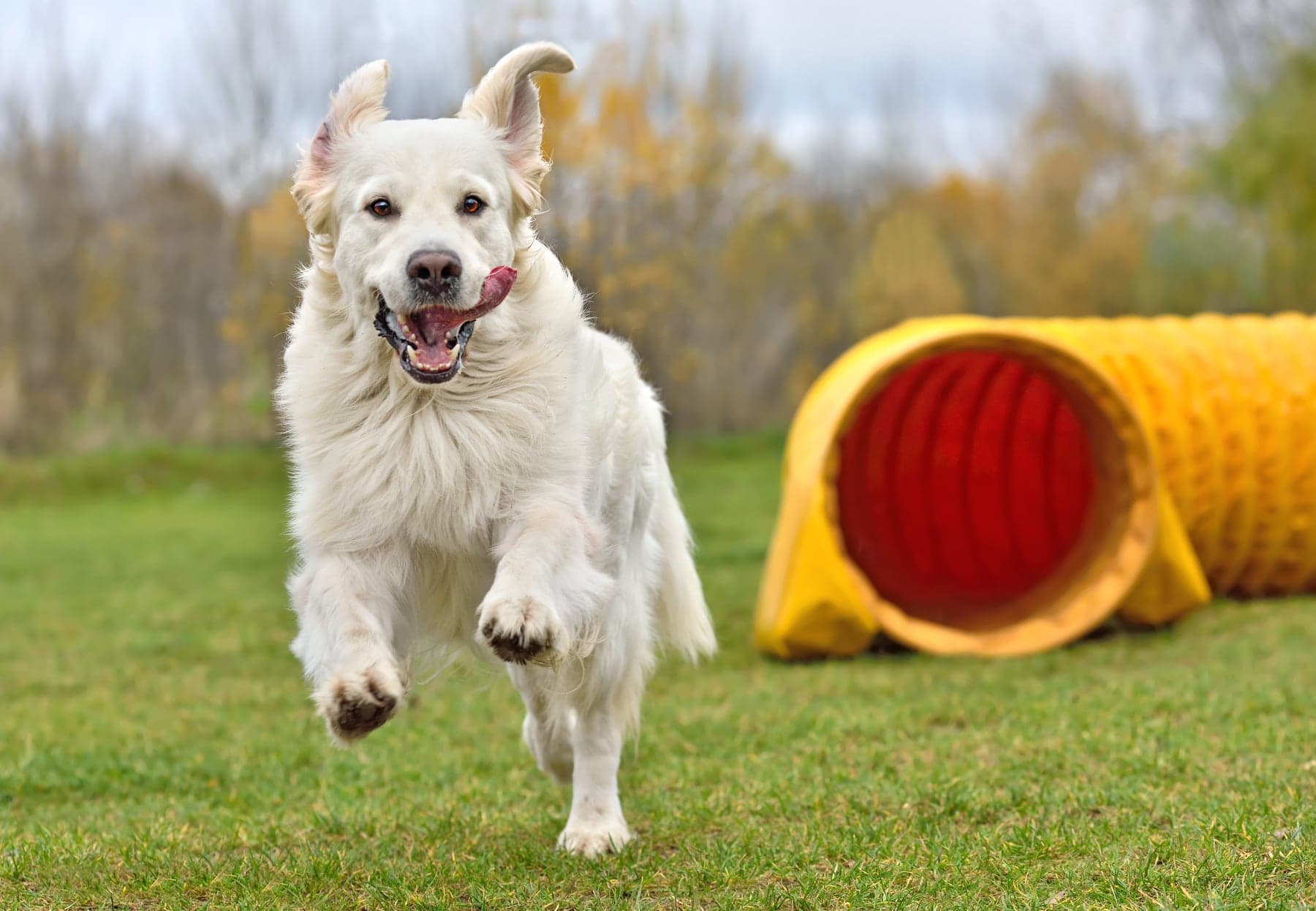


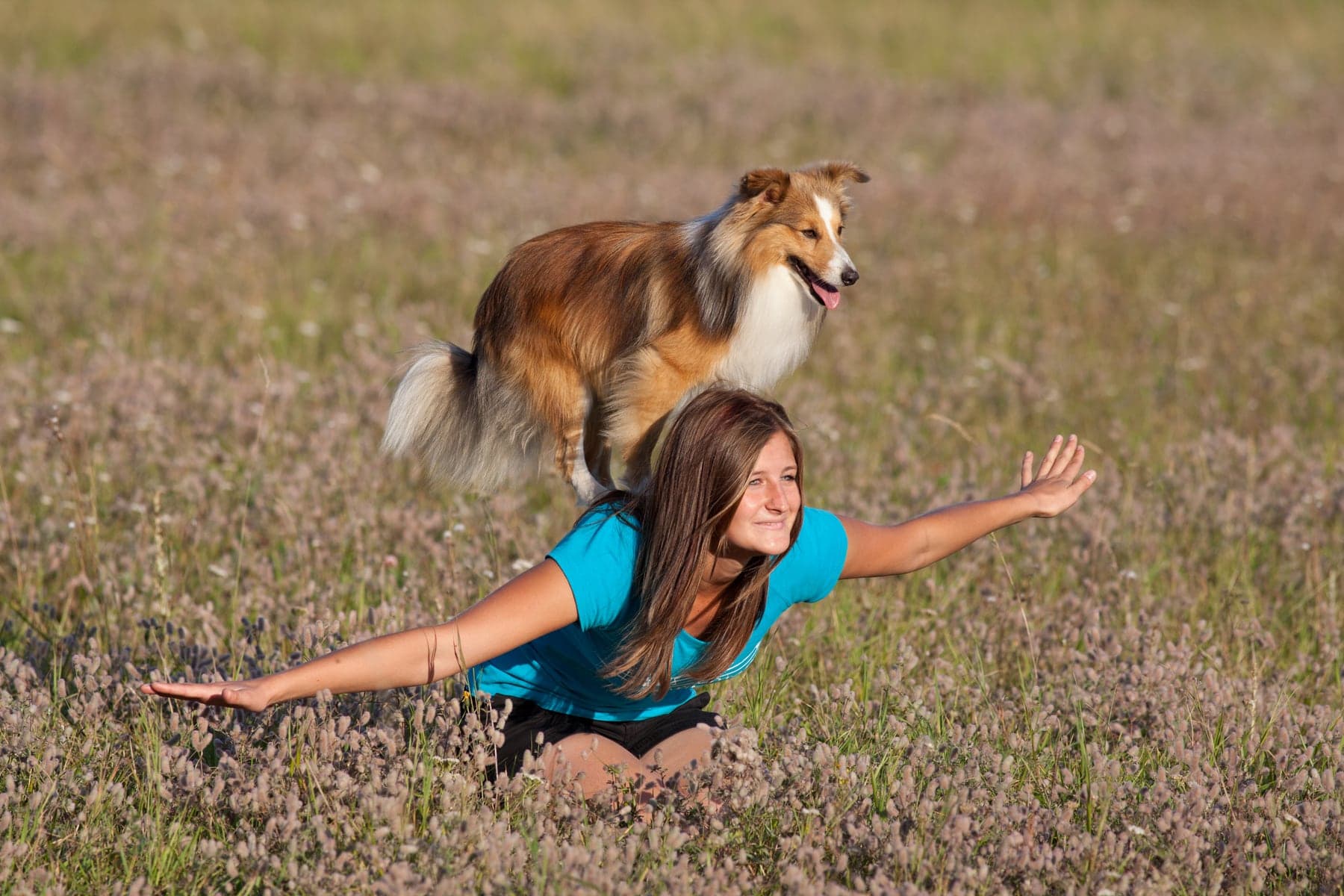
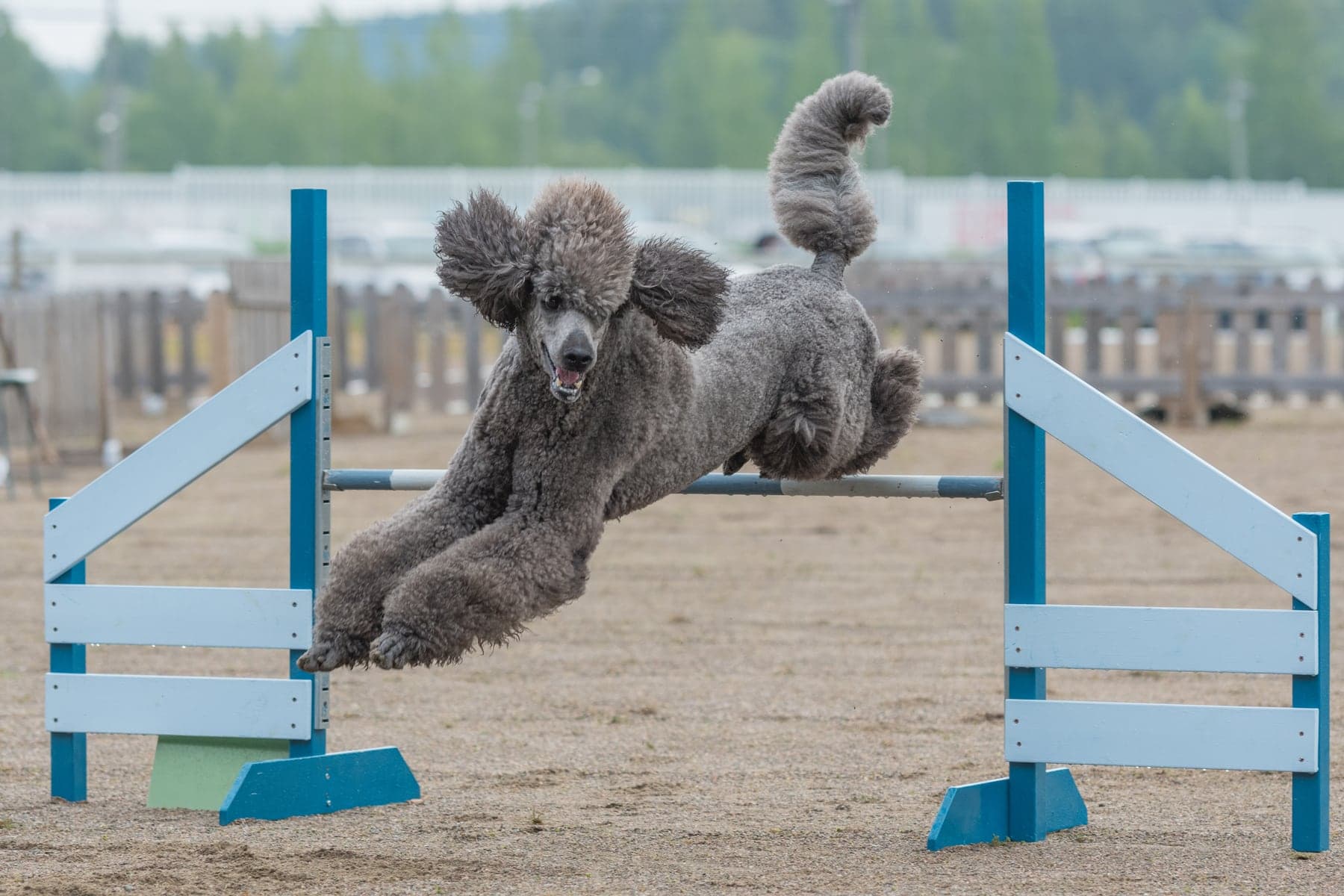

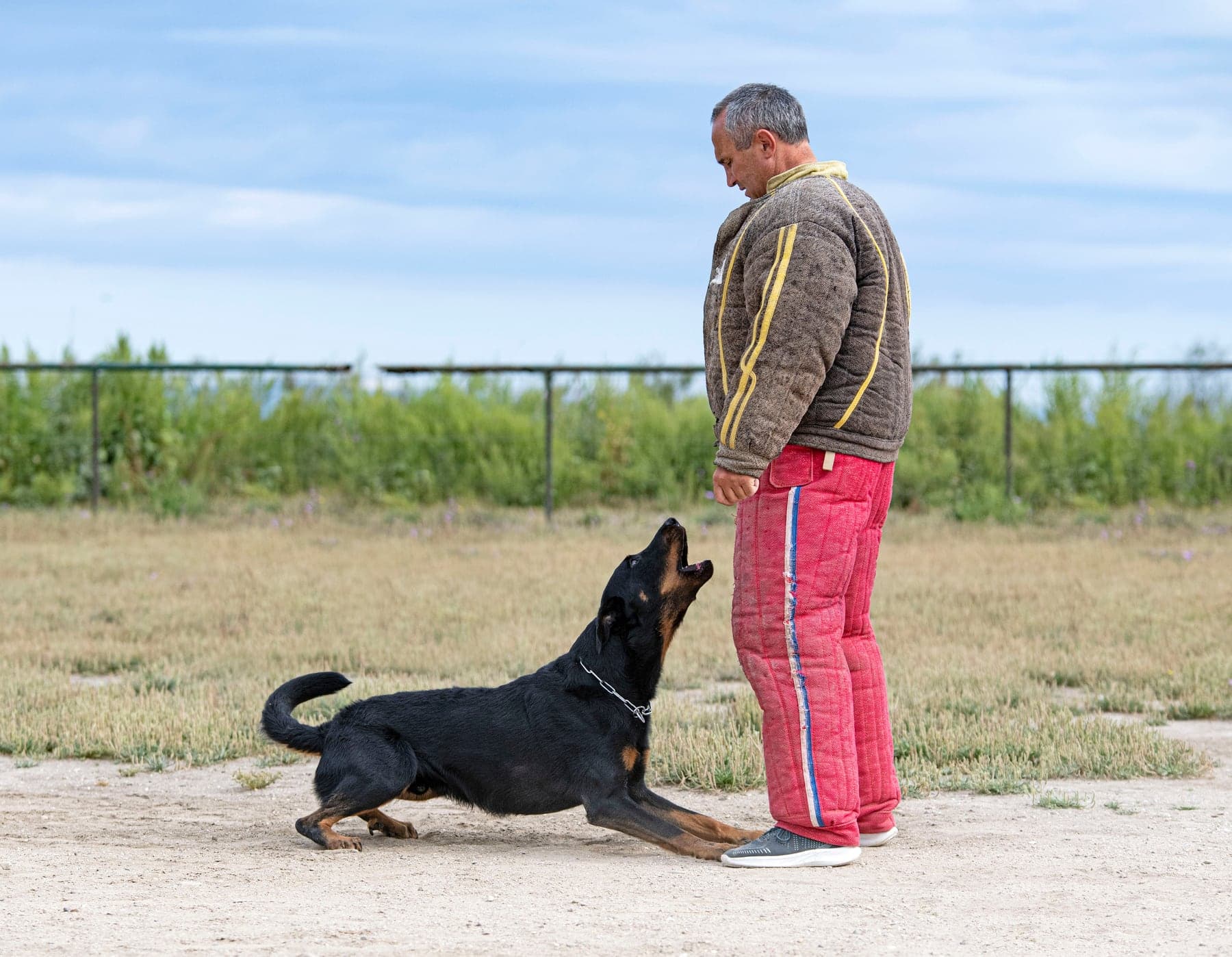
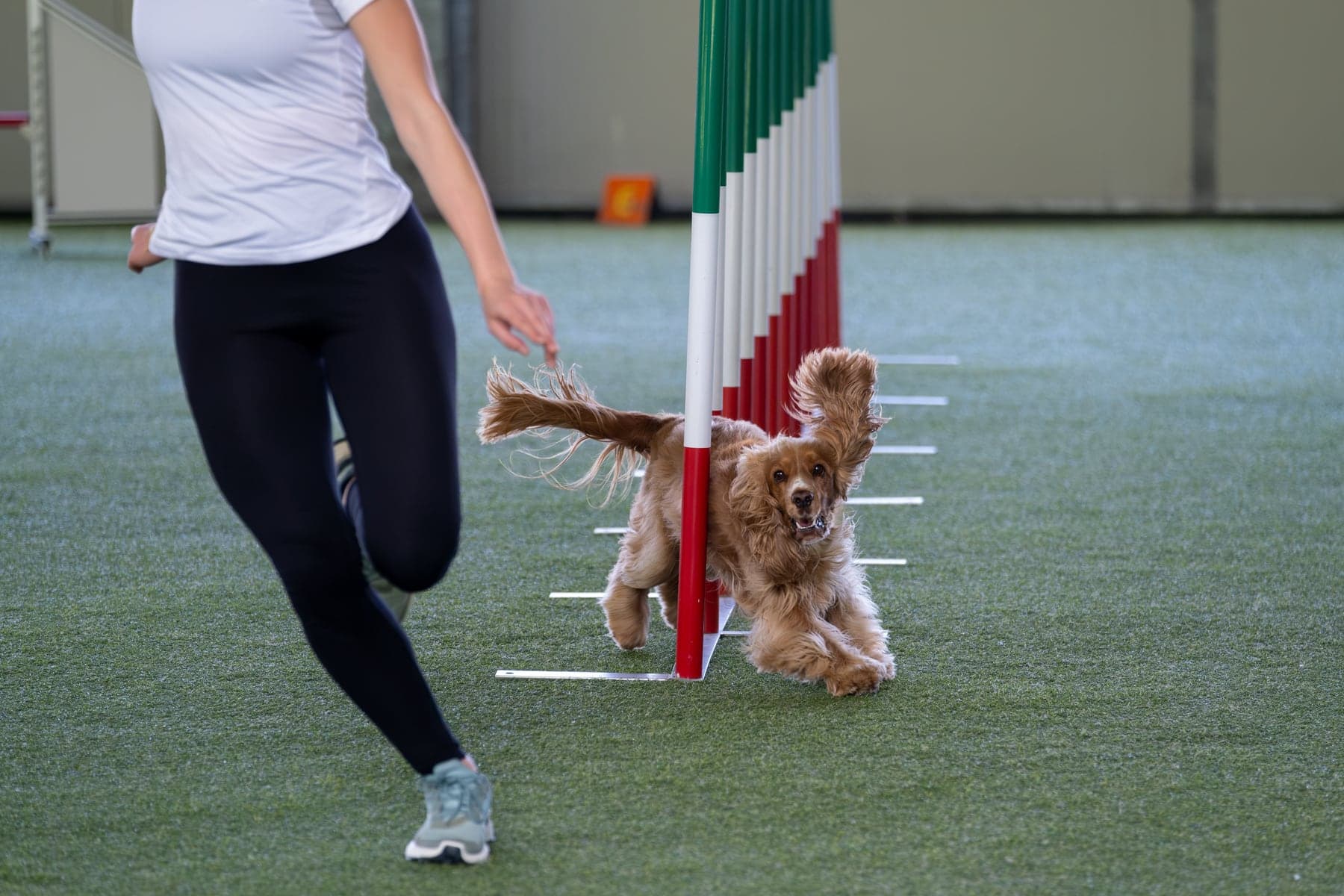
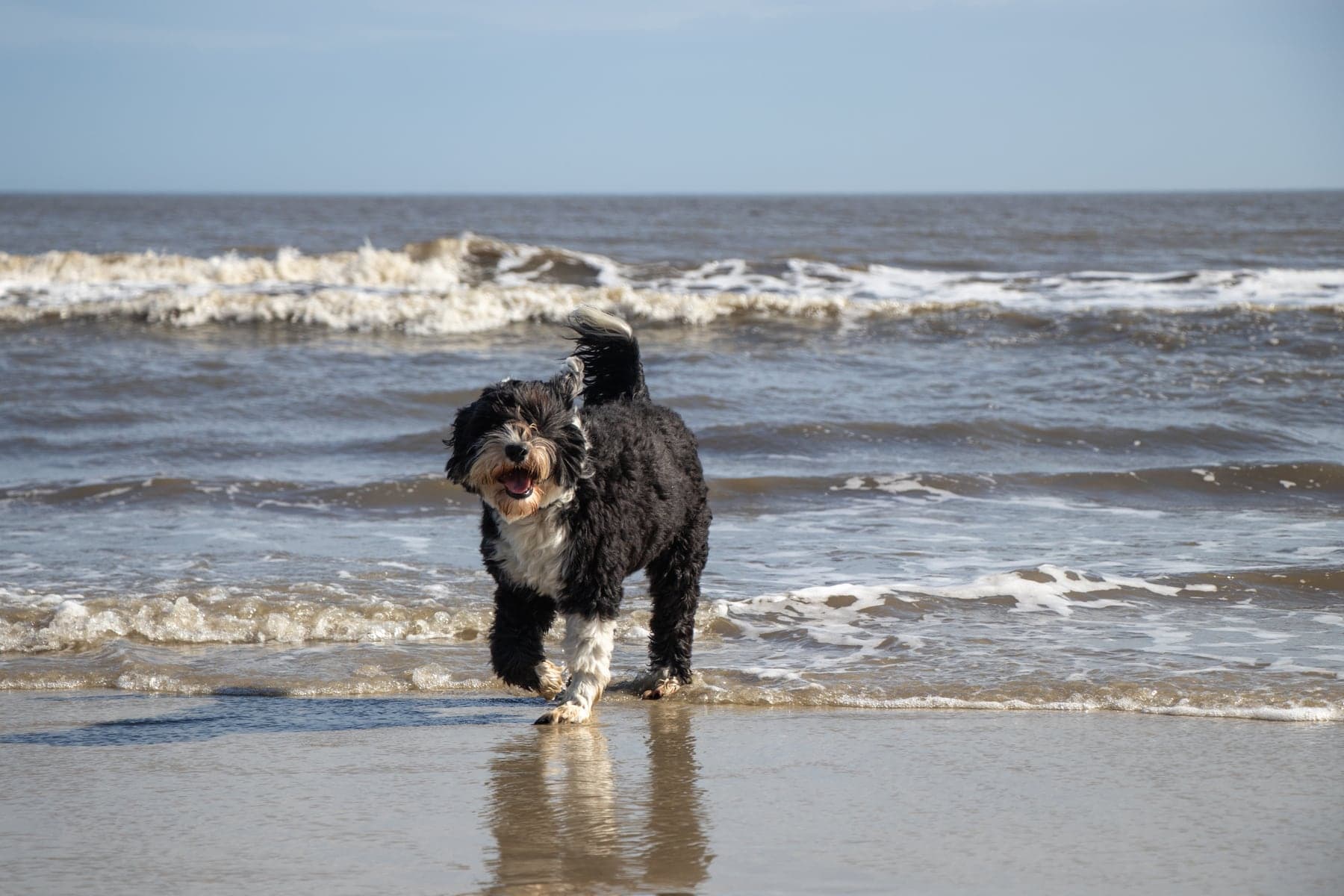
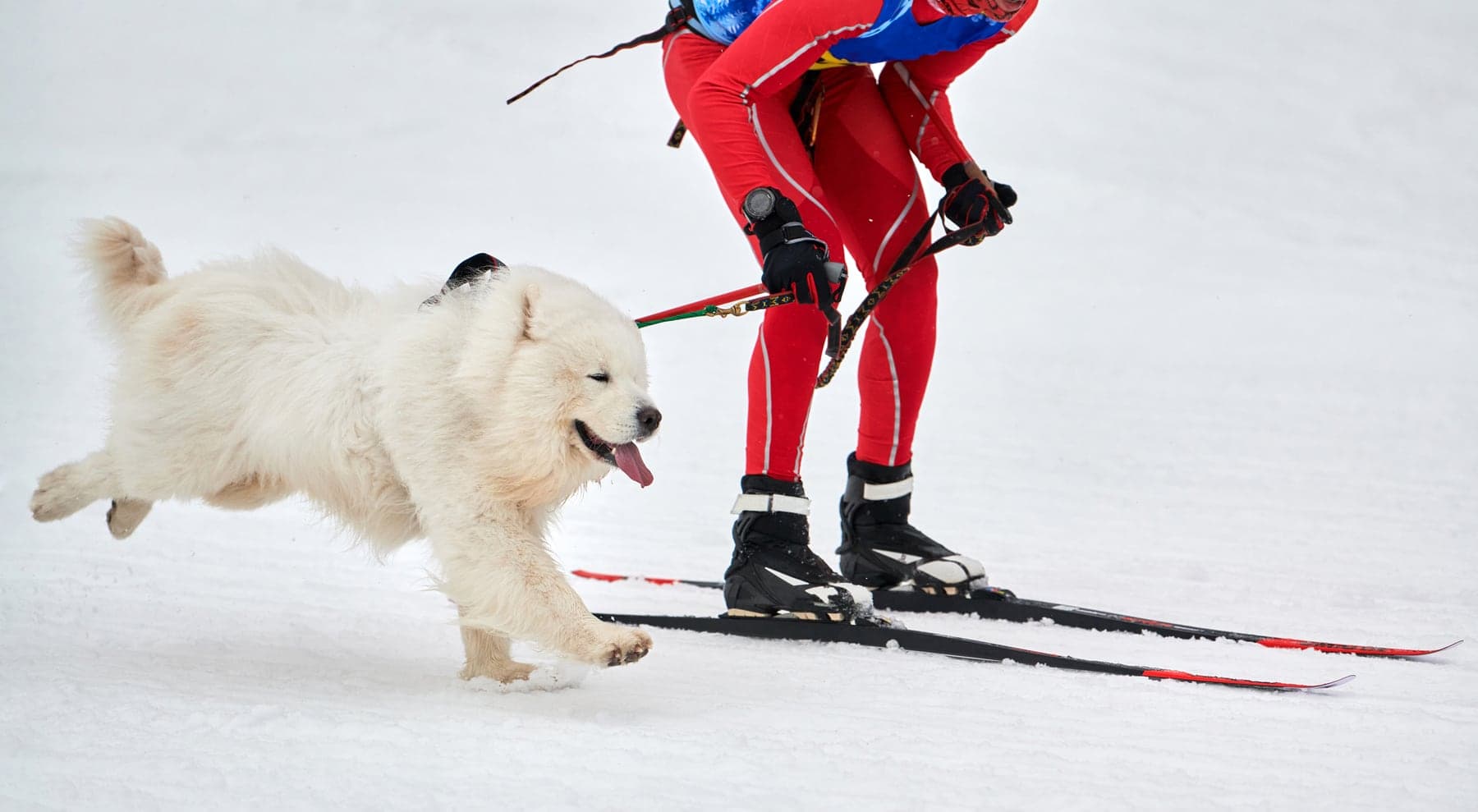
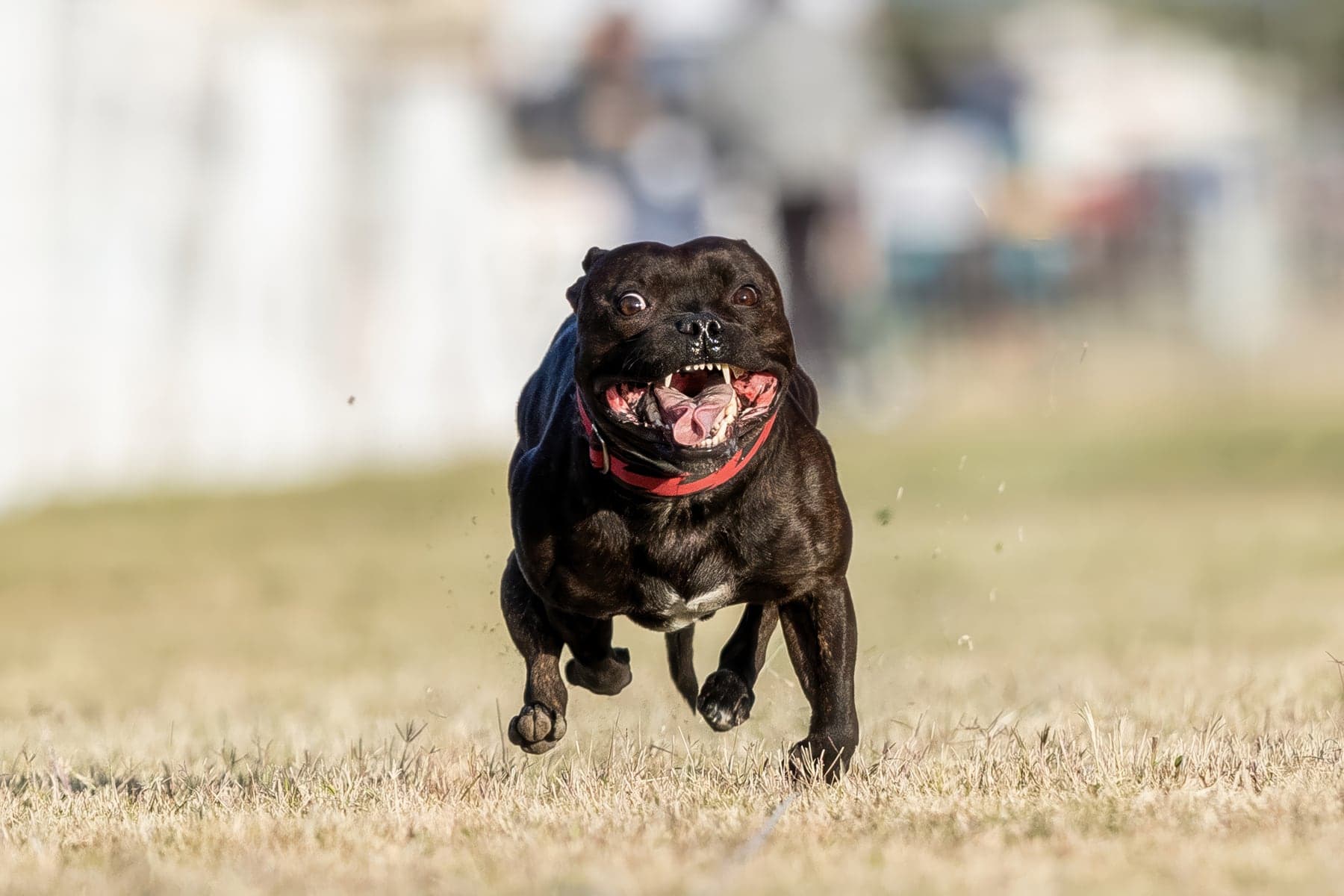
Breeds in our field guide that take naturally to obedience — not every breed that competes, just the ones we’ve written up so far.

Sources & verification
Our Obedience guide is an independent, plain-English orientation — not an official rulebook. Rules, titles, eligibility, and fees vary by organization and change over time, so always confirm the specifics with the current rulebook or event premium before you enter.
Checked against
Spot something out of date? Tell us and we’ll fix it.