Discover Oval Racing
A drag-lure track sport where sighthounds run multi-program oval meets in same-breed fields — scoring points across three or four heats toward NOTRA championship and national titles.
01 · What is it
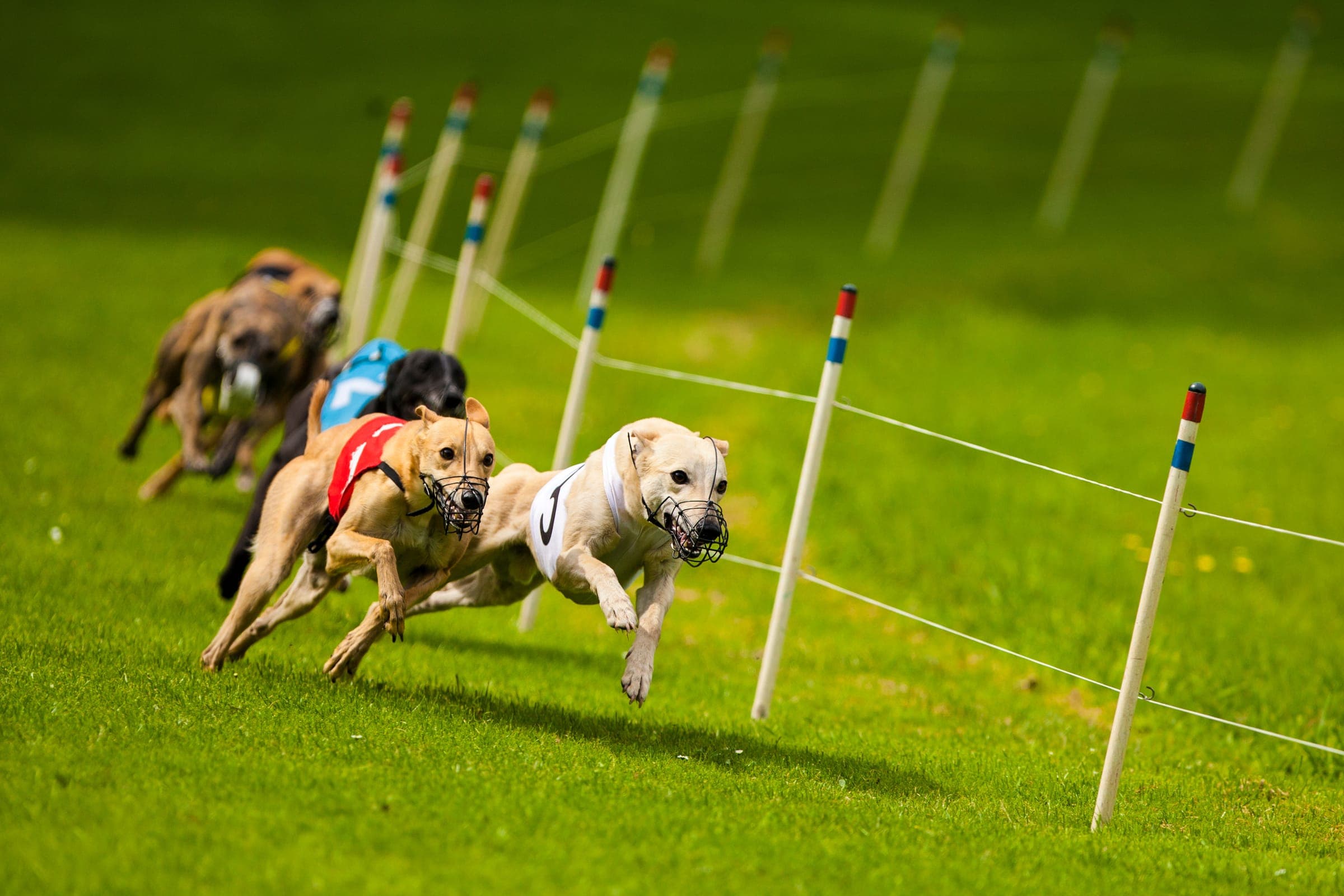
Oval racing is a track sport where sighthounds chase a mechanical lure around a fenced oval course of 220 to 440 yards, running three or four programs of heats per meet against same-breed competitors. Dogs wear racing muzzles and colored jackets and start either from a multi-hole starting box (required for whippets) or by hand-slip (used in the Other Breed division). Handlers release at the start and have no further role until the catch — the work belongs to the dog: sight the lure, hold a clean line through the turns, run cleanly with other hounds. Each placement converts to meet points; the meet's final order determines championship and national points toward NOTRA titles. Crucially, this is amateur racing — volunteer clubs, no betting, and the dogs are family pets — not the commercial pari-mutuel Greyhound racing it descends from, which is now nearly extinct in the US (down to a couple of tracks) and banned in most states.
Whippets dominate entries, but seventeen other sighthound breeds also compete under the rules — Afghan Hounds, Borzoi, Greyhounds, Salukis, Italian Greyhounds, Rhodesian Ridgebacks, Silken Windhounds, and others. The sport is not a fit for dogs with dog-directed aggression — same-breed fields run together off-leash — and it is not a casual weekend activity for an unconditioned sighthound. Hard acceleration and repeated cornering at speed put real load on shoulders, wrists, and spines. Year-round conditioning is the working norm, not race-week ramp-up.
02 · The meet
A NOTRA Official Race Meet has a track, a lure system, a starting method, a program structure, and a scoring system. Each piece has rule-defined requirements, and how they fit together is what makes oval racing distinct from straight-track LGRA or open-field lure coursing.
03 · Whippet ladder
NOTRA's whippet titles run from the entry-level Oval Track Racer (OTR) through Oval Track Racer of Merit (OTRM), the championship Oval Racing Champion (ORC), and the top-tier Supreme Oval Racing Champion (SORC). Each tier requires accumulated meet points; the ORC and SORC additionally require championship and national points earned only in meets large enough to qualify. The exact numeric thresholds are defined in Chapter 5 of the 2025 rulebook.
04 · Other Breed
Division II covers the seventeen non-whippet sighthound breeds eligible under NOTRA rules. Chapter 7 of the rulebook lays out a parallel ladder — Junior Oval Racer, Senior Oval Racer, Other Breed Oval Racing Champion (OBORC), and Other Breed Supreme Oval Racing Champion (OBSORC) — with its own points distribution charts. Requirements mirror the whippet ladder in shape but apply per breed, and the points distribution is calibrated for the smaller field sizes the Other Breed division produces.
05 · Cross-sport
Oval racing rarely sits alone on a sighthound's resume. NOTRA shares competitors, weekends, and breed-club calendars with LGRA straight-track sprint racing, ASFA and AKC lure coursing, and the conformation ring. Understanding how oval fits the broader picture is part of why handlers commit to it.
06 · Getting started
Most newcomers enter oval racing through a sighthound breed club or a dual-purpose race club that already hosts NOTRA and LGRA meets. The standard on-ramp is a club practice or post-meet fun run, where the dog can chase the lure singly or with a trusted companion before the formal qualifying run. There are few dedicated oval-racing classes — instruction comes from club mentors, lure coursing practices, and conditioning programs borrowed from sprint sports.
07 · Meet day
A NOTRA meet is structured but long — full days with defined check-in, inspection, programs, and scoring. First-time handlers feel the schedule and the jargon; sighthounds adapt fast to the excitement of lure movement and other dogs running.
08 · What it costs
Oval racing's costs are driven by travel volume more than by entry fees or equipment. Per-meet entries are modest. The driving and lodging that come with a sparse regional schedule are not.
Made for oval racing.
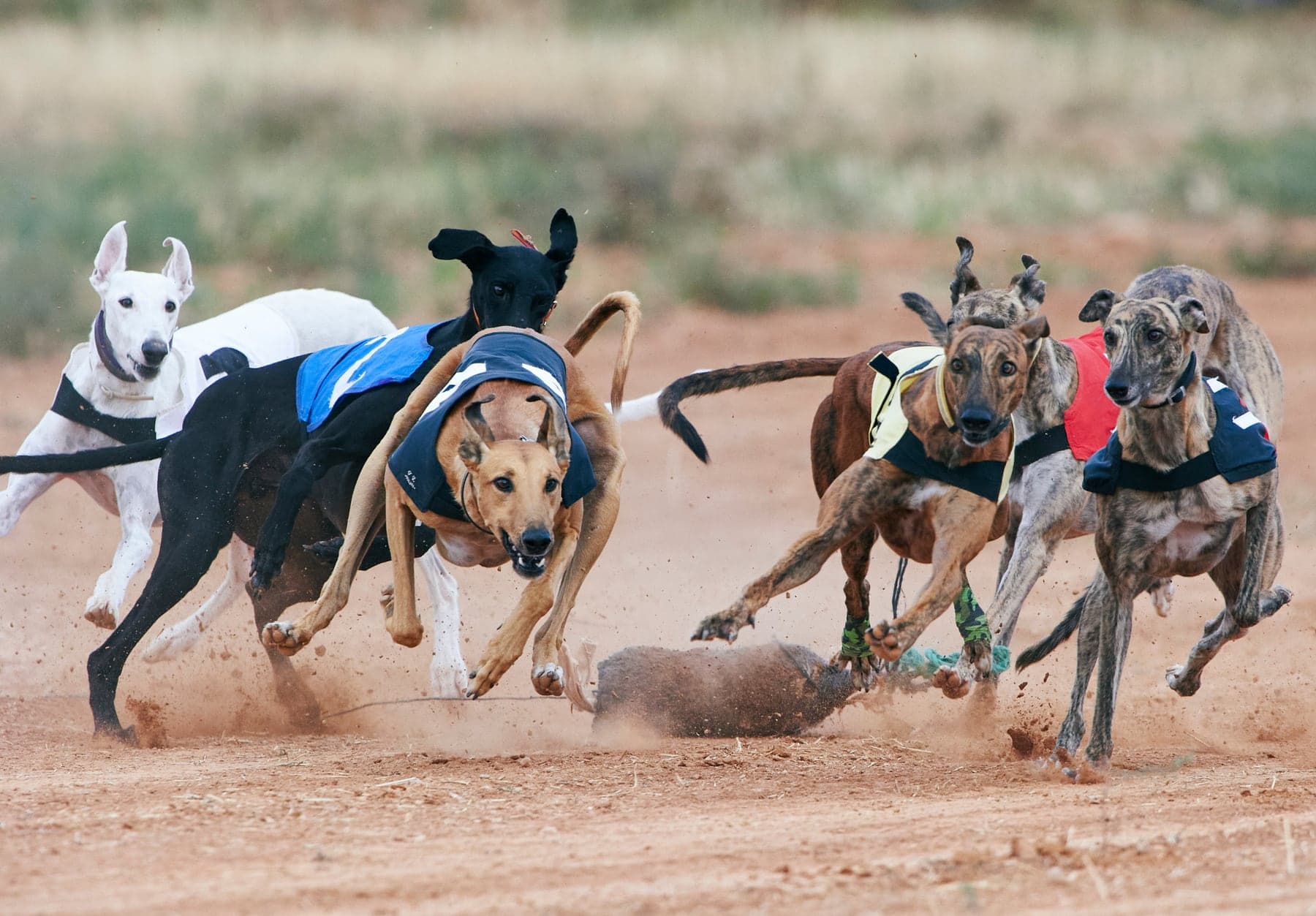
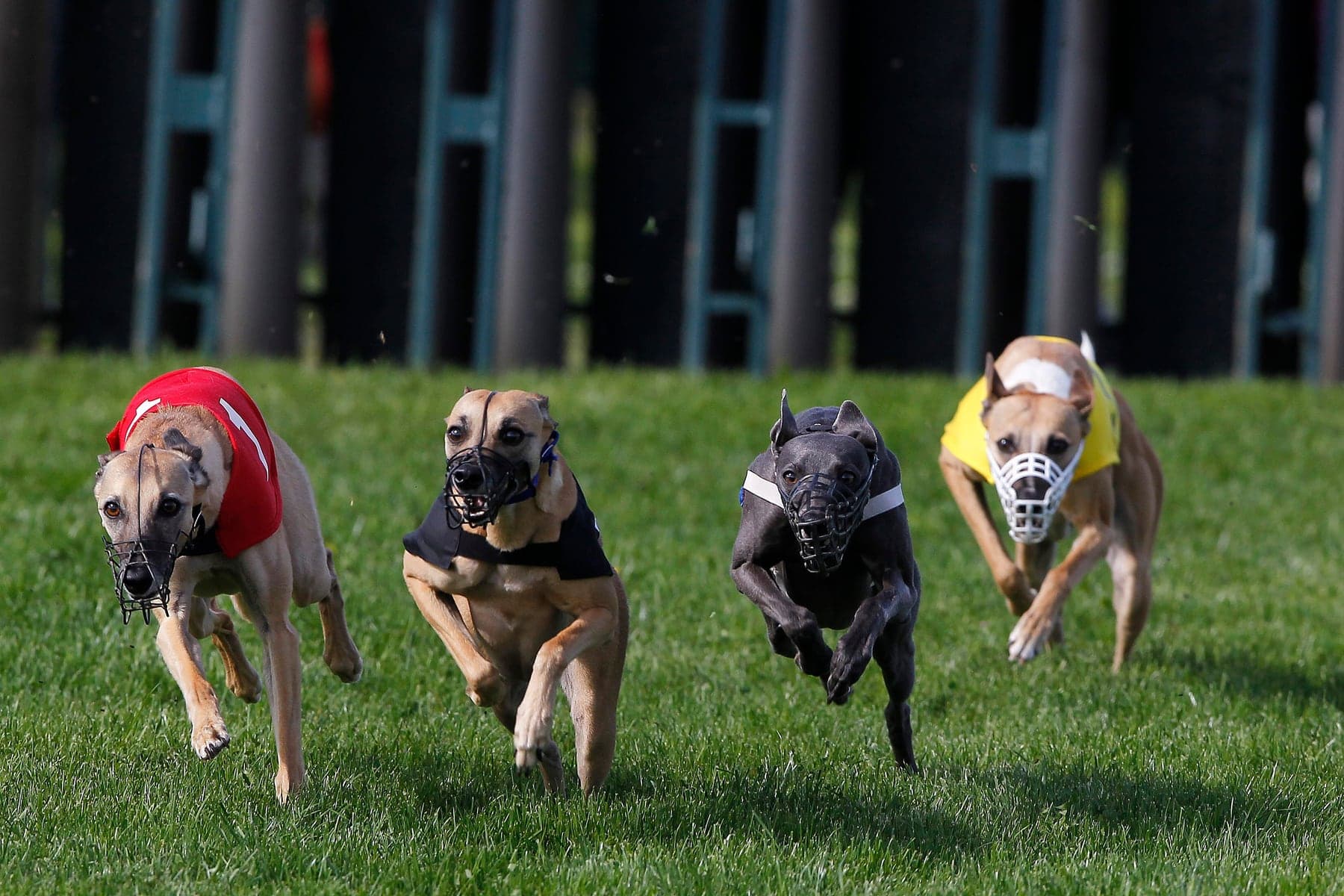
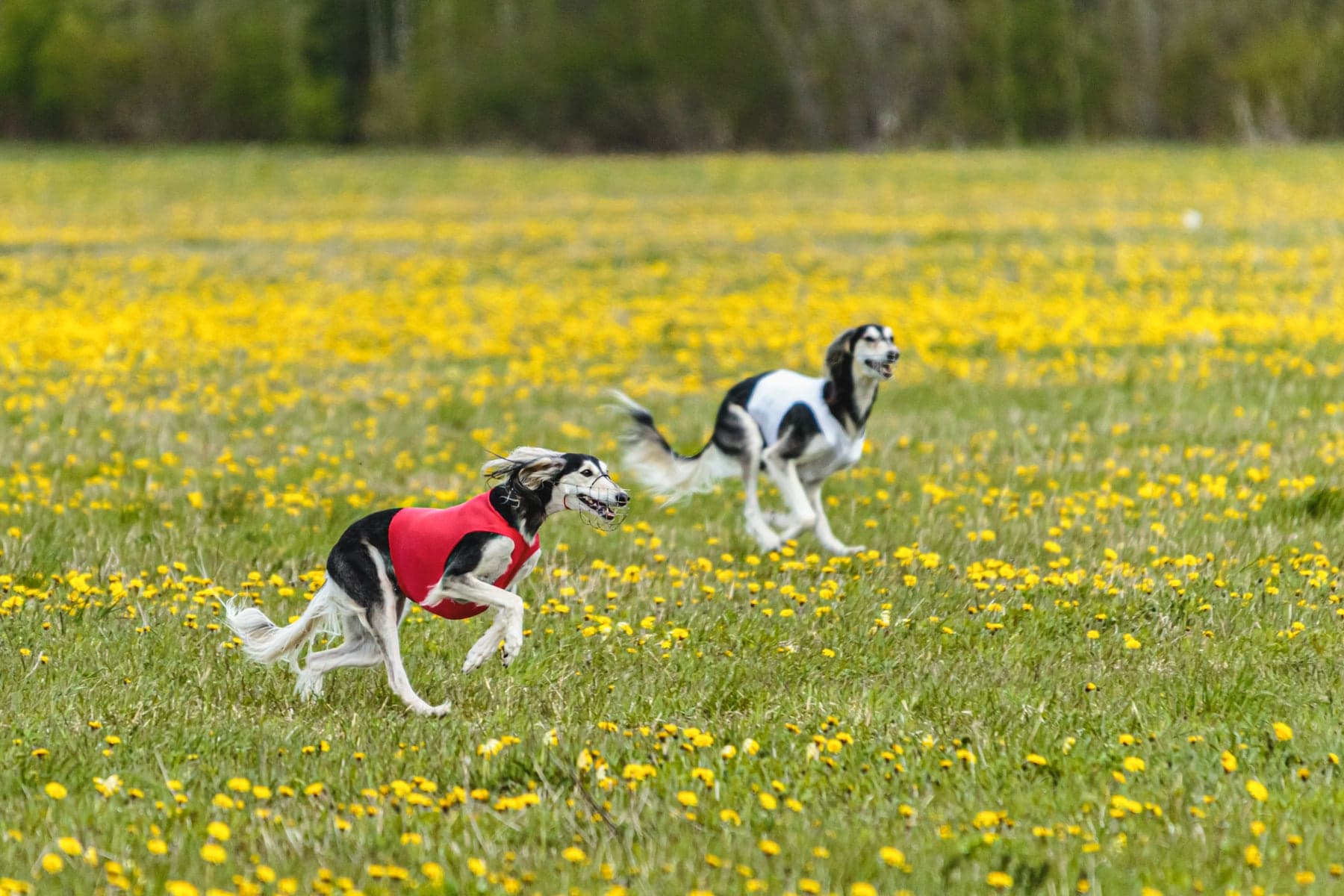
Breeds in our field guide that take naturally to oval racing — not every breed that competes, just the ones we’ve written up so far.
Sources & verificationLast reviewed May 2026
Our Oval Racing guide is an independent, plain-English orientation — not an official rulebook. Rules, titles, eligibility, and fees vary by organization and change over time, so always confirm the specifics with the current rulebook or event premium before you enter.
Checked against
Spot something out of date? Tell us and we’ll fix it.