Sport Profile

Discover Precision Coursing

A UKC lure sport where any breed chases a mechanical bag around a fenced 75-by-200-foot patterned course — coursing instinct, but built for the dog that has never seen a sighthound stake.

Jump to a section

01 · What is it

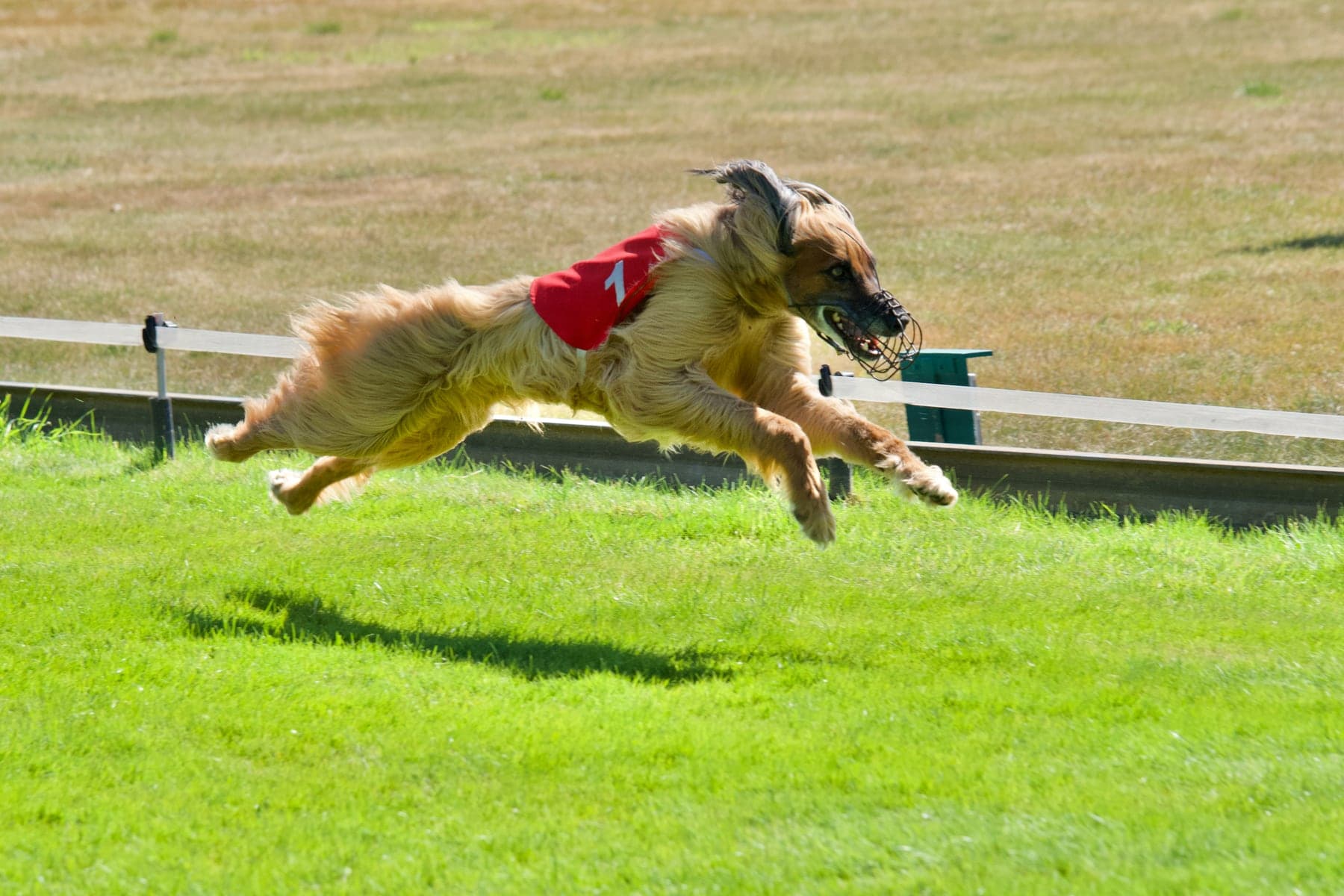
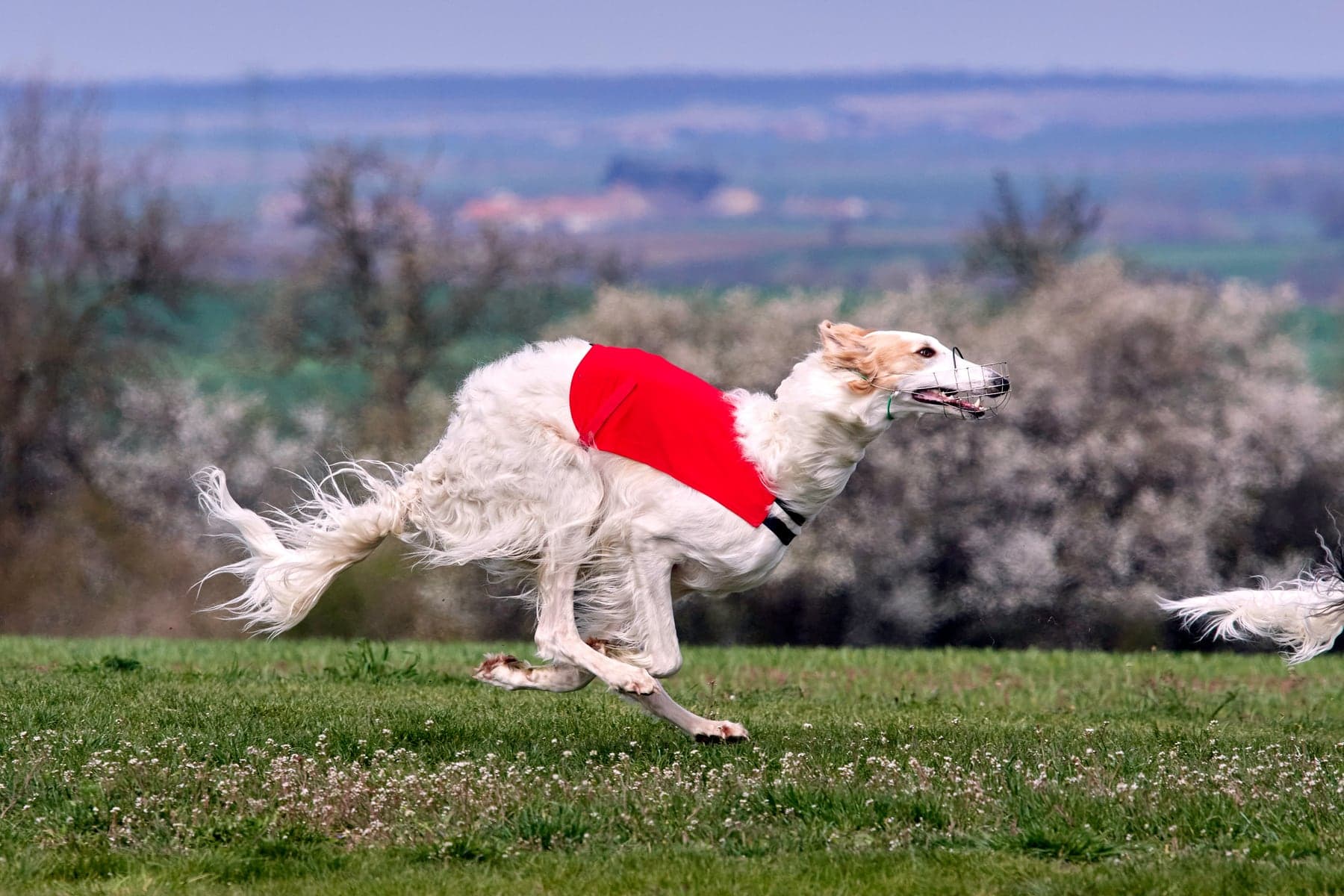
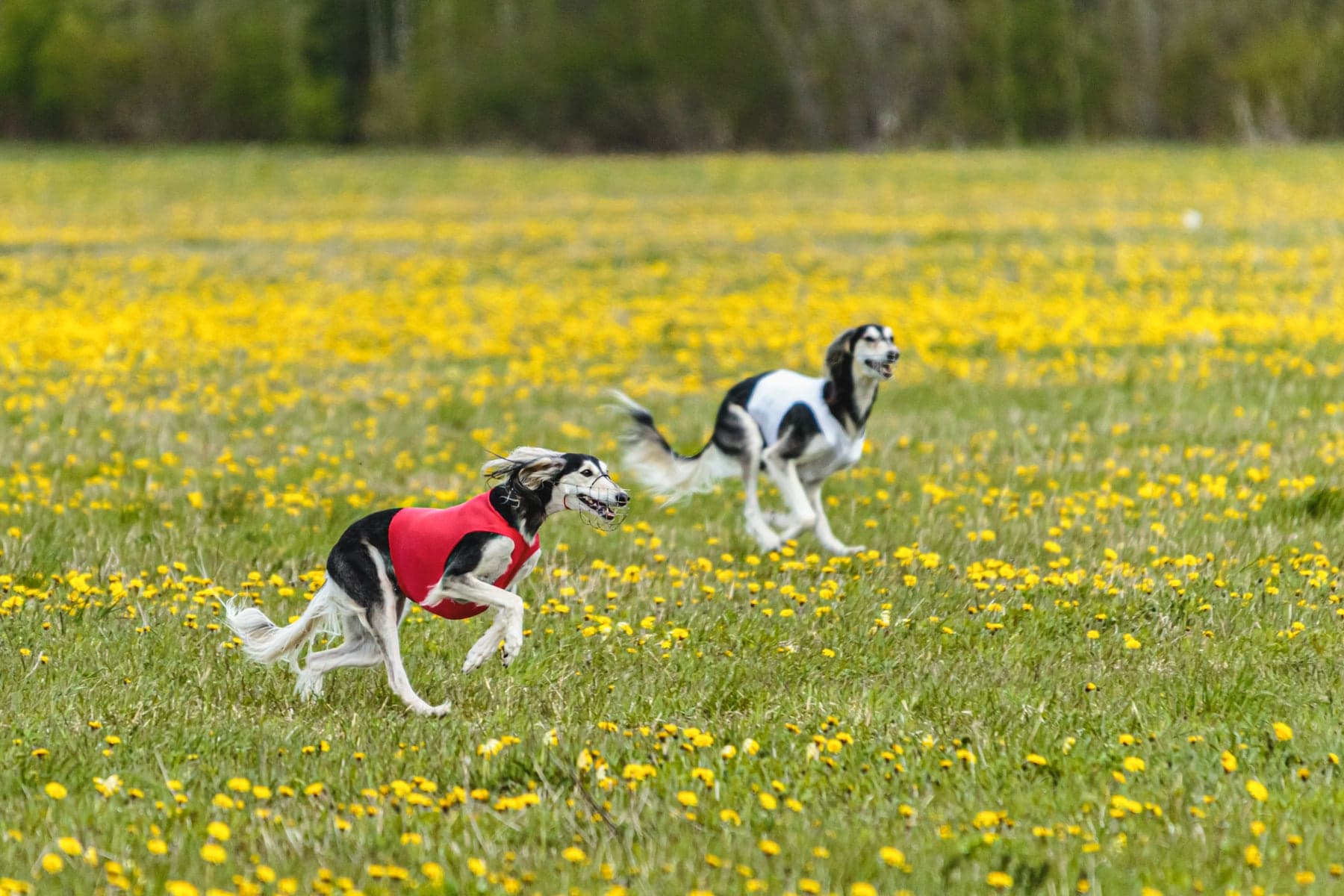
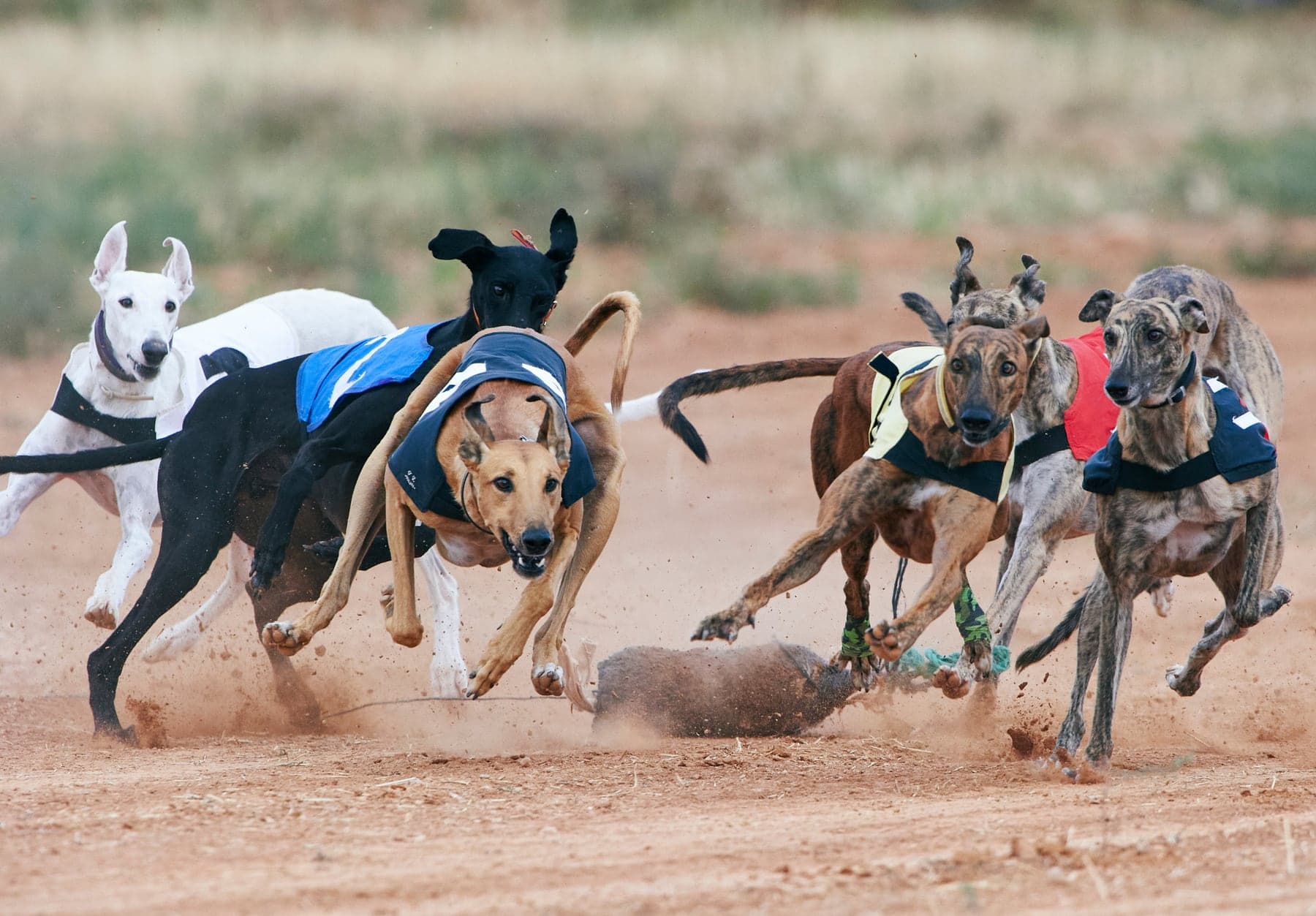
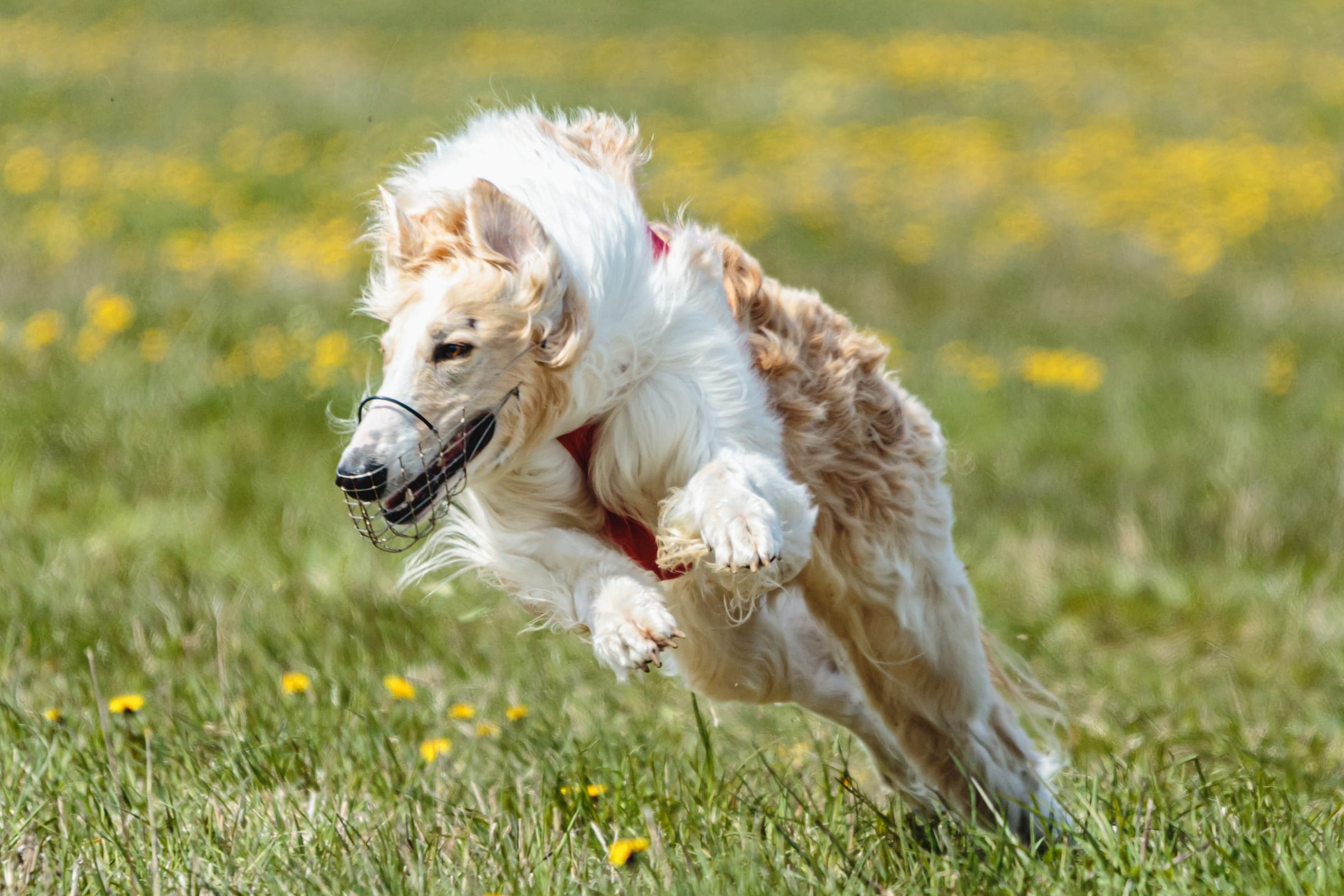
Precision Coursing is a UKC lure sport where one dog at a time chases a mechanically pulled lure — typically a white plastic bag on a pulley line — around a fenced course measuring 75 by 200 feet. The course is a pre-set pattern of turns, straights, and direction changes designed to mimic the way prey moves through a field, but built inside a small enough footprint to fit on a fairground or training facility. The handler walks the dog to the start, releases on signal, and stays outside the ring while the dog runs alone. The run is timed against a course-specific clock — to earn a qualifying leg, the dog has to follow the lure through the full pattern and cross the finish before time expires.

The sport is built for the dog that wants to chase but doesn't fit traditional coursing. Precision Coursing was designed as a more accessible running outlet — shorter, fenced, individually run, and structured around beat-the-clock qualifying rather than head-to-head competition. Terriers, herding breeds, working breeds, sporting breeds, and a long roster of mixed breeds make up the core entries. UKC explicitly states all breeds are eligible, including mixed breeds and dogs with eliminating conformation faults, as long as the dog can safely navigate the pattern. Reactive dogs can run — the ring is fenced, the dog runs alone, other dogs are outside the perimeter. The broader event environment is the harder part, since Precision Coursing is offered at UKC weekends that also run conformation and other sports. Physical demands are real: even at 75 by 200 feet, the dog accelerates hard, corners at speed, and decelerates sharply at the finish.

Origins
2020 · UKC launches the sport
UKC announces Precision Coursing as a new licensed sport. The framing is explicit: a fenced, all-breed, beat-the-clock running outlet inspired by traditional open-field coursing and modern lure coursing, but built for active pet dogs of all sizes — not just sighthounds and not just sport-conditioned competitors.
Draws on two traditions
The format draws on two older traditions. Open-field coursing — sighthounds pursuing live game across unfenced country — is the historical root, judged on speed and agility. Modern lure coursing programs at UKC, AKC, and ASFA replaced the live quarry with a mechanical bag on a continuous-loop pulley system. Precision Coursing took the lure machine and pulley setup, shrank the footprint to a fenced 75×200 ring, designed standardized patterns that fit inside it, and built a titling structure around finishing the pattern under time.
2023 · Refined incrementally
UKC has refined the rulebook incrementally rather than restructured it. A 2023 edition tightened safety and eligibility language and clarified course dimensions. The sport runs the same way it did at launch — small ring, single dog, beat-the-clock, all breeds.
Current (2026)
Precision Coursing has grown primarily inside the UKC events ecosystem, including the UKC Premier Nationals, where it stacks with DASH and Steeplechase as part of the multi-day all-breed event. It has not been adopted by AKC, ASFA, or any independent registry as a parallel program — UKC remains the sole sanctioning body.

02 · The run

A Precision Coursing run is short, structured, and built around a single repeating question: did the dog finish the pattern in time? Five elements define what happens.

Element 01
The ring & pattern
A fenced ring measuring 75 by 200 feet, set on grass, prepared dirt or sand, or artificial turf with safe footing. Inside the ring is a pre-designed lure pattern — straights, turns, and direction changes routed through staked pulleys. Patterns get more technical at higher class levels, with sharper or more frequent turns. The footprint is small compared to traditional lure coursing, which is part of the sport's accessibility — most UKC clubs that run conformation can also stage a Precision Coursing course.
Element 02
The lure
A white plastic bag pulled by a continuous-loop lure machine through pulleys staked along the pattern. The lure stays a few feet ahead of the dog to keep the chase live. At the finish, the operator stops the lure so the dog can be collected. The same lure setup powers UKC Lure Coursing, DASH, and Steeplechase — the equipment is shared across UKC's running sports, which is why these programs frequently stack on a single weekend.
Element 03
Pre-run inspection
Before a dog runs, the judge or ring steward verifies eligibility. Dogs must be UKC-registered, on a Performance Listing, or on a Temporary Listing on the day. Bitches in season, pregnant females, and lactating females are not eligible. Dogs with sutures, bandages, or evidence of recent surgical or medical procedures are excused. Dogs that appear lame, ill, or otherwise unsound can be pulled at inspection. UKC explicitly allows canine amputees and deaf dogs to compete if they can safely complete the course — the rule is whether the dog is safe to run, not whether it has a standard configuration.
Element 04
Start, run, finish
The handler walks the dog to the designated start area and releases on the judge's signal as the lure begins to move. The dog runs the pattern alone. The handler stays outside the ring during the run and collects the dog at or near the finish when the lure stops. The handler does not direct the dog around the pattern in real time — there are no obstacle calls, no handler positions to hold along the route. The dog reads the lure and follows it.
Element 05 · The verdict
Pass or fail
Precision Coursing is a beat-the-clock qualifying format, not a ranked one. The judge marks the run pass or fail. A pass counts as a leg toward the title for that class; a fail just means the dog re-enters at a future event. Dogs that quit, leave the ring, fail the pattern, run out of time, or are excused for unsafe movement do not earn a leg. There is no scoring scale, no points, no time-based ranking against other dogs in the class.
Format-defining

03 · UKC

UKC writes the rulebook, licenses clubs to host events, supplies judges, and records titles. There is no separate per-sport prerequisite the way NACSW requires an ORT before NW1 — UKC registration, PL, or TL is the entire entry gate. Premium lists are filed by the host club and entries flow through the club secretary. Titles come from accumulating qualifying legs by completing the course under time. There is no point system, no breed handicap, no head-to-head ranking.

01
Novice
Entry-level class. Simpler patterns with fewer or gentler turns. Most new teams find the lure here first. Clean runs accumulate legs toward the Novice title; specific leg counts and judge requirements live in the current rulebook.
02
Advanced
More technical patterns than Novice with more direction changes. Time limits hold; what changes is the pattern inside the 75×200 ring. The level where the dog's ability to read a less predictable line starts to matter.
03
Superior
Sharper, more frequent turns. Dogs that finish Advanced cleanly find Superior tightens the radius — the pattern stays inside the same ring footprint, but the cornering load increases. Sport-medicine and conditioning matter more at this level.
04
Master
Most technical pattern. The top of the documented class ladder. Whether a championship designation sits beyond Master, and whether any speed-based bonus or aggregate-time award exists at higher levels, is not summarized in publicly accessible UKC materials — confirm against the current rulebook.
Key facts
Launched
2020 (rulebook refined 2023)
Sole sanctioning body
UKC
Eligibility
Any breed or mix; UKC reg / PL / TL
Ring size
75 × 200 ft, fenced
Format
Pass / fail, beat-the-clock
Cross-org recognition
None — UKC titles only
Inclusive eligibility — by rule, not by marketing
Any breed or mixed breed with UKC permanent registration, Performance Listing, or Temporary Listing is eligible. Dogs with eliminating conformation faults are eligible. Canine amputees and deaf dogs are eligible if they can safely complete the course. Spayed and neutered dogs run on equal footing. Bitches in season, pregnant or lactating females, dogs with sutures or medical bandages, and dogs showing lameness or illness at inspection are not eligible.

04 · Sibling UKC programs

Precision Coursing is one of several UKC programs that share a lure machine, a pulley setup, and most of the same clubs. Newcomers routinely confuse Precision Coursing with UKC Lure Coursing, with DASH, and with Steeplechase — the formats look similar from the sideline but ask different things of the dog and produce different titles. This hub treats the three as the structural context Precision Coursing lives inside; the next hub puts all four side by side.

UKC Lure Coursing
The longer pattern
UKC's traditional lure coursing program. Courses are longer, run on open or partially fenced fields, and built around larger turn-and-straight patterns than Precision Coursing's compact 75-by-200 ring. Dogs run alone on a course set by the judge. Eligibility is broader than AKC Lure Coursing — UKC opens the program to a wider list of breeds beyond sighthounds — but the format demands more sustained running and more course-reading than Precision Coursing.
DASH
The straight-line sprint
A short-distance straight-line sprint program — UKC's structural counterpart to AKC's Fast CAT. The dog is released and chases the lure across a straight lane to the finish; the run is timed. Titles accumulate from clean runs, with the format favoring dogs that commit to the lure but lack the conditioning or course-reading for a longer pattern.
Steeplechase
Sprint plus low jumps
A UKC running event combining sprinting with low jumps along the lure path — speed plus an additional structural element on top of the chase. Like Precision Coursing and DASH, it's offered at UKC weekends and uses the same lure equipment. Rewards dogs with both drive and athletic technique.
Clubs stack these programs
UKC clubs running coursing and sprint programs frequently stack Precision Coursing with DASH, Steeplechase, and UKC Lure Coursing on a single weekend. The 2026 UKC Premier Nationals premium lists Precision Coursing, DASH, and Steeplechase together at $35 per class, with stacked schedules across multiple days. Equipment, fields, judges, and field reps overlap heavily — which is why active handlers in the UKC running ecosystem cross-enter rather than picking just one program.

05 · Side by side

The four UKC programs share a lure but ask different things. This is the table newcomers most often need on the way in. Titles do not transfer between Precision Coursing, UKC Lure Coursing, DASH, and Steeplechase — each program titles separately. What does transfer is the dog: the same animal can run all four across a stacked weekend if it's eligible and conditioned.

Precision CoursingUKC Lure CoursingDASHSteeplechase
FormatPass/fail single-dog run on a fenced patterned courseSingle-dog run on a longer open or semi-open courseShort straight-line timed sprintSprint plus low jumps along the lure path
Course size75 × 200 ft fenced ringSignificantly larger, often partially fencedStraight laneStraight lane with jumps
Time formatBeat-the-clock qualifyingCourse completion + judge's callTimed run; every clean run recordsTimed run with jump completion
EligibilityAny breed, any mix; UKC reg / PL / TLBroader than AKC — many breeds beyond sighthoundsAny breed, any mix; UKC reg / PL / TLAny breed, any mix; UKC reg / PL / TL
Cross-org recognitionNone — UKC-onlyNone — UKC-onlyNone — UKC-onlyNone — UKC-only
Known forInclusive entry point · compact course · beat-the-clock formatLonger-distance UKC running sport · sustained driveSpeed scores · fastest path to a clean runSprint plus jumps for dogs with drive and technique

Titles do not transfer between the four UKC running programs. Each one titles separately, but the dog doesn't change between programs — only the rules do. Stacked weekends at established clubs make it practical to enter two, three, or four programs in a single trip.

Which one fits *you*?
A low-stakes pass/fail running outlet on a small fenced course
Precision Coursing. The 75-by-200-foot ring fits at most UKC venues, the format welcomes any breed, and the accessibility framing (amputees and deaf dogs eligible if safe to run) is real, not marketing.
A longer-distance running sport with bigger patterns
UKC Lure Coursing. The longer course rewards dogs with sustained drive and the conditioning to back it up. More course-reading required than Precision Coursing's standardized patterns.
Speed scores + the fastest path to a clean run
DASH. The short straight-line format is the lowest-friction entry for a dog that commits to the lure. UKC's structural counterpart to AKC's Fast CAT.
Sprinting plus low jumps
Steeplechase. The added jump element rewards dogs with both speed and athletic technique on top of chase drive. The dog needs to clear obstacles cleanly while still tracking the lure.

06 · Getting started

Precision Coursing is one of the lower-prep entries in titled UKC sports. Most dogs need no specialized handling instruction to understand chasing a moving bag. The prep work is fitness, recall, exposure to outdoor field-day conditions, and lure introduction — not technical handler choreography.

Weeks 1–8 · Foundation
Fitness, recall, field exposure
Recall, fitness, exposure to outdoor field conditions, and comfortable handling around other dogs in busy crating areas. A UKC number is the entry gate — permanent registration, a Performance Listing for unregistered or mixed-breed dogs, or a Temporary Listing on the day of the event. TL fees are non-refundable, non-transferable, and don't apply to permanent registration cost.
Months 1–3 · Fun run
Lure introduction
First fun run or practice pass. Some clubs offer Precision Coursing fun runs at reduced fees — $10 per fun run at one club premium reviewed, versus $35 for a titled entry. The fun run lets a new dog see the lure and the course before a paid entry. A dog either turns on to the lure or doesn't — the answer comes in under a minute.
Months 1–6+ · First titles
Novice → Master
First titled Novice entries within a few months of foundation work. Clean runs accumulate legs toward the Novice title. Advanced, Superior, and Master follow as the dog reads sharper patterns. Title progression depends on the leg requirements, the club's local trial calendar, and the handler's willingness to travel — active handlers route through stacked UKC weekends, often combining Precision Coursing entries with DASH, Steeplechase, or UKC Lure Coursing on the same trip.
Before you enroll
Reliable recall is non-negotiable — the end of every run depends on collecting the dog as the lure stops at the finish. Cardiovascular conditioning before full-speed running on a turning course matters more than handling skill; sprinting cold raises soft-tissue injury risk, particularly at corners. Bitches in season, pregnant, or lactating females are not eligible. Lameness, recent orthopedic surgery, untreated cardiac or respiratory disease, sutures or medical bandages, and significant overweight are reasons to defer. UKC's minimum competition age for Precision Coursing should be confirmed against the current rulebook before entry.

07 · Trial day

A Precision Coursing day is mostly waiting punctuated by short bursts of intensity. The actual run is over in well under the time limit for most dogs. Everything else is logistics, weather, and conversation in the staging area. The atmosphere is closer to a UKC all-breed weekend than a single-sport specialty — Precision Coursing is rarely the only sport on offer at a venue, and the staging area shares space with conformation, performance, and other running events.

The day
Check-in, inspection, run
Check in at the secretary's table, confirm your premium entry, and present UKC registration / PL / TL paperwork. A judge or ring steward checks for lameness, eligibility, and registration paperwork at pre-run inspection. Running order is posted or called over a loudspeaker. Release on the judge's signal as the lure begins to move; stay outside the ring during the run; collect the dog at the finish when the lure stops. Pass/fail is recorded on the field; results post later in the day or at the close of the class.
The kit
What to bring
Crate or X-pen, pop-up shade canopy, water and bowls. Comfortable shoes for uneven ground, weather-appropriate clothing, sun protection. Folding chair, snacks, printed copy of the premium and UKC paperwork. A secure flat collar or fitted harness, a sturdy leash, ID tags. Cooling gear for warm-weather events; warming layers and footing-aware gear for cold-weather events. High-value rewards for before and after runs (rewards are not allowed on the course).
The mistakes
What to avoid
Underestimating downtime — handlers arrive without crates, shade, or chairs and burn out by midday. Entering an unconditioned dog at an advanced class level — failure to finish the pattern in time is the most common preventable disqualification. Skipping warm-up and cool-down; sprinting cold raises soft-tissue injury risk on a course with multiple turns. Standing in the wrong spot at the start or finish — the handler stays outside the ring during the run. Failing to plan for collection — have a recall plan or a catching plan, not a hope.
The reality
What videos don't show
The waiting. Phone clips highlight the chase and skip the four hours of field setup, pre-run briefings, and weather delays around it. Dogs that turn off the lure mid-pattern, leave the ring, or fail the time limit — most online Precision Coursing footage is the highlight reel. The stacked weekend: Precision Coursing events frequently share a venue with DASH, Steeplechase, UKC Lure Coursing, conformation, and other UKC sports, which adds running between rings, scheduling pressure, and the cognitive load of switching formats.

08 · What it costs

Precision Coursing is on the cheaper end of titled UKC sports if you stay regional. The cost curve steepens fast at higher class levels, where leg requirements reward volume — and volume requires either a strong local UKC trial calendar or a willingness to travel. Per-entry pricing is notably consistent across the club premiums reviewed for this profile.

One-time setup
$200$500
UKC reg / PL / TL plus basic gear (crate, canopy, leash, harness)
Fun run · class
$10$40
Fun runs $10 each; field-sport conditioning drop-ins $25–$40 per session
Per-class entry
$35$35
Consistent across club premiums; juniors ~$15 where offered
Active annual
$1k$3k
Multiple stacked UKC weekends, occasional travel; championship-track scales higher
The honest truth
One of the cheaper titled UKC sports to start. A first Novice entry runs $35, plus a $10 fun run if the club offers one — under $50 in entries to find out whether the dog turns on to the lure. The cost curve only steepens at the Advanced, Superior, and Master class levels, and only if the handler decides to chase volume. The recurring expense newcomers underestimate is travel: per-entry fees stay modest, but the regional driving required to stack enough weekends to title at higher levels stretches the budget faster than the entry math suggests.
Related sports

If Precision Coursing interests you, look at these too.