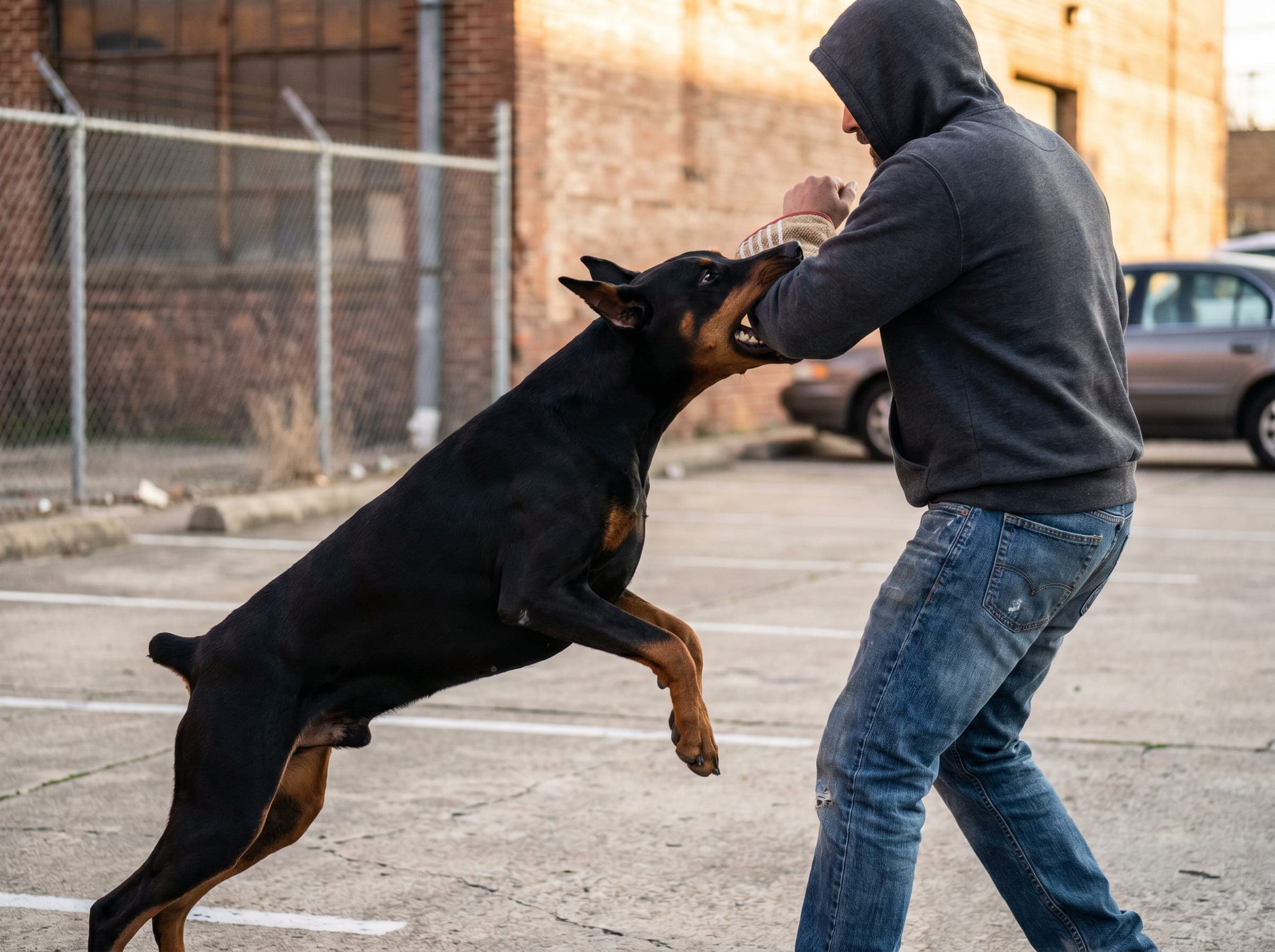
Photo · AI generated · Sporting Hound
Discover PSA
A scenario-based protection sport where decoys move on the field during obedience, judge-designed surprise scenarios replace memorized patterns at higher levels, and every dog starts at the same entry certificate regardless of titles in other sports.
01 · What is it
PSA is a protection sport built around two phases — formal obedience and protection — both run with decoys present on the field. The entry certificate, the Protection Dog Certificate (PDC), is mandatory for every dog regardless of prior titles in IGP, French Ring, or any other protection program. After the PDC, teams compete at PSA 1, PSA 2, and PSA 3, with the obedience and protection routines getting longer, more decoy-heavy, and — at the higher levels — less rehearsable. PSA 1 obedience follows a published pattern; PSA 2 mixes published and surprise scenarios; PSA 3 is judge-designed across the board, drawn from rulebook guidelines but not from a fixed sequence.
Surprise scenarios are what most distinguish PSA from IGP and the European ring sports. At PSA 1, the rulebook publishes a list of possible surprise scenarios for the trial season — handlers know the menu but not which scenario will be drawn. At PSA 2, one of the four protection scenarios is judge-designed. At PSA 3, both obedience and protection are judge-designed, drawn from rulebook categories like environmental stability, search exercises, and possible muzzle attacks. Pattern-trained dogs that succeed in fixed-routine sports struggle here; PSA rewards generalized skills and modular training. A successful PSA dog has nerve, environmental stability, high prey and fight drive, and the structural soundness to accelerate, jump, and engage a moving suit at speed. Reactivity to dogs or unfamiliar people is a hard barrier in practice — the trial environment includes other competing teams, decoys agitating in close quarters, and crowds at championship events. Working-line shepherds dominate; Rottweilers, Dobermans, and other working types compete where temperament and structure hold up.
02 · The trial
A PSA trial run is split into an obedience phase and a protection phase. Both must be passed for a qualifying leg. At the PDC and PSA 1 levels, the routines are largely standardized with at least one surprise scenario; at PSA 2, three protection scenarios are published and one is judge-designed; at PSA 3, both obedience and protection are judge-designed within rulebook guidelines, so the team sees a different routine at every trial.
03 · PSA
PSA K9, Inc. is the sole sanctioning authority for PSA titles in the United States. Unlike Barn Hunt, there is no cross-org pedigree recognition program — AKC and UKC do not list PSA titles on their pedigrees. Many PSA clubs also train and trial American Schutzhund, and PSA membership is valid for both — but PSA titles are defined and recorded only by PSA itself. Membership and scorebook are required to compete.
04 · The ladder
PSA's title structure is linear and consecutive. PDC (Sleeve and Suit divisions), then PSA 1, PSA 2, and PSA 3. Two qualifying legs earn each level. A leg is defined as at least the rulebook-specified percentage of available points in obedience and each protection scenario; the 2025 rulebook explicitly sets PSA 3 at 75% per component. Exact thresholds for PDC, PSA 1, and PSA 2 require direct rulebook consultation.
05 · Your decisions
With one sanctioning body and a linear title ladder, the meaningful PSA decisions are about training path and crossover, not about which org to join. Three real decisions show up for most newcomers.
06 · Getting started
PSA is not a drop-in class sport. The first step is finding a PSA-affiliated or PSA / American Schutzhund club with active certified-decoy access. Foundation work — engagement, off-leash control, drive-building, retrieves, and bite mechanics on a tug or wedge — comes before any decoy work. Self-training on the protection side is not workable for beginners; the bitework requires certified decoys, proper equipment, and ongoing mentorship.
07 · Trial day
PSA trials are working-dog environments — busy, technically rigorous, supportive among regulars. Decoy agitation, loud verbal pressure, and barrage stick work create a sensory load; sizable crowds gather around the field, especially at higher-level trials and at championship events. First-time handlers report substantial nerves around the surprise-scenario format and the public nature of protection work.
08 · What it costs
PSA is among the more expensive dog sports. Costs concentrate in three places: club access for certified-decoy work, travel to sparse trials, and per-trial entry plus weekend logistics. The range between casual participation and a serious championship campaign is wide because of how decoy time, training intensity, and travel scale.
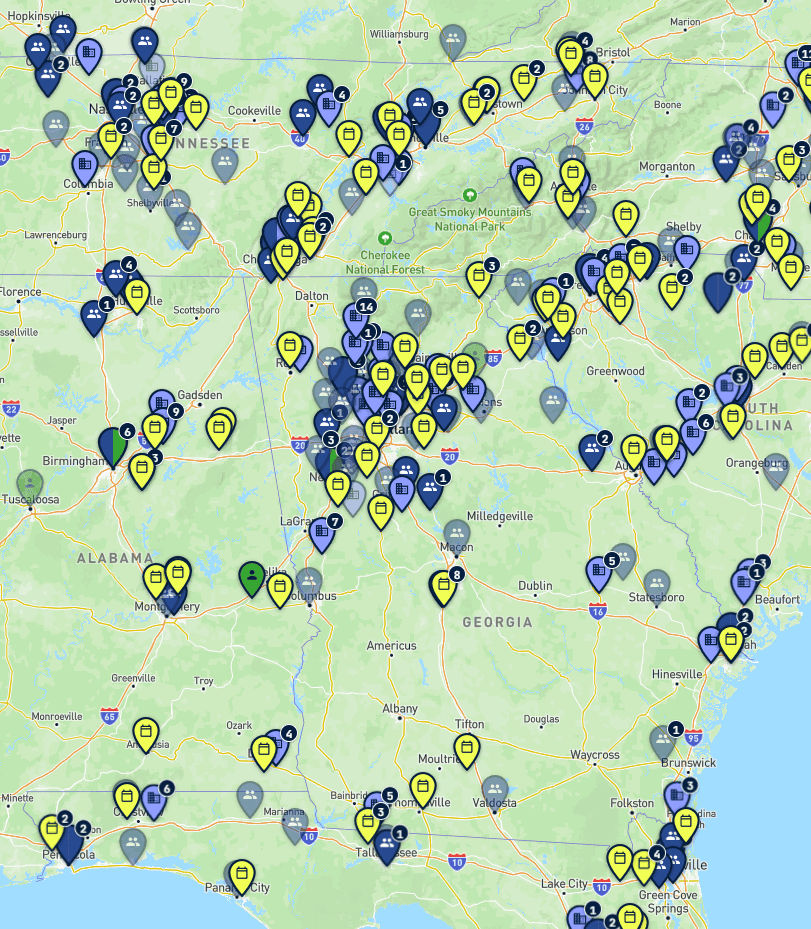
Find psa near you.
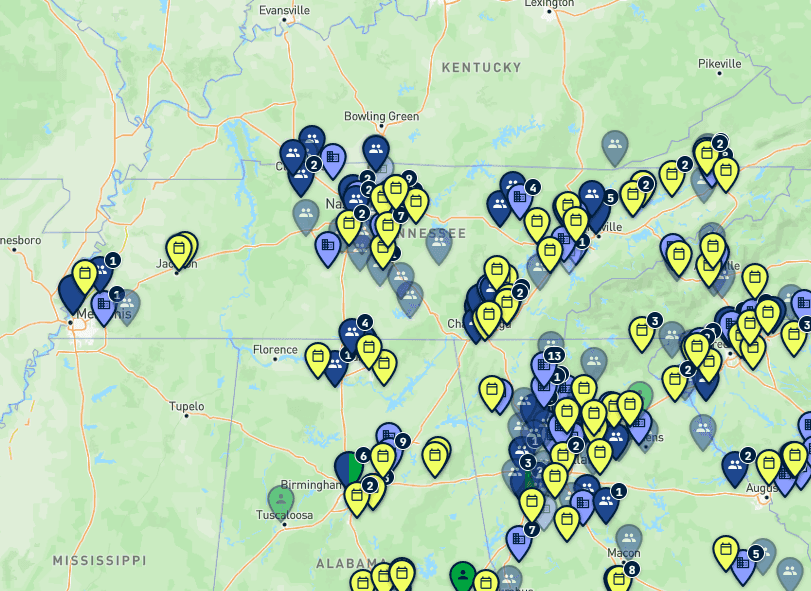
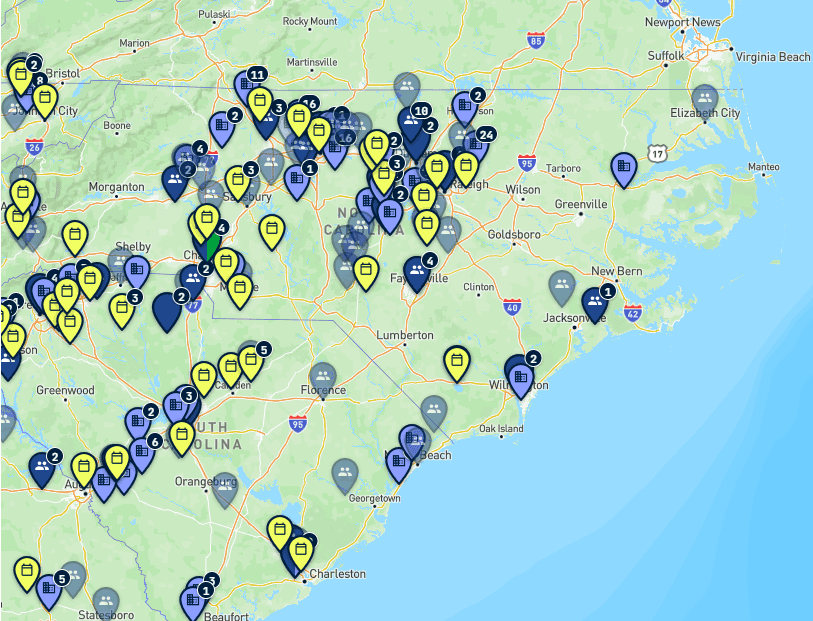
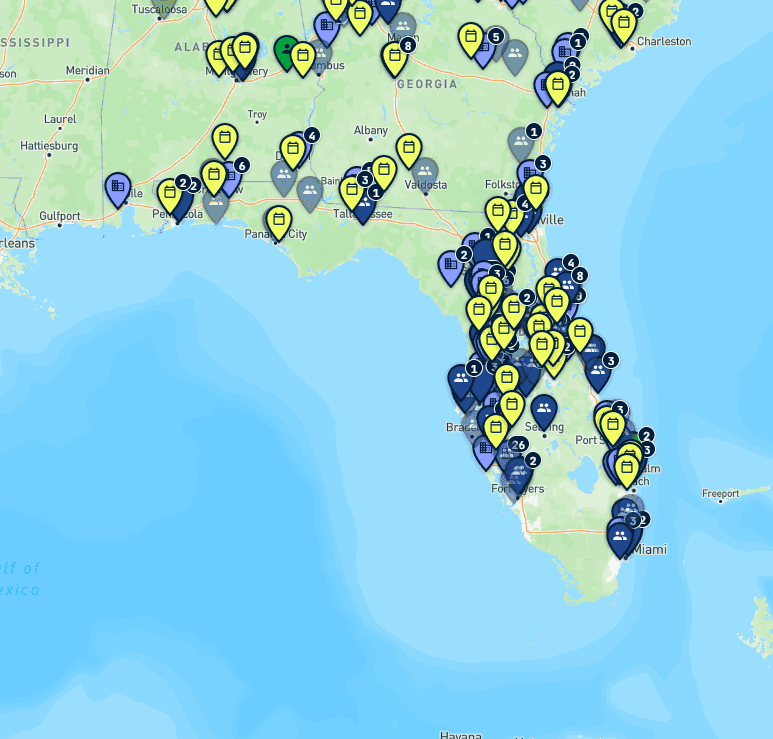
Made for psa.
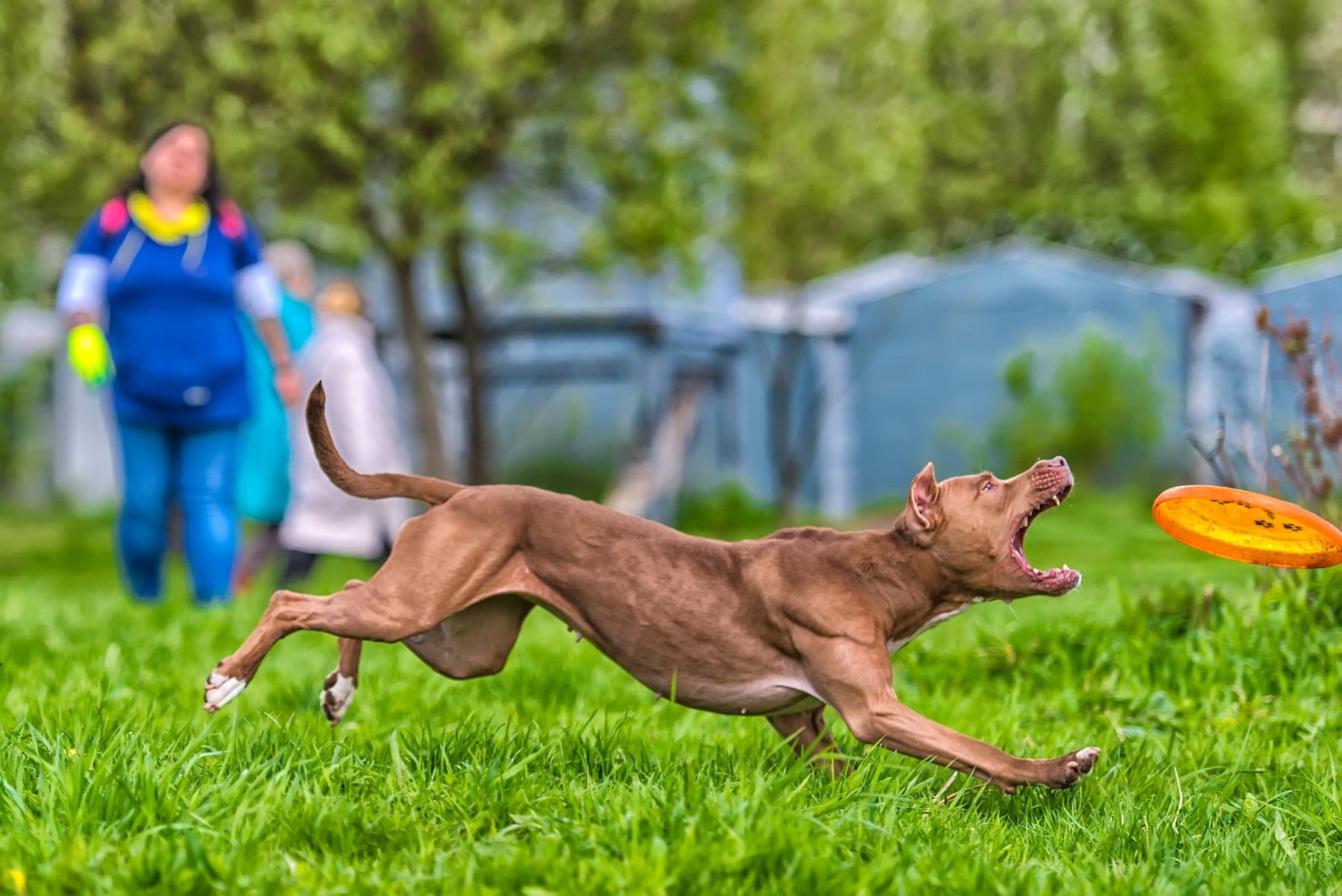
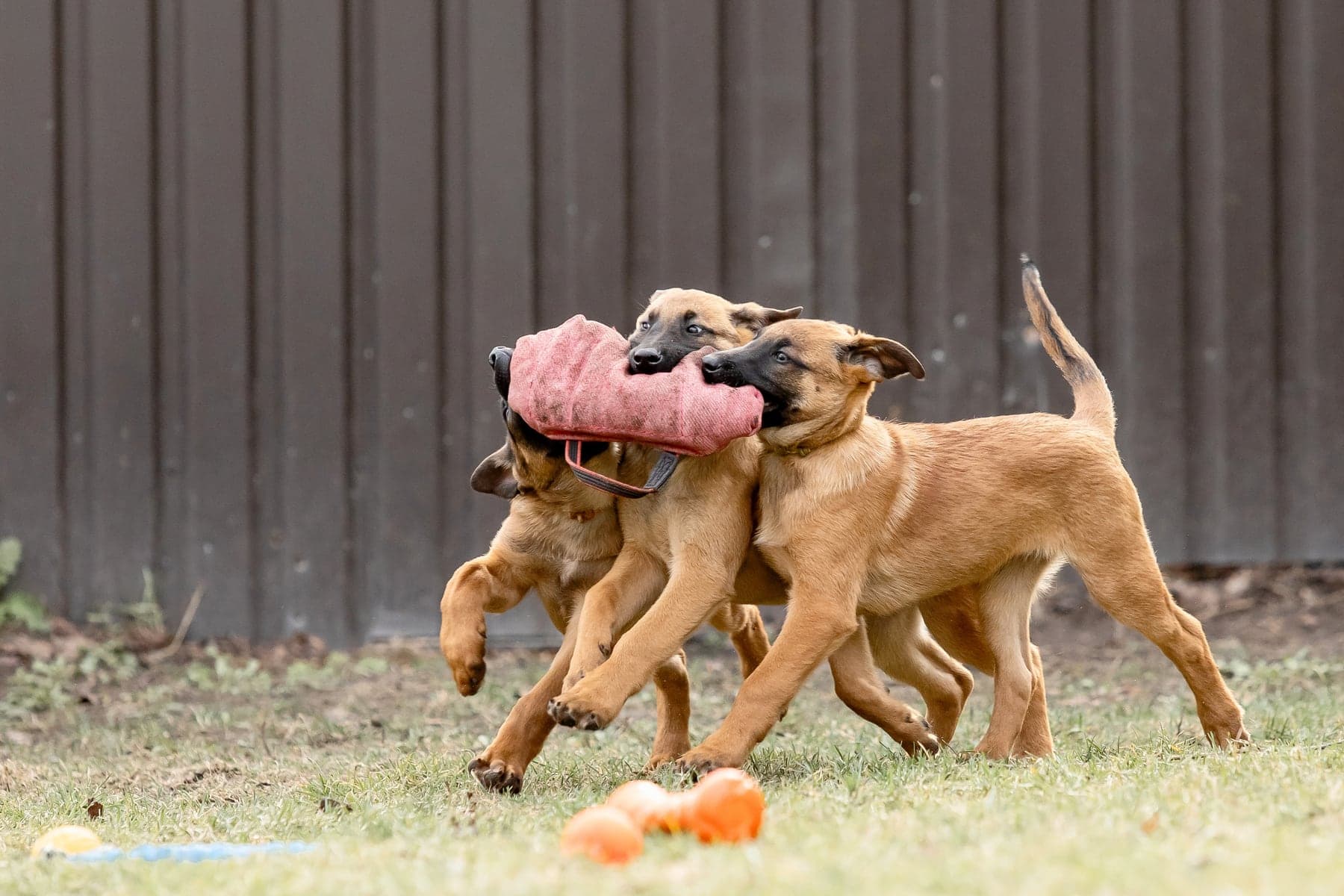
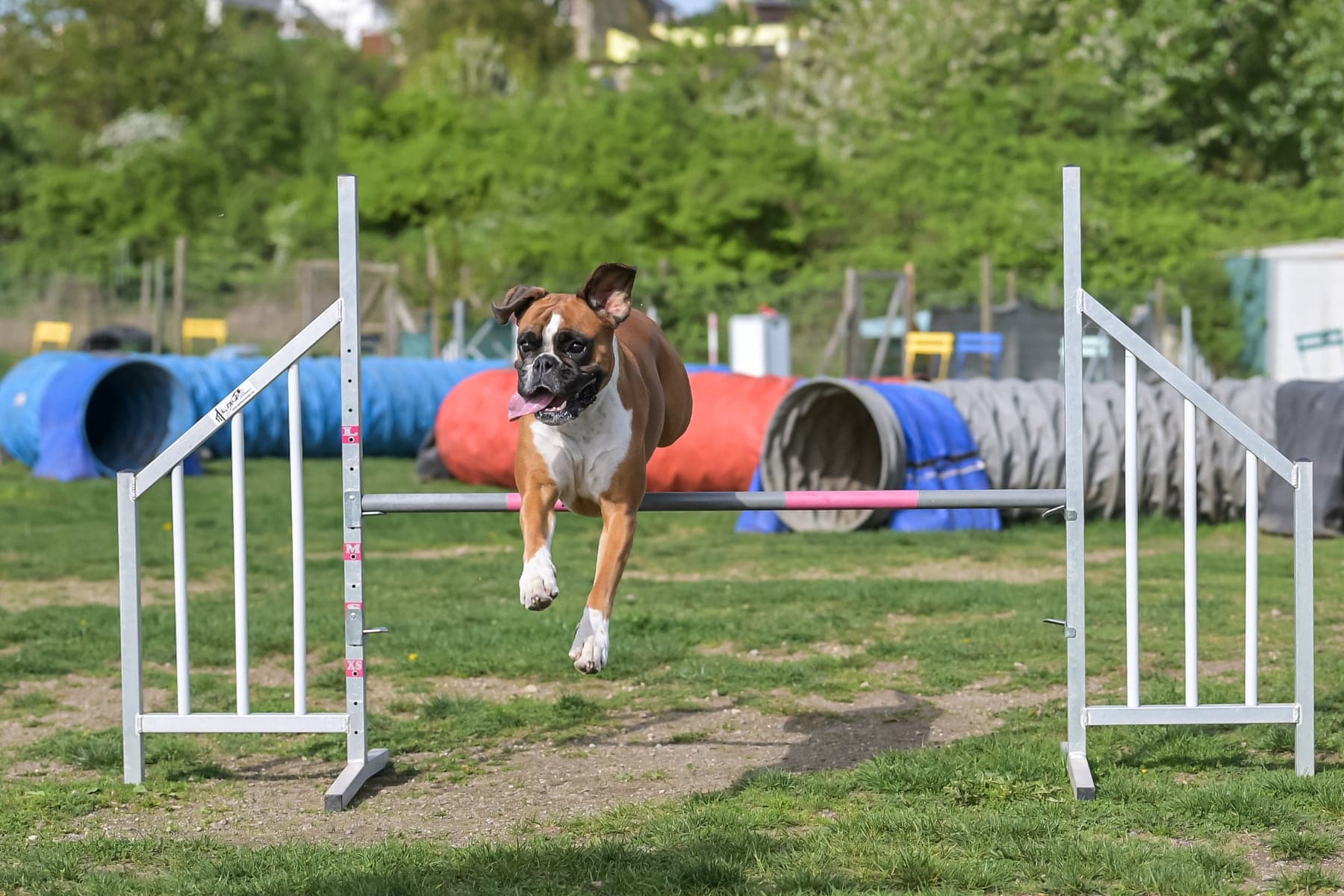
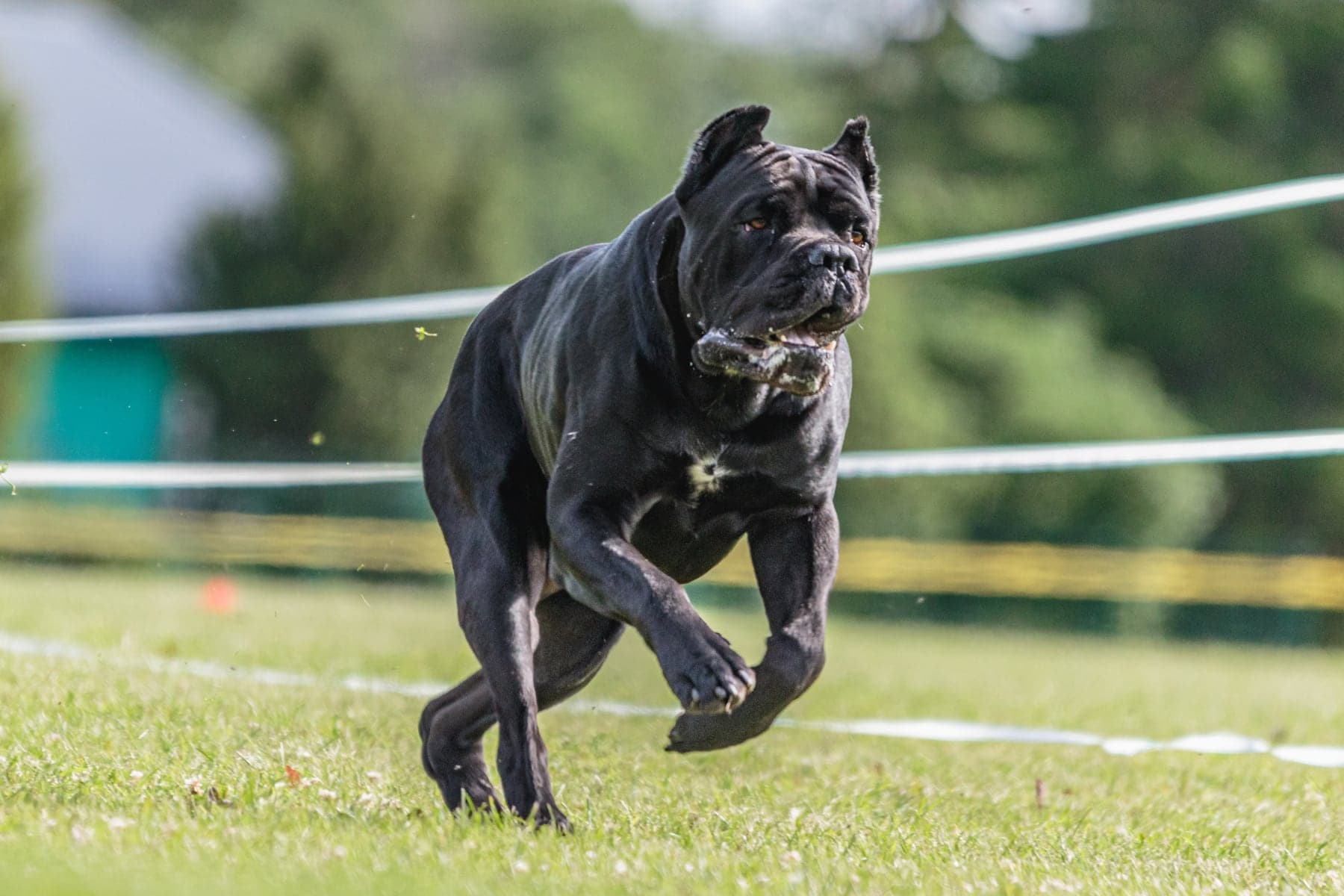
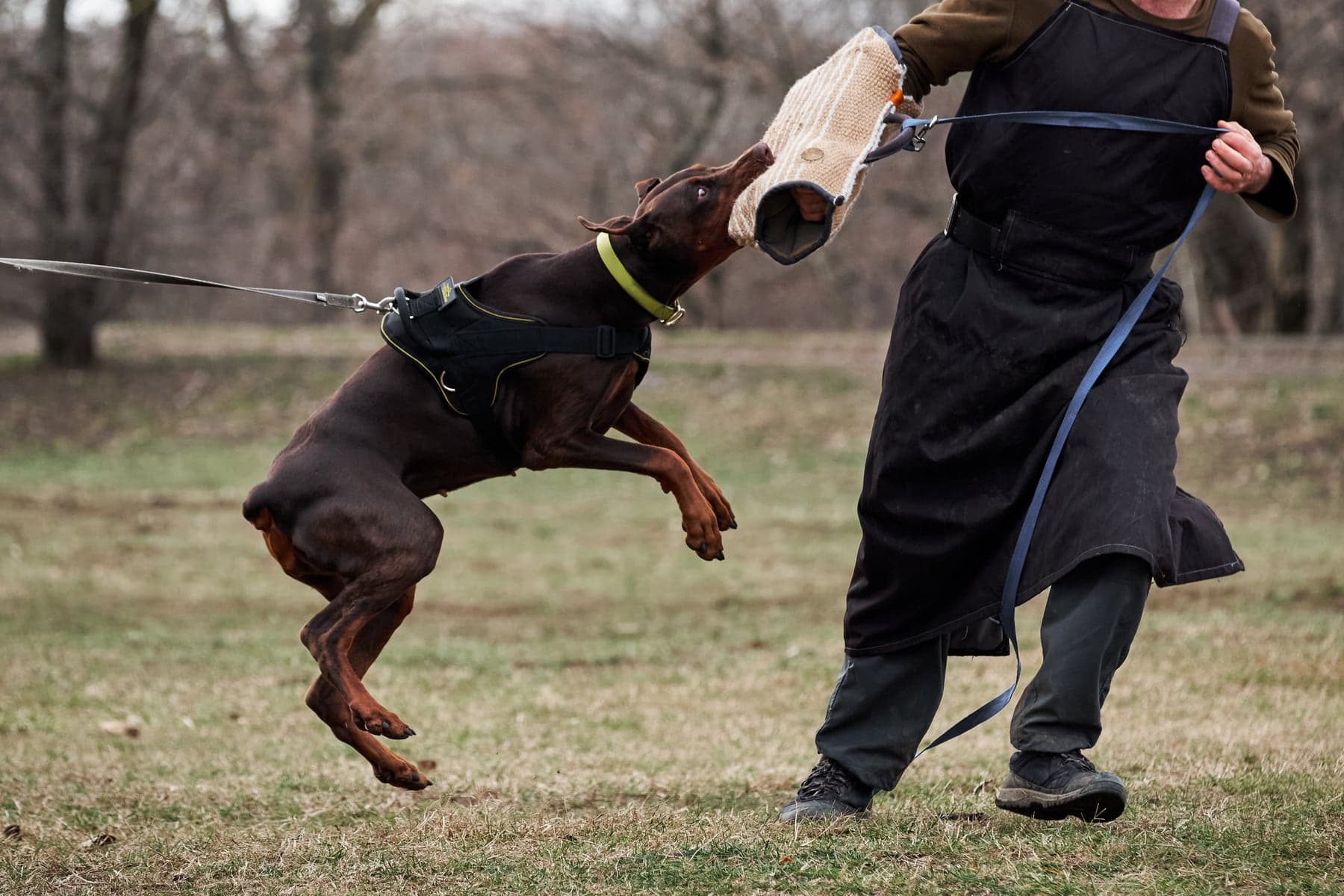
Breeds in our field guide that take naturally to psa — not every breed that competes, just the ones we’ve written up so far.
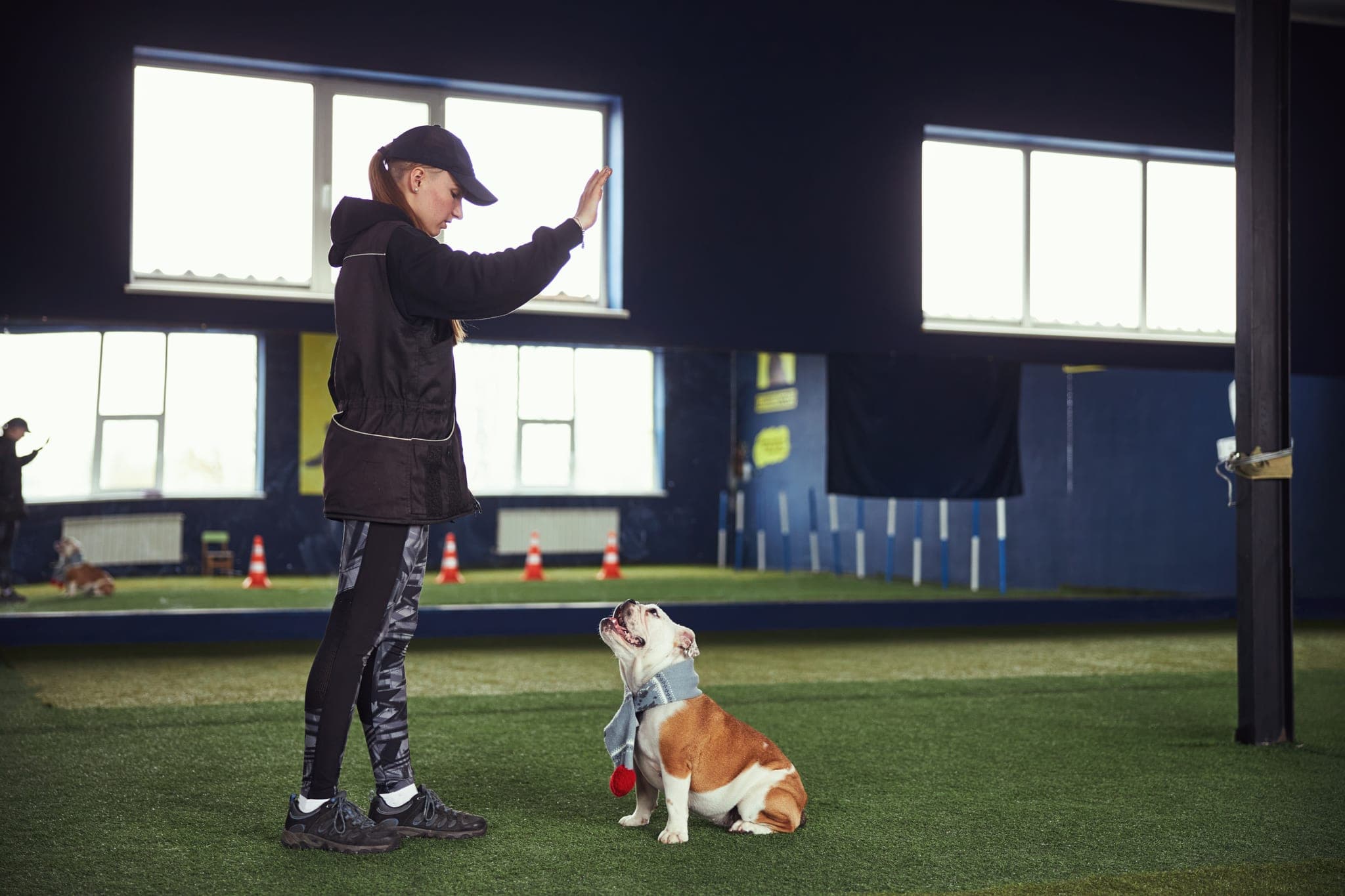
Sources & verificationLast reviewed May 2026
Our PSA guide is an independent, plain-English orientation — not an official rulebook. Rules, titles, eligibility, and fees vary by organization and change over time, so always confirm the specifics with the current rulebook or event premium before you enter.
Checked against
Spot something out of date? Tell us and we’ll fix it.