Discover Rally
A sign-based obedience sport where dog and handler navigate a numbered course of stations — heeling patterns, pivots, fronts, jumps — with continuous communication and a perfect score of 100 the judge subtracts from.
01 · What is it
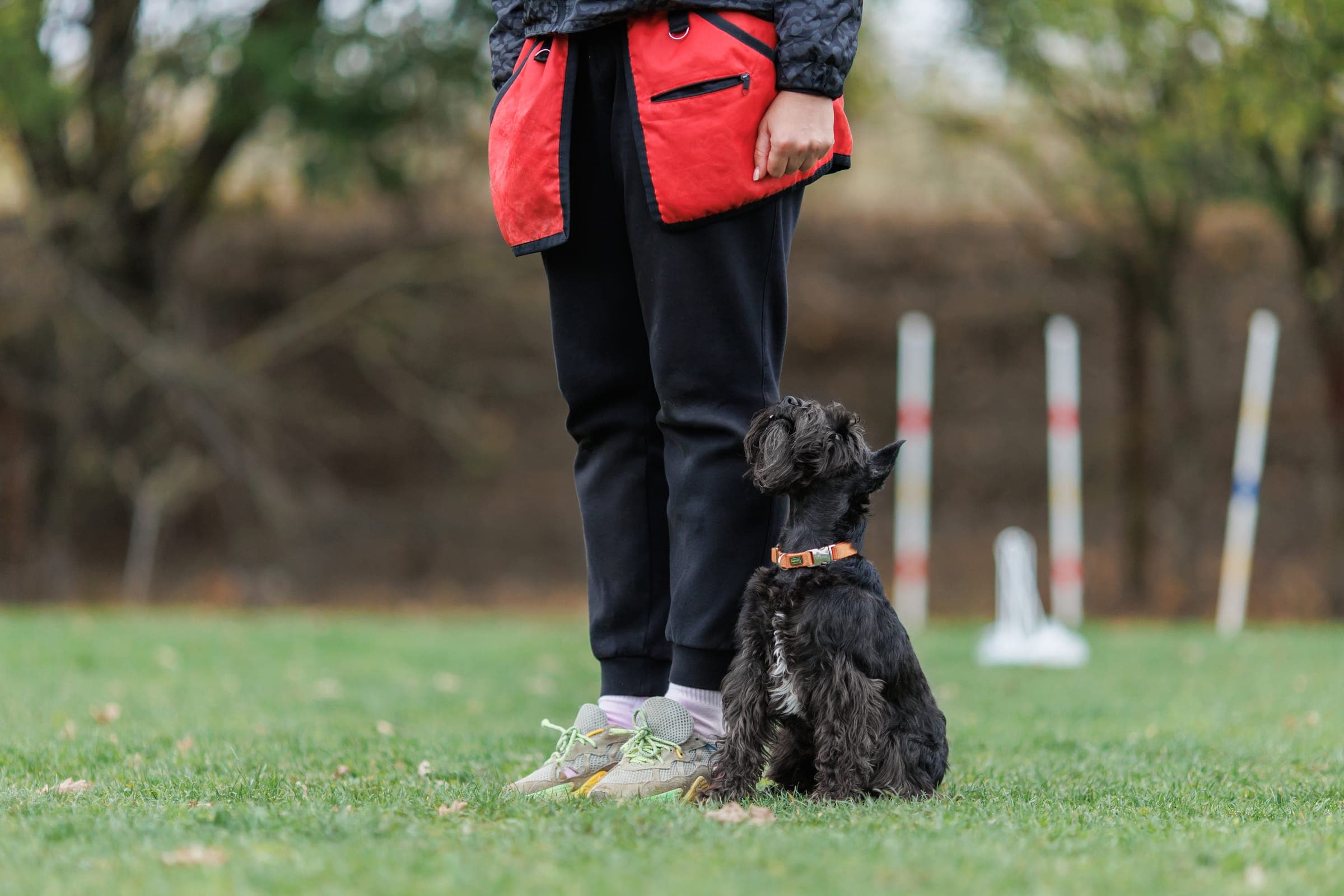
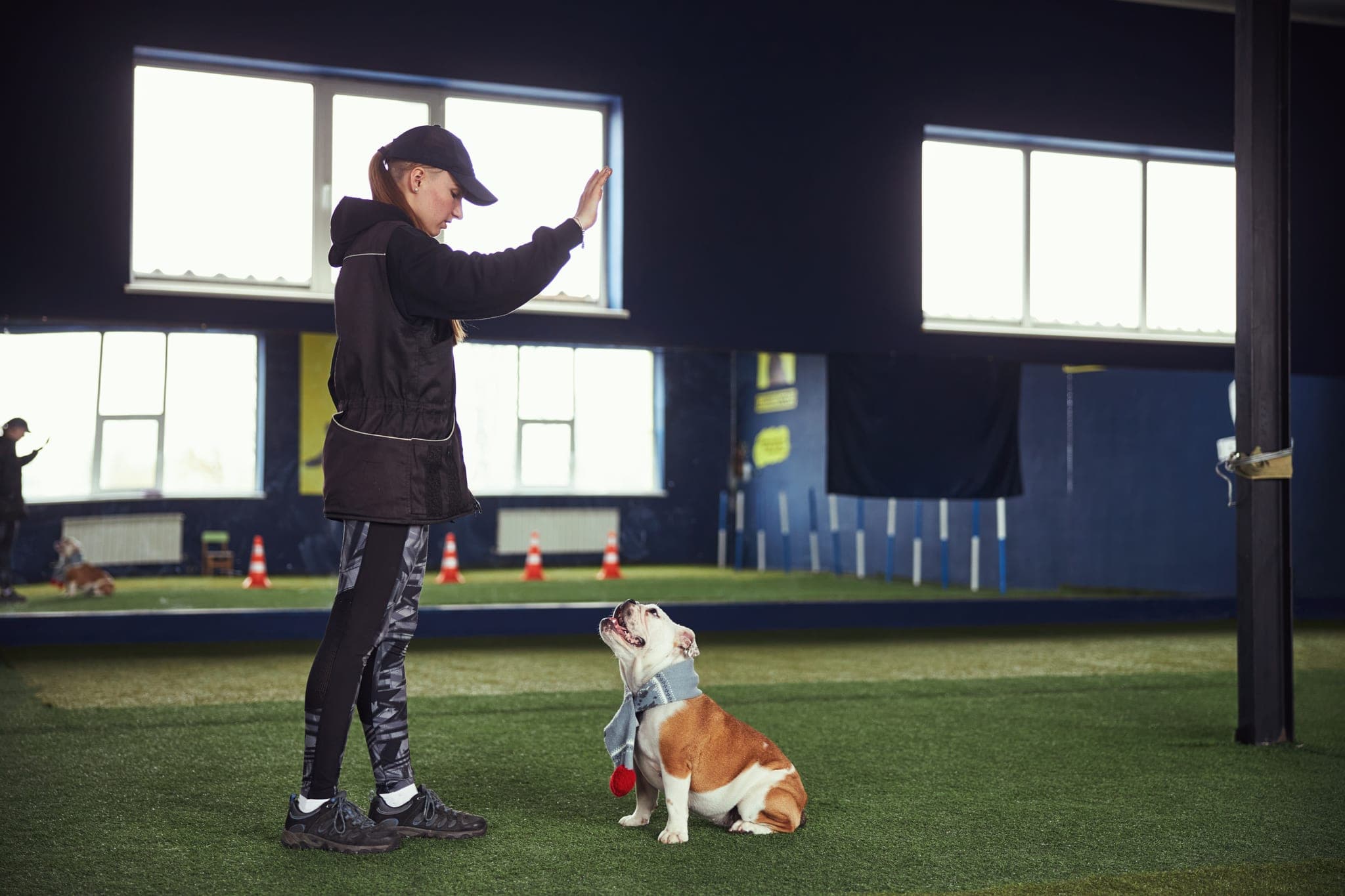
Rally — short for Rally Obedience, sometimes called Rally-O — is a sign-based obedience sport. The judge designs a numbered course of 10 to 20 stations laid out around the ring, and each sign tells the team what to do at that spot: a 270-degree right turn, a halt and call-front, a moving down, a pivot in heel position. The handler walks the course alone before the class to memorize the order. Then the dog comes in, the judge says "Forward," and the team flows from sign to sign without stopping for judge-called exercises. A team starts at 100 and the judge subtracts. A qualifying run is 70 or better within the maximum course time. Three qualifying runs under at least two different judges earn most title legs.
The sport's distinguishing feature is permission to talk. Unlike formal Obedience — where extra commands cost points and any praise inside the ring is a deduction — Rally lets handlers cue continuously. Voice cues, hand signals, body language, and verbal encouragement are allowed throughout the course, with limits at Excellent and Master where clapping and leg-patting cross into deduction territory. The trade-off is precision: heeling has to be tight, station execution accurate, and the team has to keep moving. Standing still, repeatedly retrying a sign, or wandering off-course are the most-cited sources of major deductions. Rally fits a wide range of dogs. Lower levels run on-leash; off-leash work and one or two jump stations enter at Advanced and above. Reactive dogs can compete and many do, but the sport involves close proximity in the gating area and at the ring entry, and crating space is often shared. Rally rewards handlers who like rulebooks, drilling heelwork, and reading signs accurately under mild time pressure — and who are willing to walk the course four times before the run, not once.
02 · Stations and the course
Rally's structural unit is the sign. Each station tells the team what to perform at that spot — a turn, a halt, a position change, a heeling pattern, a jump. The signs below are the categories that show up across Novice through Master. The judge picks the specific signs for each course; the handler walks the course before the run to memorize the order.
03 · AKC progression
The American Kennel Club program is the largest and most visible Rally structure in the US — the program that took the format mainstream when it codified titling in 2005. The AKC ladder runs from Novice through Master with an optional Intermediate bridge, then opens into combined and championship titles (RAE, RACH). Most US Rally weekends are AKC weekends, and the AKC Rally National Championship is the prestige finish. Eligibility covers all AKC-registered purebreds, plus mixed-breed and unregistered purebred dogs enrolled in the AKC Canine Partners program. Foundation Stock Service (FSS) and Purebred Alternative Listing (PAL/ILP) also qualify. Dogs compete from six months of age. Intact dogs of both sexes are eligible; females in season are not permitted to compete and are excluded from trials during their heat cycle. Deaf dogs are eligible; blind dogs are not, in line with AKC Obedience eligibility.
04 · UKC progression
The United Kennel Club program covers the same sign-based format with a separate rulebook, a slightly different sign set, and a published-as-friendlier trial culture. UKC Rally Obedience is known for unlimited-praise rules — handlers can talk to and encourage their dog throughout without the Excellent/Master-level restrictions AKC layers in. The progression runs through tiered URO titles. UKC Rally trial calendars are smaller than AKC's; serious AKC competitors who add UKC do so to extend opportunities and trial volume rather than to replace AKC entries. Eligibility covers all UKC-registered dogs plus mixed-breed and unregistered purebred dogs enrolled in UKC's Limited Privilege (LP) program. Dogs compete from six months of age per UKC general event rules.
05 · AKC, UKC, ASCA, FCI
AKC and UKC are the two real choices for US Rally handlers. ASCA is regionally relevant inside its community; FCI is mostly a reference framework. Titles do not transfer between any of the four organizations — an AKC RN does not count toward a UKC URO1, and vice versa. What does transfer is the dog and the training: the sign sets are similar enough that a handler titled in one program can adjust to the other within a few practice sessions. What changes is the rulebook, the running order, the encouragement allowances, and the credential. Most active Rally handlers run AKC as the primary program and add UKC for trial volume; ASCA is added by handlers already inside the ASCA show culture; FCI is reference-only for international preparation.
06 · Getting started
Rally has one of the most accessible entry doors in dog sports. Most handlers begin in a 6 to 8 week group obedience or Rally-specific class at a local club or training facility — basic heeling, attention, sit-front-finish patterns, and an introduction to the sign set. Foundation overlaps heavily with pet-obedience class material. Rally-specific work — sign reading, course strategy, the timing of station execution — adds on top, often through a second class series or focused workshops once the fundamentals are in.
07 · Your first trial
Rally trial atmospheres run from quiet single-ring companion-event shows to bustling multi-ring conformation-and-obedience weekends. Most are controlled, moderately busy, and broadly welcoming. First-time handlers often report feeling rushed by logistics — armbands, walkthrough timing, gate calls — while the dogs handle the environment better than expected if they've been acclimated to new venues and other dogs. Day flow is long stretches of waiting punctuated by short ring time.
08 · What it costs
Rally costs spread across a wide range. A team that takes a foundation class and enters a couple of local Novice weekends per year sits at the low end. An active competitor working through Advanced and Excellent runs mid-range. RAE and RACH campaigns run at the top, mostly on travel and accumulated entry fees rather than equipment.
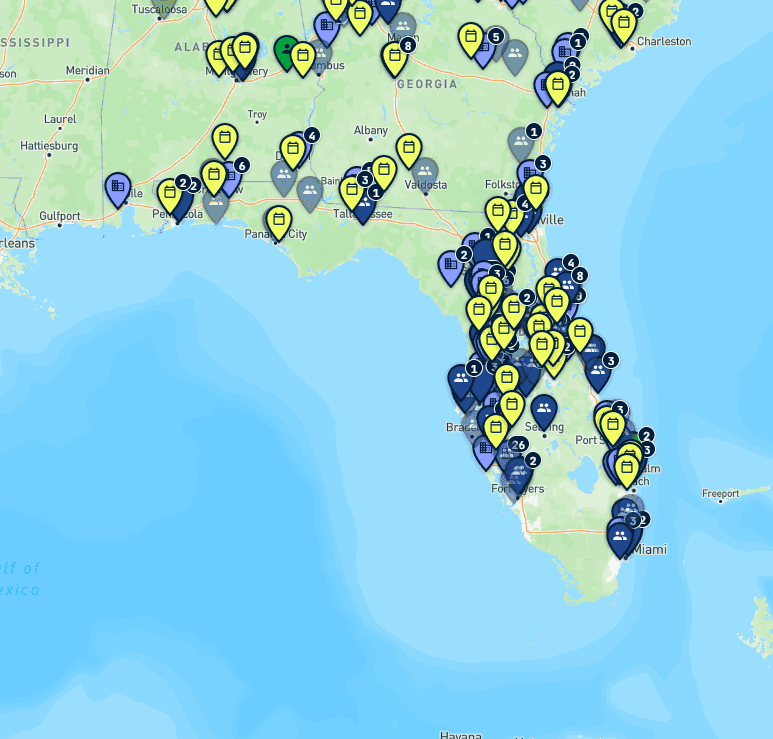
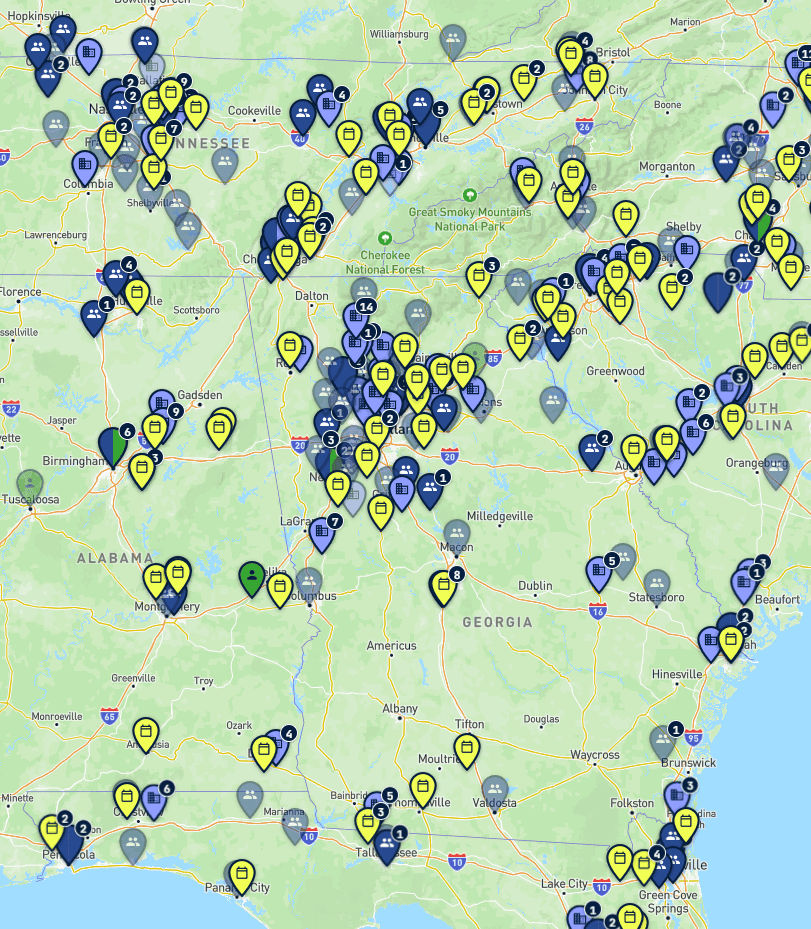
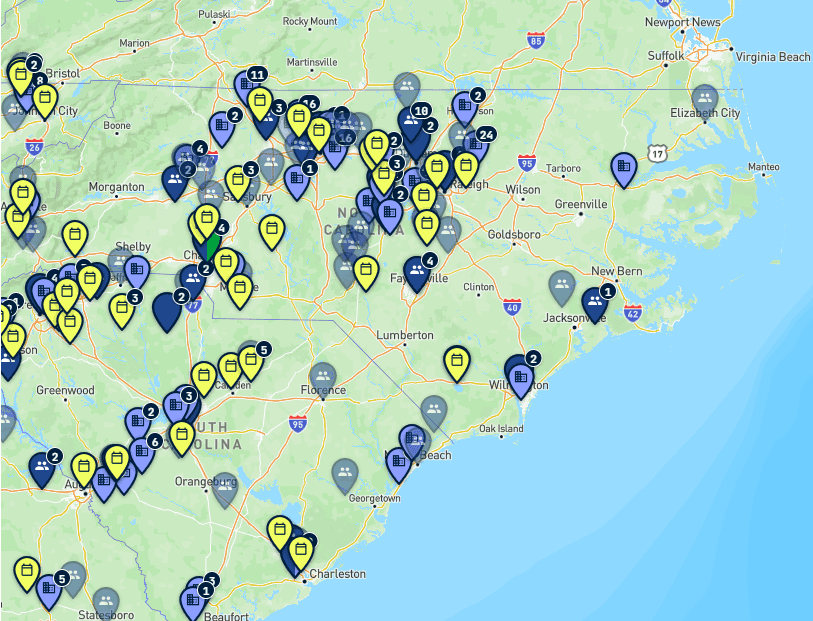
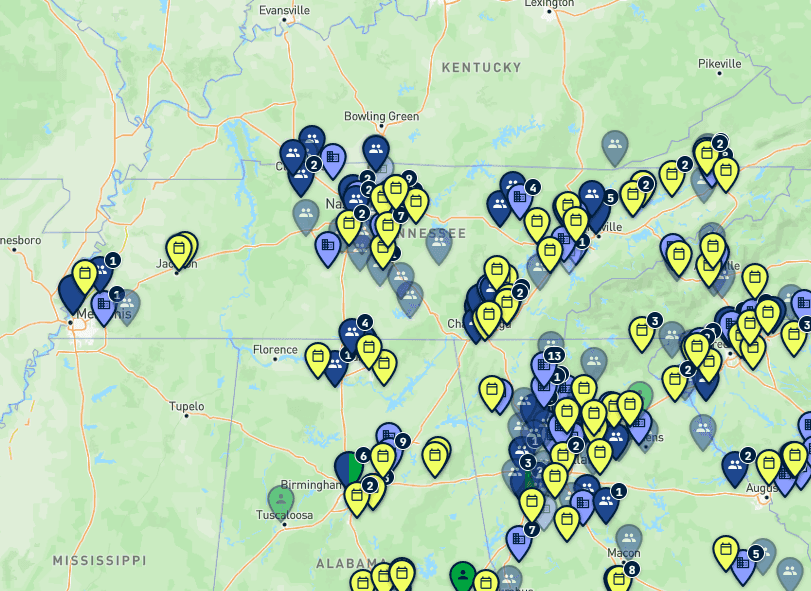
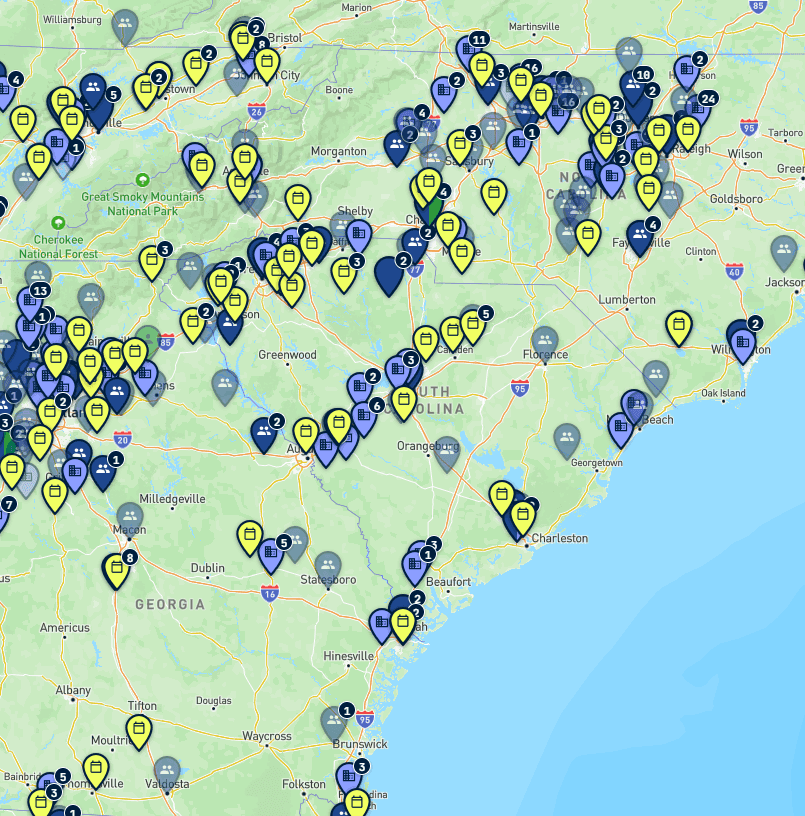
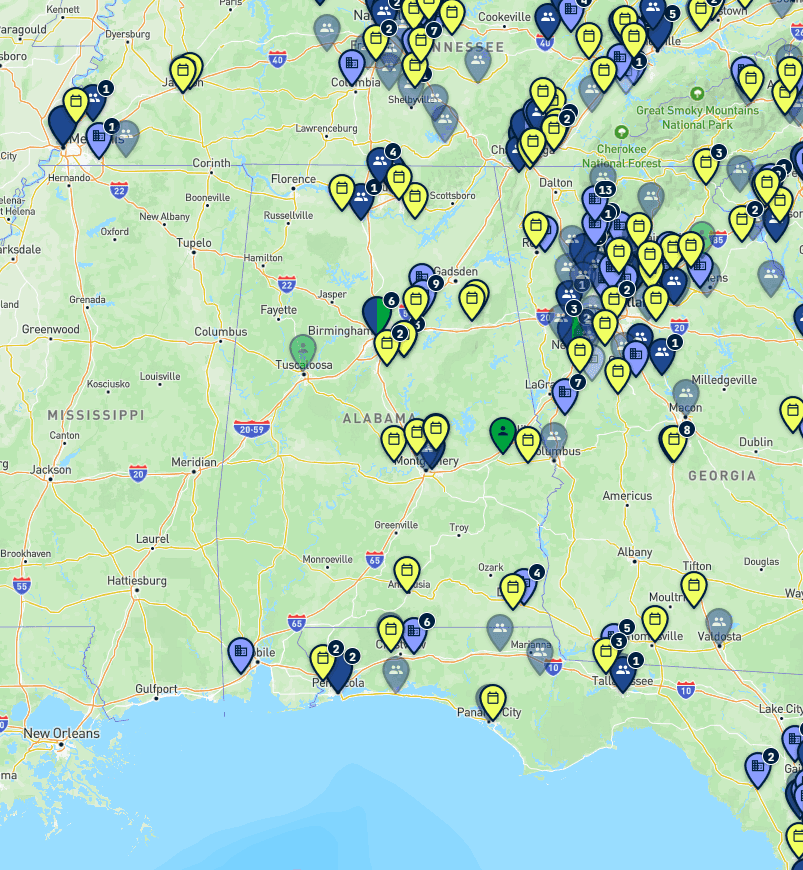
Find rally near you.
Made for rally.
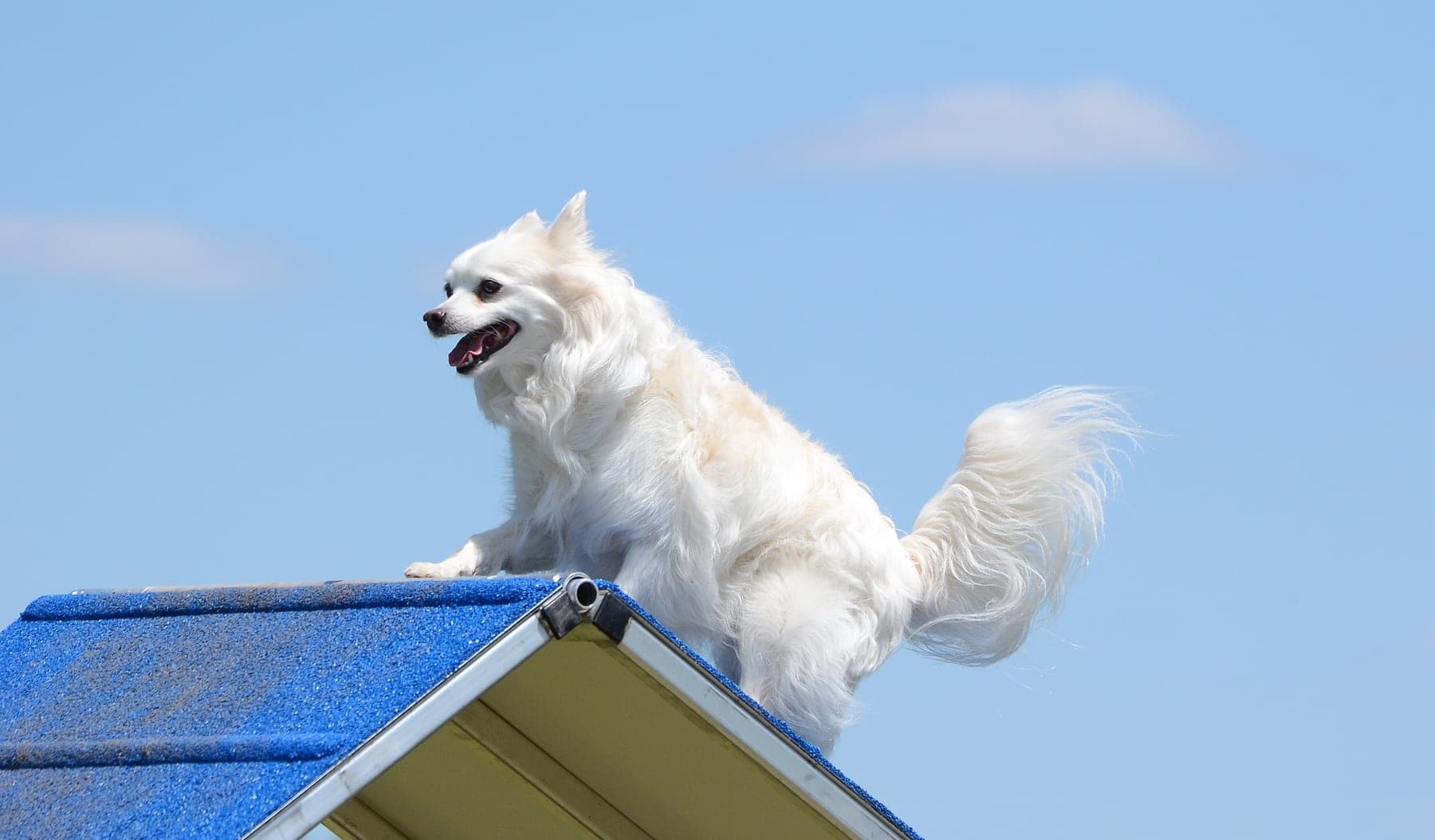
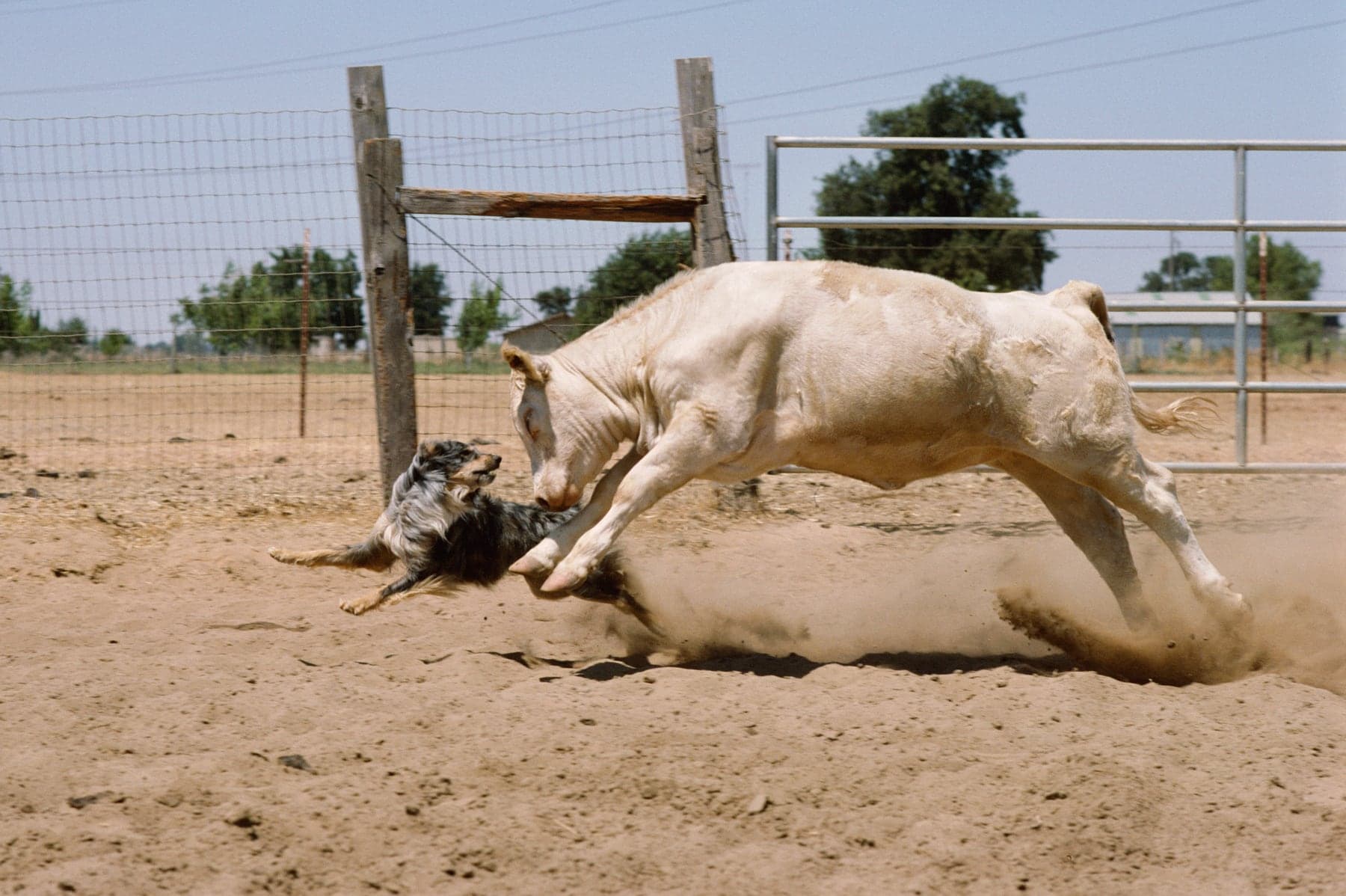
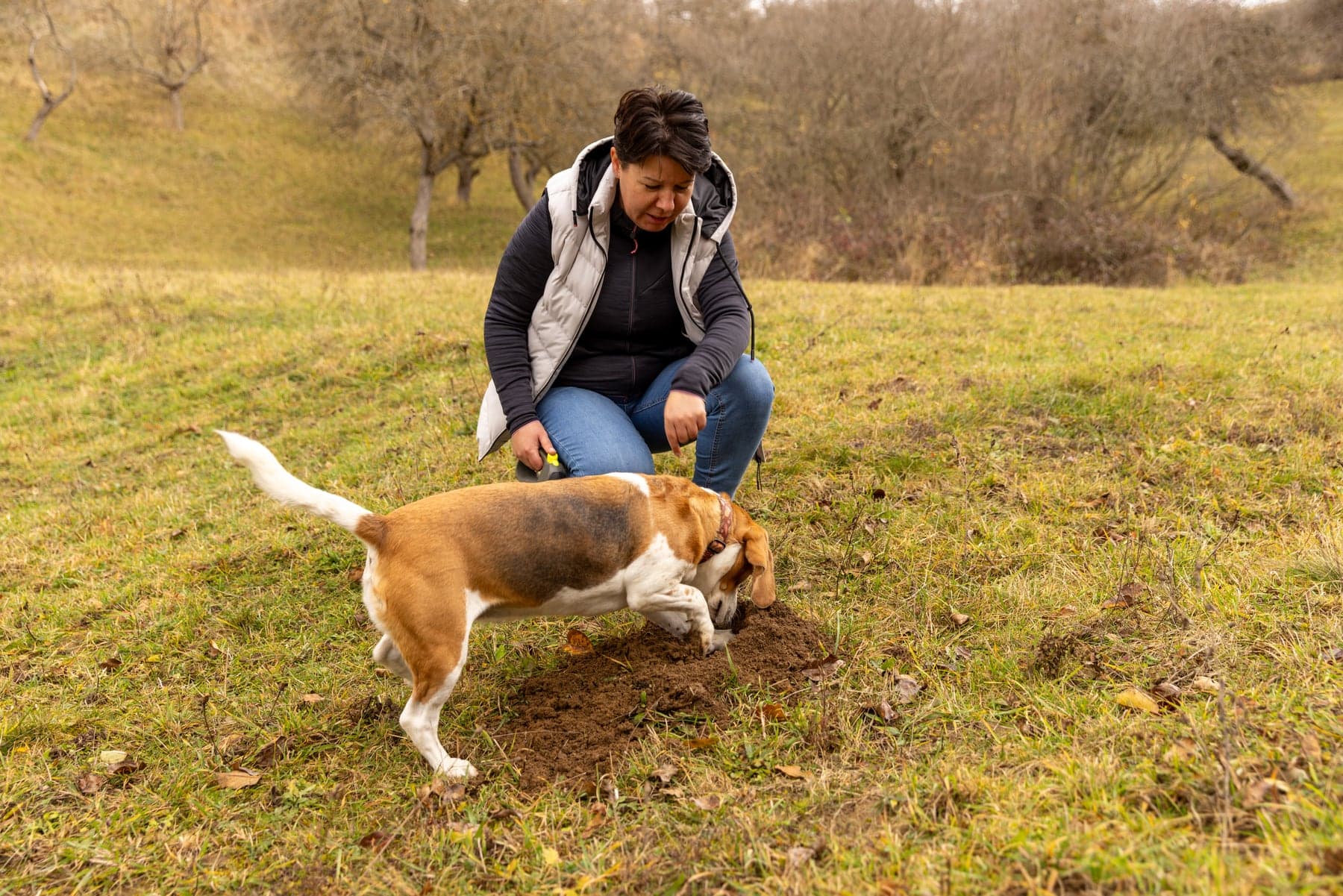
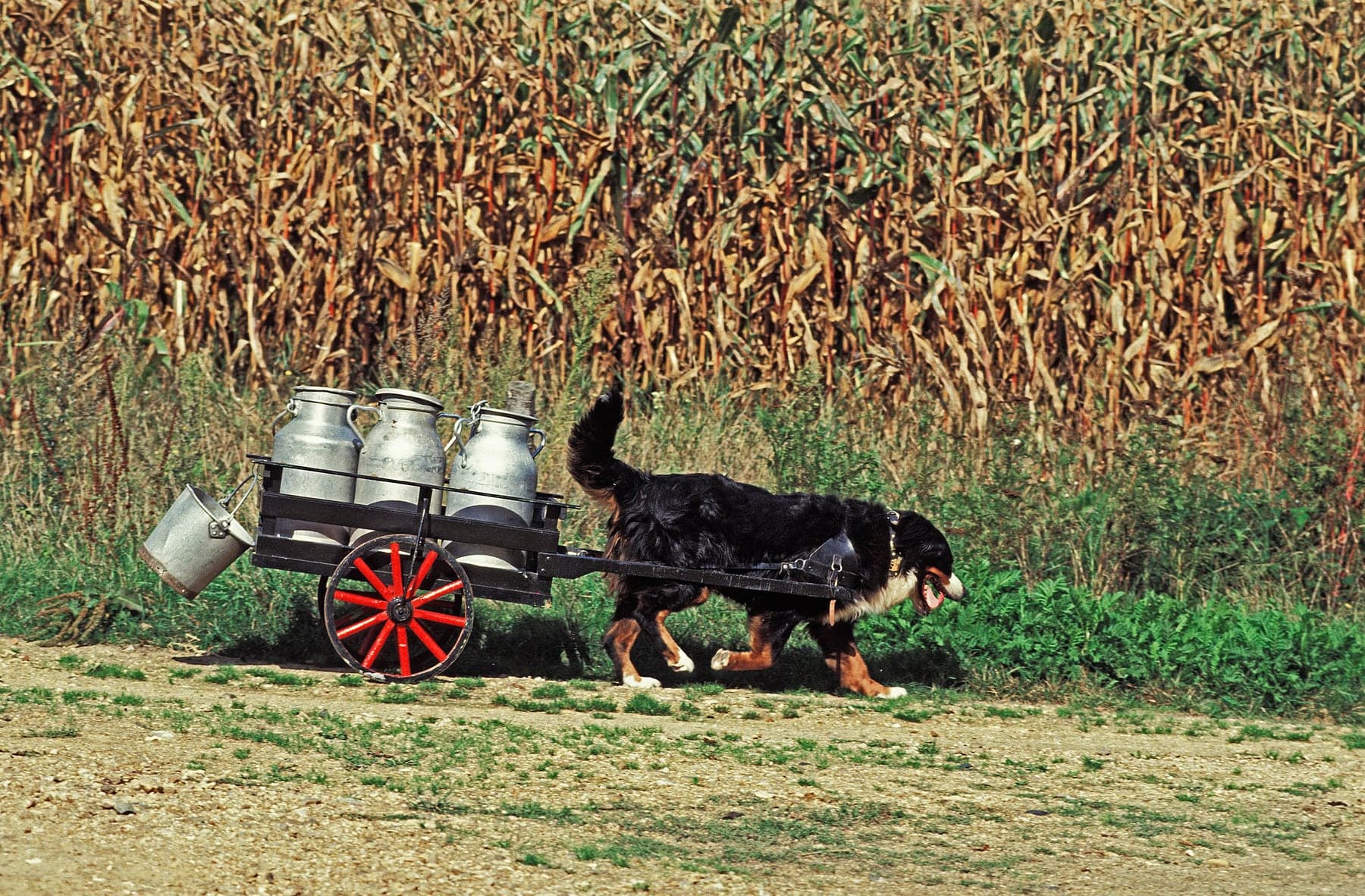
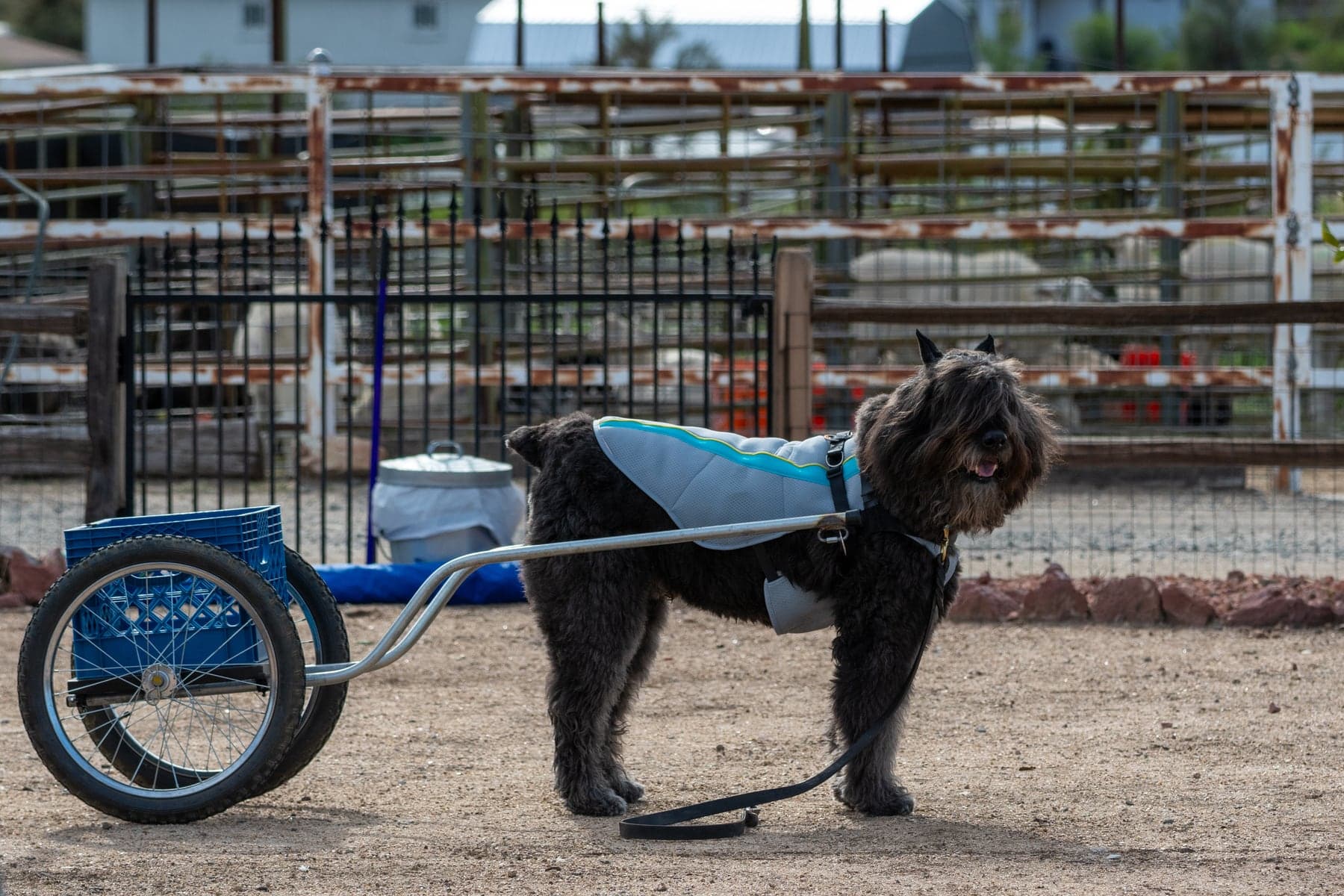
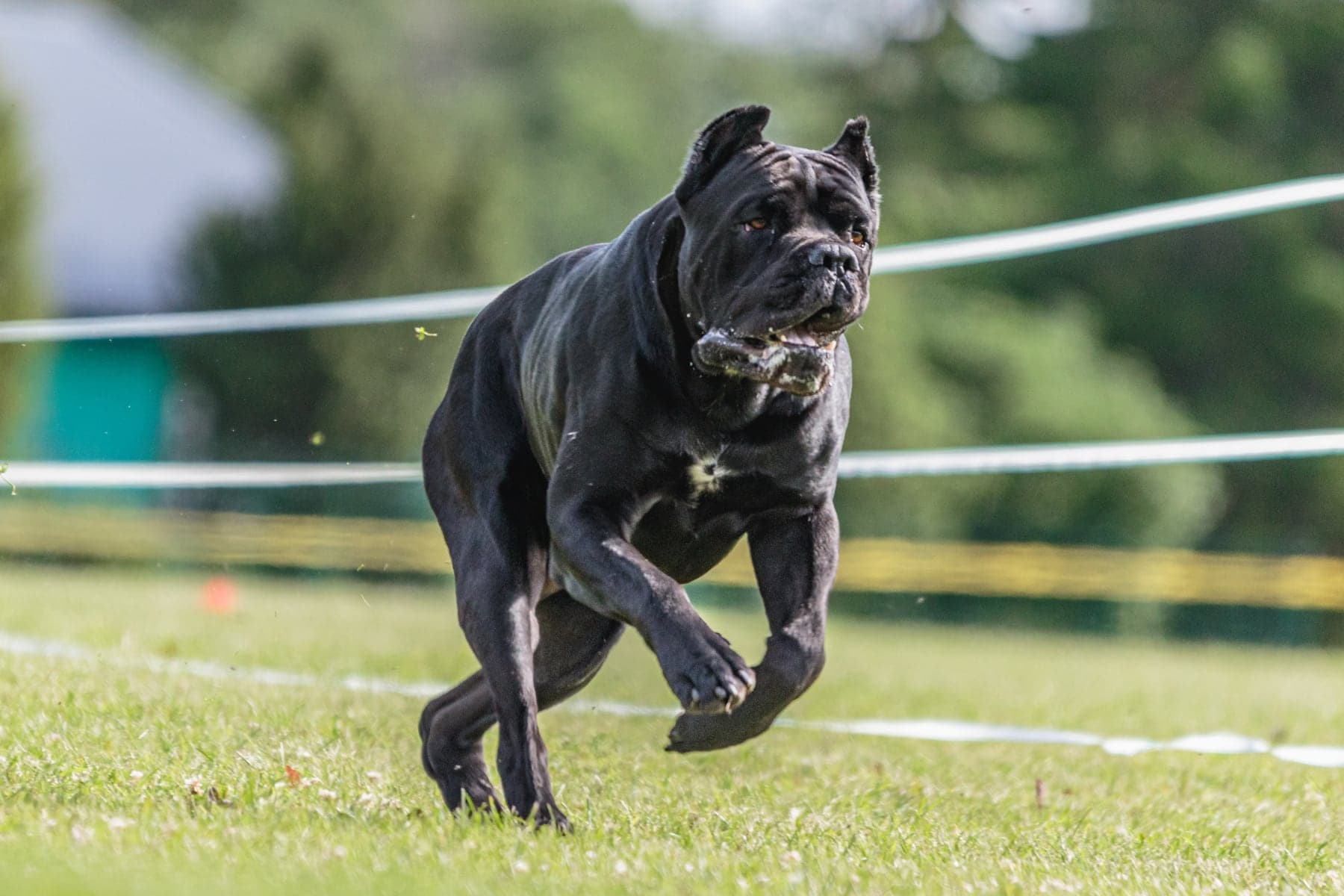
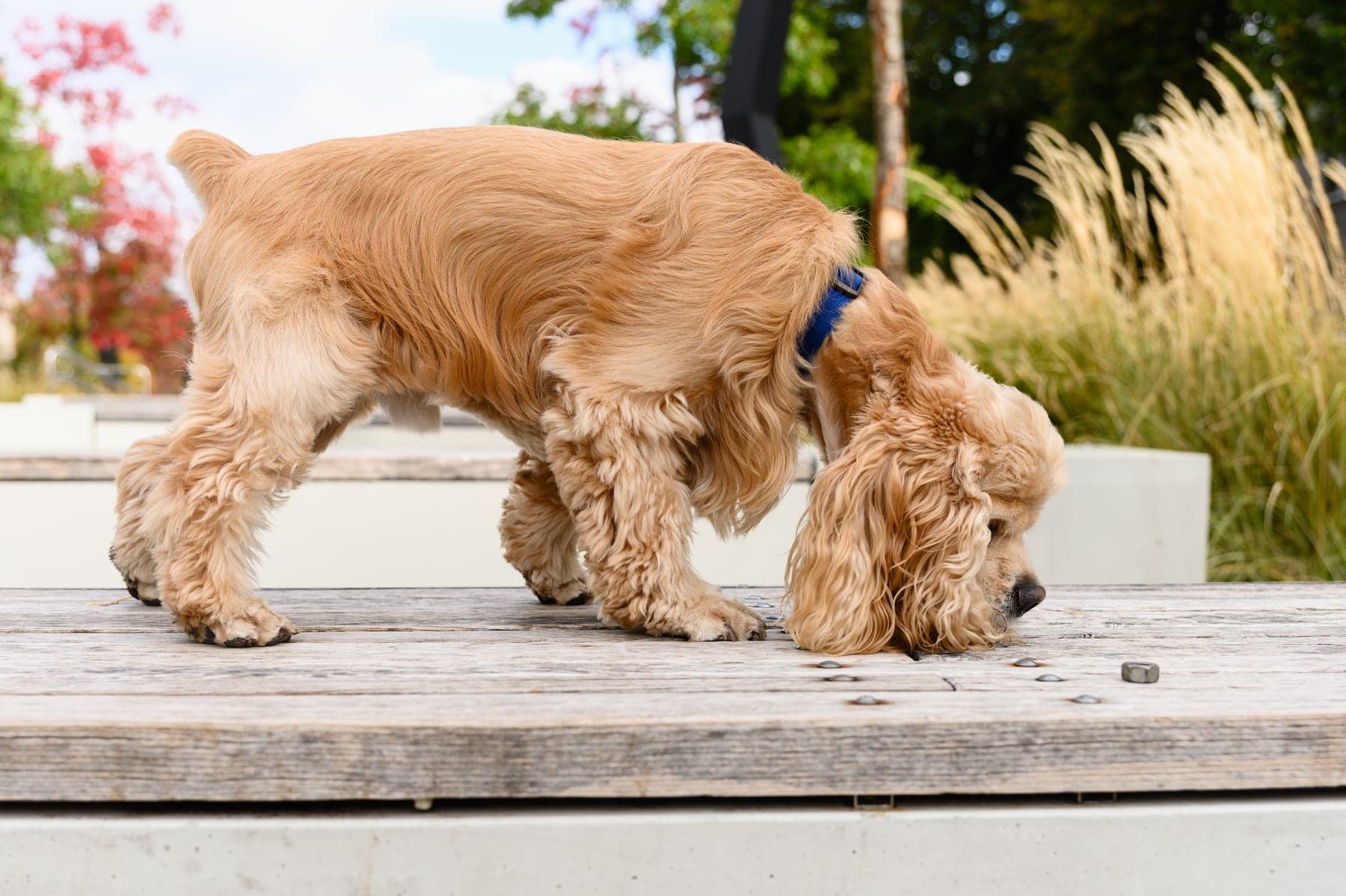
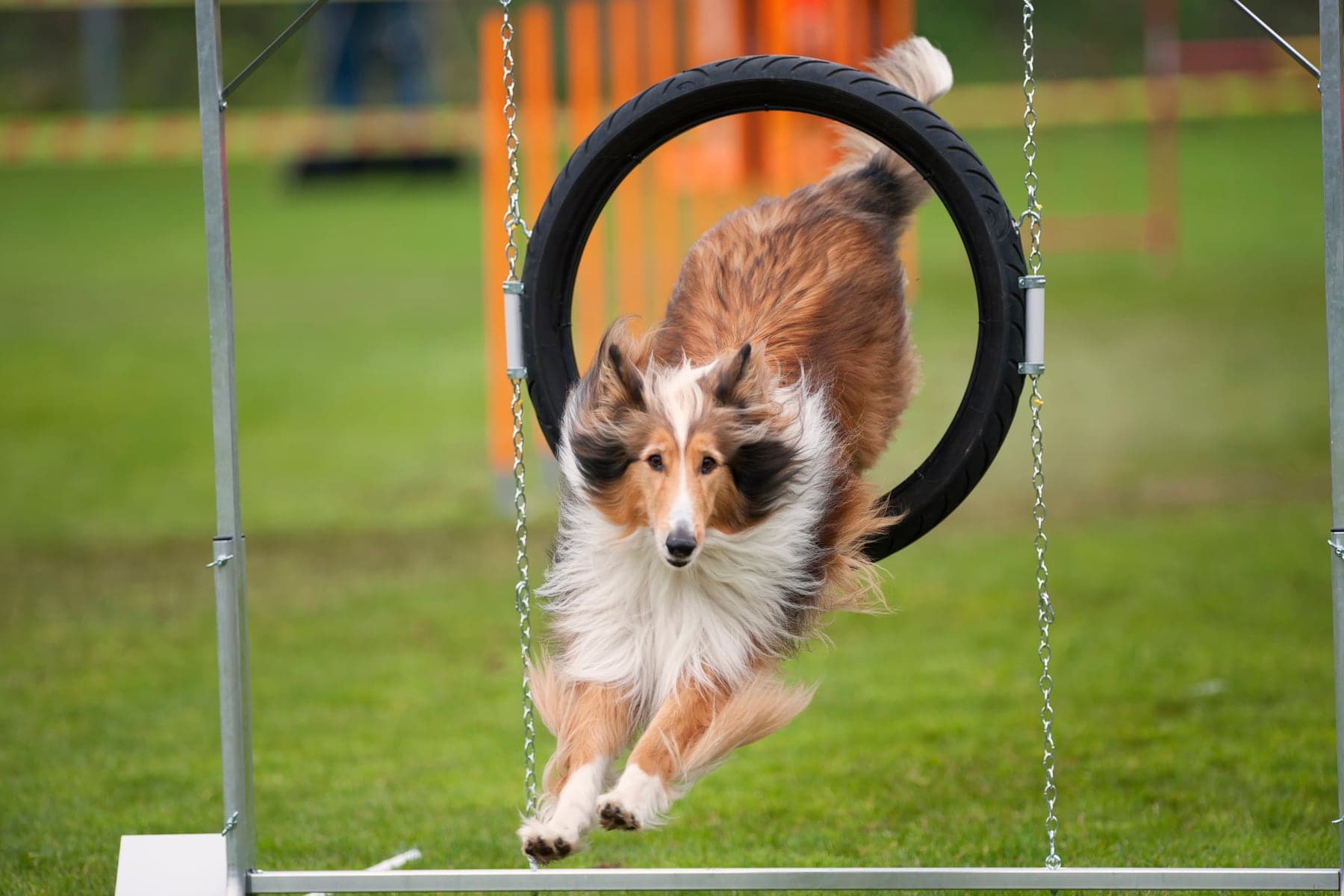
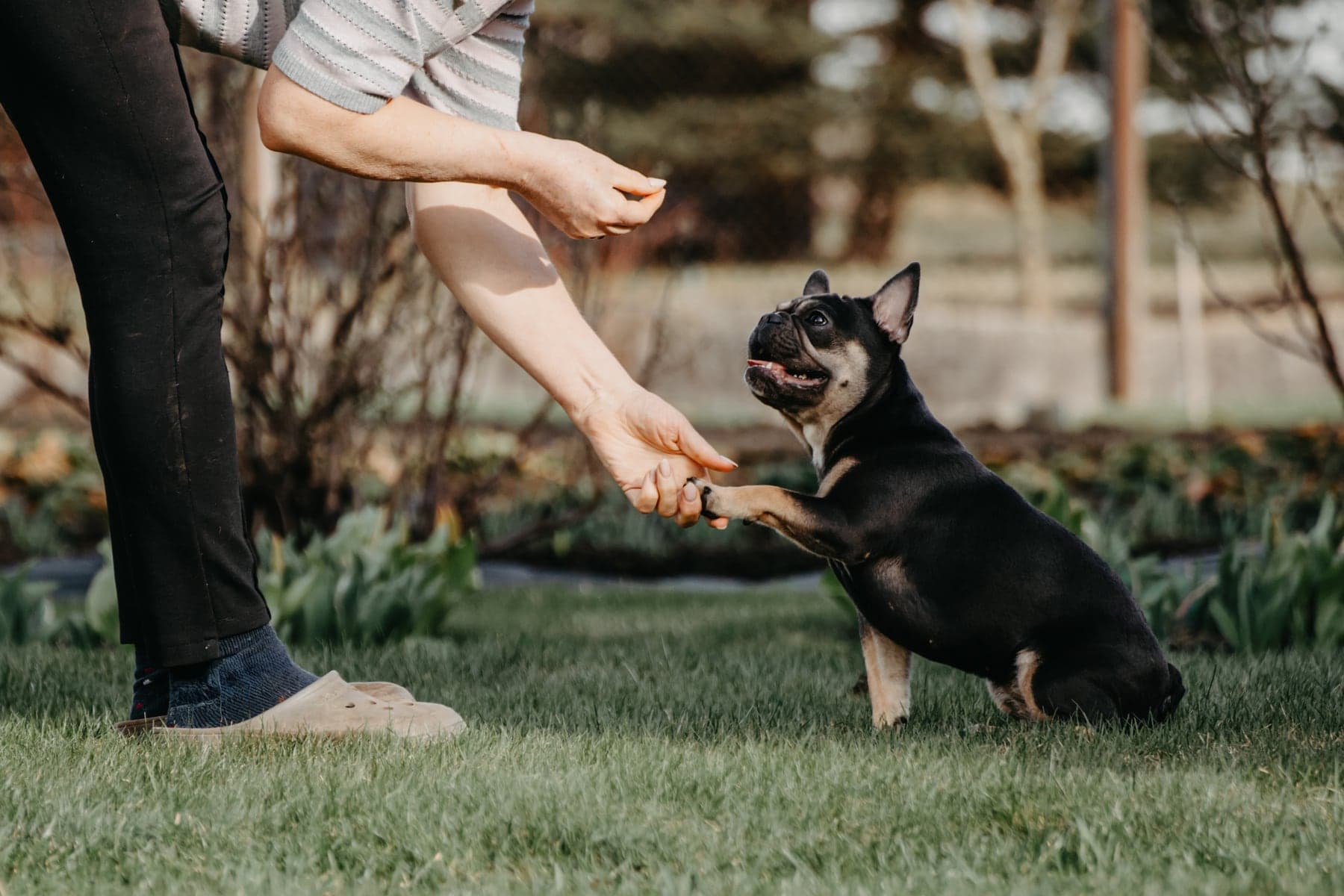
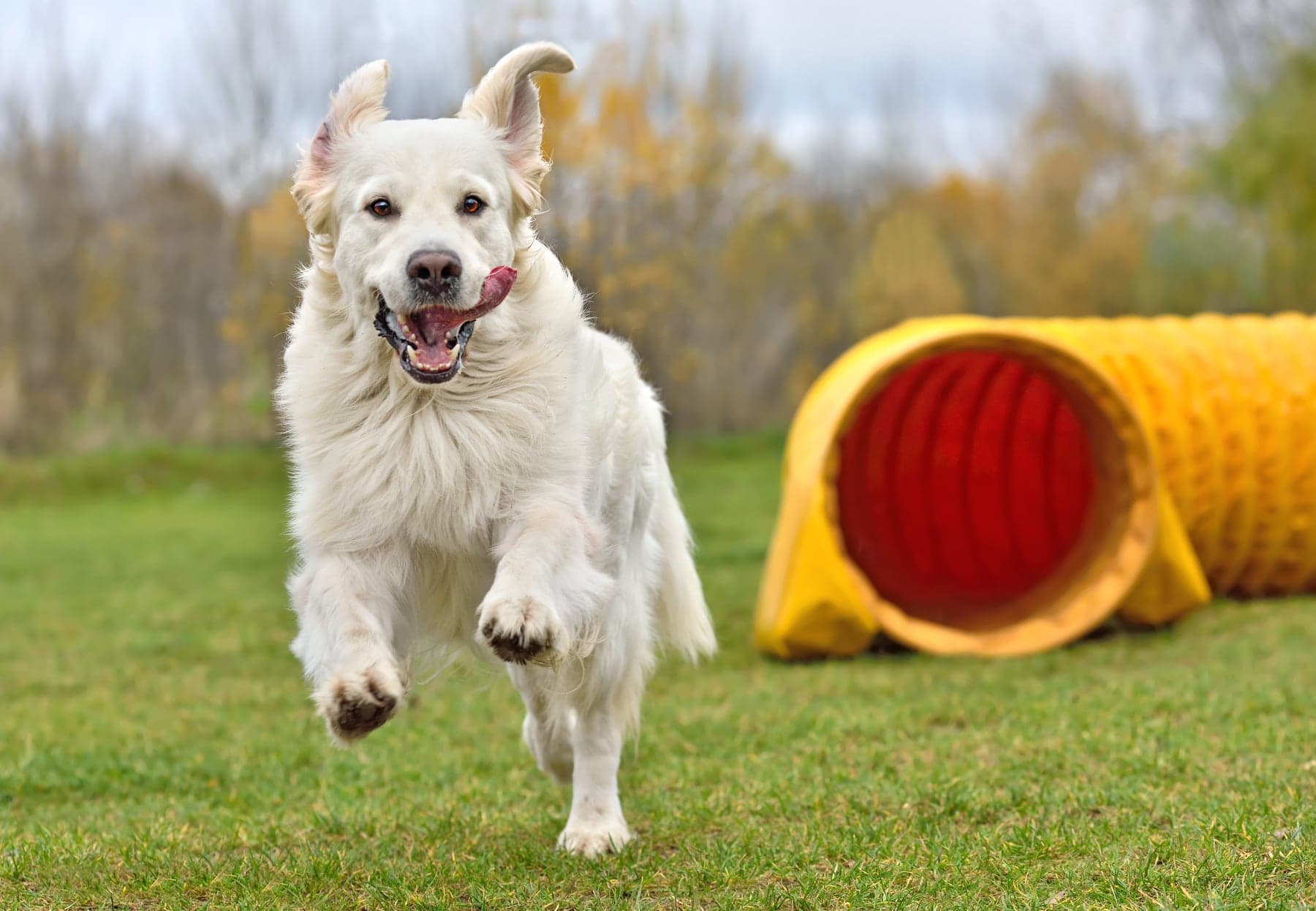
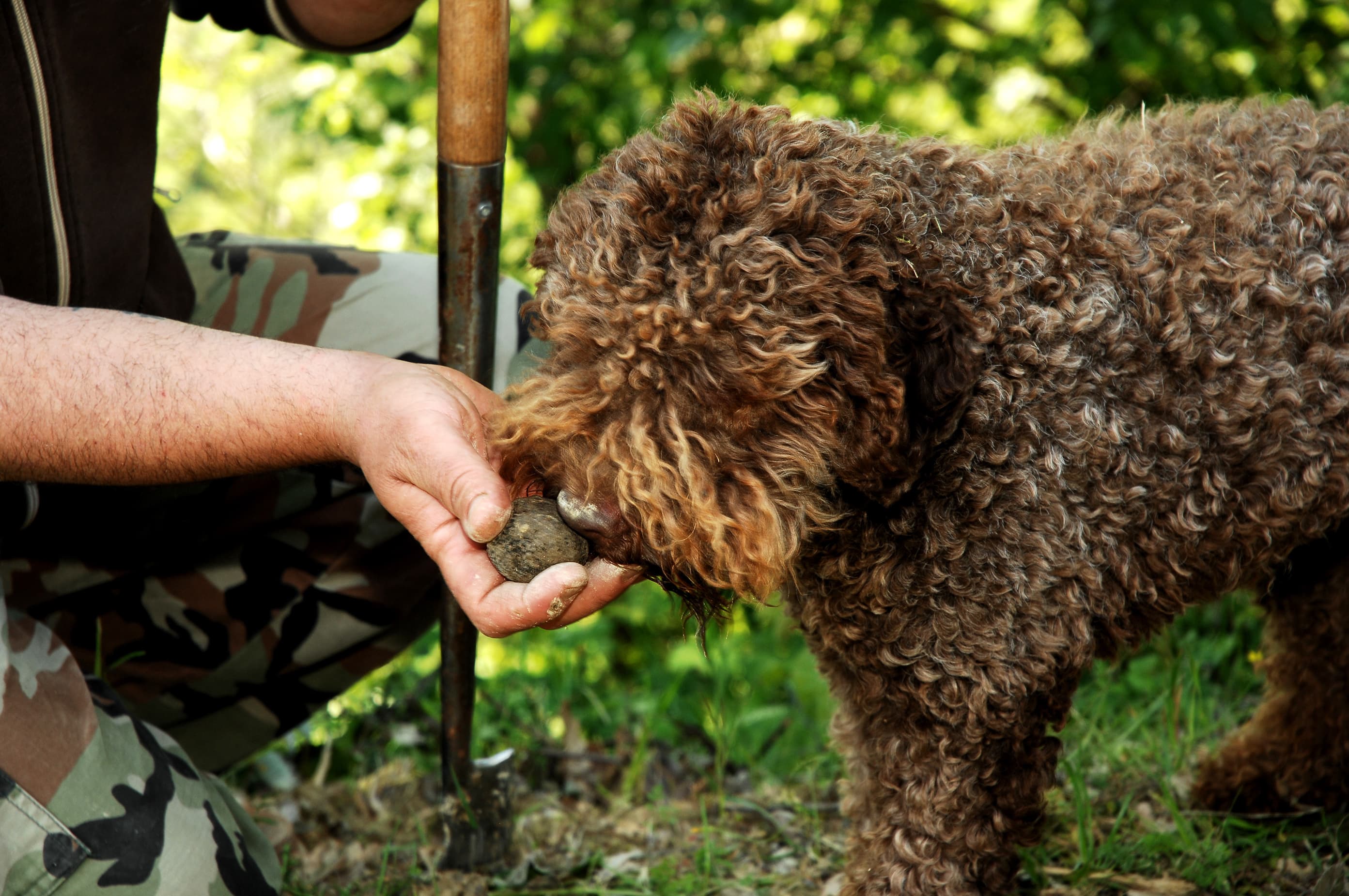
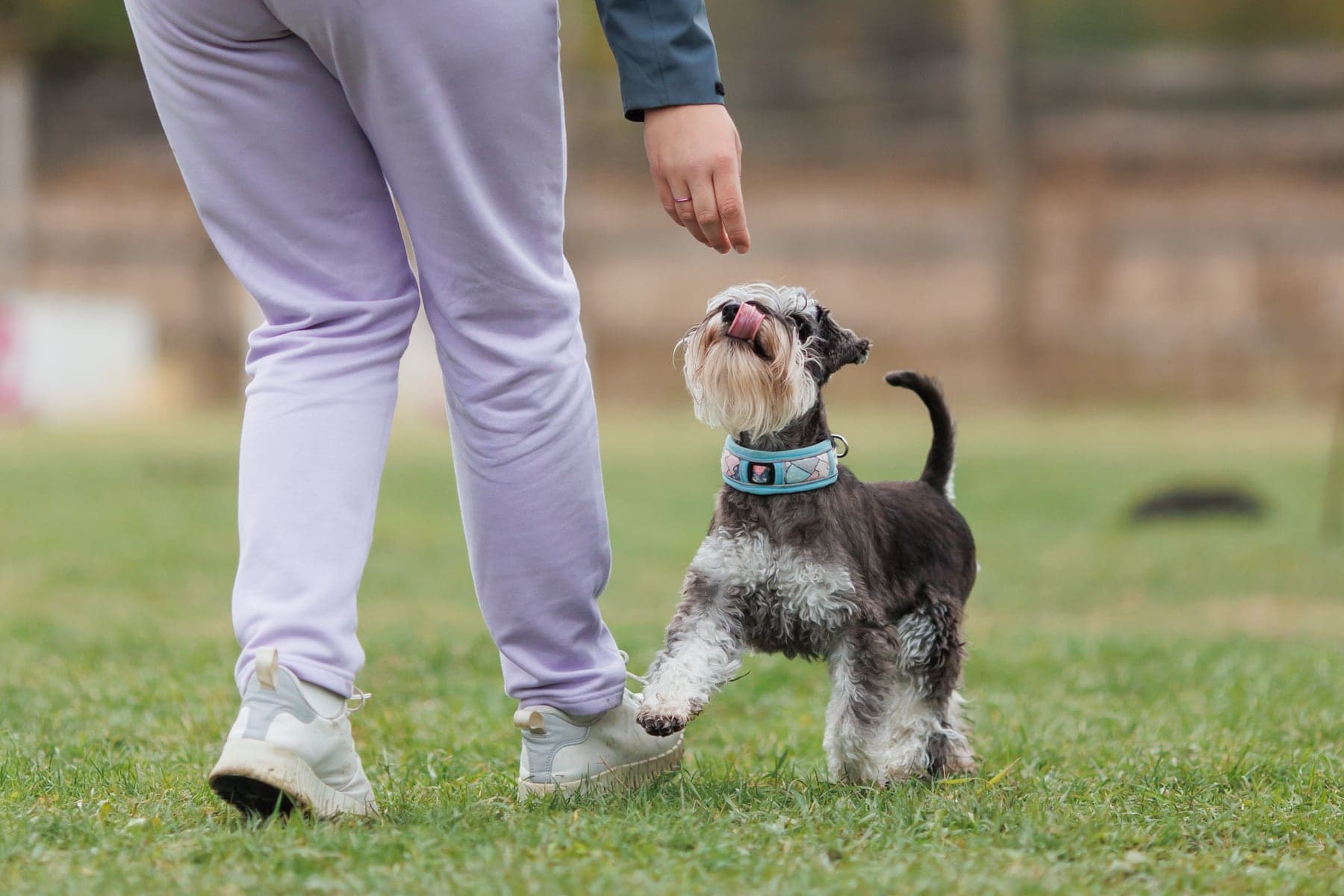
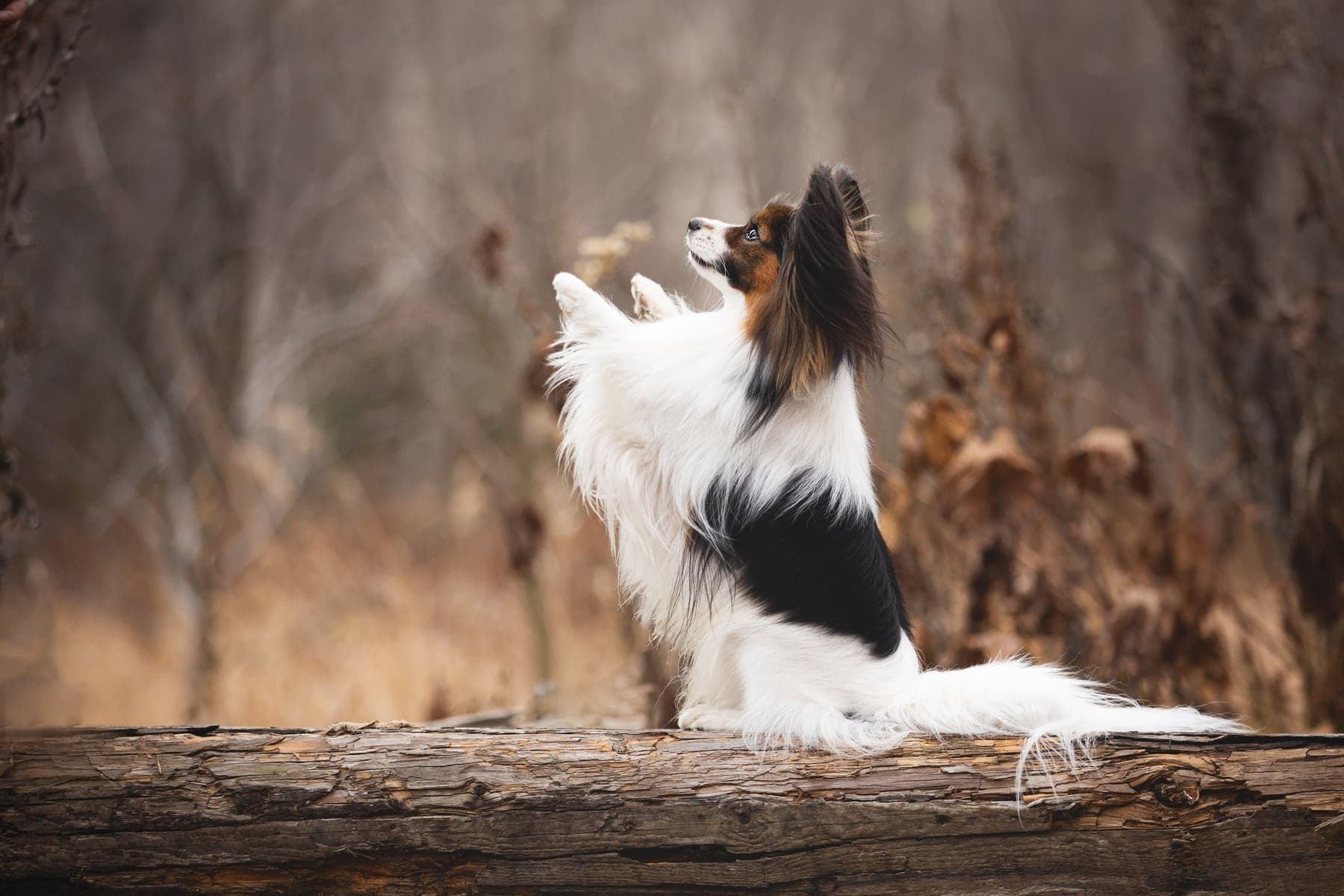
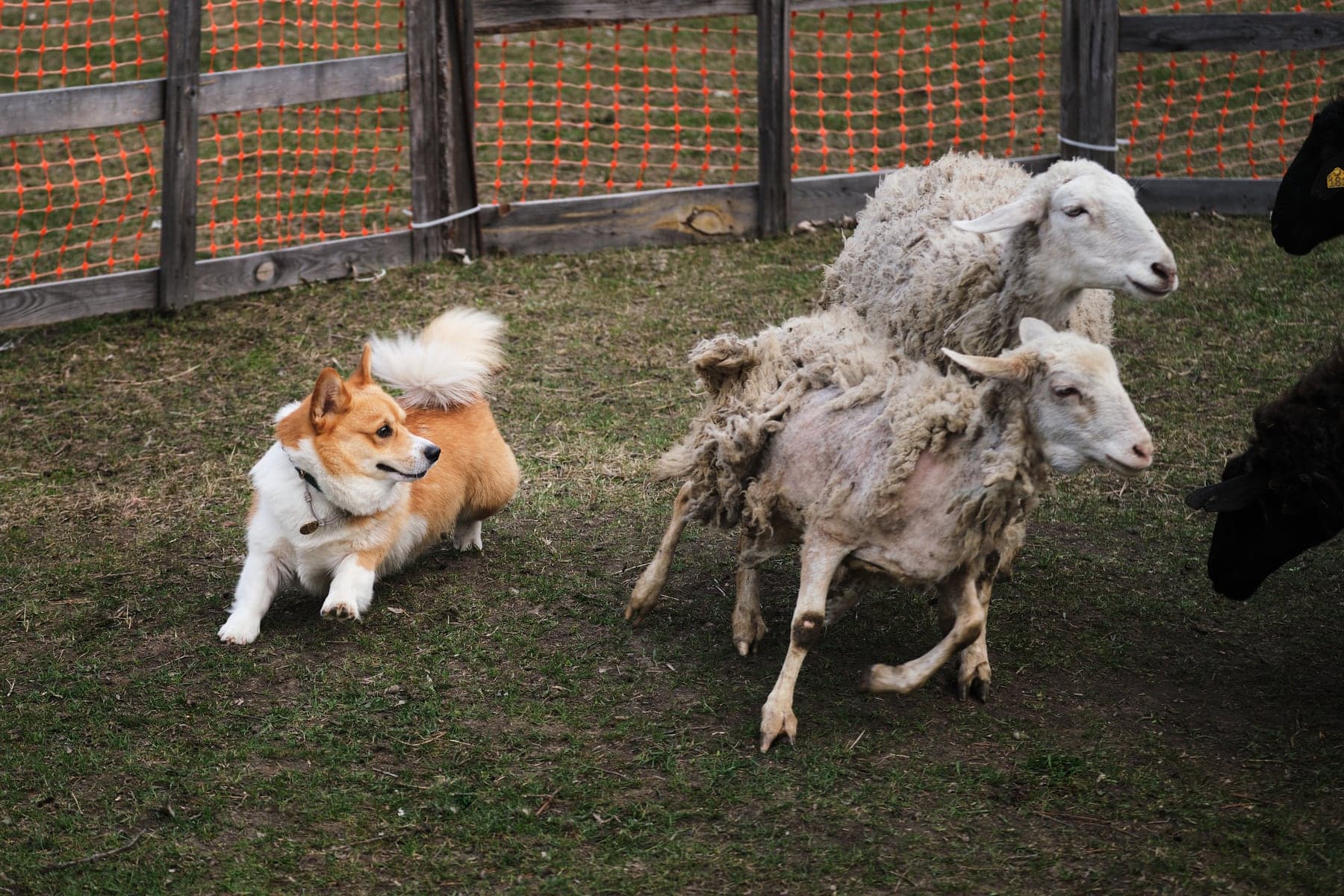
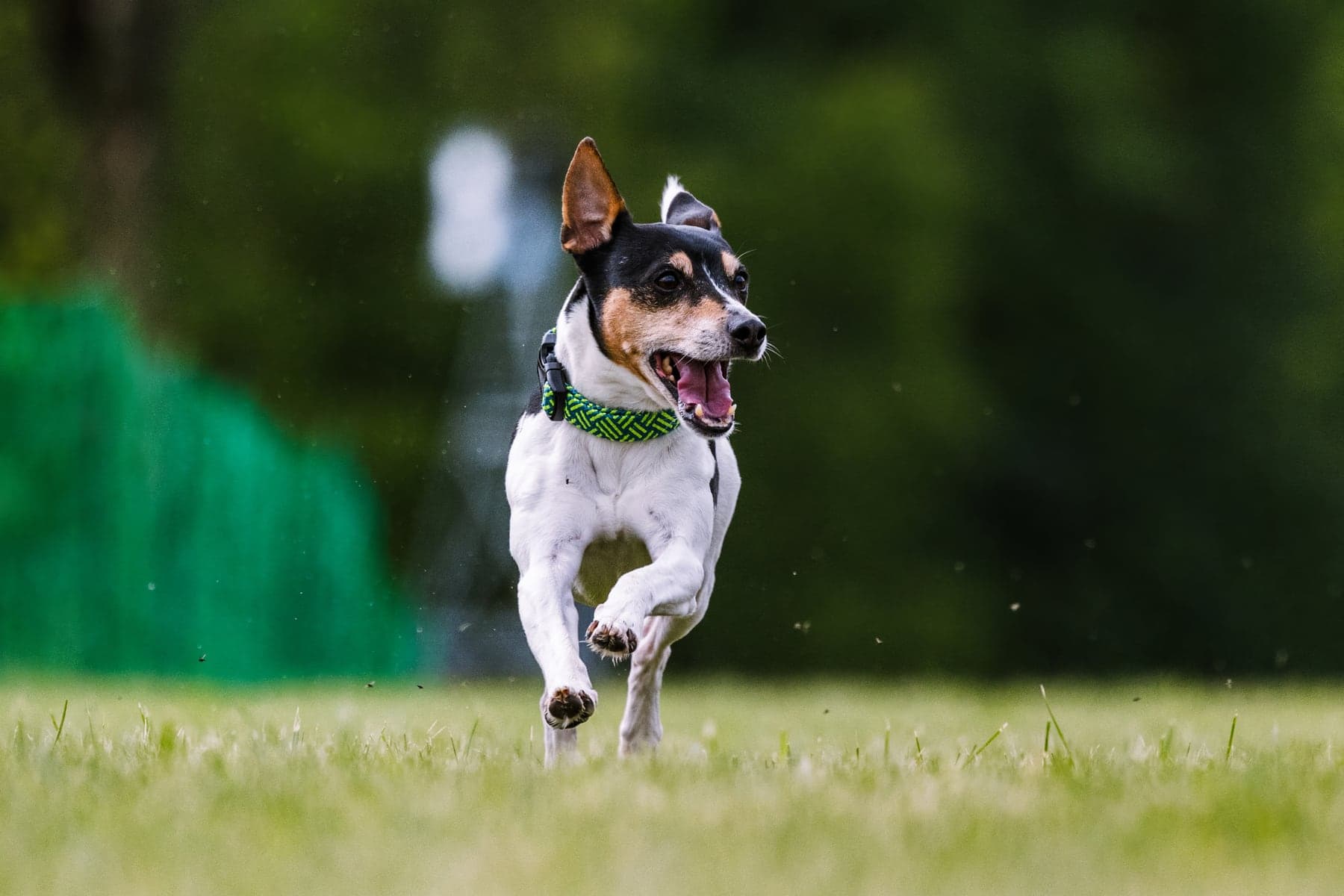
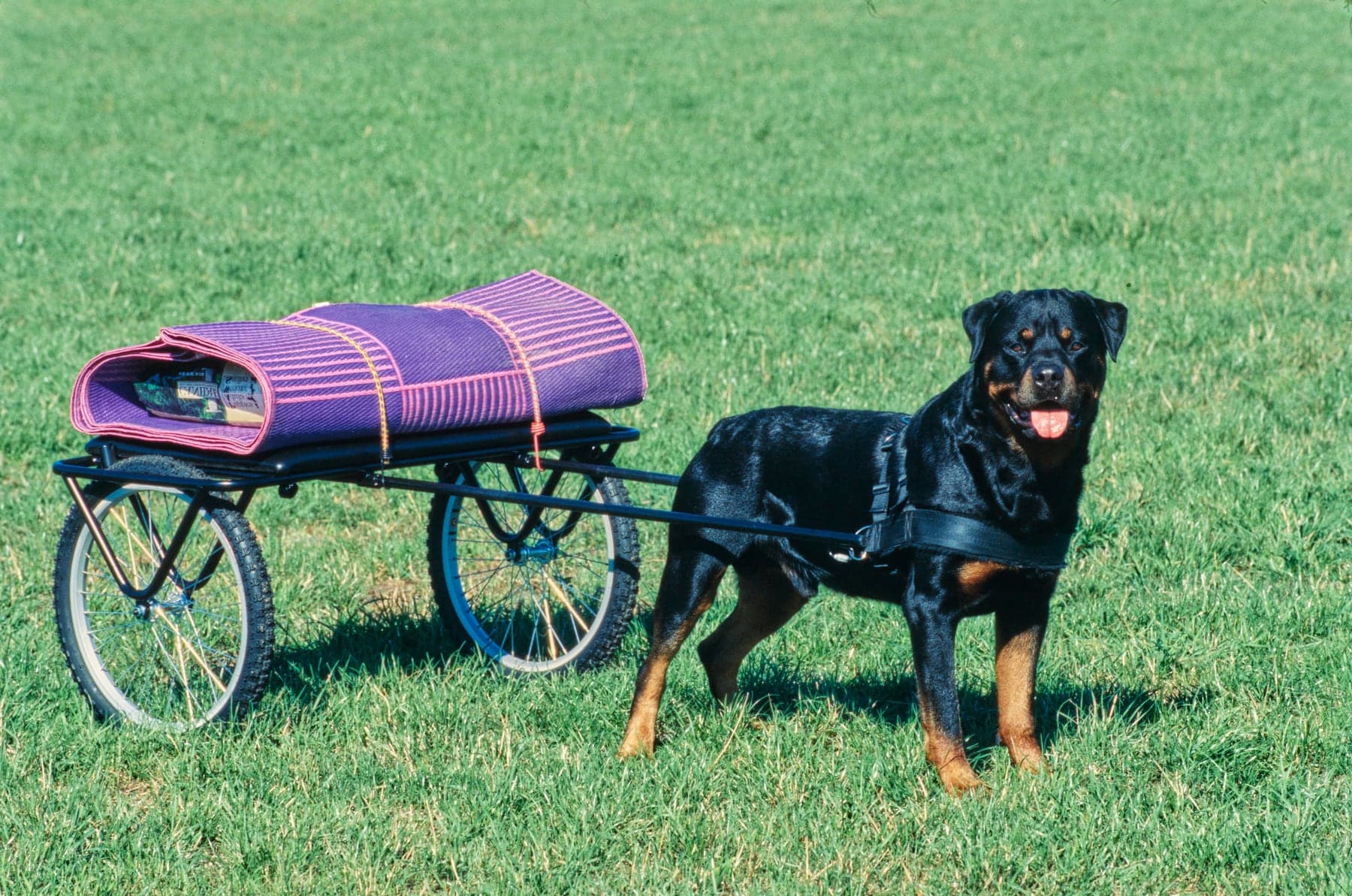
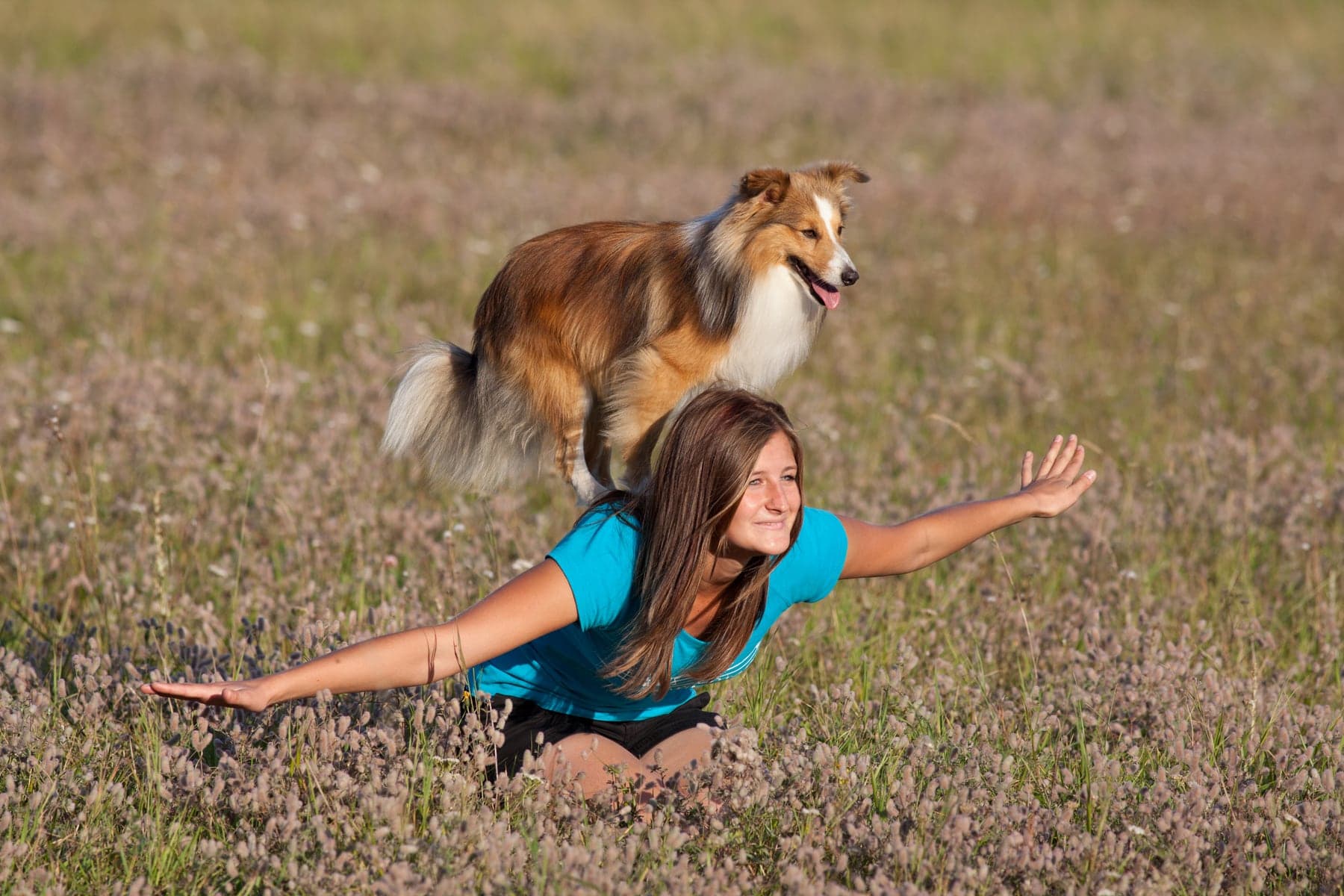
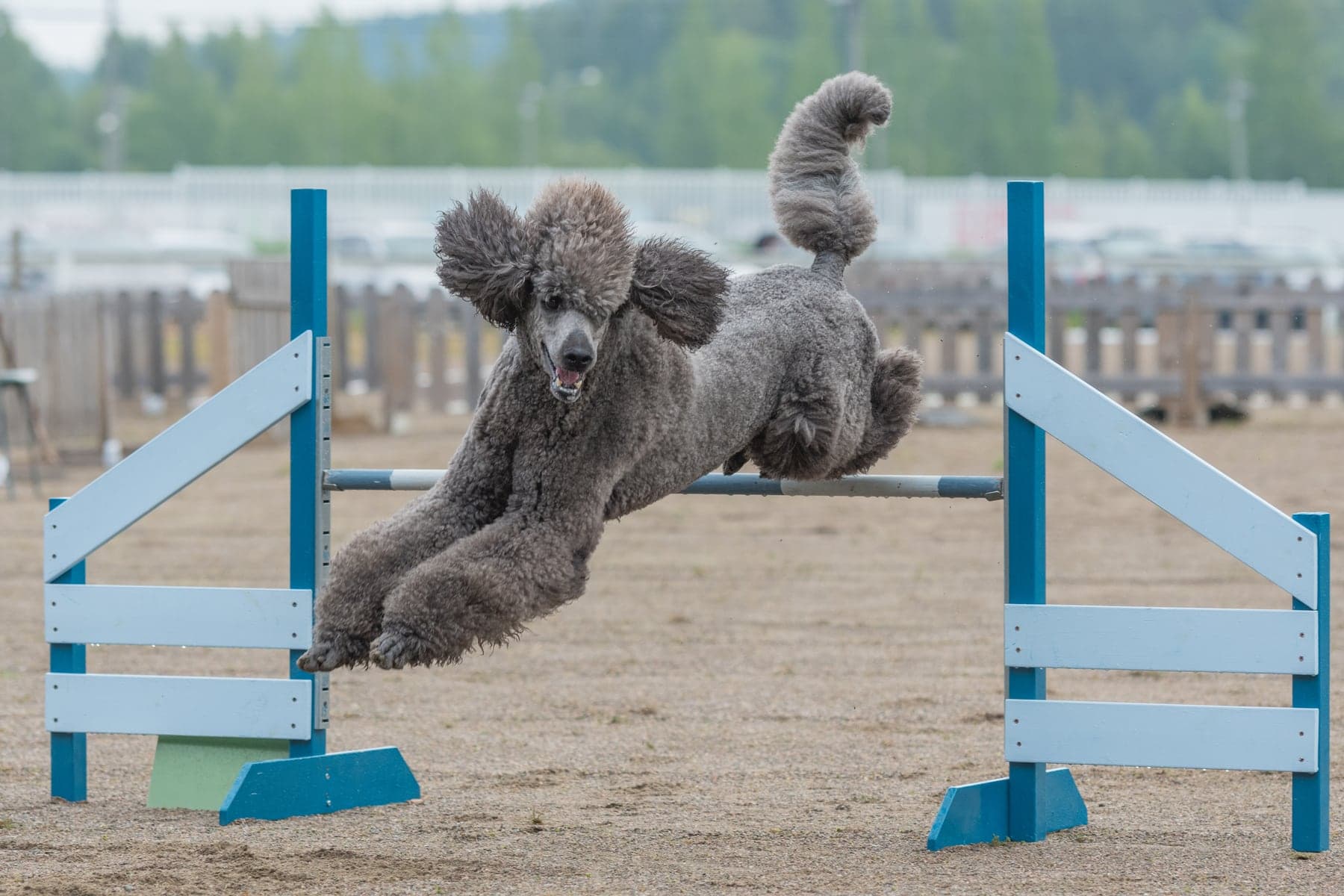
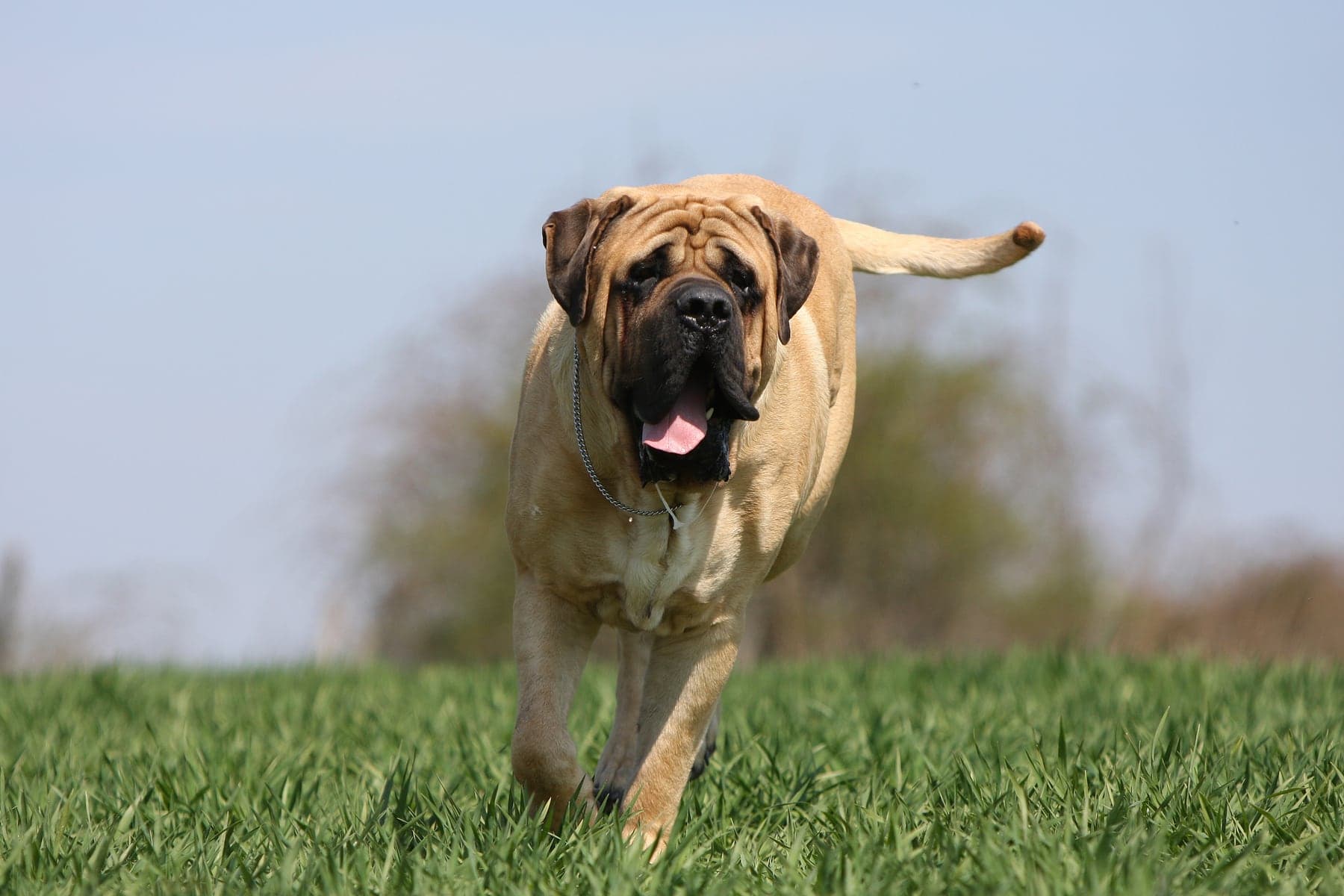
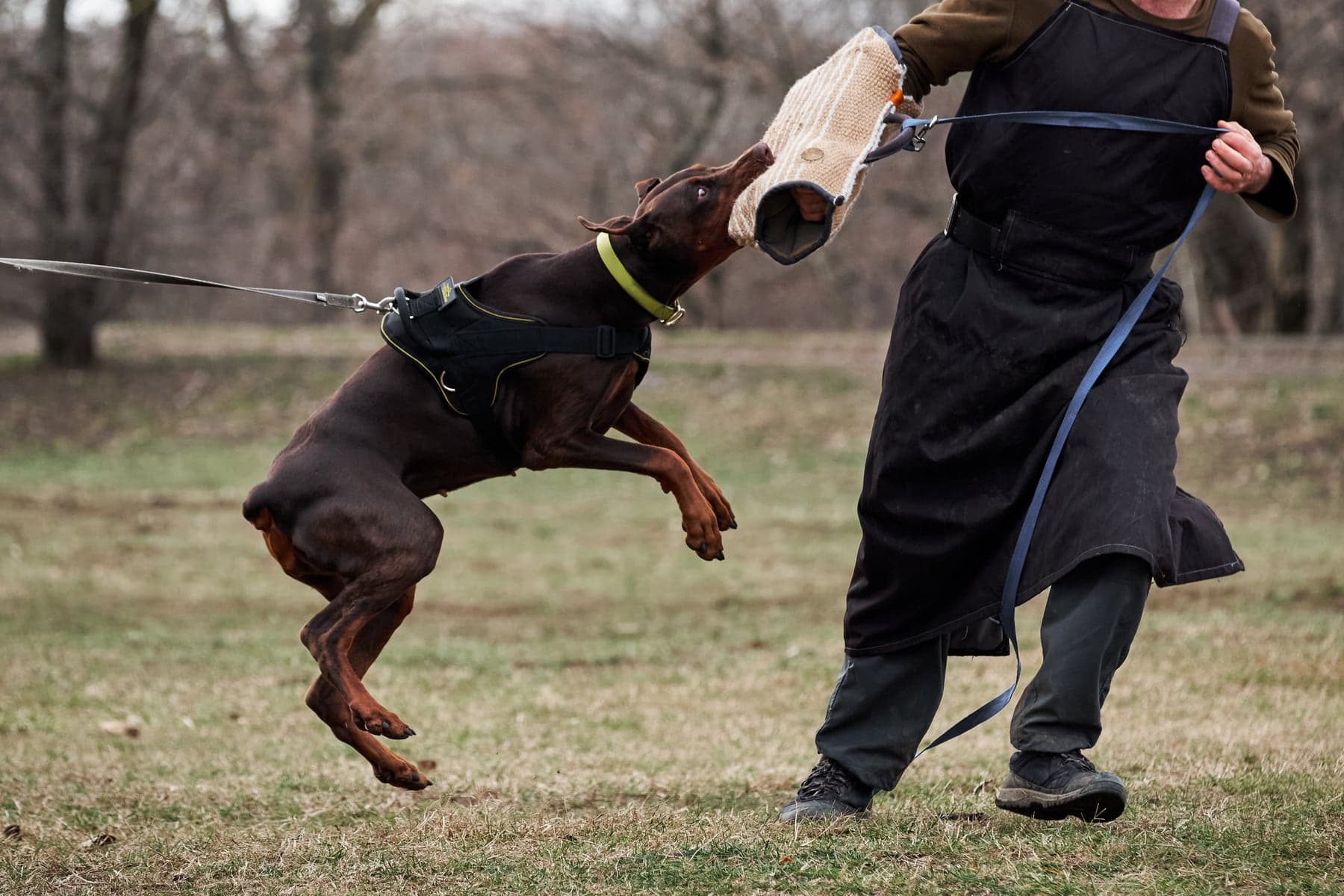
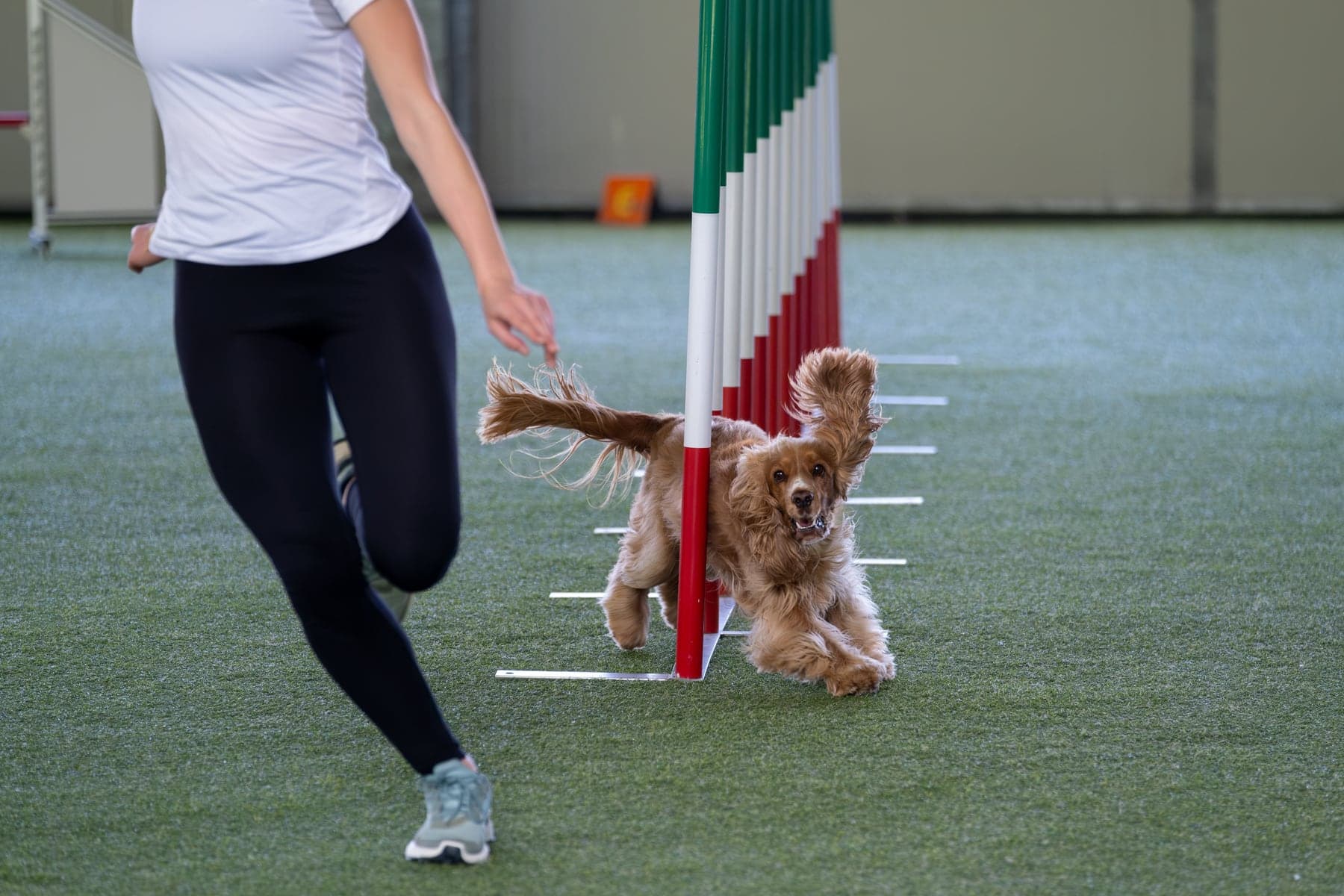
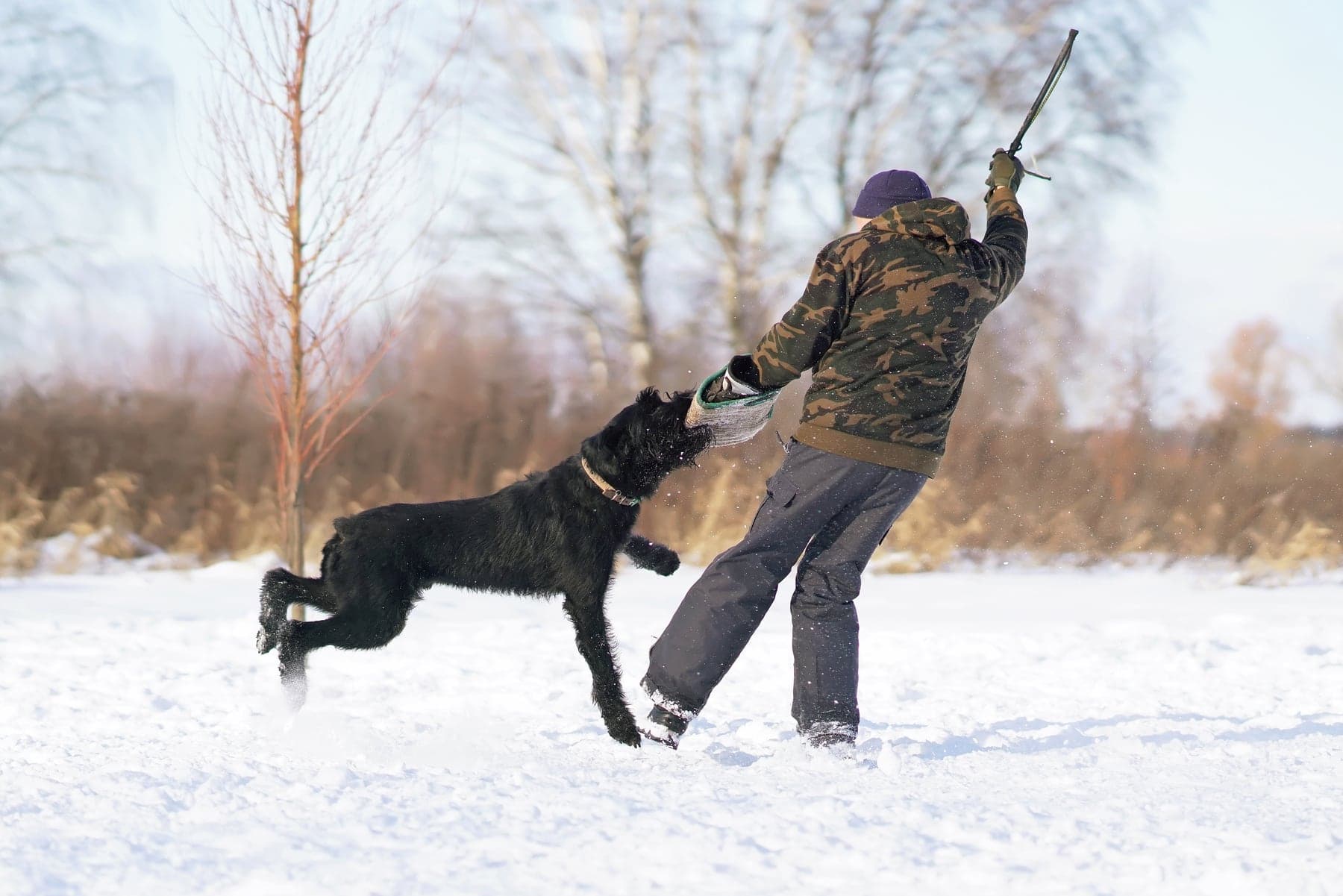
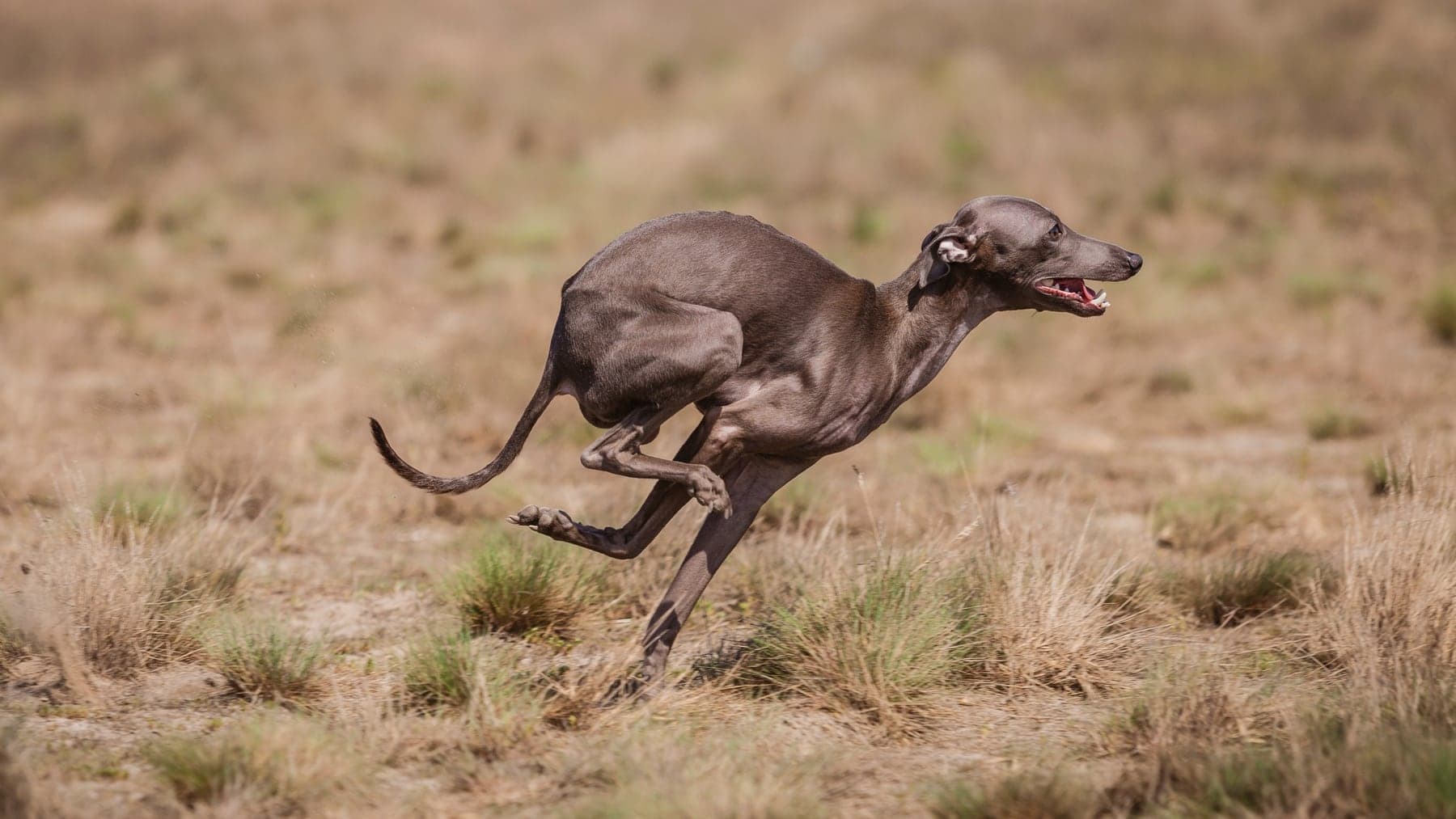
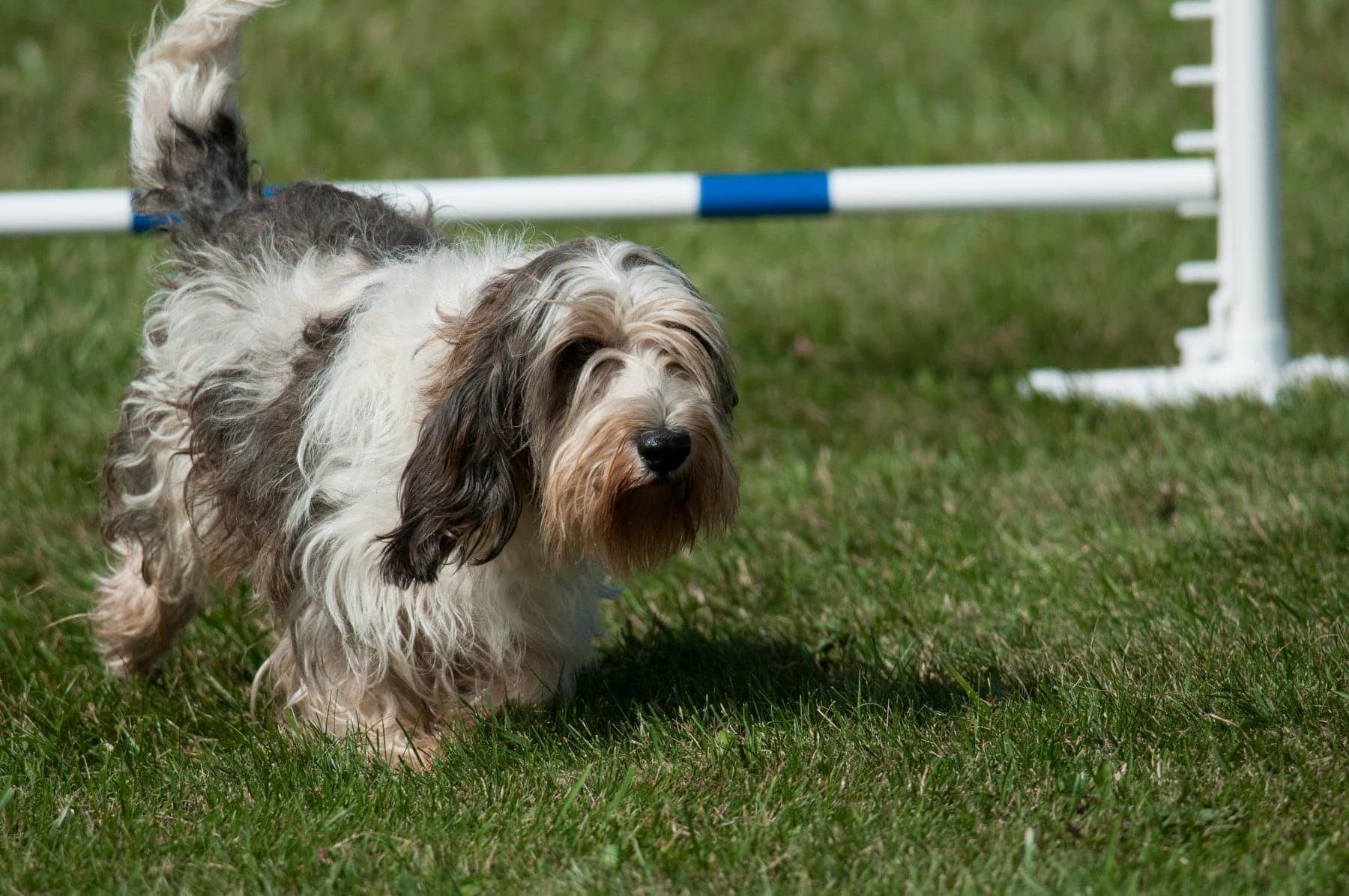
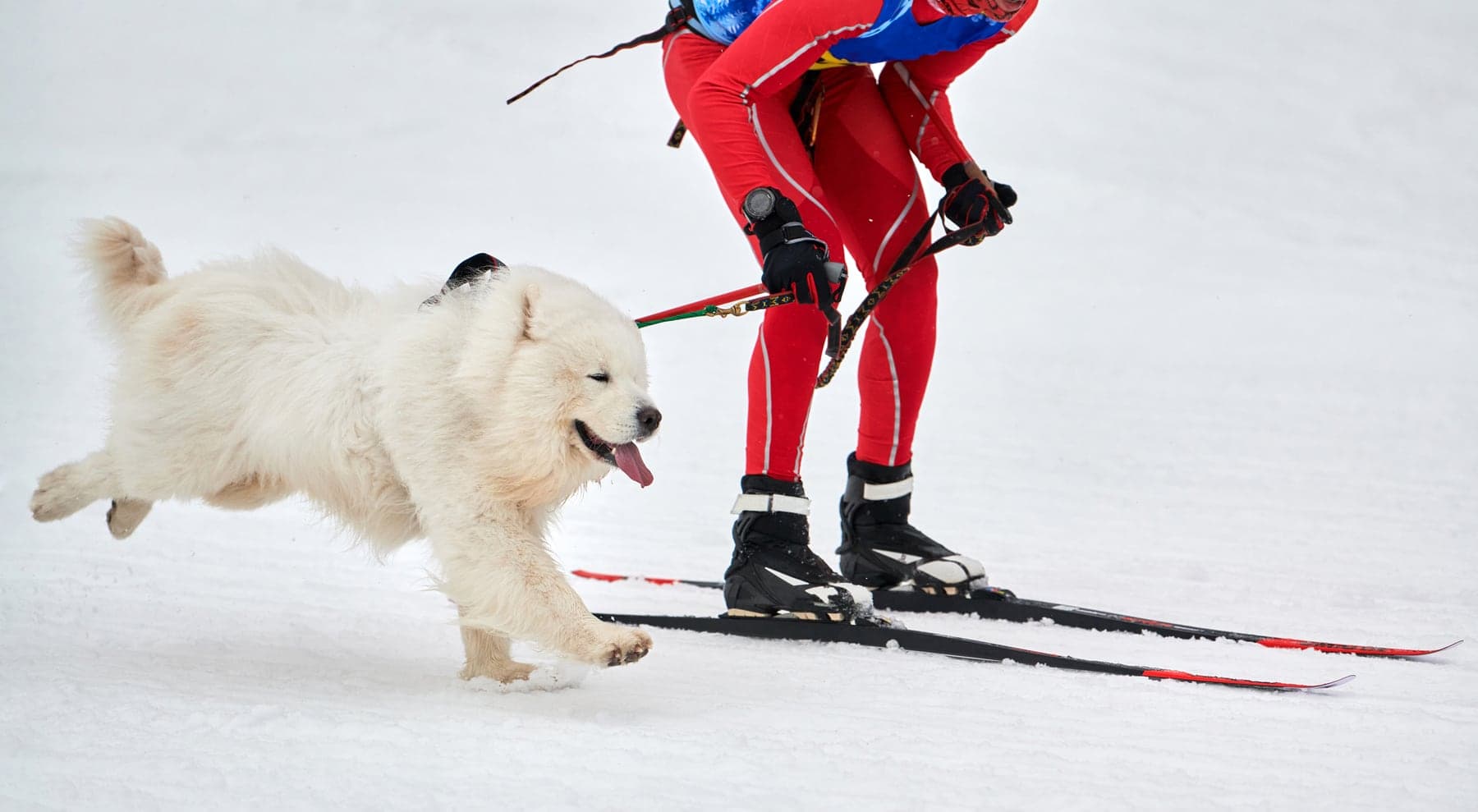
Breeds in our field guide that take naturally to rally — not every breed that competes, just the ones we’ve written up so far.
Accessibility & accommodations
Who can do Rally?
Each entry below carries an evidence tier so you know how strongly we can stand behind the claim. Tier A— confirmed by the sport’s sanctioning body. Tier B— possible via the org’s accommodation process; confirm with your host club before entering. Tier C — based on sport mechanics rather than org policy; ask your host club.
Tripod dogs (three legs)
Tier AAKC formally welcomed tripod dogs into Rally non-jumping classes via an 18-month pilot starting July 1, 2023. The AKC Board made it permanent effective July 1, 2025. Tripods compete on the same courses, scored the same way, in non-jumping classes.
Senior dogs
Tier AAKC explicitly names Rally as senior-friendly. Handler-set walking pace at Novice + Intermediate levels with no jumps. Higher levels (Advanced, Excellent, Master) include lower-height jumps; senior dogs typically cap at Intermediate without a jumping option.
Deaf dogs
Tier AHand signals are widely used in Rally, and AKC features deaf dogs earning Rally titles. Walking pace and short station-to-station distances keep the handler in close visual contact throughout.
Flat-faced (brachycephalic) dogs
Tier CMany handlers find — Walking pace + indoor or shaded venues + short total course time make Rally one of the more brachy-friendly competitive sports. Novice exercises don't trigger sustained breathing demands the way agility or coursing do.
Based on sport mechanics. No org-level statement found; ask the host club.
Blind dogs
Tier AAKC's accommodation process has been used to support visually-impaired participants in Rally — including a published case of a visually-impaired handler having judges read course signs aloud. For blind dogs specifically, Novice on-leash + verbal cueing + a memorized course are the working pattern.
Wheelchair / cart dogs
Tier BMay be possible — No explicit AKC policy for wheelchair-using dogs in Rally, but the sport's exercises (position changes at signs, turns, walking pace) are mechanically achievable from a cart. The AKC accommodation process is the right pathway — request the accommodation in writing before entering.
Based on the org's accommodation process. Confirm with the host club before entering.
Dogs with joint or mobility limitations
Tier ARally is among AKC's named low-impact sports. Handler-set pace at Novice means an arthritic dog can move at their own comfortable speed. Vet check recommended; cap at non-jumping levels (Novice + Intermediate) if jumping is a concern.
Sources & verification
Our Rally guide is an independent, plain-English orientation — not an official rulebook. Rules, titles, eligibility, and fees vary by organization and change over time, so always confirm the specifics with the current rulebook or event premium before you enter.
Checked against
Spot something out of date? Tell us and we’ll fix it.