Discover Sled Dog Racing
A timed endurance sport in which a team of dogs pulls a sled, rig, bike, or skier over a marked course on snow or dryland — where the same run tests conditioning, trail sense, and the musher's care decisions in equal weight.
01 · What is it
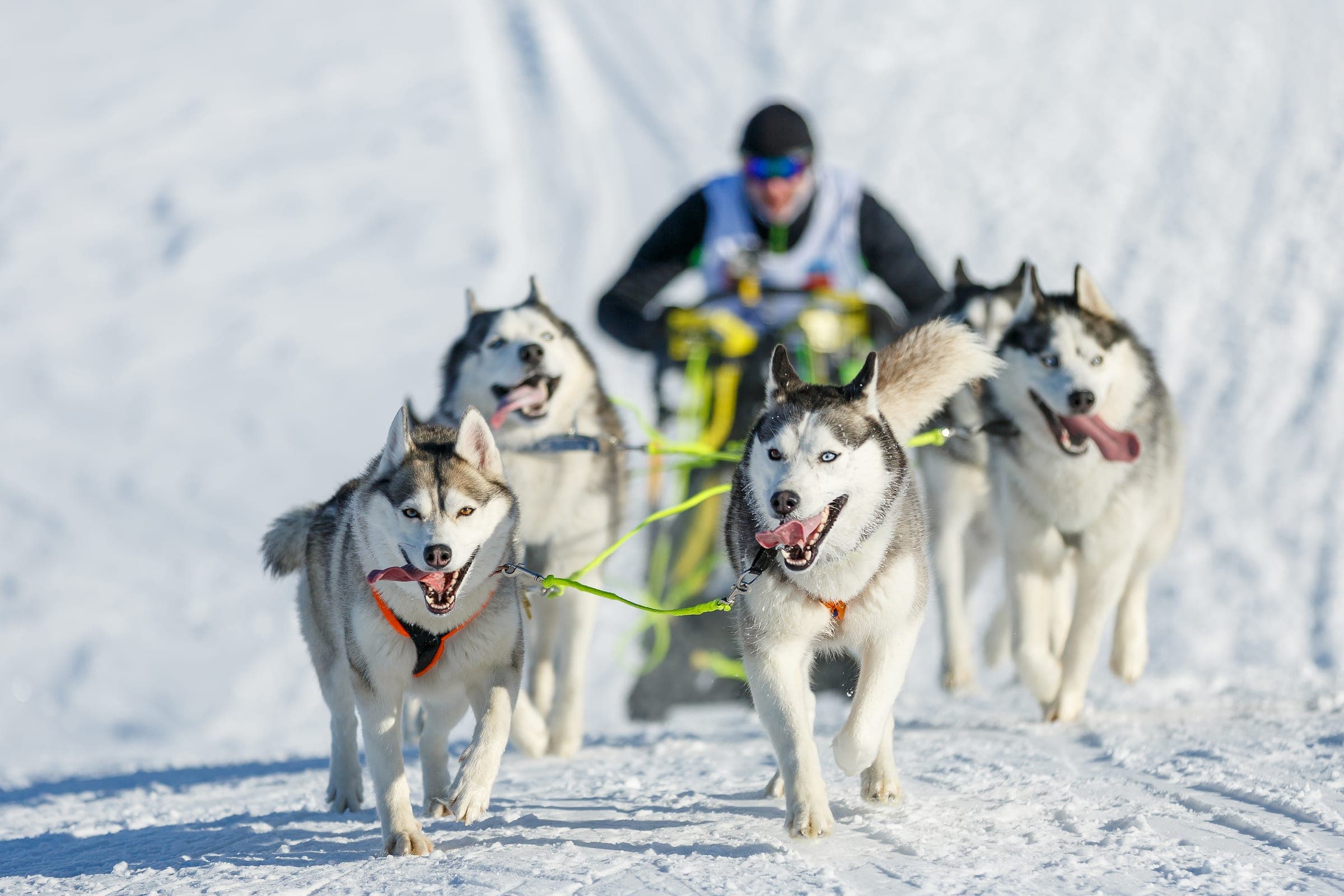
Sled dog racing is a timed endurance sport in which a team of dogs pulls a sled, rig, bike, or skier over a marked course while a musher steers, brakes, and cues direction with voice commands. Teams enter a start chute, get released onto the course at fixed intervals or in a mass start, and either chase the fastest time over a single sprint or accumulate elapsed times across a multi-stage distance race. Sprint classes run a few kilometers. Mid-distance races run thirty to two hundred miles. Long-distance races exceed a thousand miles, with the Iditarod the most visible example. Dryland classes cover dirt, gravel, and forest roads using wheeled rigs, bikes, scooters, and running harnesses, and have grown fastest in lower-snow US states. Interval starts are the norm.
The dog team works on a gangline, with leaders reading the trail and wheel dogs anchoring the line directly in front of the sled. The musher's job is pace management, brake control, passing etiquette, and, in distance races, allocating mandatory rest at checkpoints with veterinarians on hand. Mandatory gear in distance races includes a snow hook, brake, snowshoes, cooker, sleeping bag, ax, and a veterinary log; race officials inspect the sled at the start and at most checkpoints. The sport favors medium-sized, aerobically built dogs with efficient gait, hard feet, strong work drive, and sound joints. Purpose-bred sprint Alaskans dominate competitive sprint fields. Traditional Arctic breeds fill breed-restricted classes and cultural distance kennels. Brachycephalic and cold-intolerant dogs are poor candidates for snow racing and recreationally inadvisable on dryland classes too.
02 · The run
Every sled dog race is built from the same parts at every sanctioning body — a chute, a course, a passing pattern, a finish. What changes between sprint and distance, between snow and dryland, is what the parts demand of the team and how much of the work happens off the trail.
03 · ISDRA
The International Sled Dog Racing Association (ISDRA) is the largest sled-dog-racing-specific sanctioning body in North America. ISDRA writes race rules for sprint, mid-distance, skijor, and dryland; sanctions individual races; maintains season points standings; and supplies the rulebook most US clubs adopt for their own events. Handlers who race US sprint or mid-distance classes work inside the ISDRA framework whether or not they show up to its season-end medals.
04 · IFSS / USFSS
The International Federation of Sleddog Sports (IFSS) is the global governing body for sled-dog sports, covering both snow and dryland disciplines. The United States Federation of Sleddog Sports (USFSS) is the US member federation. A US handler who wants World Cup standings, World Championship eligibility, or Olympic-style development pathway participation works through USFSS membership and the IFSS rule set. Most US events that sit on the IFSS World Cup calendar are accredited via USFSS.
05 · Side by side
Three more sanctioning bodies and race programs sit alongside ISDRA and IFSS in the US sled-dog ecosystem. None is a parallel competition framework. The Iditarod is a single iconic distance race. WSA is a breed-restricted international body with limited US event density. SHCA is a breed-club titling overlay that documents Siberian Husky performance using results from races run under the other organizations' rules.
| ISDRA | IFSS / USFSS | Iditarod | WSA | SHCA | |
|---|---|---|---|---|---|
| Role in US | Largest sprint and mid-distance sanctioning body | International framework, World Cup pathway via USFSS | Single iconic distance race in Alaska | Breed-restricted international body, limited US footprint | Breed-club titling overlay for AKC-registered Siberians |
| Primary focus | North American race rule frame and season points | International rules and global rankings | One 1,000-mile race per year | FCI sled breeds, breed preservation through racing | Per-dog title progression for one breed |
| Title or recognition | Season points → annual medals + championships | World Cup points → annual standings; World Championship placements | Finisher status; placement | Championship class placements; specifics vary | SD → SDX → SDO based on cumulative race miles |
| Breed eligibility | Open by default; class-specific restrictions vary | Open by default; member-federation restrictions apply | Open; mixed-breed Alaskan huskies dominate | Breed-restricted by FCI sled-dog list | Siberian Husky only (AKC or PAL); mixed teams permitted |
| Known for | Strong club culture, US/Canada presence, default rulebook for regional events | International calendar, Olympic-style aspirations, USFSS as gate to international results | Media visibility, cultural status, mandatory rest and checkpoint vetting | Breed identity and northern-dog preservation | Bridging conformation and working performance for Siberians |
Cross-organization recognition is informal and partial. Race results from ISDRA-sanctioned events count as qualifying races for distance events and as mileage toward SHCA degrees when the events meet the SHCA program's recognized-organization criteria. IFSS results don't translate into SHCA mileage automatically, and Iditarod finishes don't show up on ISDRA standings.
06 · Getting started
Sled dog racing is a club-and-kennel sport with high logistical and capital weight relative to most US dog sports. The realistic entry path for a newcomer is dryland canicross or bikejor first, then short dryland sled or rig classes, then sprint snow racing once climate and equipment access allow. Apprenticing with an established kennel — handling at races, learning dog care, running borrowed dogs at training runs — is how most serious distance handlers come up.
07 · Race day
Sled dog races range from small club dryland fun-runs to crowded regional sprint weekends to multi-day distance events with dog yards, vet teams, and overnight checkpoints. Most of an event day is not racing. Most of it is dog management, equipment prep, and waiting through other classes. Distance races compress an entire week of dog care into a single race.
08 · What it costs
Sled dog racing has the widest cost range of any US dog sport profile. A handler running a single dog at local dryland fun-runs lives in low four figures per year. A small sprint kennel campaigning regional events lives in mid four to low five figures. A serious distance kennel preparing for an Iditarod-class run lives in tens of thousands of US dollars, with food alone running approximately $2,000 per month for a 40-dog kennel per current handler-sourced estimates.
Made for sled dog racing.
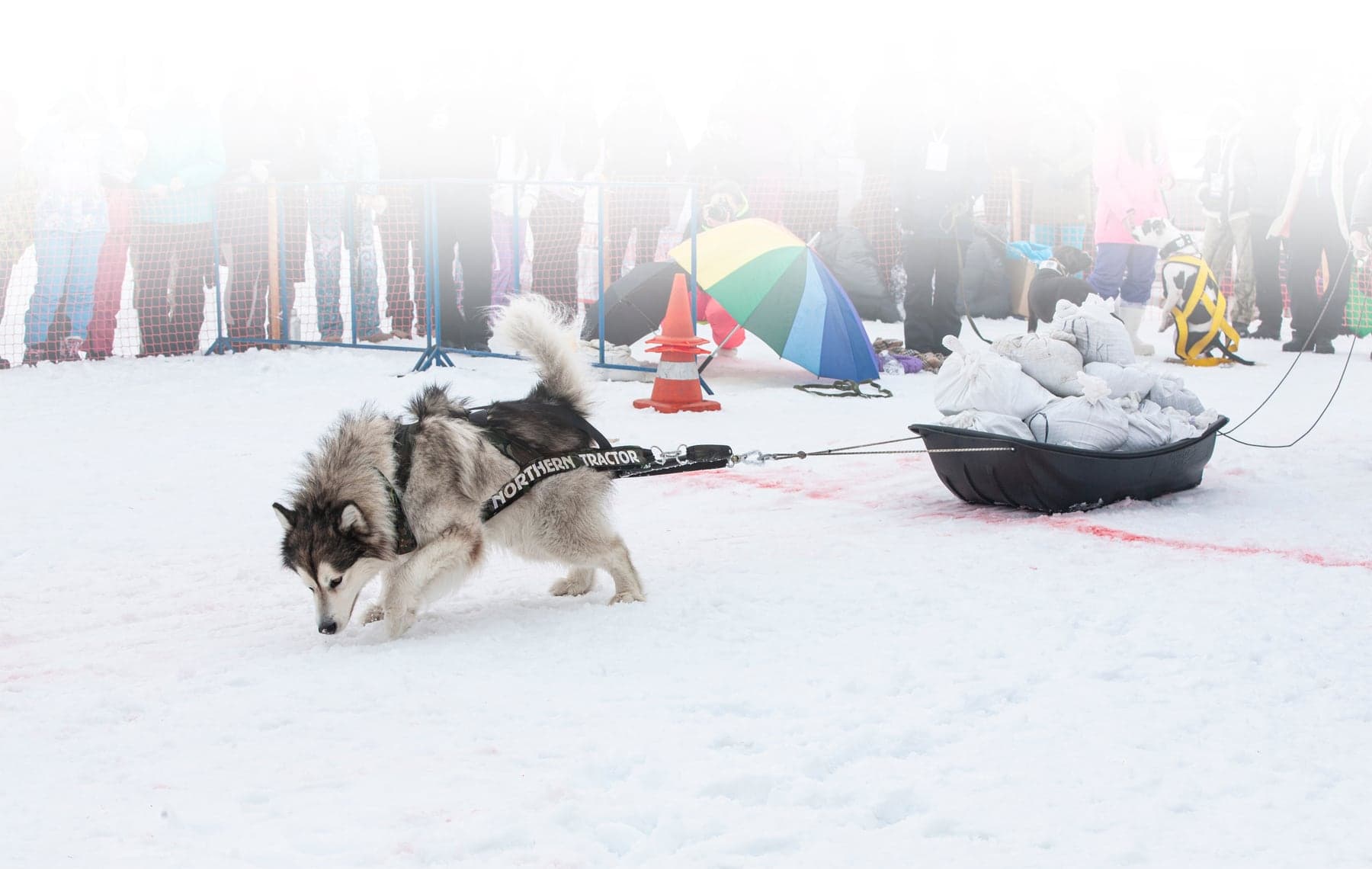
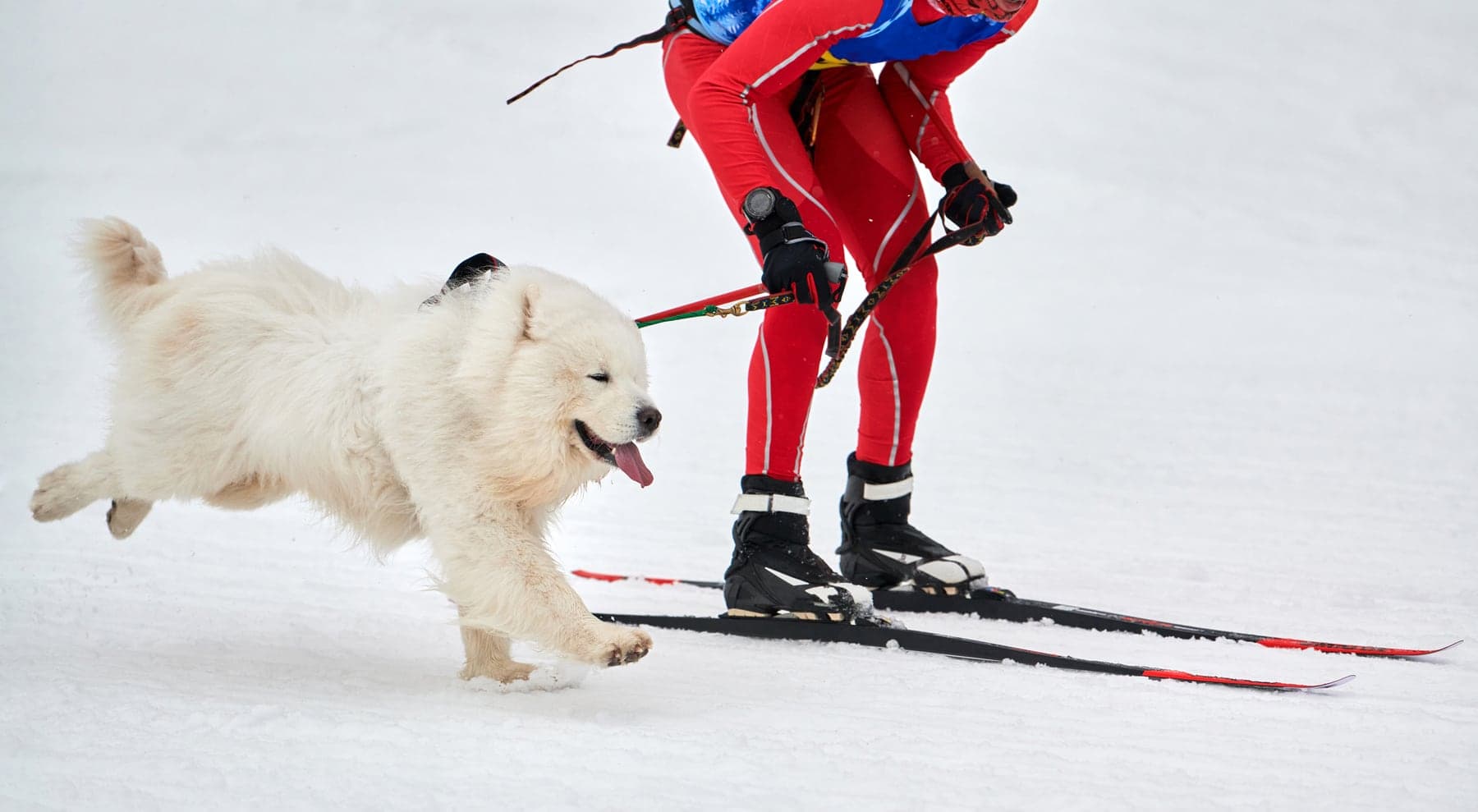
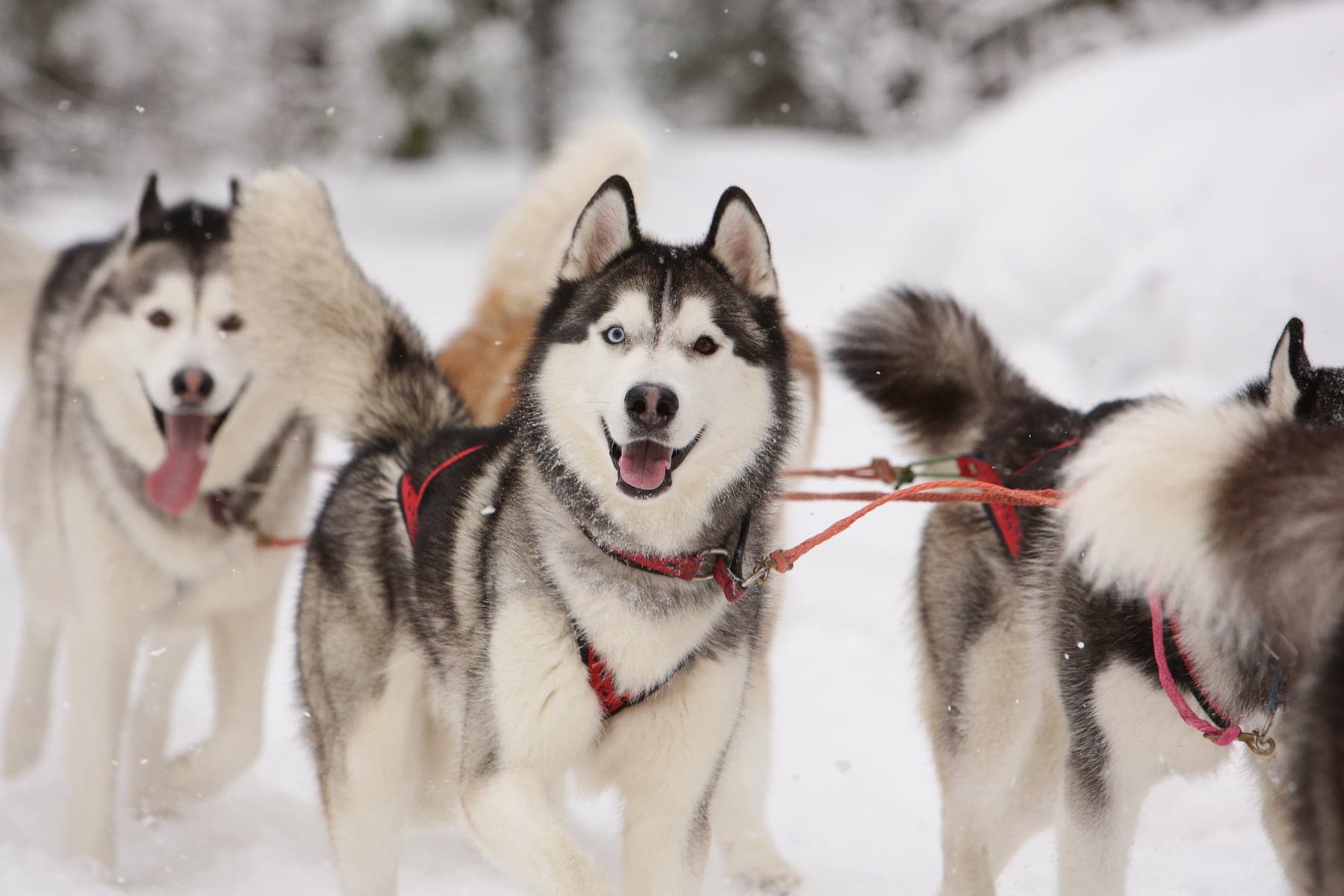
Breeds in our field guide that take naturally to sled dog racing — not every breed that competes, just the ones we’ve written up so far.
Sources & verificationLast reviewed May 2026
Our Sled Dog Racing guide is an independent, plain-English orientation — not an official rulebook. Rules, titles, eligibility, and fees vary by organization and change over time, so always confirm the specifics with the current rulebook or event premium before you enter.
Checked against
Spot something out of date? Tell us and we’ll fix it.