Discover Tracking
A scent sport where the dog follows a person's footstep trail across fields — and sometimes pavement — and indicates dropped articles along the way. Built on the working roots of search-and-rescue, police, and traditional working-dog tracking.
01 · What is it
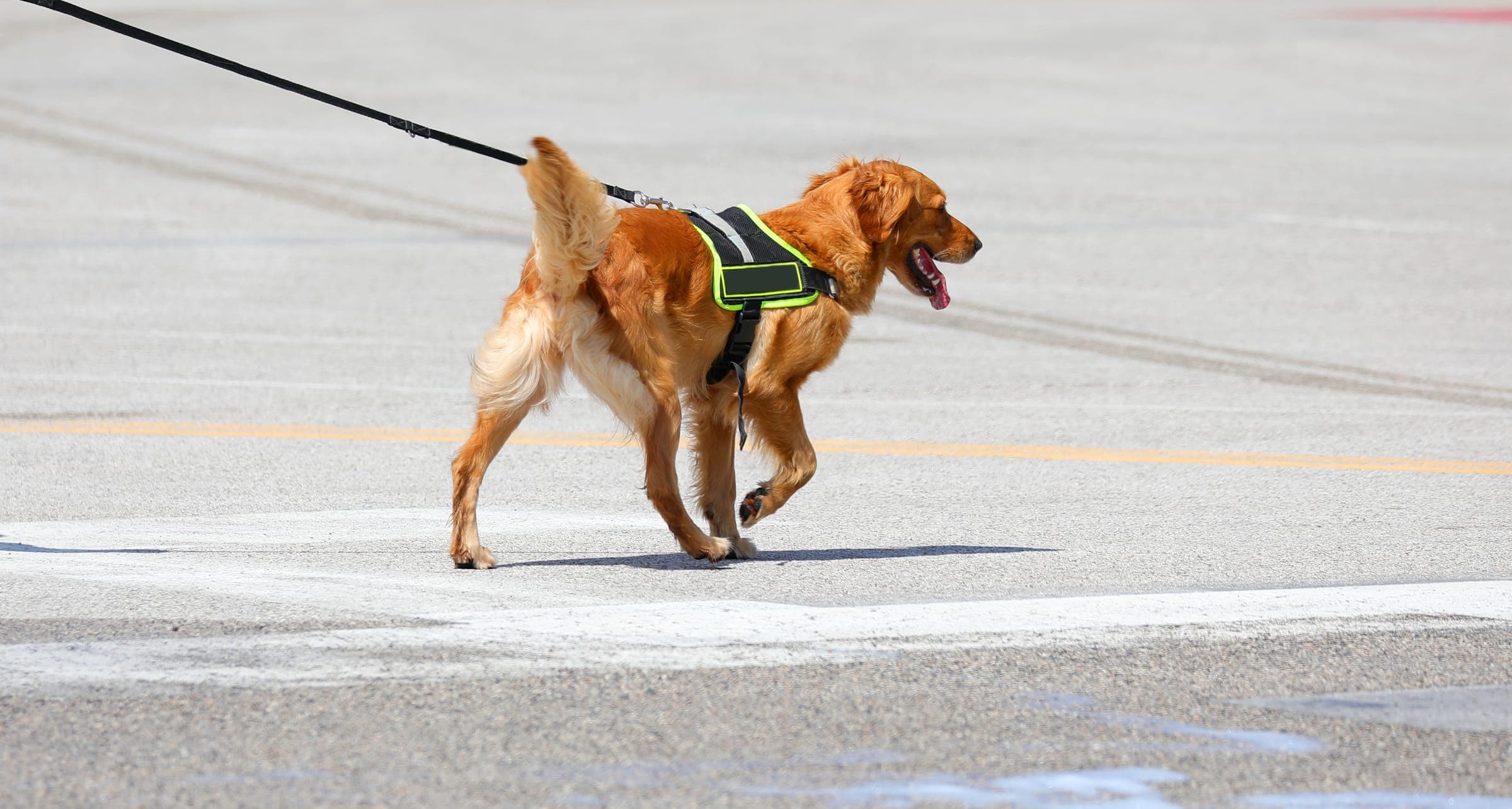
Tracking is a scent sport where the dog follows a track of human scent laid by a person walking a defined route — across grass, dirt, plowed fields, or a mix of urban surfaces — and locates one or more articles the tracklayer dropped along the way. The track is laid in advance and left to age before the dog runs it. Length, age, turns, and number of articles all increase with level. The handler stays a fixed distance behind the dog on a long line attached to a harness, reads body language, and follows. There's no continuous steering. Judges walk behind at a respectful distance and decide whether the dog is committed to the track.
Tracking suits dogs that enjoy slow, methodical scent work and independent problem-solving — the opposite of close-heel obedience. Medium and large working breeds dominate IGP / FH tracking, but small and toy dogs do well in AKC tracking when they're physically up to the cover and distance. The sport accommodates mildly reactive dogs because tests run one team at a time outdoors, with significant spacing between teams. The physical demands are moderate: a sustained walk or trot over uneven terrain, not the explosive running and jumping of agility or dock diving.
02 · The track
Every tracking test has the same building blocks. Difficulty scales by stretching length, increasing track age, adding turns, layering in cross-tracks, multiplying articles, and changing surfaces.
03 · AKC
AKC is the largest US all-breed companion tracking program. The progression runs from Tracking Dog (TD) and Tracking Dog Urban (TDU) to Tracking Dog Excellent (TDX) and Variable Surface Tracking (VST). A dog that earns TD (or TDU), TDX, and VST is awarded the Champion Tracker (CT) title — placed before the dog's registered name. Tests are pass / fail, no formal time limit while the dog is working, and one dog runs each track. AKC tracking is a one-leg-per-title sport: each test is pass / fail; earn the leg, earn the title.
04 · USCA / FH
USCA (United Schutzhund Clubs of America) and LV DVG America run working-dog tracking programs in the US under the IGP rulebook. Tracking lives in two places: as the tracking phase of full IGP trials (IGP 1–3, scored 100 points, paired with obedience and protection on the same trial day) and as standalone advanced tracking titles in the FH series — FH 1, FH 2, FH 3 — for handlers who want pure scent-work. Style scoring is strict: judges want nose-down footstep tracking, calm pace, and clean article indication. UDC, AWDF, and breed-specific clubs run titles under the same rulebook.
05 · Side by side
AKC and the USCA/FH ecosystem are the two US-relevant tracking cultures and the two newcomers will choose between. ASCA's Aussie-centered program and WDA's working-dog tracking titles run alongside with their own eligibility rules and title structures. Titles do not transfer across these organizations: an AKC CT does not confer FH credit, and an FH 3 does not earn an AKC tracking title.
| AKC | USCA / FH | ASCA | WDA | |
|---|---|---|---|---|
| Role | Largest US all-breed companion tracking program | US arms of the FCI working-dog framework | Breed-club tracking program | Working-dog tracking ladder |
| Eligibility | All breeds and mixes (PAL, Canine Partners). 6 months minimum. | Age and prerequisite titles required; working-breed-leaning but not breed-restricted | ASCA-registered dogs (open to all breeds via ASCA registration) | Working-dog program eligibility; 9mo for T1, 15mo for T2/MT |
| Levels | TD · TDU · TDX · VST · CT (composite) | Tracking phase of IGP 1–3; standalone FH 1 · FH 2 · FH 3 | Per 2025 ruleset (full codes need rulebook lookup) | T1 · T2 · MT |
| Scoring | Pass / fail. No time limit while the dog is working. | 100 points per phase. Style, line, and article indication all weighted. | Per ruleset | Per ruleset |
| Style | Some air-scenting tolerated as long as the dog stays on line and finds all articles | Strict nose-down footstep tracking. Air-scenting penalized. | Field-tracking style | Working-dog style |
| Cross-org transfer | Not transferable to USCA/FH, ASCA, or WDA | Not transferable to AKC, ASCA, or WDA | Not transferable | Not transferable |
| Known for | Limited entries, hard-to-access tests, prestige of the CT title | FH 3 difficulty (3000+ paces, 1.5+ hours aged, stranger-laid) | Aussie breed-club integration | Stranger-laid tracking embedded in working-dog culture |
Titles do not move between organizations. An AKC CT does not register as a USCA, ASCA, or WDA title; an FH 3 does not register as an AKC tracking title. What does move is the dog and the work: line handling, article indication, reading the dog, and patience at the start carry over fully across rule sets. What changes is the named ladder, the scoring math, the style expectations (air-scenting tolerance), and which credential matters to that handler.
06 · Getting started
Most teams begin with a foundation class or small group lessons covering scent motivation, article indication, and long-line handling. Jumping directly into trial-pattern tracks without that foundation is a common mistake. Tracking instructors are scarce in many regions — finding a class can take more time than the training itself. Once the foundation is in place, handlers can lay simple tracks on their own property or public fields, provided they understand land-use etiquette and how to set scent patterns the dog can actually solve.
07 · Test day
Tracking tests are quiet compared to busy indoor sports. Field locations, early mornings, and long downtime define the day. Most dogs have one track to run, and a failed track means waiting for another test cycle — months in some regions.
08 · What it costs
Tracking has lower per-session equipment costs than most dog sports, but limited test availability and travel push the per-title cost up. The biggest line item for most teams is travel — many regions host only a handful of tests a year, and serious handlers cross state lines for entries.
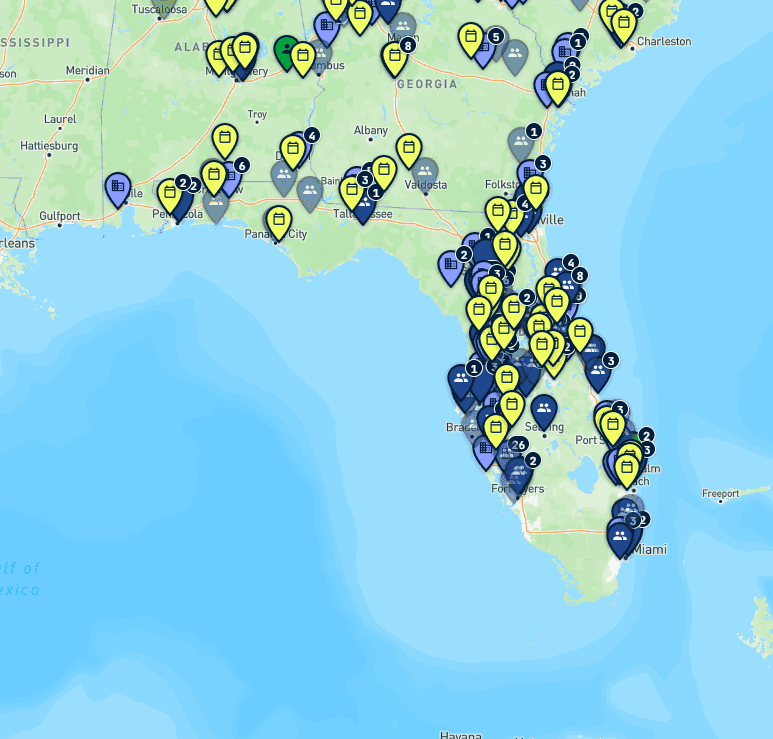
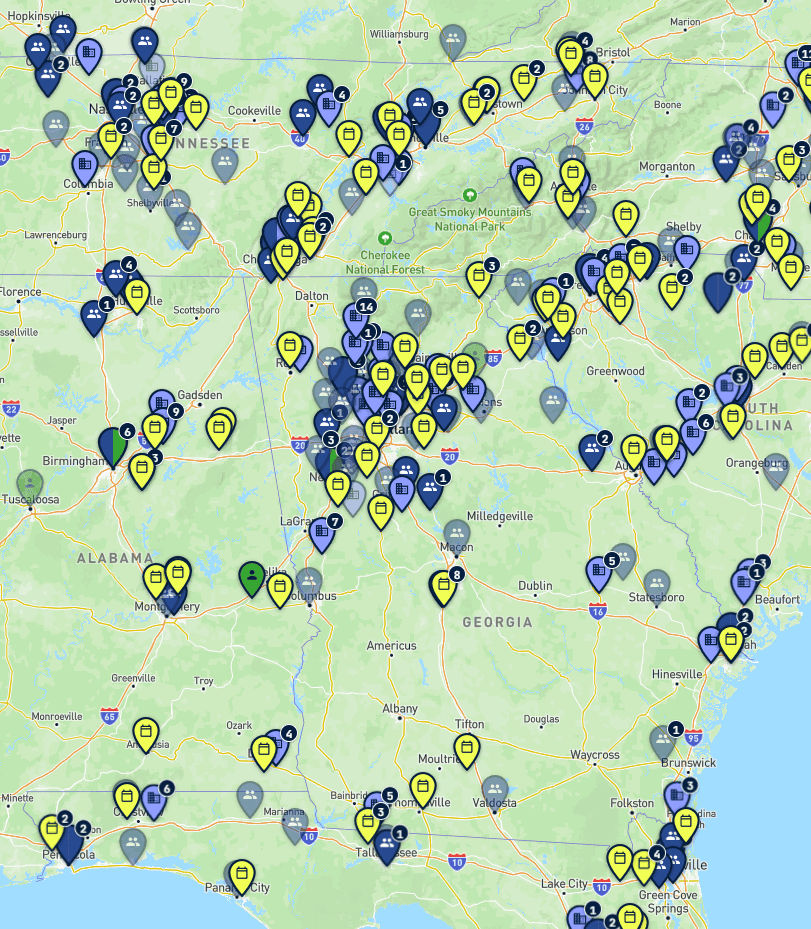
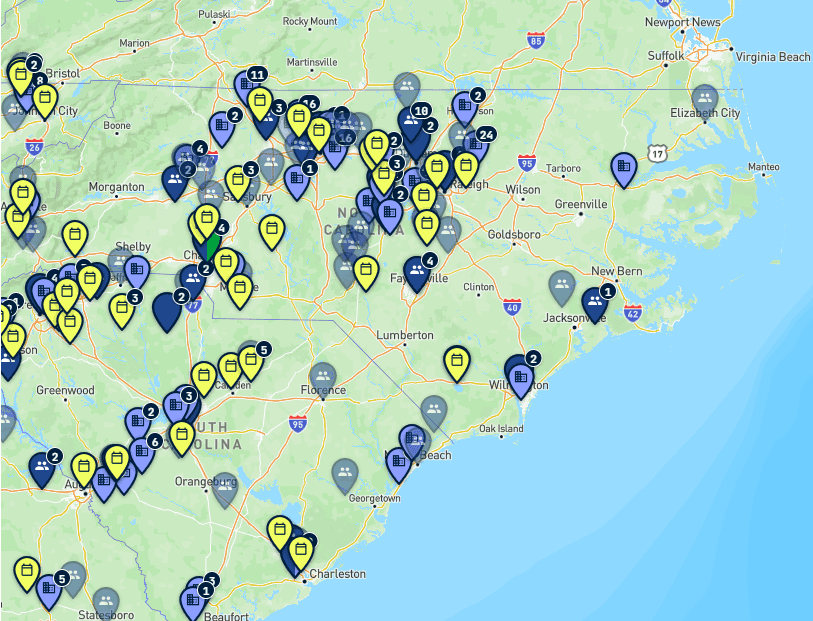
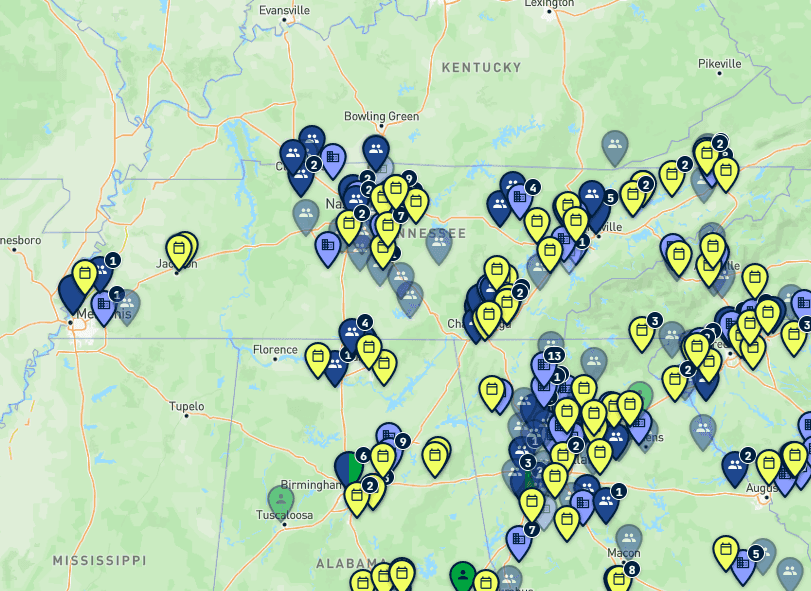
Find tracking near you.
Made for tracking.
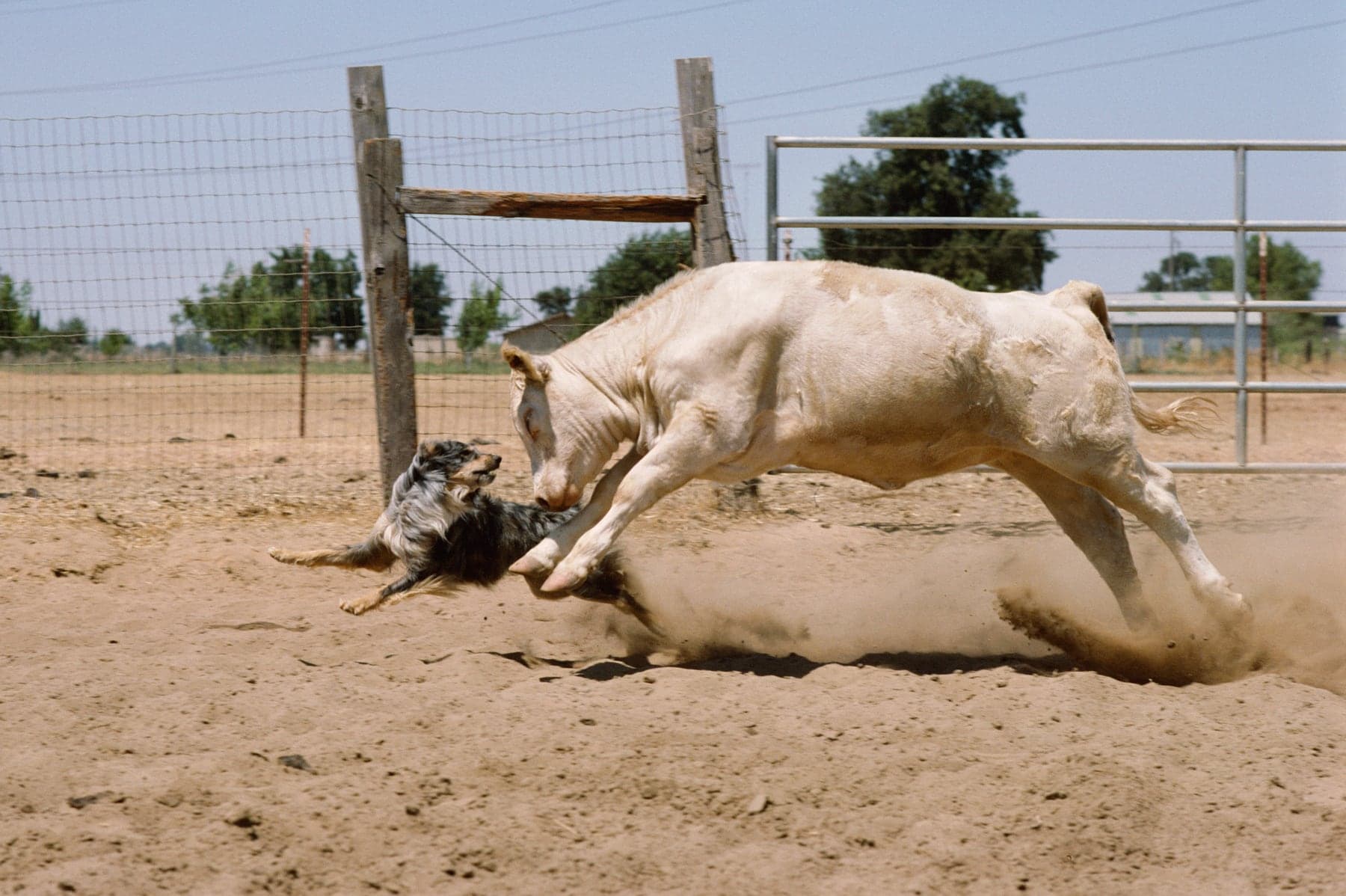
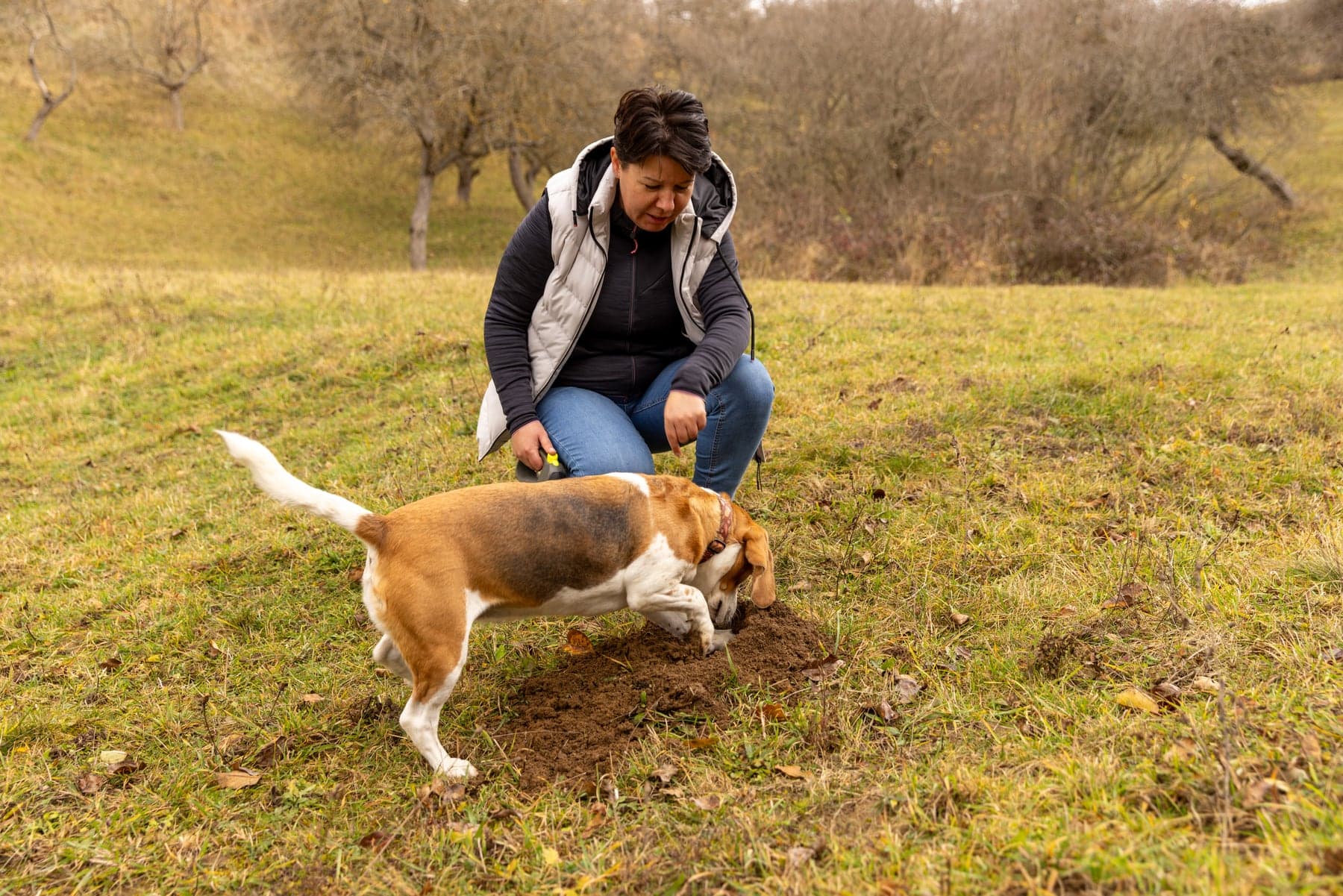
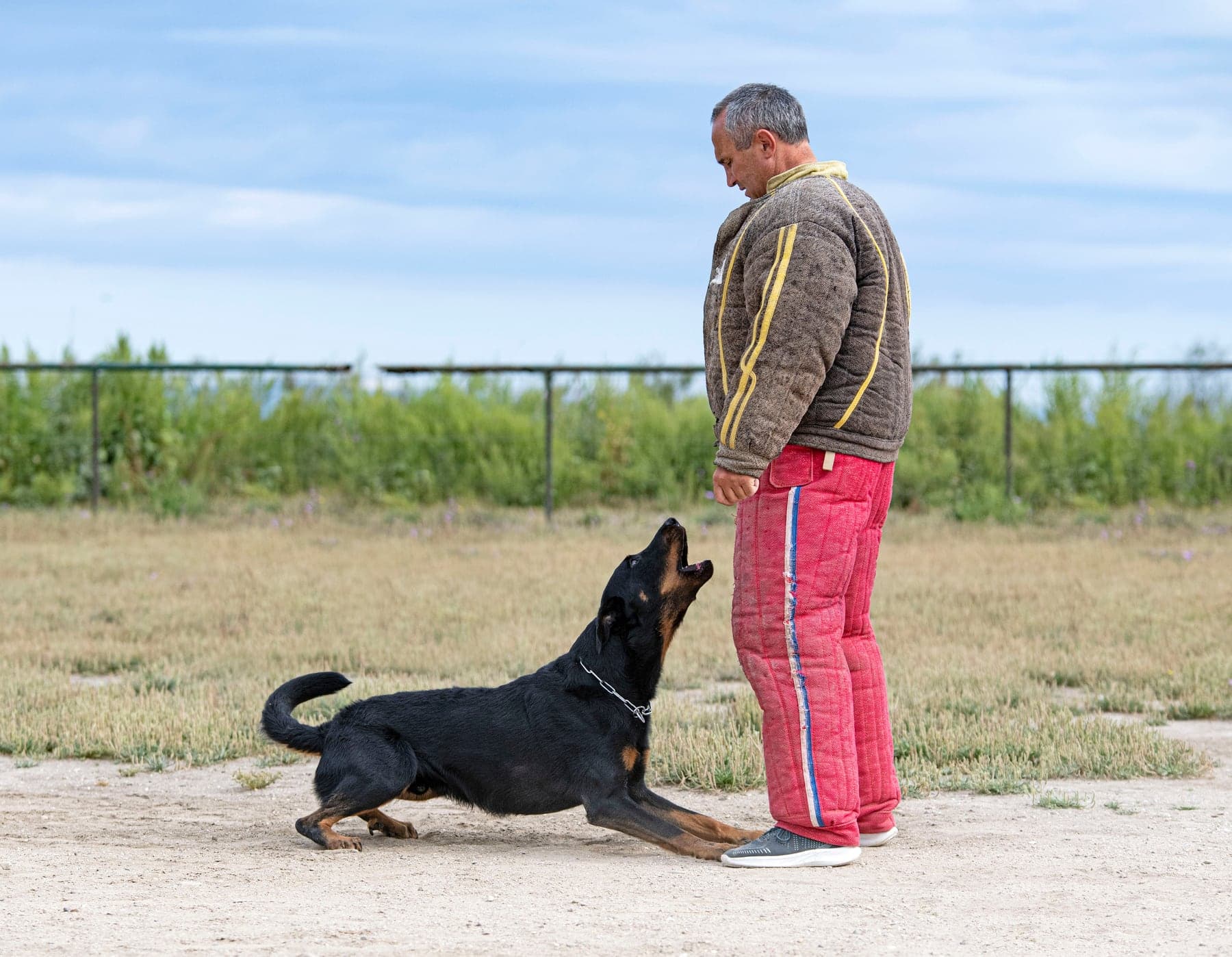
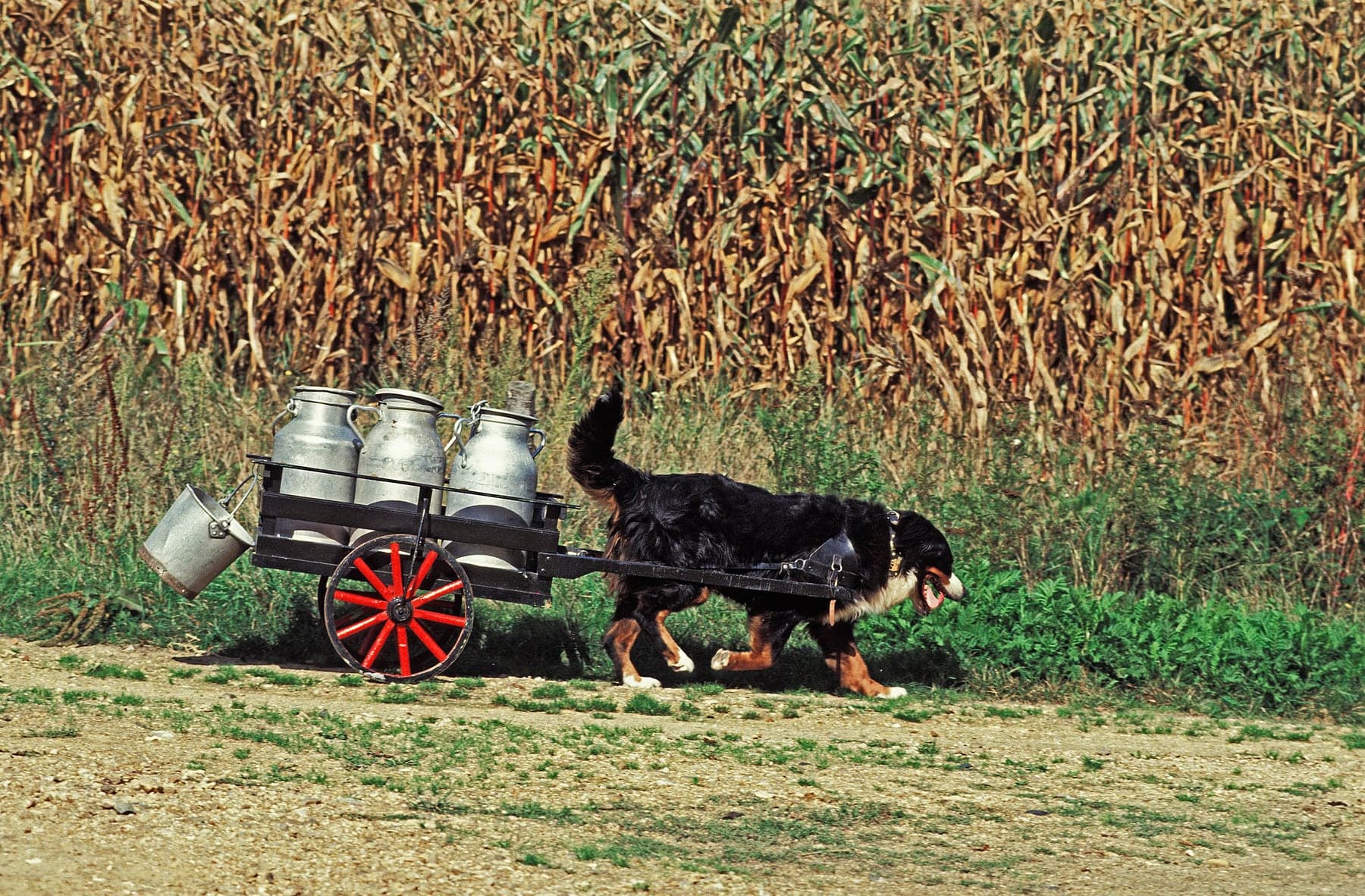
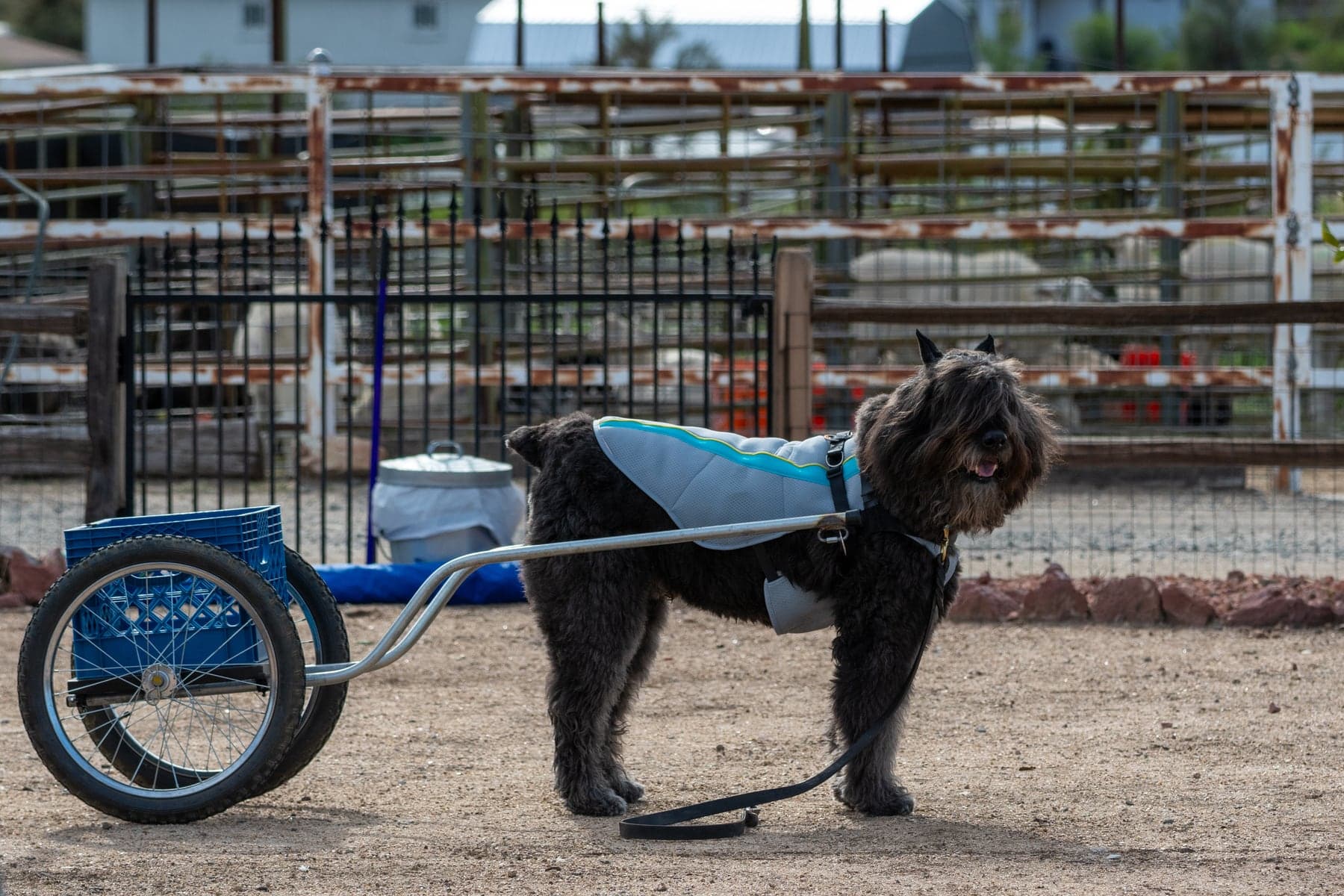
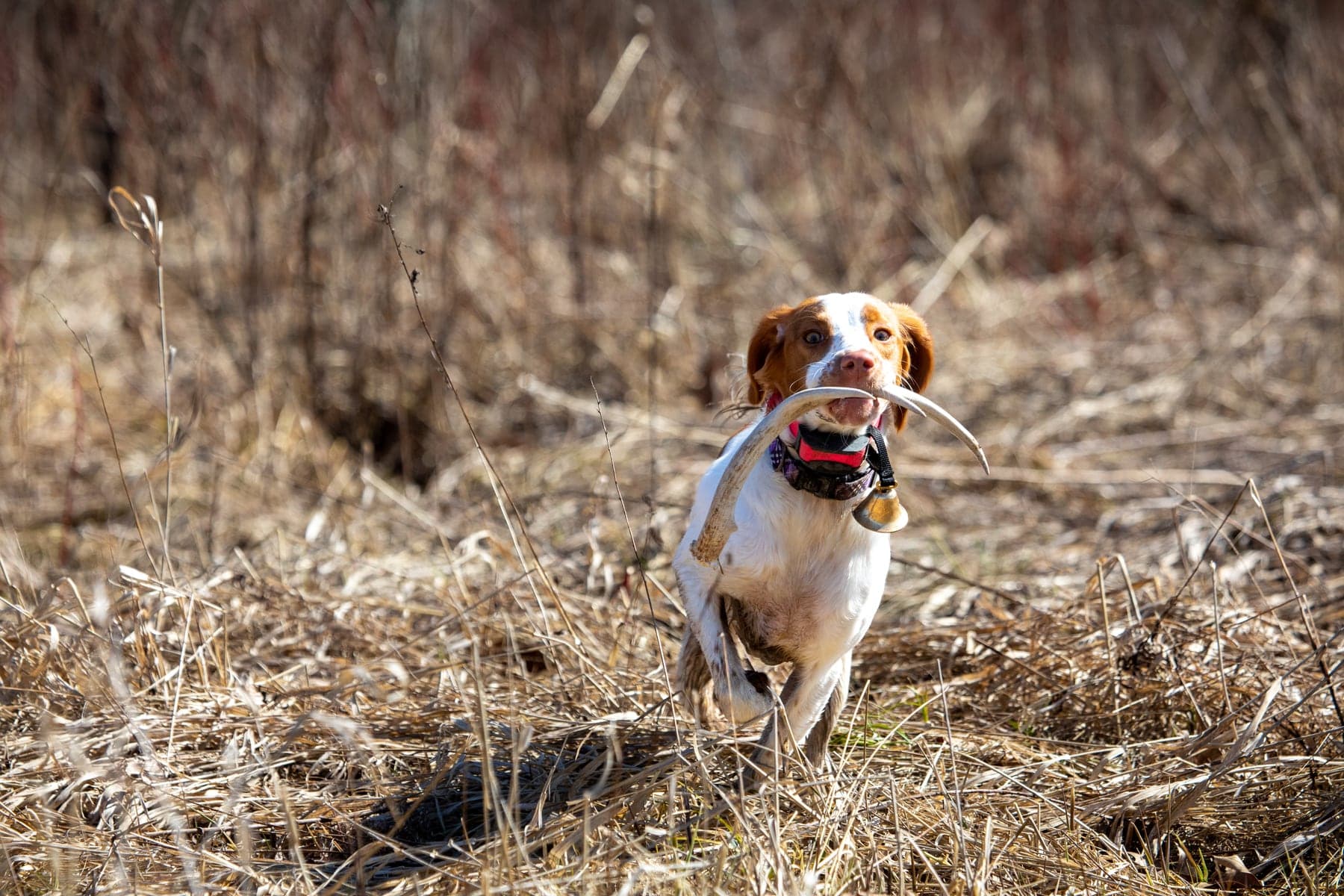
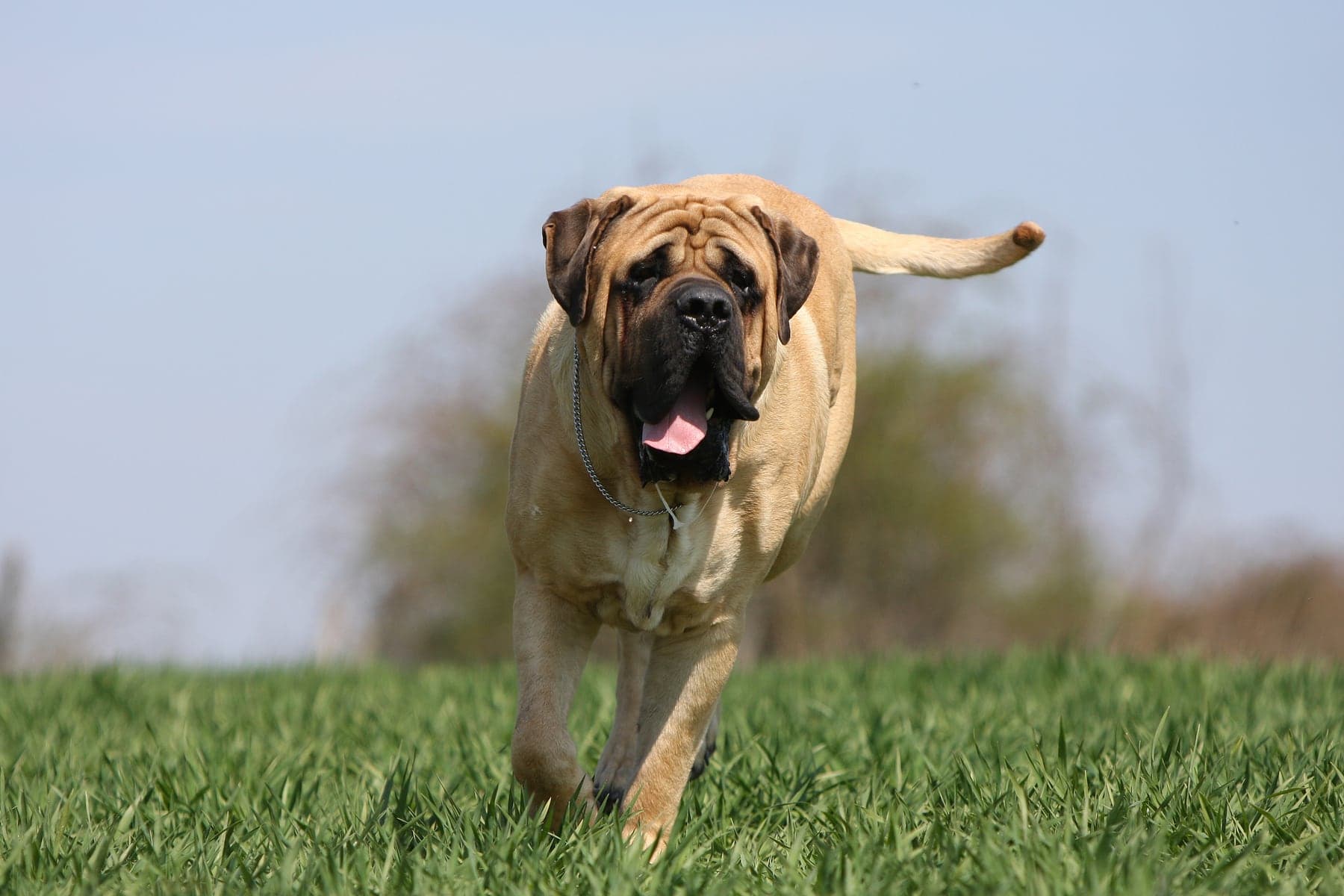
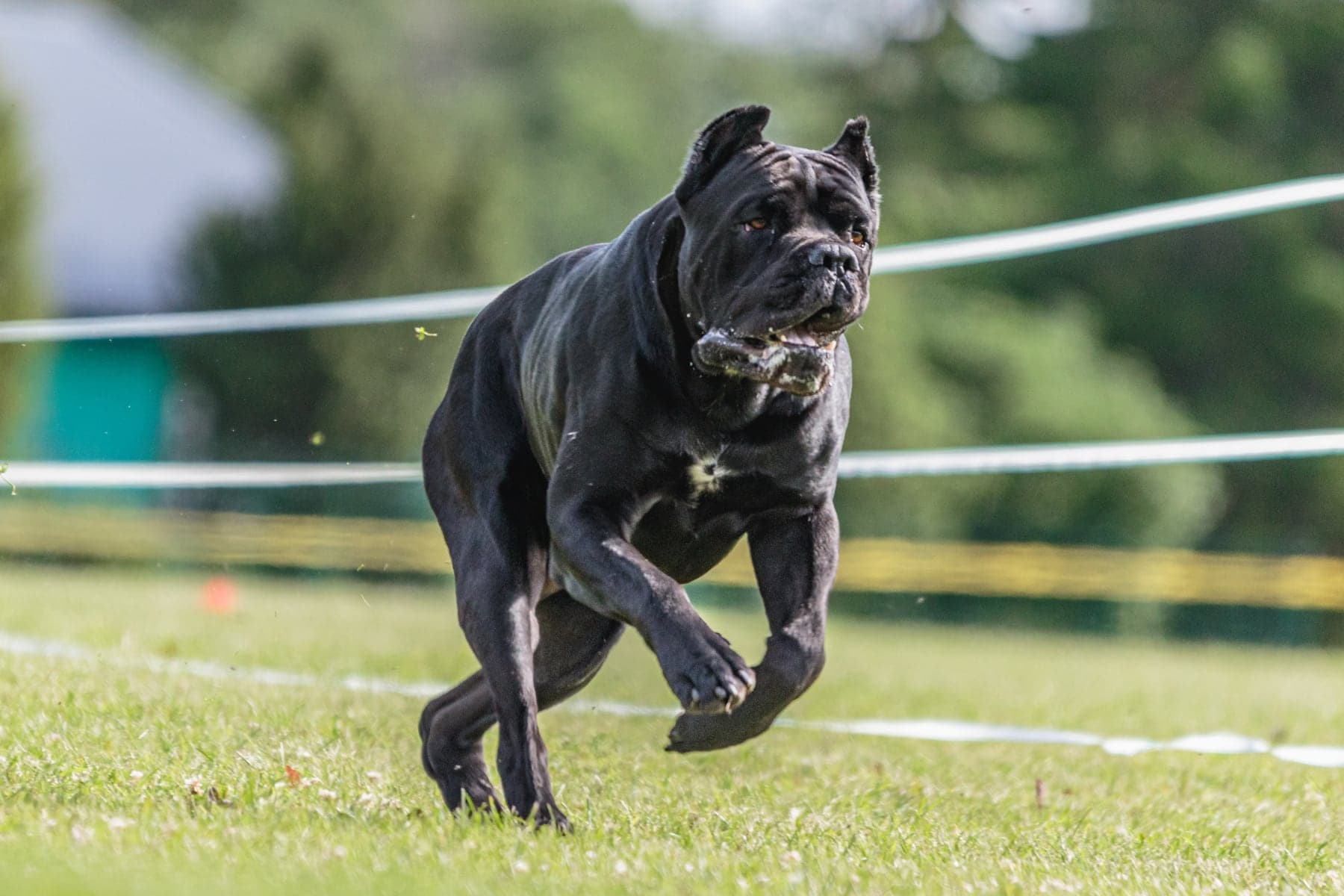
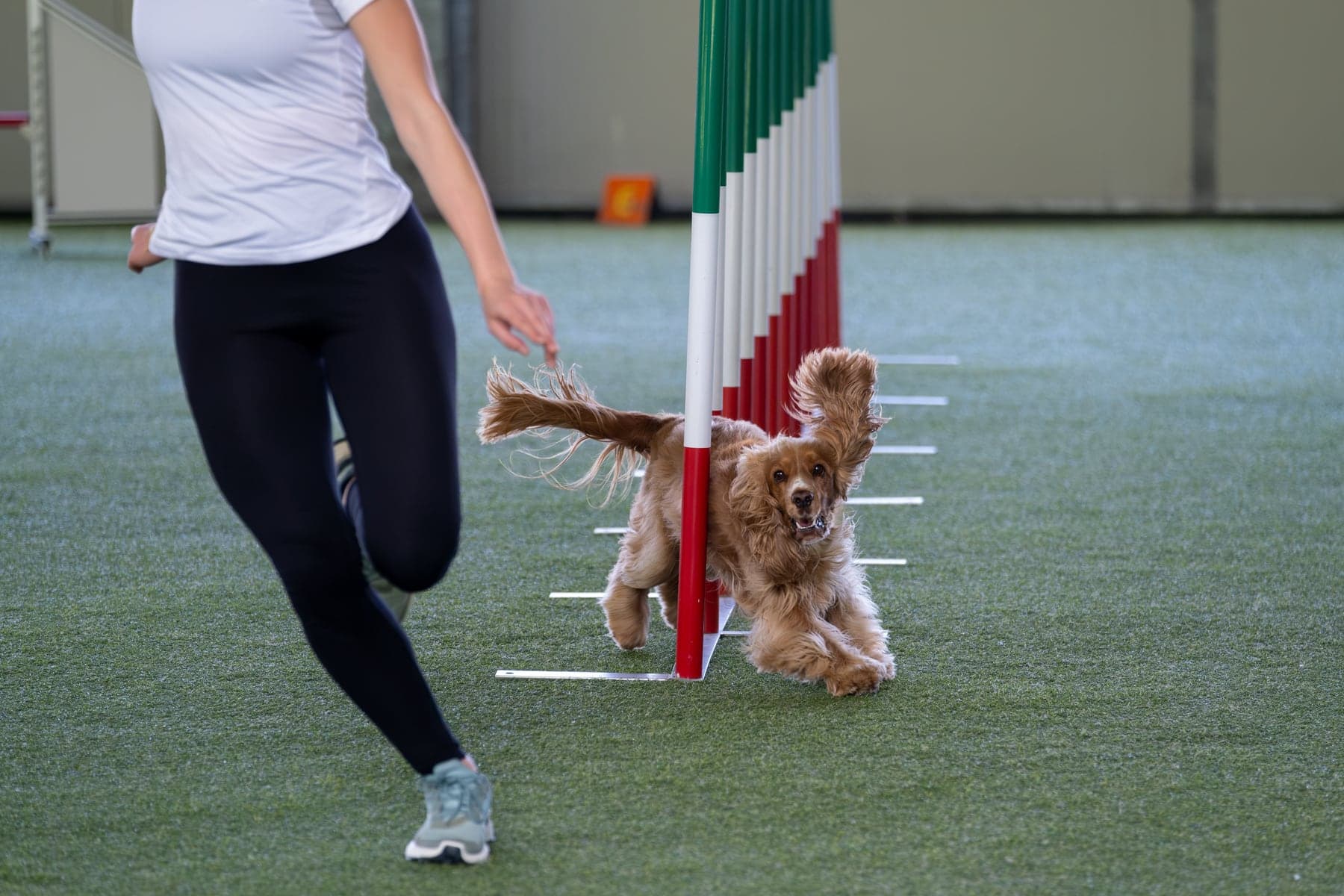
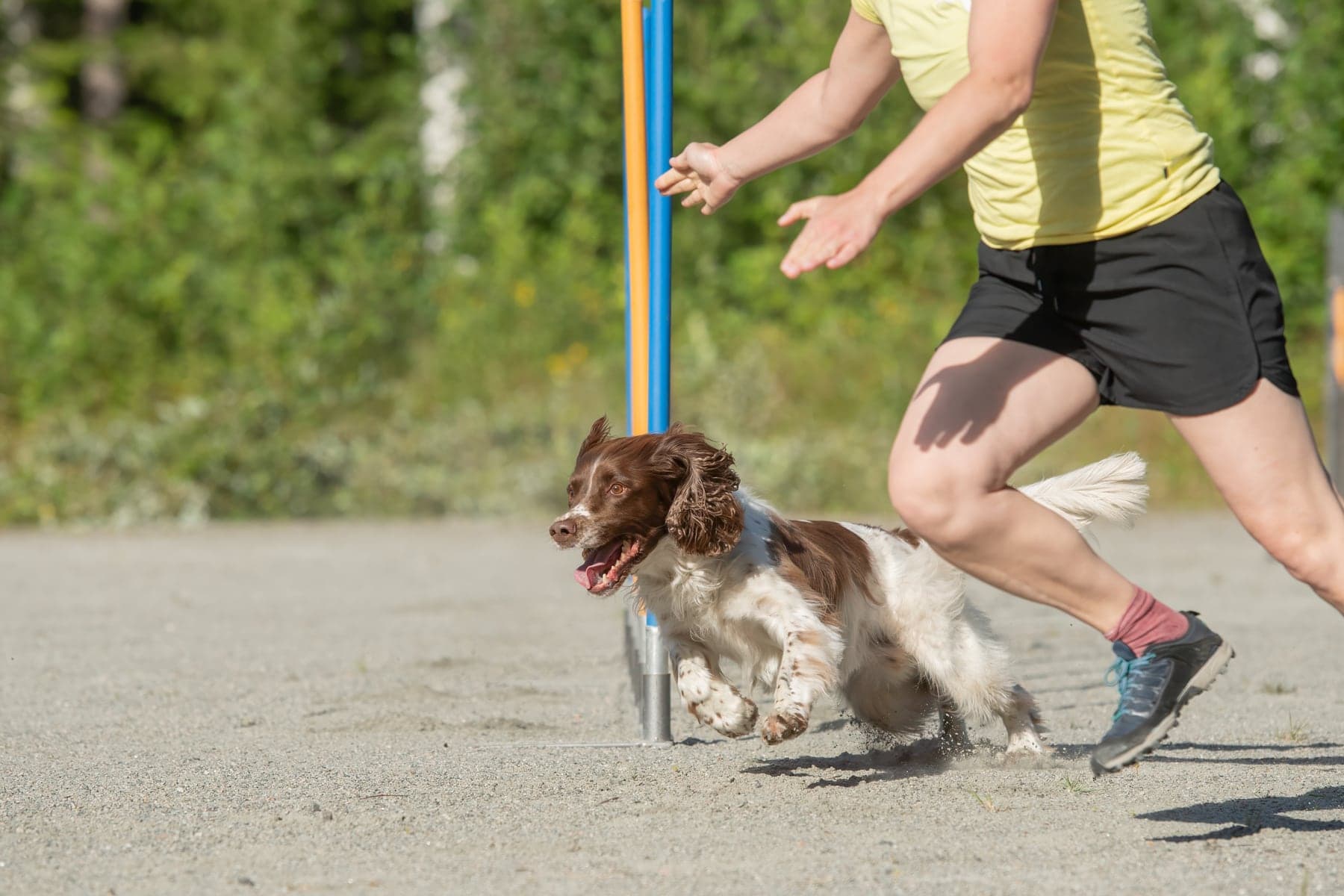
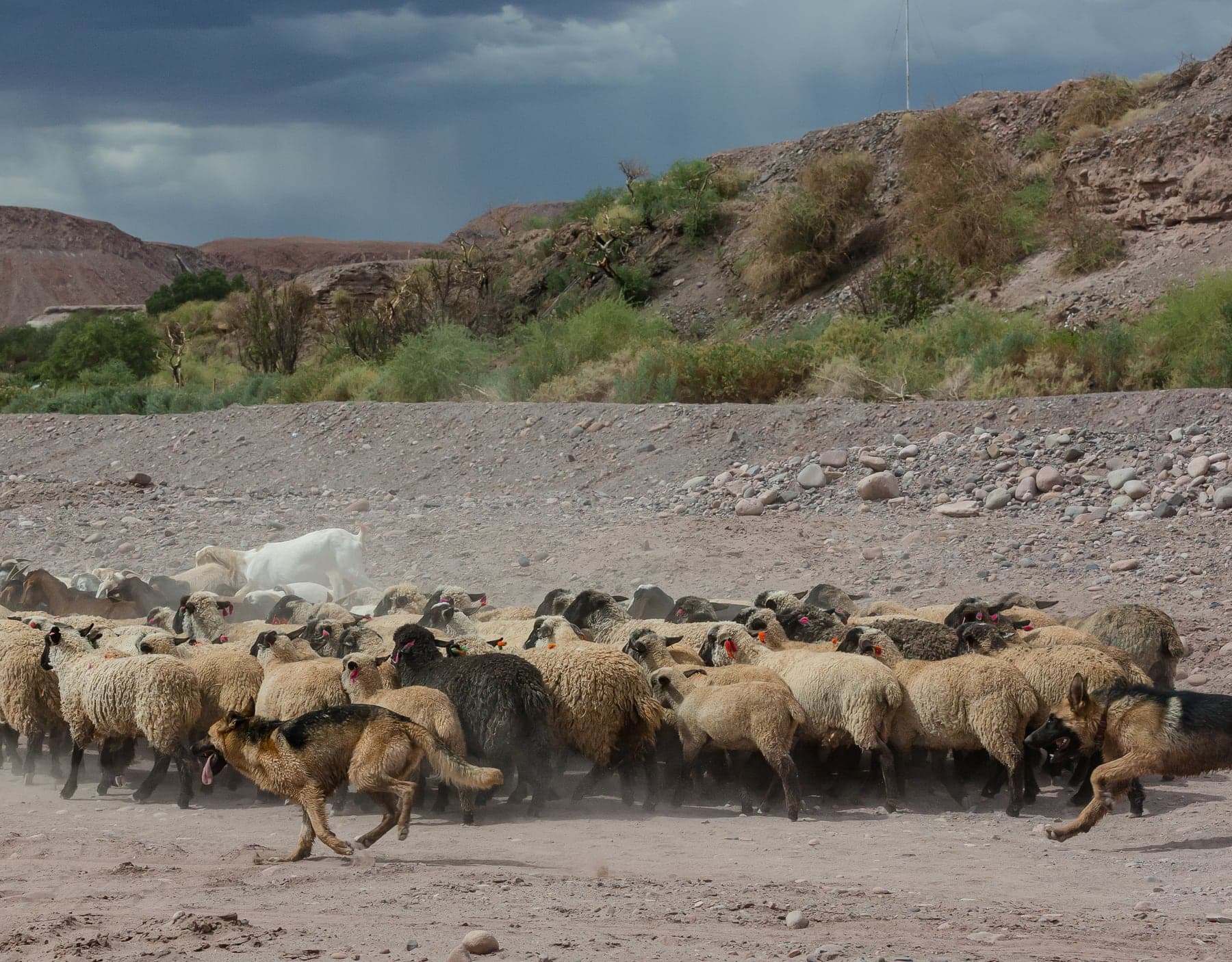
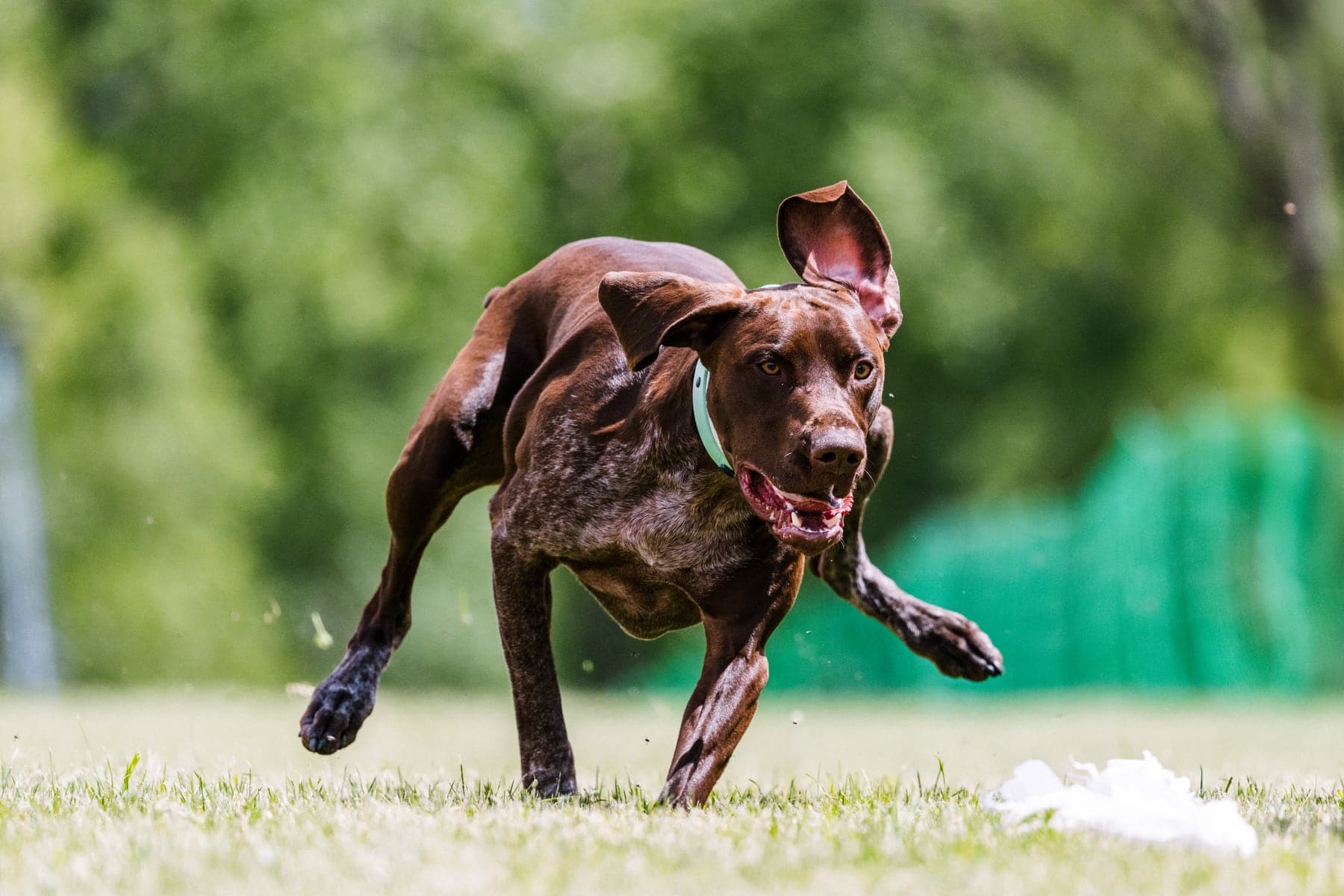
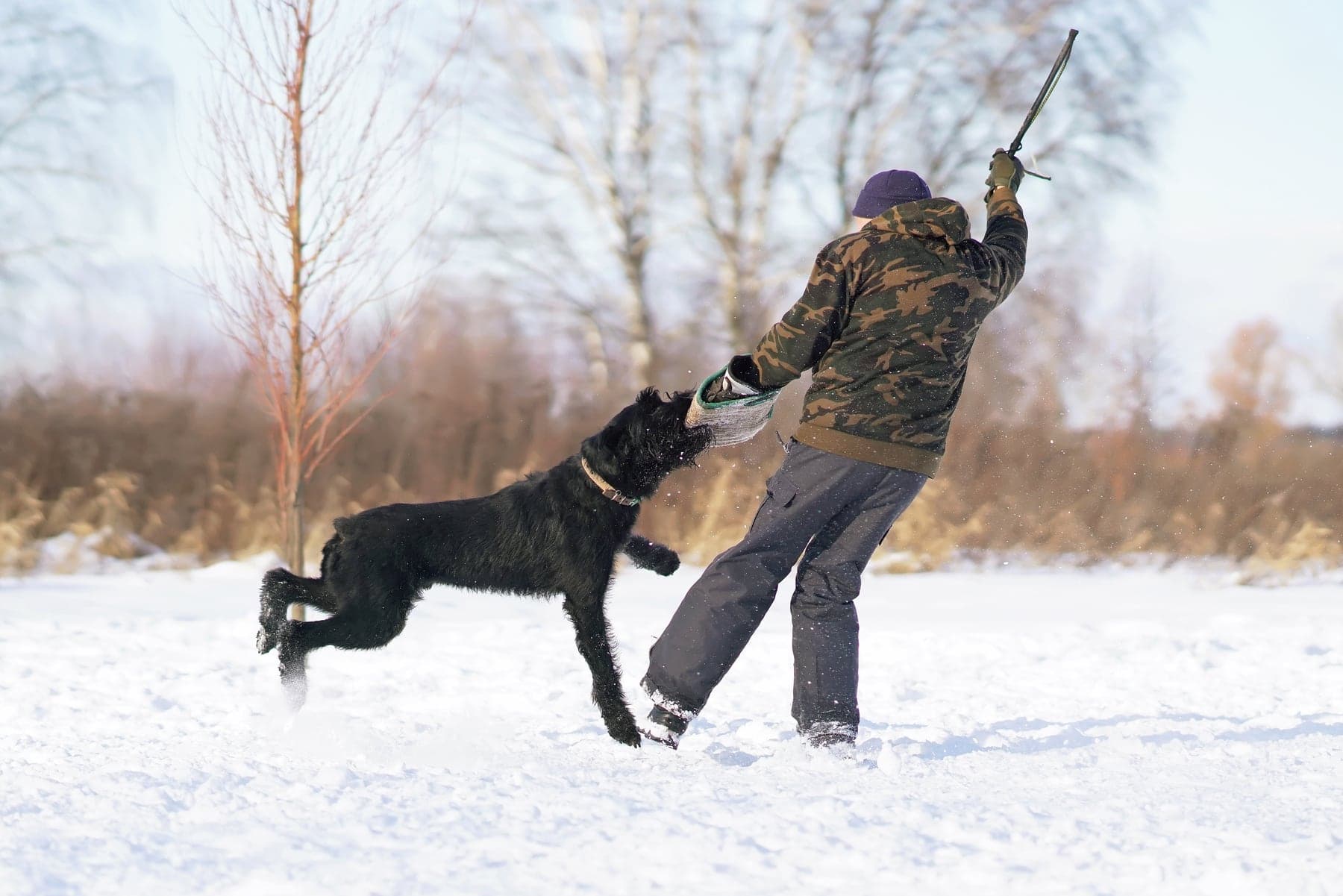
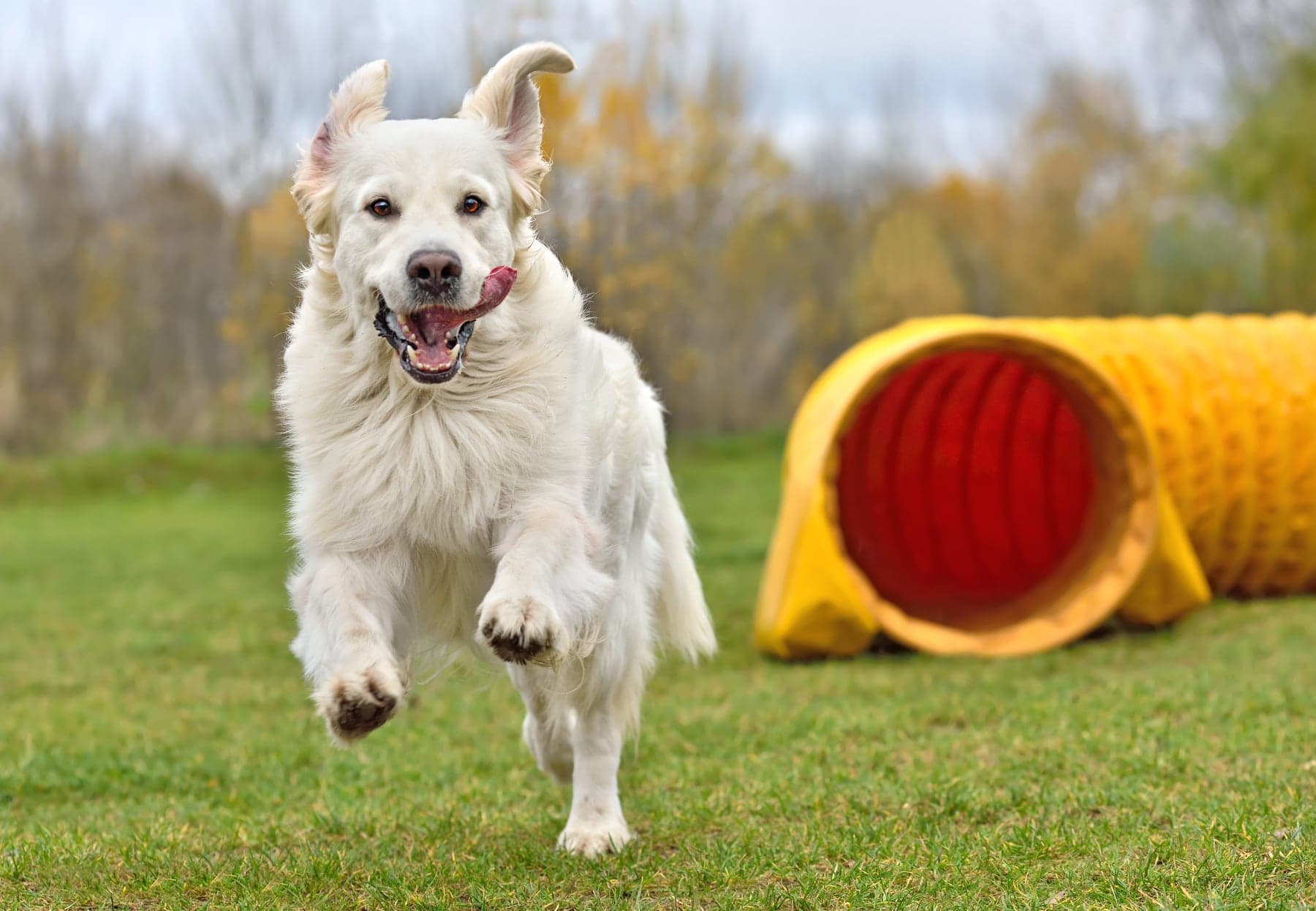
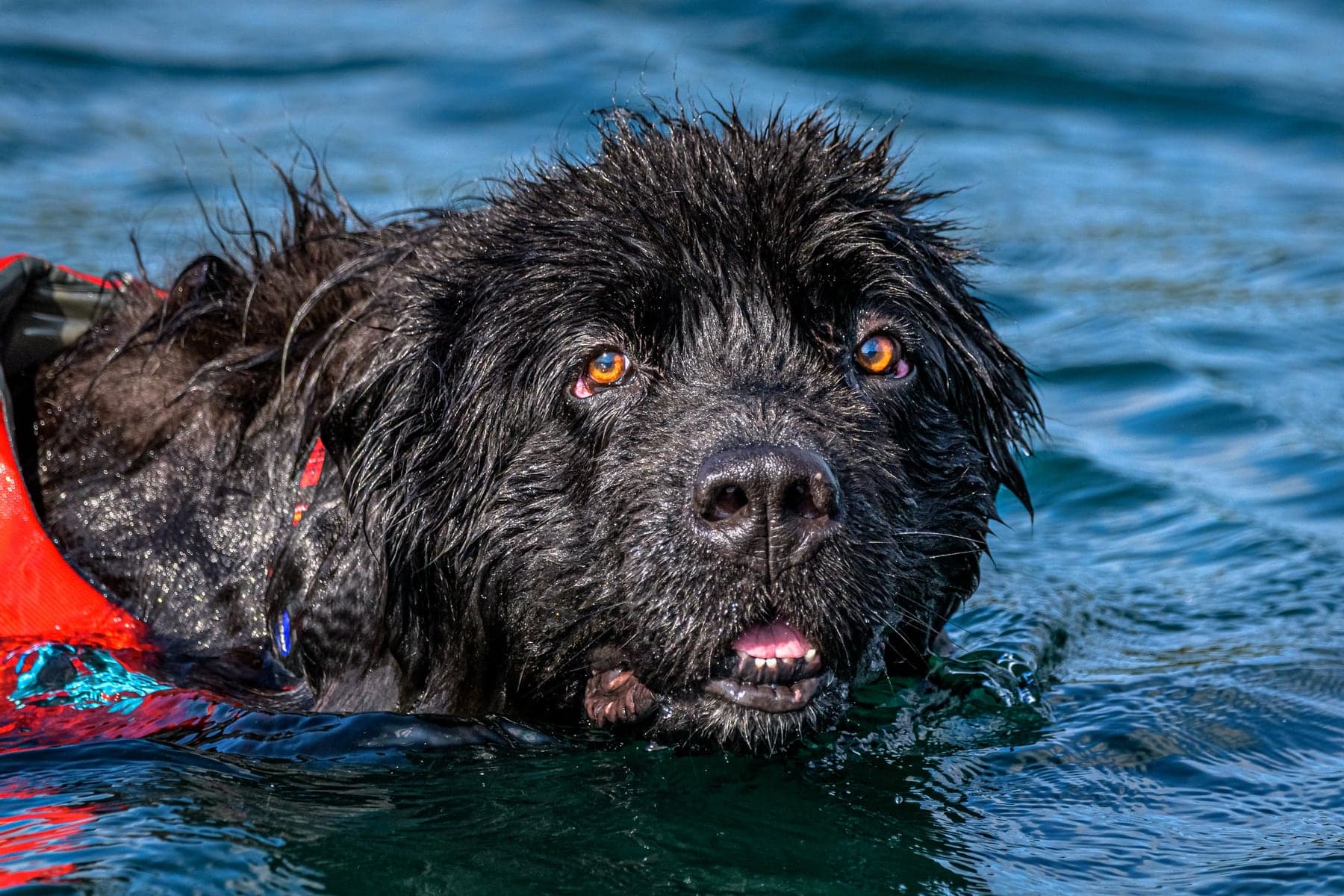
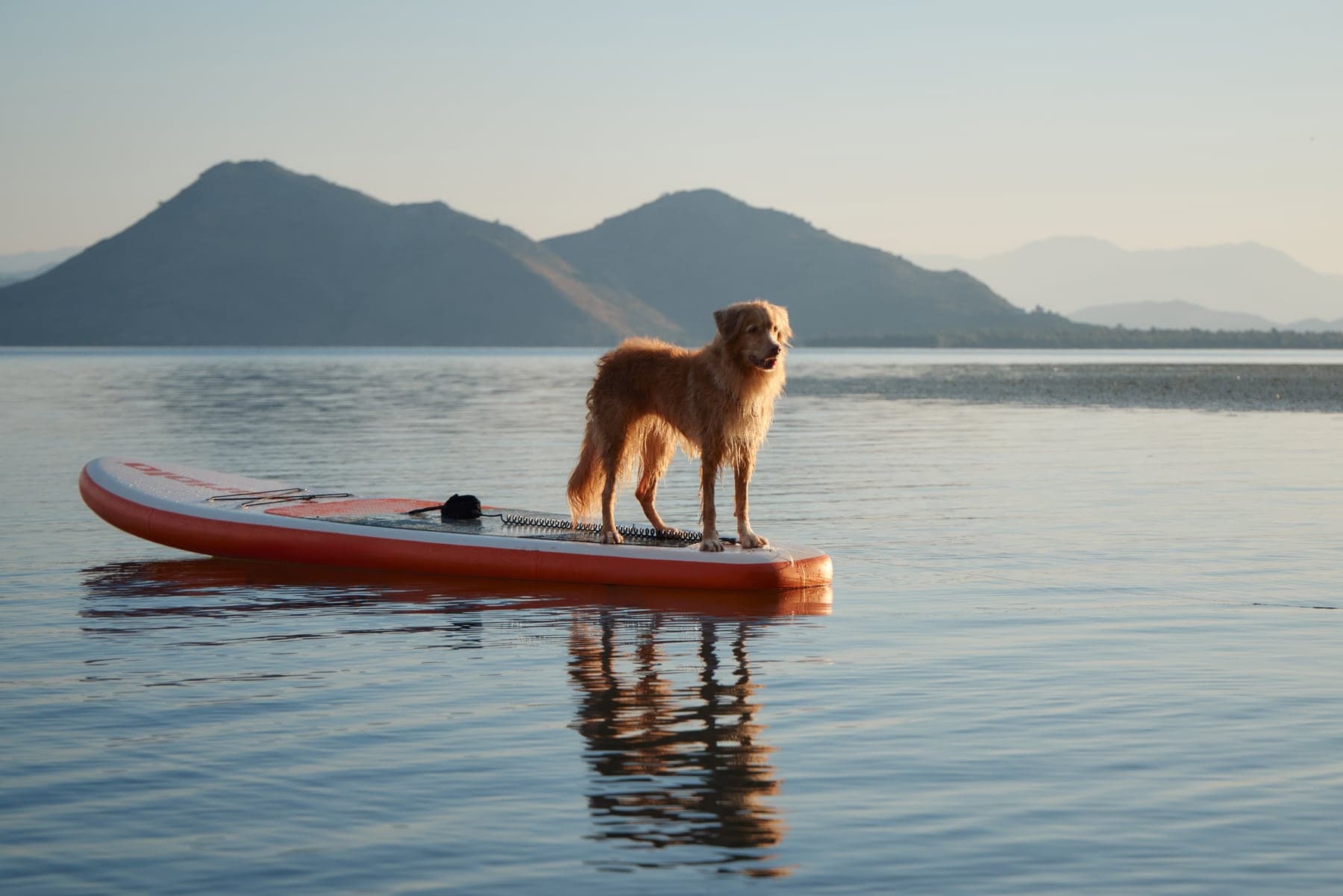
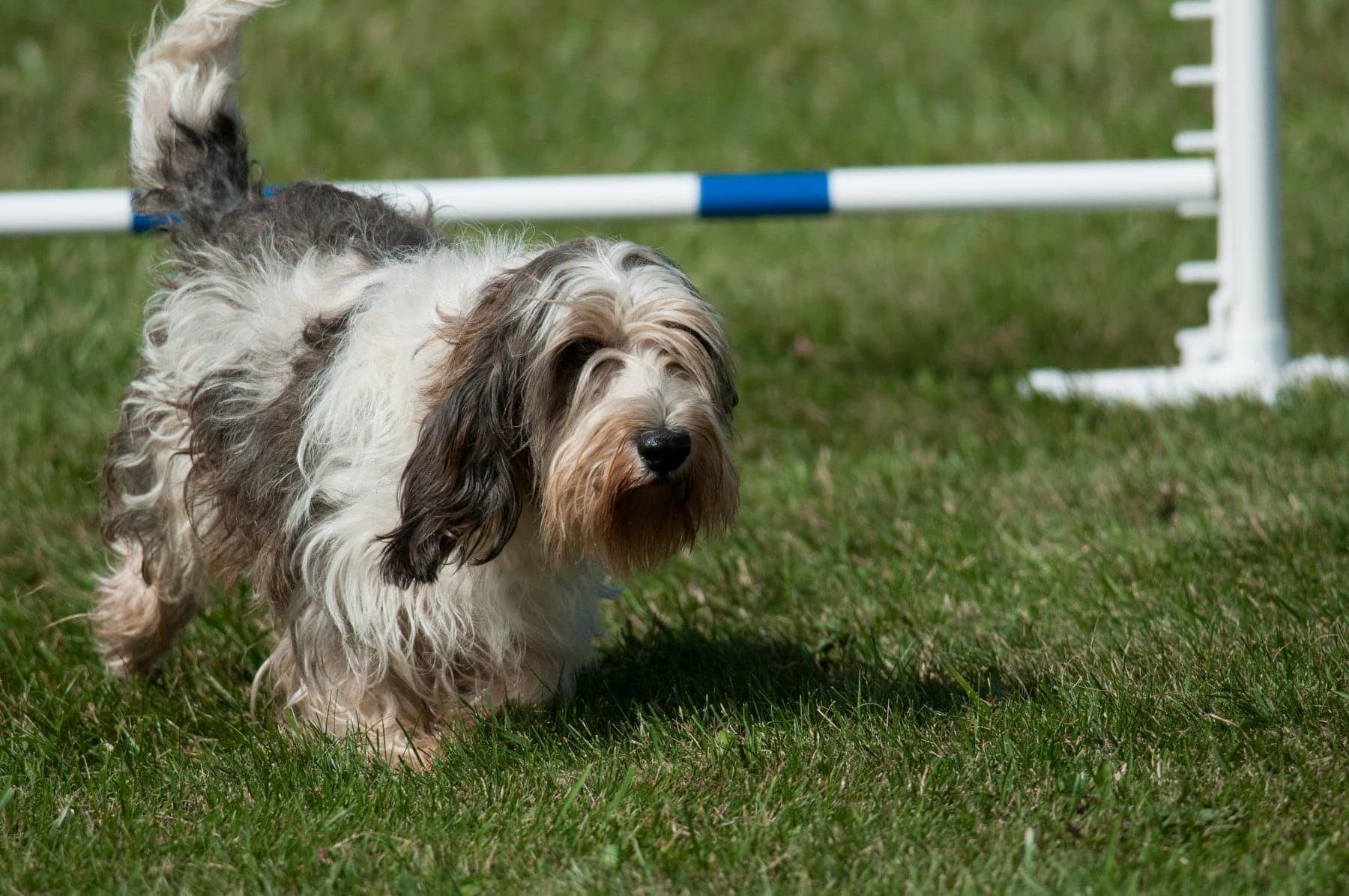
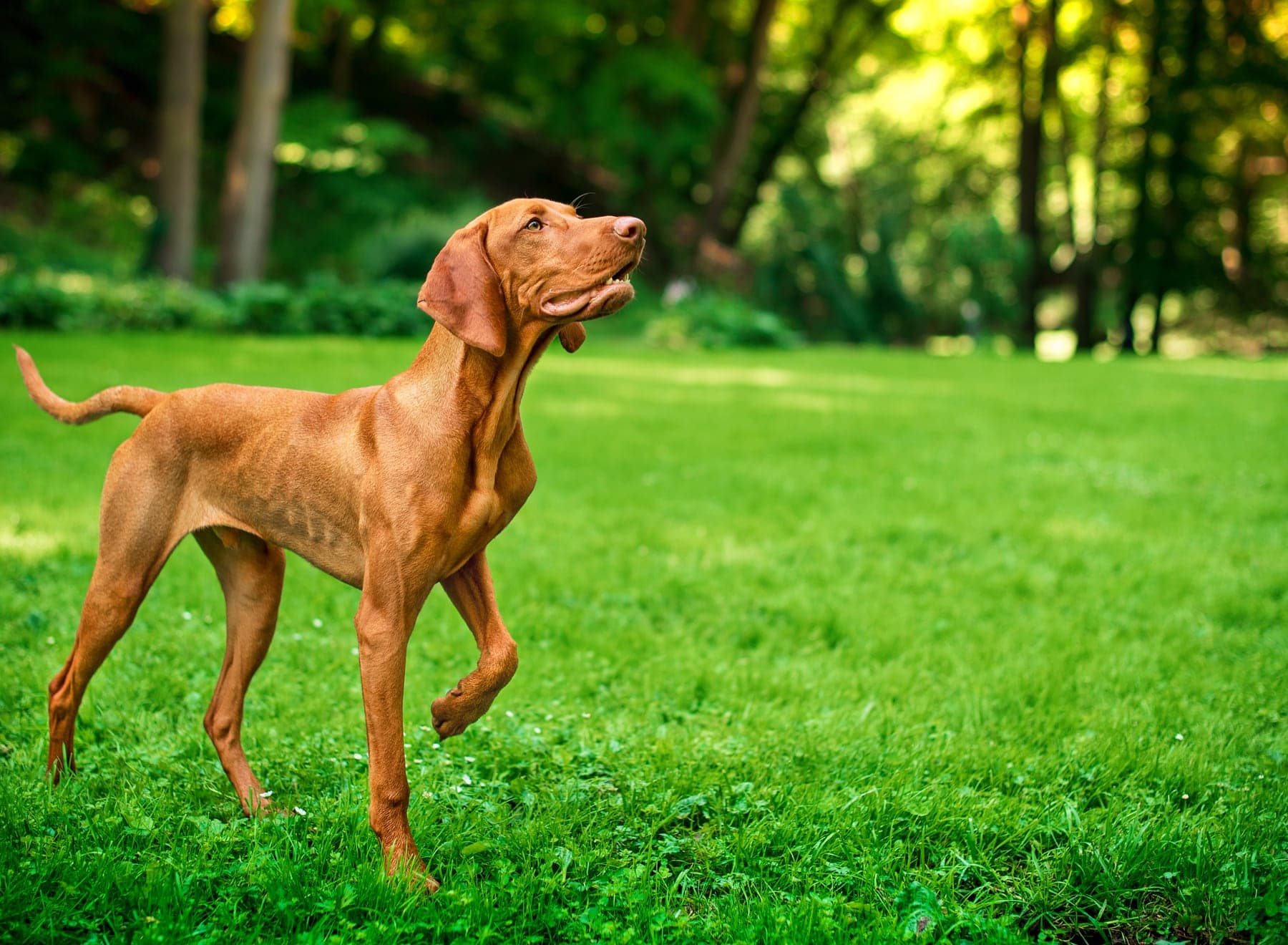
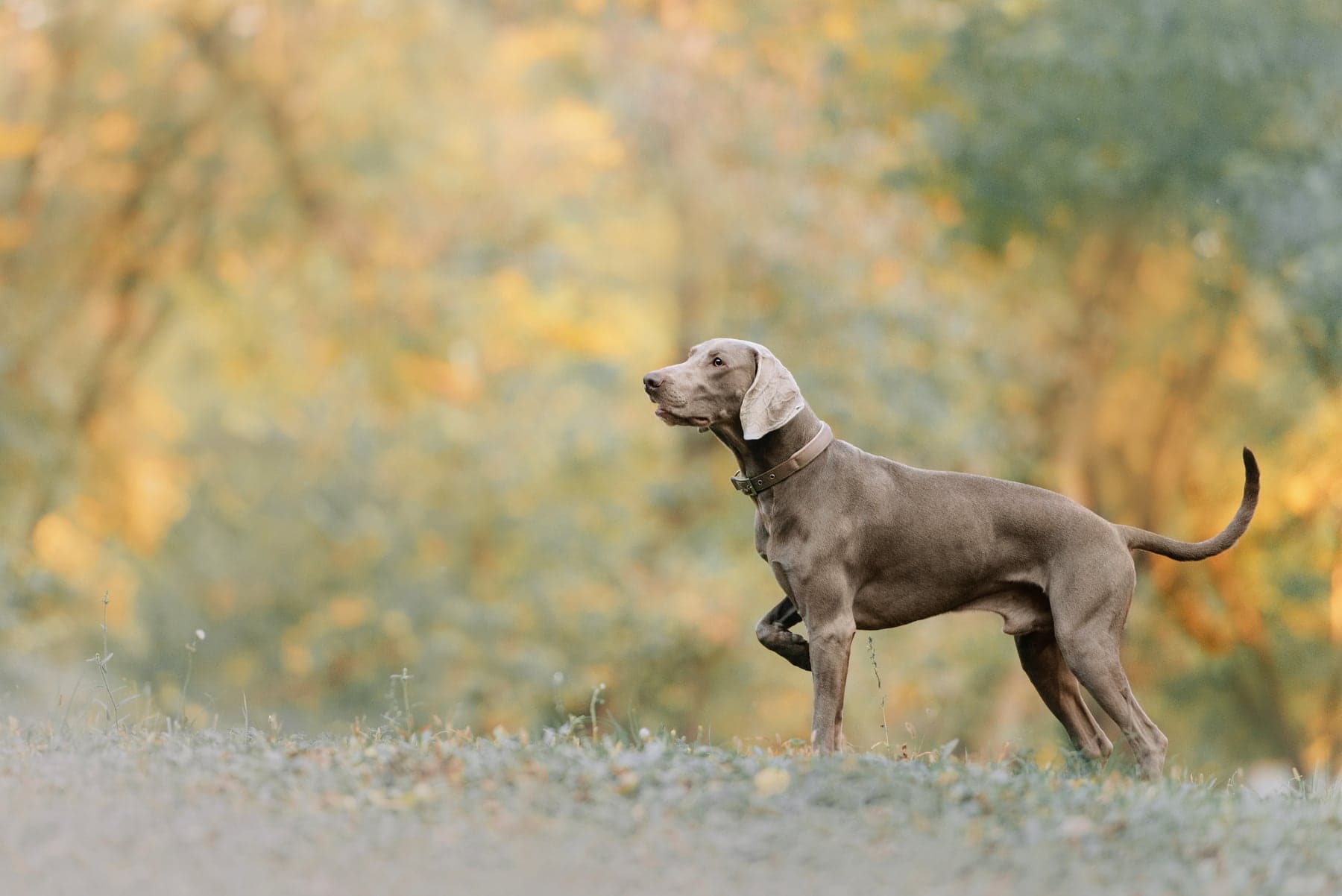
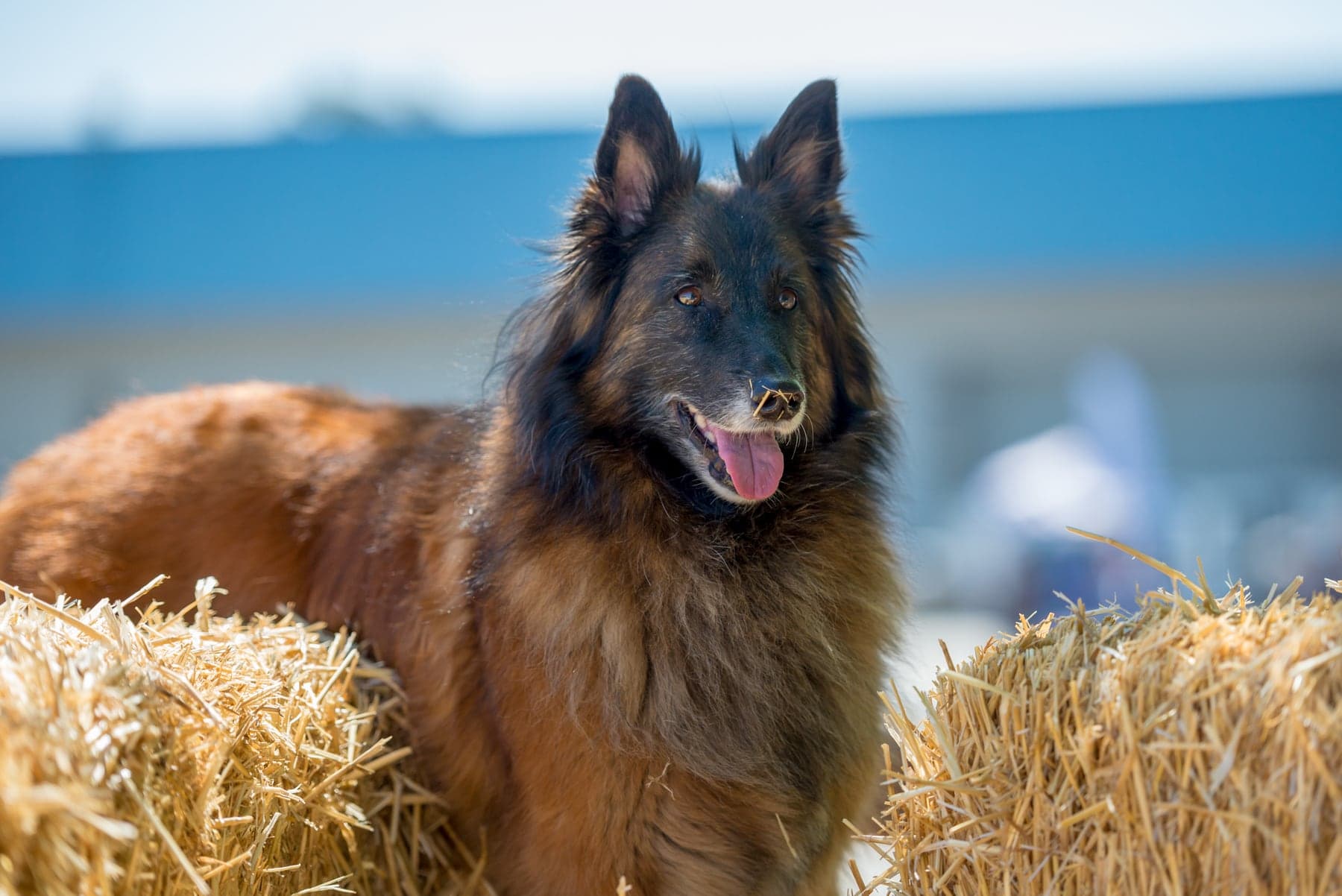
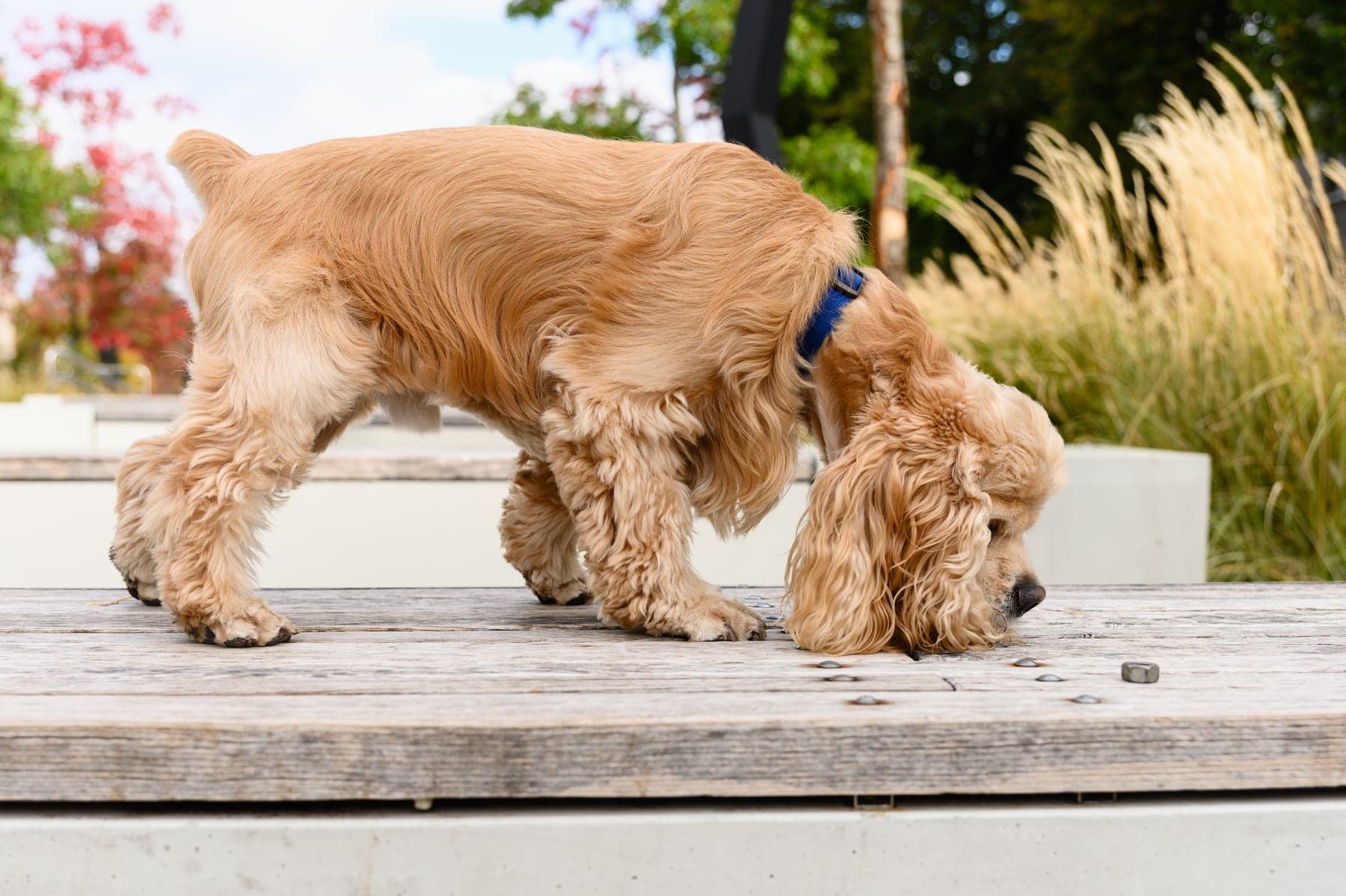
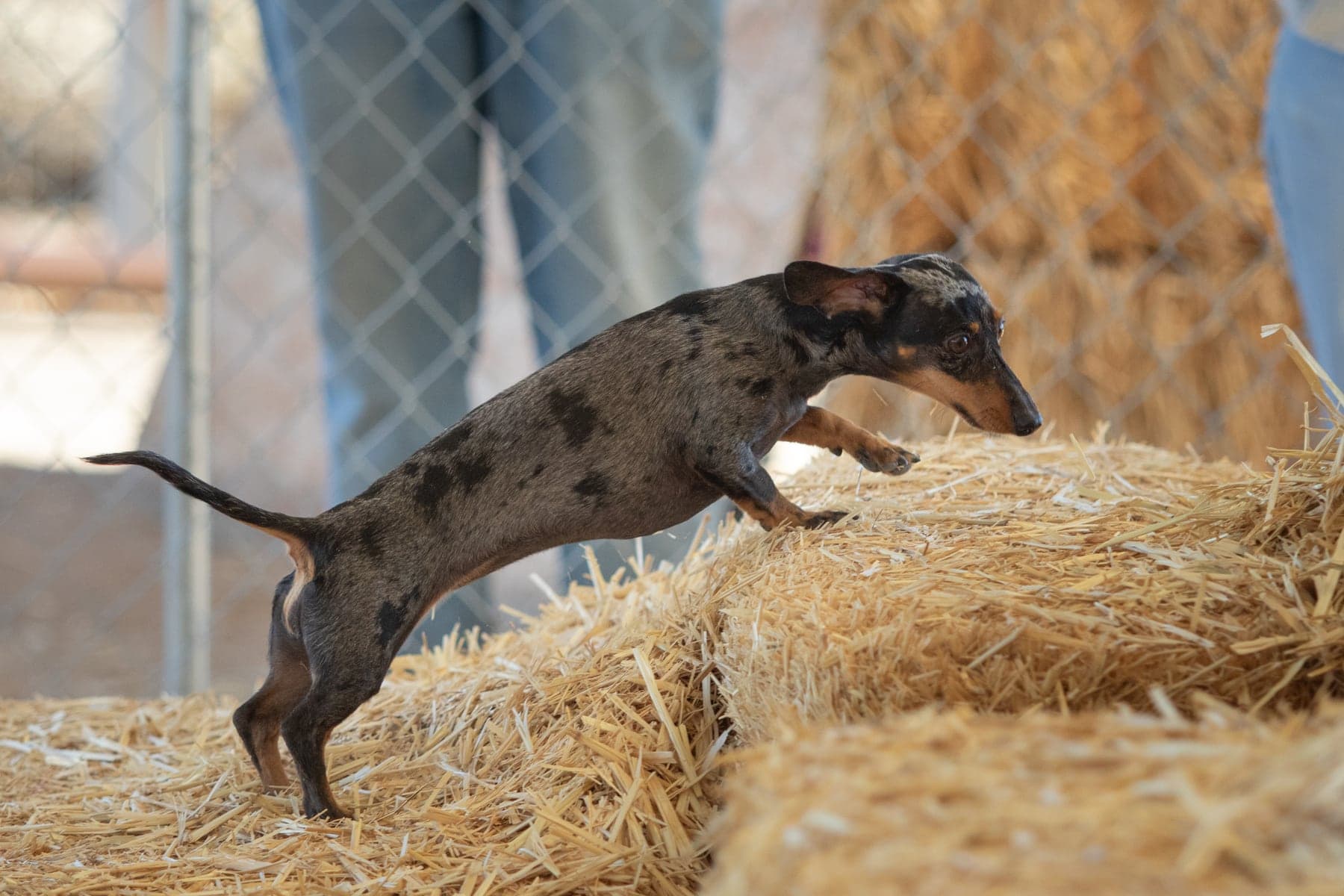
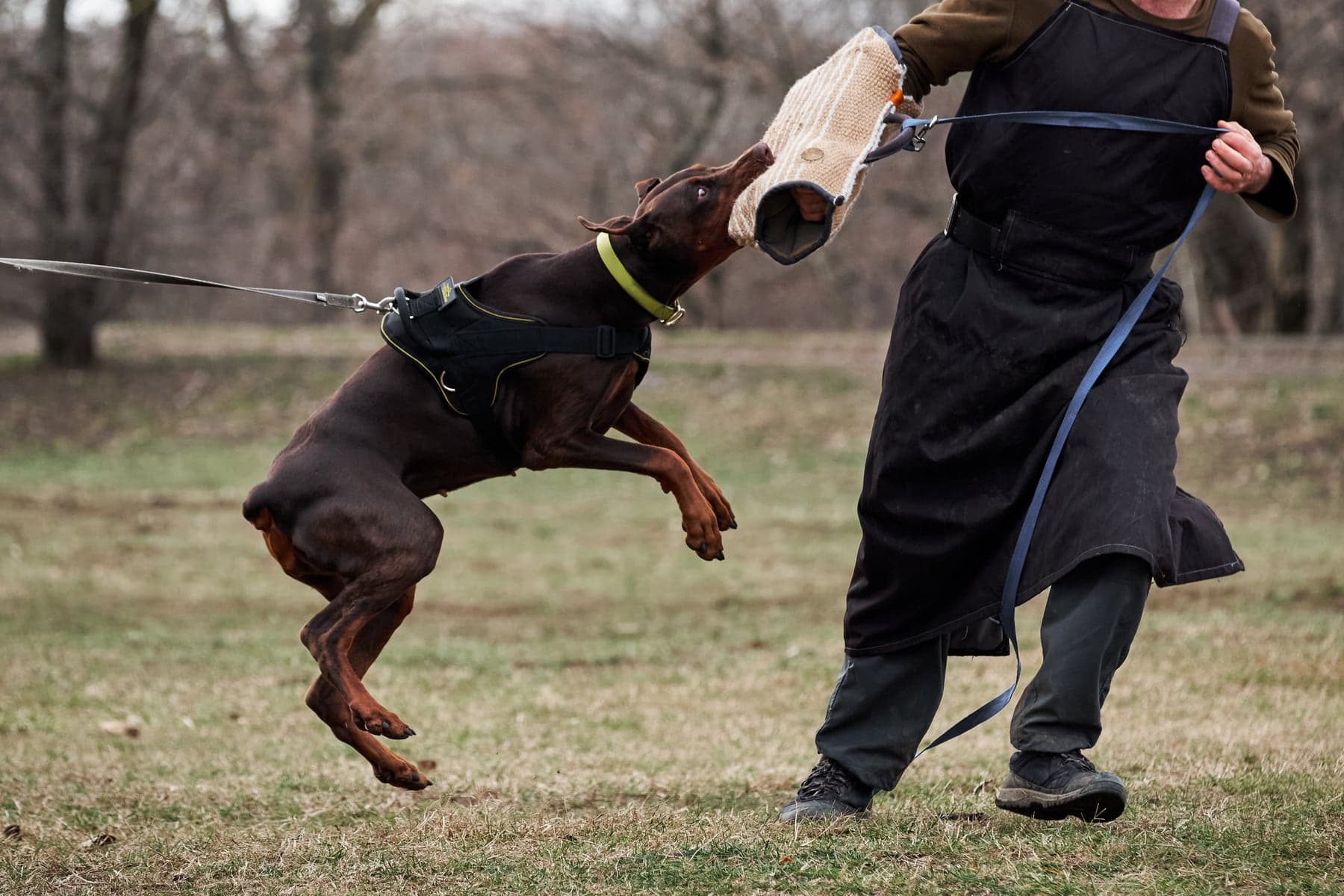
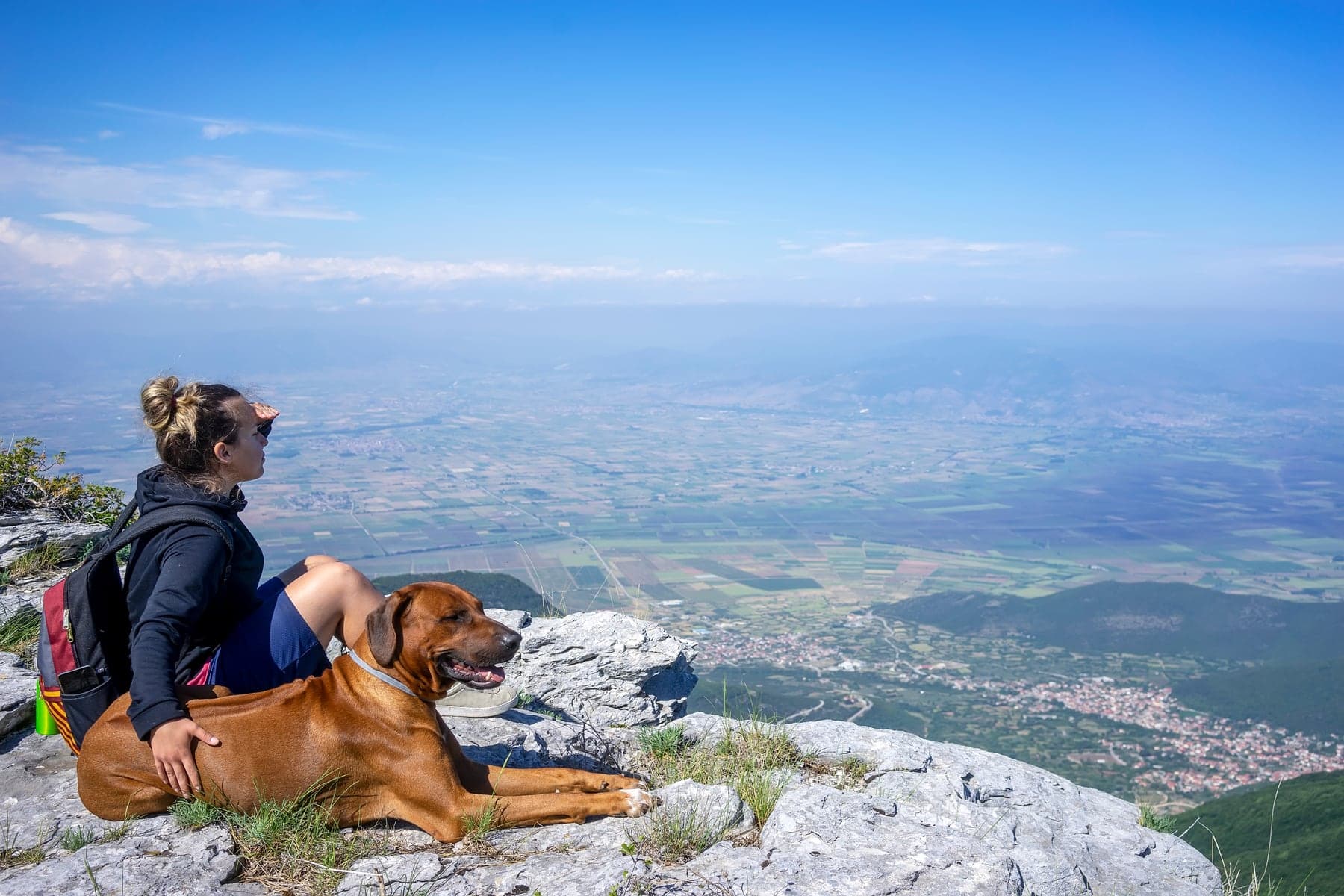
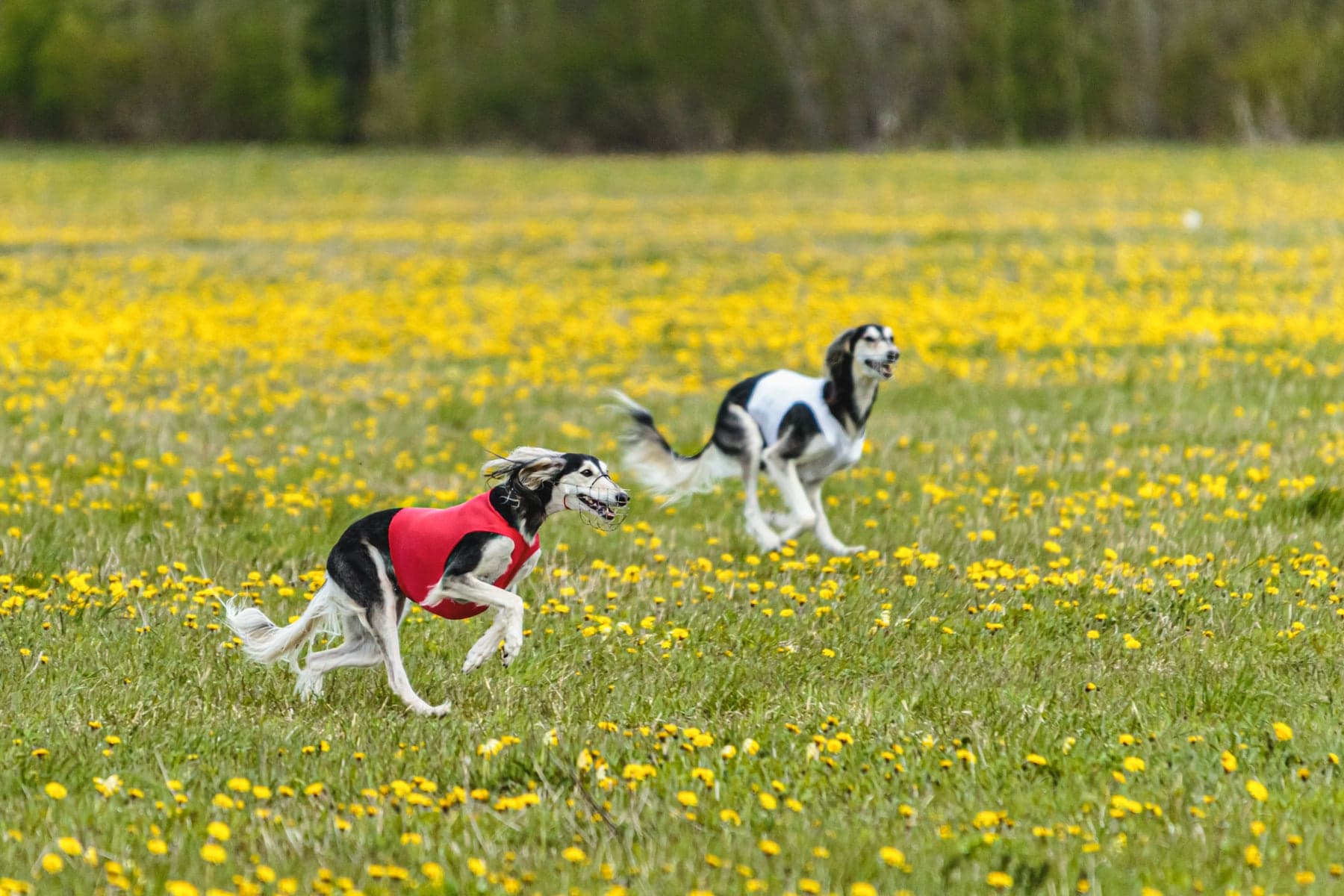
Breeds in our field guide that take naturally to tracking — not every breed that competes, just the ones we’ve written up so far.
Sources & verificationLast reviewed May 2026
Our Tracking guide is an independent, plain-English orientation — not an official rulebook. Rules, titles, eligibility, and fees vary by organization and change over time, so always confirm the specifics with the current rulebook or event premium before you enter.
Checked against
Spot something out of date? Tell us and we’ll fix it.