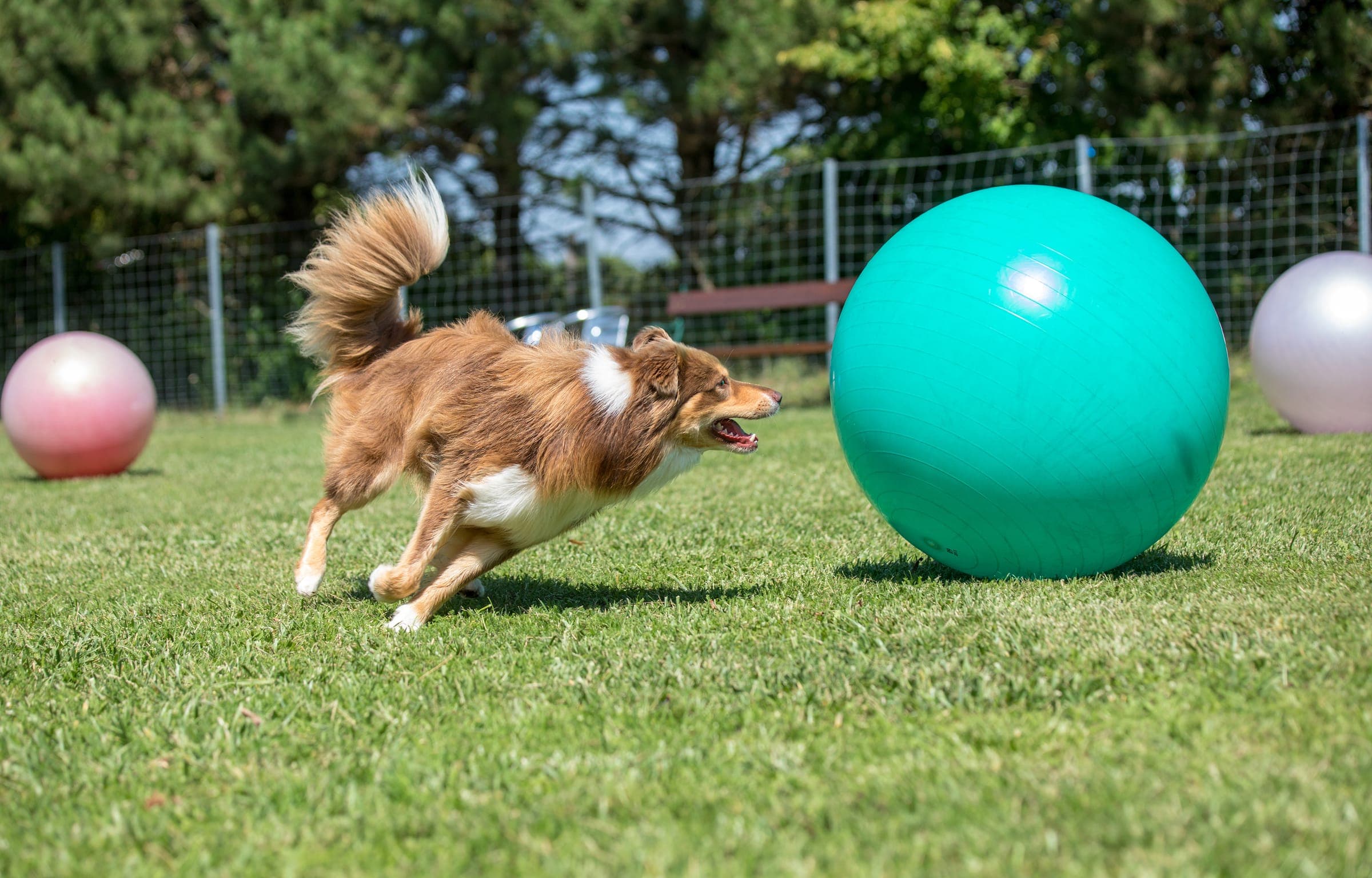
Discover Treibball
An off-leash herding game where one dog drives eight large exercise balls into a goal within a time limit, working at distance from a handler confined to a box near the goal — herding instinct rerouted through inflatable rubber.
01 · What is it
Treibball is an off-leash herding game played in a marked field. One dog and one handler work as a team. A cluster of large inflatable balls — exercise or yoga balls sized at or above the dog's withers — is arranged in a triangular 'flock' facing a goal at the opposite end of the field. The dog runs an outrun behind the flock, then drives the balls one at a time toward the goal by pushing with its chest and shoulders. The handler stays inside a marked handler box near the goal, may not leave it, and may not move the balls. The work is done at distance, on cue, with body language and voice. The round ends when every required ball is inside the goal and the dog performs a down near the handler.
The picture from the sideline is a working dog using nothing but its body and a handler's voice to herd plastic. The craft is in the outrun, the flank cues, the controlled pushes, and the impulse control that keeps a high-arousal dog from biting, leaping over, or freight-training the ball. Penalties stack for ball biting, paw use, leaving the handler box, or sending the wrong ball first. Most rule sets are timed — fastest clean run within the time limit wins, with faults converted to time penalties. The sport rewards a specific kind of dog: one that solves problems at distance, takes cues from across a field, and stays calm with rolling targets in front of it. Border Collies, Australian Shepherds, and other herding breeds find the work intuitive, but trainers also report success with Papillons, Pugs, retrievers, Rottweilers, and a wide mix of non-herding breeds. Reactive dogs can compete because only one dog works the field at a time, and most clubs run quiet sidelines.
02 · How a run unfolds
A Treibball run is a sequence of distinct moments — outrun, set-up, point ball, drive, finish — that together compose a single timed performance. The same elements appear at every level. What changes between Pre-Novice and Advanced is the field size, the distance the dog has to cover on cue, the number of balls, and the time pressure. Common faults convert to time penalties: biting or puncturing a ball, using paws to move a ball, sending the wrong ball first, leaving the handler box, and exceeding the time limit. Serious rule violations result in a non-qualifying run.
03 · NATE
The National Association of Treibball Enthusiasts is the most actively documented US sanctioning body. Its identity is a games-based titling system: instead of one universal Treibball trial, NATE structures competition as a catalog of named games — each with its own rules, level brackets, and qualifying-run requirements. A team earns titles separately in each game. NATE also runs a Skills Certification Program for handlers who want a structured pathway short of full competition, and it accepts video titling for teams without a local club.
04 · ATA
The American Treibball Association is the older of the two US bodies — described in AKC's Treibball coverage as a 501(c)(3) non-profit national governing body, founded by professional trainer Dianna Stearns. Its public identity is closer to an educational and outreach organization than a transparent competition platform. ATA's current title structure, level progression, and trial schedule are documented less clearly online than NATE's, and most of what an outside reader can confirm comes through AKC's profile of the sport rather than ATA's own public pages.
05 · Side by side
NATE and ATA are the two US-relevant Treibball bodies — the two newcomers in the United States will choose between. Treibball Canada and Germany's VDH run their own programs internationally with their own rule sets and titling structures. Titles do not transfer across these organizations: a NATE TE does not become an ATA, Treibball Canada, or VDH title, and vice versa. NATE has the more active public titling infrastructure of the two US bodies; handlers who came to Treibball through an ATA-affiliated trainer will encounter ATA's framework first.
| NATE | ATA | Treibball Canada | VDH | |
|---|---|---|---|---|
| Role | One of two main US sanctioning and titling bodies | Older US body; 501(c)(3) national governing org | National-style competition body | German national canine org; formal examinations |
| Primary focus | Multi-game system; positive reinforcement; video titling | 'Urban herding' education and outreach; introductory classes | Timed events with bonuses and penalties; positive-only methods | Examination-style testing with strong distance-work emphasis |
| Levels / titles | Pre-Novice → Advanced per game; TE at 3 Qs, OTE at +10 Qs at the same level in the same game | National governing body that grants titles; current ladder not publicly detailed | Timed-game framework with point-ball and multi-ball bonuses; specific title codes not publicly enumerated | Examination levels and exercises defined in the 26-page English 2025 regulations; codes differ from North American naming |
| Live vs video | Both — live trials and video titling | Live (limited public schedule visibility) | Live | Live examination format |
| Cross-org transfer | Titles not transferable to ATA, Treibball Canada, or VDH | Titles not transferable to NATE, Treibball Canada, or VDH | Titles not transferable to US or German bodies | Titles not transferable to North American bodies |
| Known for | Public rulebook, video titling, multi-game titling, accessibility | Original US body status; classes, workshops, introductory events | Positive-only methodology; clear time-penalty scoring | Formal exam structure; distance work as the central test |
Titles do not move between organizations. A NATE TE does not register as an ATA, Treibball Canada, or VDH title; a VDH examination pass does not register as a NATE TE. What does move is the dog and the work: the outrun, the flanks, the controlled push, and the handler-box discipline carry over fully across rule sets. What changes between organizations is the named ladder, the time-penalty math, the field setup, and which credential matters to that handler. Choose the organization whose titles you want on the dog's record before pursuing them.
06 · Getting started
Treibball is one of the lower-equipment sports to enter — one or two exercise balls, a flat field, and a dog with a workable foundation. What it asks for is distance handling, and most teams start that work without any balls in sight. Foundation classes focus on targeting, off-switch control around toys, basic directional cues, a clean send around an object, and a reliable down at distance. Balls come later. Many handlers train with online coaches and pursue video titling before ever attending a live trial.
07 · Trial day
Treibball trials are quieter and less chaotic than agility trials — one dog on the field at a time, no stopwatch-loud rings, sidelines kept calm by design. The atmosphere is closer to a small Nose Work or Rally trial than to a multi-ring agility weekend. What surprises first-time handlers is the cognitive load of working at distance under time pressure: remembering the cue sequence, holding handler-box discipline, and reading a high-arousal dog around rolling balls is mentally demanding even when the run itself is short.
08 · What it costs
Treibball is one of the lower-equipment sports in dog sport. The gear list is short; the field is grass; the balls are off-the-shelf rubber. The annual budget swings on two things — how dense your local trial calendar is, and how often you travel to reach one. In low-density regions, the video titling pathway can substitute for travel and meaningfully change the budget shape.
Made for treibball.

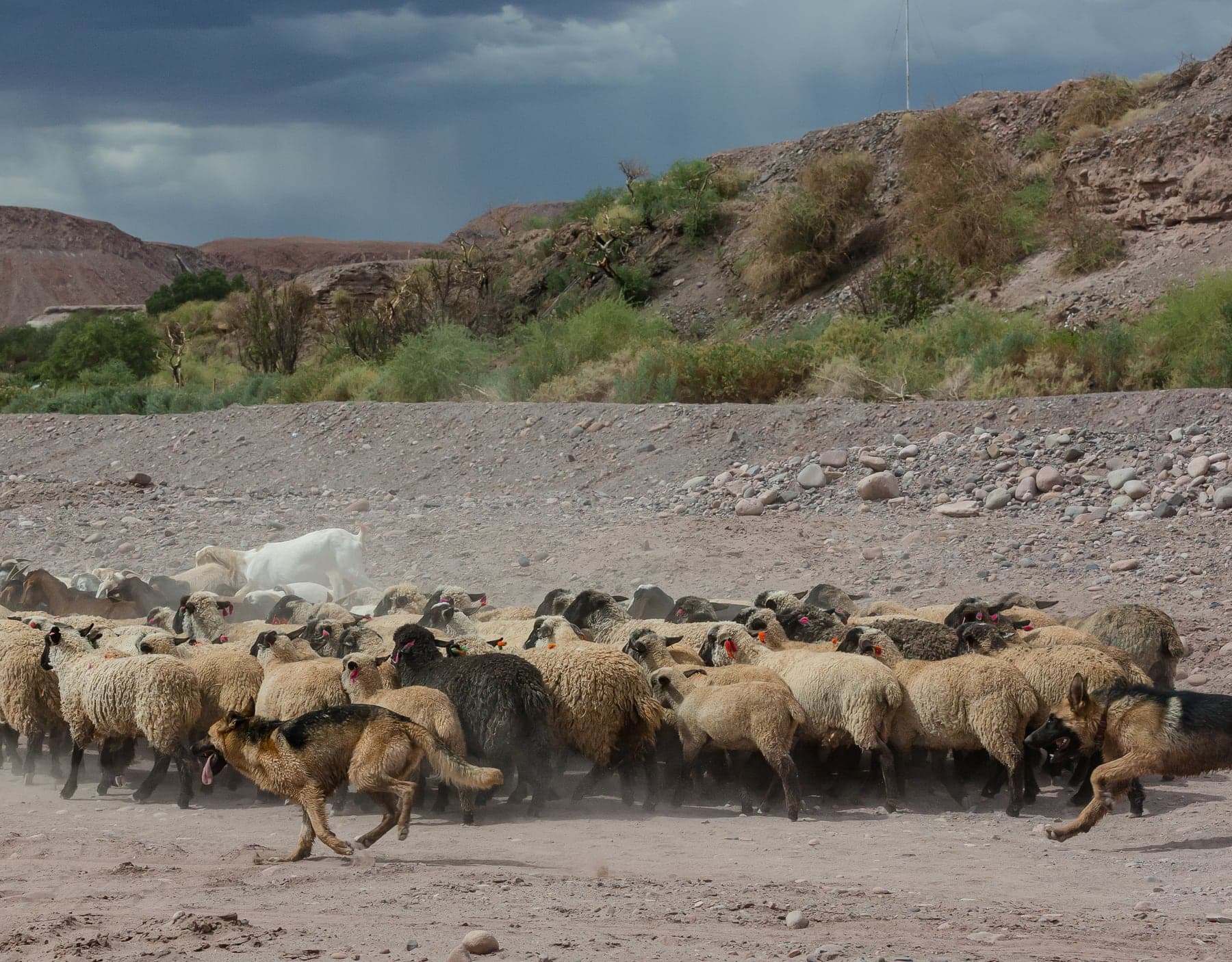
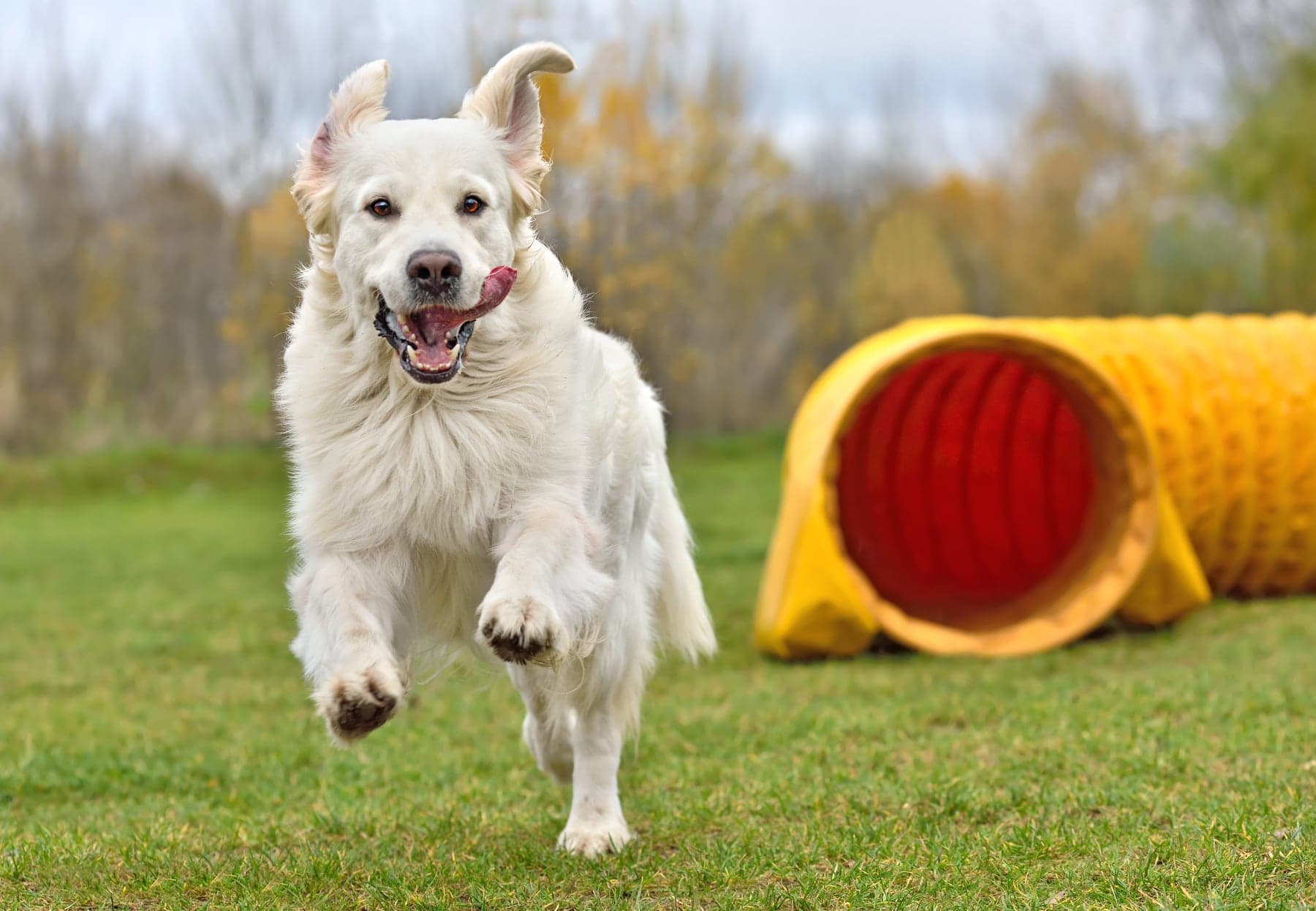
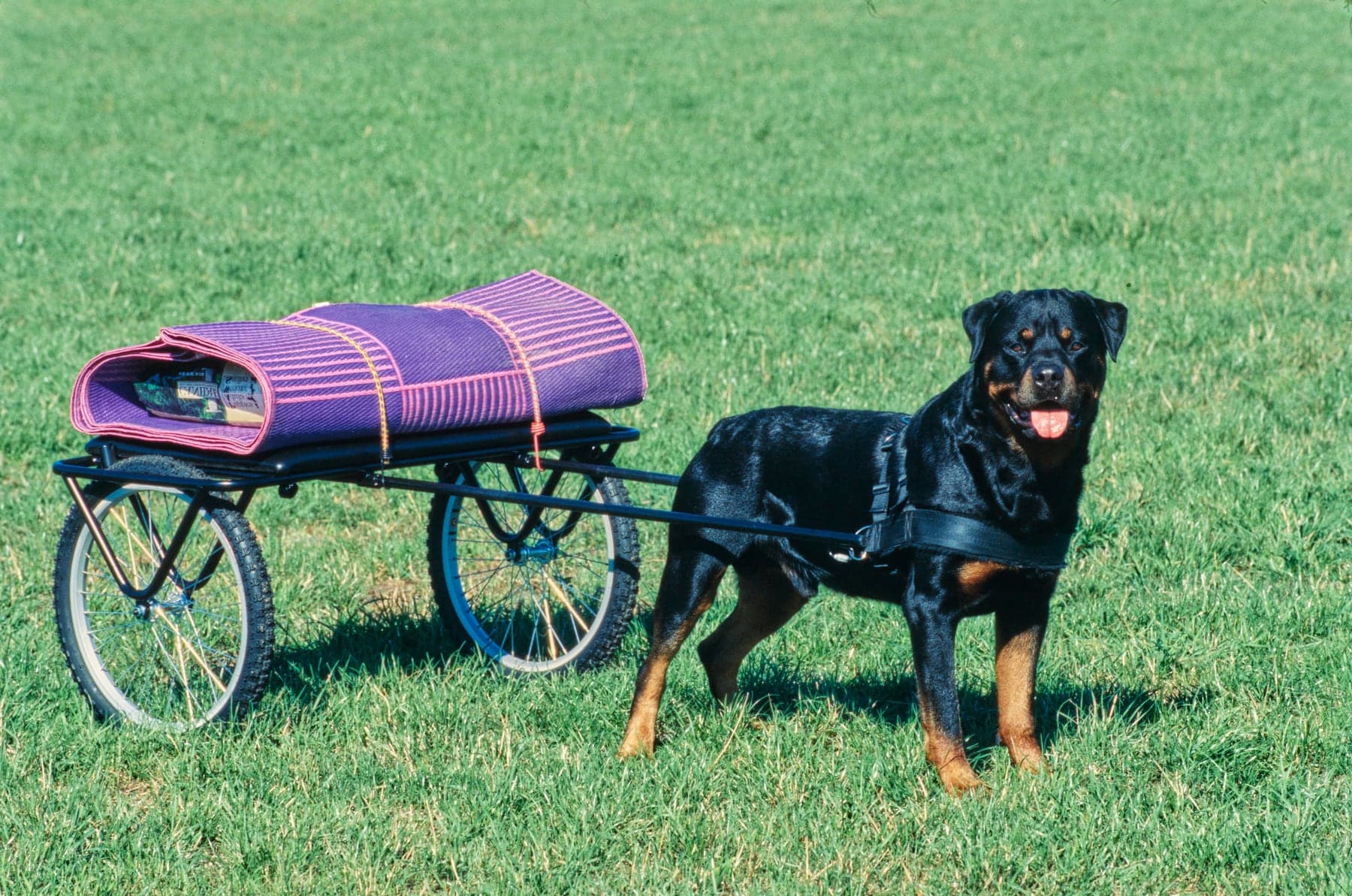


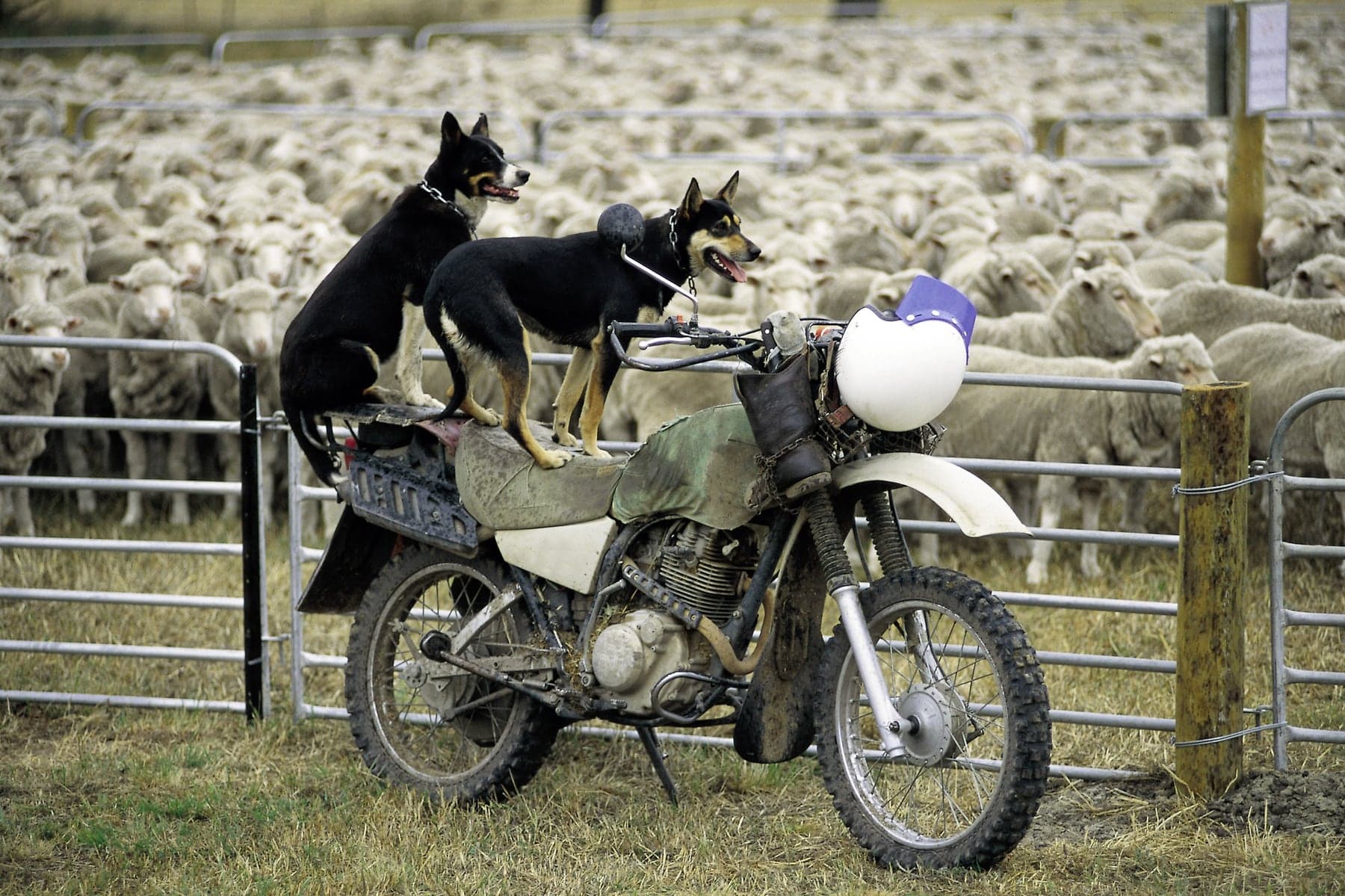
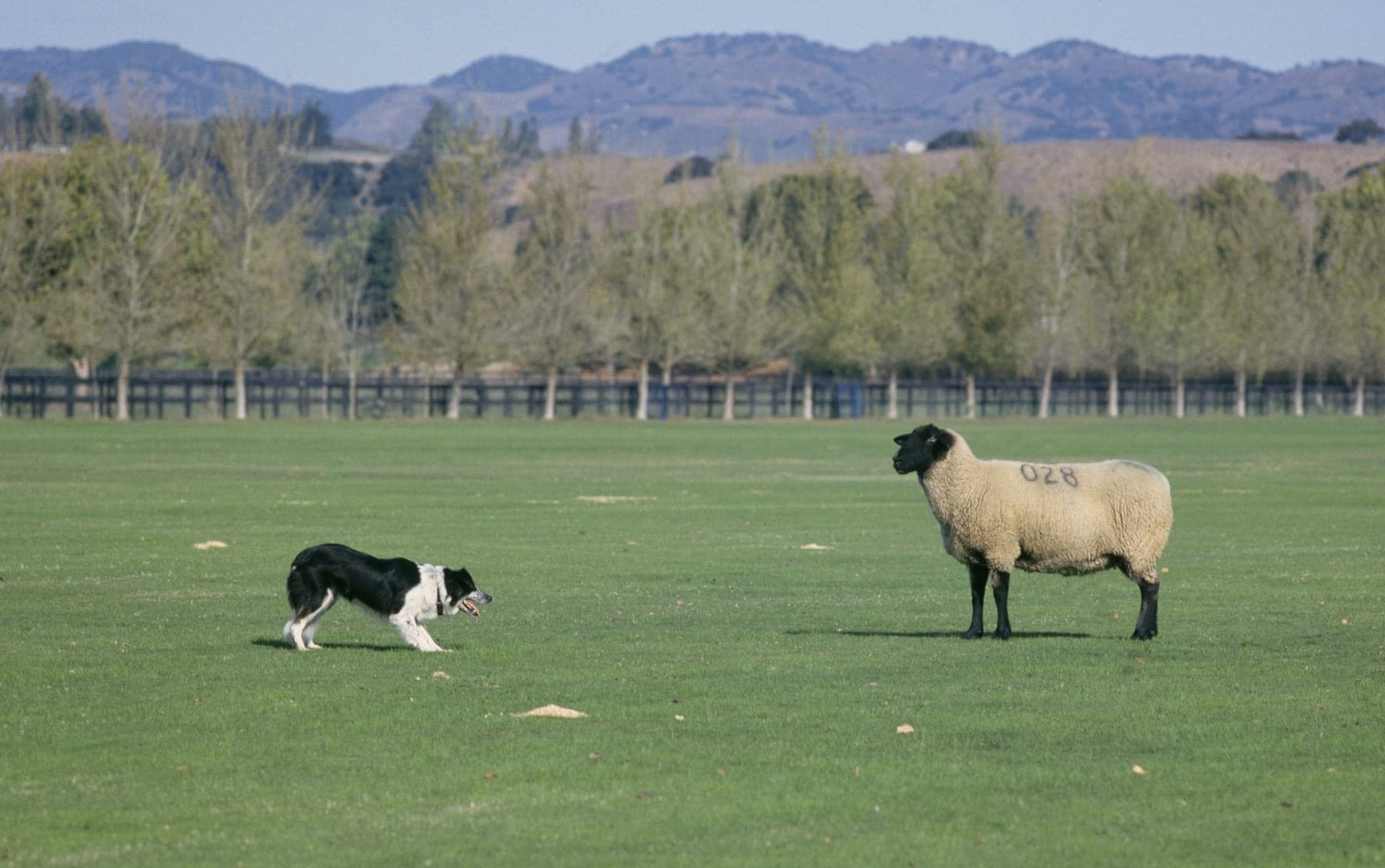
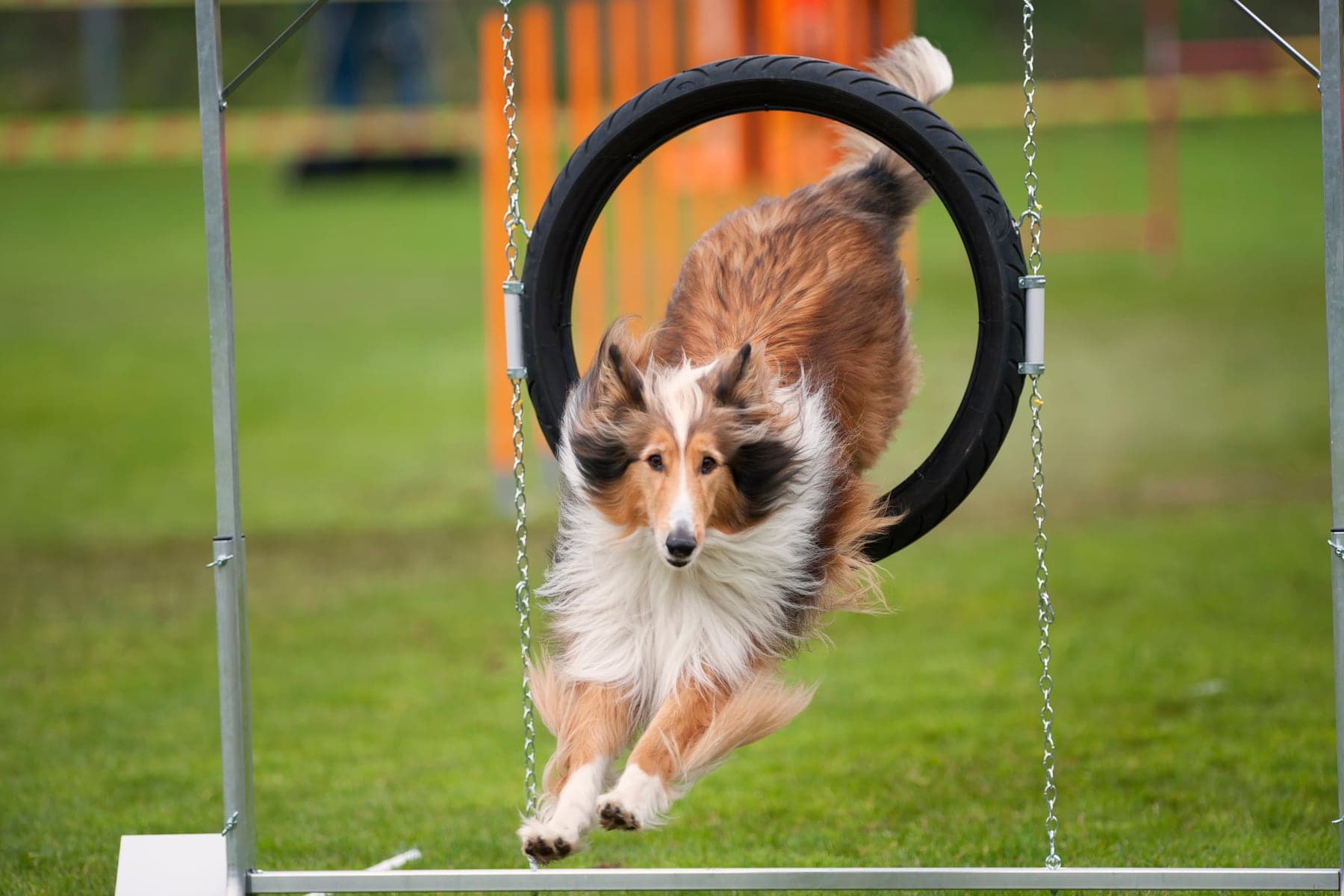
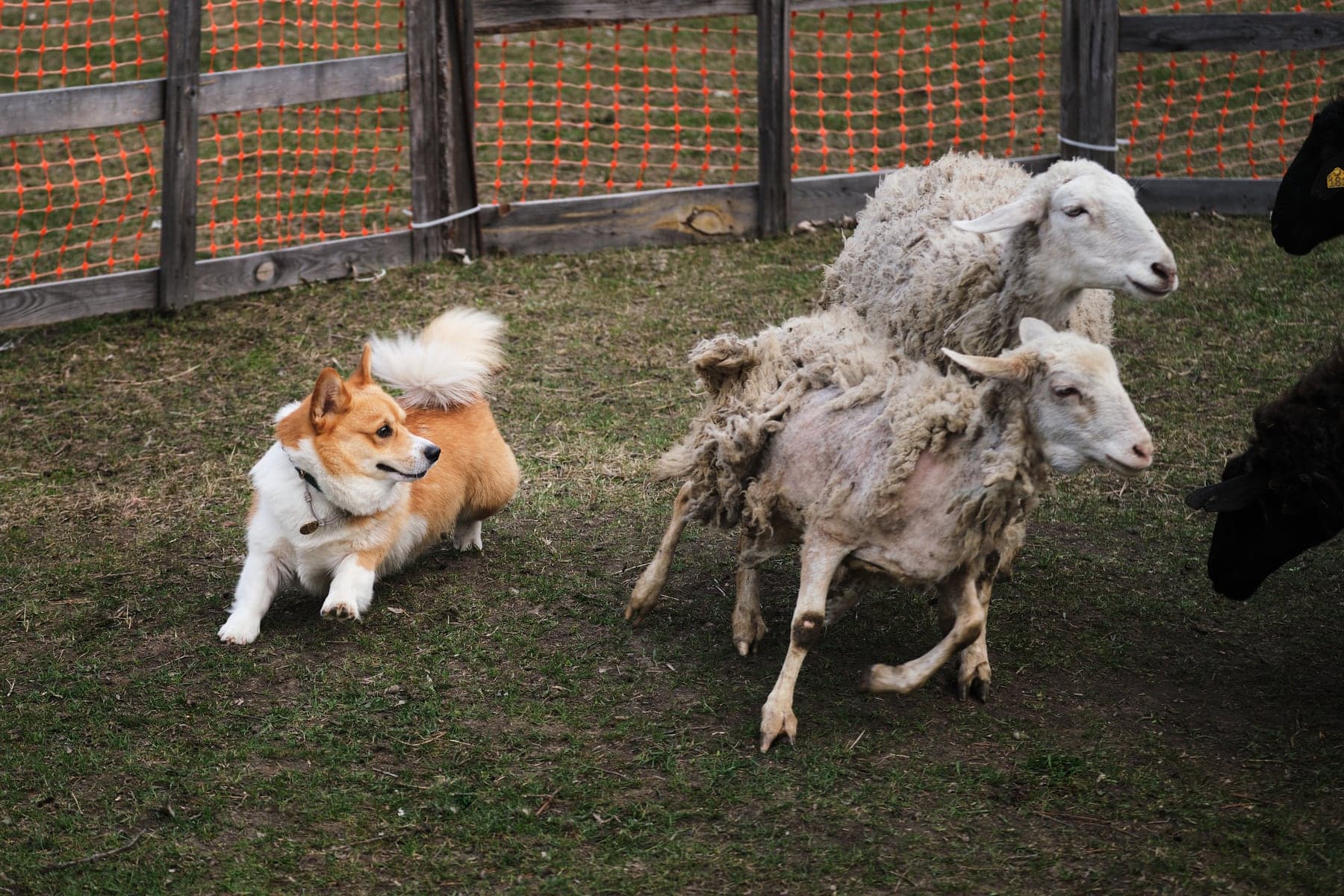
Breeds in our field guide that take naturally to treibball — not every breed that competes, just the ones we’ve written up so far.


Sources & verificationLast reviewed May 2026
Our Treibball guide is an independent, plain-English orientation — not an official rulebook. Rules, titles, eligibility, and fees vary by organization and change over time, so always confirm the specifics with the current rulebook or event premium before you enter.
Spot something out of date? Tell us and we’ll fix it.