Sport Profile

Discover Trick Dog

A title-track sport for trained tricks — checklists at the lower levels, themed routines at the top, with two parallel programs that recognize work from the kitchen floor up to performer-grade choreography.

Jump to a section

01 · What is it

Trick Dog is a titling framework for trained tricks. At lower levels, a team performs a fixed number of behaviors from a published checklist — spin, paw target, hand touch, get in a box. At upper levels, those tricks get assembled into a choreographed routine, with an optional theme. Handlers cue with voice, hand signals, and body language; the dog works on leash at novice and off leash as difficulty climbs. There is no time pressure, no precision heeling, no scoring out of 100 — just a behavior performed reliably enough on cue for an evaluator to check it off.

The sport suits a wide range of dogs because tricks adapt to size, structure, and age. Food-motivated dogs who like to problem-solve progress quickly, but cheerful persistence from the handler matters more than drive. Reactive dogs find Trick Dog comparatively friendly: AKC evaluations run as small scheduled blocks at training centers, and DMWYD's video pathway means many teams never set foot in a busy show ring. Physical readiness comes from trick selection — low-impact targeting, balance, and nose work tricks for puppies, seniors, and orthopedically compromised dogs; jumps, vaults, and handstands reserved for mature, sound dogs cleared by a sports-medicine vet. Trick Dog also functions as cross-training: many handlers use it to build engagement, body awareness, and reinforcement history before moving into agility, rally, or scent work, and shelters and rescues use it as enrichment for kennel dogs and confidence-building for shy or under-socialized dogs.

Origins
Early 2000s
Trainers like Kyra Sundance codify trick curricula and publish structured trick-training manuals, laying the groundwork for standardized checklists and evaluator programs.
Pre-2017
Do More With Your Dog (DMWYD) emerges as the first dedicated trick-titling organization, naming the levels, defining the trick lists, and creating the Certified Trick Dog Instructor (CTDI) program. DMWYD's video-submission model lets handlers earn titles remotely and effectively sets an early international standard.
2017
AKC introduces its Trick Dog program — Novice through Performer, with Elite Performer added later — built on top of the Canine Good Citizen evaluator network. The CGC anchor lets it scale fast: any AKC CGC Evaluator can administer the test.
Today
Pandemic-era online challenges expanded video-based titling and embedded trick training in shelter and rescue advocacy. AKC has clarified Performer and Elite Performer routine standards. DMWYD added Masters titles at every level for handlers who want to demonstrate breadth before progressing.

02 · The trick ladder

A Trick Dog evaluation is structured around a checklist at most levels and a routine at the top. AKC and DMWYD use the same general arc: novice tricks performed with food or toy lures, intermediate tricks performed with reduced luring, advanced tricks performed without visible luring, and a routine-based capstone that asks the team to chain everything together.

01
Novice tricks
Basic behaviors performed from the published list — spin, shake, sit pretty (with size-appropriate modifications), crawl, hand target, get in a box. Food and toy lures are permitted; multiple cues are allowed; multiple attempts at a given trick are allowed. Success is reliability, not polish: the dog performs each behavior on cue, the evaluator checks it off.
02
Intermediate tricks
Behaviors that require more stimulus control — backing up, leg weaves, sending to a target, holding a position with duration. Lures fade. Evaluators want to see the dog respond to the cue, not the food in the hand.
03
Advanced tricks
Sequences, distance work, and behaviors that require coordination — chained object interactions, complex sends, precision targeting. Luring is not permitted. The dog responds to cue with minimal handler body motion.
04
Performer routines
A choreographed performance that weaves required tricks into a coherent piece. Handlers pick a theme, sequence the tricks, and run the routine for an evaluator. AKC's TKP and TKE titles and DMWYD's Trick Dog Champion (TDCh) live here — the tricks are the vocabulary, the routine is the sentence. Evaluators score flow, transitions, and creative use of props alongside the individual tricks.
05
Props and environmental elements
Platforms, low jumps, boxes, balance discs, wobble boards, and household items show up across all levels. Equipment must be stable, sized to the dog, and placed on a non-slip surface. Most novice and intermediate tricks can be evaluated with household items; specialty fitness equipment is optional.

03 · AKC Trick Dog

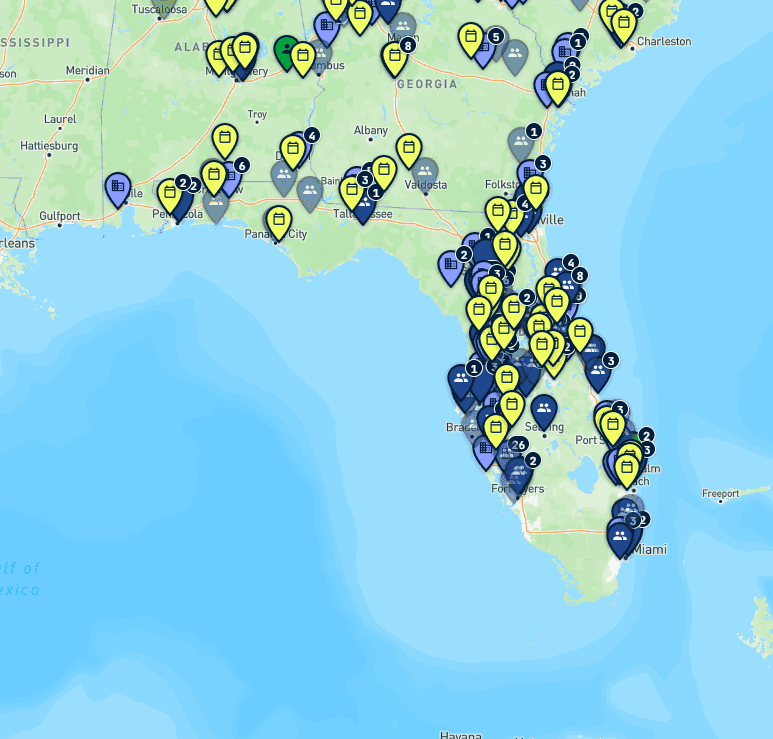
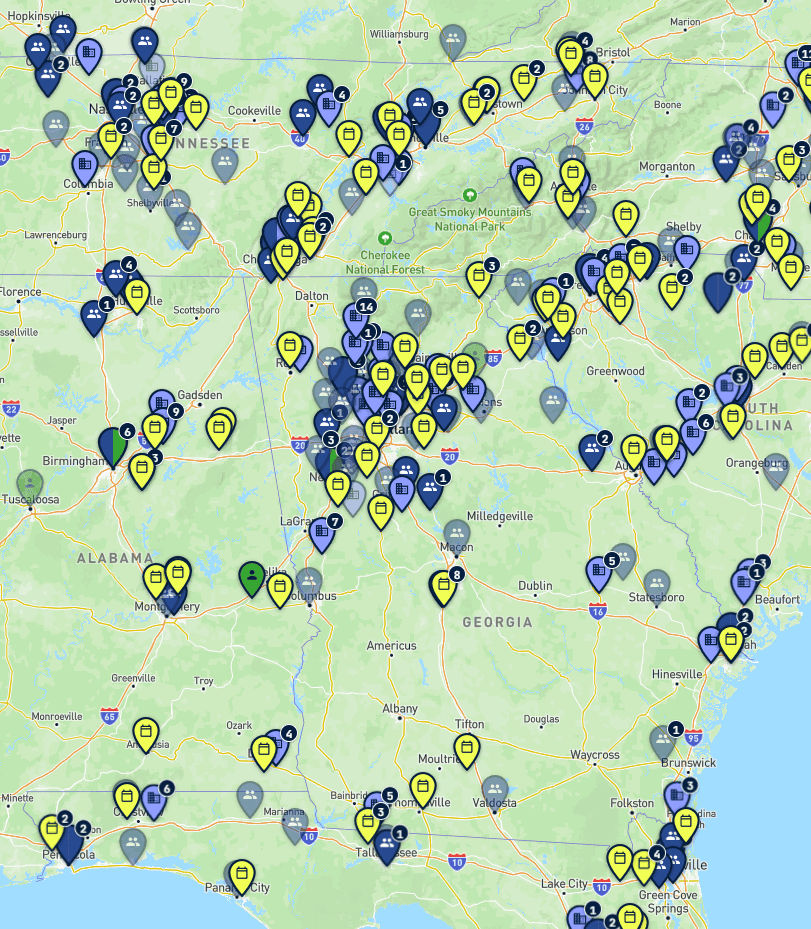
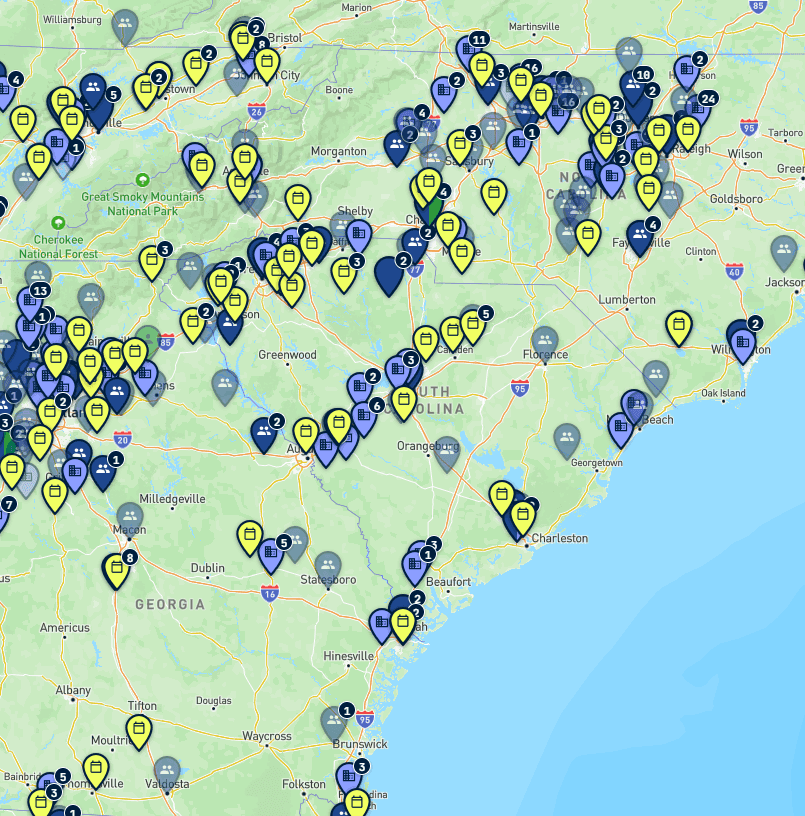
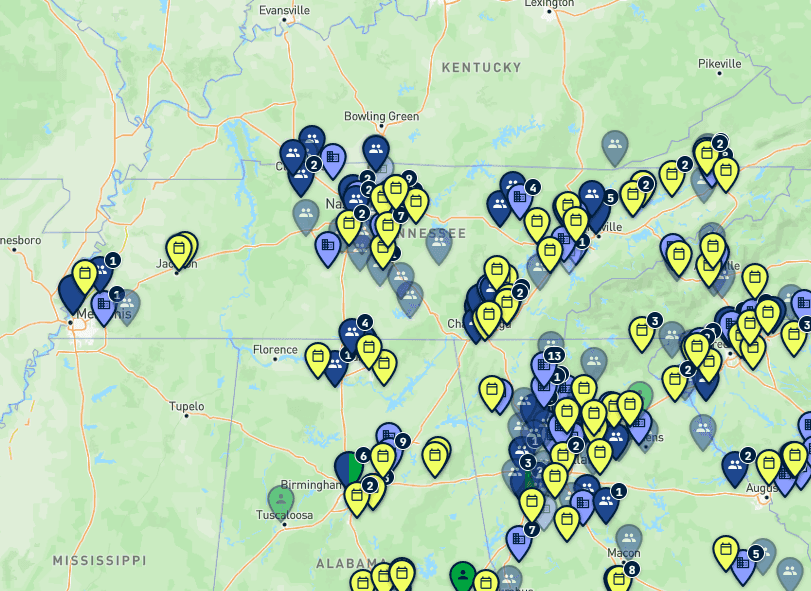
AKC Trick Dog launched in 2017 as the registry's accessible-titling entry point, anchored to the Canine Good Citizen evaluator network. It is the most widely available Trick Dog program in the US: any AKC CGC Evaluator can administer the test, and most of the country can find a local titling option through a club or a private trainer. Titles are recorded on AKC pedigrees, which matters to handlers already showing in conformation, agility, or rally and who want tricks on the dog's record. Eligibility is broad — purebreds, mixed breeds via Canine Partners, and unregistered purebreds via PAL/FSS are all welcome, with no breed-group or size restriction. Title progression runs five levels: Novice Trick Dog (TKN), Intermediate Trick Dog (TKI), Advanced Trick Dog (TKA), Trick Dog Performer (TKP), and Trick Dog Elite Performer (TKE). At Novice, the dog performs 10 approved tricks, or 5 tricks plus a CGC title on AKC record. At Intermediate and Advanced, the dog performs 10 tricks from each level's list with progressively reduced luring — none at Advanced. At Performer (TKP), the team performs a routine of at least 10 previously learned tricks, including at least two Intermediate and two Advanced tricks. Elite Performer (TKE) raises the bar on complexity and originality.

01
Novice (TKN)
10 approved tricks from the AKC Novice list, or 5 tricks plus a current CGC title on AKC record. Food and toy lures permitted; multiple cues and attempts allowed. Reliability is the bar.
02
Intermediate (TKI)
10 tricks from the AKC Intermediate list. Lures fade — evaluators want the dog responding to the cue, not the food in the hand.
03
Advanced (TKA)
10 tricks from the AKC Advanced list. Luring is not permitted. The dog responds with minimal handler body motion; sequences and distance work are common.
04
Performer (TKP)
A routine of at least 10 previously learned tricks, including at least two Intermediate and two Advanced tricks. Evaluators score flow, transitions, and creative use of props alongside the individual tricks.
05
Elite Performer (TKE)
AKC's top Trick Dog title. Raises the bar on complexity and originality vs Performer. TKE checklist details vary across secondary club summaries — a current AKC Trick Dog Evaluator should confirm exact requirements.
Key facts
Governing org
American Kennel Club
Eligibility
All breeds and mixes; AKC, Canine Partners, PAL/FSS pathways
Title progression
TKN · TKI · TKA · TKP · TKE
Novice requirement
10 tricks, or 5 + current CGC title
Evaluation mode
Live, by an AKC CGC Evaluator
Pedigree integration
Recorded on AKC pedigrees
The CGC shortcut
A current CGC title can substitute for five of the ten tricks at the Novice level. That single rule shortens the path significantly for handlers who already hold CGC, and is the practical reason AKC Trick Dog has the geographic footprint it does — evaluations pair with CGC days and breed-club specialty events. There are no separate preferred or veteran divisions; handlers adapt the trick list to the dog's structure and age rather than entering a different program.

04 · DMWYD Trick Dog

Do More With Your Dog (DMWYD) is the dedicated trick-titling organization. It predates AKC's program by several years and standardized the trick lists, levels, and evaluator credentialing that other programs eventually borrowed from. DMWYD evaluates titles through Certified Trick Dog Instructors (CTDIs); handlers can attend a CTDI in person or, more commonly, submit titling videos through DMWYD's online platform. That video pathway is the practical reason DMWYD reaches handlers in regions without local CGC evaluators and across international borders. Eligibility is fully open — any breed, any mix, any registration status. Reactive dogs and dogs in regions with sparse club infrastructure benefit most from this model. Title progression runs five levels: Novice Trick Dog (NTD), Intermediate Trick Dog (ITD), Advanced Trick Dog (ATD), Expert Trick Dog (ETD), and Trick Dog Champion (TDCh). NTD requires 15 tricks; ITD, ATD, and ETD each require 12 or more tricks at their respective difficulty levels. TDCh is routine-based and asks the team to assemble a themed performance from prior tricks. DMWYD also offers Masters titles at every level (Novice Masters, Intermediate Masters, Advanced Masters, Expert Masters) for handlers who want to demonstrate breadth at a level before progressing to the next.

01
Novice (NTD)
15 tricks from the DMWYD Novice list. Food and toy lures permitted; behaviors performed reliably on cue.
02
Intermediate (ITD)
12+ tricks from the DMWYD Intermediate list. Luring fades; behaviors require more stimulus control.
03
Advanced (ATD)
12+ tricks from the DMWYD Advanced list. Sequences, distance work, and chained object interactions performed without luring.
04
Expert (ETD)
12+ tricks from the DMWYD Expert list. The most technically demanding individual-trick tier before the routine-based capstone.
05
Champion (TDCh)
Routine-based capstone. The team assembles a themed performance from prior tricks. DMWYD's top title.
Masters
Novice / Intermediate / Advanced / Expert Masters
Optional breadth tier at every level. Handlers earn a Masters title at the level they're currently working before progressing — a way to demonstrate depth at a tier rather than racing through.
Key facts
Governing org
Do More With Your Dog
Eligibility
Any breed, any mix, any registration status
Title progression
NTD · ITD · ATD · ETD · TDCh
Novice requirement
15 tricks from the DMWYD Novice list
Masters tier
Available at every level (Novice through Expert)
Evaluation mode
Live by CTDI, or video submission
Pedigree integration
On DMWYD platform; not on AKC pedigrees
The CTDI credential
The CTDI credential is itself a target for trainers — many trick-focused training schools list CTDI on their bios — and the certification builds a durable network of evaluators who can sign off on video submissions worldwide. DMWYD's submission system records titles directly to its own platform; handlers print certificates from their account after a CTDI approves the work.

05 · AKC vs DMWYD

AKC and DMWYD are the two programs handlers in the US encounter. Many run both — the trick training transfers cleanly across organizations, and there's no rule preventing the same behaviors from earning titles in both systems. The choice comes down to where the title lives, how the evaluation happens, and what's accessible nearby. Titles do not transfer across organizations: AKC does not recognize DMWYD titles for its Trick Dog ladder, and DMWYD does not require AKC titles as prerequisites. Some trainers informally treat DMWYD levels as readiness benchmarks for AKC equivalents — recommending NTD-level skills before attempting TKN, for example — but that's a cultural practice, not a rule. The skills themselves transfer fully; the credentials don't.

AKC
Role
Registry-based titling program tied to AKC pedigrees
Tricks at Novice
10 from the AKC Novice list, or 5 + current CGC
Levels
TKN → TKI → TKA → TKP → TKE
Masters tier
None — Performer and Elite Performer are routine-based capstones
Evaluation
Live, by an AKC CGC Evaluator
Pedigree
Titles recorded on AKC pedigrees
Eligibility
Purebred (AKC), Canine Partners (mixed/unregistered), PAL/FSS
Choose AKC if
You want a title on your dog's AKC pedigree, you already hold CGC, or your local club runs CGC days alongside Trick Dog evaluations.
DMWYD
Role
Dedicated trick-titling organization with international reach
Tricks at Novice
15 from the DMWYD Novice list
Levels
NTD → ITD → ATD → ETD → TDCh
Masters tier
Available at every level (Novice through Expert)
Evaluation
Live by a CTDI, or video submission through the DMWYD platform
Pedigree
Recorded on DMWYD's own platform; not on AKC pedigrees
Eligibility
Any dog, any registration status
Choose DMWYD if
You train at home, live in a region without a nearby evaluator, want the broader trick catalog and Masters tracks, or have a reactive dog who works better on video than in a busy room.

06 · Getting started

Trick Dog has the lowest entry friction of any titling sport. Day one is a clicker, a handful of treats, and a behavior the dog already does — capture it, name it, repeat. Most teams formalize that work through a foundation trick class with a CGC Evaluator or CTDI, then book an evaluation when 10 (AKC Novice) or 15 (DMWYD Novice) tricks are reliable on cue. A surprising number of teams self-train with online resources and book a video submission with a CTDI without ever attending an in-person class.

What you'll need
The kit
Treats and a marker (clicker or verbal). A flat collar or harness, plus a leash for the staging area — most novice tricks are performed on leash; a comfortable harness helps for tricks that involve body movement. A handful of household props: boxes, stools, low platforms, and a few balance items cover most novice and intermediate tricks. Optional purpose-built fitness equipment — wobble boards, balance discs, low cavaletti, paw targets — runs $20–$150 per item; useful for intermediate and advanced tricks but not required for any level. A tripod or phone mount if you plan DMWYD video submissions: stable framing and consistent angle make the CTDI's review faster. A vet sports-medicine consult before any high-impact tricks (repeated jumping, vaulting, handstands, sustained "sit pretty" positions) — particularly for long-backed breeds, brachycephalic breeds, immature dogs, and dogs with prior orthopedic concerns. Organization registration if you plan to title: AKC (purebred), Canine Partners ($35 one-time, mixed/unregistered), or PAL/FSS for unregistered purebreds. DMWYD titles attach directly through the organization's own platform — no kennel-club registration required.
Typical timeline
How fast it moves
Months 0–3: build foundation tricks at home or in a 4–8 week class. Most teams have 10–15 reliable tricks ready in this window. Months 3–6: schedule a Novice evaluation (TKN or NTD). DMWYD video submissions can happen as soon as the tricks are clean; AKC live evaluations depend on local evaluator availability. Year 1+: work through Intermediate and Advanced as new tricks come online. Performer-level routines (TKP, TKE, TDCh) are a longer project — expect months of choreography practice on top of the trick repertoire. DMWYD Masters titles can be earned at any level along the way. Some motivated teams compile enough tricks to earn multiple DMWYD titles over a focused training block of a few weeks.
Before you enroll
Eligibility
Any breed, any size, any age past puppyhood. Senior dogs, three-legged dogs, and rescues all title in Trick Dog. Choose tricks that match your dog's structure — long-backed breeds skip sustained "sit pretty" positions, brachycephalic breeds skip repeated jumps, immature dogs skip impact work until growth plates close. Reactive dogs are accommodated more easily here than in most sports — DMWYD video submissions are the fully remote option; AKC evaluators offer scheduled private slots at many clubs. Bitches in season: AKC's broader event policy excludes bitches in season from most show-grounds events, and many clubs apply the same logic to in-person Trick Dog evaluations; DMWYD video submissions are unaffected.

07 · Your first evaluation

Trick Dog evaluations look more like a private lesson than a trial. Dogs work one at a time in a quiet ring or training room, the evaluator runs a checklist, and the whole thing is over in under fifteen minutes for most novice tests. There is no audience, no scoring out of 100, no running-order anxiety. DMWYD video submissions remove the room entirely — handlers film at home, edit if they want, and submit through the platform.

The day flow
How it runs
Check in: hand over your AKC number or DMWYD information, confirm which level you're testing, and confirm which tricks you'll perform. For DMWYD, the equivalent is uploading the video and selecting the level on the platform. Warm-up: a few minutes outside the ring to settle the dog, run through one or two known tricks, and get reinforcement value loaded. The test: run through the trick list in any order you and the evaluator agree on. Multiple attempts are allowed at Novice and Intermediate; re-cuing is allowed. The evaluator marks each trick pass/fail. The routine, at Performer levels: TKP, TKE, and TDCh are evaluated as a single performance against the level's content requirements. The evaluator scores the routine as a whole, not trick-by-trick. Paperwork: the evaluator signs off the title application; for AKC, the handler submits the form and processing fee. DMWYD title applications are paid through the platform after CTDI approval.
What to bring
The kit list
Treats and reinforcers your dog responds to — high-value, easy to deliver, organizer-permitted. A mat or crate for between-trick resets and any waiting period. Sport-specific props you've trained on if the evaluator doesn't supply them — your platform, your wobble board, your specific box. A backup trick list: many handlers prep 12–15 tricks for a 10-trick AKC evaluation in case the dog balks at one in the room. Registration paperwork: AKC numbers, Canine Partners listings, or DMWYD account details. The trick passes; the title doesn't process without the paperwork.
Common mistakes
What handlers get wrong
Over-trusting kitchen reliability — a trick that runs in silence at home may stall under fluorescent lights with another dog whining in the next room; practice in low-distraction novel locations before booking the evaluation. Continuing to lure at Intermediate or Advanced — once luring is supposed to fade, evaluators will fail tricks performed with food in the hand; watch your hands during practice. Loading the session — trying to title in two levels at once, or running 25 tricks back-to-back, ends with the dog disengaging before the evaluator gets to the routine; pick the level, do that work, schedule the next one separately. Forgetting registration paperwork — AKC numbers, Canine Partners listings, or DMWYD account details; the trick passes, but the title doesn't process without the paperwork.
What videos don't show
The waiting. Even at a quiet evaluation, you spend more time setting up props and resetting between tricks than actually performing. Environmental drag — adjacent classes, dogs vocalizing, people walking past — the dog has to work through a level of distraction the kitchen doesn't replicate. Video nerves: DMWYD handlers report feeling more pressure when filming a submission than in casual training, even though retakes are allowed. The camera changes the room.

08 · What it costs

Trick Dog is among the cheapest titling sports to enter. The tricks themselves require almost no equipment, the evaluations are short, and DMWYD's video pathway eliminates travel for handlers willing to film their own work. Annual budgets stay low for casual participants and only climb when handlers chase Performer-level routines, multiple titles per year, or CTDI credentials of their own.

Casual participant
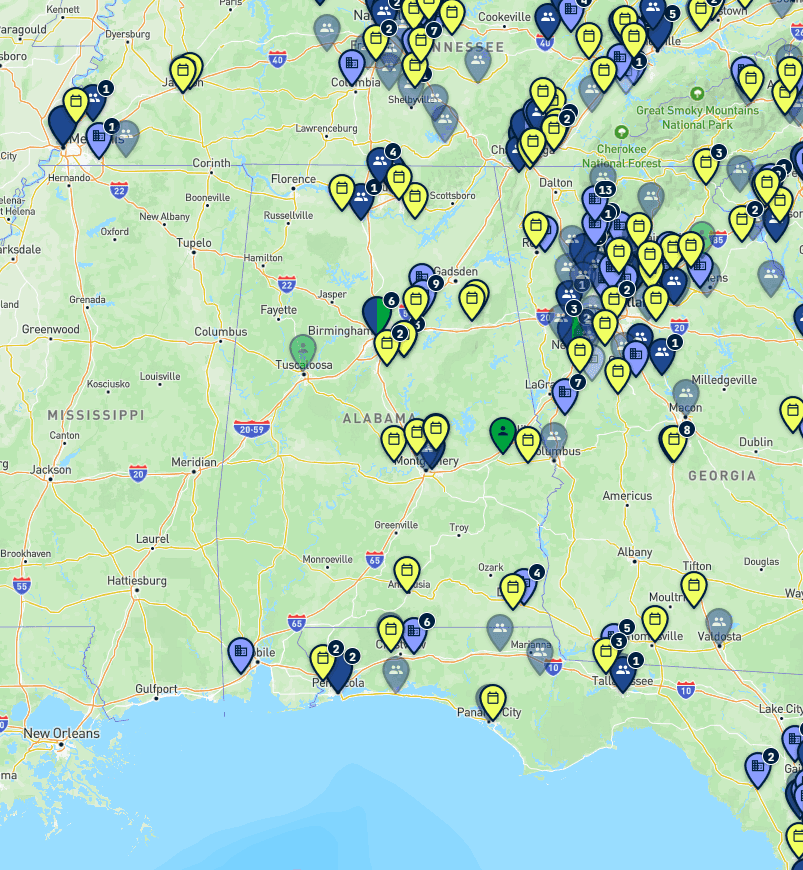
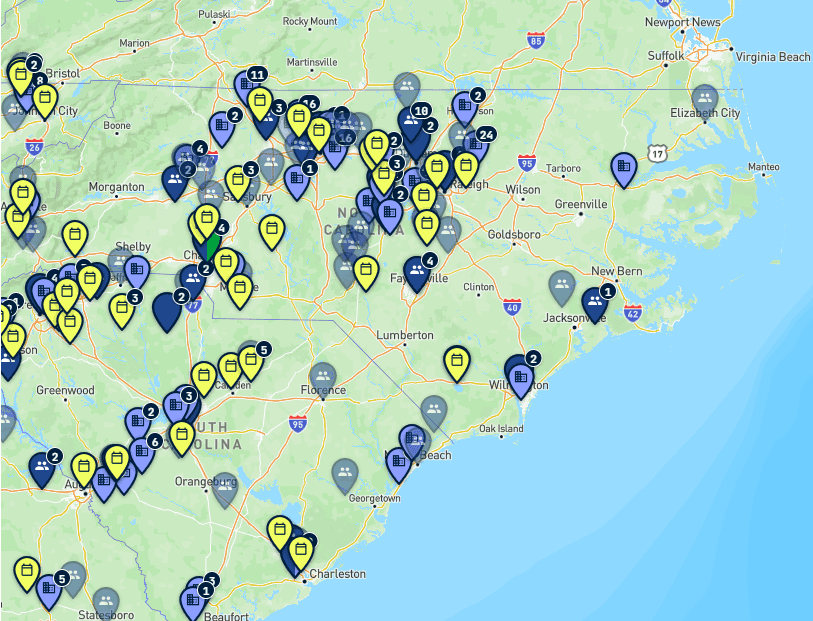
$120$300/yr
One foundation class, one or two AKC evaluations, household props, occasional DMWYD video submissions. Plus one-time costs: AKC Canine Partners listing (~$35) for mixed-breed dogs, household props ($0–$50 if assembled from existing items), or a starter set of purpose-built fitness equipment ($100–$300). DMWYD title applications run $20–$35 per title in training-school summaries.
Active competitor
$500$1.5k/yr
Multiple AKC and DMWYD titles per year, ongoing class or seminar attendance, occasional travel to a club specialty. Group trick classes run $20–$40 per session or $120–$240 for a 6-week series. Drop-in trick practice and open-floor sessions, where offered, run $10–$25 per visit. Private lessons run $60–$150 per hour, with higher rates in major metro areas.
Championship-level
$1.5k$3k+/yr
Working through Performer-level AKC routines or DMWYD TDCh, attending seminars, doing structured conditioning with a sports-medicine professional, and traveling to specialties or multi-day events. Trick-specific seminars are less common than agility or obedience seminars; when offered, they mirror broader sport-seminar pricing of $100–$200 per handler-dog team per day.
Per-evaluation fees
$15$25/test
May 2026 Oriole Dog Training Club premium (Maryland): Trick Dog evaluations at $15 per Trick level, CGC at $25 each at the same event. 2025 Great Dane Club of America national specialty: Trick Dog testing at $25 per test day-of after pre-registration. 2026 combined CGC/CGCA + Trick Dog event: $15 first test for members, $20 non-members, $5 each additional test for the same dog. AKC's all-event fee increased from $3.50 to $4.50 per entry in 2026, embedded in club economics. DMWYD video submissions carry the title application fee but no per-test entry charge.
Where the money goes
Trick Dog rewards consistency over investment. A first title is achievable for the price of a single class plus an evaluation fee — under $200 all-in. The handlers spending the most are the ones building Performer-level routines, pursuing CTDI credentials, or running both programs in parallel — not the ones titling at Novice or Intermediate.
Related sports

If Trick Dog interests you, look at these too.