Sport Profile

Discover Weight Pull

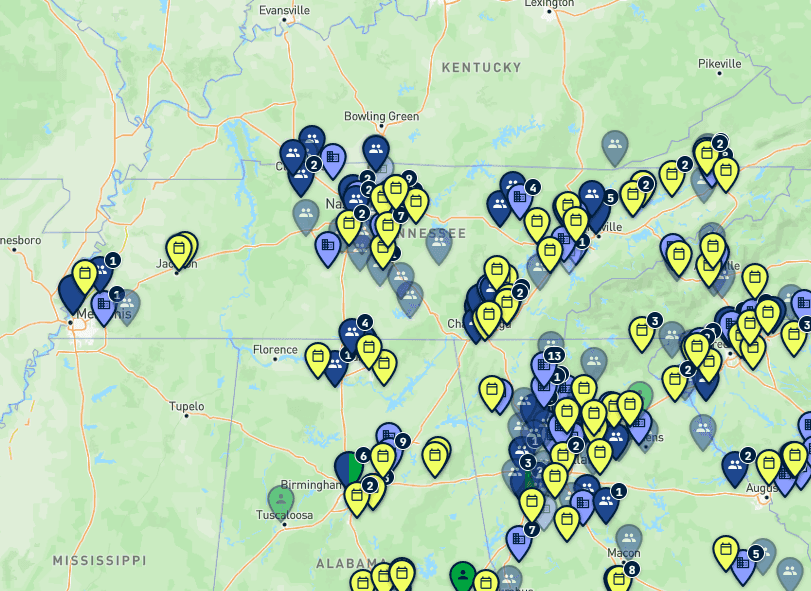
A draft sport where dogs in fitted harnesses pull a wheeled cart or sled across 16 feet, with progressively heavier loads round after round, until only one dog in each weight class can still move the weight inside the time limit.

Jump to a section

01 · What is it

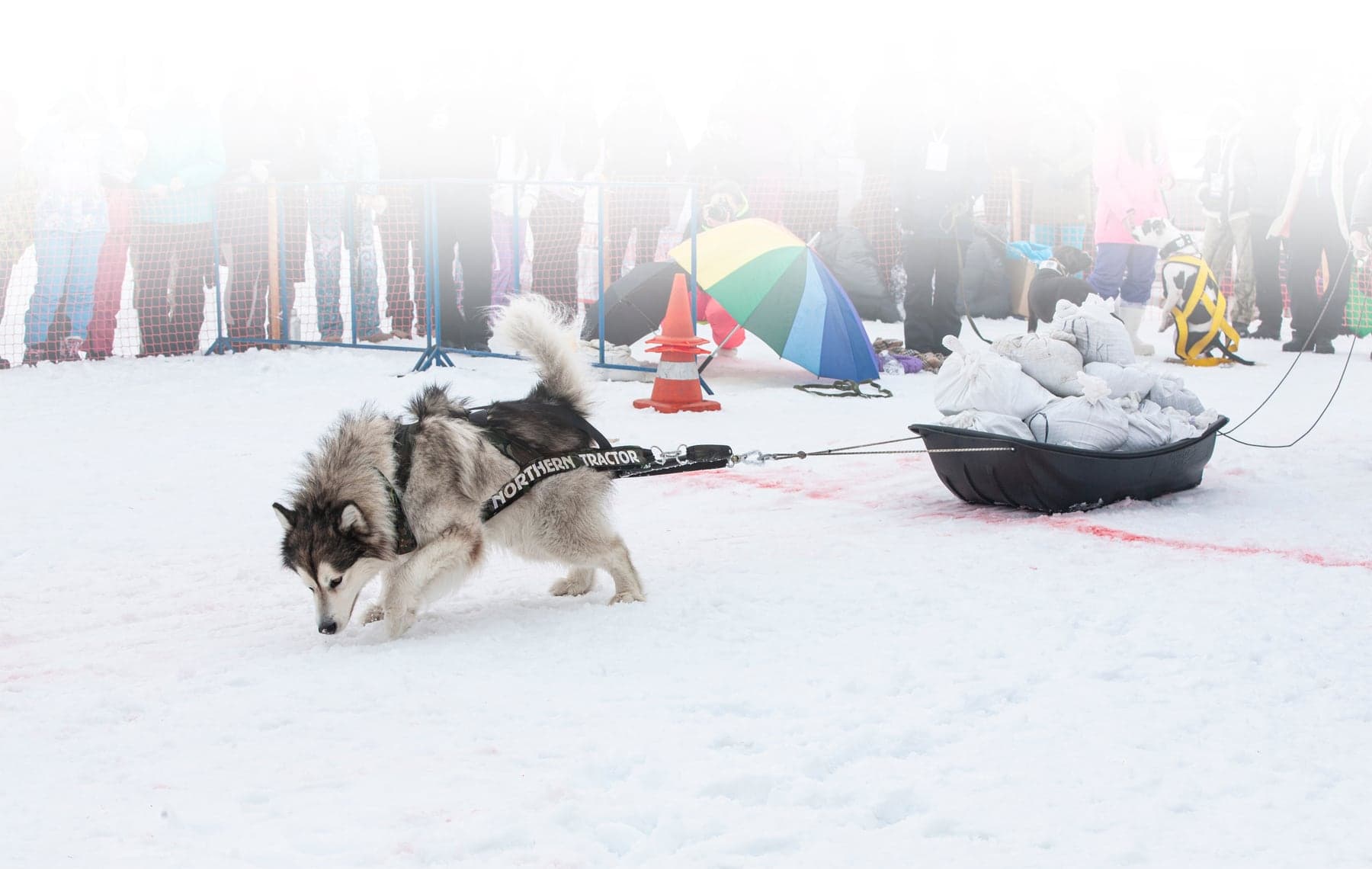
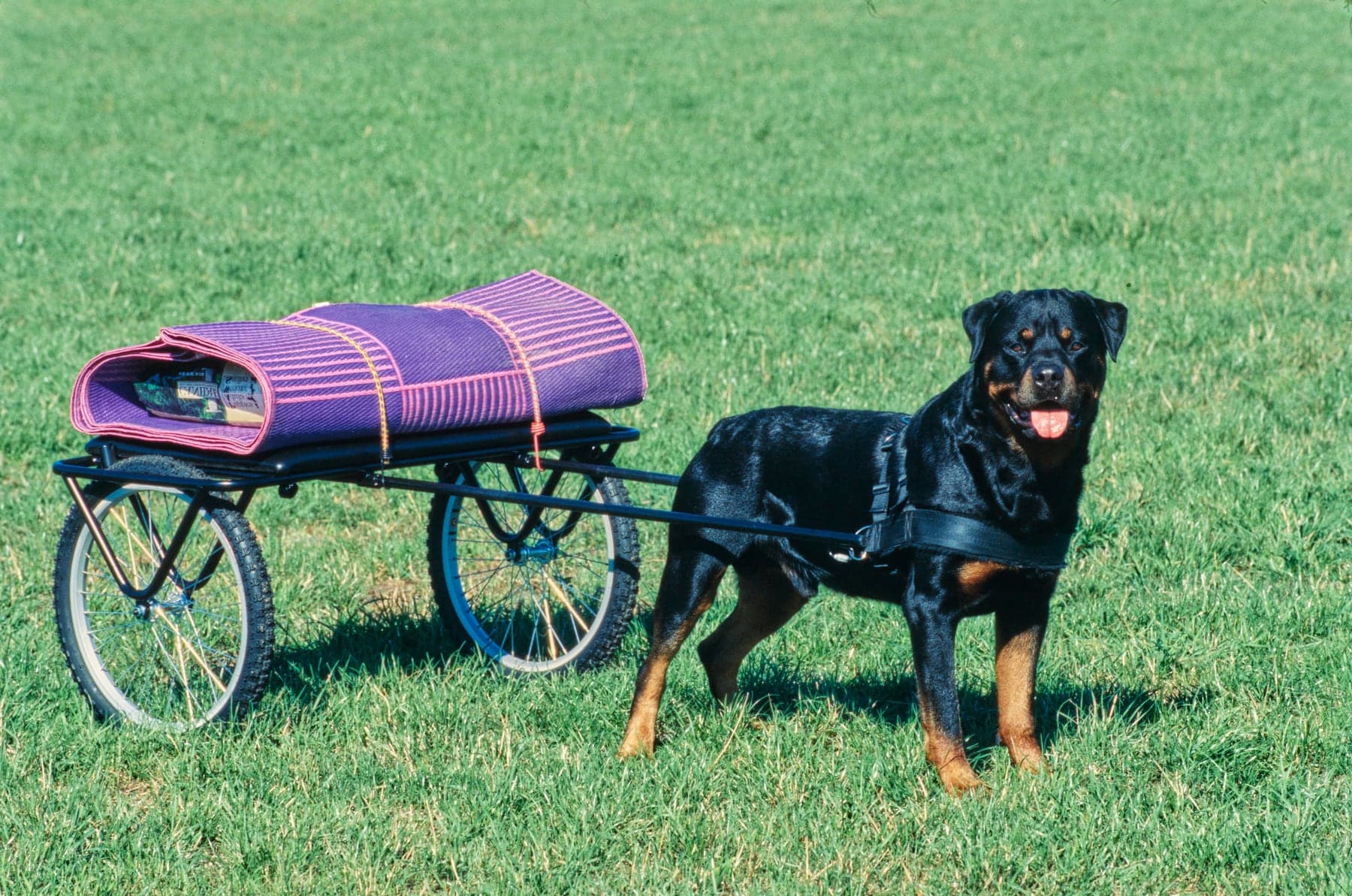
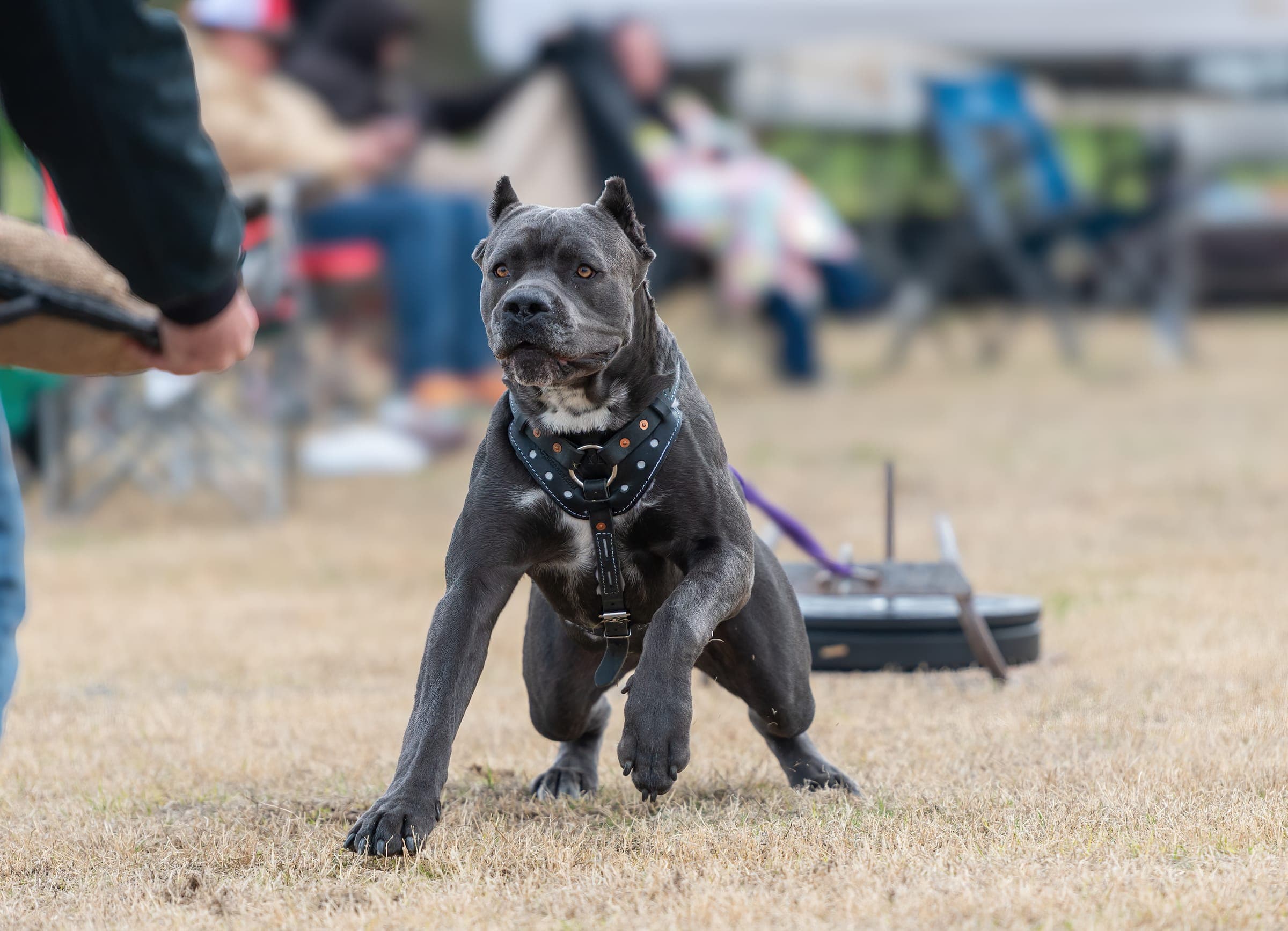
Weight pull is a draft sport in which a dog wears a fitted weight-pull harness, gets attached to a cart on wheels (or a sled on snow, or a cart on rails), and has up to 60 seconds in most US rulesets to drag the loaded vehicle 16 feet across a finish line. Each round, the load goes up. Dogs who pull the round's weight inside the time limit advance. Dogs who don't are out at that weight. Final placements come down to the most weight pulled — sometimes scored as raw pounds, sometimes as weight-per-pound-of-body-weight, depending on the organization.

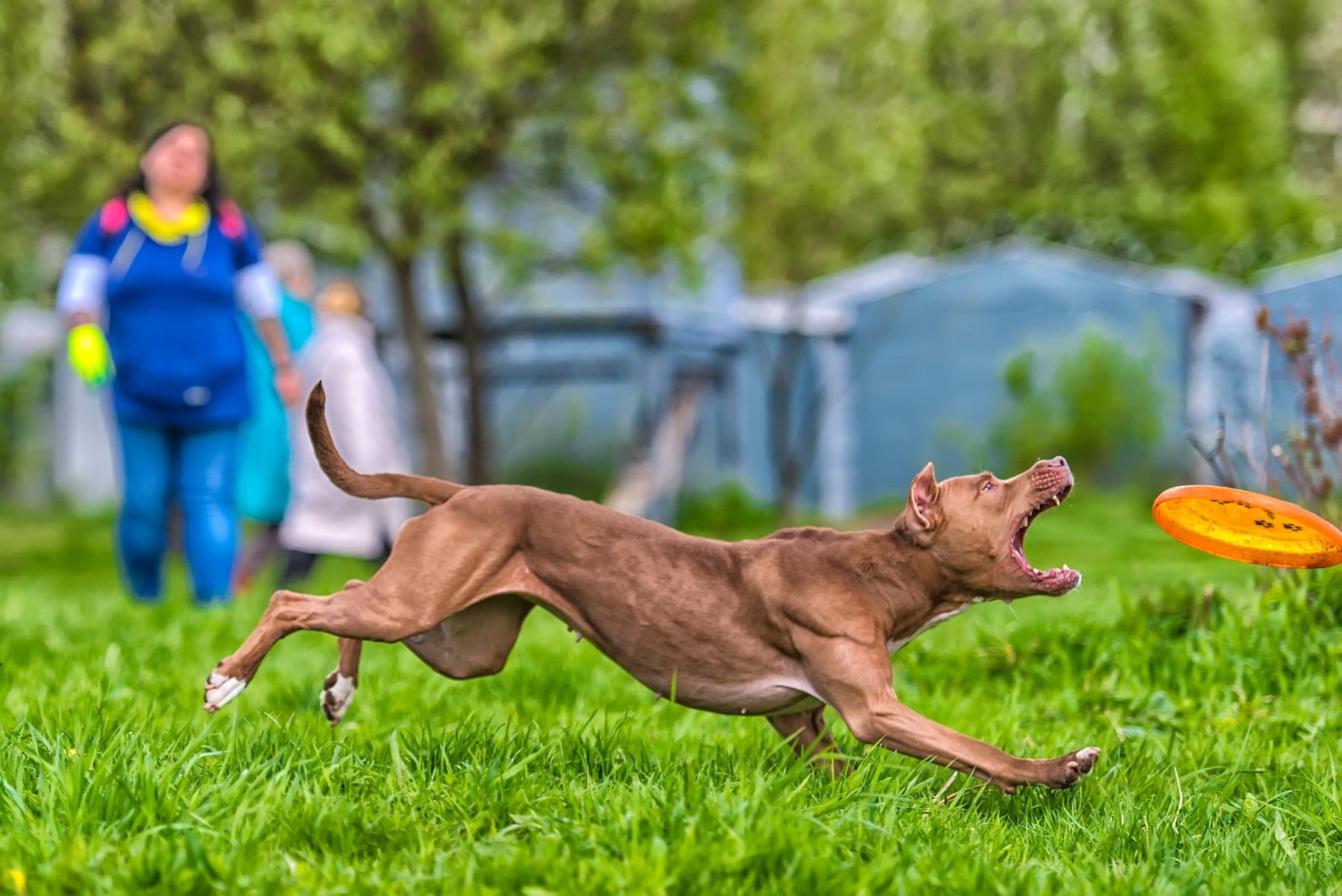
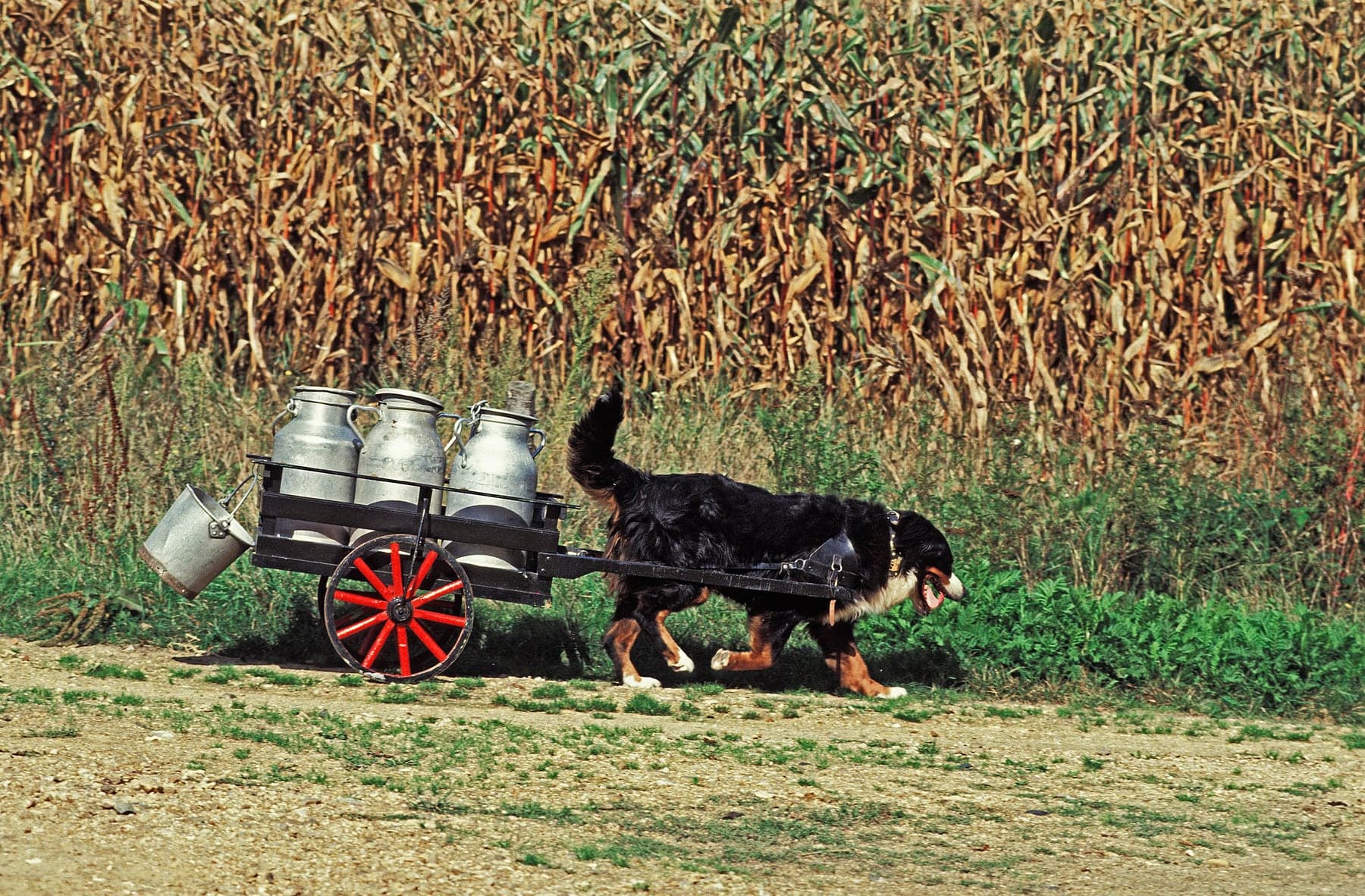
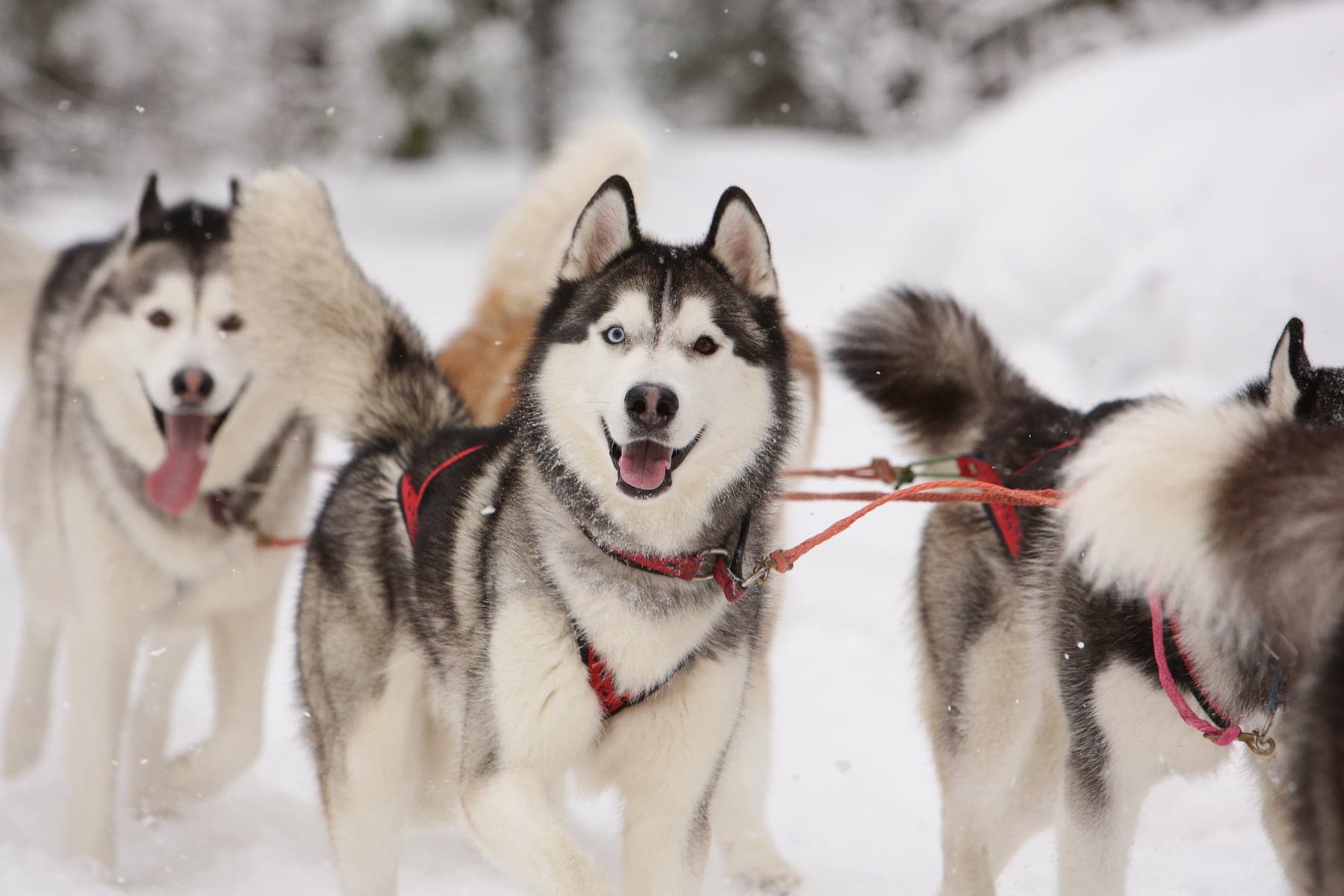
Weight pull suits dogs with steady drive, sound structure, and patience for slow strength-based progress. Alaskan Malamutes and Siberian Huskies trace the lineage; American Pit Bull Terriers, Bernese Mountain Dogs, and a long list of working and giant breeds fill the chute today. Small dogs compete too — under all-breed rules they pull proportionally lighter loads on wheels and rack up impressive ratio scores. What weight pull rewards is conditioning, harness fit, and read-the-room handling — not raw enthusiasm. The chute holds one dog at a time, which makes the sport more workable for mildly reactive dogs than most; the crating areas, weigh-in lines, and warm-up zones still ask for management.

Origins
Pre-1900s
Sled and freight dogs in Alaska, the Yukon, and northern North America haul logging loads, mail, and supplies. Alaskan Malamutes, Siberian Huskies, and other northern breeds develop the working draft strength the sport later formalizes.
Mid-20th C
Breed clubs — including the Alaskan Malamute Club of America — formalize weight pull as a working test, awarding breed-specific titles for dogs that pull set distances under time on snow.
Late 20th C
The International Weight Pull Association (IWPA) and the United Kennel Club (UKC) build all-breed rule sets with standardized weight classes, surfaces, and titling math — opening the sport beyond northern breeds.
2000s–2010s
Independent specialty bodies — the American Pulling Alliance (APA), the Worldwide Weight Pull Organization (WWPO), and the National Kennel Club Weight Pull Association (NKCWPA) — formalize their own seasonal point systems, championship structures, and titling ladders.
Recent
Rule updates concentrate on titling expansion, surface clarification, and welfare-minded loading procedures. UKC adds new weight-pull titles and revises point thresholds (2016 rule change; subsequent revisions in the paid 2026 rulebook). APA updates its 2024 sanctioning and seasonal-award procedures.

02 · How a pull works

A weight pull run is built from the same parts at every sanctioning body: a weigh-in, a harness check, a hookup, a 16-foot pull, and a 60-second clock. Where orgs differ is what counts as 'moved,' how loads step up between rounds, and how points roll up across a season into medals or titles.

Step 01
Weigh-in and class
Dogs are weighed before competition. Body weight determines the class the dog enters and, in orgs that score by weight-per-pound-of-body-weight, the divisor used in season-long rankings. Official scales and witnesses are the standard; outside-scale weights do not count.
Step 02
Harnessing and hookup
The dog wears an approved weight-pull harness designed to spread load across the chest, shoulders, and rear. The handler walks the dog into the chute, the cart or sled is hooked to the harness, and the team is positioned behind the start line. Equipment standards vary by org — some specify harness construction details, attachment points, and chute dimensions in detail.
Step 03
The pull — 16 ft, 60 sec
The judge signals the start. The handler may use voice and body position to encourage the dog but cannot touch the dog or the cart, and most rules forbid baiting and leashing during the pull. A successful pull crosses the finish line within 60 seconds in UKC and most US orgs. Failure to move the load far enough, or to finish in time, ends that dog's day at that weight.
Step 04
Load increments
Loads step up between rounds. Increments are set by the judge — sometimes adjusted for surface and conditions. In some orgs (NKCWPA, for example) handlers vote on the suggested increment with the judge breaking ties. The class continues until remaining dogs fail or withdraw. Strategic withdrawal — pulling out at a weight to preserve a dog's confidence or body — is part of the sport at higher levels.
Step 05
Surface — wheels, rails, snow
Wheels on a prepared natural or artificial surface. Rails on a hard track. A sled on snow. Each surface changes traction, momentum, and the absolute load a dog can move. Some orgs track titles and seasonal rankings separately by surface; some don't. Judges may modify starting weights and increments when footing is poor.
Two scoring frames
Max weight vs ratio
Max weight rewards the heaviest single pull in the class. Ratio rewards the highest weight pulled per pound of body weight, letting small dogs compete head-to-head with giants on a normalized scale. Most US orgs use both — class placements settle the day's results; ratio totals shape season-long rankings and national-level recognition.
The scoring

03 · UKC

The United Kennel Club (UKC) runs the largest registry-based weight-pull program in the US. Pulls slot into multi-sport UKC weekends — alongside conformation, agility, and other UKC events — and feed into UKC's Total Dog Invitational (TDI) and Premier Nationals scoring, where weight-pull performance contributes points toward multi-event awards. Handlers who already compete in other UKC sports often pick up weight pull because the same registration covers everything.

01
Eligibility
UKC-registered dogs or those holding a Temporary Listing or Performance Listing — the latter covers mixed breeds and unregistered purebreds. Age and health requirements apply per the current UKC weight-pull rulebook.
02
Title progression
Runs from introductory titles through advanced and championship titles, with championship points (the 2016 public rulebook documents 200 championship points as the threshold for one weight-pull championship title). Current 2026 title abbreviations and point thresholds live in the paid rulebook.
03
Total Dog Invitational
Weight-pull performance is scored as 'times body weight' in tiered point bands — public 2025 premium materials show 5 points at 8x, 10 at 12x, 15 at 16x, and 20 at 20x. Those weight-pull points combine with conformation group points into the TDI total.
04
Major events
Premier Nationals (Kalamazoo, MI, March) and the Western Classic anchor the high-end calendar with $34–$35 per-pull pre-entry fees (2025 examples). Smaller local UKC clubs charge less. Flagship national events give UKC weight pull a national draw beyond what most specialty orgs offer.
05
Multi-sport integration
UKC's pitch is the same weekend hosts conformation, agility, and weight pull. One handler, one registration, multiple disciplines — all counting toward Total Dog awards. The most common entry point for handlers already in the UKC ecosystem.
Key facts
Registry
UKC
Reg path
Registration or Performance Listing
Major events
Premier Nationals · Western Classic · TDI
Per-pull entry
$34–$35 (2025 majors)
TDI scoring
Tiered by body-weight ratio
Good to know
UKC's 200-championship-points threshold (per the 2016 public PDF) anchors one championship title; the current 2026 rulebook revises the title set and may have adjusted point thresholds. Pull the current rulebook before entering.

04 · IWPA

The International Weight Pull Association (IWPA) is the largest US specialty body devoted to weight pull. IWPA does not run a kennel-club registry — it runs a season. Pulls happen across IWPA regions from September through March, points accrue per dog by class and surface, and the season ends in regional medals and an annual International Championships in late April or early May at a rotating US location. Handlers who care about a points-and-medals season structure tend to pick IWPA. Official site: iwpa.net.

01
Eligibility
All breeds and mixed breeds, subject to IWPA's harness, conduct, and safety requirements. Official weigh-in required before competition.
02
Season calendar
September through March across multiple US regions. Dogs accumulate points at sanctioned pulls — points are awarded for successful pulls and for dogs beaten in class, with a published formula totaling cumulative season points.
03
Regional medals
Gold, silver, and bronze are awarded by region, surface, and class. Medalists and qualifying dogs are invited to the International Championships.
04
International Championships
Annual event in late April or early May at a rotating US location. International Champion titles are decided in head-to-head competition. The rotating venue adds a road-trip dimension that UKC's show-attached weight pulls don't share.
05
Recognition pattern
Public-facing recognition centers on regional medals and International Champion titles rather than a layered letter-title ladder. Surface-specific rankings reward consistent regional participation across the year.
Key facts
Type
Specialty body (no registry)
Eligibility
All breeds & mixes
Season
Sept–Mar across US regions
Awards
Regional medals + International Championships
Scoring
Cumulative points by class and surface
Good to know
IWPA's season-and-medals structure rewards consistent participation. A dog who shows up for ten pulls and places mid-pack at most of them can outrank a dog with two flashy wins. Per-pull entry fees aren't consolidated publicly — they vary by hosting region and club.

05 · The other three

Three more US orgs sanction weight-pull events alongside UKC and IWPA — APA, WWPO, and NKCWPA. None runs at the scale of UKC or IWPA. Each has its own titling math and its own community. Titles do not transfer across organizations: a UKC championship doesn't confer IWPA medal status, and an APA title doesn't show up on a UKC pedigree.

APA — American Pulling Alliance
Specialty weight-pull body running structured titles (WP1, WP2, CHWPD) and a seasonal championship. APA rules emphasize strict reporting — September event results must be overnighted to count toward seasonal awards — and have used dual-sanctioning arrangements with Iron Dog under APA rules since 2015. Official site: weightpull.com.
WWPO — Worldwide Weight Pull Organization
Internationally oriented body with a granular point and ranking system. Titles include EWPD and CHWPD with numbered suffixes (CHWPD1, CHWPD2…) added every 100 points beyond a baseline. Rankings are tracked separately by surface, weight class, US state, and country, plus higher-tier awards combining point thresholds with multi-metric performance.
WWPO Rules →
NKCWPA — National Kennel Club Weight Pull Association
Weight-pull program tied to the National Kennel Club registry. Distinguishing rule: handlers vote on the load increment at the handlers' meeting, with the judge breaking ties. Eligibility, full title structure, and 2025–2026 activity levels are not fully described in publicly accessible documents.
nationalkennelclub.com →
UKCIWPAAPAWWPONKCWPA
Role in USLargest registry-based program; pulls paired with showsLargest US specialty body; multi-region seasonal circuitIndependent specialty org; structured titlesInternational body with granular rankingsRegistry-linked program with handler-voted increments
Primary focusMulti-sport weekends; Total Dog awards integrationSeasonal points · regional medals · International ChampionshipsTitles + seasonal championshipsRankings by surface, weight class, state, countryAccessible pulls with handler-involved load decisions
Title ladderMultiple titles → championship-level recognition (200 pts per 2016 rulebook); current ladder in paid 2026 rulebookRegional medals + International Champion titles; lettered ladder unclearWP1 · WP2 → CHWPDEWPD → CHWPD with numbered suffixes (CHWPD1, CHWPD2…)Placements documented; full ladder not in public excerpts
Surface trackingWheels-heavy at majors; practice not detailed publiclyYes — rankings tracked by surfaceSpecifics need verificationYes — separate rankings per surface, class, state, countrySpecifics not detailed publicly
Known forConformation integration · Premier Nationals · TDIRegional communities · points-and-medals seasonProcedural rules · strict reporting · Iron Dog cross-sanction since 2015Gamified points · sustained-participation rewards · high ratiosHandler vote on increments · club-level feel
Per-pull entry$34–$35 at majors (2025)Varies by region — not consolidated publiclyVaries — not consolidated publiclyVaries — not consolidated publiclyVaries — not consolidated publicly

Titles do not transfer across organizations. Each org maintains its own scorebook, point math, and qualifications. Most newcomers do not pick all five at once — they start at the org their local club runs and add a second org if they travel to events that use it. The harness, conditioning, and handling skills transfer. The titles, points, and recognition do not.

Which one sounds more like you?
Already competing in UKC conformation, agility, or another UKC sport — and want weight pull to count toward Total Dog?
UKC. One registration covers everything, weight pulls run on the same weekend as your other UKC entries, and TDI scoring rewards multi-event teams. The most common entry point for handlers already in the UKC ecosystem.
Want a season-long points race, regional medals, and a national finals to chase?
IWPA. September-through-March schedule, regional medal structure, International Championships in late April or early May. The sport's specialty body. The right fit if weight pull is the main event rather than a side dish on a UKC weekend.
Want highly granular ranking recognition by surface, state, and country, with a numbered title ladder that keeps incrementing?
WWPO. EWPD → CHWPD with numbered suffixes, separate rankings per surface and class, plus higher-tier awards. The right fit for handlers who want sustained participation rewarded at the recognition level.
Want strict procedural rules, dual-sanction events with Iron Dog, and a clear progression of titles?
APA. Structured titles (WP1, WP2 → CHWPD), tight reporting requirements, and a culture of cross-sanctioning.
Want a club-level feel where handlers vote on load increments?
NKCWPA. Handler input on increments at the handlers' meeting — the judge breaks ties.

06 · Getting started

Weight pull is a club-and-equipment sport. The first step is finding a club or training group with regulation harnesses, a cart or sled, and an established chute — most newcomers cannot replicate the equipment at home. Foundation work covers harness fit, straight-line pulling on minimal resistance, and focus in busy environments. Online instruction can supplement, but live eyes on harness fit and pull mechanics matter more here than in many sports.

What you'll need
Club access
A club or training group with regulation gear — a weight-pull harness fitted to your dog, a cart or sled, an established chute, and an experienced eye on hookup and warm-up. The gating resource for the sport. Foundation obedience (reliable leash walk, steady stay, ability to focus past distractions). Registration: UKC registration or Performance Listing, IWPA membership, or whichever org's events your local club runs.
Personal gear
The harness question
Most newcomers borrow club harnesses for the first months while figuring out the right size and brand. Personal harnesses run several hundred dollars depending on brand and customization. Conditioning gear — drag weights (light tires or sleds) and training lines for off-day work — adds several hundred more if assembled or bought.
Typical timeline
How fast it moves
Months 0–6: harness conditioning, low-resistance pulling, environmental exposure. No heavy loads. Months 6–12: building toward novice or fun-pull entries; most teams with consistent club training enter their first pull within this window. Year 2 and beyond: championship-level titles take multiple seasons of consistent competition. UKC's 200-point championship and IWPA's medal-and-Championship structure both reward year-over-year participation.
Before you enroll
Eligibility
Foundation harness work can begin in adolescence; heavy loads should wait until growth plates close — commonly 15–18 months for medium and large dogs, later for giants. Sound hips, elbows, shoulders, and cardiovascular fitness matter. Mild dog-reactivity is more workable here than in most sports because dogs work singly in the chute; severe reactivity is still incompatible with the broader event environment. Mixed breeds enter UKC through Performance Listing; other US orgs admit mixed breeds under their own membership rules.
Who Weight Pull welcomes
All-breed orgs admit any healthy dog meeting age and registration rules. Mal, Husky, Pit Bull, and Bernese lineages trace the sport's heritage; small dogs compete on wheels with proportional loads and rack up impressive ratio scores. The gating factors are conditioning timeline, harness access, and club density — not breed.

07 · Trial day

Weight-pull events range from small club outdoor pulls to large UKC weekends where weight pull runs alongside conformation and other performance entries. The day's atmosphere is concentrated focus around the chute and significant downtime everywhere else. Most of an event day is spent not pulling — it's spent watching, planning increments, and managing the dog between rounds.

Day flow
How the day runs
Check-in at the trial secretary, entry forms and fees if not pre-entered, registration verification, weigh-in for class assignment. Handlers' meeting covers rules, safety, load increments, and site-specific details (NKCWPA's handler-vote-on-increments happens here; other orgs use judge-set increments). Classes proceed in order of weight class or surface. Dogs take turns at increasing loads until eliminated or withdrawn.
What to bring
The kit
Crate, shade, water — long days with sparse pulling and limited socializing. Handler comfort gear (chairs, snacks, weather layers, sunscreen). High-value treats and toys for warm-up and post-pull reward (in-chute reward rules vary by org). Your harness if you have one; otherwise the borrowed-harness arrangement with your club. Basic first-aid and recovery (cooling mats, mobility stretches) for after the day's pulls.
Common mistakes
What to avoid
Inadequate warm-up — crate-to-chute without conditioning the dog's body for the load. Poor harness fit — crooked pulling or mid-pull discomfort is the single most common preventable problem. Overfacing — pushing past the round where the dog should have been retired, leading to 'camping' (a dog who plants and refuses to move). Underestimating downtime — long stretches between pulls drain dogs and handlers alike.
What videos don't show
The mental load
Highlight reels compress hours of warm-up, downtime, and crate management into a few minutes of dramatic pulls. Many handlers drive several hours to reach trials in sparse-IWPA regions; multi-day events mean lodging. Tracking the dog's body language, planning increments, deciding whether to take the next weight or withdraw — taxing in a way solo training rarely is. Public-facing weight-pull discussion has migrated to closed Facebook groups; the chute is on YouTube but the handler conversation isn't.

08 · What it costs

Weight-pull spending varies more by travel pattern than by entry fee. Casual participants compete locally and stay under low four figures annually. Active competitors travel regional circuits, run more events, and add training and conditioning support. Championship-track competitors travel nationally and absorb lodging, fuel, and entry costs that come with that. The ranges below are honest extrapolations from limited 2025–2026 public data.

Equipment
$300$700
Weight-pull harness in the low-to-mid hundreds. Drag weights and training lines several hundred more if assembled or bought. Most newcomers borrow harnesses for the first months.
Registration
$35$100
UKC registration or Performance Listing, IWPA membership, or whichever org's events your local club runs. Modest individually; adds up across multiple bodies.
Per-pull entries
$20$35
UKC majors (Premier Nationals, Western Classic): $34–$35 per pull, pre-entry (2025). Smaller local UKC clubs and other US-org pulls run lower.
Active annual
$1.5k$10k+
Casual local participant: low-to-mid four figures. Active regional competitor: mid-to-high four figures. Championship-track (national majors, IWPA Internationals): low five figures.
The honest truth
The spending floor is reachable for handlers who live near a club. A first season of local pulls, a borrowed harness, and a UKC Performance Listing sits comfortably under four figures. The ceiling is set by travel — the gap between casual participation and a year-round IWPA medal campaign or UKC Total Dog Invitational push is mostly fuel, lodging, and time off work, not entry fees.
Related sports

If Weight Pull interests you, look at these too.