Fast CAT is a straight-line sprint almost any dog can do.
One dog, one lure, one fenced lane —
and a few seconds of pure chase.
What Fast CAT is.
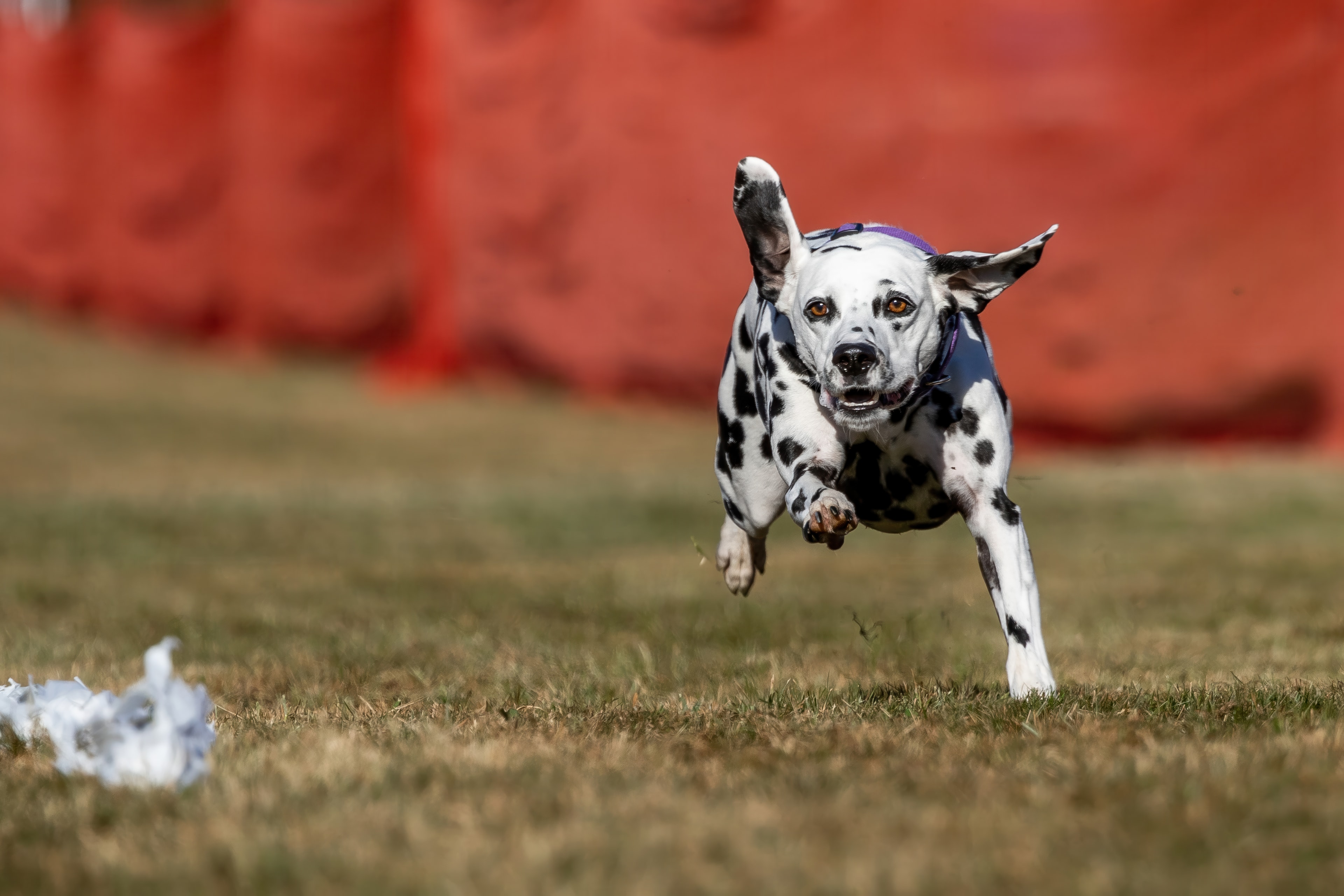
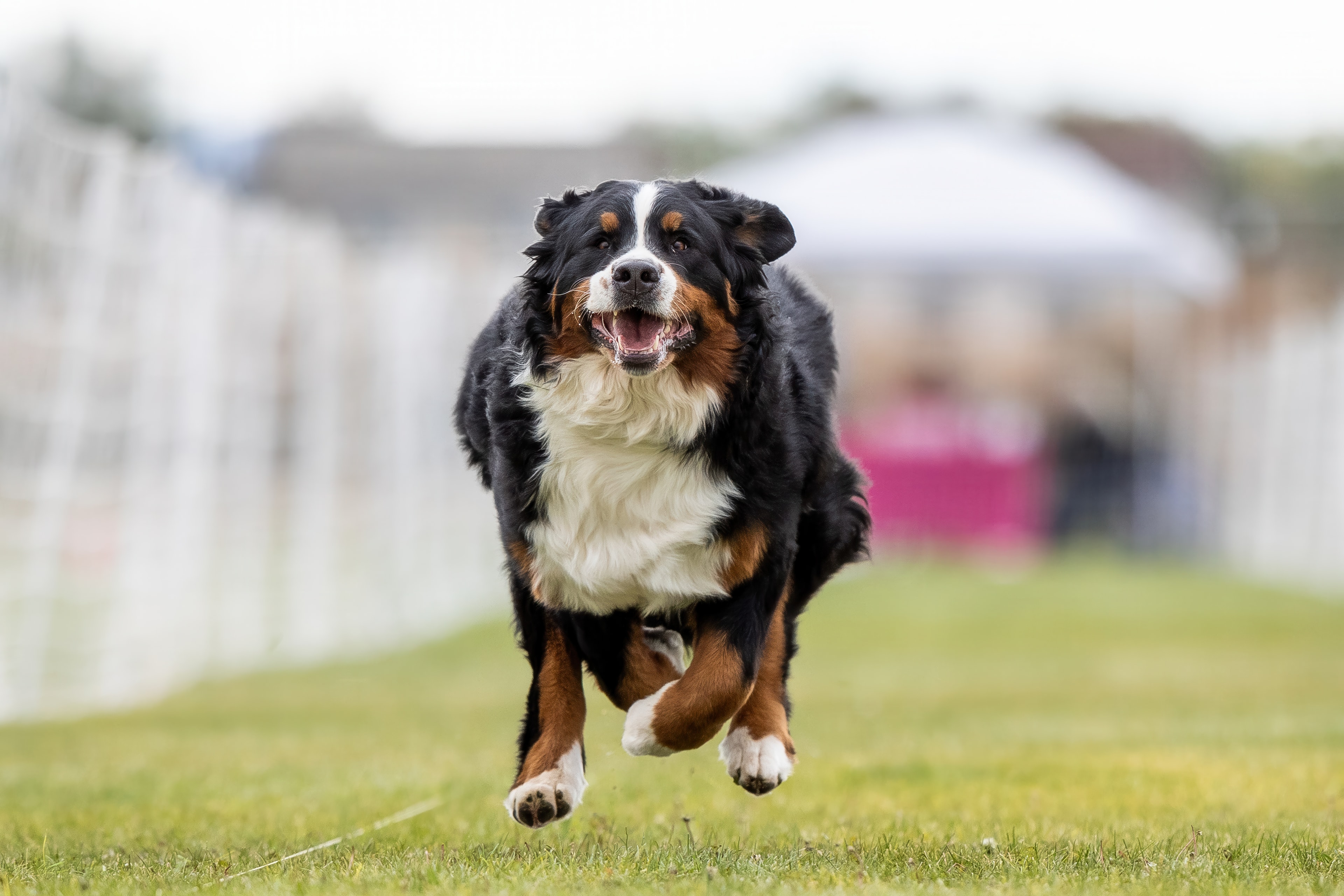
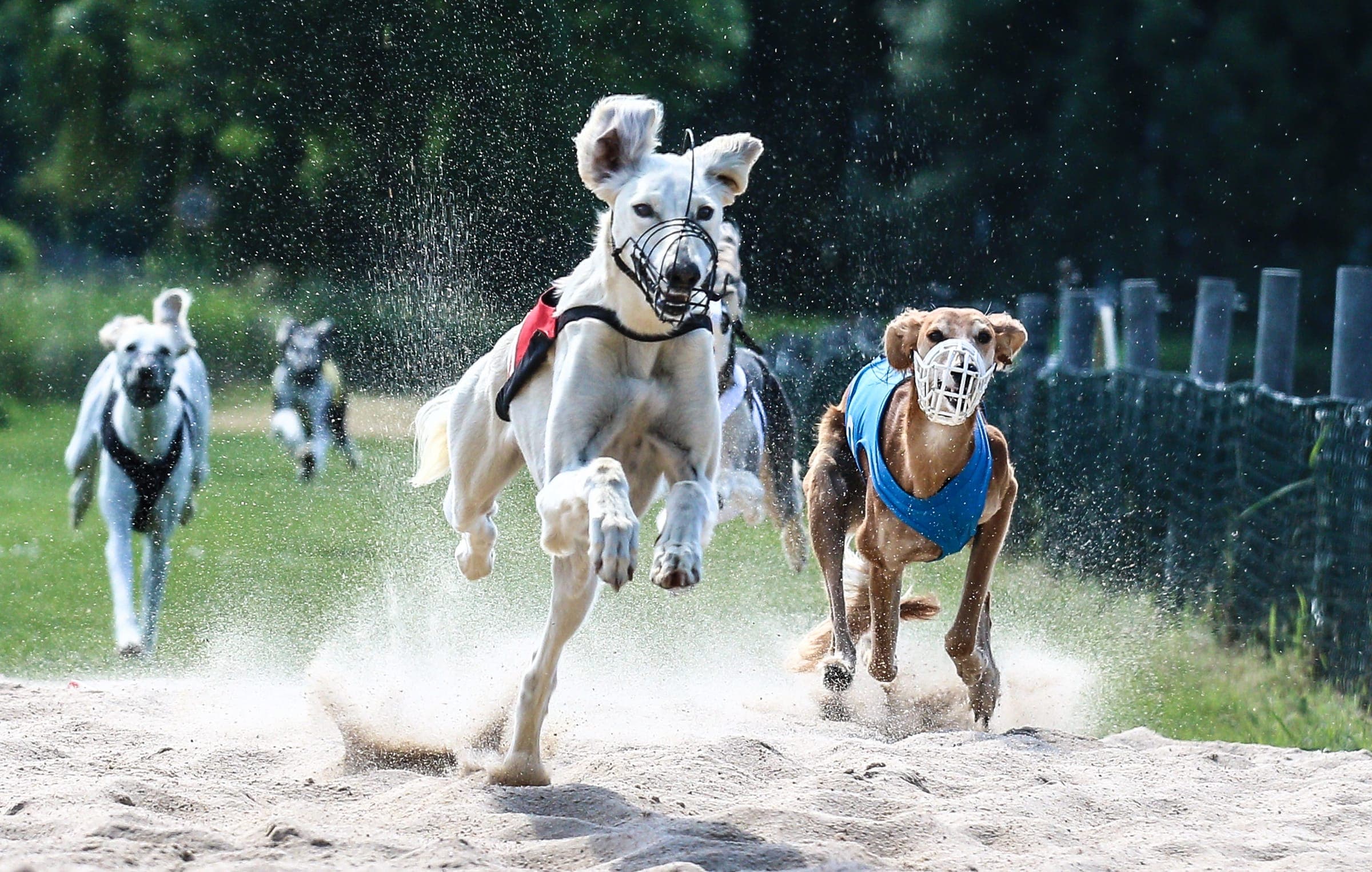
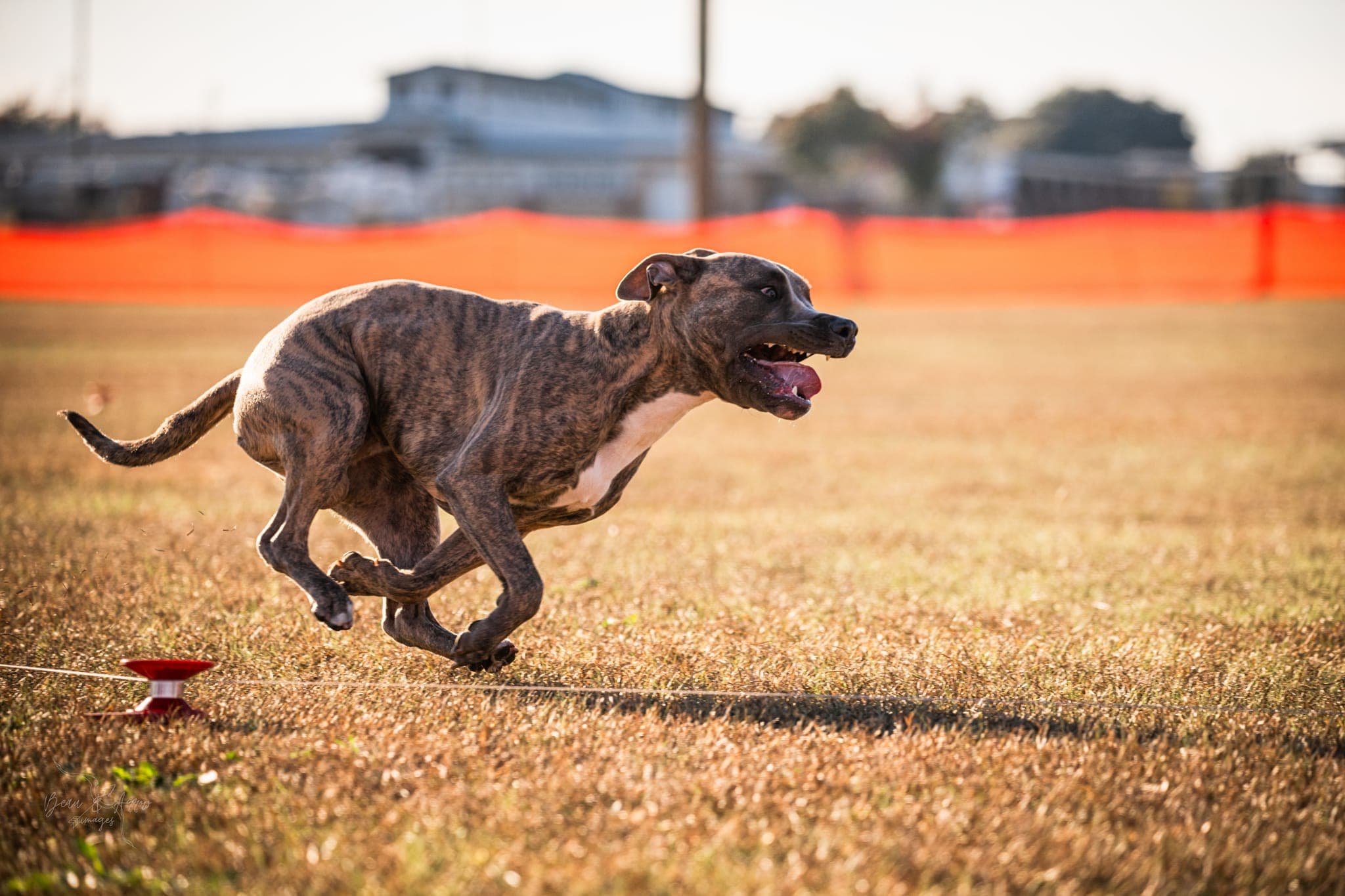
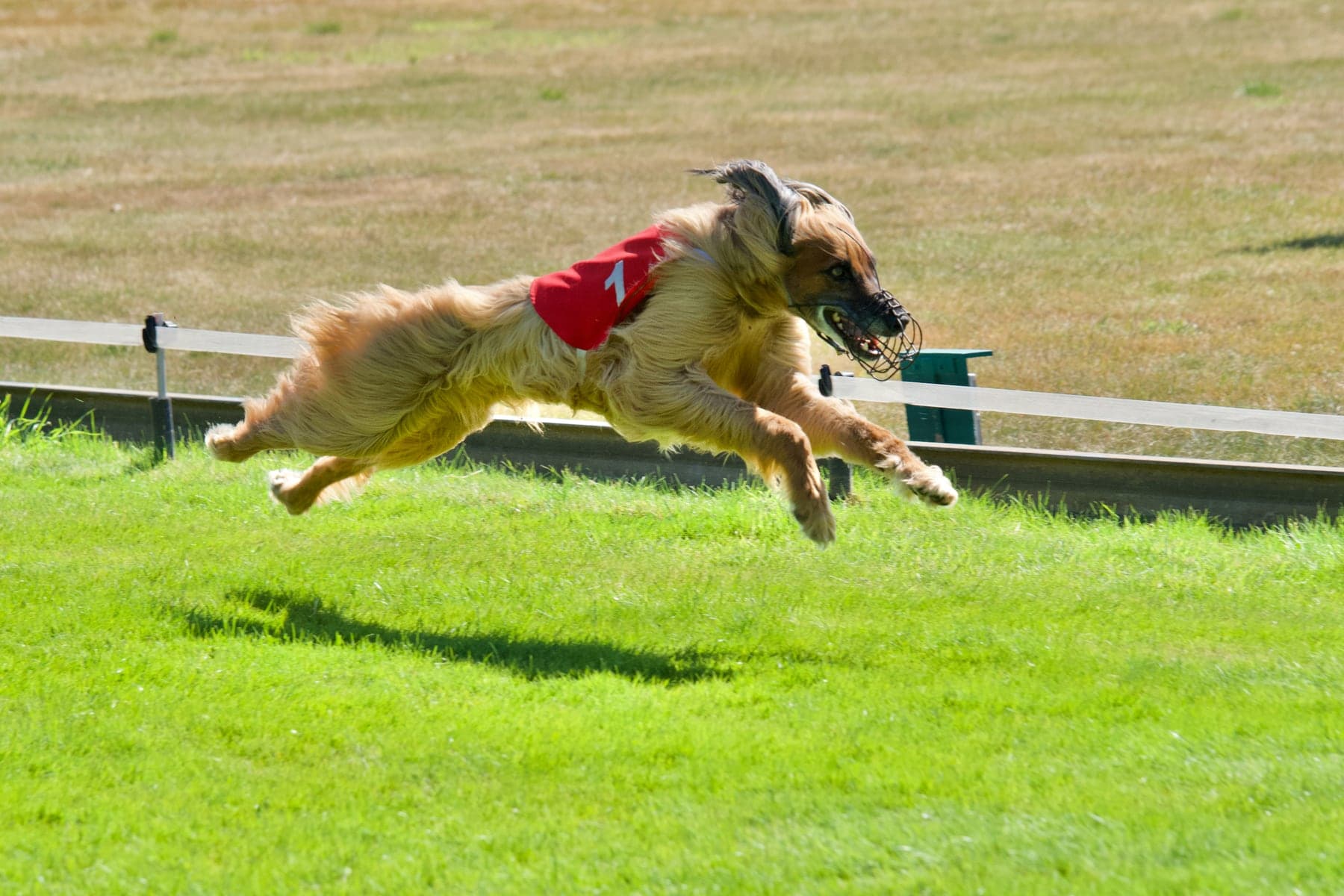
Fast CAT is an AKC sport where dogs run a timed 100-yard dash after a lure. One dog runs at a time down a fenced lane, chasing a white plastic lure pulled by a motorized line. Electronic timers record the run. The time is converted into miles per hour, then multiplied by a height handicap so dogs of different sizes can earn points toward speed titles. Most runs are over in seven to nine seconds. That is what makes it so approachable. Your dog does not need to heel, jump, weave, retrieve, or memorize a course. They need to want the lure, run the lane, and let someone safely catch them at the finish.
Fast CAT highlights.
A timed straight-line dash after a lure — most runs are over in seven to nine seconds.
Any breed or mix with an AKC number can run, from 12 months of age.
A first BCAT is often possible under $200 if your dog is fast and events are local.
One sanctioning body, one rulebook, one ladder — no parallel orgs to compare.
The dog launches.
Fast CAT is the simplest dog sport to understand from the fence. A white plastic lure shoots down a straight lane. Your dog sees it. The Huntmaster calls, "Tally-ho." You release. For a few seconds, there is nothing to shape, cue, or explain. The dog runs. That is the whole picture — and also why people get hooked. Fast CAT takes chase instinct and gives it a safe, fenced, timed place to happen.
Someone needs to be waiting at the end of the lane to secure your dog after the sprint. That person can be a volunteer, but it does not have to be. Many handlers bring a friend, spouse, training partner, or family member because their dog comes harder to someone they know — which matters for dogs who are shy, reactive, intense, or too excited to care about strangers.
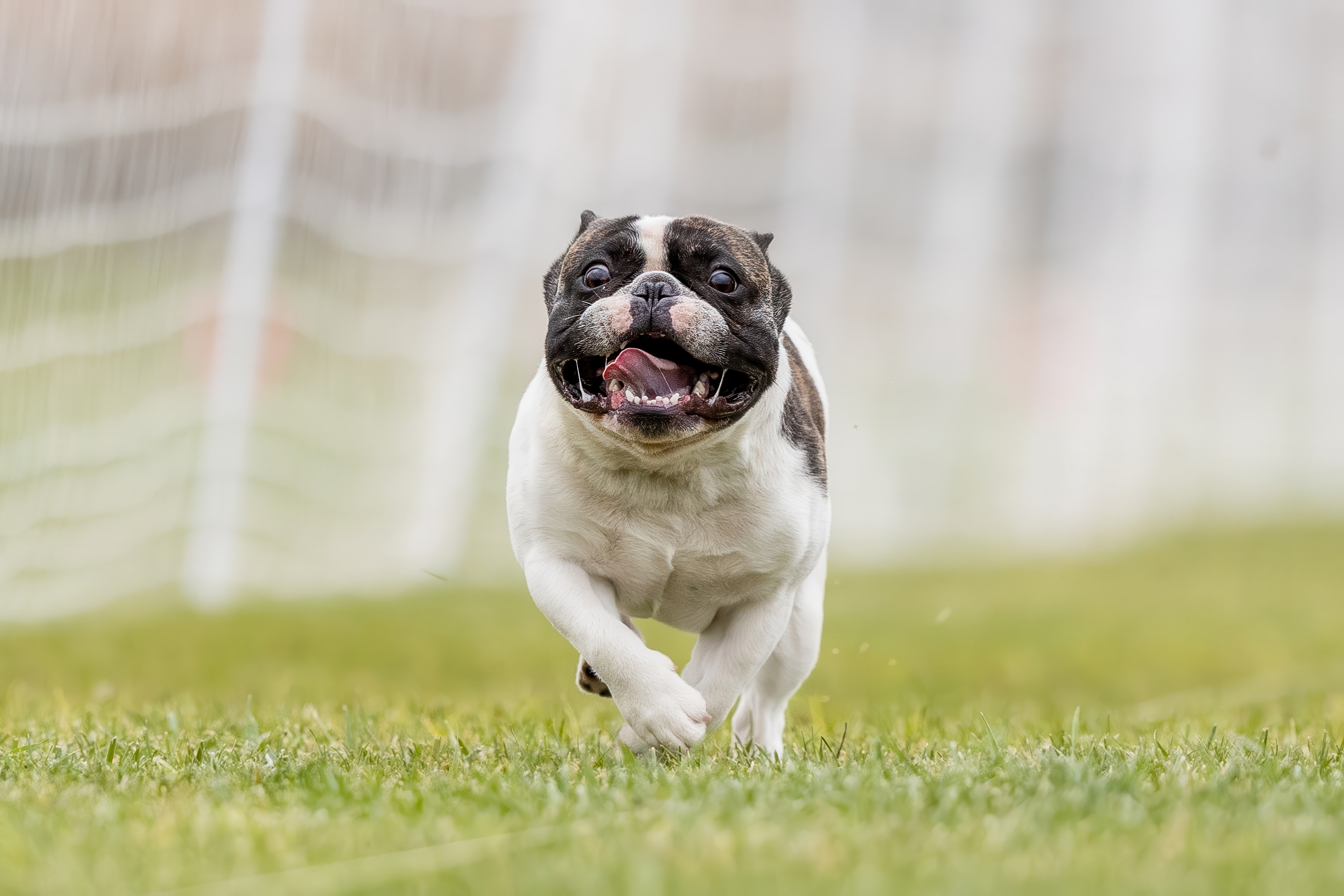
Can my dog do Fast CAT?
- Locks onto movement and loves to chase.
- Can sprint safely and is physically sound.
- Is at least 12 months old.
- Enjoys short, explosive work.
- Does better one dog at a time.
- Has an AKC, FSS, PAL, or Canine Partners number.
- Has a catcher they trust waiting at the finish.
- Can handle a noisy outdoor event.
- Has an injury or orthopedic concern.
- Struggles badly around loud, excited dogs.
- Cannot be safely caught at the finish.
- Needs lots of handler teamwork during the run.
Try before you chase titles.
- First questionDoes my dog want to chase?
A flirt pole in the yard can tell you a lot. So can watching your dog track a toy, tug, or moving object.
- At homeThe flirt pole
Use a flirt pole to build the chase response and see whether your dog locks onto movement before you ever go to an event.
- At an eventWatch or fun run
Some clubs offer fun runs or "bunny hops" — shortened, non-qualifying runs that let dogs meet the lure without the pressure of an official test. Spectating first works too.
What to bring: Before your first official run, make sure you have: an AKC number or eligible listing; a flat collar or properly fitted harness; a leash for after the run; a catcher your dog knows if possible; a high-value reward for the finish; and crate, shade, water, and cooling gear. The run is short. The day is not.
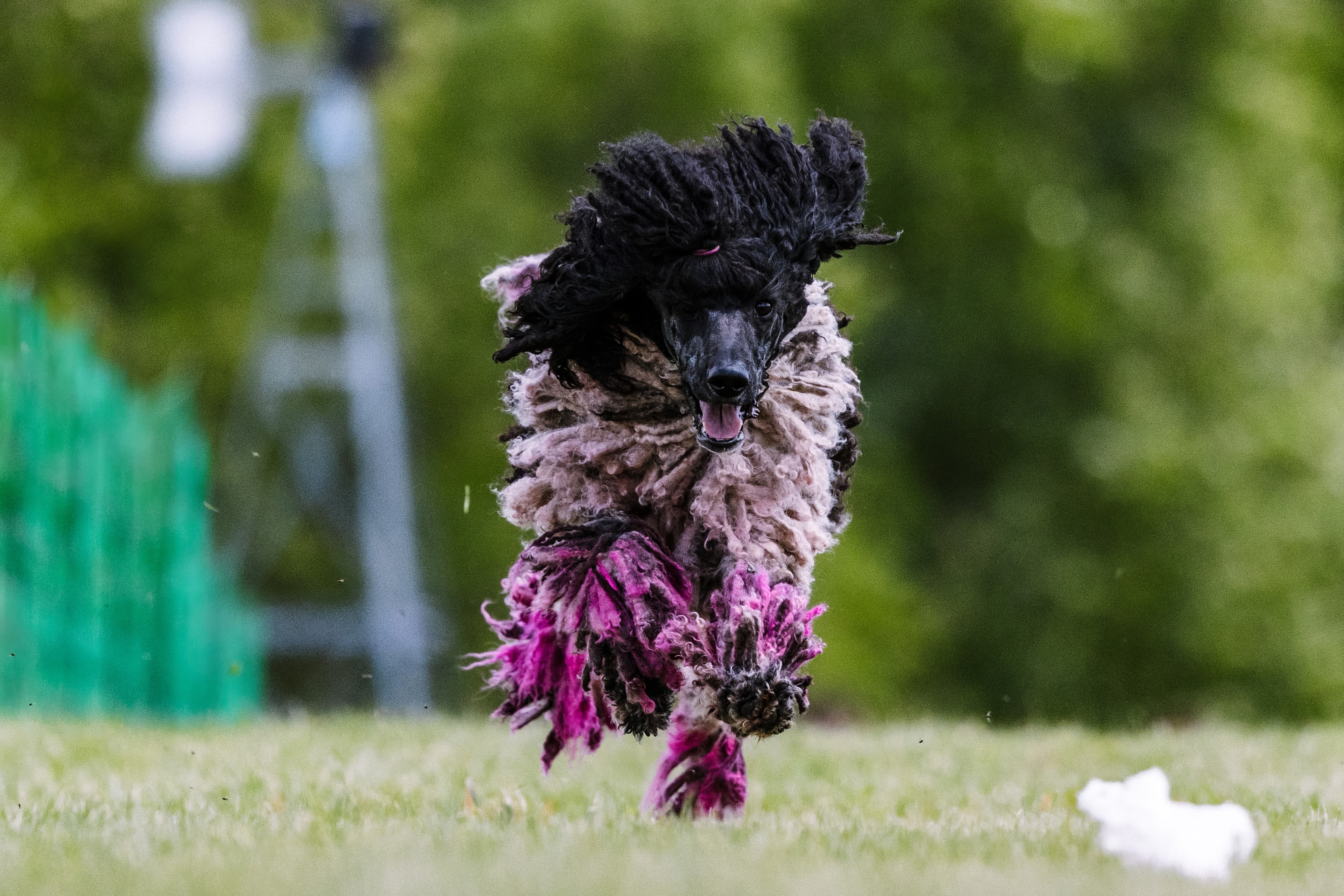
Ready to try Fast CAT?
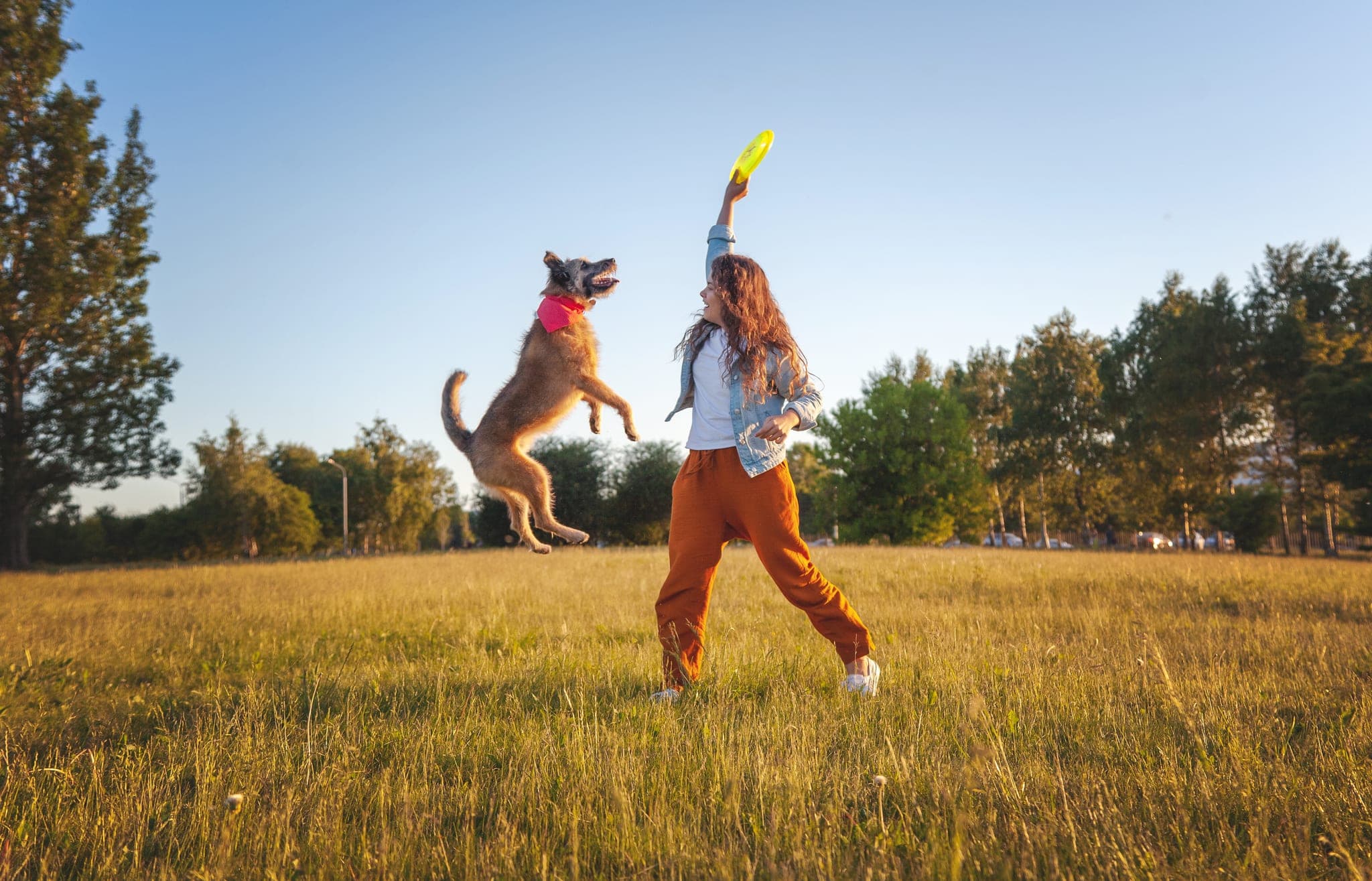
How seven seconds becomes points.
The first title. Every official qualifying run adds to the lifetime total on the way there.
The first title many handlers actively chase rather than incidentally collect.
The big one. Points keep accumulating across the dog's lifetime — there is no annual reset.
Every additional 500 points earns the next numeric title (FCAT2, FCAT3, and on).
Larger dogs get a 1.0 multiplier, medium dogs 1.5, and small dogs 2.0. Points = MPH × handicap, which is why a small dog can rank high even when a larger dog is physically faster.
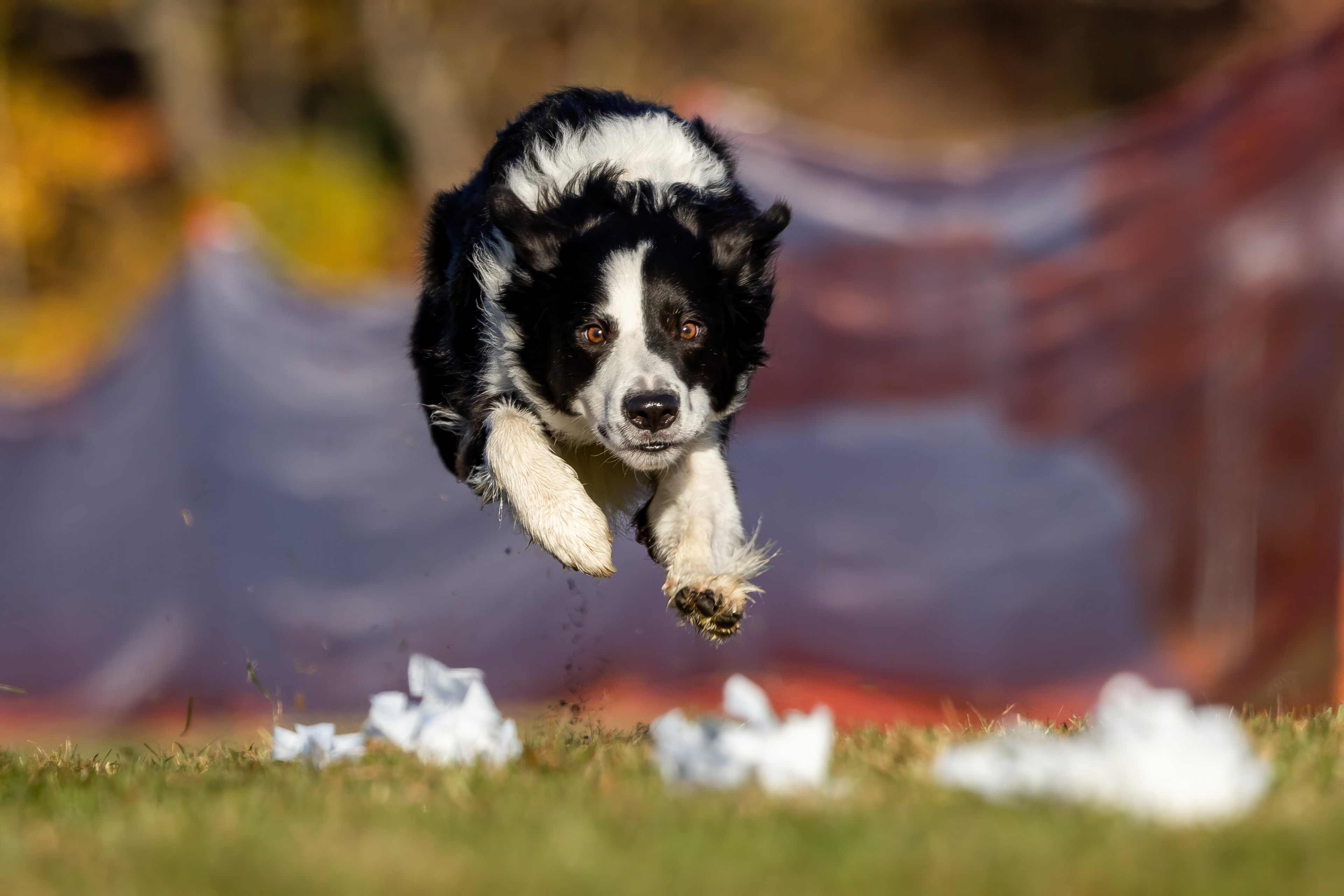
What it actually costs.
for a first BCAT if your dog is fast and events are local.
- AKC numberOften around $35 if your dog is not already eligible.~$35–one-time
- Per runDepending on region and entry timing.$20–$32
- Casual yearOne or two local weekends.$100–$250
- Active title yearBCAT through FCAT chase across multiple weekends.$500–$1.8k
- Championship campaignA heavy title or ranking campaign across regions.$1.8k–$3k+

Fast CAT, CAT, and lure coursing.
They are siblings, not duplicates. If your dog wants a simple speed title, Fast CAT is usually the clearest door.
| Fast CAT | CAT | Lure coursing | |
|---|---|---|---|
| Course | Straight sprint | Longer course | Turning course |
| Distance | 100 yards | Longer | Longer |
| Turns | None | Yes | Yes |
| Best for | A simple speed title | A step up with turns | Traditional sighthound sport |
What a run looks like
Six moving parts, one big yes.
A straight, fenced 100-yard track with a safe run-out beyond the finish.
Usually a white plastic bag or strip pulled ahead of the dog by a motorized line.
Your dog waits behind the timing poles; the Huntmaster checks everyone is ready and calls "Tally-ho."
Your dog runs off-leash down the lane while the timer records the run.
A catcher secures the dog past the finish line before the dog circles back or hits fencing.
The time becomes miles per hour; miles per hour times the height handicap becomes points.
Questions handlers actually ask.
- What is Fast CAT for dogs?
- Fast CAT is an AKC 100-yard straight-line sprint where one dog at a time chases a lure and earns points based on speed and height handicap.
- Can any dog do Fast CAT?
- Most dogs can try it if they are at least 12 months old, physically sound, and have the right AKC number.
- Can mixed breeds do Fast CAT?
- Yes — mixed breeds can compete through AKC Canine Partners if they meet the other requirements.
- How do Fast CAT points work?
- Your dog's time becomes miles per hour, and miles per hour is multiplied by a height-based handicap to create points.
- What is a bunny hop?
- A bunny hop is a short Fast CAT fun run, usually about 50 yards, for puppies, young dogs, or dogs who aren't ready for the full 100-yard sprint yet. It lets them try the lure, build confidence, and enjoy the chase without the pressure of an official run.
- Do I need a catcher for Fast CAT?
- Yes — someone needs to meet your dog at the finish line and safely secure them after the run. A familiar catcher is often better than a stranger.
- Is Fast CAT safe for my dog?
- It can be a good fit for many dogs, but dogs with injuries, serious orthopedic concerns, or heat sensitivity should get a vet check first.
- My dog chases everything except the lure
- Make sure the lure is truly motivating and the dog is comfortable at the event.
- My dog runs hard, then stops
- That may be fitness, footing, or excitement; keep sessions short.
- My dog gets too amped by the environment
- Normal in a loud setting — start with a fun run or spectate first.
- Why do small dogs score so high?
- Because points are adjusted by height handicap, not just raw speed.
Where it came from.
- Pre-2016AKC's Coursing Ability Test (CAT) and traditional lure coursing were the speed-sport options — both needing big fields and more event infrastructure than small all-breed clubs could reliably mount.
- April 2016AKC launches Fast CAT — a simplified, single-dog, single-lane straight sprint that small all-breed clubs could host.
- 2018The Best Practices Guide to AKC Fast CAT publishes, codifying field layout, fencing standards, run-out distance, and safety protocols.
- TodayAmong the most popular AKC sports, with an annual Fast CAT Invitational drawing the highest-ranked dogs by breed.
Your dog runs. You cheer. The seconds become something real.
If your dog loves Fast CAT, try these.
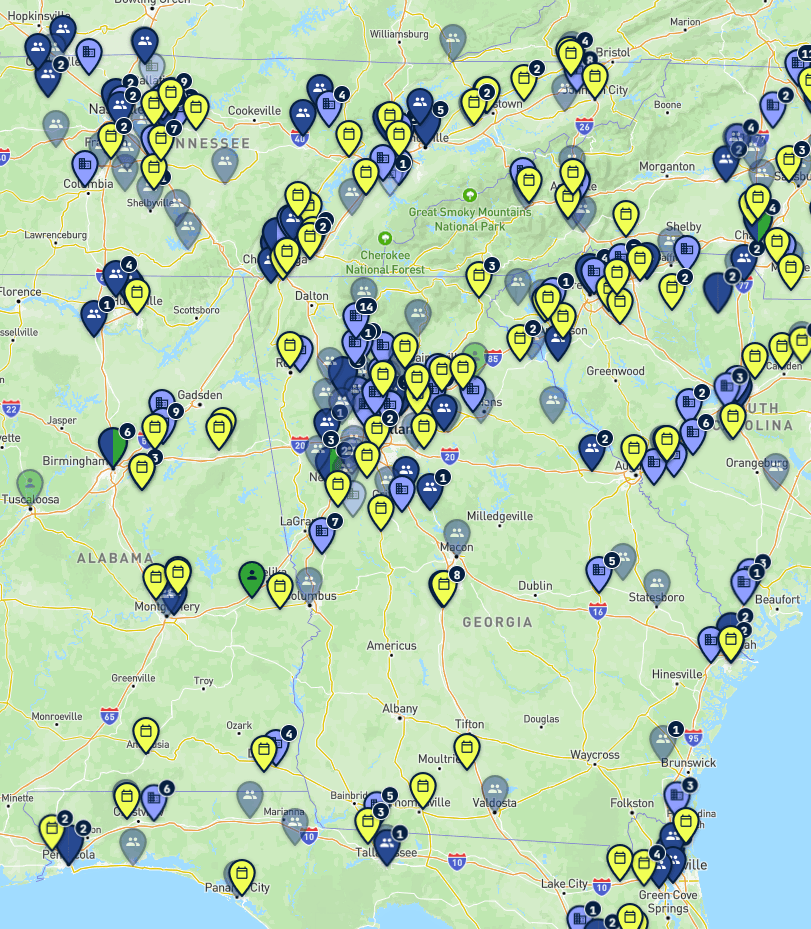
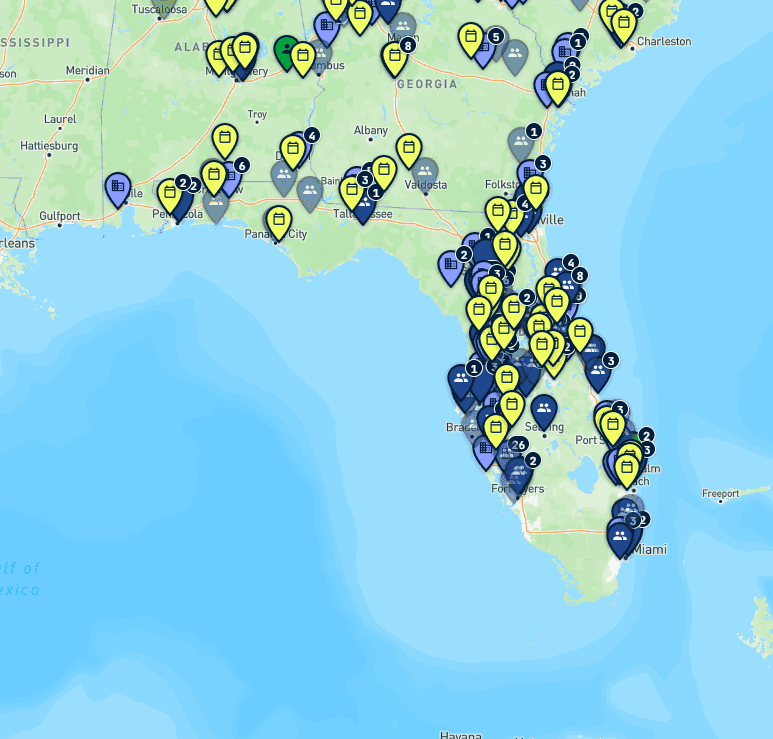
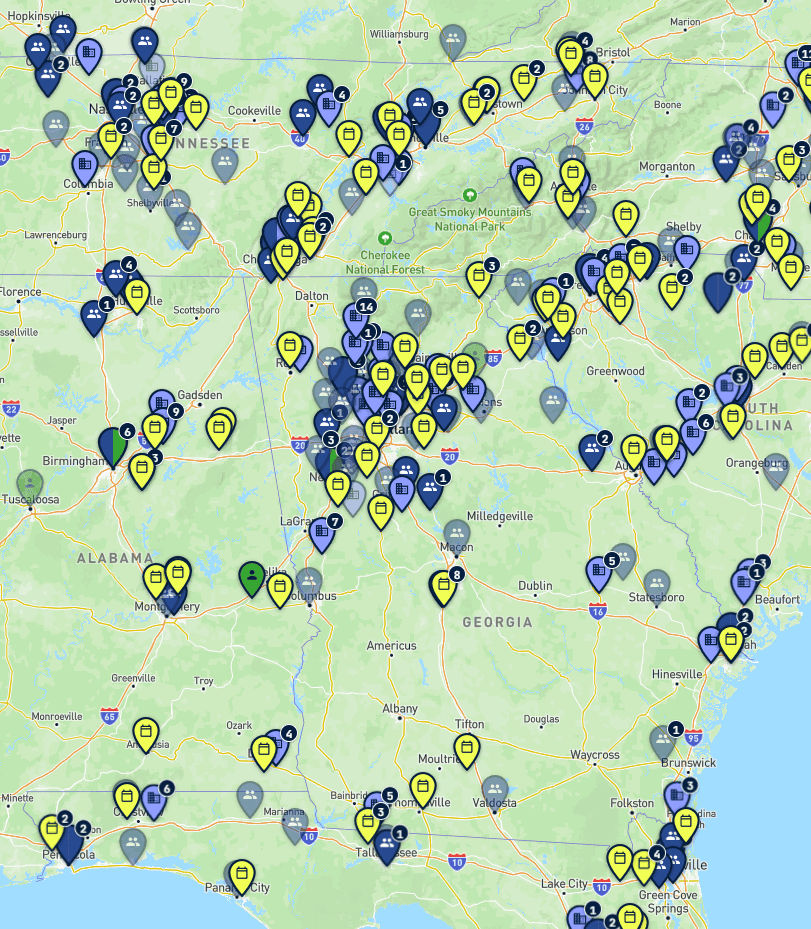
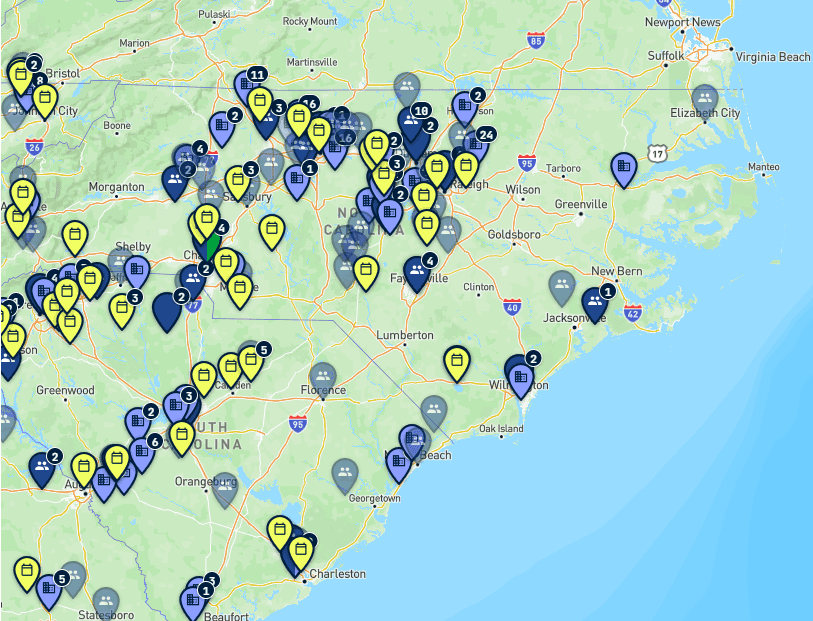
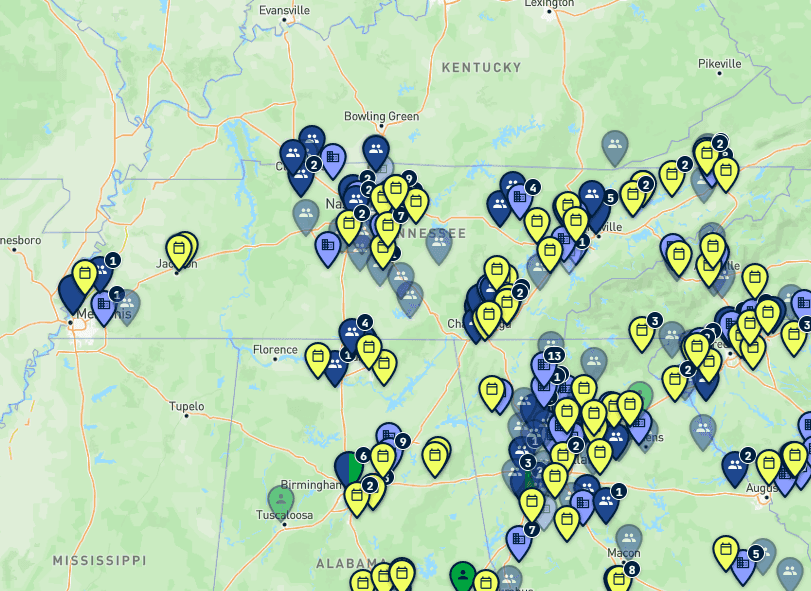
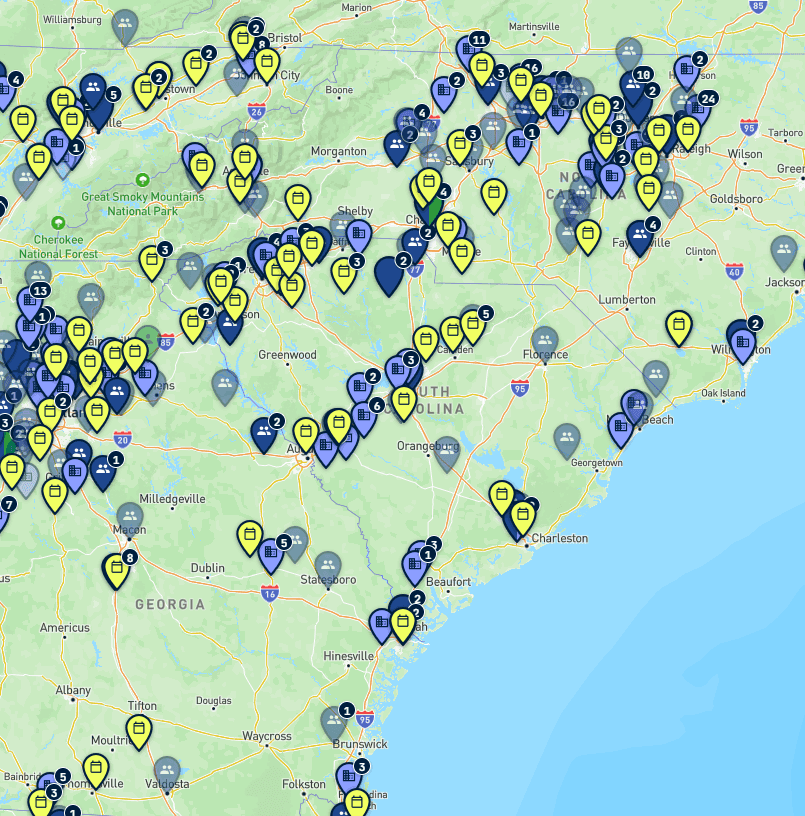
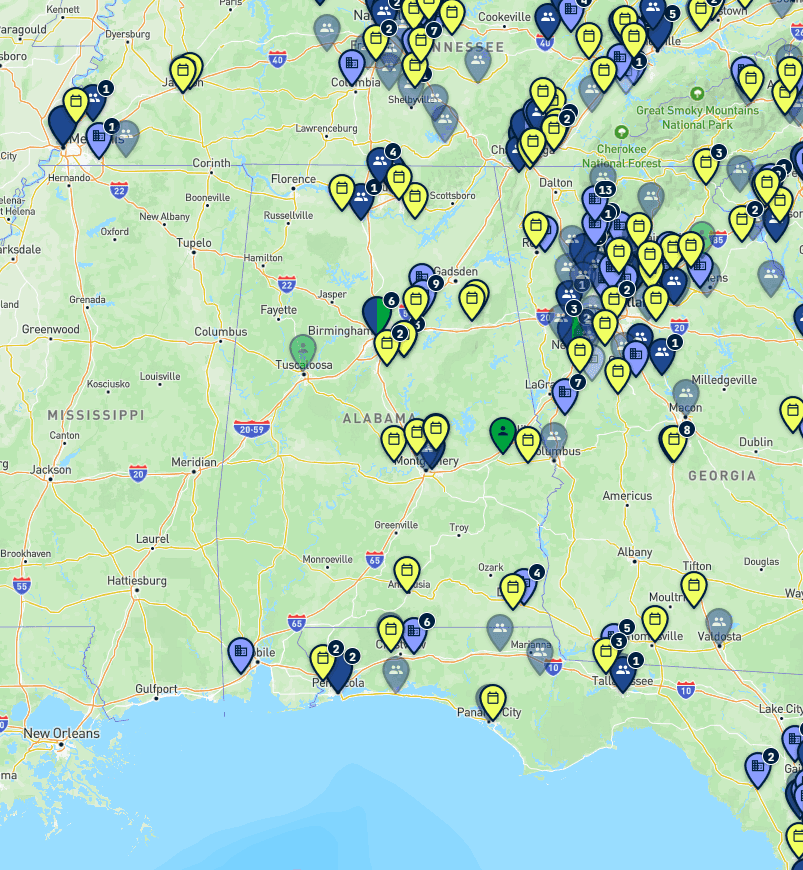
Find fast cat near you.
Made for fast cat.
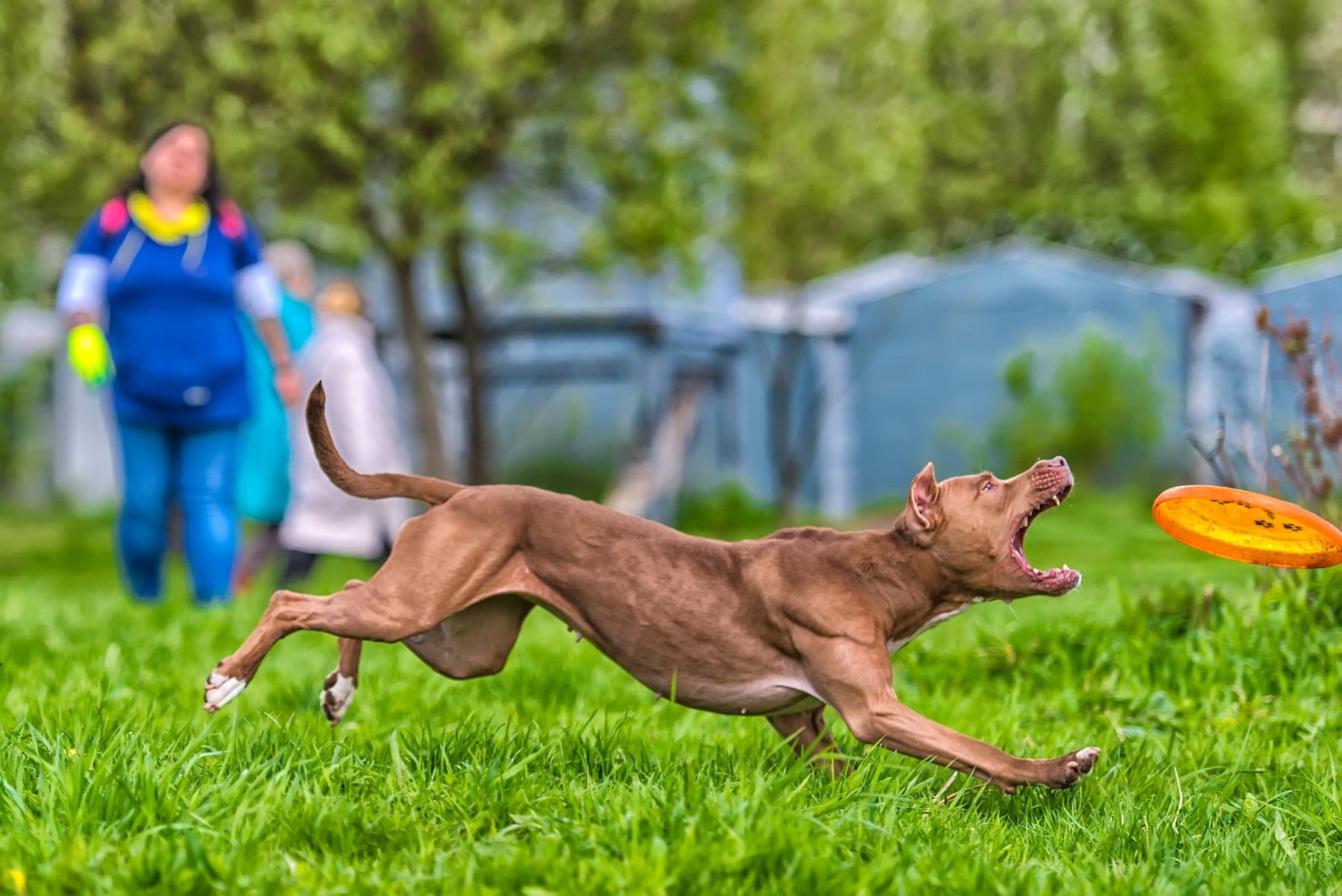
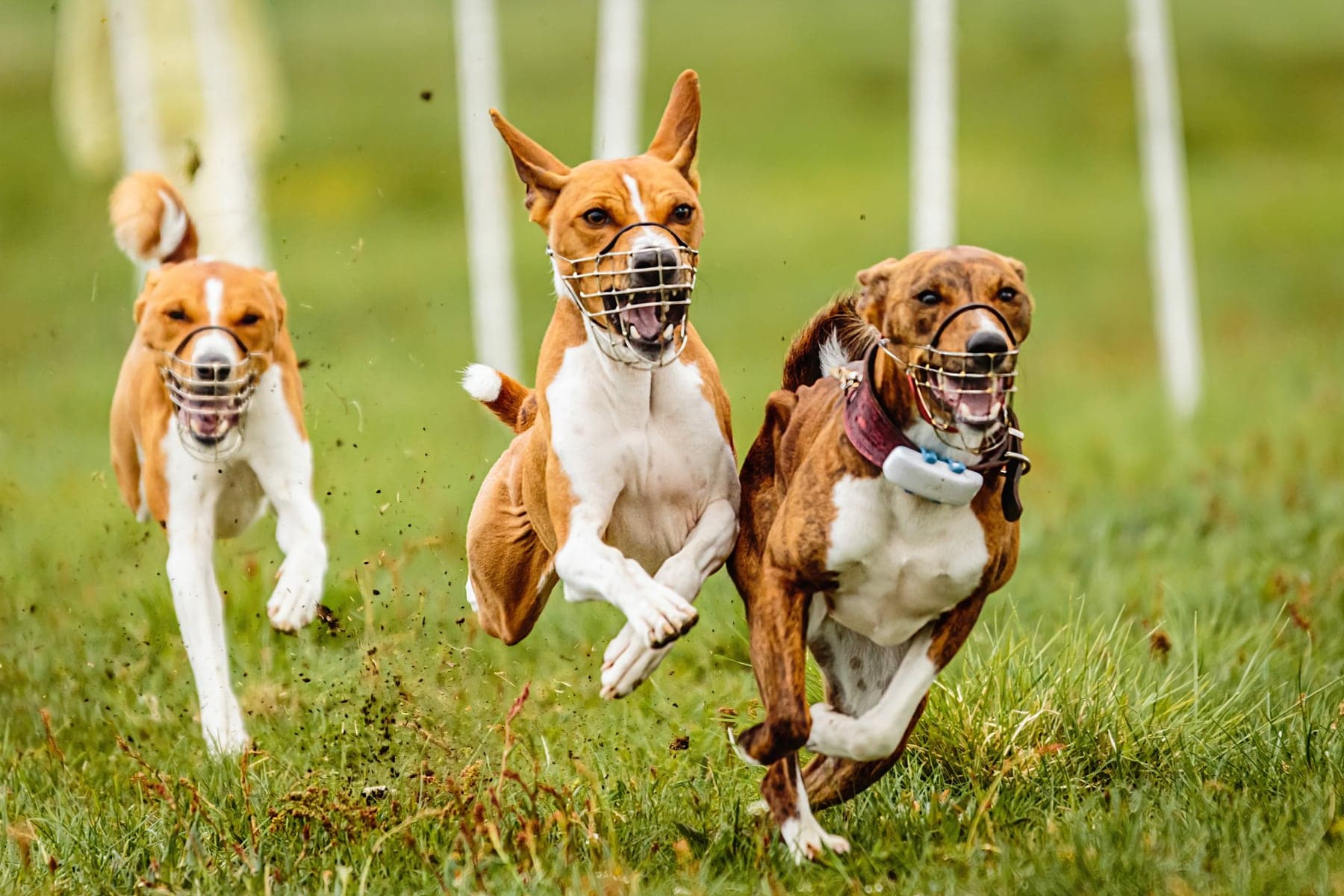
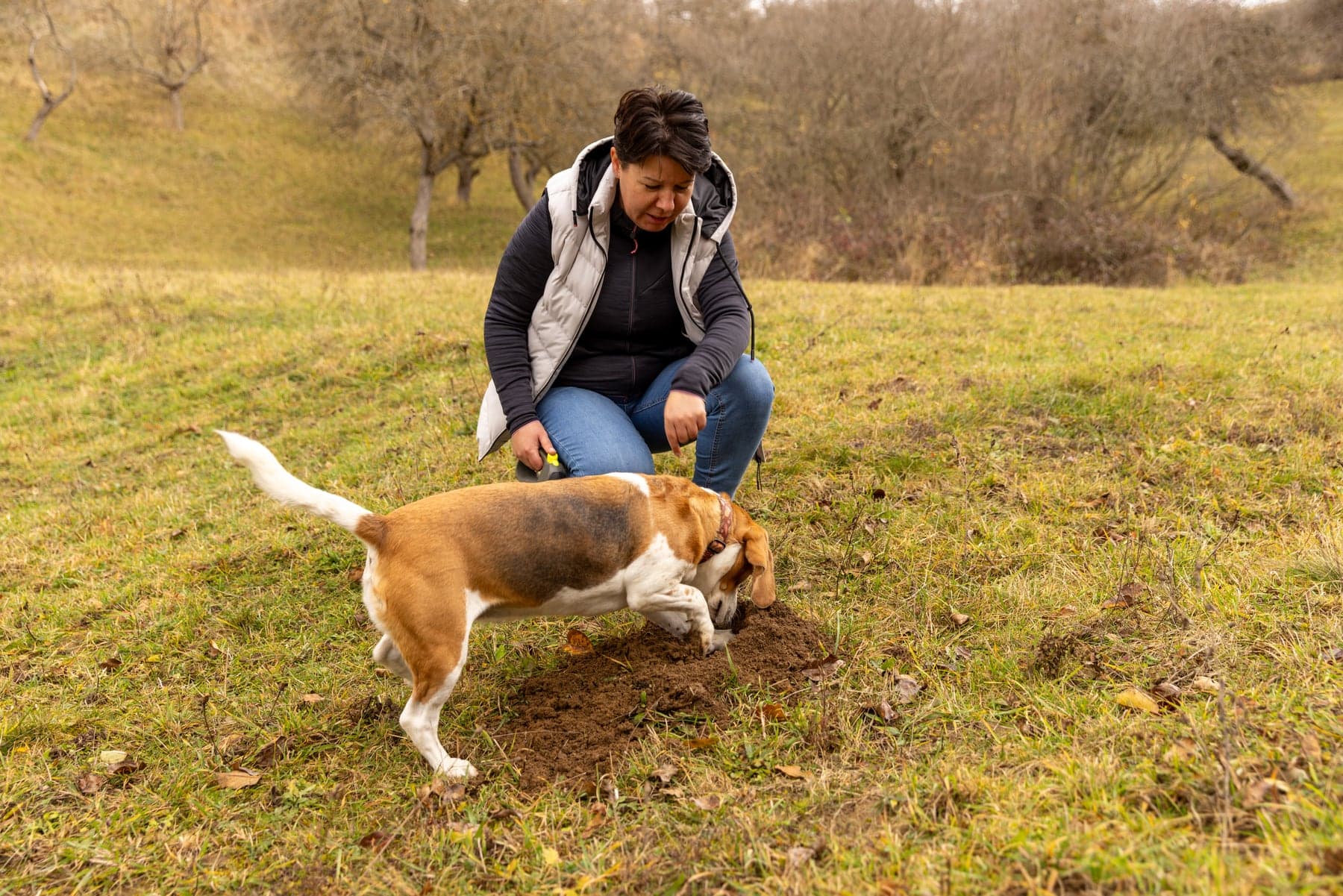
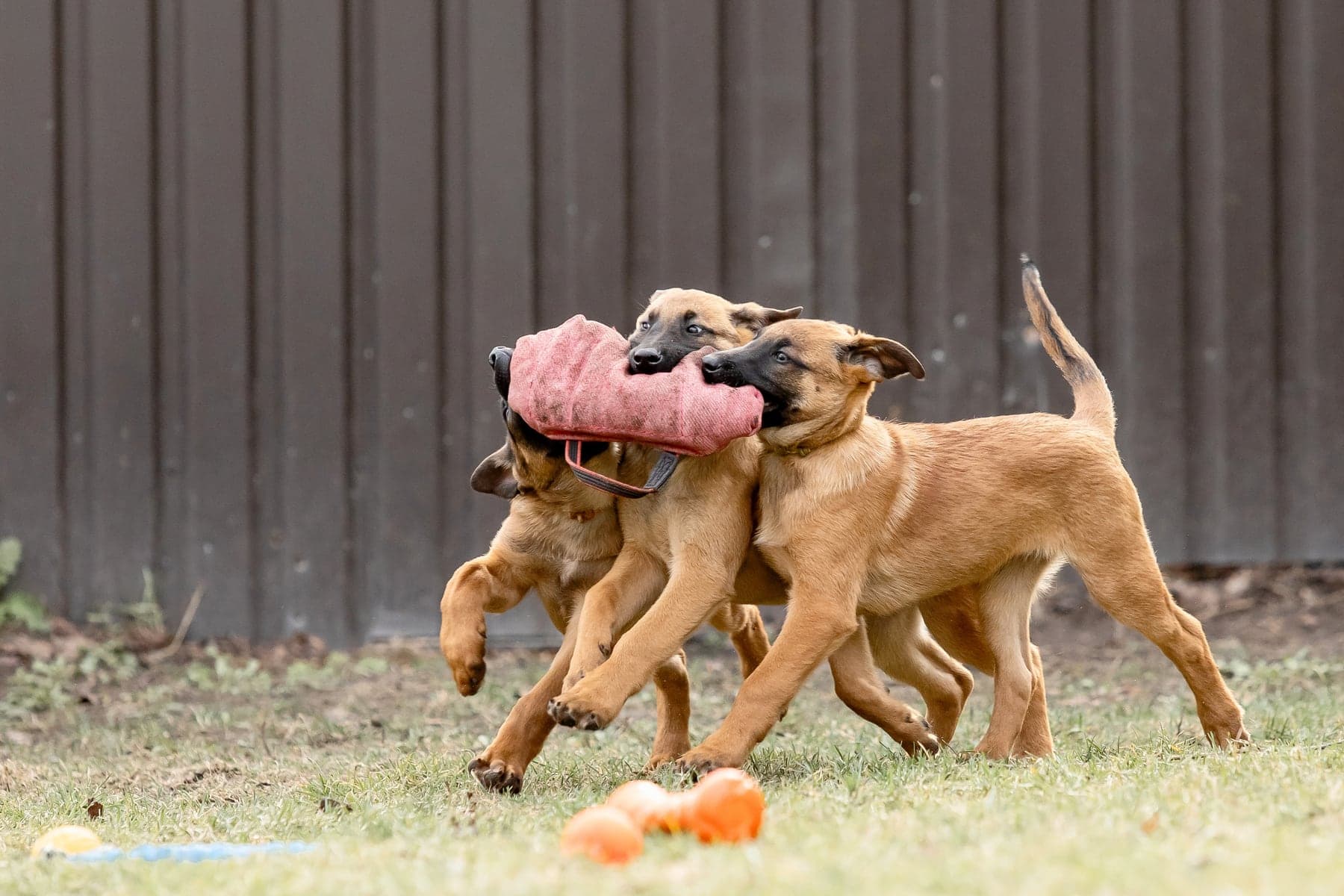
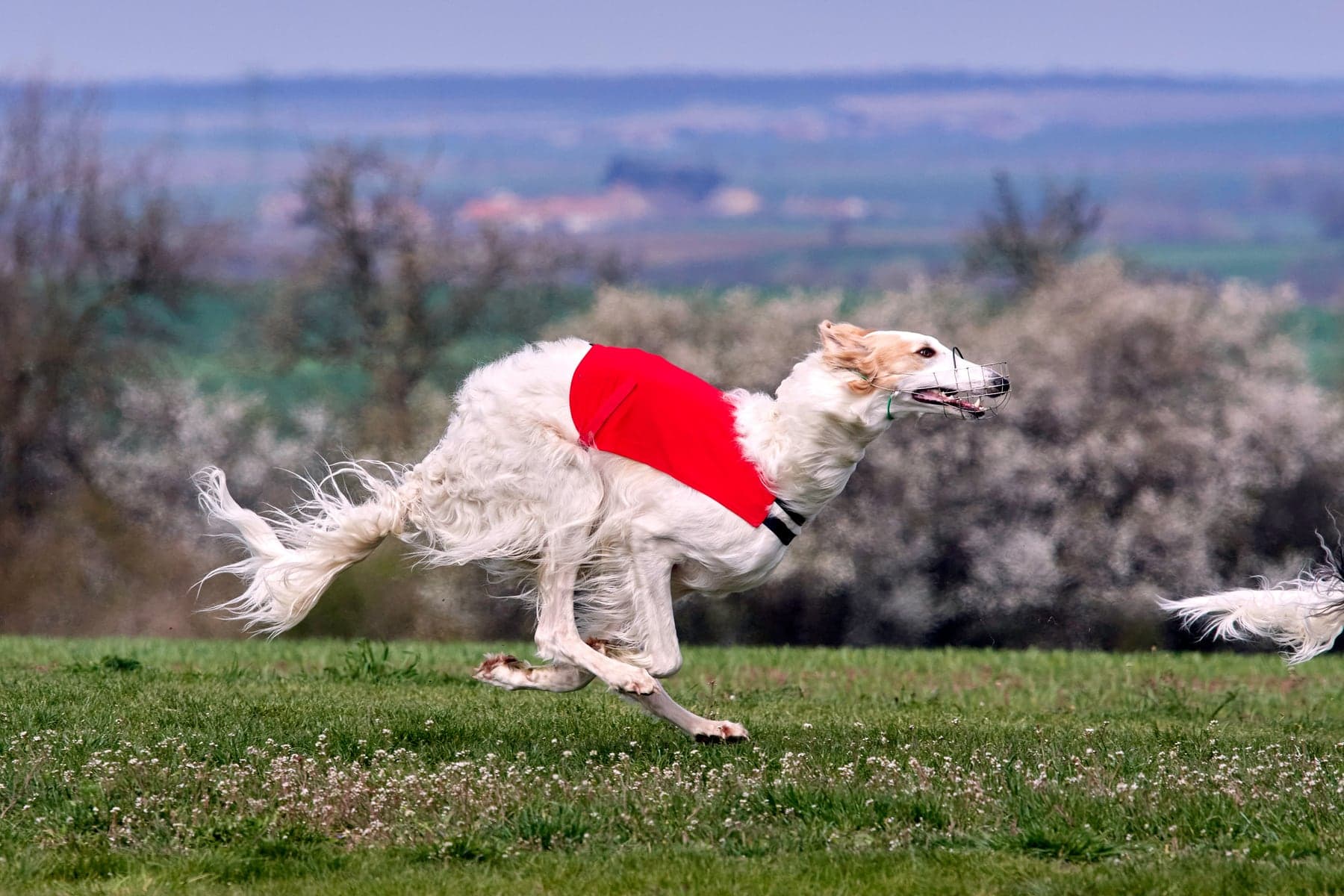
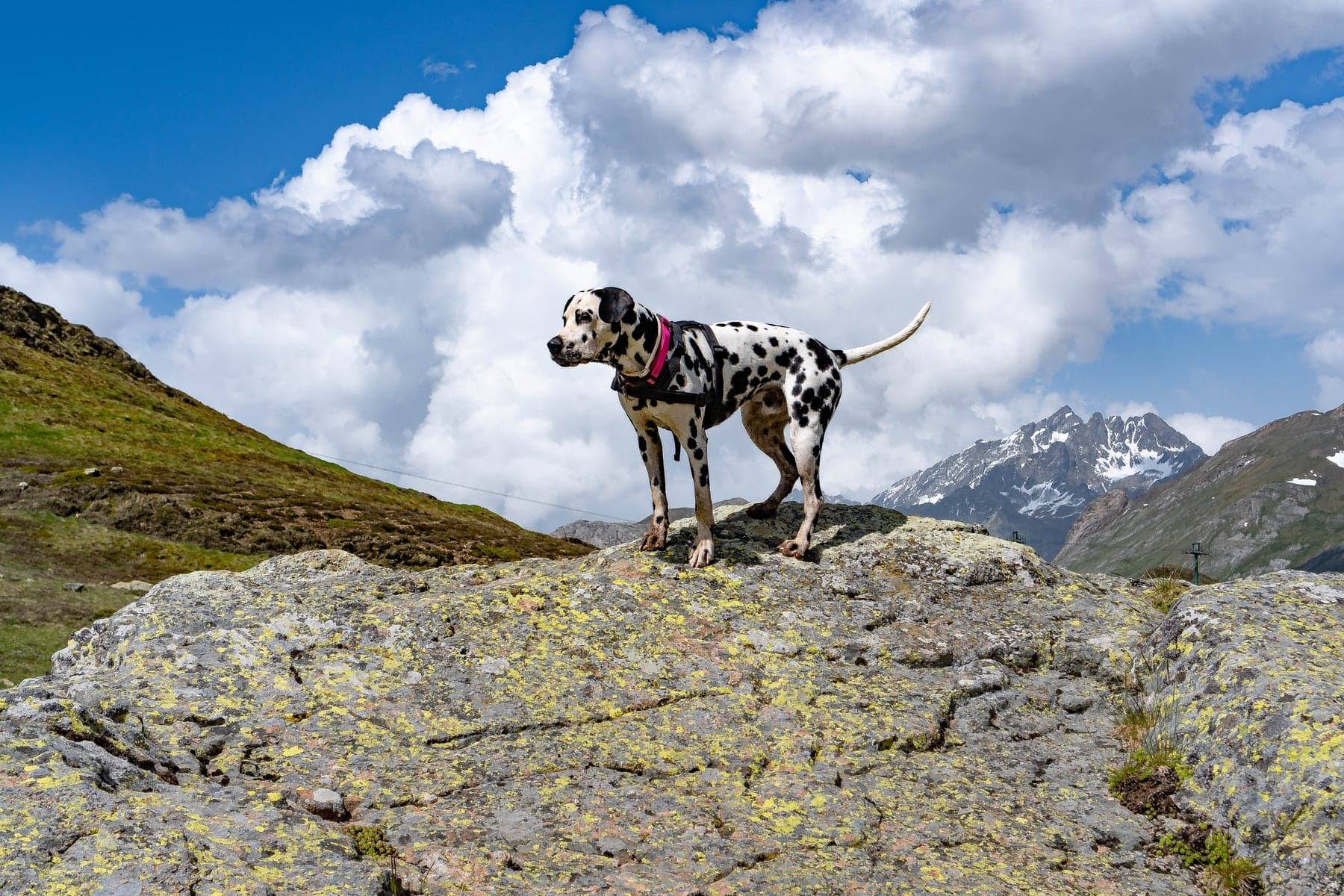
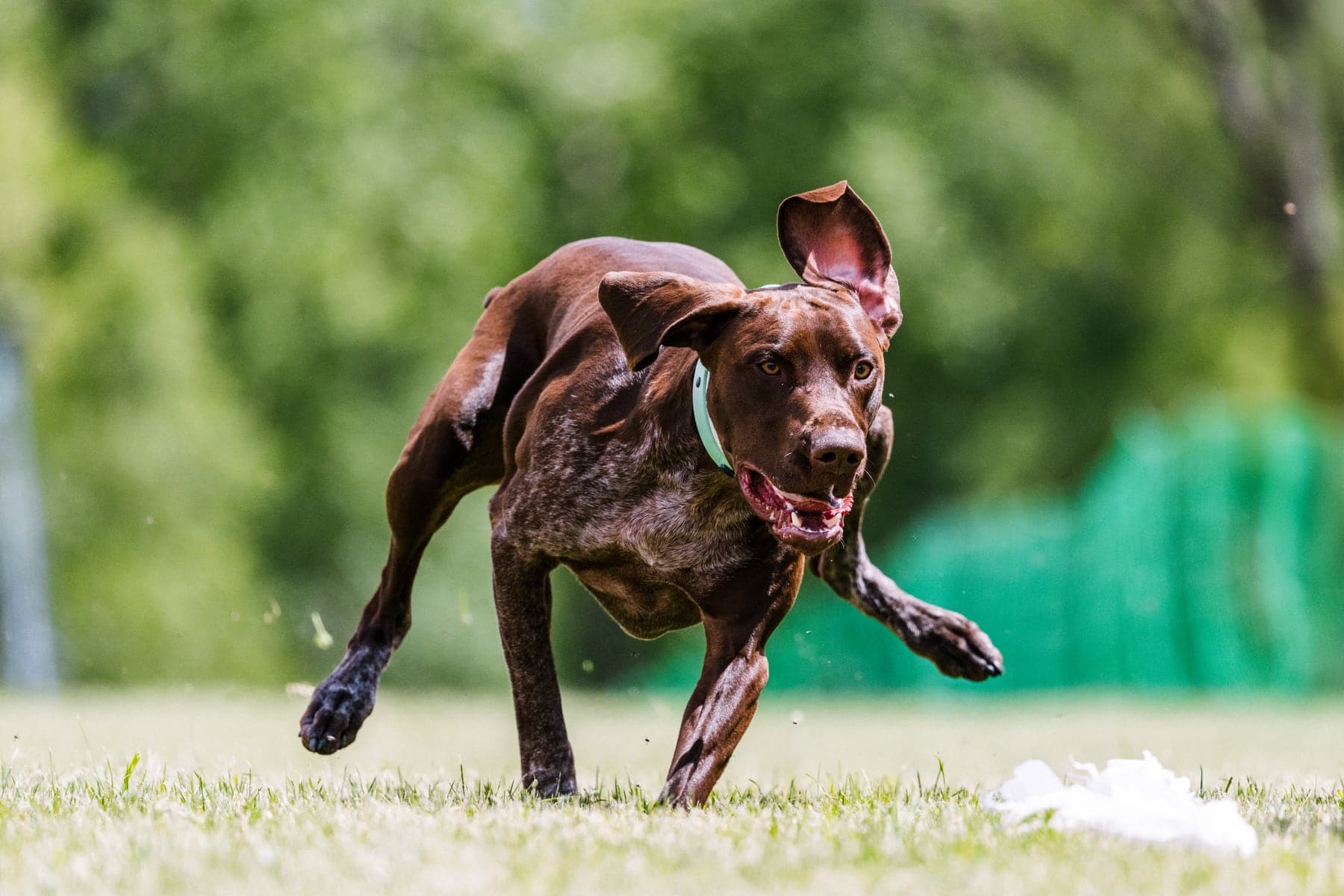
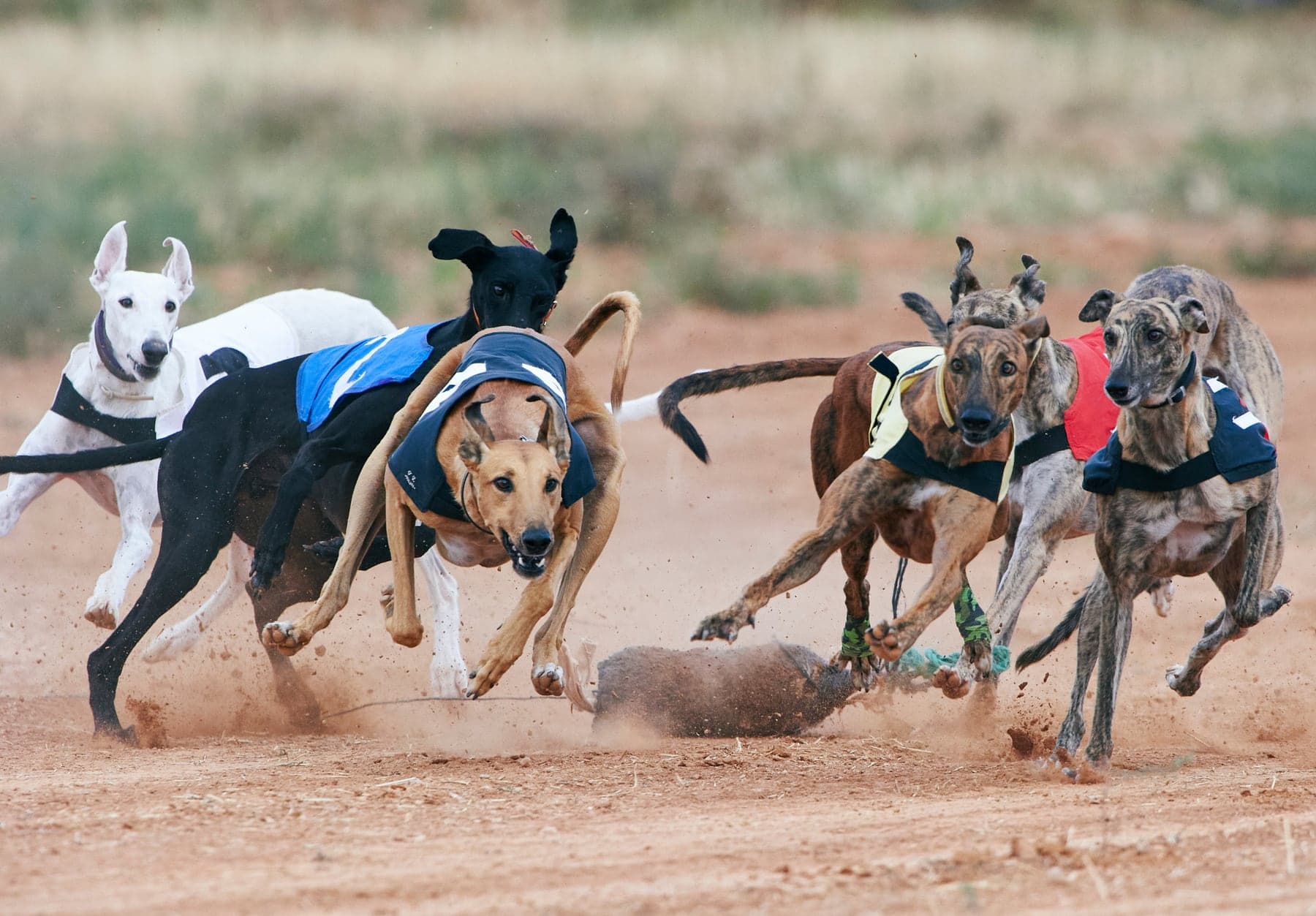
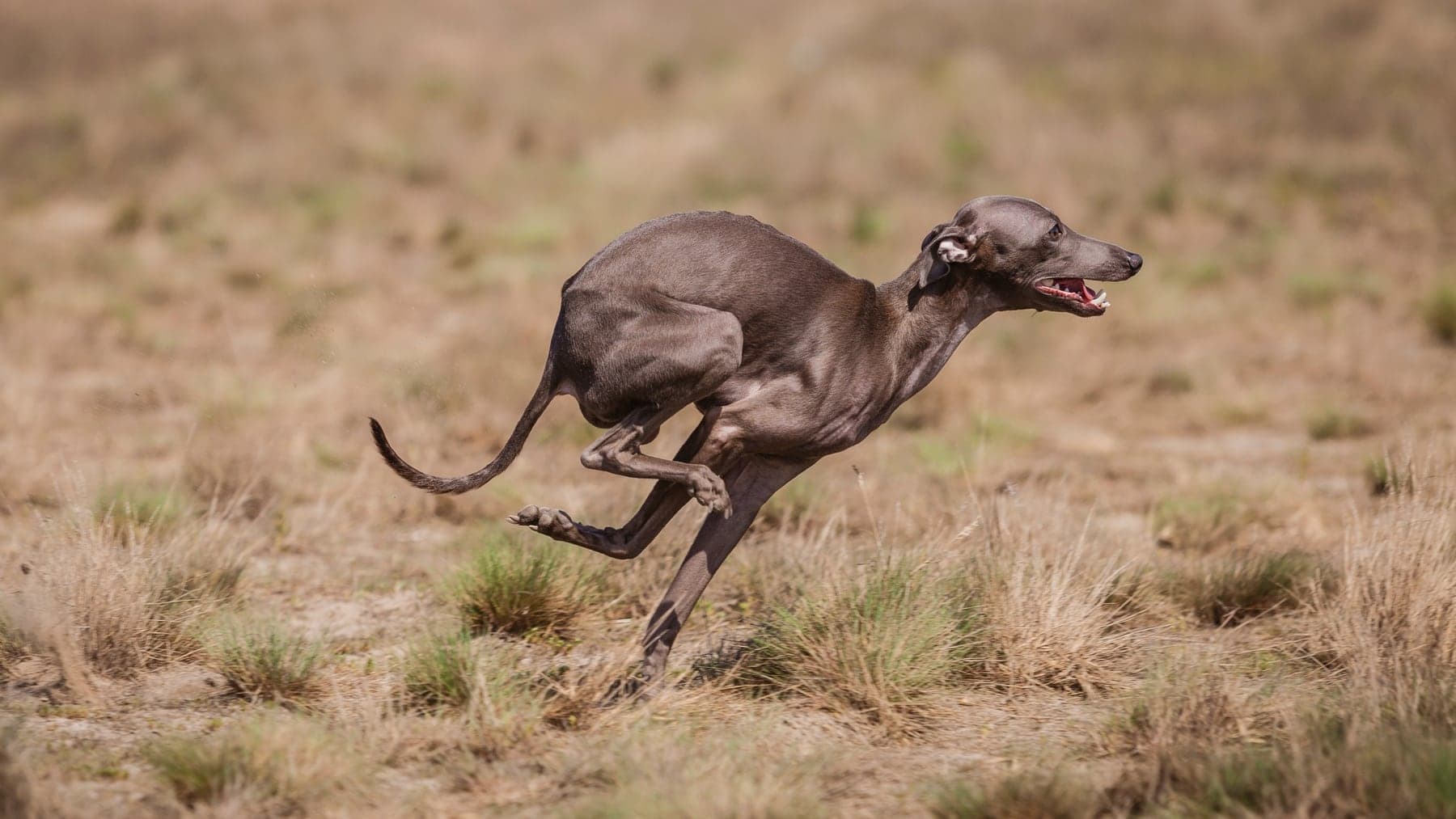
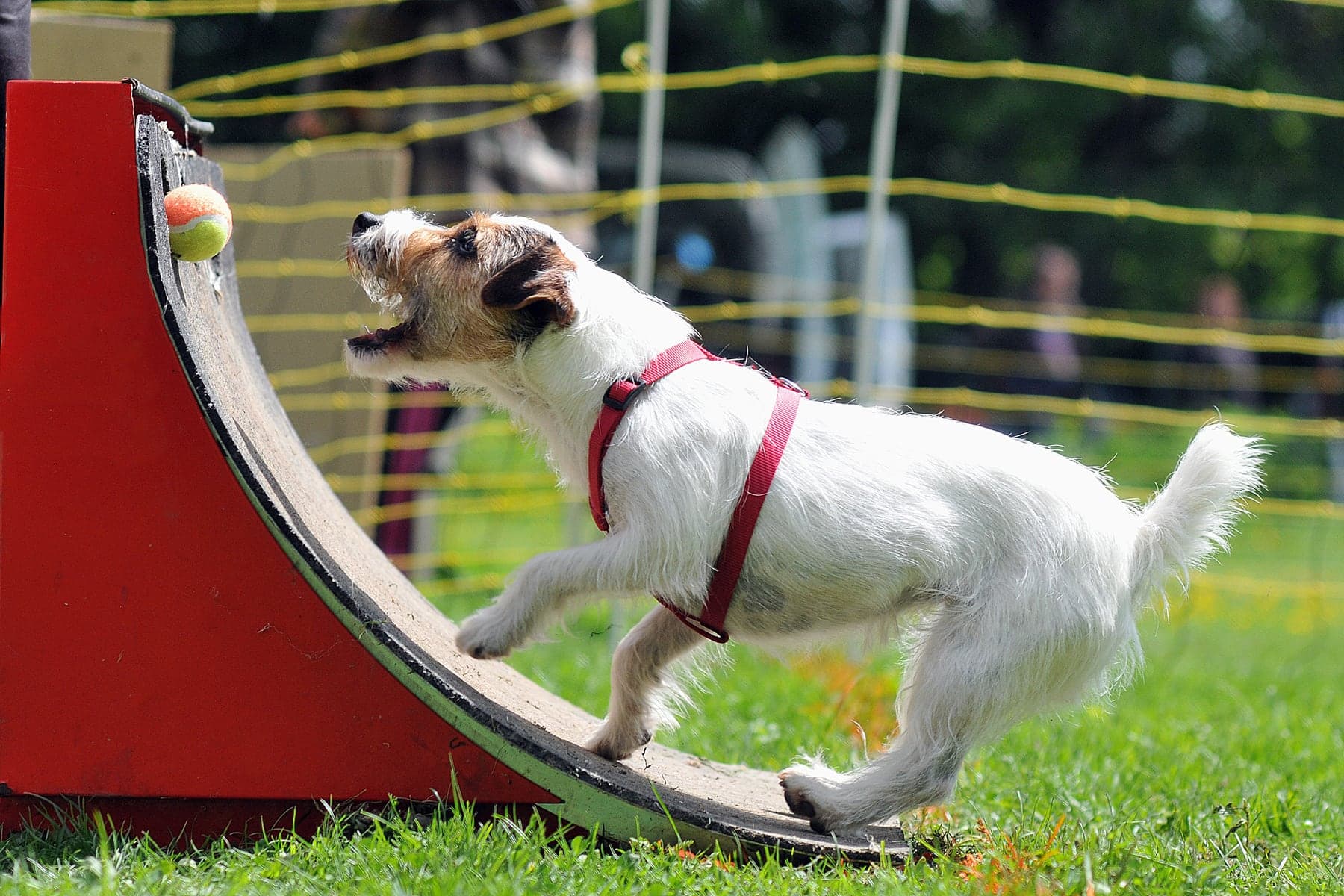
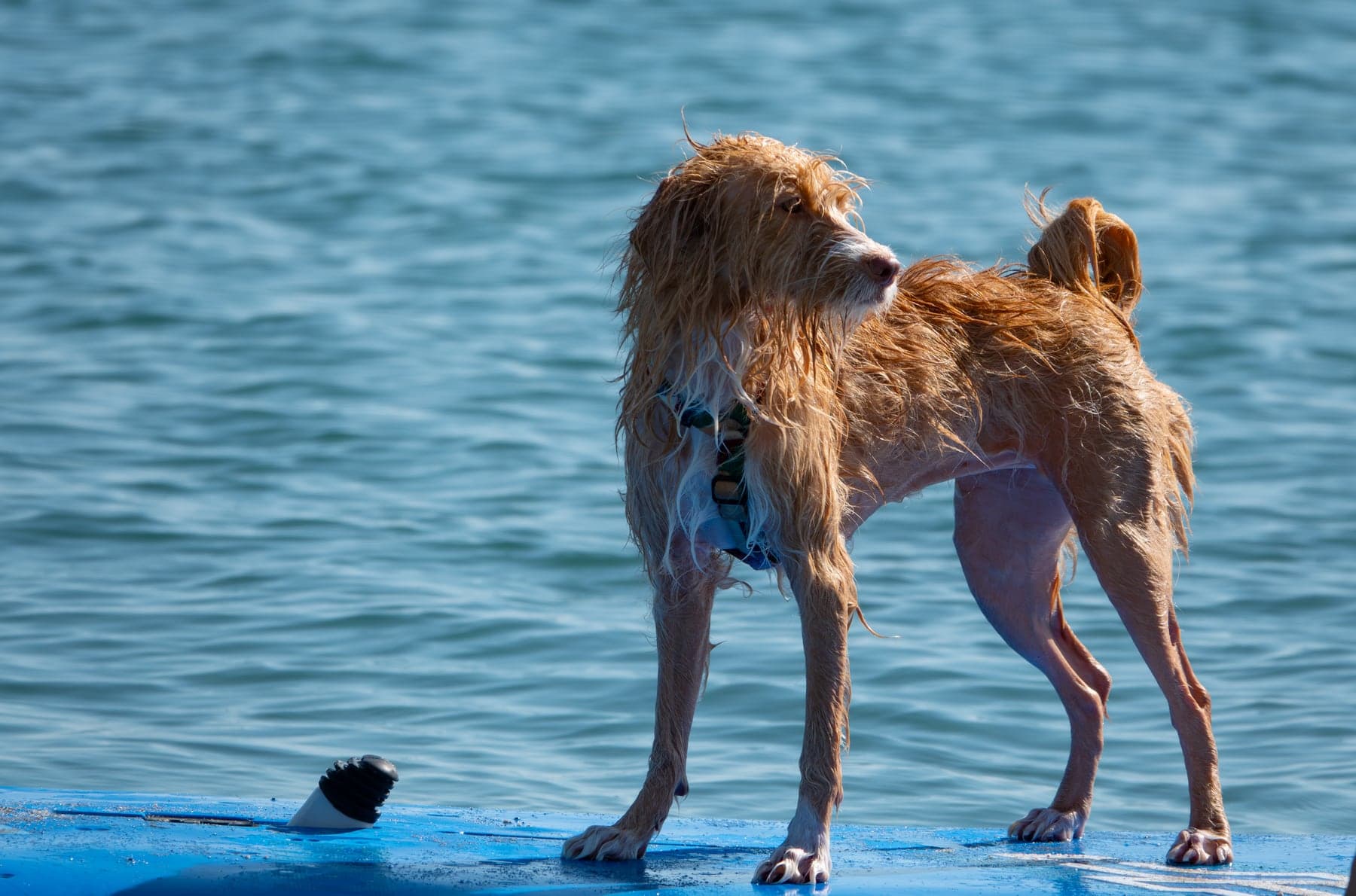
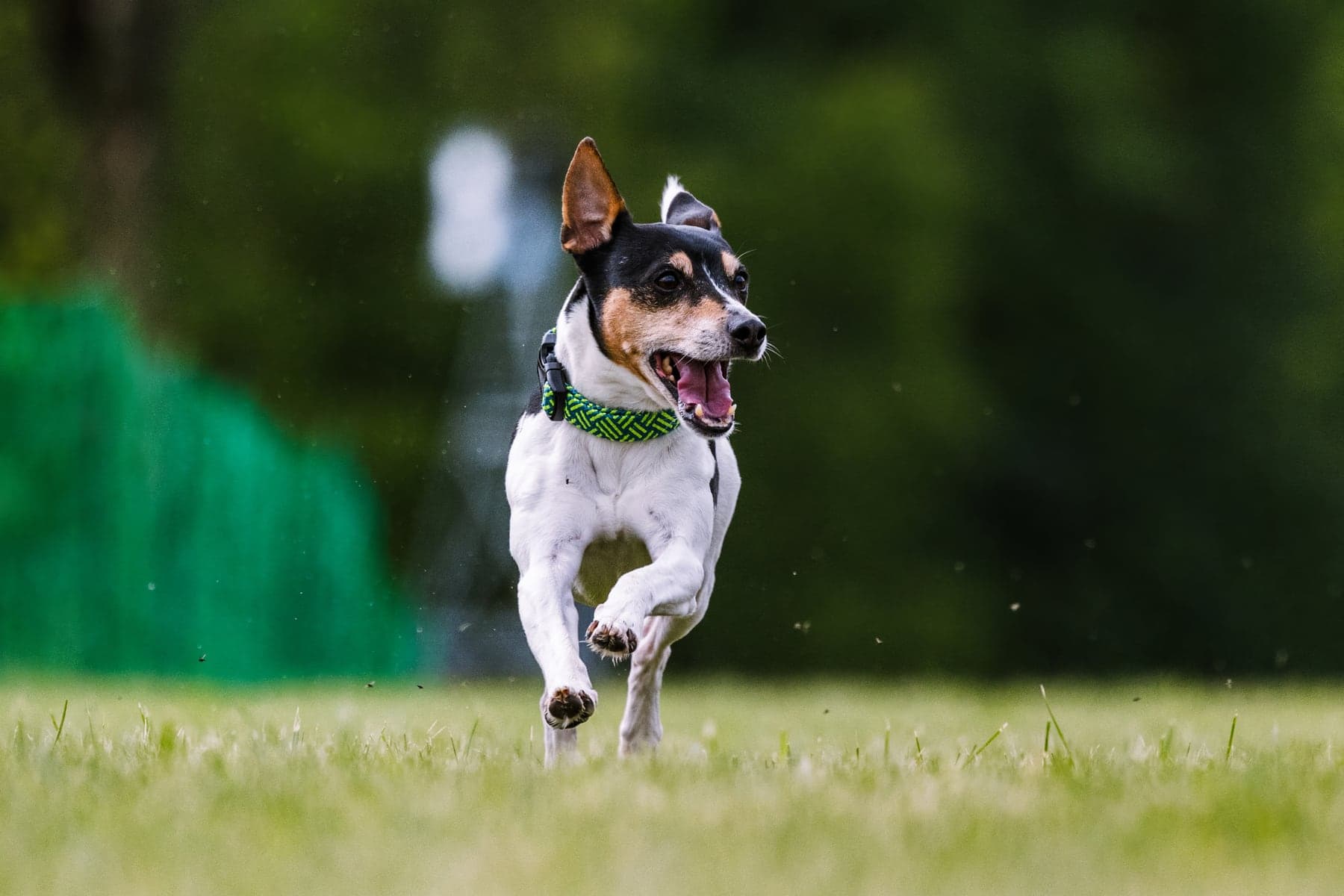
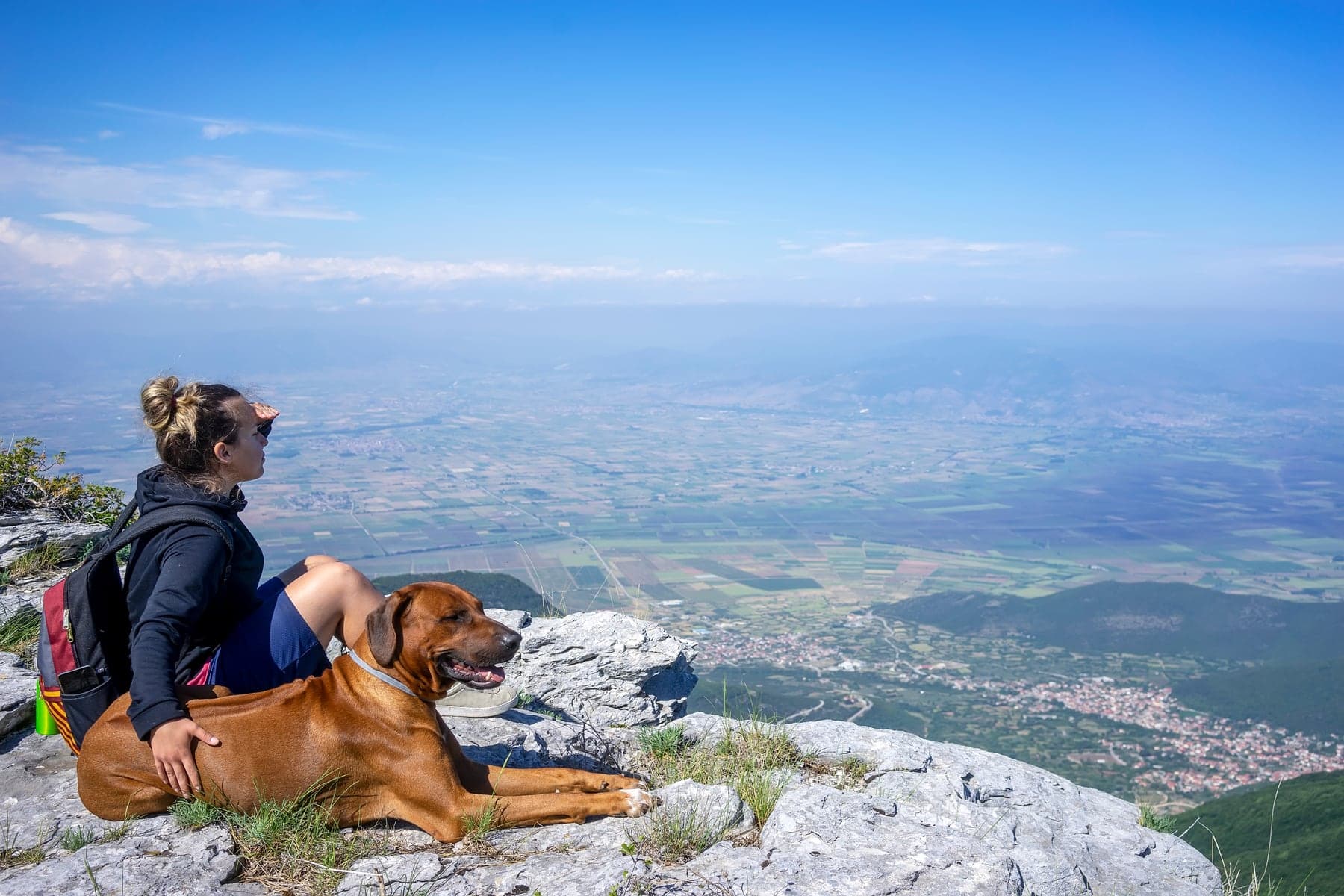
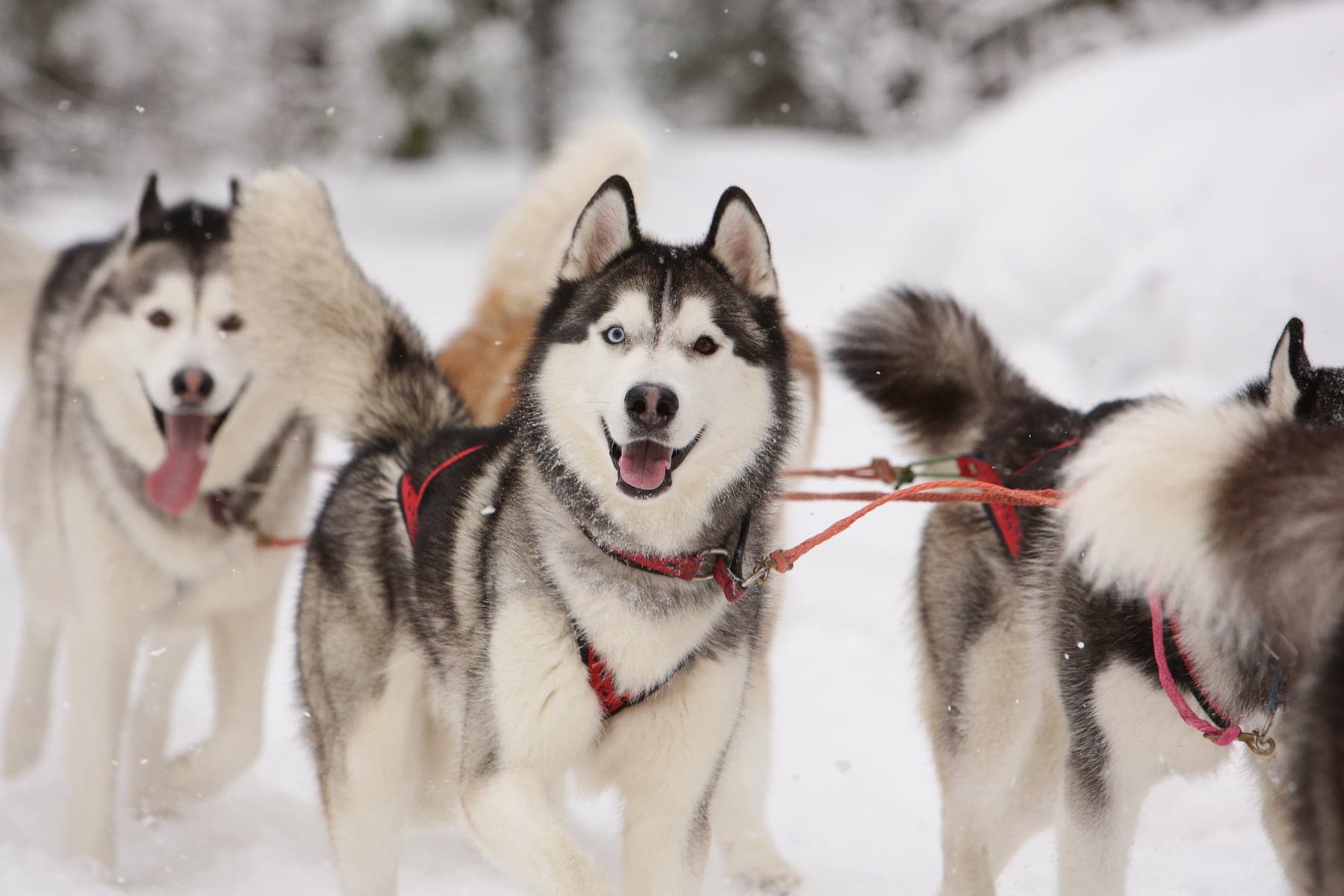
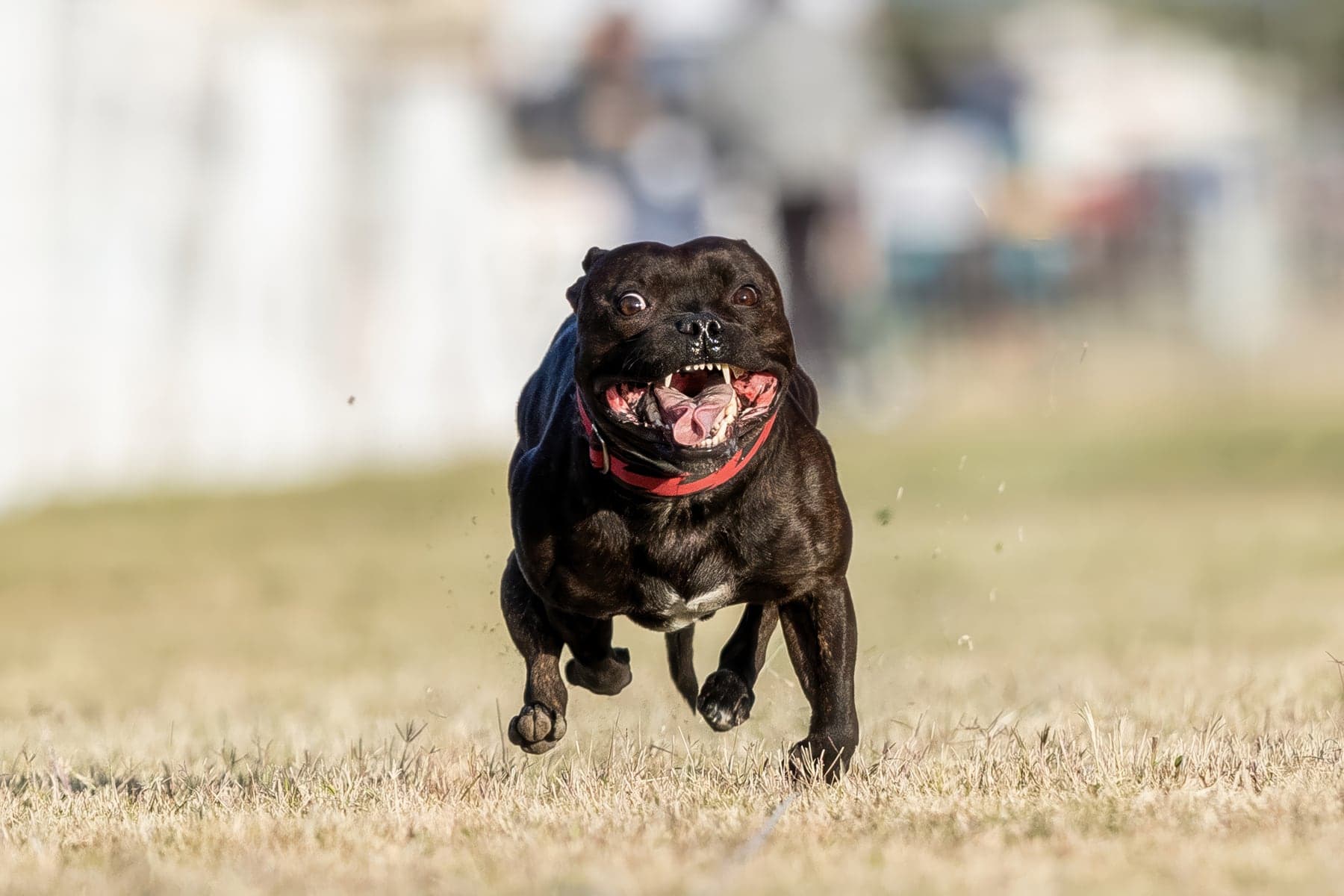
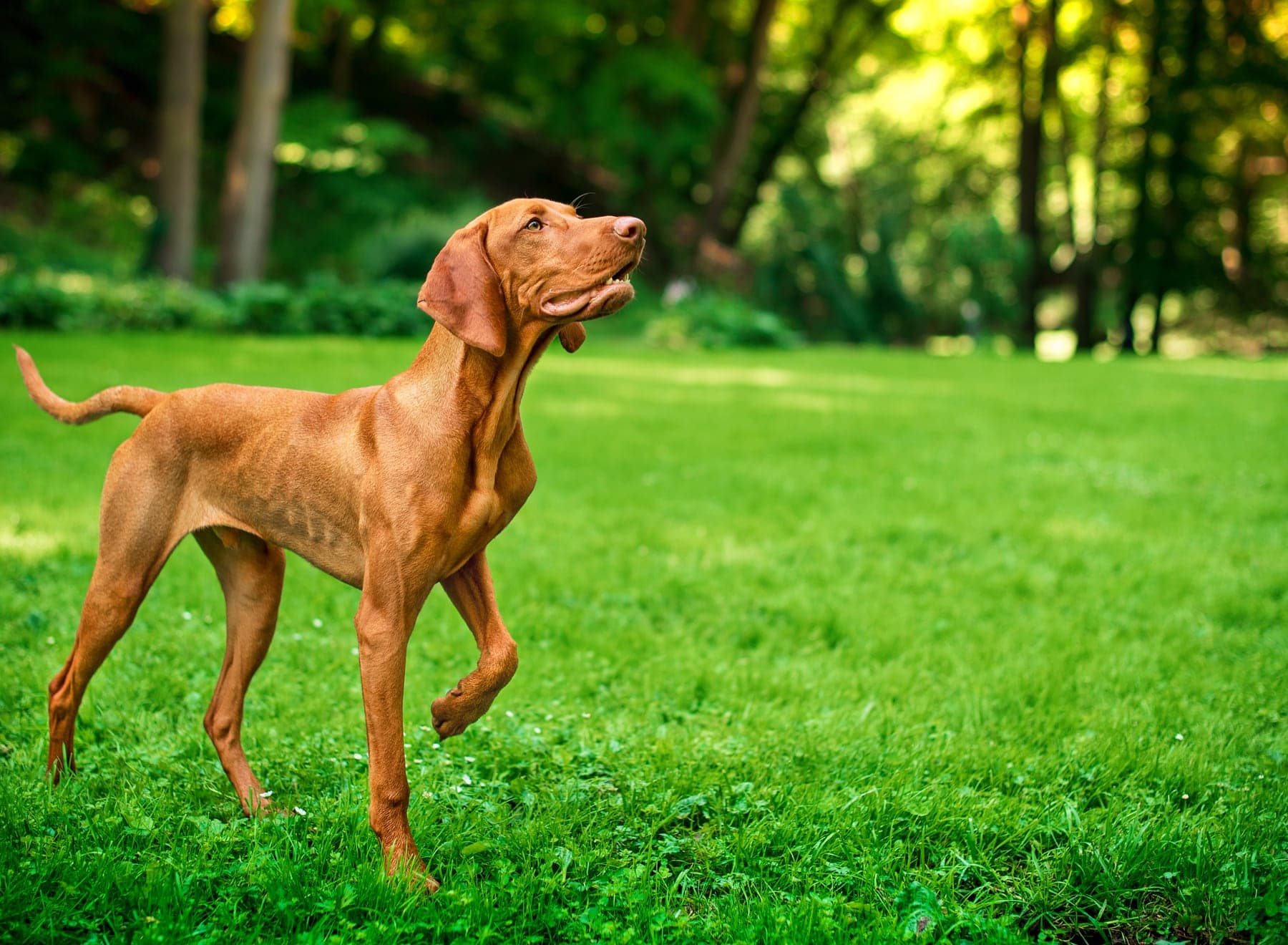
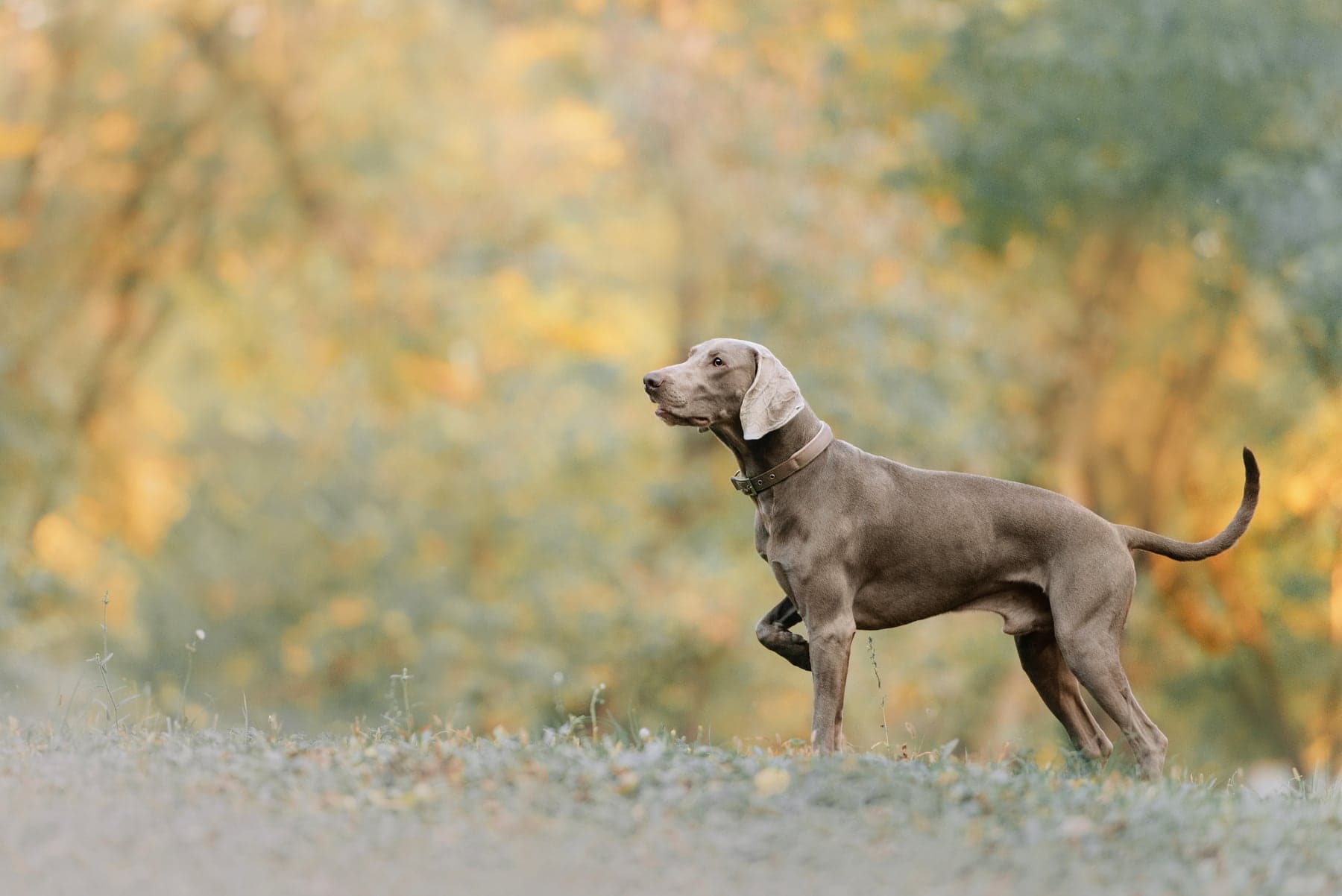
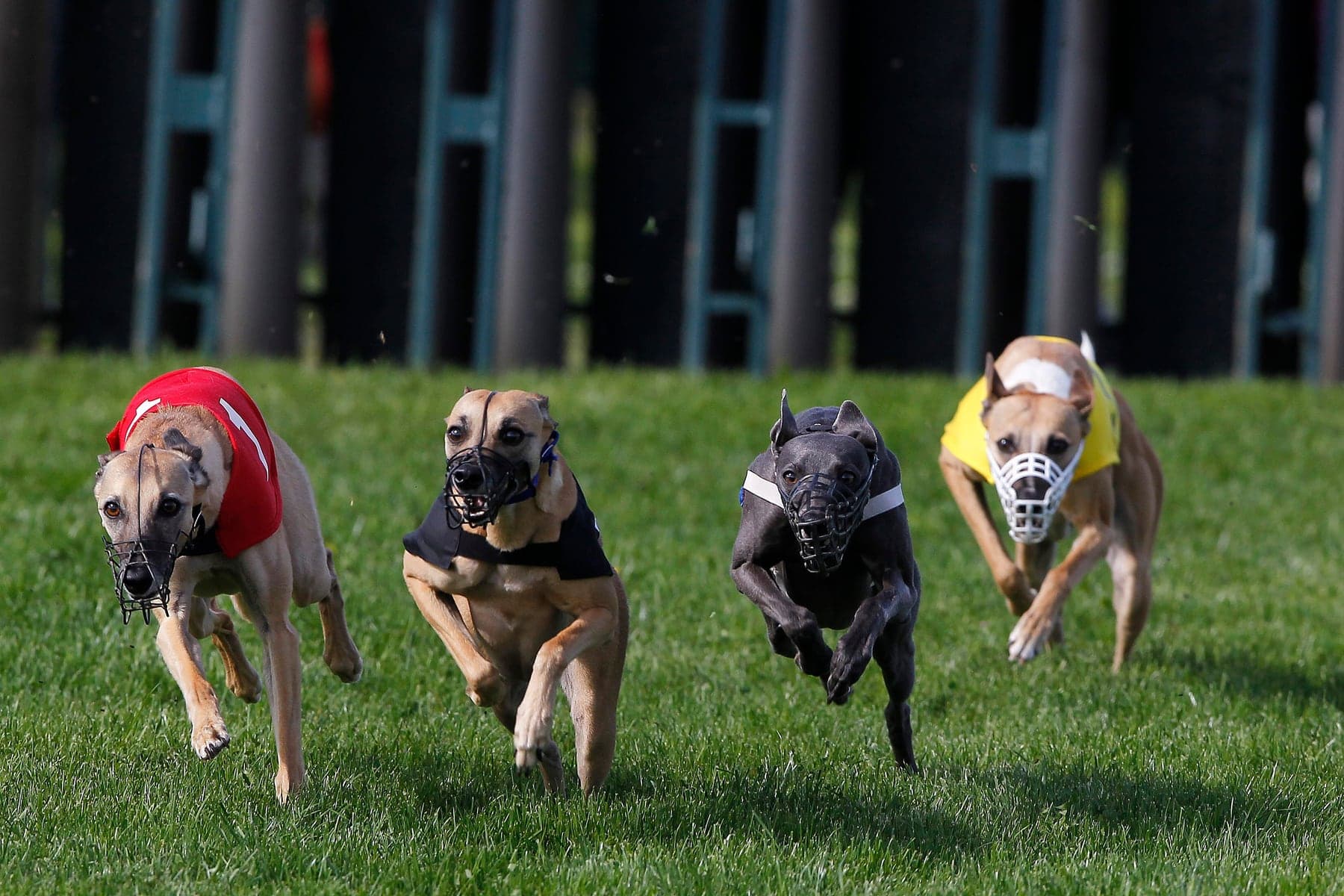
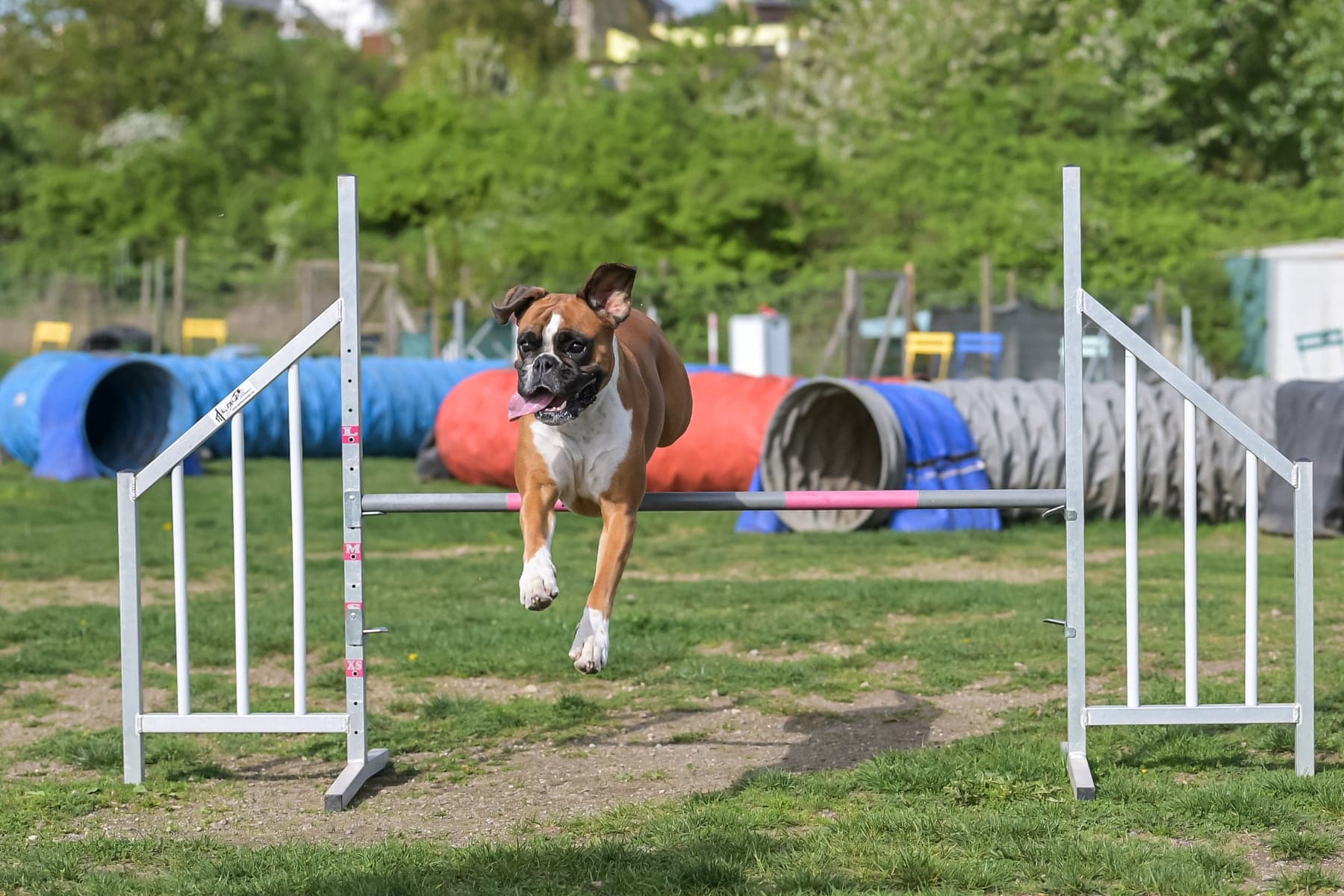
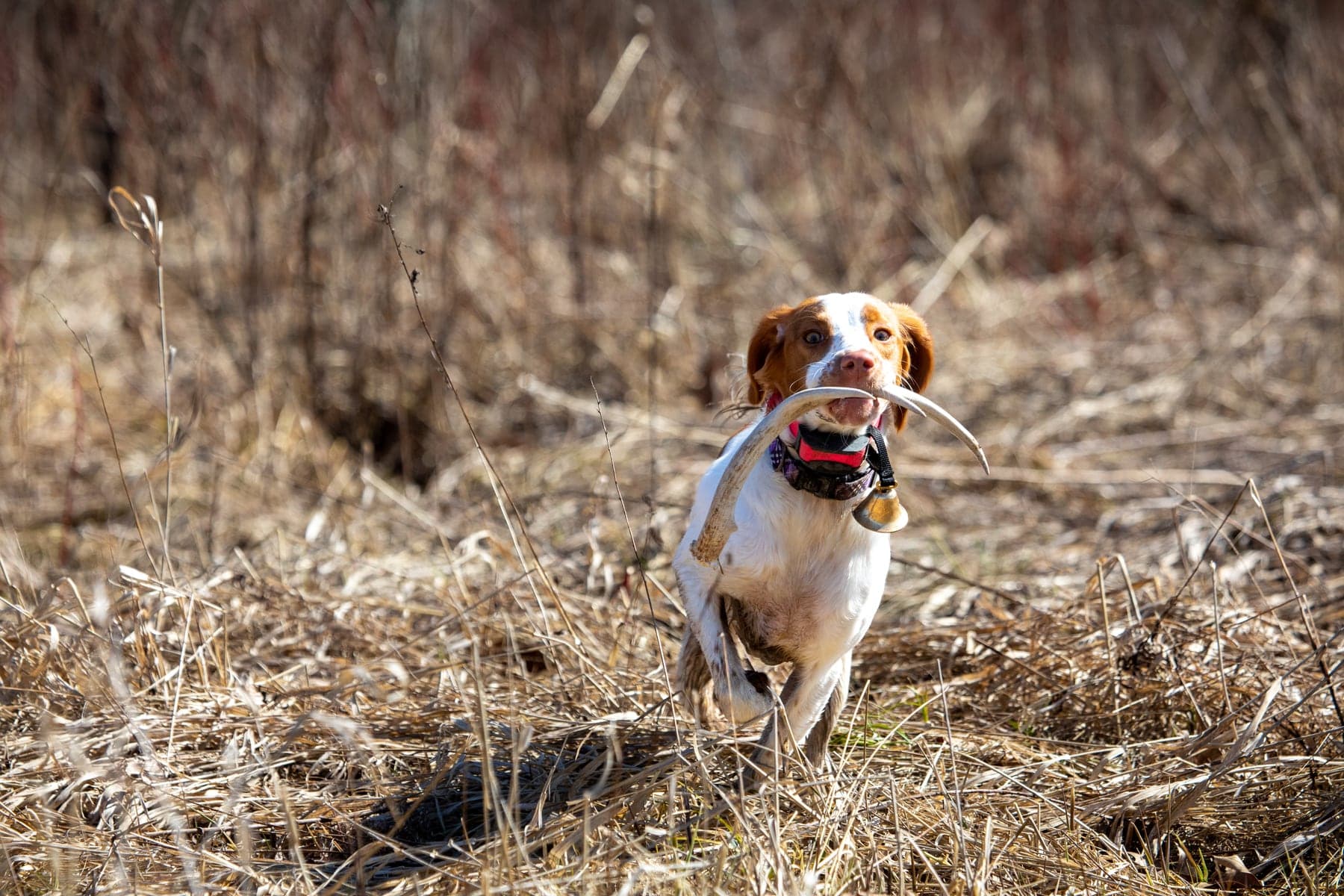
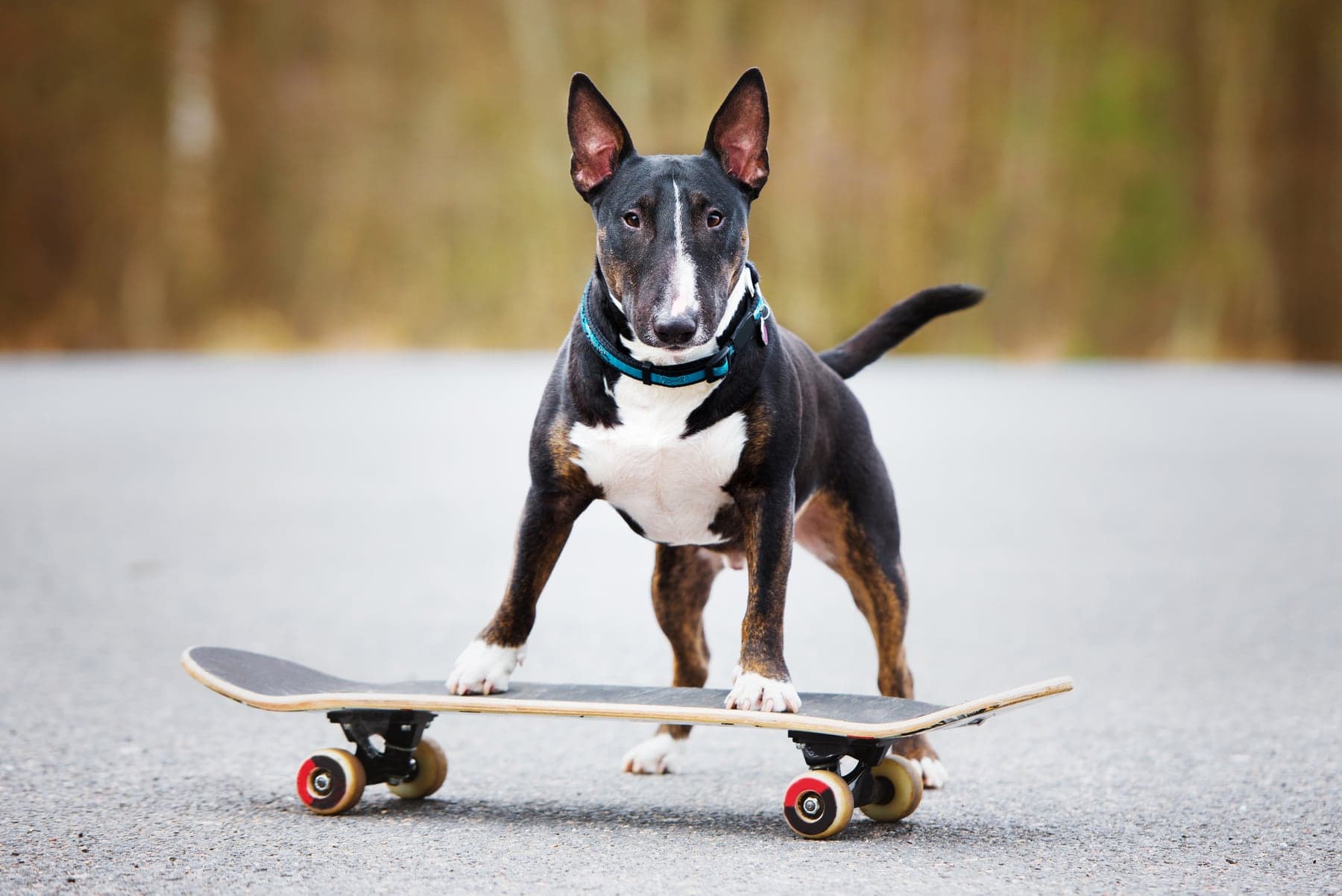
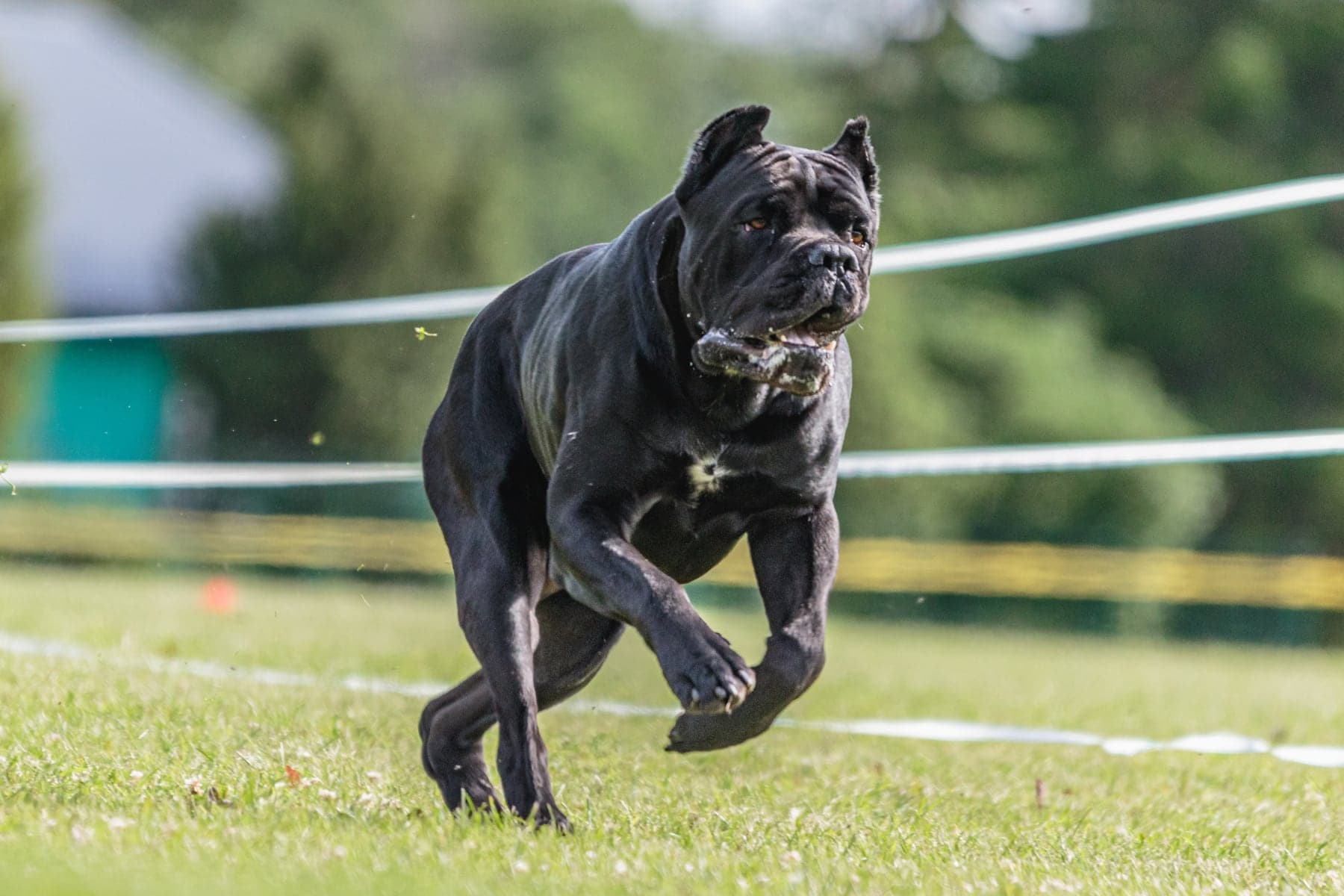
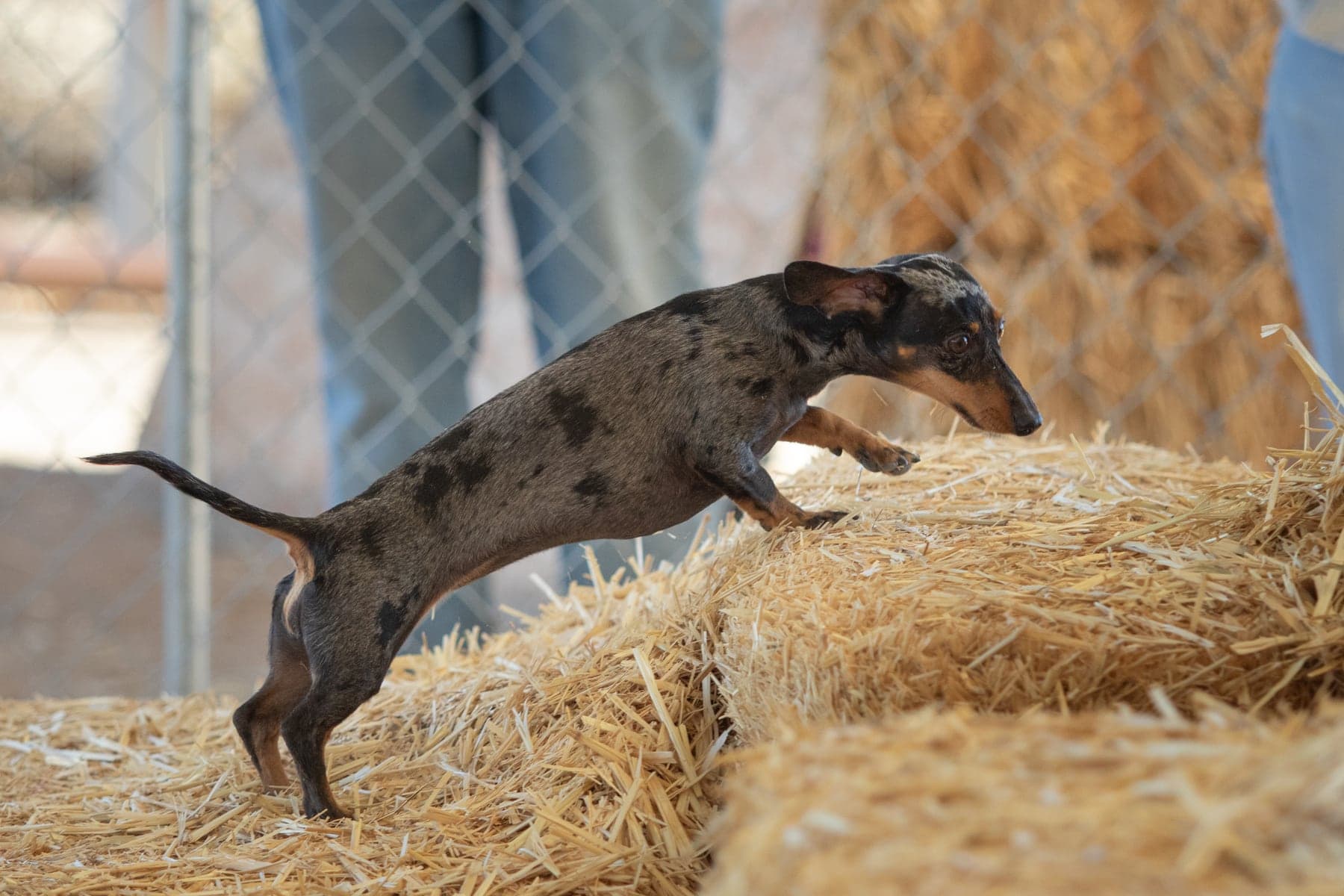
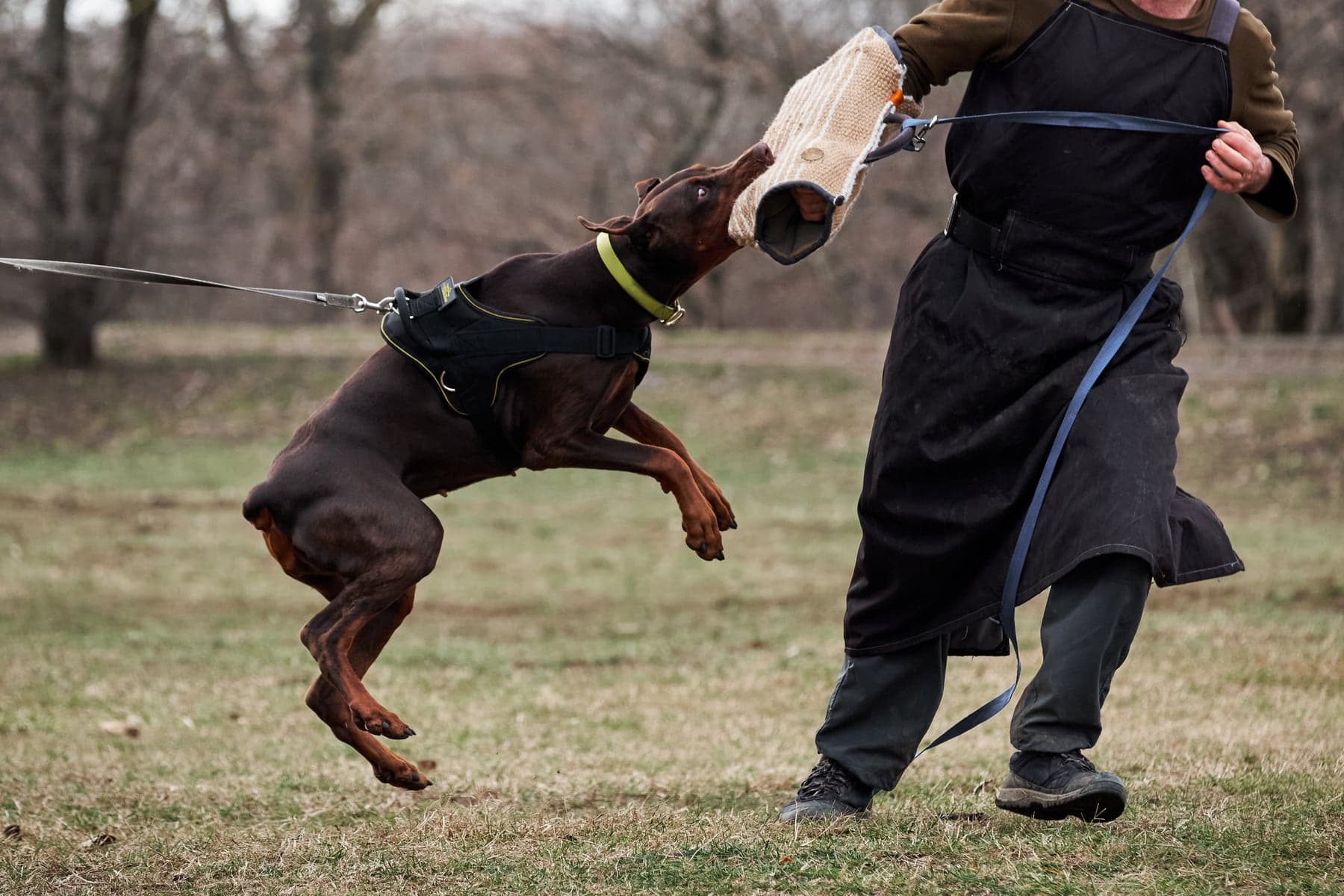
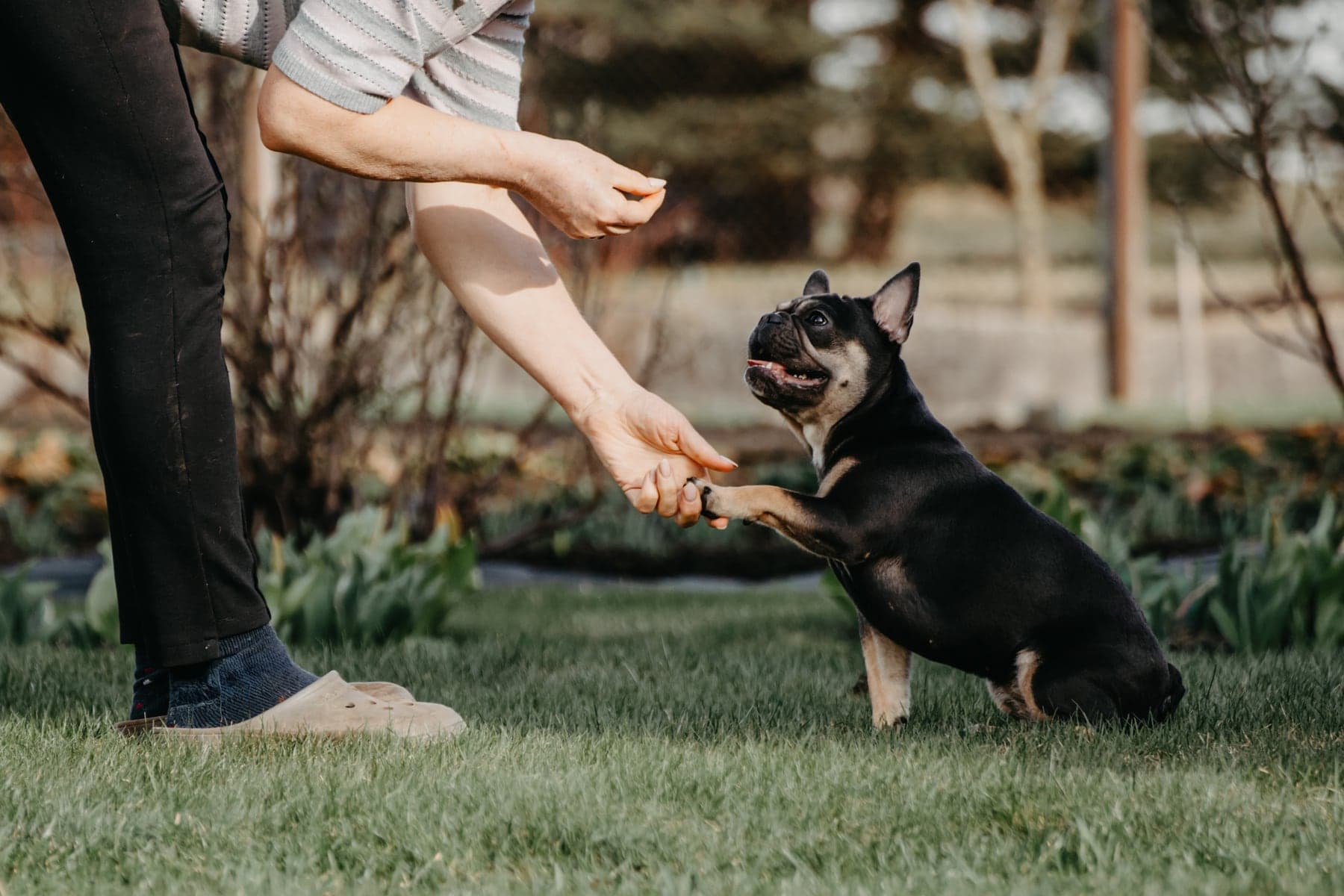

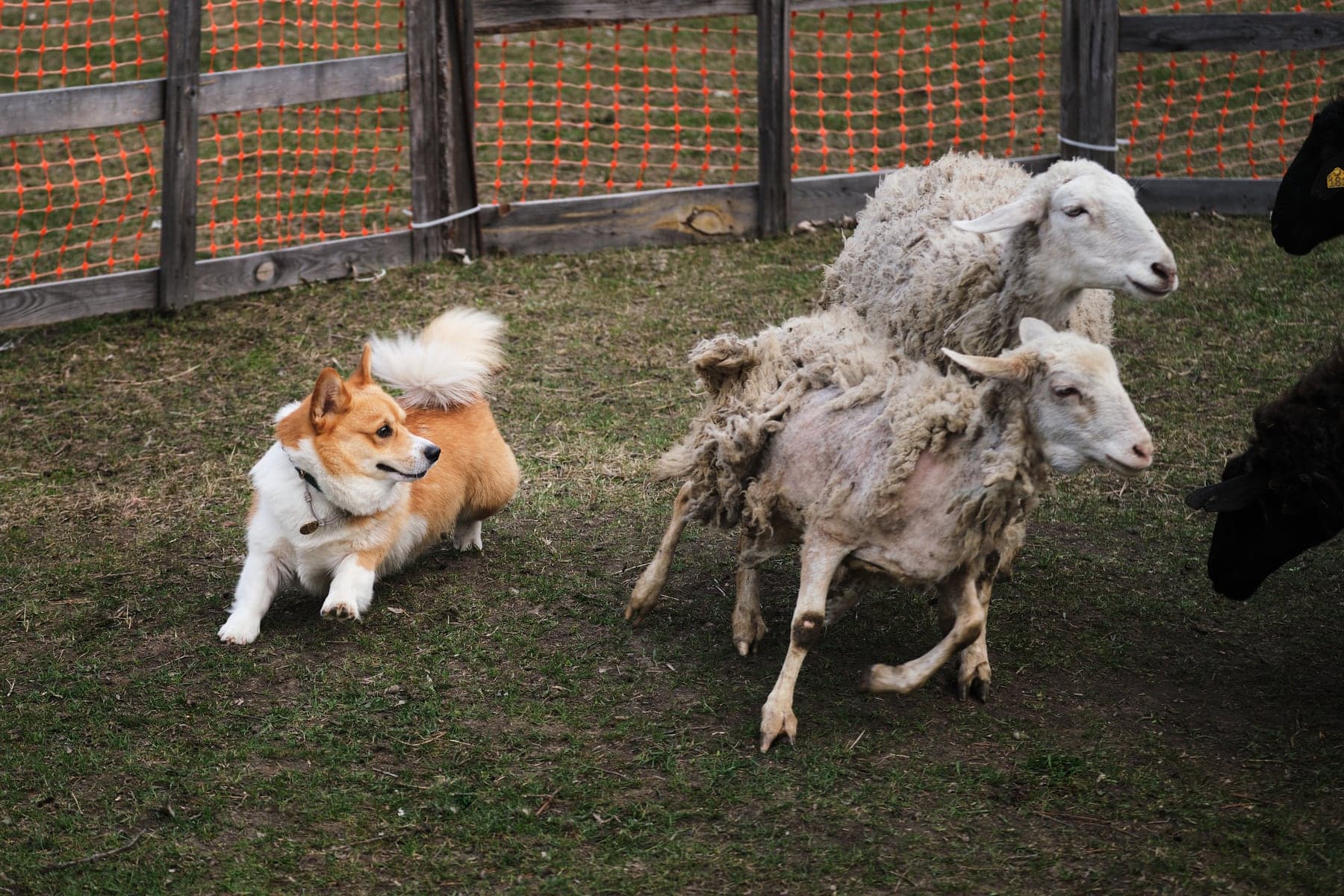
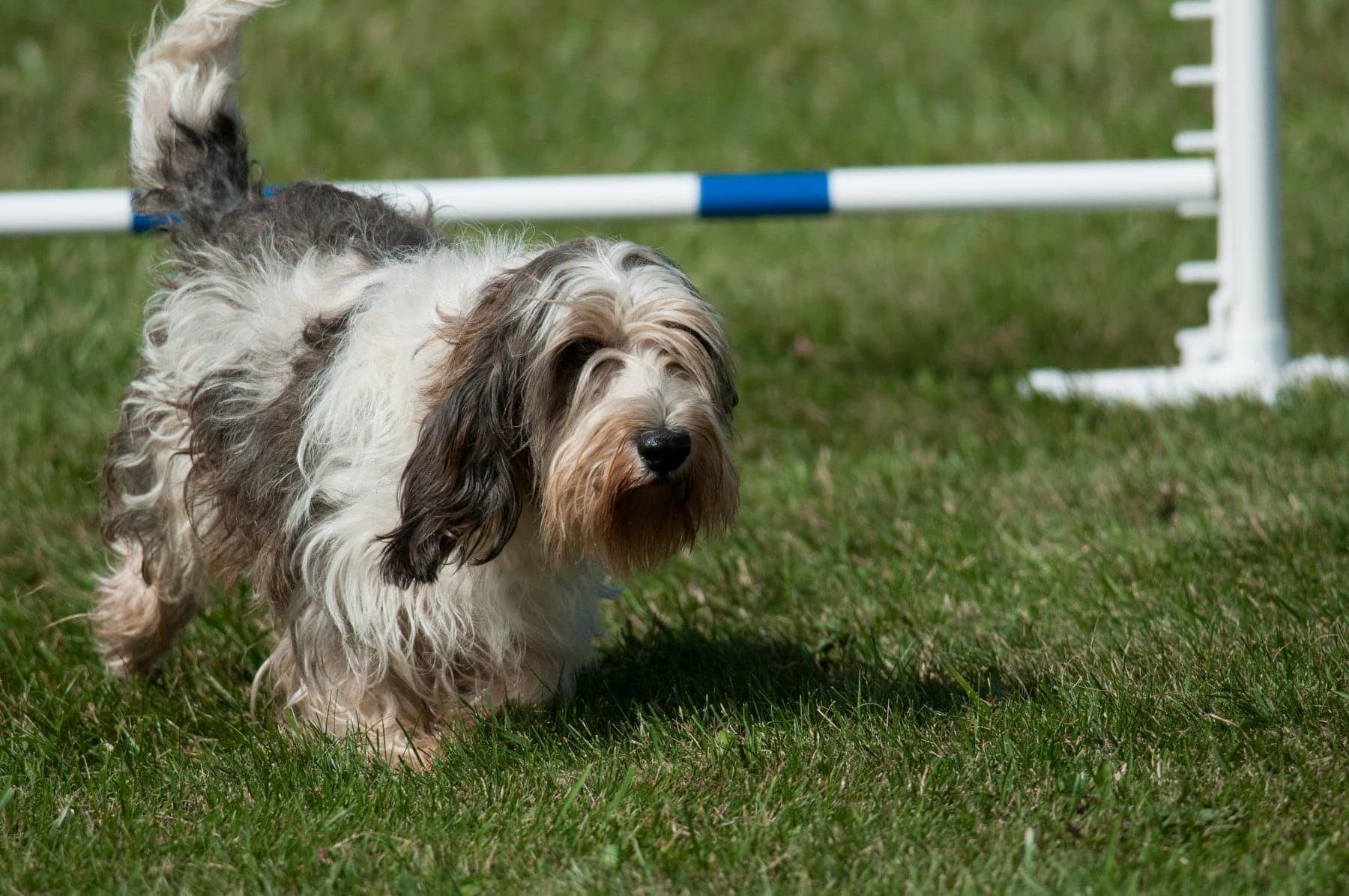
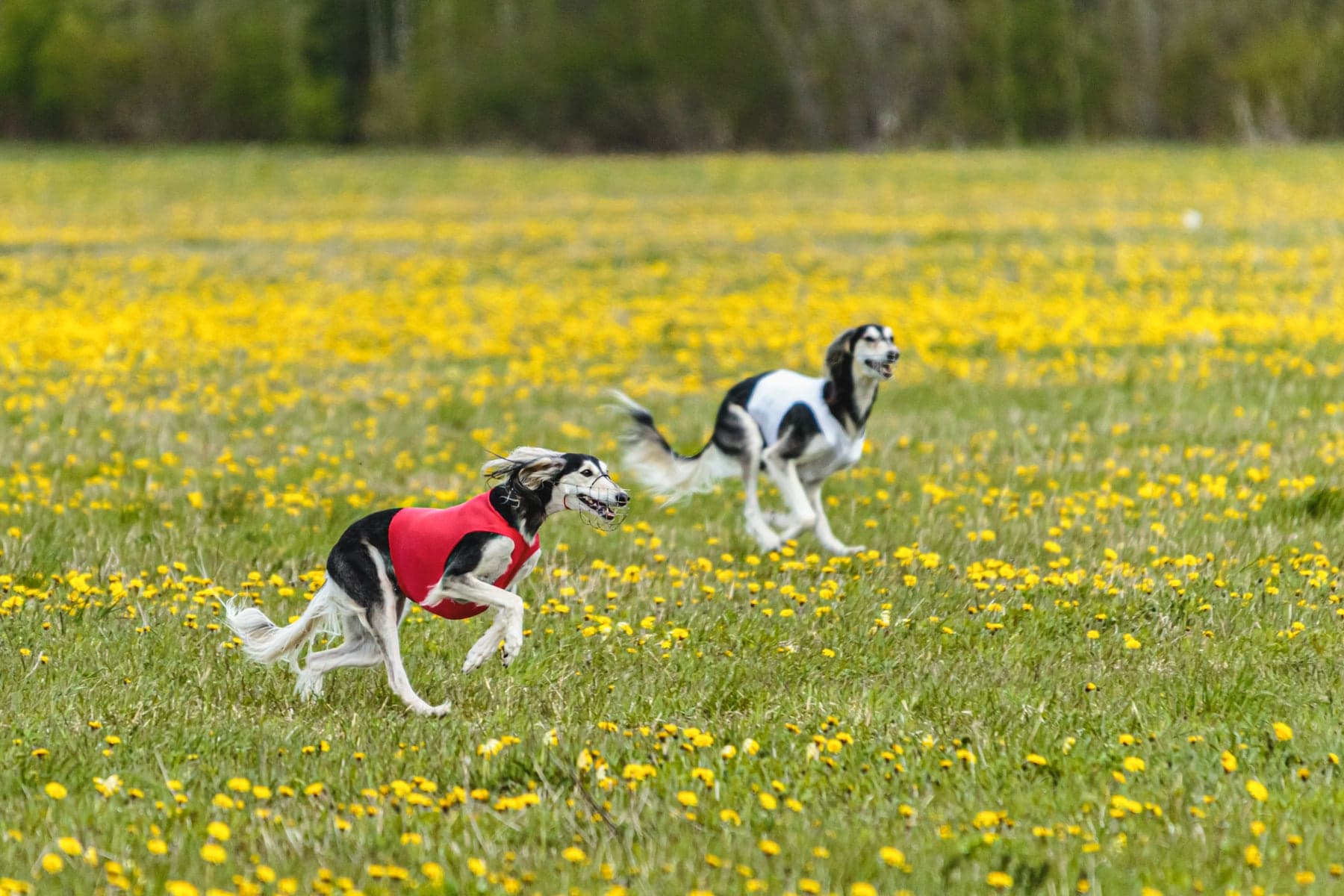
Breeds in our field guide that take naturally to fast cat — not every breed that competes, just the ones we’ve written up so far.
Sources & verificationLast reviewed June 2026
Our Fast CAT guide is an independent, plain-English orientation — not an official rulebook. Rules, titles, eligibility, and fees vary by organization and change over time, so always confirm the specifics with the current rulebook or event premium before you enter.
Checked against
Spot something out of date? Tell us and we’ll fix it.