Nose Work
the sport almost any dog can do.
The dog leads. You follow. No jumping, no chaos —
just a hidden scent and the moment your dog says, “I found it.”
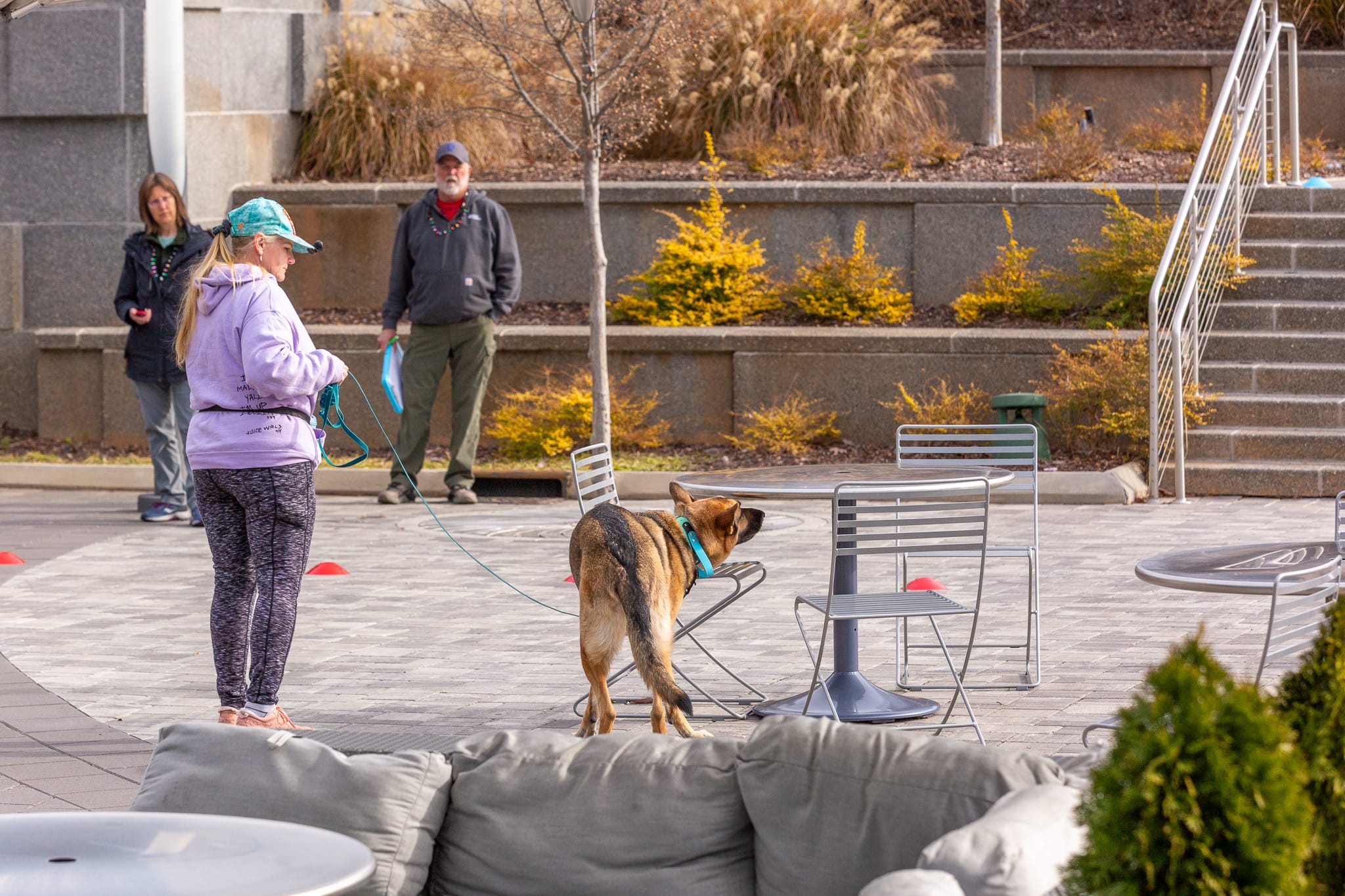
First a game. Then a sport.
Nose Work gives your dog's natural sniffing instinct a job. Tonight it's a game you can play on the kitchen floor with boxes and treats. Later it can become a real sport with classes, trials, and titles — and the skill never changes: your dog searches, and you learn to trust what they tell you.
Nose Work highlights.
Puppy to senior, blind, deaf, or tripod — one of the widest on-ramps in dog sports.
A short, focused search can tire a dog like a much longer walk.
One dog searches at a time — why shy, anxious, and reactive teams start here.
Registers your dog for the sport — or play free at home with a box and treats.
You stop steering. The dog takes over.
Your dog already does this — nosing where a treat fell last week, reading the backyard with their head low. Nose Work just gives that instinct a target: a hidden scent, birch or anise or clove on a cotton swab, and the second they find it, they tell you. The dog already knows how to smell. You're the one learning to watch.
One thing trips up beginners: the names. You'll see it called Nose Work, K9 Nose Work, Scent Work, or just Nosework. Those are mostly different organizations — AKC calls its version Scent Work — but it's the same core sport: a dog searching for hidden odor.
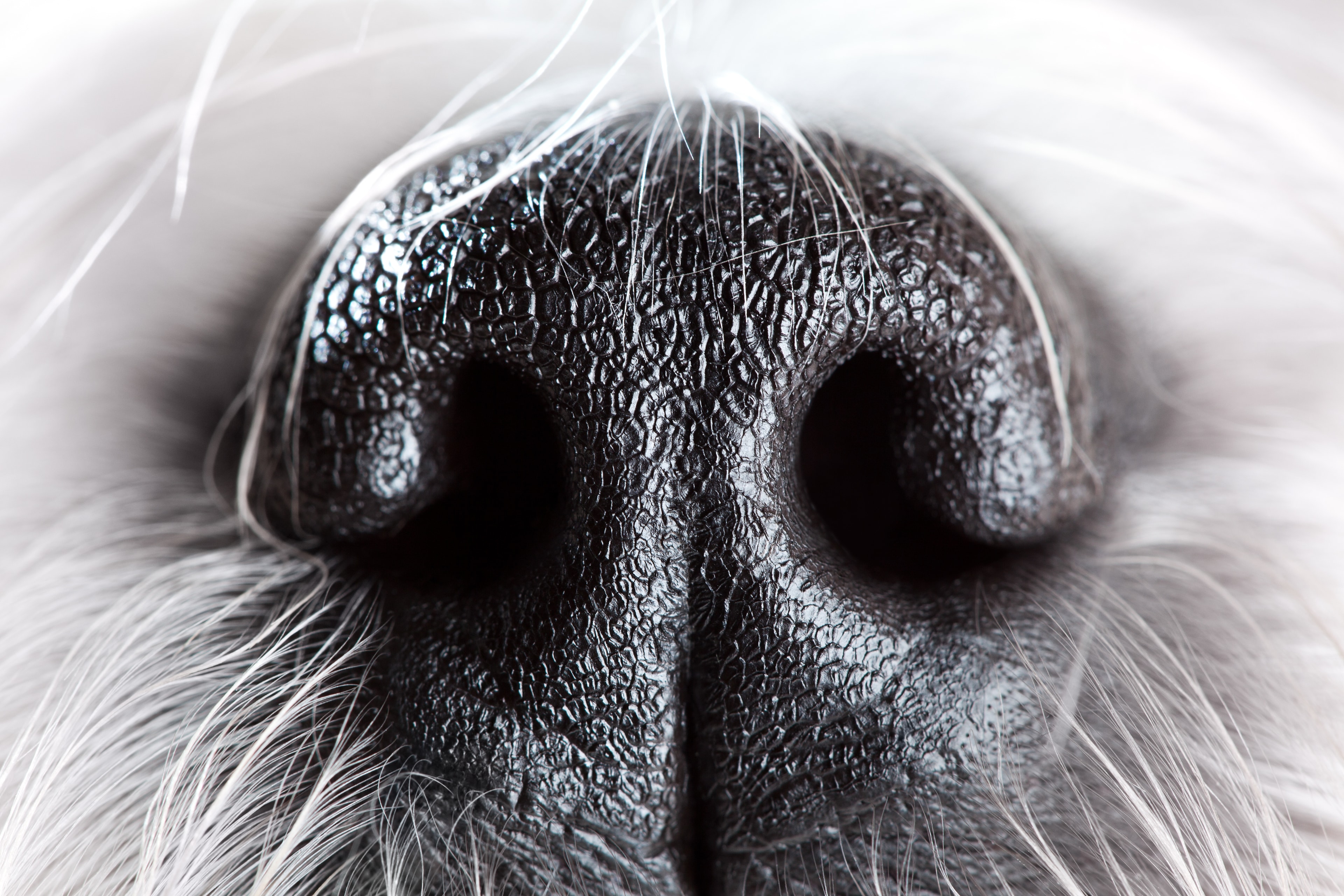
The kind of dog who belongs here.
- Loves to sniff and follow their nose.
- Is food- or toy-motivated.
- Is reactive and needs space from other dogs.
- Is shy or anxious and needs a confidence win.
- Is a senior, or can't do high-impact sports.
- Needs a job — but not chaos.
- You're willing to start simple and build slowly.
- You can keep early sessions short and low-pressure.
- You want to reward curiosity, not perfection.
- You're looking for a sport that can help your dog gain focus over time.
From your kitchen to your first trial.
- Tonight · at homeThe box game
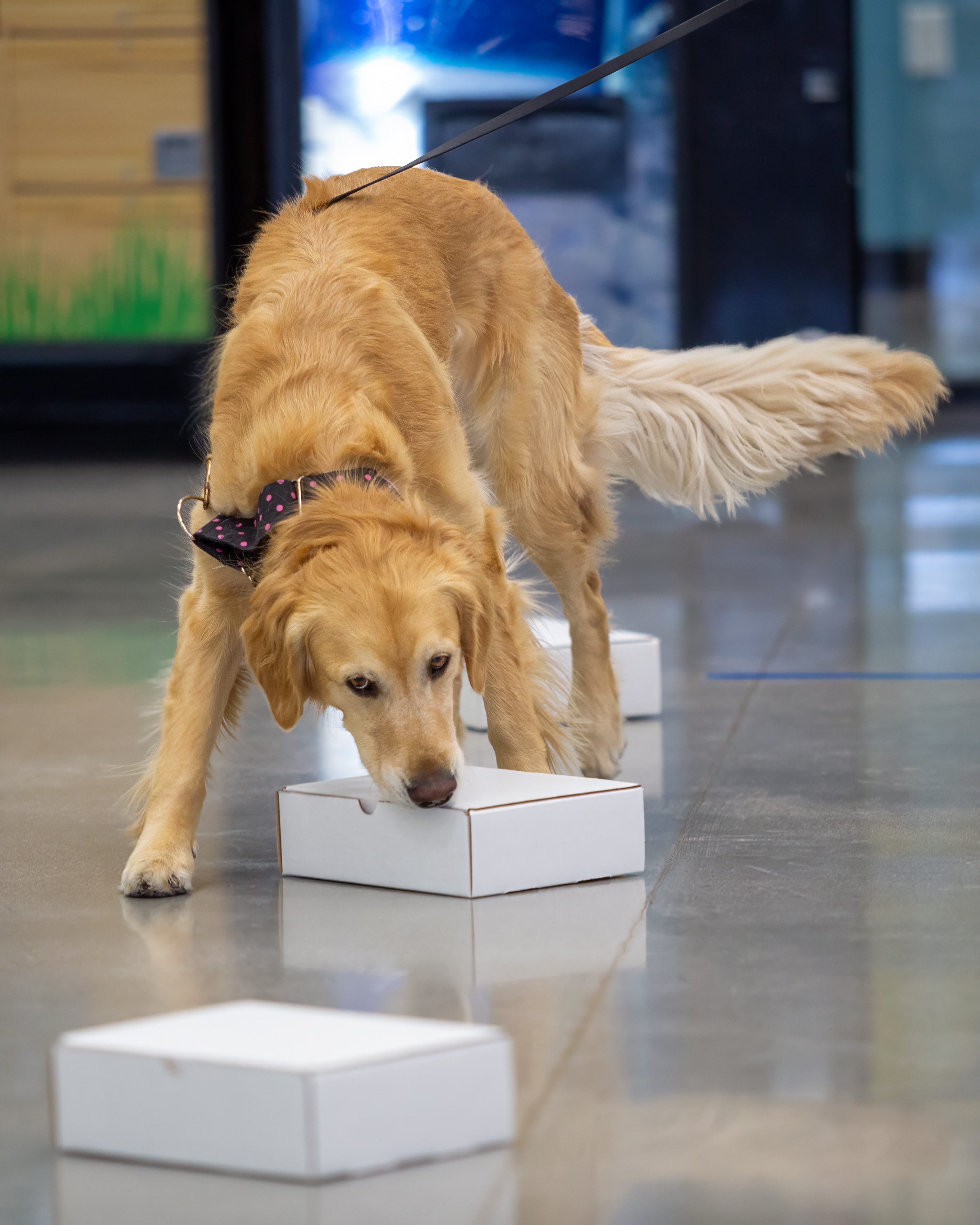
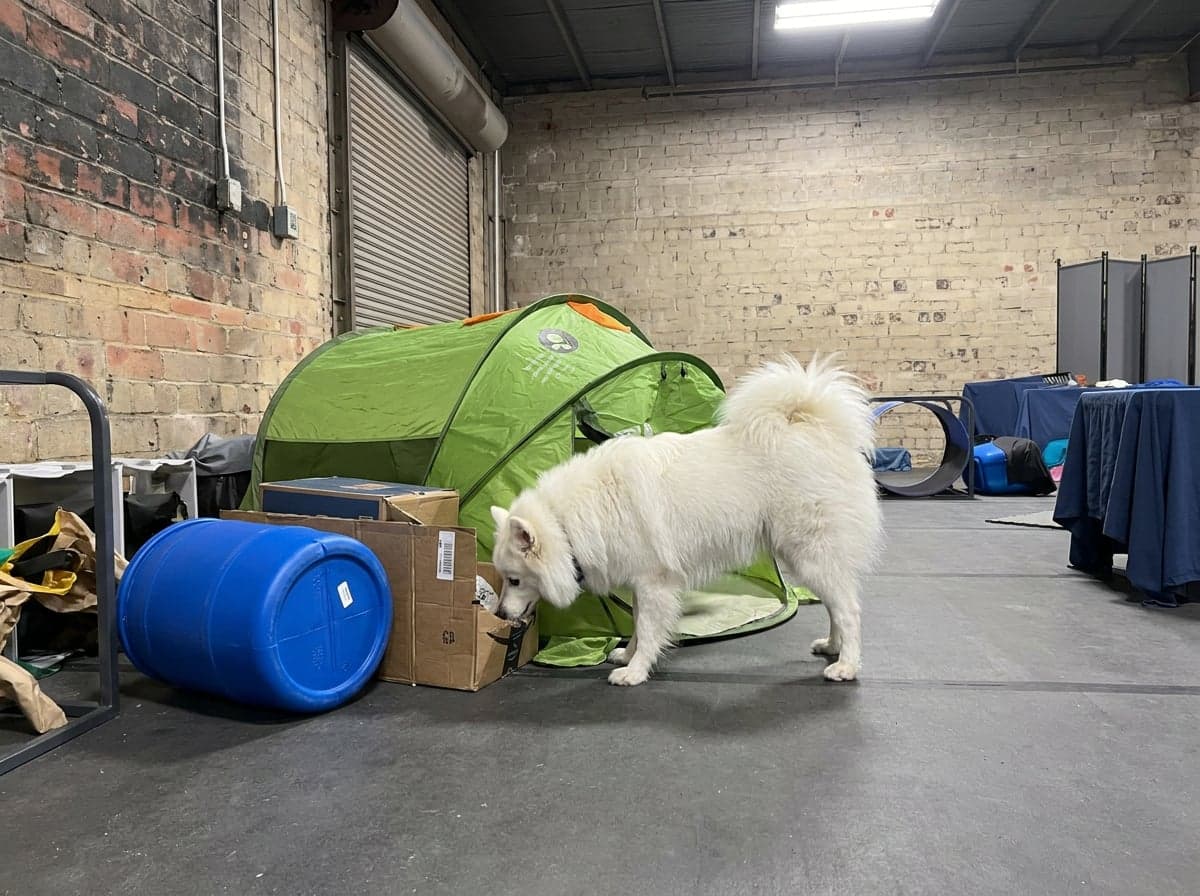
Set out a few open boxes. Drop a treat in one. Let your dog find it. Don't point, don't hover — the first goal isn't obedience, it's desire. A few minutes is plenty; stop while they still want more.
- Weeks 1–12 · a classLearn the alert
A class teaches you to spot your dog's 'I found it' — a freeze, a paw, a hard stare — and to trust it instead of steering. This is where the target odors come in.
- When you're ready · a trialCompete, or just play
Some teams enter a trial within a few months; others take a year, and plenty never chase a title at all — they just keep playing at home. All of it counts.
What you need tonight: A few cardboard boxes, a handful of high-value treats, and your dog. That's it — no scent kit, no essential oils to start. (Tins, swabs, and birch/anise/clove come later, around $30–80.) You'll know it's working the moment your dog stops checking in with you and drives straight to the box.
Ready to explore Nose Work?
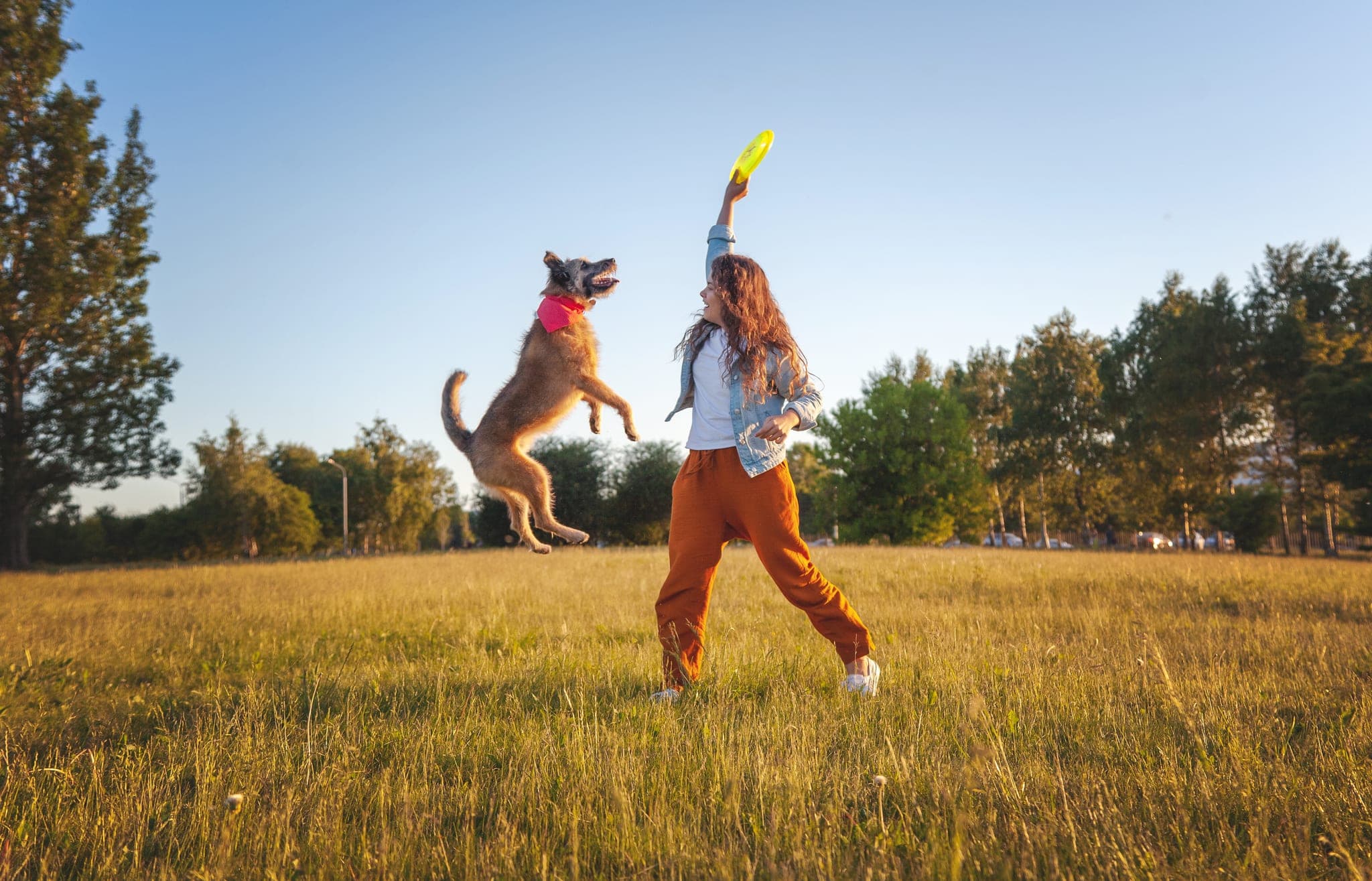
Your first trial is quieter than you'd think.
Multiple search areas, one dog at a time, pass/fail on finding the hides.
A crate, water, high-value rewards, comfortable shoes, patience.
Over-handling, calling alerts too early, letting nerves rush your timing.
Hours of waiting, early mornings, long drives. Often 'a blur' — even on a great day.
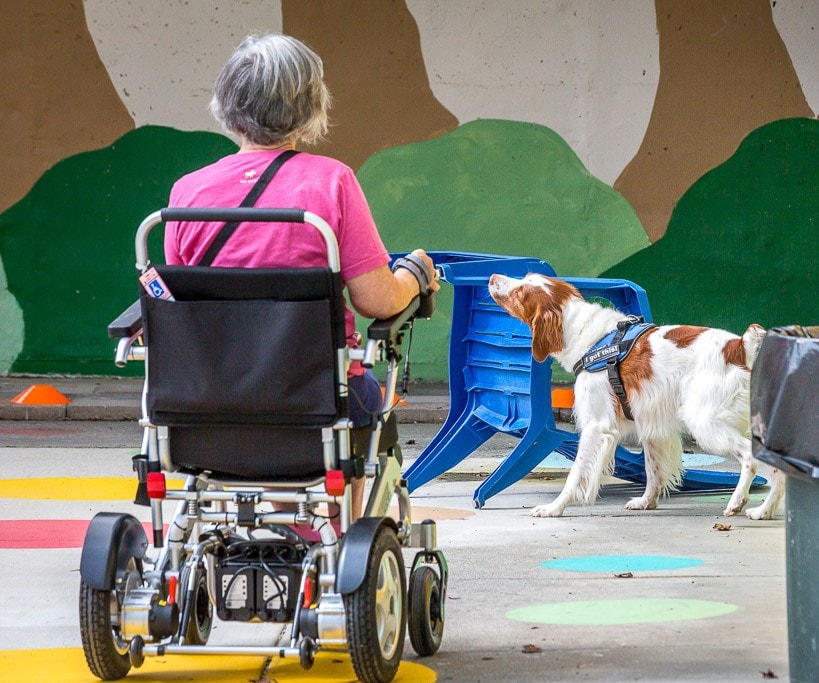
What following your dog's nose actually costs.
a year, if you keep it casual. Here's where it goes.
- One-time setupAKC reg or NACSW ORT$35–$85
- Class series6–8 weeks with an instructor$175–$300
- Per trialPer weekend, by org & level$100–$300
- Active annualTitles · training · travel$1.5k–$5k
Same sport, 5 different roads.
Skills transfer across all of them — choose by how you and your dog like to work.
- AKC Scent WorkSince 2017
Structured, level-by-level — the most signposted path from first hide to true detection work.
akc.org/scent-work → - NACSWSince 2008
Detection-feel and real-world — vehicle searches, three odors, and dogs always worked one at a time.
nacsw.net → - UKC NoseworkSince 2014 (codified in the 2020 rulebook)
Element-by-element and self-paced — the widest odor set, titled one piece at a time.
ukcdogs.com/nosework → - CPE CSSSince 2019
A level ladder with no test to enter — familiar to any CPE agility handler.
cpe.dog/rules-and-forms → - ASCA Scent Detection
A working-dog program through affiliate clubs — explicitly welcoming veteran and adaptive teams.
asca.org/.../scent-detection →
How the five roads differ.
Skills transfer across all five — pick by how you and your dog like to work.
| AKC | NACSW | UKC | CPE | ASCA | |
|---|---|---|---|---|---|
| Odors | 4 (+cypress) | 3 | 5 | 5 | Per level |
| 4th element | Buried | Vehicles | Vehicles | Vehicles | Vehicles |
| Style | Level-by-level | Detection-feel | Self-paced | Points ladder | Working-dog |
| Best for | Loving structure | Reactive dogs | One skill at a time | CPE regulars | Adaptive teams |
Four places a scent can hide.
Three elements every org shares — and a fourth that sets them apart.
Boxes & bags. Precision and focus.
Rooms & halls. Spatial problem-solving.
Outdoors. Wind makes the puzzle.
The choice between venues — NACSW runs vehicles, AKC buries the hide.
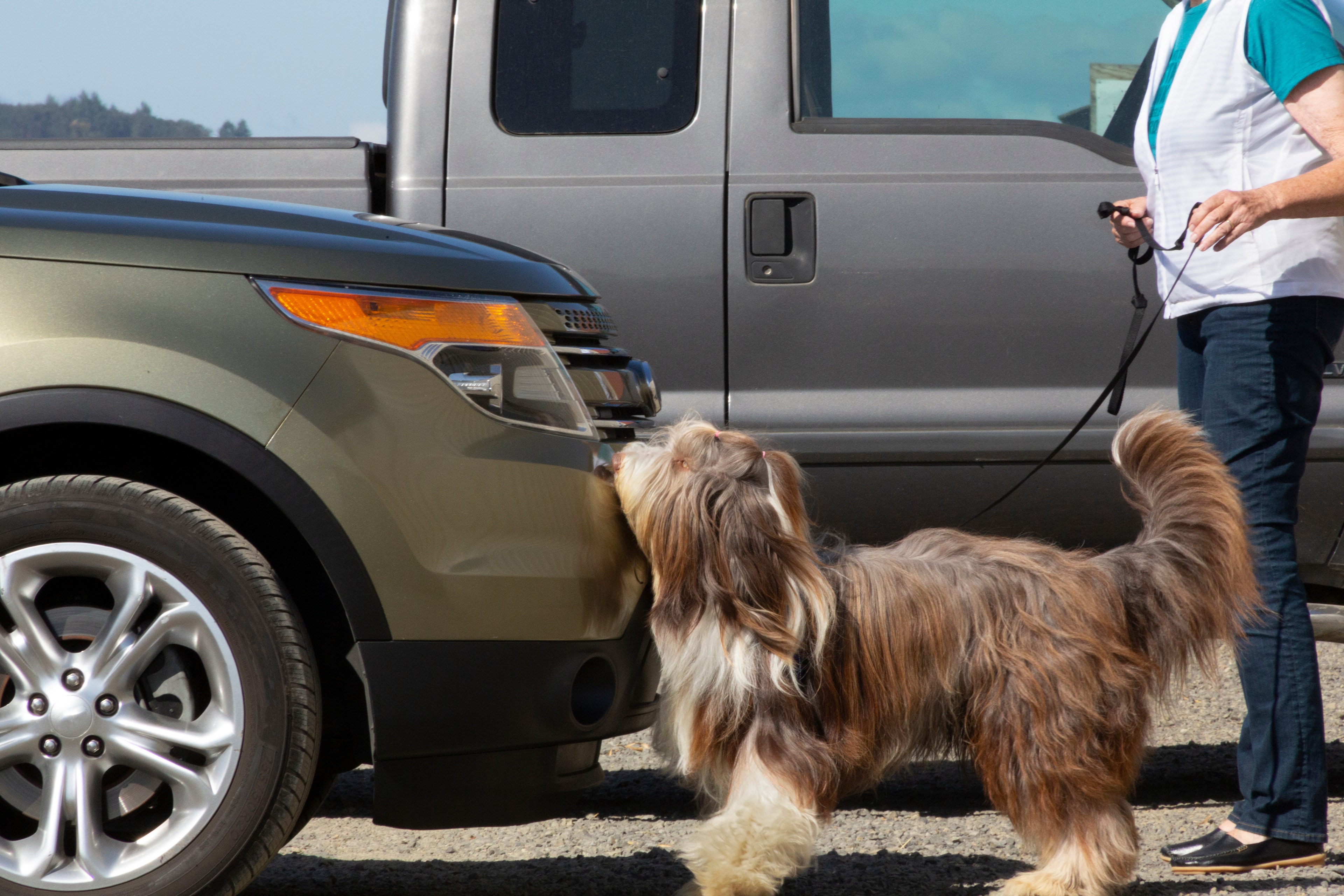
Nose Work makes room for nearly every dog.
- Blind dogs. The dog works by nose, not eyes — nothing about the search requires sight.
- Deaf dogs. The dog searches alone and the work doesn't depend on hearing — deaf dogs compete right alongside hearing dogs.
- Tripod dogs. No jumping or sustained running — three-legged dogs work small areas at their own pace.
- Wheelchair / cart dogs. One of the more wheelchair-friendly sports — the scenting is stationary, though it does depend on the venue being accessible.
- Joint or mobility limits. Low-impact by design — shorten or lengthen searches as needed. AKC lists it in its low-impact guidance.
- Senior dogs. Mental enrichment without joint strain, in short runs — AKC names it a top sport for seniors.
- Flat-faced breeds. A calmer, indoor option for flat-faced dogs — no heat or sustained breathing demand, unlike high-impact sports.
- Shy or anxious dogs. It isn't about being brave on command. A good beginner program builds confidence through small wins — until the question flips from 'is this place scary?' to 'where's the scent?'
- Reactive dogs. One dog in the search area at a time, with well-spaced parking — the go-to first sport for reactive teams.
When it gets weird.
- My dog just stares at me
- Totally normal at first — they think you have the answer. Make the early hides stupid-easy: treat in an open box, you step back and stay quiet. The lightbulb clicks once they realize the search is theirs, not yours.
- My dog eats the box
- Use a treat they can find fast, mark the moment they find it, and lift the box away before they redecorate it. A few cardboard casualties in week one is par for the course.
- My dog loses interest
- Lower the difficulty and raise the value — a pea-sized piece of hot dog beats kibble every time. Keep sessions to a few minutes and stop while they're still keen.
- When do I add the essential oils?
- Only once the box game is rock-solid, usually after a class or two pairs the odor with food. There's no rush — plenty of dogs play the food version happily for months.
- My dog wanders — is the search 'wrong'?
- Circling and backtracking (handlers call it 'bracketing') is your dog working the scent cone, not failing. Trust it. The skill you're building is reading that body language, not steering the path.

Where it came from
- Mid-2000sThree detection-dog trainers start K9 Nose Work classes for companion dogs in California.
- 2008NACSW founded — codifies the sport with three odors and core elements.
- 2014UKC adds Nosework — its own five-odor, element-by-element structure.
- 2017AKC launches Scent Work — a fourth odor and Handler Discrimination.
- 2019CPE adds Canine Scent Sport — a scent title built on its familiar CPE level-ladder structure.
- RecentlyASCA adds Scent Detection — a working-dog program welcoming adaptive teams.
Your dog learns to search. You learn to read. That's the whole sport.
If your dog loves Nose Work, try these.
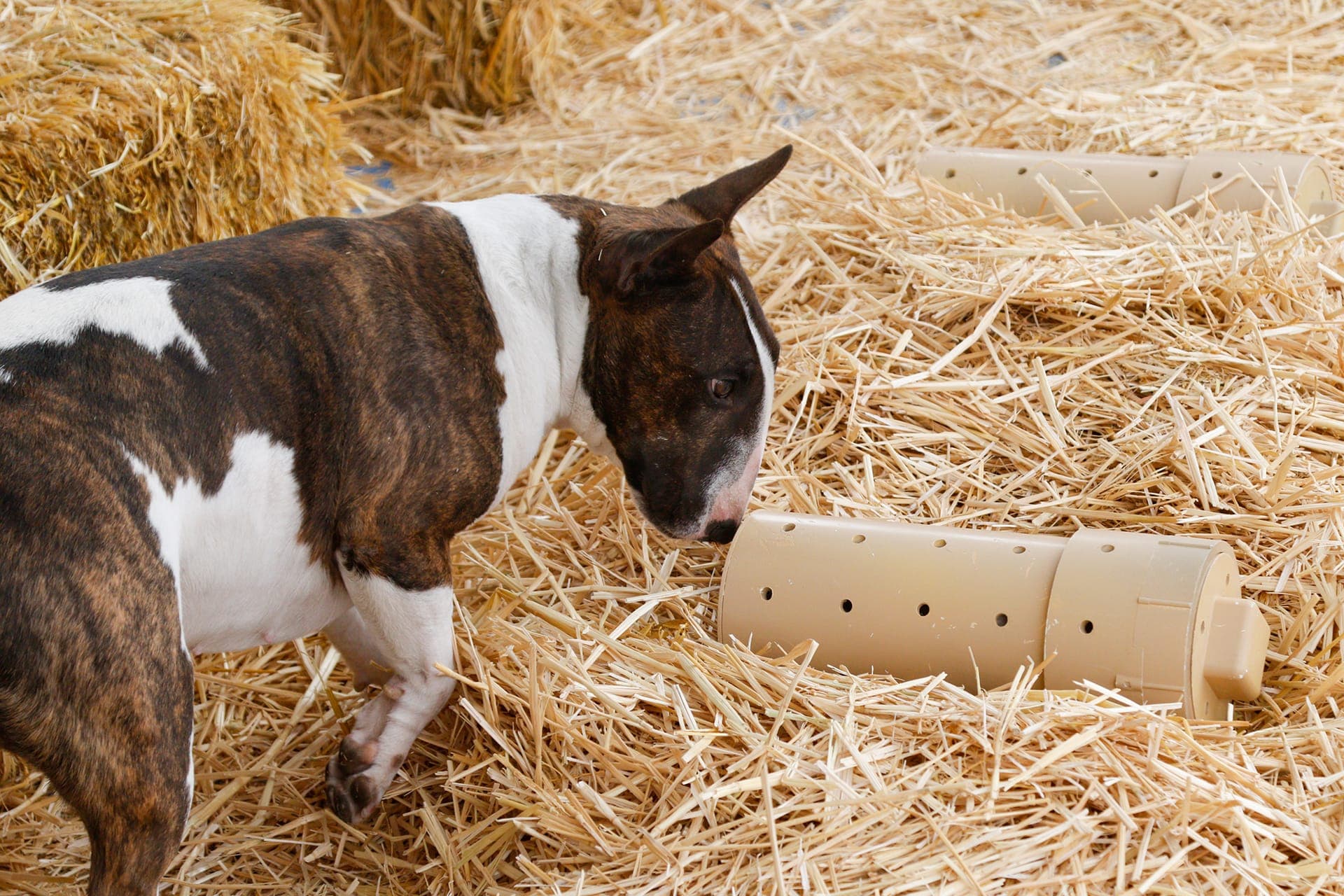
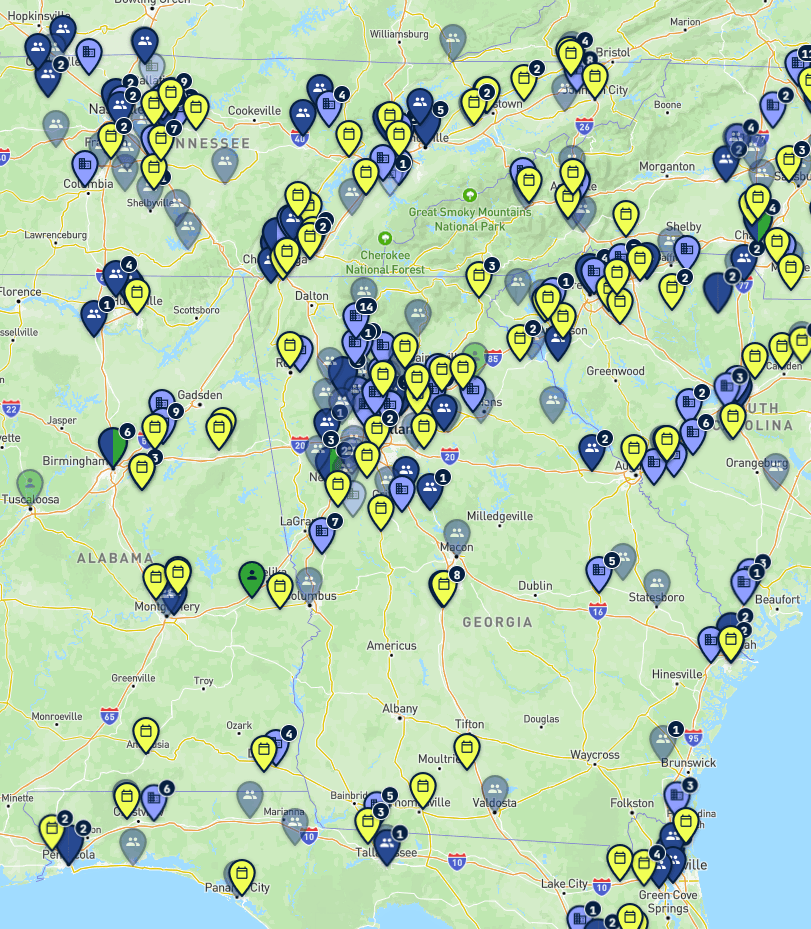
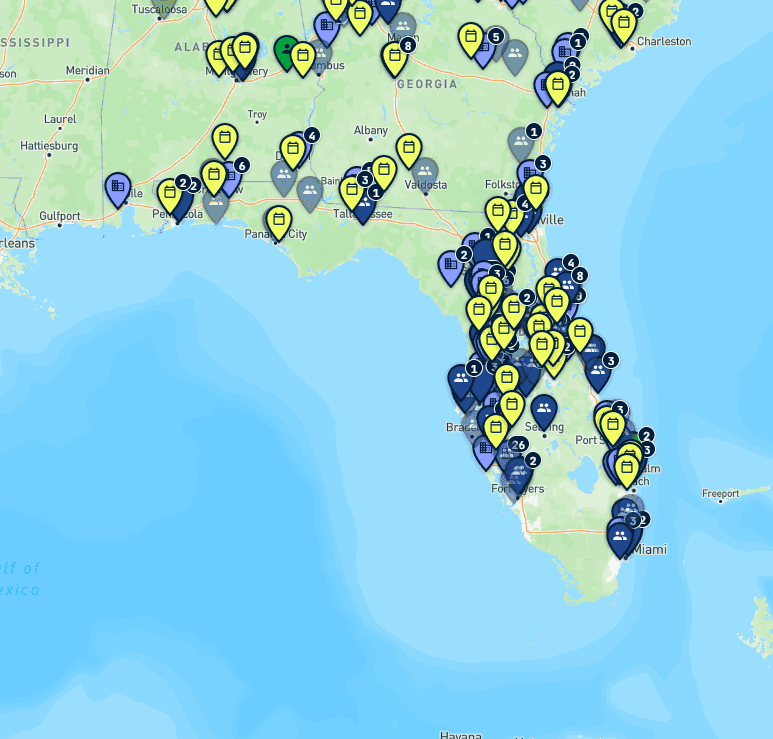
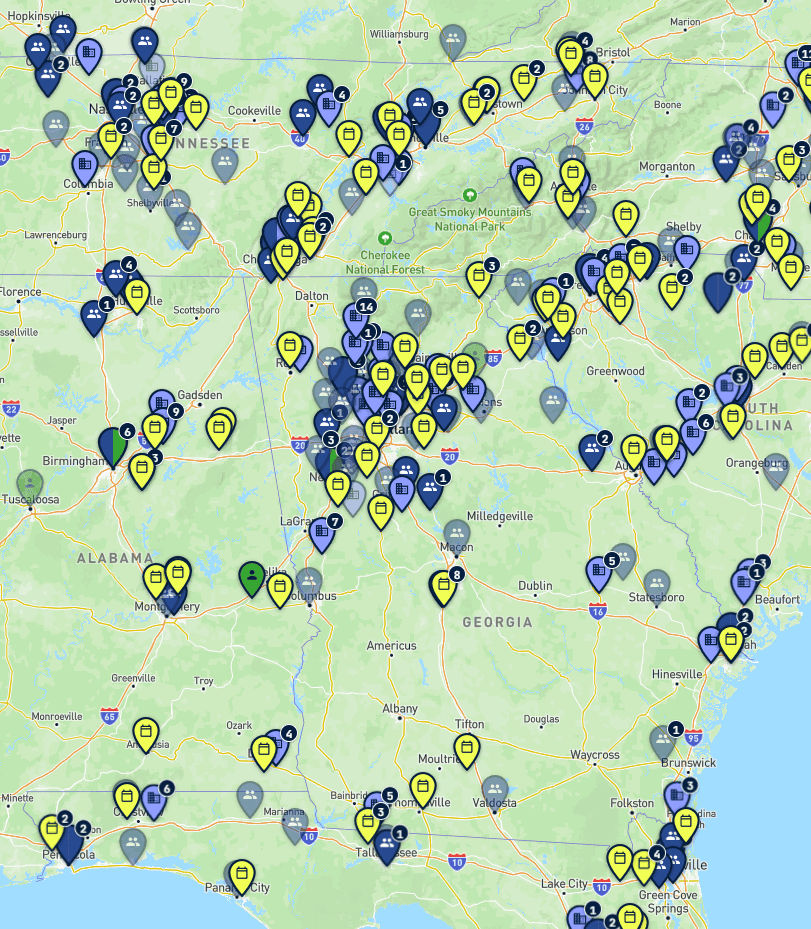
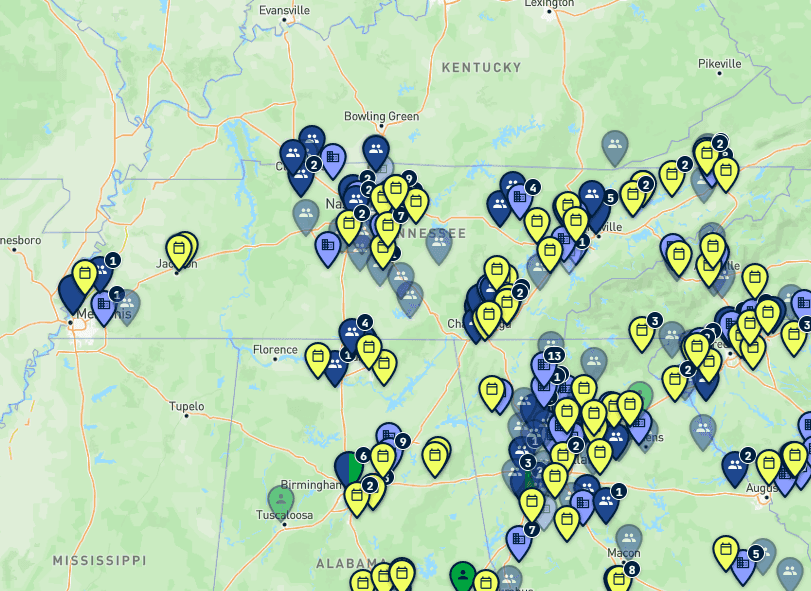
Find nose work near you.
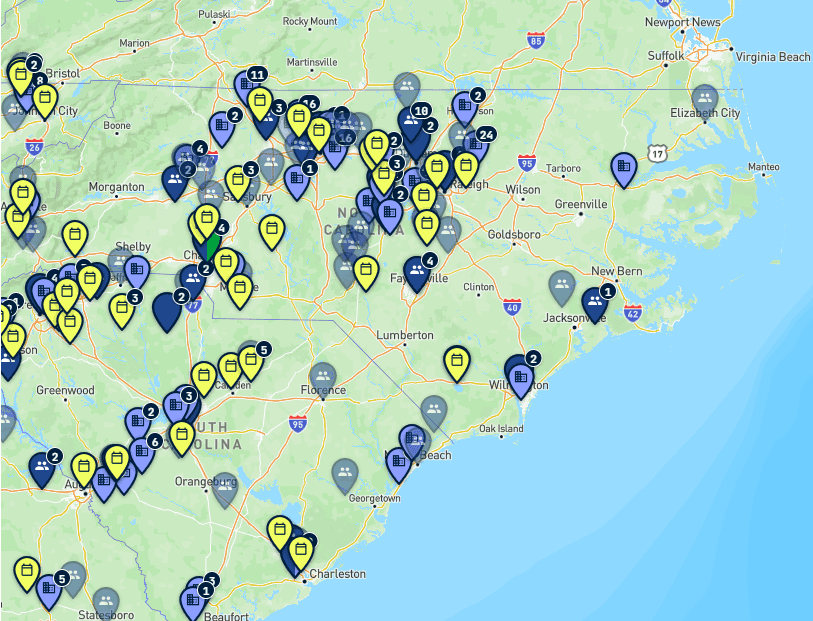
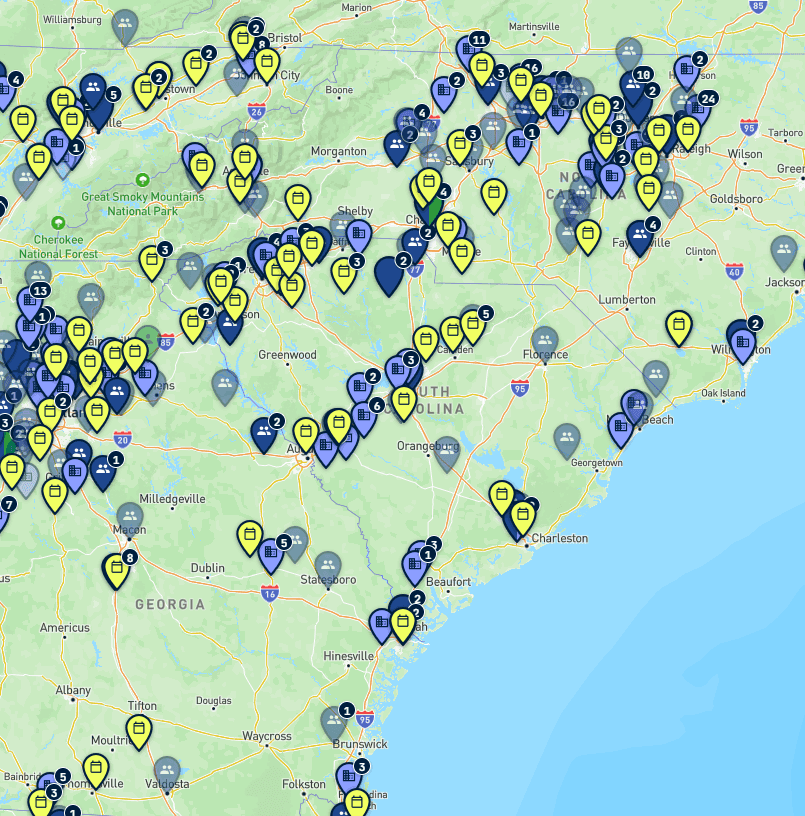
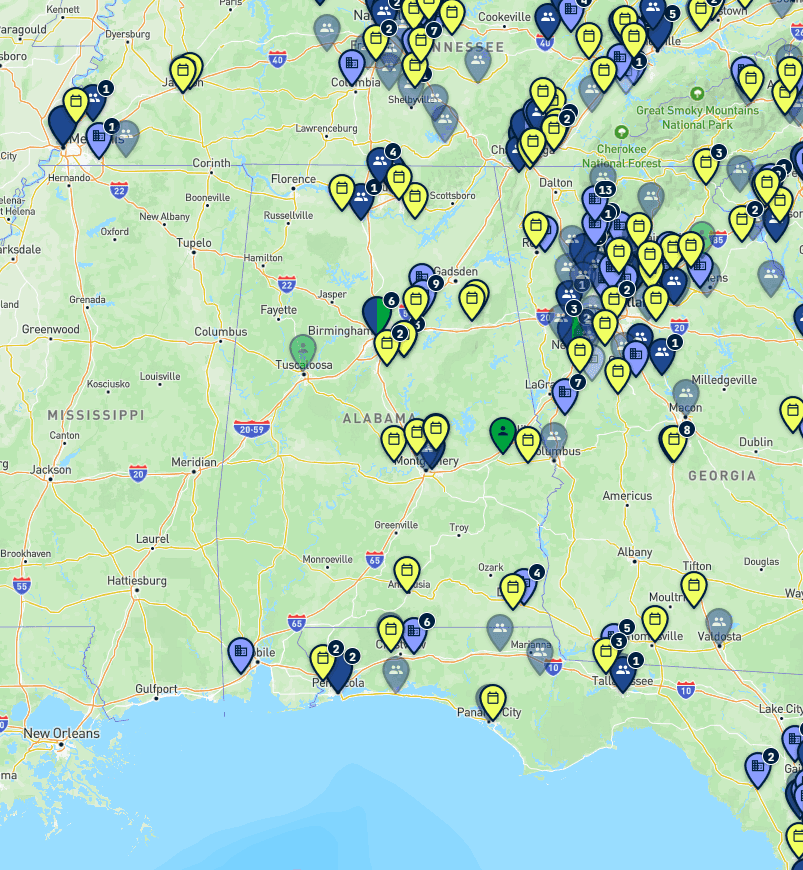
Made for nose work.
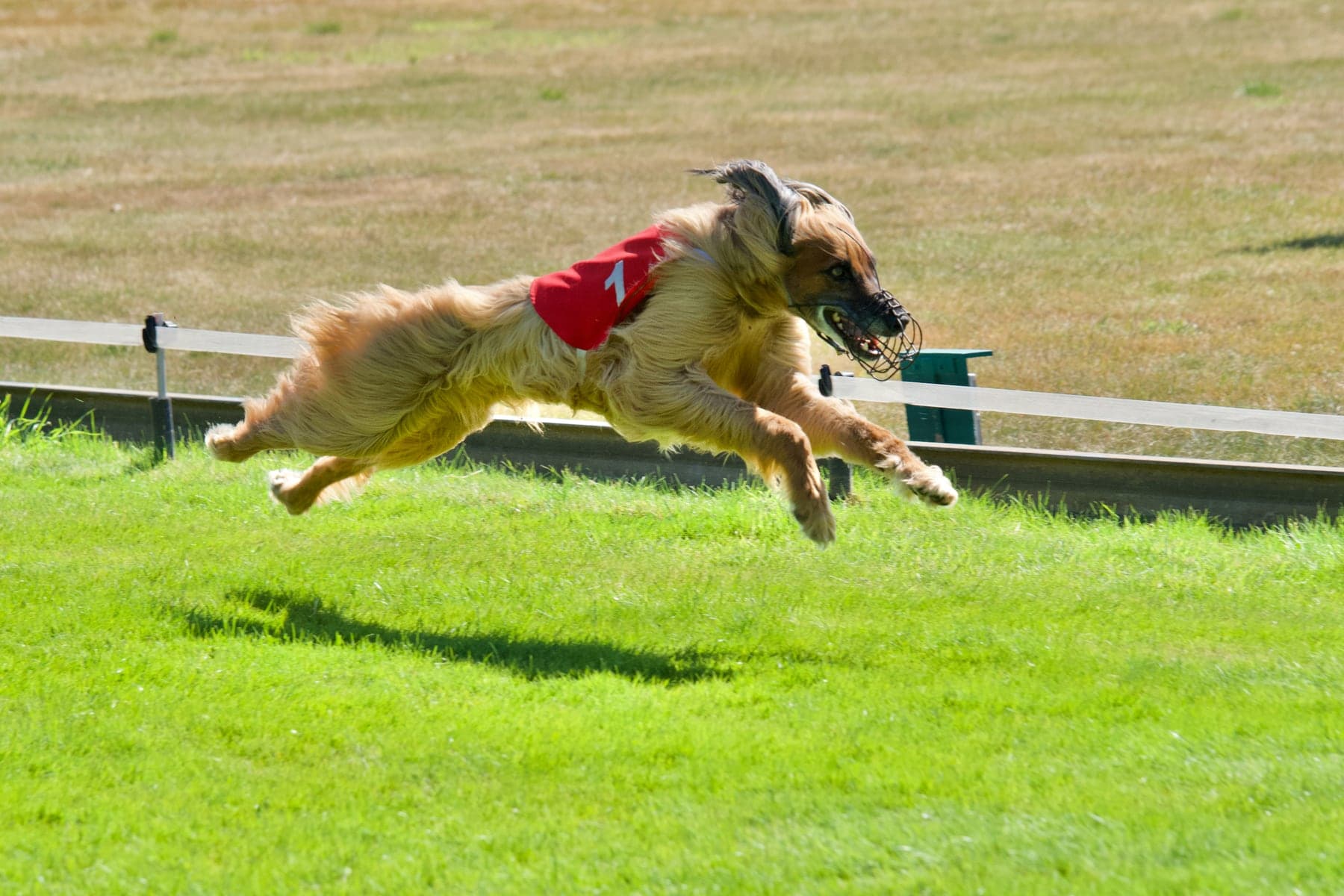
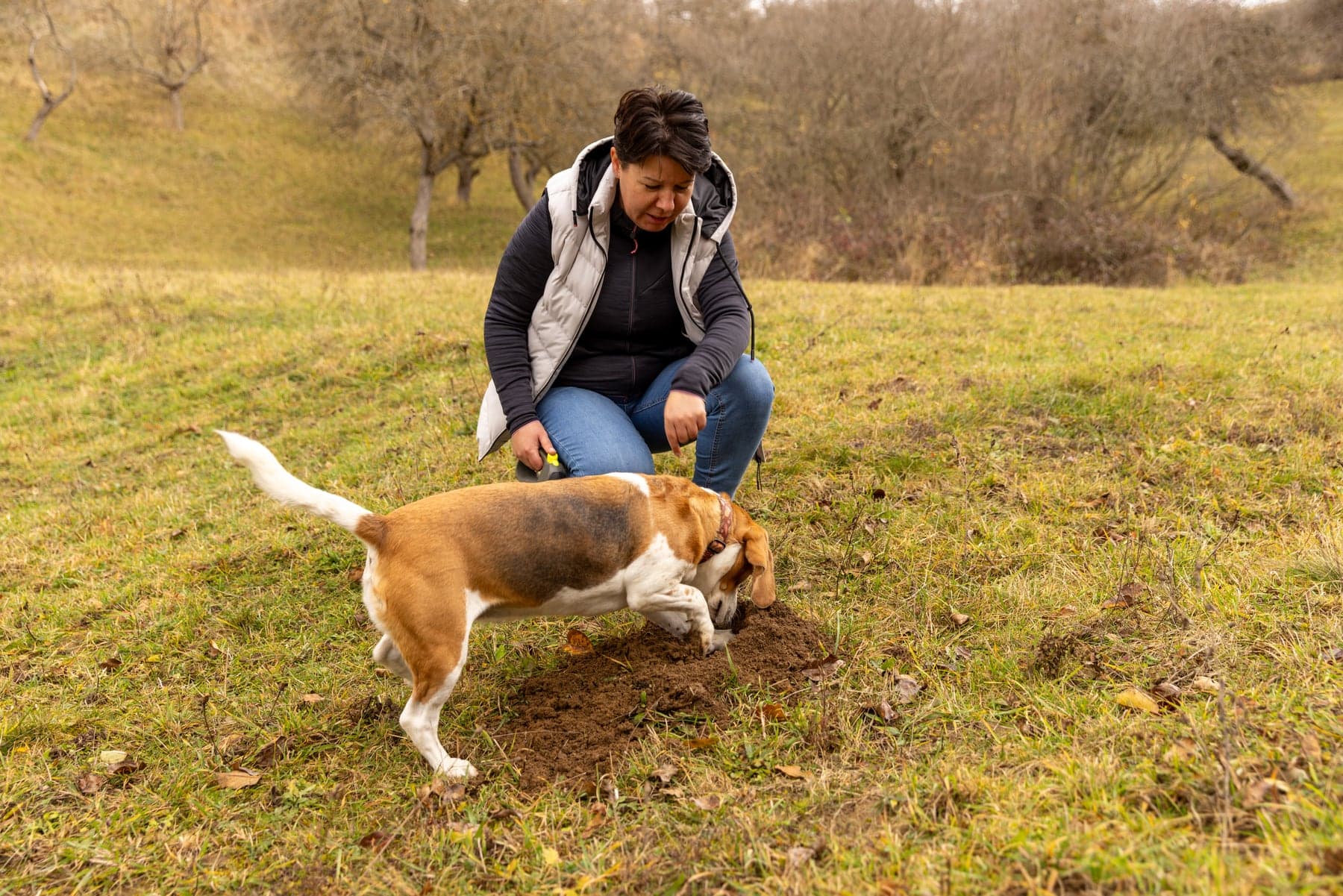
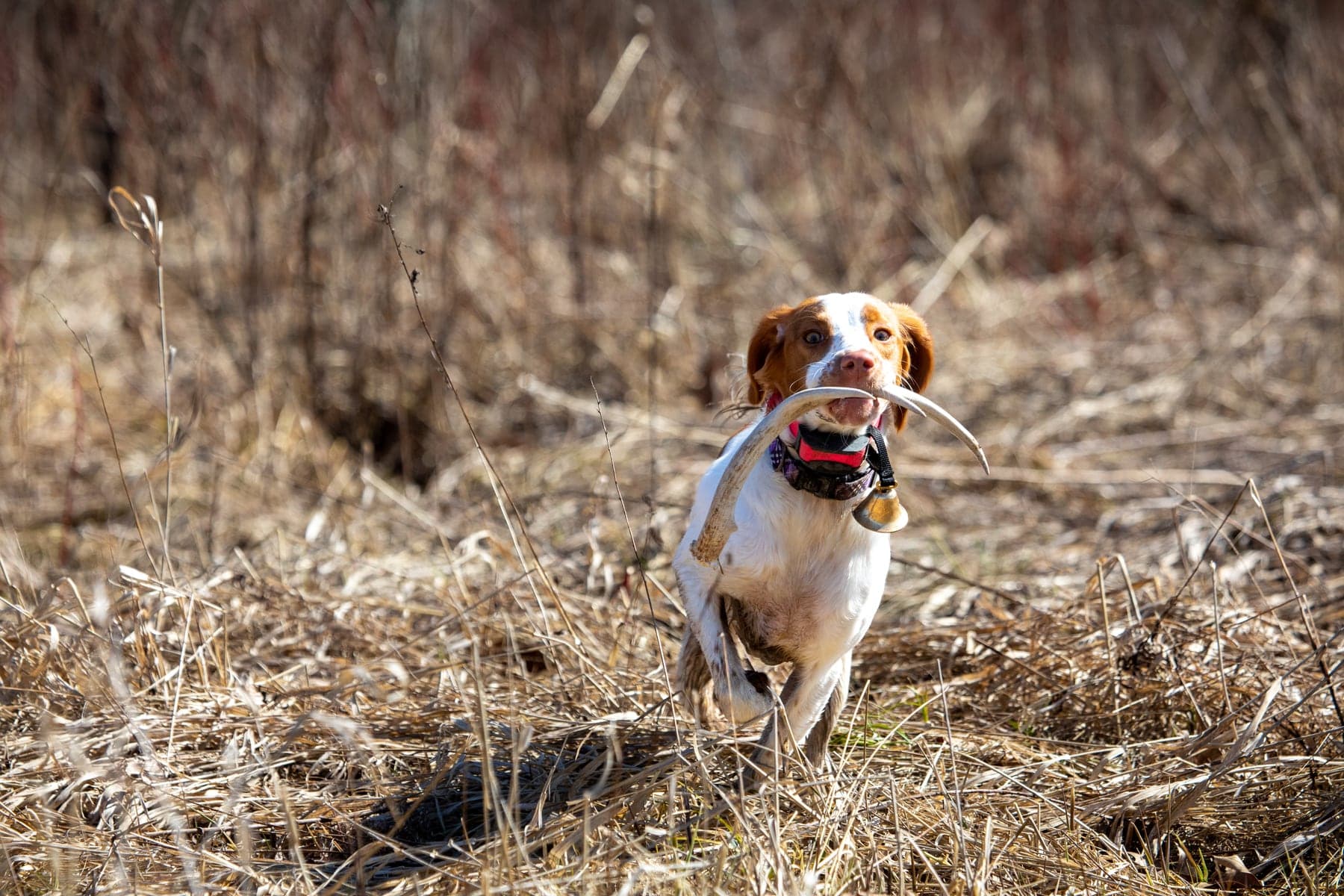
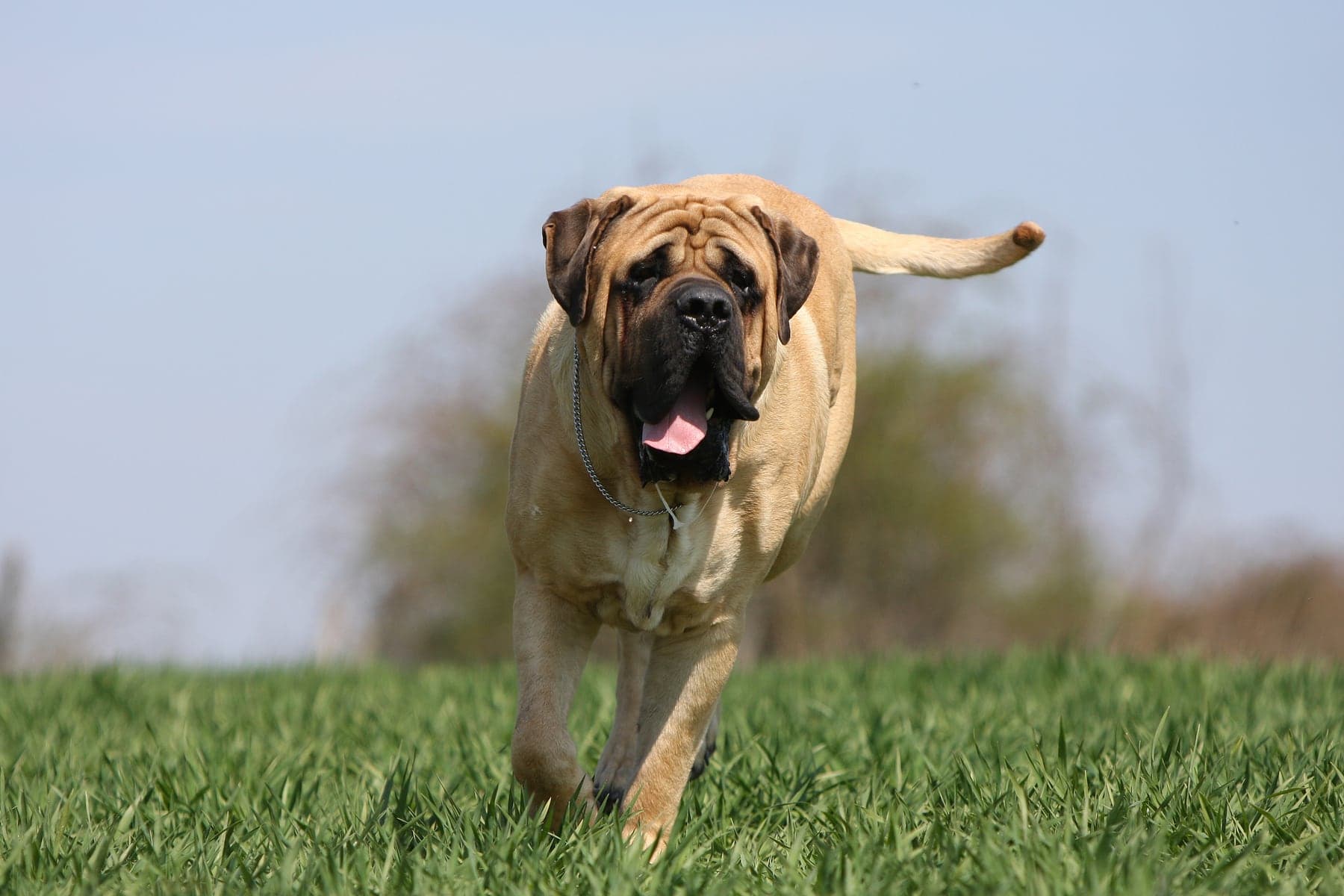
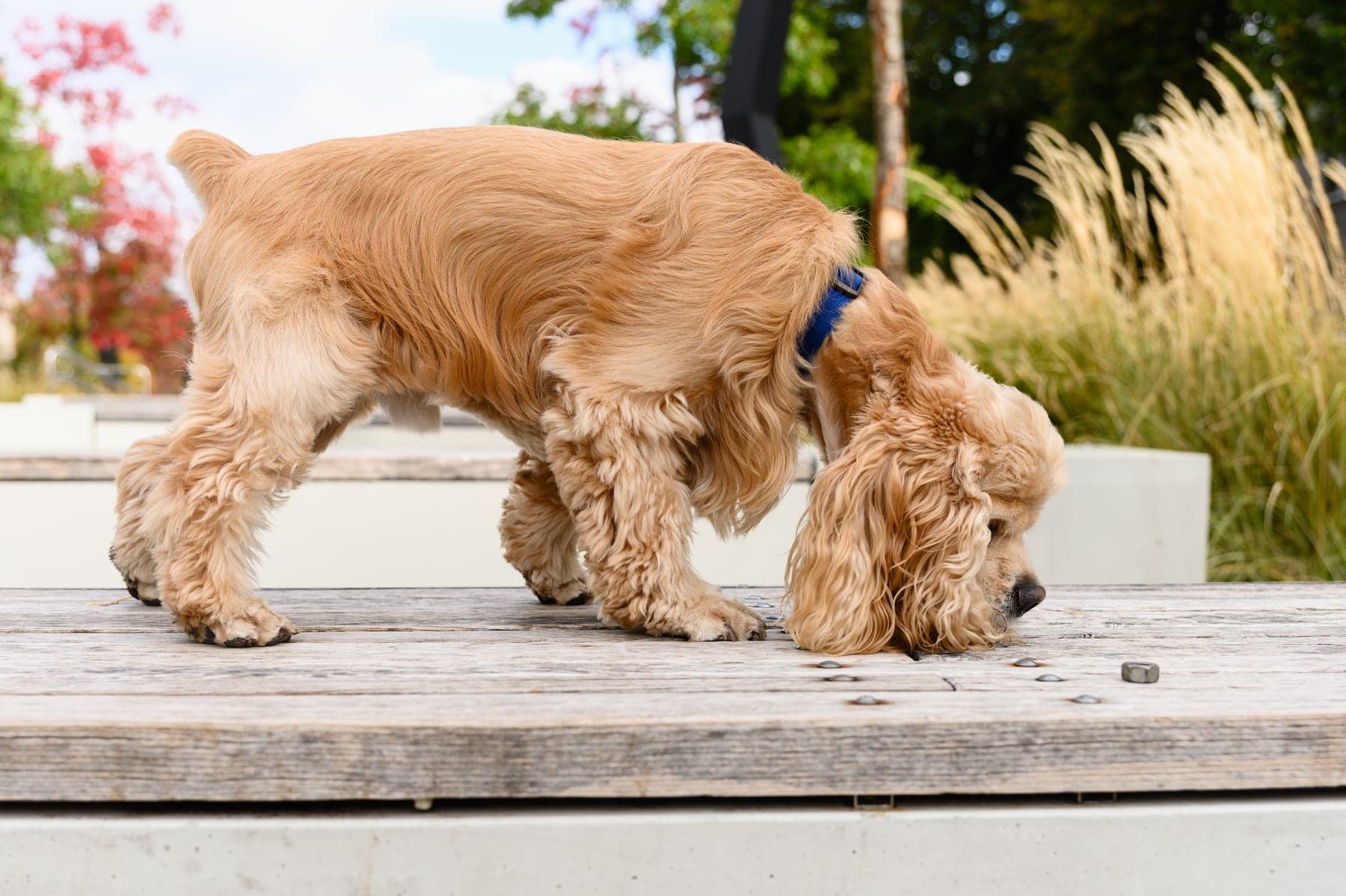
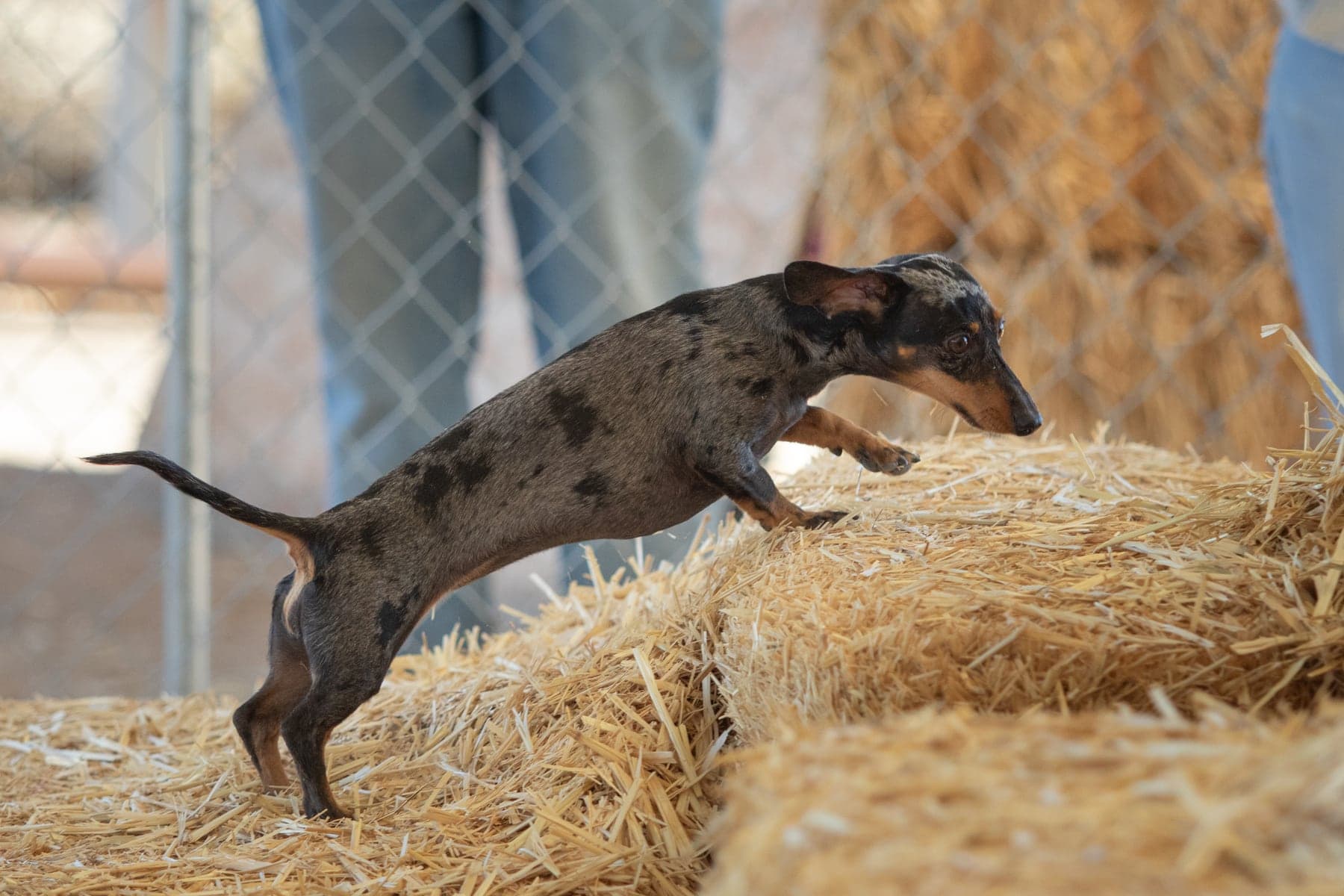
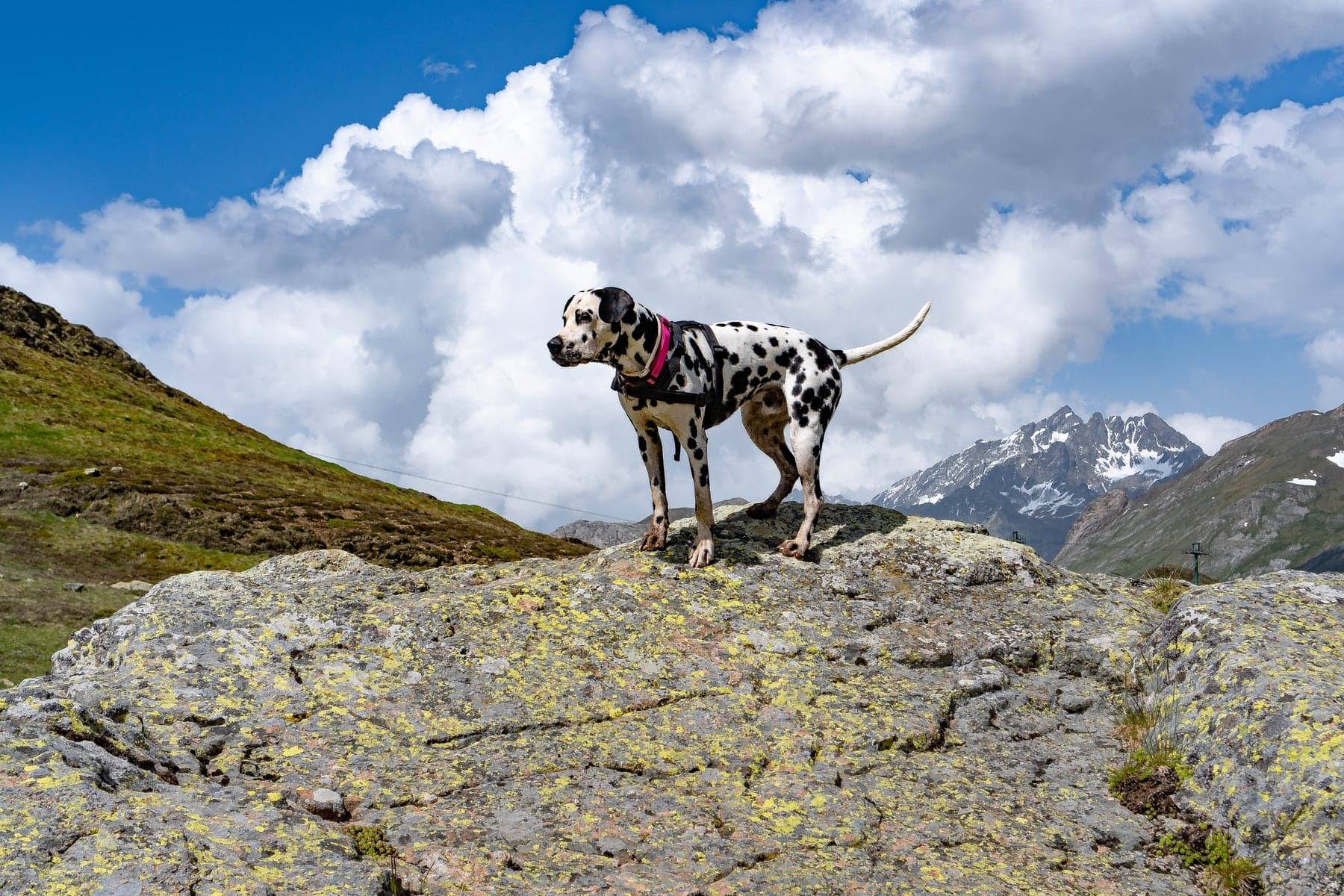
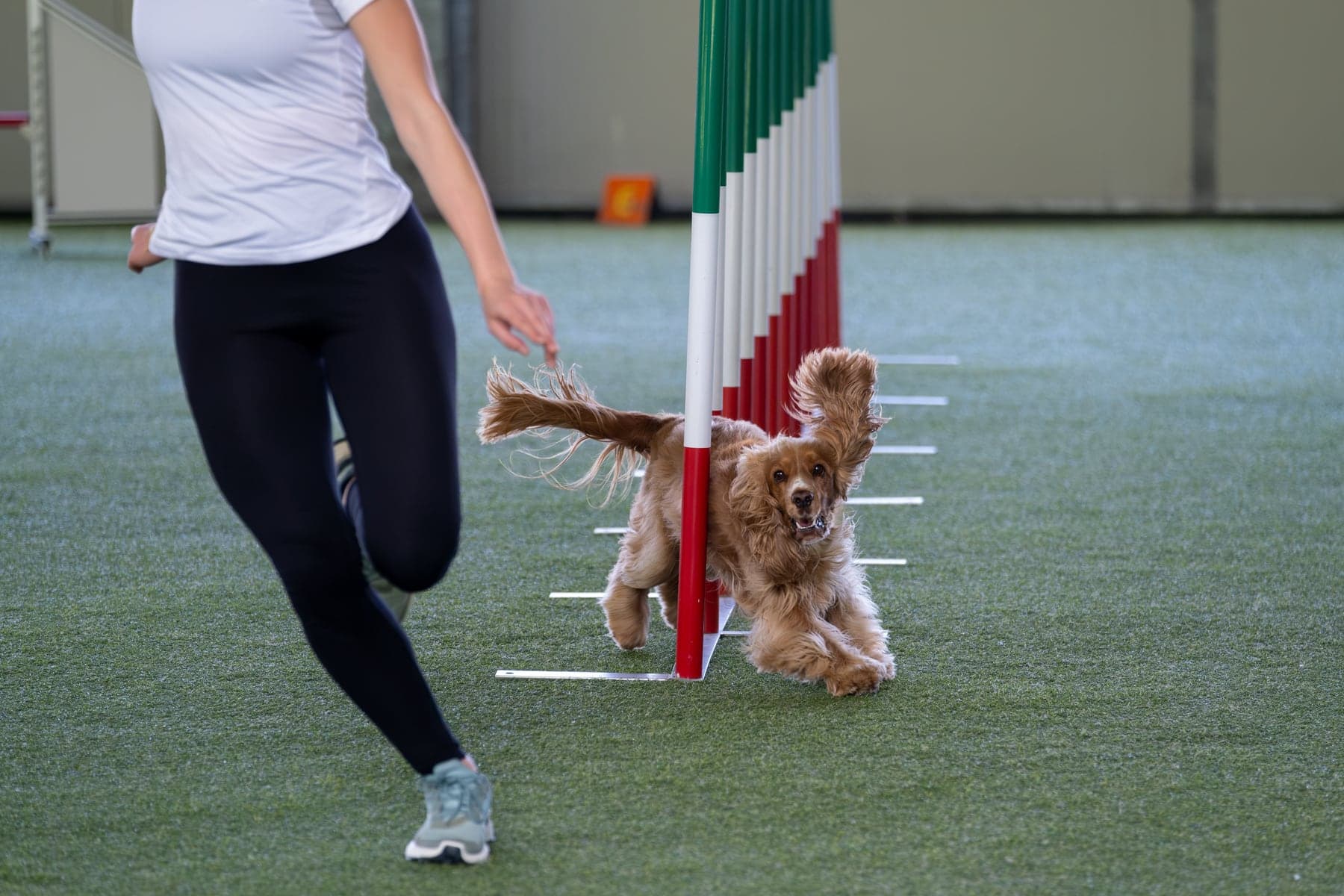
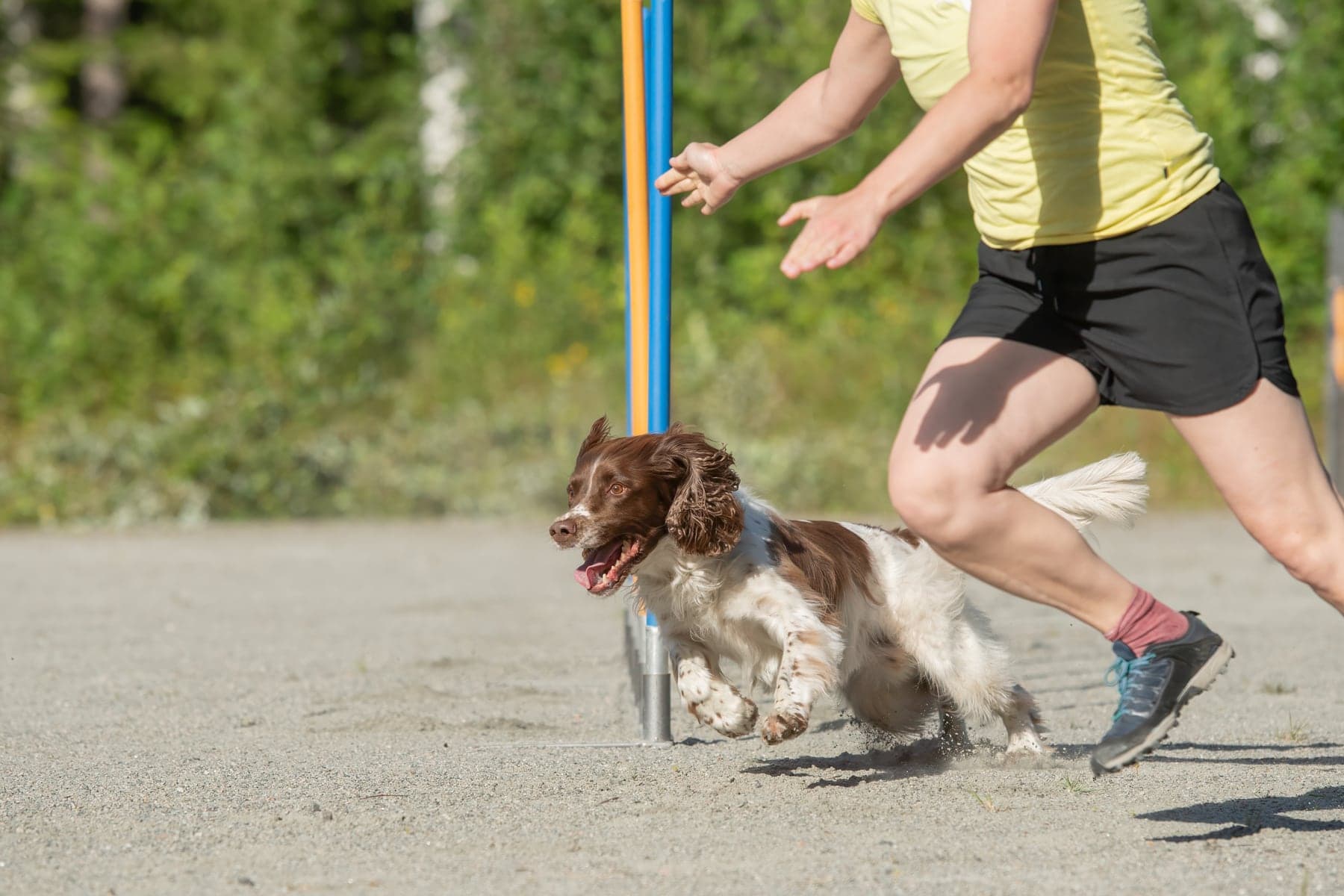
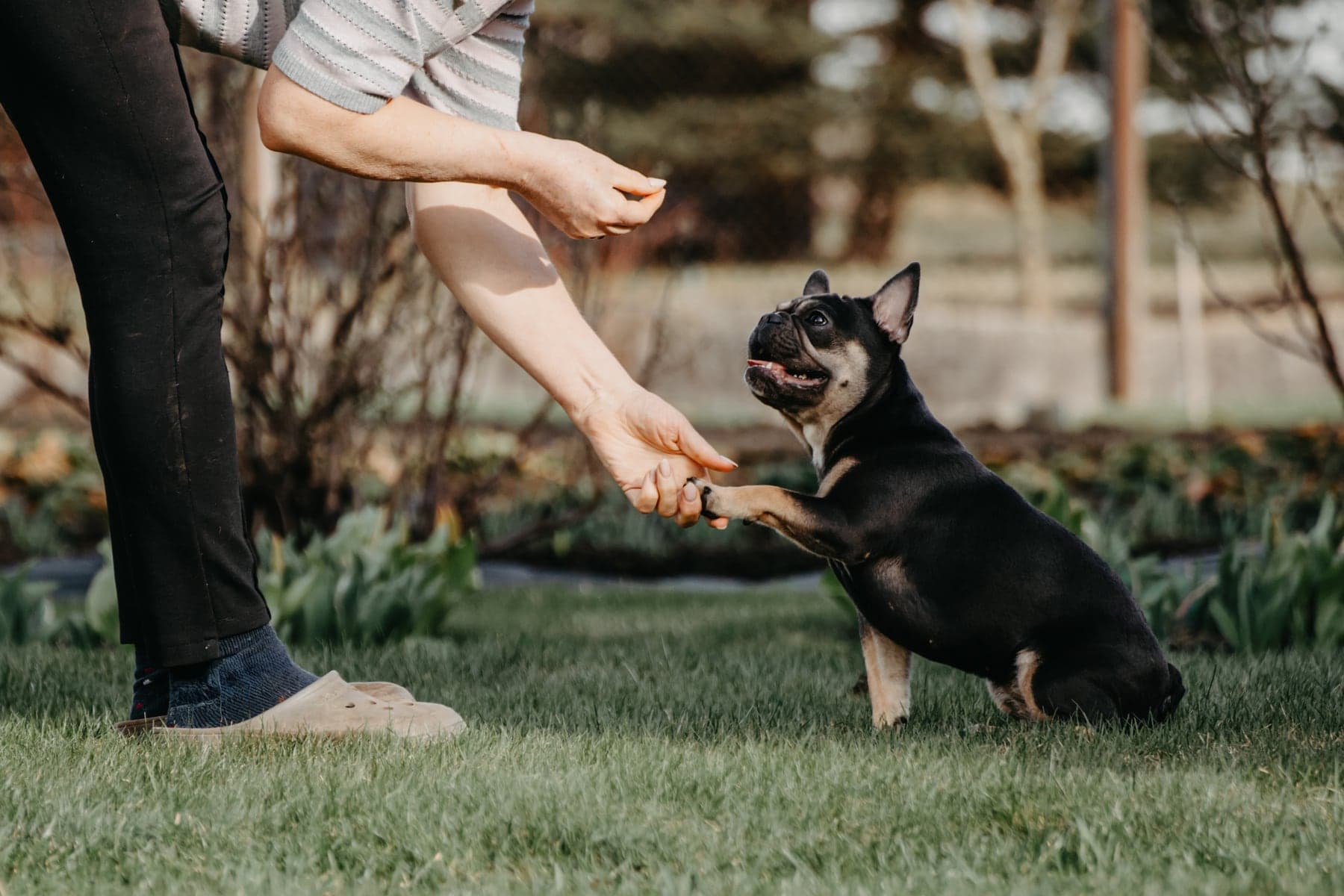
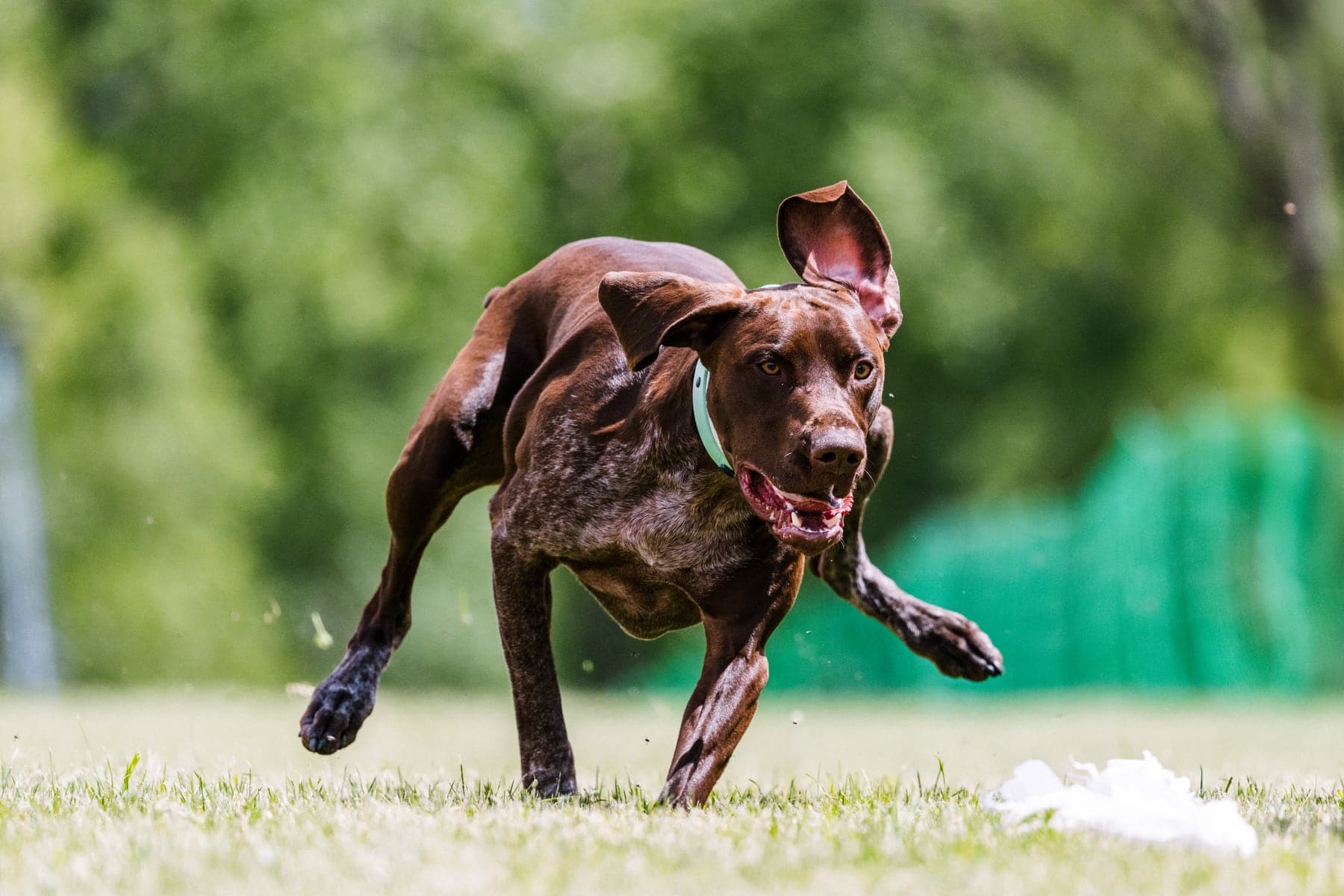
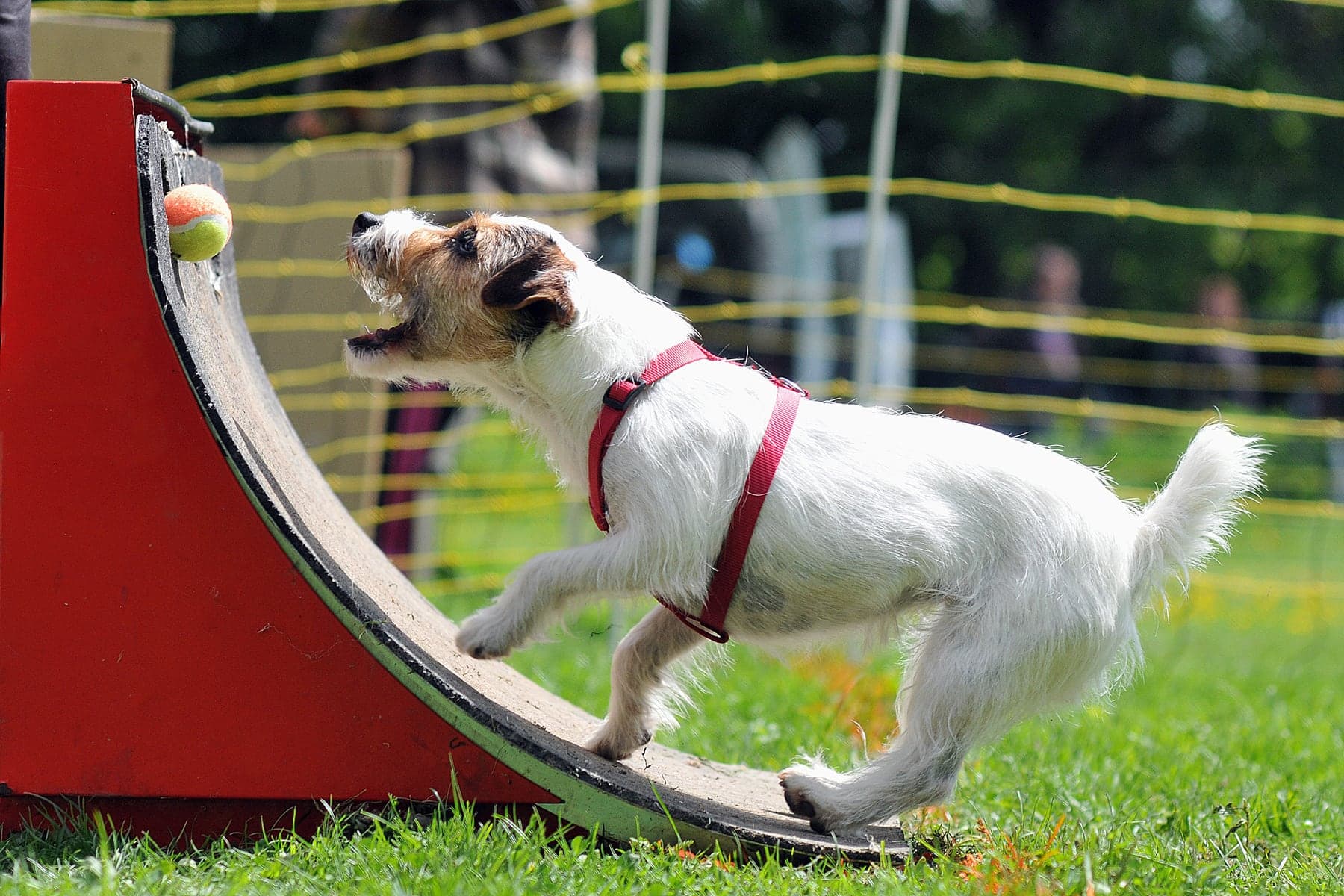
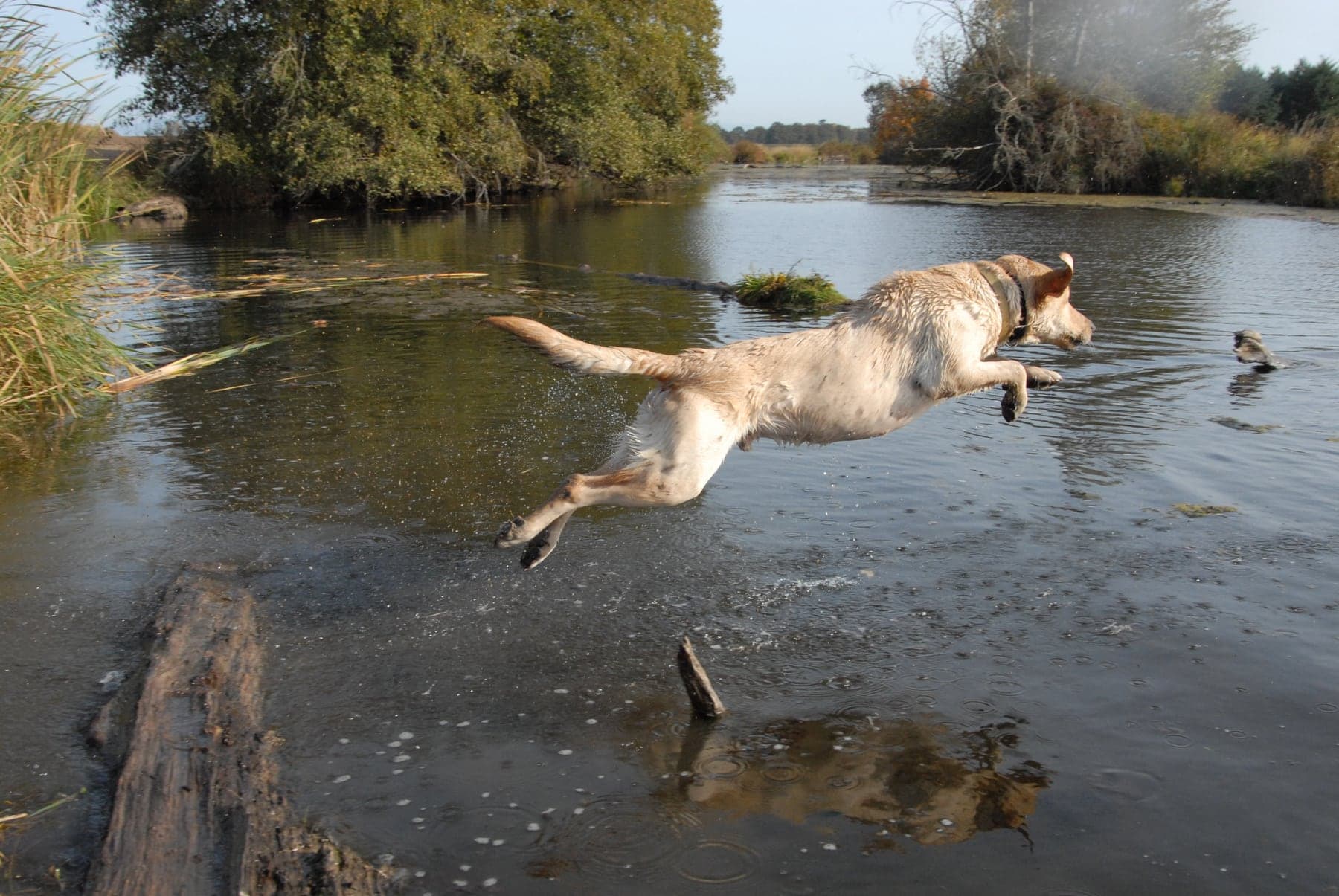
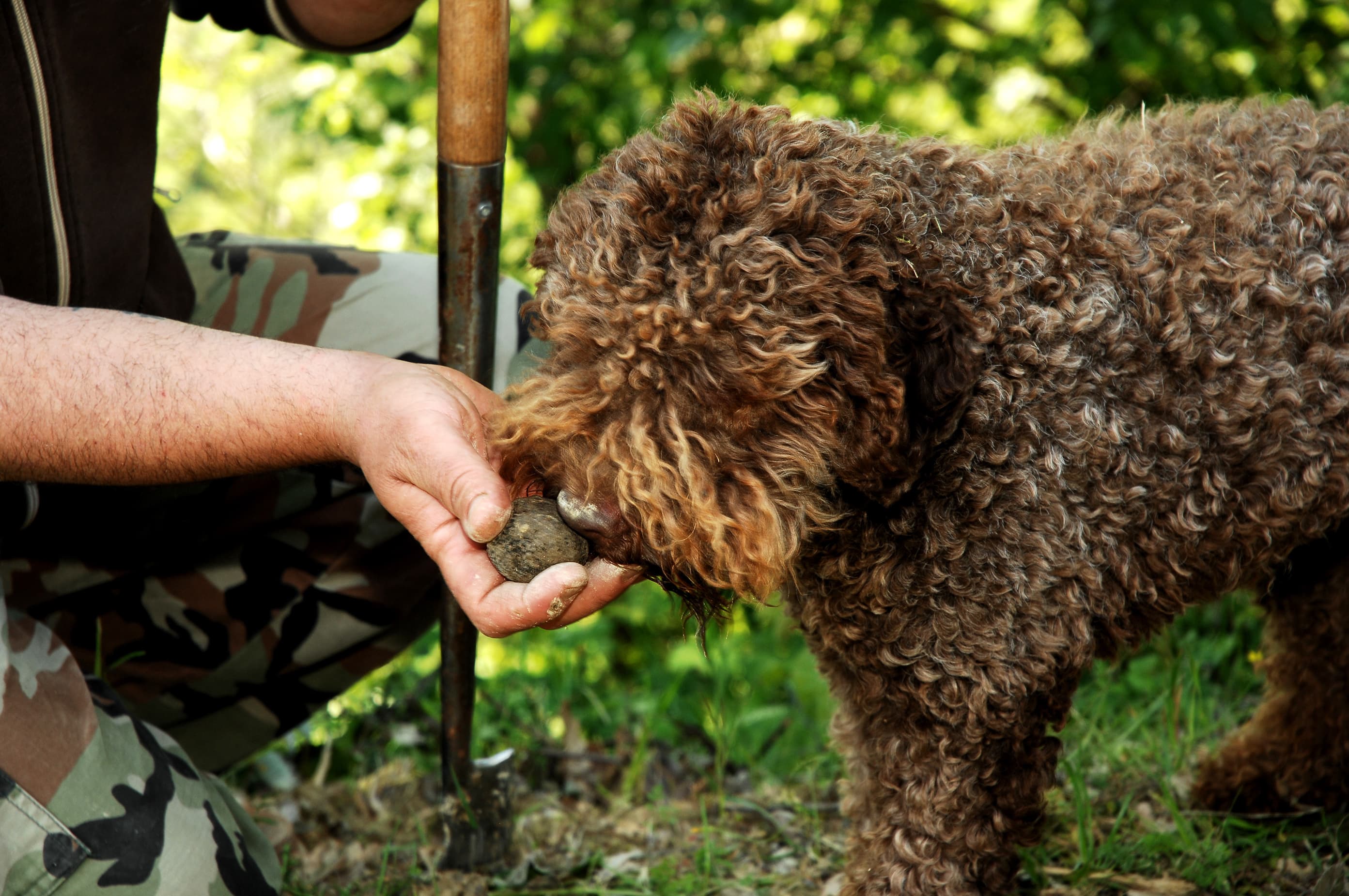
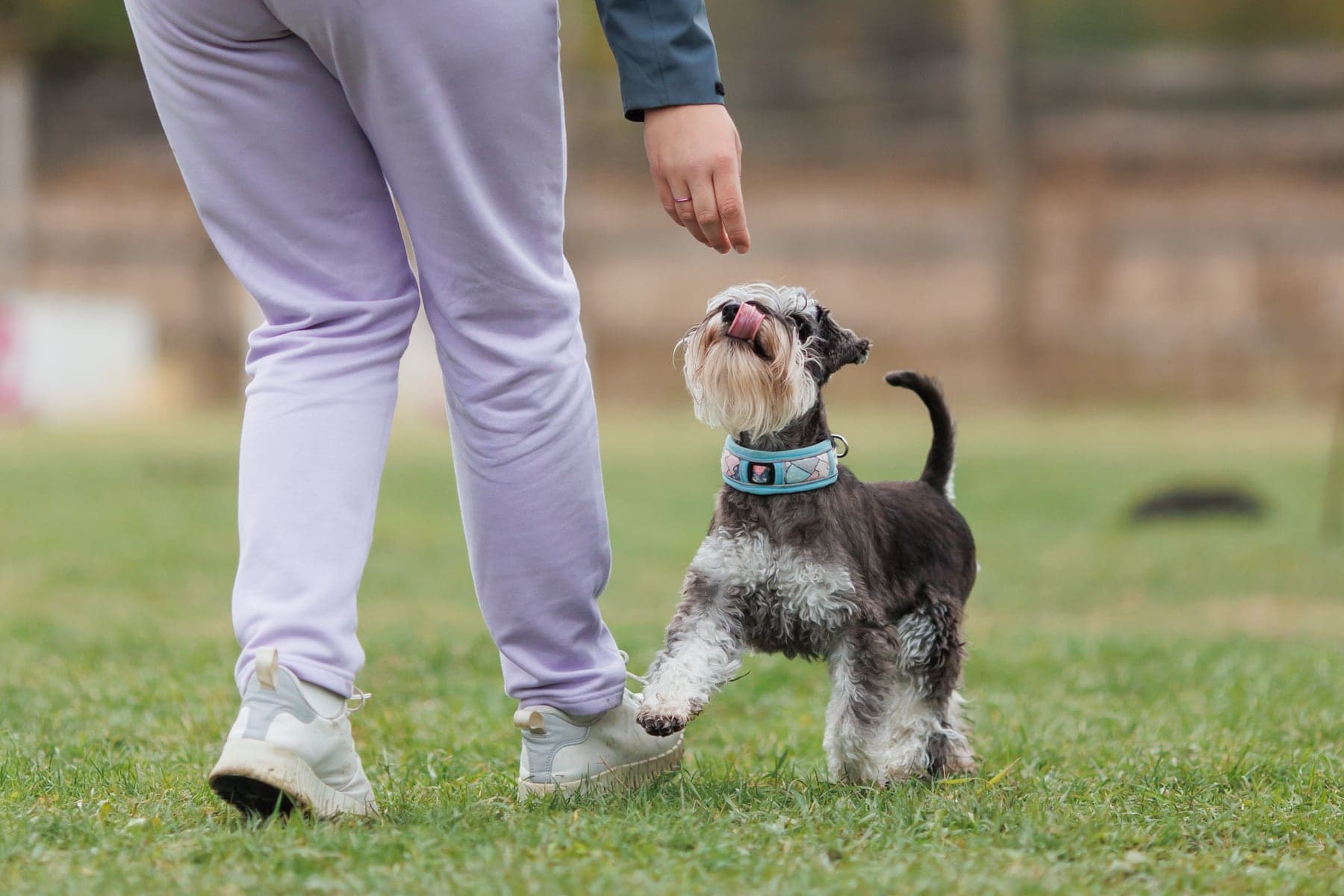
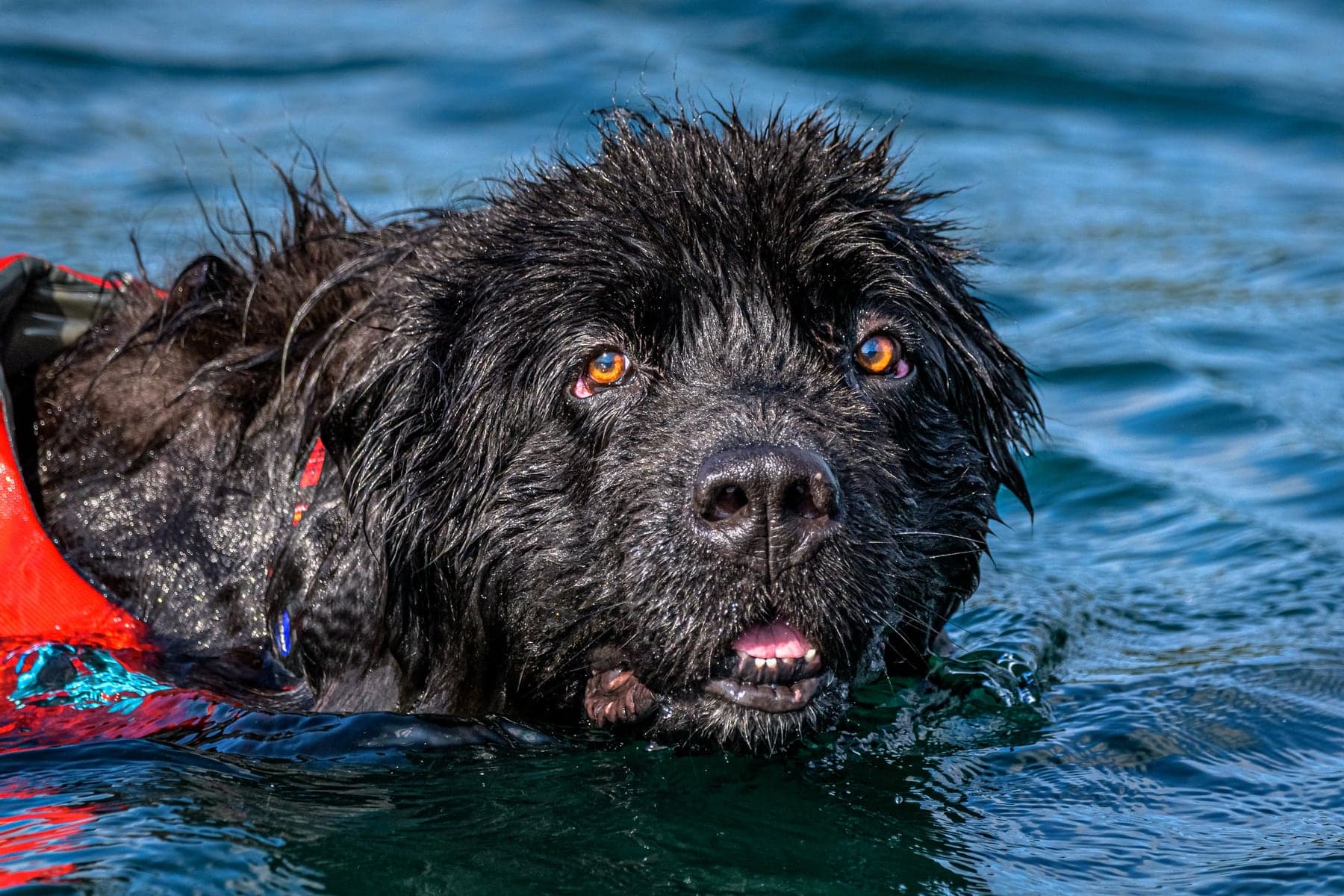
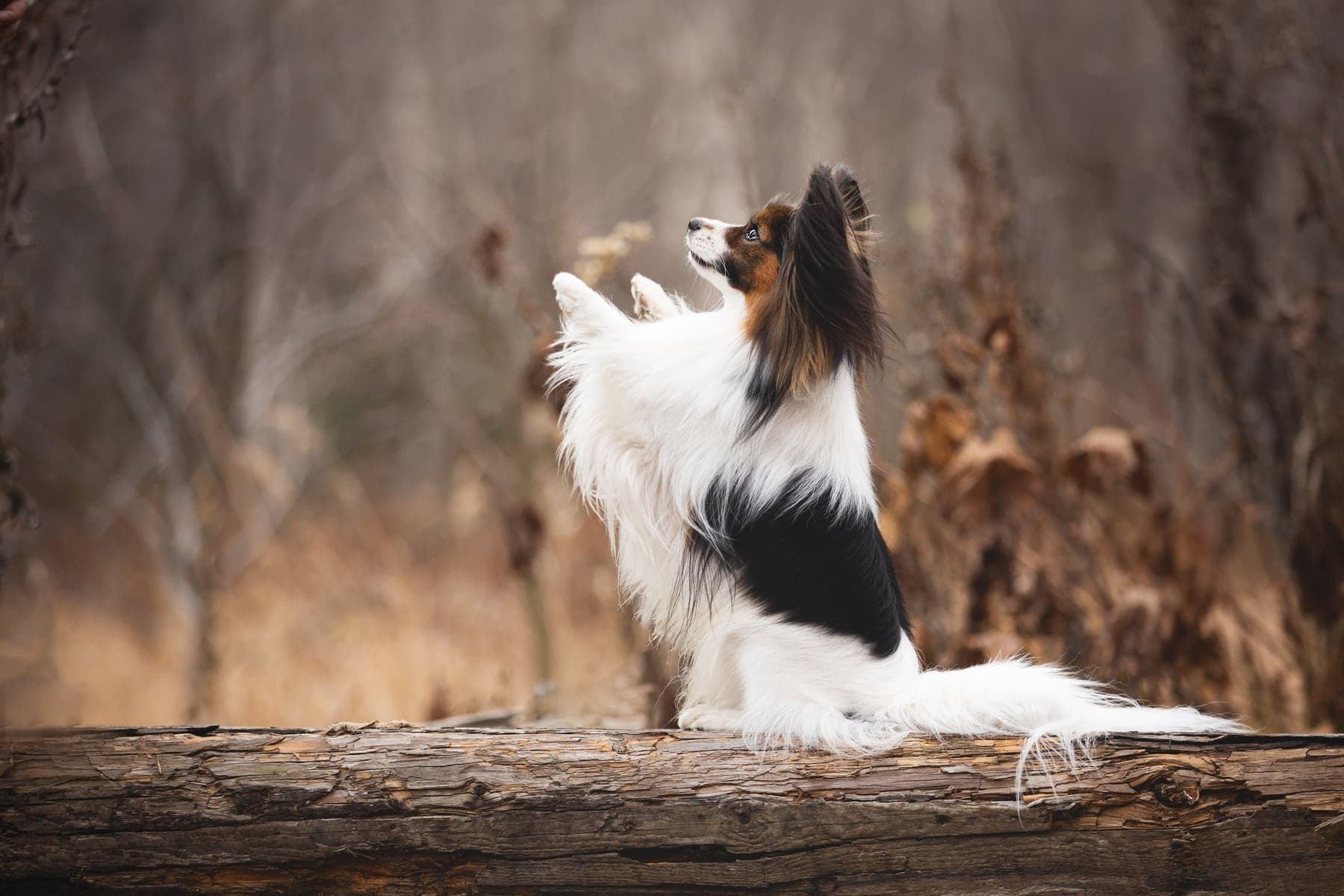
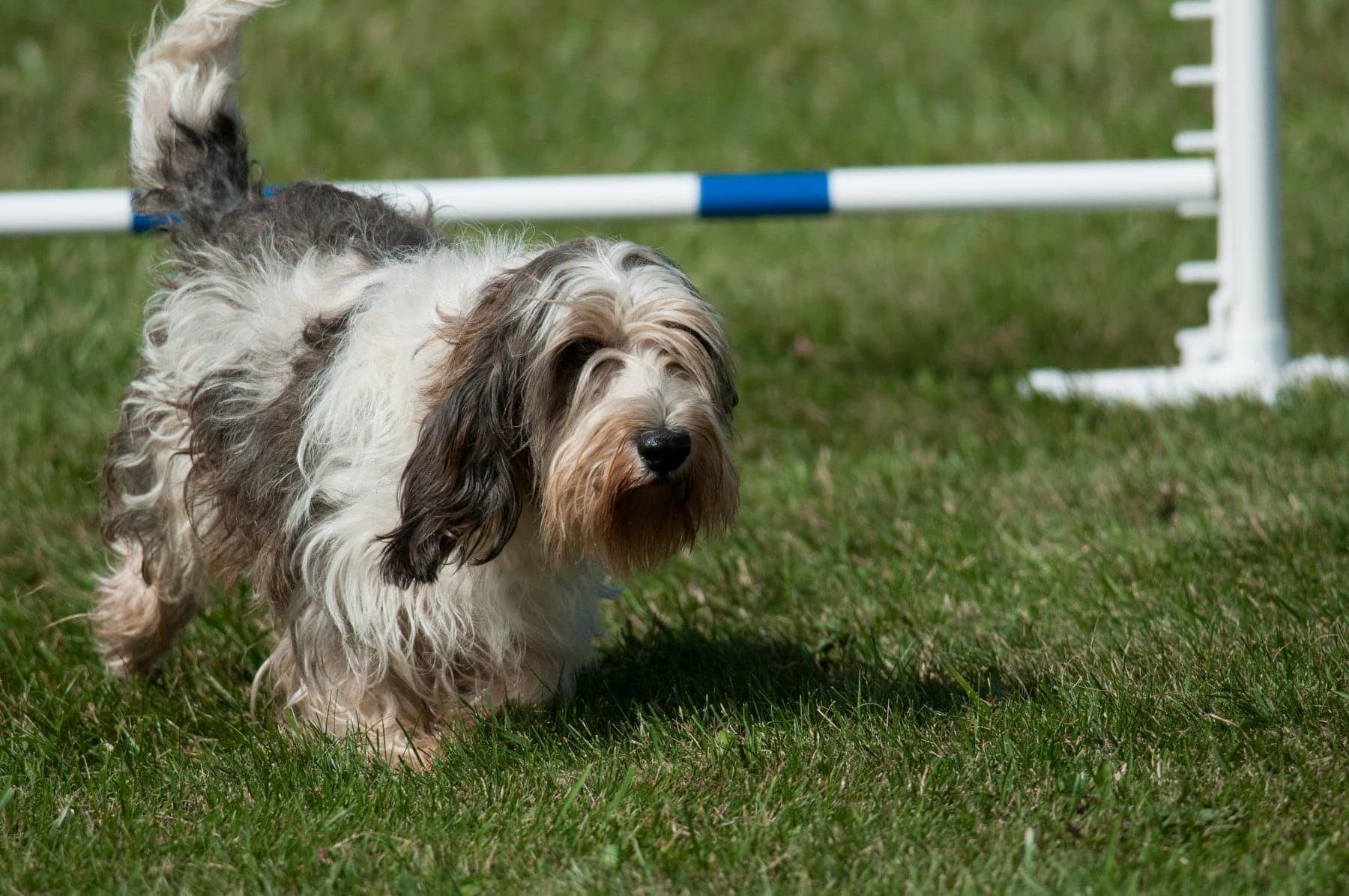
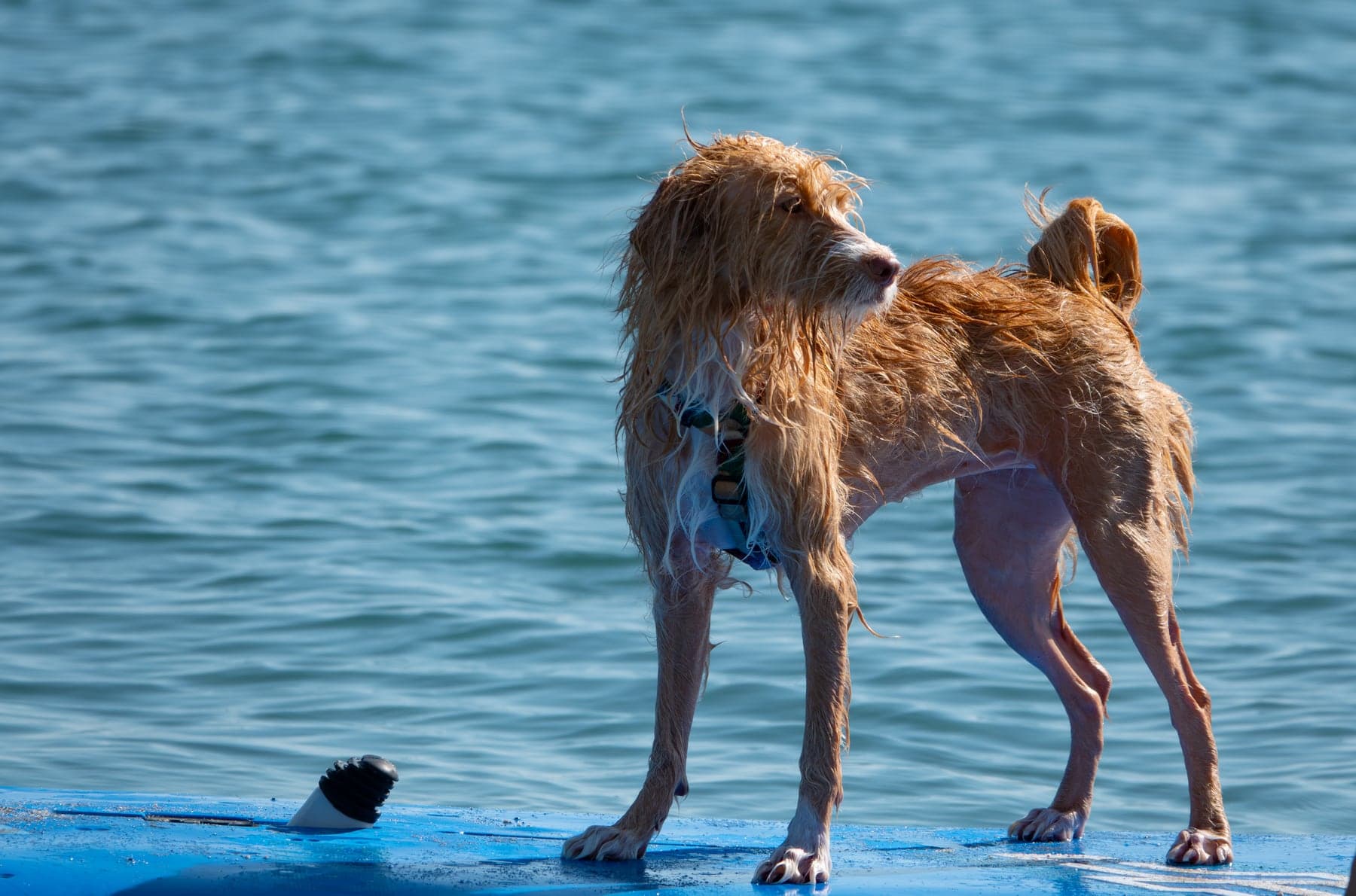
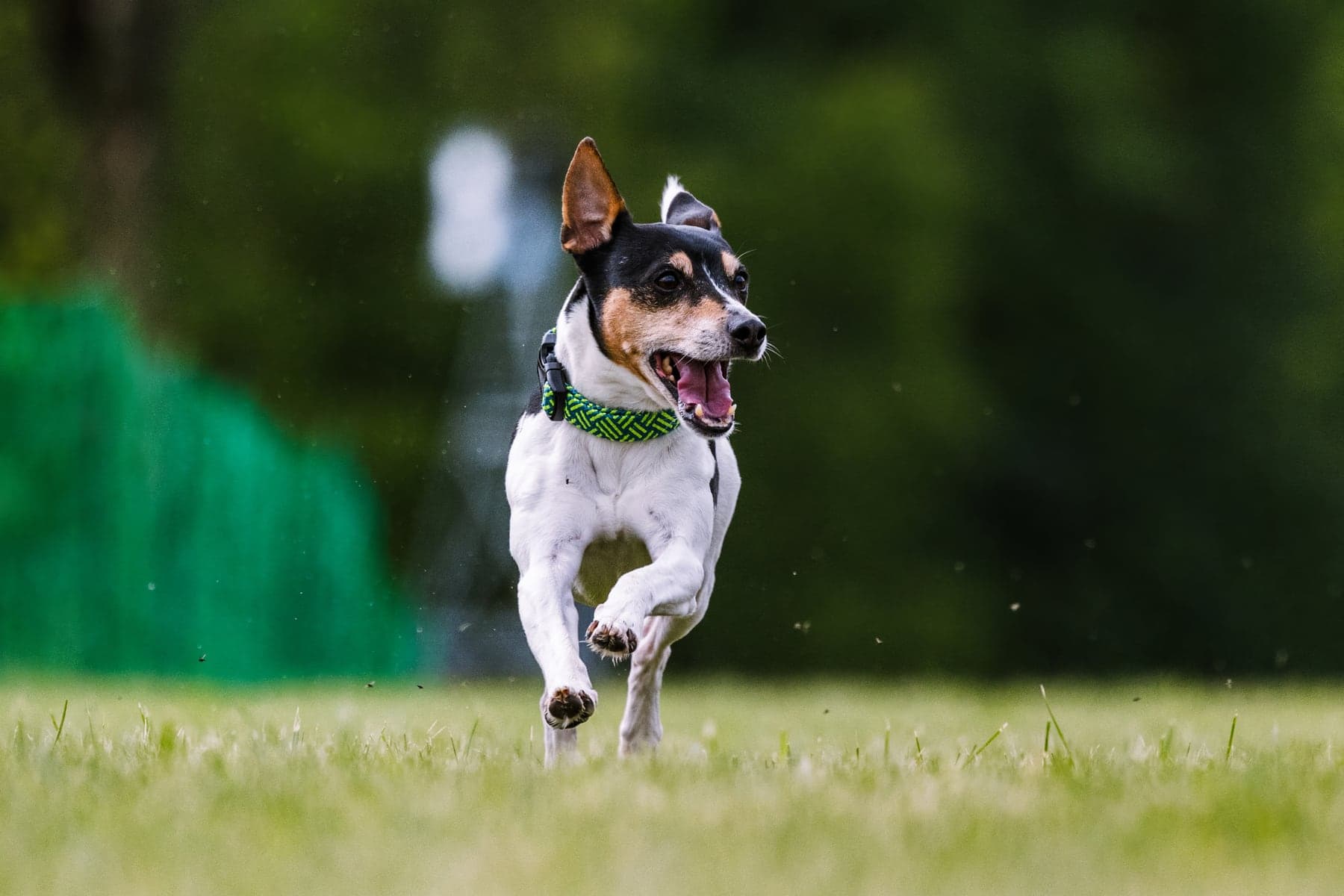
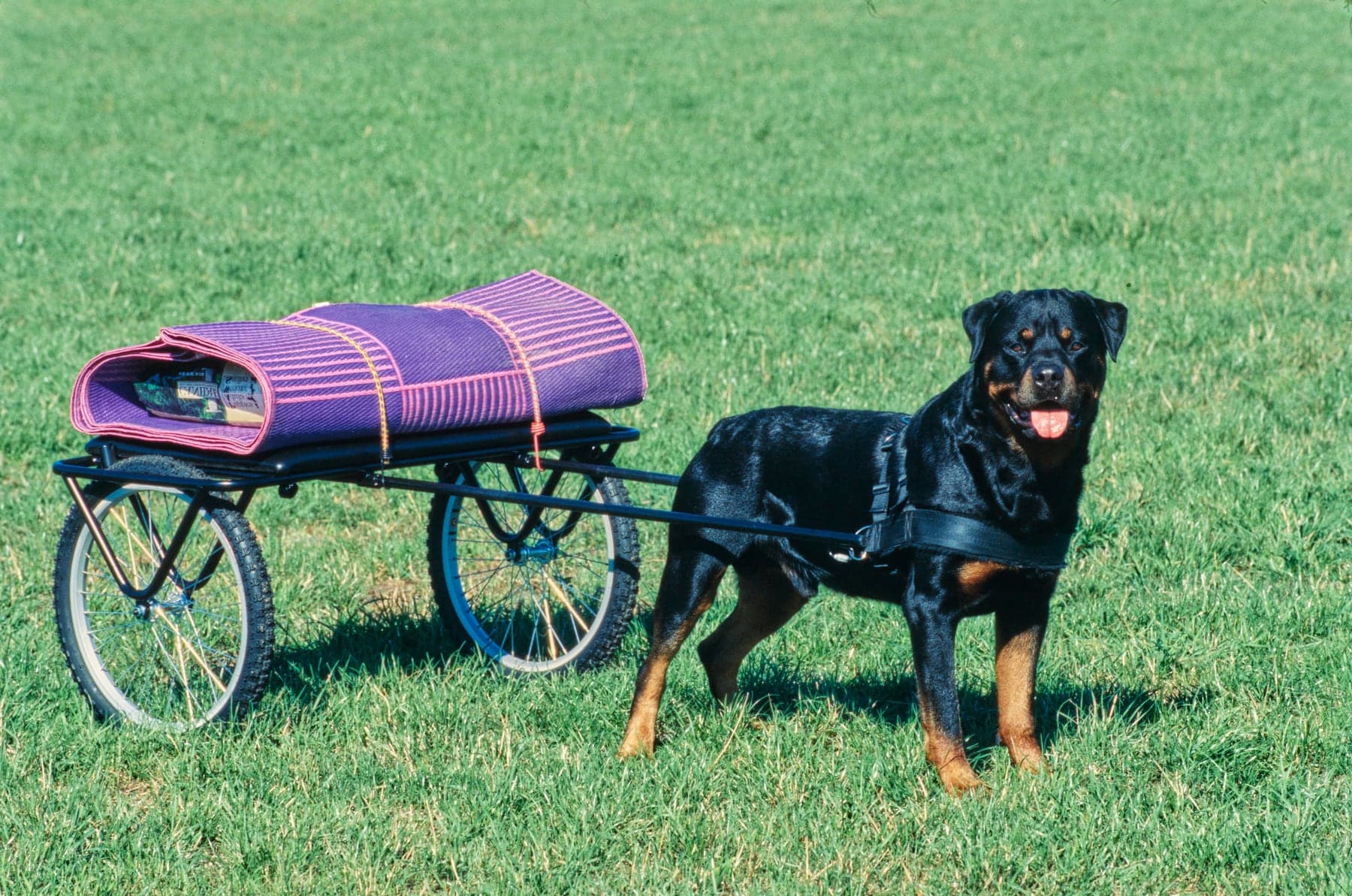
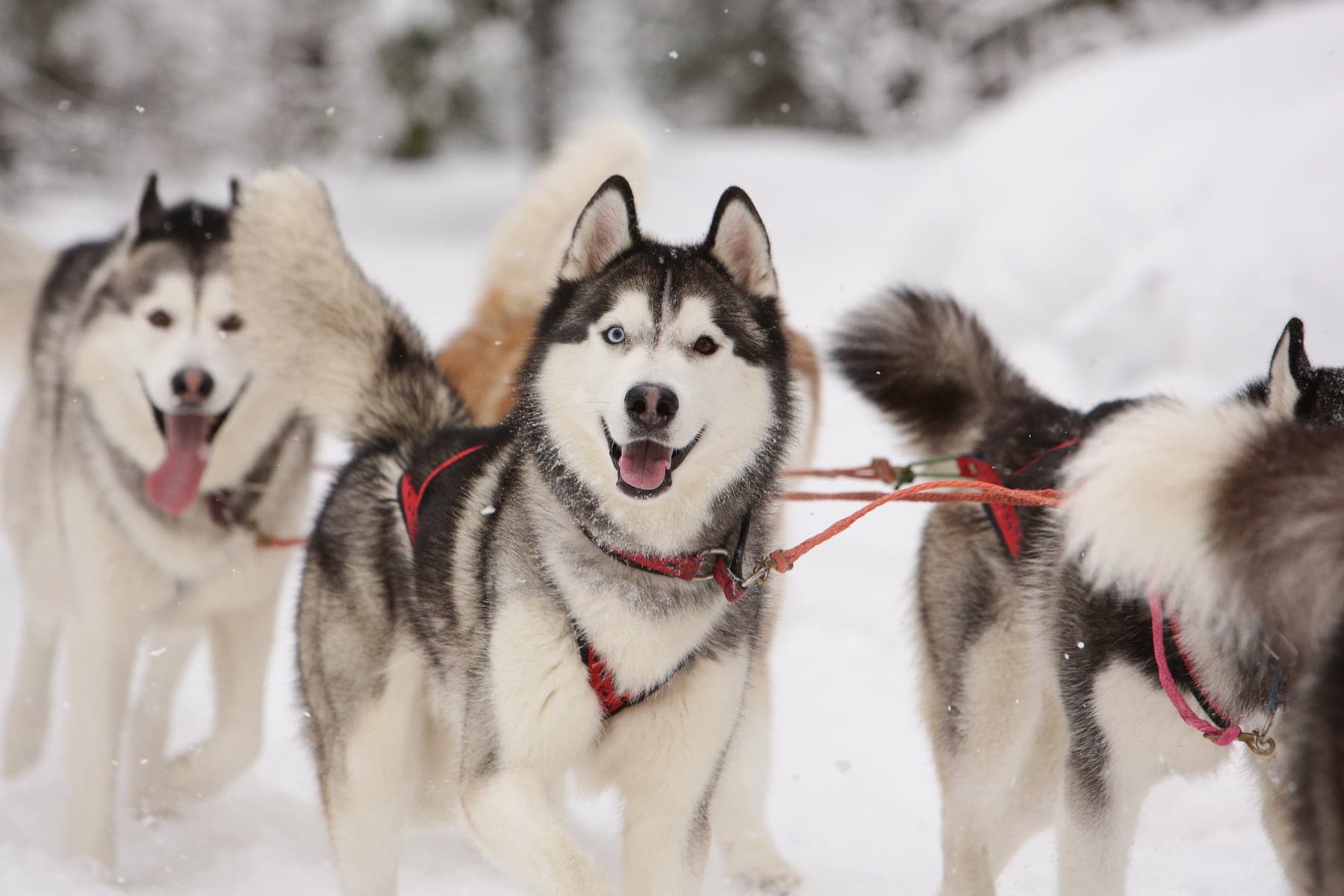
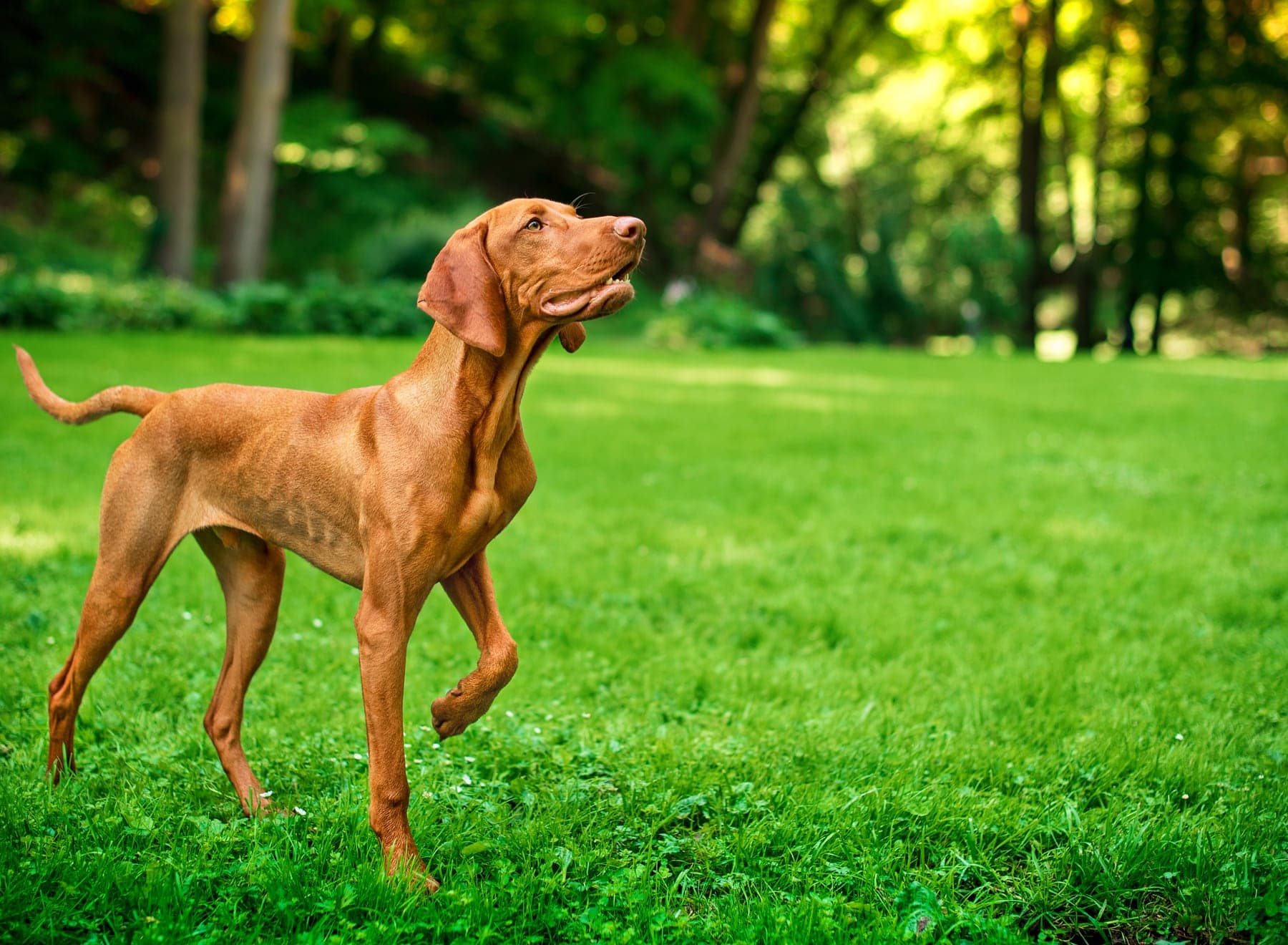
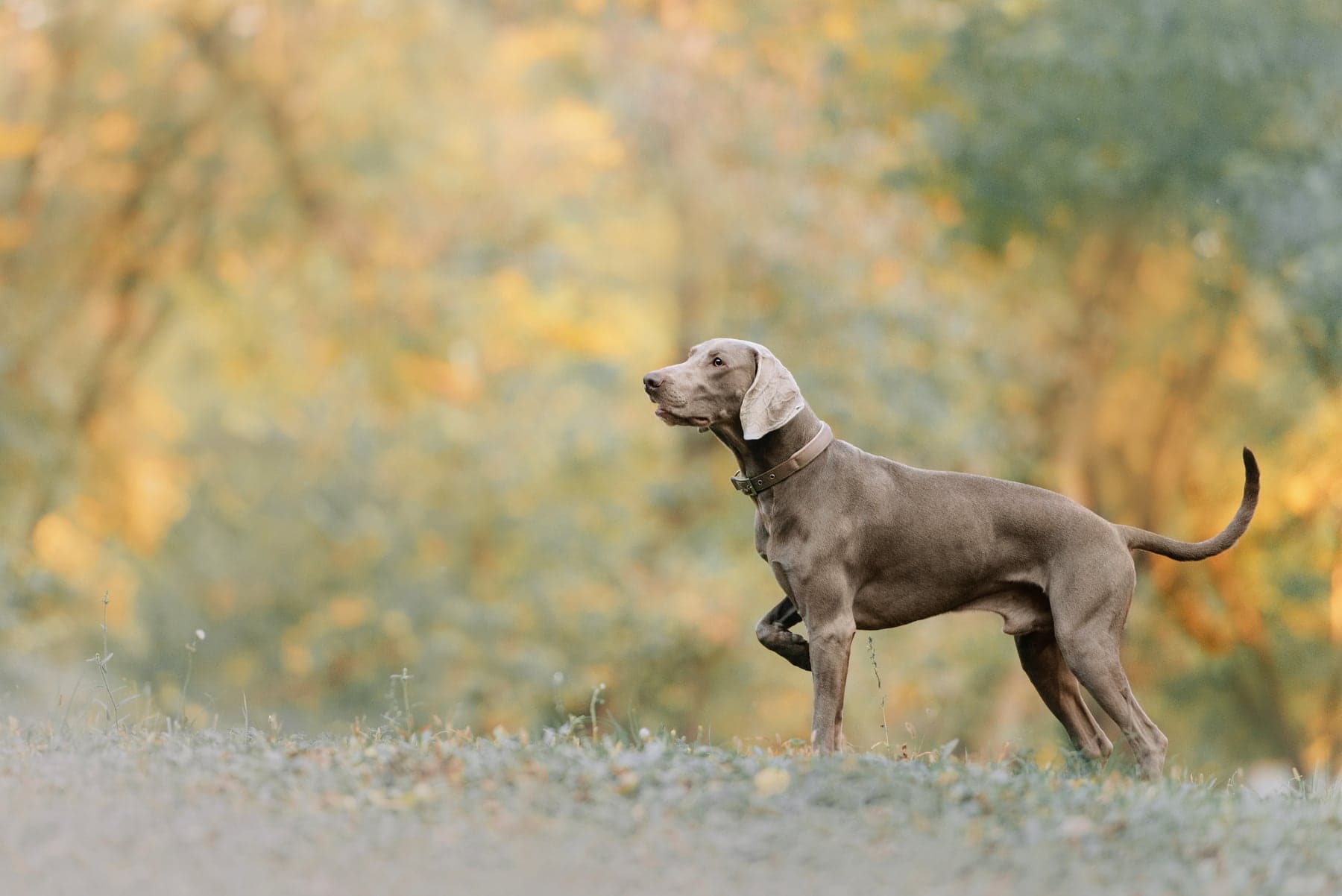
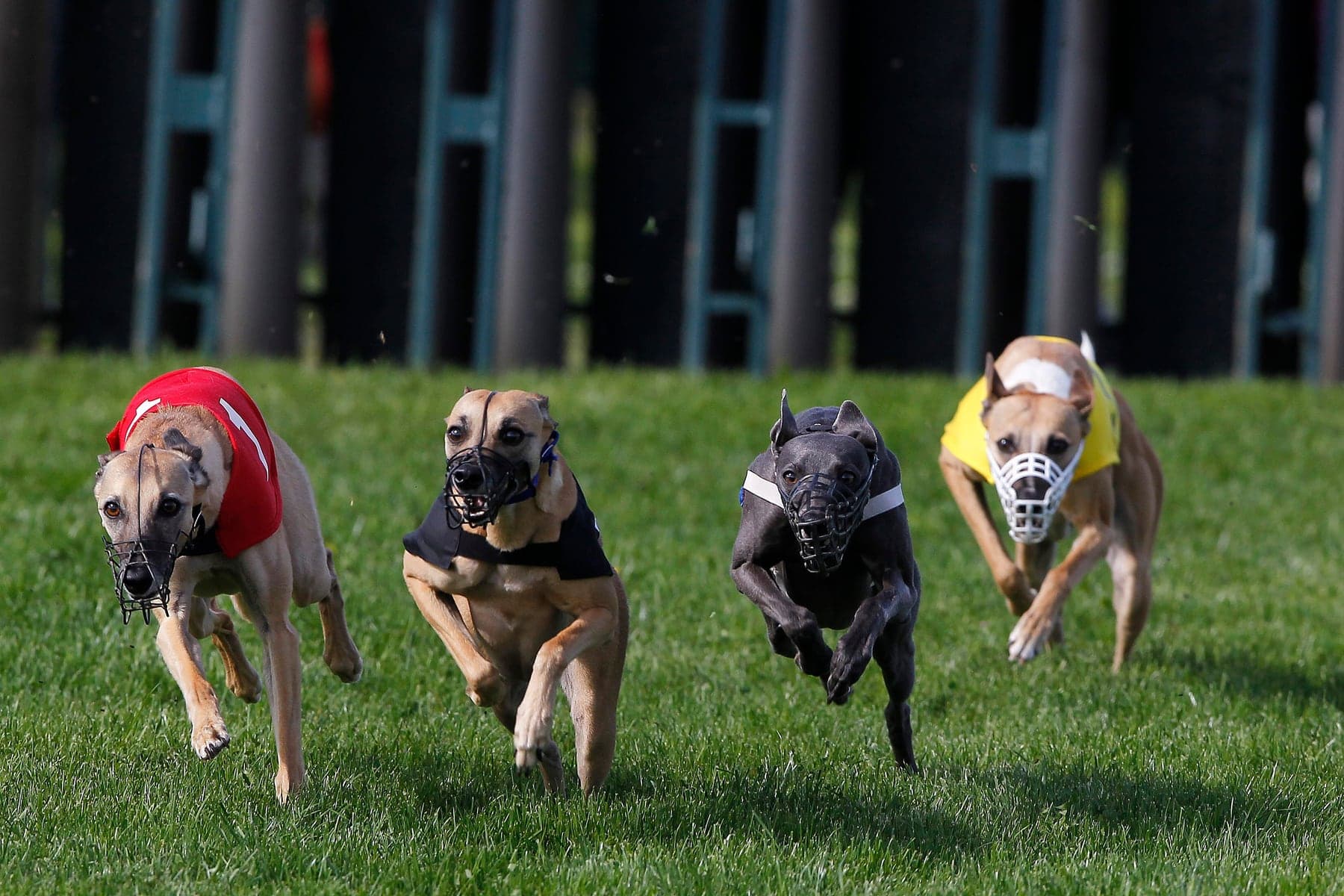
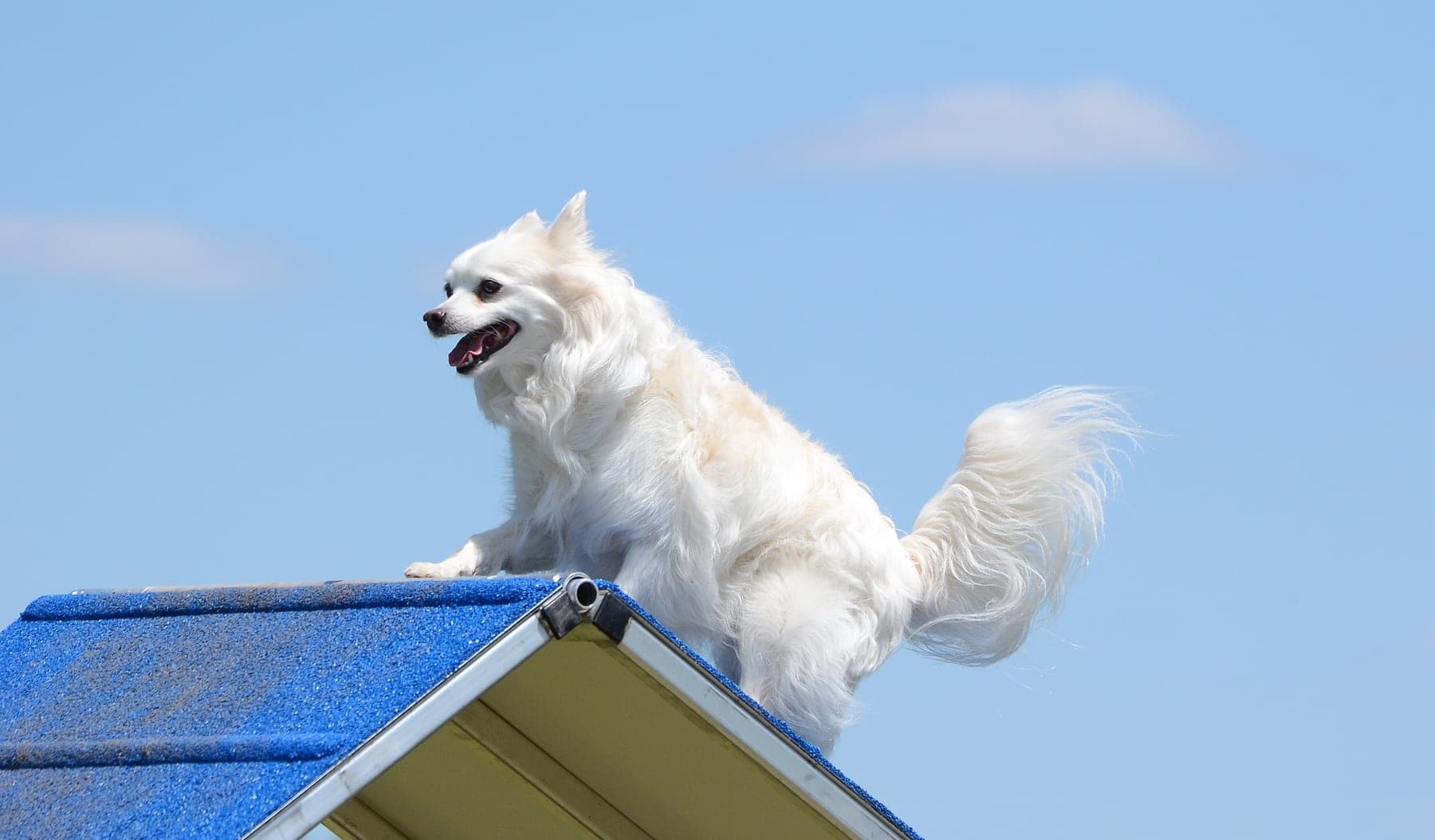
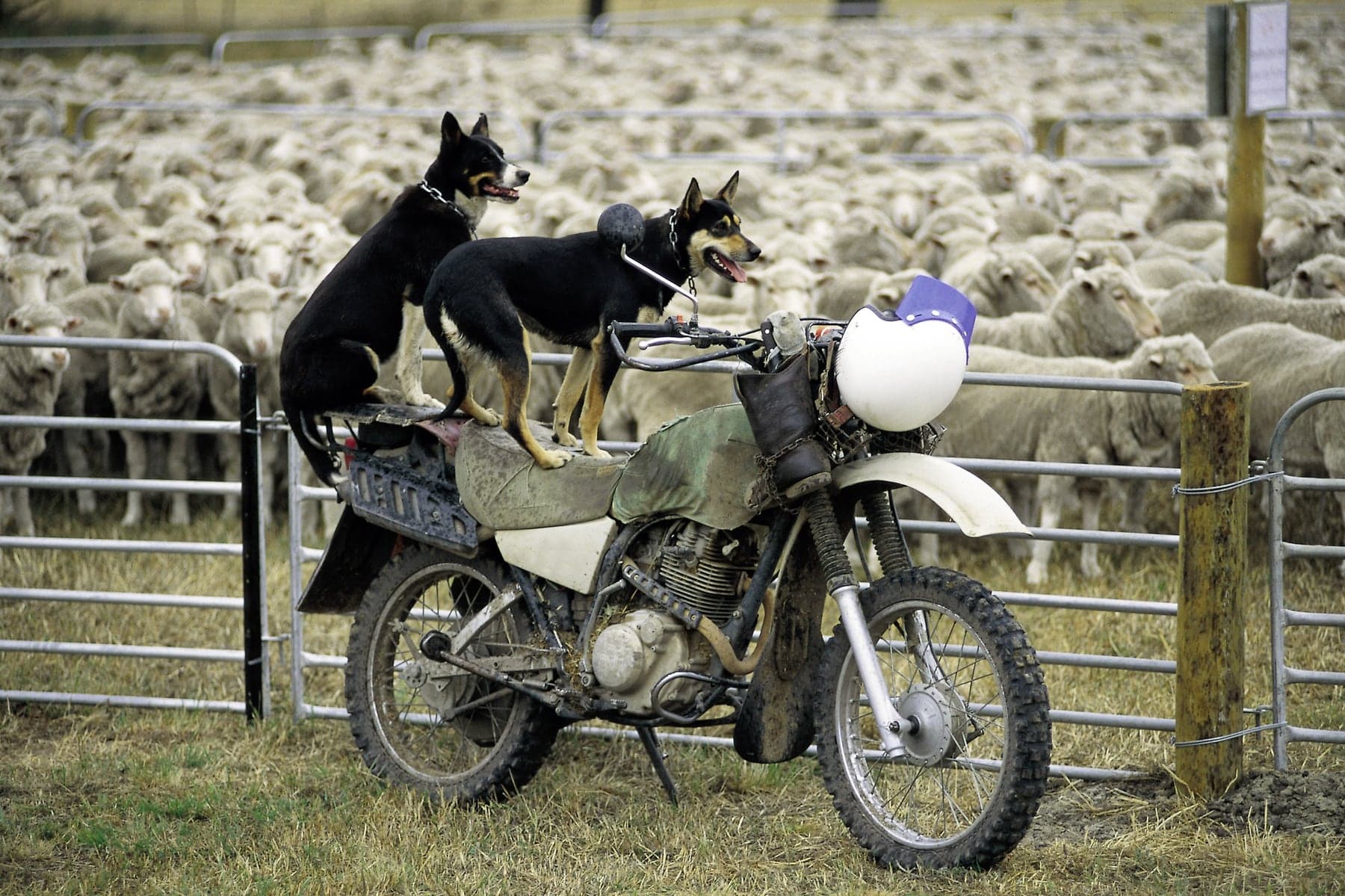
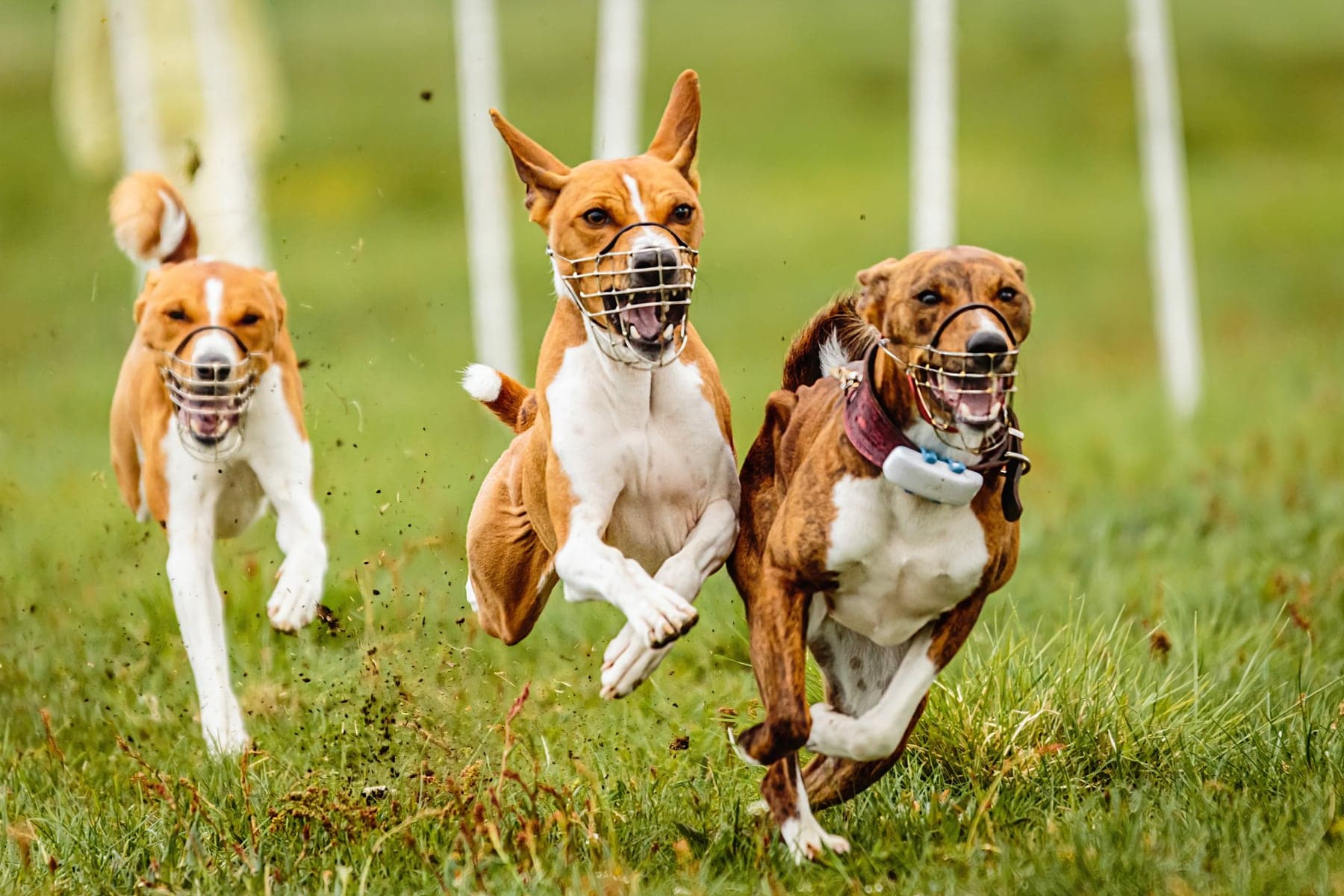
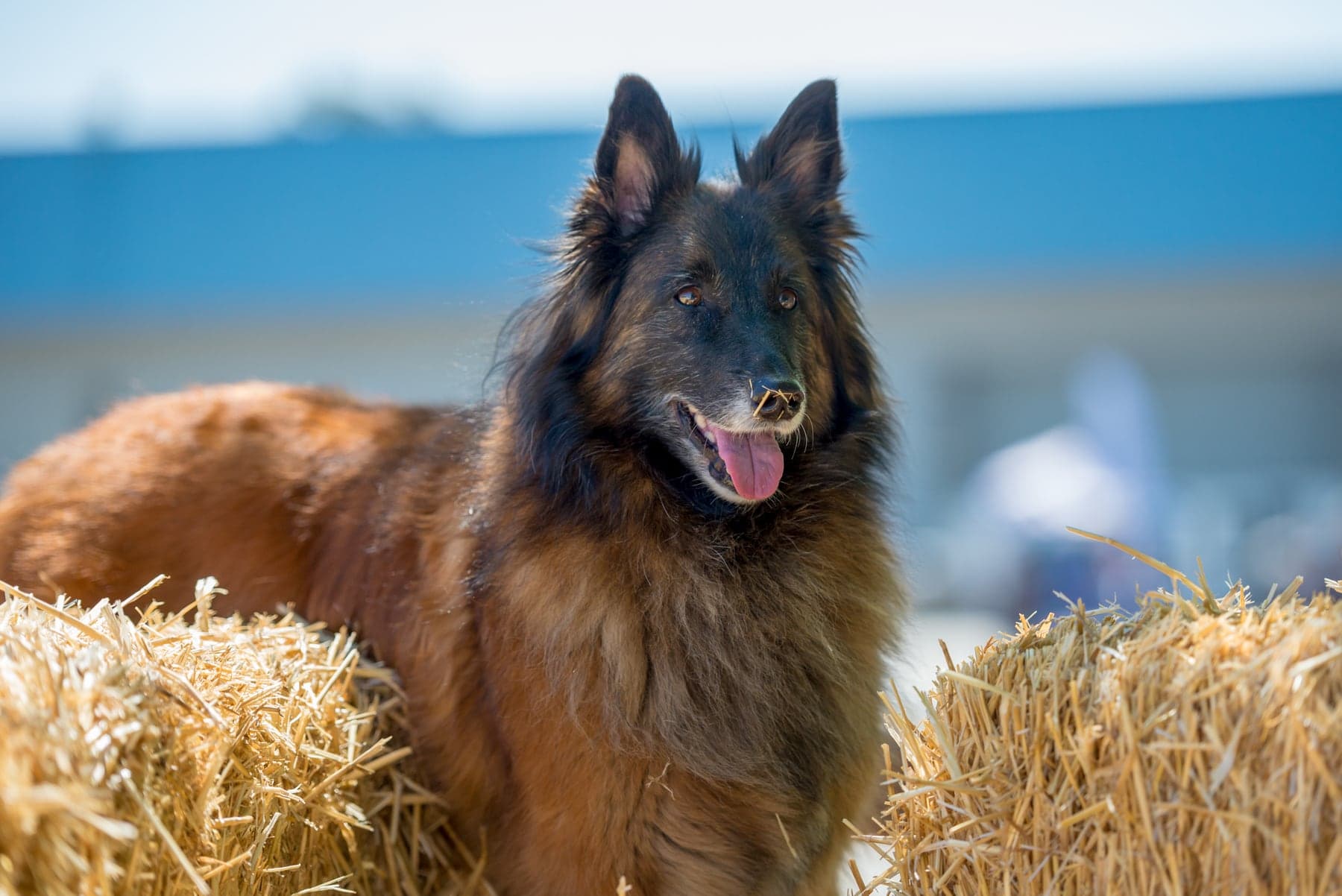
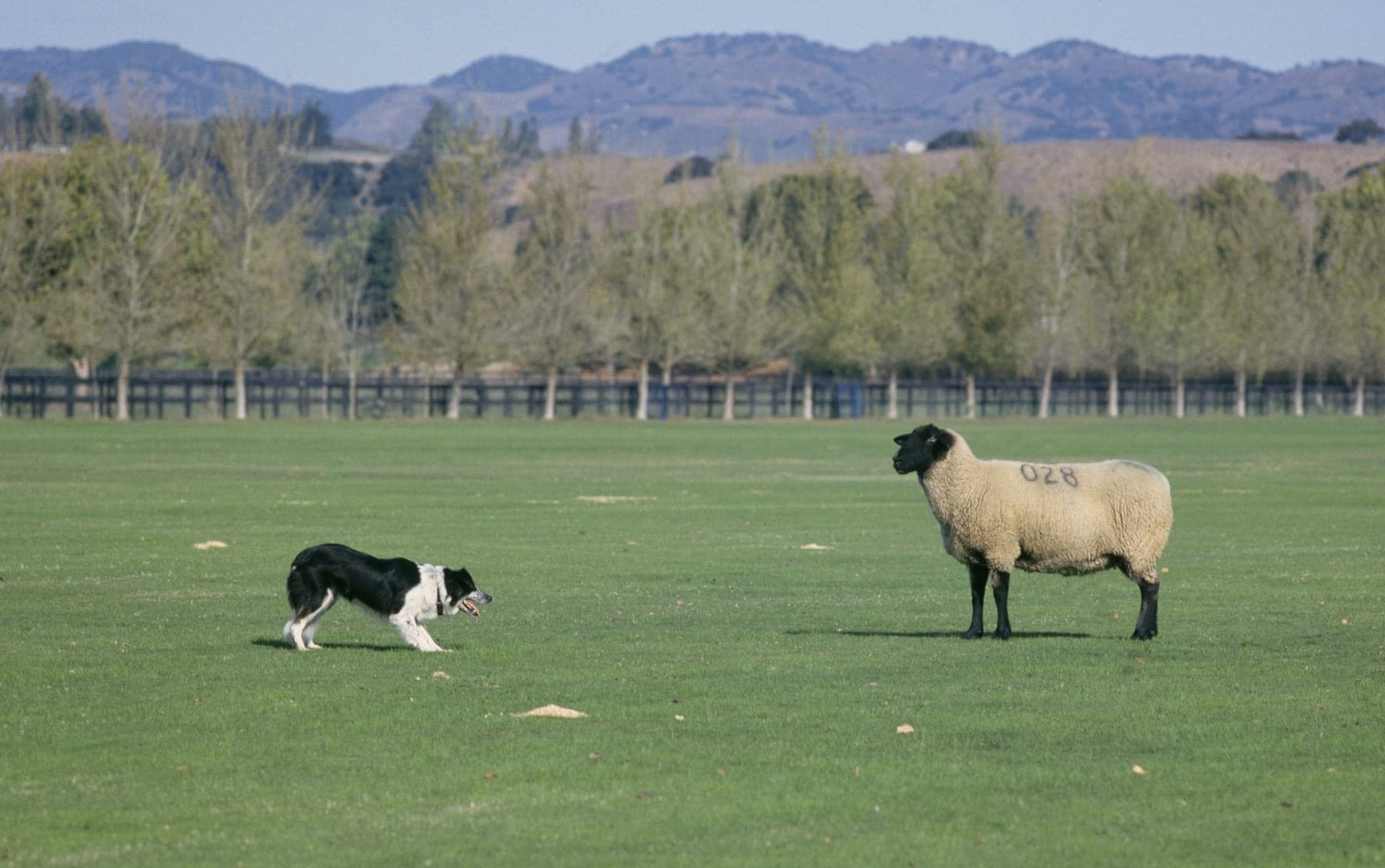
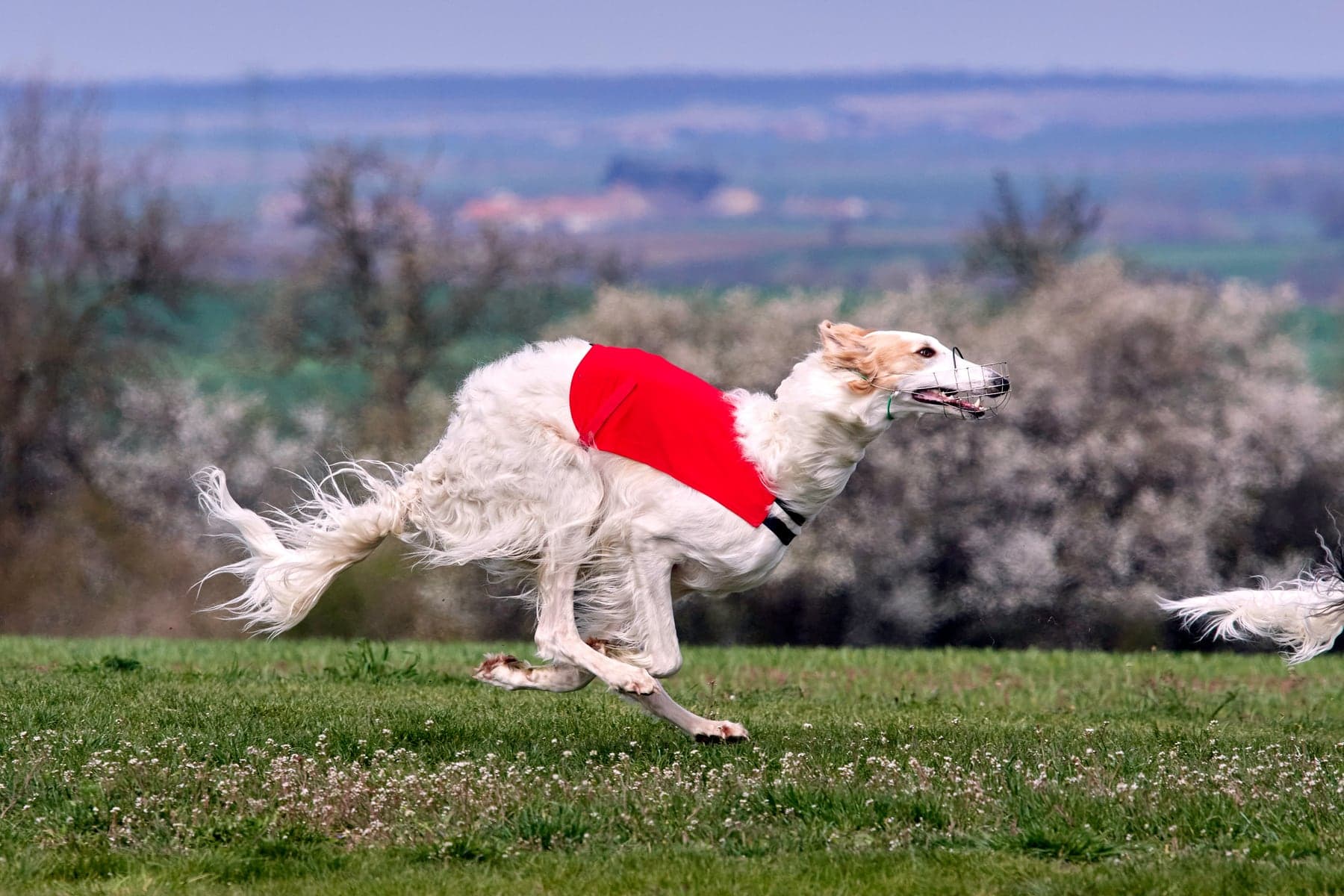
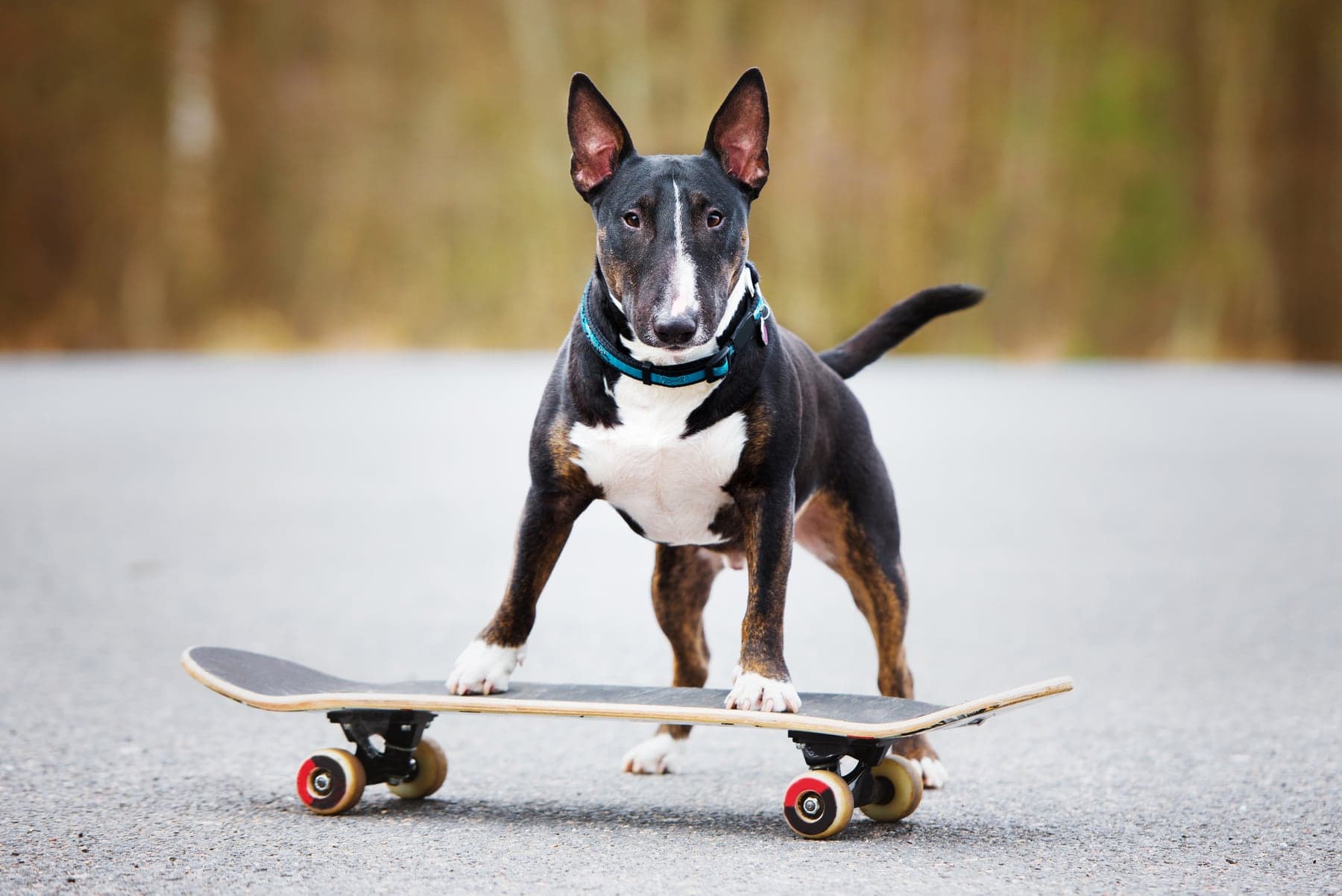
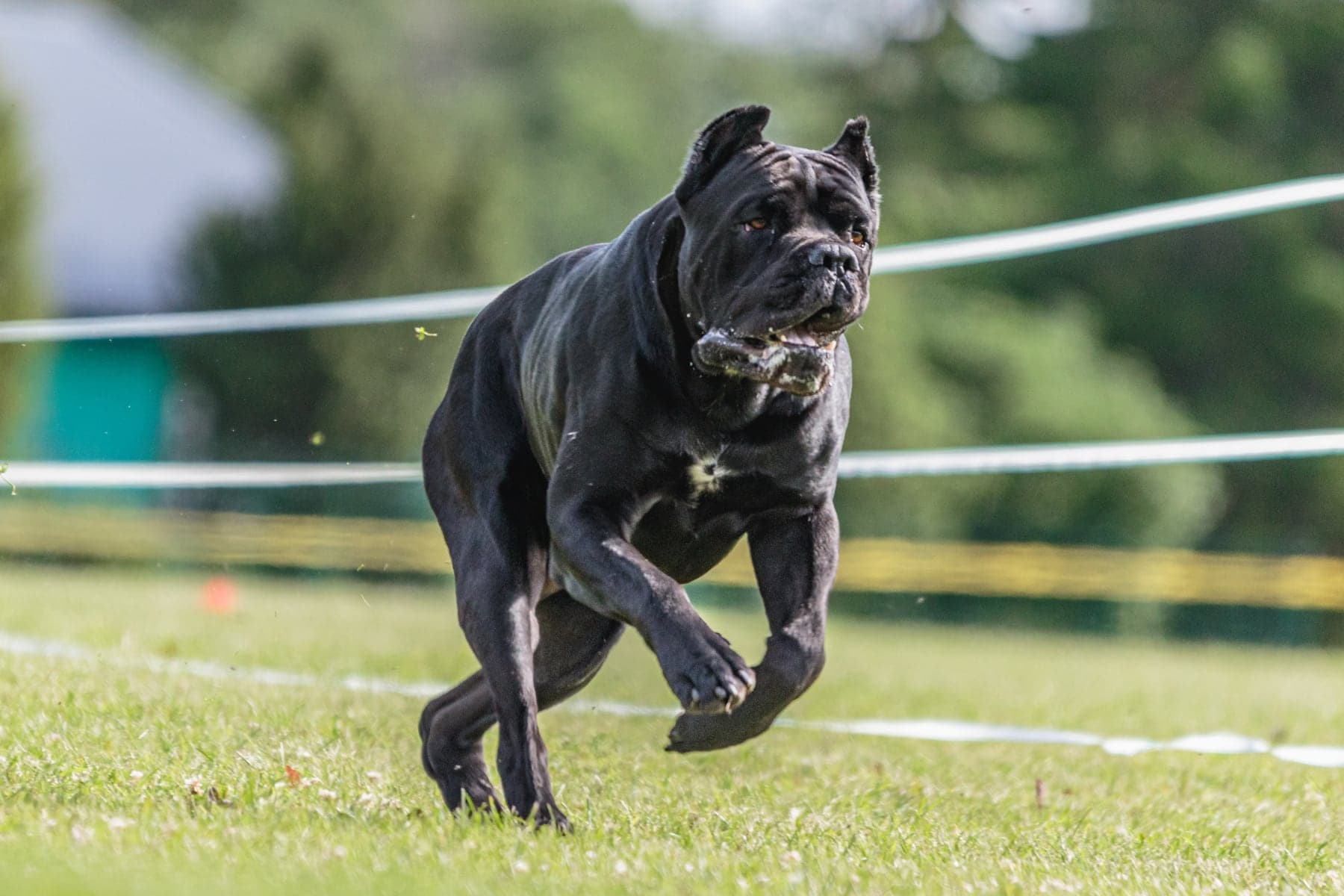
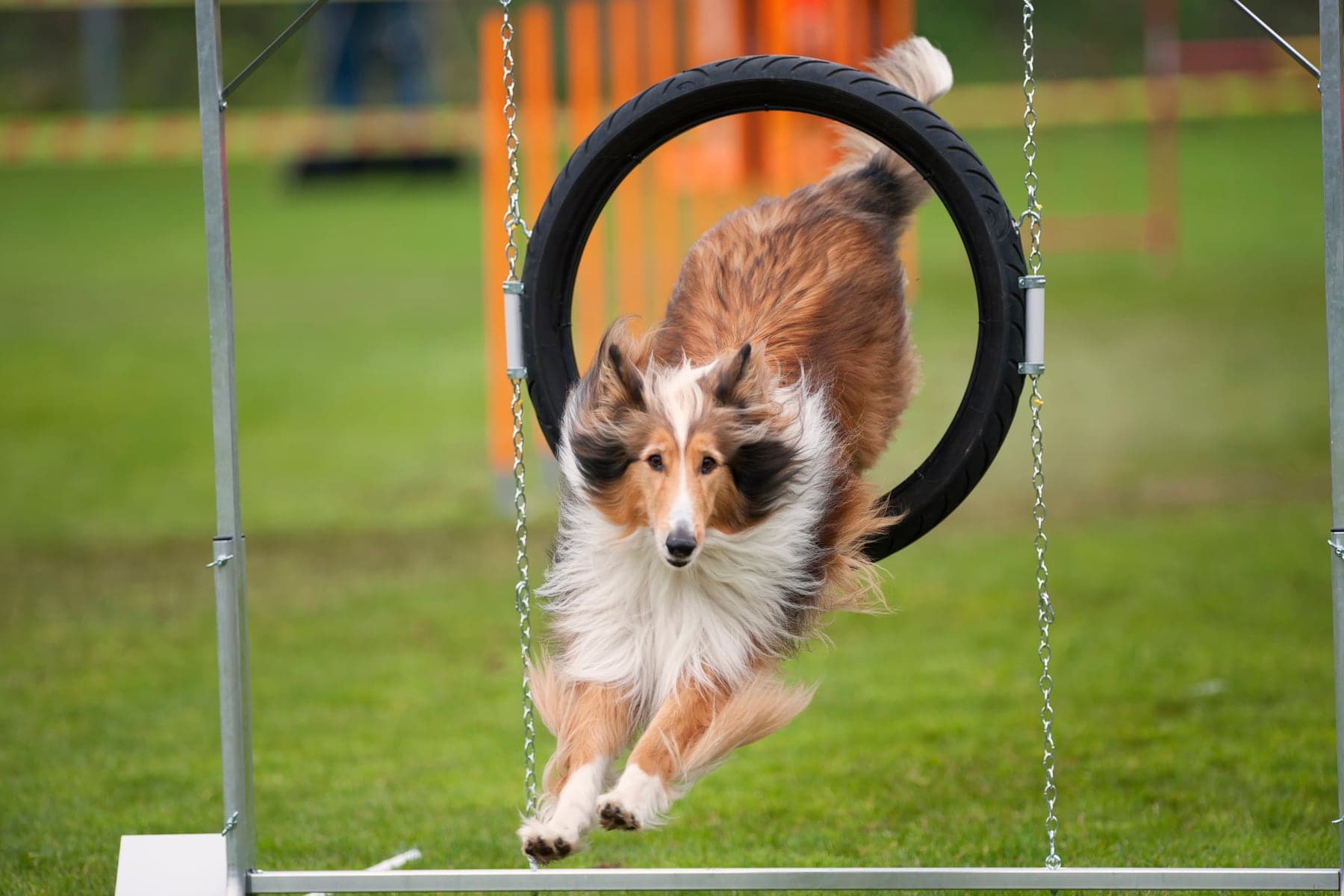
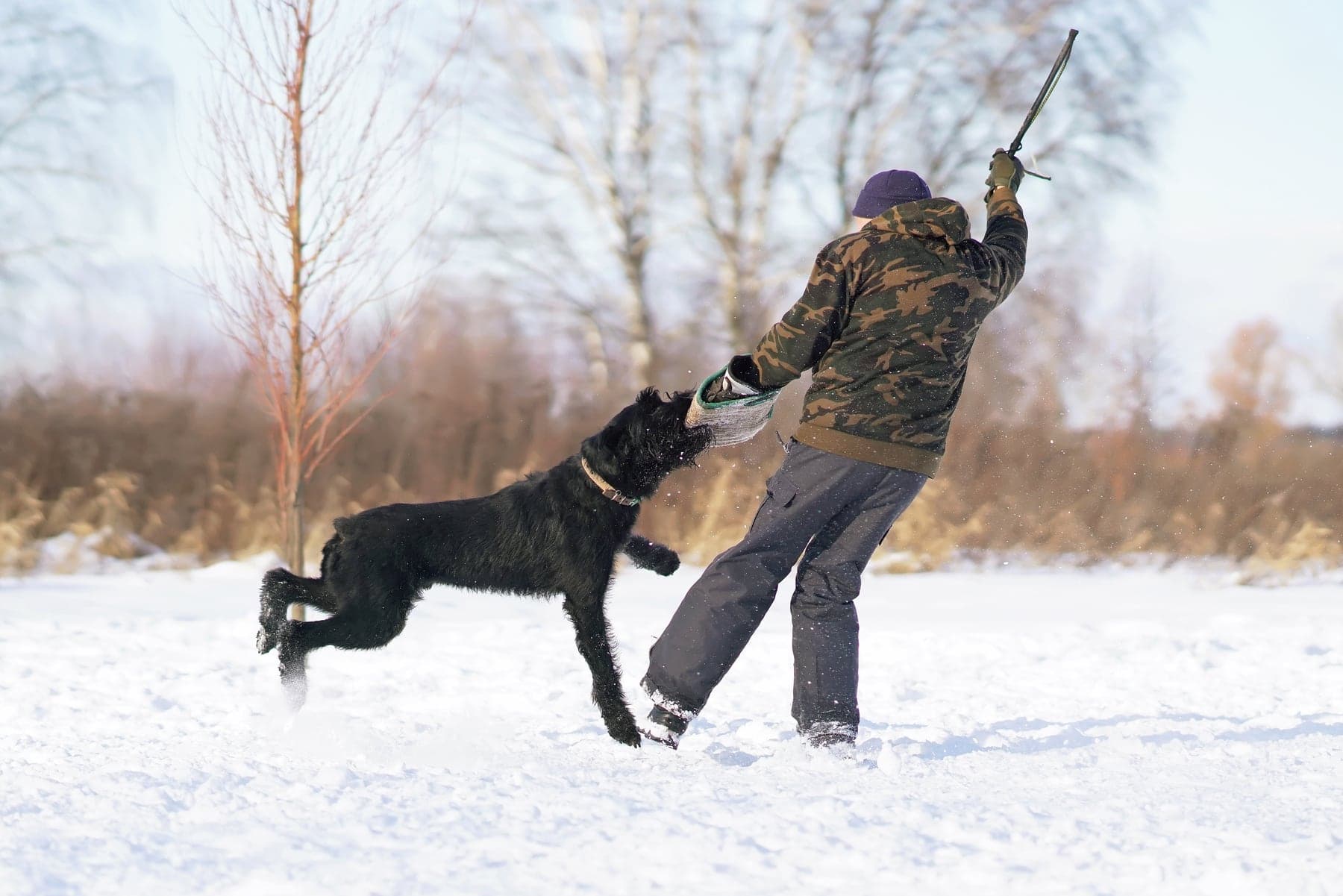
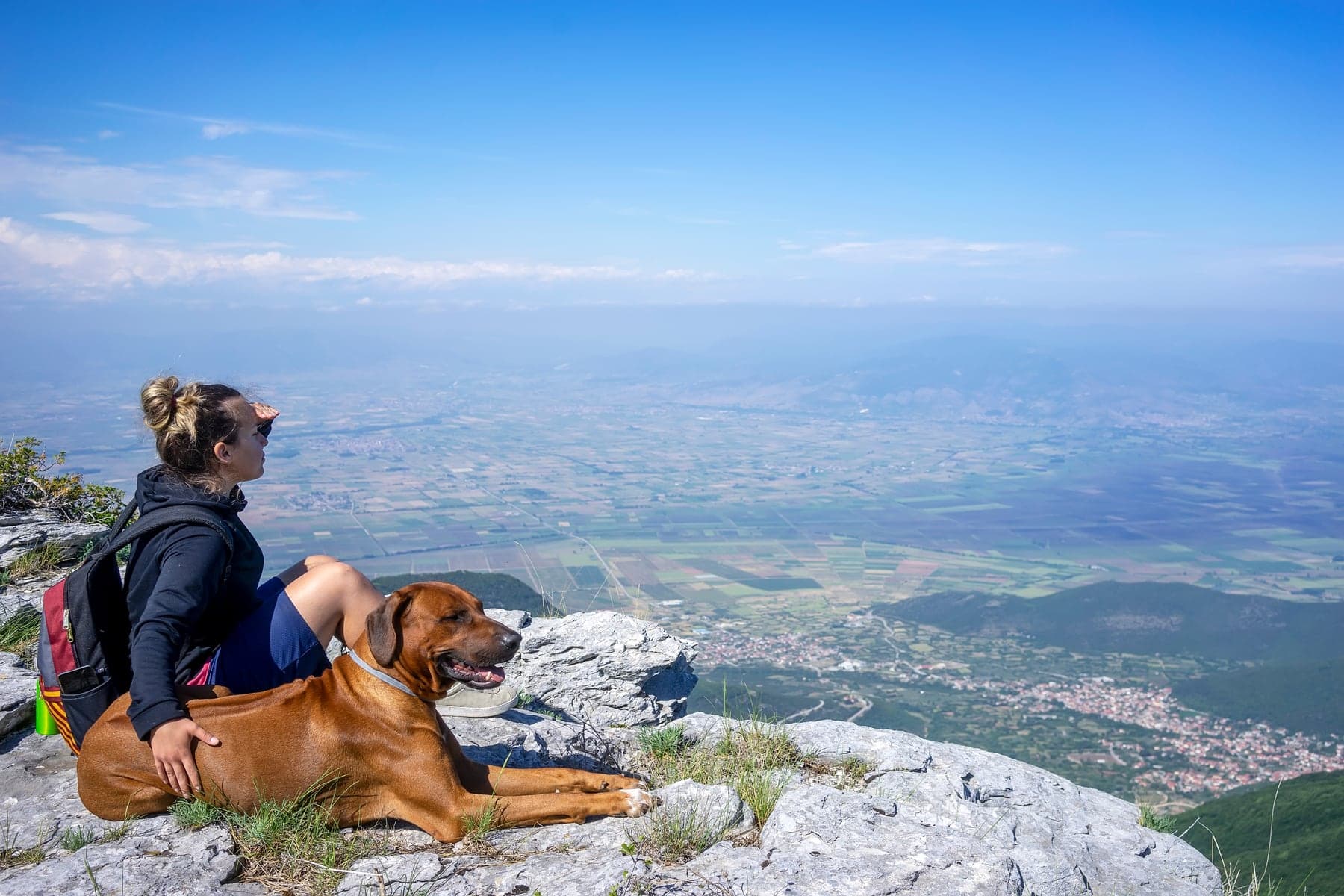
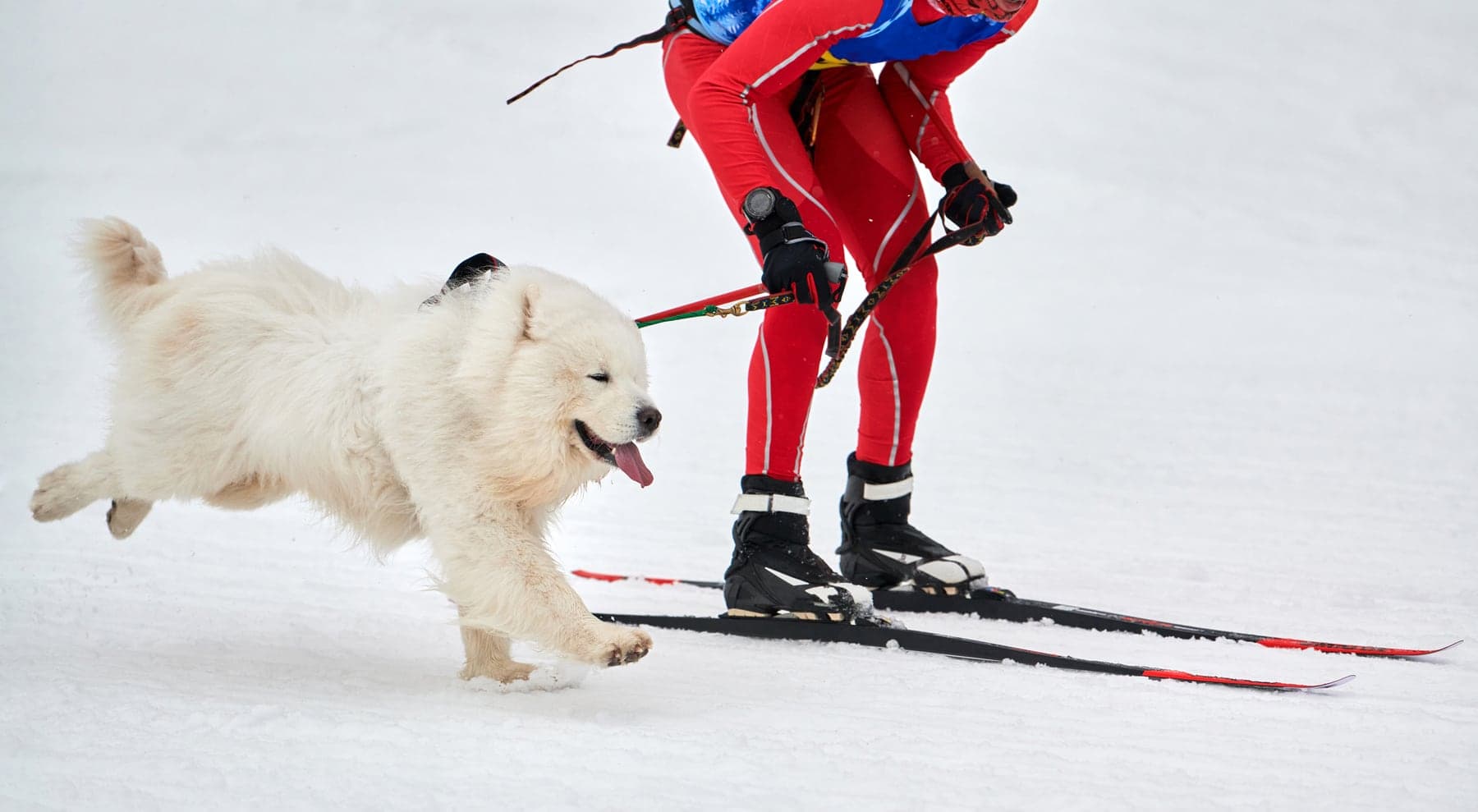
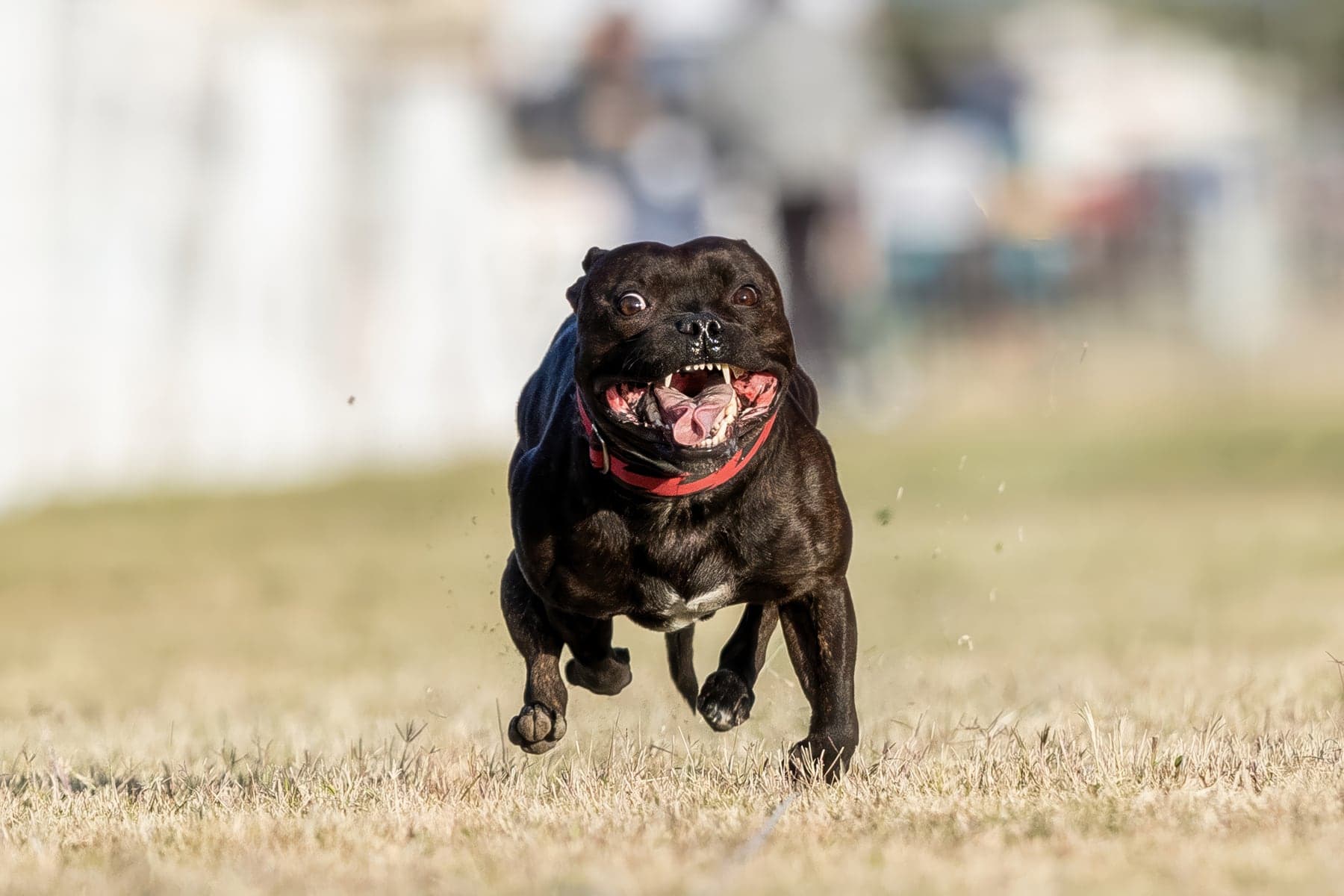
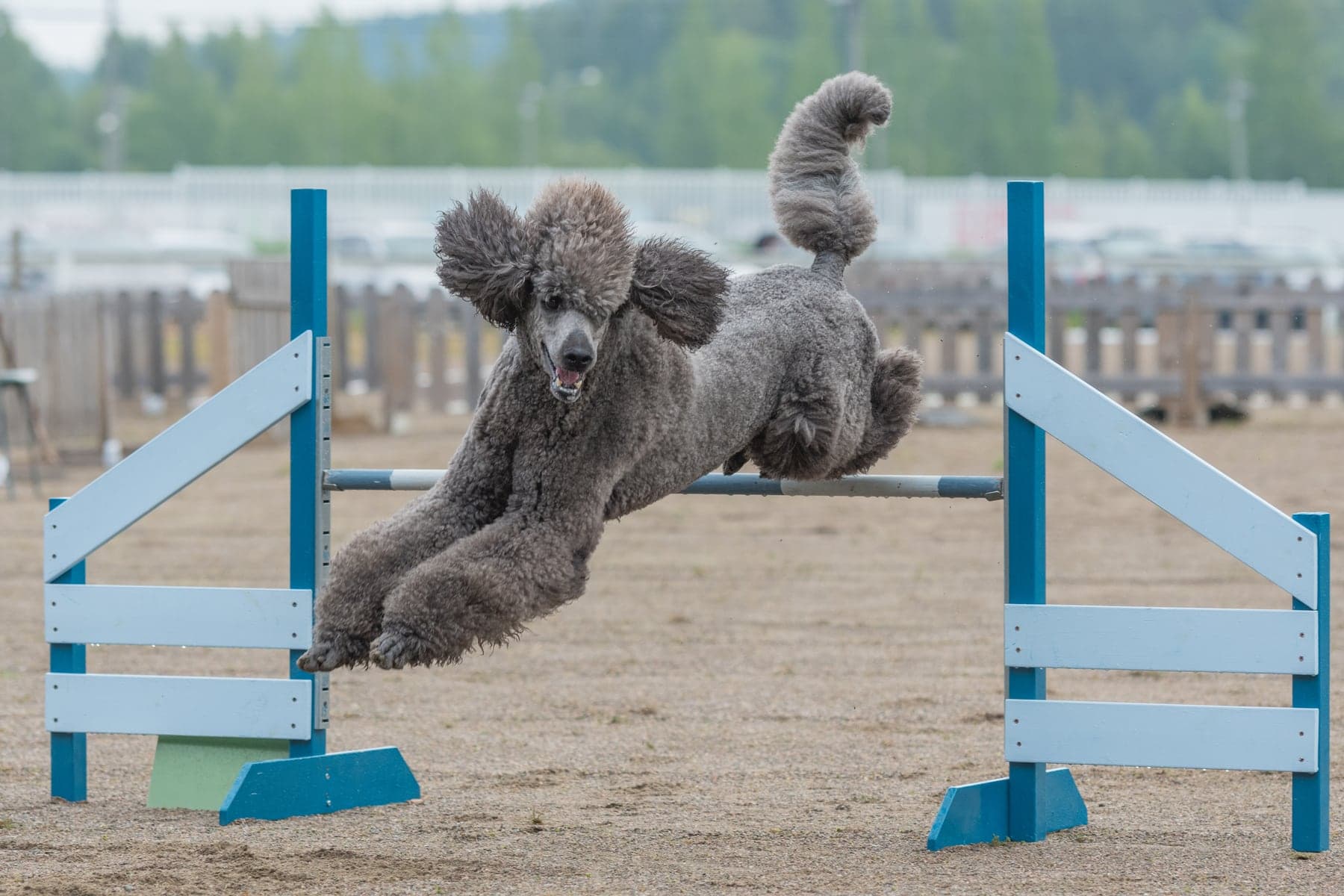
Breeds in our field guide that take naturally to nose work — not every breed that competes, just the ones we’ve written up so far.
Sources & verificationLast reviewed June 2026
Our Nose Work guide is an independent, plain-English orientation — not an official rulebook. Rules, titles, eligibility, and fees vary by organization and change over time, so always confirm the specifics with the current rulebook or event premium before you enter.
Checked against
Spot something out of date? Tell us and we’ll fix it.