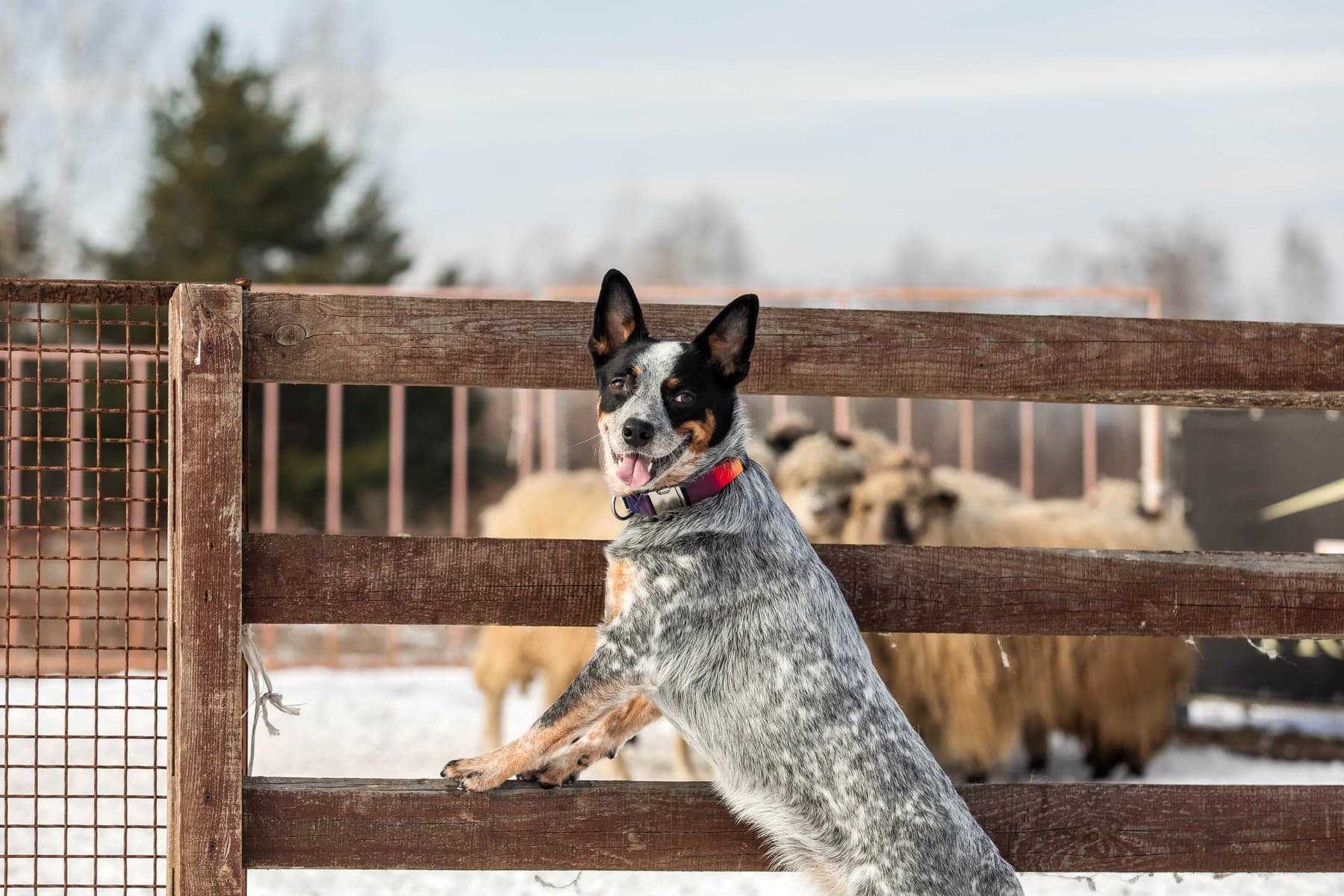
The best dog sports for an Australian Cattle Dog
Bred to move cattle over hard country and never quit — and just as ready to work sheep — the Australian Cattle Dog is a tireless endurance engine wired to chase and drive. These are the sports that meet that engine, and where to try each one near you.
Why a Cattle Dog needs a job.
The Australian Cattle Dog — the Heeler — was built to move stubborn cattle (and any stock you point it at — sheep, goats, ducks) across miles of hard ground, thinking for itself and outlasting everything around it. That produces a dog with relentless drive, a close-working bite-and-dodge instinct, and an off-switch that has to be taught, not assumed. A Cattle Dog with nothing to do doesn't nap; it manages the household — herding the kids, nipping heels, and picking its own projects.
This is a dog that genuinely needs work, not just a walk — owners famously run out of energy long before the dog does. Point that drive at a sport and a Heeler is one of the most capable competitors going: fast, tireless, and sharp. The sports below give the endurance and the drive-and-chase instinct the real outlet they demand.
Sports that fit an Australian Cattle Dog.
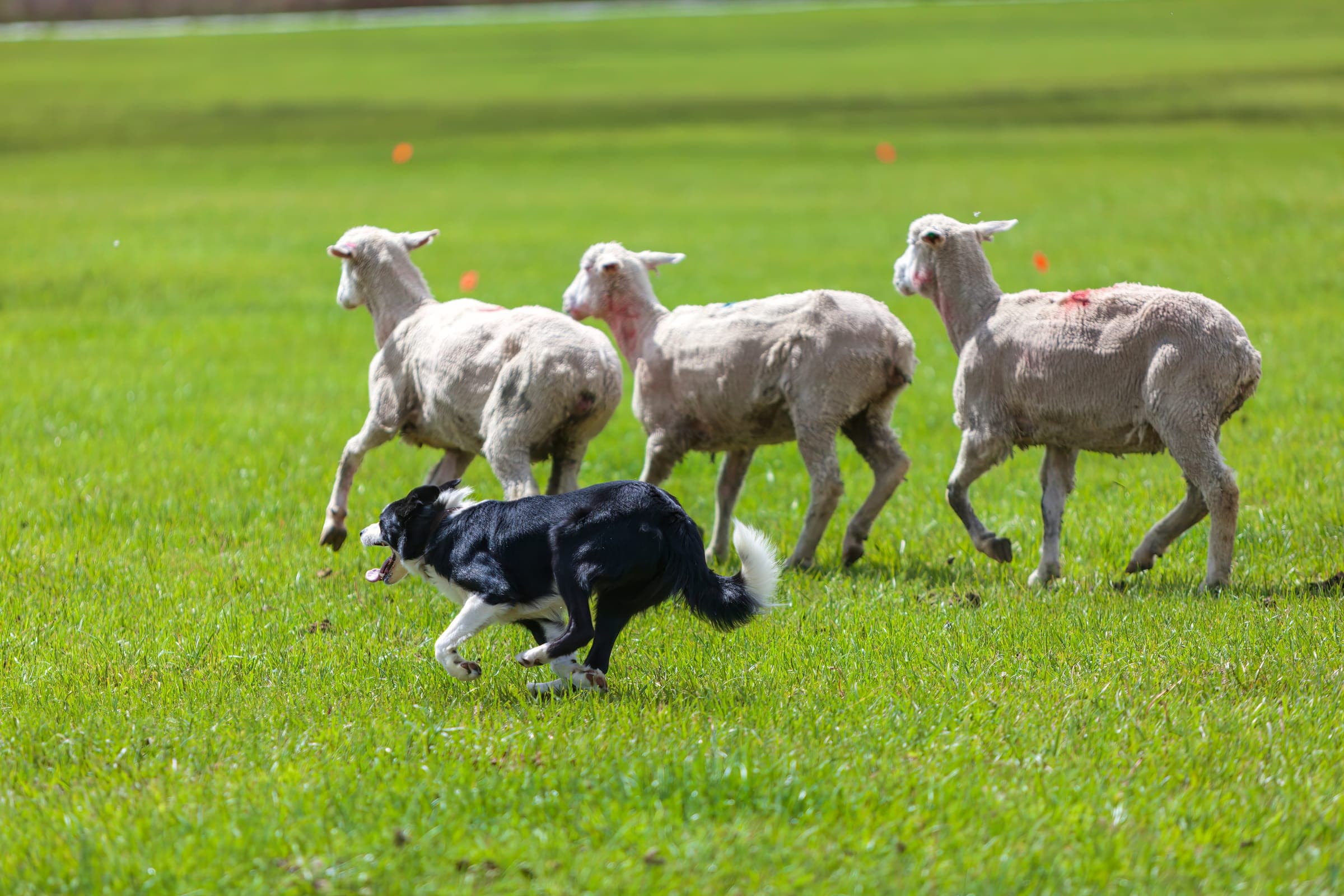
Herding
The literal job — but not the herding you picture. Cattle Dogs are close-working drovers: they move stock forward by nipping heels and ducking the kick, not gathering-and-eyeing like a Border Collie. Bred for cattle, they work sheep, goats, and ducks just as readily — put one on stock and the whole breed is in motion.
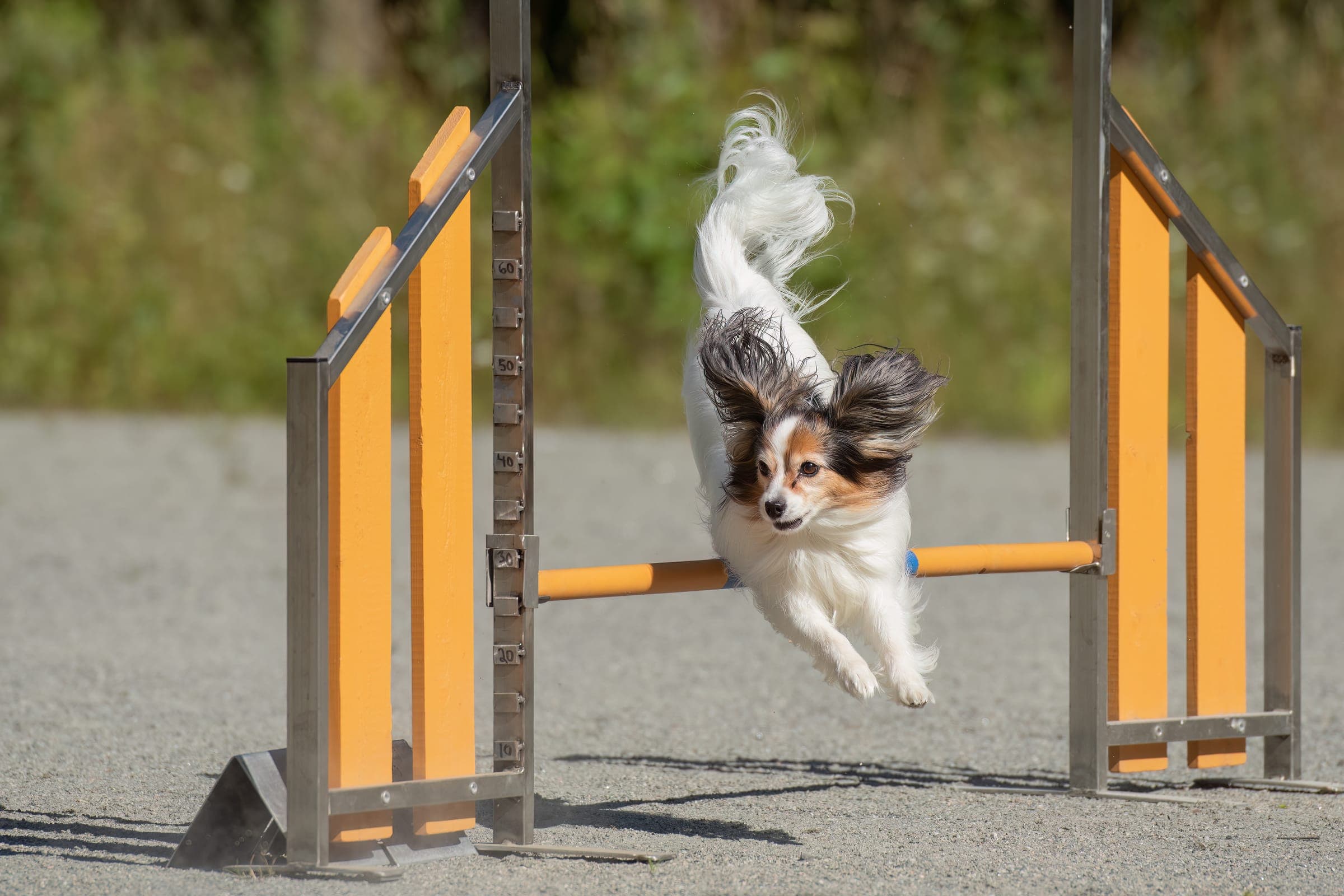
Agility
The heeler's flagship sport, and an honest pick even though every listicle names it — the speed, biddability, and problem-solving are a genuine fit, and it's what most Cattle Dog handlers actually compete in. It burns body and brain at once.
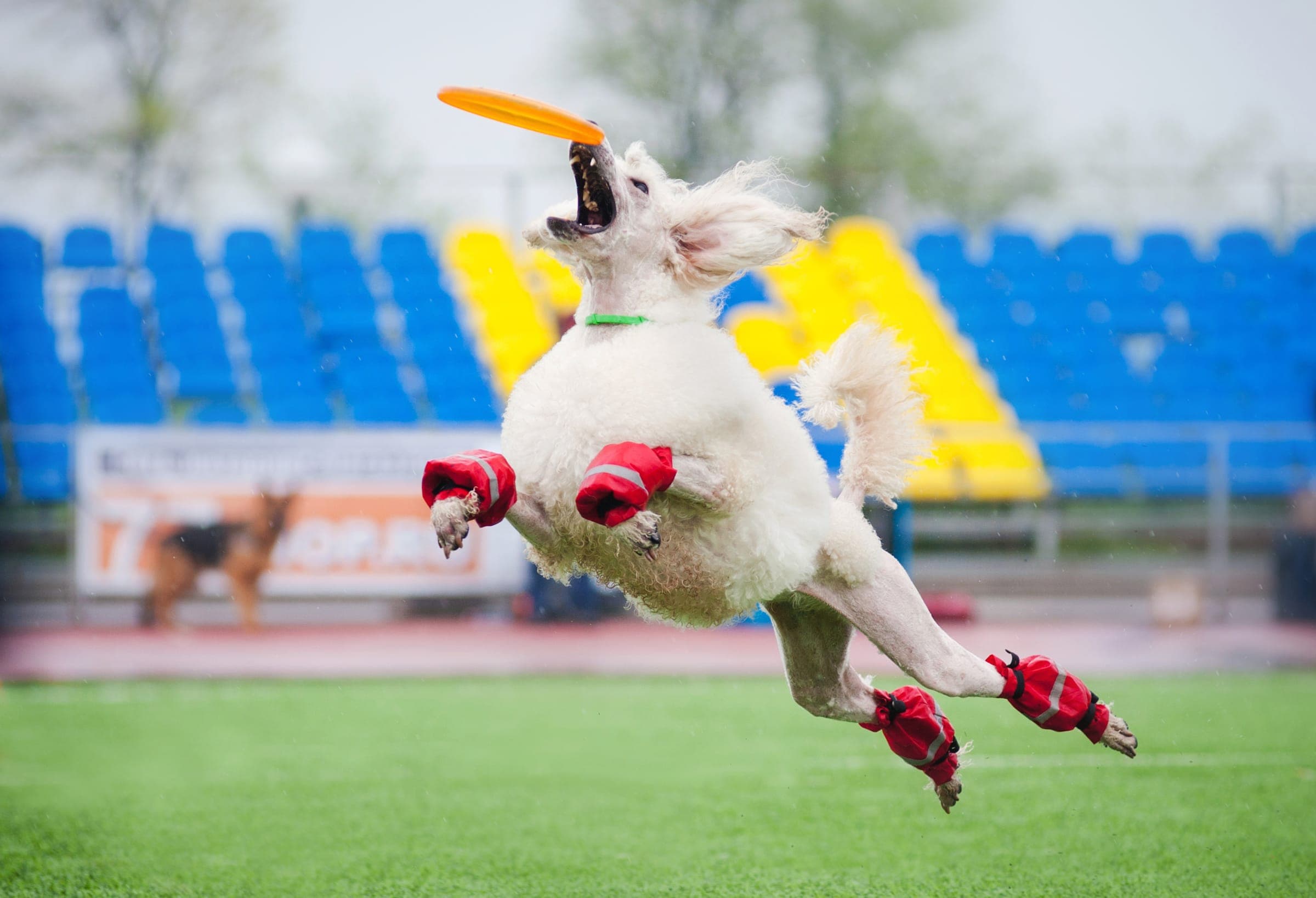
Disc Dog
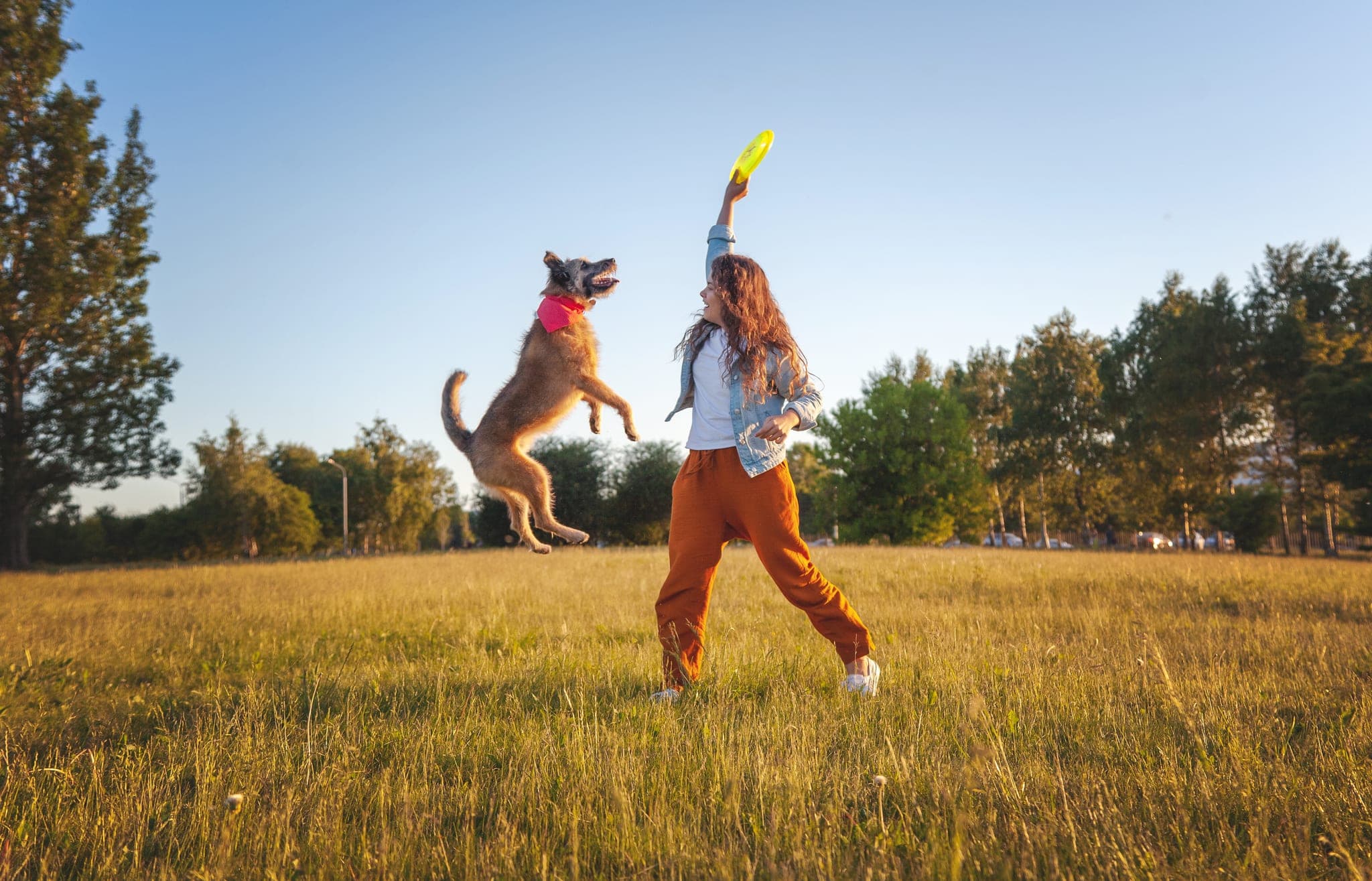
Chase, leap, catch — a Cattle Dog's hardwired drive to chase, given a legal target. Freestyle and Toss & Fetch turn the exact instinct that fires at joggers and bikes into a sport, with real athleticism behind it.
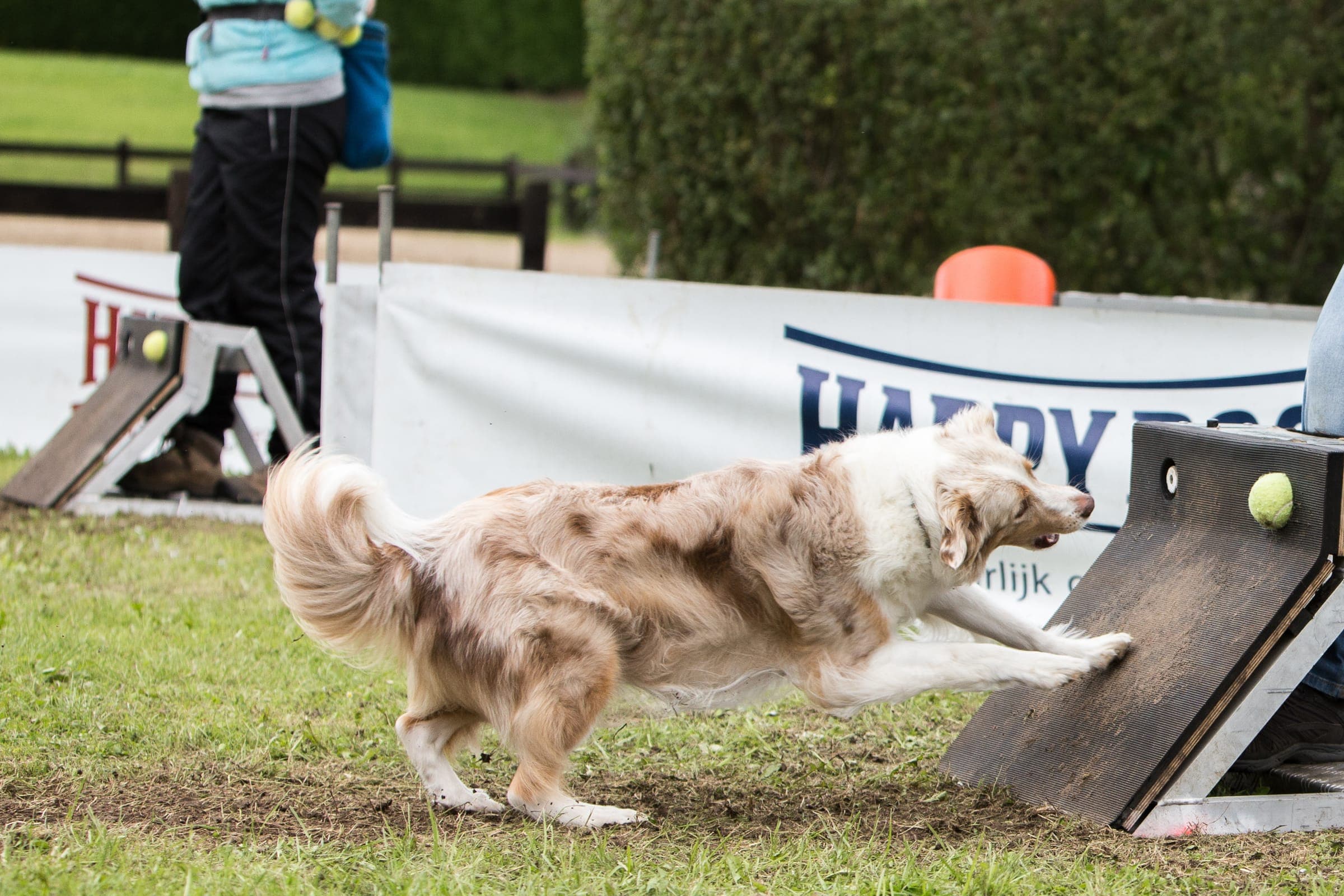
Flyball
A team relay of sprint, jump, grab, and return — high-drive and a classic heeler outlet. One management note: an over-aroused Cattle Dog's nip drive spikes, so it rewards a dog with an off-switch — but the energy burn is hard to beat.
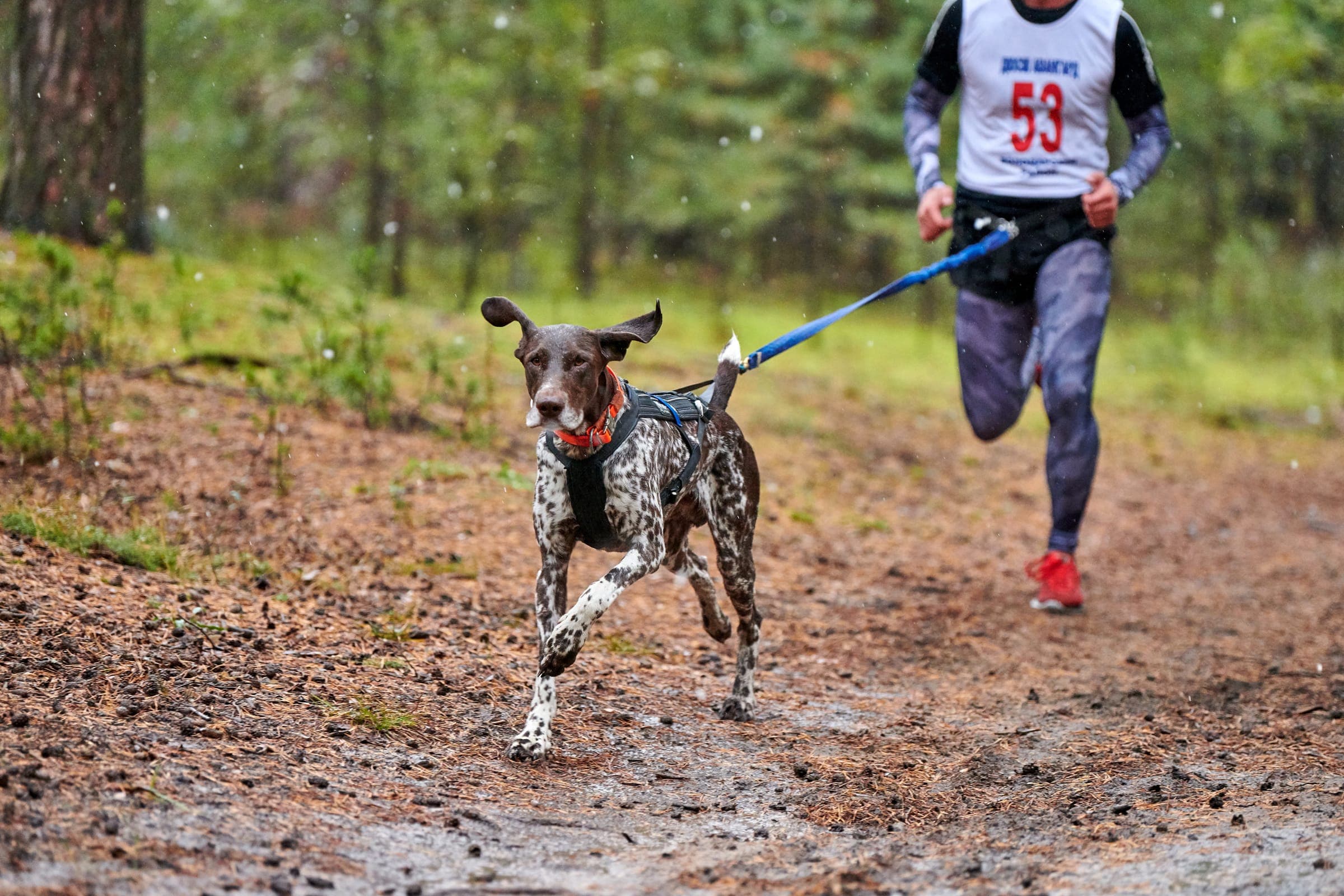
Canicross
Cross-country running on a bungee line — the endurance channel heeler people swear by. The breed is famous for outlasting its owners; canicross is how you actually put a dent in that engine on a schedule.
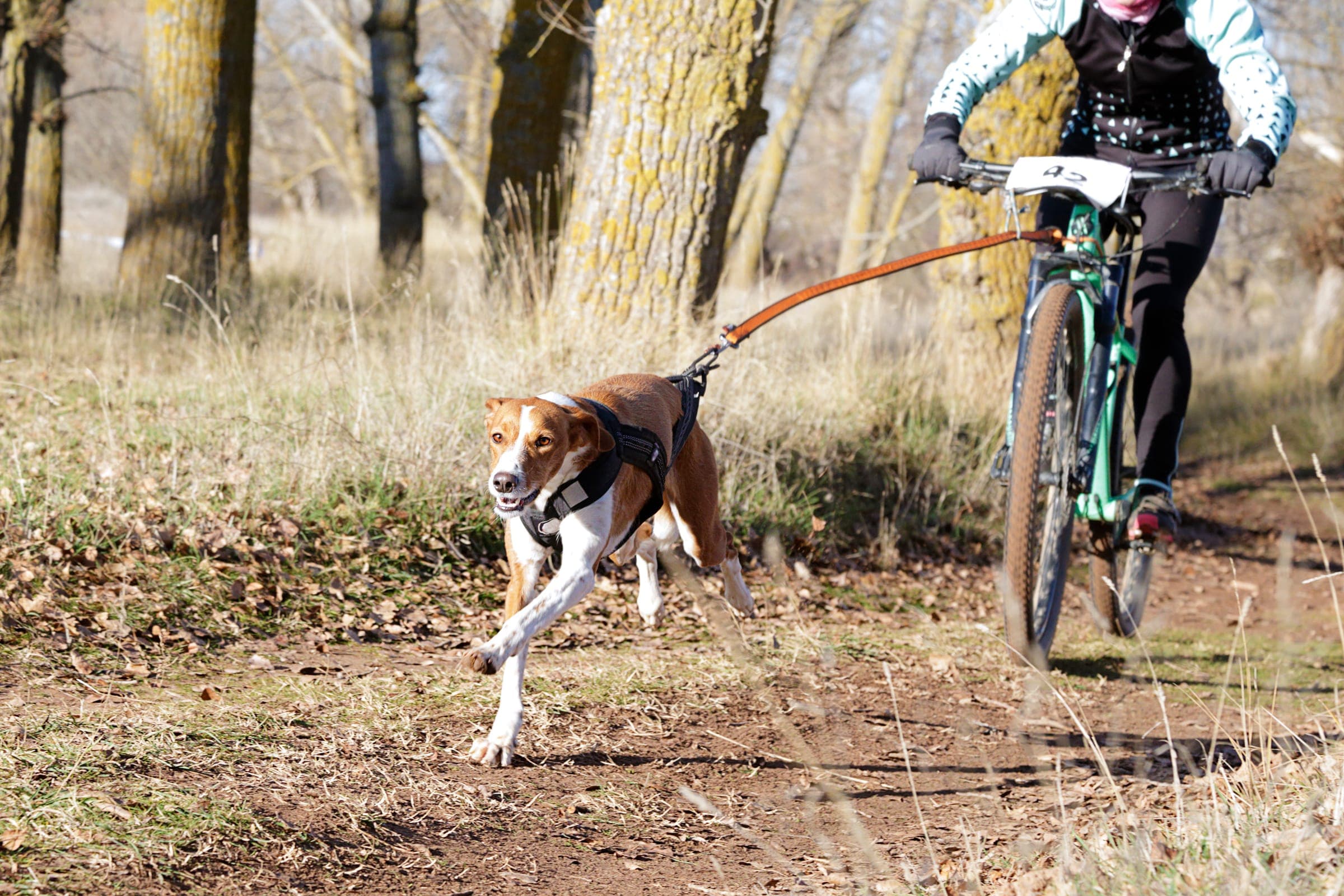
Bikejoring
Dryland mushing — the dog pulls out ahead of a bike in harness. Cattle Dogs are named specifically for it: the stamina, the habit of staying beside the handler, and low hunting distraction make a heeler a natural, and it drains far more per session than a walk.
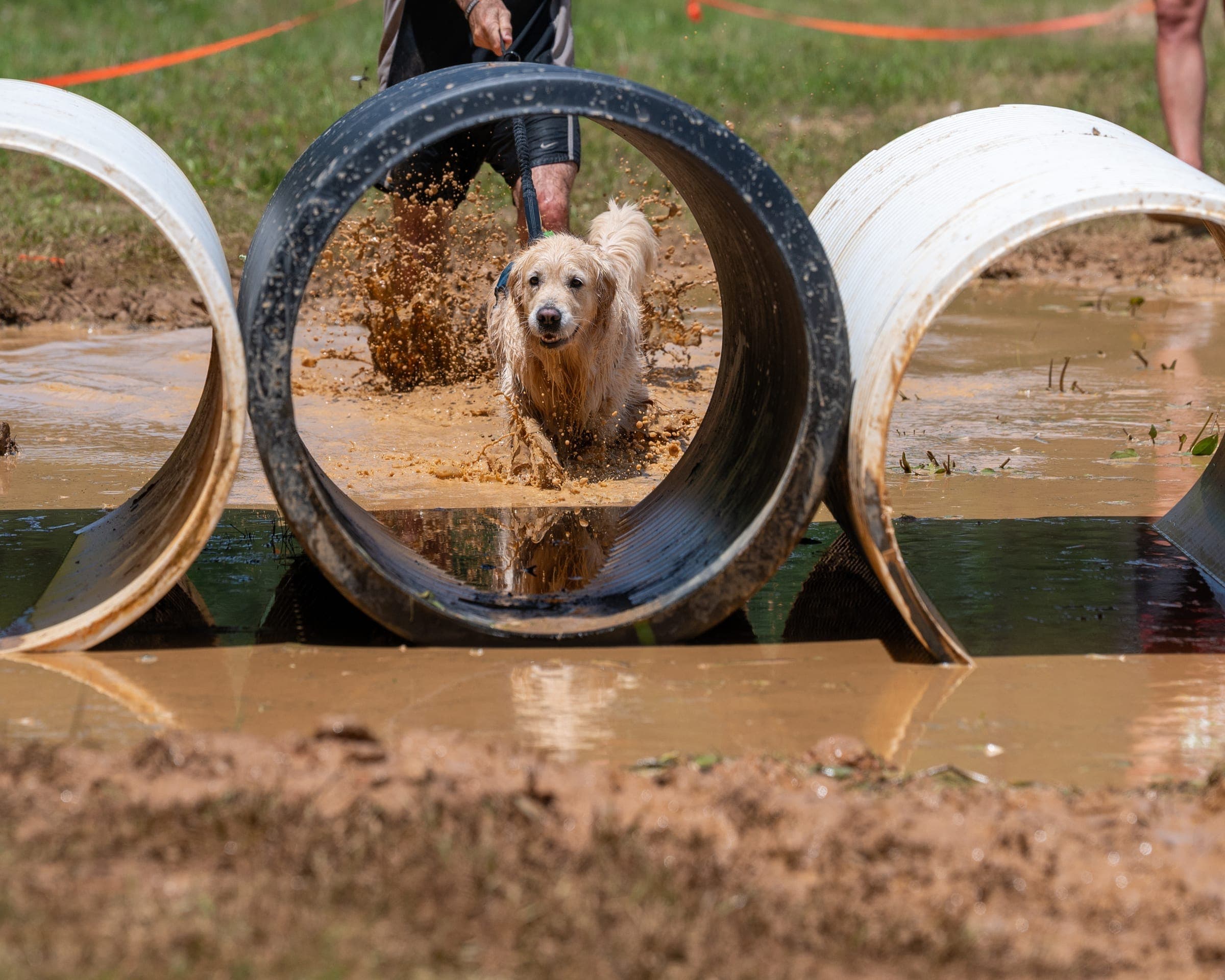
Canine Obstacle Run
Dog OCR fuses endurance, agility, and off-obstacle control — the exact tireless-athletic-and-trainable stack a Cattle Dog brings. Genuinely obscure, and a strong fit for a dog that just wants to keep working.
Treibball
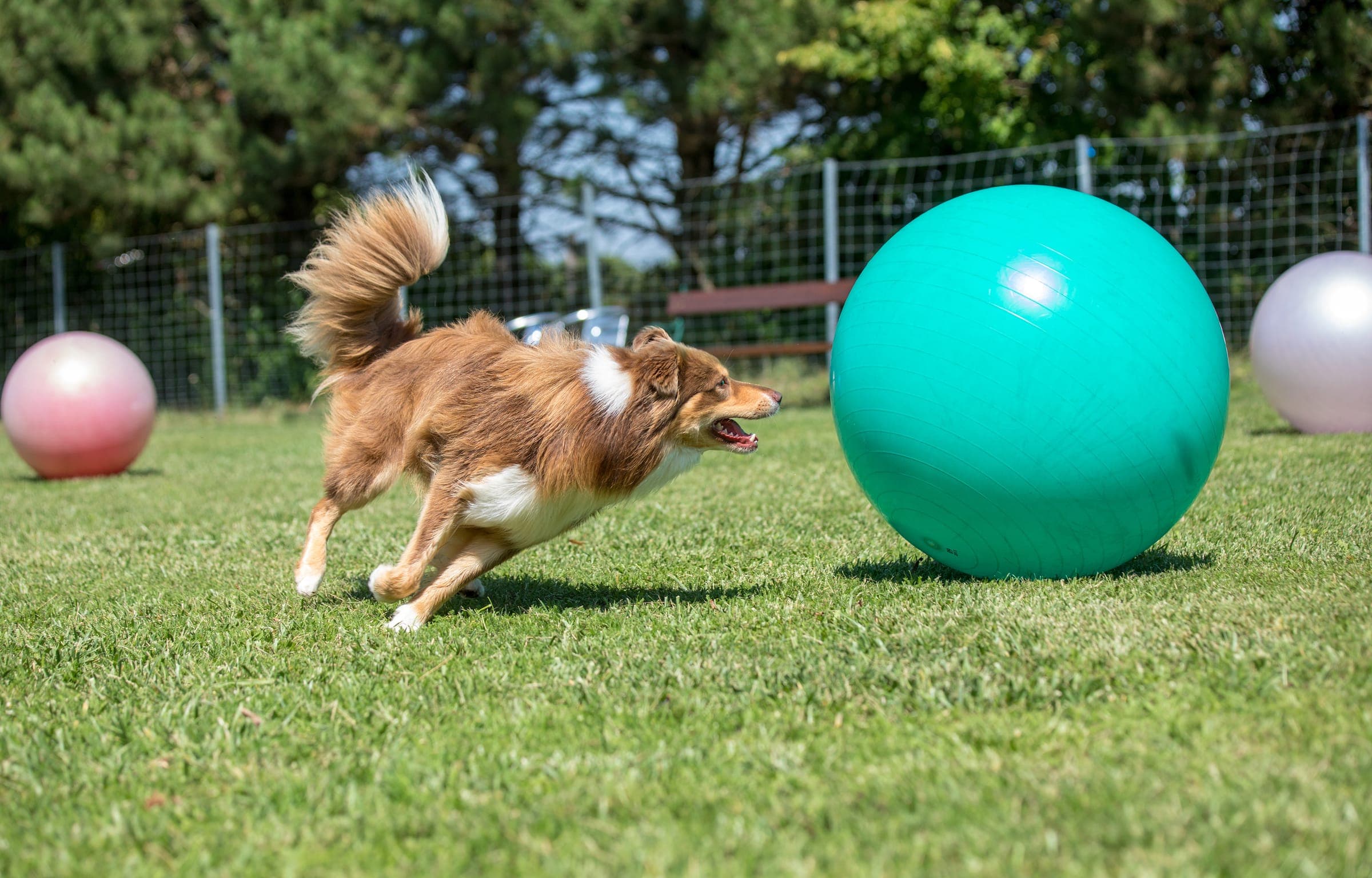
Urban herding: the dog drives eight big exercise balls into a goal — which is driving, precisely what a drover does. It's the herding instinct with no livestock and no field, and a rare low-impact brain-burn for a rest day or a city heeler.
Not sure which one fits your dog?
Take the Matchmaker quiz →Things most people don’t know.
- The Heeler is part dingo — pastoralist Thomas Hall crossed imported blue-speckled Collies with tamed dingoes in 1800s New South Wales, and the result was called the Hall's Heeler.
- The heel-nip isn't aggression — it's a calibrated working behavior, selected to move a half-ton steer without breaking skin, and the dog's habit of dropping flat to the ground dodges the retaliatory kick.
- The longest-lived dog ever verified was a Cattle Dog: Bluey, who worked stock and lived to 29 years old (1910–1939), holding a Guinness World Record for decades.
Maizey — registered MACH11, the Cattle Dog who won the 12-inch division at the 2019 AKC National Agility Championship.
Sources & verification
The sports we recommend for the Australian Cattle Dog — and why — are Sporting Hound's own analysis, drawn from breed clubs, sport communities, and titled dogs' records. For the breed's history and standard, we cross-check the references below. One caveat that matters: this describes the breed's typical tendencies, not any individual dog — real suitability comes down to a dog's own health, temperament, and training.
Breed references
Spot something out of date? Tell us and we’ll fix it.