The best dog sports for an American Eskimo Dog
German Spitz farm dogs reinvented as America's premier circus performers — dancing to music, weaving through moving wagon wheels, walking the tightrope — the American Eskimo Dog is the rare spitz that's genuinely biddable and born to perform. These are the sports that fit a bright, showy, eager-to-please dog: the performance and obedience work you'd expect, plus the discovery picks you wouldn't — and where to try each one near you.
Why an American Eskimo Dog needs a job.
The Eskie is the spitz that wants to work with you, not around you. Its cousins — the Chow, the Akita, the Samoyed — are famously independent; the American Eskimo Dog is famously biddable, a thinking dog with a genuine will to please that made it the trick-and-circus star of dustbowl-era America. That combination of intelligence and eagerness is the whole appeal, and it's also the maintenance bill: this is a brain that expects a job.
Under-work an Eskie and the cleverness turns against you — it learns to manipulate, barks for attention, and invents its own destructive projects when nobody gives it a real one. Give it a task and an audience and you get the tireless, showy partner the breed was built to be. The sports below split into the performance and obedience work you'd expect from a born entertainer, and the discovery picks — herding games, scent work — that most owners never guess a fluffy white pet could do.
Sports that fit an American Eskimo Dog.
Trick Dog
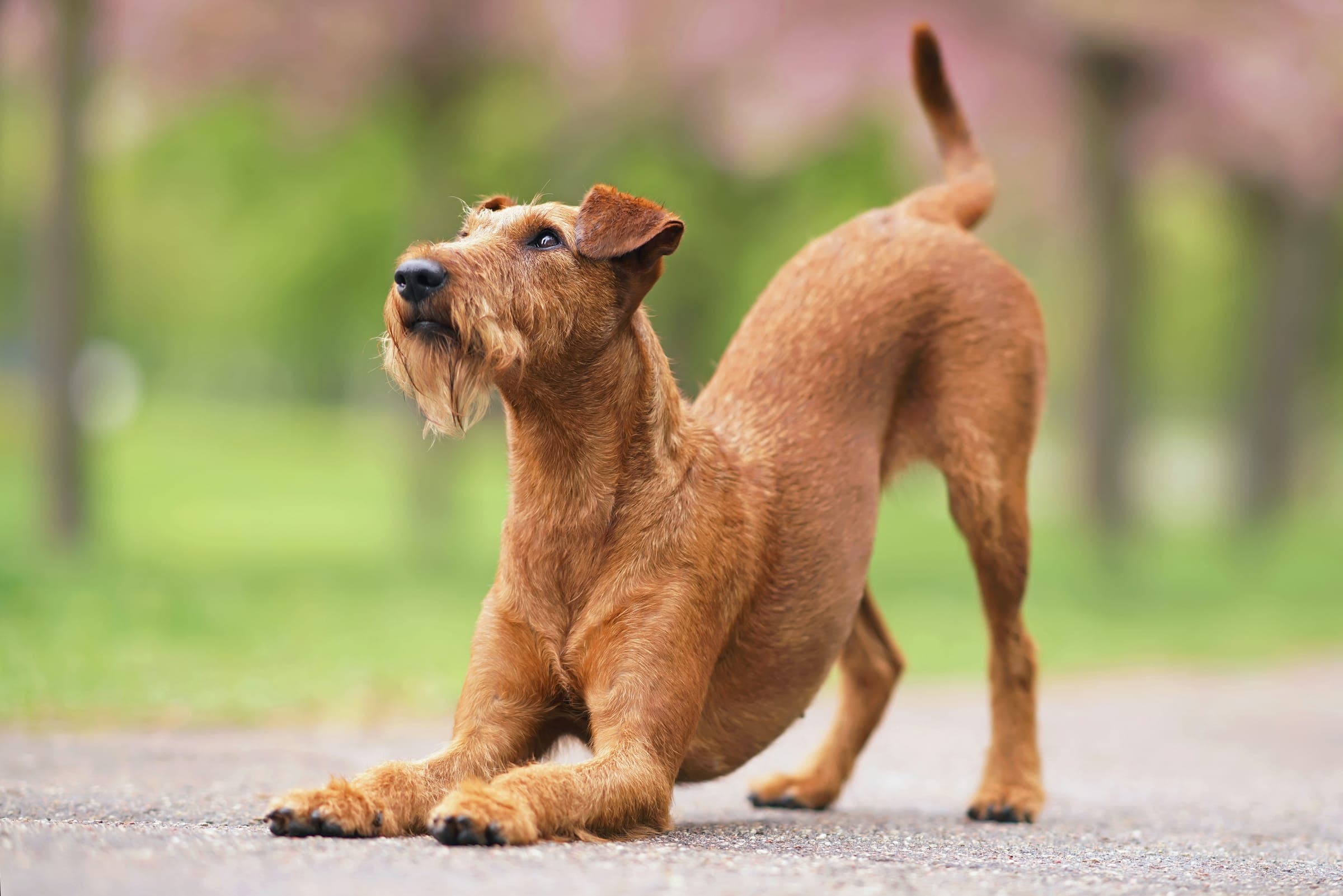
The breed's whole modern identity. After WWI the German Spitz reinvented itself as America's circus performer — dancing, weaving through wagon wheels, walking the wire — and that biddable showmanship is exactly what AKC Trick Dog rewards across its five title levels. No breed arrives at the trick ring with more heritage behind it.
Agility
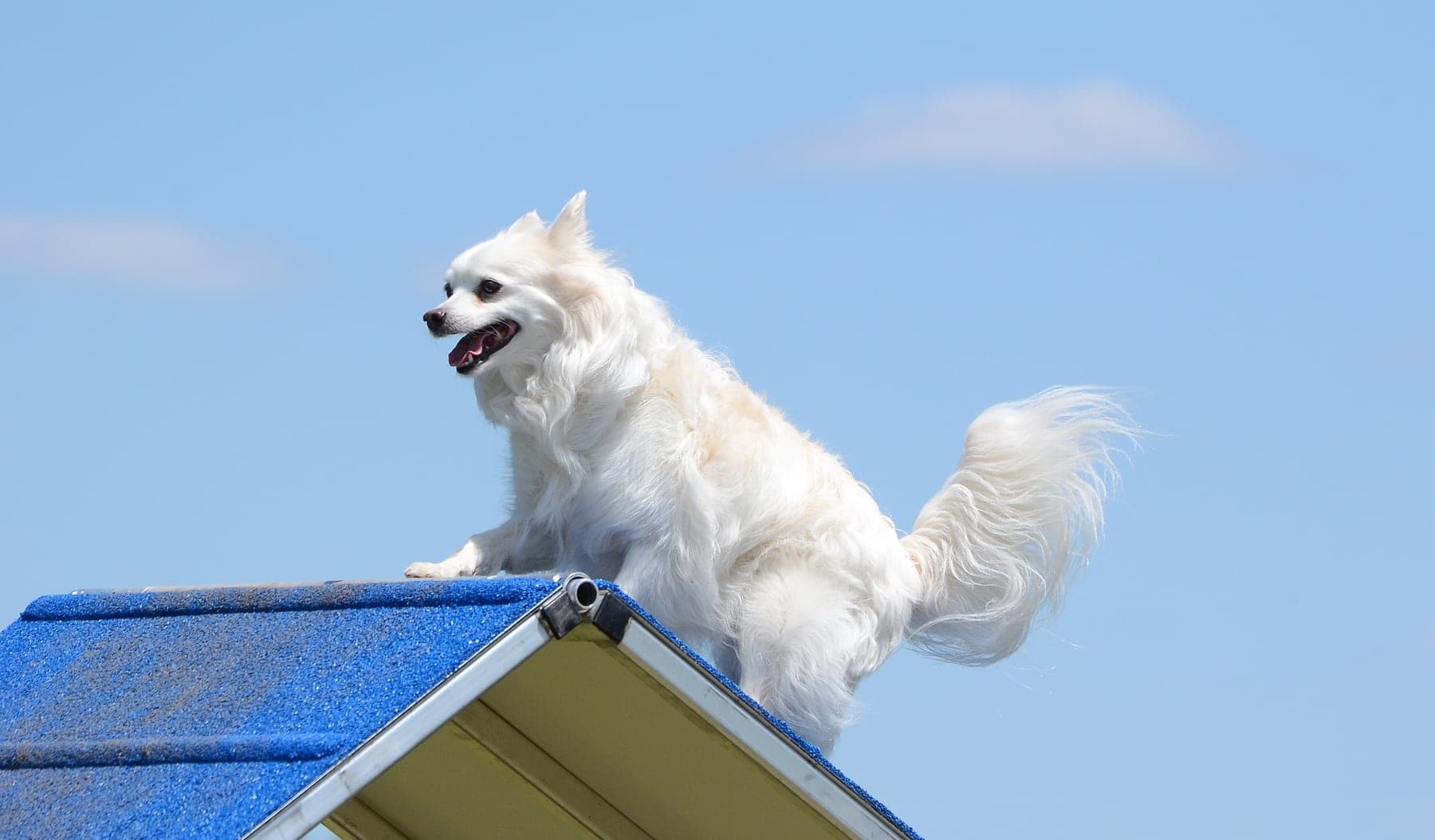
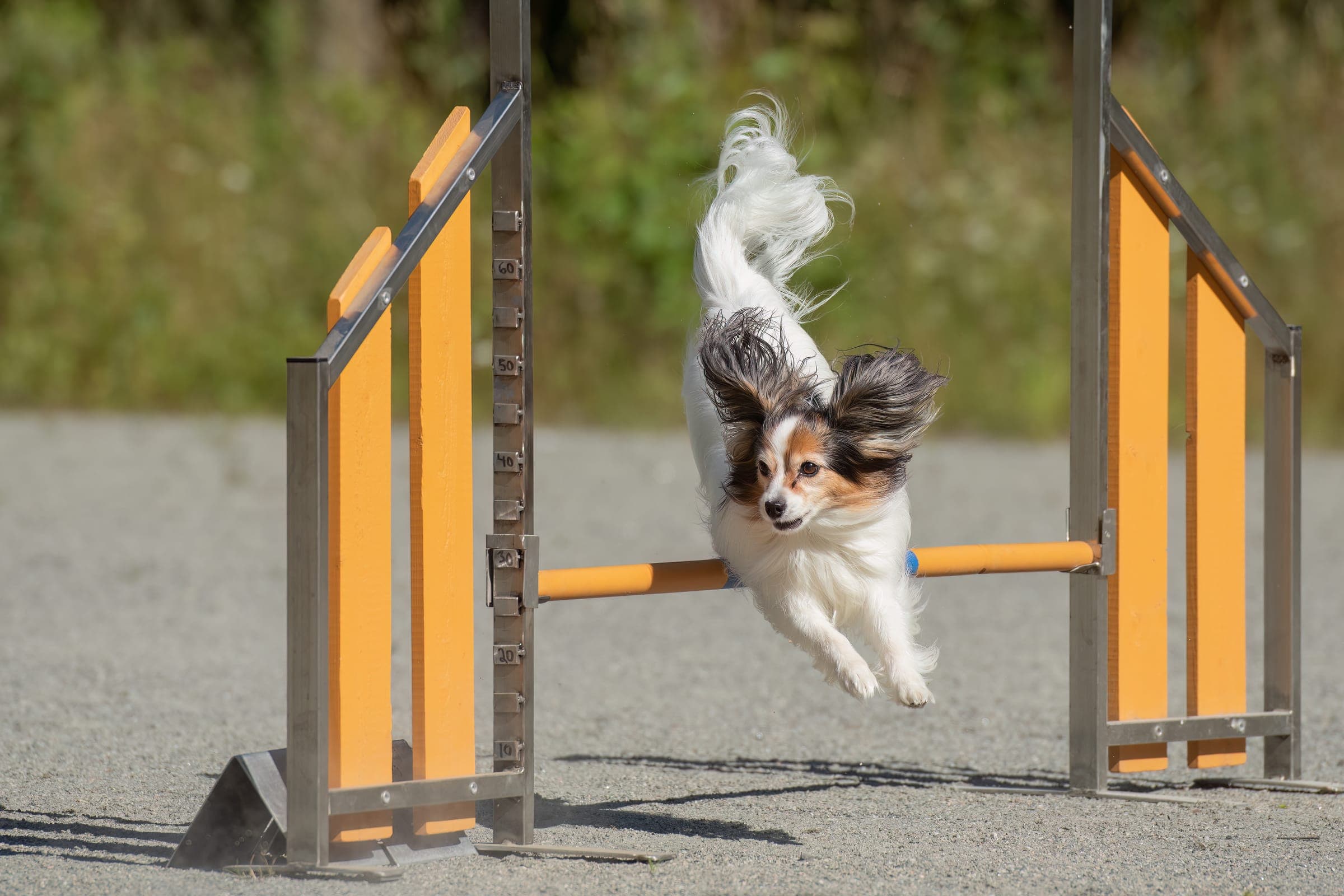
Sure-footed, light, and quick to read a handler, the Eskie takes to obstacles the way its ancestors worked a circus ring — the breed is repeatedly named among the naturals for the sport. Its size and nimbleness make weaves and contacts easy. Set jump heights to the dog and condition gradually, because patellar luxation runs in the breed, but the drive and focus are tailor-made for a course.
Obedience
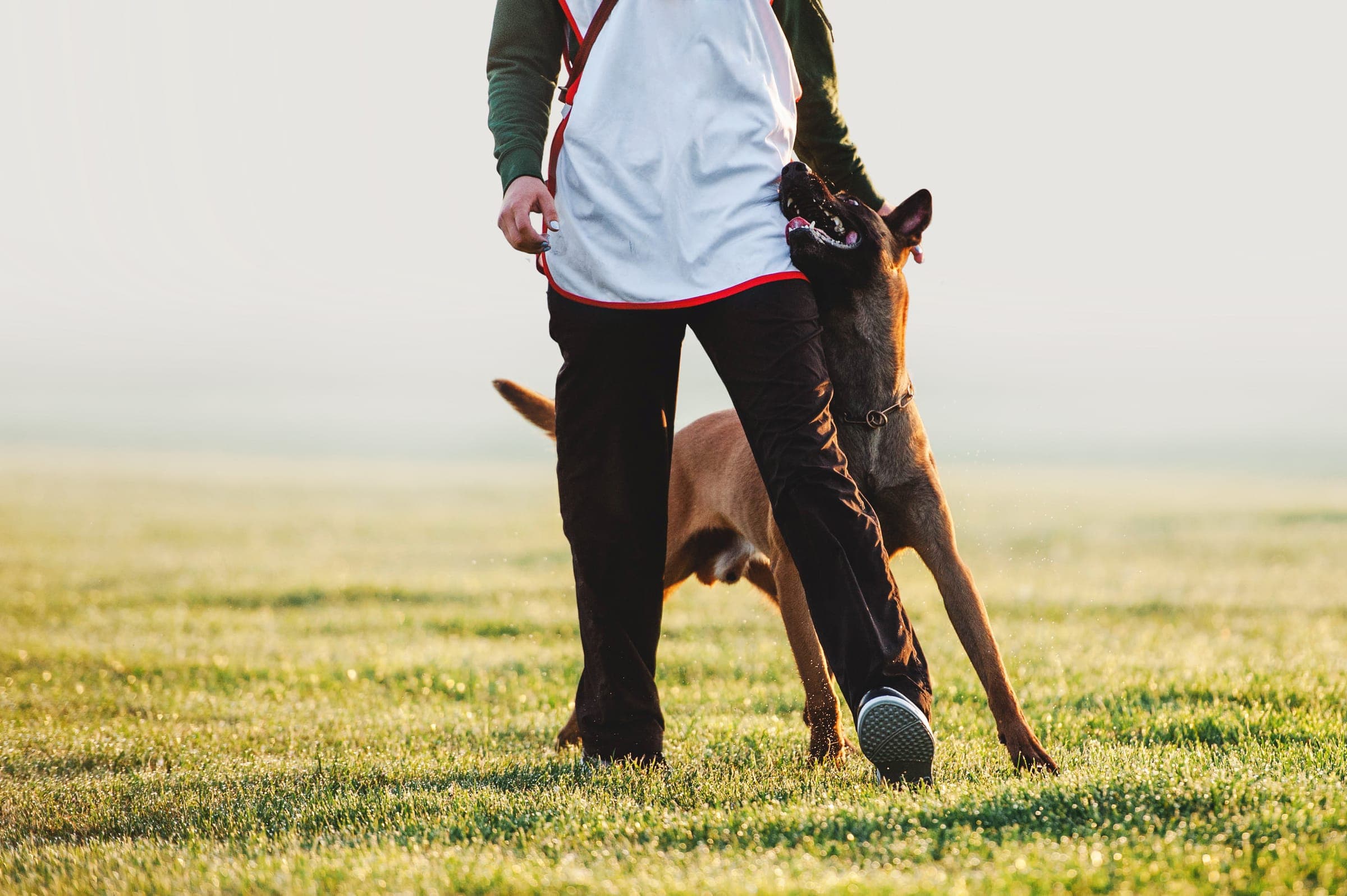
High intelligence plus a real will to please is the exact combination competitive obedience wants, and the Eskie has both in a way its aloof spitz cousins don't. It reads positive-reinforcement work fast and holds its focus through a pattern. The same brain that memorized circus routines learns precision heeling.
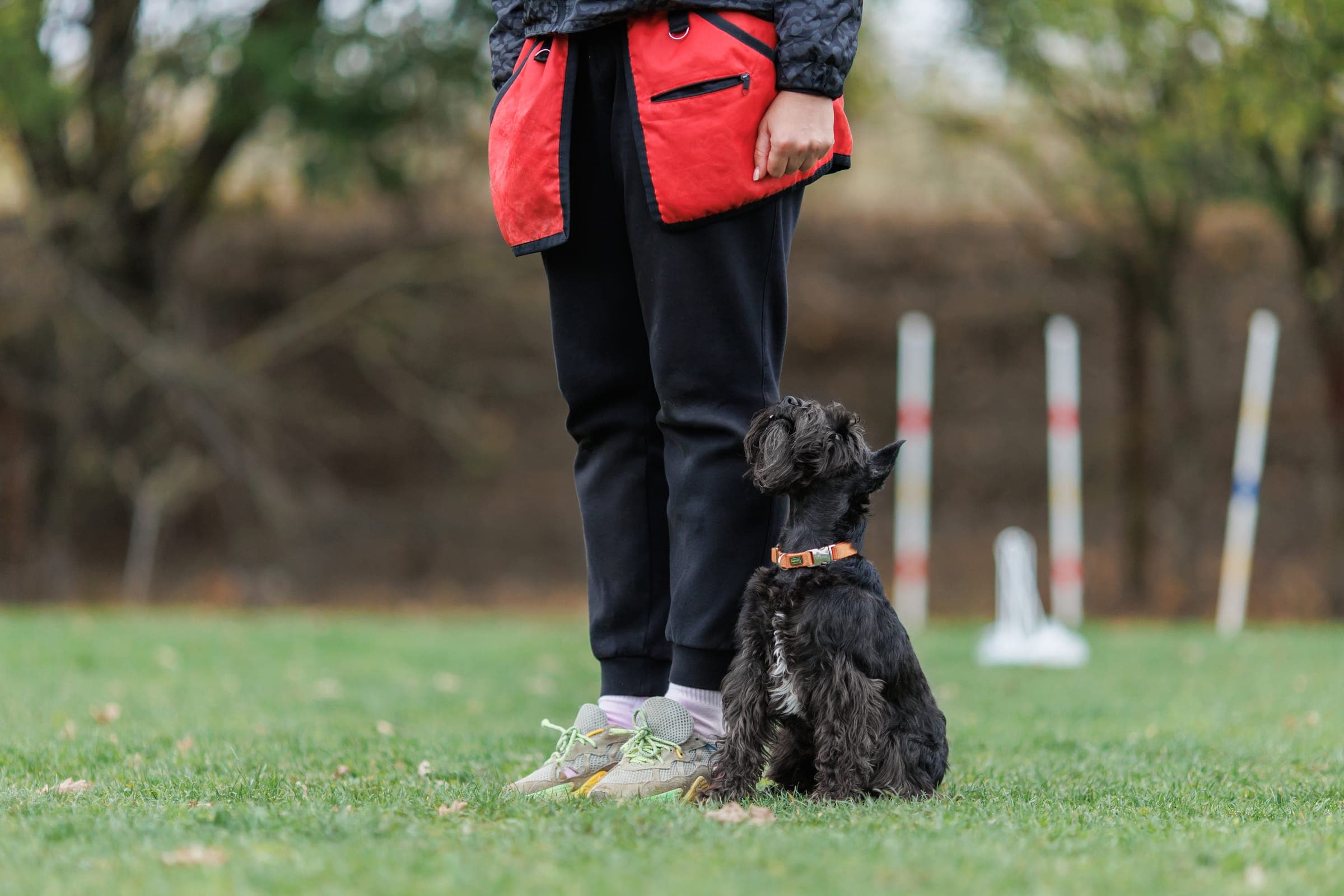
Rally
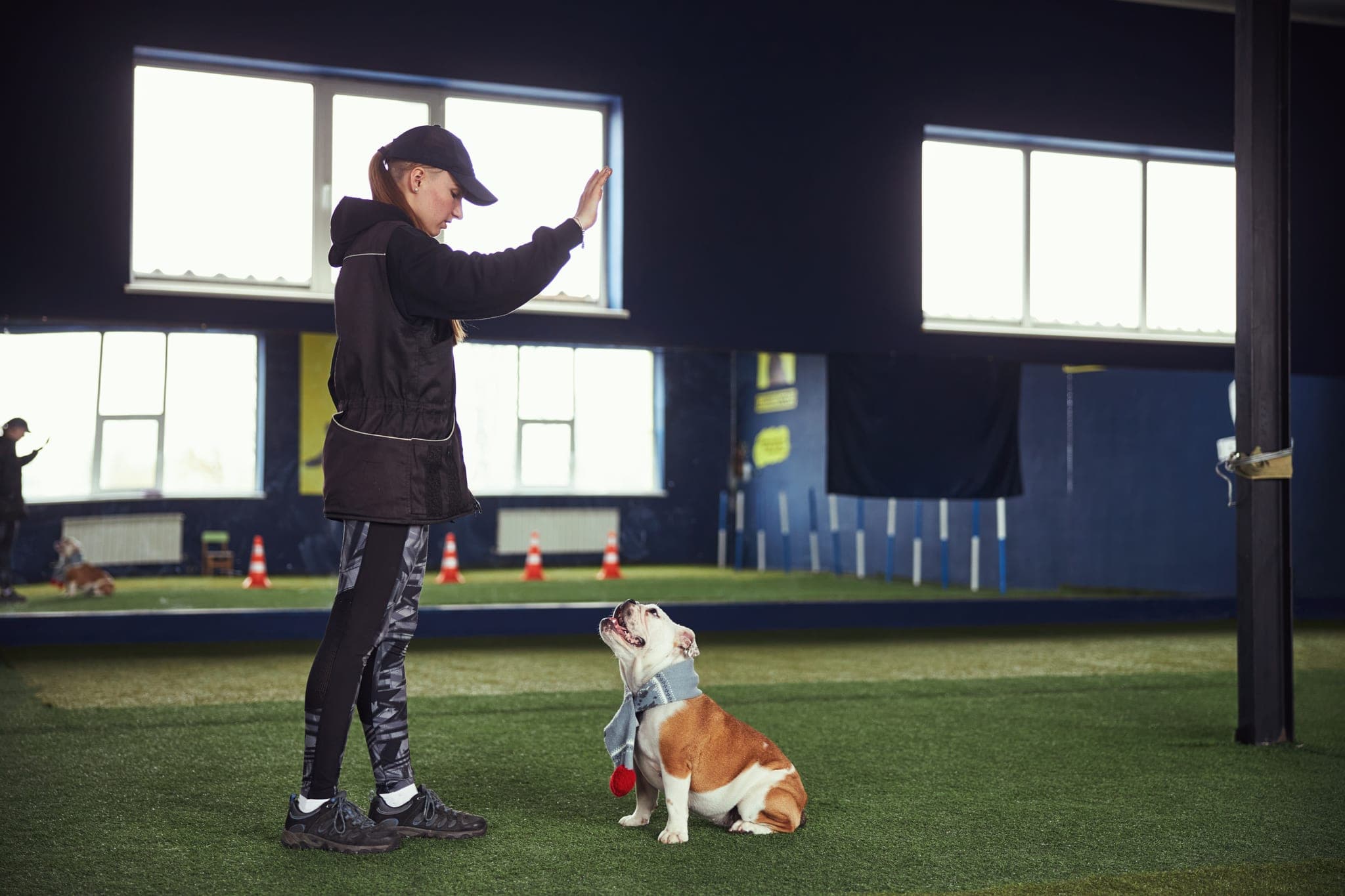
The on-ramp to competitive obedience: a course of stations where handler and dog move as a team, less formal than the obedience ring. A people-focused Eskie thrives on the constant back-and-forth communication rally is built around, and the titles ladder straight up toward the obedience work the breed is suited for.
You might not expect these
Same brain, different shape — sports most people don’t picture an American Eskimo Dog doing, that an American Eskimo Dog is quietly great at.
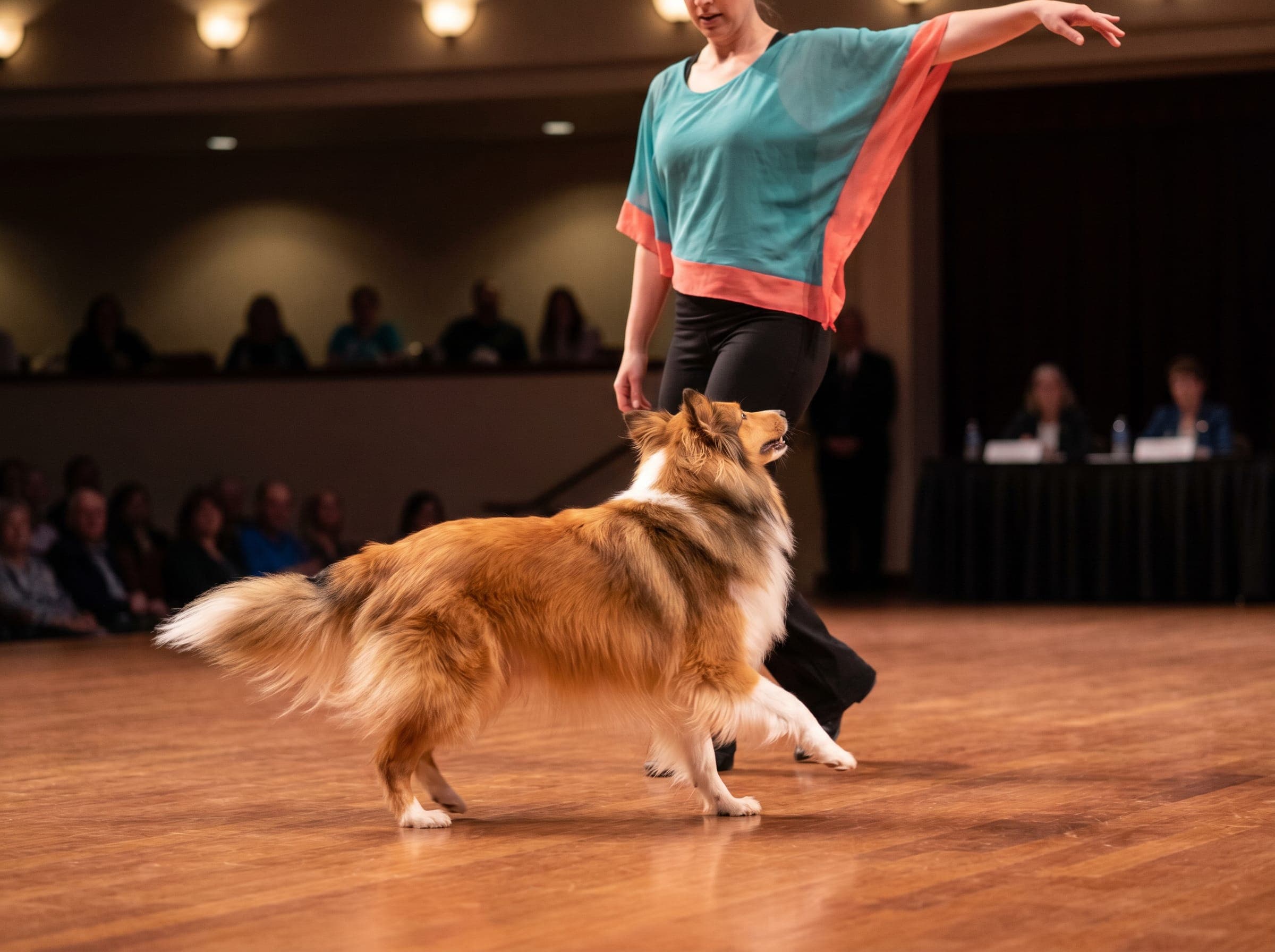
Canine Freestyle
The direct descendant of the circus act: choreographed tricks and heeling set to music. The Eskie's flexible mind, natural bounce, and eagerness to perform for an audience are precisely the traits musical freestyle rewards. Most owners never guess the fluffy white dog on the couch is a competition-caliber performer.
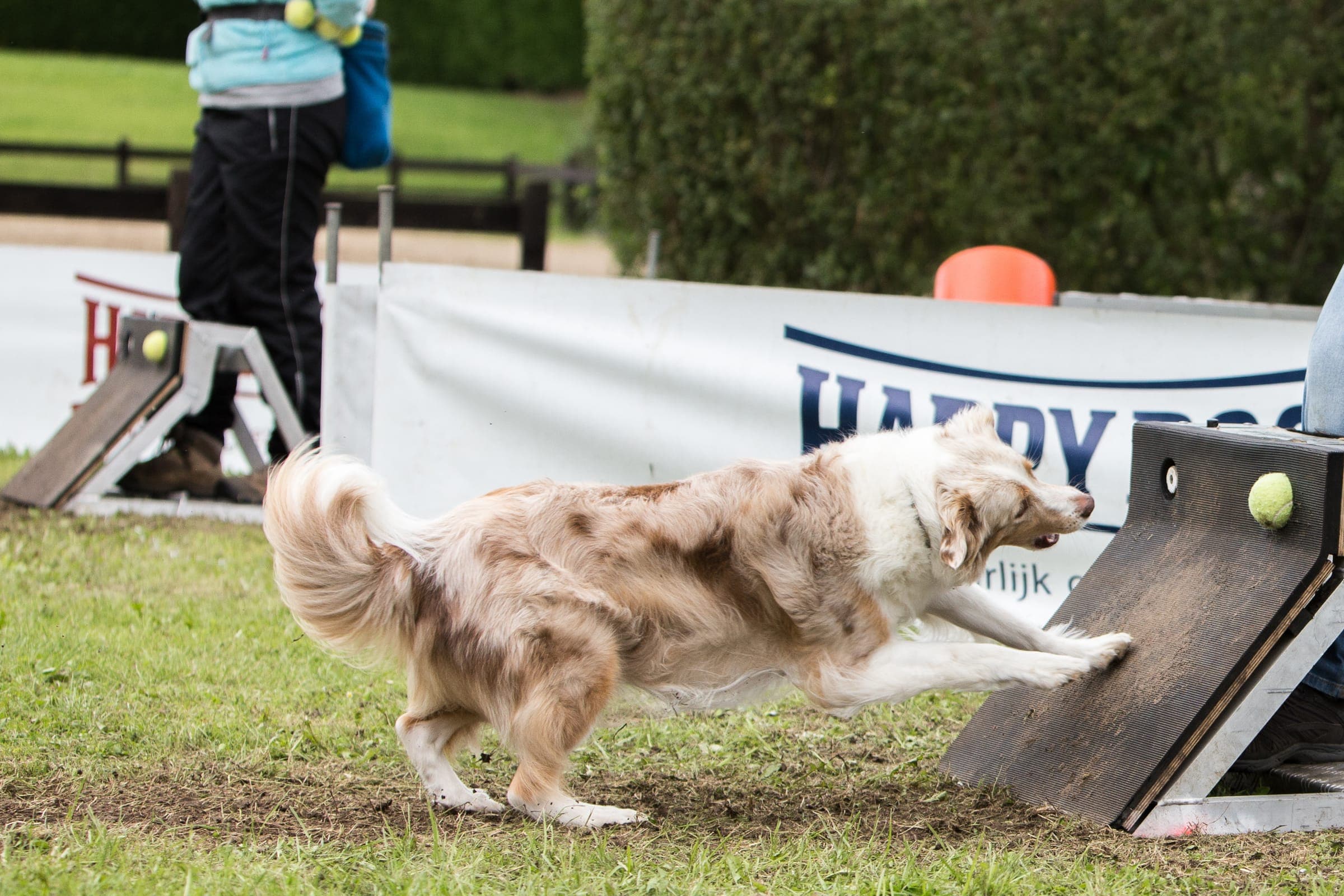
Flyball
A fast, ball-driven relay where a team's jump height is set by its smallest dog — so a compact Eskie is an asset, not a liability. It brings the speed, focus, and love of a job the sport runs on. Condition it gradually and mind the repeated jumping, given the breed's knee and hip fragility.
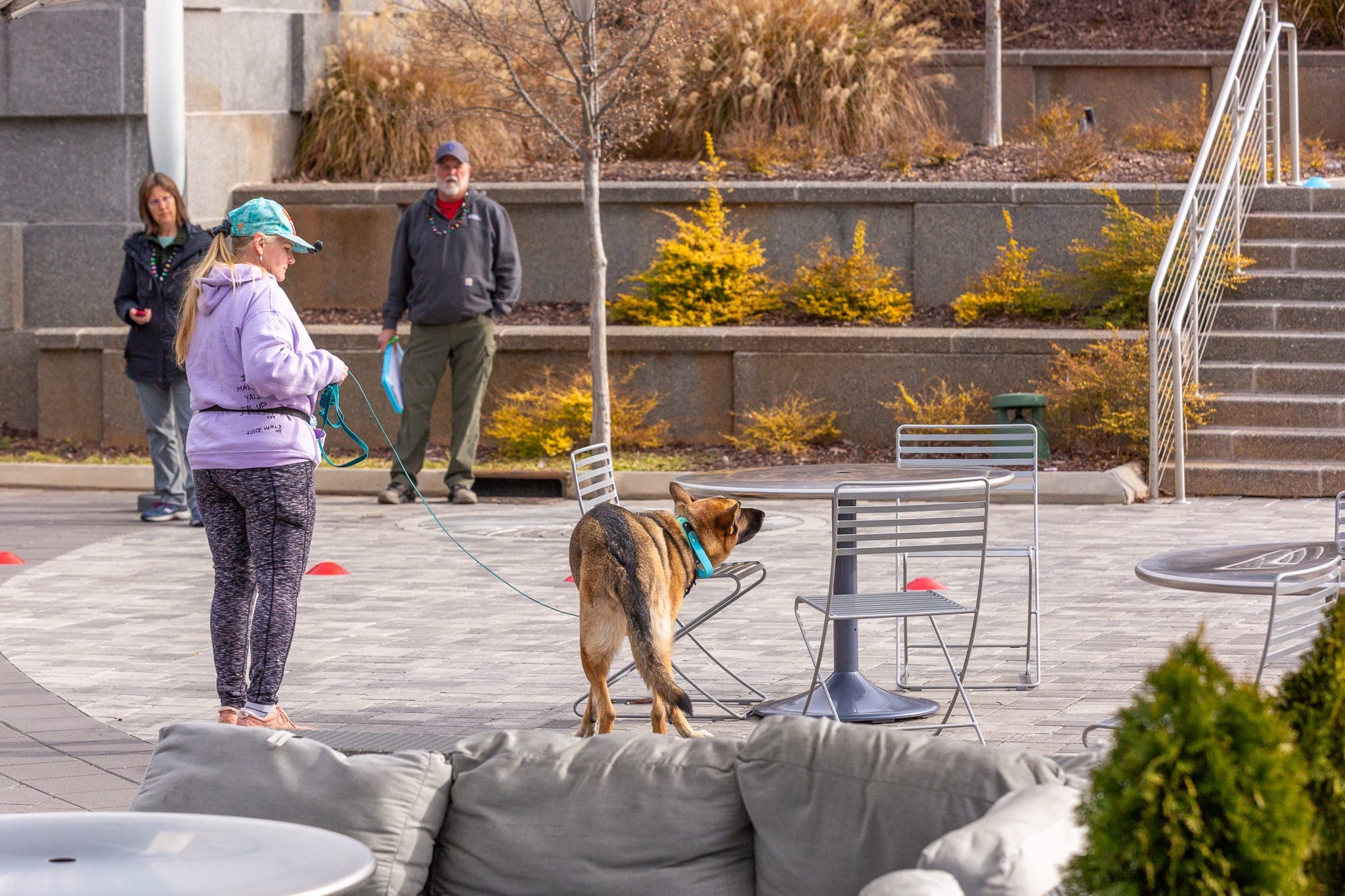
Nose Work
A leashed, low-impact scenting sport that spends a sharp mind without stressing fragile joints — a good fit for the Toy or Miniature Eskie, or an older dog past its jumping years. The breed's focus and food motivation translate straight into hunting a hidden odor. A serious mental workout that has nothing to do with looking pretty.
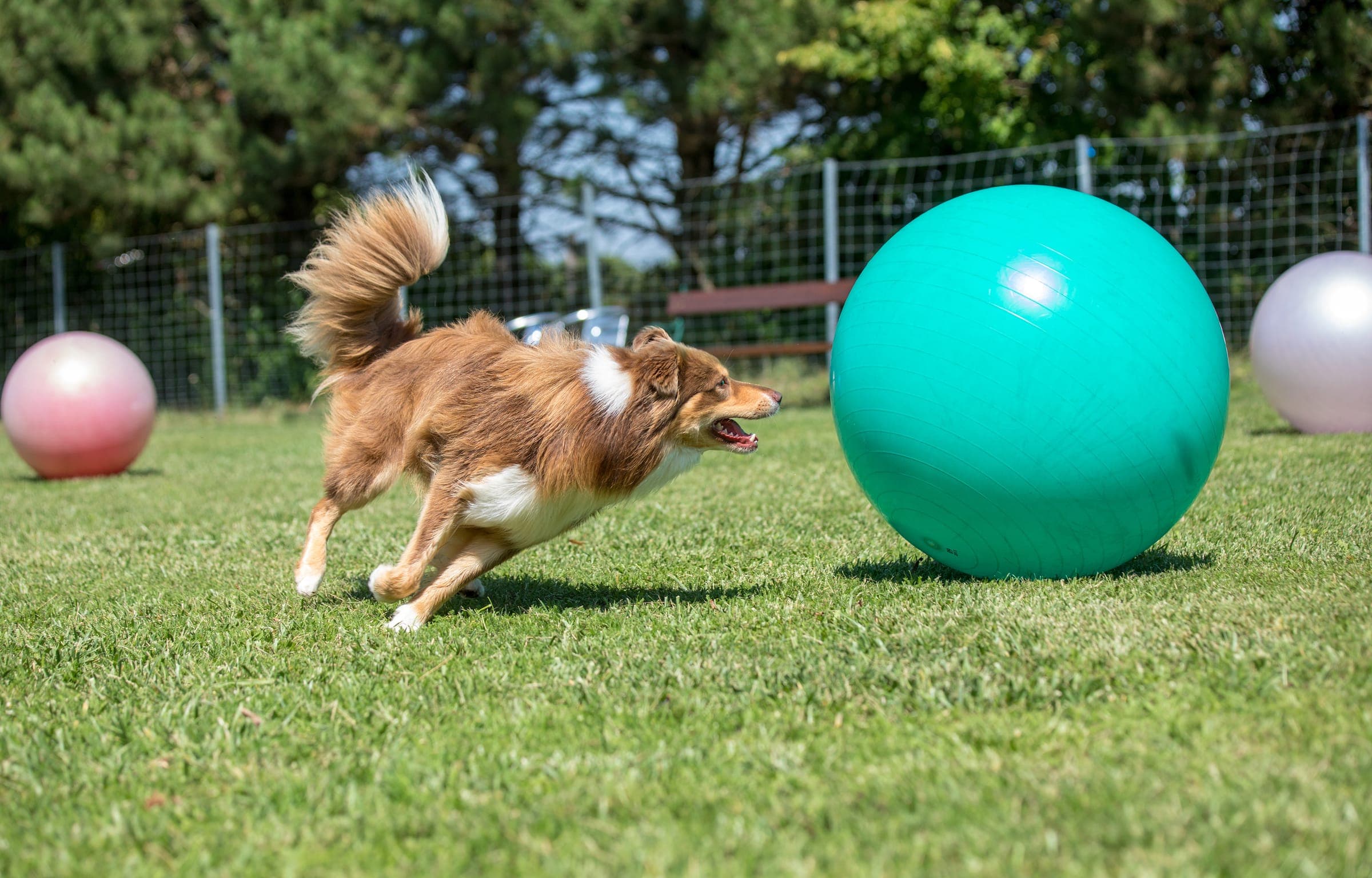
Treibball
Urban herding: the dog drives large exercise balls into a goal on the handler's whistle and gestures. The Eskie's farm-Spitz herding instinct plus its biddability make it a natural, and it's low-impact enough to sidestep the joint cautions of the jumping sports. A thinking game that rewards exactly the partnership the breed craves.
Not sure which one fits your dog?
Take the Matchmaker quiz →Things most people don’t know.
- The 'Eskimo' name is a WWI rebrand. These were German Spitz farm dogs, but anti-German sentiment after 1917 made the name a liability — so the breed was renamed after the American Eskimo kennel in Ohio. It has no connection to the Inuit or to Arctic sledding at all.
- It's one breed in three sizes — Toy, Miniature, and Standard, running from a five-pound lapdog to a thirty-five-pound farm dog. You pick the size; you get the same bright, showy spitz brain in every one.
- The breed's fame was built under the big top: Eskies danced to music, wove in and out of moving wagon wheels, and performed in the 'all-white statue' tableau with white horses and costumed riders. Circuses sold puppies ringside after the show, so many of today's Eskies trace their pedigrees straight back to performers.
Stout's Pal Pierre — an American Eskimo Dog credited as the first dog ever to walk a tightrope, performing with the Barnum & Bailey Circus in the 1930s — wire-walking, weaving through moving wagon wheels and horse hooves, and appearing in the circus's 'all-white statue' act. His story is documented in Caroline Coile's breed book, American Eskimo Dogs.
Sources & verification
The sports we recommend for the American Eskimo Dog — and why — are Sporting Hound's own analysis, drawn from breed clubs, sport communities, and titled dogs' records. For the breed's history and standard, we cross-check the references below. One caveat that matters: this describes the breed's typical tendencies, not any individual dog — real suitability comes down to a dog's own health, temperament, and training.
Breed references
Spot something out of date? Tell us and we’ll fix it.