The best dog sports for a Beauceron
France's oldest and largest sheepdog was never only a herder. The Beauceron tended flocks of 300 head as a 'living fence' and guarded them through the night, then carried messages and sniffed out mines across two World Wars — a herding brain wired to a genuine guardian nerve. That nerve is what takes the breed so naturally into France's bite-suit protection sports, where a decoy in a padded suit tests a dog's control as much as its courage. These are the sports that fit a Beauceron — the herding it was born to and the protection work it's built for — and where to try each one near you.
Why a Beauceron needs a job.
The Beauceron was bred to run a whole farm's perimeter — tending hundreds of sheep as a 'living fence,' driving stock miles between pastures, and guarding the flock and the family from predators. That produced a big, powerful, intelligent dog with real stamina and a strong protective streak, one that matures slowly — often two to three years — and expects to work alongside its person, not watch the day from a bed.
Under-work a Beauceron and the guardian instinct and intelligence turn inward: a bored one gets pushy, over-protective, and decides for itself what the job is. Give it real, structured work and you get the steady, deeply loyal partner the breed is built to be. The sports below split into the two halves of its résumé — the herding and protection work it was made for, and the athletic and precision outlets that surprise people who see only a large, serious guardian.
Sports that fit a Beauceron.
Herding
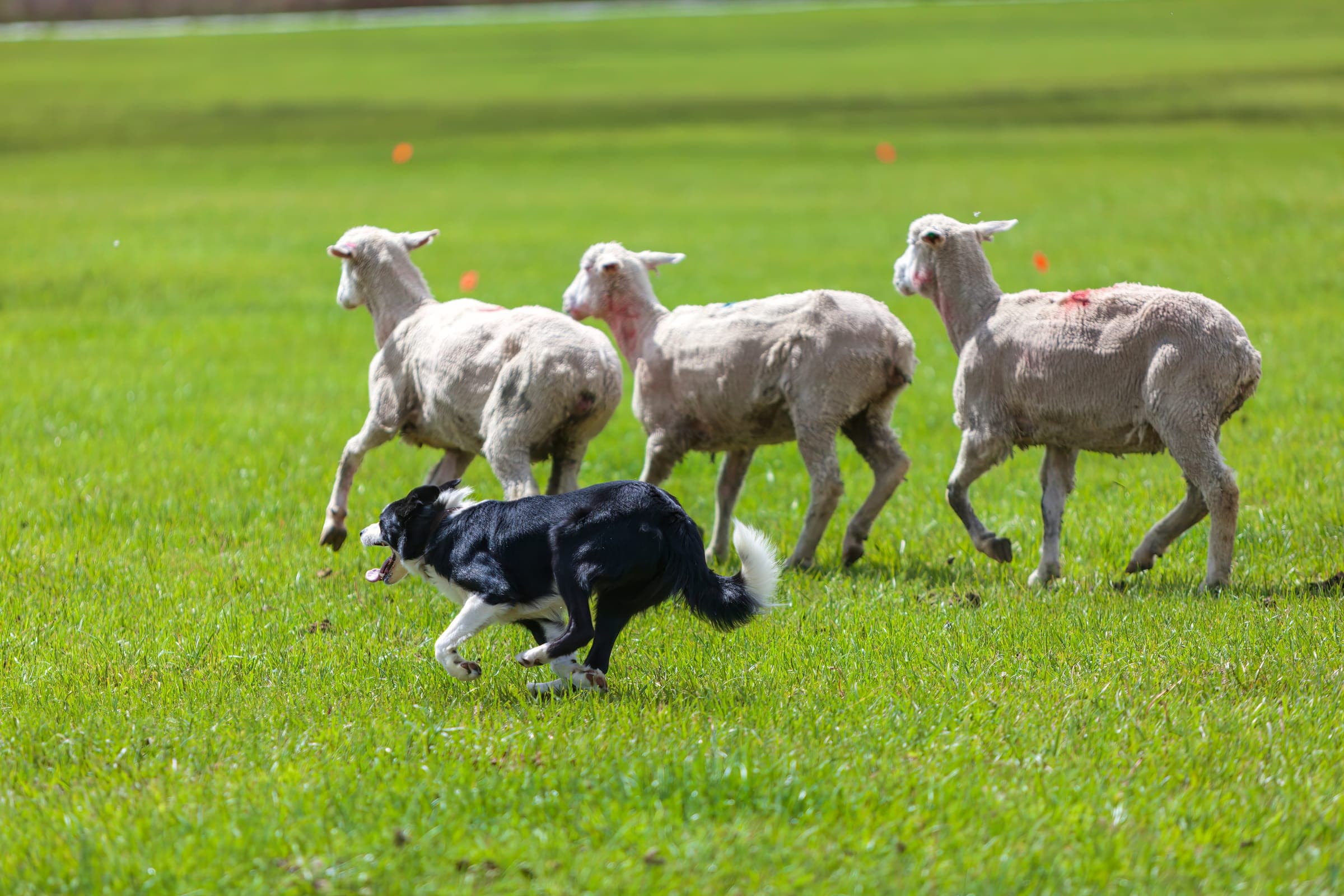
The founding job, and the breed's signature. The Beauceron is a tending or 'boundary' herder — the classic Continental 'living fence' that holds a flock off the crops and roads rather than gathering it the way a Border Collie does. It moved herds of 200 to 300 head up to 50 miles a day, still competes across tending, gathering, and cattle work, and in 2020 produced the first Dual Champion Herding Champion in U.S. history.
IGP / Schutzhund
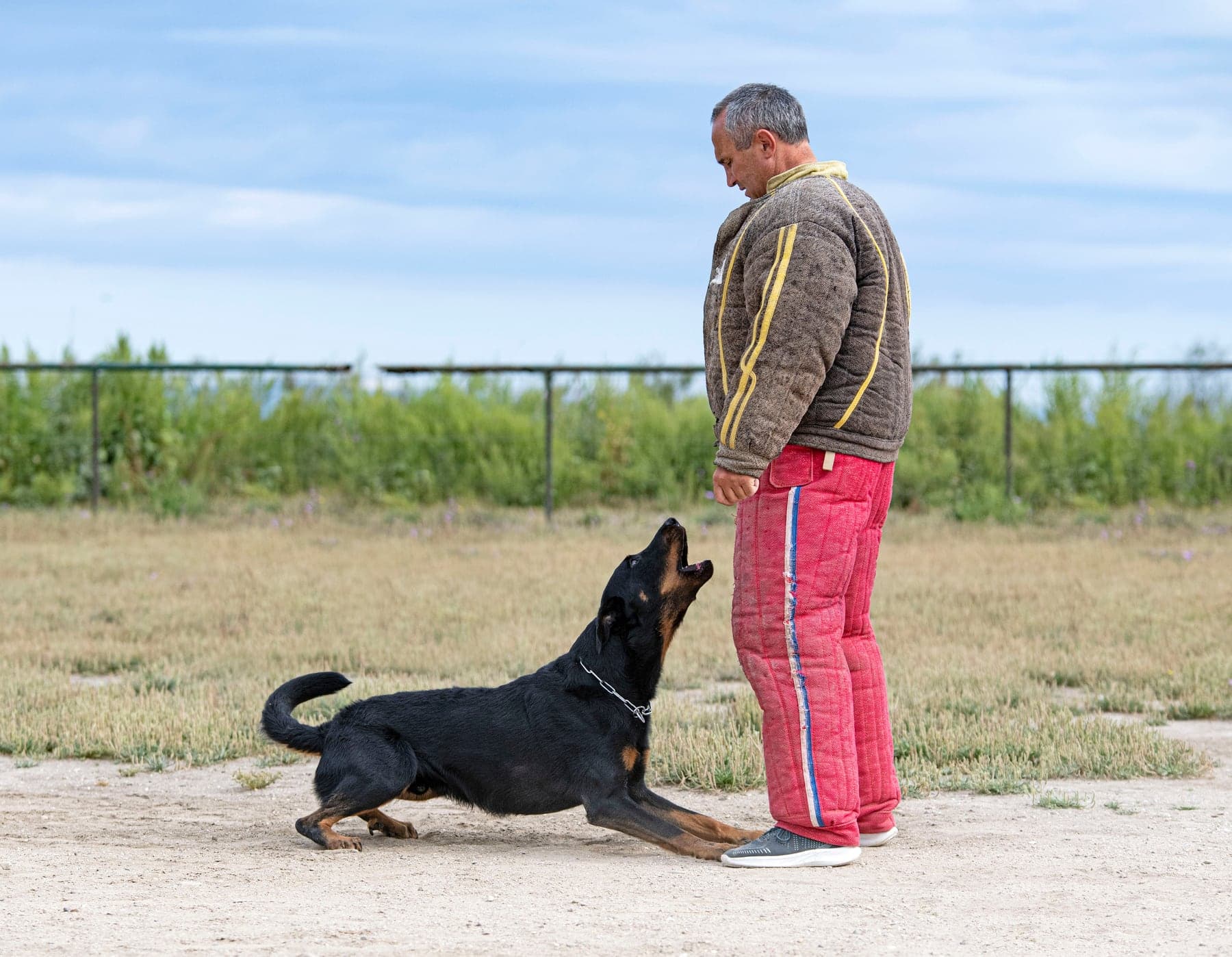
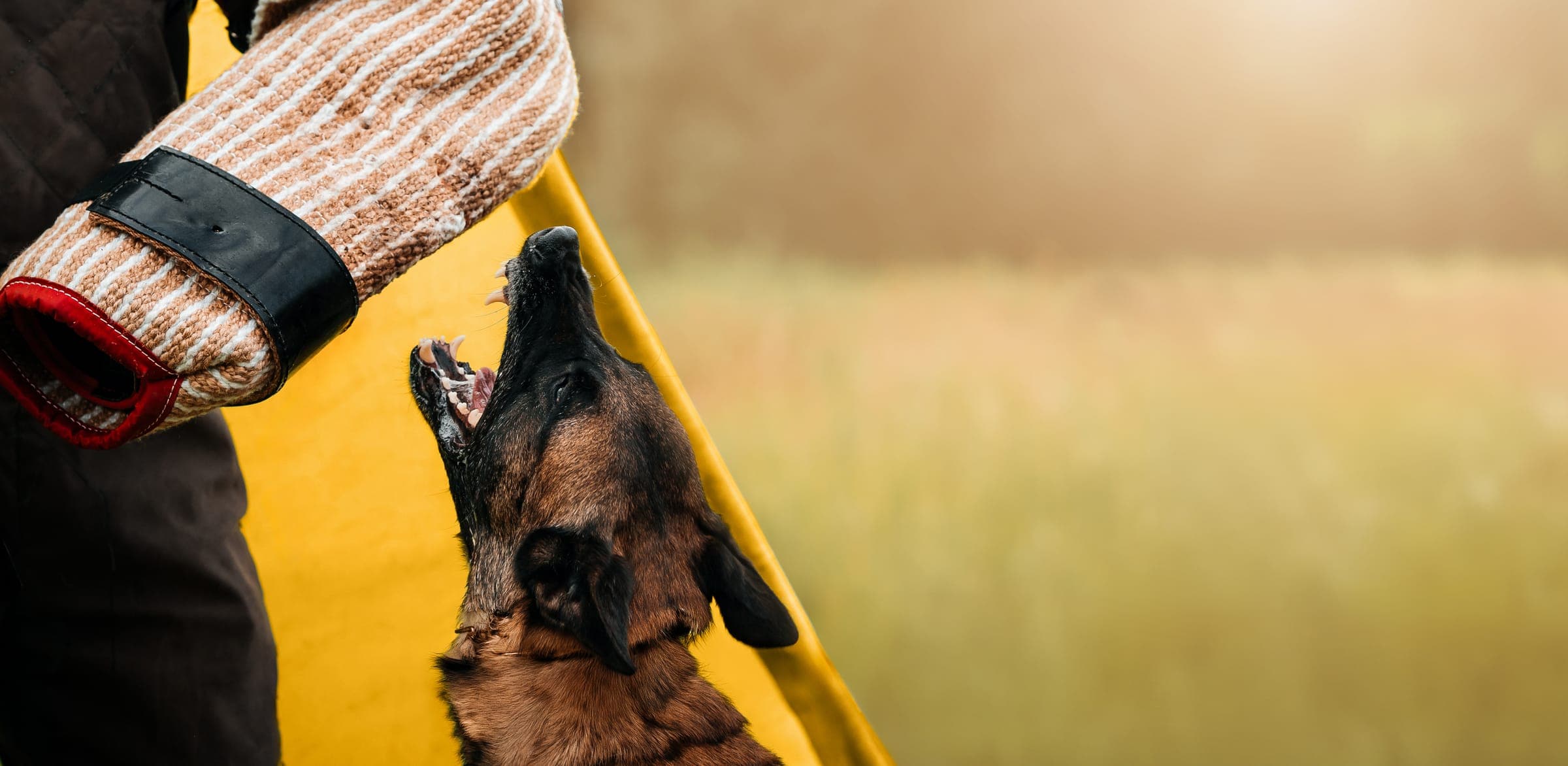
The three-phase protection title — tracking, obedience, and bite work in one — and a natural extension of the breed's guardian heritage. The American Beauceron Club counts Schutzhund/IGP toward its versatility award, and the Beauceron's steady nerve and deliberate style suit the sport, even though it will never crowd the Malinois off the podium.
French Ring
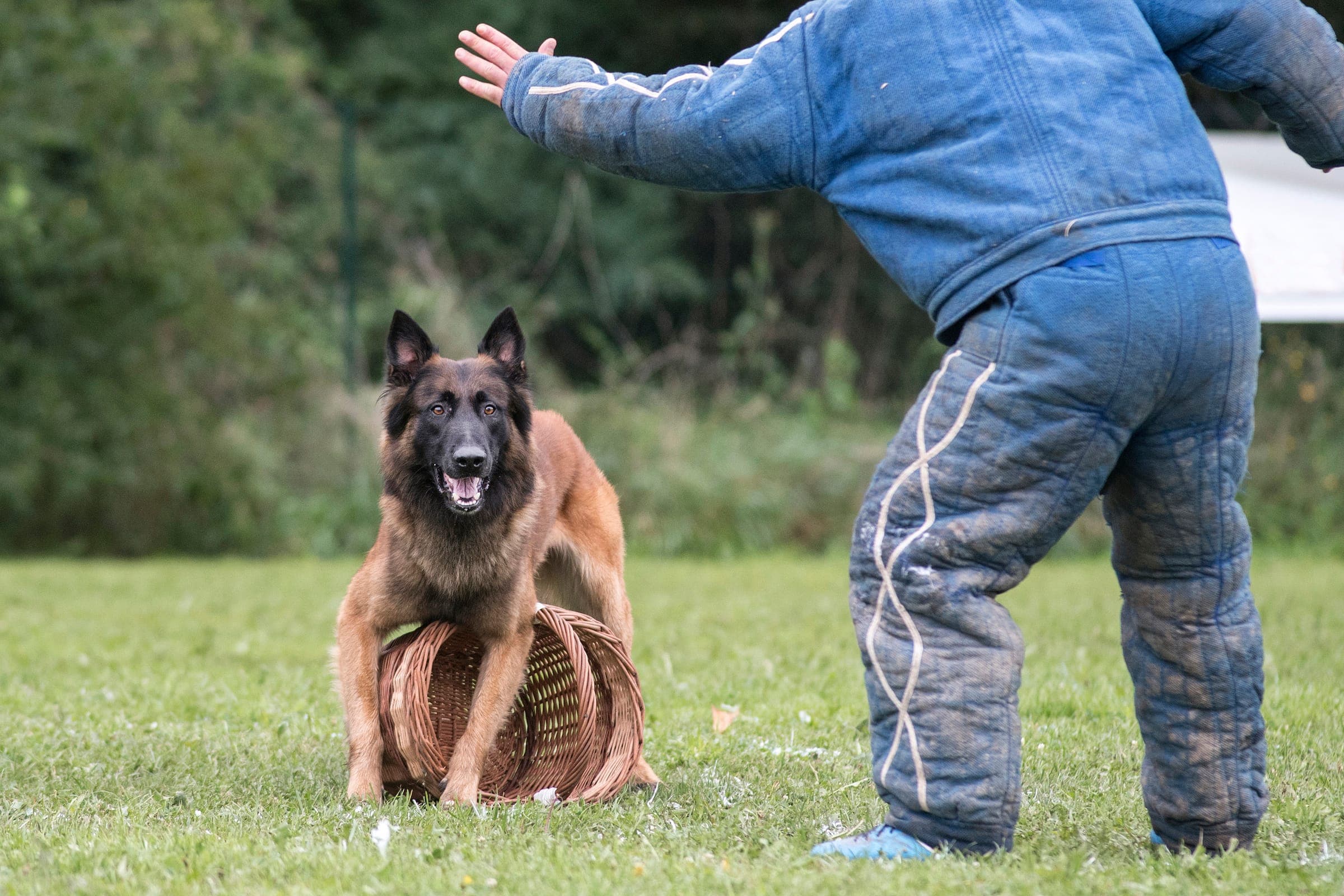
France's own protection sport, run on the breed's home ground — the decoy actively evades instead of standing for clean bites, rewarding an athletic, thinking dog over raw frenzy. It's a natural cultural fit for a French working breed. The US scene is small, but it is exactly the kind of measured, problem-solving work this dog was shaped for.
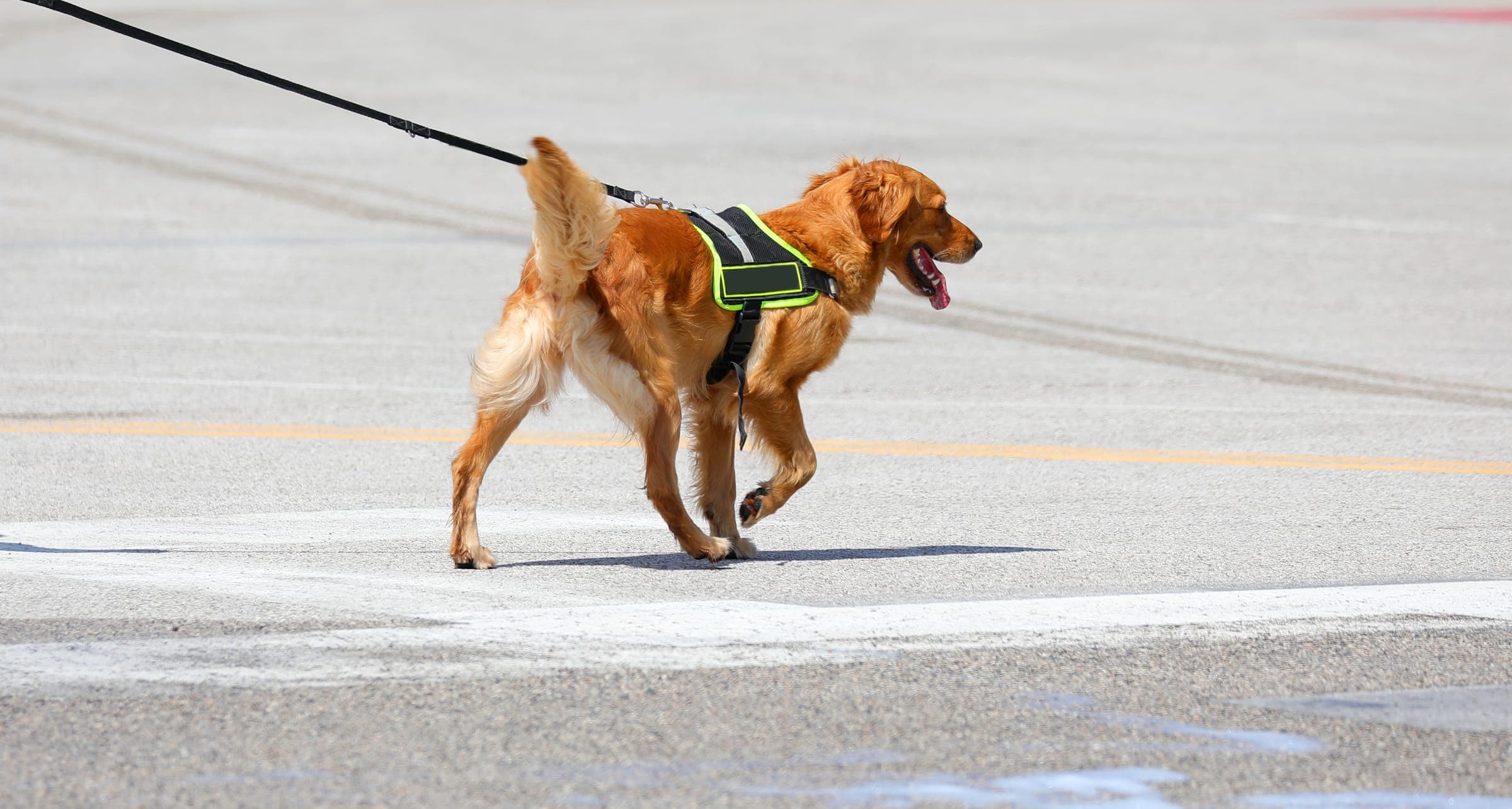
Tracking
The nose behind the breed's war record — Beaucerons carried messages and detected mines across both World Wars — pulled out as its own sport: following an aged human scent trail across a field to its articles. The methodical, unhurried Beauceron temperament fits tracking better than most flashier breeds, and the club scores TD and TDX titles toward its versatility award.
You might not expect these
Same brain, different shape — sports most people don’t picture a Beauceron doing, that a Beauceron is quietly great at.
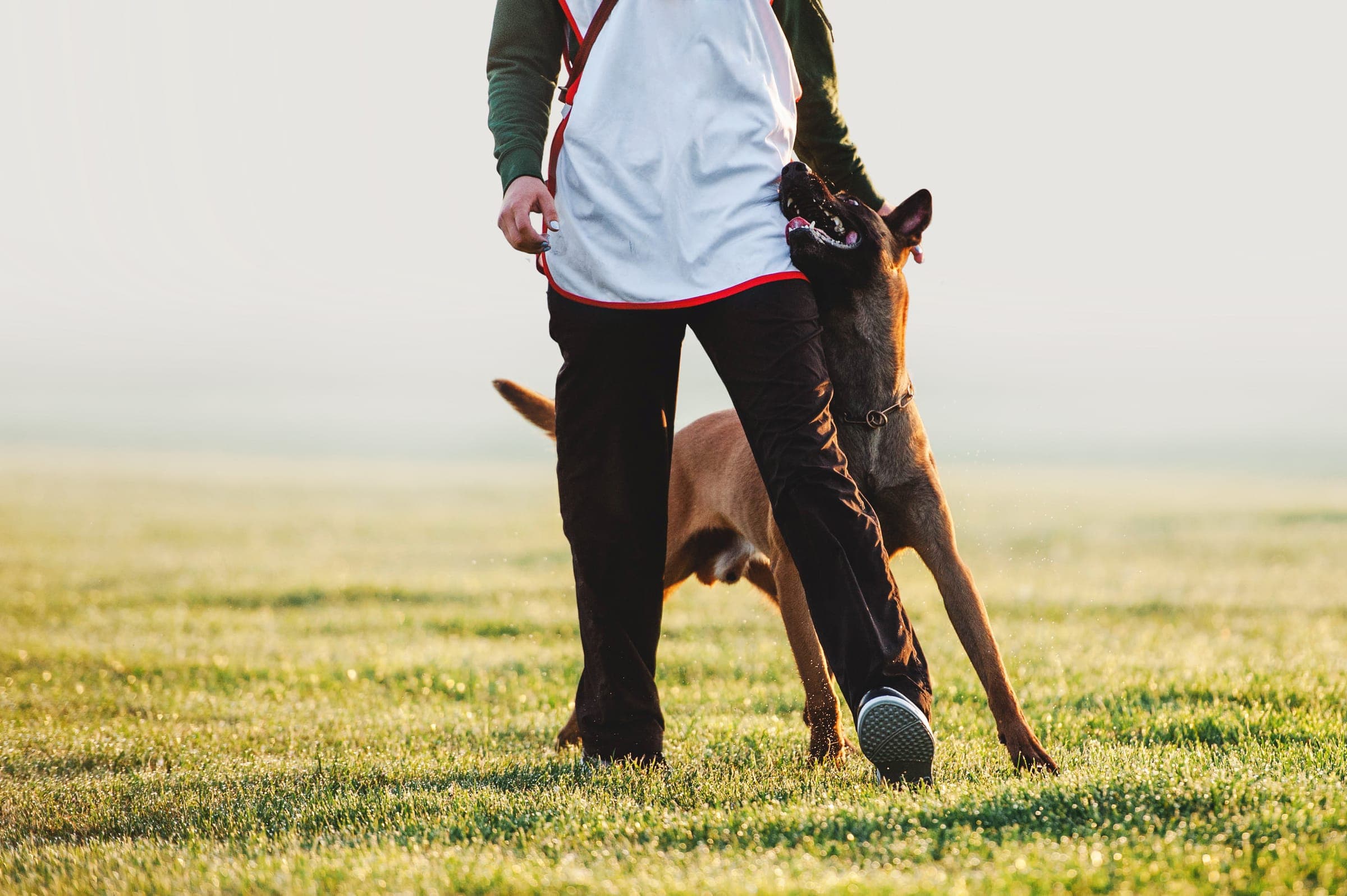
Obedience
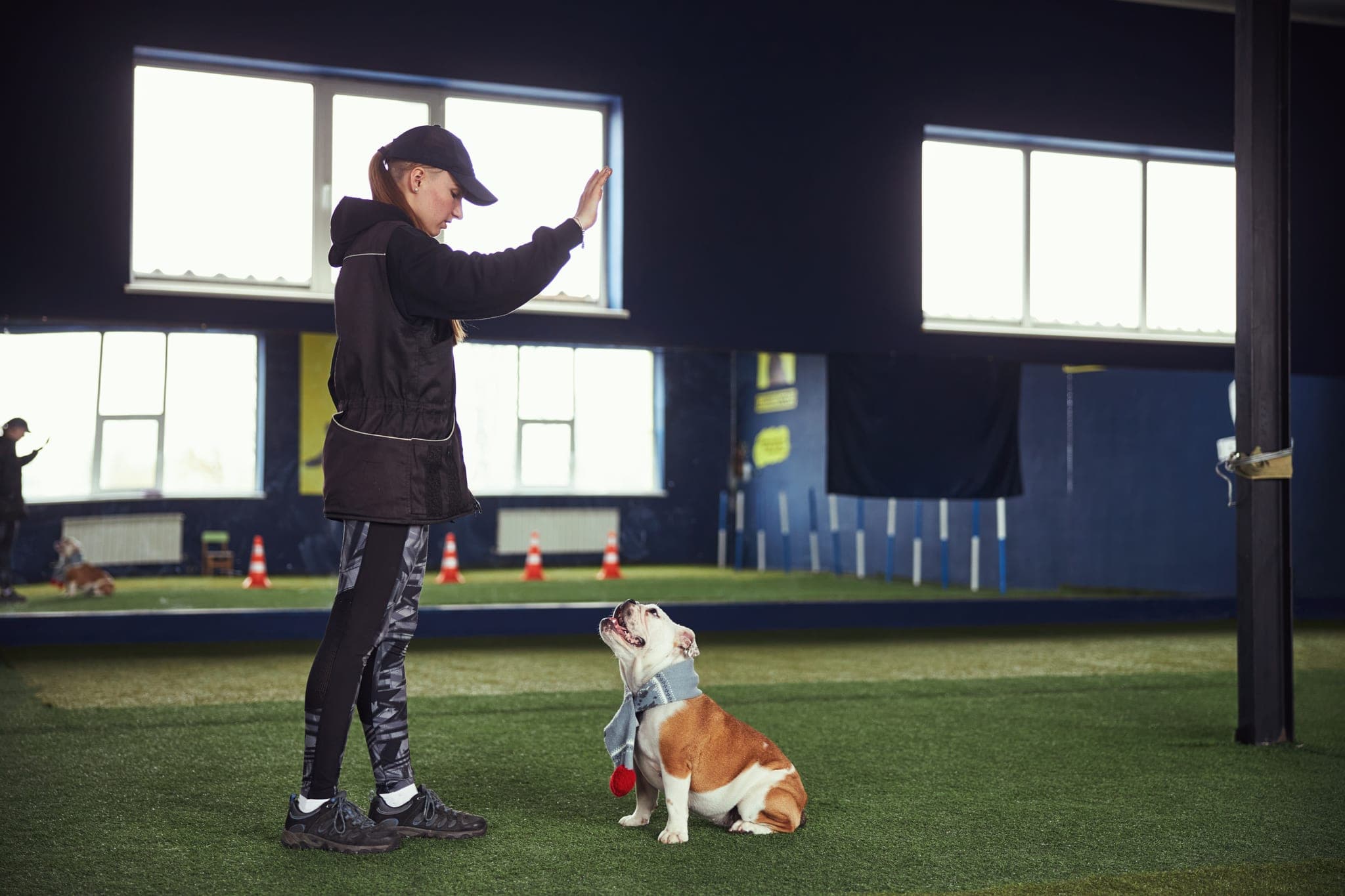
People see a 70-to-110-pound guardian and assume it's too serious and independent for the precision ring. It isn't — the standard calls the Beauceron faithful and eager to please, and a big French sheepdog holding tight formal obedience quietly rewrites what onlookers think the breed is. The one catch is patience: this dog matures slowly, so the polish arrives later than it would for a Border Collie.
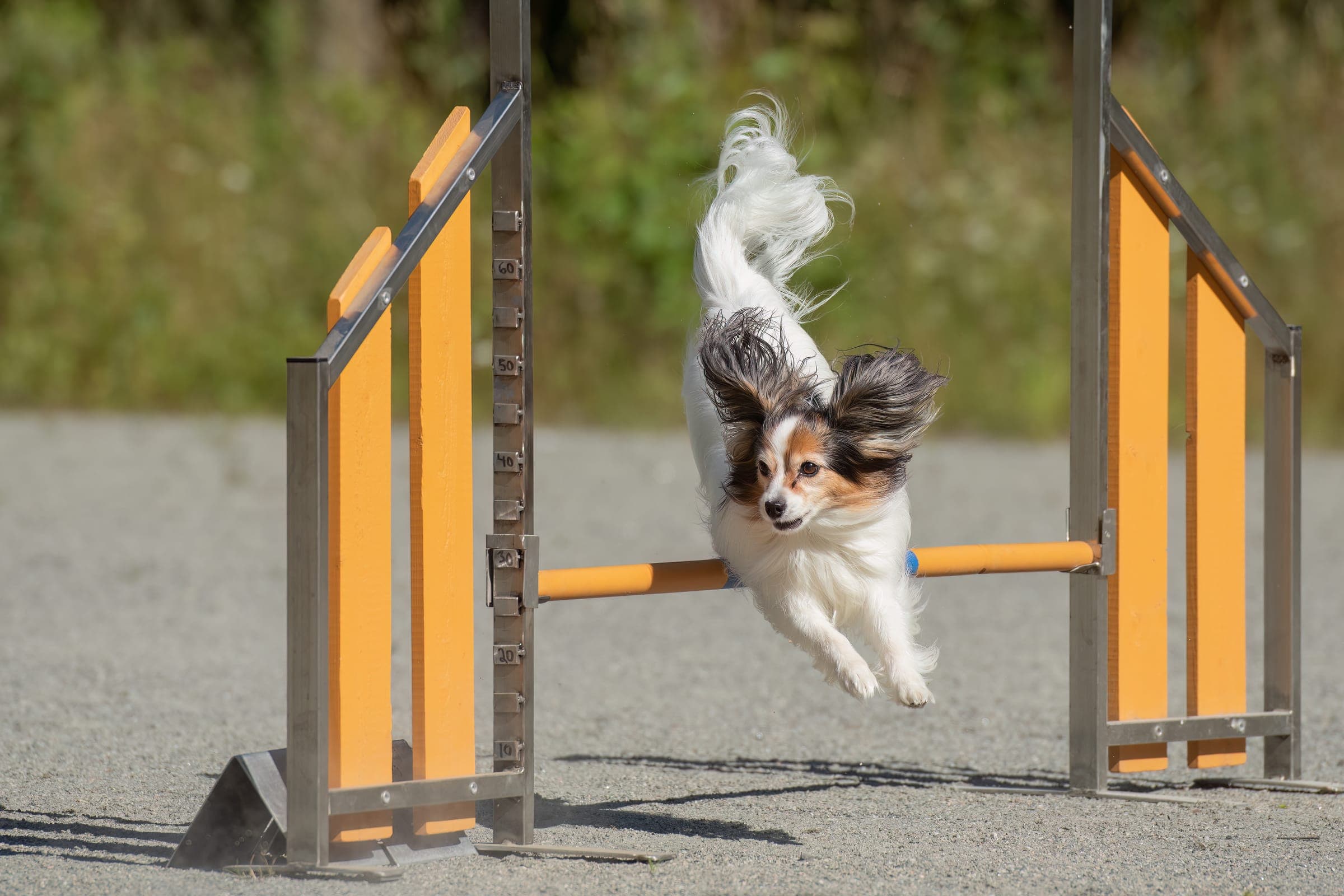
Agility
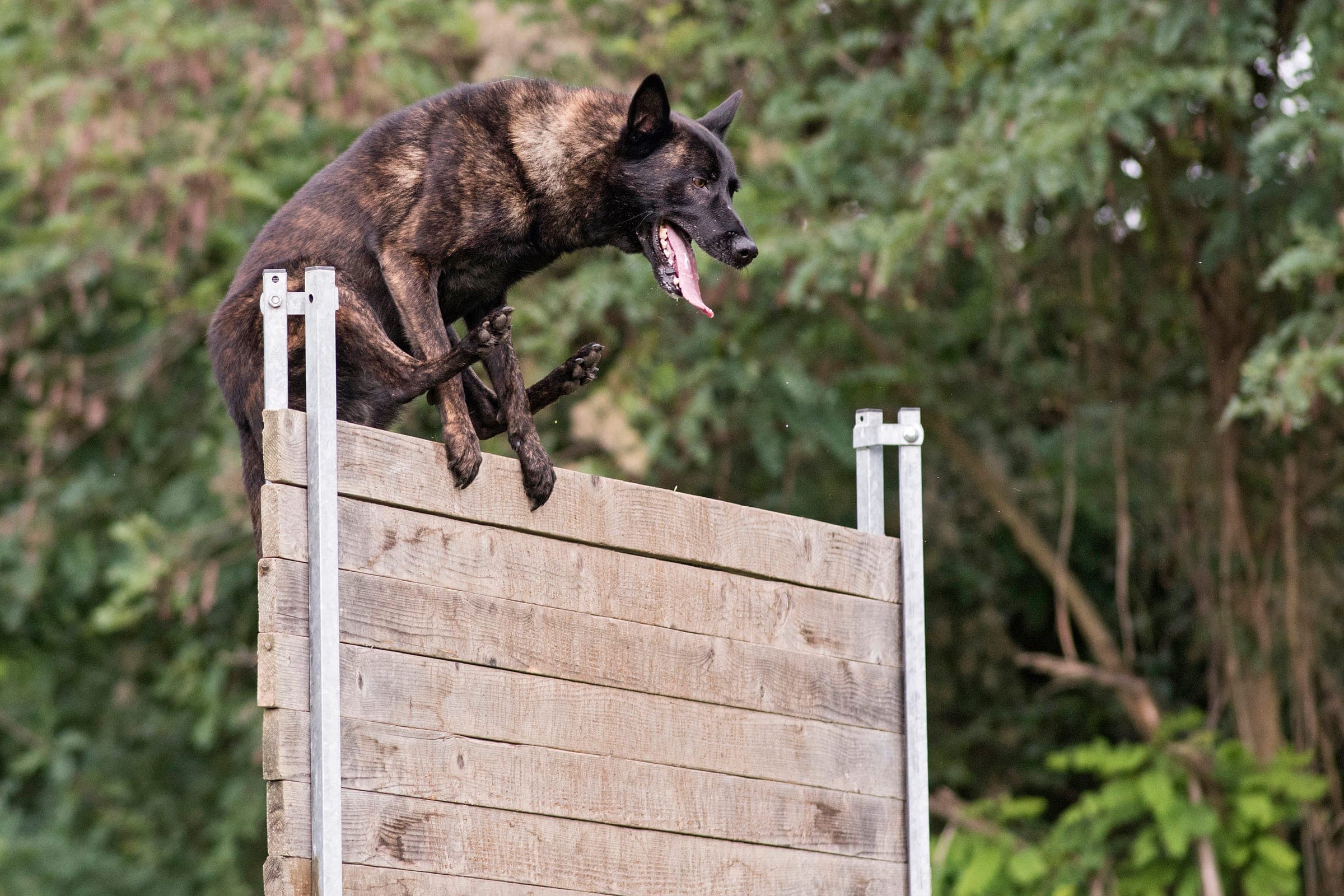
The real surprise in the breed's kit — a dog this size has no business being this nimble, but the Beauceron is fast, light-footed, and agile enough to run competitive courses. It's one of the sports the American Beauceron Club recognizes, and it burns the physical and mental energy a large working dog needs without leaning on the protective instincts.
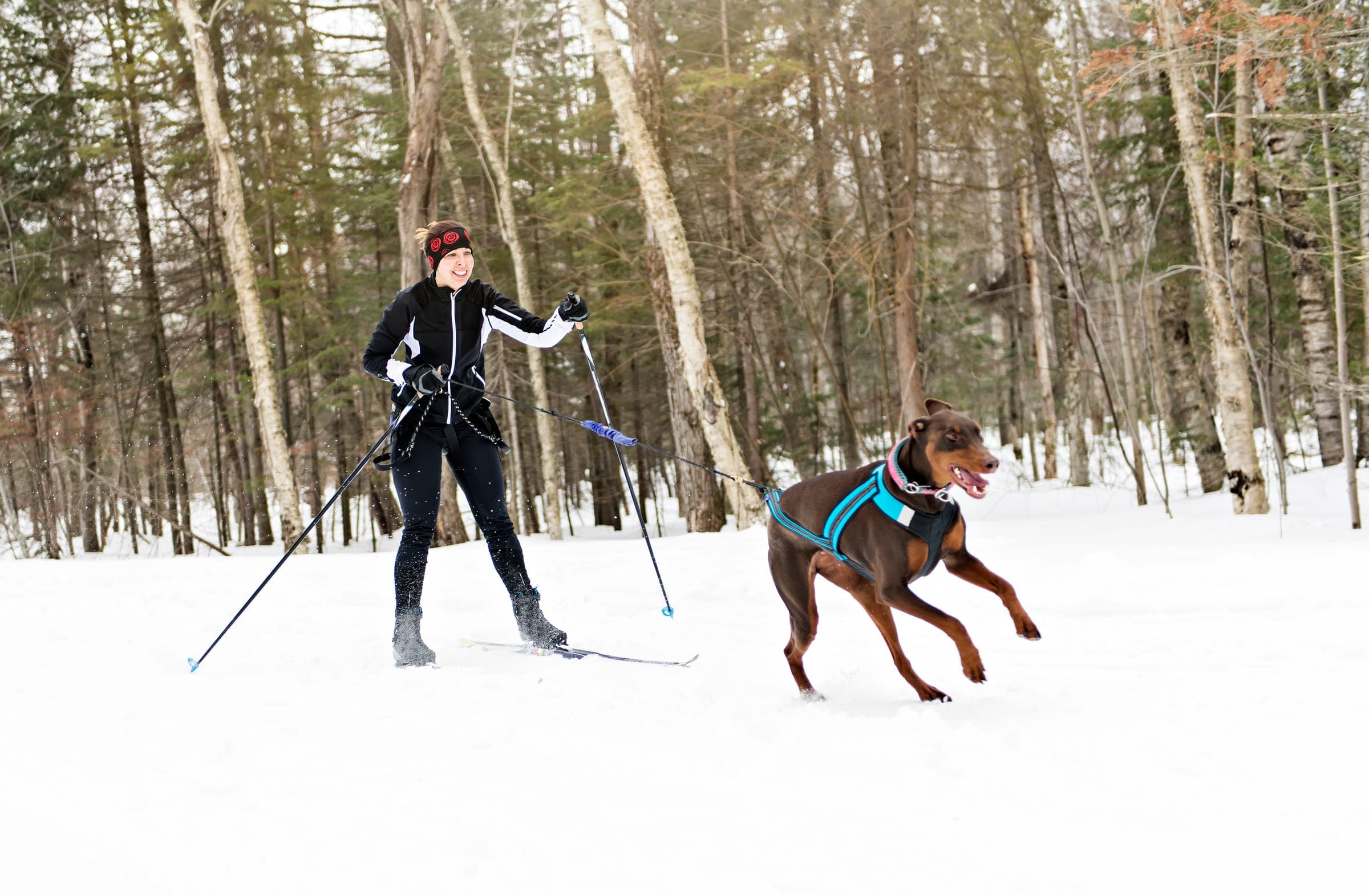
Skijoring
The endurance side of the résumé turned into a sport: the Beauceron that trotted 50 miles a day behind a flock has the engine to tow a cross-country skier over snow. It's one of the canine sports the breed is documented competing in, and a strong-pulling harness outlet suits a dog built for all-day work in hard weather — no livestock required.
Mondioring
The obscure one most owners have never heard of — an international protection sport that stitches obedience, jumping, and decoy work into a single unpredictable scenario routine. It rewards a versatile, level-headed dog that can think through a changing picture rather than run a memorized pattern, which is squarely the Beauceron's strength. Rare in the US, but a genuine outlet for a working-bred one.
Not sure which one fits your dog?
Take the Matchmaker quiz →Things most people don’t know.
- The breed standard demands double dewclaws on each hind leg — connected by bone, not just skin, and some dogs can flex each one independently. A rear leg with anything less is a disqualification in the show ring.
- Its French name Bas Rouge means 'red stockings,' for the tan markings on the legs. Described in a 1578 manuscript and given its first standard in 1897, it is the oldest of the French sheepdogs.
- The Beauceron worked as a 'living fence': the shepherd's dog ran the boundary of the grazing, holding a flock of 200 to 300 head off the crops and roads and driving them up to 50 miles a day — then served as a messenger and mine-detection dog on both World War fronts.
Loki du Chateau Rocher — GCh Loki du Chateau Rocher became the first Dual Champion Herding Champion (DC HC) Beauceron in U.S. history in November 2020 — earning his final herding points with back-to-back scores of 94 and 93 and taking High in Trial both days, proof that France's tending sheepdog still reads livestock at the top level, not just in the show ring.
Sources & verification
The sports we recommend for the Beauceron — and why — are Sporting Hound's own analysis, drawn from breed clubs, sport communities, and titled dogs' records. For the breed's history and standard, we cross-check the references below. One caveat that matters: this describes the breed's typical tendencies, not any individual dog — real suitability comes down to a dog's own health, temperament, and training.
Breed references
Spot something out of date? Tell us and we’ll fix it.