The best dog sports for a Bullmastiff
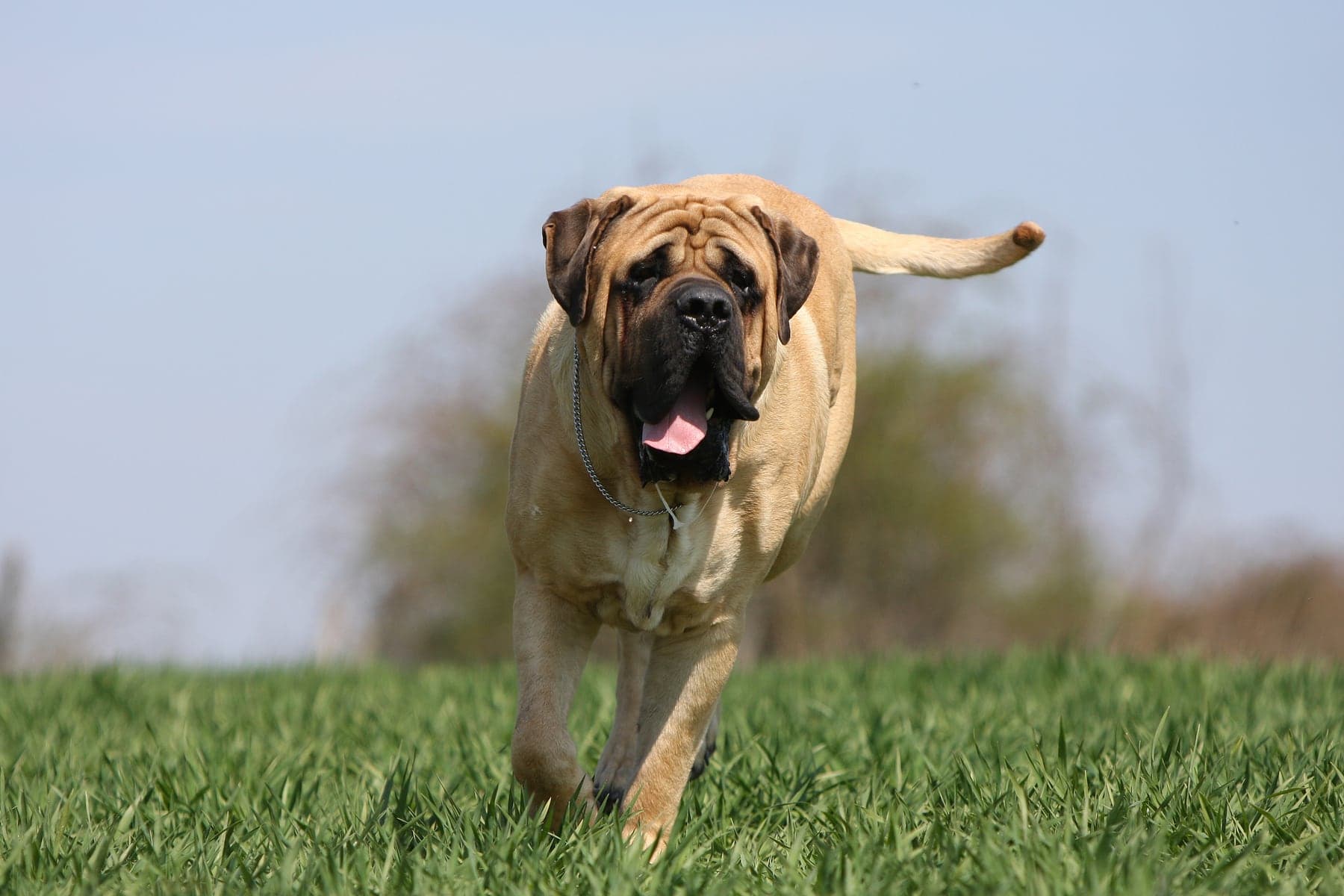
Bred as the gamekeeper's silent night dog — to track a poacher in the dark, then pin and hold him without a bite — the Bullmastiff is a nose and a set of brakes wrapped in 120 pounds of calm. The sports that suit it play to scent, short-burst strength, and steady nerve, not speed or endurance. Here's the honest list, and where to try each near you.
Why a Bullmastiff needs a job.
The Bullmastiff was fixed in 1800s England as a 60% Mastiff, 40% Bulldog cross with one purpose: the estate gamekeeper's night dog, built to silently trail a poacher, then charge, knock down, and *hold* him — find-and-pin, never bite-and-maul. That heritage is the whole temperament: fearless but docile, quiet, powerful, and independent-minded, a dog that thinks for itself and bristles at heavy-handed training. It is a strength-and-nose-and-nerve breed, not a speed, endurance, or retrieve dog.
It's also a giant with real limits, and an honest guide has to say so: short-muzzled and heat-intolerant (keep work to the cool parts of the day), no stamina for distance, and enough mass that hard landings and repeated jumping are a physics problem for dysplasia-prone joints. So the outlet isn't a run — it's a job that uses the nose, applies power in short controlled bursts, and lets a smart dog solve a task with a handler it trusts. Get that and the calm guardian at home stays calm. Force the wrong thing and you get a very large dog with an opinion.
Sports that fit a Bullmastiff.
Nose Work
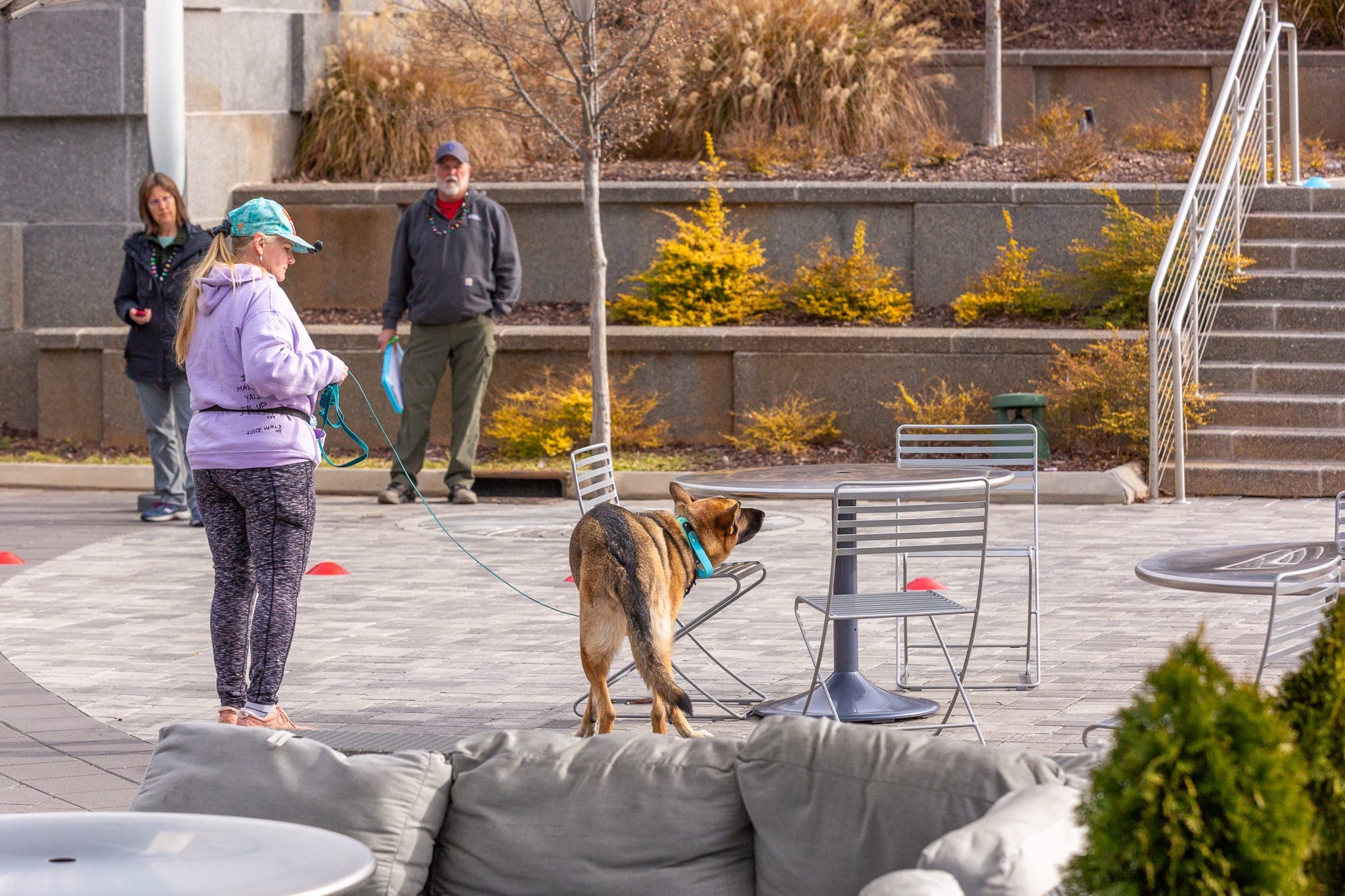
The breed's bred purpose, minus the impact: silent scent-hunting is exactly what the gamekeeper's dog did. It's low-impact, methodical, and rewards an independent thinker — ideal for a heat-sensitive giant, since it runs indoors and self-paced. Boundless dogs 'Charlie' and 'Bobbi' both hold the AKC Scent Work Master title plus NACSW's top NW3 level.
Tracking
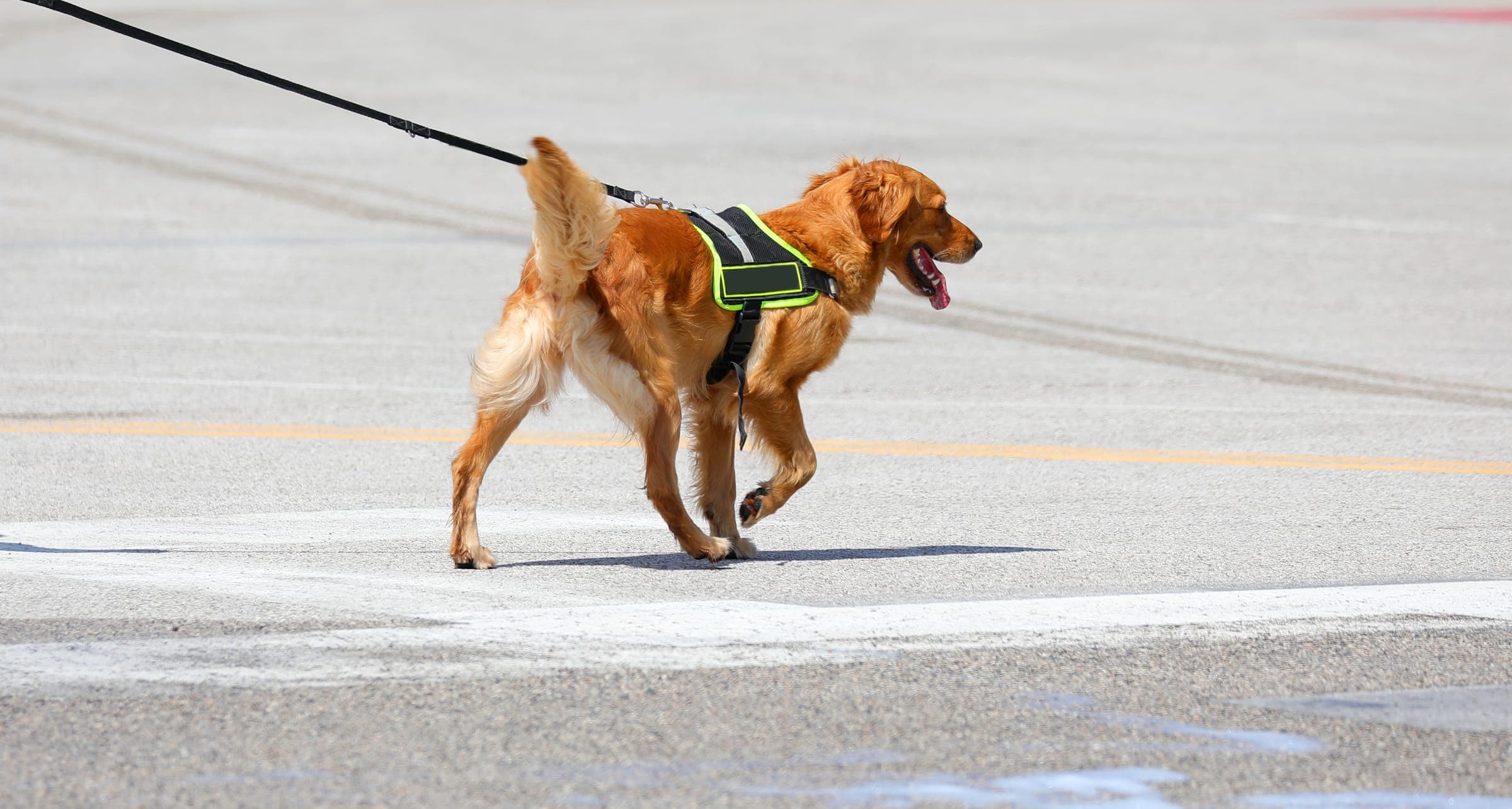
The purest expression of the heritage — bred to trail scent over ground, the Bullmastiff is a natural at AKC Tracking. It's slow, low-impact, and done in cool morning conditions. 'Beowulf,' cited by the breed club as the only Bullmastiff to title in every event open to the breed, earned her Tracking Dog title here.
Mantrailing
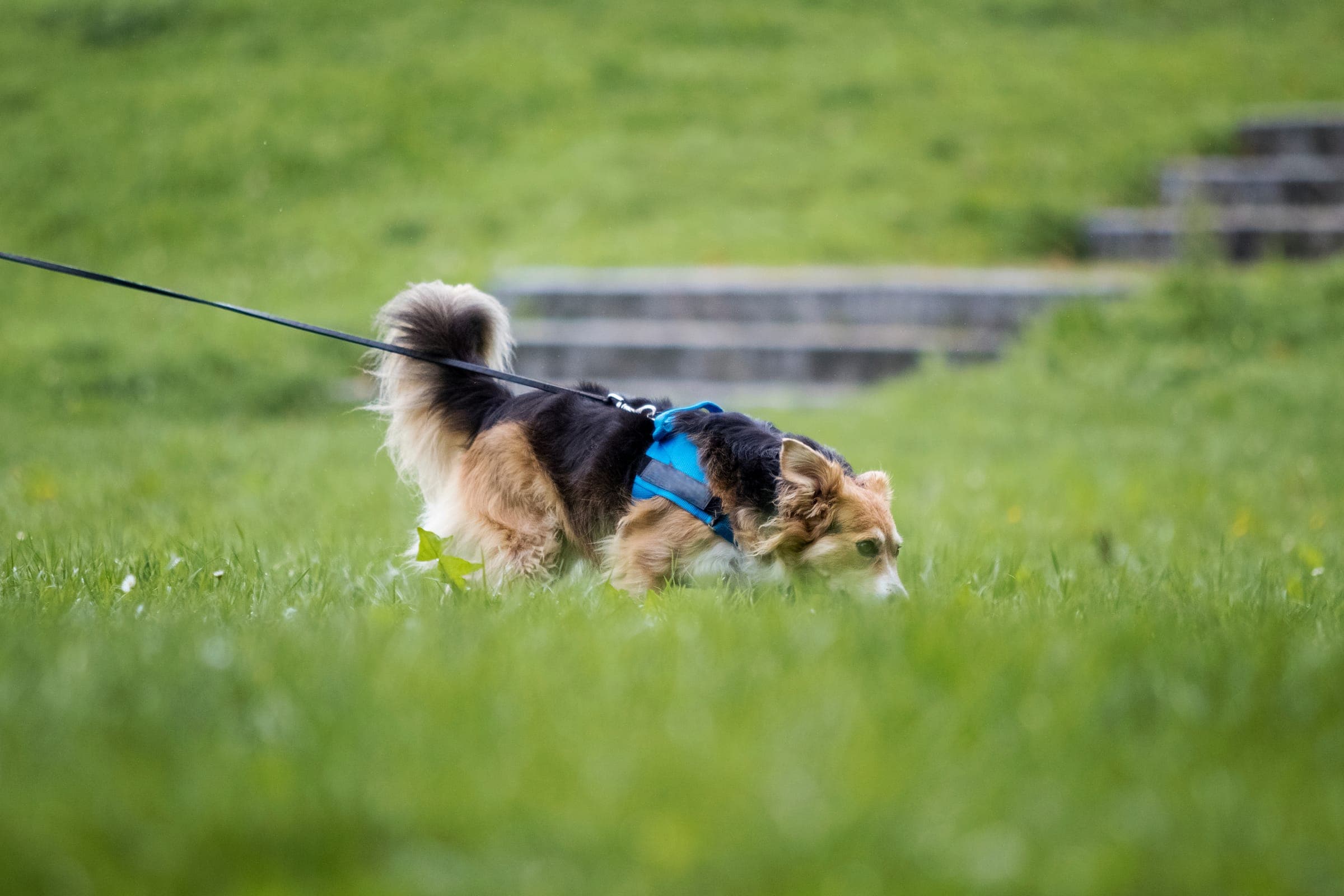
Trailing a specific person by scent is, quite literally, the night dog's job. Mantrailing lets a Bullmastiff follow a human's individual scent trail at its own steady pace — the most heritage-true outlet there is, and no jumping or speed required.
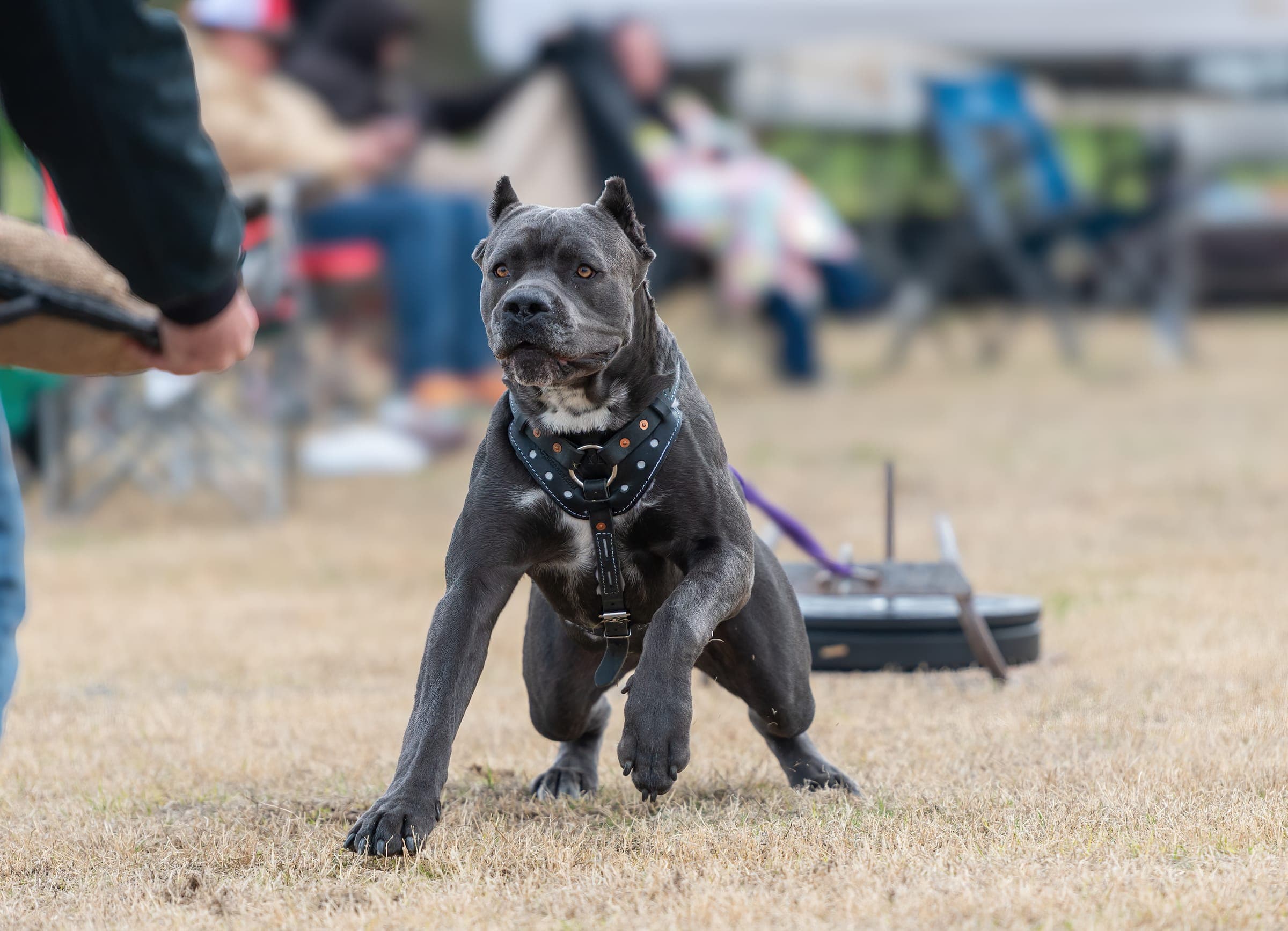
Weight Pull
Raw power in short, controlled bursts — the physical core of the breed. A muscular, low-slung, calm-focused dog is built to move a weighted cart a short distance. One caveat worth honoring: pulling loads a giant's hips and shoulders, so condition slowly and screen the joints first.
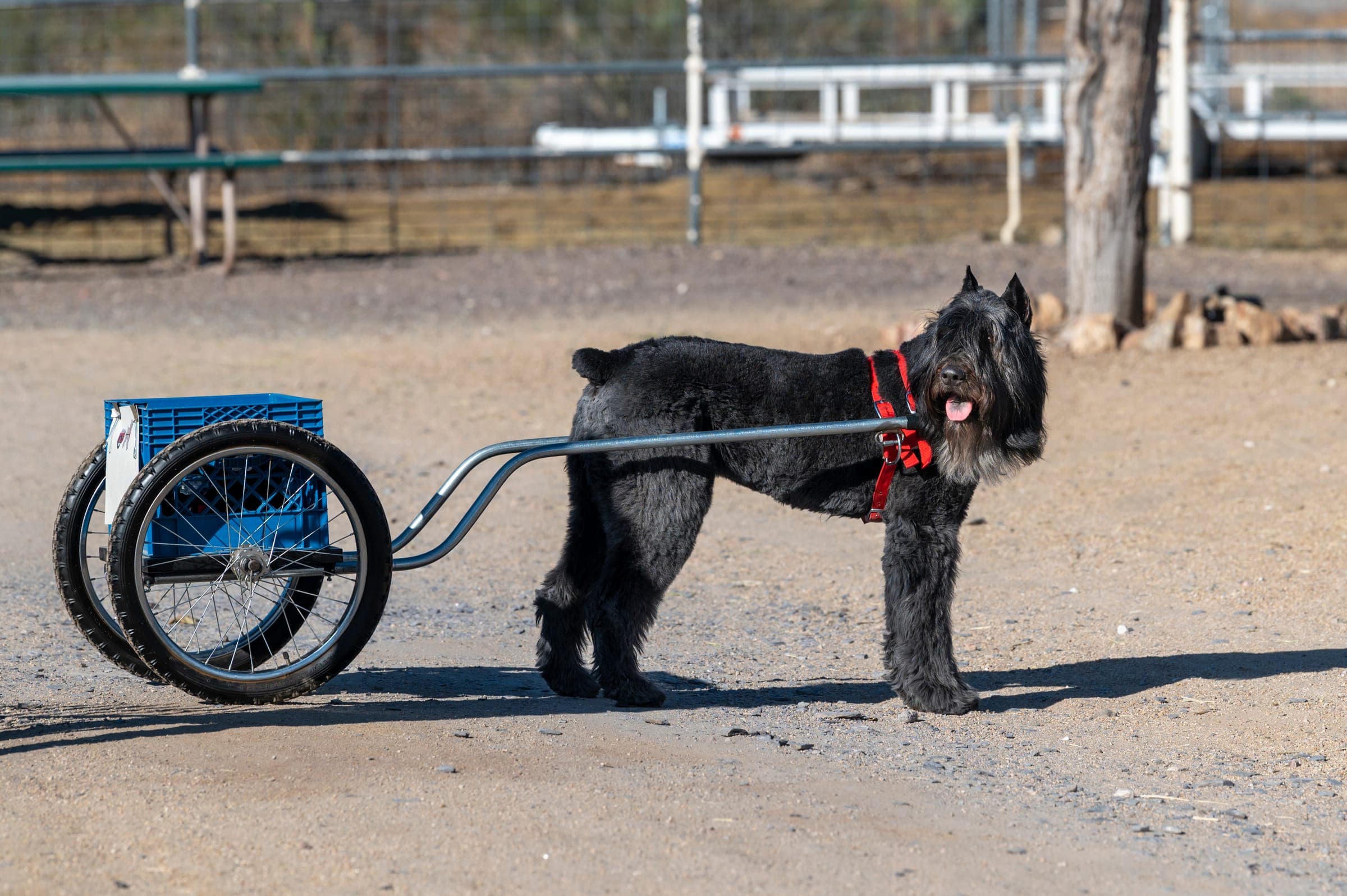
Carting & Drafting
Strength plus a steady, even temperament makes pulling a cart a natural fit, and the breed club counts carting toward its working-dog versatility award. There's no Bullmastiff-specific draft title, so a Bullmastiff earns one through the all-breed-eligible programs other working clubs run.
You might not expect these
Same brain, different shape — sports most people don’t picture a Bullmastiff doing, that a Bullmastiff is quietly great at.
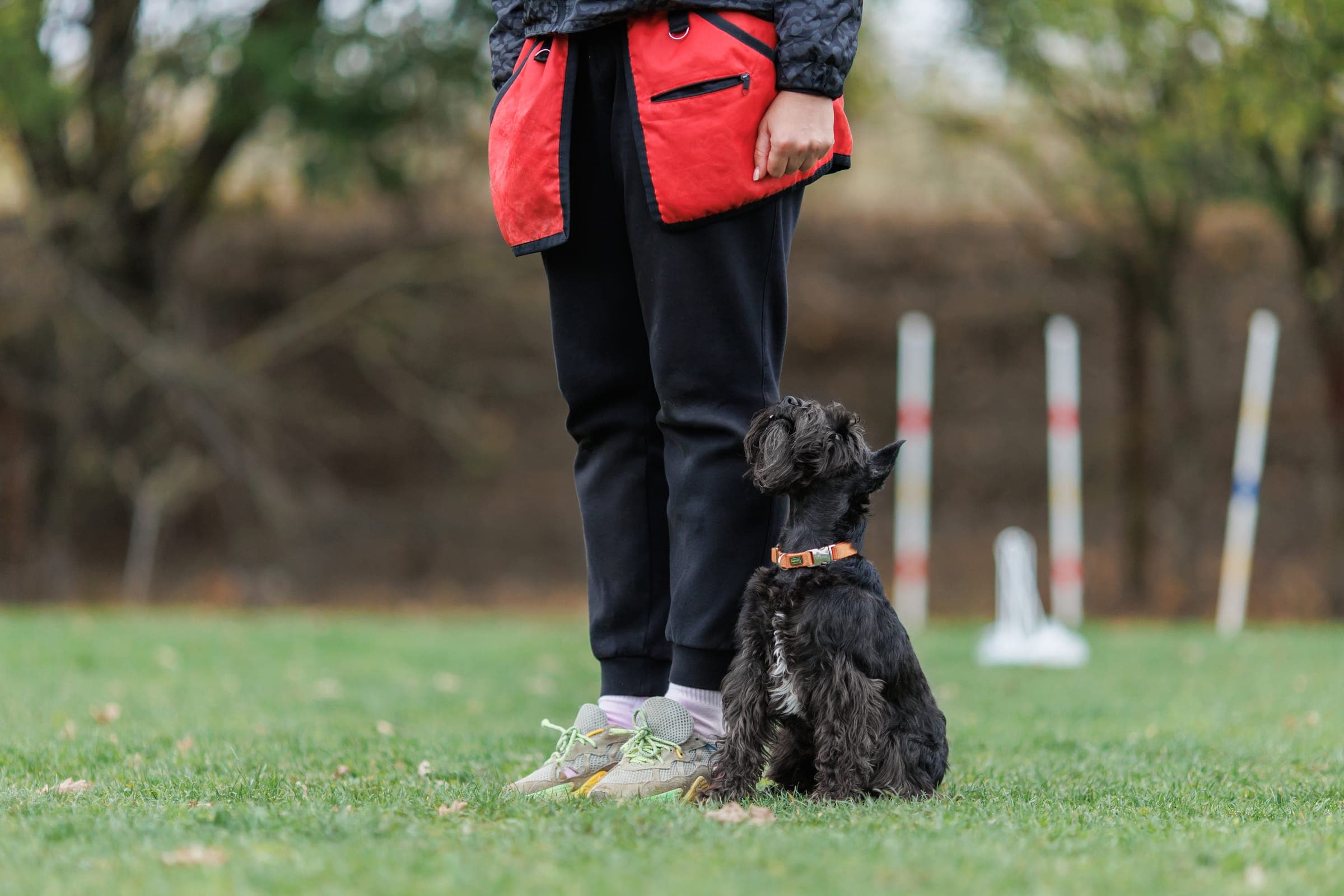
Rally
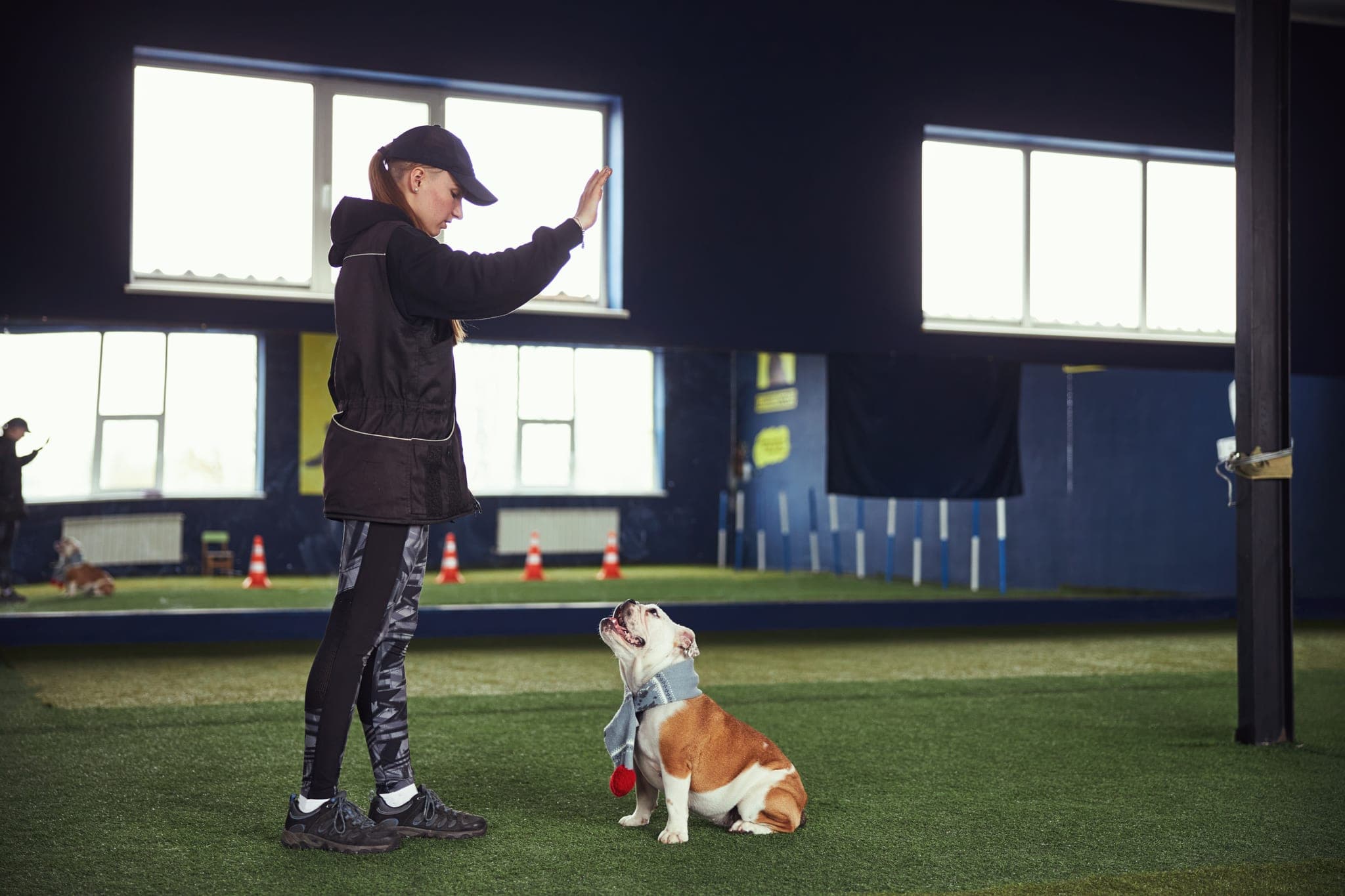
The surprise of a stubborn breed that actually shines at obedience-lite. Rally's walk-the-course-with-signs format is low-impact and far more forgiving of a dog that thinks for itself than formal obedience. Boundless dogs 'Shiloh' and 'Charlie' both hold Rally Excellent.
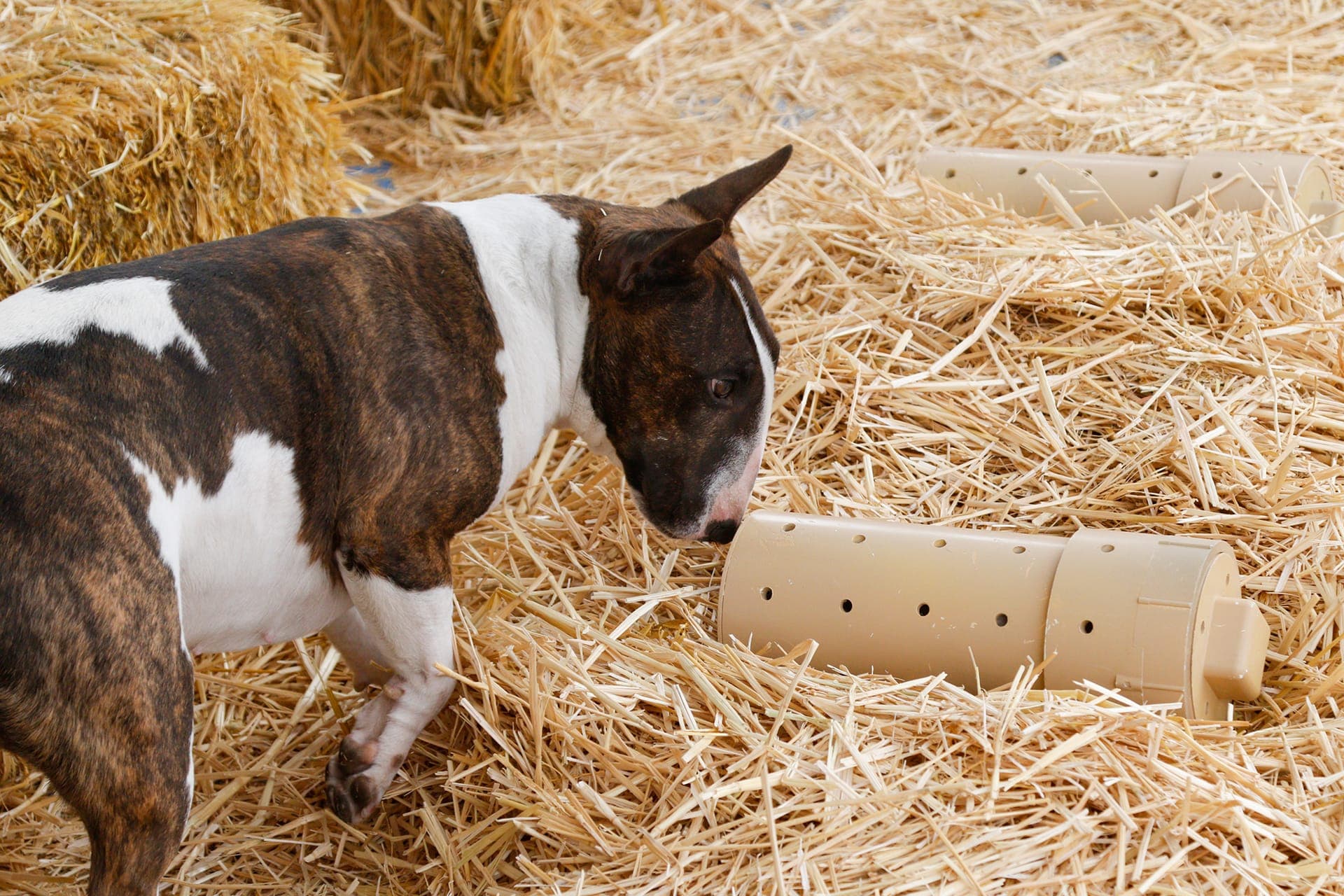
Barn Hunt
A giant nose in a rat course — barn hunt rewards scenting and independent hunting over speed or height, and Bullmastiffs climb the ladder ('Charlie' holds the Master title). Honest ceiling: the tunnels are narrow and the bale gaps get tight, so a broad, heavy dog can genuinely struggle at the top levels.
Agility
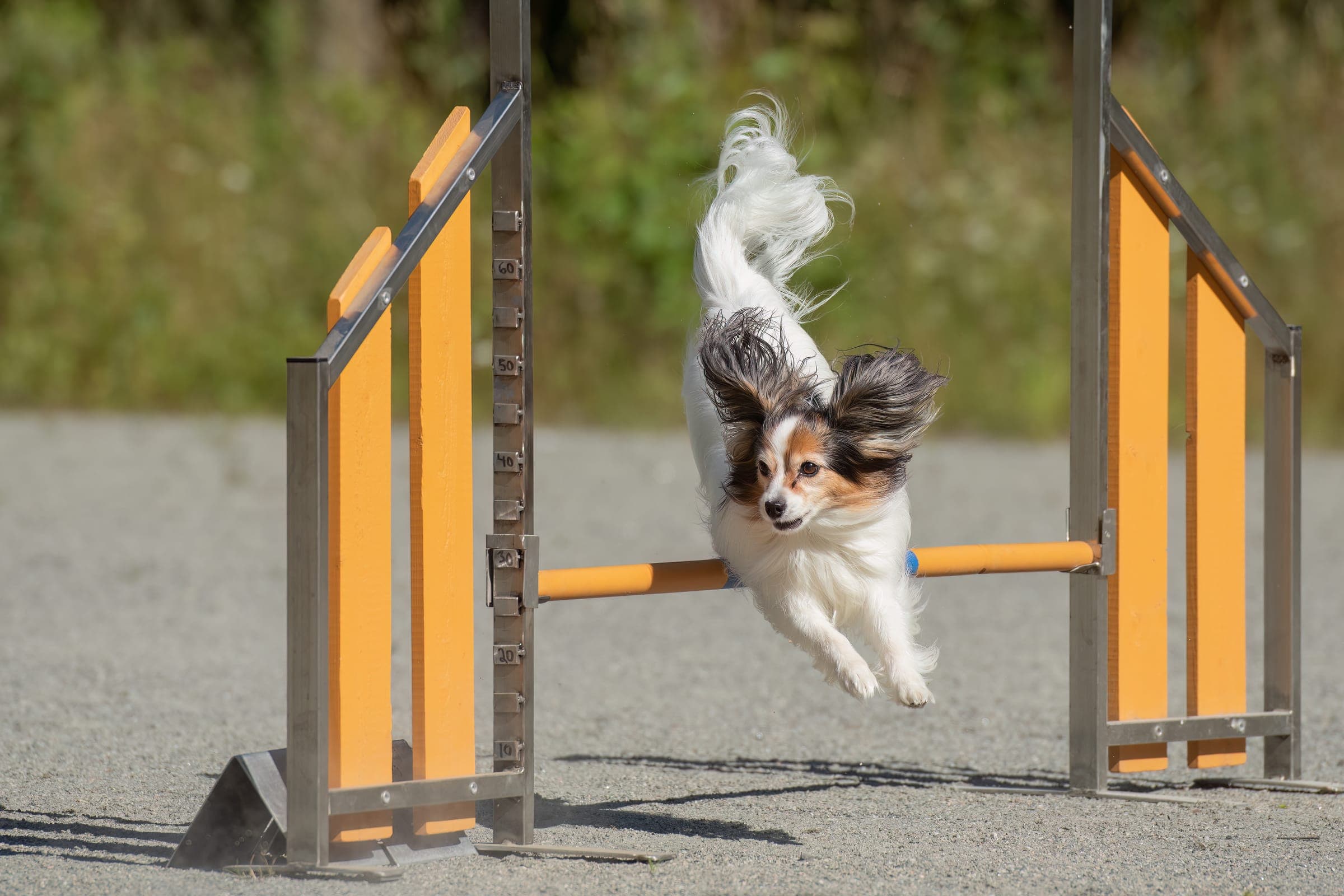
Yes, really — but only the giant-breed way. On lowered 'Preferred' jump heights and soft surfaces, an athletic Bullmastiff can run agility for fun (Boundless 'Charlie' holds Preferred agility titles). Treat it as a controlled outlet, never a jump-heavy career: full heights and tight turns are a real risk for dysplasia-prone joints.
Not sure which one fits your dog?
Take the Matchmaker quiz →Things most people don’t know.
- The breed was engineered to a formula: roughly 60% Mastiff for size and 40% Bulldog for tenacity, fixed in 1800s England to make one dog — the estate gamekeeper's silent night guard.
- Its whole job was find-and-hold, not bite-and-maul — bred to knock a poacher down and pin him unharmed until the keeper arrived, which is why it makes a poor sport-bitework dog and a superb steady one.
- The dark brindle coat wasn't a fashion choice — it was working camouflage, letting the night dog vanish into the dark until the moment it charged.
Beowulf — cited by the breed club as the only Bullmastiff ever to earn a title in every AKC event open to the breed — obedience, tracking, and beyond.
Sources & verification
The sports we recommend for the Bullmastiff — and why — are Sporting Hound's own analysis, drawn from breed clubs, sport communities, and titled dogs' records. For the breed's history and standard, we cross-check the references below. One caveat that matters: this describes the breed's typical tendencies, not any individual dog — real suitability comes down to a dog's own health, temperament, and training.
Breed references
Spot something out of date? Tell us and we’ll fix it.