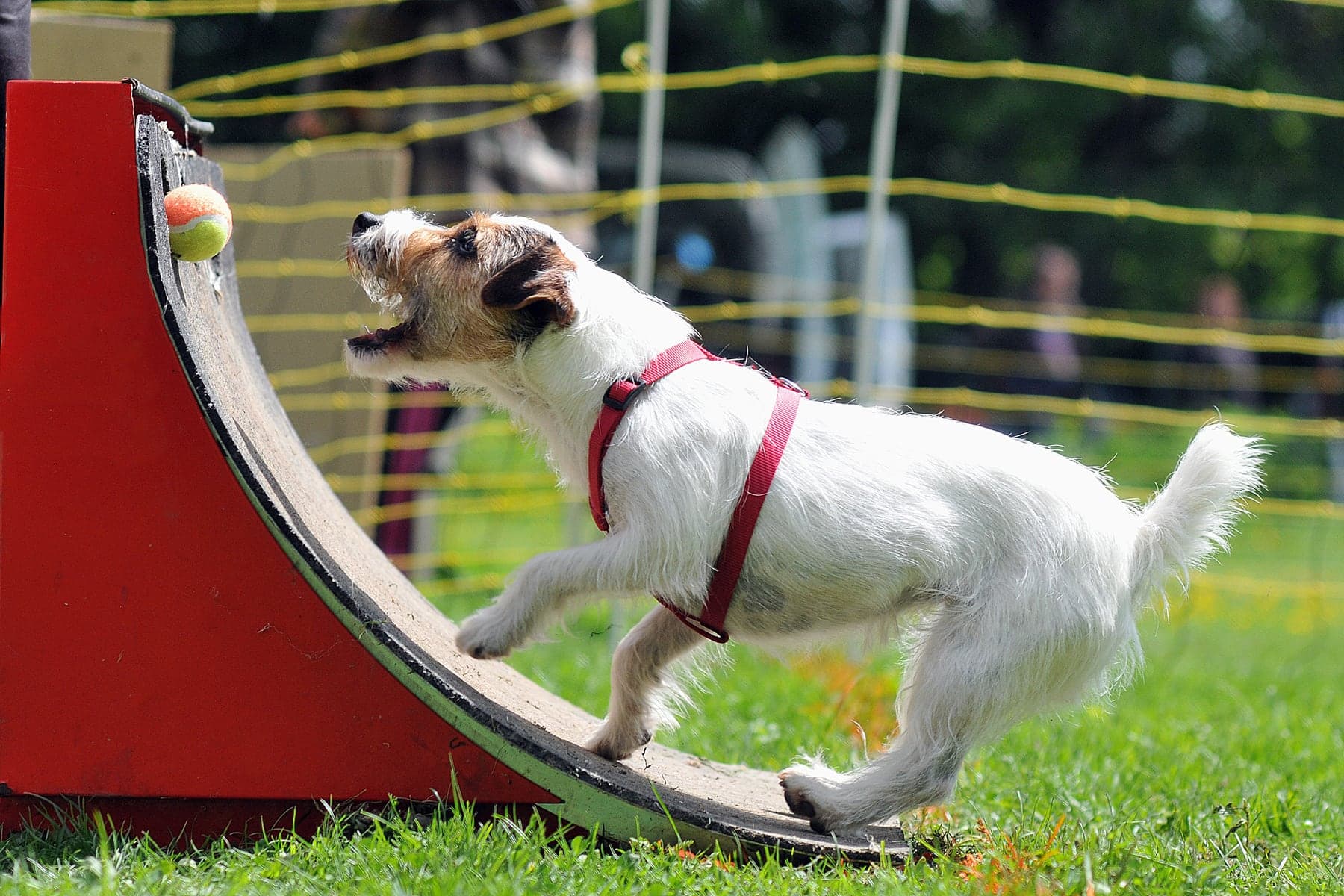
The best dog sports for a Jack Russell Terrier
Bred by a fox-hunting parson to follow the hounds and bolt the fox from its earth, the Jack Russell is the working terrier's terrier — a small dog with an enormous engine. These are the sports that fit that drive, and where to try each one near you.
Why a Jack Russell needs a job.
The Jack Russell was bred to run with the foxhounds all day, then dive underground and face a fox in the dark on its own nerve. That packed a working terrier's drive, stamina, and problem-solving into a ten-pound frame — a dog that will dig, hunt, and improvise until it finds something to do. A Jack Russell needs real physical and mental work every day, not a lap and a leash walk.
Under-work one and it will invent a job you'll hate: excavating the yard, patrolling the fence, barking at everything that moves, escaping to go hunting. This is not a low-drive breed you can wear out with a stroll. The sports below give that engine somewhere to go — and a well-run Jack Russell is one of the most capable little athletes in the sport.
Sports that fit a Jack Russell Terrier.
Earthdog
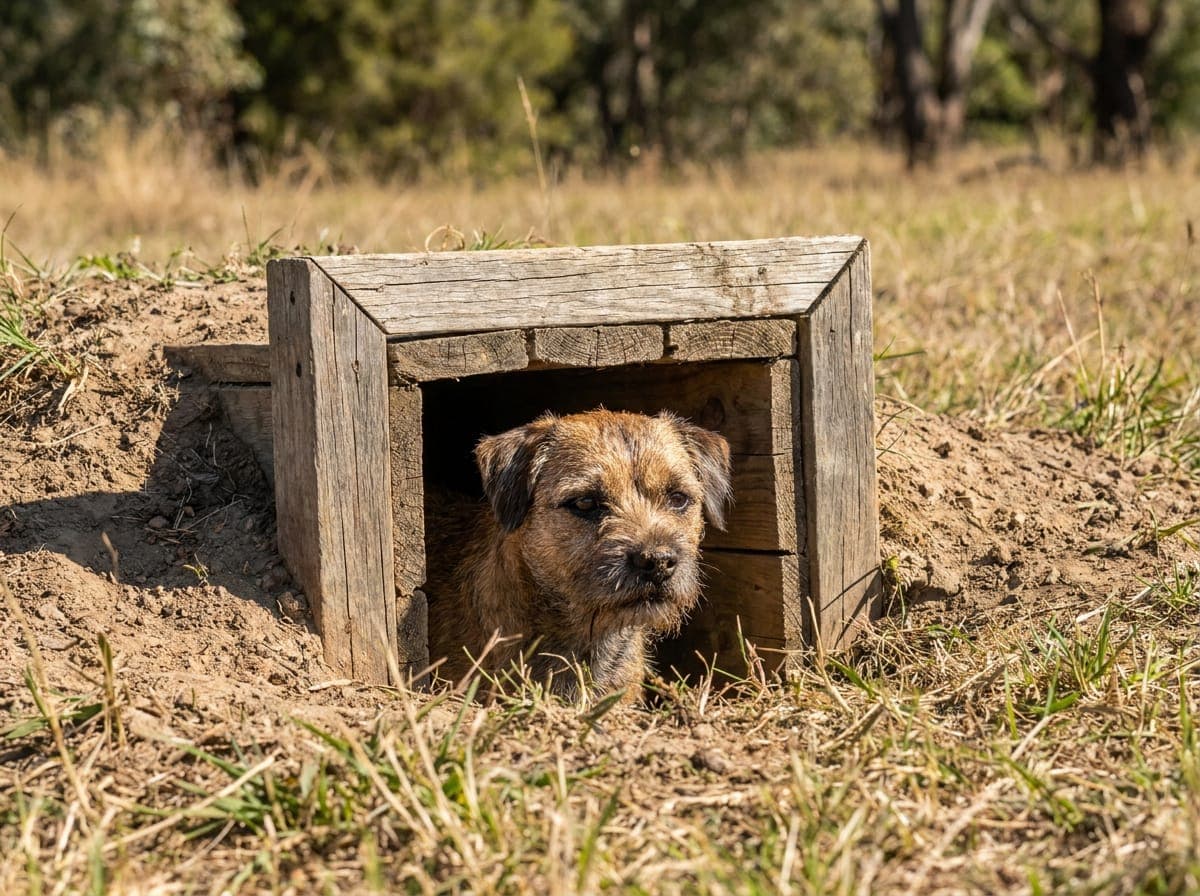
This is the breed's actual job in sport form: follow a scent into a tunnel and 'work' the caged, protected quarry at the end. No breed is more purpose-built for going to ground than the Jack Russell — it's the truest test of what the dog was made to do.
Barn Hunt
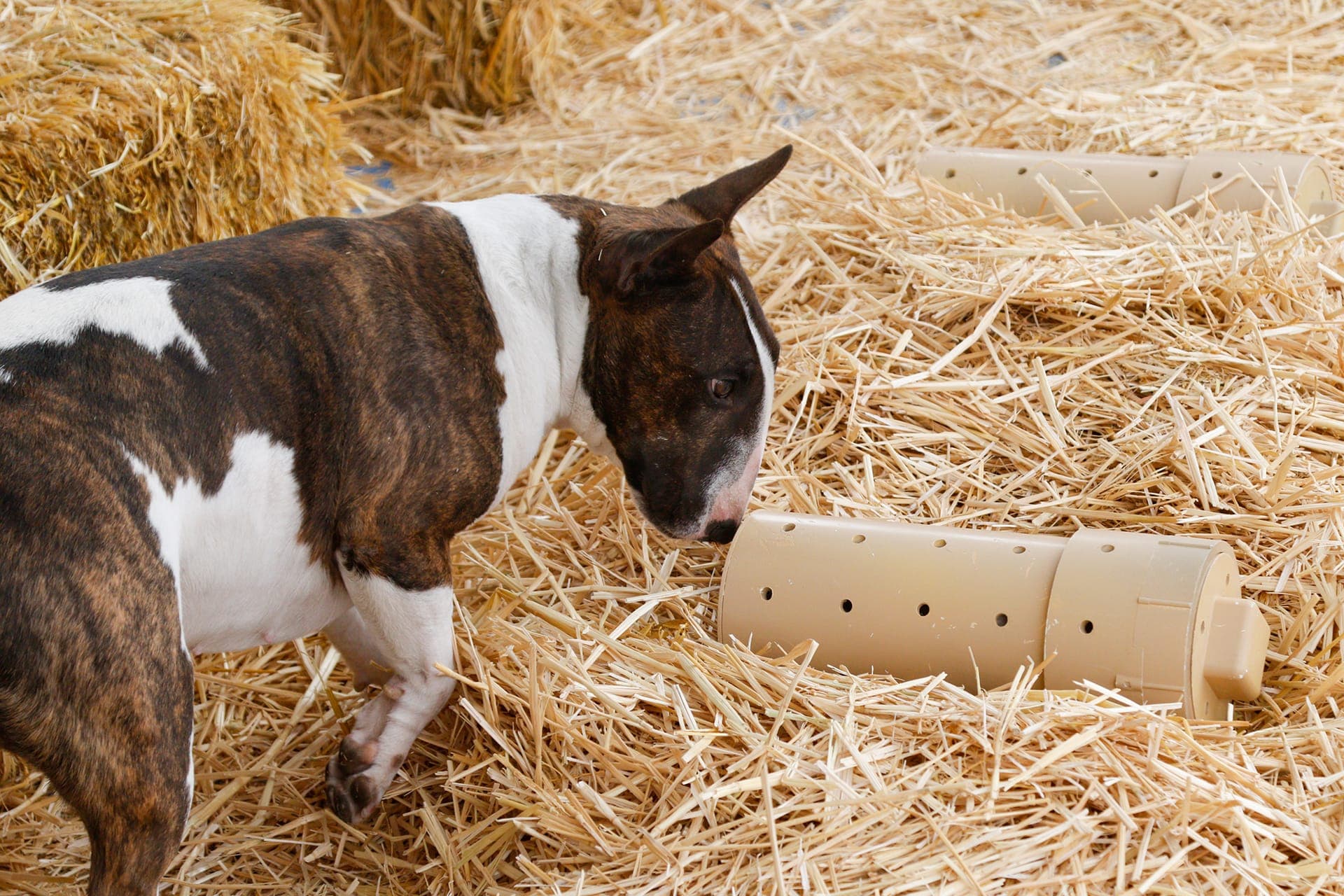
A course of straw bales hiding a safely-tubed rat rewards exactly the ratting drive and nose the breed carries. Fast, confidence-building, and a natural home for a terrier that lives to hunt vermin — many Jack Russells title quickly.
Flyball
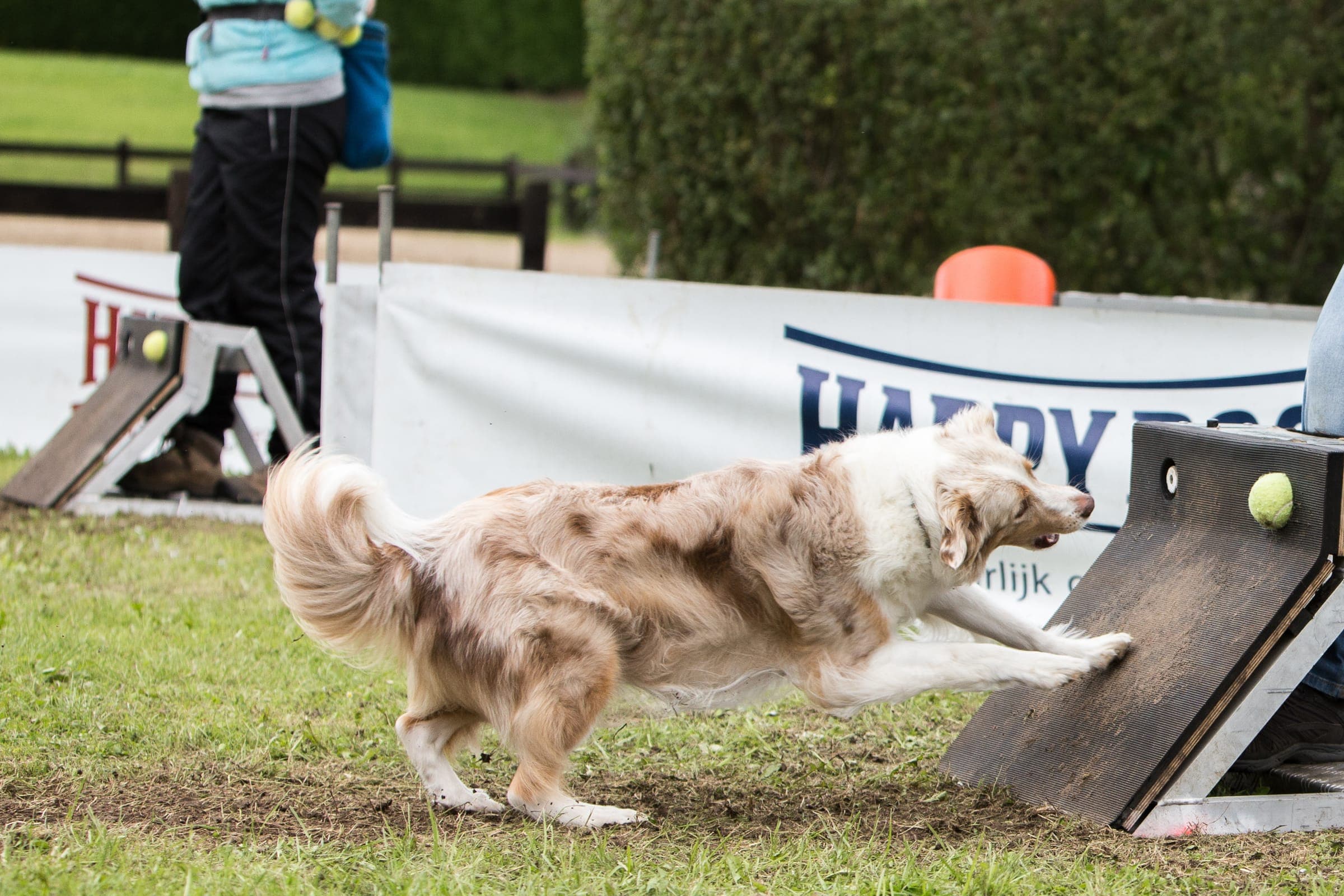
Terriers make prized flyball 'height dogs,' and the Jack Russell brings the speed and manic drive to prove it — sprint, trigger the box, snatch the ball, race back. A high-arousal team relay that fits the breed's engine perfectly.
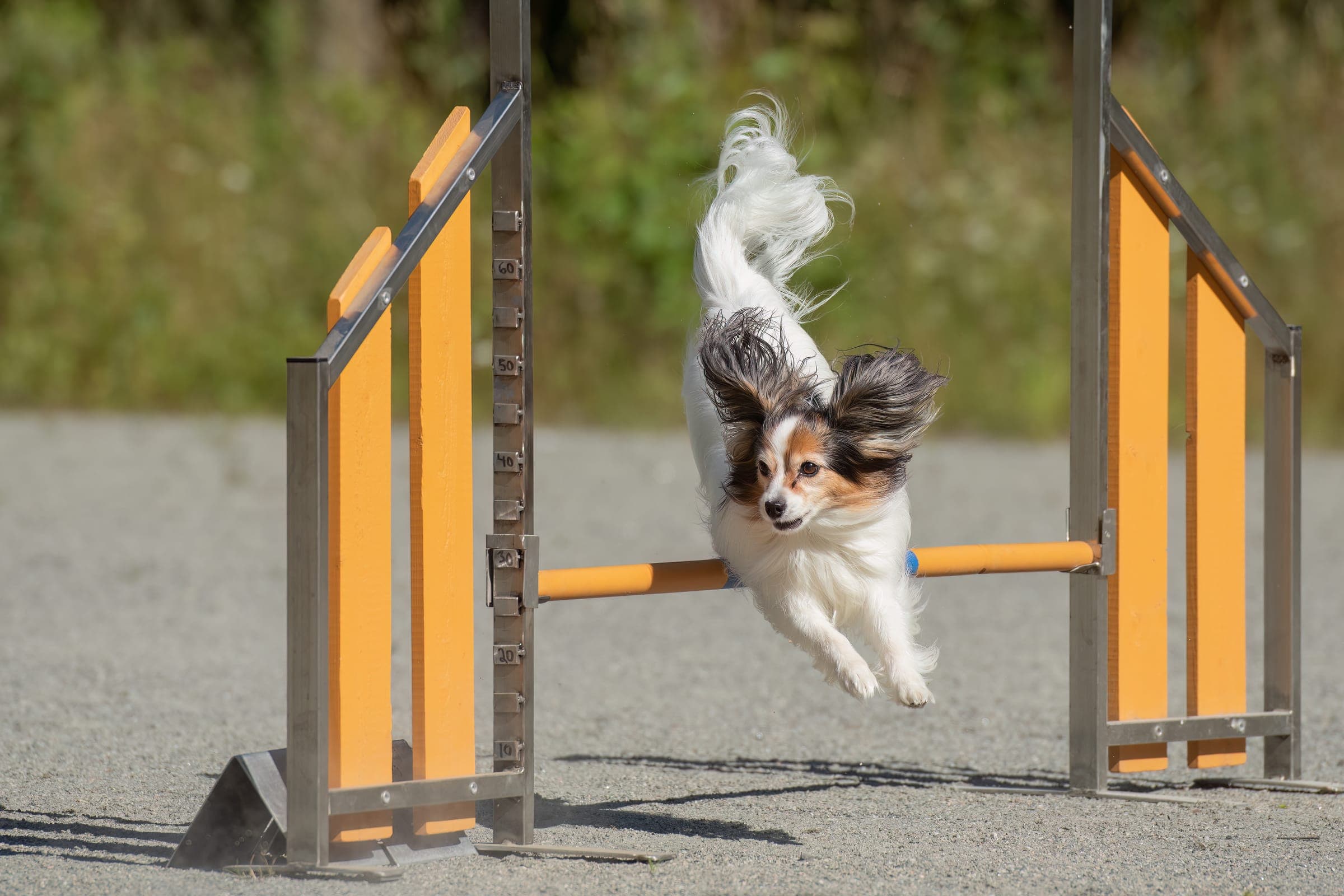
Agility
Small, quick, and endlessly game, Jack Russells are agility naturals — tight turns and a fast handler suit a dog this nimble. It's a full-body, full-brain outlet, and the breed's drive shows up as raw course speed.
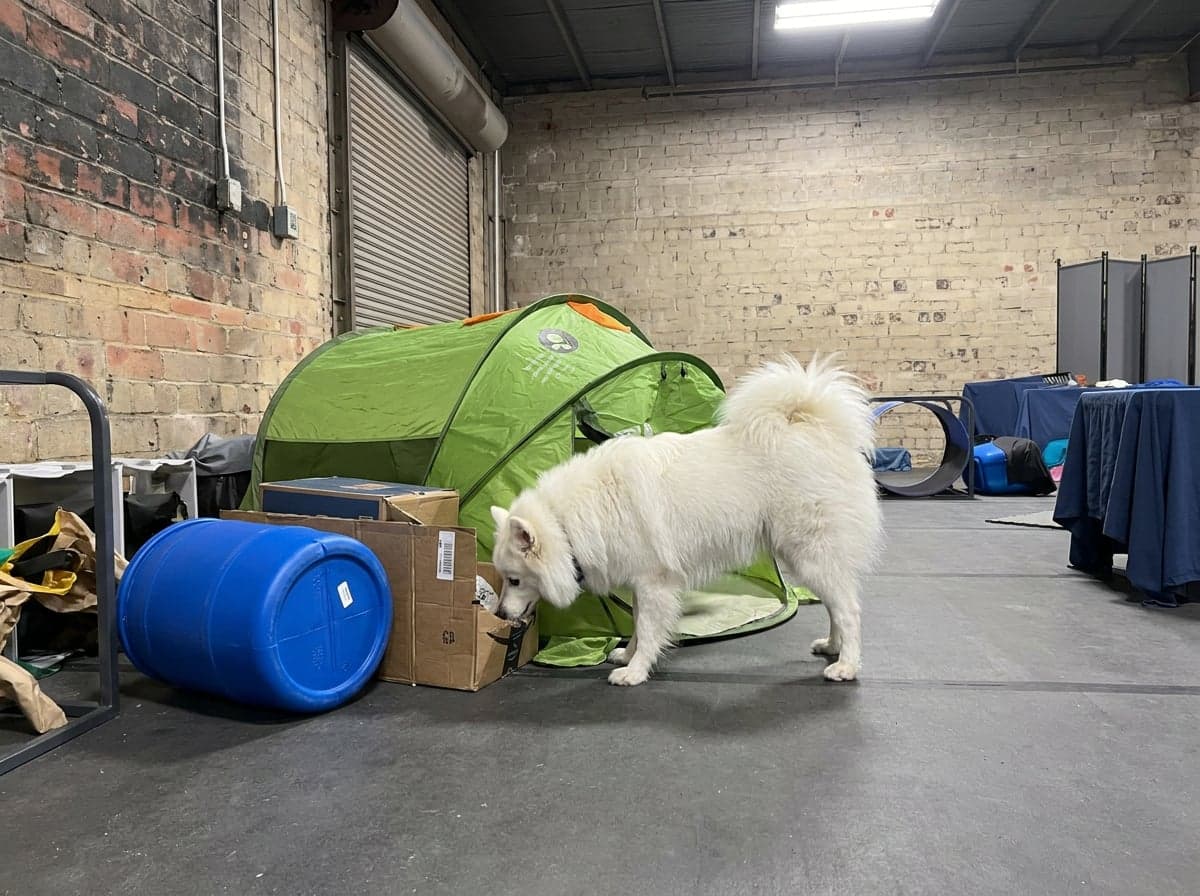
Happy Ratters
Most owners don't know organized ratting is a real sport — Happy Ratters runs the breed's ancestral job as a timed find on a tube-and-burrow course. For a dog literally bred to kill rats, it's about as on-purpose as a sport gets.
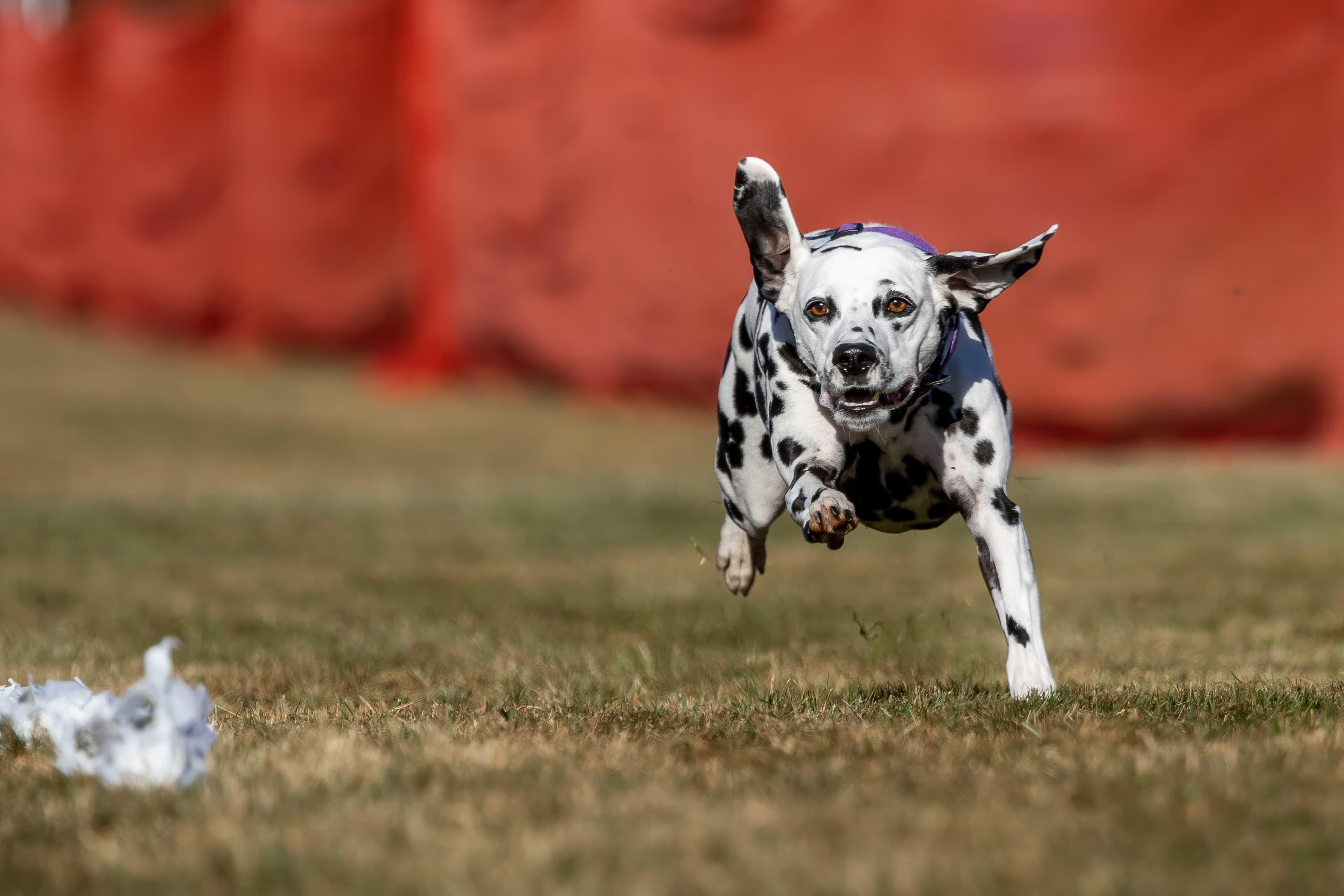
Fast CAT
A terrier on the coursing line surprises people, but the chase drive is right there — a 100-yard flat-out lure sprint is a pure, contained outlet for it. Small dog, big speed, and no tunnel required.
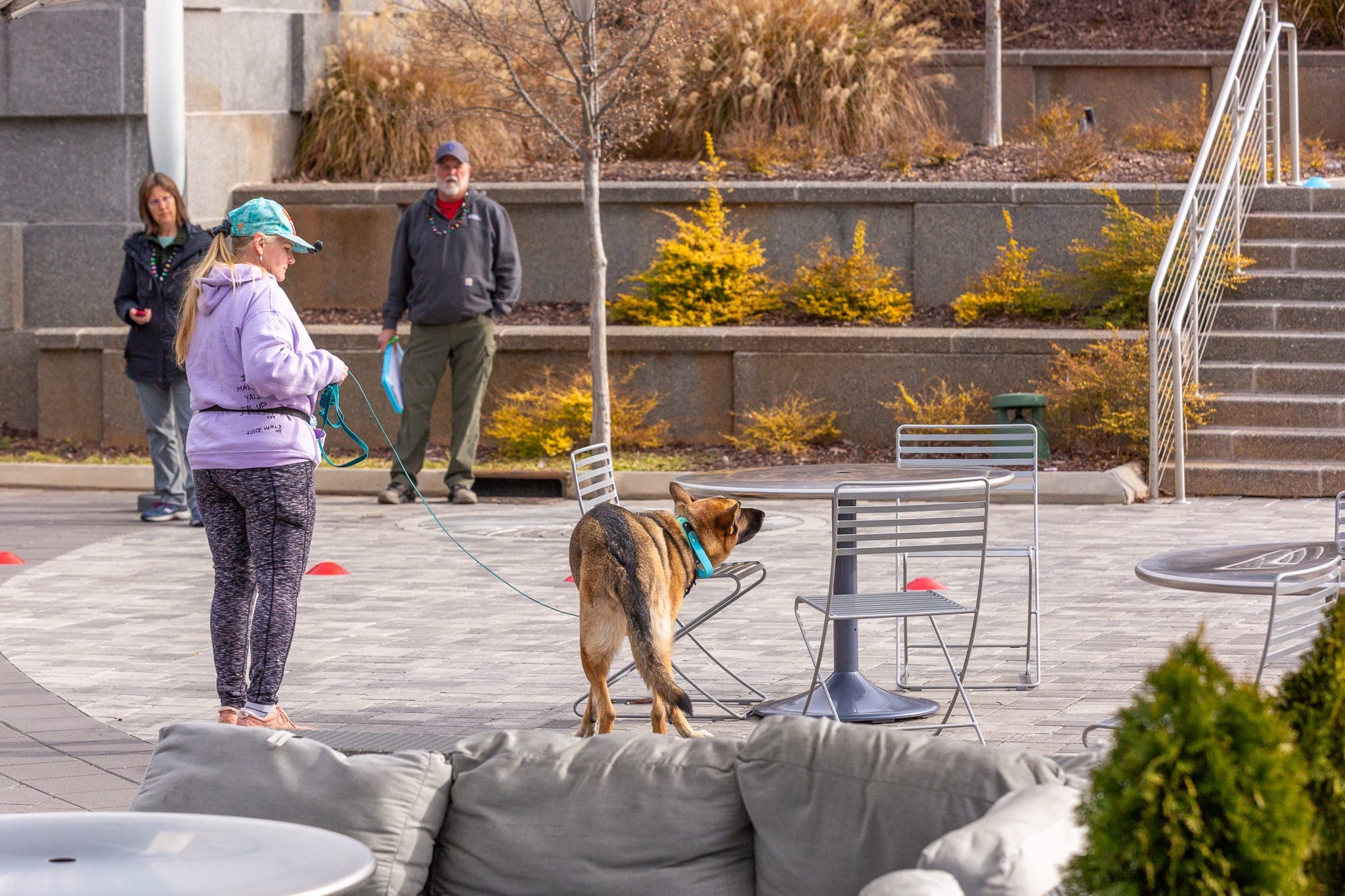
Nose Work
The same nose that finds a fox underground reads a target odor in boxes and corners — nose work is a lower-impact, brain-first outlet that tires a Jack Russell on a rest day. Accessible, and the breed takes to searching fast.
Trick Dog
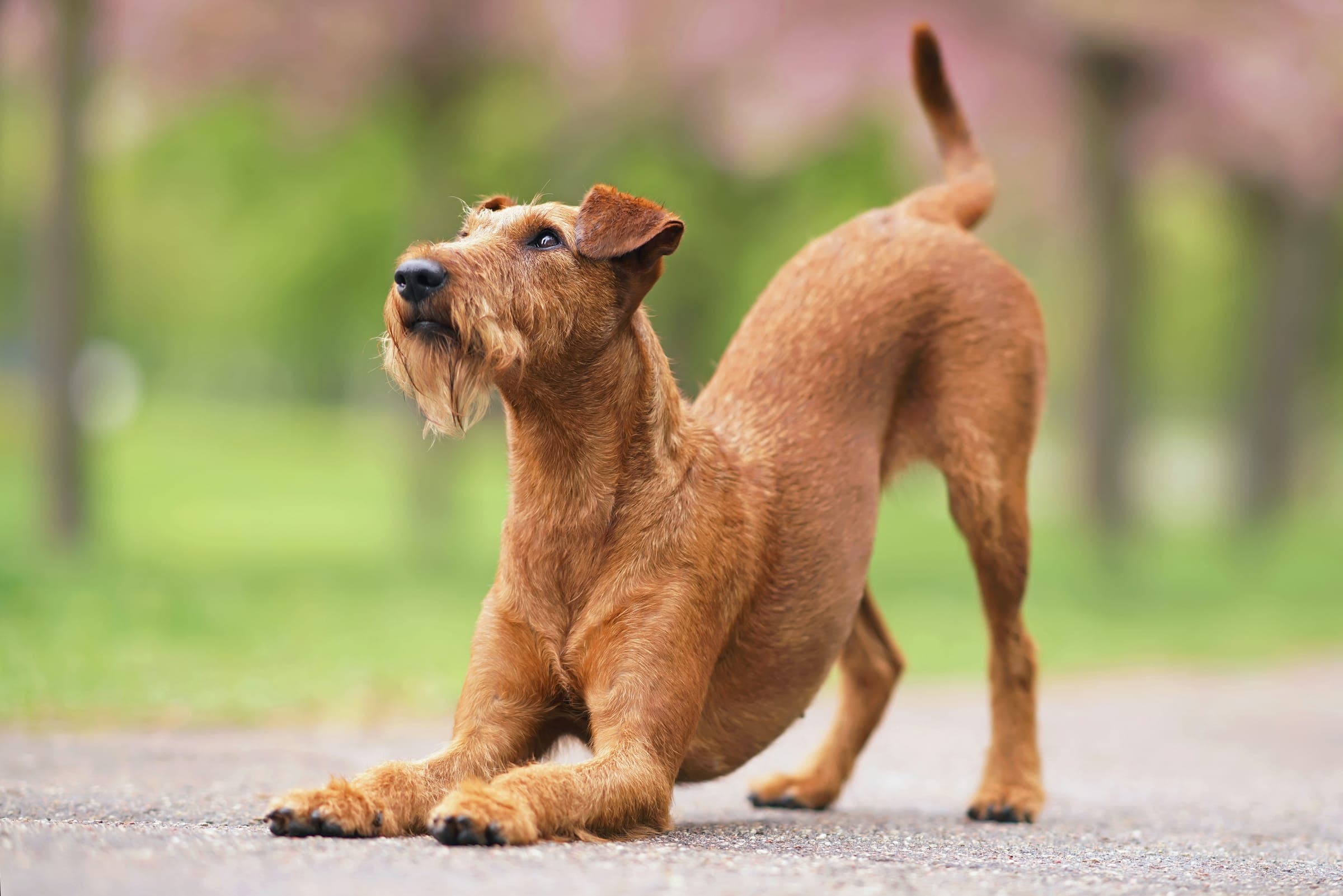
Sharp, food-motivated, and quick to learn, Jack Russells thrive on trick training — it channels the restless brain into a sequence and burns mental energy on a day off from the harder sports. A surprising amount of drive fits into a five-minute session.
Not sure which one fits your dog?
Take the Matchmaker quiz →Things most people don’t know.
- The breed traces to the Reverend John 'Jack' Russell, a Devon parson and fox-hunting fanatic, whose foundation bitch Trump was bought off a milkman in the 1810s — the whole line was bred for work, never for the show ring.
- The mostly-white coat is a working feature, not a look: it was bred in so a hunter could tell the terrier from the fox at the earth and not mistake one for the other underground.
- There's a registry split worth knowing — the working Jack Russell Terrier Club keeps the original job-first standard, while the AKC recognizes the longer-legged Parson Russell Terrier and the shorter-legged Russell Terrier as separate breeds.
Smitty (MACH2 Heart-Songs New York State Of Mind) — the highest-placing Parson Russell Terrier — the AKC show-registry cousin of the working Jack Russell — at the 2025 AKC Agility Invitational, going clean every round to win the breed medallion.
Sources & verification
The sports we recommend for the Jack Russell Terrier — and why — are Sporting Hound's own analysis, drawn from breed clubs, sport communities, and titled dogs' records. For the breed's history and standard, we cross-check the references below. One caveat that matters: this describes the breed's typical tendencies, not any individual dog — real suitability comes down to a dog's own health, temperament, and training.
Breed references
Spot something out of date? Tell us and we’ll fix it.