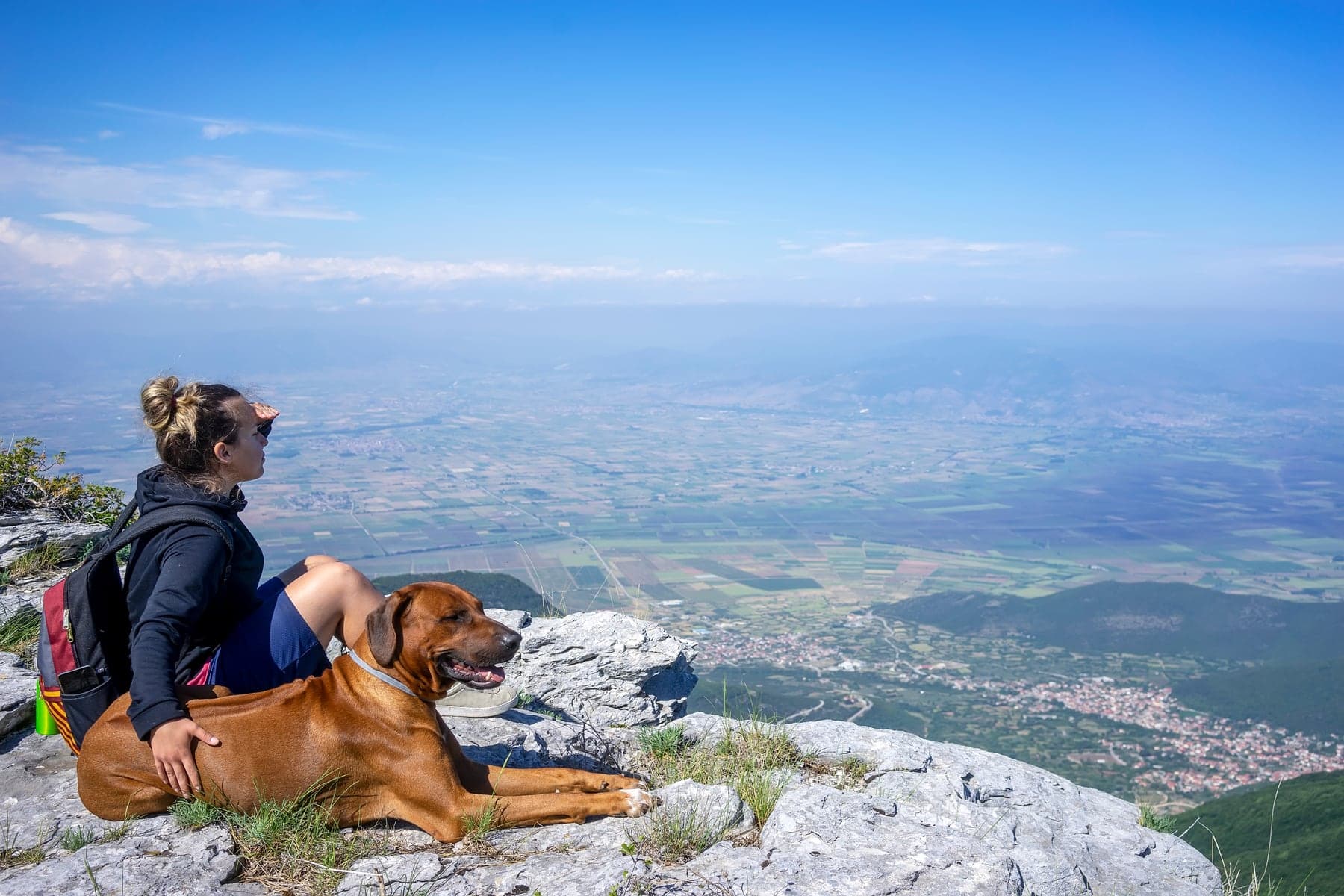
The best dog sports for a Rhodesian Ridgeback
Bred on the African veld to range for miles, then bay and hold big game — lions included — on stamina and agility until the hunter arrived, the Rhodesian Ridgeback pairs sighthound speed with hound endurance and a level, independent head. It's one of the few Hound-Group breeds that doesn't look like a classic sighthound yet is cleared to run sanctioned lure coursing, on the strength of its coursing heritage. The sports that fit reward speed, stamina, and a nose — not bite-work. Here's the list, and where to try each near you.
Why a Rhodesian Ridgeback needs a job.
The Ridgeback was bred to cover ground — trotting alongside mounted hunters across the veld all day, then finding the speed and nerve to bay a lion and the endurance to keep doing it. That heritage is the whole dog: powerful, athletic, quietly confident, and independent to the bone. It was never a biddable one-command breed; it was bred to size up a situation and act on its own, which is exactly why it needs a real outlet and a handler it respects rather than obeys.
Leave that engine idle and a Ridgeback gets its exercise the expensive way — through the couch, the fence, and the garden. It's a heat-loving, distance-built athlete that wants to run and to problem-solve, not to drill the same recall fifty times. The sports below play to what the breed actually is: a sprint, a long haul, and a search, run with a partner it chooses to work with.
Sports that fit a Rhodesian Ridgeback.
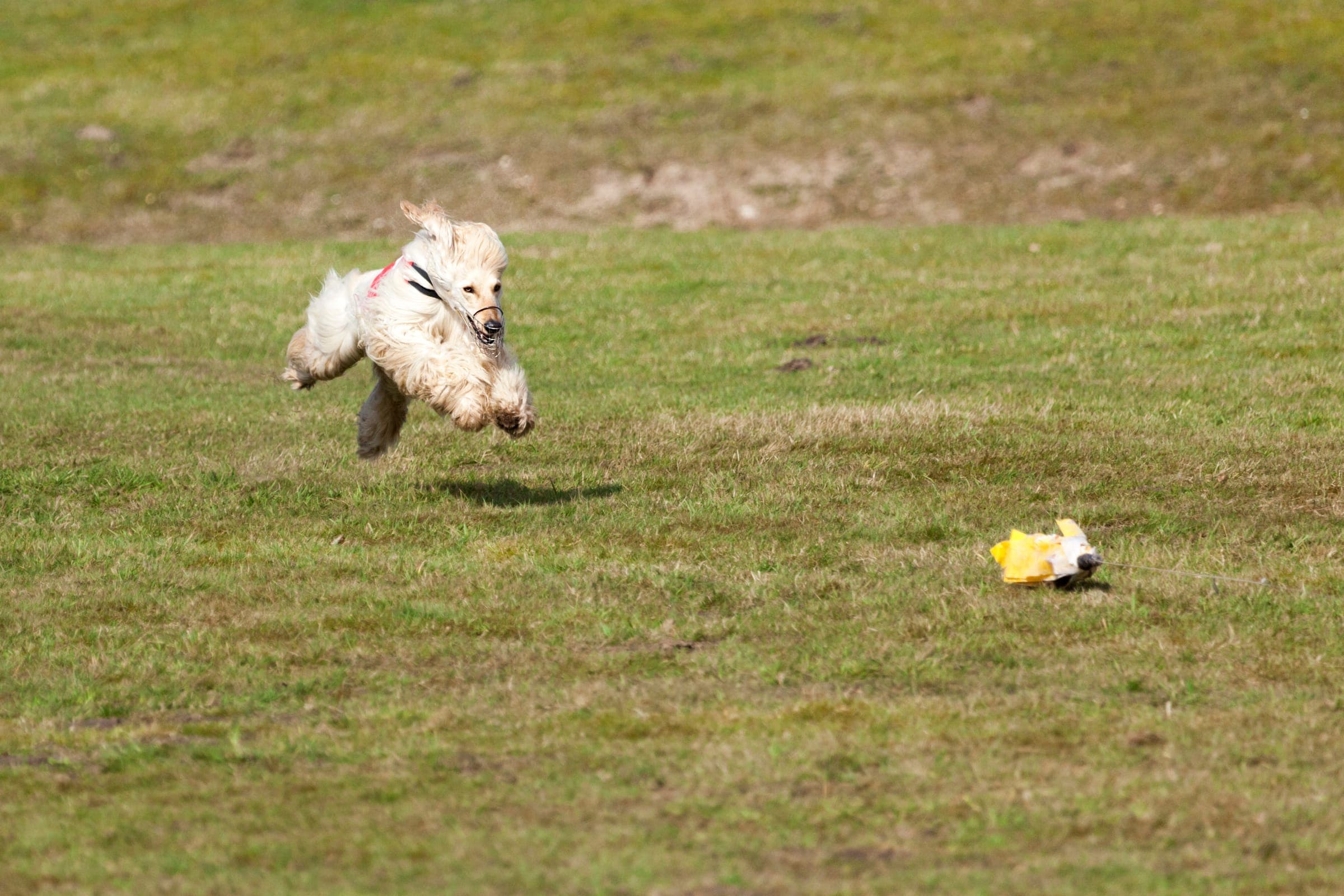
Lure Coursing
The heritage sport, made safe: a mechanical lure across 600-plus yards of turns, chased flat-out. The Ridgeback is the rare non-sighthound-looking Hound-Group breed cleared to run it, and its speed-plus-stamina build is exactly what the course tests — enthusiasm, agility, and follow over distance.
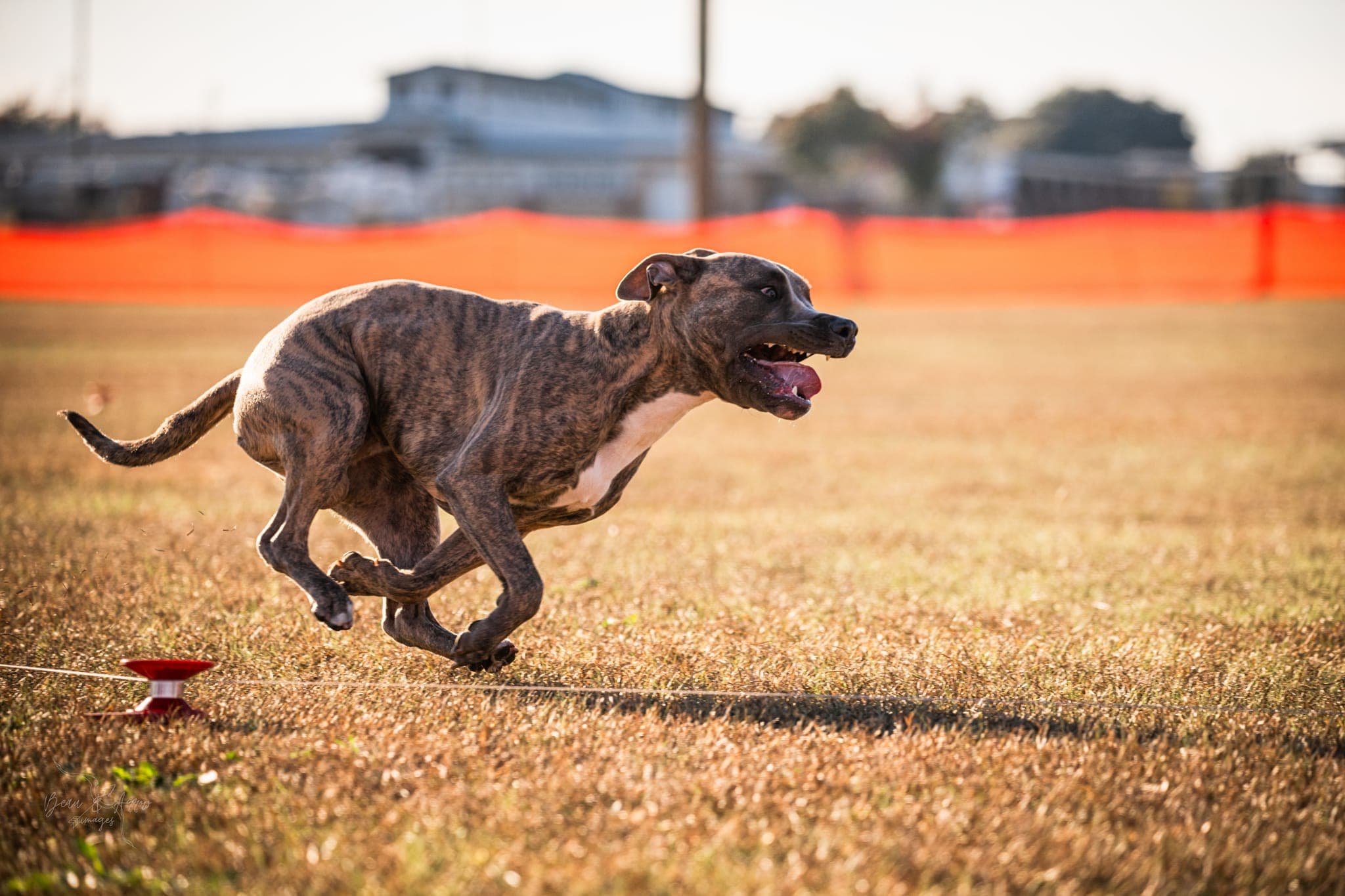
Coursing Ability Test (CAT)
The pass/fail on-ramp to coursing — one dog chasing a lure over a 300- or 600-yard course. It's the low-pressure way to prove and enjoy the breed's chase instinct without the head-to-head competition of a full lure-coursing trial, and it counts toward real titles.
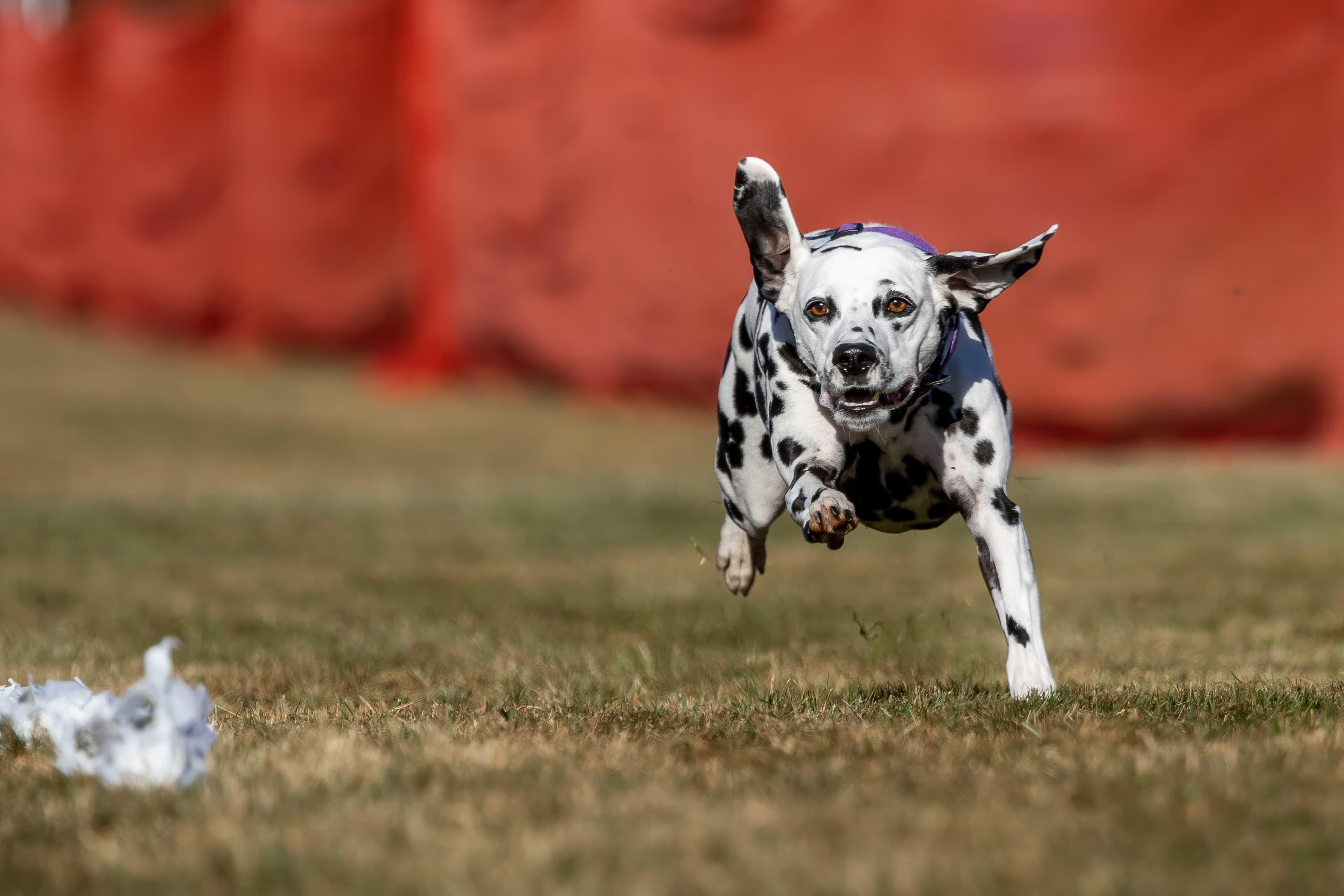
Fast CAT
A single 100-yard dash after a lure, timed to the mile-per-hour. It suits a Ridgeback perfectly: pure straight-line speed, over in seconds, with a clean number at the end — the most accessible way to see what all that engine actually does.
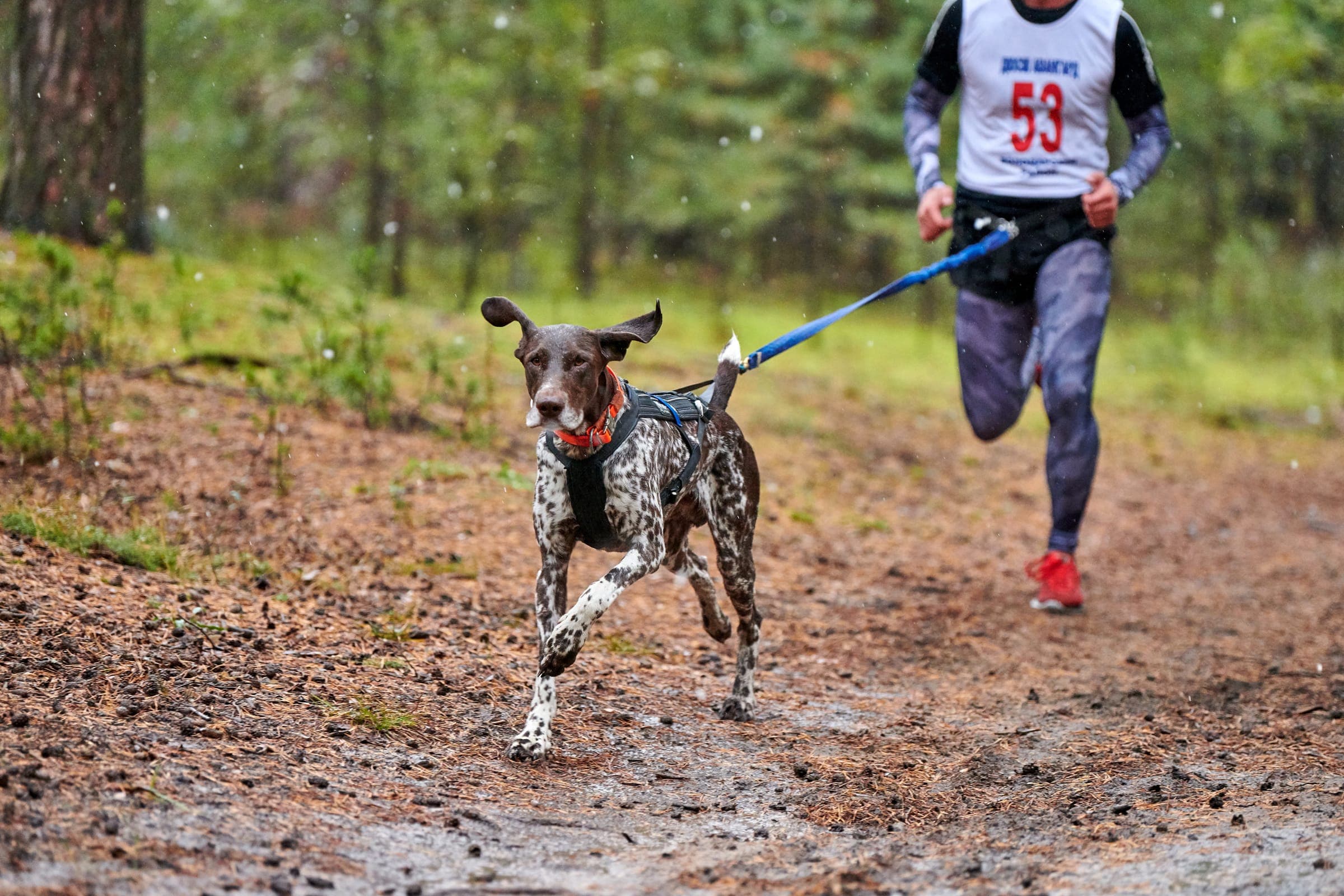
Canicross
Veld-bred distance stamina is what canicross runs on. Harnessed out front on a bungee line, a Ridgeback can pull a runner through a long cross-country loop and finally burn the endurance it was built to spend — one of the surest ways to tire one out.
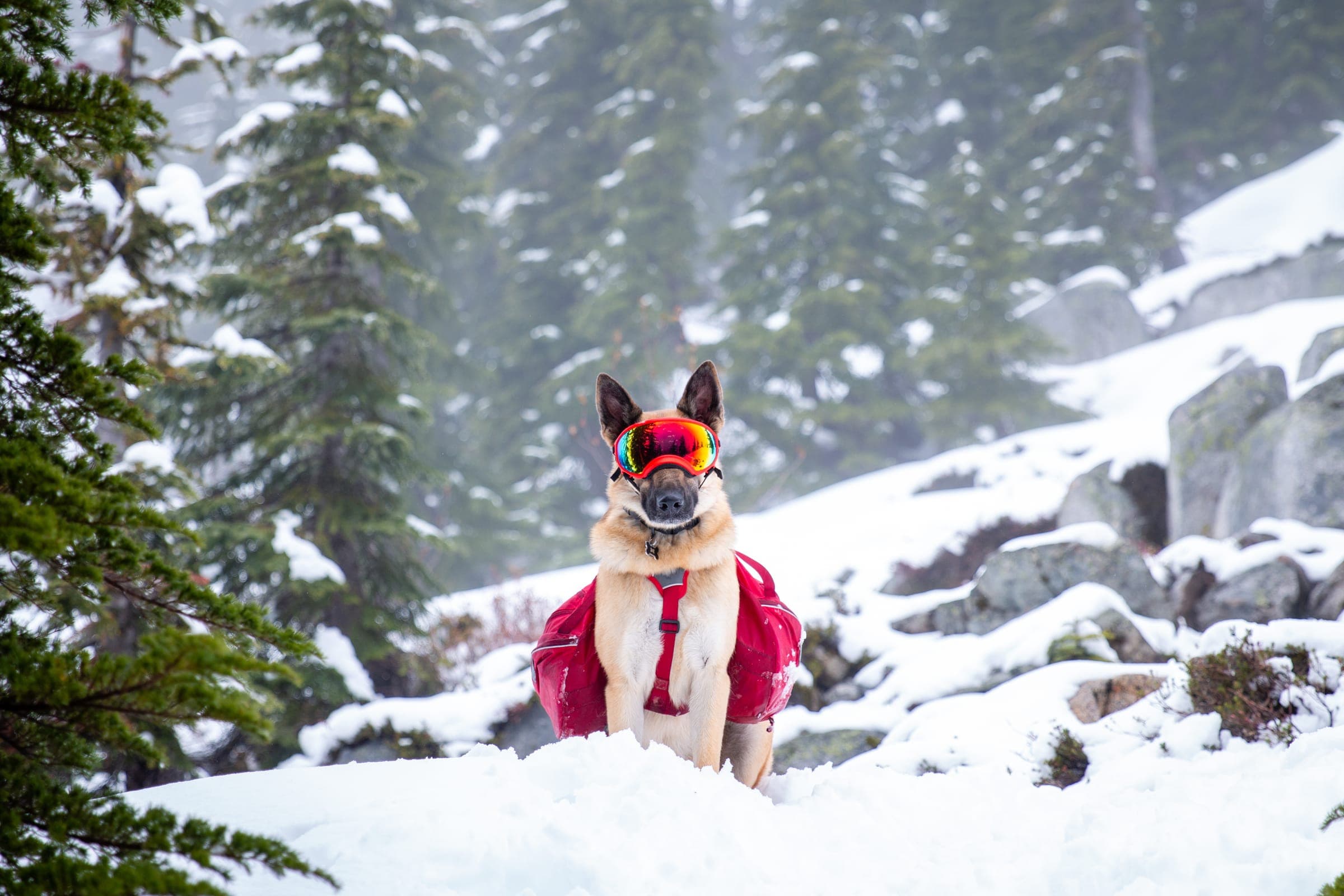
Backpacking with Dogs
This is the job the breed was made for, minus the lion: covering hard country under load for hours. A fitted pack and a titling program that logs miles and overnights turn a Ridgeback's trotting endurance into a documented working achievement.

Dog Hiking
No rulebook, no judges — just a big, weatherproof, distance-built dog and a long trail. Conditioning and leash work aside, this is the lowest-friction outlet for a Ridgeback's stamina, and the one most owners can start this weekend.
You might not expect these
Same brain, different shape — sports most people don’t picture a Rhodesian Ridgeback doing, that a Rhodesian Ridgeback is quietly great at.
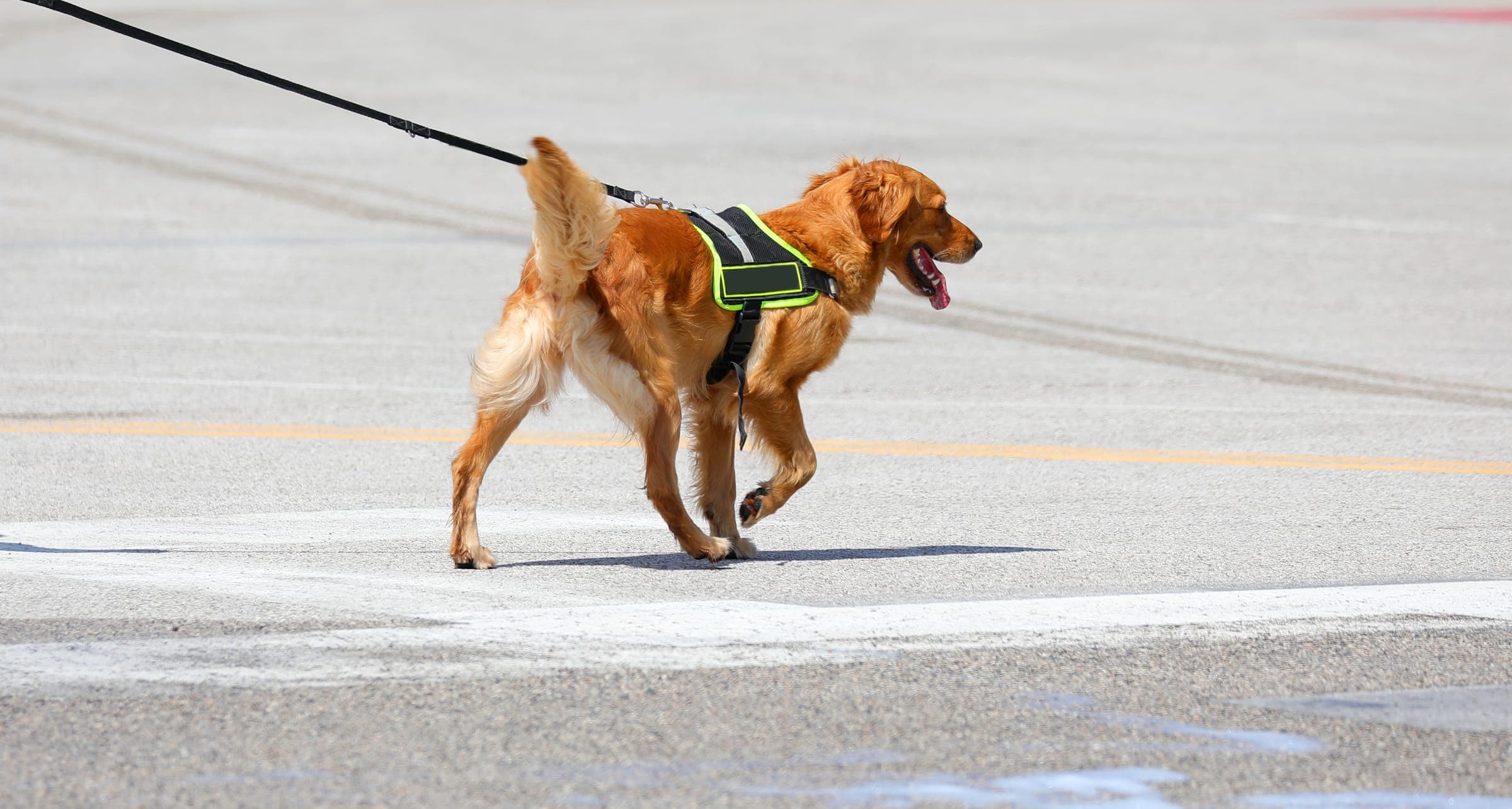
Tracking
People think 'sighthound' and forget the Ridgeback is a hound with a real nose. Following a laid track over ground is heritage-true — the breed trailed game as much as it saw it — and it rewards exactly the independent, self-directed problem-solving the breed is known for.
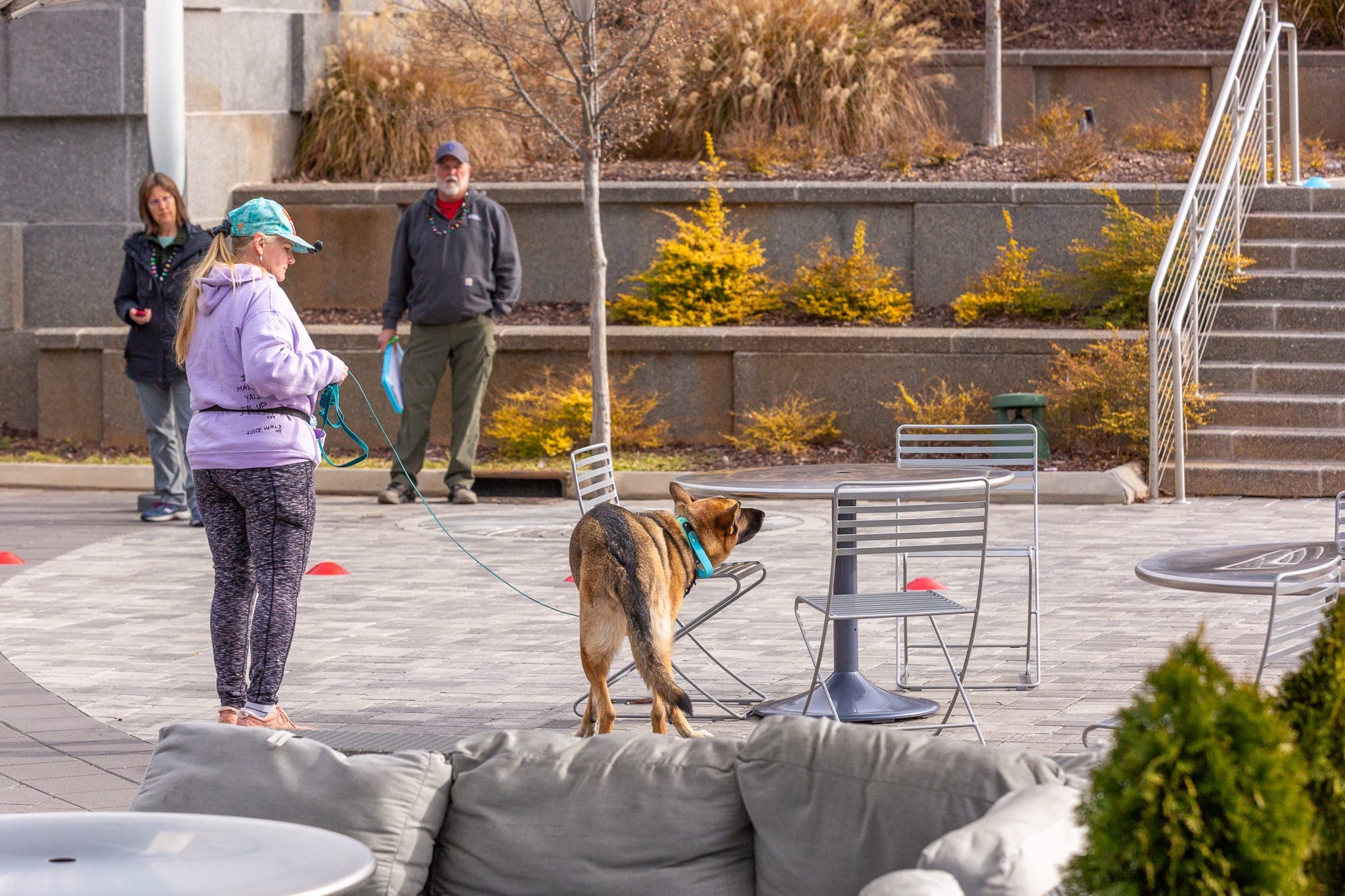
Nose Work
The same nose, moved indoors and self-paced — a genuine surprise from a breed most people file under 'runner.' It's low-impact, works in any weather, and gives an independent thinker a puzzle to solve alone, which is precisely the kind of job a Ridgeback enjoys.
Not sure which one fits your dog?
Take the Matchmaker quiz →Things most people don’t know.
- The ridge — a stripe of hair growing backward along the spine — is the breed's signature, and it traces to the semi-domesticated ridged dogs of the Khoikhoi people of southern Africa, crossed with European breeds by Boer settlers.
- Its nickname is the 'African Lion Hound,' but it never killed lions — packs harried and bayed the cat, dodging its swipes and keeping it cornered on stamina and agility until the hunter arrived. Bay-and-hold, not bite-and-kill.
- The breed standard was fixed in 1922 in Rhodesia (now Zimbabwe) by Francis Barnes, drawn largely from the pointer- and greyhound-type farm dogs already working the region.
No single dog — an honest note — we only name a Hall-of-Fame dog we can verify in a club or registry record, and for Ridgeback lure coursing the standings we found live on kennel pages, not a public honor roll. What is documented: the RRCUS records that Ridgebacks earned ASFA lure-coursing recognition in 1991, full recognition in 1993, and AKC eligibility in 1992 — the rare Hound-Group breed admitted to the sighthound sport on its coursing heritage.
Sources & verification
The sports we recommend for the Rhodesian Ridgeback — and why — are Sporting Hound's own analysis, drawn from breed clubs, sport communities, and titled dogs' records. For the breed's history and standard, we cross-check the references below. One caveat that matters: this describes the breed's typical tendencies, not any individual dog — real suitability comes down to a dog's own health, temperament, and training.
Breed references
Spot something out of date? Tell us and we’ll fix it.