The best dog sports for a Rottweiler
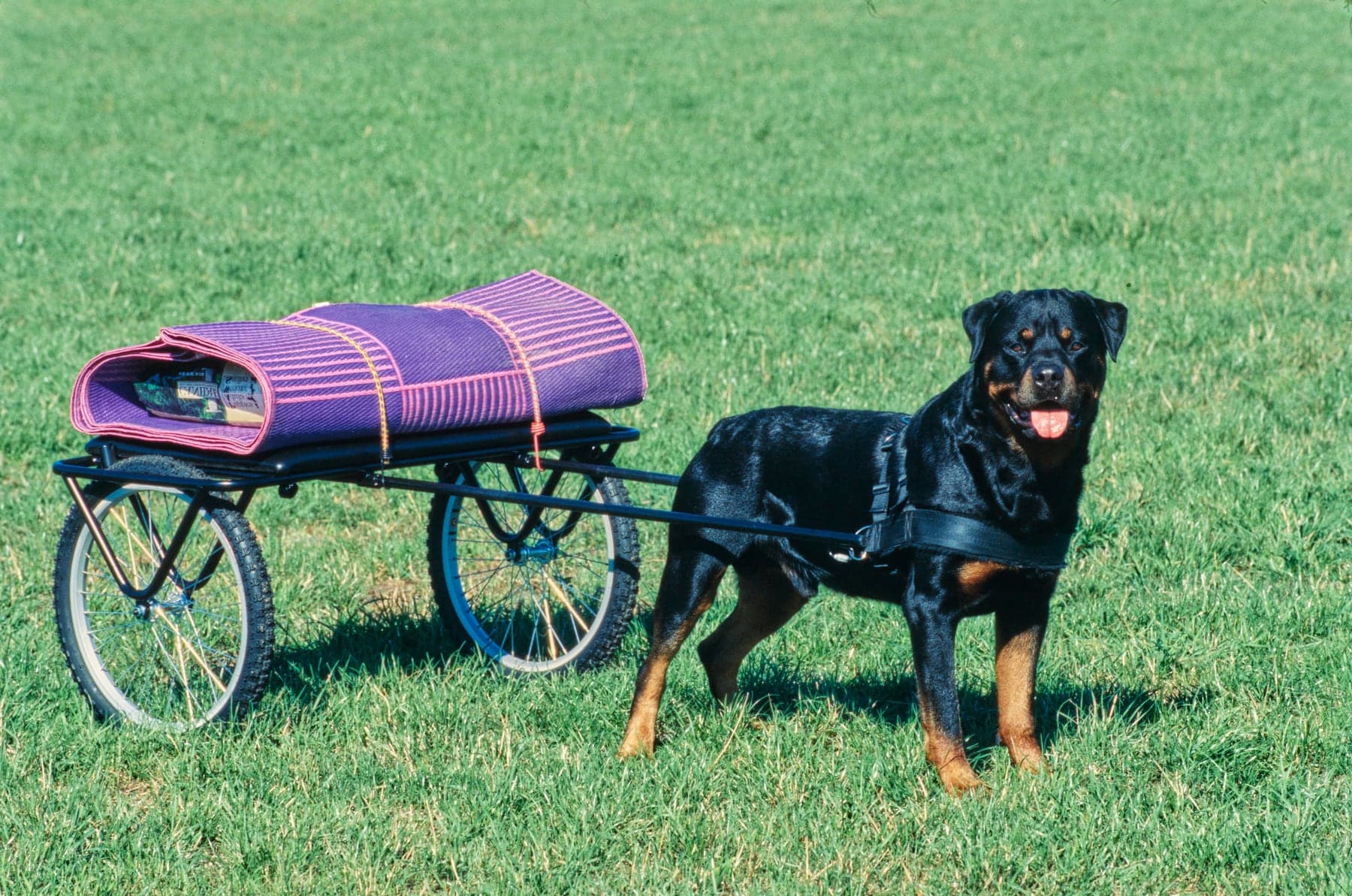
Before the guard-dog reputation, the Rottweiler was a butcher's cart-dog — bred to drove cattle and haul the meat to market. These are the sports that fit that strength and substance, and where to try each one near you.
Why a Rottweiler needs a job.
The Rottweiler is one of the oldest working breeds there is — the Roman legions' drover dog, later the Rottweil butcher's dog (the Metzgerhund) that moved cattle and pulled carts of meat to market with the day's money purse tied around its neck. That's a dog built for strength, steadiness, and real work, wrapped in a calm, confident temperament that wants a job and a person to do it with.
Under-work a Rottweiler and that power and intelligence turn inward — into stubbornness, guarding, and a dog that decides things for itself. Give it a real outlet and you get the grounded, biddable working partner the breed is supposed to be. The sports below play to what the Rottweiler actually is: pulling power, drover instinct, and a steady head under pressure.
Sports that fit a Rottweiler.
Carting & Drafting
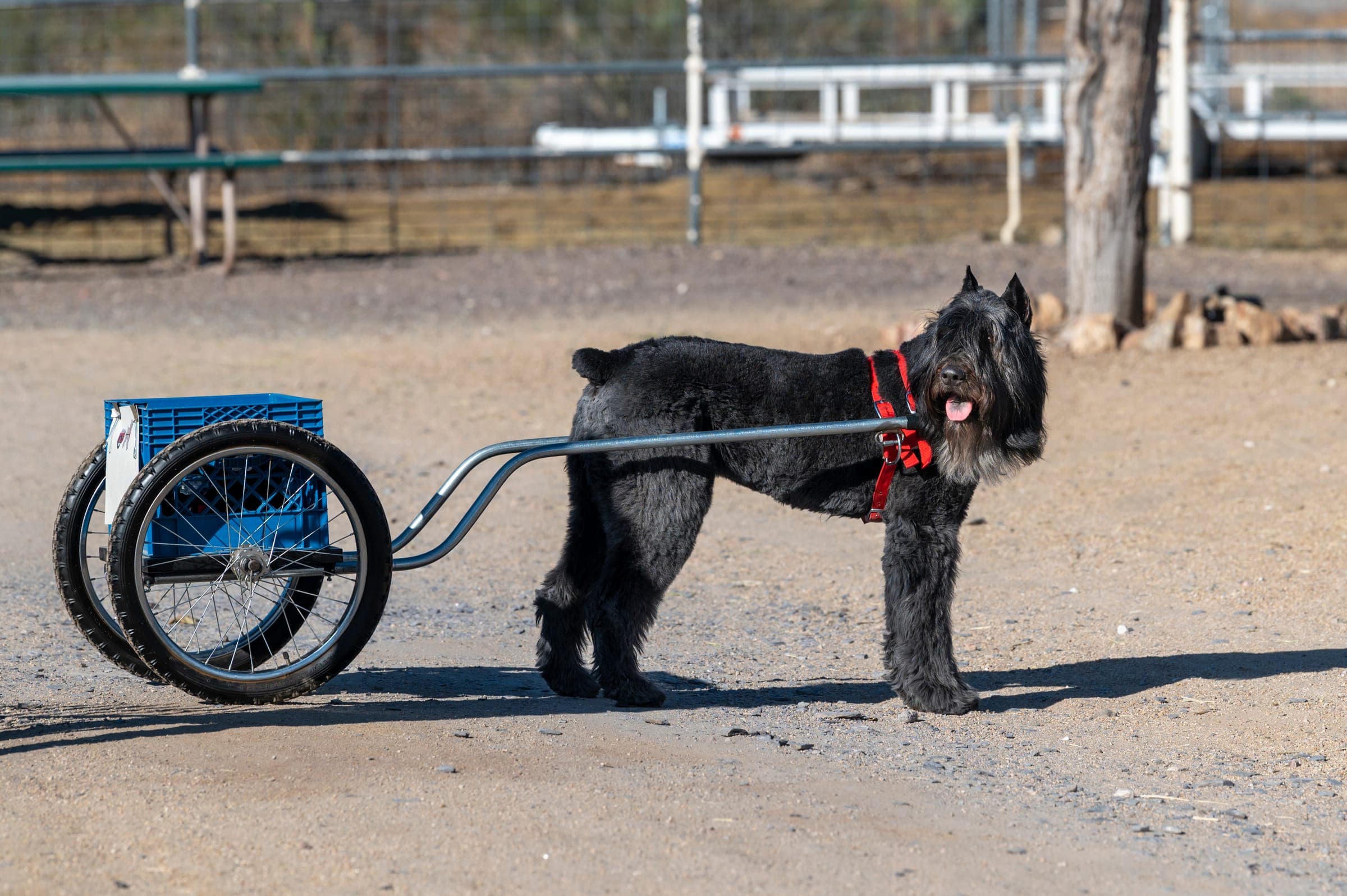
The literal reason the breed exists. The Rottweil butcher's dog pulled meat carts to market, and the breed club still runs its own carting titles — no other breed here owns draft work this directly. It's heritage you can hitch up on a Saturday.
IGP / Schutzhund
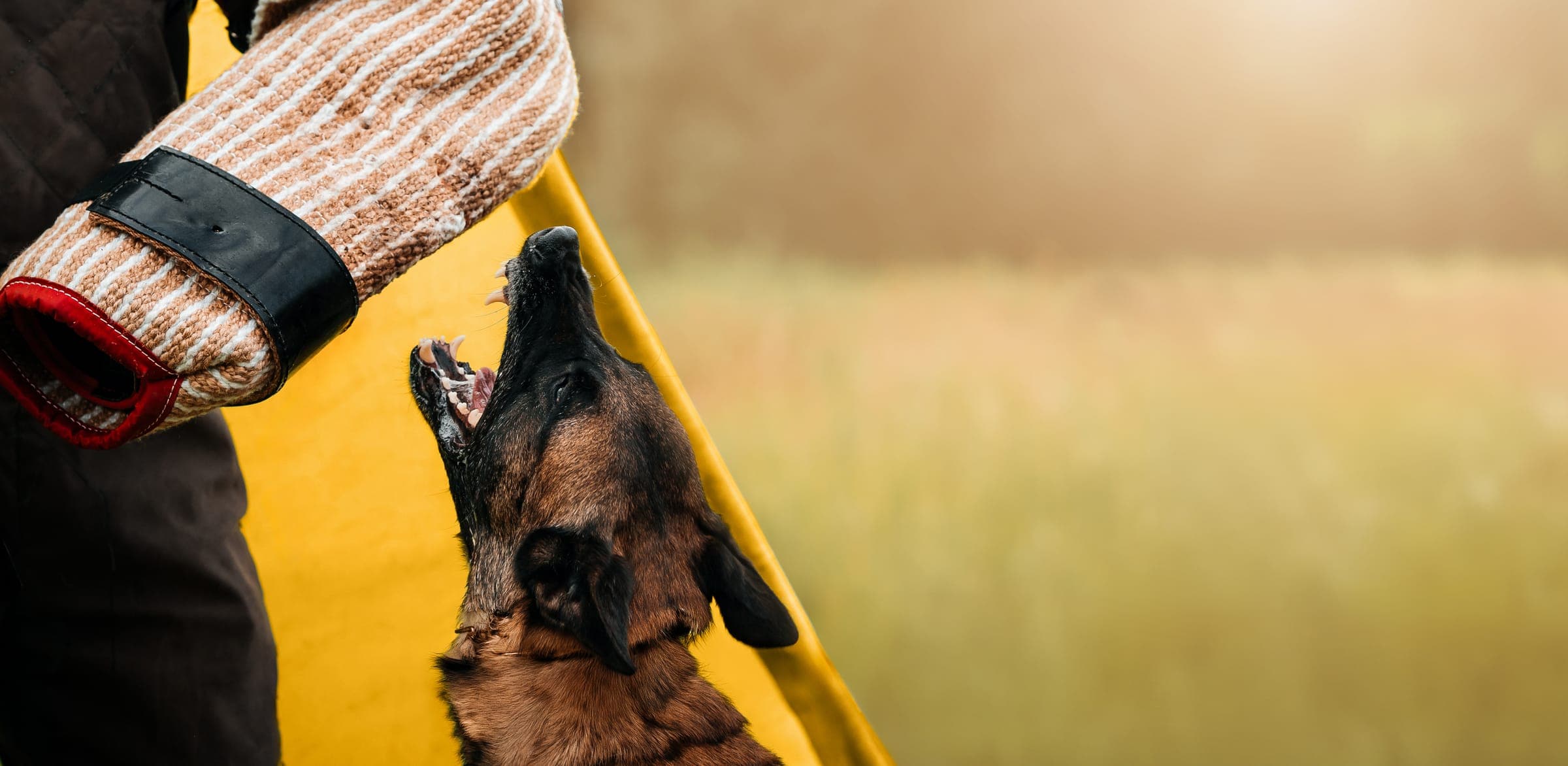
The Rottweiler is one of the five original German breeds Schutzhund was built to test, and IGP is still its breed-suitability exam. Where the Shepherd and Malinois bring speed and flash, the Rottie brings grounded substance and stability through the tracking, obedience, and protection phases.
Weight Pull
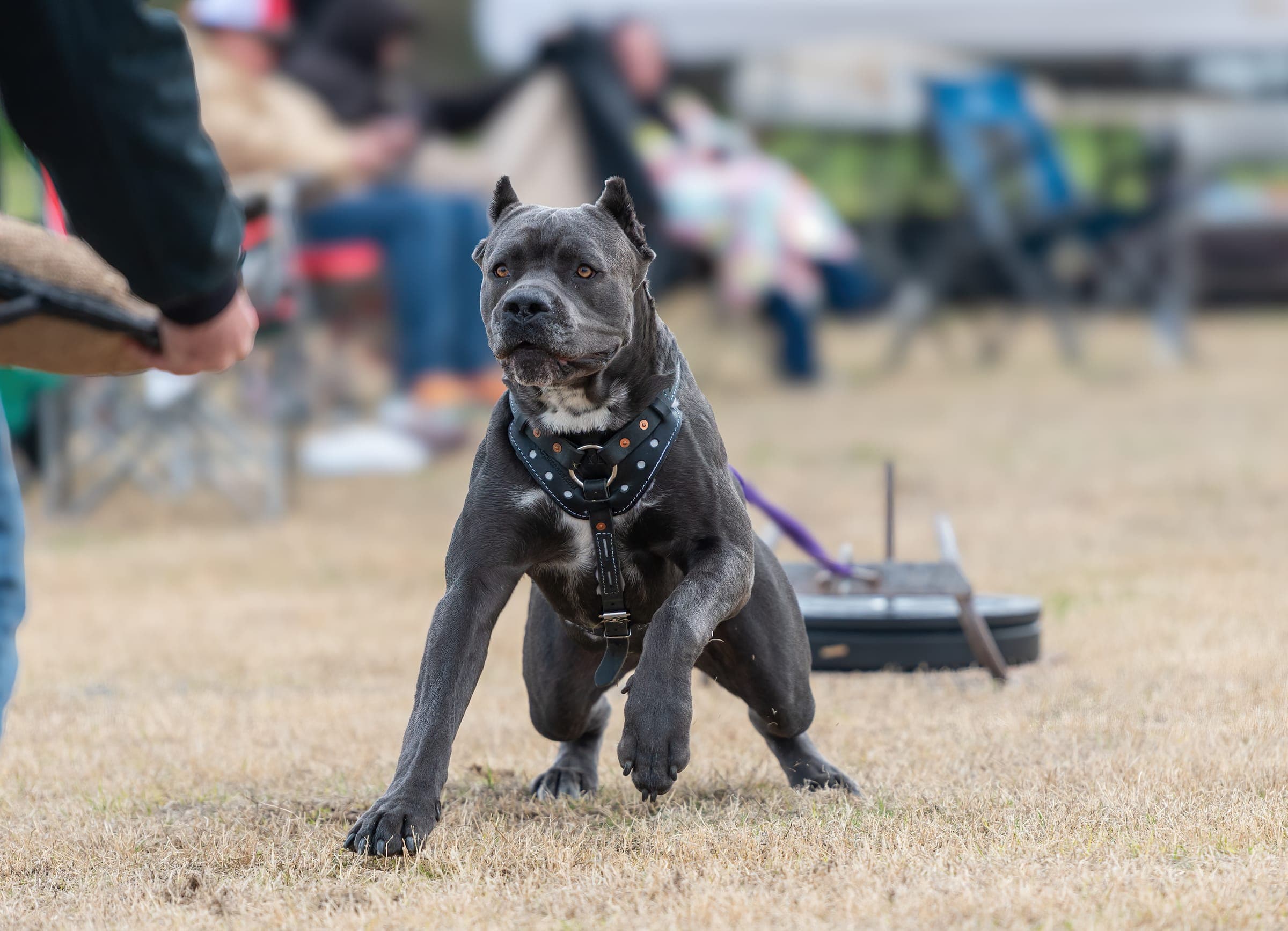
Descended from Roman mastiffs and built to pull, the Rottweiler is a top weight-pull breed — the purest expression of the strength that defines it, in a harness against a measured load. Start light and go slow; the power is real, so is the responsibility to the joints.
Rally
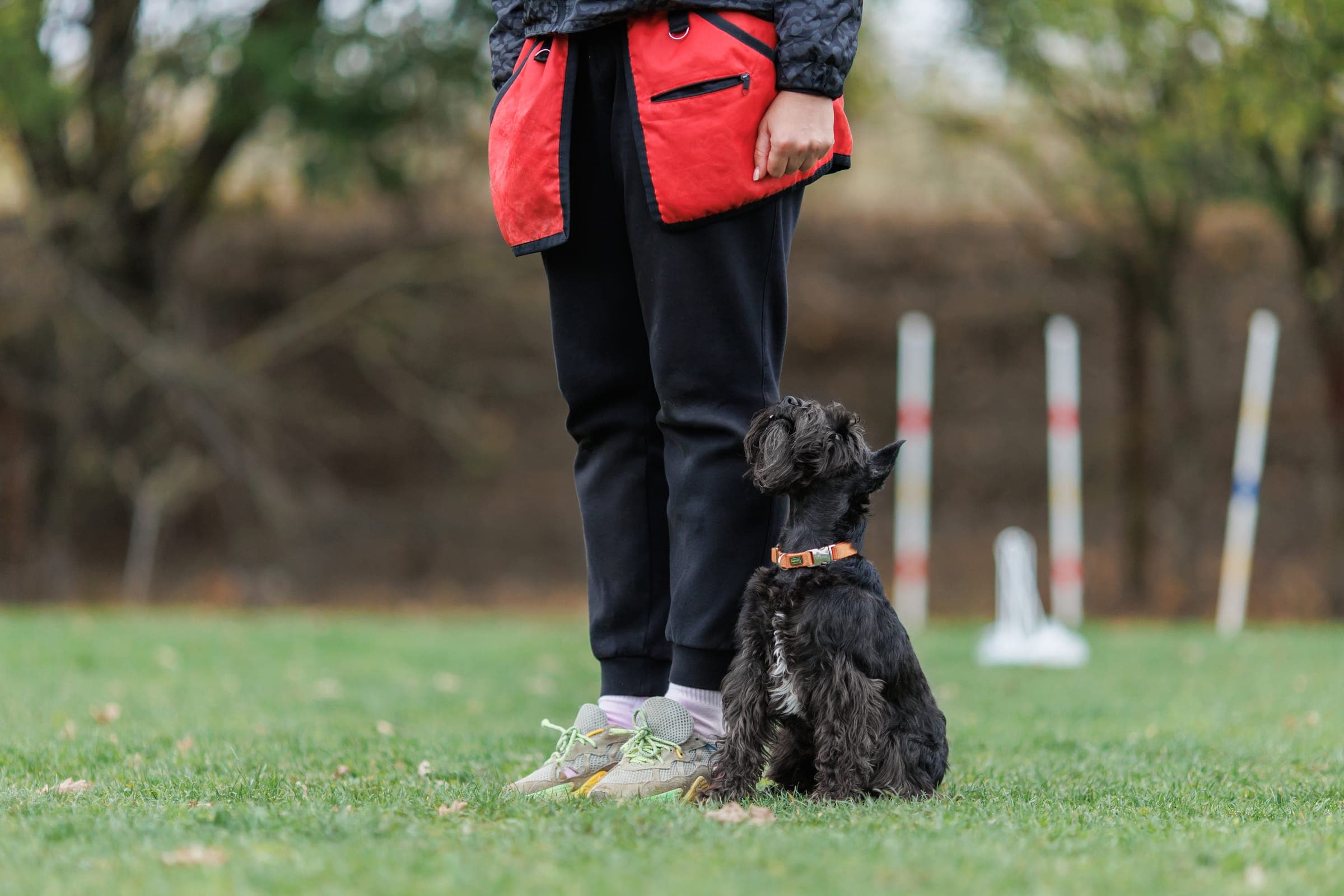
Deeply biddable and handler-focused, Rottweilers title heavily in rally — a numbered course you and your dog work as a team. It's the newcomer-friendly on-ramp that shows off the breed's willingness to work without the pressure of a formal obedience ring.
Herding
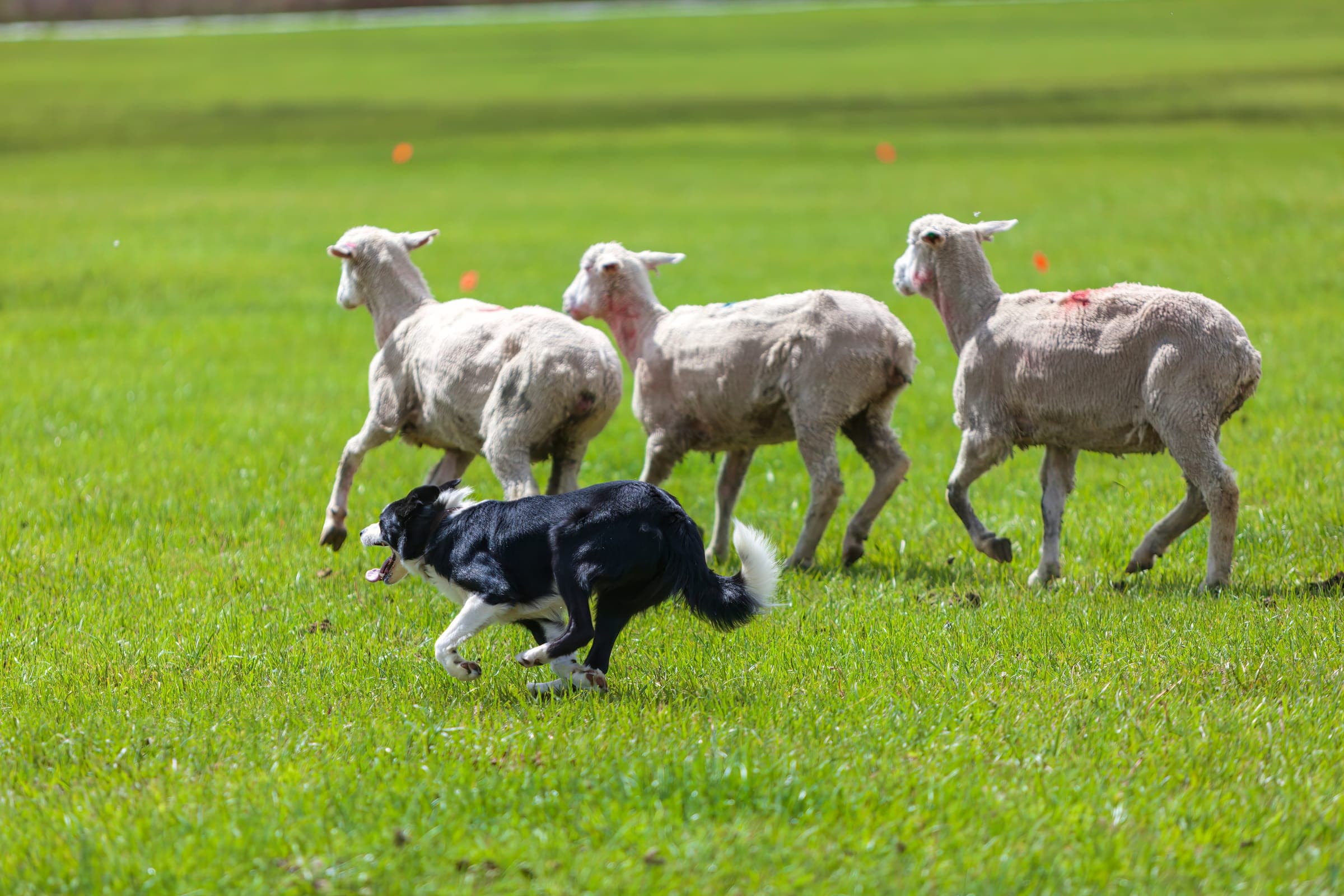
The real surprise: the Rottweiler is a drover, not a gatherer. Its forceful, close, intimidation-based style moves stubborn stock that ignores a Border Collie — with a documented inhibition about using its mouth. Almost nobody knows the guard breed can still work cattle.
Treibball
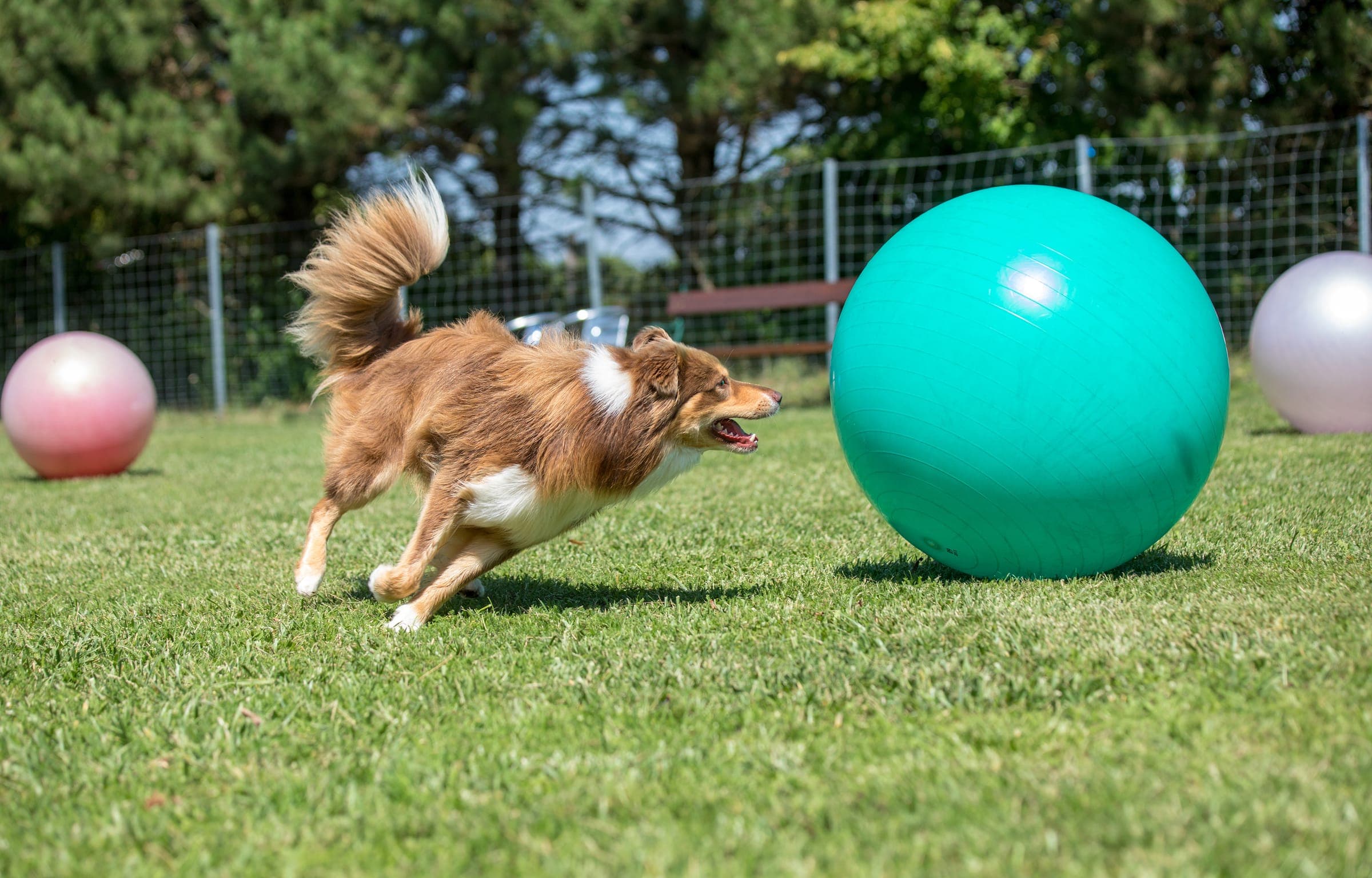
Urban herding — driving eight big exercise balls into a goal on cue. It channels the exact cattle-drover instinct with no livestock and no field, and it's low-impact and brain-heavy: a real job for a heavy dog on a rest day.
Nose Work
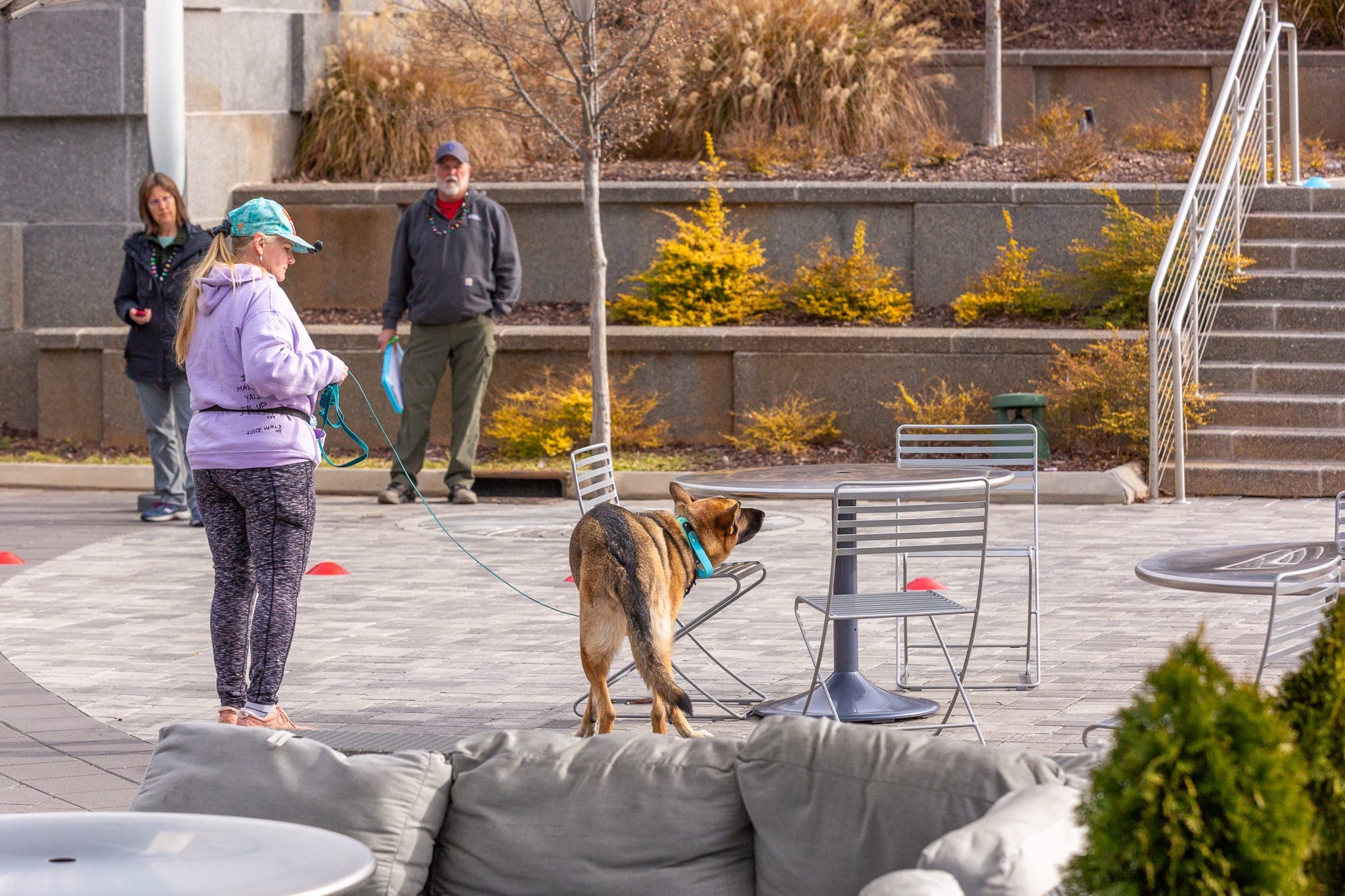
A strong nose plus a will to please, in a sport that's explicitly easy on the joints — which matters for a 90-to-130-pound dog. It's the outlet that keeps an older Rottweiler working long after the high-impact sports get hard.
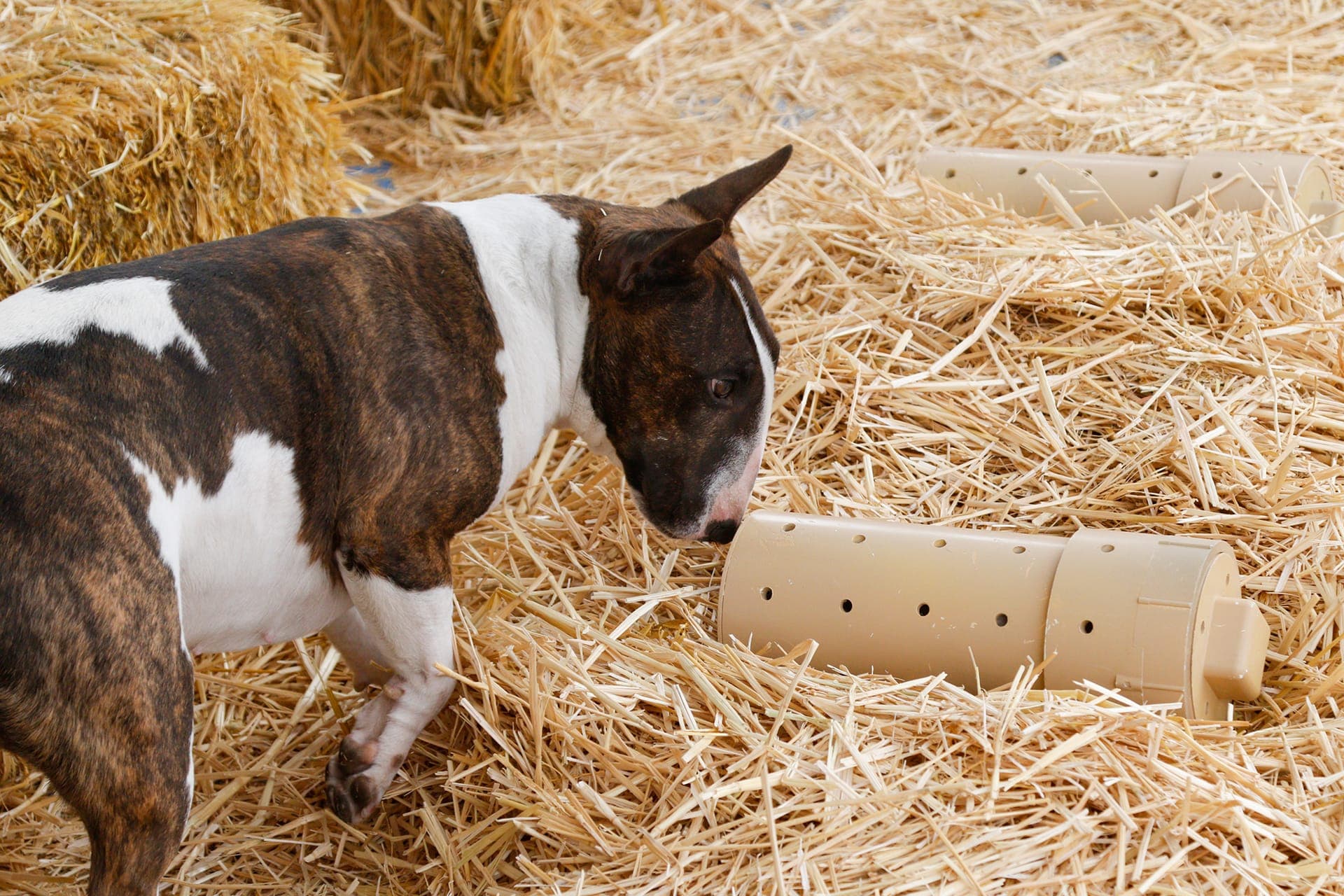
Barn Hunt
Searching a course of straw bales for a rat safely housed in a tube rewards the breed's nose and methodical problem-solving — and it surprises everyone expecting only bite-work from a Rottie. Accessible, confidence-building, and gentle on a big frame.
Not sure which one fits your dog?
Take the Matchmaker quiz →Things most people don’t know.
- The Rottweiler is a Roman legacy — it descends from the cattle-droving mastiffs the legions marched across the Alps, which settled and crossed with local dogs around the town of Rottweil.
- Butchers trusted it with the payroll: a cattleman would tie his money purse around the dog's neck, where no thief dared reach.
- When railroads killed cattle-droving in mid-1800s Germany, the breed nearly vanished — then was revived as one of the very first police-dog breeds.
Kessie vom Kinzigtal — handled by Ronny Bauer, individual IGP World Champion at the 2025 IFR World Championship, also taking best tracking performance.
Sources & verification
The sports we recommend for the Rottweiler — and why — are Sporting Hound's own analysis, drawn from breed clubs, sport communities, and titled dogs' records. For the breed's history and standard, we cross-check the references below. One caveat that matters: this describes the breed's typical tendencies, not any individual dog — real suitability comes down to a dog's own health, temperament, and training.
Breed references
Spot something out of date? Tell us and we’ll fix it.