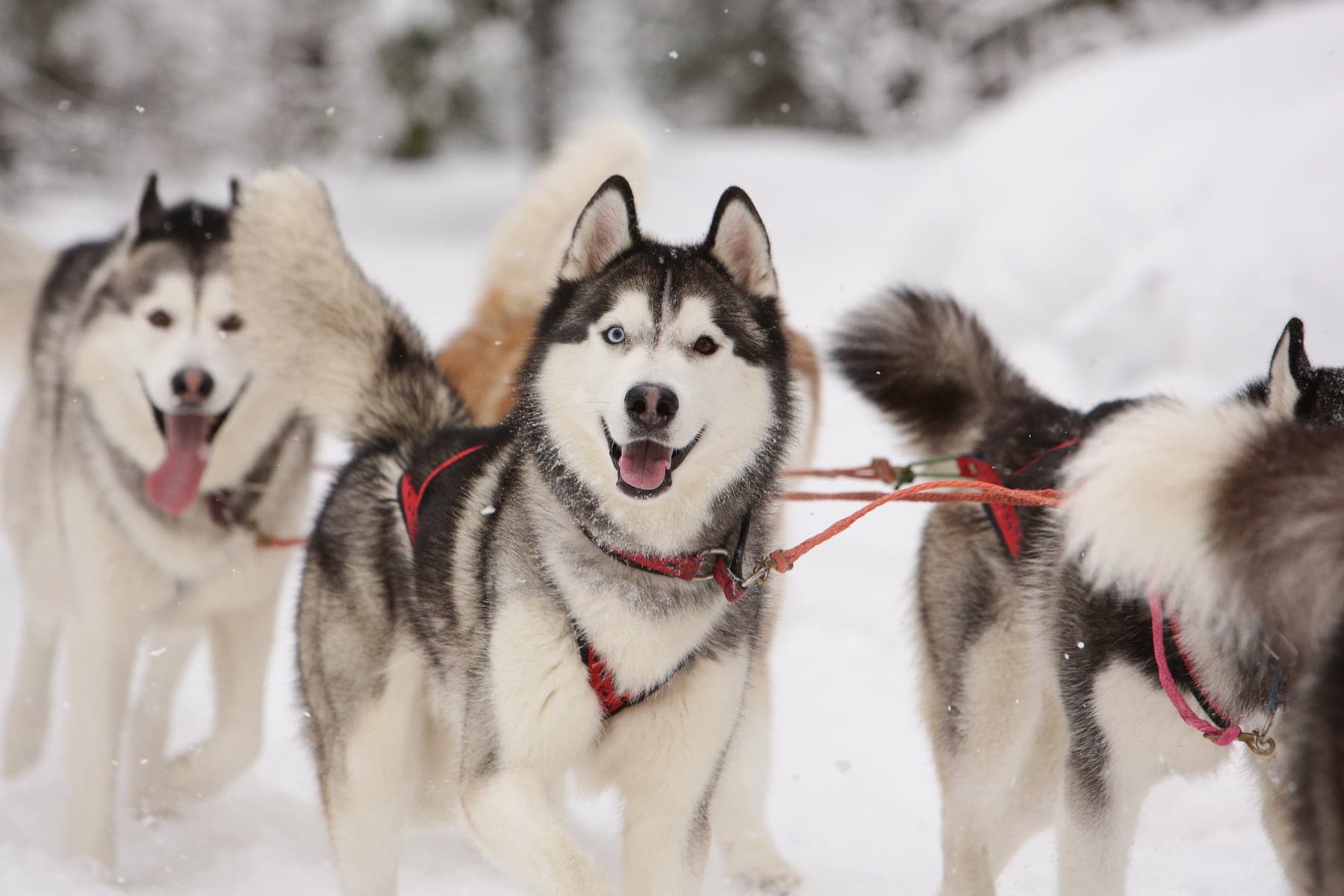
The best dog sports for a Siberian Husky
Bred to pull a sled across the Arctic for hours and never quit, the Siberian Husky is a bottomless engine — wired to run, and to run away from you. These are the sports that harness that, and where to try each one near you.
Why a Husky needs a job.
The Siberian Husky was bred to do one thing with total commitment: pull a sled over long distances in brutal cold, making its own decisions on the trail. That produced a tireless, independent dog with an engine a suburban walk doesn't touch — and one hard truth every Husky owner learns fast: this is a dog wired to move away from you at speed and not look back. Recall is a backup, not a system you can trust near a road or a squirrel.
That single fact shapes everything. An under-exercised Husky doesn't sulk; it digs, howls, and escapes to find its own adventure. The sports below aren't a fun list — they're how you actually give this much drive a safe outlet: tethered pulling that makes the running mutual, and contained games that satisfy the chase without ever depending on a recall that may never come.
Sports that fit a Siberian Husky.
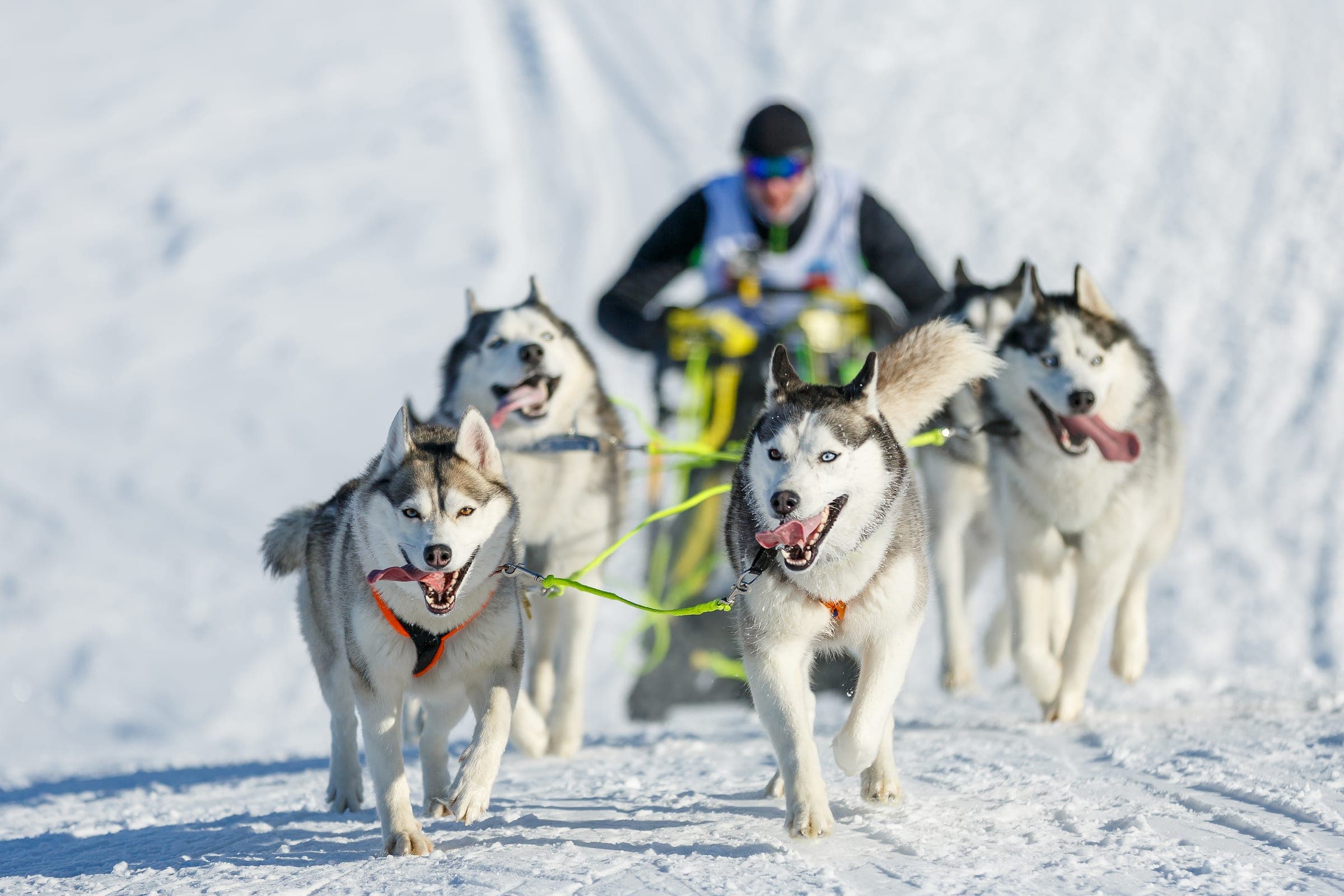
Sled Dog Racing
The breed's literal job description. This isn't just heritage — the Siberian Husky Club runs official Sled Dog titles requiring 100-plus race miles, an active competition path Huskies were made to dominate.
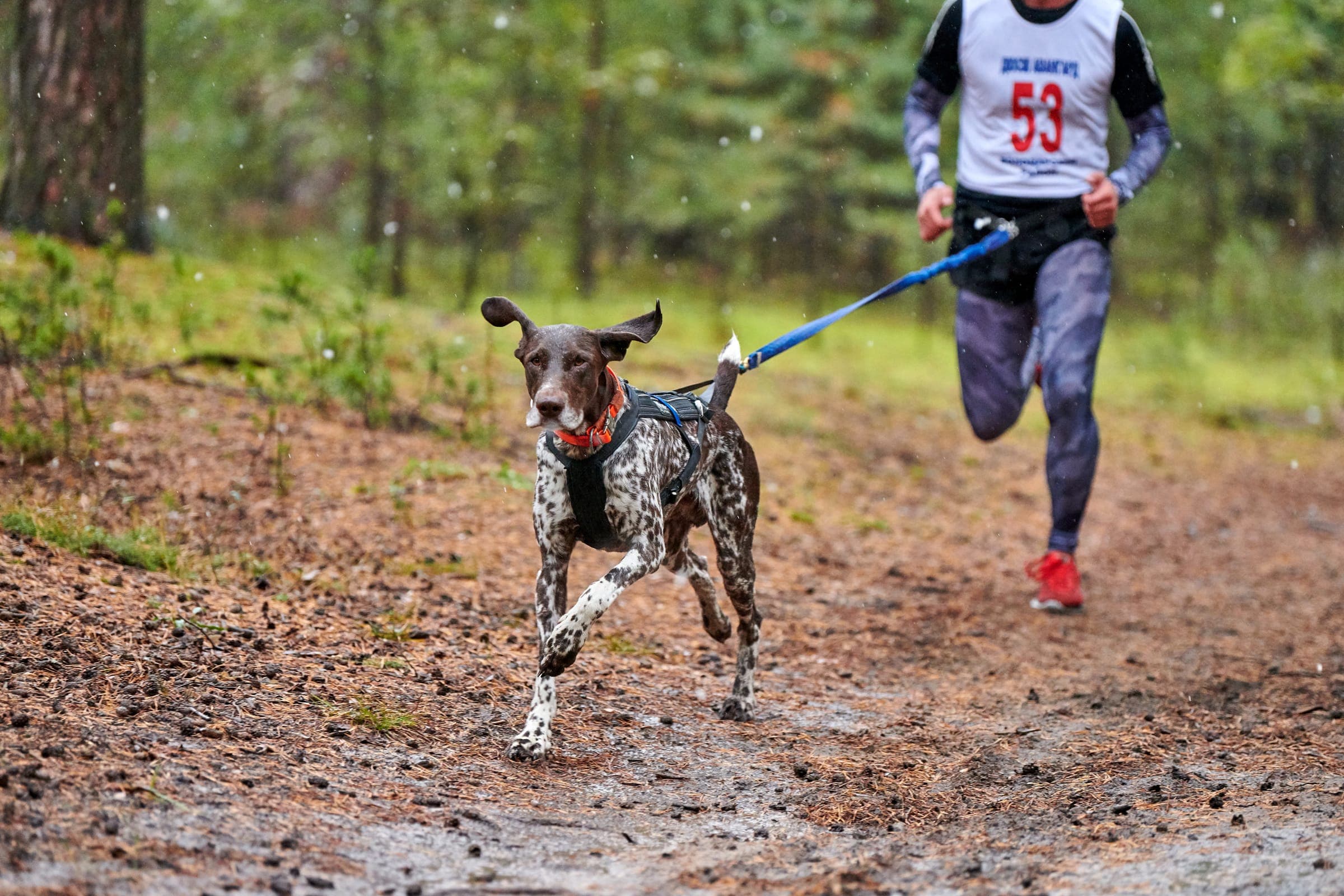
Canicross
The single most-recommended outlet for the average Husky owner: the dog stays harnessed and tethered to a running human, so there's no off-leash risk. The sport literally began as off-season sled-dog training — it's the most natural way in there is.
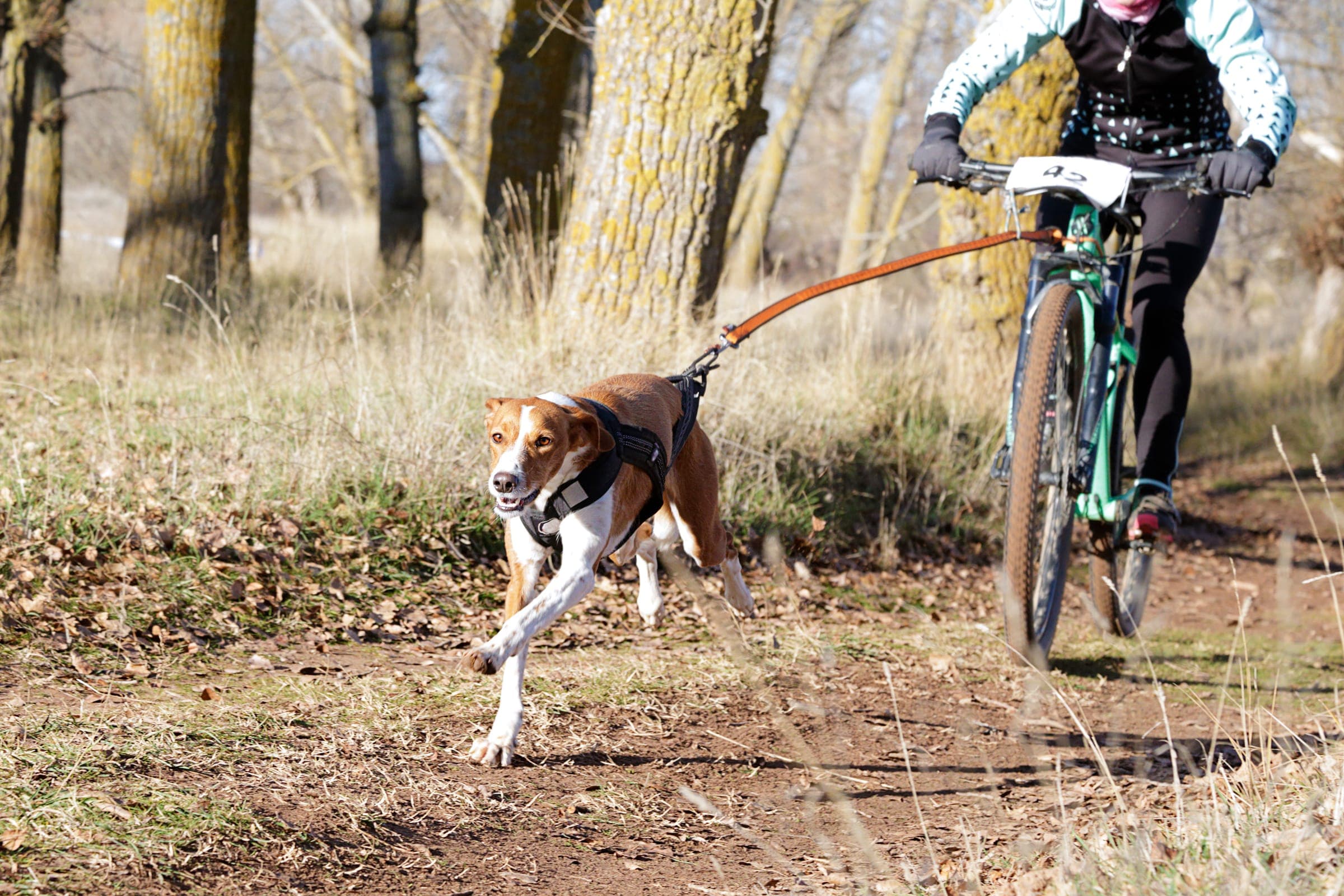
Bikejoring
The dryland workhorse for owners without snow — the dog pulls out ahead of a bike in harness, burning the high-mileage energy a walk can't. The breed club formalizes it with its own dryland performance titles.
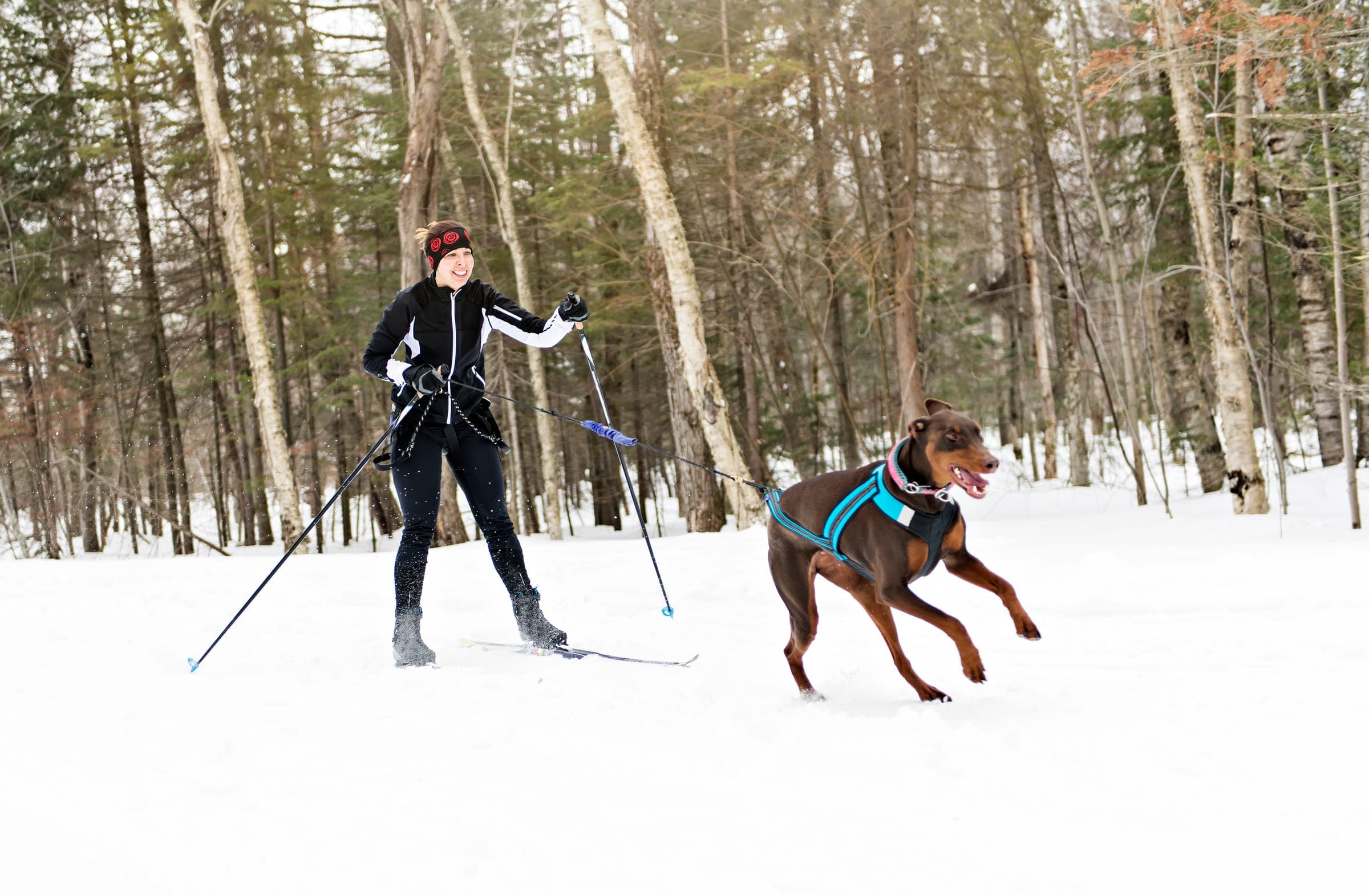
Skijoring
The snow half of the category: a pulling sport on cross-country skis that plays straight to the double-coated Arctic build. If you've got winter, it's the Husky's element made into a sport.
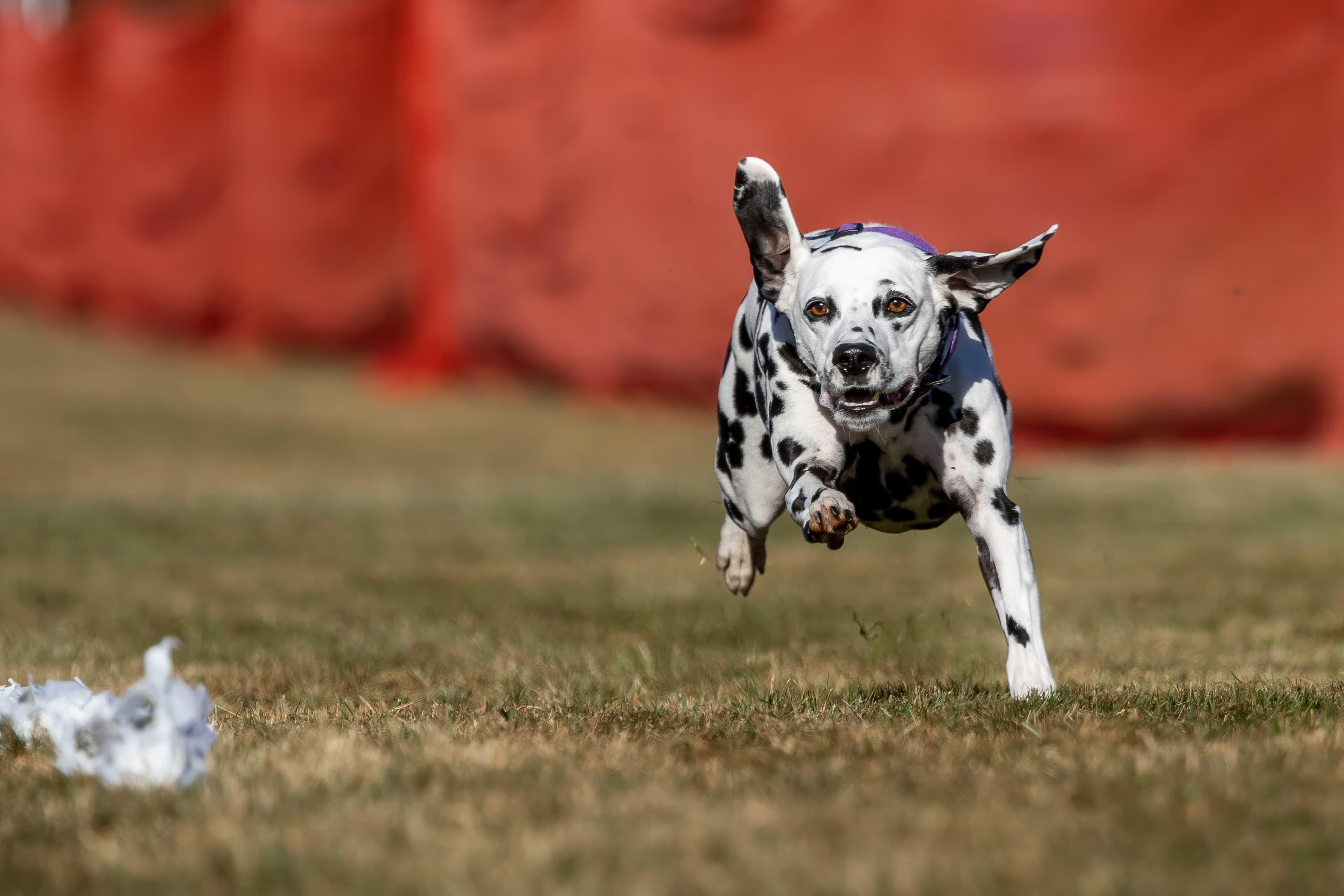
Fast CAT
The safe way to let a Husky's prey drive off the leash — a fenced, 100-yard dash that's caught at the end, so the chase happens without the open-field release recall can't handle. AKC has ranked 300-plus Huskies; they average ~24 mph.
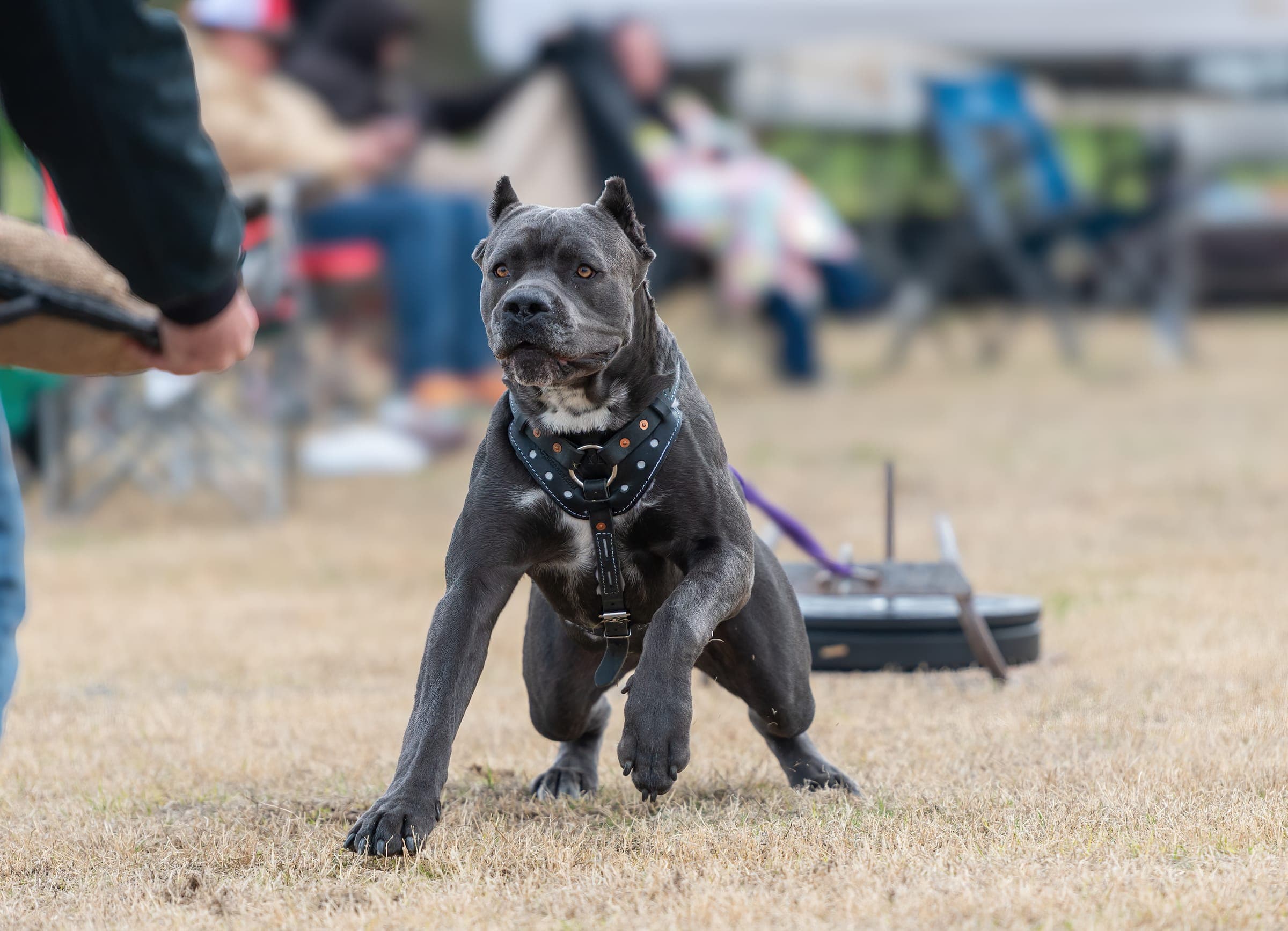
Weight Pull
Surprises people who think Huskies are only about distance. The same ancestral harness drive makes them strong pullers against a heavy load — raw power, not endurance, in a low-mileage format.
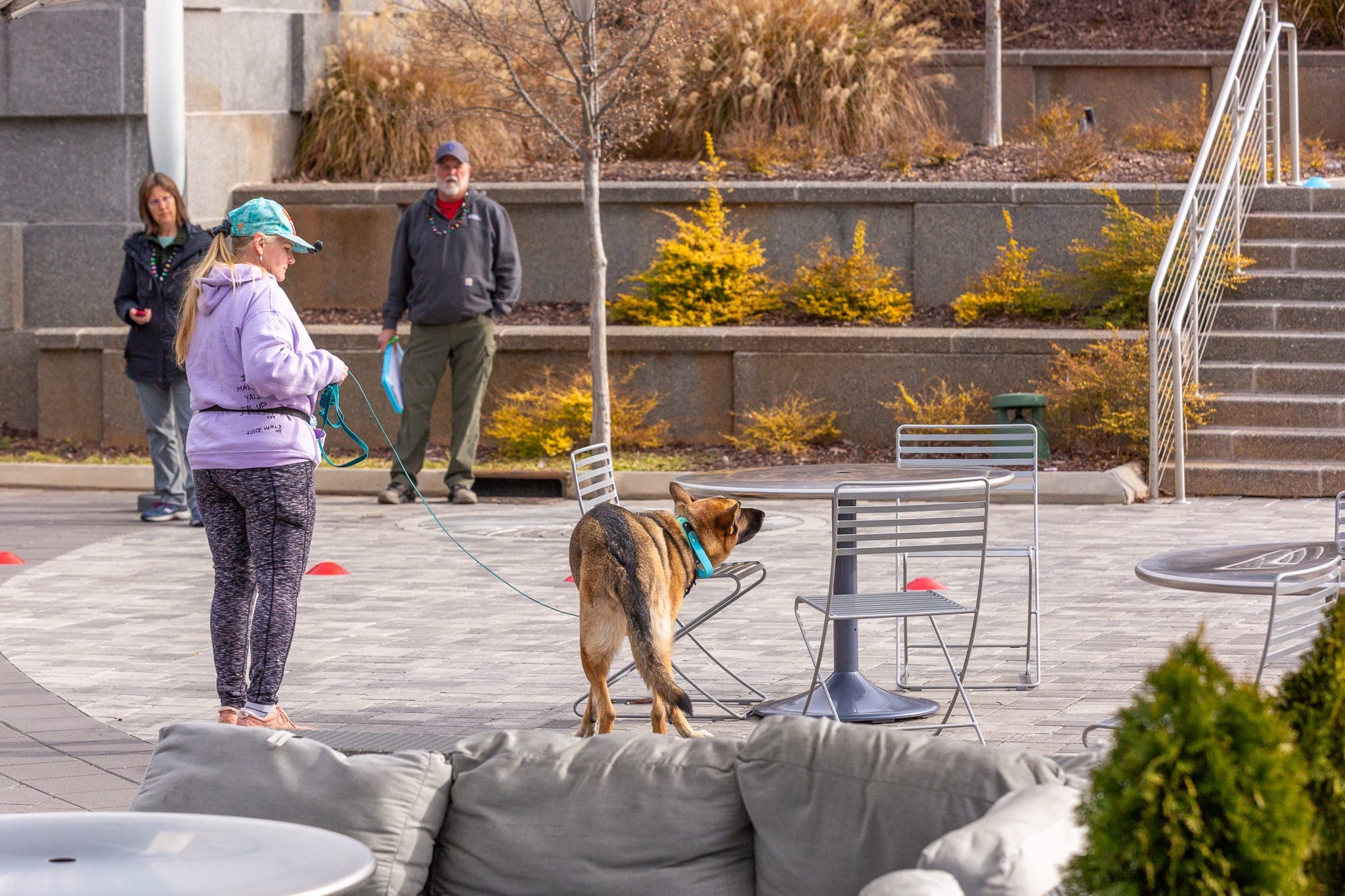
Nose Work
The answer to the Husky's core constraint: a dog you genuinely can't let off-leash still needs a job, and scent work is entirely leashed and contained. It tires the brain without an open run — the community's go-to mental outlet.
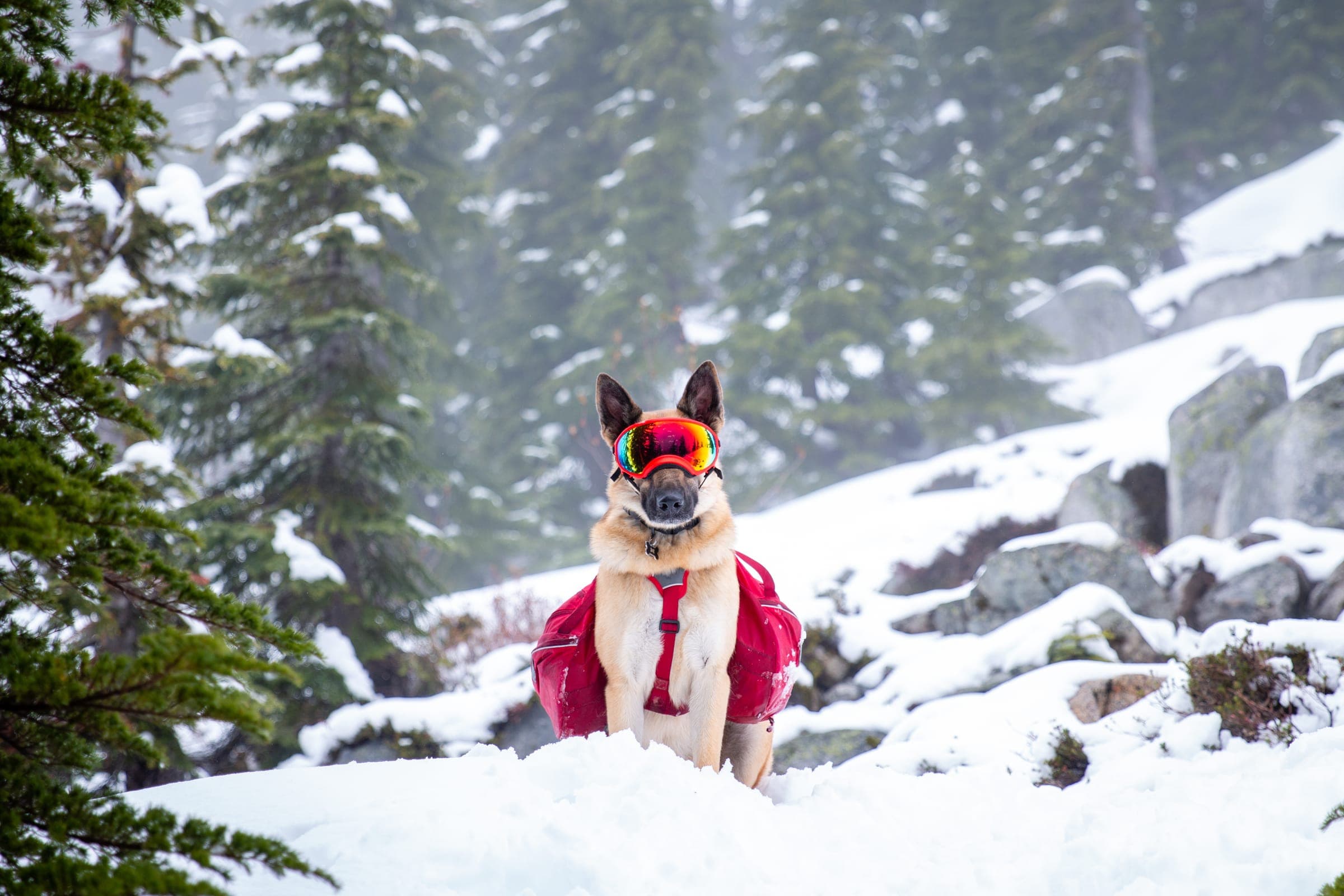
Backpacking with Dogs
Few owners know the breed club confers an official Working Pack Dog title for verifiable loaded trail miles. It turns a Husky's endurance into a titled sport that needs no rig, no snow, and no fenced field — just a trail and a pack.
Not sure which one fits your dog?
Take the Matchmaker quiz →Things most people don’t know.
- The Husky arrived as a ringer: a small team of imported Siberian dogs stunned Alaska by cleaning up the long-distance sweepstakes races of 1909-onward, beating the bigger freight dogs everyone had bet on.
- The breed was built by the Chukchi people for stamina and pack-harmony over hundreds of miles — a working sled dog first, which is why its engine never really matches a pet home.
- Its most famous run wasn't a race: the 1925 serum relay to Nome, which the Iditarod commemorates, was carried by Siberian teams through blizzard conditions to stop a diphtheria outbreak.
Togo — the true hero of the 1925 Nome serum run — his team covered the longest and most dangerous leg, some 260 miles, the hardest sled work ever asked of the breed.
Sources & verification
The sports we recommend for the Siberian Husky — and why — are Sporting Hound's own analysis, drawn from breed clubs, sport communities, and titled dogs' records. For the breed's history and standard, we cross-check the references below. One caveat that matters: this describes the breed's typical tendencies, not any individual dog — real suitability comes down to a dog's own health, temperament, and training.
Breed references
Spot something out of date? Tell us and we’ll fix it.