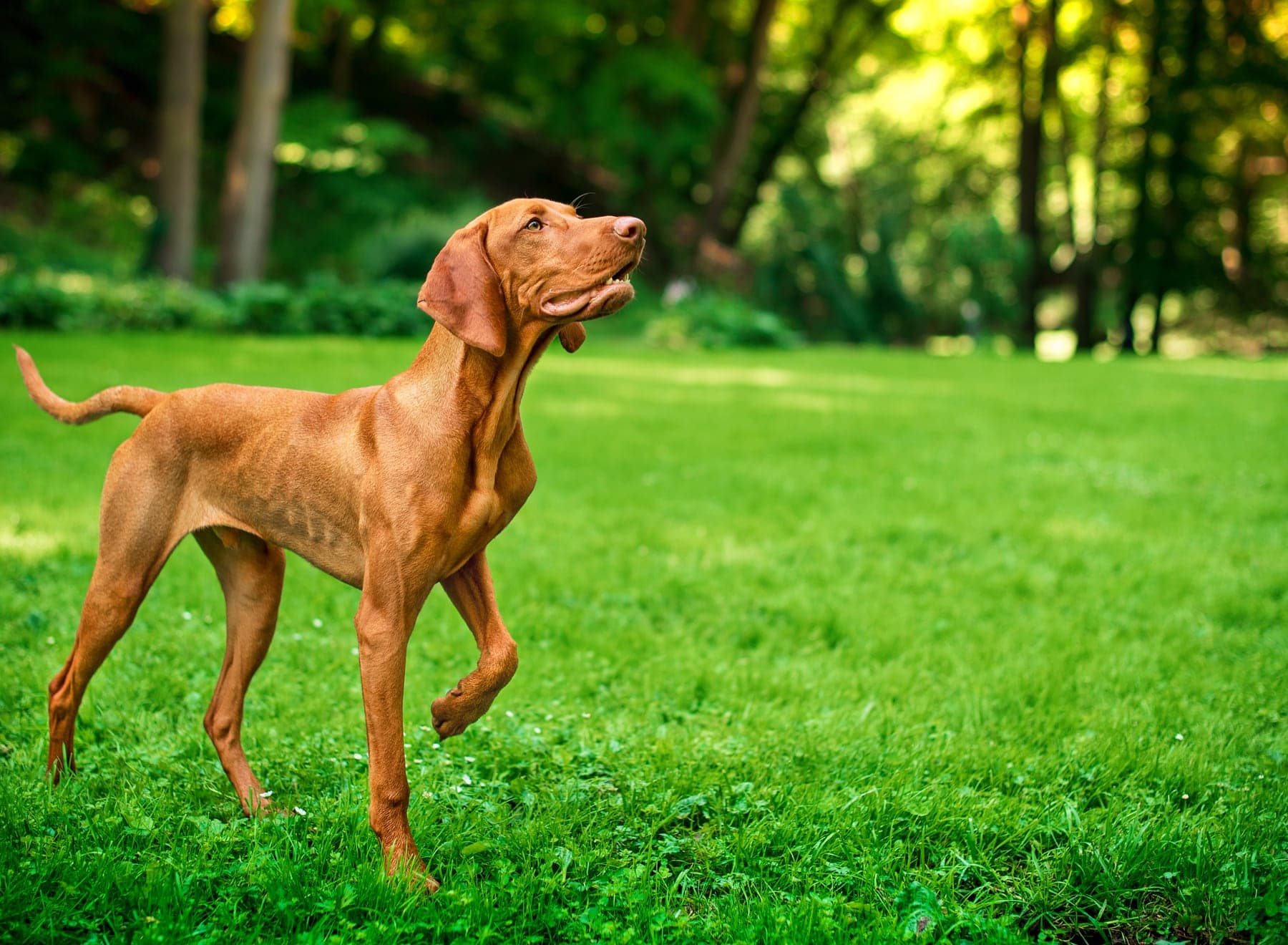
The best dog sports for a Vizsla
Bred by Hungarian nobles to point and retrieve everything from partridge to hare, the Vizsla is the definition of versatile — and the definition of 'velcro,' bonded so tightly it can't be left idle. These are the sports that channel a dog that has to have a job, and where to try each one near you.
Why a Vizsla needs a job.
The Vizsla was bred to hunt all day, in close partnership with a person, on almost any quarry — a pointer and a retriever in one thin-coated, tireless package. That produced a dog with enormous stamina, a fast, searching nose, and an emotional attachment to its handler that runs deeper than most breeds. It doesn't just want to work; it wants to work *with you*, and it feels your absence.
Under-exercise and under-employ a Vizsla and the wheels come off fast — pacing, whining, destruction, the classic 'velcro' dog that can't cope alone. Give it real physical and mental work and you get the elegant, affectionate, dialed-in partner the breed is meant to be. The picks below lean on the Vizsla's true gifts: a hunting nose, ground-covering athleticism, and a need to move.
Sports that fit a Vizsla.
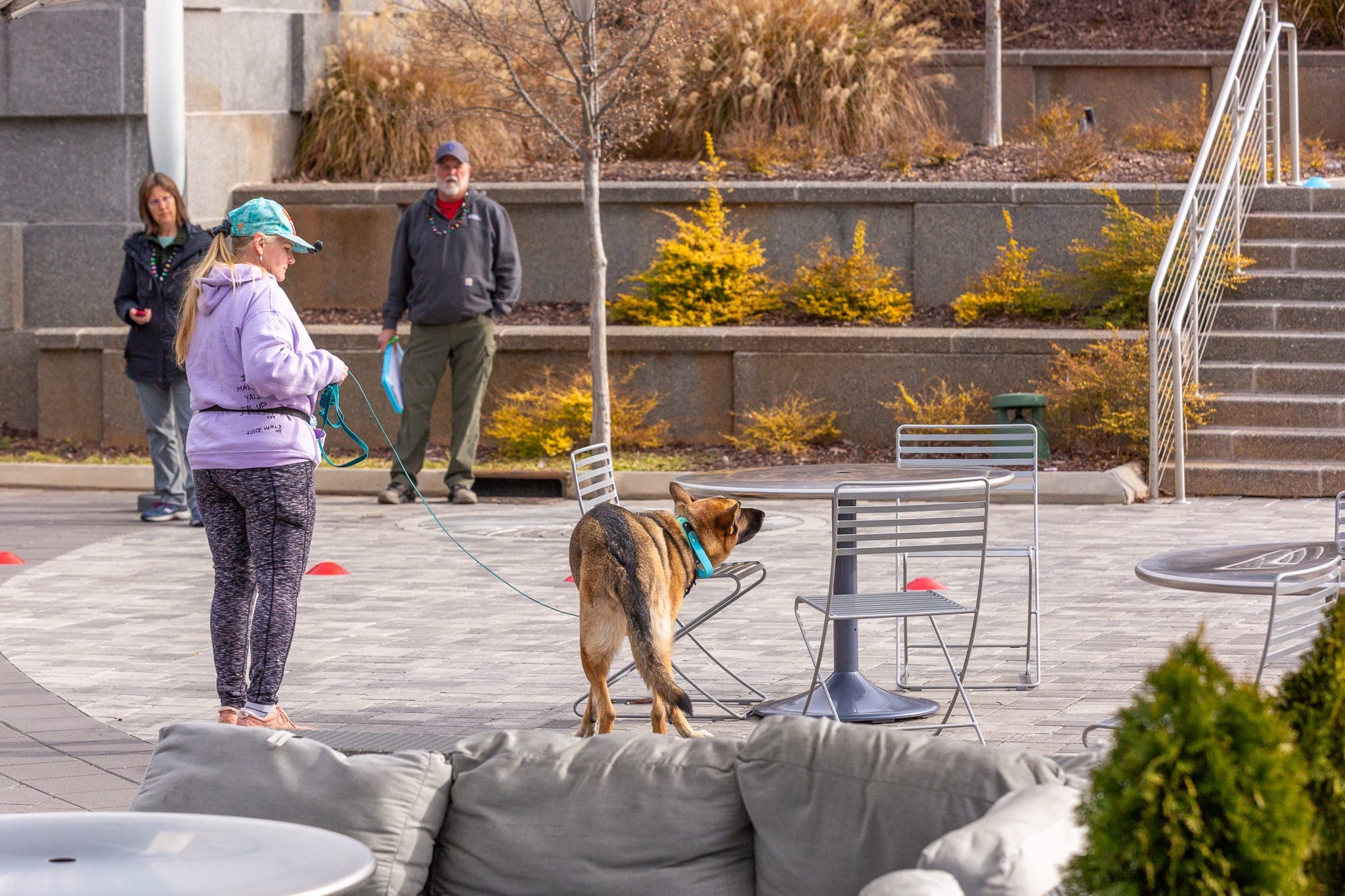
Nose Work
A pointer's nose is the whole engine. Nose work gives a Vizsla a scenting job in any weather, indoors or out, and the drive to hunt an odor to its source is exactly what the breed was built on.
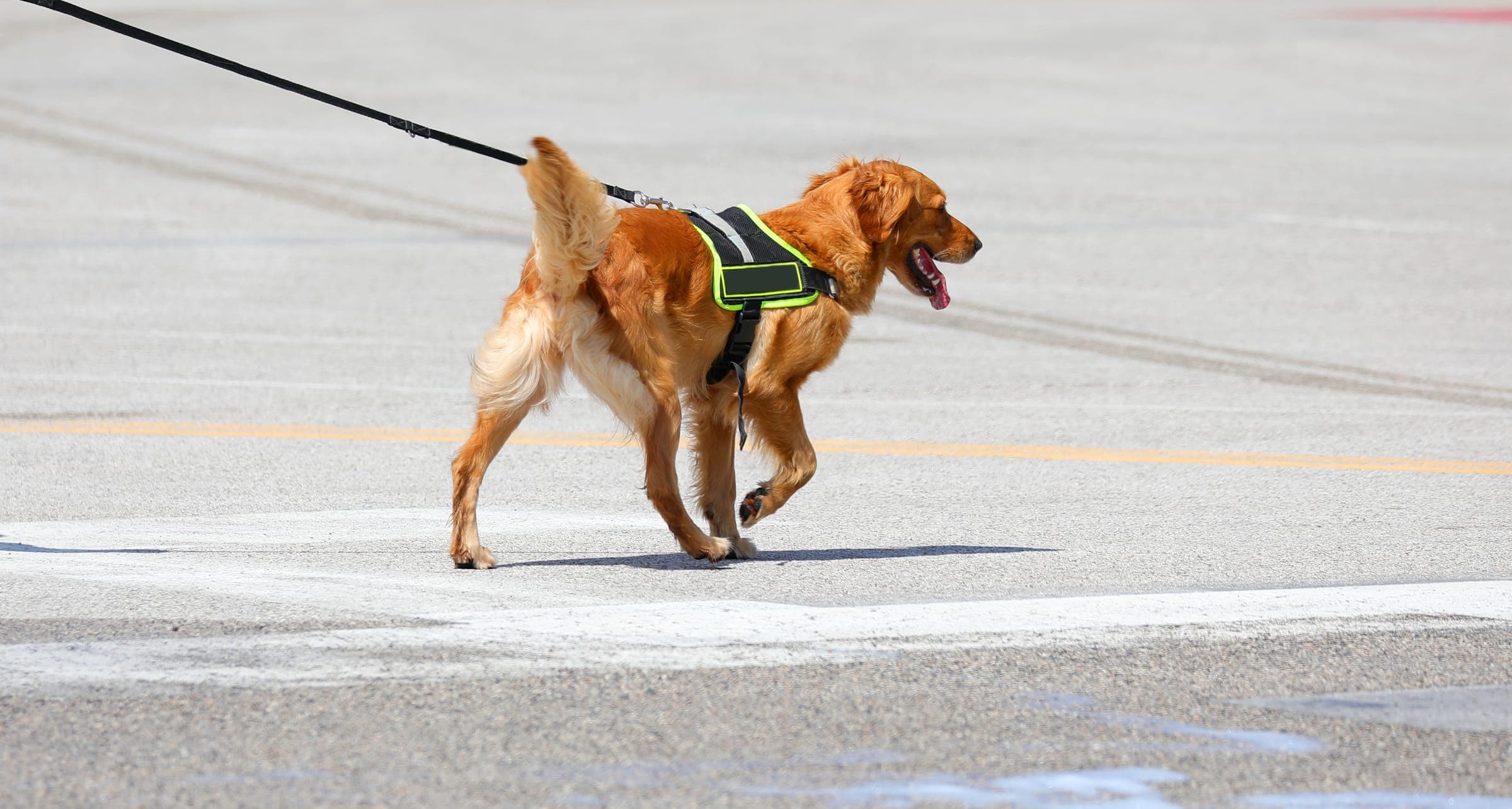
Tracking
Following a specific ground scent, footstep by footstep, is bird-dog work stripped to its core — methodical, focused, and deeply satisfying for a Vizsla that wants to use its nose alongside you.
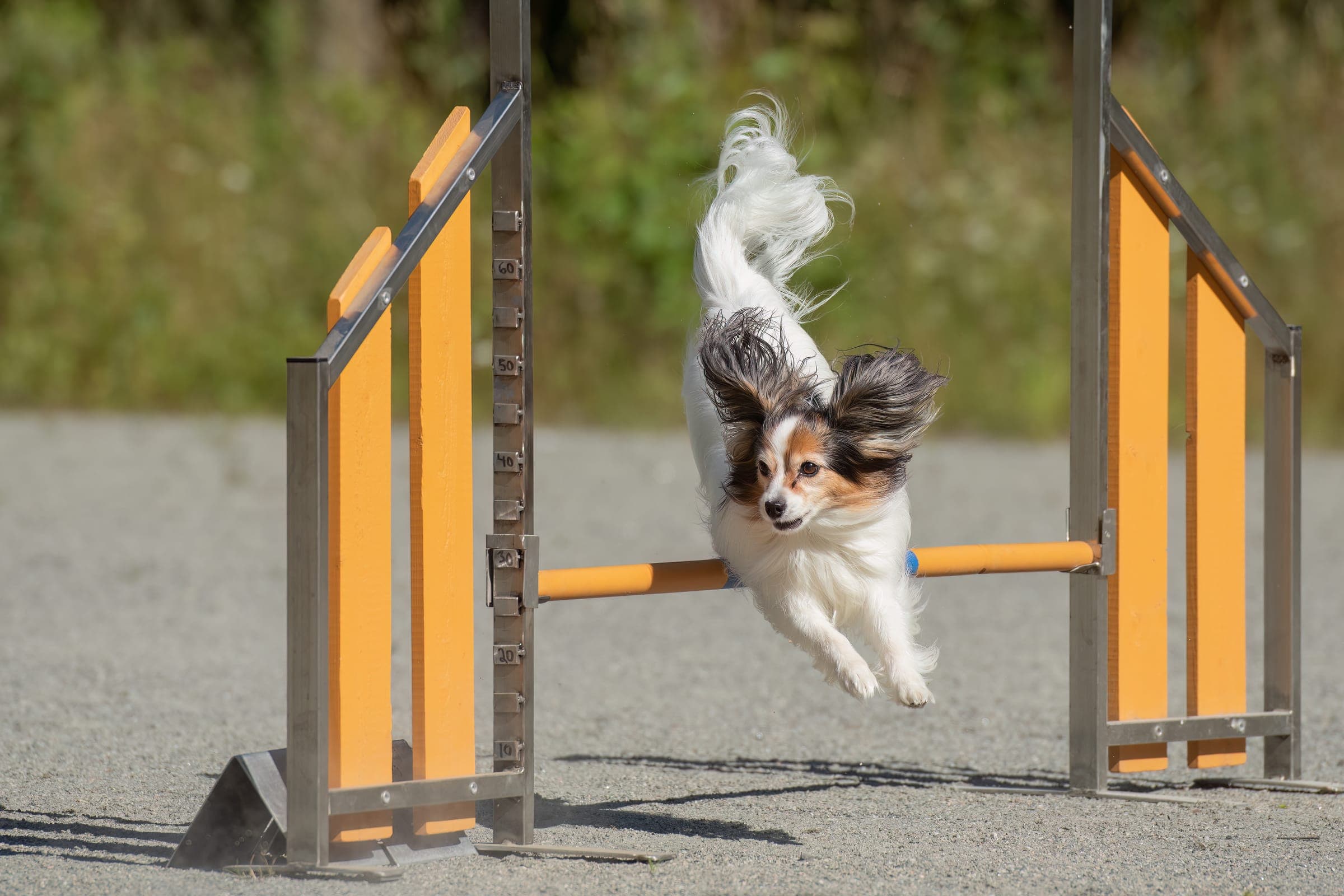
Agility
Fast, lithe, and glued to its handler, the Vizsla is a natural agility partner — the athleticism of a hunting dog plus the velcro attention that makes course communication easy.
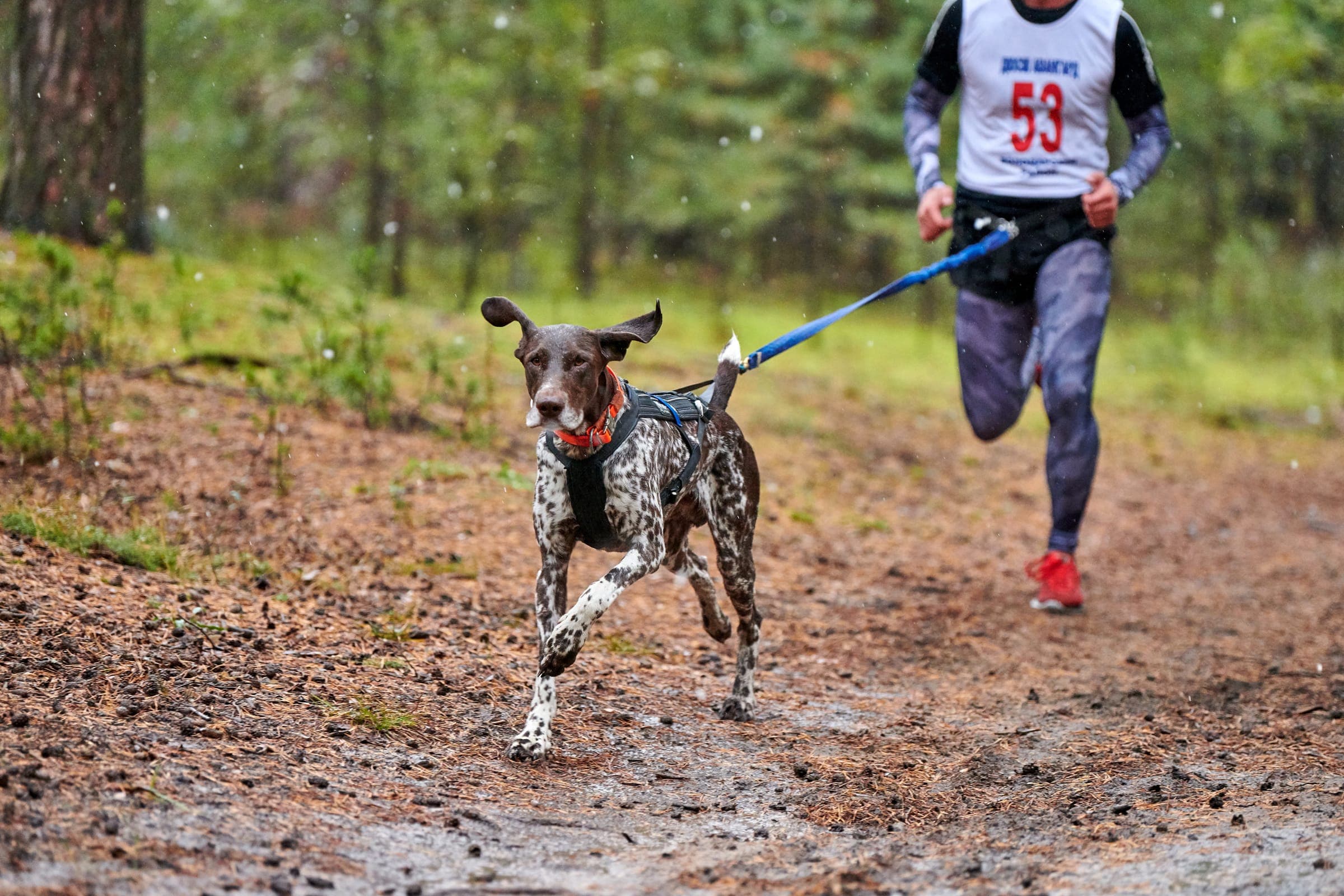
Canicross
The velcro bird dog needs to run, and canicross puts that endurance to work — dog in harness, handler on foot, covering ground as a team. It's the mileage a Vizsla actually requires, turned into a sport.
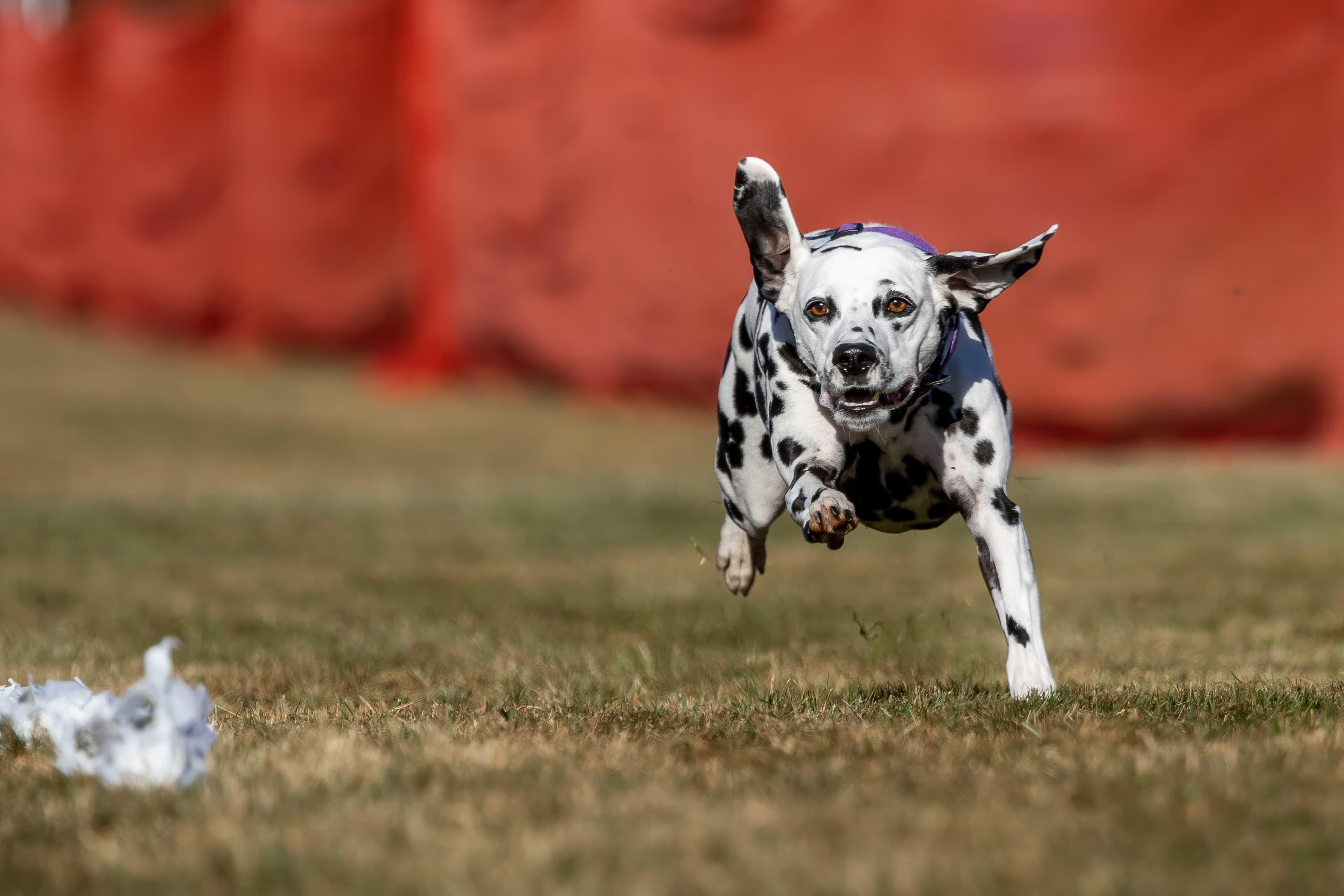
Fast CAT
People picture sighthounds on the lure, but a Vizsla is genuinely fast — the 100-yard Fast CAT dash rewards the same ground-covering speed it used to quarter a field. A surprising, low-skill outlet for raw drive.
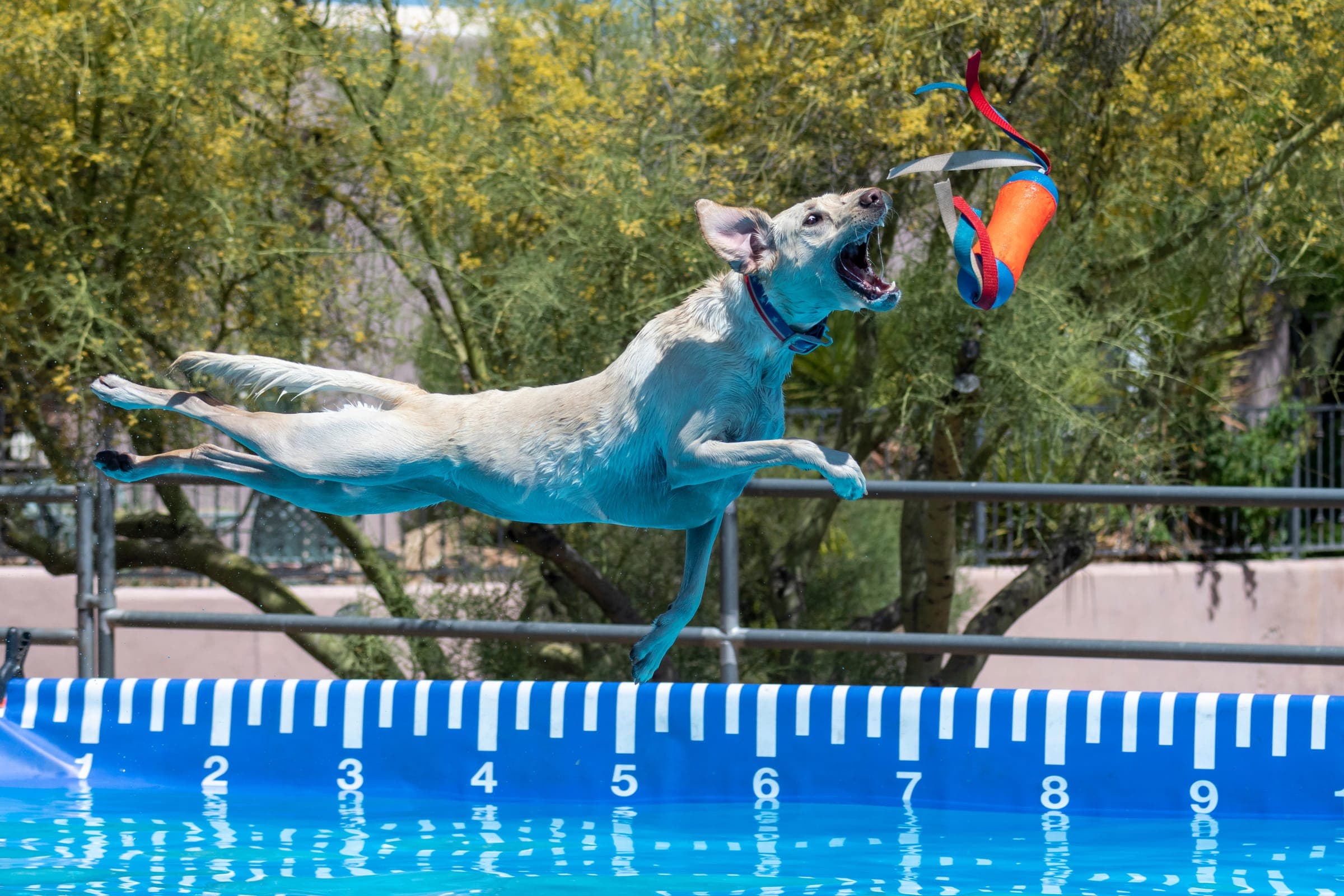
Dock Diving
The thin-coated Vizsla isn't the obvious water dog, but the retrieve instinct is strong and many take to the dock with real enthusiasm. A big-air retrieve is a full-body way to burn energy.
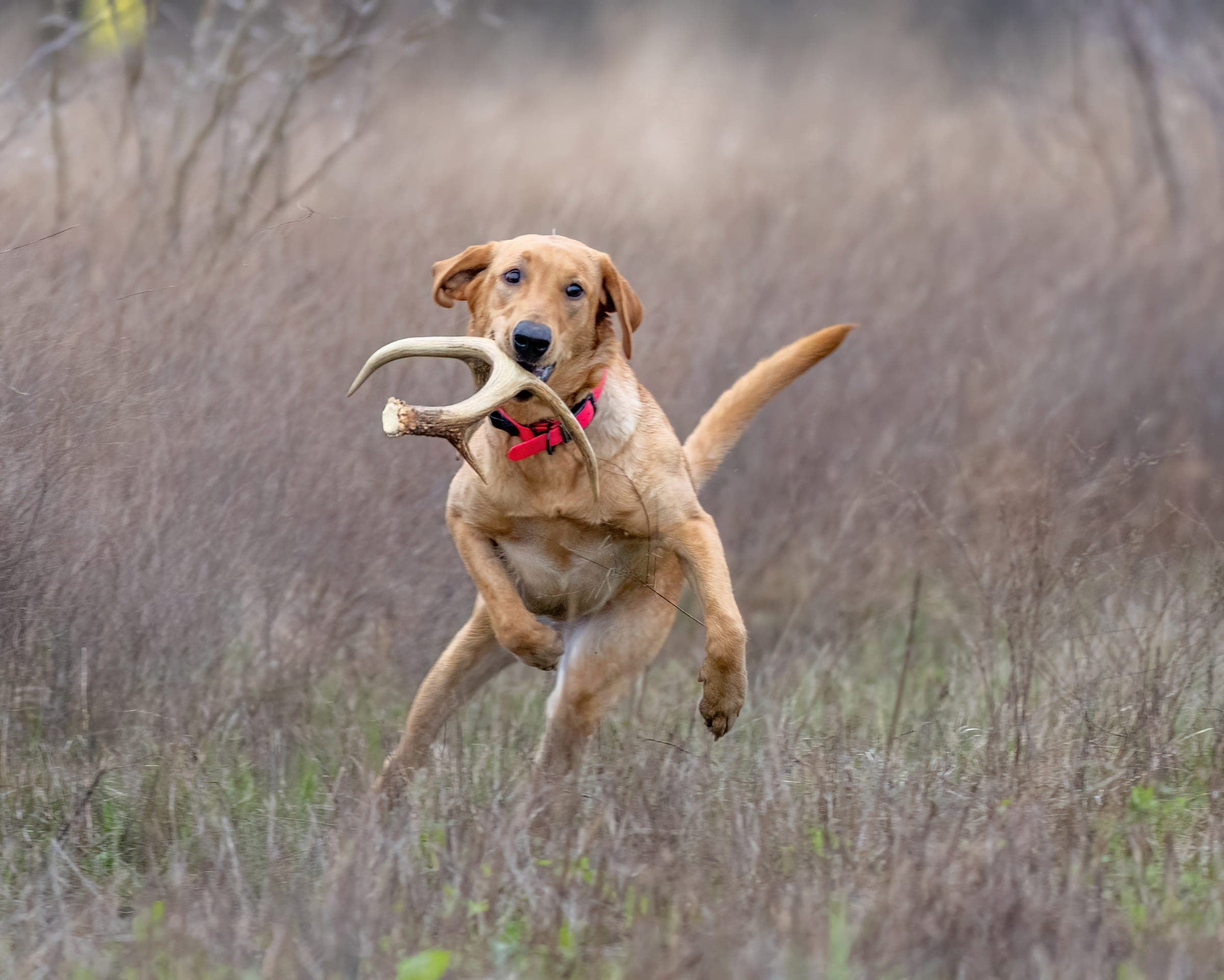
Shed Dog & Shed Hunt
Off-season, that bird-finding nose can hunt dropped antlers instead. Shed hunting turns a Vizsla's retrieve-and-search instinct into a year-round job, well past the close of hunting season.
Obedience
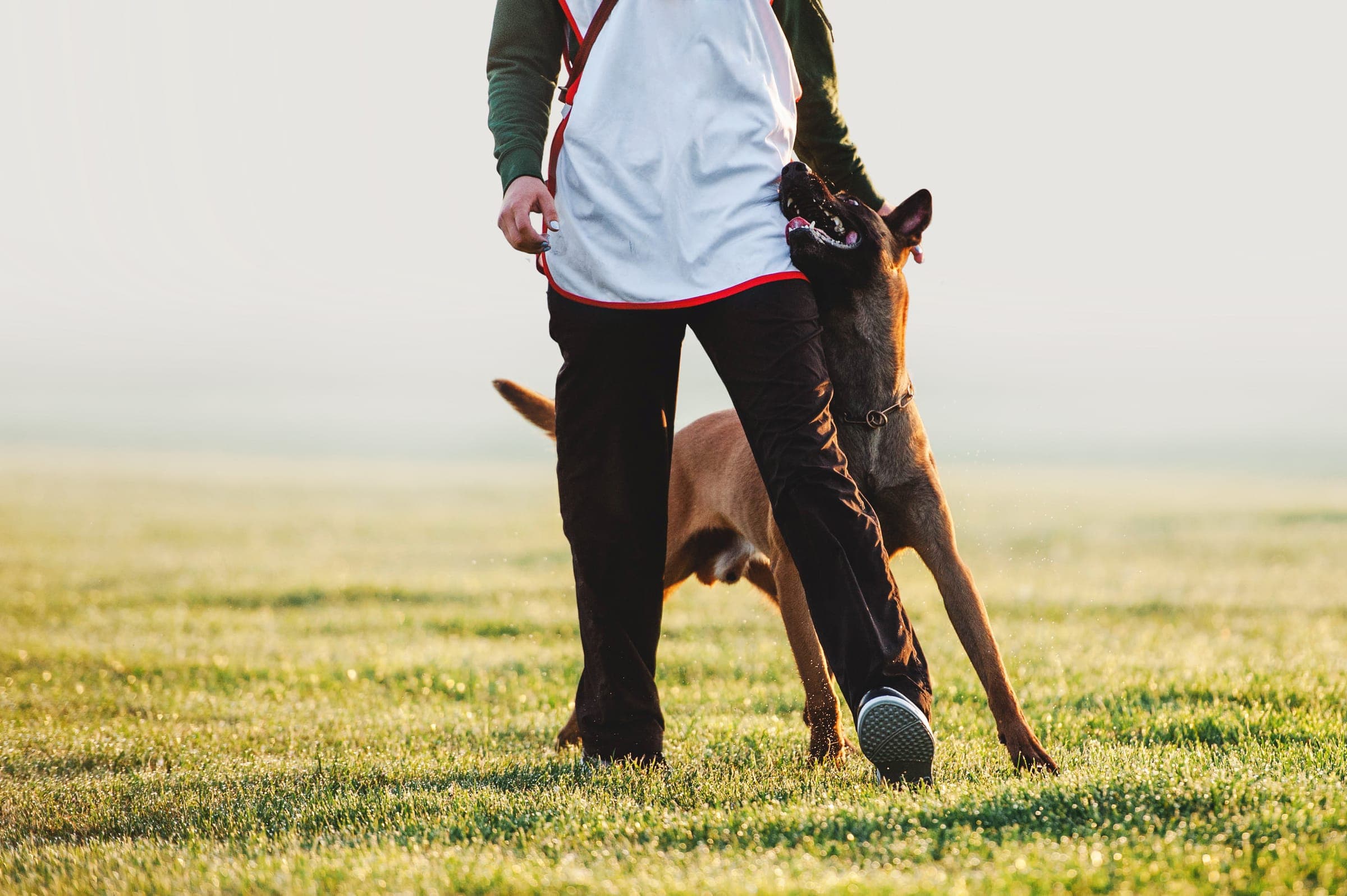
The surprise for such a busy dog: the Vizsla's sensitivity and want-to-please make it a real obedience competitor — Chartay earned her obedience championship on the way to five titles. Precision is in reach if you keep the work positive.
Not sure which one fits your dog?
Take the Matchmaker quiz →Things most people don’t know.
- The Vizsla nearly vanished twice — after both World Wars the Hungarian breed was rebuilt from a handful of surviving dogs, by some accounts around a dozen.
- Its versatility is on the record: a Vizsla named Chartay became the first dog of any breed in AKC history to earn five different championship titles — conformation, field, amateur field, obedience, and agility.
- The 'velcro dog' nickname is earned. The thin-coated Vizsla was bred to work in constant contact with its handler and bonds so hard that being left alone becomes a genuine welfare problem, not a quirk.
Chartay (Legacy's DeChartay) — the first quintuple champion in AKC history and its most-titled dog — she earned conformation, field, amateur field, obedience, and agility championships across a seven-year career, finishing her agility championship at age nine.
Sources & verification
The sports we recommend for the Vizsla — and why — are Sporting Hound's own analysis, drawn from breed clubs, sport communities, and titled dogs' records. For the breed's history and standard, we cross-check the references below. One caveat that matters: this describes the breed's typical tendencies, not any individual dog — real suitability comes down to a dog's own health, temperament, and training.
Breed references
Spot something out of date? Tell us and we’ll fix it.