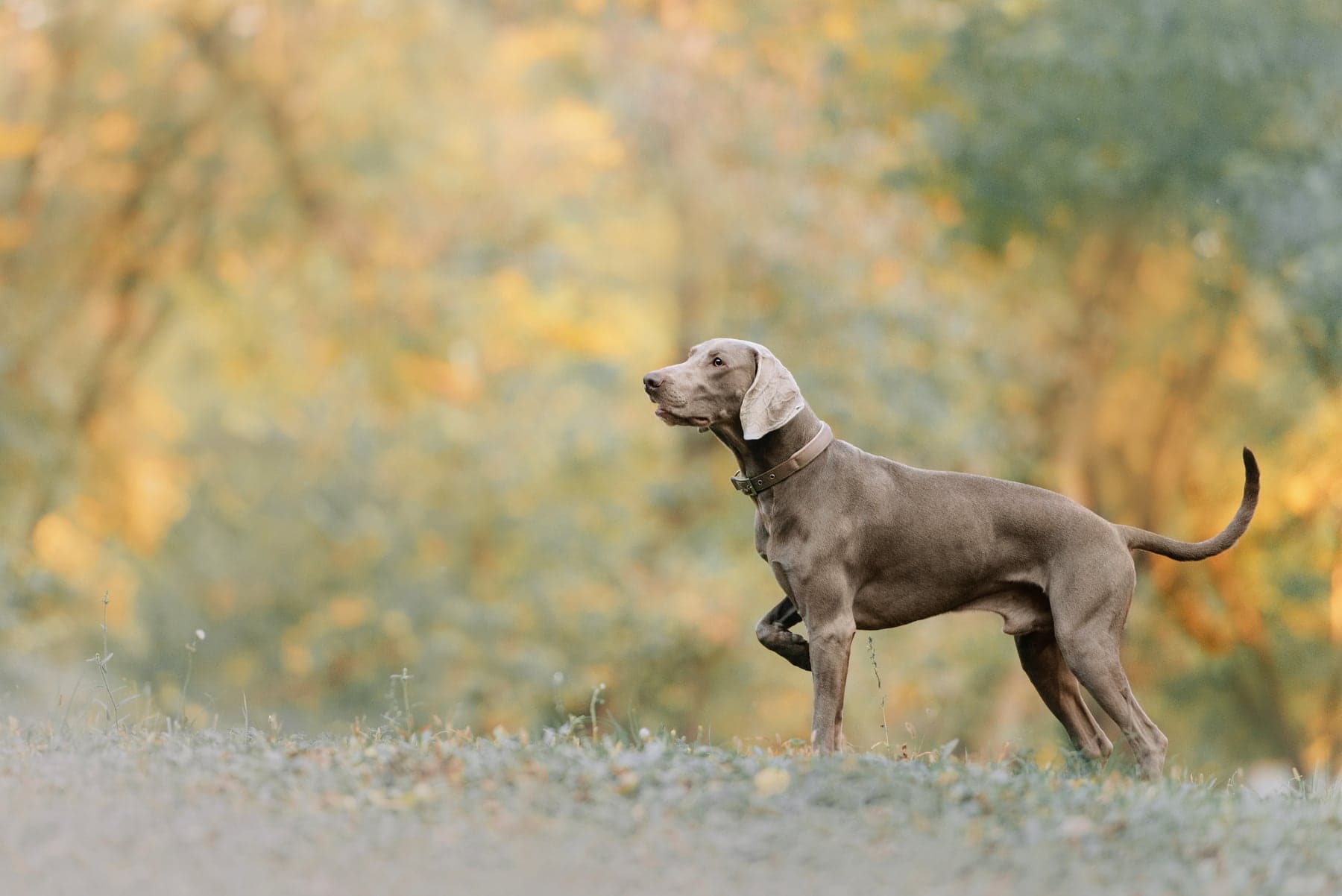
The best dog sports for a Weimaraner
Bred at the court of Weimar as a nobleman's all-round hunting dog, the Weimaraner — the grey ghost — pairs a phenomenal nose with genuine sprint speed. These are the sports that fit that range, and where to try each one near you.
Why a Weimaraner needs a job.
The Weimaraner was bred to hunt from dawn to dark — find game with a first-rate nose, hold a point, track wounded game, and keep covering ground long after other dogs quit. That produced an athlete with real speed, huge stamina, and an intelligence that stays switched on. A Weimaraner needs vigorous daily work, and a walk around the block doesn't touch it.
Under-work a Weimaraner and the flip side of that engine shows up fast: pacing, digging, counter-surfing, and the separation anxiety the breed is famous for — this is a dog that wants to be doing something, with you. The sports below are how you actually spend that drive. Because there's no single lane for the grey ghost, the smart plan mixes nose, sprint, and endurance.
Sports that fit a Weimaraner.
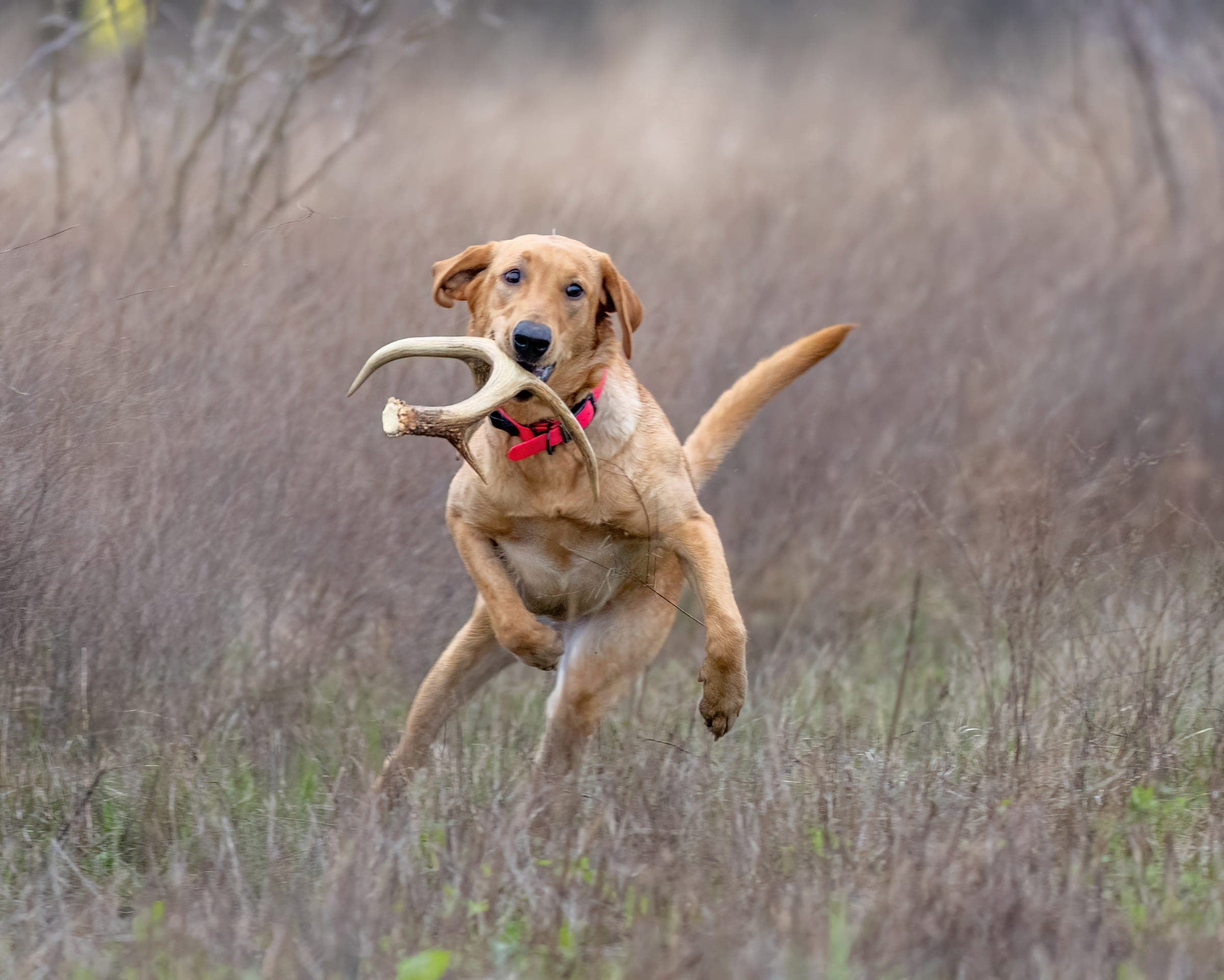
Shed Dog & Shed Hunt
The closest sport to a Weimaraner's actual field work: quarter open ground, find antler by nose, and retrieve to hand over distance. It's find-and-fetch in sport form, and a versatile gundog does all of it natively.
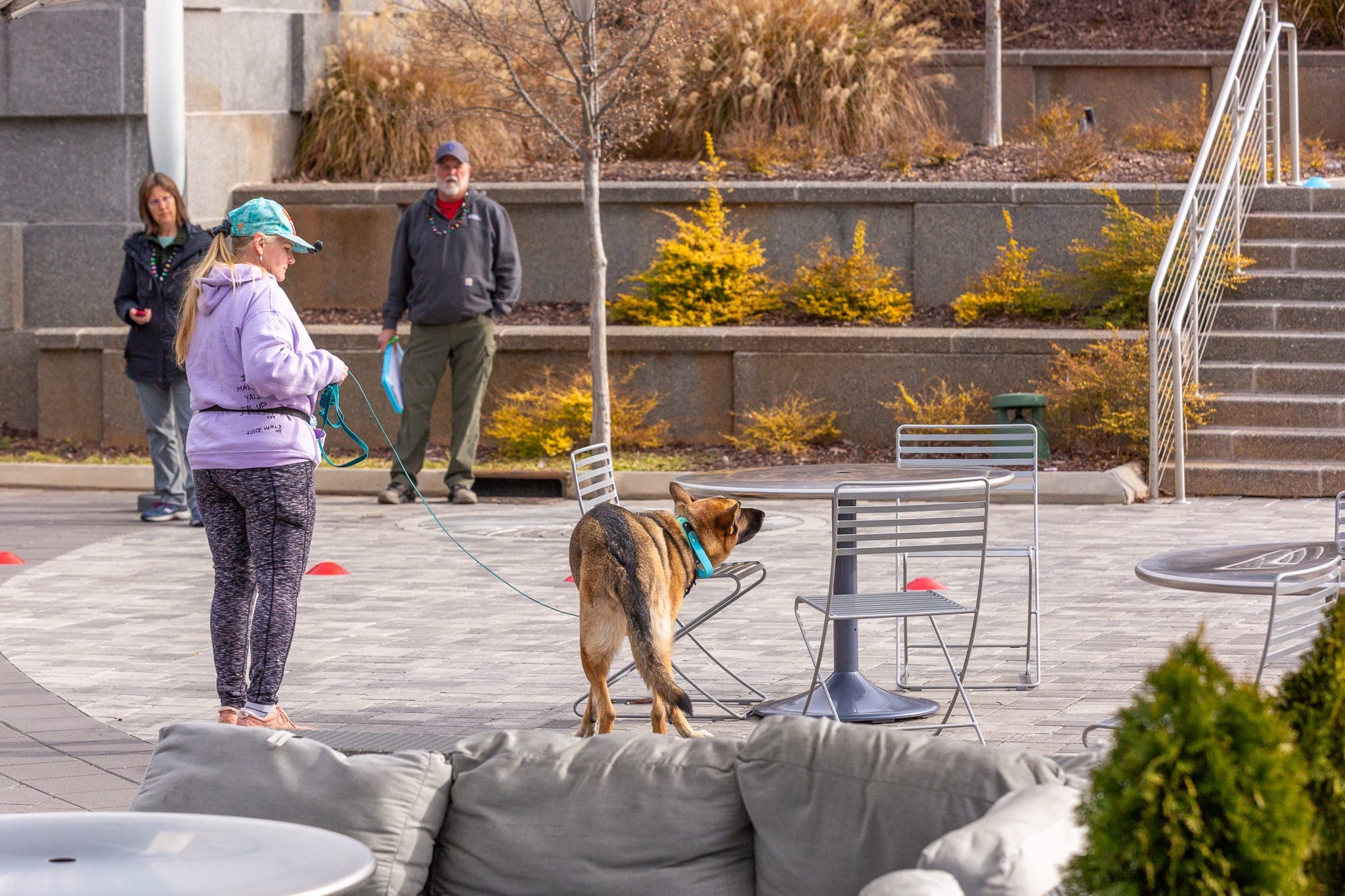
Nose Work
Scent is the Weimaraner's single strongest natural ability, turned into a game of hides and containers. It's the core mental outlet that tires the brain, and a driven Weim works a search fast and methodically.
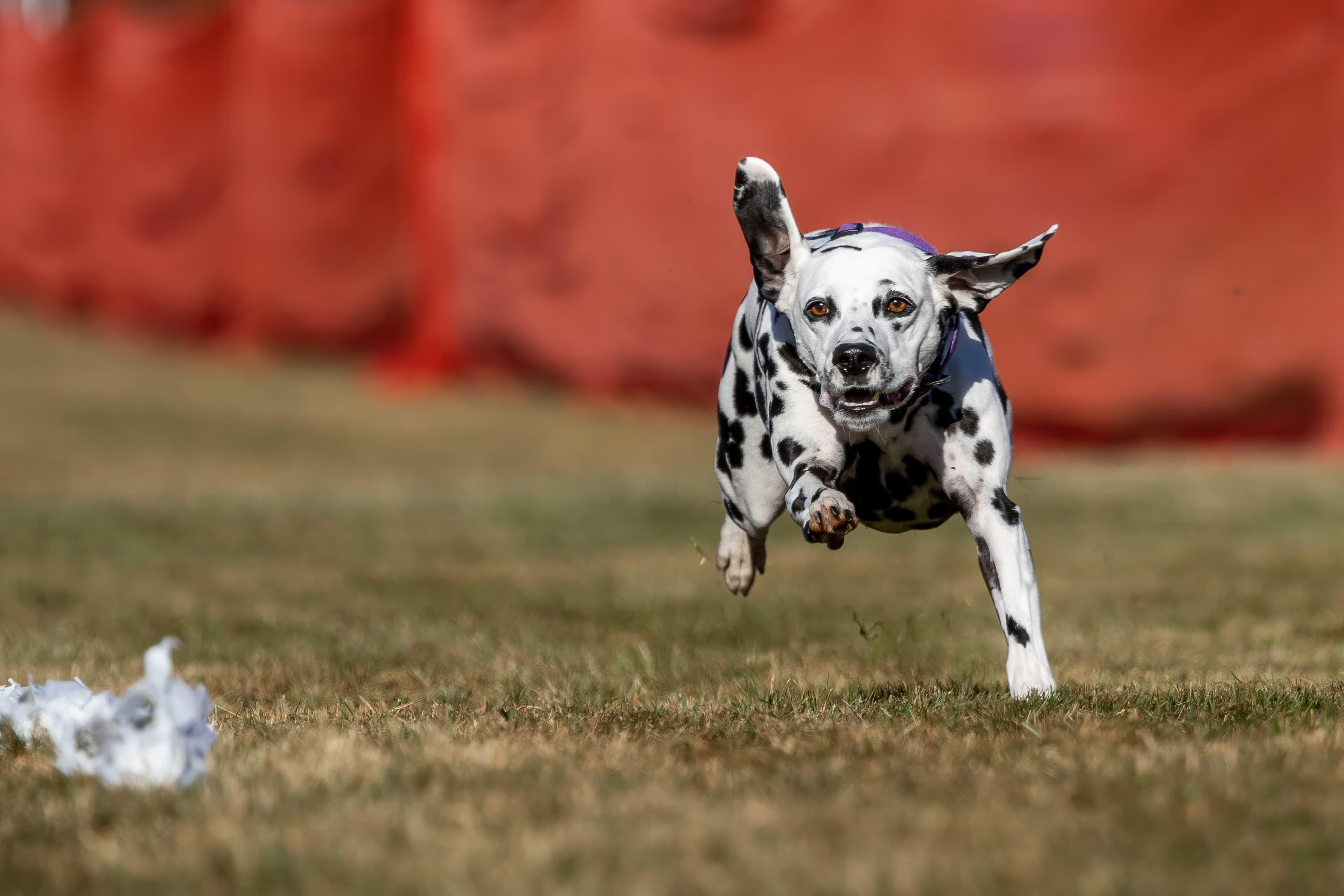
Fast CAT
This is where the grey ghost lives up to the name — a 100-yard flat-out lure sprint that suits one of the faster gundog breeds on record. A pure, contained outlet for a bird dog's chase drive.
Agility
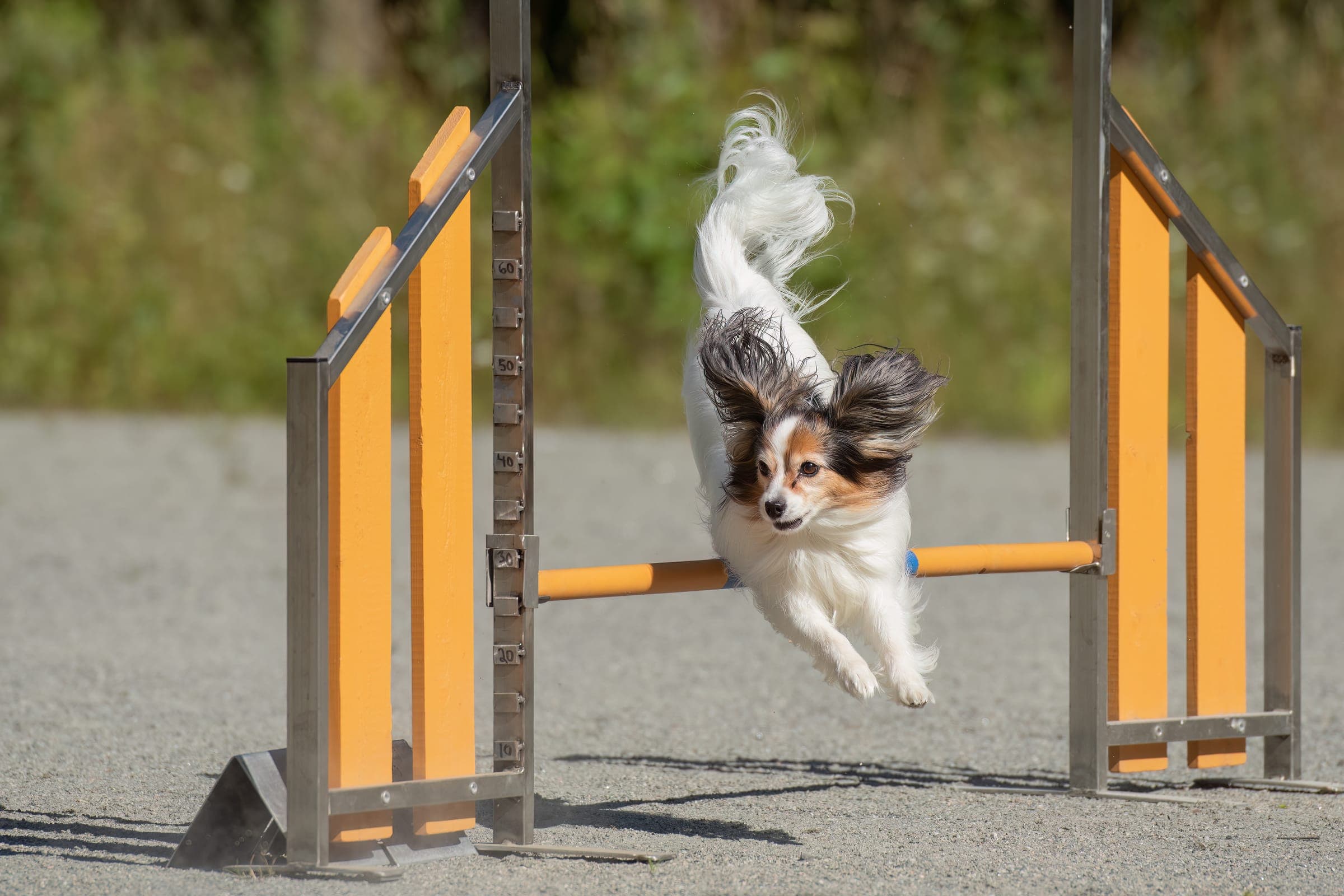
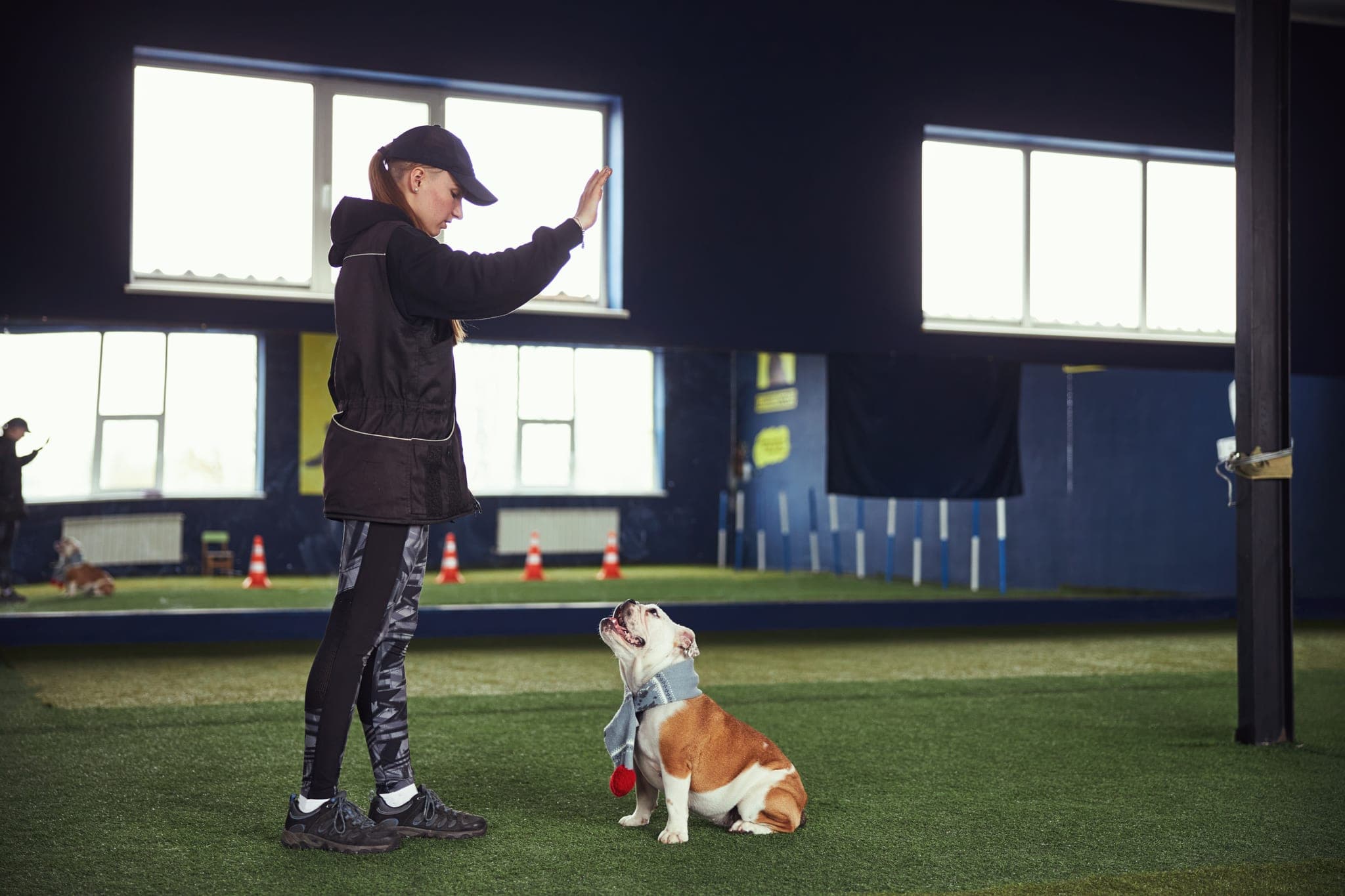
Athletic, biddable, and quick to learn a sequence, Weimaraners take to agility readily — the speed and handler focus that made them a gundog translate straight to a numbered course. A full-body, full-brain workout in one.
Tracking
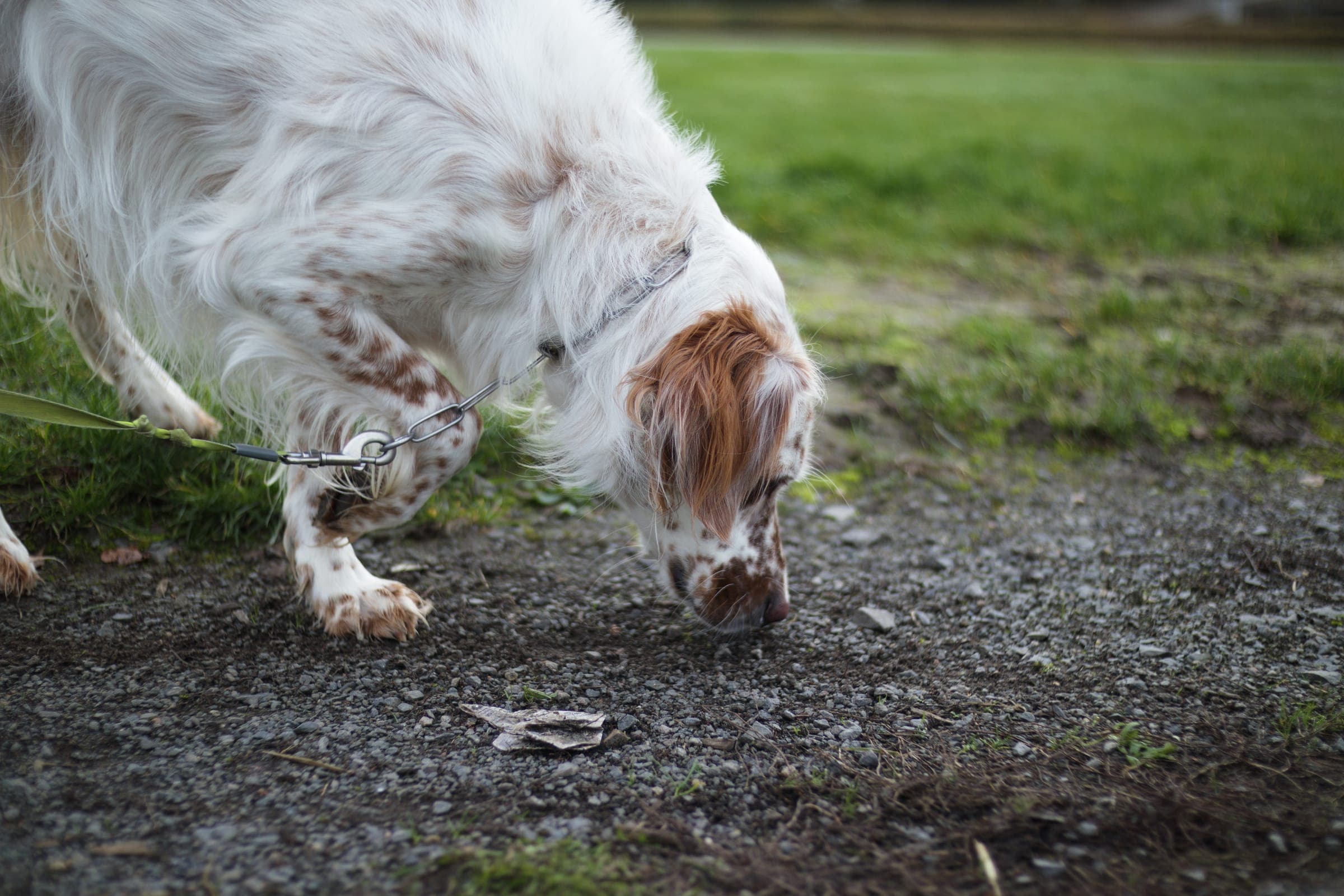
The Weimaraner's heritage of trailing wounded game makes it a natural nose-to-ground tracker — following a footstep trail, which is a distinct discipline from container nose work. It's the difference between a trail and an odor, and the breed reads both.
NASDA Scent Games
NASDA's scent games run searches in real-world settings — trailing, urban locating, even shed work — which rewards exactly the field-and-nose versatility the Weimaraner was bred for. It's a broader scent sport than a single-discipline title.
Dock Diving
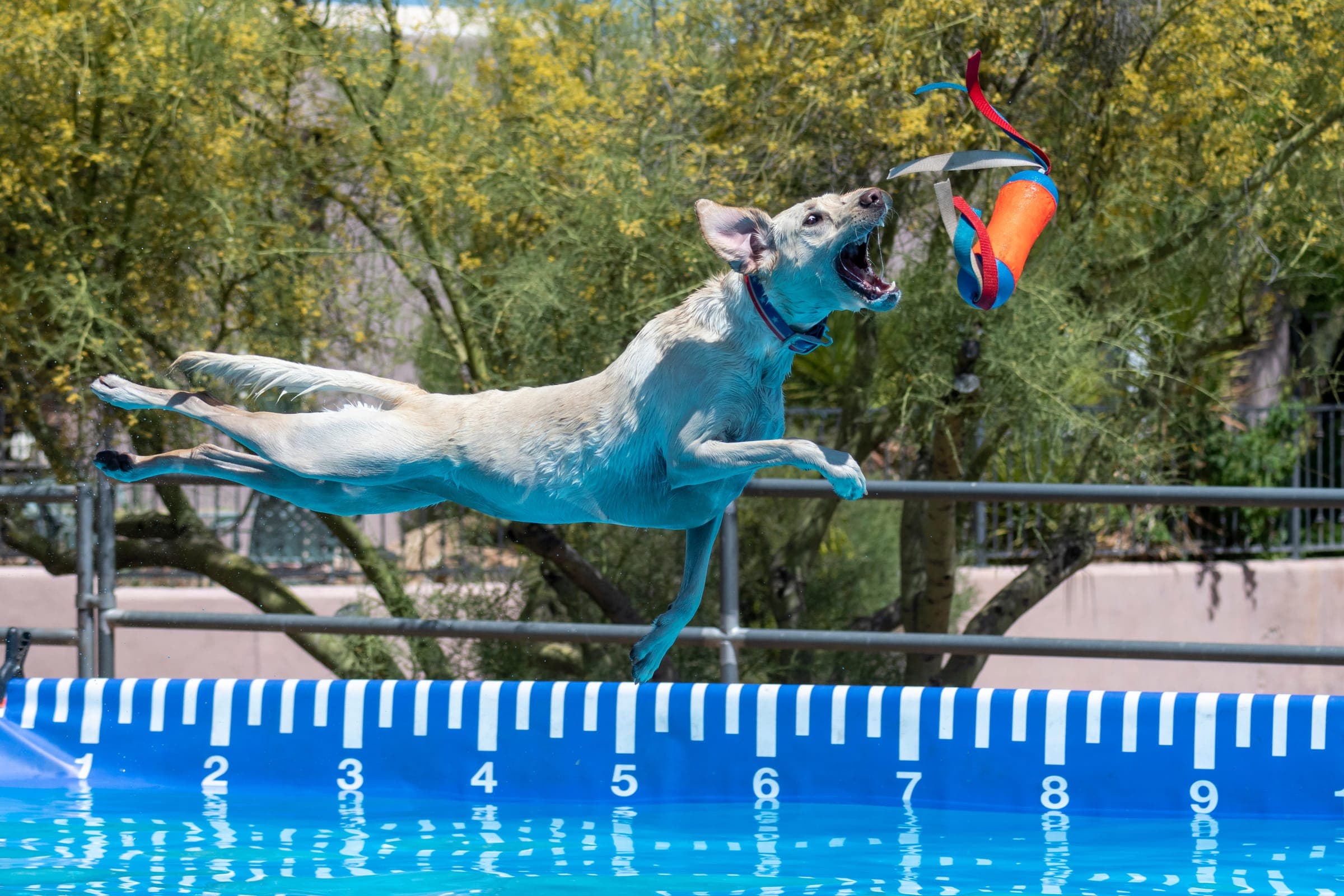
The Weimaraner is an upland dog, not a water breed, which is what makes this a surprise — but the retrieve drive and athleticism carry over, and plenty take a running leap off the dock once the water clicks. A high-burn outlet on a hot day.
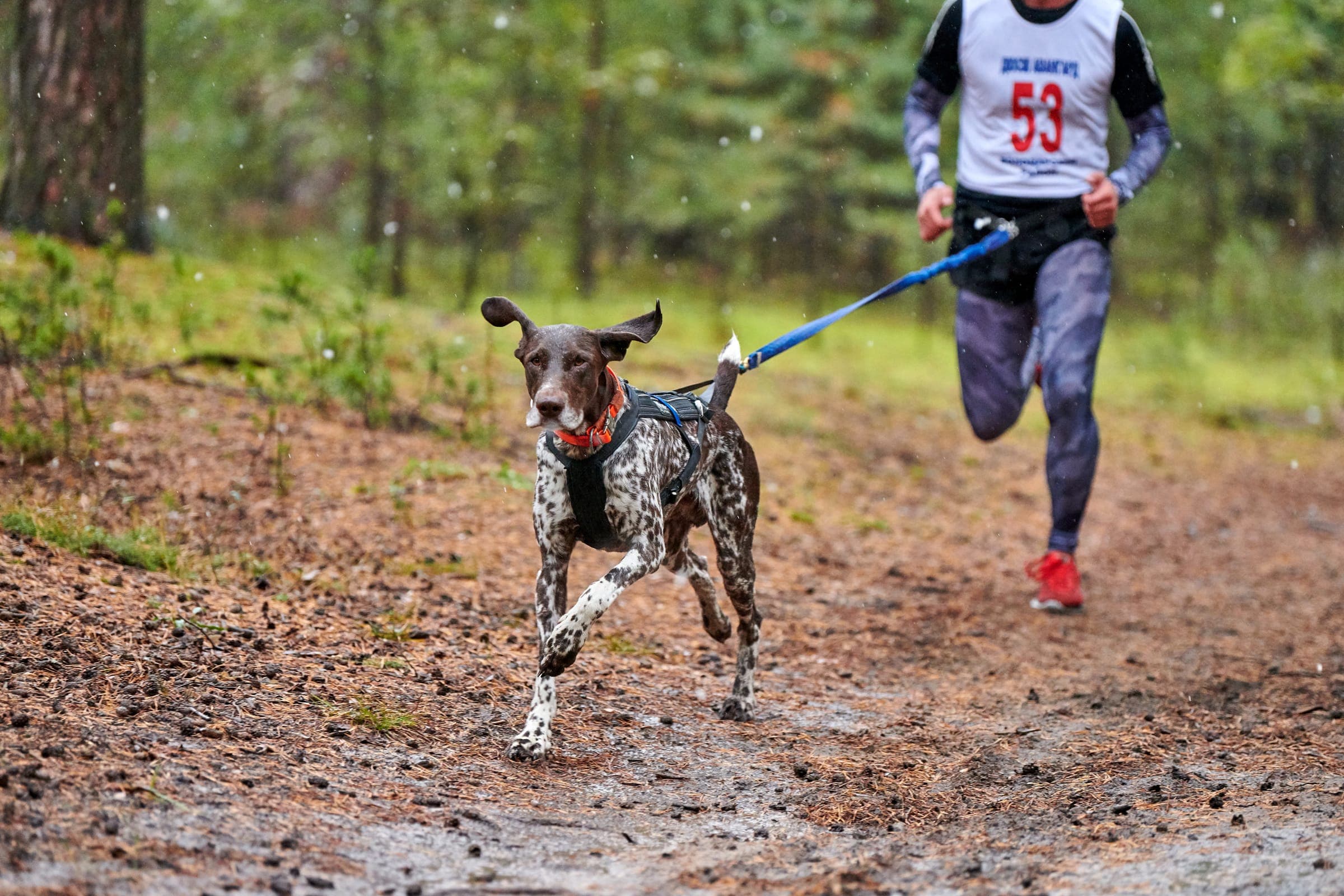
Canicross
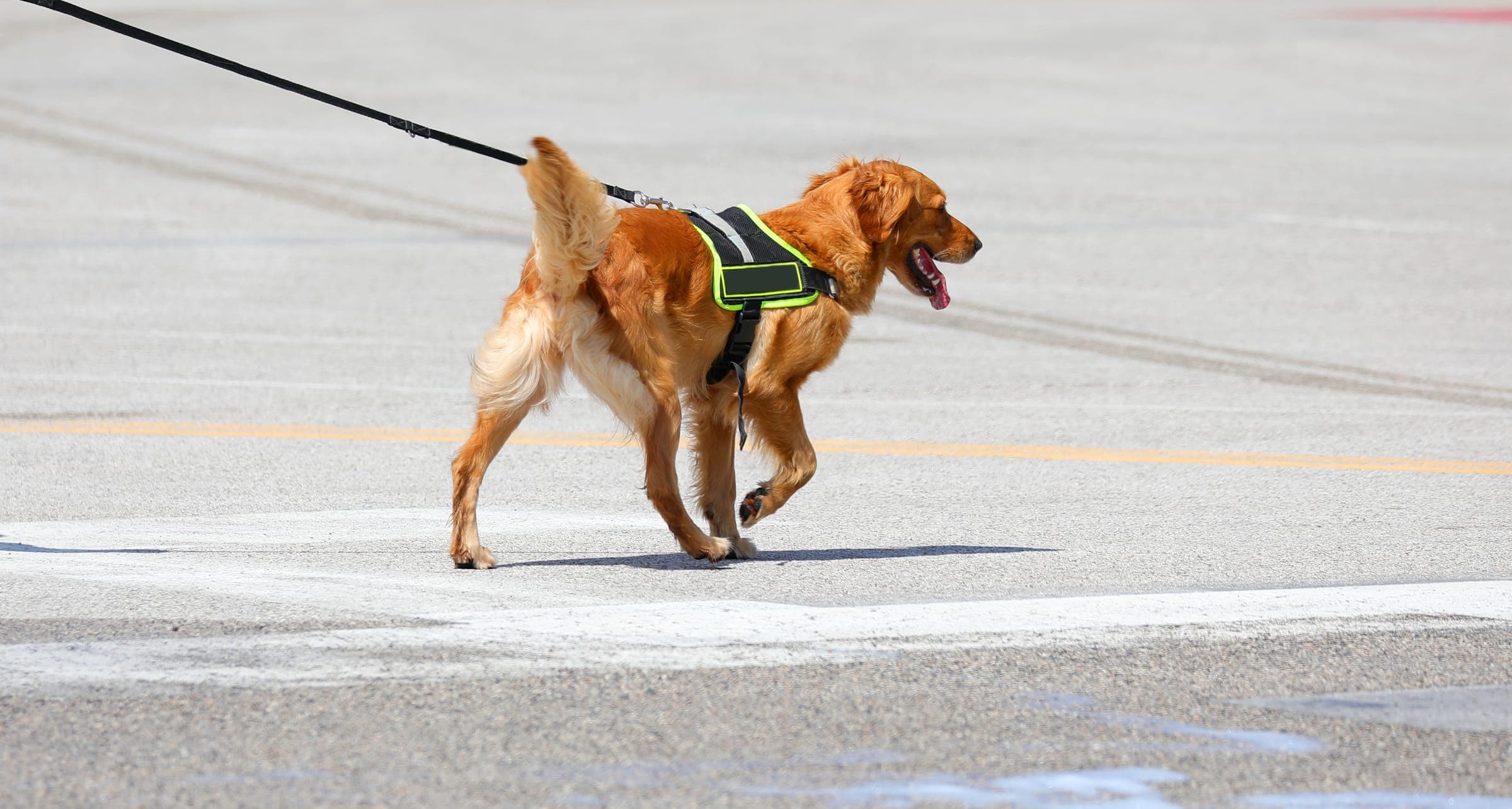
An endurance dog built to cover ground for hours makes a strong running partner in harness — canicross scales the distance a Weimaraner needs when a normal walk falls short. Your daily run becomes a real sport for both of you.
Not sure which one fits your dog?
Take the Matchmaker quiz →Things most people don’t know.
- The Weimaraner was developed in early-1800s Germany at the court of Weimar as a nobleman's big-game hound, then refined into a do-everything gundog — the aristocratic breeding is where the 'grey ghost' polish comes from.
- The ghost-grey coat is the dilute gene fixed in the whole breed, which is why there's no such thing as a non-grey Weimaraner — and why the puppies are born with vivid blue eyes that fade to amber-grey.
- It runs quick for a gundog: Weimaraners have been clocked past 35 mph on the AKC Fast CAT course, putting the breed among the faster non-sighthounds on the line.
Trax Seahabilitation — named the Weimaraner Club of America's Most Versatile Weimaraner for 2025, holding an obedience trial championship (OTCH), a MACH7 agility championship, and a rally championship (RACH) all in one dog.
Sources & verification
The sports we recommend for the Weimaraner — and why — are Sporting Hound's own analysis, drawn from breed clubs, sport communities, and titled dogs' records. For the breed's history and standard, we cross-check the references below. One caveat that matters: this describes the breed's typical tendencies, not any individual dog — real suitability comes down to a dog's own health, temperament, and training.
Breed references
Spot something out of date? Tell us and we’ll fix it.