The best dog sports for a Border Collie
The smartest dog in the room needs a job, not just a walk. These are the sports built for a Border Collie's brain and body — and where to try each one near you.
Why a Border Collie needs a job.
A Border Collie was bred to work stock all day — reading a handler's smallest cue, thinking three moves ahead, deciding for itself when the shepherd is out of range. Drop that same dog into a house with a backyard and the drive doesn't switch off. It goes looking for an outlet, and left to choose, it usually finds the wrong one: the doorbell, the vacuum, the shadows on the wall.
A tired Border Collie is an easy Border Collie to live with — but the tiredness that counts is mental, not just physical. Two hours of fetch barely dents a brain built for problem-solving; a focused twenty-minute training session can empty the tank. The sports below all do the same thing in different shapes: they hand that brain a real puzzle to solve.
Sports that fit a Border Collie.
Herding
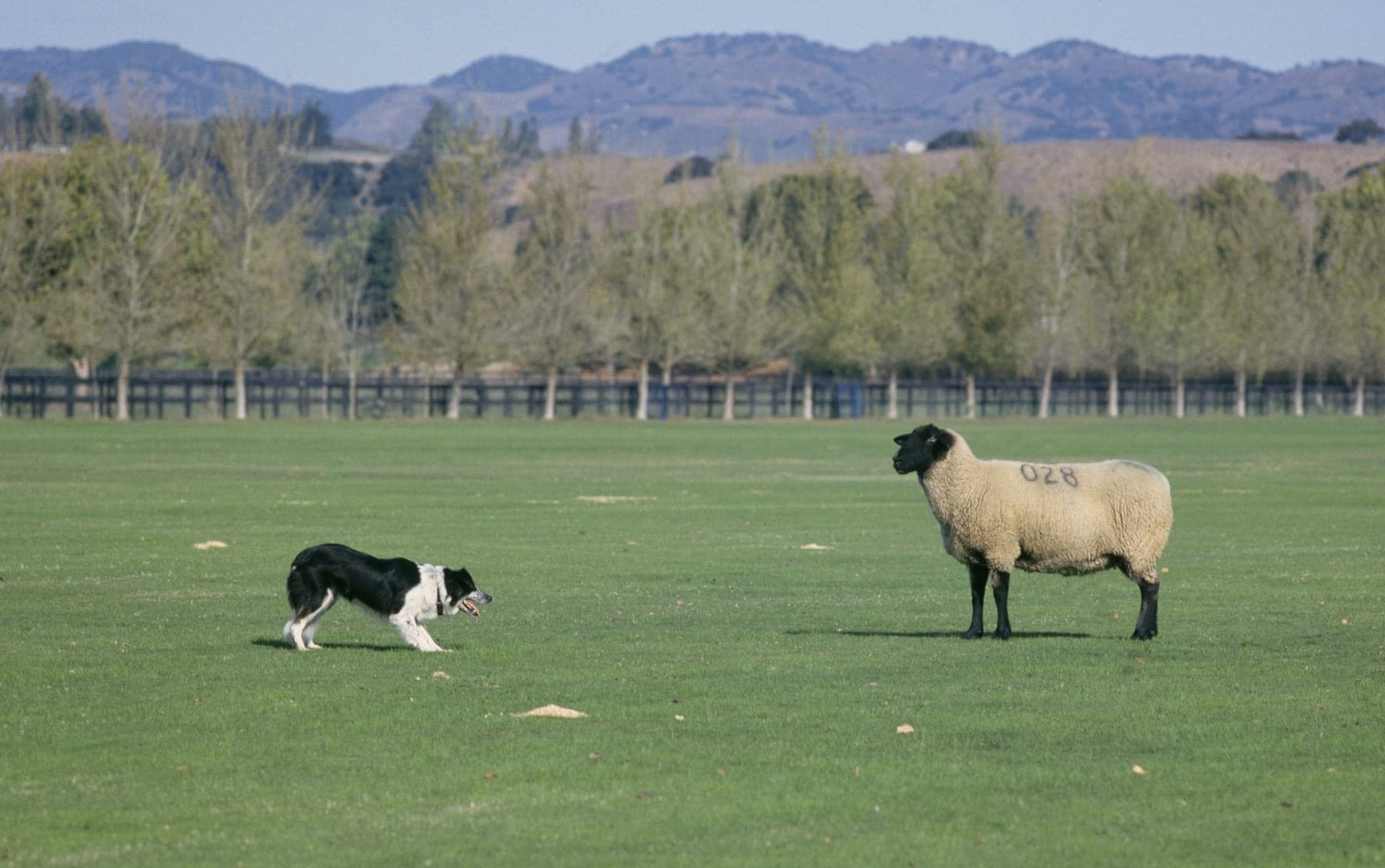
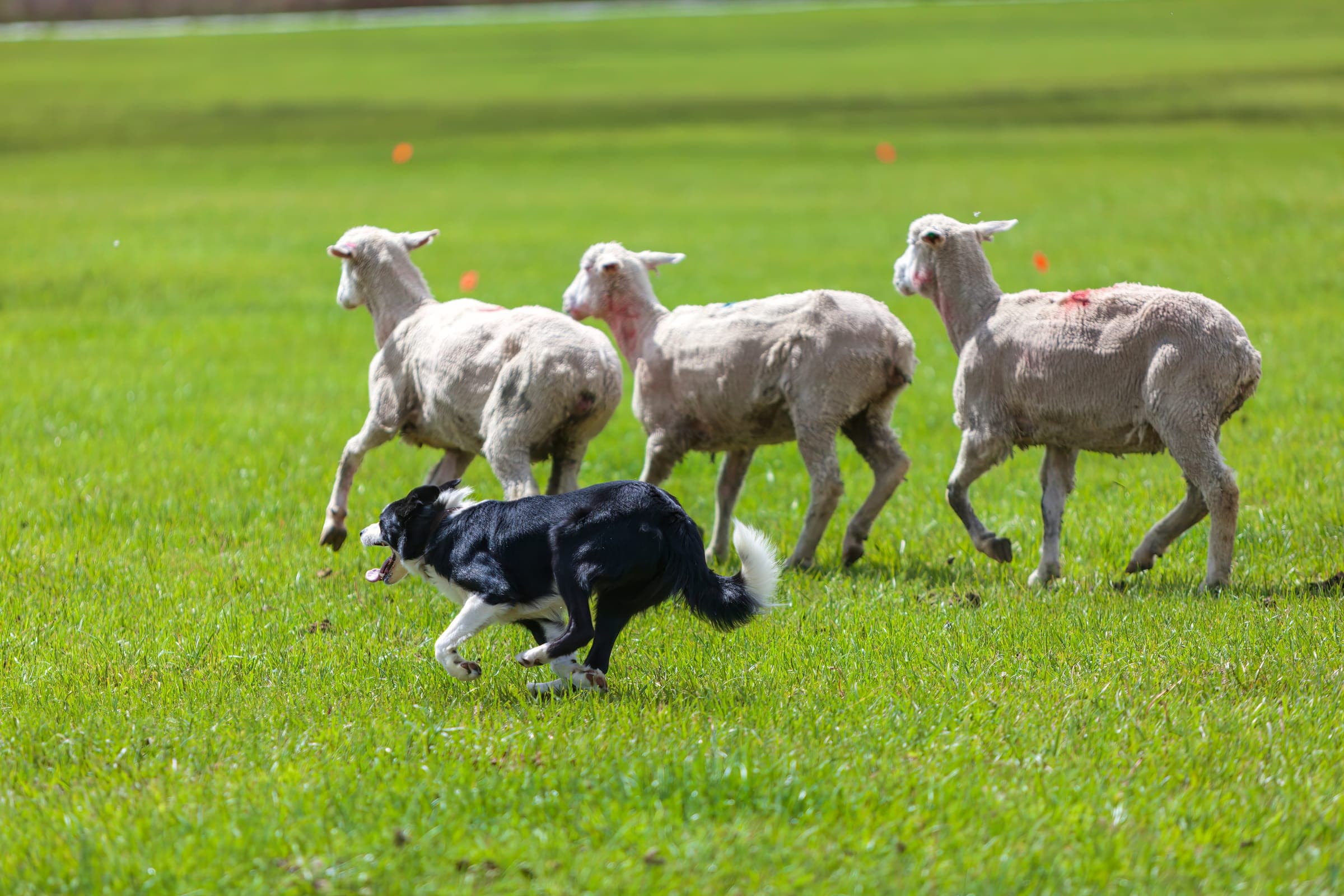
The birthright. Everything else here is a substitute for the job a Border Collie was actually built to do — put one on stock and instincts switch on that no toy can fake.
Agility
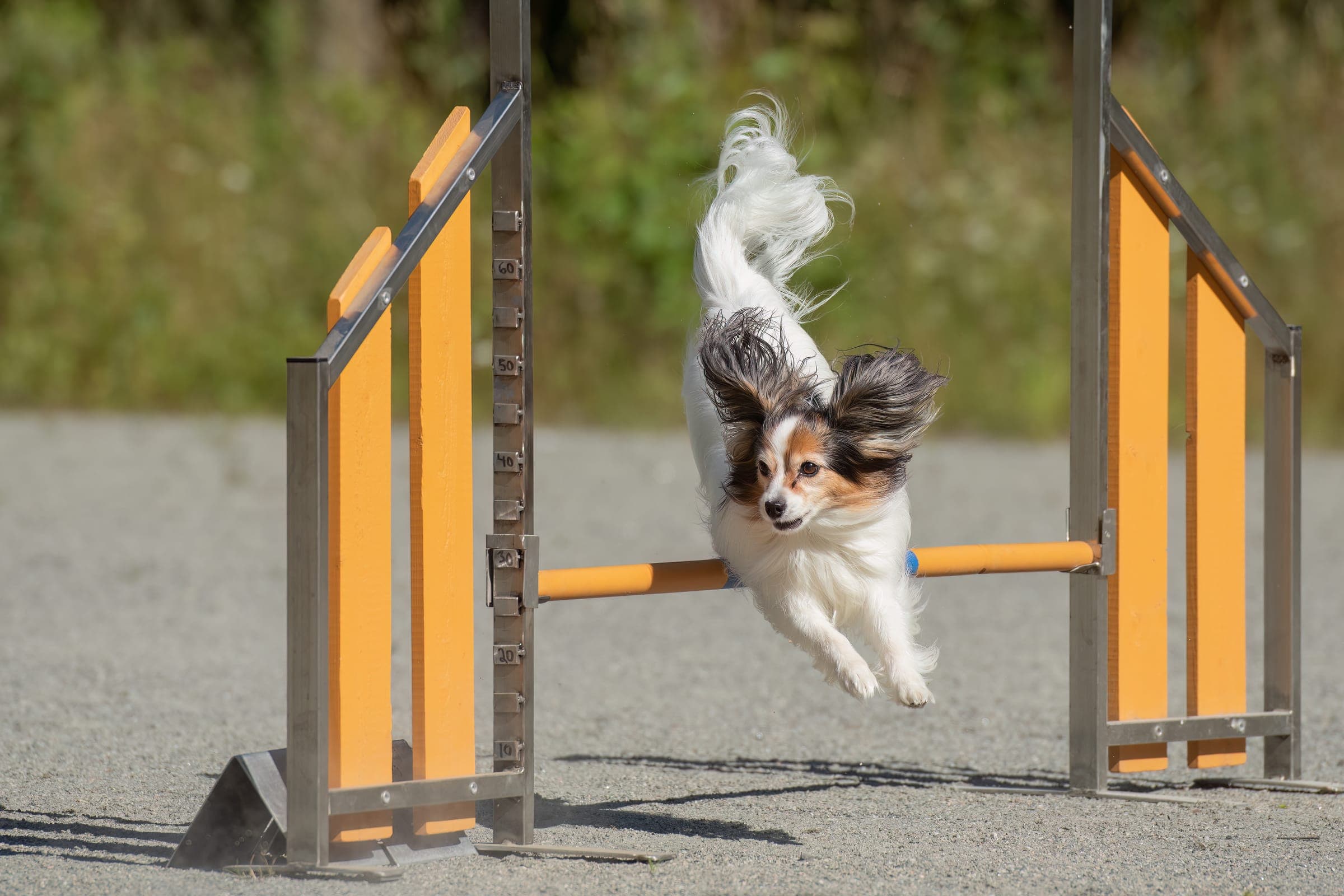
No breed dominates agility like the Border Collie. The speed, the tight turns, the knack for taking a cue mid-stride — it's the course sport the breed reads like a native language.
Disc Dog
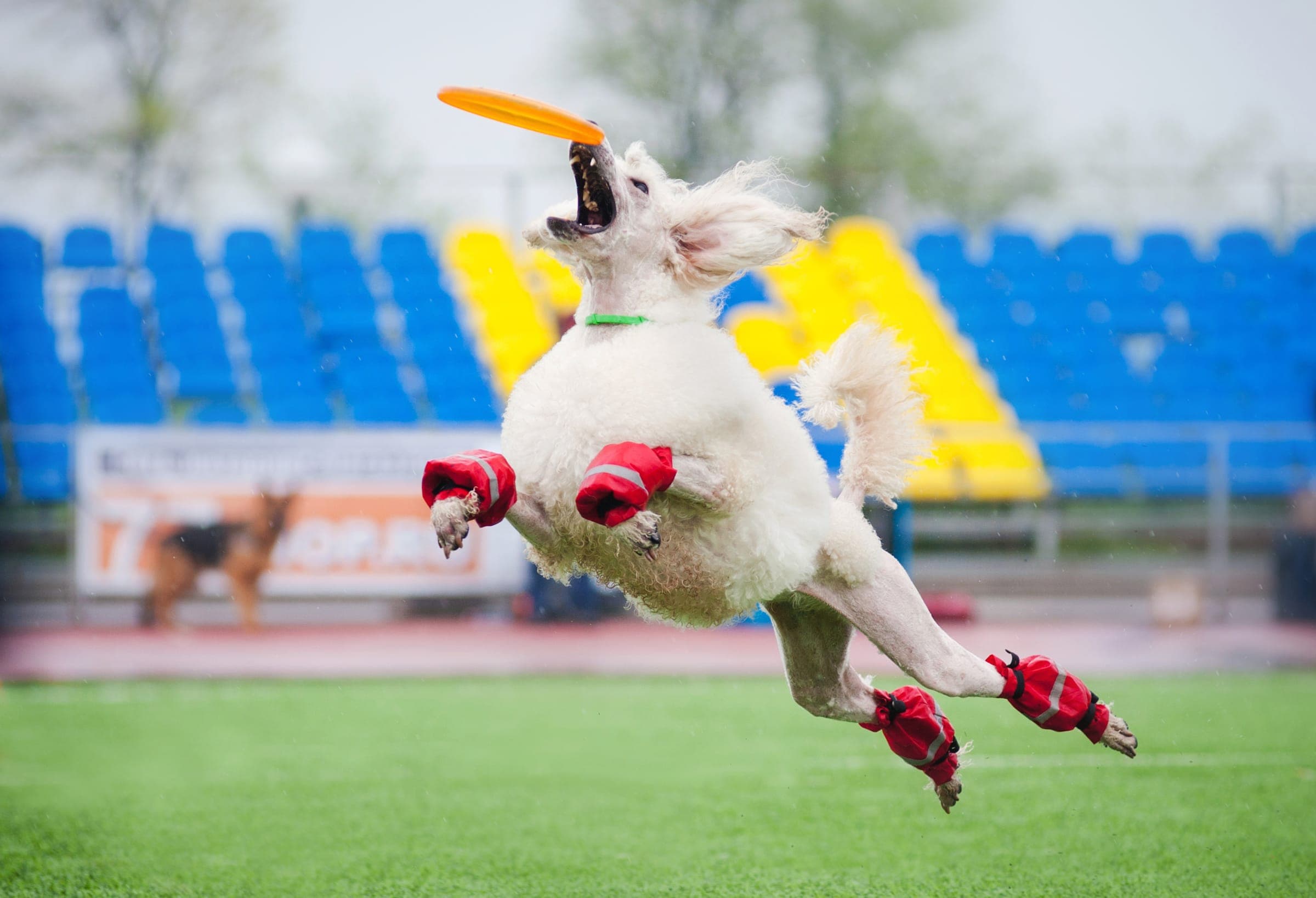
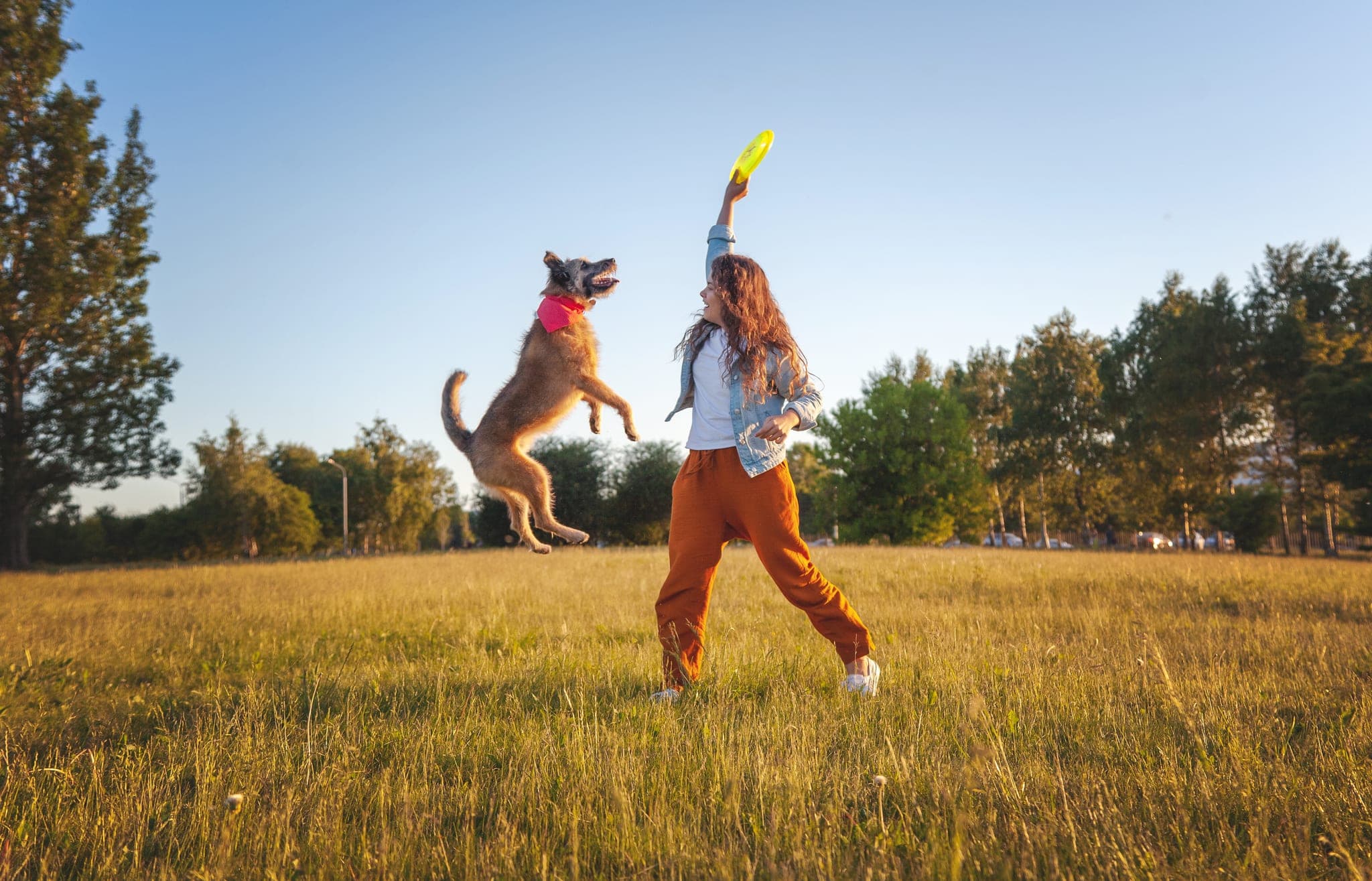
Intense focus plus a body made for jumping and mid-air correction. Freestyle disc rewards exactly the drive and precision a Border Collie brings without being asked.
Flyball
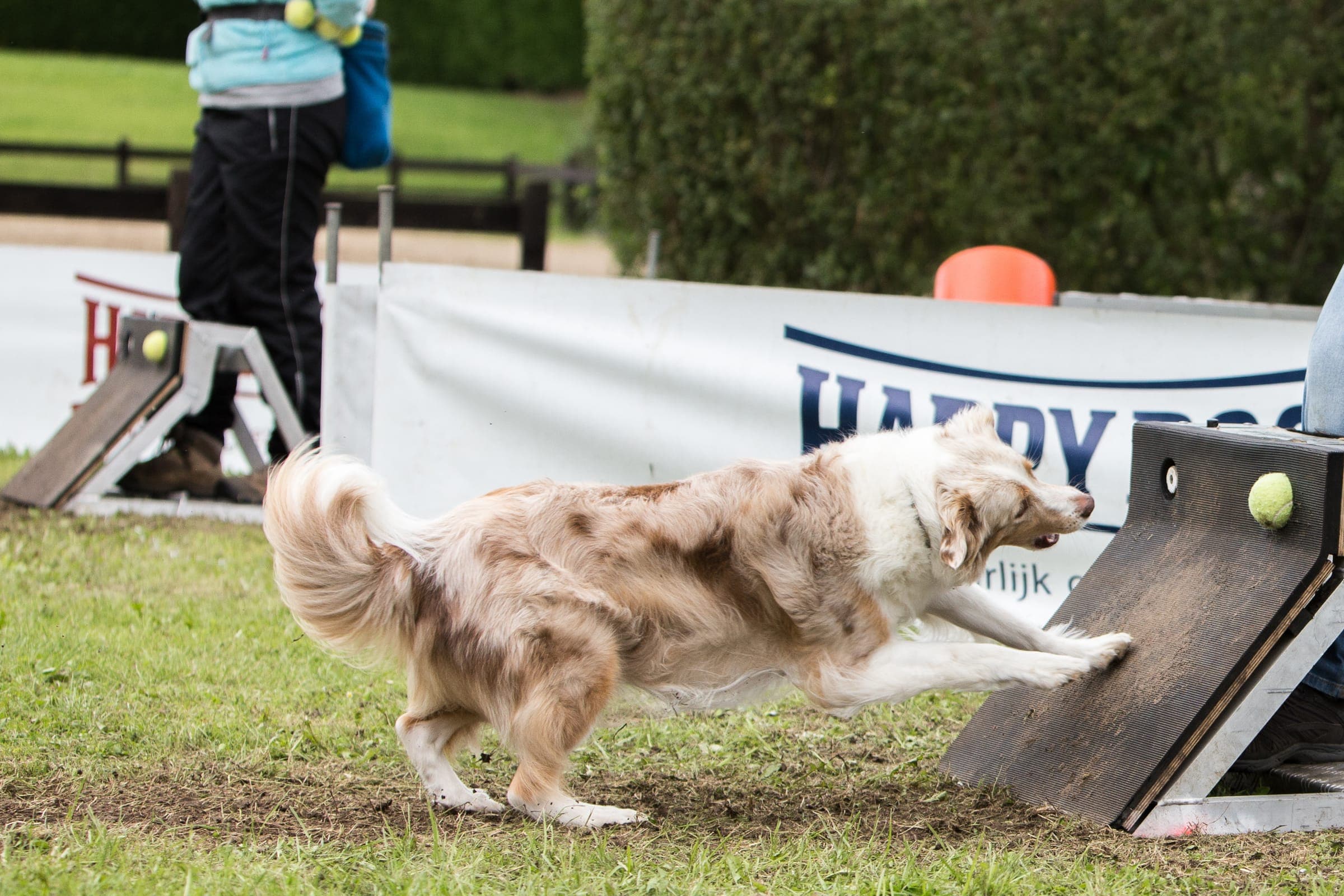
Fast, loud, and relentlessly repetitive in the best way — a four-dog relay of sprint, trigger, and retrieve that burns real energy and scratches the run-and-fetch itch.
You might not expect these
Same brain, different shape — sports most people don’t picture a Border Collie doing, that a Border Collie is quietly great at.
Treibball
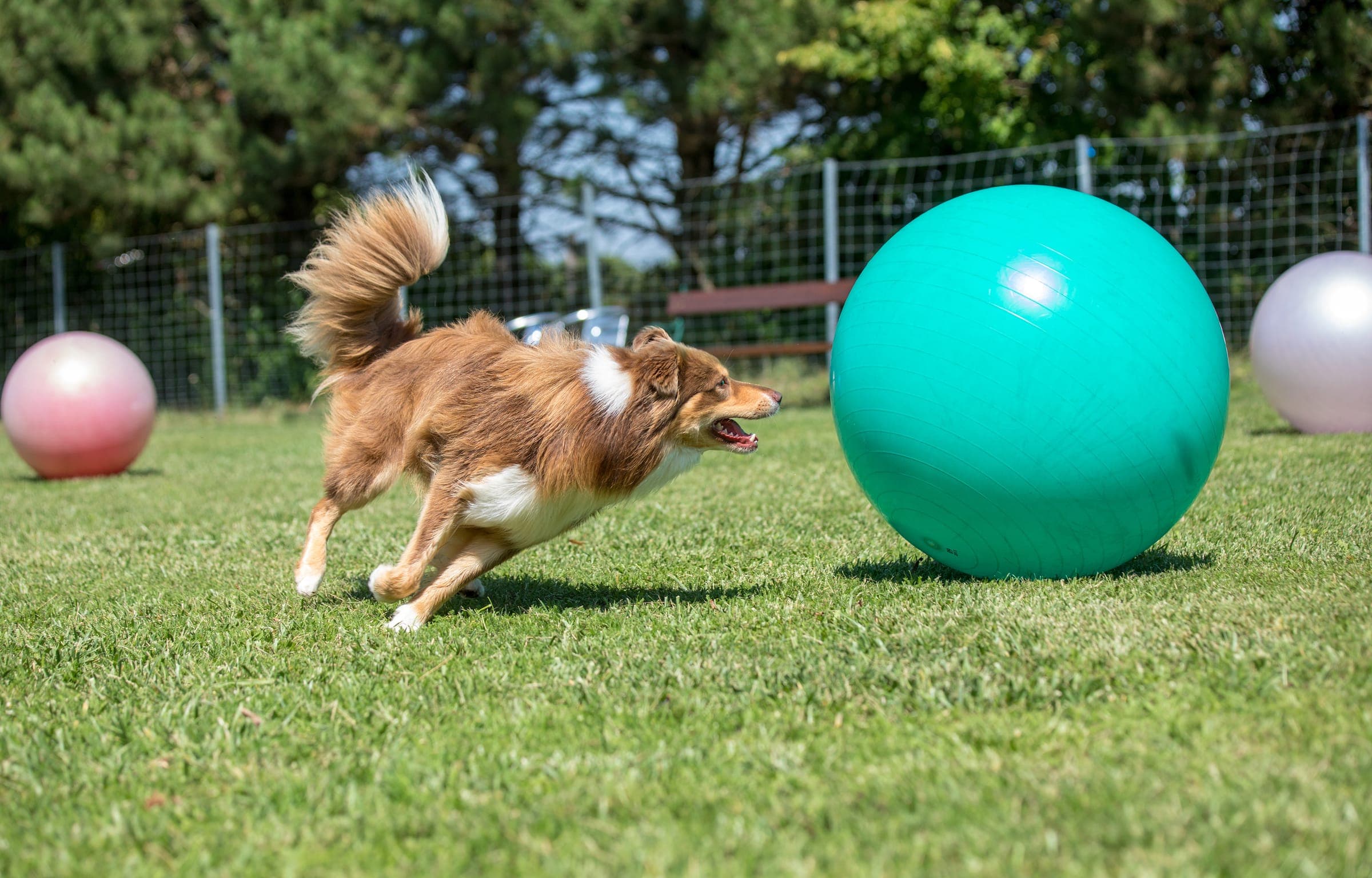
Urban herding: the dog drives eight large exercise balls into a goal on cue. It's the shape of real herding — the outrun, the gather, the drive — with no livestock and no field, so any Border Collie can play it in a backyard.
Trick Dog
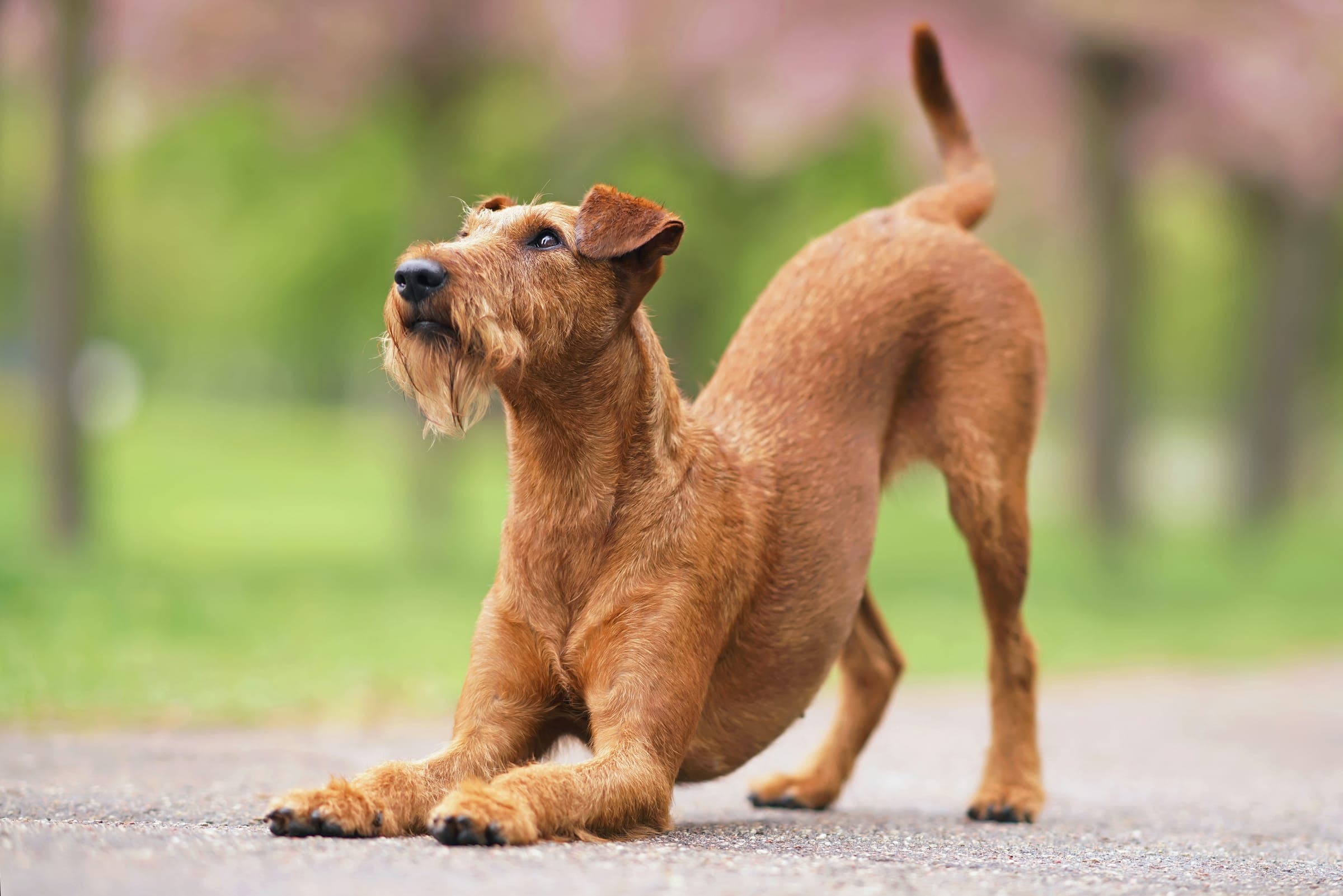
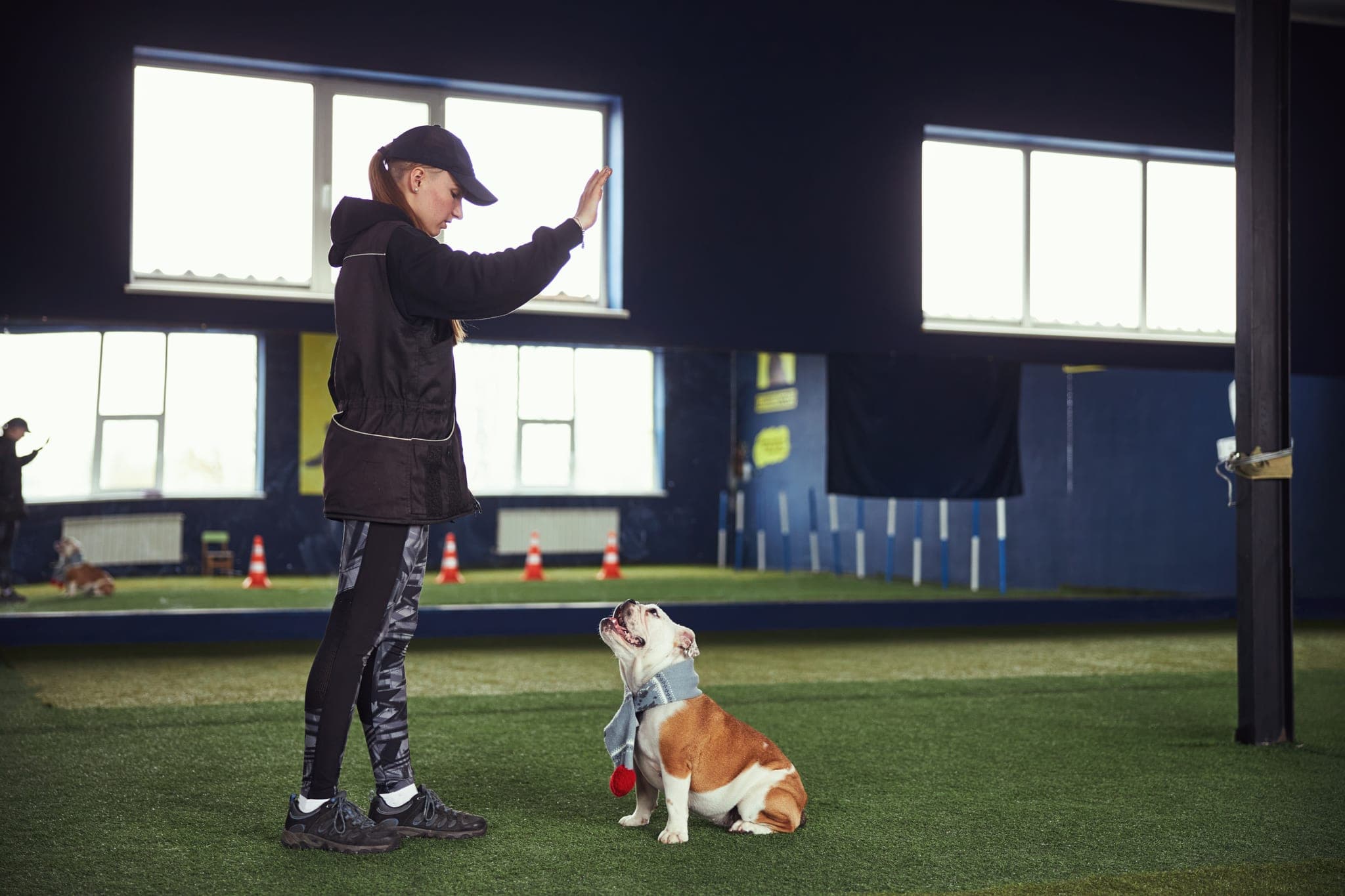
The gateway. A Border Collie picks up new behaviors faster than almost any breed, and tricks need no venue, no equipment, and no minimum age — it's how a lot of handlers first discover their dog loves to train.
Canine Freestyle
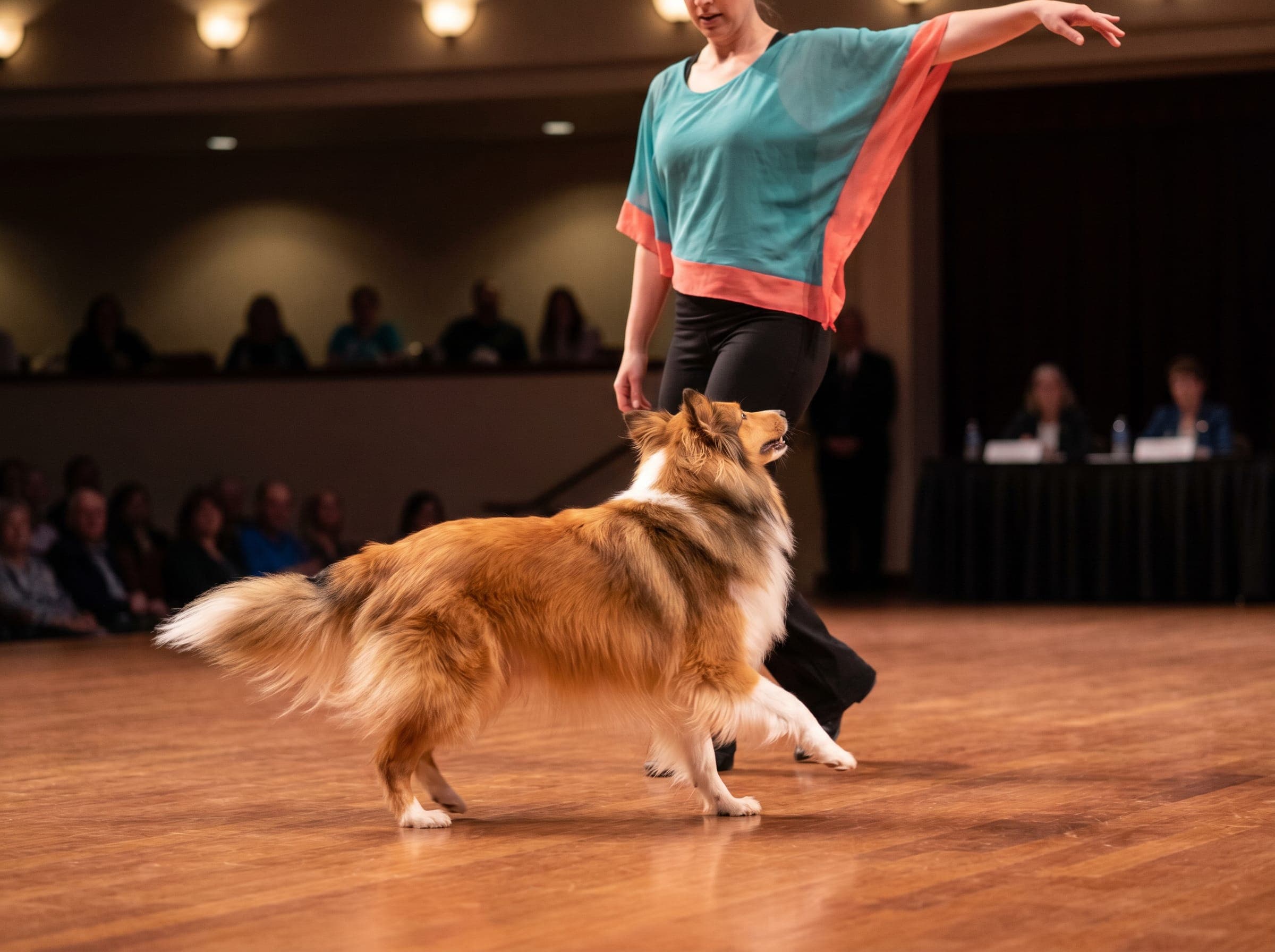
Dog dancing — choreographed routines set to music. It looks like showbiz, but underneath it's precision heeling and trick-chaining, exactly the biddable, handler-locked focus a Border Collie is built for.
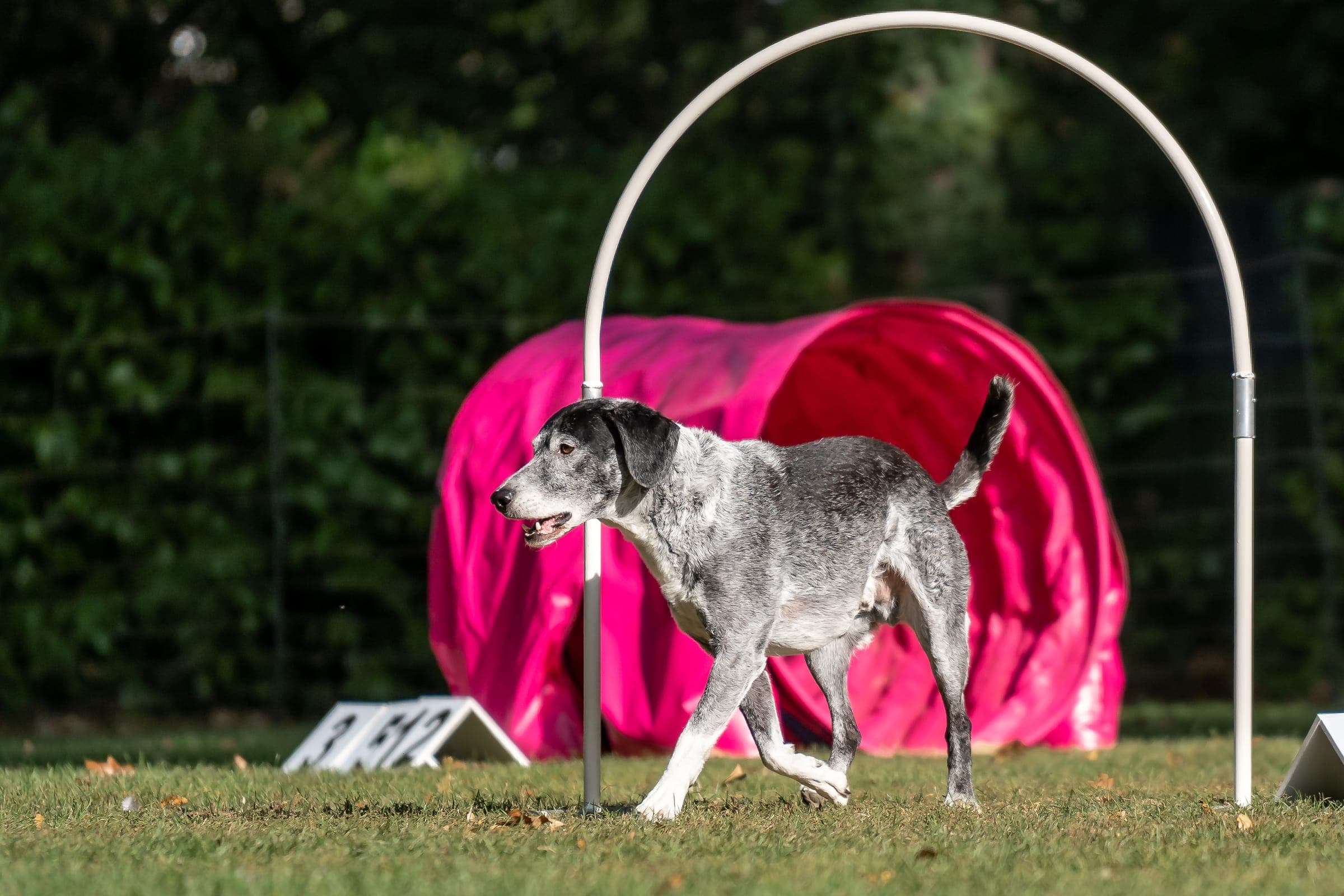
Hoopers
Agility's low-impact cousin: hoops and barrels instead of jumps and tight wraps, so nothing jars the joints. The pick for a Border Collie that's very young, getting older, or coming back from a layup — same brain game, gentler body.
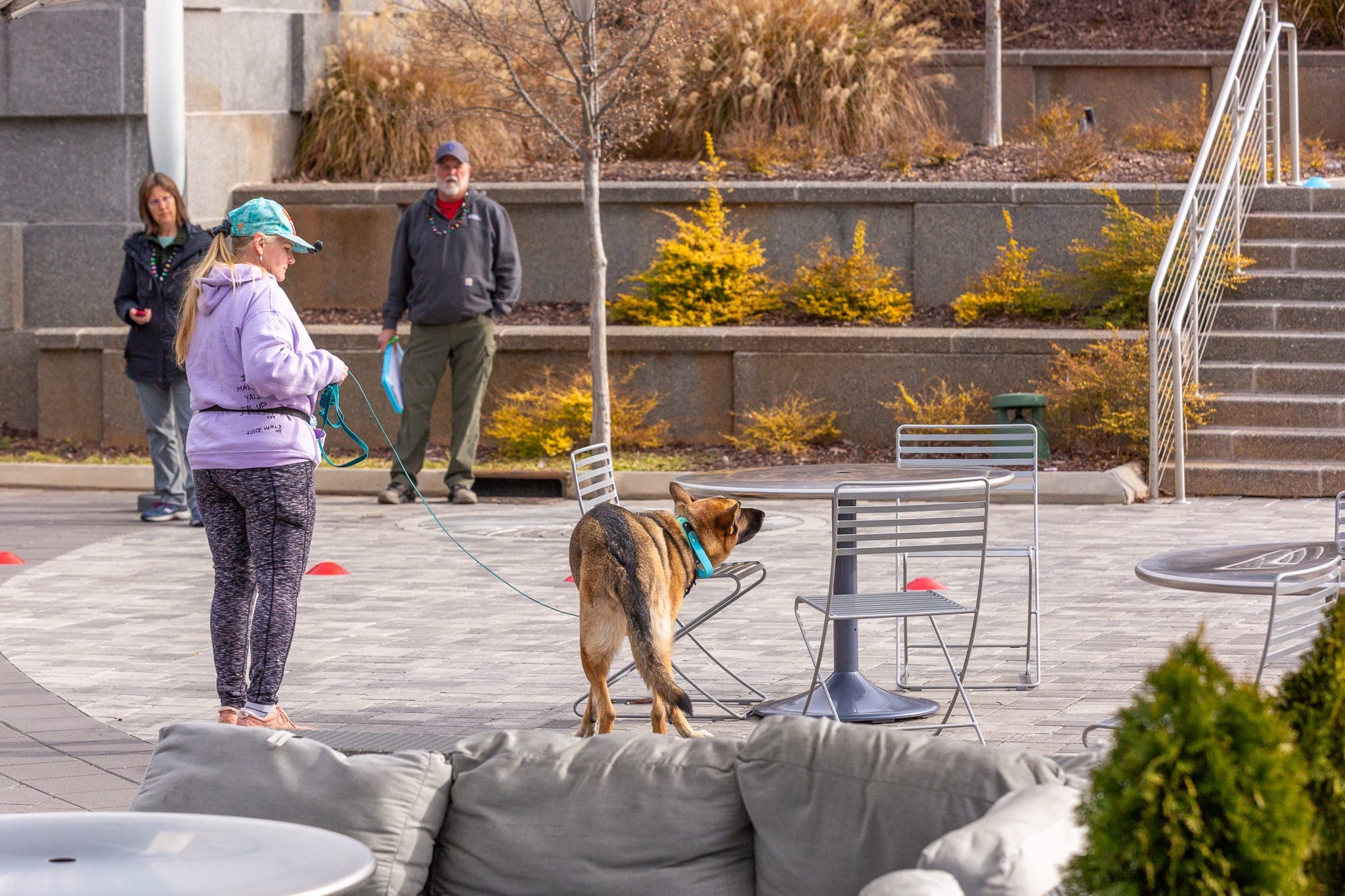
Nose Work
You wouldn't expect a herder to care about scent, but nose work is pure mental work, and a Border Collie will out-think most dogs at it. The best rainy-day burn for when the field isn't an option.
Not sure which one fits your dog?
Take the Matchmaker quiz →Things most people don’t know.
- Every working Border Collie alive traces to one dog: Old Hemp, born 1893 in Northumberland, whose silent, strong-eyed style became the breed template — between 1906 and 1951 every International Sheepdog champion was his direct descendant.
- A Border Collie named Chaser learned the names of 1,022 objects — the largest tested vocabulary of any non-human animal, and the end of the myth that dogs just read your tone.
- Border Collies have dominated agility since the sport debuted in the late 1970s, taking the large majority of Westminster Masters Agility titles.
P!nk — the Border Collie who won the 2020 Westminster Masters Agility Championship on a course-best run of 29.35 seconds.
Sources & verification
The sports we recommend for the Border Collie — and why — are Sporting Hound's own analysis, drawn from breed clubs, sport communities, and titled dogs' records. For the breed's history and standard, we cross-check the references below. One caveat that matters: this describes the breed's typical tendencies, not any individual dog — real suitability comes down to a dog's own health, temperament, and training.
Breed references
Spot something out of date? Tell us and we’ll fix it.