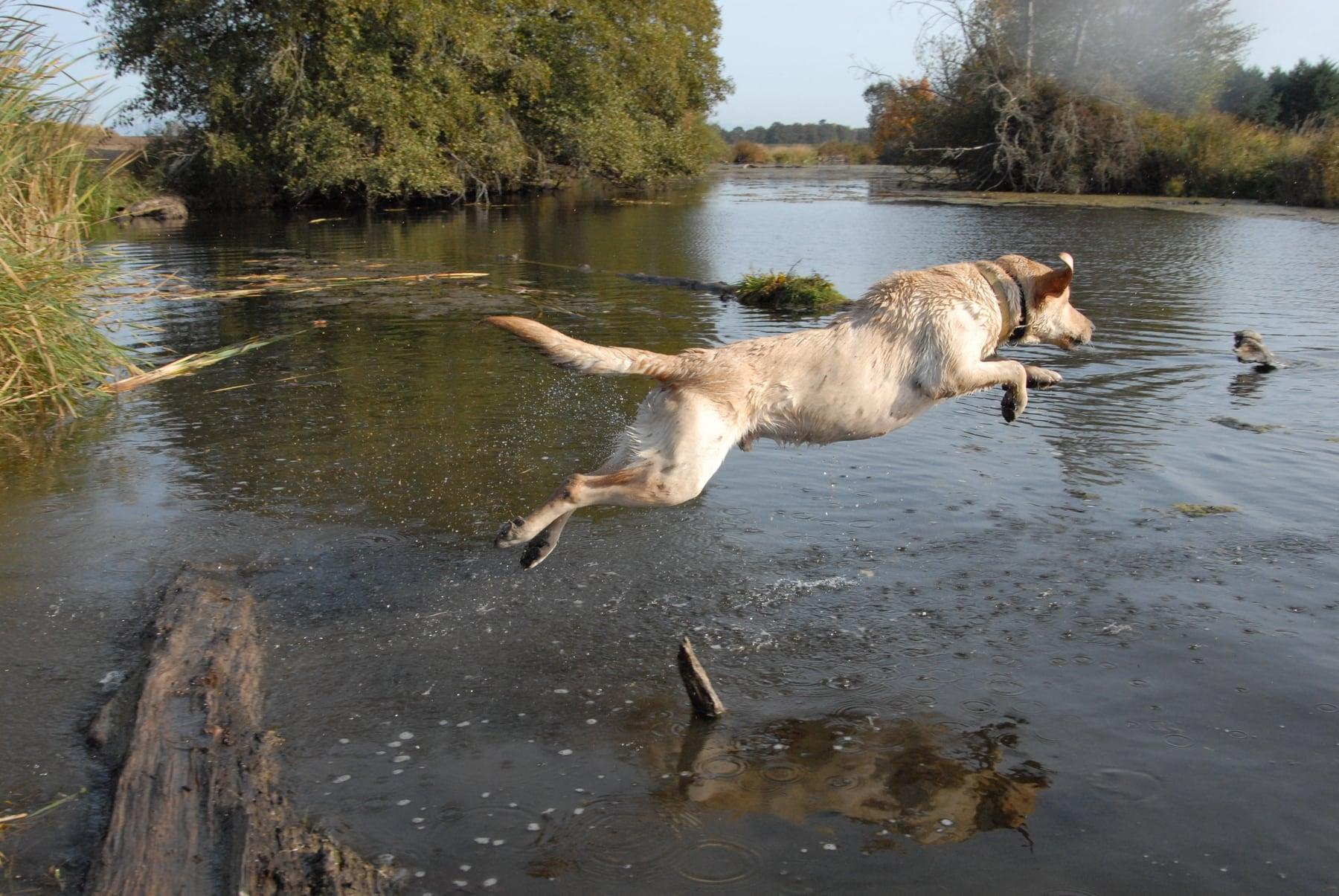
The best dog sports for a Labrador Retriever
America's dog was bred to do one thing beautifully — mark it, find it by nose, and bring it back — and it's happiest with a job in its mouth. These are the sports that fit a Labrador's drive, and where to try each one near you.
Why a Labrador needs a job.
The Labrador Retriever was built to work water and field for hours — marking, swimming, retrieving, and reading a handler the whole time. That's a lot of engine wrapped in the friendliest package in dogs, and it doesn't switch off because you live in a suburb. A Lab without an outlet is the classic 'why is my dog eating the couch' story: bored, under-worked, and full of unspent drive.
The upside is that a Lab wants nothing more than to work with you — food-motivated, water-loving, endlessly willing. The sports below play to exactly that: the retrieve, the swim, the nose, and the partnership. Give a Labrador one and you get the calm, satisfied dog the breed is supposed to be.
At a glance.
- Built for
- Hauling nets, retrieving fish
- Signature sport
- Hunt tests + dock diving
- Secret weapon
- Detection / nose work
Sports that fit a Labrador Retriever.
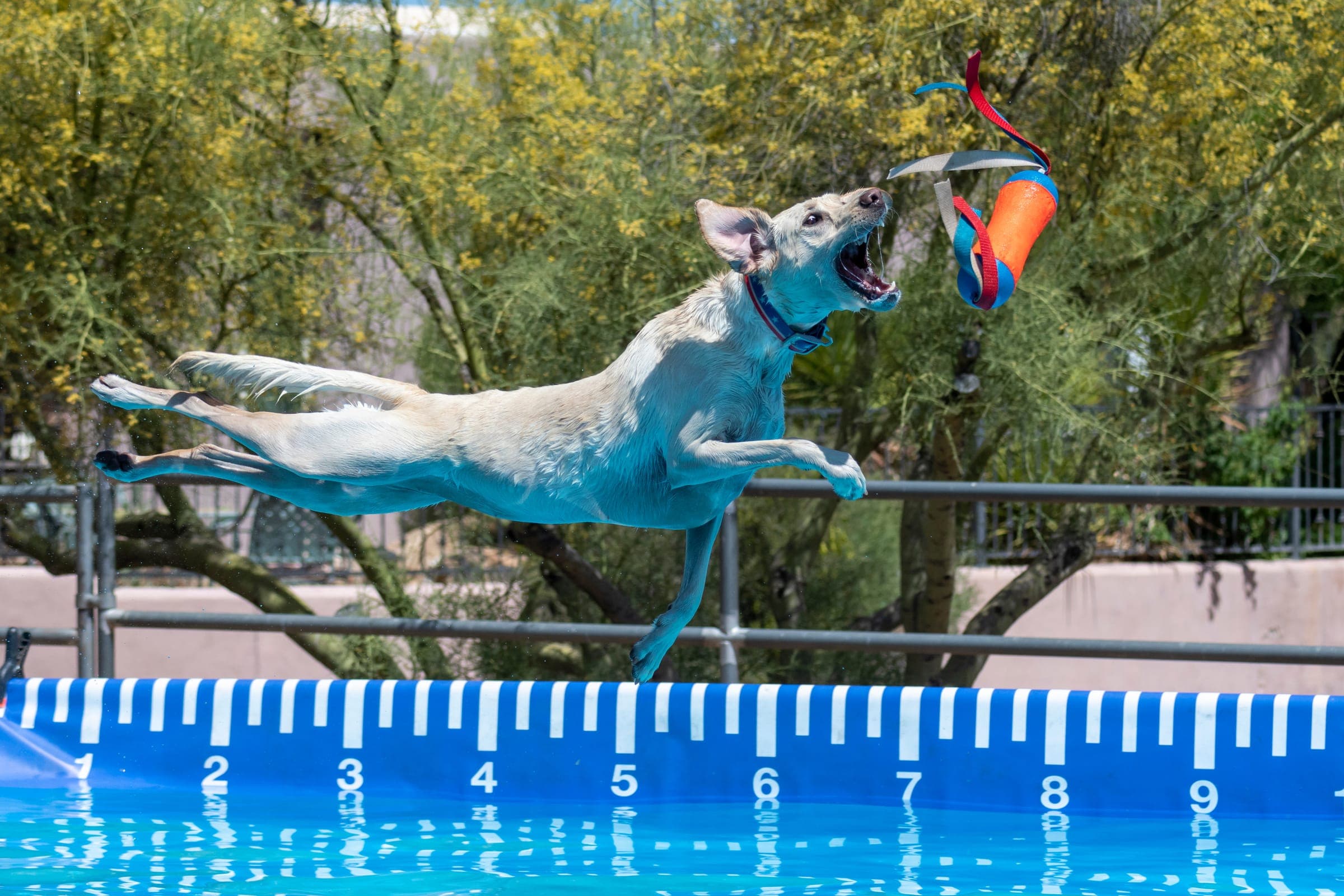
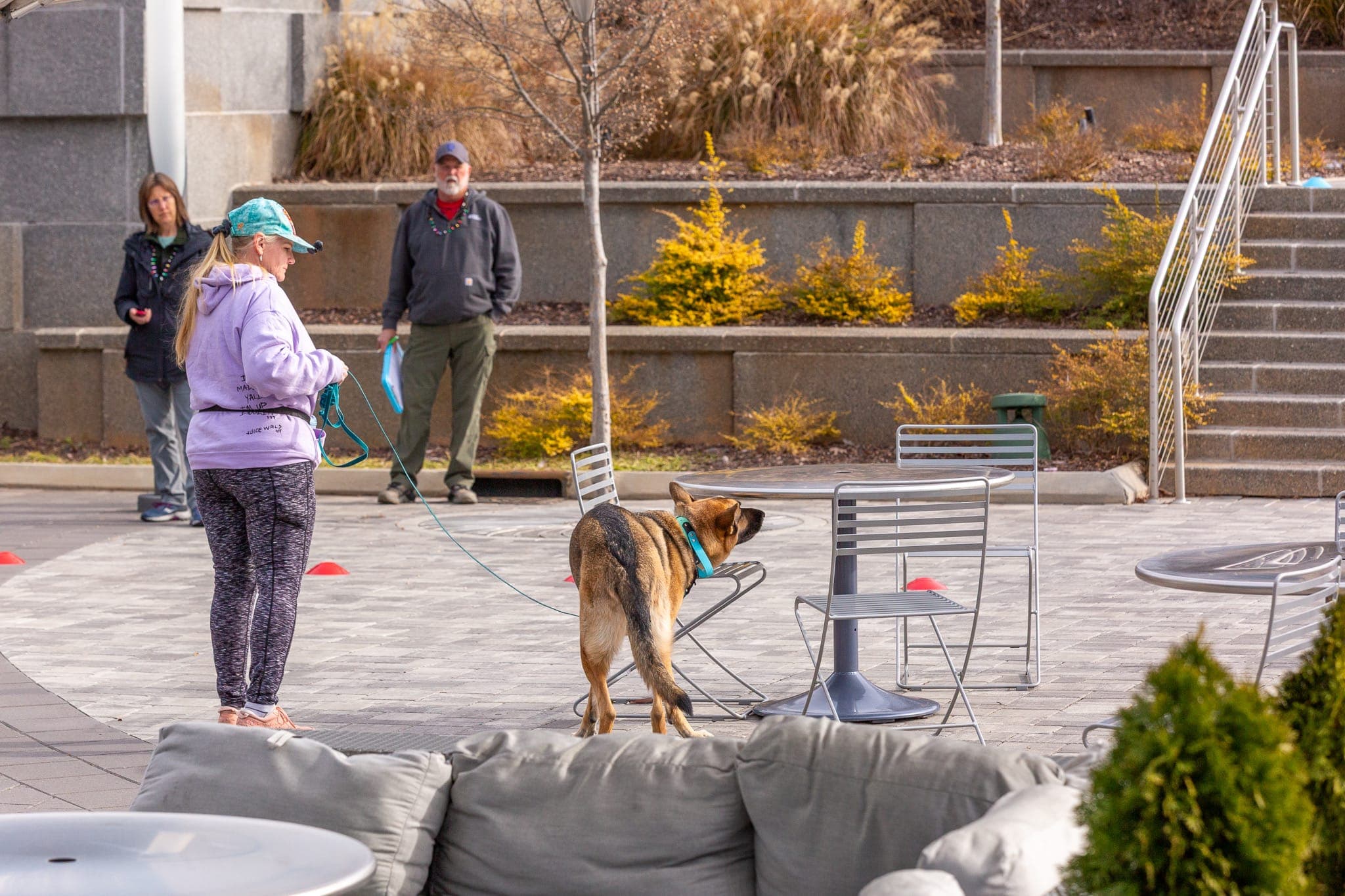
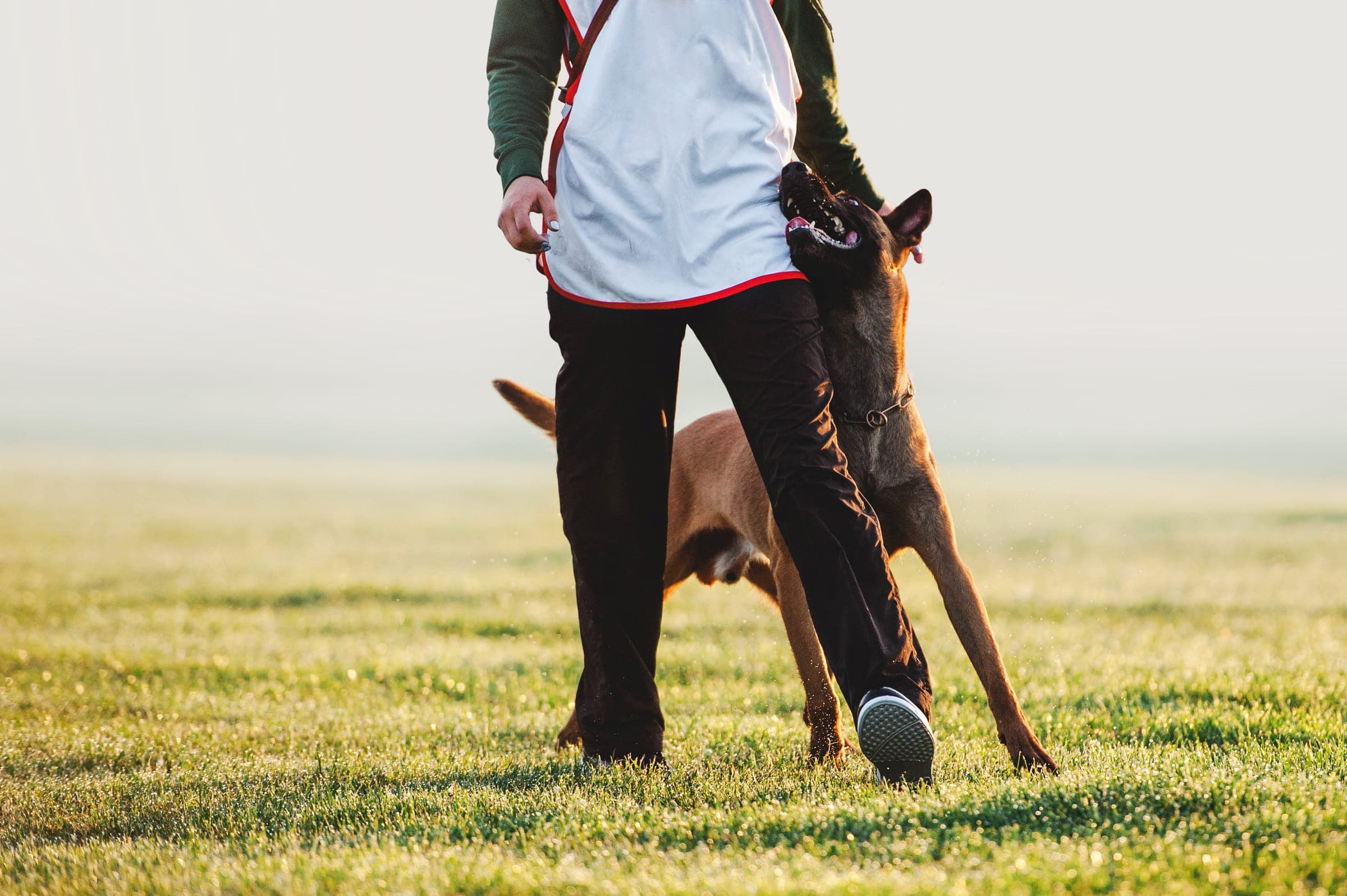
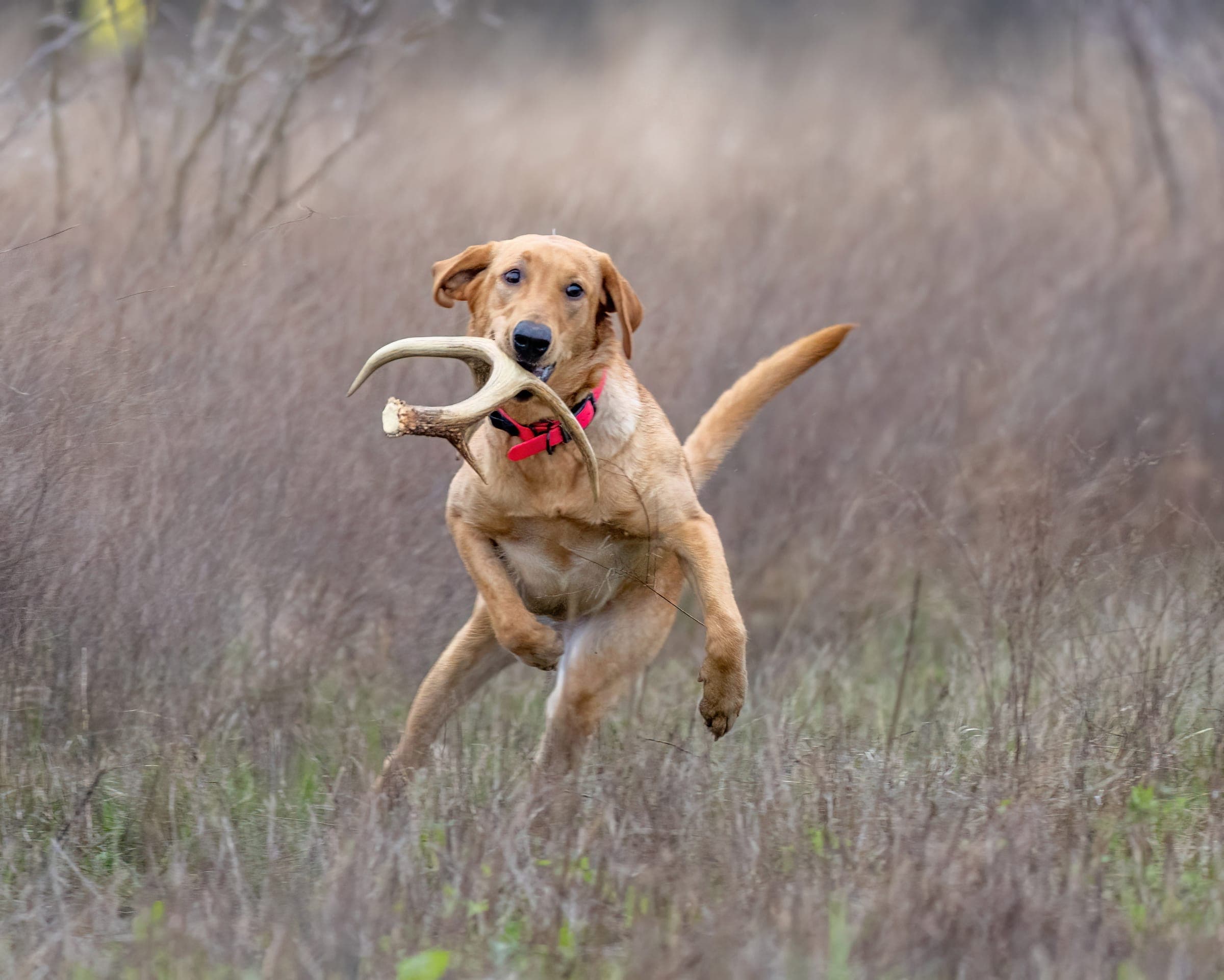
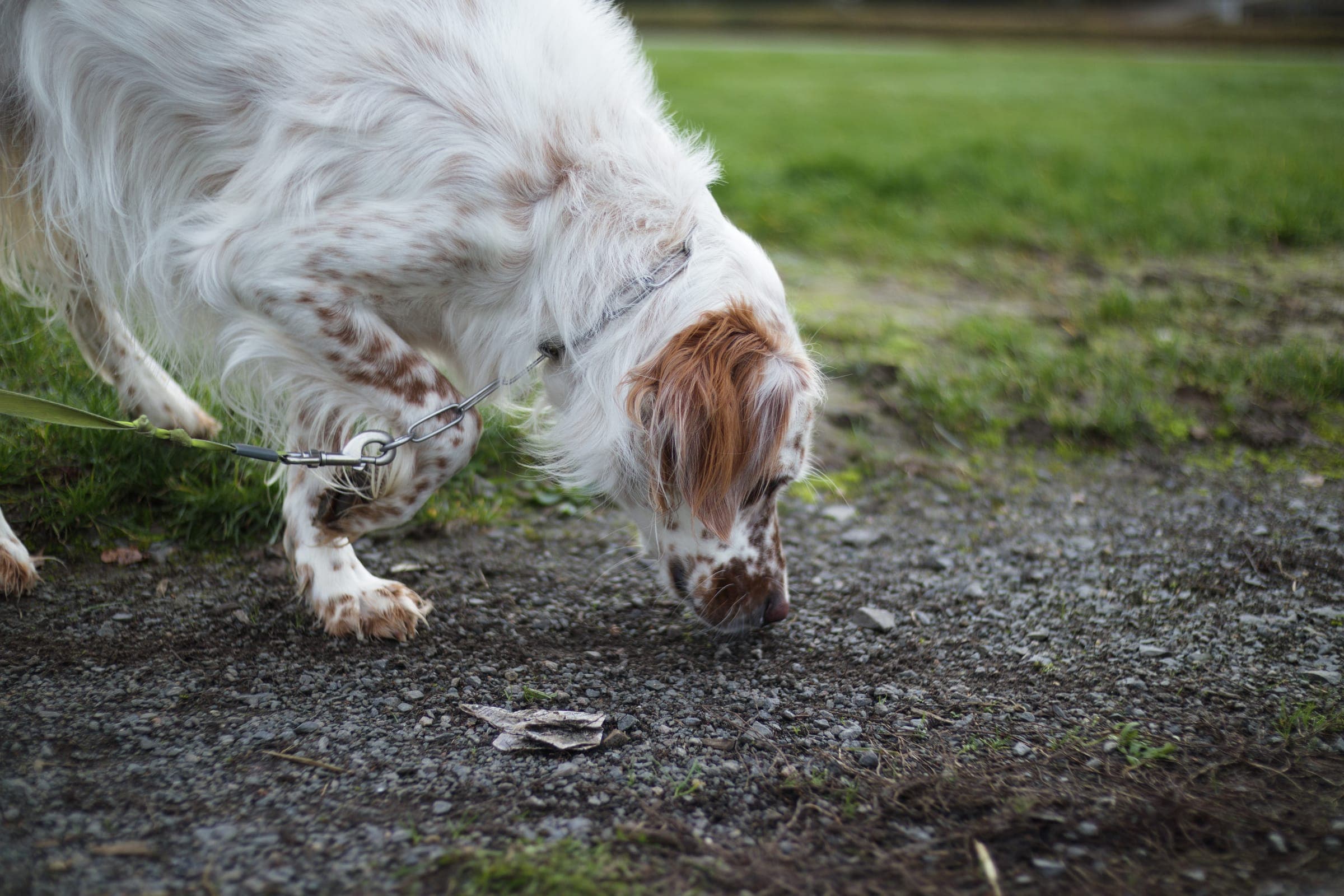
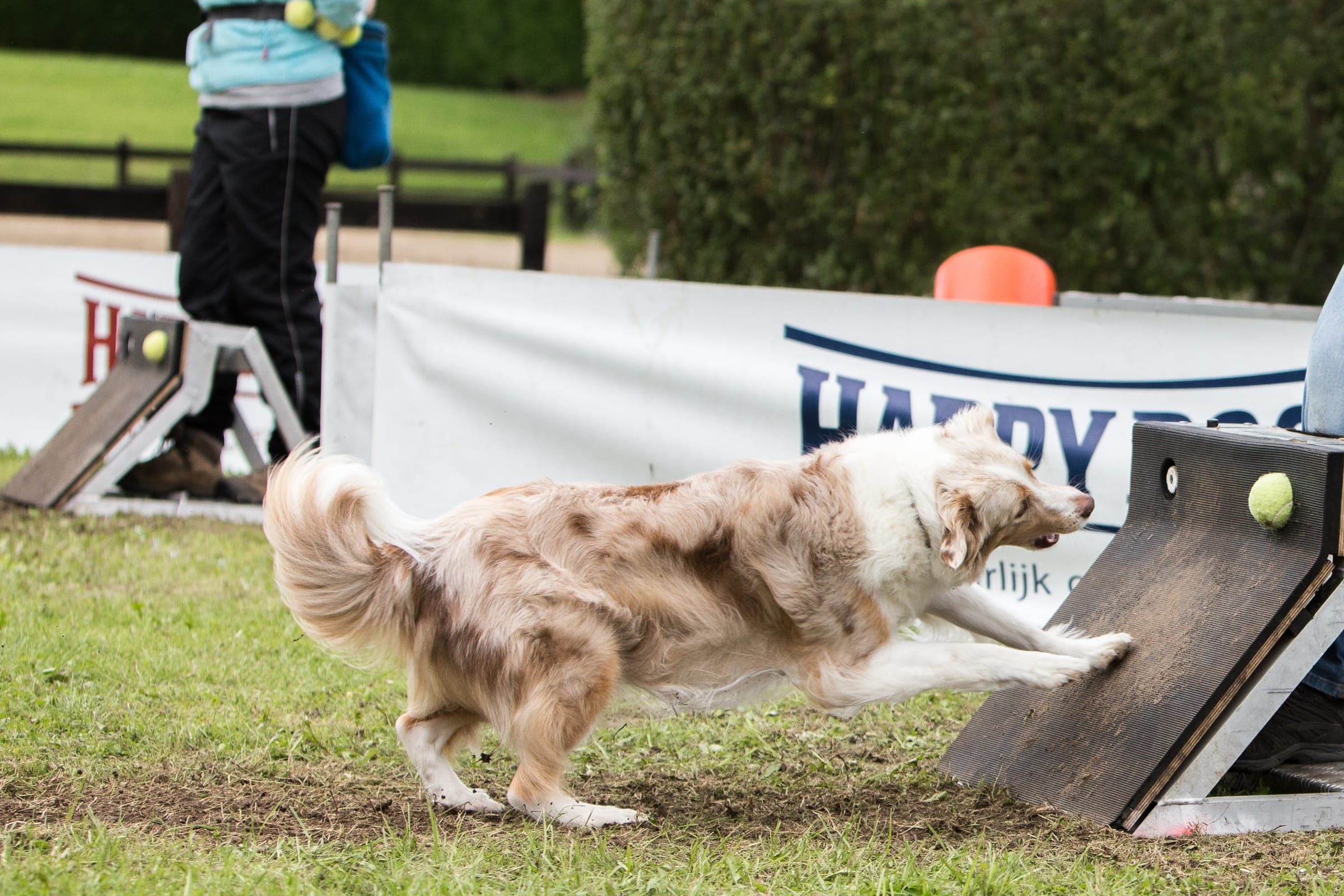
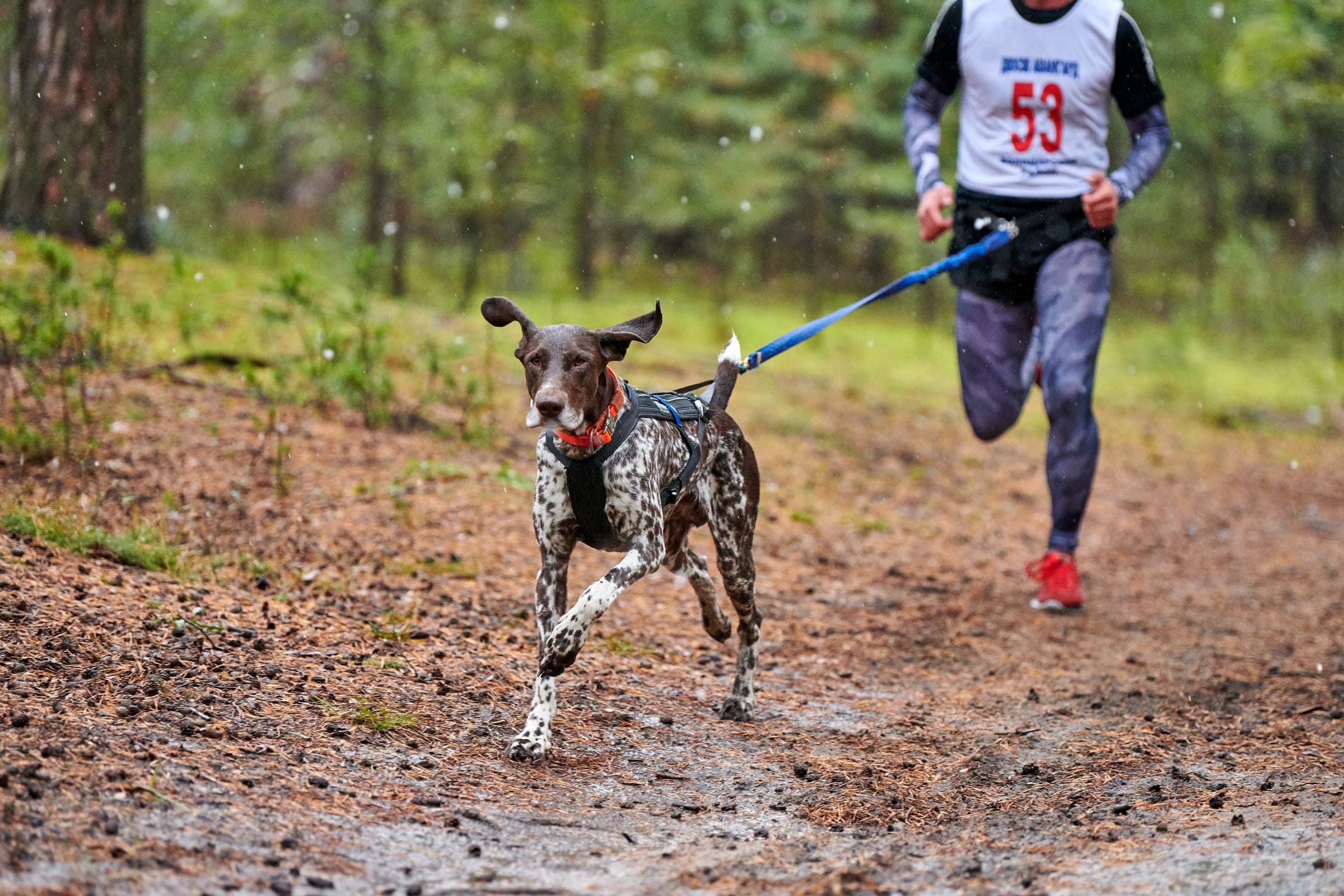
The Lab descends from the St. John's water dog of Newfoundland — not Labrador — a working fisherman's dog that hauled lines and retrieved fish from frigid seas, which is why the breed swims like it's paid to.
Storie
the Labrador who broke the NADD distance dock-jump record with a 30-foot, 7-inch leap.
Spot something outdated?

Too much energy. Too old. Three legs.
That’s how a good dog gets passed over in a shelter. In dog sports, none of it is a dealbreaker. The dog who never stops has more than 20 sports built for that kind of drive. The senior still gets to run: agility has a whole class just for dogs seven and up. The dog who can’t see can search by scent in Nose Work. The three-legged dog competes in Barn Hunt like everyone else. And the mix nobody can quite name? They could be a fit for almost any sport, because nearly all of them welcome mixed breeds. We feature dogs from shelters and rescues who have real sporting potential, each with a page showing the sports that fit them, and why.
Sources & verification
Breed references:
The sports we recommend for the Labrador Retriever — and why — are Sporting Hound's own analysis, drawn from breed clubs, sport communities, and titled dogs' records. For the breed's history and standard, we cross-check the references above. One caveat that matters: this describes the breed's typical tendencies, not any individual dog — real suitability comes down to a dog's own health, temperament, and training.